

What do you think?

The Vampire Chronicles #11
Prince Lestat
Goodreads Choice Award
Winner for Readers' Favorite Horror (2014)A stunning departure, a surprising and compelling return…From Anne Rice, perennial best seller, single-handed reinventor of the vampire cosmology-a new, exhilarating novel, a deepening of her vampire mythology, and a chillingly hypnotic mystery-thriller.
"What can we do but reach for the embrace that must now
contain both heaven and hell: our doom again and again and
again…" -from The Vampire Lestat
Rice once again summons up the irresistible spirit-world of the oldest and most powerful forces of the night, invisible beings unleashed on an unsuspecting world able to take blood from humans, in a long-awaited return to the extraordinary world of the Vampire Chronicles and the uniquely seductive Queen of the Damned("mesmerizing" -SF Chronicle), a long-awaited novel that picks up where The Vampire Lestat ("brilliant…its undead characters are utterly alive" -New York Times) left off more than a quarter of a century ago to create an extraordinary new world of spirits and forces-the characters, legend, and lore of all the Vampire Chronicles.
The novel opens with the vampire world in crisis…vampires have been proliferating out of control; burnings have commenced all over the world, huge massacres similar to those carried out by Akasha in The Queen of the Damned…Old vampires, roused from slumber in the earth are doing the bidding of a Voice commanding that they indiscriminately burn vampire-mavericks in cities from Paris and Mumbai to Hong Kong, Kyoto, and San Francisco.
As the novel moves from present-day New York and the West Coast to ancient Egypt, fourth century Carthage, 14th-century Rome, the Venice of the Renaissance, the worlds and beings of all the Vampire Chronicles-Louis de Pointe du Lac; the eternally young Armand, whose face is that of a Boticelli angel; Mekare and Maharet, Pandora and Flavius; David Talbot, vampire and ultimate fixer from the secret Talamasca; and Marius, the true Child of the Millennia; along with all the other new seductive, supernatural creatures-come together in this large, luxuriant, fiercely ambitious novel to ultimately rise up and seek out who-or what-the Voice is, and to discover the secret of what it desires and why…
And, at the book's center, the seemingly absent, curiously missing hero-wanderer, the dazzling, dangerous rebel-outlaw-the great hope of the Undead, the dazzling Prince Lestat…
From the Hardcover edition.
"What can we do but reach for the embrace that must now
contain both heaven and hell: our doom again and again and
again…" -from The Vampire Lestat
Rice once again summons up the irresistible spirit-world of the oldest and most powerful forces of the night, invisible beings unleashed on an unsuspecting world able to take blood from humans, in a long-awaited return to the extraordinary world of the Vampire Chronicles and the uniquely seductive Queen of the Damned("mesmerizing" -SF Chronicle), a long-awaited novel that picks up where The Vampire Lestat ("brilliant…its undead characters are utterly alive" -New York Times) left off more than a quarter of a century ago to create an extraordinary new world of spirits and forces-the characters, legend, and lore of all the Vampire Chronicles.
The novel opens with the vampire world in crisis…vampires have been proliferating out of control; burnings have commenced all over the world, huge massacres similar to those carried out by Akasha in The Queen of the Damned…Old vampires, roused from slumber in the earth are doing the bidding of a Voice commanding that they indiscriminately burn vampire-mavericks in cities from Paris and Mumbai to Hong Kong, Kyoto, and San Francisco.
As the novel moves from present-day New York and the West Coast to ancient Egypt, fourth century Carthage, 14th-century Rome, the Venice of the Renaissance, the worlds and beings of all the Vampire Chronicles-Louis de Pointe du Lac; the eternally young Armand, whose face is that of a Boticelli angel; Mekare and Maharet, Pandora and Flavius; David Talbot, vampire and ultimate fixer from the secret Talamasca; and Marius, the true Child of the Millennia; along with all the other new seductive, supernatural creatures-come together in this large, luxuriant, fiercely ambitious novel to ultimately rise up and seek out who-or what-the Voice is, and to discover the secret of what it desires and why…
And, at the book's center, the seemingly absent, curiously missing hero-wanderer, the dazzling, dangerous rebel-outlaw-the great hope of the Undead, the dazzling Prince Lestat…
From the Hardcover edition.
19 pages, Audio CD
First published October 28, 2014
About the author
Anne Rice
407 books28.5k followersAnne Rice (born Howard Allen Frances O'Brien) was a best-selling American author of gothic, supernatural, historical, erotica, and later religious themed books. Best known for The Vampire Chronicles, her prevailing thematic focus is on love, death, immortality, existentialism, and the human condition. She was married to poet Stan Rice for 41 years until his death in 2002. Her books have sold nearly 100 million copies, making her one of the most widely read authors in modern history.
Anne Rice passed on December 11, 2021 due to complications from a stroke. She was eighty years old at the time of her death.
She uses the pseudonym Anne Rampling for adult-themed fiction (i.e., erotica) and A.N. Roquelaure for fiction featuring sexually explicit sado-masochism.
Anne Rice passed on December 11, 2021 due to complications from a stroke. She was eighty years old at the time of her death.
She uses the pseudonym Anne Rampling for adult-themed fiction (i.e., erotica) and A.N. Roquelaure for fiction featuring sexually explicit sado-masochism.
Ratings & Reviews
Friends & Following
Create a free account to discover what your friends think of this book!
Community Reviews
Displaying 1 - 30 of 2,765 reviews

October 25, 2014
Where I got the book: my local library. ***SPOILER WARNING: THERE WILL BE COPIOUS SPOILERS. DON’T READ THIS REVIEW IF YOU DON’T WANT TO KNOW WHAT HAPPENS IN THE BOOK*** Also, longest review ever.
Prologue: why I even read the damn thing in the first place
Somewhere around my early thirties, I became a huge Anne Rice fan. I think it started with the Interview with the Vampire movie—my attention having been riveted by Brad Pitt in a long black wig, I then got intrigued by the idea of vampires with souls and relationships, and read the book in pretty much one sitting. And dived into my one and only flirtation with pure fandom—the internet had just begun, and I was able to find out lots about Anne Rice, who seemed interesting. I read the biography! I even ventured into Vampire Chronicles chat rooms, but soon backed out again when I encountered people who thought they were Lestat & Co. OK, I wasn’t THAT into it.
I loved The Vampire Lestat. I thought The Queen of the Damned was pretty overblown and all the Lestat-as-rock-star stuff kind of made me squirm, but I was reconciled to the series by The Tale of the Body Thief. I read a bunch of the other books, possibly more than once—these were years when books in English weren’t readily available to me so I re-read a lot. I tended to find that they started well, but things got a bit silly toward the end—like The Witching Hour, which is three-quarters awesomeness about ghosts in New Orleans and one-quarter awfulness about titty-sucking aliens. But hey, you know how it is when you decide you like an author—you try to get your head around their world. (Incidentally, the only two books of Rice’s that to me have any lasting value are her standalones, Cry to Heaven and The Feast of All Saints—nobody ever mentions those.)
The silliness started to lose me, and I’m not sure I read all the vampire books. I listened to the audiobook of Blood Canticle but seem to remember finding it pretty dire. Eh, my fandom was over. It happens. You grow, you move on.
Anne Rice came back on my radar a couple of years ago, and in fact I was quite excited to Like her Facebook page. But the excitement soon palled, and I Unliked after exposure to her campaign against negative reviews. And yet (or because of) I felt drawn to read her latest book. After all, in the ten years or so since Blood Canticle, she’d renounced her vampires and embraced her lapsed Catholicism in a blaze of publicity, written some religious books, and then equally publicly renounced her Catholicism and re-embraced her bloodsuckers. Her online rants suggested that she was becoming, er, an ever more colorful character with age. And once noted, there’s something strangely irresistible about an overhyped, overmarketed fan-fodder book—it just cries out to be evaluated.
The plot, if applicable
Prince Lestat proceeds along these lines: Lestat and various other vampires are receiving telepathic messages from a mysterious Voice, which gradually solidify into a Kill! Kill! command seemingly directed against the seething mass of unruly young vampires (the redshirts of the Chronicles) who are getting worried about the body count and begging their elders to do something. The Elders dress up in nice clothes, think about how pretty they are and how pretty everyone else is, hang out in exotic locations and talk endlessly about the Voice and the meaning of life in general. Eventually the Voice picks one of them to be the bad guy/recipient of the Sacred Core of All Vampireness, and he immediately starts sneering and delivering bad guy lines in a stage-villain manner and tries to get control of the only two scientist vampires in history by kidnapping their favorite human, who happens to be Lestat’s son (the consequence of possibly the most ridiculous laboratory-sex scene EVAH—in a mock bedroom with “blue toile wallpaper and bedding, and frilly shaded lamps”—that even Lestat finds funny). Lestat overpowers the bad guy with ludicrous ease and then assumes power over all vampirekind, whereupon they decide that they’re no longer evil and will love each other for eternity.
The Ridiculous
There’s so much ridiculous in this novel that it doesn’t even compute. For one thing, its sense of its own importance is staggering. There’s a page of dedications, a page of quotes (FROM ANNE RICE’S BOOKS!), a four-page Contents section, a story-so-far announced as Blood Genesis, and a Blood Argot section of definitions (four pages) for those who can’t work out what Mind Gift and Fire Gift might mean. And that’s before we even get to the novel itself. After the novel, there are two Appendices, a list of vampires and a list of the books with mini-synopses. The text uses many Capitals to highlight Terms of Importance, so that you don’t miss Them. The text references the books of the Vampire Chronicles on several occasions, and all the characters think they’re super-awesome, for example:
And the stories in truth amazed her, not only by their complexity and depth, but by the peculiar dark turns they took, and the chronology they laid out for the main character's moral development.
Their "deep current of psychological observation" and "profound romanticism and melancholy."
We have brand-name dropping and place-name dropping aplenty, to remind us ordinary mortals that there are some authors among us who have been places. Anne seems to like Bon Jovi and iPhones. All vampires have iPhones, preferably with a Bose dock to amplify the classical music or the broadcasts of kiddie vampire Benji, through whom they can communicate at a pitch conveniently too low for humans to hear. All old vampires have superpowers. And iPhones.
We are introduced to a character called Rose, who at one point ends up in a Christian institution for naughty girls that HAS to be Rice’s payback for criticism of her religious books. She also gets to have the shortest and most perfunctory sex scene I’ve come across:
They had taken it slowly, kissing, tumbling under the white sheets, and then it had been rough, almost divinely rough, and then it was over.
No seriously, that was it. Rice spends a little longer on vampire sex, i.e. sucking each other’s blood (averaging two short paragraphs per suck), but the erotic build-up and lingering dark sexual tension of the earlier books is completely gone. Her vampires admire and love each other like a bunch of smartly-dressed seniors at a dinner party in Hollywood, but that’s as far as it usually goes.
The Middle of the Book: ancient vampires who like scented candles
Then we move on to the Ancient Vampire Stories—each one gets a chapter. Cyril, Antoine, Marius, Gregory, Everard de Landen, Gremt Stryker Knollys (I suppose long names are one way of padding your word count), Rhoshamandes and Benedict, Fareed—don’t try to remember them, they’re all gorgeous, powerful, anguished and whatever. I seriously have almost no memory of this part of the book because it was basically repetitive—the Voice, Akasha, Maharet, the Voice, iPhone, Akasha, Armand, classical music is so great, Maharet, let’s mention a few exotic destinations, Akasha, kissy kissy I love Lestat. As the novel crawls slowly onward we learn that even nasty ugly old vampires like Magnus can redo themselves into beautiful ghosts—it’s as if Rice has decided that nobody, absolutely nobody, is going to be evil or ugly in her books. Once again I feel like I’ve wandered into a sort of supernatural Hollywood, where everyone looks good and is so old that sin isn’t interesting any more, so now all they’re bothered about is being nice to everyone so they’ll get a good obituary.
This impression is reinforced by the sheer mundanity of Rice’s portrayal of eternity:
Everard liked the shops and wished more were open after dark. He often sent his mortal servants down to purchase stationery for him, on which to write his occasional poems, which he then framed and hung on his walls. And he purchased scented candles and bright silk neckties.
Seriously? If I had a perfect ageless vampire body I’d be snowboarding on Everest or swimming with the dolphins, not pottering around at home with scented candles.
There are unintentionally hilarious moments, mostly due to Rice’s apparent dislike of research. She doesn’t know the Italian currency is the Euro, that the Palace of the Popes in Avignon is a building not a ruin, or that the South of France isn’t chilly in September. But those are little blips of happiness in the midst of a desert of dreck, sprinkled with laugh-out-loud writing:
Ah, but what is Heaven but a silent and indifferent void through which the shattering noise of explosions echo forever or are heard not at all?
...we are the sum of all we've seen and all we've appreciated and understood. You were the sum of sunshine on marble floors filled with pictures of divine beings who laughed and loved and drank the fruit of the vine as surely as you were the sum of the poets and historians and philosophers you'd read. You were the sum and the fount of what you'd cherished and chosen to abide and all you had loved.
And to think--on rising we would go into the Kingdom of Greater Shocks...All my struggles, my triumphs, my losses, were being eclipsed by what was being revealed now. Had ever ennui and despair been banished by such revelations, such precious gifts of truth?
His Blood Wife, Zenobia, was a delicately built female with voluminous black hair and exquisite features; she brought into the house a universe of new learning, having been brought up in the palace of the Emperor of the East before being brought into the Blood by a wicked female named Eudoxia who had made war on Marius and ultimately lost.
Chapter 22, which should be a lesson to us all
And then, on page 340, something finally happens that hasn’t happened before, and we lurch—at long last!—into a hundred pages of finale. Some blood and gore, a kidnapping, much yapping by the aged vampires. Lestat is called in to save the day! And I’m so happy, because now we get a chapter that should be read out loud in front of a huge audience of writers well supplied with buckets and tissues, five pages of purple posturing and Lestat-love that must surely be the nadir of Rice’s career. I quote extensively:
Gregory had to admire this enigmatic Lestat. Never mind that Gregory was in love with him. Who could not admire a creature with such perfect poise, such perfect pitch for what to say to each and every blood drinker who approached him...
“…The Voice is inheriting the wind, and we have to hold this tent together against it!" Gregory was tempted to applaud. It was fireworks in the front hallway. Armand had agreed at once as though it were the most natural thing in the world to do what Lestat wanted. But wasn't it what they all wanted?
And what a dashing and beautiful figure Lestat was. The James Bond of the Vampires indeed. How had he managed under such pressure to show up...in a fresh and show-stopping ensemble of Ralph Lauren wool plaids and pastel linen and silk, with brown-and-white wing-tip shoes...
...and his full shining mane of blond hair--just possibly the most fabled head of hair in the vampire world--tied at the back of his neck in black silk beneath a diamond brooch that might have ransomed a king but likely not his son, Viktor?
Oh, this was the blood drinker of *now*, the vampire of *now*, for certain. Who else could better grasp that *now* was the Golden Time for all the Undead, transcending all ages past, and who else better to take the helm at this perfect moment?
Deep in my mind a thought did flash for a moment that one who commands must of necessity be wildly imperfect, boldly pragmatic, capable of compromises impossible for the truly wise and the truly good.
I was pretty much in hysterics by the end of this chapter; fortunately Rice then proceeded to get on with the plot (see above), of which there wasn’t much left but she spun it out over a hundred pages anyway.
The Resolution: ashes in my mouth
If Rice had stopped at the ridiculous, I might not have minded so much and just ended here, leaving her babbling in the corner like a mildly demented aunt. But her attempts to rehabilitate her vampires into creatures of light and love creeps me out. Back in the old days, we knew they were evil; that was it. They were just there, being evil, a revelation without explanation as I remember her writing, which was a pretty good line. Their transformation was a tragedy, only effected in dire circumstances and often with a struggle.
Now, we have the only two humans in the story—young, healthy and in love—begging to become vampires and remain forever fixed in youth, casting aside any possibility of exploring the lives they were born to have, nixing the idea of having children (OK, apart from the ludicrous tubes and wires thing from early in the book, but they’d have to use a human surrogate, wouldn’t they?)
“‘It is the finest gift,’ I whispered, the tears tinting my vision. ‘It is the gift that we can give, which means life everlasting.’”
The last chapter of the book has Louis, the narrator of Interview With The Vampire (and I seem to remember the vampire that Rice identifies with), quoting himself from that book:
I wanted love and goodness in this which is living death. It was impossible from the beginning, because you cannot have love and goodness when you do what you know to be evil, what you know to be wrong.
But now Louis asks himself:
What if the old sensibilities that had forged him had not been the sacrosanct revelation that he had once assumed? What if it were possible to invest every cell of his being with a gratitude and acceptance of self that could bring not mere contentment but certain joy?…And he wanted this, this future, this time in which ‘Hell would have no dominion’ and in which the Devil’s Road had become the Road of the People of Darkness…
Immediately after which elevated thoughts, Louis kills an evildoer. Yum yum, lovely blood, etc. Because it’s perfectly OK for a vampire to kill someone who’s committed a crime or two and you don’t have to be a murderer or anything like that—early on, Lestat licks his lips over the petty criminal he’s just dispatched. Never mind the possibility of redemption—that people who commit crimes often turn their lives around later. Nope, if you’re not a pure perfect saint, you’re vampire meat; some undead person gets to decide your fate. It’s a good job there are no vampires in real life—99 percent of the population would be at risk.
And now that they’ve decided they’re not going to be damned any more but good citizens who sit around dressed perfectly lighting scented candles and writing little poems, they’re still going to kill people because that’s basically all Rice’s vampires do: kill people, make other vampires, be poetic and artistic and look nice. Rice has stripped her series of everything that made it interesting in the first place, presumably because the whole damnation thing was part of the Catholicism she’d lapsed from when she started the series and now, I suppose, rejects utterly. I keep coming back to the Hollywood analogy because that’s how it seems to me—she’s turned her dark and gothic world into something resembling a Beverly Hills retirement home where absolutely everyone’s had tons of plastic surgery. I predict in the next installment (because, oh God, there’s going to be one) there’ll be more pseudo-science, with stuff injected into the vampires so they can go out into sunlight and have children and be normal but much better looking.
But I won’t be reading it. There was barely any plot in this book. There was very little in the way of editing—Rice has told her fans that they get a first draft, and if they don’t understand how insulting that is, well, that’s their lookout. So don’t blame her poor editor, if you find out who that is—and I noted that among all that extraneous material there were no acknowledgements of anyone else’s role in the book. When someone sells books like Rice does, as the New York Times found out, publishing companies tend to allow their egos to swell to the size of Scotland because it’s all about the bottom line:
Writers like Ms. Rice, who produce many books and consistently bring in a great deal of money for their publishers, are often given far wider editorial latitude than other authors. Ms. Rice has been a best seller for Knopf since 1976, when it published Interview With the Vampire.
Later Rice books have not done as well as Interview, but they still sell about a half-million copies apiece in hardcover, said Paul Bogaards, a Knopf spokesman. He said that Blood Canticle had sold about 375,000 hardcover copies and that Ms. Rice always “has a built-in audience waiting for her next novel.”
An executive at a rival publishing house, who spoke on the condition of anonymity, said publishers often took a hands-off editorial approach with stars like Ms. Rice and Stephen King, another prolific, best-selling author, particularly as their careers matured. “Ultimately it's the author's book,” the executive said. “With an author of a certain stature, they're the artist; we're the amanuensis.”
So there you go, Anne Rice fans: neither she nor the publisher really gives a damn about you, for all her People of the Page schtick. It was an interesting exercise to read this novel and think about my own history with one author, but I’m so happy to be done.
Prologue: why I even read the damn thing in the first place
Somewhere around my early thirties, I became a huge Anne Rice fan. I think it started with the Interview with the Vampire movie—my attention having been riveted by Brad Pitt in a long black wig, I then got intrigued by the idea of vampires with souls and relationships, and read the book in pretty much one sitting. And dived into my one and only flirtation with pure fandom—the internet had just begun, and I was able to find out lots about Anne Rice, who seemed interesting. I read the biography! I even ventured into Vampire Chronicles chat rooms, but soon backed out again when I encountered people who thought they were Lestat & Co. OK, I wasn’t THAT into it.
I loved The Vampire Lestat. I thought The Queen of the Damned was pretty overblown and all the Lestat-as-rock-star stuff kind of made me squirm, but I was reconciled to the series by The Tale of the Body Thief. I read a bunch of the other books, possibly more than once—these were years when books in English weren’t readily available to me so I re-read a lot. I tended to find that they started well, but things got a bit silly toward the end—like The Witching Hour, which is three-quarters awesomeness about ghosts in New Orleans and one-quarter awfulness about titty-sucking aliens. But hey, you know how it is when you decide you like an author—you try to get your head around their world. (Incidentally, the only two books of Rice’s that to me have any lasting value are her standalones, Cry to Heaven and The Feast of All Saints—nobody ever mentions those.)
The silliness started to lose me, and I’m not sure I read all the vampire books. I listened to the audiobook of Blood Canticle but seem to remember finding it pretty dire. Eh, my fandom was over. It happens. You grow, you move on.
Anne Rice came back on my radar a couple of years ago, and in fact I was quite excited to Like her Facebook page. But the excitement soon palled, and I Unliked after exposure to her campaign against negative reviews. And yet (or because of) I felt drawn to read her latest book. After all, in the ten years or so since Blood Canticle, she’d renounced her vampires and embraced her lapsed Catholicism in a blaze of publicity, written some religious books, and then equally publicly renounced her Catholicism and re-embraced her bloodsuckers. Her online rants suggested that she was becoming, er, an ever more colorful character with age. And once noted, there’s something strangely irresistible about an overhyped, overmarketed fan-fodder book—it just cries out to be evaluated.
The plot, if applicable
Prince Lestat proceeds along these lines: Lestat and various other vampires are receiving telepathic messages from a mysterious Voice, which gradually solidify into a Kill! Kill! command seemingly directed against the seething mass of unruly young vampires (the redshirts of the Chronicles) who are getting worried about the body count and begging their elders to do something. The Elders dress up in nice clothes, think about how pretty they are and how pretty everyone else is, hang out in exotic locations and talk endlessly about the Voice and the meaning of life in general. Eventually the Voice picks one of them to be the bad guy/recipient of the Sacred Core of All Vampireness, and he immediately starts sneering and delivering bad guy lines in a stage-villain manner and tries to get control of the only two scientist vampires in history by kidnapping their favorite human, who happens to be Lestat’s son (the consequence of possibly the most ridiculous laboratory-sex scene EVAH—in a mock bedroom with “blue toile wallpaper and bedding, and frilly shaded lamps”—that even Lestat finds funny). Lestat overpowers the bad guy with ludicrous ease and then assumes power over all vampirekind, whereupon they decide that they’re no longer evil and will love each other for eternity.
The Ridiculous
There’s so much ridiculous in this novel that it doesn’t even compute. For one thing, its sense of its own importance is staggering. There’s a page of dedications, a page of quotes (FROM ANNE RICE’S BOOKS!), a four-page Contents section, a story-so-far announced as Blood Genesis, and a Blood Argot section of definitions (four pages) for those who can’t work out what Mind Gift and Fire Gift might mean. And that’s before we even get to the novel itself. After the novel, there are two Appendices, a list of vampires and a list of the books with mini-synopses. The text uses many Capitals to highlight Terms of Importance, so that you don’t miss Them. The text references the books of the Vampire Chronicles on several occasions, and all the characters think they’re super-awesome, for example:
And the stories in truth amazed her, not only by their complexity and depth, but by the peculiar dark turns they took, and the chronology they laid out for the main character's moral development.
Their "deep current of psychological observation" and "profound romanticism and melancholy."
We have brand-name dropping and place-name dropping aplenty, to remind us ordinary mortals that there are some authors among us who have been places. Anne seems to like Bon Jovi and iPhones. All vampires have iPhones, preferably with a Bose dock to amplify the classical music or the broadcasts of kiddie vampire Benji, through whom they can communicate at a pitch conveniently too low for humans to hear. All old vampires have superpowers. And iPhones.
We are introduced to a character called Rose, who at one point ends up in a Christian institution for naughty girls that HAS to be Rice’s payback for criticism of her religious books. She also gets to have the shortest and most perfunctory sex scene I’ve come across:
They had taken it slowly, kissing, tumbling under the white sheets, and then it had been rough, almost divinely rough, and then it was over.
No seriously, that was it. Rice spends a little longer on vampire sex, i.e. sucking each other’s blood (averaging two short paragraphs per suck), but the erotic build-up and lingering dark sexual tension of the earlier books is completely gone. Her vampires admire and love each other like a bunch of smartly-dressed seniors at a dinner party in Hollywood, but that’s as far as it usually goes.
The Middle of the Book: ancient vampires who like scented candles
Then we move on to the Ancient Vampire Stories—each one gets a chapter. Cyril, Antoine, Marius, Gregory, Everard de Landen, Gremt Stryker Knollys (I suppose long names are one way of padding your word count), Rhoshamandes and Benedict, Fareed—don’t try to remember them, they’re all gorgeous, powerful, anguished and whatever. I seriously have almost no memory of this part of the book because it was basically repetitive—the Voice, Akasha, Maharet, the Voice, iPhone, Akasha, Armand, classical music is so great, Maharet, let’s mention a few exotic destinations, Akasha, kissy kissy I love Lestat. As the novel crawls slowly onward we learn that even nasty ugly old vampires like Magnus can redo themselves into beautiful ghosts—it’s as if Rice has decided that nobody, absolutely nobody, is going to be evil or ugly in her books. Once again I feel like I’ve wandered into a sort of supernatural Hollywood, where everyone looks good and is so old that sin isn’t interesting any more, so now all they’re bothered about is being nice to everyone so they’ll get a good obituary.
This impression is reinforced by the sheer mundanity of Rice’s portrayal of eternity:
Everard liked the shops and wished more were open after dark. He often sent his mortal servants down to purchase stationery for him, on which to write his occasional poems, which he then framed and hung on his walls. And he purchased scented candles and bright silk neckties.
Seriously? If I had a perfect ageless vampire body I’d be snowboarding on Everest or swimming with the dolphins, not pottering around at home with scented candles.
There are unintentionally hilarious moments, mostly due to Rice’s apparent dislike of research. She doesn’t know the Italian currency is the Euro, that the Palace of the Popes in Avignon is a building not a ruin, or that the South of France isn’t chilly in September. But those are little blips of happiness in the midst of a desert of dreck, sprinkled with laugh-out-loud writing:
Ah, but what is Heaven but a silent and indifferent void through which the shattering noise of explosions echo forever or are heard not at all?
...we are the sum of all we've seen and all we've appreciated and understood. You were the sum of sunshine on marble floors filled with pictures of divine beings who laughed and loved and drank the fruit of the vine as surely as you were the sum of the poets and historians and philosophers you'd read. You were the sum and the fount of what you'd cherished and chosen to abide and all you had loved.
And to think--on rising we would go into the Kingdom of Greater Shocks...All my struggles, my triumphs, my losses, were being eclipsed by what was being revealed now. Had ever ennui and despair been banished by such revelations, such precious gifts of truth?
His Blood Wife, Zenobia, was a delicately built female with voluminous black hair and exquisite features; she brought into the house a universe of new learning, having been brought up in the palace of the Emperor of the East before being brought into the Blood by a wicked female named Eudoxia who had made war on Marius and ultimately lost.
Chapter 22, which should be a lesson to us all
And then, on page 340, something finally happens that hasn’t happened before, and we lurch—at long last!—into a hundred pages of finale. Some blood and gore, a kidnapping, much yapping by the aged vampires. Lestat is called in to save the day! And I’m so happy, because now we get a chapter that should be read out loud in front of a huge audience of writers well supplied with buckets and tissues, five pages of purple posturing and Lestat-love that must surely be the nadir of Rice’s career. I quote extensively:
Gregory had to admire this enigmatic Lestat. Never mind that Gregory was in love with him. Who could not admire a creature with such perfect poise, such perfect pitch for what to say to each and every blood drinker who approached him...
“…The Voice is inheriting the wind, and we have to hold this tent together against it!" Gregory was tempted to applaud. It was fireworks in the front hallway. Armand had agreed at once as though it were the most natural thing in the world to do what Lestat wanted. But wasn't it what they all wanted?
And what a dashing and beautiful figure Lestat was. The James Bond of the Vampires indeed. How had he managed under such pressure to show up...in a fresh and show-stopping ensemble of Ralph Lauren wool plaids and pastel linen and silk, with brown-and-white wing-tip shoes...
...and his full shining mane of blond hair--just possibly the most fabled head of hair in the vampire world--tied at the back of his neck in black silk beneath a diamond brooch that might have ransomed a king but likely not his son, Viktor?
Oh, this was the blood drinker of *now*, the vampire of *now*, for certain. Who else could better grasp that *now* was the Golden Time for all the Undead, transcending all ages past, and who else better to take the helm at this perfect moment?
Deep in my mind a thought did flash for a moment that one who commands must of necessity be wildly imperfect, boldly pragmatic, capable of compromises impossible for the truly wise and the truly good.
I was pretty much in hysterics by the end of this chapter; fortunately Rice then proceeded to get on with the plot (see above), of which there wasn’t much left but she spun it out over a hundred pages anyway.
The Resolution: ashes in my mouth
If Rice had stopped at the ridiculous, I might not have minded so much and just ended here, leaving her babbling in the corner like a mildly demented aunt. But her attempts to rehabilitate her vampires into creatures of light and love creeps me out. Back in the old days, we knew they were evil; that was it. They were just there, being evil, a revelation without explanation as I remember her writing, which was a pretty good line. Their transformation was a tragedy, only effected in dire circumstances and often with a struggle.
Now, we have the only two humans in the story—young, healthy and in love—begging to become vampires and remain forever fixed in youth, casting aside any possibility of exploring the lives they were born to have, nixing the idea of having children (OK, apart from the ludicrous tubes and wires thing from early in the book, but they’d have to use a human surrogate, wouldn’t they?)
“‘It is the finest gift,’ I whispered, the tears tinting my vision. ‘It is the gift that we can give, which means life everlasting.’”
The last chapter of the book has Louis, the narrator of Interview With The Vampire (and I seem to remember the vampire that Rice identifies with), quoting himself from that book:
I wanted love and goodness in this which is living death. It was impossible from the beginning, because you cannot have love and goodness when you do what you know to be evil, what you know to be wrong.
But now Louis asks himself:
What if the old sensibilities that had forged him had not been the sacrosanct revelation that he had once assumed? What if it were possible to invest every cell of his being with a gratitude and acceptance of self that could bring not mere contentment but certain joy?…And he wanted this, this future, this time in which ‘Hell would have no dominion’ and in which the Devil’s Road had become the Road of the People of Darkness…
Immediately after which elevated thoughts, Louis kills an evildoer. Yum yum, lovely blood, etc. Because it’s perfectly OK for a vampire to kill someone who’s committed a crime or two and you don’t have to be a murderer or anything like that—early on, Lestat licks his lips over the petty criminal he’s just dispatched. Never mind the possibility of redemption—that people who commit crimes often turn their lives around later. Nope, if you’re not a pure perfect saint, you’re vampire meat; some undead person gets to decide your fate. It’s a good job there are no vampires in real life—99 percent of the population would be at risk.
And now that they’ve decided they’re not going to be damned any more but good citizens who sit around dressed perfectly lighting scented candles and writing little poems, they’re still going to kill people because that’s basically all Rice’s vampires do: kill people, make other vampires, be poetic and artistic and look nice. Rice has stripped her series of everything that made it interesting in the first place, presumably because the whole damnation thing was part of the Catholicism she’d lapsed from when she started the series and now, I suppose, rejects utterly. I keep coming back to the Hollywood analogy because that’s how it seems to me—she’s turned her dark and gothic world into something resembling a Beverly Hills retirement home where absolutely everyone’s had tons of plastic surgery. I predict in the next installment (because, oh God, there’s going to be one) there’ll be more pseudo-science, with stuff injected into the vampires so they can go out into sunlight and have children and be normal but much better looking.
But I won’t be reading it. There was barely any plot in this book. There was very little in the way of editing—Rice has told her fans that they get a first draft, and if they don’t understand how insulting that is, well, that’s their lookout. So don’t blame her poor editor, if you find out who that is—and I noted that among all that extraneous material there were no acknowledgements of anyone else’s role in the book. When someone sells books like Rice does, as the New York Times found out, publishing companies tend to allow their egos to swell to the size of Scotland because it’s all about the bottom line:
Writers like Ms. Rice, who produce many books and consistently bring in a great deal of money for their publishers, are often given far wider editorial latitude than other authors. Ms. Rice has been a best seller for Knopf since 1976, when it published Interview With the Vampire.
Later Rice books have not done as well as Interview, but they still sell about a half-million copies apiece in hardcover, said Paul Bogaards, a Knopf spokesman. He said that Blood Canticle had sold about 375,000 hardcover copies and that Ms. Rice always “has a built-in audience waiting for her next novel.”
An executive at a rival publishing house, who spoke on the condition of anonymity, said publishers often took a hands-off editorial approach with stars like Ms. Rice and Stephen King, another prolific, best-selling author, particularly as their careers matured. “Ultimately it's the author's book,” the executive said. “With an author of a certain stature, they're the artist; we're the amanuensis.”
So there you go, Anne Rice fans: neither she nor the publisher really gives a damn about you, for all her People of the Page schtick. It was an interesting exercise to read this novel and think about my own history with one author, but I’m so happy to be done.
This entire review has been hidden because of spoilers.

October 22, 2014
”But wasn’t it what they all wanted? And what a dashing and beautiful figure Lestat was. The James Bond of the Vampires indeed.”
Disclosures:
1)I haven't read any of the previous entries in this series, so I went into this book without the *warm and fuzzy* feelings that die-hard fans of these books would do.
2) No, this is not my typical go-to genre of choice, but after all thepublicity stunts hoopla on the internet, I was curious and the library had a kindle copy available.
3) If Goodreads allowed me the option to tick a box and make this review available to my friends only, I would do so. I have no desire for drama fromThe People of the Page devoted fans.
Now, onto the book review and my thoughts on the reading experience. As noted above, I haven't read any of the prior books, but from reading the material at the back of the book, it's kind of a sequel to The Queen of the Damned. I forget if it's 2013 or 2014, but things are all kinds of cray-cray in vampire-land as vampires are getting burned, tortured and who remembers what all else.
"And they think nothing of trying to burn with fire or decapitate any other blood drinker who gets in their way. It is chaos. But who am I to police these preternatural nincompoops?"
Someone needs to save them all from this craziness and burning, let alone that mysterious voice that's stirring up all this stuff - but where is Lestat when they need him?
I think that's the plot, but it's hard to tell from the way the book is structured. After some brief mentions at the beginning about Lestat and this voice, the first 47% of the book (according to my Kindle reading progress), was composed of endless chapters detailing endless back-history of characters that with one or two exceptions had no bearing on the story itself, nor do I recall seeing them again in the story. If they did show up it was merely as window-dressing. One shiny sparkly nattily dressed vampire being the same as the next shiny sparkly nattily dressed vampire (sarcasm font on). Oh, and each of these chapters focusing on a certain character will also get the reader up to speed on who they are in vampire-land and how he/she was made by which ancient vampire so the reader will be all up to speed on exactly how all the important vampires are tied into one big relationship.
But...none of these characters come into play with the story itself, and since there's a list of the main characters from the previous books at the back of this book...this first 47% does absolutely nothing to advance the storyline. I assume fans dying for more of their beloved vampires will love this to bits, but if you're not one of those fans, the first 47% is good for not much more than a sleeping pill. I did manage a long nap last Saturday afternoon, so there ya go (sarcasm font on).
The one character who got the longest info-dumpy chapter in the first half of the book is Rose - sweet, perfect, human Rose, beloved by all the vampire peeps who looked after her. So perfect, so pure, so speshul you could cut her and she would bleed sugar – the most perfect Mary Sue ever to grace a page in a book. Rose's chapter is pretty much cradle to twenty-something and goes on and on and on and on and on and on and on and on and on and on.
*Yawn*
So, now we've got through the first half with not much happening, you'd think things would kick up a few notches at the end, and they kind of do that...
Until the story is stopped for more exposition on other vampire back-history -all those ancient ones who started all this in the first place. Really, a genealogical chart would have been much more helpful and interesting. And on and on and on and on and on and on this goes, until it's time for the big reveal (I won't spoil, but it was all kinds of giggle worthy silliness), but it's such a disappointing reveal filled with nothing but shining, gorgeous, perfectly dressed, wise, good, kind vampires (!!) that all I could think of in comparison is what's known in romance-land as Mary Sue. Can't use that with vampires, so herein I've dubbed them Sucky-Sue (sarcasm font is on peeps).
Again, I suspect all those die-hard fans impatient to see their old friends again will love this, but I ended up lost trying to wrap my head around blood-sucking vampires being wise and kind and good and all that other perfectness. Seriously:
"Seth was a ruthless killer. The ancient ones almost always are. I watched him drain a young male victim, watched the body shrivel as Seth drew quart after quart of the vital fluid. He held the dead boy’s head against his chest. I knew he wanted to crush the skull, and then he did, tearing open the hairy wrapping around it and sucking the blood from the brain."
That’s my kind of perfect hero. Not. Apparently there's at least one more book coming, but I will be passing on that ride. It's time for someone else to take a hit for the team.
Disclosures:
1)I haven't read any of the previous entries in this series, so I went into this book without the *warm and fuzzy* feelings that die-hard fans of these books would do.
2) No, this is not my typical go-to genre of choice, but after all the
3) If Goodreads allowed me the option to tick a box and make this review available to my friends only, I would do so. I have no desire for drama from
Now, onto the book review and my thoughts on the reading experience. As noted above, I haven't read any of the prior books, but from reading the material at the back of the book, it's kind of a sequel to The Queen of the Damned. I forget if it's 2013 or 2014, but things are all kinds of cray-cray in vampire-land as vampires are getting burned, tortured and who remembers what all else.
"And they think nothing of trying to burn with fire or decapitate any other blood drinker who gets in their way. It is chaos. But who am I to police these preternatural nincompoops?"
Someone needs to save them all from this craziness and burning, let alone that mysterious voice that's stirring up all this stuff - but where is Lestat when they need him?
I think that's the plot, but it's hard to tell from the way the book is structured. After some brief mentions at the beginning about Lestat and this voice, the first 47% of the book (according to my Kindle reading progress), was composed of endless chapters detailing endless back-history of characters that with one or two exceptions had no bearing on the story itself, nor do I recall seeing them again in the story. If they did show up it was merely as window-dressing. One shiny sparkly nattily dressed vampire being the same as the next shiny sparkly nattily dressed vampire (sarcasm font on). Oh, and each of these chapters focusing on a certain character will also get the reader up to speed on who they are in vampire-land and how he/she was made by which ancient vampire so the reader will be all up to speed on exactly how all the important vampires are tied into one big relationship.
But...none of these characters come into play with the story itself, and since there's a list of the main characters from the previous books at the back of this book...this first 47% does absolutely nothing to advance the storyline. I assume fans dying for more of their beloved vampires will love this to bits, but if you're not one of those fans, the first 47% is good for not much more than a sleeping pill. I did manage a long nap last Saturday afternoon, so there ya go (sarcasm font on).
The one character who got the longest info-dumpy chapter in the first half of the book is Rose - sweet, perfect, human Rose, beloved by all the vampire peeps who looked after her. So perfect, so pure, so speshul you could cut her and she would bleed sugar – the most perfect Mary Sue ever to grace a page in a book. Rose's chapter is pretty much cradle to twenty-something and goes on and on and on and on and on and on and on and on and on and on.
*Yawn*
So, now we've got through the first half with not much happening, you'd think things would kick up a few notches at the end, and they kind of do that...
Until the story is stopped for more exposition on other vampire back-history -all those ancient ones who started all this in the first place. Really, a genealogical chart would have been much more helpful and interesting. And on and on and on and on and on and on this goes, until it's time for the big reveal (I won't spoil, but it was all kinds of giggle worthy silliness), but it's such a disappointing reveal filled with nothing but shining, gorgeous, perfectly dressed, wise, good, kind vampires (!!) that all I could think of in comparison is what's known in romance-land as Mary Sue. Can't use that with vampires, so herein I've dubbed them Sucky-Sue (sarcasm font is on peeps).
Again, I suspect all those die-hard fans impatient to see their old friends again will love this, but I ended up lost trying to wrap my head around blood-sucking vampires being wise and kind and good and all that other perfectness. Seriously:
"Seth was a ruthless killer. The ancient ones almost always are. I watched him drain a young male victim, watched the body shrivel as Seth drew quart after quart of the vital fluid. He held the dead boy’s head against his chest. I knew he wanted to crush the skull, and then he did, tearing open the hairy wrapping around it and sucking the blood from the brain."
That’s my kind of perfect hero. Not. Apparently there's at least one more book coming, but I will be passing on that ride. It's time for someone else to take a hit for the team.

March 23, 2014
The Vampire Lestat has returned along with the other children of night! I immediately ordered an autographed copy from the New Orleans Garden district the moment I could.

To those who waited and those who are just starting their journey!

I must say I've never taken as long to read a book I was so deeply in love with as this. I knew that with each word I was that much closer to the end.
All that being said, PL is not written in the same format as Anne's previous Vampire Chronicles. This is written as-it's-happening with some flashbacks added sporadically in order to fill in the gaps of time. I wasn't sure how this new style would play out with Lestat, seeing as how used I am to the traditional style but now that I have it was just as fantastic as her earlier works.
It is split into 4 parts, all equally exciting and each dealing with both ancients and newly made vampires.
The Vampire Lestat
The Open Highway through the Savage Garden
Ragnarok in the Capital of the World
The Principality of Darkness
Back in the Savage Garden, we're thrown right into a pit of despair. The younger fledglings fight, creating chaos in the world and discord among the ancients who choose to keep away from such vile issues. As it is, the world is aware of vampires. However, every scientist that tries to bring proof is made a laughingstock. They are systematically discredited by their field, ostracized from normal society, and after being disowned by their family: locked away inside of loony bins. Sadly, most are left there.
A character of notice: The insane pianist Sybelle and the young Benji, the newly made "Little Man" from Armand's latest tale, now hosts a world-wide vampire radio show. Benji is busy urging the elders and ancients to come together and take care of the "tribe", to put a stop to the fighting.... Keep your eye on him.... All the young ones in their reckless and violence made me nervous.

The young vamps are too busy warring and having back alley fights and massacres to care about learning about the need for discretion. Even when they are arrested and thrown in jails, they meet their end at dawn. Here, we are thrown into a world where there are too many vampires being made. Far too many.

The Core which was taken by Mekare is now stretched so thin, throughout all the young ones, the danger is palpable. For if the Core is destroyed so will every vampires. Being completely honest, after the whole Akasha debacle, the twins aren't in erhm.... ok mental places. Yes, that's how I'll put it.
And Marius... oh Marius.
Anne weaves fiction into reality, referencing the modern-day power and reach of the Internet and the horror of instant communication surpassing even the mental messages of the old ones. She mentions the church, cults, history--both reality and vampire, the Great Family and the Talamasca. Instead of being exhausting, her voice proves a fresh take on the old stories we know and love.
Now imagine scientist vampires. Now imagine allll the possibilities these vampires could have. Think of all we could learn about the vampires! Answers as to how they are all connected. Biologically, how they work, how they stay young and unchanged... Think of all the new inventions! Blood Popsicles!
 But sadly, no blood popsicles in this book...
But overall, the strange Voice who haunted Lestat, the twins, the lovely old faces and the new.... it was a wonderful trip I'm glad I was a apart of.
All I can say is thank you, Anne Rice. It was a pleasure visiting these old friends. I hope and pray you'll decide to give us more at some point, but if not, I'm just happy that you gave us another adventure of our Brat Prince.
As for the nay-sayers on my review and all the hate messages I've gotten:


I *may* add a few changes to my review once it's been out longer. Add more details about major plot points so that we can discuss them! But, for now, I think I've said enough.
To those who waited and those who are just starting their journey!
I must say I've never taken as long to read a book I was so deeply in love with as this. I knew that with each word I was that much closer to the end.
All that being said, PL is not written in the same format as Anne's previous Vampire Chronicles. This is written as-it's-happening with some flashbacks added sporadically in order to fill in the gaps of time. I wasn't sure how this new style would play out with Lestat, seeing as how used I am to the traditional style but now that I have it was just as fantastic as her earlier works.
It is split into 4 parts, all equally exciting and each dealing with both ancients and newly made vampires.
The Vampire Lestat
The Open Highway through the Savage Garden
Ragnarok in the Capital of the World
The Principality of Darkness
Back in the Savage Garden, we're thrown right into a pit of despair. The younger fledglings fight, creating chaos in the world and discord among the ancients who choose to keep away from such vile issues. As it is, the world is aware of vampires. However, every scientist that tries to bring proof is made a laughingstock. They are systematically discredited by their field, ostracized from normal society, and after being disowned by their family: locked away inside of loony bins. Sadly, most are left there.
A character of notice: The insane pianist Sybelle and the young Benji, the newly made "Little Man" from Armand's latest tale, now hosts a world-wide vampire radio show. Benji is busy urging the elders and ancients to come together and take care of the "tribe", to put a stop to the fighting.... Keep your eye on him.... All the young ones in their reckless and violence made me nervous.
The young vamps are too busy warring and having back alley fights and massacres to care about learning about the need for discretion. Even when they are arrested and thrown in jails, they meet their end at dawn. Here, we are thrown into a world where there are too many vampires being made. Far too many.
The Core which was taken by Mekare is now stretched so thin, throughout all the young ones, the danger is palpable. For if the Core is destroyed so will every vampires. Being completely honest, after the whole Akasha debacle, the twins aren't in erhm.... ok mental places. Yes, that's how I'll put it.
And Marius... oh Marius.
Anne weaves fiction into reality, referencing the modern-day power and reach of the Internet and the horror of instant communication surpassing even the mental messages of the old ones. She mentions the church, cults, history--both reality and vampire, the Great Family and the Talamasca. Instead of being exhausting, her voice proves a fresh take on the old stories we know and love.
Now imagine scientist vampires. Now imagine allll the possibilities these vampires could have. Think of all we could learn about the vampires! Answers as to how they are all connected. Biologically, how they work, how they stay young and unchanged... Think of all the new inventions! Blood Popsicles!
But sadly, no blood popsicles in this book...But overall, the strange Voice who haunted Lestat, the twins, the lovely old faces and the new.... it was a wonderful trip I'm glad I was a apart of.
All I can say is thank you, Anne Rice. It was a pleasure visiting these old friends. I hope and pray you'll decide to give us more at some point, but if not, I'm just happy that you gave us another adventure of our Brat Prince.
As for the nay-sayers on my review and all the hate messages I've gotten:
I *may* add a few changes to my review once it's been out longer. Add more details about major plot points so that we can discuss them! But, for now, I think I've said enough.
November 3, 2014
SPOILER ALERT:
I haven't looked forward to a book as much as this one in a long, long time, but I had some trepidation. I did not like her Angel Time novels nor her Wolf series (couldn't even get through them all, truth be told).
Prince Lestat might as well be titled "Lestat for Dummies," because it is so simplistic and unimaginative and just...mediocre. How does such a great author and imaginative mind turn so boring? I literally found myself yelling at this book: "STOP repeating the same things! Where is Lestat's essential being? Where is his incredible humor? Where are the great descriptive passages that transport the reader into the time/place/mind of the speaker?" Not one interesting or beautiful new character--they are all just same old, same old.
I can't remember the last time I was this disappointed in a novel. Lest readers of this review think I don't know my Anne Rice books, I've read every single thing she wrote up until the Angels/Wolves. I am a devotee of the Mayfair Witches, all her historical fiction, and Lestat has always been my number-one favorite male fictional character of modern literature. I've recommended her novels to hundreds of people and have even used passages from Cry to Heaven and Feast of All Saints when I taught history.
One last thing: I actually started counting how many times she had characters refer to her past Vampire Chronicle novels. When you start doing that, you know you have a) little real interest in the plot; and b) a novelist who is reaching back to the past a bit too much. Create a great new book, and you won't have to tell (and try to blatantly sell) readers to read your old ones. This made me very sad.
The woman was great.
I haven't looked forward to a book as much as this one in a long, long time, but I had some trepidation. I did not like her Angel Time novels nor her Wolf series (couldn't even get through them all, truth be told).
Prince Lestat might as well be titled "Lestat for Dummies," because it is so simplistic and unimaginative and just...mediocre. How does such a great author and imaginative mind turn so boring? I literally found myself yelling at this book: "STOP repeating the same things! Where is Lestat's essential being? Where is his incredible humor? Where are the great descriptive passages that transport the reader into the time/place/mind of the speaker?" Not one interesting or beautiful new character--they are all just same old, same old.
I can't remember the last time I was this disappointed in a novel. Lest readers of this review think I don't know my Anne Rice books, I've read every single thing she wrote up until the Angels/Wolves. I am a devotee of the Mayfair Witches, all her historical fiction, and Lestat has always been my number-one favorite male fictional character of modern literature. I've recommended her novels to hundreds of people and have even used passages from Cry to Heaven and Feast of All Saints when I taught history.
One last thing: I actually started counting how many times she had characters refer to her past Vampire Chronicle novels. When you start doing that, you know you have a) little real interest in the plot; and b) a novelist who is reaching back to the past a bit too much. Create a great new book, and you won't have to tell (and try to blatantly sell) readers to read your old ones. This made me very sad.
The woman was great.

November 3, 2014
A Voice has started invading the minds of vampires across the world – wheedling, threatening and begging, it is pushing them to do one thing – destroy their fellows
As the death toll mounts, Benji, vampire fledgling and podcaster, appeals to the elders of the vampire tribe to do something. Anything.
So do I. But then I’ve been begging for several books and they still haven’t done anything.
This book actually greatly exceeded my expectations. Of course, if you’ve read my previous reviews of the Vampire Chronicles you won’t be surprised by the news I didn’t have very high expectations when I started this book. So, when I say “exceeded my expectations” what I mean is the book actually had a plot.
Yes, there was an actual storyline that the characters (more or less… sort of…) stuck to with an actual antagonist and actual events. I would normally consider this to be something of a basic requirement for a book but given the last 5 books in the series had nothing resembling a plot, just long winded expositions of back story (and this is very generously suggesting the tortured quasi philosophical screed of Memnoch the Devil had a plot) of random characters suffering from an obsessive need to recount their memoirs to anyone who will sit still long enough to hear them.
So there was plot. There was an actual threat to vampire kind and Benji shouts out to the airwaves to ask all the super elder powers of the vampire world to pause in their eternal moping, put down their latest diary entry, refrain from falling in love with random passers by and please use their super powers to actually do something.
And they hear the call and proceed to… navel gaze. And mope. And lament. And be ludicrously melodramatic. Seriously, the threat is introduced moderately early in the book and in response we get to see the view points of 80 gajillion vampires all of whom are not actually doing anything but being upset and agitated and dramatic and falling in love with any human/vampire/ghost/passing seagull that catches their eye. In between this is Lestat who is aiming for Gold in the moping Olympics and he is positively lapping the competition.
The pacing is truly abysmal, so much of the book is spent moving from character to character and them not actually doing anything except monologue in an appallingly excessive fashion, each trying to surpass the melodrama of the last. There are also a free story-line-ish things introduced which are just there – random nuggets of irrelevancy that may be interesting but aren’t even close to developed. They’re just there, taking up pages
Like the founding of the Talamasca. At last, some explanation for the Talastalkers and why they do what they do. We hear all about the founders in rather excessively boring detail and learn that they founded the Talamasca for… for… for… well… ok they founded the Talamasca for reasons which I sure were very important. But… the Talamasca isn’t in this book. They have no presence in this book. They do nothing in this book. And, not matter how much this is technically solving a great mystery of this world, it still grossly out of place in this book and achieves absolutely nothing except throwing in a random intermission. Maybe the Talamasca could hand out popcorn? Or fervent assurances that they will get on with the plot, honest. It’s like reading a World War 2 drama and suddenly having a chapter devoted to Charlemagne – potentially interesting, yes, but not really relevant.
Another potentially interesting yet out of place storyline was Fareed and Seth – science vampires. I was actually intrigued by this, it would be interesting to see one vampire in this world who isn’t a talentless romantic poet who thinks history books would be vastly improved with lots of purple prose. It promised a new direction. It promised a new focus. It promised a great deal – but didn’t deliver a thing. I have no idea what they’re supposed to achieve. They appear, they say grand things about science, the other vampires profess how impressed they are but also how little they understand and then we move on. They only thing they add to the plot is Viktor…
Which brings me to Viktor – why is he here? He and Rose, humans connected to Lestat through means I won’t spoil – but they don’t do anything, they add nothing to the plot line, they’re just there. Again, conceptually, they have potential as mortals thrust into the vampire world in such an unconventional way. That potential is completely wasted as they neatly fit in exactly the same mould as every other human-destined-to-become-vampire does. Oh there’s a kidnapping scene, but the characters are so interchangeable that they could have replaced them with Daniel or David or Gabrielle or Louis or Sybelle or Antoine or Jesse or Everard… well any of the innumerable pointless vampires who kind of lurk around the background of every scene doing absolutely nothing.
Which leads me to the next point – this book is full with just about every last vampire who has ever existed in the entire series (except Blackwood Farm and Blood Canticle because I like to hope that even the author would prefer to pretend those books never ever happened). Armand, David, Jessie, Marius, Sybelle, Pandora, Gabrielle, Louis – they’re all there. On top of that we even have appearances from teeny tiny vampires who we saw relatively briefly in the series like Bianca, Antoine, Thorne, Allesandra, Eugenie, Eleni, Arjun. Then, even more, we have a whole new crop of characters - Gregory, Sevraine, the Talamasca Trio, the Science Vamps and more I’ve likely forgotten simply because NONE OF THEM DO ANYTHING. They’re AUDIENCE. They exist to stand in corners and to occasionally cheer how awesomely awesome the awesome Lestat is in awe inspired fashion (it’s a good thing they are there to say how amazing Lestat is because Lestat doesn’t do one damn awesome thing in this book but everyone still treats him like the second coming).
Not only do we have this vast cast of utterly pointless characters doing absolutely nothing, but half of them actually have entire chapters dedicated to their internal monologues/backstory/irrelevant musing for no damn reason at all. Really, can someone please tell me why we had a full chapter about Antoine? Or Rose? And why did Gabrielle take Lestat to Sevraine? Worse, because we’re telling this from multiple people’s POV all the different big reveals of the plot (Talamasca Trio, Science Vamps, the Voice) are all repeated several times. We get to see one vampire’s reaction then we shift to another vampire for the grand revelation AGAIN. Then to a third vampire – at this point the plot actually feels like it’s going backwards.
Read More
As the death toll mounts, Benji, vampire fledgling and podcaster, appeals to the elders of the vampire tribe to do something. Anything.
So do I. But then I’ve been begging for several books and they still haven’t done anything.
This book actually greatly exceeded my expectations. Of course, if you’ve read my previous reviews of the Vampire Chronicles you won’t be surprised by the news I didn’t have very high expectations when I started this book. So, when I say “exceeded my expectations” what I mean is the book actually had a plot.
Yes, there was an actual storyline that the characters (more or less… sort of…) stuck to with an actual antagonist and actual events. I would normally consider this to be something of a basic requirement for a book but given the last 5 books in the series had nothing resembling a plot, just long winded expositions of back story (and this is very generously suggesting the tortured quasi philosophical screed of Memnoch the Devil had a plot) of random characters suffering from an obsessive need to recount their memoirs to anyone who will sit still long enough to hear them.
So there was plot. There was an actual threat to vampire kind and Benji shouts out to the airwaves to ask all the super elder powers of the vampire world to pause in their eternal moping, put down their latest diary entry, refrain from falling in love with random passers by and please use their super powers to actually do something.
And they hear the call and proceed to… navel gaze. And mope. And lament. And be ludicrously melodramatic. Seriously, the threat is introduced moderately early in the book and in response we get to see the view points of 80 gajillion vampires all of whom are not actually doing anything but being upset and agitated and dramatic and falling in love with any human/vampire/ghost/passing seagull that catches their eye. In between this is Lestat who is aiming for Gold in the moping Olympics and he is positively lapping the competition.
The pacing is truly abysmal, so much of the book is spent moving from character to character and them not actually doing anything except monologue in an appallingly excessive fashion, each trying to surpass the melodrama of the last. There are also a free story-line-ish things introduced which are just there – random nuggets of irrelevancy that may be interesting but aren’t even close to developed. They’re just there, taking up pages
Like the founding of the Talamasca. At last, some explanation for the Talastalkers and why they do what they do. We hear all about the founders in rather excessively boring detail and learn that they founded the Talamasca for… for… for… well… ok they founded the Talamasca for reasons which I sure were very important. But… the Talamasca isn’t in this book. They have no presence in this book. They do nothing in this book. And, not matter how much this is technically solving a great mystery of this world, it still grossly out of place in this book and achieves absolutely nothing except throwing in a random intermission. Maybe the Talamasca could hand out popcorn? Or fervent assurances that they will get on with the plot, honest. It’s like reading a World War 2 drama and suddenly having a chapter devoted to Charlemagne – potentially interesting, yes, but not really relevant.
Another potentially interesting yet out of place storyline was Fareed and Seth – science vampires. I was actually intrigued by this, it would be interesting to see one vampire in this world who isn’t a talentless romantic poet who thinks history books would be vastly improved with lots of purple prose. It promised a new direction. It promised a new focus. It promised a great deal – but didn’t deliver a thing. I have no idea what they’re supposed to achieve. They appear, they say grand things about science, the other vampires profess how impressed they are but also how little they understand and then we move on. They only thing they add to the plot is Viktor…
Which brings me to Viktor – why is he here? He and Rose, humans connected to Lestat through means I won’t spoil – but they don’t do anything, they add nothing to the plot line, they’re just there. Again, conceptually, they have potential as mortals thrust into the vampire world in such an unconventional way. That potential is completely wasted as they neatly fit in exactly the same mould as every other human-destined-to-become-vampire does. Oh there’s a kidnapping scene, but the characters are so interchangeable that they could have replaced them with Daniel or David or Gabrielle or Louis or Sybelle or Antoine or Jesse or Everard… well any of the innumerable pointless vampires who kind of lurk around the background of every scene doing absolutely nothing.
Which leads me to the next point – this book is full with just about every last vampire who has ever existed in the entire series (except Blackwood Farm and Blood Canticle because I like to hope that even the author would prefer to pretend those books never ever happened). Armand, David, Jessie, Marius, Sybelle, Pandora, Gabrielle, Louis – they’re all there. On top of that we even have appearances from teeny tiny vampires who we saw relatively briefly in the series like Bianca, Antoine, Thorne, Allesandra, Eugenie, Eleni, Arjun. Then, even more, we have a whole new crop of characters - Gregory, Sevraine, the Talamasca Trio, the Science Vamps and more I’ve likely forgotten simply because NONE OF THEM DO ANYTHING. They’re AUDIENCE. They exist to stand in corners and to occasionally cheer how awesomely awesome the awesome Lestat is in awe inspired fashion (it’s a good thing they are there to say how amazing Lestat is because Lestat doesn’t do one damn awesome thing in this book but everyone still treats him like the second coming).
Not only do we have this vast cast of utterly pointless characters doing absolutely nothing, but half of them actually have entire chapters dedicated to their internal monologues/backstory/irrelevant musing for no damn reason at all. Really, can someone please tell me why we had a full chapter about Antoine? Or Rose? And why did Gabrielle take Lestat to Sevraine? Worse, because we’re telling this from multiple people’s POV all the different big reveals of the plot (Talamasca Trio, Science Vamps, the Voice) are all repeated several times. We get to see one vampire’s reaction then we shift to another vampire for the grand revelation AGAIN. Then to a third vampire – at this point the plot actually feels like it’s going backwards.
Read More

October 21, 2014
As one who came of age whilst reading Anne Rice’s Vampire Chronicles, I readily embraced Lestat who, in my girlish esteem, appeared a flawed and endearingly romantic fiend maundering as only such a wildly exaggerated aesthete ought be given to do throughout his many mad escapades – and, oh, that unabashed brattiness! It is therefore with regret that I confess my opinion now, which holds that both the series and its prodigious cast have lately fallen to encroaching decadence, what with this eleventh volume cycling as it does through a giddy parade of sometimes garish personas and mournful caricatures seeming to affect a quality of relevance they no longer wholly possess. Yet…(kerfuffle)…yet all that is not to say Prince Lestat and other novels among Rice's more recent body of work are to be necessarily or summarily dismissed, particularly by invested readers, rather that enthusiasts would do well to bear in mind from the start that beloved characters and the spheres through which they move have, perhaps inevitably, become less substantial and more routine in essence, often proving incapable of fully engaging the imagination of the thoughtful reader.
The Good-ish:
1) Lestat!
2) Lestat's fabled head of hair!
3) Lestat's ostentatious wardrobe!
4) Lestat's new battle axe!
5) Gabrielle returns! And thereafter proceeds to slap Lestat! A priceless moment, bless her ice-encrusted heart.
6) The wayward "musician" lives. I was pleased to learn about Antoine, actually, and appreciated the struggles he faced as so many other characters appeared to have little trouble passing through the ages with wealth, sanity, and sundry companionship intact. Nevermind that he’s a blue-eyed bricolage of Tonio from Cry to Heaven and Stefan from Violin, for poor Antoine – a darkly winsome musical prodigy of 19th century-era France – was unjustly exiled to the New World and fatefully brought into the Blood by the Brat Prince himself, as noted by the lugubrious Louis de Pointe du Lac in Interview with the Vampire. Yes, I found Antoine charming, probably because he evinced elements of Tonio and Stefan.
7) Louis. Perhaps the most plausible (and certainly the most human) of Rice’s vampires, the Chronicles benefit from his presence and point of view, if infrequently featured. It is however to the author’s credit that Louis now seems capable of balancing the onus of sorrow with a humble but earnest sense of hope; and dark threadbare coats with shirts of outrageous lace, just because he can.
8) Pseudoscience à la Anne Rice. The suspension of disbelief required to overlook the author’s fancy whenever she happens to dabble in matters of a scientific nature (or the approximation thereof) never fails to amuse this scientist. I mean that sincerely.
9) Brat Prince tech-fail? Cheers for a touch of realism!
10) A new Conversation commences with a welcome, if potentially problematic, reference to The Vampire Lestat.
The Bad-ish:
1) The novel’s opening dedication which, despite being quite lovely and moving, proceeds to reveal that Rice counts Jon Bon Jovi among her muses. This admission arguably illuminates much with regard to the author’s current vision, and serves to instruct the reader in advance that what follows is sure to be more in line with Bon Jovi’s anthem “When We Were Beautiful” than with, say, Liszt’s bombastic Piano Concerto No. 2 with all its engrossing organic harmony. To that end I’d briefly entertained notions of proclaiming Prince Lestat the marziale un poco meno allegro of the series but, upon consideration, was bound to admit the gesture’s innate dishonesty. It’s the Bon Jovi tune. Sigh.
2) The tragic fates of Maharet, Khayman, and Mekare. The deaths of the latter two, while poignant, were understandable in context – Mekare’s sacrifice specifically; but surely the great Maharet, who is rendered nearly unrecognizable in this novel (cue random fits of sobbing and suicidal ideation), deserved better than the convenient and ignominious death visited upon her by the author in service of Lestat’s impending destiny? Heartbreaking ends, all around.
3) The tribe. I found myself peeved by the viral nature of the word "tribe" as it proliferated throughout the novel, my irritation increasing in measure with the word’s frequency. It seemed I was reading it in every other sentence as I neared the finish (well, not really, but often enough to tire my eyes from all the irresistible rolling). We get it, they're a tribe. Tribe, tribe, tribe. Enough with the tribe already!
4) Considering the overarching cast of characters mentioned in this instalment of the series, I couldn't help wondering at the absence of Tarquin Blackwood and Mona Mayfair. I had thought, what with their combined history and experience of spirit-beings, surely they'd be around to offer Lestat an empty insight or two, or maybe just to stand in solidarity with the tribe whilst looking pretty as they somehow (SOMEHOW, inconceivably and right along with most of the other players present in this work) failed to guess the source of the Voice until the decisive moment presented itself; but there was no mention of them anywhere at all in Prince Lestat. Was this an attempt to pretend Blackwood Farm and Blood Canticle never happened? Were we meant to assume the pair had fled underground to escape the danger, or that they were (perish the thought) among the Amel via Khayman casualties at Maharet's compound in Indonesia? If so, boo! I have a lingering fondness for the Mayfairs and was a bit disappointed to find Mona and Quinn excluded from the gathering, not least of all because they’re the only Undead Mayfairs available to bridge the vampire-witch divide since Merrick was so hastily dispatched at the end of Blackwood Farm. (PS: Lest anyone forget, Julien Mayfair practically bedded half the South before his demise, including a Blackwood bride.)
5) I wanted to slap Rose. Slap her much as Gabrielle slapped Lestat. Poor Rose. Poor delicate, fragile, tender Rose. Oh, poor darling-dearest flower! Ugh. The women of Prince Lestat are dismayingly cliché and polarized, composed mostly of helpless weeping poppets and hopelessly detached androgynes. There is a flourishing and ever-evolving middle ground, and it is good, and authors should not be discouraged from exploring its potential. Heroines are no less compelling than heroes!
6) So...Viktor. This little “surprise” was fairly ridiculous and unwarranted. Rather than providing Lestat with the mortal legacy lost to him upon becoming a vampire against his will, Viktor too becomes a vampire – and does so of his own volition. Was this intended as validation or absolution, of a kind? Perhaps it was, but it remains no less awkward for its designs.
7) Not in the Mahmoud for love. Have I mentioned my irritation at being beaten about the head with the word “tribe” in this novel? And is it any wonder I can’t help repeating it now over and over again? Oh, Benji, you diabolical cherub!
8) The Voice/Amel/Source/Sacred Core. Tortured spirit-being bent on thinning the herd in order to unburden itself of intolerable suffering whilst entombed in the irreparably damaged vessel of Mekare…transformed suddenly into benevolent Source now serenely rooted within the body of Lestat, who – despite his new BFF’s very recent and inexorable unburdening – proceeds to take part in replenishing the tribe’s numbers less than a day after taking the Core into himself? Okay, seems legit. (In fairness, I’m on board with Lestat becoming Amel’s host. It makes sense within the framework of the novel and presumably functions to propel the development of Lestat as a character, but I found Amel’s abrupt shift from threatening foe to accommodating companion nonetheless hard to swallow.)
9) The thawb. Apparently it's trending amongst the Undead. That is, the tribe. I mean, when Marius pores over crumbling tomes in the Tudor library at Trinity Gate whilst garbed in a deep-red velvet thawb – which was perhaps inspired by Teskhamen's choice of a timeless white thawb, which may or may not resemble any number of various thawbs comprising Seth’s wardrobe, which in all likelihood complement Fareed's personal collection of thawbs – you just know they're all going to be wearing the garment eventually. No doubt Prince Lestat will grace future conclaves at court in the Auvergne wearing his own red velvet thawb, which shall be violently vermillion and entirely more triumphant than Marius' deep-red velvet thawb simply because it’s the raiment of Lestat, and within its folds shall be concealed his wickedly sharp battle axe – and this marvellous instrument of woe shall be hidden completely from sight without spoiling the immaculate lines of his glorious silhouette. And did I mention his thawb shall be trimmed by the most flamboyant and superlative gold plate lace and that its buttons shall be diminutive cameos of finest sardonyx showcasing artistry so astoundingly detailed it veritably defies all manner of reason? Of course I must mention these things, just as I must note that his hair (which is resplendent, which rivals the luminosity of spun gold, of finest-spun whitest-gold, and is everything anyone ever said it was and more) shall be the only crown he'll ever need and the envy of all lesser creatures. Not that he regards other blood drinkers as "lesser" creatures, mind you, for they constitute the tribe, the illustrious People of the Savage Garden now united in faith and love with the Sacred Core via their exalted Prince as he strolls about in his fetching red velvet thawb and snappy black boots, the heels of which shall click in his wake, deliciously and regally, upon the newly-refurbished floors of his ancestral home in the Massif Central.
10) Oh, son of a thawb! It is not unreasonable to assume that young Viktor will also be robed in a thawb of his own soon enough, but his shall mirror precisely the jewel-like hue of his violet-blue eyes, which so resemble (yet do not dream of outshining) the doubly dazzling violet-blue eyes of his beatific Prince-Father-Source, and which shall serve as a splendid complement to the chic thawb-inspired golden silk frock soon to be worn by Rose at court. Dear Rose, precious Rose, darling Rose.
The Good-ish:
1) Lestat!
2) Lestat's fabled head of hair!
3) Lestat's ostentatious wardrobe!
4) Lestat's new battle axe!
5) Gabrielle returns! And thereafter proceeds to slap Lestat! A priceless moment, bless her ice-encrusted heart.
6) The wayward "musician" lives. I was pleased to learn about Antoine, actually, and appreciated the struggles he faced as so many other characters appeared to have little trouble passing through the ages with wealth, sanity, and sundry companionship intact. Nevermind that he’s a blue-eyed bricolage of Tonio from Cry to Heaven and Stefan from Violin, for poor Antoine – a darkly winsome musical prodigy of 19th century-era France – was unjustly exiled to the New World and fatefully brought into the Blood by the Brat Prince himself, as noted by the lugubrious Louis de Pointe du Lac in Interview with the Vampire. Yes, I found Antoine charming, probably because he evinced elements of Tonio and Stefan.
7) Louis. Perhaps the most plausible (and certainly the most human) of Rice’s vampires, the Chronicles benefit from his presence and point of view, if infrequently featured. It is however to the author’s credit that Louis now seems capable of balancing the onus of sorrow with a humble but earnest sense of hope; and dark threadbare coats with shirts of outrageous lace, just because he can.
8) Pseudoscience à la Anne Rice. The suspension of disbelief required to overlook the author’s fancy whenever she happens to dabble in matters of a scientific nature (or the approximation thereof) never fails to amuse this scientist. I mean that sincerely.
9) Brat Prince tech-fail? Cheers for a touch of realism!
10) A new Conversation commences with a welcome, if potentially problematic, reference to The Vampire Lestat.
The Bad-ish:
1) The novel’s opening dedication which, despite being quite lovely and moving, proceeds to reveal that Rice counts Jon Bon Jovi among her muses. This admission arguably illuminates much with regard to the author’s current vision, and serves to instruct the reader in advance that what follows is sure to be more in line with Bon Jovi’s anthem “When We Were Beautiful” than with, say, Liszt’s bombastic Piano Concerto No. 2 with all its engrossing organic harmony. To that end I’d briefly entertained notions of proclaiming Prince Lestat the marziale un poco meno allegro of the series but, upon consideration, was bound to admit the gesture’s innate dishonesty. It’s the Bon Jovi tune. Sigh.
2) The tragic fates of Maharet, Khayman, and Mekare. The deaths of the latter two, while poignant, were understandable in context – Mekare’s sacrifice specifically; but surely the great Maharet, who is rendered nearly unrecognizable in this novel (cue random fits of sobbing and suicidal ideation), deserved better than the convenient and ignominious death visited upon her by the author in service of Lestat’s impending destiny? Heartbreaking ends, all around.
3) The tribe. I found myself peeved by the viral nature of the word "tribe" as it proliferated throughout the novel, my irritation increasing in measure with the word’s frequency. It seemed I was reading it in every other sentence as I neared the finish (well, not really, but often enough to tire my eyes from all the irresistible rolling). We get it, they're a tribe. Tribe, tribe, tribe. Enough with the tribe already!
4) Considering the overarching cast of characters mentioned in this instalment of the series, I couldn't help wondering at the absence of Tarquin Blackwood and Mona Mayfair. I had thought, what with their combined history and experience of spirit-beings, surely they'd be around to offer Lestat an empty insight or two, or maybe just to stand in solidarity with the tribe whilst looking pretty as they somehow (SOMEHOW, inconceivably and right along with most of the other players present in this work) failed to guess the source of the Voice until the decisive moment presented itself; but there was no mention of them anywhere at all in Prince Lestat. Was this an attempt to pretend Blackwood Farm and Blood Canticle never happened? Were we meant to assume the pair had fled underground to escape the danger, or that they were (perish the thought) among the Amel via Khayman casualties at Maharet's compound in Indonesia? If so, boo! I have a lingering fondness for the Mayfairs and was a bit disappointed to find Mona and Quinn excluded from the gathering, not least of all because they’re the only Undead Mayfairs available to bridge the vampire-witch divide since Merrick was so hastily dispatched at the end of Blackwood Farm. (PS: Lest anyone forget, Julien Mayfair practically bedded half the South before his demise, including a Blackwood bride.)
5) I wanted to slap Rose. Slap her much as Gabrielle slapped Lestat. Poor Rose. Poor delicate, fragile, tender Rose. Oh, poor darling-dearest flower! Ugh. The women of Prince Lestat are dismayingly cliché and polarized, composed mostly of helpless weeping poppets and hopelessly detached androgynes. There is a flourishing and ever-evolving middle ground, and it is good, and authors should not be discouraged from exploring its potential. Heroines are no less compelling than heroes!
6) So...Viktor. This little “surprise” was fairly ridiculous and unwarranted. Rather than providing Lestat with the mortal legacy lost to him upon becoming a vampire against his will, Viktor too becomes a vampire – and does so of his own volition. Was this intended as validation or absolution, of a kind? Perhaps it was, but it remains no less awkward for its designs.
7) Not in the Mahmoud for love. Have I mentioned my irritation at being beaten about the head with the word “tribe” in this novel? And is it any wonder I can’t help repeating it now over and over again? Oh, Benji, you diabolical cherub!
8) The Voice/Amel/Source/Sacred Core. Tortured spirit-being bent on thinning the herd in order to unburden itself of intolerable suffering whilst entombed in the irreparably damaged vessel of Mekare…transformed suddenly into benevolent Source now serenely rooted within the body of Lestat, who – despite his new BFF’s very recent and inexorable unburdening – proceeds to take part in replenishing the tribe’s numbers less than a day after taking the Core into himself? Okay, seems legit. (In fairness, I’m on board with Lestat becoming Amel’s host. It makes sense within the framework of the novel and presumably functions to propel the development of Lestat as a character, but I found Amel’s abrupt shift from threatening foe to accommodating companion nonetheless hard to swallow.)
9) The thawb. Apparently it's trending amongst the Undead. That is, the tribe. I mean, when Marius pores over crumbling tomes in the Tudor library at Trinity Gate whilst garbed in a deep-red velvet thawb – which was perhaps inspired by Teskhamen's choice of a timeless white thawb, which may or may not resemble any number of various thawbs comprising Seth’s wardrobe, which in all likelihood complement Fareed's personal collection of thawbs – you just know they're all going to be wearing the garment eventually. No doubt Prince Lestat will grace future conclaves at court in the Auvergne wearing his own red velvet thawb, which shall be violently vermillion and entirely more triumphant than Marius' deep-red velvet thawb simply because it’s the raiment of Lestat, and within its folds shall be concealed his wickedly sharp battle axe – and this marvellous instrument of woe shall be hidden completely from sight without spoiling the immaculate lines of his glorious silhouette. And did I mention his thawb shall be trimmed by the most flamboyant and superlative gold plate lace and that its buttons shall be diminutive cameos of finest sardonyx showcasing artistry so astoundingly detailed it veritably defies all manner of reason? Of course I must mention these things, just as I must note that his hair (which is resplendent, which rivals the luminosity of spun gold, of finest-spun whitest-gold, and is everything anyone ever said it was and more) shall be the only crown he'll ever need and the envy of all lesser creatures. Not that he regards other blood drinkers as "lesser" creatures, mind you, for they constitute the tribe, the illustrious People of the Savage Garden now united in faith and love with the Sacred Core via their exalted Prince as he strolls about in his fetching red velvet thawb and snappy black boots, the heels of which shall click in his wake, deliciously and regally, upon the newly-refurbished floors of his ancestral home in the Massif Central.
10) Oh, son of a thawb! It is not unreasonable to assume that young Viktor will also be robed in a thawb of his own soon enough, but his shall mirror precisely the jewel-like hue of his violet-blue eyes, which so resemble (yet do not dream of outshining) the doubly dazzling violet-blue eyes of his beatific Prince-Father-Source, and which shall serve as a splendid complement to the chic thawb-inspired golden silk frock soon to be worn by Rose at court. Dear Rose, precious Rose, darling Rose.

November 9, 2014
(upd: book now finished, for final thoughts scoll down)
I'm currently somewhere in the middle, my kindle app says 47%, Lestat's chapter after Everard.
And I have to say that I've never been this disappointed in a book.
I'm currently struggling to actually make myself finish this thing, having skimmed several immensely oring chapters.
This book is not worth your money, seriously. Especially if you're a fan of the chronicles, especially if you adore Lestat such as I do... don't do this to yourself. Don't read this thing. Deny its existence and never touch it.
I don't really wanna make this a review until I've finished the book, if I ever even finish it, but... seriously.
It's horribly disappointing. Characters are flat and watered down and nothing, NOTHING happens, we are introduced to 376827639659283 characters that NOBODY cares about, instead of being able to reunite with the beloved ones, that stand in the background and don't do jack shit.
Lestat feels out of his own character, this isn't the enchanting devil I fell in love with. Plus. SON? CLONING??!! NANOPARTICLES? Way to ruin the beautiful gothic mystery of the preternatural, the eerie something that surrounds vampires. Nanoparticles.
(I could buy the amel stuff in The Queen, but really, even though many adore it, Queen was never my favorite book. This being basically The Queen Of The Damned II just way, way, WAY worse.... uh. of course it's impossible to like.)
Plus, is it just me or does anybody else think she got paid by Apple for product placement or something?
(And I swear that if she refences her own books one more damn time, I will hit something.
We get it, Rice. "Buy my books. I ran out of money." You don't need to shove it in our face twice on every page.)
God, this has turned into a rant, I'm sorry.
I'm just so disgusted and sad and disappointed.
I will try to finish the book to see if the ending saves it, but as I have read spoilers on the internet already, I hardly doubt that shitty ending can save anything.
I'm sorry, Lestat. I tried. And I couldn't.
Nexus out.
(p.s:english is my third language, overlook mistakes, I'd be grateful for that. thx.)
UPD: I have now finished the book. (spoilers I guess?)
I have to say I liked the character of sweet and naive beloved Benedict, and there was a moment in the later pages of the book that I loved, the scene where Lestat takes a walk across the table and starts chopping u Rhosh, that was delicious, that was my Lestat. If the book had gone on like that, I would have changed my star decision and would have given it two. I really wanted to give it two at that moment.
And with the ending I could not.
The ending saddened me so much.
It was. So. Out of. Character.
Lestat setting up his royal residence. Lestat asking Marius and Gregory to provide written laws and codex. (???)
Lestat renaming vampires The People of Darkness, Lestat wanting to rule them like one united nation, Lestat setting up court (hey, does nobody remember Claudia here???), Lestat speaking to baby vampires about how they should hunt the evildoer only and how they should have honor and Lestat making Benji the Minister of Communications probably non-ironically ????? Guys? This is Lestat we're having here?
Did anybody actually betaread this and thought it was a bunch of ooc-bullcrap? No one? Not one person?
I thought that when Louis was about to have the last chapter, that it would be some great conclusion to the book and the series, but nope, just his moping inner monologue about how he maybe may not go to hell, after only being in the book like thrice to serve as a plot device rather than any actual Louis. So what was this, a hasty attempt at character development? Didn't really buy it and didn't really think it was needed. I'd rather the book had ended with Lestat. The three last chapters were.... eh.
The book has good chapters. Problem: There is literally like one. One out of how many?
The book has great scenes. Problem: There are literally like ten. I can count them on my fingers, the scenes that I loved. That just felt *right*. The rest is... I can't help it, I can not help myself, but some parts of this book just feel like very bad fanfiction (for example the story arc of rose, it's like a really bad teenage fanfiction with a horrible mary sue self insert, and a horrible gary stu for a love interest.)
We all knew before that Lestat was a BIT of a gary stu character, but his flaws and shady motivations and general bratiness were what made him so lovable and endearing! Here everybody just immediately loves him and doesn't in any way question any-fucking-thing that he does, and he's gone into the full-blown 125% gary stu territory.
The moment when it was mentioned that Armand, Armand of all people immediately went to do his will as if it was natural not to oppose anything that he says, I hit myself in the face with the book.
With the ending, I was actually hitting myself repeatedly.
Lestat's speech gave me so much second hand embarassment that I want to cringe.
I'm very disappointed. And I'm so sorry, because I wanted to love this book, I really wanted to and I really tried, and this book had disappointed me so horribly and it did not LET me love it.
I'm sorry. It has to stay on one star. For the sake of the first few of the Chronicles that I adored so much.
Nexus out, again.
-Miriama Holická, signing by my actual real name so that Rice doesn't think me a coward.
I'm currently somewhere in the middle, my kindle app says 47%, Lestat's chapter after Everard.
And I have to say that I've never been this disappointed in a book.
I'm currently struggling to actually make myself finish this thing, having skimmed several immensely oring chapters.
This book is not worth your money, seriously. Especially if you're a fan of the chronicles, especially if you adore Lestat such as I do... don't do this to yourself. Don't read this thing. Deny its existence and never touch it.
I don't really wanna make this a review until I've finished the book, if I ever even finish it, but... seriously.
It's horribly disappointing. Characters are flat and watered down and nothing, NOTHING happens, we are introduced to 376827639659283 characters that NOBODY cares about, instead of being able to reunite with the beloved ones, that stand in the background and don't do jack shit.
Lestat feels out of his own character, this isn't the enchanting devil I fell in love with. Plus. SON? CLONING??!! NANOPARTICLES? Way to ruin the beautiful gothic mystery of the preternatural, the eerie something that surrounds vampires. Nanoparticles.
(I could buy the amel stuff in The Queen, but really, even though many adore it, Queen was never my favorite book. This being basically The Queen Of The Damned II just way, way, WAY worse.... uh. of course it's impossible to like.)
Plus, is it just me or does anybody else think she got paid by Apple for product placement or something?
(And I swear that if she refences her own books one more damn time, I will hit something.
We get it, Rice. "Buy my books. I ran out of money." You don't need to shove it in our face twice on every page.)
God, this has turned into a rant, I'm sorry.
I'm just so disgusted and sad and disappointed.
I will try to finish the book to see if the ending saves it, but as I have read spoilers on the internet already, I hardly doubt that shitty ending can save anything.
I'm sorry, Lestat. I tried. And I couldn't.
Nexus out.
(p.s:english is my third language, overlook mistakes, I'd be grateful for that. thx.)
UPD: I have now finished the book. (spoilers I guess?)
I have to say I liked the character of sweet and naive beloved Benedict, and there was a moment in the later pages of the book that I loved, the scene where Lestat takes a walk across the table and starts chopping u Rhosh, that was delicious, that was my Lestat. If the book had gone on like that, I would have changed my star decision and would have given it two. I really wanted to give it two at that moment.
And with the ending I could not.
The ending saddened me so much.
It was. So. Out of. Character.
Lestat setting up his royal residence. Lestat asking Marius and Gregory to provide written laws and codex. (???)
Lestat renaming vampires The People of Darkness, Lestat wanting to rule them like one united nation, Lestat setting up court (hey, does nobody remember Claudia here???), Lestat speaking to baby vampires about how they should hunt the evildoer only and how they should have honor and Lestat making Benji the Minister of Communications probably non-ironically ????? Guys? This is Lestat we're having here?
Did anybody actually betaread this and thought it was a bunch of ooc-bullcrap? No one? Not one person?
I thought that when Louis was about to have the last chapter, that it would be some great conclusion to the book and the series, but nope, just his moping inner monologue about how he maybe may not go to hell, after only being in the book like thrice to serve as a plot device rather than any actual Louis. So what was this, a hasty attempt at character development? Didn't really buy it and didn't really think it was needed. I'd rather the book had ended with Lestat. The three last chapters were.... eh.
The book has good chapters. Problem: There is literally like one. One out of how many?
The book has great scenes. Problem: There are literally like ten. I can count them on my fingers, the scenes that I loved. That just felt *right*. The rest is... I can't help it, I can not help myself, but some parts of this book just feel like very bad fanfiction (for example the story arc of rose, it's like a really bad teenage fanfiction with a horrible mary sue self insert, and a horrible gary stu for a love interest.)
We all knew before that Lestat was a BIT of a gary stu character, but his flaws and shady motivations and general bratiness were what made him so lovable and endearing! Here everybody just immediately loves him and doesn't in any way question any-fucking-thing that he does, and he's gone into the full-blown 125% gary stu territory.
The moment when it was mentioned that Armand, Armand of all people immediately went to do his will as if it was natural not to oppose anything that he says, I hit myself in the face with the book.
With the ending, I was actually hitting myself repeatedly.
Lestat's speech gave me so much second hand embarassment that I want to cringe.
I'm very disappointed. And I'm so sorry, because I wanted to love this book, I really wanted to and I really tried, and this book had disappointed me so horribly and it did not LET me love it.
I'm sorry. It has to stay on one star. For the sake of the first few of the Chronicles that I adored so much.
Nexus out, again.
-Miriama Holická, signing by my actual real name so that Rice doesn't think me a coward.

October 28, 2014
Having just finished Prince Lestat, I want now want to go back and reread The Vampire Lestat and The Queen of the Damned. When people ask about “favorite books,” “books that influenced your life,” “top 10 books you’d have on a desert island,” etc, The Vampire Lestat tops my list. But while my memory of it remains strongly positive, it’s been some time since I’ve actually read it. After finishing Prince Lestat, I wonder if my tastes have changed, or if Rice’s writing has changed. Unfortunately Prince Lestat didn’t line up with my expectations - or my memory.
In the 400+ page book, there’s a lot of talking. And weeping. Vampires apparently cry a lot for reasons that are frequently not fully explained. I feel like the novel is really a series of verbal paintings strung together - Rice wants to carefully construct visually emotional scenes, but doesn’t flesh out the motivations and history that leads the reader to feel the impact of the scene. We’re just told that so-and-so was sad. Or anciently inscrutable. Or just sitting there being beautiful.
I didn’t find much to sympathize with in most of the characters. More of a refresher of their distinct personalities and motivations would have been welcome. For example, we’re told that Armand is dangerous and menacing, but not reminded why. Several vampires are resurrected from the pages of prior Vampire Chronicles for the apparent reason of just being present and seen - they don’t materially add to the story. Given the history some characters have together, it seems that the inevitable vampire reunion would have been ripe for thrilling drama. It isn’t.
I also think I miss the sense of struggle. One of the aspects of Lestat that I enjoy the most is that he’s an outsider fighting to make sense of things on his own terms. There is a threat in this book, sure, but he figures out what’s going on soon enough without the relentless pursuit and conflict that characterize Lestat’s earlier adventures. It’s also pretty clear that he can no longer be considered an outsider.
I think that Rice’s greatest strengths are her myth-making and existential conflicts. Her origin story for vampires is iconic. Her presentation of other supernatural beings (witches, spirits, djinn, mummies) is fantastically original. The novels that explore the morality of preying on humans and the nature of evil are thoughtful and captivating. Prince Lestat does not capitalize on those strengths and I regrettably find it to be a shadow of its predecessors.
In the 400+ page book, there’s a lot of talking. And weeping. Vampires apparently cry a lot for reasons that are frequently not fully explained. I feel like the novel is really a series of verbal paintings strung together - Rice wants to carefully construct visually emotional scenes, but doesn’t flesh out the motivations and history that leads the reader to feel the impact of the scene. We’re just told that so-and-so was sad. Or anciently inscrutable. Or just sitting there being beautiful.
I didn’t find much to sympathize with in most of the characters. More of a refresher of their distinct personalities and motivations would have been welcome. For example, we’re told that Armand is dangerous and menacing, but not reminded why. Several vampires are resurrected from the pages of prior Vampire Chronicles for the apparent reason of just being present and seen - they don’t materially add to the story. Given the history some characters have together, it seems that the inevitable vampire reunion would have been ripe for thrilling drama. It isn’t.
I also think I miss the sense of struggle. One of the aspects of Lestat that I enjoy the most is that he’s an outsider fighting to make sense of things on his own terms. There is a threat in this book, sure, but he figures out what’s going on soon enough without the relentless pursuit and conflict that characterize Lestat’s earlier adventures. It’s also pretty clear that he can no longer be considered an outsider.
I think that Rice’s greatest strengths are her myth-making and existential conflicts. Her origin story for vampires is iconic. Her presentation of other supernatural beings (witches, spirits, djinn, mummies) is fantastically original. The novels that explore the morality of preying on humans and the nature of evil are thoughtful and captivating. Prince Lestat does not capitalize on those strengths and I regrettably find it to be a shadow of its predecessors.

December 17, 2014
Dear Ms. Rice,

Either you gambled all your money away on online casino games or someone whispered in your ear about writing another vampire chronicle book. Either way you have lost your touch. THIS WAS HORRIBLE! Now that you got this crap out of your system, QUIT while your ahead.
P.S. I just came across this bullshit...you don't want people who hide their identities from reviewing your books. FINE. Be a BITCH! Shit, I don't need your crap ass books. Trust me I read this book, I checked it out at the library and spent my hard earned money on gas to get me to the library... SO I CAN REVIEW IT ALL I LIKE!
Either you gambled all your money away on online casino games or someone whispered in your ear about writing another vampire chronicle book. Either way you have lost your touch. THIS WAS HORRIBLE! Now that you got this crap out of your system, QUIT while your ahead.
P.S. I just came across this bullshit...you don't want people who hide their identities from reviewing your books. FINE. Be a BITCH! Shit, I don't need your crap ass books. Trust me I read this book, I checked it out at the library and spent my hard earned money on gas to get me to the library... SO I CAN REVIEW IT ALL I LIKE!

March 22, 2014
When I saw that Rice was writing more in this series my first instinct was excitement, I so loved this series. My copies are so worn, spines cracked, to the point pages are close to falling out, pages yellowed and corners dog eared from being read so many times. My second thought on seeing an addition to this series was, it's been a long time, Rice found God and eschewed all of this, plus I had been dnf'ing her latest books, so I was leery, very leery.
After listening to 40% of the book I'm throwing in the towel. Parts of the book were interesting, the ones with the characters that we loved from the past books. But the timeline is so very vast, even in only the 40% that I read. What ultimately ended up turning me off was the obscure characters that get a lot of page time. Heck I don't remember them at all, then Rice will mention their connection and it is so small. I also hate how all these characters have changed. Granted people do change, so fictional ones should too, but after, say...200 or 2000 years, I think you pretty much are who you are and I wasn't seeing that with my favorites, they were a shadow of what I remembered and loved about them.
In the end this book and I think this author isn't for me any more.
After listening to 40% of the book I'm throwing in the towel. Parts of the book were interesting, the ones with the characters that we loved from the past books. But the timeline is so very vast, even in only the 40% that I read. What ultimately ended up turning me off was the obscure characters that get a lot of page time. Heck I don't remember them at all, then Rice will mention their connection and it is so small. I also hate how all these characters have changed. Granted people do change, so fictional ones should too, but after, say...200 or 2000 years, I think you pretty much are who you are and I wasn't seeing that with my favorites, they were a shadow of what I remembered and loved about them.
In the end this book and I think this author isn't for me any more.

March 26, 2017
Después de tantos años siempre es agradable el volver a encontrarse con los personajes que te acompañaron en tu infancia, no podía perderme la nueva aventura de uno de mis vampiros predilectos. La historia es entretenida pero tiene algunos personajes nuevos que me chocan un poco. Bastante descabellada en algunas ocasiones, y a pesar de que cambia todo el transcurso de la saga, se lo perdono por ser Anne.
Si eres fan de las crónicas vampirícas estás obligado a leerlo.
Si eres fan de las crónicas vampirícas estás obligado a leerlo.

November 22, 2015
Prince Lestat is a love it or hate it read!!
I hated myself for not making this a DNF!!

This book droned on and on. It was slow and tedious. Each chapter focused on a different vampire and their personal story. I had to endure these boring tales, one right after the other. Boring tales of a voice talking to them in their minds. This voice was encouraging older vampires to kill off the younger ones.
There were so many vampires and stories, that I wondered of I would ever see Lestat again. He eventually resurfaced near the final 15% of the book. This is also when the book picked up pace and became interesting. Goodness, I had to pray for patience because I was afraid to try and skip ahead. Then ending was a 3.5 star ending. Too bad the other 85% about put me in a coma!!
I can not recommend this book to anyone except for HARD CORE Anne Rice fans and fans of the Vampire chronicles. I ONLY recommend this to those fans because this book re-introduces them to Every Damn Vampire from those previous books.
I hated myself for not making this a DNF!!
This book droned on and on. It was slow and tedious. Each chapter focused on a different vampire and their personal story. I had to endure these boring tales, one right after the other. Boring tales of a voice talking to them in their minds. This voice was encouraging older vampires to kill off the younger ones.
There were so many vampires and stories, that I wondered of I would ever see Lestat again. He eventually resurfaced near the final 15% of the book. This is also when the book picked up pace and became interesting. Goodness, I had to pray for patience because I was afraid to try and skip ahead. Then ending was a 3.5 star ending. Too bad the other 85% about put me in a coma!!
I can not recommend this book to anyone except for HARD CORE Anne Rice fans and fans of the Vampire chronicles. I ONLY recommend this to those fans because this book re-introduces them to Every Damn Vampire from those previous books.

October 30, 2014
Knowing when to stop can a blessing. A concept that seems to elude Anne Rice for many years now. Horrible novel, very poorly written. 80% is wasted on back stories that (to any Vampire Chronicle aficionado) reveal nothing new. The plot matches the writing. The portrayal of Lestat is just as alien as it has been in Blackwood farm and Blood canticle. I suggest to get a free copy off the internet if you want to subject yourself to yet another disappointment ala Rice.
Do not waste good money on this!
Do not waste good money on this!

March 22, 2014
2.5
«El infierno no tendrá dominio sobre nosotros.»
Yo no se si a mi me dio amnesia, pero para mí Anne Rice en este libro está narrando diferente.
La verdad es que después de Cánticos de Sangre (el extraño libro 10) tenía un poco de miedo de volver a esta saga. Las críticas de ese –con las que coincido– no fueron buenas, así que después de ofenderse con sus lectores, parece que Anne Rice decidió que tenían razón y que hay que obviar esas historias. Así El Príncipe Lestat hace de cuenta que los libros 9 y 10 jamás ocurrieron e ignora olímpicamente cualquier referencia a ellos. ¿Rowan quién?
Hace treinta años Anne Rice escribió el hermoso y precursor libro que abriría una nueva perspectiva en las historias de vampiros: Entrevista con el vampiro. Hoy, once novelas más tarde, ya no se si está escribiendo porque le gusta, o si escribe porque se está quedando sin plata y necesita vender. Sospecho de ésto último, porque hay una alebosa y descarada autopromoción de las Crónicas Vampíricas intercalada en los diálogos y la narración.
Aún ahora que lo terminé, sigo sin estar completamente segura de en qué año está situada la historia cuando comienza.
Según parece, desde el libro 5 –Memnoch el diablo– Lestat está oyendo una Voz adentro de su cabeza y recién ahora le parece pertinente mencionárnoslo. ¿Idea forzada? Les parecerá a ustedes.
Pero lo importante es que ahora todos los vampiros comienzan a oír a esa Voz misteriosa, y les está ordenando asesinar a otros vampiros de forma masiva.
Eso es básicamente el argumento del libro. Durante la mayoría de la historia van a hablar casi exclusivamente de eso, y enfatizo hablar.
Las primeras 100 páginas (aproximadamente) son una enorme rememoración en la que Lestat no para de quejarse y lamentarse, y los vampiros se ponen nostálgicos hablando del pasado que ya conocemos.
Sí hay mechadas algunas cosas nuevas, como la incorporación de la Ciencia, que le dan un giro diferente a la historia. Anne Rice se ha peleado con la religión así que sus vampiros también. Ésto dará lugar a un curioso experimento que tendrá un resultado que se cae de maduro, pero que de todos modos es interesante y tiene potencial.
Hay algunas idas y venidas temporales –con lapsos de hasta veinte años– que resultan poco claras, principalmente porque después de varios capítulos de narración, Lestat se acuerda de mencionar que todo lo que contó era un flashback, y eso francamente confunde sobre qué ocurrió cuándo.
Luego durante muchos capítulos vamos a ver lo mismo desde el punto de vista de diferentes vampiros: hay una Voz que los incita a quemar a otros no-muertos. Estará intercalado con algunas breves historias personales, y con las extrañas reapariciones de personajes que se suponía que estaban muertos. Ahora que está de moda matar protagonistas, Anne Rice revive gente. O no-muertos... que ahora vendrían a ser ¿no-no-muertos?.
En fin, muy pocos de esos capítulos son realmente interesantes. Pecan de monótonos, además de que muchas veces se nos reitera información una y otra vez y otra vez, sólo porque el protagonista de turno no está enterado. Es curioso también que de repente todos los vampiros son buenos, nobles y llenos de buenas intenciones. No hay un verdadero villano en este libro, salvo la Voz.
En esta parte mis capítulos preferidos fueron, por lejos, el dedicado a la vida de Rose, un par de Marius –que no se si lo recuerdo mal, pero está hecho un viejo quejoso– y dos o tres más que no fueron demasiado extensos. Pero después sentía que estaba ante otro caso de burocracia literaria, leyendo a los vampiros hablar una y otra vez lo mismo (hay una Voz que los hace quemar vampiros bla bla bla), dando vueltas y vueltas sin llegar a nada. Y amando a Lestat. TODOS aman a Lestat, el más bello, el más querido, el que tiene los colmillos más grandes, blancos y puntudos.
Lestat solía ser genial y ahora es un Gary Stu. Gracias, Rice.
Diría que la historia arranca oficialmente hacia el 80% del libro.
Alentador, lo se.
En esta última parte Anne Rice y Lestat vuelven a ser los de antes. La cosa se pone muy buena y pasé de leer a ritmo de tortuga, a devorarme lo que quedaba.
Todo se resuelve de forma bastante rápida y predecible, pero de todos modos es un buen final... para una autora que suele terminar los libros de forma bastante tosca.
Así que sí, quiero leer el siguiente. No se si es inercia, masoquismo o estupidez, pero cuando salga el 12 lo voy a leer. Si sigue en la línea de la última parte de éste, debería estar muy interesante.
Sólo espero que Louise tenga más protagonismo, porque la verdad es que una vez más apareció tan poco que lo extrañé.
Entre el «Don Oscuro», el «Don de la Nube», el «Don del Fuego», El «Don de la Mente», estaba temiendo que Anne Rice hubiera perdido el Don de Escribir sobre Vampiros, pero parece que aún hay esperanza.
Quiero ver qué hizo con los hombres-lobo cuando lea El Don del Lobo.
... creo que estoy notando un patrón.
Reseña de Libros junto al mar
«El infierno no tendrá dominio sobre nosotros.»
Yo no se si a mi me dio amnesia, pero para mí Anne Rice en este libro está narrando diferente.
La verdad es que después de Cánticos de Sangre (el extraño libro 10) tenía un poco de miedo de volver a esta saga. Las críticas de ese –con las que coincido– no fueron buenas, así que después de ofenderse con sus lectores, parece que Anne Rice decidió que tenían razón y que hay que obviar esas historias. Así El Príncipe Lestat hace de cuenta que los libros 9 y 10 jamás ocurrieron e ignora olímpicamente cualquier referencia a ellos. ¿Rowan quién?
Hace treinta años Anne Rice escribió el hermoso y precursor libro que abriría una nueva perspectiva en las historias de vampiros: Entrevista con el vampiro. Hoy, once novelas más tarde, ya no se si está escribiendo porque le gusta, o si escribe porque se está quedando sin plata y necesita vender. Sospecho de ésto último, porque hay una alebosa y descarada autopromoción de las Crónicas Vampíricas intercalada en los diálogos y la narración.
Aún ahora que lo terminé, sigo sin estar completamente segura de en qué año está situada la historia cuando comienza.
Según parece, desde el libro 5 –Memnoch el diablo– Lestat está oyendo una Voz adentro de su cabeza y recién ahora le parece pertinente mencionárnoslo. ¿Idea forzada? Les parecerá a ustedes.
Pero lo importante es que ahora todos los vampiros comienzan a oír a esa Voz misteriosa, y les está ordenando asesinar a otros vampiros de forma masiva.
Eso es básicamente el argumento del libro. Durante la mayoría de la historia van a hablar casi exclusivamente de eso, y enfatizo hablar.
Las primeras 100 páginas (aproximadamente) son una enorme rememoración en la que Lestat no para de quejarse y lamentarse, y los vampiros se ponen nostálgicos hablando del pasado que ya conocemos.
Sí hay mechadas algunas cosas nuevas, como la incorporación de la Ciencia, que le dan un giro diferente a la historia. Anne Rice se ha peleado con la religión así que sus vampiros también. Ésto dará lugar a un curioso experimento que tendrá un resultado que se cae de maduro, pero que de todos modos es interesante y tiene potencial.
Hay algunas idas y venidas temporales –con lapsos de hasta veinte años– que resultan poco claras, principalmente porque después de varios capítulos de narración, Lestat se acuerda de mencionar que todo lo que contó era un flashback, y eso francamente confunde sobre qué ocurrió cuándo.
Luego durante muchos capítulos vamos a ver lo mismo desde el punto de vista de diferentes vampiros: hay una Voz que los incita a quemar a otros no-muertos. Estará intercalado con algunas breves historias personales, y con las extrañas reapariciones de personajes que se suponía que estaban muertos. Ahora que está de moda matar protagonistas, Anne Rice revive gente. O no-muertos... que ahora vendrían a ser ¿no-no-muertos?.
En fin, muy pocos de esos capítulos son realmente interesantes. Pecan de monótonos, además de que muchas veces se nos reitera información una y otra vez y otra vez, sólo porque el protagonista de turno no está enterado. Es curioso también que de repente todos los vampiros son buenos, nobles y llenos de buenas intenciones. No hay un verdadero villano en este libro, salvo la Voz.
En esta parte mis capítulos preferidos fueron, por lejos, el dedicado a la vida de Rose, un par de Marius –que no se si lo recuerdo mal, pero está hecho un viejo quejoso– y dos o tres más que no fueron demasiado extensos. Pero después sentía que estaba ante otro caso de burocracia literaria, leyendo a los vampiros hablar una y otra vez lo mismo (hay una Voz que los hace quemar vampiros bla bla bla), dando vueltas y vueltas sin llegar a nada. Y amando a Lestat. TODOS aman a Lestat, el más bello, el más querido, el que tiene los colmillos más grandes, blancos y puntudos.
Lestat solía ser genial y ahora es un Gary Stu. Gracias, Rice.
Diría que la historia arranca oficialmente hacia el 80% del libro.
Alentador, lo se.
En esta última parte Anne Rice y Lestat vuelven a ser los de antes. La cosa se pone muy buena y pasé de leer a ritmo de tortuga, a devorarme lo que quedaba.
Todo se resuelve de forma bastante rápida y predecible, pero de todos modos es un buen final... para una autora que suele terminar los libros de forma bastante tosca.
Así que sí, quiero leer el siguiente. No se si es inercia, masoquismo o estupidez, pero cuando salga el 12 lo voy a leer. Si sigue en la línea de la última parte de éste, debería estar muy interesante.
Sólo espero que Louise tenga más protagonismo, porque la verdad es que una vez más apareció tan poco que lo extrañé.
Entre el «Don Oscuro», el «Don de la Nube», el «Don del Fuego», El «Don de la Mente», estaba temiendo que Anne Rice hubiera perdido el Don de Escribir sobre Vampiros, pero parece que aún hay esperanza.
Quiero ver qué hizo con los hombres-lobo cuando lea El Don del Lobo.
... creo que estoy notando un patrón.
Reseña de Libros junto al mar

October 23, 2014
I thought I would give the book 5 stars. This book was, after all, a treat. I think all of us had accepted that Blood Canticle was the end of The Vampire Chronicles - the author herself certainly thought so at one point in time. But then the publication of Prince Lestat was announced and we all waited in anticipation for the book that would revive Lestat, and with him, the old cast of characters.
But the book was disappointing. After all the hype about the characters coming together again, the actual execution was lacklustre and mechanical. They were there, but they felt like a collection of faceless individuals to form the backdrop of the book and provide the necessary numbers in support of Lestat. When they were in the same room, they rarely interacted with each other, as though the history between them was inconsequential. I'm not sure if Armand even spoke a word to Marius.
But even their role as supporting characters was threatened with the (to no one's surprise) introduction of several new characters, adding to the already fantastically large class of characters. It was painful to read so many pages devoted to explaining them in depth, while the established characters were continually sidelined and accounted for with a brief, cursory remark. It was particularly aggravating: it was the old cast that had me anticipating the book, after all. Instead, reading the book, now I know all about Rose and Fareed and Viktor, but what do I know of Armand? Simply where he lives, and how he fends off the young vampires who attempt to invade his home. And believe me, that's about the extent of his role in Prince Lestat. And what of Benji? That he has an internet radio show; this was actually a pretty interesting idea that was unfortunately restricted to Benji repeating the same thing over and over. And Sybelle is playing her piano. Sybelle is always playing her piano.
That said, we do have minor (very minor; minor as in previously unnamed) characters from the old books fleshed out, like Antoine. But he was also unfortunately reduced to becoming part of the backdrop once he has served his purpose. He now joins Sybelle in playing music. :)
And Lestat... where do I begin? He calls himself Lestat, alright. But reading The Vampire Lestat and Prince Lestat side by side, it is apparent that the revived Lestat is a pale shadow of his former self. I'm not even sure how to explain this. But I walked away without feeling as amused as I had been previously, no longer charmed by his antics. This new Lestat feels foreign, like a clever imitation, but ingenuine nonetheless. Are you really Lestat?
There are many other things I could say about the book: its brave but superficial attempt at reconciling the supernatural with science (which also resulted in the (literal) production of a new character in a WTF moment) and the number of times a reference to the wonderful and holy iPhone was made. (Do all vampires use iPhone? I certainly didn't see a Nokia or a Samsung.)
Do I regret reading this book? Probably not. At the very least, it erases the tragic and disastrous ending that was Blood Canticle. But do I feel let down after eagerly awaiting it all through promos? I have to admit, yes.
But the book was disappointing. After all the hype about the characters coming together again, the actual execution was lacklustre and mechanical. They were there, but they felt like a collection of faceless individuals to form the backdrop of the book and provide the necessary numbers in support of Lestat. When they were in the same room, they rarely interacted with each other, as though the history between them was inconsequential. I'm not sure if Armand even spoke a word to Marius.
But even their role as supporting characters was threatened with the (to no one's surprise) introduction of several new characters, adding to the already fantastically large class of characters. It was painful to read so many pages devoted to explaining them in depth, while the established characters were continually sidelined and accounted for with a brief, cursory remark. It was particularly aggravating: it was the old cast that had me anticipating the book, after all. Instead, reading the book, now I know all about Rose and Fareed and Viktor, but what do I know of Armand? Simply where he lives, and how he fends off the young vampires who attempt to invade his home. And believe me, that's about the extent of his role in Prince Lestat. And what of Benji? That he has an internet radio show; this was actually a pretty interesting idea that was unfortunately restricted to Benji repeating the same thing over and over. And Sybelle is playing her piano. Sybelle is always playing her piano.
That said, we do have minor (very minor; minor as in previously unnamed) characters from the old books fleshed out, like Antoine. But he was also unfortunately reduced to becoming part of the backdrop once he has served his purpose. He now joins Sybelle in playing music. :)
And Lestat... where do I begin? He calls himself Lestat, alright. But reading The Vampire Lestat and Prince Lestat side by side, it is apparent that the revived Lestat is a pale shadow of his former self. I'm not even sure how to explain this. But I walked away without feeling as amused as I had been previously, no longer charmed by his antics. This new Lestat feels foreign, like a clever imitation, but ingenuine nonetheless. Are you really Lestat?
There are many other things I could say about the book: its brave but superficial attempt at reconciling the supernatural with science (which also resulted in the (literal) production of a new character in a WTF moment) and the number of times a reference to the wonderful and holy iPhone was made. (Do all vampires use iPhone? I certainly didn't see a Nokia or a Samsung.)
Do I regret reading this book? Probably not. At the very least, it erases the tragic and disastrous ending that was Blood Canticle. But do I feel let down after eagerly awaiting it all through promos? I have to admit, yes.

October 28, 2014
Lestat, the blood-sucking anti-hero who made his first appearance in Interview with the Vampire almost 40 years ago and was played by Tom Cruise in the 1994 blockbuster film, returns in a frighteningly spellbinding mystery-thriller from the iconic author of over thirty novels, including the ground-breaking The Vampire Chronicles, Anne Rice.
Though Prince Lestat is a stand-alone book, it may well be worth re-reading Anne’s earlier books like The Vampire Lestat and The Queen of the Damned in order to fully grasp the nature of the characters and how they all came into being. But re-acquainting oneself with the earlier books is not a must as one can still enjoy this latest offering from Anne Rice without having read them. Still, as the story begins from where The Queen of the Damned left off almost twenty-six years ago, many readers may like to go back and re-read the books.
Prince Lestat: The Vampire Chronicles by Anne Rice is all about Lestat de Lioncourt, Armand, Akasha, Seth and the other vampires, and the changes they have to endure and what they are doing in the present. It is pertinent to note that the world they infested in 1998 is quite different from the world of today. Anne Rice painted a sweeping picture of how they are coming to terms with everything that happened to them, especially with Lestat, who is no longer what he once was. With huge responsibility on his shoulders as the leader of the tribe, he is constantly confronted with debilitating situations, as the vampires are at war with themselves.
All in all, Prince Lestat: The Vampire Chronicles is spine-tingling, surprising and compelling read. It is what you can expect only from Anne Rice. The stunning world of vampires, their nature and character once again come into full play as Anne Rice shows the stuffs the wondrous world of vampire is made of.
Though Prince Lestat is a stand-alone book, it may well be worth re-reading Anne’s earlier books like The Vampire Lestat and The Queen of the Damned in order to fully grasp the nature of the characters and how they all came into being. But re-acquainting oneself with the earlier books is not a must as one can still enjoy this latest offering from Anne Rice without having read them. Still, as the story begins from where The Queen of the Damned left off almost twenty-six years ago, many readers may like to go back and re-read the books.
Prince Lestat: The Vampire Chronicles by Anne Rice is all about Lestat de Lioncourt, Armand, Akasha, Seth and the other vampires, and the changes they have to endure and what they are doing in the present. It is pertinent to note that the world they infested in 1998 is quite different from the world of today. Anne Rice painted a sweeping picture of how they are coming to terms with everything that happened to them, especially with Lestat, who is no longer what he once was. With huge responsibility on his shoulders as the leader of the tribe, he is constantly confronted with debilitating situations, as the vampires are at war with themselves.
All in all, Prince Lestat: The Vampire Chronicles is spine-tingling, surprising and compelling read. It is what you can expect only from Anne Rice. The stunning world of vampires, their nature and character once again come into full play as Anne Rice shows the stuffs the wondrous world of vampire is made of.
November 5, 2014
If you're picking up this book hoping to meet the old characters you loved, spare yourself the trouble and put it back down. All the vampires I grew to care about as a teenager are only a shadow of themselves. The "crisis" is a slightly tweaked regurgitation of the plot in Queen of the Damned, and resolves somewhat lamely at the end. The switching perspectives between major and minor characters renders the narrative random and choppy. I guess if nothing else, this story serves as ample warning that if you masturbate your characters for too hard and too long, it will only become a painful and unpleasant journey for all parties involved.
November 2, 2014
"For this you were born. And you are with us and one of us, and we are the people of the moon and the stars. We are not damned. We never were. Who under the sun had the right to damn any living breathing creature?"
After the death of Akasha, the vampire Queen, vampires old and young fled and became scattered across the planet. Leaderless, divided, they are like lost children. Lestat, the brat prince and rebel vampire has been avoiding others of his kind. Until he begins to hear a disembodied voice inside his head. When he meets with other vampires he learns to his dismay and surprise that others are hearing this 'Voice' as well. And the Voice is urging the vampires to rise up and destroy each other. Who is this Voice and what does it want?
I once despaired of ever reading a new book featuring Lestat, Louis, Armand, Marius, Pandora, and all the other characters I have grown to love during the Vampire Chronicles series. Anne Rice hasn't written in this world in so very long. First she went through that terrifying Bible-thumper phase, and then after that she wrote the Wolf Gift books. Which I absolutely adore, don't get me wrong. But I had assumed that never again would I read something new and fresh from this series. So I was over the moon excited when I heard she was writing this book. But at the same time, I worried. Would it hold up to my expectations? Would I find the characters drastically changed since the last time I read about them? Would they even still BE the same characters, in any way shape or form? But as I slowly and languorously made my way through this book I let out a sigh of gratitude and joy. The Queen was back. It was like she had never been gone. Anne Rice's writing is just as fluid, descriptive, and beautiful as I remember. Maybe even more so. Take this passage for example:
The café was beautiful with tables draped in blue linen that was almost the color of the night sky with the endless illumination of the great sprawling metropolis bouncing off the layer of moist cloud. And there was a thin, sweet sitar music playing with melodic threads lacing in and out of my thoughts as we sat there, each of us not playing with our food and now and then lifting a forkful of curry to savor the aroma. And the wine was bright and glistening in the sheer glass goblets...
See? Even just a simple passage like that holds such exquisite and beautiful description! This book was pure heaven to read! Aside from the writing itself the book was amazing because it was told from the point of view of various characters, ones I have loved for a long time and brand new ones.
But perhaps the BEST part of this book, at least for me, was the ending. I won't spoil anything, but if you are a fan of the Vampire Chronicles you already know what an introspective and melancholy character Louis is. Well, his point of view is the one that ends it, and to see this character FINALLTY get closure, after ALL this time. It made me cry. It really did. Louis finally found his joy and his peace.
I absolutely loved this book to pieces and I recommend it to anyone who is a fan of Anne Rice, particularly her Vampire Chronicles series.
"This is a magnificent world. And we are blessed with the gift of life in it. Let the moon and the stars always remind you of this-that though we are tiny creatures in this universe, we are filled with life."
After the death of Akasha, the vampire Queen, vampires old and young fled and became scattered across the planet. Leaderless, divided, they are like lost children. Lestat, the brat prince and rebel vampire has been avoiding others of his kind. Until he begins to hear a disembodied voice inside his head. When he meets with other vampires he learns to his dismay and surprise that others are hearing this 'Voice' as well. And the Voice is urging the vampires to rise up and destroy each other. Who is this Voice and what does it want?
I once despaired of ever reading a new book featuring Lestat, Louis, Armand, Marius, Pandora, and all the other characters I have grown to love during the Vampire Chronicles series. Anne Rice hasn't written in this world in so very long. First she went through that terrifying Bible-thumper phase, and then after that she wrote the Wolf Gift books. Which I absolutely adore, don't get me wrong. But I had assumed that never again would I read something new and fresh from this series. So I was over the moon excited when I heard she was writing this book. But at the same time, I worried. Would it hold up to my expectations? Would I find the characters drastically changed since the last time I read about them? Would they even still BE the same characters, in any way shape or form? But as I slowly and languorously made my way through this book I let out a sigh of gratitude and joy. The Queen was back. It was like she had never been gone. Anne Rice's writing is just as fluid, descriptive, and beautiful as I remember. Maybe even more so. Take this passage for example:
The café was beautiful with tables draped in blue linen that was almost the color of the night sky with the endless illumination of the great sprawling metropolis bouncing off the layer of moist cloud. And there was a thin, sweet sitar music playing with melodic threads lacing in and out of my thoughts as we sat there, each of us not playing with our food and now and then lifting a forkful of curry to savor the aroma. And the wine was bright and glistening in the sheer glass goblets...
See? Even just a simple passage like that holds such exquisite and beautiful description! This book was pure heaven to read! Aside from the writing itself the book was amazing because it was told from the point of view of various characters, ones I have loved for a long time and brand new ones.
But perhaps the BEST part of this book, at least for me, was the ending. I won't spoil anything, but if you are a fan of the Vampire Chronicles you already know what an introspective and melancholy character Louis is. Well, his point of view is the one that ends it, and to see this character FINALLTY get closure, after ALL this time. It made me cry. It really did. Louis finally found his joy and his peace.
I absolutely loved this book to pieces and I recommend it to anyone who is a fan of Anne Rice, particularly her Vampire Chronicles series.
"This is a magnificent world. And we are blessed with the gift of life in it. Let the moon and the stars always remind you of this-that though we are tiny creatures in this universe, we are filled with life."

November 4, 2014
This was dreadfully boring to read. Anne Rice loves to over describe the most mundane things. I did not notice it as much in her earlier novels, but in later novels, it is more apparent. This book is not an exception. I don't mind description, but Jesus Christ, can she allow a little wiggle room for my own imagination, please?
Prince Lestat features characters that I do not care about and some are given their own narratives. I am not a fan of jumping back and forth between narratives. Also, most of the dialog and character voices sound/read painfully similar. Lestat is not even a very likable character and certainly not my favorite of the series. In my opinion, the series should have ended after book 3.
The final nail in the coffin for me was just the sheer fact that the flow was very off in this book. While descriptive, typical of Anne Rice, it did not "feel" like her work. I don't know if this was rushed to please long standing fans who have been begging her to return to this series, or if a ghost writer was used? Something was just off, that's the best way I can describe it.
Prince Lestat features characters that I do not care about and some are given their own narratives. I am not a fan of jumping back and forth between narratives. Also, most of the dialog and character voices sound/read painfully similar. Lestat is not even a very likable character and certainly not my favorite of the series. In my opinion, the series should have ended after book 3.
The final nail in the coffin for me was just the sheer fact that the flow was very off in this book. While descriptive, typical of Anne Rice, it did not "feel" like her work. I don't know if this was rushed to please long standing fans who have been begging her to return to this series, or if a ghost writer was used? Something was just off, that's the best way I can describe it.

September 5, 2014
2 1/2 Stars
This read has had over a week to marinate and while Rice's writing style has remained eloquent and descriptive, her brand still visible, the story itself was just not enough.
Lestat has calmed to the point where he now reminisces and is finding he is quite lonely.
I was dismayed when other characters from previous books made their unwelcome appearance and, to my ultimate displeasure, decided to stick around a bit and tell their stories.
This story talks a lot about Akasha, the queen, her blood, new vampires feeling abandoned, being a vampire in general, and this "Voice" of a vampire not understanding this new world.
I saw where the story was going and I was not excited by it. The meat of the story did not take place until the end and was not enough to spark, the much needed life, into this wonderful remembered world.
This story roamed and grazed, but never bucked or ran, making this read bearable, to say the least.
Unless you are a hardcore Rice fan, I'd keep it moving.
This read has had over a week to marinate and while Rice's writing style has remained eloquent and descriptive, her brand still visible, the story itself was just not enough.
Lestat has calmed to the point where he now reminisces and is finding he is quite lonely.
I was dismayed when other characters from previous books made their unwelcome appearance and, to my ultimate displeasure, decided to stick around a bit and tell their stories.
This story talks a lot about Akasha, the queen, her blood, new vampires feeling abandoned, being a vampire in general, and this "Voice" of a vampire not understanding this new world.
I saw where the story was going and I was not excited by it. The meat of the story did not take place until the end and was not enough to spark, the much needed life, into this wonderful remembered world.
This story roamed and grazed, but never bucked or ran, making this read bearable, to say the least.
Unless you are a hardcore Rice fan, I'd keep it moving.

November 3, 2014
Well, where to start. Anne Rice abandoned her Vampire Chronicles about a decade ago after her conversion to the Catholic Faith. She ended her saga with Blood Canticle, a bizarre wrap up of plot threads from her two heathen series, the Vampire Chronicles and the Lives of the Mayfair Witches. Many of her popular vampire characters were set aside or unmentioned while Lestat, her Brat Prince, declared his desire for Sainthood. Blood Canticle ended with Rowen Mayfair begging Lestat to perform the Dark Trick and allow her entry into the world of eternal darkness. As proof to his improved nature, Lestat refused and abandoned his beloved to life and mortality. Mic drop.
Fans of the series were incredibly disappointed with that novel. Rice responded to her detractors with the line they were "interrogating the text from the wrong perspective."
In Prince Lestat, we return to our beloved and insufferable blond hero who is once again isolated and suicidal, but as always immaculately dressed. We are introduced to a mysterious Voice that keeps him company in one of his dark rages. This telepathic Voice has been whispering to all Vampire-kind, urging the them to destroy other Blood Drinkers.
It takes about two pages for anyone who has read the Chronicles to realize this Voice is Amel, the spirit force that fused with Akasha in the Queen of the Damned to create the Blood Drinking Race. He hasn't been mentioned, let me check, in the nine books that followed.
And Amel isn't the only character to be brought forth from the pages of earlier books, almost every vampire Anne Rice ever wrote into undead life makes an appearance. All your favorites will get cameos, such as Armand, Pandora, Louis, Marius, David Talbot, and Jesse, but also characters that were only footnotes in the earlier Chronicles will reappear. The vampire hag that gave Lestat the metaphor the "Devil's Road" is back and alive. Turns out Marius' nameless Celtic Maker also survived to found the Talamasca. Oh, and Magnus, Lestat's dead maker, will shake hands with his fledgling as a ghost. Other ancient vampires are introduced, none of whom are interesting or different from the current caste. Their stories and chapters take up far too much space in the book. Thank God that Lestat's dear mother, Gabrielle, makes an appearance as the one vampire with a distinct personality. She slaps some sense into her son. Literally. Rice takes a brave step and adds a vampire doctor/mad scientist to her undead populace. He performs all sorts of morally ambiguous tasks in the name of science, such as making a living clone of Lestat. But there you go. Anne Rice and science.
It's unfortunate Rice opens this book with quotes from her previous work. It showcases how far her prose has fallen. The Chronicles are mentioned several times within Prince Lestat, as they are in universe publications, and it gives her the chance to awkwardly praise her own work from a character's perspective.
The characters that get the shortest shrift in this story are surprisingly the matriarchs Maharet and Mekare. I have always had a soft spot for the red-headed witch twins, the only female characters of definite power in Rice's endless crowd of Bryonic male heroes. Alas, the great Maharet is easily slaughtered by the weak willed villain of this story while Mekare is revealed as a mindless machine.
It turns out the events of the Queen of the Damned are directly responsible for the current Blood Drinker Genocide. Having been placed into the barely sentient Mekare, Amel is awakened and miserable, confined in Mekare's tomb of a human body. The beautiful symmetry of Mekare taking the mantle and brain of the Queen in the earlier tales is destroyed.
This is climaxes, of course, when Lestat sucks Mekare's brain from her eye socket and merges with the red Lovecraftian monster that is Amel and becomes Prince of Vampires. As Amel lovingly tells Lestat: he'll never be alone again. Rice writes this as a joyous union but it's a disturbing end for a character who so valued his independence and freedom. Lestat now bears the yoke of leader and sets down laws for Vampire-kind. He will rule from his restored chateau in France. Never again will Blood Drinkers separate and isolate themselves from each other; they will stand united under their Prince.
Where Blood Canticle ended with Lestat sparing his love interest an immortal lifetime of blood sucking, Prince Lestat ends with the ceremonious vampire birth of his clone son Victor and his adopted daughter Rose. Vampires are no longer to be damned creatures of the night, but merely another tribe of beings in Rice's Savage Garden. Even Louis, the vampire most distraught at his undead existence, re-awakens to life and meaning, and no longer sees himself as damned.
I don't particularly know where Rice will go from here with her Vampires. Prince Lestat truly feels like a grand send off, unlike Blood Canticle. Well, as grand as one can expect from a vampire series that began in the 70's written by an author who could never keep her characters straight. I've always been frustrated with the moral loop hole of the "I only kill bad people so it's okay" vampire. One of Rice's themes throughout her work is redemption, but it's apparently only allowed for beautiful and wealthy immortals who appreciate aesthetics, not for the ugly, poor, and badly dressed evildoers those vampires always seem to feed on.
This book is only recommended for long time fans of the series. They know what to expect and will be thrilled at the reappearance of each vampire All-Star. No one else will be interested in this story. There was a time when Rice was a brilliant author. Interview with a Vampire is a fantastic and disturbing historical tale. The Vampire Lestat is a wonderful pop culture book that brought the Vampire to the Rock and Roll stage. Queen of the Damned is weird supernatural tale that brings to mind H.R. Haggard, with all his racist connotations. But for the Vampire Chronicles, trust me, stop reading there.
Fans of the series were incredibly disappointed with that novel. Rice responded to her detractors with the line they were "interrogating the text from the wrong perspective."
In Prince Lestat, we return to our beloved and insufferable blond hero who is once again isolated and suicidal, but as always immaculately dressed. We are introduced to a mysterious Voice that keeps him company in one of his dark rages. This telepathic Voice has been whispering to all Vampire-kind, urging the them to destroy other Blood Drinkers.
It takes about two pages for anyone who has read the Chronicles to realize this Voice is Amel, the spirit force that fused with Akasha in the Queen of the Damned to create the Blood Drinking Race. He hasn't been mentioned, let me check, in the nine books that followed.
And Amel isn't the only character to be brought forth from the pages of earlier books, almost every vampire Anne Rice ever wrote into undead life makes an appearance. All your favorites will get cameos, such as Armand, Pandora, Louis, Marius, David Talbot, and Jesse, but also characters that were only footnotes in the earlier Chronicles will reappear. The vampire hag that gave Lestat the metaphor the "Devil's Road" is back and alive. Turns out Marius' nameless Celtic Maker also survived to found the Talamasca. Oh, and Magnus, Lestat's dead maker, will shake hands with his fledgling as a ghost. Other ancient vampires are introduced, none of whom are interesting or different from the current caste. Their stories and chapters take up far too much space in the book. Thank God that Lestat's dear mother, Gabrielle, makes an appearance as the one vampire with a distinct personality. She slaps some sense into her son. Literally. Rice takes a brave step and adds a vampire doctor/mad scientist to her undead populace. He performs all sorts of morally ambiguous tasks in the name of science, such as making a living clone of Lestat. But there you go. Anne Rice and science.
It's unfortunate Rice opens this book with quotes from her previous work. It showcases how far her prose has fallen. The Chronicles are mentioned several times within Prince Lestat, as they are in universe publications, and it gives her the chance to awkwardly praise her own work from a character's perspective.
The characters that get the shortest shrift in this story are surprisingly the matriarchs Maharet and Mekare. I have always had a soft spot for the red-headed witch twins, the only female characters of definite power in Rice's endless crowd of Bryonic male heroes. Alas, the great Maharet is easily slaughtered by the weak willed villain of this story while Mekare is revealed as a mindless machine.
It turns out the events of the Queen of the Damned are directly responsible for the current Blood Drinker Genocide. Having been placed into the barely sentient Mekare, Amel is awakened and miserable, confined in Mekare's tomb of a human body. The beautiful symmetry of Mekare taking the mantle and brain of the Queen in the earlier tales is destroyed.
This is climaxes, of course, when Lestat sucks Mekare's brain from her eye socket and merges with the red Lovecraftian monster that is Amel and becomes Prince of Vampires. As Amel lovingly tells Lestat: he'll never be alone again. Rice writes this as a joyous union but it's a disturbing end for a character who so valued his independence and freedom. Lestat now bears the yoke of leader and sets down laws for Vampire-kind. He will rule from his restored chateau in France. Never again will Blood Drinkers separate and isolate themselves from each other; they will stand united under their Prince.
Where Blood Canticle ended with Lestat sparing his love interest an immortal lifetime of blood sucking, Prince Lestat ends with the ceremonious vampire birth of his clone son Victor and his adopted daughter Rose. Vampires are no longer to be damned creatures of the night, but merely another tribe of beings in Rice's Savage Garden. Even Louis, the vampire most distraught at his undead existence, re-awakens to life and meaning, and no longer sees himself as damned.
I don't particularly know where Rice will go from here with her Vampires. Prince Lestat truly feels like a grand send off, unlike Blood Canticle. Well, as grand as one can expect from a vampire series that began in the 70's written by an author who could never keep her characters straight. I've always been frustrated with the moral loop hole of the "I only kill bad people so it's okay" vampire. One of Rice's themes throughout her work is redemption, but it's apparently only allowed for beautiful and wealthy immortals who appreciate aesthetics, not for the ugly, poor, and badly dressed evildoers those vampires always seem to feed on.
This book is only recommended for long time fans of the series. They know what to expect and will be thrilled at the reappearance of each vampire All-Star. No one else will be interested in this story. There was a time when Rice was a brilliant author. Interview with a Vampire is a fantastic and disturbing historical tale. The Vampire Lestat is a wonderful pop culture book that brought the Vampire to the Rock and Roll stage. Queen of the Damned is weird supernatural tale that brings to mind H.R. Haggard, with all his racist connotations. But for the Vampire Chronicles, trust me, stop reading there.
This entire review has been hidden because of spoilers.

December 2, 2014
I love Anne Rice's The Vampire Chronicles and Lives of the Mayfair Witches, the first three books of The Vampire Chronicles, together with books such as The Vampire Armand and Blood and Gold, and the first two books of the Mayfair Witches have always been my all time favorite, but this one...this Prince Lestat is just a big no-no.
But at first, I was okay with this book, we get a brief reminder of the history of the vampires, we get the mysteries of The Voice and the young vampires around the world being burnt to death, we get different characters telling their different stories. I like the mentions of young vampires such as Benjamin Mahmoud and how the blood drinkers deal with the modern age of Internet and technology. It's actually nice to see Leastat in all his Brat Prince's glory, it's actually nice to get into Rice's world of supernatural once again, I like her worldview and the voice of the characters, I even like the few twists in the book .
However, by page 250 I started to get annoyed and become dissatisfied with how the story and the characters are going, such as:
(1) It bugs me that most of the narrations are done by the male characters, only one young woman named Rose manages to get her own narration, although Rose's story is interesting to an extend, it is not very engaging and it offers us no insight whatsoever.
(2) The longer I read the book, the more all of those male vampires and their stories bled together into a blur.
(3) There's no sparkle nor eroticism to be found within the interaction and love between different male vampires. Guy vampire loves another guy vampire? It was groundbreaking and highly erotic when Interview With the Vampire first came out, but by now it's old news.
(4) Of course, Rice can still not write about female loving another female, to save her life.
(5) I absolutely hate what Rice had done to
(6) Jesse Reeves and David Talbot become nothing more than bystanders by the middle of the book, and Talamasca has only be mentioned in passing.
(7) It's annoying that women cannot be an active and successful ruler even when she possesses the power,
(8) In the end, I don't like how the vampires are supposed to be 'a tribe' and everyone just "Yes, we're vampires, we kill people for a living, and we're fine and productive people, actually". Suddenly vampires are all positive now instead of being creatures who are struggling to deal with their nature and their dark past and failure and flaws.
Hell, no.
(9) Lestat becomes a massive Gary Stu. *sighs* It's too painfully obvious that Rice loves Lestat too much, ways too much.
(10) The Voice and its thoughts are as annoying as a spoiled teenager.
(11) I hate the ending, I hate how
(12) Last but not least, I also don't like how Rice insists on showing Marius as a good guy without any flaws. It's tiresome.
If the ending part of the book isn't so disappointing, i would have given this book 3 or 4 stars.
PS: This book is the winner of Goodreads Readers' Choice 2014? Good grief!
But at first, I was okay with this book, we get a brief reminder of the history of the vampires, we get the mysteries of The Voice and the young vampires around the world being burnt to death, we get different characters telling their different stories. I like the mentions of young vampires such as Benjamin Mahmoud and how the blood drinkers deal with the modern age of Internet and technology. It's actually nice to see Leastat in all his Brat Prince's glory, it's actually nice to get into Rice's world of supernatural once again, I like her worldview and the voice of the characters, I even like the few twists in the book .
However, by page 250 I started to get annoyed and become dissatisfied with how the story and the characters are going, such as:
(1) It bugs me that most of the narrations are done by the male characters, only one young woman named Rose manages to get her own narration, although Rose's story is interesting to an extend, it is not very engaging and it offers us no insight whatsoever.
(2) The longer I read the book, the more all of those male vampires and their stories bled together into a blur.
(3) There's no sparkle nor eroticism to be found within the interaction and love between different male vampires. Guy vampire loves another guy vampire? It was groundbreaking and highly erotic when Interview With the Vampire first came out, but by now it's old news.
(4) Of course, Rice can still not write about female loving another female, to save her life.
(5) I absolutely hate what Rice had done to
(6) Jesse Reeves and David Talbot become nothing more than bystanders by the middle of the book, and Talamasca has only be mentioned in passing.
(7) It's annoying that women cannot be an active and successful ruler even when she possesses the power,
(8) In the end, I don't like how the vampires are supposed to be 'a tribe' and everyone just "Yes, we're vampires, we kill people for a living, and we're fine and productive people, actually". Suddenly vampires are all positive now instead of being creatures who are struggling to deal with their nature and their dark past and failure and flaws.
Hell, no.
(9) Lestat becomes a massive Gary Stu. *sighs* It's too painfully obvious that Rice loves Lestat too much, ways too much.
(10) The Voice and its thoughts are as annoying as a spoiled teenager.
(11) I hate the ending, I hate how
(12) Last but not least, I also don't like how Rice insists on showing Marius as a good guy without any flaws. It's tiresome.
If the ending part of the book isn't so disappointing, i would have given this book 3 or 4 stars.
PS: This book is the winner of Goodreads Readers' Choice 2014? Good grief!

October 26, 2015
I said several times that I'm a big fan of Anne Rice and all her Vampire Chronicles but to be totally honest, with after her return to the vampires I felt a bit disappointed. I think this novel is very entertaining but for my taste, the genre has too much of "thriller" and too little of "terror" and I've hardly seen any trace of the decadent romanticism of Anne Rice earlier works.
Spanish version:
En varias ocasiones he dicho que Soy gran fan de Anne Rice y en especial de sus cónicas vampíricas, pero para ser sincero, éste libro me ha decepcionado. Echaba mucho de menos sus libros de vampiros y esta última entrega me ha sabido a poco. Creo que la novela es entretenida pero para mi gusto el género tiene demasiado de "thriller" y poco de "terror" y apenas he visto algún rastro del romanticismo decadente de sus anteriores obras.
Spanish version:
En varias ocasiones he dicho que Soy gran fan de Anne Rice y en especial de sus cónicas vampíricas, pero para ser sincero, éste libro me ha decepcionado. Echaba mucho de menos sus libros de vampiros y esta última entrega me ha sabido a poco. Creo que la novela es entretenida pero para mi gusto el género tiene demasiado de "thriller" y poco de "terror" y apenas he visto algún rastro del romanticismo decadente de sus anteriores obras.
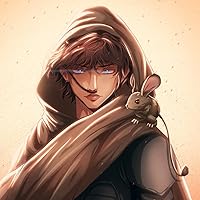
July 12, 2014
FINALLY!!! The master storyteller returns! OMG! When I saw this, I nearly fainted. Anne Rice SINGLE-HANDEDLY changed the scope of vampire fiction. I for one am so sick of the virus-vampire/zombie-vampire stories, I don't know what to do. This has been one of the best days. Saw Dawn of the Planet of the Apes earlier and then I come home to find this out. Great Day. The ONLY thing that could make it better is if the Rapture was to occur.

Want to Read
March 13, 2014YES!!!!!!!!!!! ANOTHER VAMPIRE CHRONICLES NOVEL!!!!!!!!!!!!

May 17, 2023
Wow haven’t read any of the vampire series in a while, it’s good to be back again an interesting read if you’re a fan you won’t be disappointed but I did feel the book was a bit too long can’t wait for the next book

November 3, 2014
Let's start by saying that I was torn between rating 2-3 stars.
I love The Vampire Chronicles as a whole, yes there are a few books in the series that aren't as strong as the others but as a whole Anne Rice has created a world and feel that redefined vampire fiction.
Unfortunately this book doesn't feel part like it's part of that world (much like Blood Canticle and Blackwood Farm). The vampires in this book, Lestat included, feel neutered and a bit flat.
The introduction of many new and secondary if not tertiary characters seemed unnecessary and confusing at times.
The plot itself is basically Queen of the Damned part 2 but without any of the edge of your seat what's going to happen or interesting history of the twins.
Now for my thoughts on some specifics....SPOILERS BELOW:
A son...really?! It just seems so out of the blue and unrealistic. I appreciate the introduction of the vampire scientists because it makes sense that they would want to learn about themselves but the rushed creation of this Viktor seemed out of place. Somehow a 300 yr old vampire sperm can impregnate a human? Was I reading Twilight?
Maharet, Mekare AND Khayman die!? ...again really? 3 of the most powerful ancient vampires get killed within sentences and that's that? How many vampires did we read about who were burned but didn't die and someone like Maharet dies this easily?
My biggest gripe with this book is the villain (the Voice...aka Amel) turns out be an alright guy who just basically wants to feel and learn about the world. So basically this character was the vampire version of Marvel's Dark Phoenix. Previous info about Amel is wrong, he forces other vampires to kill each other and then by the end of the book he and Lestat are now best buds on the together for the long haul.
I really just hate stories where everyone gets what they want and all ends well. This felt so neatly wrapped up that the overall plot sort of fizzled out.
Lestat has lost some of that razzle dazzle over the years, he's become less interesting and now that he's basically the vampire god king of "the tribe" he's been put in an even less interesting place.
This was a fun, fast read but if you're looking for the old gothic world that Anne previously created this isn't it.
I love The Vampire Chronicles as a whole, yes there are a few books in the series that aren't as strong as the others but as a whole Anne Rice has created a world and feel that redefined vampire fiction.
Unfortunately this book doesn't feel part like it's part of that world (much like Blood Canticle and Blackwood Farm). The vampires in this book, Lestat included, feel neutered and a bit flat.
The introduction of many new and secondary if not tertiary characters seemed unnecessary and confusing at times.
The plot itself is basically Queen of the Damned part 2 but without any of the edge of your seat what's going to happen or interesting history of the twins.
Now for my thoughts on some specifics....SPOILERS BELOW:
A son...really?! It just seems so out of the blue and unrealistic. I appreciate the introduction of the vampire scientists because it makes sense that they would want to learn about themselves but the rushed creation of this Viktor seemed out of place. Somehow a 300 yr old vampire sperm can impregnate a human? Was I reading Twilight?
Maharet, Mekare AND Khayman die!? ...again really? 3 of the most powerful ancient vampires get killed within sentences and that's that? How many vampires did we read about who were burned but didn't die and someone like Maharet dies this easily?
My biggest gripe with this book is the villain (the Voice...aka Amel) turns out be an alright guy who just basically wants to feel and learn about the world. So basically this character was the vampire version of Marvel's Dark Phoenix. Previous info about Amel is wrong, he forces other vampires to kill each other and then by the end of the book he and Lestat are now best buds on the together for the long haul.
I really just hate stories where everyone gets what they want and all ends well. This felt so neatly wrapped up that the overall plot sort of fizzled out.
Lestat has lost some of that razzle dazzle over the years, he's become less interesting and now that he's basically the vampire god king of "the tribe" he's been put in an even less interesting place.
This was a fun, fast read but if you're looking for the old gothic world that Anne previously created this isn't it.

hell-to-the-no-begone
November 4, 2014Can I just say how much I love sparkly vampires?
Because I do! :)
Oh, and unicorns...unicorns are cool...

I KNEW IT!!
Also:

I was trying to make a point with this....*tries to remember*
I KNOW:
I will read almost anything, but I won't ever, ever read Anne Rice.
Because I do! :)
Oh, and unicorns...unicorns are cool...
I KNEW IT!!
Also:
I was trying to make a point with this....*tries to remember*
I KNOW:
I will read almost anything, but I won't ever, ever read Anne Rice.

January 26, 2016
Man I used to love the Vampire Chronicles. Bought almost everything single book, and truth be told desperately wanted to be a child of the night myself (and this was well before Twilight came out, please). Although I felt the series petered off towards the end I remember them fondly and honestly thought they were to be no more.
So yeah, imagine my reaction when I saw this book on a shelf. Another one? I couldn't wait to get my hands on it!
At first it seems pretty darn good. Lestat's voice was clear as ever, and I was curious about the mysterious voice. things started to go a little haywire within a couple of chapters. Everything seemed too general, the vampire world was described as being in crisis about 1,000 times but there didn't seem to be a definitive scene to explain what was happening exactly. Lestat visits a scientist vamp, which was an interesting twist, but once again, what they are up to is described in vague terms by Lestat who doesn't care for the jargon (while I agree that this fits with the character it also felt a bit hard to get intrigued by the sequence because nothing was particularly clear)
I see that others have enjoyed the middle of the novel, however I did not. many many characters are introduced and their backstories filled out, in a fashion which simply made me questions what the novel was about, rather than connect with them. Once the story gets back on track for the last 100 pages it began to get compelling again, but the ending again was lukewarm. All the things from the original chronicles that I liked were missing, Pandora and Marius' relationship, Louis struggling with the death of Claudia, Armand's battle with his beliefs. If the book had focused on the original characters for the amount of time as the new ones I would have been much happier.
I see that there are more books coming and I won't be giving up, but I had to be honest about this review. Here's hoping Blood Paradise raises the stakes (sorry)
So yeah, imagine my reaction when I saw this book on a shelf. Another one? I couldn't wait to get my hands on it!
At first it seems pretty darn good. Lestat's voice was clear as ever, and I was curious about the mysterious voice. things started to go a little haywire within a couple of chapters. Everything seemed too general, the vampire world was described as being in crisis about 1,000 times but there didn't seem to be a definitive scene to explain what was happening exactly. Lestat visits a scientist vamp, which was an interesting twist, but once again, what they are up to is described in vague terms by Lestat who doesn't care for the jargon (while I agree that this fits with the character it also felt a bit hard to get intrigued by the sequence because nothing was particularly clear)
I see that others have enjoyed the middle of the novel, however I did not. many many characters are introduced and their backstories filled out, in a fashion which simply made me questions what the novel was about, rather than connect with them. Once the story gets back on track for the last 100 pages it began to get compelling again, but the ending again was lukewarm. All the things from the original chronicles that I liked were missing, Pandora and Marius' relationship, Louis struggling with the death of Claudia, Armand's battle with his beliefs. If the book had focused on the original characters for the amount of time as the new ones I would have been much happier.
I see that there are more books coming and I won't be giving up, but I had to be honest about this review. Here's hoping Blood Paradise raises the stakes (sorry)
![Profile Image for Hon Lady Selene [on a hiatus].](https://i.gr-assets.com/images/S/compressed.photo.goodreads.com/users/1777646425i/51675144._UY200_CR9,0,200,200_.jpg)
September 22, 2020
Still a better love story than Twilight...
Displaying 1 - 30 of 2,765 reviews