

What do you think?

Logging Off: The Human Cost of Our Digital World
We live in a digital world. In the 30 years since we've been online, we've created connections, crossed boundaries and discovered new worlds. We have done things generations before us could never have imagined.
But at what cost?
Growing up as a Gen Z, Adele spent endless hours as a teenager on social media, shaping her view of herself and the world. As a freelance journalist, she has used her social media platforms and digital technology to develop a career in an unfamiliar and competitive industry, benefitting from the opportunities that these spaces can offer. But after losing her sister to online harms, she realised that our current digital world is failing us.
We are an anxious and discontent generation. Our lived realities and our online vulnerabilities are inextricably linked, and this means big business for social media tycoons who want us to stay scrolling at any cost. As Big Tech barons make their billions, capitalising on our emotions, instincts, insecurities and desires, everyday people are losing out.
From workers being fired by algorithms, to online forums dedicated to revenge porn and encouraging suicide, to censorship of marginalised voices and the turbulent impacts of AI, Logging Off reveals that our digital world is currently fuelling crises that only empathy, agency and humanity can resolve. This book is a call for a radical reclamation of our digital world, for a more humane future that empowers us all.
But at what cost?
Growing up as a Gen Z, Adele spent endless hours as a teenager on social media, shaping her view of herself and the world. As a freelance journalist, she has used her social media platforms and digital technology to develop a career in an unfamiliar and competitive industry, benefitting from the opportunities that these spaces can offer. But after losing her sister to online harms, she realised that our current digital world is failing us.
We are an anxious and discontent generation. Our lived realities and our online vulnerabilities are inextricably linked, and this means big business for social media tycoons who want us to stay scrolling at any cost. As Big Tech barons make their billions, capitalising on our emotions, instincts, insecurities and desires, everyday people are losing out.
From workers being fired by algorithms, to online forums dedicated to revenge porn and encouraging suicide, to censorship of marginalised voices and the turbulent impacts of AI, Logging Off reveals that our digital world is currently fuelling crises that only empathy, agency and humanity can resolve. This book is a call for a radical reclamation of our digital world, for a more humane future that empowers us all.
- GenresNonfictionTechnology
288 pages, Kindle Edition
Published June 5, 2025
Ratings & Reviews
Friends & Following
Create a free account to discover what your friends think of this book!
Community Reviews
Displaying 1 - 30 of 61 reviews

August 24, 2025
For me, Logging Off is more than just a book. It's a serious reality check, it's an engagingly educational masterpiece, and an inclusive invitation to a community that believes a kinder world is possible. It's a call to action.
It's not a light read but it's so well and accessibly written it's the quickest I've finished a book in years. I found that within those pages there was so much helpful space created to feel all the emotions. Read it with care, read with love, read with sadness for the stark realities, and importantly - read with hope for the future. Walton's personal story is one no one should ever go through. To channel one's grief to an empowering call to action is no small feat. Logging Off does a magnificent job lifting the weight of the guilt and shame of individual responsibility that often comes with living a life online. It's so refreshing and so needed if we want to change our quickly (often so subconsciously) deteriorating relationships with our devices in hand. Instead, it empowers the reader and lifts us higher than the algorithms. It reminds us of the power of collective action and helps take the necessary steps forward, both for ourselves and for the future generations to come.
A very, very important read. I've gifted this to my younger sister and parents.
It's not a light read but it's so well and accessibly written it's the quickest I've finished a book in years. I found that within those pages there was so much helpful space created to feel all the emotions. Read it with care, read with love, read with sadness for the stark realities, and importantly - read with hope for the future. Walton's personal story is one no one should ever go through. To channel one's grief to an empowering call to action is no small feat. Logging Off does a magnificent job lifting the weight of the guilt and shame of individual responsibility that often comes with living a life online. It's so refreshing and so needed if we want to change our quickly (often so subconsciously) deteriorating relationships with our devices in hand. Instead, it empowers the reader and lifts us higher than the algorithms. It reminds us of the power of collective action and helps take the necessary steps forward, both for ourselves and for the future generations to come.
A very, very important read. I've gifted this to my younger sister and parents.

May 21, 2026
We're currently in the same moment with social media and smartphones that we were in with TV and cars in the sixties, realising what these things actually are and the damage they do, and so there's a lot of Ralph Naders coming out and looking hard at the hitherto blithely accepted bad stuff and suggesting actual safety measures and laws and collective actions. This is a good example - the writing style is rather clenched as is often the case with young writers at the moment for some reason, but it's very well argued and convincing.

September 11, 2025
This started off very well, but I genuinely don't think she goes far enough.
Everyone will have differing opinions but I completely advocate the dismantling of social media and smartphones ruling our lives. It's nice that she can still put a positive spin on the things that drove her sister to suicide, but sometimes I don't think ending on a high note is appropriate - not when there's still so much at stake. Her messages are well thought out and erudite, but it lacks the conviction to say enough is enough.
Everyone will have differing opinions but I completely advocate the dismantling of social media and smartphones ruling our lives. It's nice that she can still put a positive spin on the things that drove her sister to suicide, but sometimes I don't think ending on a high note is appropriate - not when there's still so much at stake. Her messages are well thought out and erudite, but it lacks the conviction to say enough is enough.

July 31, 2025
This book feels very necessary in today’s overwhelming social media landscape, I think it should be taught in schools. I found Adele’s approach to reducing screen time and fighting for safer algorithms really refreshing as she suggests realistic ways forward using technology in a way that helps us rather than taking over our lives. Despite it being a very complex topic, it is thoroughly researched and written in a way that is accessible and faces the harm that has already been caused/the potential for future harm whilst remaining hopeful for the future :) a heavy read but very important

June 19, 2026
I really enjoyed this book.
It explained things in a way that I needed to hear, after so many failed attempts to come offline. We all know how damaging social media is, but this book actually put it into a digestible perspective for me that I have been waiting to read. I’m looking forward to actually logging off for good!
It explained things in a way that I needed to hear, after so many failed attempts to come offline. We all know how damaging social media is, but this book actually put it into a digestible perspective for me that I have been waiting to read. I’m looking forward to actually logging off for good!

July 31, 2026
Another day, another bleak reminder of the unendingly insidious and downright sociopathic evils of Big Tech companies who literally could not give less of a fuck their products are exploiting, harming, traumatising and killing people. Ready to embark upon yet another anxiety-fuelled digital detox 🙏

October 10, 2025
I've read a lot of these warning style books, and this one doesn't stand out. It's anecdotal and one-sided, but it does have some balance.
Walton has obviously suffered much, but there's not always a lot of nuance around her descriptions. Occasionally, a more hopeful balance peeks through, but it's rare.
Walton has obviously suffered much, but there's not always a lot of nuance around her descriptions. Occasionally, a more hopeful balance peeks through, but it's rare.

August 8, 2026
I was nodding along to every chapter. It’s another book that supports the growing consensus that social media and Big Tech need serious regulation.
Many will have read The Anxious Generation by Jonathan Haidt, which takes a macro approach and presents the shocking statistical evidence behind the damage of social media and smartphone use. Adele’s story, however, is much more personal, honest, and at times, difficult to read. Still, it offers hope through practical solutions and genuine examples of how we, the users, are fighting back. It was also great to get a Gen Z perspective and learn how many of her peers are actively limiting their phone use.
An important read and hope that many of the proposed ideas make their way into legislation!
Many will have read The Anxious Generation by Jonathan Haidt, which takes a macro approach and presents the shocking statistical evidence behind the damage of social media and smartphone use. Adele’s story, however, is much more personal, honest, and at times, difficult to read. Still, it offers hope through practical solutions and genuine examples of how we, the users, are fighting back. It was also great to get a Gen Z perspective and learn how many of her peers are actively limiting their phone use.
An important read and hope that many of the proposed ideas make their way into legislation!

January 28, 2026
engaging, well researched, and deeply deeply human. too often the public conversation around technology excludes the human cost of technological progress and Adele, through her own suffering and loss, wrote a book so compelling that the rest of us who read it could never forget again.

July 7, 2026
I ate this book up. It makes you rethink your presence, take back control, understand why we are such an anxious generation.
I’d recommend it to everyone who is feeling burnt out and on edge about social media and other tech giants.
I’d recommend it to everyone who is feeling burnt out and on edge about social media and other tech giants.
September 27, 2026
2.5. Didn’t really like this. Thought it would be a practical guide to logging off as opposed to a look at the perils of social media/tech, which I thought only really skimmed the surface. Important stuff but nothing I didn’t know and read like a uni essay :(

September 1, 2026
this reads like a well written high school-level essay. the author has no deeper understanding of the topics she’s covering. she also completely disregarded issues such as mental health, upbringing, trauma, etc that lead people to darker corners of the internet. you can’t magically fix the online world if the society is still grappling with so many issues. her hope for, in her words, “a digital ecosystem where diversity and connection can thrive, where out differences draw us together instead of tearing us apart” is so fucking delusional it’s actually mind boggling. as if humans have always gotten along with no issues throughout history.
the topics in the book and the motivation to log off are good ideas, but not everyone should be a writer.
the topics in the book and the motivation to log off are good ideas, but not everyone should be a writer.

June 4, 2026
One thing about me is i can only stick to a digital detox if I'm constantly reading about how evil the internet is
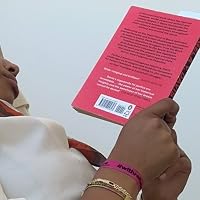
October 16, 2025
My interest in this book is due to my goal to decrease my social media presence in the next few years. The need for privacy increases year after year (and I’m not old, lol), and at the moment I’m in the headspace that wants to consume information aligned with my goal.
From my understanding, the main focus of this book is online safety. Unfortunately, Adele lost her sister. It’s a complex issue, but I understood that the non existing online safety had a lot to do with her suicide. In this way, Adele has been appealing for more online safety.
To be honest, I wasn’t aware that there were forums that incentive or push people to commit suicide. Forums that use and abuse of the emotions of people that already are in a vulnerable position. Thank you Adele for educating me on this topic.
Reading this book intensified my already existing thoughts about social media, online spaces and the Big Tech. Our data, our emotional state and our privacy are being used to generate money to the already big big big Tech Industry. What’s most vulnerable to us shouldn’t be shared in the open world. It’s gives a false narrative that everybody cares. Nobody cares because we see a lot of content everyday and can’t distinguish what is what after a 15 minute scroll. On the other side, isn’t it more precious if we share our vulnerabilities to people closed to us, in real life, that really do care about us? Speaking for myself, I would rather prefer that a friend tells me she’s pregnant while we are having dinner instead of it being posted on close friends on Instagram.
Well, the rest of this review will go into my reading journal. Nevertheless, I enjoyed reading this book and rated it 4 stars. Eager to read more by Adele
From my understanding, the main focus of this book is online safety. Unfortunately, Adele lost her sister. It’s a complex issue, but I understood that the non existing online safety had a lot to do with her suicide. In this way, Adele has been appealing for more online safety.
To be honest, I wasn’t aware that there were forums that incentive or push people to commit suicide. Forums that use and abuse of the emotions of people that already are in a vulnerable position. Thank you Adele for educating me on this topic.
Reading this book intensified my already existing thoughts about social media, online spaces and the Big Tech. Our data, our emotional state and our privacy are being used to generate money to the already big big big Tech Industry. What’s most vulnerable to us shouldn’t be shared in the open world. It’s gives a false narrative that everybody cares. Nobody cares because we see a lot of content everyday and can’t distinguish what is what after a 15 minute scroll. On the other side, isn’t it more precious if we share our vulnerabilities to people closed to us, in real life, that really do care about us? Speaking for myself, I would rather prefer that a friend tells me she’s pregnant while we are having dinner instead of it being posted on close friends on Instagram.
Well, the rest of this review will go into my reading journal. Nevertheless, I enjoyed reading this book and rated it 4 stars. Eager to read more by Adele

June 27, 2026
4.5✨
Must read! An essential read in the modern digital age if you want to know more about the harms of big tech and how it is very easily fuelling hatred, negativity, discrimination, division and harm to all people who exist in society. We need to take more time off our screens and connect with the real world!! We also need to hold Big Tech to account and lobby the government to make platforms and the world safe by design. A very timely read with progress on the Online Safety Act and social media ban. Make sure you read it and a friend does too…
Must read! An essential read in the modern digital age if you want to know more about the harms of big tech and how it is very easily fuelling hatred, negativity, discrimination, division and harm to all people who exist in society. We need to take more time off our screens and connect with the real world!! We also need to hold Big Tech to account and lobby the government to make platforms and the world safe by design. A very timely read with progress on the Online Safety Act and social media ban. Make sure you read it and a friend does too…

August 24, 2025
Forgot to log when I actually read but really made me reconsider how much time I spend online. Halved my screen time since reading🌸

July 21, 2026
Lettura scorrevole.
Mi sarei aspettato più consigli "pratici", invece è una panoramica sulla situazione attuale del monopolio delle Big Tech sulle nostre vite. Partendo da casi di cronaca, l'autrice ci mostra come i social media e la tecnologia che ci sta dietro non sono neutrali, condizionano le nostre vite nel bene e, soprattutto, nel male. Un cambiamento è urgente, oltre che necessario.
Mi sarei aspettato più consigli "pratici", invece è una panoramica sulla situazione attuale del monopolio delle Big Tech sulle nostre vite. Partendo da casi di cronaca, l'autrice ci mostra come i social media e la tecnologia che ci sta dietro non sono neutrali, condizionano le nostre vite nel bene e, soprattutto, nel male. Un cambiamento è urgente, oltre che necessario.

August 26, 2026
everyone should read this

July 27, 2026
Makes you want to not pick up your phone ever again.

July 6, 2026
An eye opening book around the dangers that technology and its unchecked advancement poses on society. I was widely aware of the damage that social media has and am actively trying to limit my use, but this book gave me pause for thought around some is the other issues technology brings. The section on the IT skills gap was really interesting and really brought to life how we are at risk of excluding entire groups of people out of society in our pursuit to be a digital first world. Really gave me a lot to think about!

July 3, 2026
Apple CEO Tim Cook famously revealed that he actively puts boundaries on his nephew's technology use, stating he specifically does not allow him to use social networks. 👀

August 19, 2025
A hardhitting read that has a lot to offer to an otherwise well-trodden debate. An incredibly brave work to publish, to say the least. I felt it got a bit lost in the middle/towards the end in its messaging, but still thought it a powerful book that ought to be read by many more people (especially by those in power to affect change).

September 29, 2026
A great audiobook! Really well researched and a balance of heartfelt passion, accessible language and reputability. Would really recommend, covering topics from unionisation over AI in the workplace, to criminal cases, addictive algorithms and more.

June 21, 2026
3.5/5 rounding down for goodreads.
An exploration of the darker sides of the internet and social media. Things like suicide and eating disorder forums, misogyny and online stalking, fake news and extremism etc. There's also an interesting chapter towards the end of the book about people who for whatever reason (mainly age) are being increasingly excluded by the digitalisation of society (having to do everything online or through an app, no in person ways to do things) . It goes for a more human interest / personal stories angle than hard statistics and analysis approach. If you spend a lot of time online already or reading the news about this sort of stuff this book probably won't bring you any topics you haven't heard off before.
The author is on the left (going off her language on race and capitalism) and very pro-regulation and restriction of the tech companies. She is against section 230, the US law which means tech and social media companies aren't considered publishers of the content that is uploaded to them. She is also supportive of the British Online Safety Act which as someone who spends a lot of time on the internet (and reddit in paticular) I mainly see people approach the act negatively. So it was interesting to see a different viewpoint.
My personal thoughts are that I liked the book. It was interesting to see a different darker perspective on the internet and social media from my own. I'm a late gen Z white man whose internet usage is probably 90%+ YouTube (which my algorithm is mainly strategy and RPG games plus books - apart from a brief spell in 2016-2017 there's no ragebait politics) and Reddit which I've curated to my interests. Finishing this I feel like I've gotten off lightly, my problem is purely time wasted rather than darker stuff like extremist content and dangerous forums.
An exploration of the darker sides of the internet and social media. Things like suicide and eating disorder forums, misogyny and online stalking, fake news and extremism etc. There's also an interesting chapter towards the end of the book about people who for whatever reason (mainly age) are being increasingly excluded by the digitalisation of society (having to do everything online or through an app, no in person ways to do things) . It goes for a more human interest / personal stories angle than hard statistics and analysis approach. If you spend a lot of time online already or reading the news about this sort of stuff this book probably won't bring you any topics you haven't heard off before.
The author is on the left (going off her language on race and capitalism) and very pro-regulation and restriction of the tech companies. She is against section 230, the US law which means tech and social media companies aren't considered publishers of the content that is uploaded to them. She is also supportive of the British Online Safety Act which as someone who spends a lot of time on the internet (and reddit in paticular) I mainly see people approach the act negatively. So it was interesting to see a different viewpoint.
My personal thoughts are that I liked the book. It was interesting to see a different darker perspective on the internet and social media from my own. I'm a late gen Z white man whose internet usage is probably 90%+ YouTube (which my algorithm is mainly strategy and RPG games plus books - apart from a brief spell in 2016-2017 there's no ragebait politics) and Reddit which I've curated to my interests. Finishing this I feel like I've gotten off lightly, my problem is purely time wasted rather than darker stuff like extremist content and dangerous forums.
September 23, 2026
Takes a few chapters to get into it. I love the message but there’s nothing too revelatory here for me and can feel alittle ranty at times.

July 22, 2026
This was not a book about logging off, but about the dark sides of digitalization.

August 6, 2026
Logging Off isn't really a book telling you to delete Instagram and disappear from the internet. It's a book that asks a much more uncomfortable question: what has social media quietly done to the way we think, connect and spend our lives?
It’s an invitation to step back and examine the relationship we've developed with the digital world, and to ask whether we're still in control.
One of my biggest takeaways was how dramatically social media has evolved. It began as something intentional; a digital photo album and a way to stay in touch with friends. You'd log onto MSN, chat for a while, then log off. Instagram was similar in its early days: you'd scroll until you were caught up on your friends' posts, maybe upload a slightly blurry photo without giving it much thought, and that was that.
Today, that experience barely exists.
Instead of finite feeds, we have infinite scrolling. Instead of keeping up with people we know, we're fed an endless stream of content from strangers. Instead of simply sharing moments, many of us carefully curate them. Social media has shifted from a place of connection into something that can often feel like worldwide information pollution.
The book also made me think about what this has done to our attention. Almost everything online has been condensed into 15-, 30- or 60-second videos, training us to expect constant novelty. It's becoming increasingly difficult to immerse ourselves in activities that require sustained concentration, whether that's reading a book, working deeply on a project or simply sitting with our own thoughts without instinctively reaching for our phones.
Another point that really stayed with me was how personalised our online worlds have become. We often assume social media keeps us informed about what's happening around us, but in reality it's showing us what an algorithm predicts will keep us engaged. If two people swapped phones for a day, they'd experience two entirely different versions of the world. That's a fascinating contradiction. These platforms claim to connect us, but how connected are we to society when we're mostly interacting with a mirror reflecting our own interests, beliefs and behaviours?
The book also explores something we rarely stop to think about: just how dependent we've become on technology. One example that particularly struck me was a woman who contacted her doctor about what turned out to be a life-or-death medical concern, only to be instructed to email a photograph of the lump on her stomach. Whether intended as efficiency or convenience, it highlighted how easily technology can become a barrier between people and the care they need.
That chapter resonated with me because I've experienced something similar, albeit in a less serious context. When my phone stopped working and was sent away for repair, I discovered I couldn't even log into the computer at work. My password wasn't enough—I also needed a two-factor authentication code that could only be sent to the very phone I no longer had. Rather than temporarily disabling the security feature, I was advised to register my manager's phone number instead. It made me realise how quickly a single piece of technology can become a single point of failure. Systems designed to make life more secure or convenient can sometimes leave us feeling less capable when they stop working.
Perhaps the most thought-provoking idea the book leaves you with is that technology isn't some independent force making decisions on its own. Behind every algorithm, every recommendation, every platform update and every design choice are people making deliberate decisions. We often speak about "the algorithm" or "AI" as though they're autonomous entities, but they are ultimately products of human priorities and incentives.
That left me wondering: as AI becomes more embedded in our lives, could "technology" itself sometimes become a convenient shield for accountability? When algorithms encourage behaviours that maximise engagement or profit at the expense of wellbeing, who is actually responsible: the technology, or the people designing and directing it? The book doesn't offer simplistic answers, but it encourages readers to ask better questions.
The irony becomes even more striking when you consider the people who helped build this technology. In 2018, Apple CEO Tim Cook said he didn't allow his nephew to join social networks, while Steve Jobs famously limited his own children's use of technology, including the iPad. Those choices don't prove technology is inherently harmful, but they do raise interesting questions about the boundaries those closest to these products chose to set.
What I appreciated most about Logging Off is that it doesn't rely on fear or nostalgia. It simply encourages us to become more intentional, to recognise that our attention is valuable, that our habits are shaped by design, and that we still have the ability to choose how technology fits into our lives.
I closed the book with more questions than answers, and I think that's exactly what makes it such a worthwhile read. It won't necessarily convince you to delete your social media accounts, but it will almost certainly change the way you think about them; and perhaps, more importantly, the way you think about your relationship with technology itself.
It’s an invitation to step back and examine the relationship we've developed with the digital world, and to ask whether we're still in control.
One of my biggest takeaways was how dramatically social media has evolved. It began as something intentional; a digital photo album and a way to stay in touch with friends. You'd log onto MSN, chat for a while, then log off. Instagram was similar in its early days: you'd scroll until you were caught up on your friends' posts, maybe upload a slightly blurry photo without giving it much thought, and that was that.
Today, that experience barely exists.
Instead of finite feeds, we have infinite scrolling. Instead of keeping up with people we know, we're fed an endless stream of content from strangers. Instead of simply sharing moments, many of us carefully curate them. Social media has shifted from a place of connection into something that can often feel like worldwide information pollution.
The book also made me think about what this has done to our attention. Almost everything online has been condensed into 15-, 30- or 60-second videos, training us to expect constant novelty. It's becoming increasingly difficult to immerse ourselves in activities that require sustained concentration, whether that's reading a book, working deeply on a project or simply sitting with our own thoughts without instinctively reaching for our phones.
Another point that really stayed with me was how personalised our online worlds have become. We often assume social media keeps us informed about what's happening around us, but in reality it's showing us what an algorithm predicts will keep us engaged. If two people swapped phones for a day, they'd experience two entirely different versions of the world. That's a fascinating contradiction. These platforms claim to connect us, but how connected are we to society when we're mostly interacting with a mirror reflecting our own interests, beliefs and behaviours?
The book also explores something we rarely stop to think about: just how dependent we've become on technology. One example that particularly struck me was a woman who contacted her doctor about what turned out to be a life-or-death medical concern, only to be instructed to email a photograph of the lump on her stomach. Whether intended as efficiency or convenience, it highlighted how easily technology can become a barrier between people and the care they need.
That chapter resonated with me because I've experienced something similar, albeit in a less serious context. When my phone stopped working and was sent away for repair, I discovered I couldn't even log into the computer at work. My password wasn't enough—I also needed a two-factor authentication code that could only be sent to the very phone I no longer had. Rather than temporarily disabling the security feature, I was advised to register my manager's phone number instead. It made me realise how quickly a single piece of technology can become a single point of failure. Systems designed to make life more secure or convenient can sometimes leave us feeling less capable when they stop working.
Perhaps the most thought-provoking idea the book leaves you with is that technology isn't some independent force making decisions on its own. Behind every algorithm, every recommendation, every platform update and every design choice are people making deliberate decisions. We often speak about "the algorithm" or "AI" as though they're autonomous entities, but they are ultimately products of human priorities and incentives.
That left me wondering: as AI becomes more embedded in our lives, could "technology" itself sometimes become a convenient shield for accountability? When algorithms encourage behaviours that maximise engagement or profit at the expense of wellbeing, who is actually responsible: the technology, or the people designing and directing it? The book doesn't offer simplistic answers, but it encourages readers to ask better questions.
The irony becomes even more striking when you consider the people who helped build this technology. In 2018, Apple CEO Tim Cook said he didn't allow his nephew to join social networks, while Steve Jobs famously limited his own children's use of technology, including the iPad. Those choices don't prove technology is inherently harmful, but they do raise interesting questions about the boundaries those closest to these products chose to set.
What I appreciated most about Logging Off is that it doesn't rely on fear or nostalgia. It simply encourages us to become more intentional, to recognise that our attention is valuable, that our habits are shaped by design, and that we still have the ability to choose how technology fits into our lives.
I closed the book with more questions than answers, and I think that's exactly what makes it such a worthwhile read. It won't necessarily convince you to delete your social media accounts, but it will almost certainly change the way you think about them; and perhaps, more importantly, the way you think about your relationship with technology itself.

September 28, 2026
Logging off es una lectura sobre los riesgos de la tecnología y las redes sociales, y de cómo los jóvenes están expuestos a un mundo sumamente vulnerable. La autora, Adele, nos cuenta su historia, la cual involucra la pérdida desafortunada de su hermana, quien decidió quitarse la vida motivada por el uso de redes y foros. Sin embargo, esta no es la única historia; Adele muestra, a través de muchas perspectivas, los riesgos del uso de las tecnologías.
Hoy en día existen challenges donde, por conseguir likes, hacemos cosas que atentan contra nuestra integridad: desde el famoso Harlem Shake hasta aguantar la respiración frente a una cámara. El libro también aborda la tecnología desde el punto de vista laboral, señalando cómo, poco a poco, esta no ha hecho que trabajemos menos; al contrario, hoy laboramos más. La productividad nos está costando nuestra humanidad, la pérdida de empleos, el acoso laboral y el micromanagement impulsado por las herramientas digitales.
Las plataformas también han distorsionado nuestra percepción personal, generando una opinión negativa de nuestros cuerpos al compararnos constantemente con lo que vemos en ellas, además de promover dietas y rutinas peligrosas. Asimismo, aborda la marginación de quienes no crecieron con habilidades tecnológicas, un grupo que se ve severamente afectado a medida que los servicios se digitalizan, dificultando trámites importantes para quienes no las poseen, principalmente los adultos mayores.
Por otro lado, los algoritmos están diseñados para mantenernos atrapados por más tiempo, exponiéndonos a información creada para volverse adictiva y robarnos el tiempo. Se reflexiona también sobre la pérdida de sentido de las redes, que hoy en día no son más que plataformas de marketing; la función original de conectar a la gente se ha desvanecido para dar paso a la búsqueda de atención y publicidad. Se han convertido en un espacio regido por el dinero y los intereses de compañías que explotan la información que entregamos inconscientemente, entrenándolas gratis con lo que buscamos, subimos y compartimos.
Este libro es consciente de que hoy en día no es posible prescindir de la tecnología, pero nos invita a estar atentos a los riesgos y a reflexionar sobre lo que hacemos con ella. Es un recordatorio de que la herramienta debe servirnos a nosotros y no nosotros a ella. La dependencia de internet y los smartphones parece un punto de no retorno, pero el atreverse a desconectar, comprender que no estamos conectando realmente con los otros y asumir que internet y las redes son solo un terreno superficial me parece una reflexión muy valiosa. El libro no revela nada que no sepamos, pero sin duda nos cuestiona y nos recuerda los peligros y la vulnerabilidad a la que nos exponemos.
Me gustó mucho este libro simplemente porque me hizo replantearme varias cosas y, aunque como muchos soy adicto al teléfono, funciona como un recordatorio para ser un poco más consciente. Como dicen, cada quien escoge su propio veneno, pero estar informados y actuar con conciencia ayuda a usar la tecnología de otra manera: poniendo ciertos límites en cuanto a lo que vemos, el tiempo que le dedicamos y la intención de uso, y sobre todo, recordando que hay una vida más allá de una pantalla.
Hoy en día existen challenges donde, por conseguir likes, hacemos cosas que atentan contra nuestra integridad: desde el famoso Harlem Shake hasta aguantar la respiración frente a una cámara. El libro también aborda la tecnología desde el punto de vista laboral, señalando cómo, poco a poco, esta no ha hecho que trabajemos menos; al contrario, hoy laboramos más. La productividad nos está costando nuestra humanidad, la pérdida de empleos, el acoso laboral y el micromanagement impulsado por las herramientas digitales.
Las plataformas también han distorsionado nuestra percepción personal, generando una opinión negativa de nuestros cuerpos al compararnos constantemente con lo que vemos en ellas, además de promover dietas y rutinas peligrosas. Asimismo, aborda la marginación de quienes no crecieron con habilidades tecnológicas, un grupo que se ve severamente afectado a medida que los servicios se digitalizan, dificultando trámites importantes para quienes no las poseen, principalmente los adultos mayores.
Por otro lado, los algoritmos están diseñados para mantenernos atrapados por más tiempo, exponiéndonos a información creada para volverse adictiva y robarnos el tiempo. Se reflexiona también sobre la pérdida de sentido de las redes, que hoy en día no son más que plataformas de marketing; la función original de conectar a la gente se ha desvanecido para dar paso a la búsqueda de atención y publicidad. Se han convertido en un espacio regido por el dinero y los intereses de compañías que explotan la información que entregamos inconscientemente, entrenándolas gratis con lo que buscamos, subimos y compartimos.
Este libro es consciente de que hoy en día no es posible prescindir de la tecnología, pero nos invita a estar atentos a los riesgos y a reflexionar sobre lo que hacemos con ella. Es un recordatorio de que la herramienta debe servirnos a nosotros y no nosotros a ella. La dependencia de internet y los smartphones parece un punto de no retorno, pero el atreverse a desconectar, comprender que no estamos conectando realmente con los otros y asumir que internet y las redes son solo un terreno superficial me parece una reflexión muy valiosa. El libro no revela nada que no sepamos, pero sin duda nos cuestiona y nos recuerda los peligros y la vulnerabilidad a la que nos exponemos.
Me gustó mucho este libro simplemente porque me hizo replantearme varias cosas y, aunque como muchos soy adicto al teléfono, funciona como un recordatorio para ser un poco más consciente. Como dicen, cada quien escoge su propio veneno, pero estar informados y actuar con conciencia ayuda a usar la tecnología de otra manera: poniendo ciertos límites en cuanto a lo que vemos, el tiempo que le dedicamos y la intención de uso, y sobre todo, recordando que hay una vida más allá de una pantalla.

July 28, 2026
This is a book I picked up as it was part of a recommendation at the bookstore and I'm so glad that I did. While an incredibly difficult read at times, it's also quite an important one, and I'd definitely recommend others read it to as it speaks about a lot of things that are super important to all of us, regardless of how we use social media and the digital space online.
As someone who grew up before social media, I wasn't entirely aware of how deep its roots have gone into the lives of the younger generations. Or quite how badly the algorithms were distorting reality online for so many. Yes, I knew they had an effect, but to me it had always been more of-putting than anything else.
When my feed/wall/... changed to become a 'for you' page of some variety, I actually lost a lot of interest in all of the social media platforms. I'd joined to see what my family and friends were doing, not to have ads or posts from random strangers shoved into my face. As a result, I just turned my attention elsewhere and only logged into my social media accounts every now and then.
While great for me, it meant I missed a lot of what was going on, so it was quite scary to read at times in this book. Or the horrific consequences thereof.
This book also highlights important examples of those horrific consequences, only some of which I'd heard of through the news. Those examples really show how things that some people might scoff at being labeled dangerous really are dangerous. And how little control we have over the whole process.
Yes, I moved away from social media as I didn't like the new design, but I didn't fully disengage as too many people I know are still on there, and some of the activities I do use those platforms for communication purposes. So I can't just up and leave.
Adele does a great job of pointing out a lot of dangers of how Big Tech has set-up their platforms that I'd not even thought of. And, now that I do, I can see how those features have affected my life and how I interact with technology, often in less than pleasant ways.
Being aware of all of this is important as it lets people make conscious choices. Both about whether to engage with various platforms, but also around what they might want to do in response to all of the other changes Big Tech has been pushing. And whether we want to simply allow them to keep doing so unopposed.
My only little bugbear was the length of some of the chapters. With the grimness of the topic, it would have occasionally been nice if they were shorter, but that's just a little thing.
As someone who grew up before social media, I wasn't entirely aware of how deep its roots have gone into the lives of the younger generations. Or quite how badly the algorithms were distorting reality online for so many. Yes, I knew they had an effect, but to me it had always been more of-putting than anything else.
When my feed/wall/... changed to become a 'for you' page of some variety, I actually lost a lot of interest in all of the social media platforms. I'd joined to see what my family and friends were doing, not to have ads or posts from random strangers shoved into my face. As a result, I just turned my attention elsewhere and only logged into my social media accounts every now and then.
While great for me, it meant I missed a lot of what was going on, so it was quite scary to read at times in this book. Or the horrific consequences thereof.
This book also highlights important examples of those horrific consequences, only some of which I'd heard of through the news. Those examples really show how things that some people might scoff at being labeled dangerous really are dangerous. And how little control we have over the whole process.
Yes, I moved away from social media as I didn't like the new design, but I didn't fully disengage as too many people I know are still on there, and some of the activities I do use those platforms for communication purposes. So I can't just up and leave.
Adele does a great job of pointing out a lot of dangers of how Big Tech has set-up their platforms that I'd not even thought of. And, now that I do, I can see how those features have affected my life and how I interact with technology, often in less than pleasant ways.
Being aware of all of this is important as it lets people make conscious choices. Both about whether to engage with various platforms, but also around what they might want to do in response to all of the other changes Big Tech has been pushing. And whether we want to simply allow them to keep doing so unopposed.
My only little bugbear was the length of some of the chapters. With the grimness of the topic, it would have occasionally been nice if they were shorter, but that's just a little thing.

November 18, 2025
A very touching and human account of the dangers that social media and big tech present to all of us. Great companion read to The Anxious Generation - Logging Off focuses less on childhood as a whole, and is less analytical and research led, but gives a much more anecdotal account of the various harms of social media etc. Doesn’t shy away from going into specific details and accounts of the reality of what social media is presenting to people, including kinds of content pushed content and behaviours that are enabled. As well as being a warning for now, I think it’s great we see real life descriptions of the harms being presented and explicit instances of inaction from tech and government to deal with them, all described in human terms. It’s important that we have accessible anecdotal accounts (along with the statistics held elsewhere) as I believe time will come to judge the current actions of these companies and inaction of governments in a very negative light.
On a different note, Adele talked about human technology whilst sounding like an oxymoron is possible. I’ve been listening to this book narrated by Adele instead of reading it, and it’s been wonderful to hear the book she clearly feels very passionate about in her own voice. It’s taken me some time to listen to as I’ve been trying to “consume less media” passively, for example when walking the dog, and instead spend more time disconnected with only my own thoughts and the sounds around me for company (and of course the company of the dog).
On a different note, Adele talked about human technology whilst sounding like an oxymoron is possible. I’ve been listening to this book narrated by Adele instead of reading it, and it’s been wonderful to hear the book she clearly feels very passionate about in her own voice. It’s taken me some time to listen to as I’ve been trying to “consume less media” passively, for example when walking the dog, and instead spend more time disconnected with only my own thoughts and the sounds around me for company (and of course the company of the dog).
Displaying 1 - 30 of 61 reviews