'The Apple' is a fantasy-mystery short story by H.G. Wells. It is the tale of a student who, whilst travelling by train in a third-class carriage, is offered genuine, forbidden fruit from the Tree of Knowledge. This rare treasure was apparently found in the Garden of Eden by a stranger. But how on Earth did the stranger come into possession of the fruit and what use is it to the young student? A mysterious and intriguing tale which will be enjoyed by fans of 'Good Omens'. -
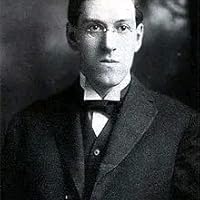
Herbert George Wells was born to a working class family in Kent, England. Young Wells received a spotty education, interrupted by several illnesses and family difficulties, and became a draper's apprentice as a teenager. The headmaster of Midhurst Grammar School, where he had spent a year, arranged for him to return as an "usher," or student teacher. Wells earned a government scholarship in 1884, to study biology under Thomas Henry Huxley at the Normal School of Science. Wells earned his bachelor of science and doctor of science degrees at the University of London. After marrying his cousin, Isabel, Wells began to supplement his teaching salary with short stories and freelance articles, then books, including The Time Machine (1895), The Island of Dr. Moreau (1896), The Invisible Man (1897), and The War of the Worlds (1898).
Wells created a mild scandal when he divorced his cousin to marry one of his best students, Amy Catherine Robbins. Although his second marriage was lasting and produced two sons, Wells was an unabashed advocate of free (as opposed to "indiscriminate") love. He continued to openly have extra-marital liaisons, most famously with Margaret Sanger, and a ten-year relationship with the author Rebecca West, who had one of his two out-of-wedlock children. A one-time member of the Fabian Society, Wells sought active change. His 100 books included many novels, as well as nonfiction, such as A Modern Utopia (1905), The Outline of History (1920), A Short History of the World (1922), The Shape of Things to Come (1933), and The Work, Wealth and Happiness of Mankind (1932). One of his booklets was Crux Ansata, An Indictment of the Roman Catholic Church. Although Wells toyed briefly with the idea of a "divine will" in his book, God the Invisible King (1917), it was a temporary aberration. Wells used his international fame to promote his favorite causes, including the prevention of war, and was received by government officials around the world. He is best-remembered as an early writer of science fiction and futurism.
He was also an outspoken socialist. Wells and Jules Verne are each sometimes referred to as "The Fathers of Science Fiction". D. 1946.
“Youth is ever eager to taste the forbidden; age has learned the cost of the bite.”
What would you do if you were handed the forbidden fruit of all knowledge? Would you dare to take a bite, toss it aside, or keep it untouched?
The story follows a young man who meets an elderly gentleman while on his way to the station. During their journey, the old man tells him about a mysterious fruit — the very one eaten by Adam and Eve — the fruit that grants all knowledge.
An intriguing conversation unfolds between them about whether it should be eaten or not. Eventually, the old man gives the fruit to the young man, who hesitates, overthinks, and invents excuse after excuse — until he finally throws it away, and the apple vanishes for good.
The concept itself is fascinating — the idea of being confronted with ultimate truth and the unbearable weight of knowledge. Wells makes you wonder: Would you truly dare to eat it? Could you live after seeing the world and people as they are — not as they claim to be? Could you look straight into the abyss of truth without flinching?
I also liked how Wells subtly contrasted the wisdom of age with the recklessness of youth. The old man, tempered by experience, understands that no one can handle such knowledge — that some truths are better left unknown. Meanwhile, the young man, driven by curiosity and excitement, wants to take the risk simply because it’s new, forbidden, and dangerous.
There’s wisdom between the lines — the kind that lingers — but the story’s structure didn’t feel as strong or cohesive as it could’ve been. Still, its moral reflection stays with you.
قصة ل هيربرت جورج ويلز....رائد الخيال العلمى الامريكى....
ماذا تفعل لو ؟
هناك دوما قصة عن صفقة مع الشيطان تعطيك الخلود...ان لا تموت ... تماما ك فيلم نيكولاس كيدج hell rider
او المعرفة ذكرنى موضوع المعرفة ب فاوست الجديد و اتفاقه مع الشيطان ...الشيطان لم يقدم له شىء فعلى بل مجرد هلاوس و خيالات لا واقع حقيقى
وهناك قصة قصيرة ل توفيق الحكيم عهد الشيطانعن انه وافق الشيطان على اكتساب المعرفة تدريجيا مقابل سحب شبابه و عمره و فى النهاية اكتشف ان الشيطان خدعه .... فلقد دفع هو الثمن عمره و شبابه و تغضن جسده مقابل اكتسابه لقدر من المعرفة لا كل المعرفة ف الواقع الشيطان لم يقدم شىء من عنده
عن نفسى لا يهمنى الخلود و لاا القوة الجسدية بل اوافق و فورا على المعرفة ....
من زمن تأثرت جدا ب احدى قصص د نبيل فاروق فى ملف المستقبل عن عالم وافق ان تجرى له عمليات لزيادة سعة عقله....بقت دماغه زى ادمغة الكائنات الفضائية حجمها مبالغ فيه بالنسبة لادمغة البشر ..المهم انه بقا ذكى جدا....و ف الاخر نور الدين بينتصر عليه بذكاءه المحدود ازاى معرفش بس ما علينا ....
ربما كانت رحلتى مع القراءة هى محاولة يائسة لاكتساب "المعرفة" كل المعرفة او على الاقل جزء منها فى حياتى المحدودة ..جزء كبير ان استطعت... فماذا لو عُرض عليك ..تفاحة المعرفة....لتعرف كل ما قد كان منذ نزول ادم و حواء على الارض انتهاءا الى لحظتنا الحالية ..ان تعرف ما فى سرائر البشر و من ضمنهم انت نفسك ان ترى نفسك على حقيقتها بدون تضخيم الانا او بدون ادعاءات تقولها لتجمل صورتك الشخصية امام نفسك
هل صودف و رأيت غرضا غالى على الارض ف ترددت فى اخذه ؟...لتعود الى منزلك القريب مفكرا !!...و حينما يستبد بك الشوق و الفضول تعود راجعا جريا لمكان ذلك الغرض ..بشوق و لهفة ...لتحبط حينما تجد انه لم يصبح فى مكانه مرة اخرى و ان شخصا اخر غيرك قد حزم رأيه سريعا و اخذه ....
تخيل ان كان ذلك الغرض هو تفاحة المعرفة ..... تخيل ان اخذتها من صاحبها و هو نصف موافق ....و رميتها انت فى ظروف غريبة ليغلبك الفضول فتعود لمكان رميك لها لتبحث عنها ... فـ........... :)
عن نفسى كنت سأقضمها و فورا ..ربما لانى لا ازال غر ساذج مغتر بشبابى و فضولى العلمى المعرفة الزائدة عن الحد ربما تحرق روحك....كما يقول د احمد خالد توفيق فى روايته مثل ايكاروس ربما كانت معرفتنا النسبية الضئيلة مدعاة للفخر و التيه و الاعجاب و جهلنا النسبى دافع صغير لاستمرار رشف المعرفة و راحة لنا
اعجبتنى اللعبة النفسية التى وضعنا فيها المؤلف اذ ترك القارىء فى اختبار نفسى ...مثله مثل بطل القصة .... هل كنت سترميها ؟ هل كنت ستقضمها ؟ هل كنت ستأخذها اصلا ؟؟
عليك اللعنة يا اتش جى ويلز .... ما كنت تكملها يا اخى و من اجل ذلك انقصته النجمة ...عندا فيه
والأسوأ هو أنْ تعرف نفسَك مجرَّدةً من أوهامها الدفينة، أنْ ترى ذاتك بقدرها الحقيقي، كل ما منعَتْك شهواتُك وضَعْفُك من أن تراه. ستراها من منظورٍ لا يعرف الرحمة.
As a Kurd, this caught me by surprise when “Kurds” were mentioned. It is not often that Kurdish people are referenced in the works I read, and that alone made the moment stand out. However, the portrayal was not particularly satisfying or positive, which left a sense of discomfort rather than connection.
Beyond that, the story seemed to center more on extreme curiosity and how it can lead someone into darker truths, far beyond simple knowledge. That idea was compelling in itself, yet the direction the narration took, especially with its religious undertones, was not something I found likable or entirely convincing. It felt like a choice that did not fully resonate, or perhaps one that complicated the message rather than deepening it, particularly in terms of accuracy and respect toward different beliefs, including Islam, Christianity, and others.
It is a common issue that religious facts, especially about Islam, are often represented inaccurately and without proper research. I understand this is a short story and very old, but regardless of whether you are a writer, an actor, a director, or in any other profession, taking responsibility for what you present is always important. Unfortunately, even today, Islamic representation in books and media is often distorted, which can lead to widespread misunderstandings and a negative perception of the religion. This misrepresentation hides the true meaning and image of Islam and undermines the chance for people to understand it authentically.
كلنا نعلم قصة سيدنا آدم عندما أكل من الشجرة ونزل من الجنة .. في هذه القصة تخيل الكاتب أنه بعد أن نزل اكتشف أن في يده الفاكهة التي أكلها والتي تشبه التفاحة .. فألقاها من يده وحيث سقطت نمى نوع غريب من الأشجار التي تطرح فاكهة من يأكلها يحصل على المعرفة الكاملة وبأشد قساوتها .. ولكنه سيأكل من فاكهة محرمة .. بطل القصة يقع في هذا الإختبار الصعب.
A busy day at work, so I decided to listen to a bunch of short stories to get through the day.
I enjoyed this one, but I felt like it was left too open ended. Beautiful concept showcasing the dilemma of a hard, life changing (and metaphysical) decision, but the ending wasn’t very satisfying for me. I was dying to know why the apple decided to make an appearance, and what the consequences of consuming it would’ve been in this story but 🥲
Though short as it is, the story lays the conundrum of choosing knowledge and all the pain that comes with it or the bliss of ignorance. This choice is given to a young student by a mysterious old man in the shape of the mythical apple of knowledge, an object everyone want but no one actually needs. The student throws away the apple giving the story an open ending.
I was recommended this book, it's a quick, short and very easy read, it was entertaining, but I didn't really like how open-ending the ending of this book was, I'd recommend it if you want a little sci-fi novella that's really quick to get through.
This is an intriguing story. A young university student meets a stranger on a train who offers him an apple. He tells him this is the very same apple of the tree of knowledge from the Garden of Eden. The backstory of how he came upon the fruit is very interesting with Armenia being the backdrop for the lost Ark and Eden. The student tosses away the fruit in the end and goes looking for it... The end is kind of flat but it's a lovely idea. The shot story seems allegorical to me... and just having the fruit provides a glimpse of ots power ... eating it would be doubly so... it also mirrors the attitudes to sin... every one can read their own meaning into it.. brilliantly set up.
Having been spoiled by the wonderful stories in Penny Dreadfuls, I hold short stories to a higher standard, particularly those with horror theme or the perplexing. This short story was my first introduction to HG Wells and I was intrigued.
With the captivating introspective prose, I now understand why he’s regarded as one of the better prolific writers of his time. While I’m not a sci-fi reader, I found myself immersed in the setting of his story which seemed more mysterious than I thought it would be.
If his other works are in similar vein, then I look forward to discovering more of his books. I really enjoyed his writing in this one and wished it didn’t end too abruptly! The ending was extremely vague, and while I understand his intention to invite readers to rely on their imagination, I did wish I knew where he wanted to go with this story more clearly.
عارف إنته اللي مش مريحك وبيلعب ع أعصابك اهوه هو ده اللي عمله الغريب وراله حاجه لا عاوز يرميها ولا عاوز يحتفظ بيها تردد تردد تردد
في عالم موازي الحل بسيط قد المعرفة كلها مش قدها ارميها وارتاح منها لكن في عالم البشر الوضع مختلف تردد تردد تردد بيفكرني بالمثل المصري لا طايقك ولا قادر على بعدك
نهاية القصه بتفكرني بموقف حصلي شوفت فرخ عصفور تقريبا عمرة لم يكمل ساعات تعد على أصابع اليد الواحدة في نص الطريق. وقفت هشيله واحطه في جمب ولا اسيب الطبيعه تاخد مجراها. ثواني مرت كساعات قبل إما اقرر إني مش هعمل حاجه واكملت طريقي لكن بعد 200 تقريبا رجعت وفي نيتي إني أساعده بس ال200 متر دول كانوا كافيين للسيد قط إنه يفطر بيه
"The Apple" is an effective, short little piece (not science-fiction - I guess we could consider it fantasy or a fable) in which a man on a train, having just recently graduated and now off to his career as an assistant teacher, is approached by a nervous stranger. This stranger offers him what he claims is an actual Apple from the Tree of Knowledge, snatched by a man who stumbled across the (still guarded by pillars of flame) Garden of Eden. The young professor doesn't take the man seriously but, thinking him mad, debates the finer points of whether it would be wise to succumb to the temptation of owning such a thing... nicely done, metaphorical of course, but nicely handled.
I guess I shouldn’t have expected much from basically an atheist trying to write a store with Christian themes. I was irritated from the start over the Genius misconception that every non bible reader seems to have. The tree in the garden of Eden was NOT the “tree of knowledge” but was in fact “the tree of knowledge of Good and Evil”. God was not trying to keep Adam and Eve from obtaining knowledge, in fact we are told all through scripture to chase wisdom. If done correctly this could have been really interesting, but of course H.G. Wells tried to write a short story about knowledge without having it himself.
ماذا لو كانت المعرفة المُطلقة بيد الإنسان ؟ هل خُلق الإنسان لهذا الشأن؟ هل هذه ماهيته تخيل عالماً بلا غموض بلا مستقبل بلا زمان معين هذا ما قد شعرت به عندما قرأت هذه القصة هربرت نجح في إيصال هذه الأفكار عن طريق رمزية تفاحة آدم؛ الخطيئة العظمى، والفاكهة المُحرمة رمزية المعرفة عند ميثولوجية النصوص الإنجيلية .
Graham Hancock meets Nathaniel Hawthorne ! The Apple mentions it it all… the Biblical Forbidden Fruit, Noah’s Ark landing on Mount Arafat… and the dapper (dare I say handsome?) young headmaster who is gifted an heirloom of Adam’s famous temptation.
I really enjoyed “The Apple” by H.G Wells. It was an easy, quick read but it still leaves you thinking afterwards. The idea of the apple and what it represents is simple but clever, and the ending makes you reflect on how easily people can dismiss something that might actually matter. Short, thought-provoking, and definitely worth the read.
A man believes he has acquired a fruit from the Biblical Tree of Knowledge. What to do? An interesting conundrum. Divine knowledge, or eternal condemnation?
Ignore the inconsistency with scripture, what would anyone do?
Interesting short story. I'm a little bit intrigued why he didn't just eat the apple regardless of the people around him. I guess overall it's supposed to be a lesson in not taking for granted what you have?
من يخجل من الشيئ فلا يندم علي تركه اياه! و من تخلص من هدية اعطيت له ظناً منه انه لا يحتاجها او تعنيه او في القصة هنا تجلب علي مظهرة ظنوناً لا يريد ان يراه الناس عليها .. فلا يبحث عن الهدية مرة اخري بعد ذلك !