

What do you think?

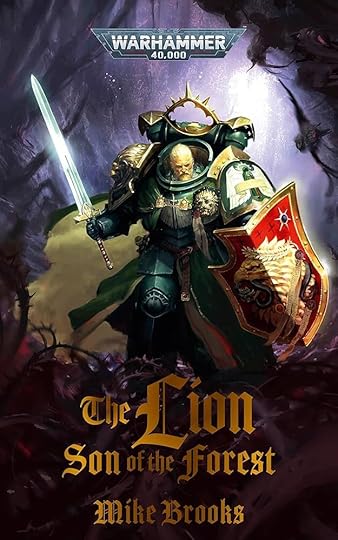
Warhammer El León: hijo del bosque
The Lion. Son of the Emperor, brother of demigods and Primarch of the Dark Angels. Awakened. Returned. And yet... lost.
READ IT BECAUSE
Witness the Emperor’s First Son make his dramatic return to the 41st Millennium! Much has changed since he last walked among the stars, but not Lion El’Jonson’s drive to protect humanity from the threats that assail it from all sides.
THE STORY
After ten thousand years of dreaming, locked in stasis at the heart of his shattered home world, Lion El'Jonson wakes to the nightmare of Imperium Nihilus.
In this midnight age, the dying embers of humanity are threatened on all sides by the hungry darkness. Alone, even the Lion has no hope of prevailing against such evil – but there are those who would aid him in his quest. Hunted to the edge of endurance, many among his Fallen knights have long-awaited the day their liege would return to redeem them. The Lord of Shadowed Paths must gather these lost loyalists to his side once more, and stride forth to vanquish a traitorous son and the twisted Chaos warband that calls him master.
Faced with these strange times, the Lion can be certain of nothing and no-one, except for himself. But in a galaxy without the Emperor, without the Imperium, without his Legion, and without Caliban… who is he?
READ IT BECAUSE
Witness the Emperor’s First Son make his dramatic return to the 41st Millennium! Much has changed since he last walked among the stars, but not Lion El’Jonson’s drive to protect humanity from the threats that assail it from all sides.
THE STORY
After ten thousand years of dreaming, locked in stasis at the heart of his shattered home world, Lion El'Jonson wakes to the nightmare of Imperium Nihilus.
In this midnight age, the dying embers of humanity are threatened on all sides by the hungry darkness. Alone, even the Lion has no hope of prevailing against such evil – but there are those who would aid him in his quest. Hunted to the edge of endurance, many among his Fallen knights have long-awaited the day their liege would return to redeem them. The Lord of Shadowed Paths must gather these lost loyalists to his side once more, and stride forth to vanquish a traitorous son and the twisted Chaos warband that calls him master.
Faced with these strange times, the Lion can be certain of nothing and no-one, except for himself. But in a galaxy without the Emperor, without the Imperium, without his Legion, and without Caliban… who is he?
296 pages, Paperback
First published April 22, 2023
About the author
Mike Brooks
73 books609 followersMike Brooks was born in Ipswich, Suffolk and moved to Nottingham when he was 18 to go to university. He’s stayed there ever since, and now lives with his wife, two cats, two snakes and a collection of tropical fish. When not working for a homelessness charity he plays guitar and sings in a punk band, watches football (soccer), MMA and nature/science documentaries, goes walking in the Peak District or other areas of splendid scenery, and DJs wherever anyone will tolerate him.
And, y’know, writes.
And, y’know, writes.
Ratings & Reviews
Friends & Following
Create a free account to discover what your friends think of this book!
Community Reviews
Displaying 1 - 30 of 357 reviews

June 3, 2024
Kept reading the moment I came across a character referred to as some sort of, I think it’s called a “neo-pronoun” or something awesome like that, where a character is referred to other than ‘he’ or ‘she.’
Keep that crap in my warhammer.
Keep that crap in my warhammer.

May 10, 2023
Stopped reading the moment I came across a character referred to as some sort of, I think it's called a 'neo-pronoun' or something dumb like that, where a character is referred to as something other than 'he' or 'she.'
Keep that crap out of my warhammer.
Keep that crap out of my warhammer.

April 28, 2025
Risvegliarsi e trovare il sogno per cui si è vissuto e combattuto ormai perduto.
Il Primarca Lion El'Jonson, una figura avvolta nel mistero e nella leggenda è tornato. Una luce di speranza si riaccende per l'umanità.
Un romanzo narrato in prima persona attraverso il punto di vista e i pensieri di Zabriel, un Dark Angel che sarà il testimone del ritorno del Primarca.
Il Lord della Prima Legione ha deciso di andare in guerra per il dovere di salvare l'umanità, suo primo compito sarà riunire attorno a se i suoi figli dispersi.
Un romanzo che spiega egregiamente parte del passato dei Dark Angels, dall' eresia di Horus alla situazione presente nella galassia del 41° millennio, e i conflitti interni che possono sorgere da una rigida aderenza al dovere e alla lealtà.
A dispetto delle apparenze troviamo pochi scontri armati e una grande battaglia spaziale con approfondimenti sul pensiero strategico e l'abilità tattica dei personaggi coinvolti.
Molto curata invece la parte introspettiva grazie alla prima persona narrante e agli scambi dialogati. Grande risalto viene dato al significato di leadership e alle responsabilità ad essa collegate.
Una storia di riscatto e unione. Grande è l' emozione quando un padre si riunisce ai suoi figli.
Sono pienamente soddisfatto, il romanzo mi ha tenuto incollato fino alla fine. Sarà difficile trovarne un altro di questo livello nella serie?
-------------------------------
Waking up and finding the dream for which one has lived and fought now lost.
The Primarch Lion El'Jonson, a figure shrouded in mystery and legend has returned. A light of hope is rekindled for humanity.
A novel narrated in the first person through the point of view and thoughts of Zabriel, a Dark Angel who will witness the return of the Primarch.
The Lord of the First Legion has decided to go to war for the duty of saving humanity, his first task will be to gather around him his scattered children.
A novel that explains very well part of the past of the Dark Angels, from the heresy of Horus to the current situation in the galaxy of the 41st millennium, and the internal conflicts that can arise from a rigid adherence to duty and loyalty.
Despite appearances we find few armed clashes and a large space battle with insights into the strategic thinking and tactical ability of the characters involved.
The introspective part is very well-finished thanks to the first person narration and the dialogue exchanges. Great emphasis is given to the meaning of leadership and the responsibilities connected to it.
A story of redemption and union. Great is the emotion when a father is reunited with his children.
I am fully satisfied, the novel kept me glued until the end. Will it be difficult to find another of this level in the series?
Il Primarca Lion El'Jonson, una figura avvolta nel mistero e nella leggenda è tornato. Una luce di speranza si riaccende per l'umanità.
Un romanzo narrato in prima persona attraverso il punto di vista e i pensieri di Zabriel, un Dark Angel che sarà il testimone del ritorno del Primarca.
Il Lord della Prima Legione ha deciso di andare in guerra per il dovere di salvare l'umanità, suo primo compito sarà riunire attorno a se i suoi figli dispersi.
Un romanzo che spiega egregiamente parte del passato dei Dark Angels, dall' eresia di Horus alla situazione presente nella galassia del 41° millennio, e i conflitti interni che possono sorgere da una rigida aderenza al dovere e alla lealtà.
A dispetto delle apparenze troviamo pochi scontri armati e una grande battaglia spaziale con approfondimenti sul pensiero strategico e l'abilità tattica dei personaggi coinvolti.
Molto curata invece la parte introspettiva grazie alla prima persona narrante e agli scambi dialogati. Grande risalto viene dato al significato di leadership e alle responsabilità ad essa collegate.
Una storia di riscatto e unione. Grande è l' emozione quando un padre si riunisce ai suoi figli.
Sono pienamente soddisfatto, il romanzo mi ha tenuto incollato fino alla fine. Sarà difficile trovarne un altro di questo livello nella serie?
-------------------------------
Waking up and finding the dream for which one has lived and fought now lost.
The Primarch Lion El'Jonson, a figure shrouded in mystery and legend has returned. A light of hope is rekindled for humanity.
A novel narrated in the first person through the point of view and thoughts of Zabriel, a Dark Angel who will witness the return of the Primarch.
The Lord of the First Legion has decided to go to war for the duty of saving humanity, his first task will be to gather around him his scattered children.
A novel that explains very well part of the past of the Dark Angels, from the heresy of Horus to the current situation in the galaxy of the 41st millennium, and the internal conflicts that can arise from a rigid adherence to duty and loyalty.
Despite appearances we find few armed clashes and a large space battle with insights into the strategic thinking and tactical ability of the characters involved.
The introspective part is very well-finished thanks to the first person narration and the dialogue exchanges. Great emphasis is given to the meaning of leadership and the responsibilities connected to it.
A story of redemption and union. Great is the emotion when a father is reunited with his children.
I am fully satisfied, the novel kept me glued until the end. Will it be difficult to find another of this level in the series?
February 27, 2025
[ENG/ESP]
I am Lion El'Jonson, primarch of the Dark Angels and son of the Emperor.
(Possible minor spoilers for other Warhammer 40K works, but otherwise it would be impossible to talk about this novel)
During the Great Crusade, back in the year 30,000, the Emperor of Mankind created 20 beings outside of all norms, exceptional in everything they set out to do, called Primarchs. Each of them was assigned to an Astartes legion, and they conquered the galaxy for humanity. But one little thing happened (the Horus Heresy) and they all ended up dead or turned into daemons. A few years ago, Games Workshop brought back one of the loyal Primarchs, and last year they decided to bring back another. This book is about that return, although of course we won't have (yet) many answers to this.
We who were once the Uncrowned Princes, we who were the Emperor's original Angels of Death.
We who became the Dark Angels.
Lion El'Jonson, Primarch of the Dark Angels was lost to humanity after the Fracture of Caliban, his home planet, and here he returns to a galaxy desperate for help. He doesn't know how he got back, or why, but he does know what needs to be done: help. And he gets to work very quickly. Along the way he will meet some of his genetic sons, and here a very important theme is discussed within the lore of WH40K: The Fallen. These are those Dark Angels who fought against The Lion in Caliban when it fractured, and who have been hunted by their brothers to the death.
He was the First; the son who did whatever was asked of him, whatever the cost. He destroyed the nightmares of the galaxy. He annihilated rebellions. He obliterated worlds in his father's name, all in the service of a grand vision that died on the tips of Horus' claws aboard the Vengeful spirit.
Of course, this being "in the grim darkness of the far future, there is only war" there has to be a good amount of it. The enemies to beat will be the warband of The Ten Thousand Eyes, some Fallen who have embraced chaos. This will lead to a series of skirmishes, and worse things. This point has been quite well achieved I think, since it has not been left as a mere bolter porn, but what is narrated is quite justified. The only thing I blame this book for, and what takes away a whole star, is that there are hardly any answers, and although it is understandable, it makes this return not very powerful. Guilliman's was much more so because of the way he did it.
We will be what we were always meant to be - Humanity's weapon against the darkness. Are you ready, my sons?
A couple of things I want to mention before finishing:
It is not a perfect novel, but it is very entertaining and also offers us a moment that is not usually given. The return of loyal primarchs needs to be an event in itself, and this book fulfills that. We will have to wait and see who the next one is.
⚔️🛡️⚔️🛡️⚔️🛡️⚔️🛡️⚔️🛡️⚔️🛡️⚔️🛡️⚔️🛡️
Soy Lion El'Jonson, primarca de los Dark Angels e hijo del Emperador.
(Posibles spoilers menores de otras obras de Warhammer 40K, pero sino sería imposible hablar de esta novela)
Durante la Gran cruzada, allá por el año 30.000, el emperador de la humanidad creó a 20 seres fuera de toda norma, excepcionales en todo lo que se propusieran, llamados Primarca. Cada uno de ellos fue asignado a una legión Astarte, y conquistaron la galaxia para la humanidad. Pero pasó una pequeña cosa (la herejía de Horus) y todos acabaron muertos o convertidos en demonios. Hace unos años, Games Workshop nos devolvió a uno de los primarcas leales, y el año pasado decidieron devolvernos a otro. Este libro trata sobre esa vuelta, aunque por supuesto no vamos a tener (todavía) muchas respuestas a esto.
Fuimos los Príncipes Sin Corona, los Ángeles de la Muerte originales del Emperador.
Fuimos quienes nos convertimos en los Dark Angels.
Lion El'Jonson, primarca de los Dark angels (GW decidió que ya no se traducirían ciertos términos, los nombres de las legiones son unas de ellas) quedó perdido para la humanidad después de la ruptura de Caliban, su planeta natal, y aquí vuelve a una galaxia desesperada por ayuda. No sabe cómo ha llegado de vuelta, ni por qué, pero sí sabe lo que hay que hacer: ayudar. Y se pone manos a la obra de manera más que rápida. Por el camino encontrará a algunos de sus hijos genéticos, y aquí se trata un tema muy importante dentro del lore de WH40K: Los caídos. Estos son aquellos Dark angels que lucharon en contra de El león en Caliban cuando se fracturó, y que han sido perseguidos por sus hermanos a muerte.
Era el Primero, el hijo que hacía lo que se le pidiera, por difícil que fuera. Destruyó las pesadillas de la galaxia. Aniquiló rebeliones. Arrasó con planetas enteros en nombre de su padre, todo al servicio de una gran visión que murió en las garras de Horus a borde de la Espíritu vengativo.
Por supuesto, siendo esto el lejano futuro donde solo existe guerra, no puede faltar una buena cantidad de ello. Los enemigos a batir serán la banda de Los diez mil ojos, unos Caídos que han abrazado el caos. Esto dará lugar a una serie de refriegas, y de cosas peores. Este punto ha estado bastante logrado, puesto que no se ha quedado como un mero bolter porn (violencia por violencia, vaya), sino que lo que se narra está bastante jusificado. Lo único que le achaco, y que le resta una estrella entera, es que no se dan apenas respuestas, y aunque es comprensible, hace que esta vuelta no sea muy potente. La de Guilliman lo fue bastante más por la forma en que lo hizo.
Seremos lo que siempre hemos debido ser: el arma de la humanidad contra la oscuridad. ¿Estáis listos, hijos míos?
Un par de cosas que quiero mencionar antes de terminar:
No es una novela perfecta, pero sí muy amena y que además nos ofrece un momento que no suele darse. El retorno de primarcas leales necesita ser un evento en sí mismo, y este libro cumple con ello. Habrá que ver cual es el próximo.
I am Lion El'Jonson, primarch of the Dark Angels and son of the Emperor.
(Possible minor spoilers for other Warhammer 40K works, but otherwise it would be impossible to talk about this novel)
During the Great Crusade, back in the year 30,000, the Emperor of Mankind created 20 beings outside of all norms, exceptional in everything they set out to do, called Primarchs. Each of them was assigned to an Astartes legion, and they conquered the galaxy for humanity. But one little thing happened (the Horus Heresy) and they all ended up dead or turned into daemons. A few years ago, Games Workshop brought back one of the loyal Primarchs, and last year they decided to bring back another. This book is about that return, although of course we won't have (yet) many answers to this.
We who were once the Uncrowned Princes, we who were the Emperor's original Angels of Death.
We who became the Dark Angels.
Lion El'Jonson, Primarch of the Dark Angels was lost to humanity after the Fracture of Caliban, his home planet, and here he returns to a galaxy desperate for help. He doesn't know how he got back, or why, but he does know what needs to be done: help. And he gets to work very quickly. Along the way he will meet some of his genetic sons, and here a very important theme is discussed within the lore of WH40K: The Fallen. These are those Dark Angels who fought against The Lion in Caliban when it fractured, and who have been hunted by their brothers to the death.
He was the First; the son who did whatever was asked of him, whatever the cost. He destroyed the nightmares of the galaxy. He annihilated rebellions. He obliterated worlds in his father's name, all in the service of a grand vision that died on the tips of Horus' claws aboard the Vengeful spirit.
Of course, this being "in the grim darkness of the far future, there is only war" there has to be a good amount of it. The enemies to beat will be the warband of The Ten Thousand Eyes, some Fallen who have embraced chaos. This will lead to a series of skirmishes, and worse things. This point has been quite well achieved I think, since it has not been left as a mere bolter porn, but what is narrated is quite justified. The only thing I blame this book for, and what takes away a whole star, is that there are hardly any answers, and although it is understandable, it makes this return not very powerful. Guilliman's was much more so because of the way he did it.
We will be what we were always meant to be - Humanity's weapon against the darkness. Are you ready, my sons?
A couple of things I want to mention before finishing:
It is not a perfect novel, but it is very entertaining and also offers us a moment that is not usually given. The return of loyal primarchs needs to be an event in itself, and this book fulfills that. We will have to wait and see who the next one is.
⚔️🛡️⚔️🛡️⚔️🛡️⚔️🛡️⚔️🛡️⚔️🛡️⚔️🛡️⚔️🛡️
Soy Lion El'Jonson, primarca de los Dark Angels e hijo del Emperador.
(Posibles spoilers menores de otras obras de Warhammer 40K, pero sino sería imposible hablar de esta novela)
Durante la Gran cruzada, allá por el año 30.000, el emperador de la humanidad creó a 20 seres fuera de toda norma, excepcionales en todo lo que se propusieran, llamados Primarca. Cada uno de ellos fue asignado a una legión Astarte, y conquistaron la galaxia para la humanidad. Pero pasó una pequeña cosa (la herejía de Horus) y todos acabaron muertos o convertidos en demonios. Hace unos años, Games Workshop nos devolvió a uno de los primarcas leales, y el año pasado decidieron devolvernos a otro. Este libro trata sobre esa vuelta, aunque por supuesto no vamos a tener (todavía) muchas respuestas a esto.
Fuimos los Príncipes Sin Corona, los Ángeles de la Muerte originales del Emperador.
Fuimos quienes nos convertimos en los Dark Angels.
Lion El'Jonson, primarca de los Dark angels (GW decidió que ya no se traducirían ciertos términos, los nombres de las legiones son unas de ellas) quedó perdido para la humanidad después de la ruptura de Caliban, su planeta natal, y aquí vuelve a una galaxia desesperada por ayuda. No sabe cómo ha llegado de vuelta, ni por qué, pero sí sabe lo que hay que hacer: ayudar. Y se pone manos a la obra de manera más que rápida. Por el camino encontrará a algunos de sus hijos genéticos, y aquí se trata un tema muy importante dentro del lore de WH40K: Los caídos. Estos son aquellos Dark angels que lucharon en contra de El león en Caliban cuando se fracturó, y que han sido perseguidos por sus hermanos a muerte.
Era el Primero, el hijo que hacía lo que se le pidiera, por difícil que fuera. Destruyó las pesadillas de la galaxia. Aniquiló rebeliones. Arrasó con planetas enteros en nombre de su padre, todo al servicio de una gran visión que murió en las garras de Horus a borde de la Espíritu vengativo.
Por supuesto, siendo esto el lejano futuro donde solo existe guerra, no puede faltar una buena cantidad de ello. Los enemigos a batir serán la banda de Los diez mil ojos, unos Caídos que han abrazado el caos. Esto dará lugar a una serie de refriegas, y de cosas peores. Este punto ha estado bastante logrado, puesto que no se ha quedado como un mero bolter porn (violencia por violencia, vaya), sino que lo que se narra está bastante jusificado. Lo único que le achaco, y que le resta una estrella entera, es que no se dan apenas respuestas, y aunque es comprensible, hace que esta vuelta no sea muy potente. La de Guilliman lo fue bastante más por la forma en que lo hizo.
Seremos lo que siempre hemos debido ser: el arma de la humanidad contra la oscuridad. ¿Estáis listos, hijos míos?
Un par de cosas que quiero mencionar antes de terminar:
No es una novela perfecta, pero sí muy amena y que además nos ofrece un momento que no suele darse. El retorno de primarcas leales necesita ser un evento en sí mismo, y este libro cumple con ello. Habrá que ver cual es el próximo.
April 25, 2023
Most Primarchs only get discovered in BL novels once; Lion El’Jonson is unique in having been discovered in prose twice. His other returned brother, Guilliman, already had revived and made his way to Terra in when we met him in the Dark Imperium trilogy and the Dawn of Fire series, and while other novels are set around this event, it hasn’t been explored in prose. An occasion as monumental as the effective resurrection of a demigod deserves detailing, and Mike Brooks is well suited to handling it. The book hits the beats you’d expect, and details the seismic return of a Primarch but doesn’t contain any shocking changes to the setting beyond that. Indeed, I think it’s the perfect primer for the Dark Angels, both as a Legion and modern Chapter. It concisely explains and summarizes key events from their history that otherwise are spread over dozens of novels and short stories and explains their nature in both forms.
The perspective in the books shifts between the Lion, a Terran veteran of the Legion and a wonderfully portrayed Chaos Space Marine warband. His Lion gradually comes into himself as the book progresses and the way his relationships develop with the supporting characters is interesting. Zabriel is a great character, like the Lion stranded out of time and forced by circumstance to be self-reliant it feels like the majority of the book is told in his words and I enjoyed being in his company. The various corrupted Space Marines we meet range in their devotion to the dark Gods and depravity but all drip with charisma and personality- interestingly they’re notably different from the Alpha Legionaries featured in Brooks’ Harrowmaster. Throughout the book are some of the most interesting depictions of relationships between Space Marines that I can recall reading, there is rivalry, antagonism and distrust but also genuine bonds of friendship and tenderness if not outright homoeroticism.
The book isn’t just gay Space Marines eating pudding though- there is combat a-plenty throughout including a demonstration of the shock-and-awe of a Primarch taking on veteran Chaos Astartes, a nicely thought-out space battle and more besides. I listened to the audiobook pretty much non-stop until I finished, it’s engaging and entertaining in a way that not all books are.
I can’t finish this review without praising the performance of Timothy Watson as the audiobook’s narrator. Brooks introduces one character by saying he has a fantastic voice, Watson manages to unquestionably give him one. All of the characters are distinct from each other and the general performance is amazing. Between this and The Godeater’s Son I’m now at a point where I’m more likely to opt for an audiobook over the traditional version if he’s narrating.
The perspective in the books shifts between the Lion, a Terran veteran of the Legion and a wonderfully portrayed Chaos Space Marine warband. His Lion gradually comes into himself as the book progresses and the way his relationships develop with the supporting characters is interesting. Zabriel is a great character, like the Lion stranded out of time and forced by circumstance to be self-reliant it feels like the majority of the book is told in his words and I enjoyed being in his company. The various corrupted Space Marines we meet range in their devotion to the dark Gods and depravity but all drip with charisma and personality- interestingly they’re notably different from the Alpha Legionaries featured in Brooks’ Harrowmaster. Throughout the book are some of the most interesting depictions of relationships between Space Marines that I can recall reading, there is rivalry, antagonism and distrust but also genuine bonds of friendship and tenderness if not outright homoeroticism.
The book isn’t just gay Space Marines eating pudding though- there is combat a-plenty throughout including a demonstration of the shock-and-awe of a Primarch taking on veteran Chaos Astartes, a nicely thought-out space battle and more besides. I listened to the audiobook pretty much non-stop until I finished, it’s engaging and entertaining in a way that not all books are.
I can’t finish this review without praising the performance of Timothy Watson as the audiobook’s narrator. Brooks introduces one character by saying he has a fantastic voice, Watson manages to unquestionably give him one. All of the characters are distinct from each other and the general performance is amazing. Between this and The Godeater’s Son I’m now at a point where I’m more likely to opt for an audiobook over the traditional version if he’s narrating.
January 4, 2024
DNF. Hope they drop this author. Poorly written. Seems like author hates the setting.

April 22, 2023
Something this big brings with it a lot of expectations, and a lot of questions. What was the Lion up to for the last 10k years? What is he like now, and how does he react to the realities of life in the 41st millennium? How is he going to view what the Dark Angels are now, and the Fallen? This book answers some of those questions, and does so in a way that’s pretty effective given the constraints Brooks was clearly under. There’s a lot to unpack with the Lion, far more than a single book could possibly cover, and there’s no doubt that this would have been much better as a duology or trilogy, in order to really dig into its themes and ideas.
As it is, don’t expect to find out what the Lion was up to all that time – at this point, he doesn’t know himself – and don’t expect it to really explore his relationship with the 40k Dark Angels. This isn’t a Dark Angels book; it’s a book about the Lion and the Fallen. It has some really cool moments, and does a good job of introducing a new iteration of a familiar character and portraying his changed viewpoint. Given the nature of how Games Workshop have reintroduced this character though, it’s perhaps understandable that rather than a grand, epic story this is, in fact, relatively low-key. It’s a decent book…but it’s not a stunner, and it doesn’t have the sense of scale and excitement that you might expect from the return of a Primarch. But hey, at least BL did manage to produce a novel to capture the moment of this Primarch’s return, unlike last time!
As it is, don’t expect to find out what the Lion was up to all that time – at this point, he doesn’t know himself – and don’t expect it to really explore his relationship with the 40k Dark Angels. This isn’t a Dark Angels book; it’s a book about the Lion and the Fallen. It has some really cool moments, and does a good job of introducing a new iteration of a familiar character and portraying his changed viewpoint. Given the nature of how Games Workshop have reintroduced this character though, it’s perhaps understandable that rather than a grand, epic story this is, in fact, relatively low-key. It’s a decent book…but it’s not a stunner, and it doesn’t have the sense of scale and excitement that you might expect from the return of a Primarch. But hey, at least BL did manage to produce a novel to capture the moment of this Primarch’s return, unlike last time!

July 11, 2024
‘There is no malady at work here, my lord. You simply got old.’
While The Lion is a direct straightforward story, it exists within a complicated context, requiring the following from Brooks:
- Getting out a significant amount of exposition to cover off the Horus Heresy timeline and the Fallen.
- Giving Lion El’Jonson a radical personality transplant and somehow making it plausible (while at least one earlier book suggested he might stand in opposition to Guilliman, he seems to be, for now, a force for good like the “Avenging Son”).
- Dealing with the consequences of the Great Rift while also spinning the wheels up for the Arks of Omen campaign (miniatures and their wonderful little battles are a major feature of Games Workshop’s profits).
These narrative obligations mean that Brooks has to keep the story moving and avoid too much in the way of side plots. The Lion moves from system to system, gains whatever “power-up” Brooks deems the Lion needs and ends the book as a player in Imperium Nihilus.
I do appreciate that the book is light despite all that loading on it even if the story is simplistic. The Lion loses a lot of his hubris and inflexibility to become a real good guy that just wants to help out his sons. This means he loses his melodramatic qualities that drive all the Primarchs in the Horus Heresy but Brooks’ execution means that I do root for the Lion and his forest-walking power-up.
I do wonder where they will go with the Lion. Guilliman presides over a force that massacres innocent civilians to protect the sanctity of the mission. The Lion in The Lion would not allow that. Where the next author takes The Lion will be interesting – a clash with Guilliman still seems quite possible but perhaps in a different way than initially intended.
While The Lion is a direct straightforward story, it exists within a complicated context, requiring the following from Brooks:
- Getting out a significant amount of exposition to cover off the Horus Heresy timeline and the Fallen.
- Giving Lion El’Jonson a radical personality transplant and somehow making it plausible (while at least one earlier book suggested he might stand in opposition to Guilliman, he seems to be, for now, a force for good like the “Avenging Son”).
- Dealing with the consequences of the Great Rift while also spinning the wheels up for the Arks of Omen campaign (miniatures and their wonderful little battles are a major feature of Games Workshop’s profits).
These narrative obligations mean that Brooks has to keep the story moving and avoid too much in the way of side plots. The Lion moves from system to system, gains whatever “power-up” Brooks deems the Lion needs and ends the book as a player in Imperium Nihilus.
I do appreciate that the book is light despite all that loading on it even if the story is simplistic. The Lion loses a lot of his hubris and inflexibility to become a real good guy that just wants to help out his sons. This means he loses his melodramatic qualities that drive all the Primarchs in the Horus Heresy but Brooks’ execution means that I do root for the Lion and his forest-walking power-up.
I do wonder where they will go with the Lion. Guilliman presides over a force that massacres innocent civilians to protect the sanctity of the mission. The Lion in The Lion would not allow that. Where the next author takes The Lion will be interesting – a clash with Guilliman still seems quite possible but perhaps in a different way than initially intended.
February 2, 2024
I didn't feel like this was as epic of a return as the Lion's return should have been.

August 7, 2026
Is it not a human trait to outgrow the authority of a parent?

November 30, 2025
What’s this? (T)eds finished a book that’s not written by Brandon Sanderson??? Is he ok? Yes dear friend, I am. Like most men my age, I’ve come to the realisation that 10 year old me really knew what he was on about when he picked warhammer as a hobby. 24 year old me is dusting off the old paint brush and getting back into things and started collecting Dark Angels.
This book follows the Primarch of the Dark Angels, the Lion as he re-emerges from 10 millennia of absence . What follows is a fantastic story about the emperors first son, filled with great action and emotion. It does require some prior warhammer knowledge, so booting up a 20 minute video essay on YouTube is required to fully understand what’s going on. The book has reaffirmed me commitment to spending obscene amounts of money on small pieces of plastic. Emperor protect my wallet!!
This book follows the Primarch of the Dark Angels, the Lion as he re-emerges from 10 millennia of absence . What follows is a fantastic story about the emperors first son, filled with great action and emotion. It does require some prior warhammer knowledge, so booting up a 20 minute video essay on YouTube is required to fully understand what’s going on. The book has reaffirmed me commitment to spending obscene amounts of money on small pieces of plastic. Emperor protect my wallet!!

June 7, 2023
Rating of 4.75.
One of the fastest rising authors of Warhammer 40,000 fiction, Mike Brooks, returns with another exceptional read, this time covering one of the most significant events in recent Warhammer fiction, the return of Lion El’Johnson with The Lion: Son of the Forest.
At the dawn of the Imperium of Man, there was no force more deadly nor more loyal to the Emperor than the Dark Angels, the first Legion of Space Marines. Led by their implacable and unstoppable Primarch and genefather, Lion El’Johnson, better known as the Lion, nothing was able to stop the Dark Angels as they crusaded from planet to planet dispensing the Emperor’s will. However, following the events of the Horus Heresy and the Lion’s inability to save the Emperor, the Dark Angels imploded from within. Treachery and years of resentment saw the Legion engage in a brutal and sudden civil war, which resulted in the destruction of the Dark Angel’s home world of Caliban, the scattering of the traitor Dark Angels throughout time and space as the Fallen, and the disappearance and apparent death of the Lion right when the galaxy needed him most.
Now in the 41st millennium, humanity is facing the greatest threat since the Horus Heresy. The fall of Cadia spawned the Great Rift, a sprawling gap of daemon infested space that split the already crumbling Imperium in two, distributing travel, communications and coordination between humanity’s armies. Into this darkness, the dread forces of Chaos emerge, destroying all before them, while other malign threats begin to eat away the remains of the Imperium. The doom of all mankind seems certain, but hope is about to emerge in the most unlikely of places.
After a 10,000-year absence, the Lion awakens on the far-flung and devastated planet of Camarth, with no memory of how he got there. Discovering one of his former sons, the Fallen Zabriel, the Lion soon discovers what has happened to the Imperium in his absence, as well as the terrible threats of the Great Rift and the forces of Chaos. Unsure of his purpose or what has happened to him, the Lion sets out to preserve humanity from the forces trying to destroy it. Rallying members of the Fallen from their long exile, the Lion begins a new campaign throughout the besieged systems of man, while trying to reconcile himself to everything he has lost. But a dangerous and well-organised Chaos warband, the Ten Thousand Eyes, led by two of the Lion’s Fallen sons, are determined to destroy the returned Primarch and enact an ambitious plan with galaxy shattering consequences. Can an isolated Lion survive the insanity of the 41st millennium, or has he returned only to face his doom?
Wow, now this was a pretty damn awesome Warhammer 40,000 novel. Mike Brooks continues to really impress me with this cool new book, and I loved the elaborate and captivating tale contained within The Lion: Son of the Forest. Featuring an intriguing and emotionally charged narrative that perfectly revives a key Warhammer 40,000 character, The Lion is an outstanding read and I think this is probably Brooks’ best Warhammer novel yet.
To see the full review, click on the link below:
https://unseenlibrary.com/2023/06/07/...
For other exciting reviews and content, check out my blog at:
https://unseenlibrary.com/
One of the fastest rising authors of Warhammer 40,000 fiction, Mike Brooks, returns with another exceptional read, this time covering one of the most significant events in recent Warhammer fiction, the return of Lion El’Johnson with The Lion: Son of the Forest.
At the dawn of the Imperium of Man, there was no force more deadly nor more loyal to the Emperor than the Dark Angels, the first Legion of Space Marines. Led by their implacable and unstoppable Primarch and genefather, Lion El’Johnson, better known as the Lion, nothing was able to stop the Dark Angels as they crusaded from planet to planet dispensing the Emperor’s will. However, following the events of the Horus Heresy and the Lion’s inability to save the Emperor, the Dark Angels imploded from within. Treachery and years of resentment saw the Legion engage in a brutal and sudden civil war, which resulted in the destruction of the Dark Angel’s home world of Caliban, the scattering of the traitor Dark Angels throughout time and space as the Fallen, and the disappearance and apparent death of the Lion right when the galaxy needed him most.
Now in the 41st millennium, humanity is facing the greatest threat since the Horus Heresy. The fall of Cadia spawned the Great Rift, a sprawling gap of daemon infested space that split the already crumbling Imperium in two, distributing travel, communications and coordination between humanity’s armies. Into this darkness, the dread forces of Chaos emerge, destroying all before them, while other malign threats begin to eat away the remains of the Imperium. The doom of all mankind seems certain, but hope is about to emerge in the most unlikely of places.
After a 10,000-year absence, the Lion awakens on the far-flung and devastated planet of Camarth, with no memory of how he got there. Discovering one of his former sons, the Fallen Zabriel, the Lion soon discovers what has happened to the Imperium in his absence, as well as the terrible threats of the Great Rift and the forces of Chaos. Unsure of his purpose or what has happened to him, the Lion sets out to preserve humanity from the forces trying to destroy it. Rallying members of the Fallen from their long exile, the Lion begins a new campaign throughout the besieged systems of man, while trying to reconcile himself to everything he has lost. But a dangerous and well-organised Chaos warband, the Ten Thousand Eyes, led by two of the Lion’s Fallen sons, are determined to destroy the returned Primarch and enact an ambitious plan with galaxy shattering consequences. Can an isolated Lion survive the insanity of the 41st millennium, or has he returned only to face his doom?
Wow, now this was a pretty damn awesome Warhammer 40,000 novel. Mike Brooks continues to really impress me with this cool new book, and I loved the elaborate and captivating tale contained within The Lion: Son of the Forest. Featuring an intriguing and emotionally charged narrative that perfectly revives a key Warhammer 40,000 character, The Lion is an outstanding read and I think this is probably Brooks’ best Warhammer novel yet.
To see the full review, click on the link below:
https://unseenlibrary.com/2023/06/07/...
For other exciting reviews and content, check out my blog at:
https://unseenlibrary.com/
June 27, 2023
This is easily the best 40k novel I’ve had the pleasure of reading. It’s the first time a Primarch behaves like an actual adult, and man it’s a great thing to experience. That being said, I’m not sure how good this book is going to be for you if you have not read the Dark Angels part of the Horus Heresy, or indeed a lot of the Horus Heresy in general. There is sooo much “fan-service” to middle aged dads who know and love the 40K lore on this book that it I think it needs that foundation to be enjoyed as much as I did.
The lion has grown up, and grows up throughout the story, and it’s just a great way to build the Dark Angels into the coolest legion in the grim dark future . And I say that as someone who disliked both the lion and his legion as they were previously portrayed in the lore. It does sort of position the Imperium, or at least humanity, as more of the good guys in the setting that what has previously been done, at least compared to chaos. So maybe we’re moving into an “era” of 40K lore where GW and the black library are leaving some of the 80ies satire behind to focus on more “modern” issues with right wing fanatics instead of the Thatcher and Reaganism of the past. I won’t mind that. One of the reasons I prefer the Age of Sigmar universe is exactly because it gives are more nuanced picture on the issues we face in modern society, but many might not like it if the Imperium and other non-chaos, non-tyrannied races become “good guys” in a universe that never had any.
If you like 40K you’ll like this book. Maybe don’t read it as your first one, but once you’ve read about Caliban you can jump right in.
The lion has grown up, and grows up throughout the story, and it’s just a great way to build the Dark Angels into the coolest legion in the grim dark future . And I say that as someone who disliked both the lion and his legion as they were previously portrayed in the lore. It does sort of position the Imperium, or at least humanity, as more of the good guys in the setting that what has previously been done, at least compared to chaos. So maybe we’re moving into an “era” of 40K lore where GW and the black library are leaving some of the 80ies satire behind to focus on more “modern” issues with right wing fanatics instead of the Thatcher and Reaganism of the past. I won’t mind that. One of the reasons I prefer the Age of Sigmar universe is exactly because it gives are more nuanced picture on the issues we face in modern society, but many might not like it if the Imperium and other non-chaos, non-tyrannied races become “good guys” in a universe that never had any.
If you like 40K you’ll like this book. Maybe don’t read it as your first one, but once you’ve read about Caliban you can jump right in.

February 23, 2025
Тут, порівняно із усіма історіями ери єресі Гора, Лев демонструє нарешті психологічну зрілість і прийняття. Це плюс до книги. Решта поки сире.

May 11, 2023
Mike Brooks is perhaps the most exciting up-and-comer in the Black Library stable, with his deluge of Ork novels, and the widely acclaimed Alpharius: Head of the Hydra primarch title being some of the very best Black Library has to offer. Now spoken by some in the same league as mainstays like Dan Abnett and ADB, Brooks has taken on his biggest title yet - the return of a Primarch, Lion El’Johnson in his headliner title The Lion: Son of the Forest. Throughout this fantastic story, Brooks reinvents The Lion and The Fallen and depicts the madness of Imperium Nihilus, whilst never forgetting the roots of the characters and stories he’s working with.
Taking place some time after the first return of a Primarch (Robute Gulliman, never depicted in prose but partially seen in the Watchers of the Throne novel), The Lion follows the reawakening of the eponymous Primarch of the Dark Angels after ten thousand years. Declaring his attention to protect the people of the world he has awakened on, The Lion recruits ‘traitor’ Dark Angels, returning them to the path of the Imperium and beginning to carve out a protectorate, an Imperium within the Imperium, to drive away the forces of Chaos that have turned the far side of the galaxy - Imperium Nihilus - into a madhouse. Like the vast majority of 40K novels, Son of the Forest can be read on it’s own, but a bit of background knowledge of The Lion will go a long way - and having a bit of awareness of current events, such as The Dawn of Fire books, can help one appreciate the scale of what’s going.
Beyond the depiction of The Lion and his Dark Angels, my favorite element of Son of the Forest was the expansion of scope. At first, The Lion is sequestered on a single, already fallen world, fighting with improvised weaponry and with a single man to his name; this rapidly evolves into taking control of a planet, and the forming of a protectorate. And whilst time jumps do come into play, not particularly showing the conquest and reclamation of several planets, this slow elevation of scope is a fantastic metaphor for the Lion coming back to himself, even as he grapples with the fact that, unlike Gulliman, who lingered in stasis for ten thousand years, The Lion has visibly aged.
‘You got old.’ It’s a simple line, muttered with relish by a Chaos Space Marine to the Lion, but it’s a perfect encapsulation of where the Lion is both physically and mentally, and this element alone helps keep the return of a Primarch fresh, and not just a repeat of when Gulliman returned several years ago.
And I’ll be honest - I never cared for the Dark Angels. The Lion just felt like a more stoic, less interesting version of Leman RUss, and the whole Dark Angels and Fallen element of his legion just didn’t grab me. It doesn’t matter - I adore Mike Brook’s depiction of the new Lion El’Johnson, a man who doesn’t understand the galaxy he has awoken into, the attitudes and beliefs of the people he protects, and the very nature of his existence. His genuine wish to protect his soldiers and his people, his horror at the concept of being the last living Primarch, and his active attempts to simmer his former, destructive behaviors are all delightful to behold.
Spread amongst the book and more ethereal, literal dream-like sequences taking place in some form of The Lion’s ‘homeworld’ Caliban. These were probably my favorite scenes in the book, not only playing heavy homage to Arthurian legends that have always been the bedrock of The Lion and the Dark Angel’s stories, but heavily reflects the current nature of The Emperor, his relationship to his sons, and his attempts to guide the Lion back onto the path he belongs to. This all culminates in the final chapters, which I wouldn’t dare spoil, but does an incredible job of depicting the Lion’s fears and anxieties, and his relationships to his now scattered brotherhood.
I’ve heard some people knock the book for its somewhat smaller scope - there are no bigger status quo changes, no meetings between Primarchs or reconciliation between The Lion and his dearest friend, Luther, but I was fine with that. This is a story about The Lion returning, both physically and metaphorically, and whilst Son of the Forest leans on the shorter side, Brooks delivers on everything he builds upon from page one, and anything more would have pushed it too far.
If I were to nitpick, I’d say the villains of the novel - a warband of corrupted, Chaos Space Marines, led by two former Dark Angels - are the weakest elements of the book. They aren’t bad, not nearly, but beyond them just being a foil to the Lion and his rejuvenation of The Fallen he encounters, they just don’t have a lot going on beyond the normal ‘terror of Chaos’ thing about them. Again, not that bad, but the lead to some pretty awesome fight scenes - normally a staple of padding in Black Library novels - displaying a sense of violence and chaos with devolving into page after page of meaningly, oft-mocked ‘bolter porn’.
Also, I think the relationship between the two lead Space Marine antagonists had just that hint of queerness I’ve come to enjoy from Brook’s writing. Not much to say there, but just glad it exists.
The Lion: Son of the Forest is a fantastic return for what I’d always seen as one of Warhammer’s least interesting leads. With a focus on reflection, forgiveness, and camaraderie, genuine, goddamned character development and a character study of The Lion that’ll put the best of the Black Library to shame, this is required reading for anyone even mildly interested in the latest happenings of the Warhammer 40,000 universe.
Taking place some time after the first return of a Primarch (Robute Gulliman, never depicted in prose but partially seen in the Watchers of the Throne novel), The Lion follows the reawakening of the eponymous Primarch of the Dark Angels after ten thousand years. Declaring his attention to protect the people of the world he has awakened on, The Lion recruits ‘traitor’ Dark Angels, returning them to the path of the Imperium and beginning to carve out a protectorate, an Imperium within the Imperium, to drive away the forces of Chaos that have turned the far side of the galaxy - Imperium Nihilus - into a madhouse. Like the vast majority of 40K novels, Son of the Forest can be read on it’s own, but a bit of background knowledge of The Lion will go a long way - and having a bit of awareness of current events, such as The Dawn of Fire books, can help one appreciate the scale of what’s going.
Beyond the depiction of The Lion and his Dark Angels, my favorite element of Son of the Forest was the expansion of scope. At first, The Lion is sequestered on a single, already fallen world, fighting with improvised weaponry and with a single man to his name; this rapidly evolves into taking control of a planet, and the forming of a protectorate. And whilst time jumps do come into play, not particularly showing the conquest and reclamation of several planets, this slow elevation of scope is a fantastic metaphor for the Lion coming back to himself, even as he grapples with the fact that, unlike Gulliman, who lingered in stasis for ten thousand years, The Lion has visibly aged.
‘You got old.’ It’s a simple line, muttered with relish by a Chaos Space Marine to the Lion, but it’s a perfect encapsulation of where the Lion is both physically and mentally, and this element alone helps keep the return of a Primarch fresh, and not just a repeat of when Gulliman returned several years ago.
And I’ll be honest - I never cared for the Dark Angels. The Lion just felt like a more stoic, less interesting version of Leman RUss, and the whole Dark Angels and Fallen element of his legion just didn’t grab me. It doesn’t matter - I adore Mike Brook’s depiction of the new Lion El’Johnson, a man who doesn’t understand the galaxy he has awoken into, the attitudes and beliefs of the people he protects, and the very nature of his existence. His genuine wish to protect his soldiers and his people, his horror at the concept of being the last living Primarch, and his active attempts to simmer his former, destructive behaviors are all delightful to behold.
Spread amongst the book and more ethereal, literal dream-like sequences taking place in some form of The Lion’s ‘homeworld’ Caliban. These were probably my favorite scenes in the book, not only playing heavy homage to Arthurian legends that have always been the bedrock of The Lion and the Dark Angel’s stories, but heavily reflects the current nature of The Emperor, his relationship to his sons, and his attempts to guide the Lion back onto the path he belongs to. This all culminates in the final chapters, which I wouldn’t dare spoil, but does an incredible job of depicting the Lion’s fears and anxieties, and his relationships to his now scattered brotherhood.
I’ve heard some people knock the book for its somewhat smaller scope - there are no bigger status quo changes, no meetings between Primarchs or reconciliation between The Lion and his dearest friend, Luther, but I was fine with that. This is a story about The Lion returning, both physically and metaphorically, and whilst Son of the Forest leans on the shorter side, Brooks delivers on everything he builds upon from page one, and anything more would have pushed it too far.
If I were to nitpick, I’d say the villains of the novel - a warband of corrupted, Chaos Space Marines, led by two former Dark Angels - are the weakest elements of the book. They aren’t bad, not nearly, but beyond them just being a foil to the Lion and his rejuvenation of The Fallen he encounters, they just don’t have a lot going on beyond the normal ‘terror of Chaos’ thing about them. Again, not that bad, but the lead to some pretty awesome fight scenes - normally a staple of padding in Black Library novels - displaying a sense of violence and chaos with devolving into page after page of meaningly, oft-mocked ‘bolter porn’.
Also, I think the relationship between the two lead Space Marine antagonists had just that hint of queerness I’ve come to enjoy from Brook’s writing. Not much to say there, but just glad it exists.
The Lion: Son of the Forest is a fantastic return for what I’d always seen as one of Warhammer’s least interesting leads. With a focus on reflection, forgiveness, and camaraderie, genuine, goddamned character development and a character study of The Lion that’ll put the best of the Black Library to shame, this is required reading for anyone even mildly interested in the latest happenings of the Warhammer 40,000 universe.

October 19, 2025
3.5 rounded and up
I really enjoyed the prose and overall plot as well as old man space marine. For my personal taste, I could have used deeper character development.
I really enjoyed the prose and overall plot as well as old man space marine. For my personal taste, I could have used deeper character development.
April 5, 2026
10/10
Leste gjennom den i en enorm hastighet (for meg å være).
Banging bok om en av mine favoritt factions i settingen.
"FOR THE LION"
Leste gjennom den i en enorm hastighet (for meg å være).
Banging bok om en av mine favoritt factions i settingen.
"FOR THE LION"

November 10, 2023
Surprisingly self contained and, dare I say it, restrained for a contemporary primarch return novel.
El, Johnson is not the harsh, abrasive character he was in the Heresy. He’s surprisingly self reflective and forgiving in this one. The villain is a bit one note for my liking, especially as he’s the corrupted fallen, which this book spends most of its time reiterating, who aren’t all beyond redemption.
It’s a great read, and has some wholesome moments for people who are invested into Rowboat getting friend he can rely on.
El, Johnson is not the harsh, abrasive character he was in the Heresy. He’s surprisingly self reflective and forgiving in this one. The villain is a bit one note for my liking, especially as he’s the corrupted fallen, which this book spends most of its time reiterating, who aren’t all beyond redemption.
It’s a great read, and has some wholesome moments for people who are invested into Rowboat getting friend he can rely on.
September 2, 2023
As far as warhammer books go it’s not bad. Sadly the Lion is a massive Mary sue in this read and it never really feels like any of the characters are in any danger. It feels like it doesn’t set things up well enough either.
This entire review has been hidden because of spoilers.

February 10, 2024
This was great. The Lion is an intriguing hero. He is disoriented in the beginning. Later, as he gets his bearings in confusing future of the Imperium, he is haunted by his past, the misunderstandings and internecine struggles of his legion. The villains, followers of the Great Changer, are intriguing and dynamic. The best villains believe in what they are doing. These villains do. The overall atmosphere of the current world of Warhammer 40k, on the dark side of the Great Rift, is compelling.
January 29, 2025
He may be old, but he still kicks ass

October 14, 2024
Old grumpy daddy wakes up and is searching for his bad behaved sons.
This book have one huge problem.... it's short.
This book have one huge problem.... it's short.

May 1, 2023
3.5*
Not bad. Some interesting stuff, setting up a bit of a new trajectory for this particular faction. Will be interesting to read more about the Lion’s return and what it means for the Dark Angels (who I have found mostly boring in the fiction, but not so here).
I think there’s a pretty good Pratchett reference in here, too.
Not bad. Some interesting stuff, setting up a bit of a new trajectory for this particular faction. Will be interesting to read more about the Lion’s return and what it means for the Dark Angels (who I have found mostly boring in the fiction, but not so here).
I think there’s a pretty good Pratchett reference in here, too.

September 28, 2024
Was pretty good and great to have a primarch coming back, I feel it wasn't as good as what it could have been. There was no big impact for the lions return as of yet which I really wanted to see in this book. Hopefully we get a follow up book of the lion seeking out guilliman...that is the story I really wanted added. Lost brothers reuniting, not including that but still having the lion back is bitter sweet. Hope this is the start of some more loyalist primarchs returning.

December 26, 2024
Брат ми е дядо, ма още го може - 3.5
August 13, 2025
Super solid fourth. As i'm back into painting I was able to finish this today.
I think as a starting book for the universe it is really good. It explains enough and captures the grim future of the world.
The lion finally returns after being in a strange coma that is not explained for 10k years. Unlike Guilliman though he has aged all those years and returns looking different and weaker but not by much.
The book is mainly about the Lion changing as a person as he he goes from a no mercy type of ruler to giving all his traitor sons a chance which is really touching. There's some good character arcs here and it's just sick to see the Lion kick some ass.
Seeing the Lion meet Dante right at the end was northing short of worth it.
#ImworthIT
Also loved seeing the Lion throw love at Sanguinius whenever possible. Man is always glazing the angel and even likes the blood angels just because of Sanguinius 😂
I would have wrote more if i did not take a long hiatus with the painting, therefore I have forgotten some moments.
Oh wait. One of my favorites was when the Lion finally reunites with two of his sons, which by the way are the first Dark Angels he finds outside of one. They agree to meet him and the first thing one of them does? Throws hands with the Lion to see if UNC still got it😂😂😂
I think as a starting book for the universe it is really good. It explains enough and captures the grim future of the world.
The lion finally returns after being in a strange coma that is not explained for 10k years. Unlike Guilliman though he has aged all those years and returns looking different and weaker but not by much.
The book is mainly about the Lion changing as a person as he he goes from a no mercy type of ruler to giving all his traitor sons a chance which is really touching. There's some good character arcs here and it's just sick to see the Lion kick some ass.
Seeing the Lion meet Dante right at the end was northing short of worth it.
#ImworthIT
Also loved seeing the Lion throw love at Sanguinius whenever possible. Man is always glazing the angel and even likes the blood angels just because of Sanguinius 😂
I would have wrote more if i did not take a long hiatus with the painting, therefore I have forgotten some moments.
Oh wait. One of my favorites was when the Lion finally reunites with two of his sons, which by the way are the first Dark Angels he finds outside of one. They agree to meet him and the first thing one of them does? Throws hands with the Lion to see if UNC still got it😂😂😂

May 18, 2023
For those curious, this book is a prequel to the events of Arks Of Omens: The Lion.
There was never any doubt that another Loyalist Primarch would be returning to the series, and Lion El'Jonson was always the front runner in that race, so it isn't much of a surprise that this happened. It is still deliciously enjoyable to see it play out. Unlike the horrible Ultra depression we see in Guilliman's dealing with his own return, the Lion hits the ground running singularly focused on the mission. Cut off from the rest of the Imperium? We'll deal with it. Enemies at every corner? We'll deal with it. Chaos out of control? We'll deal with it.
The main enemy is nothing special, and it is pretty much by the numbers with how it is handled. Reflecting on his brothers and how he misses some of them are a nice touch to see. The main draw however is how the Lion chooses to deal with his sons that potentially turned traitor in the Fallen. Really enjoyed this one, epilogue definitely leaves you wanting for the inevitable reunion between the Lion and Guilliman.
There was never any doubt that another Loyalist Primarch would be returning to the series, and Lion El'Jonson was always the front runner in that race, so it isn't much of a surprise that this happened. It is still deliciously enjoyable to see it play out. Unlike the horrible Ultra depression we see in Guilliman's dealing with his own return, the Lion hits the ground running singularly focused on the mission. Cut off from the rest of the Imperium? We'll deal with it. Enemies at every corner? We'll deal with it. Chaos out of control? We'll deal with it.
The main enemy is nothing special, and it is pretty much by the numbers with how it is handled. Reflecting on his brothers and how he misses some of them are a nice touch to see. The main draw however is how the Lion chooses to deal with his sons that potentially turned traitor in the Fallen. Really enjoyed this one, epilogue definitely leaves you wanting for the inevitable reunion between the Lion and Guilliman.
April 27, 2024
Mir gefallen die meisten Bücher aus dem WH40K Universum.. zumindest Space Wolves habe ich alle gelesen plus einige aus dem Horus Heresy Kontext.. was auffällt ist, dass die Übersetzungen durch die Bank nur mäßig bis schlecht sind.. teilweise sind Verben komplett falsch übersetzt, sodass ganze Absätze keinen Sinn machen.
Empfehlen kann ich dieses Buch trotzdem 🙃
Empfehlen kann ich dieses Buch trotzdem 🙃

May 18, 2024
With humanity in peril and the galaxy split in two by a giant evil space storm, sufficient space-shit has hit the space-fan for Lion El'Jonson to emerge from his 10,000 year slumber and start putting things right.
A super-human son of the Emperor walking the galaxy again would presumably be considered a good thing for the Imperium, but back in the Heresy era The Lion was a literally devisive figure, headstrong and impulsive enough to decapitate first and ask questions later. Fortunately some maturing has happened, and the returned Primarch of the Dark Angels is surprisingly reconciliatory; eager to rebuild long-burned bridges and heal the wounds of the past.
This results in a nice counterpoint to the (many) novels following Roboute Guilliman, the equally silly-named and also recently returned Ultramarines Primarch. Where his brother is obsessed with reorganising the Imperium, launching a crusade and questioning his own divinity, the Lion wants neither title nor galactic influence. He wants to deal with more personal, more immediate concerns. As such the story is less epic but more engaging. Let's hope for more of this before The Lion is inevitably drawn closer to larger-scale events in future novels.
A super-human son of the Emperor walking the galaxy again would presumably be considered a good thing for the Imperium, but back in the Heresy era The Lion was a literally devisive figure, headstrong and impulsive enough to decapitate first and ask questions later. Fortunately some maturing has happened, and the returned Primarch of the Dark Angels is surprisingly reconciliatory; eager to rebuild long-burned bridges and heal the wounds of the past.
This results in a nice counterpoint to the (many) novels following Roboute Guilliman, the equally silly-named and also recently returned Ultramarines Primarch. Where his brother is obsessed with reorganising the Imperium, launching a crusade and questioning his own divinity, the Lion wants neither title nor galactic influence. He wants to deal with more personal, more immediate concerns. As such the story is less epic but more engaging. Let's hope for more of this before The Lion is inevitably drawn closer to larger-scale events in future novels.
This entire review has been hidden because of spoilers.

March 21, 2026
This one was so up and down. The chapters from the perspective of the lion were much more interesting. It starts really strong. The stuff with the thousand eyes was much harder to stick through. Ultimately I knew from the framing that this no name faction would amount to nothing. Lion will win and serephax will die. With this being the lions establishing book it was hard for it to end any other way. Knowing this early on every thousand eyes section felt like busywork to get to an inevitable conclusion and unfortunately this is a substantial anount of the book. Another large chunk is just recruiting space marines that will have no consequence in the setting either. The idea of the risen is really solid. I like it but so much of the book is just will they or won’t they join. If they do it won’t matter as they’re all no name characters with names who blend into an amorphous blob by the end of the story. Positively… Some cool action set pieces. The most interesting element is the lion rediscovering himself and his memories. It didn’t feel like there was much to the story once things got underway. I think I’ll be hesitant to read another 40K novel but I’ve come out of this feeling like the lion is a much more interesting character.
This entire review has been hidden because of spoilers.
Displaying 1 - 30 of 357 reviews