This one had the misfortune to turn up in my to-read pile not long after “John of John”. Apologies to Laura McCluskey, because that’s not a particularly fair fight. One of these books really knew how to use a remote Scottish island. It wasn’t this one.
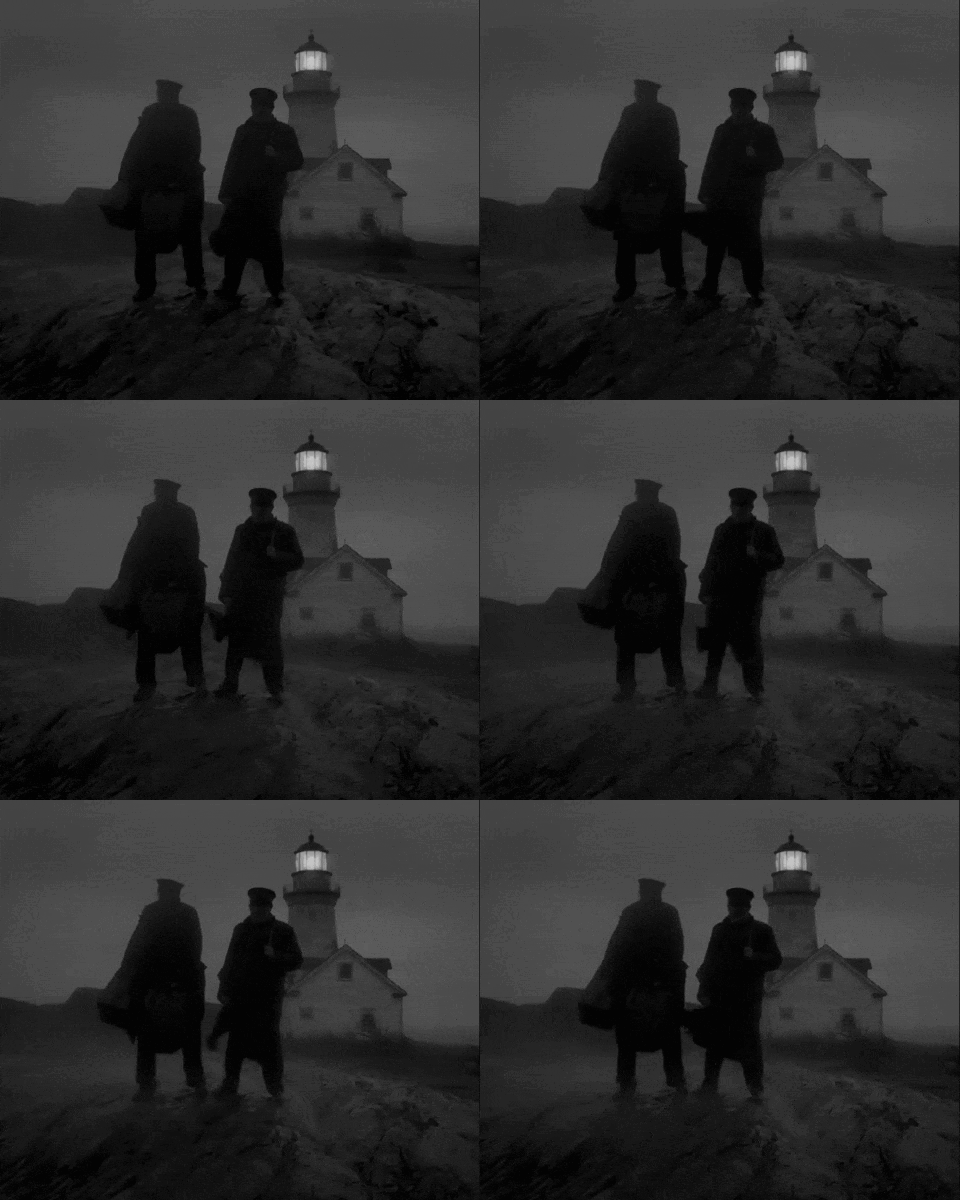
“The Wolf Tree” sends detectives George Lennox and Richie Stewart to Eilean Eadar, an isolated Hebridean island where a young man has been found dead beneath a lighthouse. There are hostile locals, suspicious clergy, old disappearances, strange rituals and terrible weather.
The island is the best thing in the book. Salt, rain, cold, sheep, fish, sea, pub, lighthouse. McCluskey can make a wet rock in the North Atlantic feel like the most miserable place in the world. But the setting is doing a lot of work that the characters and mystery don’t match.
George is young, ambitious, recovering from a near-fatal accident, taking too many painkillers and terrified that someone will tell her she isn’t fit to be back at work. There’s an interesting character in there. Someone who has fought to be taken seriously and become prone to confusing legitimate scrutiny with condescension. She’s determined to prove them wrong.
Instead, George mostly does the same thing over and over. She takes stupid risks. Hides things from her partner. Refuses help. Withholds information. Charges off somewhere she shouldn’t. Then does it again.
The problem isn’t that she’s unlikeable. It’s that the book repeatedly asks us to trust her instincts while showing us that her judgement is dreadful. Her previous mistake nearly killed her. She’s hiding her painkiller use while working a tricky case far from home. She ignores protocol and discounts perfectly reasonable concerns, yet the plot keeps vindicating her because eventually one of those bad decisions leads somewhere useful.
At some point that stops being a brilliant-but-difficult detective and starts looking like an egotistical hothead with extremely poor judgement.
That also undermines her relationship with Richie. He knows her, worries about her and has decades of experience. George demands that he trust her judgement while routinely refusing to trust his. She hides things directly relevant to the investigation, then treats his concern as betrayal. The relationship keeps bending to whatever the scene needs: intimacy here, distrust there, Richie reduced to sensible bloke George must ignore before heading off somewhere dangerous again.
The folk-horror material works best when it stays half-seen. The old mystery creates genuine unease and the islanders work better as a collective presence: secretive, watchful and faintly threatening.
Unfortunately, the book eventually starts explaining it all.
A lot has been held back by then. George’s accident. The old disappearance. The meaning of the title. The island’s secrets. Slow burn is fine, but withholding information only creates tension if learning it later changes how you understand what came before. Here, quite a lot of it simply arrives late and the ending becomes a rush of revelations, danger and explanation.
The strange stuff becomes less strange with the lights on. The dread has promised something darker and more psychologically convincing than what the mystery finally delivers.
Which brings me back to George. Belligerence, secrecy and recklessness can all make a terrific protagonist. But repetition isn’t character development. If she keeps making the same stupid, dangerous choices and the book keeps treating them as fresh evidence of how damaged she is, eventually I stop learning anything about her.
I just conclude she’s a bit of a dill.