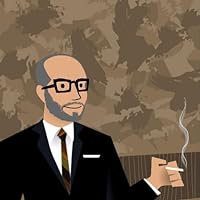
Avec Flaiano, c'est l'ge d'or du cinma italien, celui de la Dolce Vita, qui nous est restitu dans sa gense. Scnariste, critique, visionnaire, il collabora avec les plus grands, avec Fellini beaucoup, mais aussi pour n'en citer que quelques-uns, avec Antonioni, Soldati, Rossellini. Clbre pour la lucidit de ses aphorismes, pour ce regard entre humour et satire avec lequel il scrute les faits les plus anodins, Flaiano fut pleinement publi aprs sa mort et ses notes personnelles dvoilent la prcision de son processus cratif. Ses carnets, prsents ici dans leur forme originale, dcryptent une criture tonnement actuelle, presque intemporelle, en ce qu'elle perce la socit et l'individu au plus profond de leurs singularits. Ce volume est le dernier recueil posthume des perles recueillies dans les fonds de ses tiroirs. Il nous plonge dans cette Italie bruyante, spontane, en pleine mutation qui fut celle de l'aprs-guerre et des golden sixties.
Flaiano wrote for Cineillustrato, Oggi, Il Mondo, Il Corriere della Sera and other prominent Italian newspapers and magazines. In 1947, he won the Strega Prize for his novel, Tempo di uccidere (The Short Cut). Set in Ethiopia during the Italian invasion (1935–36), the novel tells the story of an Italian officer who accidentally kills an Ethiopian woman and is then ravaged by the awareness of his act. The barren landscape around the protagonist hints at an interior emptiness and meaninglessness. This is one of the few Italian literary works (which has been constantly in print for sixty years) dealing with the misdeeds of Italian colonialism in Eastern Africa. In 1971 he suffered a first heart-attack. "All will have to change", he wrote in his notes. He put his many papers in order and published them, although the major part of his memoirs were published posthumously. In November 1972 he began writing various autobiographical pieces for Corriere della Sera. On November 20 of the same year, while at a clinic for a check-up, he suffered a second cardiac arrest. His daughter Lelè, after a long and grave illness, died at age 40 in 1992. His wife Rosetta Rota, sister of composer Nino Rota, died at the end of 2003. The entire family is buried together at the Maccarese Cemetery, near Rome. [edit]Flaiano's Rome Flaiano's name is indissolubly tied to Rome, a city he loved and hated, a caustic witness to its urban evolutions and debacles, its vices and its virtues. In La Solitudine del Satiro Flaiano left numerous passages relating to his Rome. In the Montesacro quarter of Rome, the LABit theatre company placed a commemorative plaque on the facade of his house where he lived from 1952. Critic Richard Eder wrote in Newsday: "To read the late Ennio Flaiano is to imagine a bust of Ovid or Martial, placed in a piazza in Rome amd smiling above a traffic jam. In his antic, melancholy irony, Flaiano wrote as if he were time itself, satirizing the present moment."
ennio flaiano è intelligenza allo stato solido. le sue riflessioni scarne e acuminate hanno la capacità evocativa degli odori.
imprescindibile flaiano. una volta incontrato è come una vaccinazione: si richiamerà ogni volta che incontrerete un cretinata o una miseria (altrui o, quel che è meglio, vostra).
"L’inferno che l’italiano si ostina a immaginare come un luogo dove, bene o male, si sta con le donne nude e dove coi diavoli ci si mette d’accordo." (p. 55)
"Da ragazzo ero anarchico, adesso mi accorgo che si può essere sovversivi soltanto chiedendo che le leggi dello Stato vengano rispettate da chi governa." (p. 63)
"Lei non può immaginare quanto io non sia irremovibile nelle mie idee." (p. 142)
Il "solito" prezioso, indispensabile Flaiano, critico insieme privo di pietà e di speranza, dotato di naturale ironia. Una delle tante raccolte postume e spurie della sua opera, impreziosita da alcuni fogli autografi, con tanto di piccoli schizzi dell'autore.