

What do you think?

Del inconveniente de haber nacido
Taurus recupera uno de los textos clave de la obra de E. M. Cioran. Estos aforismos, escritos en su etapa de madurez, condensan su pensamiento de manera tan lacónica como eficaz y coherente, y constituyen un hallazgo decisivo para cualquier amante de las paradojas y la ironía.
Tallados con precisión, hablan del tiempo, de Dios, de la religión, del silencio, de la muerte y del nacimiento, «una casualidad, un accidente risible». En ellos conviven una devastadora lucidez junto a un humor sin límites, y la lógica más aplastante junto al mayor contrasentido. Opuesto al optimismo y la autocomplacencia de un modo radical, Cioran no desalienta, tiene el talento de fortalecer.
La crítica ha dicho...
«A su discreta manera, Emil Cioran se ha convertido en un clásico de culto cuyo gusto por el aforismo y lo fragmentario -que muchas veces le ha granjeado fama de inconsciente, de falto de un sistema de pensamiento sólido- son seña de modernidad. [...] Pocos como Cioran son capaces de alentar la reflexión y la duda, algo necesario en esta época de ruido y derivas intrascendentes.»
Héctor J. Porto, La Voz de Galicia
«Las contradicciones de Cioran, lejos de invalidar su obra, más bien revelan la fuerza y la belleza de esta.»
Éric Chevillard, Le Monde
Tallados con precisión, hablan del tiempo, de Dios, de la religión, del silencio, de la muerte y del nacimiento, «una casualidad, un accidente risible». En ellos conviven una devastadora lucidez junto a un humor sin límites, y la lógica más aplastante junto al mayor contrasentido. Opuesto al optimismo y la autocomplacencia de un modo radical, Cioran no desalienta, tiene el talento de fortalecer.
La crítica ha dicho...
«A su discreta manera, Emil Cioran se ha convertido en un clásico de culto cuyo gusto por el aforismo y lo fragmentario -que muchas veces le ha granjeado fama de inconsciente, de falto de un sistema de pensamiento sólido- son seña de modernidad. [...] Pocos como Cioran son capaces de alentar la reflexión y la duda, algo necesario en esta época de ruido y derivas intrascendentes.»
Héctor J. Porto, La Voz de Galicia
«Las contradicciones de Cioran, lejos de invalidar su obra, más bien revelan la fuerza y la belleza de esta.»
Éric Chevillard, Le Monde
232 pages, Paperback
First published January 1, 1973
About the author
Emil M. Cioran
174 books4,543 followersBorn in 1911 in Rășinari, a small village in the Carpathian Mountains of Romania, raised under the rule of a father who was a Romanian Orthodox priest and a mother who was prone to depression, Emil Cioran wrote his first five books in Romanian. Some of these are collections of brief essays (one or two pages, on average); others are collections of aphorisms. Suffering from insomnia since his adolescent years in Sibiu, the young Cioran studied philosophy in the “little Paris” of Bucarest.
A prolific publicist, he became a well-known figure, along with Mircea Eliade, Constantin Noïca, and his future close friend Eugene Ionesco (with whom he shared the Royal Foundation’s Young Writers Prize in 1934 for his first book, On the Heights of Despair).
Influenced by the German romantics, by Schopenhauer, Nietzsche, and the Lebensphilosophie of Schelling and Bergson, by certain Russian writers, including Chestov, Rozanov, and Dostoyevsky, and by the Romanian poet Eminescu, Cioran wrote lyrical and expansive meditations that were often metaphysical in nature and whose recurrent themes were death, despair, solitude, history, music, saintliness and the mystics (cf. Tears and Saints, 1937) – all of which are themes that one finds again in his French writings. In his highly controversial book, The Transfiguration of Romania (1937), Cioran, who was at that time close to the Romanian fascists, violently criticized his country and his compatriots on the basis of a contrast between such “little nations” as Romania, which were contemptible from the perspective of universal history and great nations, such as France or Germany, which took their destiny into their own hands.
After spending two years in Germany, Cioran arrived in Paris in 1936. He continued to write in Romanian until the early 1940s (he wrote his last article in Romanian in 1943, which is also the year in which he began writing in French). The break with Romanian became definitive in 1946, when, in the course of translating Mallarmé, he suddenly decided to give up his native tongue since no one spoke it in Paris. He then began writing in French a book that, thanks to numerous intensive revisions, would eventually become the impressive 'A Short History of Decay' (1949) -- the first of a series of ten books in which Cioran would continue to explore his perennial obsessions, with a growing detachment that allies him equally with the Greek sophists, the French moralists, and the oriental sages. He wrote existential vituperations and other destructive reflections in a classical French style that he felt was diametrically opposed to the looseness of his native Romanian; he described it as being like a “straight-jacket” that required him to control his temperamental excesses and his lyrical flights. The books in which he expressed his radical disillusionment appeared, with decreasing frequency, over a period of more than three decades, during which time he shared his solitude with his companion Simone Boué in a miniscule garret in the center of Paris, where he lived as a spectator more and more turned in on himself and maintaining an ever greater distance from a world that he rejected as much on the historical level (History and Utopia, 1960) as on the ontological (The Fall into Time, 1964), raising his misanthropy to heights of subtlety (The Trouble with being Born, 1973), while also allowing to appear from time to time a humanism composed of irony, bitterness, and preciosity (Exercices d’admiration, 1986, and the posthumously published Notebooks).
Denied the right to return to Romania during the years of the communist regime, and attracting international attention only late in his career, Cioran died in Paris in 1995.
Nicolas Cavaillès
Translated by Thomas Cousineau
A prolific publicist, he became a well-known figure, along with Mircea Eliade, Constantin Noïca, and his future close friend Eugene Ionesco (with whom he shared the Royal Foundation’s Young Writers Prize in 1934 for his first book, On the Heights of Despair).
Influenced by the German romantics, by Schopenhauer, Nietzsche, and the Lebensphilosophie of Schelling and Bergson, by certain Russian writers, including Chestov, Rozanov, and Dostoyevsky, and by the Romanian poet Eminescu, Cioran wrote lyrical and expansive meditations that were often metaphysical in nature and whose recurrent themes were death, despair, solitude, history, music, saintliness and the mystics (cf. Tears and Saints, 1937) – all of which are themes that one finds again in his French writings. In his highly controversial book, The Transfiguration of Romania (1937), Cioran, who was at that time close to the Romanian fascists, violently criticized his country and his compatriots on the basis of a contrast between such “little nations” as Romania, which were contemptible from the perspective of universal history and great nations, such as France or Germany, which took their destiny into their own hands.
After spending two years in Germany, Cioran arrived in Paris in 1936. He continued to write in Romanian until the early 1940s (he wrote his last article in Romanian in 1943, which is also the year in which he began writing in French). The break with Romanian became definitive in 1946, when, in the course of translating Mallarmé, he suddenly decided to give up his native tongue since no one spoke it in Paris. He then began writing in French a book that, thanks to numerous intensive revisions, would eventually become the impressive 'A Short History of Decay' (1949) -- the first of a series of ten books in which Cioran would continue to explore his perennial obsessions, with a growing detachment that allies him equally with the Greek sophists, the French moralists, and the oriental sages. He wrote existential vituperations and other destructive reflections in a classical French style that he felt was diametrically opposed to the looseness of his native Romanian; he described it as being like a “straight-jacket” that required him to control his temperamental excesses and his lyrical flights. The books in which he expressed his radical disillusionment appeared, with decreasing frequency, over a period of more than three decades, during which time he shared his solitude with his companion Simone Boué in a miniscule garret in the center of Paris, where he lived as a spectator more and more turned in on himself and maintaining an ever greater distance from a world that he rejected as much on the historical level (History and Utopia, 1960) as on the ontological (The Fall into Time, 1964), raising his misanthropy to heights of subtlety (The Trouble with being Born, 1973), while also allowing to appear from time to time a humanism composed of irony, bitterness, and preciosity (Exercices d’admiration, 1986, and the posthumously published Notebooks).
Denied the right to return to Romania during the years of the communist regime, and attracting international attention only late in his career, Cioran died in Paris in 1995.
Nicolas Cavaillès
Translated by Thomas Cousineau
Ratings & Reviews
Friends & Following
Create a free account to discover what your friends think of this book!
Community Reviews
Displaying 1 - 30 of 1,523 reviews

May 22, 2010
I'm keeping this around to read whenever I feel like life is horrible and consciousness is the greatest tragedy ever to befall man, since then at least I can feel terrible eloquently.

December 29, 2019
Life Inside the Bubble
I feel entitled to interpret and respond to Cioran’s aphoristic mode with some of the same chiastic development (even if not nearly as witty):
Homo sapiens, uniquely in the animal kingdom, lives in a bubble of language. He (and she) is so immured in this bubble that language and experience are inextricably confounded. The consequence of this involuntary universal peonage is that everyone substitutes things with words and responds to words as if they were things. It’s the cost of living in the bubble.
Reality is what happens. Everything else is literature.
Literature is an evolved form of language. It is constituted by an ideal philosophy, and ideal religion, and an ideal politics. Or at least as ideal as can be reached by Homo sapiens.
The philosophy of literature is empirically grounded on observation: human beings are the only story-telling animal. Other sentient beings use gestures, sounds, words, phrases, even sentences to communicate with each other. Only people connect words in complex creative ways. This is a blessing and a curse. It makes life inside the language bubble bearable but more or less isolates story-tellers from experience since the stories they tell create their own experience. No one has ever found a way to untangle the two (the attempt is the failed science of epistemology).
To compensate for the consequences of entrapment inside the bubble human beings have invented a religion of language (and a language of religion) that tells the story (actually many stories) of what exists outside the bubble. This of course is paradoxical since that which is beyond the bubble is reality, which as soon as it is brought inside the bubble becomes literature. Prompted by this contradiction, some people declare their language about things outside the bubble to be sacred, thus making life inside the bubble toxic. These people are idolatrous and call those who are not idolaters: atheists, agnostics, non-conformists, dreamers, and sometimes artists, by which they mean useless.
Those who recognise the existence of the bubble and its implications strive to keep story-telling free from such ossification. Feeling in need of support in a hostile world, they too have succumbed to the religious impulse but in a very different way. Their alternative religion is a kind of ethical politics which allows any story to be told and heard. They make no claims to knowing what is outside the bubble or approaching closer to it by working hard at story-telling within the bubble. Their life consists of the unrestricted exchange of words in unusual and unexpected combinations. They often allude to what they imagine might be outside the bubble but remain interested in the imaginations of others. From this they derive pleasure from which many other inhabitants of the bubble take offence.
Typically, those who take offence, whether religious or not, claim that the imaginative new stories are not reflections of reality and should be ignored or even banned as dangerous. This, of course, is a story of limited imagination (and probably a restricted vocabulary; they tend to occur together). Such stories have little weight unless accompanied by violence. Violence - physical, psychological, and spiritual - is the only effective method which allows reality to enter the bubble. Violence shatters the bubble completely. This those offended perceive as satisfying.
Literature has no defense against violence. The bubble is an aberration, as fragile, ephemeral, and temporary as the language upon which it is based.
In the end violence, that is to say, reality prevails.
Of course Cioran is a laconic genius; so he summarises the situation much more compactly: "As long as you live on this side of the terrible, you will find words to express it; once you know it from inside, you will no longer find a single one." It is difficult to cope with such terseness, even among the literate. Such is the character of good literature.
I feel entitled to interpret and respond to Cioran’s aphoristic mode with some of the same chiastic development (even if not nearly as witty):
Homo sapiens, uniquely in the animal kingdom, lives in a bubble of language. He (and she) is so immured in this bubble that language and experience are inextricably confounded. The consequence of this involuntary universal peonage is that everyone substitutes things with words and responds to words as if they were things. It’s the cost of living in the bubble.
Reality is what happens. Everything else is literature.
Literature is an evolved form of language. It is constituted by an ideal philosophy, and ideal religion, and an ideal politics. Or at least as ideal as can be reached by Homo sapiens.
The philosophy of literature is empirically grounded on observation: human beings are the only story-telling animal. Other sentient beings use gestures, sounds, words, phrases, even sentences to communicate with each other. Only people connect words in complex creative ways. This is a blessing and a curse. It makes life inside the language bubble bearable but more or less isolates story-tellers from experience since the stories they tell create their own experience. No one has ever found a way to untangle the two (the attempt is the failed science of epistemology).
To compensate for the consequences of entrapment inside the bubble human beings have invented a religion of language (and a language of religion) that tells the story (actually many stories) of what exists outside the bubble. This of course is paradoxical since that which is beyond the bubble is reality, which as soon as it is brought inside the bubble becomes literature. Prompted by this contradiction, some people declare their language about things outside the bubble to be sacred, thus making life inside the bubble toxic. These people are idolatrous and call those who are not idolaters: atheists, agnostics, non-conformists, dreamers, and sometimes artists, by which they mean useless.
Those who recognise the existence of the bubble and its implications strive to keep story-telling free from such ossification. Feeling in need of support in a hostile world, they too have succumbed to the religious impulse but in a very different way. Their alternative religion is a kind of ethical politics which allows any story to be told and heard. They make no claims to knowing what is outside the bubble or approaching closer to it by working hard at story-telling within the bubble. Their life consists of the unrestricted exchange of words in unusual and unexpected combinations. They often allude to what they imagine might be outside the bubble but remain interested in the imaginations of others. From this they derive pleasure from which many other inhabitants of the bubble take offence.
Typically, those who take offence, whether religious or not, claim that the imaginative new stories are not reflections of reality and should be ignored or even banned as dangerous. This, of course, is a story of limited imagination (and probably a restricted vocabulary; they tend to occur together). Such stories have little weight unless accompanied by violence. Violence - physical, psychological, and spiritual - is the only effective method which allows reality to enter the bubble. Violence shatters the bubble completely. This those offended perceive as satisfying.
Literature has no defense against violence. The bubble is an aberration, as fragile, ephemeral, and temporary as the language upon which it is based.
In the end violence, that is to say, reality prevails.
Of course Cioran is a laconic genius; so he summarises the situation much more compactly: "As long as you live on this side of the terrible, you will find words to express it; once you know it from inside, you will no longer find a single one." It is difficult to cope with such terseness, even among the literate. Such is the character of good literature.

July 11, 2016
أتقبل الحياة، وأتقبل الموت، لكني لا أتقبل الولادة...

إن كان يوحنا هو الصارخ في البرية
فإن سيوران هو الصارخ في وجه الانسانية
لقد ترك التنظير والمباديء لسواه من الفلاسفة
وراح هو يطلق عواءا ممتدا يلعن فيه كل شيء وأي شيء
فتتحول تلقائيا إلى شذرات ملأت كتبا لم يرد كتباتها من الأساس
يقول سيوران عن نفسه
مثالب الولادة هو أول كتاب أقرأه مترجما عن النص الأصلي كما هو
لا مختارات كما حدث مع كتب مثل لو كان آدم سعيدا وغيرها
والكتاب يدور حول فكرة المجيء إلى هذا العالم
الغلطة الأولى في نظر سيوران
والمأساة الكبرى
وكله رفض لهذا الوجود ولمحاولات التمسك به أو تحقيق الذات فيه
إلا أن سيوران وكما ذكرت من قبل
لا يرفض الواقع بطريقة مؤلمة مبكية
بل بطريقة ساخرة مضحكة برغم كونها غارقة في العدمية
----------------------
هل لدي سحنة شخص يجب عليه أن يفعل شيئا في هذه الدنيا؟
:D
::::::::::::::::::::::::::::::
عندما نفكر بشكل بات غير حقيقي
فإننا لا نرى سببا حقيقيا
يحعلنا نتعب أنفسنا في البرهنة على ذلك
:P
::::::::::::::::::::::::::::::
يالها من خيبة أن يكون أبيقور
وهو أكثر من أحتاج إليه من الحكماء
قد كتب أكثر من ثلاثمائة بحث
ويالها من راحة أن تكون قد ضاعت كلها
:"D
::::::::::::::::::::::::::::::
نحن لا نبدع أثرا دون أن نتعلق به
ودون أن نصير عبيدا له
الكتابة هي العمل الأقل نسكية من أي عمل كان
::::::::::::::::::::::::::::::
لا وجود لأي ذرة من الواقع في أي مكان
إلا في أحاسيسي باللاواقع
::::::::::::::::::::::::::::::
الفرح نور يلتهم نفسه بشكل دائم
إنه الشمس في بدايتها
::::::::::::::::::::::::::::::
لا يملك قناعات إلا ذلك الذي لم يتعمق في شيء
::::::::::::::::::::::::::::::
اللافعل..اللاخلق..
هما المهمة الوحيدة التي في وسع الانسان
أن يرغم عليها نفسه
::::::::::::::::::::::::::::::
أن تكون حيا
فجأة هزتني غرابة هذه العبارة
كأنها لا تنطبق على أحد
::::::::::::::::::::::::::::::
بمجرد التفكير في أن لا أكون ولدت
أي سعادة.. أي حرية.. أي مدى
::::::::::::::::::::::::::::::
مَزِيَّتِي لا تتمثّلُ فى أنّني عديم الفعاليّة بشكل كامل
بل تتمثّل فى أنّي أردتُ ذلك
::::::::::::::::::::::::::::::
قاعدة ذهبية: اترك صورة ناقصةً عنك
::::::::::::::::::::::::::::::
أشجار تتلف. بيوت تنبثق. ثم وجوه
وجوه في كل مكان.
البشر يتفشى. البشر سرطان الأرض
::::::::::::::::::::::::::::::
لا أحد اقتنع مثلي بتفاهة كل شيء
ولا أحد تعامل مثلي بمأساويّة مع كل هذا العدد الهائل من الأشياء التافهة
::::::::::::::::::::::::::::::
بي حاجة فيزيائية إلى العار، كان بودي أن أكون ابنا لجلاد
::::::::::::::::::::::::::::::
أشعر باني حر لكني أعرف لست كذلك
::::::::::::::::::::::::::::::
لو أن كل منا فهم لانتهى التاريخ منذ زمن طويل
لكننا في الأساس عاجزون بيولوجيا عن الفهم
وحتى لو فهم الجميع باستثناء شخص واحد
فإن التاريخ سيستمر بسببه...
بسبب عماه...
بسبب وهم وحيد
::::::::::::::::::::::::::::::
أفرّط في الكون كله وفي شكسبير
مقابل نتفة طمأنينة
..
إن كان يوحنا هو الصارخ في البرية
فإن سيوران هو الصارخ في وجه الانسانية
لقد ترك التنظير والمباديء لسواه من الفلاسفة
وراح هو يطلق عواءا ممتدا يلعن فيه كل شيء وأي شيء
فتتحول تلقائيا إلى شذرات ملأت كتبا لم يرد كتباتها من الأساس
يقول سيوران عن نفسه
أنا لا أملك أيّ إنطباع بأني متشائم. لست مبالغا ، فما أقوله هو الصدق بعينه. ربما أنا أقبض بقوة على الواقع ، لكن لهذا تبريره ، فقد كتبت دائما في لحظات الضيق فقط ، حين تصبح هذه الكتابة شيئا من نوع العلاج ، وفق فهمي. لايكتب الإنسان حين تمتلكه الرغبة في الرقص. لكن هناك الذين - ولا أقصد الأساتذة الجامعيين وحدهم - هم قادرون على الكتابة في وضع محايد. عموما تكون الكتابة عديمة النفع لكن طالما لا أحد بمستطاعه أن يعمل شيئا لأيّّ أحد فهو يعمل ، وعلى الأقل ، شيئا لنفسه - ( يشفي نفسه ) ولو للحظة. الصفحات الأكثر قتامة التي كتبتها دفعتني فيما بعد الى الضحك. وعند قرائتها مرة أخرى تبدو باعثة على القنوط ، حينها أقوم بتعديل الأسلوب فقط وليس الأفكار. لو كنت متشائما حقا لما قرأتني أكثرية الناس ، بل هم يعتبروني ( مشجعا بالصورة الإيجابية ). أنا ُمحسِن بالغ الصغر. إلا أن دوائي لا يفيد كل واحد.
ــــــــــــــــــــــــــــــــــــــــ
مثالب الولادة هو أول كتاب أقرأه مترجما عن النص الأصلي كما هو
لا مختارات كما حدث مع كتب مثل لو كان آدم سعيدا وغيرها
والكتاب يدور حول فكرة المجيء إلى هذا العالم
الغلطة الأولى في نظر سيوران
والمأساة الكبرى
وكله رفض لهذا الوجود ولمحاولات التمسك به أو تحقيق الذات فيه
إلا أن سيوران وكما ذكرت من قبل
لا يرفض الواقع بطريقة مؤلمة مبكية
بل بطريقة ساخرة مضحكة برغم كونها غارقة في العدمية
----------------------
هل لدي سحنة شخص يجب عليه أن يفعل شيئا في هذه الدنيا؟
:D
::::::::::::::::::::::::::::::
عندما نفكر بشكل بات غير حقيقي
فإننا لا نرى سببا حقيقيا
يحعلنا نتعب أنفسنا في البرهنة على ذلك
:P
::::::::::::::::::::::::::::::
يالها من خيبة أن يكون أبيقور
وهو أكثر من أحتاج إليه من الحكماء
قد كتب أكثر من ثلاثمائة بحث
ويالها من راحة أن تكون قد ضاعت كلها
:"D
::::::::::::::::::::::::::::::
نحن لا نبدع أثرا دون أن نتعلق به
ودون أن نصير عبيدا له
الكتابة هي العمل الأقل نسكية من أي عمل كان
::::::::::::::::::::::::::::::
لا وجود لأي ذرة من الواقع في أي مكان
إلا في أحاسيسي باللاواقع
::::::::::::::::::::::::::::::
الفرح نور يلتهم نفسه بشكل دائم
إنه الشمس في بدايتها
::::::::::::::::::::::::::::::
لا يملك قناعات إلا ذلك الذي لم يتعمق في شيء
::::::::::::::::::::::::::::::
اللافعل..اللاخلق..
هما المهمة الوحيدة التي في وسع الانسان
أن يرغم عليها نفسه
::::::::::::::::::::::::::::::
أن تكون حيا
فجأة هزتني غرابة هذه العبارة
كأنها لا تنطبق على أحد
::::::::::::::::::::::::::::::
بمجرد التفكير في أن لا أكون ولدت
أي سعادة.. أي حرية.. أي مدى
::::::::::::::::::::::::::::::
مَزِيَّتِي لا تتمثّلُ فى أنّني عديم الفعاليّة بشكل كامل
بل تتمثّل فى أنّي أردتُ ذلك
::::::::::::::::::::::::::::::
قاعدة ذهبية: اترك صورة ناقصةً عنك
::::::::::::::::::::::::::::::
أشجار تتلف. بيوت تنبثق. ثم وجوه
وجوه في كل مكان.
البشر يتفشى. البشر سرطان الأرض
::::::::::::::::::::::::::::::
لا أحد اقتنع مثلي بتفاهة كل شيء
ولا أحد تعامل مثلي بمأساويّة مع كل هذا العدد الهائل من الأشياء التافهة
::::::::::::::::::::::::::::::
بي حاجة فيزيائية إلى العار، كان بودي أن أكون ابنا لجلاد
::::::::::::::::::::::::::::::
أشعر باني حر لكني أعرف لست كذلك
::::::::::::::::::::::::::::::
لو أن كل منا فهم لانتهى التاريخ منذ زمن طويل
لكننا في الأساس عاجزون بيولوجيا عن الفهم
وحتى لو فهم الجميع باستثناء شخص واحد
فإن التاريخ سيستمر بسببه...
بسبب عماه...
بسبب وهم وحيد
::::::::::::::::::::::::::::::
أفرّط في الكون كله وفي شكسبير
مقابل نتفة طمأنينة
..

December 17, 2018
I feel like I have been reading Cioran all my life, yet this is my first time. Impressive what he can fit into a line or two, a paragraph. The aphoristic style makes the book a breeze to read.
I was surprised to hear him deride Nietzsche, to whom he is often compared. He also scoffs at philosophical systems created by the likes of Aristotle and Hegel. He praises Aurelius, Schopenhauer, and Chamfort. His insight is admirable.
This is wisdom and knowledge mixed with disenchantment and detachment. Rejection of everything except the will to reject. If pessimism can be enthusiastic, here it is.
I was surprised to hear him deride Nietzsche, to whom he is often compared. He also scoffs at philosophical systems created by the likes of Aristotle and Hegel. He praises Aurelius, Schopenhauer, and Chamfort. His insight is admirable.
This is wisdom and knowledge mixed with disenchantment and detachment. Rejection of everything except the will to reject. If pessimism can be enthusiastic, here it is.

August 30, 2025
"Not to be born in undoubtedly the best plan of all"
you know you're losing when you enter the "i hate my existence" competition and this is the mf you're up against 😔
pre-read : i'm just trying to balance out the filthy smut that i am reading with the most depressing philosophical musings
pre-read : i'm just trying to balance out the filthy smut that i am reading with the most depressing philosophical musings

June 13, 2018
This book published as an essay is a surprising collection of relentless thoughts put down by Emil Cioran over life.
Cioran considers life not as an ontological abstraction, but a situation in which you have to go out, meet people in the street, have a look at your prospects, whether they are your own books in a library or job offers in your corner agency... You would feel quite the same at reading a notepad teeming with wild thoughts all over the place.
Is Cioran sportsmanlike or is he putting a sham sometimes? In the end, does that matter? Emil Cioran is a man of contradictions, yet, highly consistent in his contradictions. He writes every one of them in earnest.
Here are some thoughts to mull over. Please help yourself :
Some have misfortunes, others have obsessions. Who are most to be pitied?
'Certains ont des malheurs d'autres des obsessions. Lesquels sont les plus à plaindre ?'
As arts are going deeper into an impasse, artists multiply. This abnormality isn't one if one thinks that art, on the decline, has become impossible and easy at the same time.
'A mesure que l'art s'enfonce dans l'impasse, les artistes se multiplient. Cette anomalie cesse d'en être une, si l'on songe que l'art, en voie d'épuisement, est devenu à la fois impossible et facile.'
All these nations were great, because they had great prejudices. They no longer have. Are they nations still? Scattered crowds, at best.
'Tous ces peuples étaient grands, parce qu'ils avaient de grands préjugés. Ils n'en ont plus. Sont-ils encore des nations? Tout au plus des foules désagrégées.'
To get up, wash yourself, then wait for some kind of blues or angst. I would give the whole universe and Shakespeare for a bit of ataraxia.
'Se lever, faire sa toilette et puis attendre quelque variété imprévue de cafard ou d'effroi. Je donnerais l'univers entier et tout Shakespeare pour un brin d'ataraxie.'
If attachment is an evil, the cause lies in the disgrace of being born, because being born is being attached. Detachment should consist in suppressing this disgrace, the most severe and unbearable of all.
'Si l'attachement est un mal, il faut en chercher la cause dans le scandale de la naissance, car naître c'est s'attacher. Le détachement devrait donc s'appliquer à faire disparaître les traces de ce scandale, le plus grave et le plus intolérable de tous.'
When you refuse to be lyrical, to fill a page becomes a trial : why bother writing exactly what you meant in the first place?
'Quand on se refuse au lyrisme, noircir une page devient une épreuve: à quoi bon écrire pour dire exactement ce qu'on avait à dire ?'
Cioran considers life not as an ontological abstraction, but a situation in which you have to go out, meet people in the street, have a look at your prospects, whether they are your own books in a library or job offers in your corner agency... You would feel quite the same at reading a notepad teeming with wild thoughts all over the place.
Is Cioran sportsmanlike or is he putting a sham sometimes? In the end, does that matter? Emil Cioran is a man of contradictions, yet, highly consistent in his contradictions. He writes every one of them in earnest.
Here are some thoughts to mull over. Please help yourself :
Some have misfortunes, others have obsessions. Who are most to be pitied?
'Certains ont des malheurs d'autres des obsessions. Lesquels sont les plus à plaindre ?'
As arts are going deeper into an impasse, artists multiply. This abnormality isn't one if one thinks that art, on the decline, has become impossible and easy at the same time.
'A mesure que l'art s'enfonce dans l'impasse, les artistes se multiplient. Cette anomalie cesse d'en être une, si l'on songe que l'art, en voie d'épuisement, est devenu à la fois impossible et facile.'
All these nations were great, because they had great prejudices. They no longer have. Are they nations still? Scattered crowds, at best.
'Tous ces peuples étaient grands, parce qu'ils avaient de grands préjugés. Ils n'en ont plus. Sont-ils encore des nations? Tout au plus des foules désagrégées.'
To get up, wash yourself, then wait for some kind of blues or angst. I would give the whole universe and Shakespeare for a bit of ataraxia.
'Se lever, faire sa toilette et puis attendre quelque variété imprévue de cafard ou d'effroi. Je donnerais l'univers entier et tout Shakespeare pour un brin d'ataraxie.'
If attachment is an evil, the cause lies in the disgrace of being born, because being born is being attached. Detachment should consist in suppressing this disgrace, the most severe and unbearable of all.
'Si l'attachement est un mal, il faut en chercher la cause dans le scandale de la naissance, car naître c'est s'attacher. Le détachement devrait donc s'appliquer à faire disparaître les traces de ce scandale, le plus grave et le plus intolérable de tous.'
When you refuse to be lyrical, to fill a page becomes a trial : why bother writing exactly what you meant in the first place?
'Quand on se refuse au lyrisme, noircir une page devient une épreuve: à quoi bon écrire pour dire exactement ce qu'on avait à dire ?'

March 13, 2020
نحنُ لا نركُضُ نحو الموت ، نحنُ نفرُّ من كارثة الولادة .
...
( لا تحكم على أحد قبل أن تضع نفسك مكانه ) .
هذه الحكمة القديمة تجعل كل حكم مستحيل ، لأننا تحديدًا ، لا نحكم على أحد إلَّا لأننا لا نستطيع أن نضع أنفسنا مكانه .
...
البشر لا يهجرون الجحيم إلَّا لإعادة إنشائه في مكان آخر .
...
أيَّ شيء تخاطب الموسيقى فينا ؟ من الصعب أن نعرف ذلك ، لكن الأكيد أن المنطقة التي تلمسها تبلغ من العمق حَدَّ أن الجنون نفسه يعجز عن دخولها .
...
الخوف من أن نكون مخدوعين ليس سوى الصيغة المبتذلة للبحث عن الحقيقة .
...
في قرارة نفسه يشعر كلٌّ منّا بأنّه خالد و يعتقد ذلك حتى و هو يعلم أنه ميتٌ بعد لحظة . نحن نستطيع أن نفهم كل شيء ، أن نسلّم بكلّ شيء ، أن ندرك كل شيء ، باستثناء موتنا ، في حين أننا نفكر فيه بلا انقطاع مذعِنين .
...
( لا تحكم على أحد قبل أن تضع نفسك مكانه ) .
هذه الحكمة القديمة تجعل كل حكم مستحيل ، لأننا تحديدًا ، لا نحكم على أحد إلَّا لأننا لا نستطيع أن نضع أنفسنا مكانه .
...
البشر لا يهجرون الجحيم إلَّا لإعادة إنشائه في مكان آخر .
...
أيَّ شيء تخاطب الموسيقى فينا ؟ من الصعب أن نعرف ذلك ، لكن الأكيد أن المنطقة التي تلمسها تبلغ من العمق حَدَّ أن الجنون نفسه يعجز عن دخولها .
...
الخوف من أن نكون مخدوعين ليس سوى الصيغة المبتذلة للبحث عن الحقيقة .
...
في قرارة نفسه يشعر كلٌّ منّا بأنّه خالد و يعتقد ذلك حتى و هو يعلم أنه ميتٌ بعد لحظة . نحن نستطيع أن نفهم كل شيء ، أن نسلّم بكلّ شيء ، أن ندرك كل شيء ، باستثناء موتنا ، في حين أننا نفكر فيه بلا انقطاع مذعِنين .

November 20, 2015
ليس متواضعًا ذلك الذى يكره نفسه
كتاب فى مديح العُزلة والموت
كتاب فى مديح العُزلة والموت
October 18, 2008
I do not read philosophy generally, because it confuses me almost immediately given that I have no capacity whatsoever for abstractions. But I can do E. M. Cioran. Cioran was born in Romania in 1911, spent most of his working life in France, mulling over suicide and death while living to a ripe old age. Much of Cioran’s work is in the form of aphorisms or maxims, and are therefore accessible (I re-read this book recently; I return to his work every few years or so). He is the most relentlessly pessimistic human being that has ever lived, which you might have guessed from the title, and this makes for some really, really fun reading. Sometimes he makes a lot of sense. Below are a few of my favorites. Several mention poetry, which is not one of his chief preoccupations, and yet he says interesting things about it:
Every misanthrope, however sincere, at times reminds me of that old poet, bedridden and utterly forgotten, who in a rage with his contemporaries declared he would receive none of them. His wife, out of charity, would ring at the door from time to time…
As art sinks into paralysis, artists multiply. This anomaly ceases to be one if we realize that art, on its way to exhaustion, has become both impossible and easy.
All these poems where it is merely the Poem that is in question – a whole poetry with no other substance than itself! What would we say of a prayer whose object was religion?
When I torment myself a little too much for not working, I tell myself that I might just as well be dead and that then I would be working still less…
Only one thing matters: learning to be the loser.
A writer has left his mark on us not because we have read him a great deal but because we have thought of him more than is warranted. I have not frequented Baudelaire or Pascal particularly, but I have not stopped thinking of their miseries, which have accompanied me everywhere as faithfully as my own.
Only what proceeds from emotion or from cynicism is real. All the rest is “talent.”
Sometimes I wish I were a cannibal – less for the pleasure of eating someone than for the pleasure of vomiting him.
That last one about the cannibal cracked me up so much in the middle of the night that my laughter scared the cats off the bed. By this I mean that pessimism does get to a point where it is hilarious. And yet, Cioran is not a clown. Nope.
Every misanthrope, however sincere, at times reminds me of that old poet, bedridden and utterly forgotten, who in a rage with his contemporaries declared he would receive none of them. His wife, out of charity, would ring at the door from time to time…
As art sinks into paralysis, artists multiply. This anomaly ceases to be one if we realize that art, on its way to exhaustion, has become both impossible and easy.
All these poems where it is merely the Poem that is in question – a whole poetry with no other substance than itself! What would we say of a prayer whose object was religion?
When I torment myself a little too much for not working, I tell myself that I might just as well be dead and that then I would be working still less…
Only one thing matters: learning to be the loser.
A writer has left his mark on us not because we have read him a great deal but because we have thought of him more than is warranted. I have not frequented Baudelaire or Pascal particularly, but I have not stopped thinking of their miseries, which have accompanied me everywhere as faithfully as my own.
Only what proceeds from emotion or from cynicism is real. All the rest is “talent.”
Sometimes I wish I were a cannibal – less for the pleasure of eating someone than for the pleasure of vomiting him.
That last one about the cannibal cracked me up so much in the middle of the night that my laughter scared the cats off the bed. By this I mean that pessimism does get to a point where it is hilarious. And yet, Cioran is not a clown. Nope.
April 1, 2026
Completely rewritten 7/14/2026. This is much harsher than what I originally wrote, but to me at least, Cioran doesn’t come across as someone who had genuine issues like Kafka or Blecher, or even like Proust. There’s a sheen of artificiality to his work. Those writers’ visions seem to spring from something fundamental to their thinking, whereas Cioran’s doesn’t have that quality; he comes across rather as someone who’s read a lot of Schopenhauer and Leopardi.
* * *
At this very moment, I am suffering—as we say in French, j’ai mal. This event, crucial for me, is nonexistent, even inconceivable for anyone else, for everyone else. Except for God, if that word can have a meaning.
I react like everyone else, even like those I most despise; but I make up for it by deploring every action I commit, good or bad.
The same feeling of not belonging, of futility, wherever I go: I pretend interest in what matters nothing to me, I bestir myself mechanically or out of charity, without ever being caught up, without ever being somewhere. What attracts me is elsewhere, and I don’t know what that elsewhere is.
I get along quite well with someone only when he is at his lowest point and has neither the desire nor the strength to restore his habitual illusions.
I have all the defects of other people and yet everything they do seems to me inconceivable.
“What do you do from morning to night?”
“I endure myself.”
Having always lived in fear of being surprised by the worst, I have tried in every circumstance to get a head start, flinging myself into misfortune long before it occurred.
This very second has vanished forever, lost in the anonymous mass of the irrevocable. It will never return. I suffer from this, and I do not. Everything is unique—and insignificant.
To claim you are more detached, more alien to everything than anyone, and to be merely a fanatic of indifference!
“Do I look like someone who has something to do here on earth?” —That’s what I’d like to answer the busybodies who inquire into my activities.
I have never taken myself for a being. A non-citizen, a marginal type, a nothing who exists only by the excess, by the superabundance of his nothingness.
If we could sleep twenty-four hours a day, we would soon return to the primordial slime, the beatitude of that perfect torpor before Genesis—the dream of every consciousness sick of itself.
* * *
At this very moment, I am suffering—as we say in French, j’ai mal. This event, crucial for me, is nonexistent, even inconceivable for anyone else, for everyone else. Except for God, if that word can have a meaning.
I react like everyone else, even like those I most despise; but I make up for it by deploring every action I commit, good or bad.
The same feeling of not belonging, of futility, wherever I go: I pretend interest in what matters nothing to me, I bestir myself mechanically or out of charity, without ever being caught up, without ever being somewhere. What attracts me is elsewhere, and I don’t know what that elsewhere is.
I get along quite well with someone only when he is at his lowest point and has neither the desire nor the strength to restore his habitual illusions.
I have all the defects of other people and yet everything they do seems to me inconceivable.
“What do you do from morning to night?”
“I endure myself.”
Having always lived in fear of being surprised by the worst, I have tried in every circumstance to get a head start, flinging myself into misfortune long before it occurred.
This very second has vanished forever, lost in the anonymous mass of the irrevocable. It will never return. I suffer from this, and I do not. Everything is unique—and insignificant.
To claim you are more detached, more alien to everything than anyone, and to be merely a fanatic of indifference!
“Do I look like someone who has something to do here on earth?” —That’s what I’d like to answer the busybodies who inquire into my activities.
I have never taken myself for a being. A non-citizen, a marginal type, a nothing who exists only by the excess, by the superabundance of his nothingness.
If we could sleep twenty-four hours a day, we would soon return to the primordial slime, the beatitude of that perfect torpor before Genesis—the dream of every consciousness sick of itself.

January 27, 2017
في التكريز للعدم، عاش سيوران ما يقارب القرن، لا يفعل شيء عدا ادعاء السأم من الوجود، وجوده

April 21, 2025
کتاب عجیبی بود. بهتر از عجیب چیزی پیدا نمیکنم بهش نسبت بدم. کتاب از جملات کوتاه تشکیل شده.جملات دو سه خطی. چوران نظراتش رو در موضوعات گوناگون بیان کرده. از اون کتابهاست که تکلیفم در حال حاضر باهاش زیاد معلوم نیست.باید زمان بگذره. باید مجددا بخونم. به نظرم پتانسیل این رو داره چند بار خوانده بشه.نمیدونم این ویژگی مثبتی است یا منفی! یه سری حرفهاش بدجوری به دلم مینشست و حال میکردم..یه سری حرفهاشم نمیفهمیدم..یه سری حرفهاش هم بی نهایت صریح و رک مثل یه سیلی محکم بود.باشه آقای چوران، خودمم میدونم اینا رو، ولی من برای زندگی تو این دنیای لامصب نیاز دارم گاهی یه چیزایی نادیده بگیرم و رومو بکنم اون ور و شتر دیدی ندیدی رفتار کنم،حالا نیازی نبود اینقدر رک بگی بهمون که مشتی...حسم بعد خوندن کتاب، مثه حس تنهایی بعد شلوغیه(حصین).نمیدونم چرا باید حس آهنگ رپ فارسی بعد خوندن کتاب فلسفی بیاد سراغم..
دوستانه عرض میکنم، اگر حال روحی مساعدی ندارید، سمت این کتاب نرید. میتونه مثل آتشی بر شعله های غمتون عمل کنه. فعلا نمره 3.5 رو براش لحاظ میکنم تا زمانی که مجددا بخونم و بتونم بیشتر هضمش کنم.
دوستانه عرض میکنم، اگر حال روحی مساعدی ندارید، سمت این کتاب نرید. میتونه مثل آتشی بر شعله های غمتون عمل کنه. فعلا نمره 3.5 رو براش لحاظ میکنم تا زمانی که مجددا بخونم و بتونم بیشتر هضمش کنم.

September 10, 2024
What a masterpiece of the aphorism!
Everything from witty, rather straightforward statements to poetic head scratchers I sat with for a long time.
His observations are so refreshingly grim, and like Thomas Ligotti noted in his “Conspiracy Against The Human Race”, I am of one those individuals who view pessimistic, nihilistic, and fatalistic literature as essential to their existence.
And this 177-page collection of aphorisms offers exactly that: nothingness. A nothingness spiced with wit, cynicism and clear-sighted lucidity.
This book will likely follow me for a long time. Have only read it twice.
Everything from witty, rather straightforward statements to poetic head scratchers I sat with for a long time.
His observations are so refreshingly grim, and like Thomas Ligotti noted in his “Conspiracy Against The Human Race”, I am of one those individuals who view pessimistic, nihilistic, and fatalistic literature as essential to their existence.
And this 177-page collection of aphorisms offers exactly that: nothingness. A nothingness spiced with wit, cynicism and clear-sighted lucidity.
This book will likely follow me for a long time. Have only read it twice.

October 27, 2018
يفترض ألا نؤلف الكتب إلا لنقول فيها ما لا نجرؤ على البوح به لأحد.

October 20, 2020
You know, I used to love this book, and having started to re-read one day due to an insomnia outburst that left me incapable of sleeping, long after I had renounced philosophical pessimism, I am honestly struggling to express how garbage it is, how embarrassed I feel for ever having liked it, and the amount of second-hand embarrassment I feel for the amount of people around me, in such pessimist circles, that considered Cioran to be in possession of some sort of "deep truth" that most people would not admit to.
I could write an in-depth review of this, explaining in detail why it's irredeemable garbage with nothing good about it except for a handful of decent - never good, and specially never insightful! - however, such a thing would take a lot more effort than this little tome deserves. So let's just give some disparaging remarks on it, shall we?
First, being a book of aphorisms, there are only two merits that this book can have: how insightful it is, and how well written it is. Well, for all reading enthusiasts out there, I am glad to announce that Cioran belongs in the bin in both aspects.
Intellectually, what Cioran has to offer here can barely even be called philosophy, and trust me, I am no lover of philosophy. All we have here is a bunch of gloomy thoughts, many of which say nothing at all, many of which directly contradict each other, many of which are just trivial and inane pap presented with an embarrassing degree of self-importance.
Cioran is the worst example of the braindead levels of stupid, philistine "middle class melancholic" - not being a worker, a wage earner, being an aesthete with some insomnia, all that he cares about is about gloominess - truth, insight, everything worthwhile we seek when reading someone else's opinion on something is sacrificed on the altar of "what is the gloomiest position I can possibly hold in this topic?" Cioran is thus an aestheticist, meaning that how something sounds, how aesthetically pleasing it is for him, is what determines what position he will hold at any given point - not its truth value.
Like all middle class melancholic philistines, Cioran thinks himself very unique: he understands the misery of things better than anyone, he is the most tortured soul around, he isn't part of the stupid rabble that actually participates in civil society and the State, no no no! He is far above such petty things, only dark and gloomy uncomfortable truths matter to this "rebellious genius"!
That an adult man can write:
"According to the Cabbala, God created souls at the beginning, and they were all before him in the form they would later take in their incarnation. Each soul, when its time has come, receives the order to join the body destined for it, but each to no avail implores its Creator to spare it this bondage and this corruption.
The more I think of what could not have failed to happen when my own soul’s turn came, the more I realize that if there was one soul which more than the rest must have resisted incarnation, it was mine."
Without realizing how absurdly self-important it sounds ("Yes, my suffering is so unique that, of all the people that ever existed, undeniably it is I who loathe life the most, who resisted incarnation the most!"), it is frankly embarrassing.
I tried to write notes on this, however, because the entire book is nothing but tepid, mindless statements, vomited unto the reader for 200+ short pages, it just became me making fun of Cioran's pretentious, unbelievably narcissistic nonsense. For some examples, the notes for:
"In periods of sterility, one should hibernate, sleep day and night to preserve one’s strength, instead of wasting it in mortification and rage."
Just read:
"Most people, unlike the poor oh-so-underprivileged and tortured Mr. Cioran, do not get to just "sleep day and night" to preserve their strength - the expenditure of their strength is necessary for their survival, for that is what the selling of labor-power is, and most people can only survive through that... It is one of the clearest examples of Cioran's class, which shines through in every tepid, impotent aphorism of this dreadful book, and of how utterly clueless he is of the world outside himself, this little abstract gloomy world that exists solely inside his head and of the readers stupid enough to agree with him, where he can narcissistically bitch and moan in writing all day without knowing any suffering besides that of the idiotic middle class melancholic."
Chapter 8 is easily the worst chapter (which is saying a lot) for it is about politics, and boy is Cioran a fucking idiot with no conception of how anything works besides voluntarist clichés that even Schopenhauer would have found impotently and embarrassingly adolescent. My favorite note from this chapter came on the following aphorism:
"What spoils the French Revolution for me is that it all happens on stage, that its promoters are born actors, that the guillotine is merely a decor. The history of France, as a whole, seems a bespoke history, an acted history: everything in it is perfect from the theatrical point of view. It is a performance, a series of gestures and events which are watched rather than suffered, a spectacle that takes ten centuries to put on. Whence the impression of frivolity which even the Terror affords, seen from a distance."
Where I wrote:
"The whole of the French sans-cullotes and bourgeois revolutionaries apologizes, dear Mr. Cioran, that people were excited for literally the biggest event in human history, which was the beginning of the age of revolution in Europe, which swept away centuries of feudal bondage, that some theatricality was had! Not genuine enough for you as the idle, frivolous chatter of upper-class gentlemen is, eh?"
For Cioran, philistine contrarian for the sake of being contrarian, what is frivolous is true greatness, and world-historic events that changed the whole world are frivolous (of course, other people are too stupid to notice that, unlike our "genius" Mr. Cioran!). No aphorism in the book expresses this contrarian faux-superiority better than this:
"Montaigne, a sage, has had no posterity. Rousseau, an hysteric, still stirs nations. I like only the thinkers who have inspired no tribune of the people."
So, what about style?
Well, if what little I have posted here has not made it clear, Cioran is a hack writer par excellence. The only thing to be found here is dark Romantic clichés that were always bad writing and already considered hacky more than a century before this book was written. Not content to be stupid and philistine, Cioran's mind also seems to be ruled exclusively by the most tired clichés available in such literature, which makes reading the book a similar experience to trying to endure a teenager on discord venting to you for 5 hours straight in what he thinks is a "poetic" fashion but in what is in reality an embarrassing deluge of self-absorbed, narcissistic self-pity.
THE AMOUNT OF TIMES that Cioran just repeats the same stylistic format is just insane - per example, sentence that are just "To [do something]" and nothing else. Per example:
"To have committed every crime but that of being a father."
"To get up in the morning, wash and then wait for some unforeseen variety of dread or depression.
I would give the whole universe and all of Shakespeare for a grain of ataraxy."
"To walk along a stream, to pass, to flow with the water, without effort, without haste, while death continues in us its ruminations, its uninterrupted soliloquy…"
"To claim you are more detached, more alien to everything than anyone, and to be merely a fanatic of indifference!"
Among many, many others.
Some people say "Yeah Cioran's philosophy is basically nothing but gloomy feelings and it isn't even consistent, it contradicts itself all the time, but his prose is pretty beautiful, he's a great stylist." With the explanation I have given above, I reply to that with a simple "Fuck you" because this is hack writing of the worst, most adolescent sort. This is hot garbage. This makes 50 Shades of Grey feel like Lolita. This is several magnitudes worse than a not inconsiderable percentage of fanfiction written by teenagers with no literary background whatsoever. It is so bad that, should someone defend it to me, no matter how good their opinions on literature normally are, how better they understand it than me, I would immediately think less of all their judgements in literature.
In conclusion, I will just repeat myself - Cioran does it nonstop in this book so I don't think any reader of his will mind :^) - and say that I am frankly embarrassed of ever having been into something like this. It is cringe of the worst sort, nothing but middle class aestheticism, moping, written in a puerile style that consists of nothing but braindead "dark" Romantic clichés, legitemiately some of the worst aphoristic styling I've ever seen and so easy to do that I did it as a teenager all the time.
This book is a complete and utter embarrassment, I would cringe to death if I published something that was so attached to my name as this is with Cioran's - however, it can never be even close to as embarrassing as the people that think that Cioran reached some "deep truth" here, or people that think his gloomy style is anything but shabby Romantic clichés that even ghost-writers for medieval-themed romance novels for teenage girls and shabby action thrillers for teenage boys would laugh at.
I could write an in-depth review of this, explaining in detail why it's irredeemable garbage with nothing good about it except for a handful of decent - never good, and specially never insightful! - however, such a thing would take a lot more effort than this little tome deserves. So let's just give some disparaging remarks on it, shall we?
First, being a book of aphorisms, there are only two merits that this book can have: how insightful it is, and how well written it is. Well, for all reading enthusiasts out there, I am glad to announce that Cioran belongs in the bin in both aspects.
Intellectually, what Cioran has to offer here can barely even be called philosophy, and trust me, I am no lover of philosophy. All we have here is a bunch of gloomy thoughts, many of which say nothing at all, many of which directly contradict each other, many of which are just trivial and inane pap presented with an embarrassing degree of self-importance.
Cioran is the worst example of the braindead levels of stupid, philistine "middle class melancholic" - not being a worker, a wage earner, being an aesthete with some insomnia, all that he cares about is about gloominess - truth, insight, everything worthwhile we seek when reading someone else's opinion on something is sacrificed on the altar of "what is the gloomiest position I can possibly hold in this topic?" Cioran is thus an aestheticist, meaning that how something sounds, how aesthetically pleasing it is for him, is what determines what position he will hold at any given point - not its truth value.
Like all middle class melancholic philistines, Cioran thinks himself very unique: he understands the misery of things better than anyone, he is the most tortured soul around, he isn't part of the stupid rabble that actually participates in civil society and the State, no no no! He is far above such petty things, only dark and gloomy uncomfortable truths matter to this "rebellious genius"!
That an adult man can write:
"According to the Cabbala, God created souls at the beginning, and they were all before him in the form they would later take in their incarnation. Each soul, when its time has come, receives the order to join the body destined for it, but each to no avail implores its Creator to spare it this bondage and this corruption.
The more I think of what could not have failed to happen when my own soul’s turn came, the more I realize that if there was one soul which more than the rest must have resisted incarnation, it was mine."
Without realizing how absurdly self-important it sounds ("Yes, my suffering is so unique that, of all the people that ever existed, undeniably it is I who loathe life the most, who resisted incarnation the most!"), it is frankly embarrassing.
I tried to write notes on this, however, because the entire book is nothing but tepid, mindless statements, vomited unto the reader for 200+ short pages, it just became me making fun of Cioran's pretentious, unbelievably narcissistic nonsense. For some examples, the notes for:
"In periods of sterility, one should hibernate, sleep day and night to preserve one’s strength, instead of wasting it in mortification and rage."
Just read:
"Most people, unlike the poor oh-so-underprivileged and tortured Mr. Cioran, do not get to just "sleep day and night" to preserve their strength - the expenditure of their strength is necessary for their survival, for that is what the selling of labor-power is, and most people can only survive through that... It is one of the clearest examples of Cioran's class, which shines through in every tepid, impotent aphorism of this dreadful book, and of how utterly clueless he is of the world outside himself, this little abstract gloomy world that exists solely inside his head and of the readers stupid enough to agree with him, where he can narcissistically bitch and moan in writing all day without knowing any suffering besides that of the idiotic middle class melancholic."
Chapter 8 is easily the worst chapter (which is saying a lot) for it is about politics, and boy is Cioran a fucking idiot with no conception of how anything works besides voluntarist clichés that even Schopenhauer would have found impotently and embarrassingly adolescent. My favorite note from this chapter came on the following aphorism:
"What spoils the French Revolution for me is that it all happens on stage, that its promoters are born actors, that the guillotine is merely a decor. The history of France, as a whole, seems a bespoke history, an acted history: everything in it is perfect from the theatrical point of view. It is a performance, a series of gestures and events which are watched rather than suffered, a spectacle that takes ten centuries to put on. Whence the impression of frivolity which even the Terror affords, seen from a distance."
Where I wrote:
"The whole of the French sans-cullotes and bourgeois revolutionaries apologizes, dear Mr. Cioran, that people were excited for literally the biggest event in human history, which was the beginning of the age of revolution in Europe, which swept away centuries of feudal bondage, that some theatricality was had! Not genuine enough for you as the idle, frivolous chatter of upper-class gentlemen is, eh?"
For Cioran, philistine contrarian for the sake of being contrarian, what is frivolous is true greatness, and world-historic events that changed the whole world are frivolous (of course, other people are too stupid to notice that, unlike our "genius" Mr. Cioran!). No aphorism in the book expresses this contrarian faux-superiority better than this:
"Montaigne, a sage, has had no posterity. Rousseau, an hysteric, still stirs nations. I like only the thinkers who have inspired no tribune of the people."
So, what about style?
Well, if what little I have posted here has not made it clear, Cioran is a hack writer par excellence. The only thing to be found here is dark Romantic clichés that were always bad writing and already considered hacky more than a century before this book was written. Not content to be stupid and philistine, Cioran's mind also seems to be ruled exclusively by the most tired clichés available in such literature, which makes reading the book a similar experience to trying to endure a teenager on discord venting to you for 5 hours straight in what he thinks is a "poetic" fashion but in what is in reality an embarrassing deluge of self-absorbed, narcissistic self-pity.
THE AMOUNT OF TIMES that Cioran just repeats the same stylistic format is just insane - per example, sentence that are just "To [do something]" and nothing else. Per example:
"To have committed every crime but that of being a father."
"To get up in the morning, wash and then wait for some unforeseen variety of dread or depression.
I would give the whole universe and all of Shakespeare for a grain of ataraxy."
"To walk along a stream, to pass, to flow with the water, without effort, without haste, while death continues in us its ruminations, its uninterrupted soliloquy…"
"To claim you are more detached, more alien to everything than anyone, and to be merely a fanatic of indifference!"
Among many, many others.
Some people say "Yeah Cioran's philosophy is basically nothing but gloomy feelings and it isn't even consistent, it contradicts itself all the time, but his prose is pretty beautiful, he's a great stylist." With the explanation I have given above, I reply to that with a simple "Fuck you" because this is hack writing of the worst, most adolescent sort. This is hot garbage. This makes 50 Shades of Grey feel like Lolita. This is several magnitudes worse than a not inconsiderable percentage of fanfiction written by teenagers with no literary background whatsoever. It is so bad that, should someone defend it to me, no matter how good their opinions on literature normally are, how better they understand it than me, I would immediately think less of all their judgements in literature.
In conclusion, I will just repeat myself - Cioran does it nonstop in this book so I don't think any reader of his will mind :^) - and say that I am frankly embarrassed of ever having been into something like this. It is cringe of the worst sort, nothing but middle class aestheticism, moping, written in a puerile style that consists of nothing but braindead "dark" Romantic clichés, legitemiately some of the worst aphoristic styling I've ever seen and so easy to do that I did it as a teenager all the time.
This book is a complete and utter embarrassment, I would cringe to death if I published something that was so attached to my name as this is with Cioran's - however, it can never be even close to as embarrassing as the people that think that Cioran reached some "deep truth" here, or people that think his gloomy style is anything but shabby Romantic clichés that even ghost-writers for medieval-themed romance novels for teenage girls and shabby action thrillers for teenage boys would laugh at.

March 22, 2020
That faint light in each of us which dates back to before our birth, to before all births, is what must be protected if we want to rejoin that remote glory from which we shall never know why we are separated. [157]Originally published in 1973 when E. M. Cioran was 62 years old, the book is divided into 12 sections. Much of the content is presented in an aphoristic form, although Cioran intersperses other types of entries throughout, to include anecdotes, personal notes, and diatribes. Cioran considered himself near or at the end of his career as he was writing the book (per one of the entries). So, if you’re going to read one of his books perhaps this is the best one to read, as it contains his reflections over a lifetime of work, observations, and ruminations.
Now to the underlying theme of the book. A significant part of the problem with being born is that we’re not given the choice to opt out. If asked, certainly some of us would have said no. And yet here we are. So what to do about it. If one is a truth-seeker, one can take a degree of comfort in the fact that Cioran has read all the old ‘sages’ and found no so-called ‘truth’ to set him free. Cioran himself makes no claim to being a wise man or sage. As he wrote this book, he was merely an intelligent older man who had managed to clear away many of life’s distractions. Think of his process as making notes while sitting in a metal folding chair at one end of an uncluttered hallway of indeterminate length, at the other end of which crouches his death somewhere in the shadows. Because the fact is that when one does manage to clear away life’s distractions (e.g., desire, ambition, religious faith, relationships, art, etc.), what one is left facing is the inevitability of one’s own death. There it stands in all of its stark clarity. A logical step at this point would be to simply take one’s own life, and yet this is tricky to pull off when in a balanced, analytical state of mind. Human beings have this tendency toward self-preservation, and it persists even as we age and observe our own bodies slowly deteriorate in preparation for the final act. So what are we supposed to do while waiting around. Who knows. This book certainly won’t provide answers, nor will any other book. Perhaps the best thing to do is to help others who are about to die. Be with them, make them comfortable, as they prepare to return to where they were before they were born, i.e., ‘that remote glory from which we shall never know why we are separated’.
This is not a depressing book. Even at its most pessimistic, Cioran’s writing holds charm. He maintains a level of intimacy throughout, lacing his observations with wit and humor (typically of the dark, biting variety). If your outlook is already of a certain disposition akin to Cioran’s, this book will offer affirmation. But if your pessimism doesn’t require affirmation (and really, why should it), then you’re probably better off just taking a walk.
Walking in a forest between two hedges of ferns transfigured by autumn—that is a triumph. What are ovations and applause beside it?

May 30, 2016
Madre mía,… cómo andaba necesitando esta cachetada. Me gustaría que dentro de muchos años, cuando piense en los libros que salvaron mi vida, figure entre los primeros. Siento mucha simpatía, además, por todos los desesperados que, después de leer sus libros, le mandaban cartas contándole sus problemas.
Como todos los libros de Emil son exorcismos nocturnos , uno va desarrollando cierto olfato/goce para descifrar sus humores: cuando es irónico, cuando exagera, cuando escribe sabiendo que ni él mismo se toma demasiado en serio, etc. Me han llamado mucho la atención estos dos fragmentos, que en la lectura se me presentaron como paradójicos y conmovedores:
Hay ferocidad en todos los estados de ánimo, salvo en el de la alegría. La palabra ‘Schadenfreude’, alegría maligna, es un contrasentido. Hacer el mal constituye un placer, no una alegría. La alegría, única victoria sobre el mundo, es pura en su esencia; es, por tanto, irreductible al placer, sospechoso siempre, en sí mismo y en sus manifestaciones.
Empiezo y vuelvo a empezar una carta, no avanzo, me atasco, ¿qué decir y cómo? Ni siquiera sé ya a quién estaba dirigida. Sólo la pasión o el interés encuentran de inmediato el tono necesario. Por desgracia, el desapego es indiferencia para el lenguaje, insensibilidad frente a las palabras. Ahora bien, al perder el contacto con las palabras, se pierde el contacto con los seres.
Los últimos refugios frente al mundo son la alegría y el lenguaje. Son dos fragmentos paradójicos, ya que durante páginas y páginas denostó tanto a los sentimientos y al lenguaje. Constantemente la tensión entre el deseo de querer renunciar (al modo imposible de un estoico-budista) y de no poder hacerlo.

December 7, 2013
Să simţi singurătatea inconceptibilului neant: asta înseamnă să trăieşti în filosofia plină de lirism a lui Cioran. *Amu... poate cineva, rogu-va, să conceapă neantul?! Eu îl percep ca un gol universal, ceea ce constituie o antinomie, în contextul în care neantul e... nimic pur.*
Să ai, deci, nimbul acela cosmogonic atunci când citeşti rândurile de un pesimism extrem(în comparaţie cu piramida tratatelor filosofice) pe care Cioran le transpune. Filosofia "celui mai mare nihilist european" este -prin excelenţă!- de un tragism asumat conştient, fapt susţinut de aversiunea faţă de raţiune pe care Cioran o manifestă: "Nu-i voi mai citi pe înţelepţi! Mi-au făcut prea mult rău! Ar fi trebuit să mă abandonez instinctelor, să-mi las nebunia să înflorească. Am făcut exact contrariul, mi-am pus masca raţiunii, şi masca a ajuns să se substituie feţei şi să uzurpe restul." (trimitere către imaterial).
Eu mereu am fost adeptul convingerii că opera lui Cioran se particularizează prin subiectivismul extrem. N-am găsit la el -deşi m-am identificat, nu de puţine ori, cu dansul- nici "atâtica" obiectivism. Viziunea lui se substituie relaţiei pe care A AVUT-O cu realitatea, iar aceasta are să determine relaţiile ulterioare care, de asemenea, cuprinse de subiectivism, nu au cum să se întoarcă radical, ci -în cel mai rău caz- să se afunde în propriul abis. Particularitatea asta este ceea ce-l individualizează. N-am citit -e drept!- prea multă filosofie existenţialistă, în schimb, în maniera în care am făcut-o, n-am mai întâlnit în cazul niciunui filosof viziunea subiectivismului pur. Totul pleacă -se înţelege- de la subiectivism. Platon a văzut Republica în contextul epocii sale, Voltaire în cadrul societăţii de factură absolutistă a Franţei s-a gandit: "Io-te! Iluminism!", dar ideile lor se bazau pe un impuls general din partea intelectualităţii societăţii din care făceau parte (şi în cadrul căreia, fără doar şi poate, erau figurile proeminente).
Nihil:
Cred că este cea mai monumentală remarcă a volumului, nu fără un dram de ironie în ea (tragicomic): "Nu merită osteneala să te sinucizi, pentru că oricum ar fi prea târziu!"
"Este imposibil să simţi că a fost un timp când nu existai. De aici ataşamentul pentru personajul care erai înainte de a te fi născut."
"Întotdeauna am căutat peisajele de dinainte de Dumnezeu. De aici şi slăbiciunea mea pentru Haos."
"Fizionomia picturii, a poeziei, a muzicii, peste un secol? Nimeni nu şi-o poate închipui. Ca şi după căderea Atenei sau a Romei, va interveni o lungă pauză din cauza epuizării mijloacelor de expresie, şi a conştiinţei înseşi."
"Pe măsură ce arta se înfundă în impas, se înmulţesc artiştii."
"Orice mizantrop, oricât de sincer ar fi, ne aminteşte uneori de acel bătrân poet ţintuit la pat şi uitat de toată lumea, care, pornit împotriva contemporanilor săi, decretase că nu mai vrea să primească pe nimeni. De milă, nevasta lui se ducea să sune din când în când la uşa."
"Ce-ai păţit, dar spune, ce-ai păţit? - Nimic, nimic, am făcut doar o săritură în afară soartei mele şi nu mai ştiu acum încotro să mă îndrept, spre ce să alerg..."
Andrei Tamaş,
4 martie 2016
Să ai, deci, nimbul acela cosmogonic atunci când citeşti rândurile de un pesimism extrem(în comparaţie cu piramida tratatelor filosofice) pe care Cioran le transpune. Filosofia "celui mai mare nihilist european" este -prin excelenţă!- de un tragism asumat conştient, fapt susţinut de aversiunea faţă de raţiune pe care Cioran o manifestă: "Nu-i voi mai citi pe înţelepţi! Mi-au făcut prea mult rău! Ar fi trebuit să mă abandonez instinctelor, să-mi las nebunia să înflorească. Am făcut exact contrariul, mi-am pus masca raţiunii, şi masca a ajuns să se substituie feţei şi să uzurpe restul." (trimitere către imaterial).
Eu mereu am fost adeptul convingerii că opera lui Cioran se particularizează prin subiectivismul extrem. N-am găsit la el -deşi m-am identificat, nu de puţine ori, cu dansul- nici "atâtica" obiectivism. Viziunea lui se substituie relaţiei pe care A AVUT-O cu realitatea, iar aceasta are să determine relaţiile ulterioare care, de asemenea, cuprinse de subiectivism, nu au cum să se întoarcă radical, ci -în cel mai rău caz- să se afunde în propriul abis. Particularitatea asta este ceea ce-l individualizează. N-am citit -e drept!- prea multă filosofie existenţialistă, în schimb, în maniera în care am făcut-o, n-am mai întâlnit în cazul niciunui filosof viziunea subiectivismului pur. Totul pleacă -se înţelege- de la subiectivism. Platon a văzut Republica în contextul epocii sale, Voltaire în cadrul societăţii de factură absolutistă a Franţei s-a gandit: "Io-te! Iluminism!", dar ideile lor se bazau pe un impuls general din partea intelectualităţii societăţii din care făceau parte (şi în cadrul căreia, fără doar şi poate, erau figurile proeminente).
Nihil:
Cred că este cea mai monumentală remarcă a volumului, nu fără un dram de ironie în ea (tragicomic): "Nu merită osteneala să te sinucizi, pentru că oricum ar fi prea târziu!"
"Este imposibil să simţi că a fost un timp când nu existai. De aici ataşamentul pentru personajul care erai înainte de a te fi născut."
"Întotdeauna am căutat peisajele de dinainte de Dumnezeu. De aici şi slăbiciunea mea pentru Haos."
"Fizionomia picturii, a poeziei, a muzicii, peste un secol? Nimeni nu şi-o poate închipui. Ca şi după căderea Atenei sau a Romei, va interveni o lungă pauză din cauza epuizării mijloacelor de expresie, şi a conştiinţei înseşi."
"Pe măsură ce arta se înfundă în impas, se înmulţesc artiştii."
"Orice mizantrop, oricât de sincer ar fi, ne aminteşte uneori de acel bătrân poet ţintuit la pat şi uitat de toată lumea, care, pornit împotriva contemporanilor săi, decretase că nu mai vrea să primească pe nimeni. De milă, nevasta lui se ducea să sune din când în când la uşa."
"Ce-ai păţit, dar spune, ce-ai păţit? - Nimic, nimic, am făcut doar o săritură în afară soartei mele şi nu mai ştiu acum încotro să mă îndrept, spre ce să alerg..."
Andrei Tamaş,
4 martie 2016

May 7, 2008
"When every man has realized that his birth is a defeat, existence, endurable at last, will seem like the day after a surrender, like the relief and the repose of the conquered."
The Trouble With Being Born is a collection of aphorisms mostly about (but not limited to) the horrors unleashed on us by birth. Cioran argues that perhaps existence is exile and oblivion itself is salvation.
However, Cioran's wit and (dare I say) charm prevent this book from becoming what would otherwise be an overwhelmingly crushing read. The compact and concise form of the aphorism fits well with his philosophy; since a minimalist, ascetic lifestyle seems to be the only way to peel back the layers of existence in order to uncover the Truth, long, involved treatises are highly unnecessary.
The Trouble With Being Born is a highly readable reflection on the meaninglessness of existence, a concentrated dose of pessimism that nudges the curious in the direction of simultaneous salvation and damnation all at once.
"Explosive force of any mortification. Every vanquished desire affords us power. We have the more hold over this world the further we withdraw from it, the less we adhere to it. Renunciation confers an infinite power."
The Trouble With Being Born is a collection of aphorisms mostly about (but not limited to) the horrors unleashed on us by birth. Cioran argues that perhaps existence is exile and oblivion itself is salvation.
However, Cioran's wit and (dare I say) charm prevent this book from becoming what would otherwise be an overwhelmingly crushing read. The compact and concise form of the aphorism fits well with his philosophy; since a minimalist, ascetic lifestyle seems to be the only way to peel back the layers of existence in order to uncover the Truth, long, involved treatises are highly unnecessary.
The Trouble With Being Born is a highly readable reflection on the meaninglessness of existence, a concentrated dose of pessimism that nudges the curious in the direction of simultaneous salvation and damnation all at once.
"Explosive force of any mortification. Every vanquished desire affords us power. We have the more hold over this world the further we withdraw from it, the less we adhere to it. Renunciation confers an infinite power."

June 3, 2013
The king of despair? No, actually he's very funny and witty in his own way. This collection of aphorisms are single bite-fulls of wit, smartness, and for me a sense of beauty or understanding of the world out there. In his point of view it is not facing death that's the problem, but the fact one is born in this world -well, that's the problem.
For me this is the ultimate book to read before a nap or outside on the patio - watching trees sway or traffic go by and then reading bits and pieces of "The Trouble with Being Born," well, its paradise of sorts.
For me this is the ultimate book to read before a nap or outside on the patio - watching trees sway or traffic go by and then reading bits and pieces of "The Trouble with Being Born," well, its paradise of sorts.

March 11, 2018
Bildiğimiz Cioran hislenmeleri. Eğer bu okuduğum sonuncu kitabı olmasaydı başka kitabını okumayabilirdim. Gerçekten ya ben Cioran'ın neye nasıl tepki vereceğine fazlasıyla koşullandım, cümlenin sonunda ne geleceğini biliyorum ya da gerçekten 3 kitabıyla tüm derdini zaten anlatmış ve ondan sonraki yazdıklarıyla tekrara düşmüş diyebilirim.
Kitabın içeriğiyle ilgili söyleyebileceklerim ise Ölüm, Doğum gibi temalar üzerinden yaşamla direkt bağ kurmanın veye kuramamanın incelikli dertlenmeleri ve keskin söylemleri yer almakta.
Zamanla ve Sanatla alâkalı altını çizdiğim bir çok yer de mevcut.
Sırasıyla, Burukluk, Tarih ve Ütopya, Çürümenin Kitabı, ezeli Mağlup, Var Olma Eğilimi, Gözyaşları ve Azizler ve Doğmuş Olmanın Sakıncası Üstüne okuduğum kitaplarıydı.
Burukluk gerçekten Cioran'ın kafasının içerisindeki keskinliği tam olarak anlattığı üst düzey bir kitaptı.
Çürümenin Kitabında yine Felsefeye ve dünyaya dair gözlemlerini çok iyi harmanladığını düşünmekteyim.
Tarih ve Ütopya'da Cioran'ın dönemsel bakış açısını özellikke Fransaya ve Romanyaya karşı neler hissetiğinde dair tarihsel bir süreçte değerlendirmeleri yer almaktaydı.
Ezeli Mağlup kitabında ise ondan önce okuduğunuz ve Cioran'ın eğitiminden hayatına, aile yapısına kadar inanışlarını da ! kapsayan çok pencereli bir söyleşi mevcut.
Cioran'ı tanımış olmanın okuma sürecimde beni çok etkilediğini düşünüyorum. Bana farklı bakış açıları ve tersten düşünebilmeyi bir kere daha gösterdi. Olumsuzdan olumlu çıkarabilme gücü veya olumsuzu olduğu gibi kabul etmenin erdemi üzerine kurduğu binlerce cümleyi sanırım uzun yıllar düşüneceğim.
Saygılar
Kitabın içeriğiyle ilgili söyleyebileceklerim ise Ölüm, Doğum gibi temalar üzerinden yaşamla direkt bağ kurmanın veye kuramamanın incelikli dertlenmeleri ve keskin söylemleri yer almakta.
Zamanla ve Sanatla alâkalı altını çizdiğim bir çok yer de mevcut.
Sırasıyla, Burukluk, Tarih ve Ütopya, Çürümenin Kitabı, ezeli Mağlup, Var Olma Eğilimi, Gözyaşları ve Azizler ve Doğmuş Olmanın Sakıncası Üstüne okuduğum kitaplarıydı.
Burukluk gerçekten Cioran'ın kafasının içerisindeki keskinliği tam olarak anlattığı üst düzey bir kitaptı.
Çürümenin Kitabında yine Felsefeye ve dünyaya dair gözlemlerini çok iyi harmanladığını düşünmekteyim.
Tarih ve Ütopya'da Cioran'ın dönemsel bakış açısını özellikke Fransaya ve Romanyaya karşı neler hissetiğinde dair tarihsel bir süreçte değerlendirmeleri yer almaktaydı.
Ezeli Mağlup kitabında ise ondan önce okuduğunuz ve Cioran'ın eğitiminden hayatına, aile yapısına kadar inanışlarını da ! kapsayan çok pencereli bir söyleşi mevcut.
Cioran'ı tanımış olmanın okuma sürecimde beni çok etkilediğini düşünüyorum. Bana farklı bakış açıları ve tersten düşünebilmeyi bir kere daha gösterdi. Olumsuzdan olumlu çıkarabilme gücü veya olumsuzu olduğu gibi kabul etmenin erdemi üzerine kurduğu binlerce cümleyi sanırım uzun yıllar düşüneceğim.
Saygılar

June 18, 2024
این کتاب رو استاد فلسفهمون ترجمه کرده و از اون طریق با چوران آشنا شدم و بسی خوشحالم. خیلییی قشنگ بلده همه چیز انسان بودن رو تو کلمات جا بده. شوپنهاورِ قرن بیستم. انگار وقتی من بدبینانه ترین کتابها و فلاسفه رو میخونم بدتر به میلم به زندگی اضافه میشه. چون انگار فقط نیاز دارم یکی بفهمه، رنج هارو و پوچ بودن زندگی رو و دردسر متولد شدن رو، و بعد درست مثل چوران همچنان ادامه بده و به قول خودش از روی "کنجکاوی" پی زندگی رو بگیره. به همین سادگی و قشنگی.
خودم یکی از هموناییام که همیشه اون قسمت آهنگ کویین رو
I don't wanna die
But sometimes wish i never been born at all
همیشه بلند تر از قسمتای دیگه میخونم. اما باز هم در نهایت میگم آخیش، چه خوب که جزوی از این جهان شدم و سالمم و هرروز یه زندگی دارم برای خودم. شاید باورتون نشه ولی برای آدمای اجتماعی و مثبت و امیدواری مثل من این کتابهای منفی و زهرمار بیشتر میچسبه چون اون امیدِ بهتر کردنِ همه چیز از یه منجلاب سیاه و قیرمانند تو زندگی شخصیمون میاد و تو تا وقتی جوونی فکر میکنی میتونی زنجیر منفی و سیاه خانوادتو بشکونی و من میخوام تا جوونم کاریو کنم که میدونم تا سه چهار جدِ قبل خودم نکرده و اون زندگیه. بنابراین بله آقای چوران، خیلی باهاتون موافقم، با تک تک جملات این کتاب شاهکار، اما فرق من و شما اینه که از این پوچی و سیاهی نورهایی بیرون میکشم که هرروزه نجاتم میده و هرروز به یادم میاره که متولد شدن اونقدرم چیز بدی نبوده.
فکر کنم کل زندگی همینه.
به درک که به دنیا اومدیم،
به درک که مدام بیشتر از شادی رنج میکشیم،
به درک که یه روزی کسایی که دوستشون داریم میمیرن،
به درک که هرلحظه ممکنه بمیریم،
من امروز رو دارم و امروز هوا خیلی خوبه.
خودم یکی از هموناییام که همیشه اون قسمت آهنگ کویین رو
I don't wanna die
But sometimes wish i never been born at all
همیشه بلند تر از قسمتای دیگه میخونم. اما باز هم در نهایت میگم آخیش، چه خوب که جزوی از این جهان شدم و سالمم و هرروز یه زندگی دارم برای خودم. شاید باورتون نشه ولی برای آدمای اجتماعی و مثبت و امیدواری مثل من این کتابهای منفی و زهرمار بیشتر میچسبه چون اون امیدِ بهتر کردنِ همه چیز از یه منجلاب سیاه و قیرمانند تو زندگی شخصیمون میاد و تو تا وقتی جوونی فکر میکنی میتونی زنجیر منفی و سیاه خانوادتو بشکونی و من میخوام تا جوونم کاریو کنم که میدونم تا سه چهار جدِ قبل خودم نکرده و اون زندگیه. بنابراین بله آقای چوران، خیلی باهاتون موافقم، با تک تک جملات این کتاب شاهکار، اما فرق من و شما اینه که از این پوچی و سیاهی نورهایی بیرون میکشم که هرروزه نجاتم میده و هرروز به یادم میاره که متولد شدن اونقدرم چیز بدی نبوده.
فکر کنم کل زندگی همینه.
به درک که به دنیا اومدیم،
به درک که مدام بیشتر از شادی رنج میکشیم،
به درک که یه روزی کسایی که دوستشون داریم میمیرن،
به درک که هرلحظه ممکنه بمیریم،
من امروز رو دارم و امروز هوا خیلی خوبه.

June 26, 2021
It is a dark, rainy night: one of those nights. To find something to best suit this atmosphere, I open this book, which I’ve been meaning to read for a while. I lie down in bed, and play the perfect companion for this reading session: Chopin’s Preludes and Nocturnes. Here, I have successfully fetishised melancholia. But to understand and appreciate Cioran, the reader needs to occupy this very atmosphere: an aesthetic fetishism of melancholy.
I open the book to the tune of Chopin’s haunting Nocturne No. 1, and face the equally terrifying realisation that I am reading someone’s diary: someone who writes thoughts that I have thought before, thoughts that I abortively considered but never properly grappled with, and thoughts that I know I will think in the future. This book is a collection of depressive epigrams that would appear comical to a reader in daylight, in work, seeking “learnings” from their self-improving hobby of reading. But lie down in bed at night with this, only on one of those nights you recognise and have lived through before, and you will find a replenishing balm for the tormented soul, a friend who understands those nights more than you ever will.
Chopin's music is alternately slow and soothing, and fast and maddening. Much the same for Cioran, whose epigrams can range from one-liners that make me question entire ways of thinking, to pointless opinions on things he has read. Somewhere, I get lost in his writing and in Chopin’s music. I encounter familiar ideas of antinatalism, efilism, idealism, pessimism, and all the other isms on which I occasionally construct self-identity. But I also encounter the unfamiliar, the dream, and the partly-familiar three types of thought mentioned above.
The music stops. I listened to Chopin for nearly three hours. I read this book, transfixed over my laptop, like a madman. It has stopped raining, and it is now the time where we magically lie down and descend into nonexistence every night. But really, the night is already over: it's no longer one of those nights. My reading is incomplete: I only finished three-fourths of this book. I will probably finish the remaining quarter tomorrow morning. But it won’t be the same, because the night is over.
I open the book to the tune of Chopin’s haunting Nocturne No. 1, and face the equally terrifying realisation that I am reading someone’s diary: someone who writes thoughts that I have thought before, thoughts that I abortively considered but never properly grappled with, and thoughts that I know I will think in the future. This book is a collection of depressive epigrams that would appear comical to a reader in daylight, in work, seeking “learnings” from their self-improving hobby of reading. But lie down in bed at night with this, only on one of those nights you recognise and have lived through before, and you will find a replenishing balm for the tormented soul, a friend who understands those nights more than you ever will.
Chopin's music is alternately slow and soothing, and fast and maddening. Much the same for Cioran, whose epigrams can range from one-liners that make me question entire ways of thinking, to pointless opinions on things he has read. Somewhere, I get lost in his writing and in Chopin’s music. I encounter familiar ideas of antinatalism, efilism, idealism, pessimism, and all the other isms on which I occasionally construct self-identity. But I also encounter the unfamiliar, the dream, and the partly-familiar three types of thought mentioned above.
The music stops. I listened to Chopin for nearly three hours. I read this book, transfixed over my laptop, like a madman. It has stopped raining, and it is now the time where we magically lie down and descend into nonexistence every night. But really, the night is already over: it's no longer one of those nights. My reading is incomplete: I only finished three-fourths of this book. I will probably finish the remaining quarter tomorrow morning. But it won’t be the same, because the night is over.

June 20, 2018
I don't have time to be depressed anymore but this book certainly helps!
I think if I had read this book in high school it would've been my favourite book of all time. I was legitimately depressed and I really would have felt what Cioran is saying in my bones. If I had read it in university I would've loved it. Its so beautifully written and while I wasn't as depressed, I would have had the time to process it and peace of mind to quietly contemplate it. I have in fact read it now as an adult with a job and I honestly just flipped through it going "that's nice" "that's a nice way of saying it" "huh, neat turn of phrase" "so true" and really I was just trying to get through it.
What I'm trying to say is I finished this book more disappointed in myself and the sadness I found in reading this book is that my life is so soul crushingly uncomfortable I can't even read a sad book and feel sad without feeling like I'm wasting time and that I should be working.
The true depression is the friends we made on the way.
I think if I had read this book in high school it would've been my favourite book of all time. I was legitimately depressed and I really would have felt what Cioran is saying in my bones. If I had read it in university I would've loved it. Its so beautifully written and while I wasn't as depressed, I would have had the time to process it and peace of mind to quietly contemplate it. I have in fact read it now as an adult with a job and I honestly just flipped through it going "that's nice" "that's a nice way of saying it" "huh, neat turn of phrase" "so true" and really I was just trying to get through it.
What I'm trying to say is I finished this book more disappointed in myself and the sadness I found in reading this book is that my life is so soul crushingly uncomfortable I can't even read a sad book and feel sad without feeling like I'm wasting time and that I should be working.
The true depression is the friends we made on the way.

May 10, 2023
ما، یا حداقل بسیاری از ما، برای کاری کردن زندگی می کنیم. به دنبال زندگی ای هستیم که ثمره ای داشته باشد، میوه ای و نتیجه ای. باطل السحری برای اولین نفرینی که داغش بر پیشانیمان خورده. نفرین تولد. اما چوران از بلندی به همه چیز نگاه می کند و این کار به او بصیرتی بخشیده تا دریابد هر چه در این جهان است مقصدی به جز فروپاشی ندارد. تمام تلاش هایمان، دست آوردهایمان، ثمره و نتایج زندگی هایمان، روزی فراموش خواهند شد. همانطور که ما روزی فراموش خواهیم شد گویی که هیچگاه وجود نداشتیم.
برای چوران، زنی باردار، حامل جسدی بیش نیست. اما زمان با فاصله انداختن میان تولد و نقطه ای که در آن زندگی تمام قسط هایش را به مرگ پرداخته به این توهم دامن می زند که این جهان ارزش زیستن دارد. که می توان با نابودی و فراموشی و بی معنایی آن کنار آمد.
در نهایت، مرگ پاداشی است به کسانی که استعدادشان هیچ کاری نکردن بود. کسانی که کناره گیری را انتخاب کردند و دوری از هیاهوی دست آوردی داشتن در نابودی ای که زندگی اش می خوانیم. و در نهایت مرگ، چه انکاری خواهد بود برای آن هایی که جز برای موفقیت کار نکردند...چه سیلی محکمی بر صورت!
برای چوران، زنی باردار، حامل جسدی بیش نیست. اما زمان با فاصله انداختن میان تولد و نقطه ای که در آن زندگی تمام قسط هایش را به مرگ پرداخته به این توهم دامن می زند که این جهان ارزش زیستن دارد. که می توان با نابودی و فراموشی و بی معنایی آن کنار آمد.
در نهایت، مرگ پاداشی است به کسانی که استعدادشان هیچ کاری نکردن بود. کسانی که کناره گیری را انتخاب کردند و دوری از هیاهوی دست آوردی داشتن در نابودی ای که زندگی اش می خوانیم. و در نهایت مرگ، چه انکاری خواهد بود برای آن هایی که جز برای موفقیت کار نکردند...چه سیلی محکمی بر صورت!

February 8, 2020

اليوم !
وأنا أغلق الصفحه الاخيره من "مثالب الولاده"
كان هناك ضجيج ما يعلو بداخلي !!
صوت ارتطام دوي يصدح في طي صدري !!
شعور فراغ تسرب الى عالمي !
وكأني في لحظه فُراق عزيز أجبرتني الظروف على فراقه !
نعم !
فللفراق أصوات كل ما زادت المسافه خفتت بها قوه الصوت !
فهل سمع أحدكم من قبل نحيب القلب وهو يتألم لفراق كتاب ؟؟
وهل نادت عليكم أوراق الكتب يوما وأنتم تديرون لها ظهوركم مودعين؟
هل سمعتم صوت بكائها؟ ولمحتم الغلاف يلوح لكم مودع حتى يكاد ان يصرخ (تذكرني للأبد)؟
هل خُيل إليكم ان روح ما تُبث في الكتاب وتنظر إليكم بحزن مؤلم ؟
لاتستغربوا من هذياني هذا !
فبعض الكتب تتحول عند الرحيل إلى أب وأم وحبيب !
بعض الكتب تتحول عند الرحيل إلى طفل مدلل
يتشبث بثوبك وقدميك وقلبك وعقلك
فتصبح خطوة المغادرة أثقل عليك من جبل !
بعض الكتب تمسي جزء منك وتمسي انت جزء منها فيمسي الانتهاء منها تجربه مريره كطلوح الروح التي ما بعدها روح !
هذا شعور نادر جدا، عشته أنا، ف الفراق اليوم كان ل سيوران، الفراق اليوم أتى ل سيوران !
نعم سيوران !
نبي التشائم ورسول الشقاء !
كاتب أخر يدفعك الى حب الموت والاقتراب منه !
الفرق هنا، ان سيوران كان يذم الولاده نفسها ولم يمدح في الموت ذاته !
فعلى عكس الكاتبه الامريكيه " ان سكستون"
التي تفننت في تضخيم الموت وتجميله !
هذا الروماني العبقري يعود بك الى بداياتك
الى الثانيه الاولى من الدقيقة الاولى من اليوم الاول ، الى يوم مولدك وظهورك الى هذا الكون !
يعود بك الى اليوم الذي أنجبتك بها أمُك ويجعلك تكره به اليوم الذي أتيت به الى هذا العالم .. واقصدها هنا :
ح-ر-ف-ي-ا !!!
ح-ر-ف-ي-ا !!!
ح-ر-ف-ي-ا !!!
نعم حرفيا !!
يقول سيوران :
"مجرد التفكير في أني لم أولد قط خيال كافي لأن يجلب لي شعور السعاده ، شعور الحريه، شعور المدى"
تخيلو معي كاتب موهوب قضى العمر كله يكتب عن كرهه ل الحياه بما حوت واحتوت ،سأم من كل شي وأي شي ، ناقم عليك وعلي وعلى الجنس البشري وعلى الناس أجمعين.
ساخط على الذره، وعلى الخليه ، وعلى الكره الارضيه ، وعلى المجموعه الشمسية ، وعلى درب التبانه وعلى الغبار الكوني بأكمله.
اذا كان هناك مئات الكتاب الذين كتبوا عن مساوئ الولاده وكيفيه عيش الحياه بسعاده ، فقله قليله أولئك الذين كتبوا عن مثالب الولاده وكيفيه عيش الحياه بتعاسه، الكتاب هذا أعادني الى روايه "الناقوس الزجاجي" "لسلفيا بلاث"
الفارق ان سلفيا فعلا أنهت حياتها اما سيوران ضل يجر جسده المتشأم الى أن مات موته طبيعيه !!
نعم
فراق هذا الكتاب صعبا جدا !
ولا اتوقع أني سأنسئ رحلتي معه قط !
فقد يغلق القارئ الكتاب في النهايه بحسره وارتباك وتشوش ، لكن لدي قناعه كامله انه بمجرد الانتهاء من الكتاب سينفر من فكره الإنجاب وفكره الولاده وفكره الحياه بأكملها.
وكعادتي .. دائما ما أحاول مشاركه الاقتباسات التي تروق لي مع غيري، أدناه بعضًا من الاقتباسات التي يستحق الوقوف عندها.
كلما مرت السنوات
كلما أنخفض عدد الذين نستطيع التفاهم معهم
ويوما ما لن نجد شخصًا نتحدث أليه
نكون أخيرًا كما كنا قبل أن يكون لنا حتى أسم.
أن تتمرد على الولاده يعني أن تتمرد على بلايين السنوات
أن تتمرد على الخليه الأولئ
على العكس من النبي أيوب
لم ألعن يوم ميلادي
أما الأيام الأخرى .. فقد أشبعتها لعنات.
للبعض مصائب وللأخرين وساوس
ترئ من منهما يستحق الرثاء أكثر ؟
عوضا عن القبول بحدث ولادتي عملًا بالمسلمات
قمت أراهن
أتدحرج ألى الخلف
أتقهقهر أكثر فأكثر
أنتقل من بدايه الى بدايه
علي أنجح ذات يوم في الوصول الى البدايه نفسها
كي أستريح أو أنهار
أي هدوء يفاجئنا
عند الحيره والهلع
ما أن نفكر في النطفه التي كنا عليها.
ما من أحد عاش قريبا جدا من هيكله العظمي مثلما فعلت أنا
نتج عن ذلك حوار لا نهايه له وبضع حقائق لا أفلح في قبولها ولا في رفضها
من طبع المرض أن يسهر حين ينام كل شئ
حين يخلد الكل الى النوم
حتى المريض
عشت دائما في قلق وخوف من أن يفاجئني الأسواء
لذلك حاولت في كل الظروف أن أستبق الأمور
مرتكبًا في المصائب قبل أن تحصل
الأفكار الأقل خبثًا هي تلك التي تنبثق من بين همومنا . من بين فواصل متاعبنا ، من بين تلك اللحظات الفاخرة في بؤسنا
كان يذهب بعيدا ، في خير او شر ، ذاك الذي يخاف أن يصبح أضحوكه سيظل أدنى من مواهبه وسيحكم عليه بالتفاهه وأن كان عبقريا


delivery monkey junction


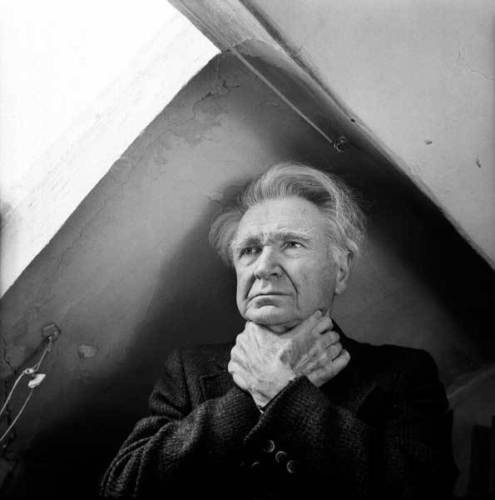


December 12, 2023
"I long to be free—desperately free. Free as the stillborn are free."
Wow. Cioran has undoubtedly grown mad over the years. Compared to his book "On the Heights of Despair", this one is nothing but a diary of a madman. There are no chapters, no continuity, just thoughts without context thrown here and there.
However, unlike in the book I mentioned, we can see his deeply antinatalistic side here. He compares birth to "chains" and not being born as the best thing that can happen to somebody. Birth is a false promise, he says:
"I was alone in that cemetery overlooking the village when a pregnant woman came in. I left at once, in order not to look at this corpse-bearer at close range, nor to ruminate upon the contrast between an aggressive womb and the time-worn tombs—between a false promise and the end of all promises."
Among all the horrible ways I heard people call a pregnant woman, a corpse-bearer has to be the worst. However, as antinatalism is the belief that giving birth to someone is cursing them for a lifetime of suffering, I suppose it makes perfect sense to see the pregnant woman as the devil.
Also, I wish someone could explain to me what Cioran meant here:
"Sometimes I wish I were a cannibal—less'for the pleasure of eating someone than for the pleasure of vomiting him."
Is there a deeper meaning, or was this man just insane? Well, I lean towards the second option. What?!
However, it was still somewhat intriguing to read it just to see how far Cioran can go. He went far, very far. I can't rate him low, for I found his thoughts as interesting as they were chilling.
"It's not worth the bother of killing yourself, since you always kill yourself too late."
Wow. Cioran has undoubtedly grown mad over the years. Compared to his book "On the Heights of Despair", this one is nothing but a diary of a madman. There are no chapters, no continuity, just thoughts without context thrown here and there.
However, unlike in the book I mentioned, we can see his deeply antinatalistic side here. He compares birth to "chains" and not being born as the best thing that can happen to somebody. Birth is a false promise, he says:
"I was alone in that cemetery overlooking the village when a pregnant woman came in. I left at once, in order not to look at this corpse-bearer at close range, nor to ruminate upon the contrast between an aggressive womb and the time-worn tombs—between a false promise and the end of all promises."
Among all the horrible ways I heard people call a pregnant woman, a corpse-bearer has to be the worst. However, as antinatalism is the belief that giving birth to someone is cursing them for a lifetime of suffering, I suppose it makes perfect sense to see the pregnant woman as the devil.
Also, I wish someone could explain to me what Cioran meant here:
"Sometimes I wish I were a cannibal—less'for the pleasure of eating someone than for the pleasure of vomiting him."
Is there a deeper meaning, or was this man just insane? Well, I lean towards the second option. What?!
However, it was still somewhat intriguing to read it just to see how far Cioran can go. He went far, very far. I can't rate him low, for I found his thoughts as interesting as they were chilling.
"It's not worth the bother of killing yourself, since you always kill yourself too late."
August 4, 2024
سه و نیم ستاره
«من به خاطر متولد شدن خود را نمیبخشم. انگار با خزیدن به این جهان به رازی بیحرمتی کردهام، به معاهداتی خطیر خیانت کردهام، مرتکب تقصیری نسبت به جبروتی بینامونشان شدهام. با این همه در حالتی کمتر جسورانه، تولد سانحهای به نظر میرسد که با نشناختنش نگون بخت خواهم بود.»
________________________________________________________________
«اگر توانستهام تا حالا دوام بیاورم به سبب آن است که پیِ هر ضربهای که در آن لحظه غیرقابلتحمل به نظر میرسید ضربه دومی آمد که بدتر بود، و ضربه سومی و همینطور تا آخر. اگر در جهنم بودم خواستار آن میشدم که طبقاتش چند برابر شوند، به امید مجازات تازهای طاقتفرساتر از پیشینیانش. سیاستی اثربخش لااقل در ارتباط با عذاب ها.»
________________________________________________________________
ما در تجربه حس های بسیار قدرتمندِ درد، خیلی بیشتر از حس های بسیار خفیف، خویشتن را مشاهده میکنیم، و میان یک شاهد بیرونی و یک محنتکش نالانِ ضجهزن دوپاره میشویم. هر چیزی که به سر حد عذاب برسد روانشناس و نیز آزمایشگر درونی ما را بیدار میکند: میخواهیم ببینیم تا کجا میتوانیم در امر غیرقابلتحمل پیش برویم.
________________________________________________________________
خوشبختانه من هیچ ایمانی ندارم. اگر داشتم باید در ترس دائمیِ از دست دادنش زندگی میکردم. از اینرو ایمان بهجز آزار دادن من هیچکاری نمیکرد، یاری رساندن که پیشکش.
________________________________________________________________
ریویو:
چوران میگه به جای این که هر روز به مرگ فکر کنیم تا معنی رو پیدا کنیم (همونطور که اگزیستانسیالیست ها میگن)، بیاین راجب نقطه آغاز و تولدمون فکر کنیم :
«ما بیمیلیم به این که تولد را بلا تعبیر کنیم: آیا تولد را به عنوان عالیترین خبر جا نینداختهاند؟ آیا به ما نگفتهاند بدترین چیز در پایان میآید نه در آغاز زندگیمان؟»
متن کتاب منسجم نیست. کتاب اصلا تخصصی نیست و بیشتر به صورت قطعه هایی از افکارِ دلی چورانه :)
ترجمش بعضی جا ها واقعا غیرقابل خوانش بود.
با این حال کتاب خیلی خوبی بود. افکار و استدلال های چوران رو خیلیییی دوست دارم. ترجیحا همزمان با یه کتاب دیگه و حال خوب کن بخونیدش چون ممکنه افسردهکننده باشه بعضی جاها. :)
صد در صد ارزش خوندن داره...
«من به خاطر متولد شدن خود را نمیبخشم. انگار با خزیدن به این جهان به رازی بیحرمتی کردهام، به معاهداتی خطیر خیانت کردهام، مرتکب تقصیری نسبت به جبروتی بینامونشان شدهام. با این همه در حالتی کمتر جسورانه، تولد سانحهای به نظر میرسد که با نشناختنش نگون بخت خواهم بود.»
________________________________________________________________
«اگر توانستهام تا حالا دوام بیاورم به سبب آن است که پیِ هر ضربهای که در آن لحظه غیرقابلتحمل به نظر میرسید ضربه دومی آمد که بدتر بود، و ضربه سومی و همینطور تا آخر. اگر در جهنم بودم خواستار آن میشدم که طبقاتش چند برابر شوند، به امید مجازات تازهای طاقتفرساتر از پیشینیانش. سیاستی اثربخش لااقل در ارتباط با عذاب ها.»
________________________________________________________________
ما در تجربه حس های بسیار قدرتمندِ درد، خیلی بیشتر از حس های بسیار خفیف، خویشتن را مشاهده میکنیم، و میان یک شاهد بیرونی و یک محنتکش نالانِ ضجهزن دوپاره میشویم. هر چیزی که به سر حد عذاب برسد روانشناس و نیز آزمایشگر درونی ما را بیدار میکند: میخواهیم ببینیم تا کجا میتوانیم در امر غیرقابلتحمل پیش برویم.
________________________________________________________________
خوشبختانه من هیچ ایمانی ندارم. اگر داشتم باید در ترس دائمیِ از دست دادنش زندگی میکردم. از اینرو ایمان بهجز آزار دادن من هیچکاری نمیکرد، یاری رساندن که پیشکش.
________________________________________________________________
ریویو:
چوران میگه به جای این که هر روز به مرگ فکر کنیم تا معنی رو پیدا کنیم (همونطور که اگزیستانسیالیست ها میگن)، بیاین راجب نقطه آغاز و تولدمون فکر کنیم :
«ما بیمیلیم به این که تولد را بلا تعبیر کنیم: آیا تولد را به عنوان عالیترین خبر جا نینداختهاند؟ آیا به ما نگفتهاند بدترین چیز در پایان میآید نه در آغاز زندگیمان؟»
متن کتاب منسجم نیست. کتاب اصلا تخصصی نیست و بیشتر به صورت قطعه هایی از افکارِ دلی چورانه :)
ترجمش بعضی جا ها واقعا غیرقابل خوانش بود.
با این حال کتاب خیلی خوبی بود. افکار و استدلال های چوران رو خیلیییی دوست دارم. ترجیحا همزمان با یه کتاب دیگه و حال خوب کن بخونیدش چون ممکنه افسردهکننده باشه بعضی جاها. :)
صد در صد ارزش خوندن داره...

December 7, 2021
Rust Cohle, in True Detective quotes,
'I think human consciousness was a tragic misstep in evolution. We became too self aware. Nature created an aspect of nature separate from itself. We are creatures that should not exist, by natural law.'
It is one of the most talked about quote from the season, however what is not talked about is what follows, which is, his partner, very normally, shrugging off this idea as awful.
This human tendency of being unable to relate with the realities of life and then enwrapping it with shallow meanings in the guise of happiness and countenance is also a very depressing thought, which is hardly shrugged off.
Cioran also has a similar distaste for consciousness,
'Consciousness is much more than the thorn, it is the dagger in the flesh.'
and
'Salvation? Whatever diminishes the kingdom of consciousness and compromises its supremacy.'
The title of Cioran's masterpiece is questioning the question which arises with the gift of life; 'the trouble of it'. And Cioran answers it perfectly.
These collections of aphorisms, quite blatantly despairing through the existence of man and his quest of importance and meaning, explains the dread of it all, perhaps pointing towards an existence of non-existence, by just being.
"You are against everything that's been done since the last war," said the very up-to-date lady.
"You've got the wrong date: I'm against everything that's been done since Adam."
I would need every quote to completely justify the infinite magnitude of brilliance carried throughout the book.
Also, one of the most outstanding thing was that it was a very easy read, quite unexpected given the heavy meanings the two hundred pages carried.
This was my first dialogue with Cioran and I will definitely keep visiting it.
'I think human consciousness was a tragic misstep in evolution. We became too self aware. Nature created an aspect of nature separate from itself. We are creatures that should not exist, by natural law.'
It is one of the most talked about quote from the season, however what is not talked about is what follows, which is, his partner, very normally, shrugging off this idea as awful.
This human tendency of being unable to relate with the realities of life and then enwrapping it with shallow meanings in the guise of happiness and countenance is also a very depressing thought, which is hardly shrugged off.
Cioran also has a similar distaste for consciousness,
'Consciousness is much more than the thorn, it is the dagger in the flesh.'
and
'Salvation? Whatever diminishes the kingdom of consciousness and compromises its supremacy.'
The title of Cioran's masterpiece is questioning the question which arises with the gift of life; 'the trouble of it'. And Cioran answers it perfectly.
These collections of aphorisms, quite blatantly despairing through the existence of man and his quest of importance and meaning, explains the dread of it all, perhaps pointing towards an existence of non-existence, by just being.
"You are against everything that's been done since the last war," said the very up-to-date lady.
"You've got the wrong date: I'm against everything that's been done since Adam."
I would need every quote to completely justify the infinite magnitude of brilliance carried throughout the book.
Also, one of the most outstanding thing was that it was a very easy read, quite unexpected given the heavy meanings the two hundred pages carried.
This was my first dialogue with Cioran and I will definitely keep visiting it.

September 16, 2021
لسيوران معزة خاصة لكل من يقرأه فهو الطعم المر بعد كل بهجة ،من يخبرك انها زائلة بل و ربما انها لم تكن الا وهما من الاساس... يترك دائما فيك شعورا بالمرارة و التشفي علي السواء ،يجعلك تدرك حقيقة الامر و تفاهته و السخرية العميقة في عظمته و تعقيده
بأختصار سيوران هو الي بيطفحك الحقيقة
ملحوظة ليا اكتر ما هي للكتاب... انه صعب يتفهم كله مره واحدة... هو نصوص ، ففي نصوص بتخشلي بسرعة و في نصوص هتحتاج ابقي اثقل و اكتر مرمرططة و درايه عشان افهمها... فلو اقدر في المستقبل اشتري الكتاب و ارجعلة كل شوية هيبقي احسن...بس كدة
بأختصار سيوران هو الي بيطفحك الحقيقة
ملحوظة ليا اكتر ما هي للكتاب... انه صعب يتفهم كله مره واحدة... هو نصوص ، ففي نصوص بتخشلي بسرعة و في نصوص هتحتاج ابقي اثقل و اكتر مرمرططة و درايه عشان افهمها... فلو اقدر في المستقبل اشتري الكتاب و ارجعلة كل شوية هيبقي احسن...بس كدة
Displaying 1 - 30 of 1,523 reviews