Imagine being invited onto a reality show because your coworkers collectively decided you are the office nuisance. Not the best claim to fame, but admittedly, it is an irresistible premise.
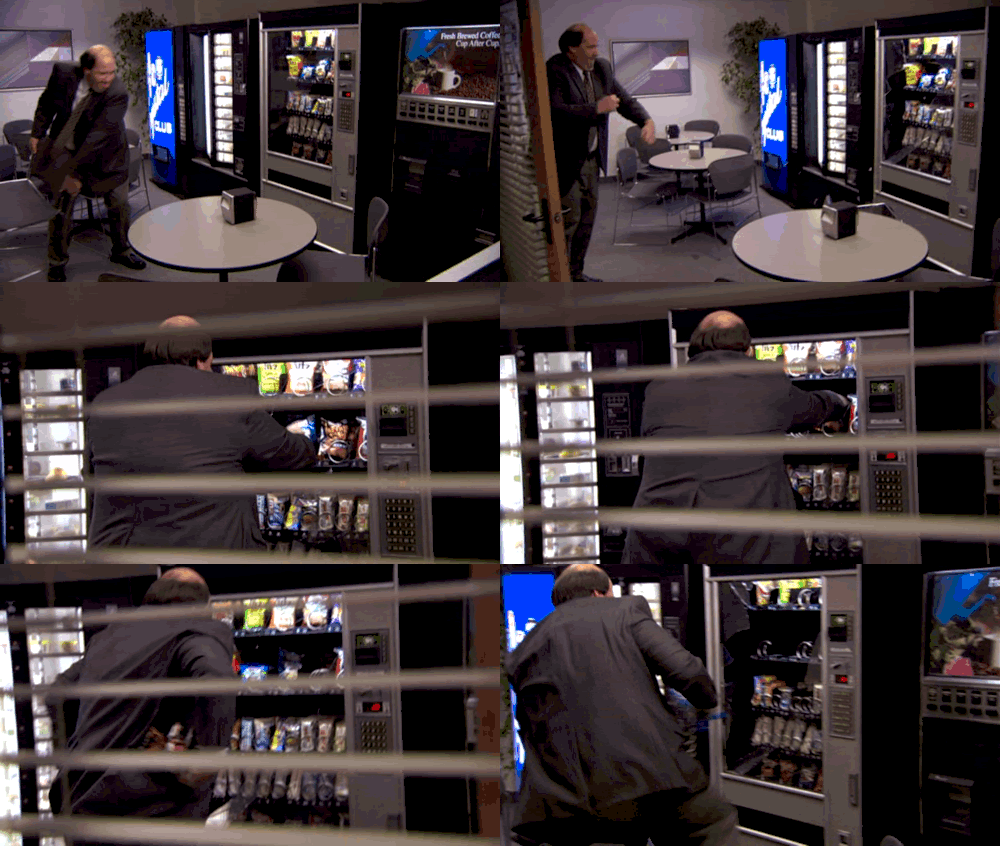
A group of contestants, each infamous for their irritating workplace habits, are gathered in a break room to uncover the hidden "mole" among them while competing for a cash prize. Told through Ice's perspective, a participant who genuinely believed freezing coffee and cola into the communal ice tray was an act of kindness—the story slowly peels back the question of whether we are really as considerate as we think we are.
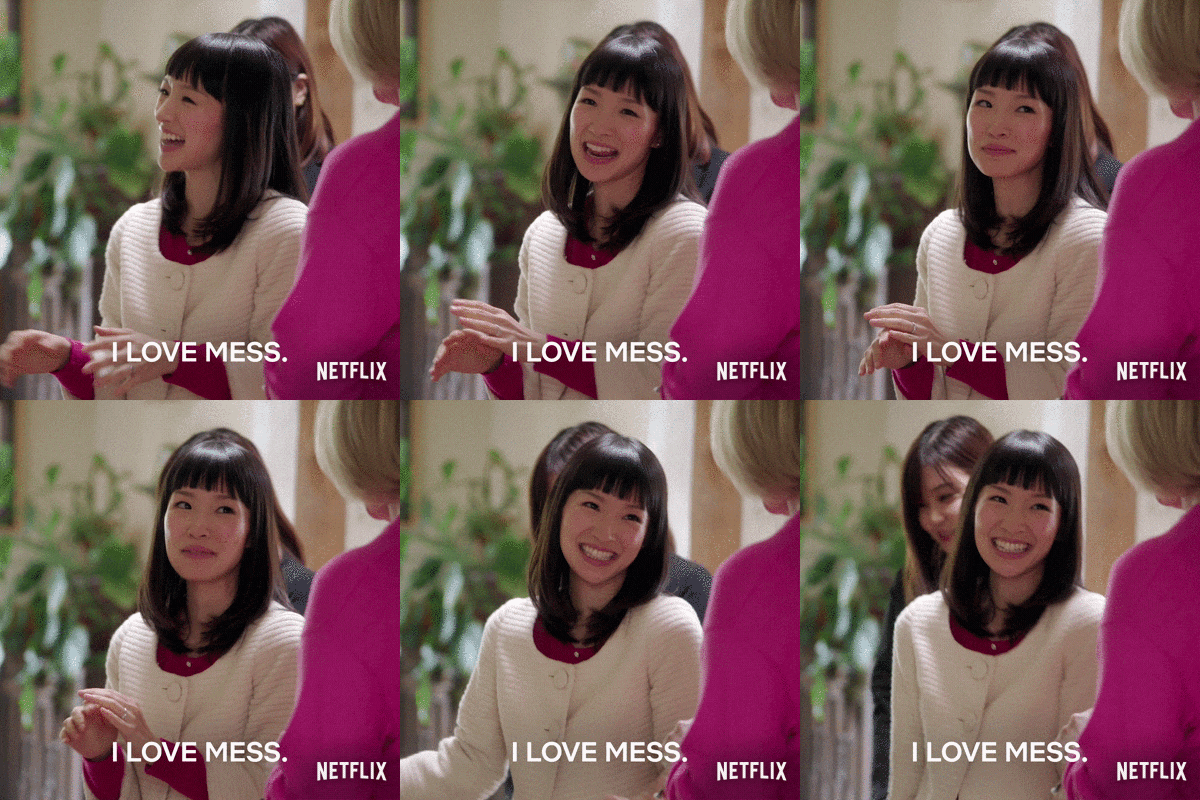
The premise initially paints these contestants as people who are deliberately frustrating people, but what surprised me was discovering that most of them were never trying to be inconsiderate in the first place. In fact, most of them were trying to be thoughtful. Their problem was that their kindness landed the wrong way, blurring the line between consideration and inconvenience. This is where the novella moves beyond its simple premise and becomes something more reflective. It shed light on how good intentions don't always translate into good experiences for others, and just as importantly, it asks us to consider the opposite: how often have we mistaken someone else's thoughtfulness as a nuisance?
That said, I went in expecting a mystery-thriller, and this never quite became one. The deduction aspect lacked urgency, the mole's identity was revealed with little suspense, and even the rule-breaking moments that were meant to raise the stakes barely left an impression. Rather than a psychological game, it felt like watching an actual reality show, or even a workplace documentary where the tension comes from everyday office habits like hoarding coffee mix, monopolizing the microwave, or using someone else's tumbler. It was oddly realistic, but not particularly gripping.
Ironically, the sobering part came after the game ended. Once the show aired, the flood of public comments and online reactions carried more weight than anything that happened inside the break room. Having followed Korean online culture for years, that aspect felt painfully believable. The speed with which strangers dissect, criticize, and reduce people to a single trait mirrored reality a little too well. It made me reflect not only on how easily we judge others, but also on how often negativity becomes the loudest voice in the room.
As my first Miye Lee book, I am left with mixed feelings. The ideas are thoughtful though I am still unsure the whole significance of this Break Room reality show, yet the social commentary leaves something to ponder, and it raises questions that remain longer than the plot itself. But as a novella, the story never fully capitalized on its fascinating premise. I genuinely did not expect it to end so quickly, and by the time it did, it felt more like it had stopped than concluded. Maybe Miye Lee simply isn't at her best in this format- that, I don't know, especially since her earlier works (DallerGut Dream Department Store series) have been held to such high expectations.
At the end of the day, this did not quite win me over as a reading experience. If it escaped a two-star rating, it is because its observations about human behavior were sharp enough to keep me thinking, and thankfully, it was short enough that I never had the chance to get bored.