

What do you think?

달러구트 꿈 백화점 #1
DallerGut Dream Department Store
In a mysterious town hidden in our collective subconscious there's a department store that sells dreams. Day and night, visitors both human and animal shuffle in to purchase their latest adventure. Each floor specializes in a specific type of dream: childhood memories, food dreams, ice skating, dreams of stardom. Flying dreams are almost always sold out. Some seek dreams of loved ones who have died.
For Penny, an enthusiastic new hire, working at the store is the opportunity of a lifetime. As she uncovers the workings of this whimsical world, she bonds with a cast of unforgettable characters, including DallerGut, the flamboyant and wise owner, Babynap Rockabye, a famous dream designer, Maxim, a nightmare producer, and the many customers who dream to heal, dream to grow, and dream to flourish.
For Penny, an enthusiastic new hire, working at the store is the opportunity of a lifetime. As she uncovers the workings of this whimsical world, she bonds with a cast of unforgettable characters, including DallerGut, the flamboyant and wise owner, Babynap Rockabye, a famous dream designer, Maxim, a nightmare producer, and the many customers who dream to heal, dream to grow, and dream to flourish.
246 pages, Paperback
First published April 21, 2020
About the author
Miye Lee
7 books567 followersMiye Lee (Korean name: 이미예, Lee Mi-ye) was born in Busan in 1990. After graduating from the Busan National University School of Materials Science and Engineering, she worked as a semiconductor engineer at Samsung Electronics. Her debut novel Dollagoot Dream Department Store—published through crowdfunding in 2020—has drawn enthusiastic responses and favorable reviews.
Ratings & Reviews
Friends & Following
Create a free account to discover what your friends think of this book!
Community Reviews
Displaying 1 - 30 of 8,786 reviews
May 3, 2024
no plot just vibes

November 19, 2021
There were many interesting settings and elements that can stimulate our imagination but having flat characters and monotone plot made me feel like reading a light children's book.

December 3, 2024
sounds dreamy!
in truth, this was cute and fun and not much else in a way that made me miss middle grade books.
in other words if this were written for upper elementary school aged children, rather than for me, i would have liked it more.
i loved the world, and it was so creative, but romance and adult problems just didn't fit. they should've cut all of that, added in some light banter and maybe some forgotten homework, thrown in a couple side quests, and called me a happy camper.
as is, i didn't connect to the characters, and this felt kind of boring and forgettable.
bottom line: sorry for saying "i would have liked this book more if it was a different book."
in truth, this was cute and fun and not much else in a way that made me miss middle grade books.
in other words if this were written for upper elementary school aged children, rather than for me, i would have liked it more.
i loved the world, and it was so creative, but romance and adult problems just didn't fit. they should've cut all of that, added in some light banter and maybe some forgotten homework, thrown in a couple side quests, and called me a happy camper.
as is, i didn't connect to the characters, and this felt kind of boring and forgettable.
bottom line: sorry for saying "i would have liked this book more if it was a different book."

July 30, 2024
What fun this novel was! I adored Korean author Miye Lee’s “The DallerGut Dream Department Store”. Shoutout to translator Sandy Joosun Lee because it seemed as though this was written in English.
Lee begins her story with an Author’s Note. She queries: why do we dream? One third of our lives are spent sleeping. Are our dreams subconscious illusions or are they more profound? She created a story about a shopping village where you can only enter when you are asleep. She includes furry Noctilucas who clothes those who arrive naked. Let’s be real, we’ve all had those naked dreams…. But this isn’t about nightmares of realizing you’re giving a company presentation while nude. No, this is a whimsical look at a place where you can purchase a dream of your choice.
Penny, our protagonist, has arrived at the Department Store for an interview. She gets a job at the front desk; each floor has different dream options. As Penny learns the different dream offerings, it becomes a novel of interconnected stories.
One of my favorites was Precognitive Dreams. Those result in Deja Vue moments in waking life. These are dreams that show events that will happen in the future. Conception dreams are precognitive dreams. FYI, one cannot get a precognitive dream that would provide future lottery numbers. You cannot ask for a specific precognitive dream. You just get a dream of something that will happen in the future.
There was a snippet of a dream of eating. It gave many dreamers pleasure. I’ve done that, but it was a nightmare. I was dieting and had a dream that I binged eating too much food, to my horror. It was my nightmare. I never thought of reframing it to a happy dream of eating when I wasn’t allowing myself my high-fat yummy goodies.
Yes, there are uses for bad dreams…your nightmares. What they can do, is makes you less scared. For example, if you are afraid of rats, you’ll have nightmares of rats, until you conquer your fear! Or a recurring dream of taking a test you didn’t study for (guilty).
Each floor of the department store sells specialized dreams such as flying dreams, childhood memories, visiting dead beloved friends or family. Each floor is whimsical and fun.
If you’ve ever pondered dreams, their part in your emotional life, this is an interesting novel. It’s a fun look at dreams, both nightmares and otherwise. Night is the official moment of resolving the past to enter the present and be prepared for the future.
I appreciated translator Joosun Lee’s translator’s note. She admitted it’s a love letter to this book. She read it in Korean, after her sister gave her the book. She loved the unpretentiousness of the story. She loved all the whimsical and beloved characters. She tells of her choices that she made in wording the story including choice in verb tense.
I highly recommend this wonderful story to anyone who loves quirky and sweet stories. Also, if you are a person who would go to a dream store if available, this is the book for you!
Lee begins her story with an Author’s Note. She queries: why do we dream? One third of our lives are spent sleeping. Are our dreams subconscious illusions or are they more profound? She created a story about a shopping village where you can only enter when you are asleep. She includes furry Noctilucas who clothes those who arrive naked. Let’s be real, we’ve all had those naked dreams…. But this isn’t about nightmares of realizing you’re giving a company presentation while nude. No, this is a whimsical look at a place where you can purchase a dream of your choice.
Penny, our protagonist, has arrived at the Department Store for an interview. She gets a job at the front desk; each floor has different dream options. As Penny learns the different dream offerings, it becomes a novel of interconnected stories.
One of my favorites was Precognitive Dreams. Those result in Deja Vue moments in waking life. These are dreams that show events that will happen in the future. Conception dreams are precognitive dreams. FYI, one cannot get a precognitive dream that would provide future lottery numbers. You cannot ask for a specific precognitive dream. You just get a dream of something that will happen in the future.
There was a snippet of a dream of eating. It gave many dreamers pleasure. I’ve done that, but it was a nightmare. I was dieting and had a dream that I binged eating too much food, to my horror. It was my nightmare. I never thought of reframing it to a happy dream of eating when I wasn’t allowing myself my high-fat yummy goodies.
Yes, there are uses for bad dreams…your nightmares. What they can do, is makes you less scared. For example, if you are afraid of rats, you’ll have nightmares of rats, until you conquer your fear! Or a recurring dream of taking a test you didn’t study for (guilty).
Each floor of the department store sells specialized dreams such as flying dreams, childhood memories, visiting dead beloved friends or family. Each floor is whimsical and fun.
If you’ve ever pondered dreams, their part in your emotional life, this is an interesting novel. It’s a fun look at dreams, both nightmares and otherwise. Night is the official moment of resolving the past to enter the present and be prepared for the future.
I appreciated translator Joosun Lee’s translator’s note. She admitted it’s a love letter to this book. She read it in Korean, after her sister gave her the book. She loved the unpretentiousness of the story. She loved all the whimsical and beloved characters. She tells of her choices that she made in wording the story including choice in verb tense.
I highly recommend this wonderful story to anyone who loves quirky and sweet stories. Also, if you are a person who would go to a dream store if available, this is the book for you!

November 4, 2024
This book was like no other. I smiled and cried.
I read about old concepts (like why we need to process trauma to move on) and felt like I had a new perspective, although I won’t lie: I did spend quite a while thinking about how I could apply the reasoning to my own life.
Unlike any other book I have read this year, this is the only one I feel I need to read again. Not only because it was enjoyable, but because it caused me to contemplate things in a way no other book has. The book starts with the reader learning about the disciples who control time: the future, present, and the past. The story about the 3 disciples of time was fascinating, and I loved that it was thoughtful and not something that can be taken entirely at face value. Just about everything in this book was improved by introspection or consideration.
The stories about the store’s customers (aka, the dreamers), were especially touching. Also, I am so glad this book went in the direction it did; the author could’ve easily taken the concept of a store that sells dreams and focused on the nefarious things creators and stores would do for the almighty dollar. While not everyone in this book is a hero, the author focuses on selflessness and enlightenment.
If you’re looking for fiction with substance, this is it. ❤️
I read about old concepts (like why we need to process trauma to move on) and felt like I had a new perspective, although I won’t lie: I did spend quite a while thinking about how I could apply the reasoning to my own life.
Unlike any other book I have read this year, this is the only one I feel I need to read again. Not only because it was enjoyable, but because it caused me to contemplate things in a way no other book has. The book starts with the reader learning about the disciples who control time: the future, present, and the past. The story about the 3 disciples of time was fascinating, and I loved that it was thoughtful and not something that can be taken entirely at face value. Just about everything in this book was improved by introspection or consideration.
The stories about the store’s customers (aka, the dreamers), were especially touching. Also, I am so glad this book went in the direction it did; the author could’ve easily taken the concept of a store that sells dreams and focused on the nefarious things creators and stores would do for the almighty dollar. While not everyone in this book is a hero, the author focuses on selflessness and enlightenment.
If you’re looking for fiction with substance, this is it. ❤️

March 20, 2025
Underwhelming
I get the idea, and I'll hand it to the writer that it's quite unique.
However, beyond that, the book was lacking.
The storyline was poorly written, and the characters lacked depth.
There was a sense of randomness and messiness throughout the book.
I had a hard time reading it, as I got bored more than once, constantly hoping for something unusual or big to happen, but nothing did.
I get the idea behind it, but the delivery of it was very poor.
I get the idea, and I'll hand it to the writer that it's quite unique.
However, beyond that, the book was lacking.
The storyline was poorly written, and the characters lacked depth.
There was a sense of randomness and messiness throughout the book.
I had a hard time reading it, as I got bored more than once, constantly hoping for something unusual or big to happen, but nothing did.
I get the idea behind it, but the delivery of it was very poor.

June 28, 2025
The DallerGut Dream Department Store is where people and animals go to buy dreams. It's open day and night, five stories high, and each floor specializes in a specific type of dream...
I was looking forward to this book, and thought I would fall into the story easily. Immediately I felt a lack of emotional pull from the author's writing. She focused on the operational aspects of the store, while little is offered about the characters.
For me, characters are the most important part of a story, and their backstories are crucial. I wanted to get to know Dallergut, Penny, Weather, and the other characters. Instead, the characters remain flat, and I began to lose interest; the words felt and sounded like gobbledygook, never transforming into anything better.
This was an immersion read; the audiobook is narrated by Shannon Tyo, who did a great job voicing this character-heavy story.
The DallerGut Dream Department Store was a miss for me. That cover, though, the art is spectacular!
2.5⭐
I was looking forward to this book, and thought I would fall into the story easily. Immediately I felt a lack of emotional pull from the author's writing. She focused on the operational aspects of the store, while little is offered about the characters.
For me, characters are the most important part of a story, and their backstories are crucial. I wanted to get to know Dallergut, Penny, Weather, and the other characters. Instead, the characters remain flat, and I began to lose interest; the words felt and sounded like gobbledygook, never transforming into anything better.
This was an immersion read; the audiobook is narrated by Shannon Tyo, who did a great job voicing this character-heavy story.
The DallerGut Dream Department Store was a miss for me. That cover, though, the art is spectacular!
2.5⭐
October 19, 2024
I don’t know about you, but dreams fascinate me. We all have them, but do we ever really figure out what’s kicking around in our unconscious minds after we fall asleep?
Meet the Dallergut Dream Department Store - a place where sleepyheads visit to purchase the various dreams they have each night. In this place, nightclothes are perfectly acceptable attire, as you won’t remember having visited anyways! Five floors of dreams are available to peruse and buy as the employees, led by Mr. Dallergut, assist shoppers to find the one just right for them. Only when a dream has been experienced is payment expected in the form of whatever emotional reaction it’s evoked, be it “flutter”, “calm”, or the like, which is bottled and deposited at the bank.
In this place, dreammakers are revered in the way popular musicians or movie directors are, with five big names being held in the highest esteem: Kick Slumber, Yasnoozz Otra, Wawa Sleepland, Doje, and Babynap Rockabye. Their dreams are the most highly sought after, along with those of Saint Nicholas, whose December sales are always the highest! For example, you might be able to purchase dreams like: “Crossing the Pacific Ocean as a Killer Whale” by Kick Slumber or “Floating in Space Gazing Down on Earth” by Wawa Sleepland or “Teatime with a Historical Figure” by Doje. The possibilities are nearly endless.
Do you want to dream about your crush? Meeting a celebrity? Being the hero that saves the day? Living someone else’s life? Flying? Perhaps you’re needing inspiration for a creative project, or maybe a bad dream will help you deal with a past trauma. Dreams, both good and bad, have their purpose for those willing to experience them.
In Miye Lee’s #1 Korean bestelling debut novel, made possible through crowdfunding, she explores the topic with rich imagination through the eyes of the Dallergut Dream Department Store’s newest employee, Penny - a bright, enthusiastic young woman whose eagerness to learn and serve have quickly put her in a prominent position at the front desk with Dallergut and long-time employee Weather. Joined by floor managers Speedo, Vigo, Mogberry, and Motail, there are no unlikable characters or serious conflict, which was such a welcome breath of fresh air!
This cozy fantasy mixed with magical realism is charming, creative, surprisingly insightful and the kind of story that would beautifully lend itself to being visualized on the big screen someday. That would be my dream!
Translated by Sandy Joosun Lee and narrated beautifully by Shannon Tyo, it’s a quick 6 ½ hour listen, and even shorter if you listen on 1.75 speed as I did. If you want a short escape from reality that just might feel like having a cozy dream, this is a sweet story to consider!
★★★ ½
Thanks to my library and Libby for the Kindle copy and audio to enjoy
Meet the Dallergut Dream Department Store - a place where sleepyheads visit to purchase the various dreams they have each night. In this place, nightclothes are perfectly acceptable attire, as you won’t remember having visited anyways! Five floors of dreams are available to peruse and buy as the employees, led by Mr. Dallergut, assist shoppers to find the one just right for them. Only when a dream has been experienced is payment expected in the form of whatever emotional reaction it’s evoked, be it “flutter”, “calm”, or the like, which is bottled and deposited at the bank.
In this place, dreammakers are revered in the way popular musicians or movie directors are, with five big names being held in the highest esteem: Kick Slumber, Yasnoozz Otra, Wawa Sleepland, Doje, and Babynap Rockabye. Their dreams are the most highly sought after, along with those of Saint Nicholas, whose December sales are always the highest! For example, you might be able to purchase dreams like: “Crossing the Pacific Ocean as a Killer Whale” by Kick Slumber or “Floating in Space Gazing Down on Earth” by Wawa Sleepland or “Teatime with a Historical Figure” by Doje. The possibilities are nearly endless.
Do you want to dream about your crush? Meeting a celebrity? Being the hero that saves the day? Living someone else’s life? Flying? Perhaps you’re needing inspiration for a creative project, or maybe a bad dream will help you deal with a past trauma. Dreams, both good and bad, have their purpose for those willing to experience them.
In Miye Lee’s #1 Korean bestelling debut novel, made possible through crowdfunding, she explores the topic with rich imagination through the eyes of the Dallergut Dream Department Store’s newest employee, Penny - a bright, enthusiastic young woman whose eagerness to learn and serve have quickly put her in a prominent position at the front desk with Dallergut and long-time employee Weather. Joined by floor managers Speedo, Vigo, Mogberry, and Motail, there are no unlikable characters or serious conflict, which was such a welcome breath of fresh air!
This cozy fantasy mixed with magical realism is charming, creative, surprisingly insightful and the kind of story that would beautifully lend itself to being visualized on the big screen someday. That would be my dream!
Translated by Sandy Joosun Lee and narrated beautifully by Shannon Tyo, it’s a quick 6 ½ hour listen, and even shorter if you listen on 1.75 speed as I did. If you want a short escape from reality that just might feel like having a cozy dream, this is a sweet story to consider!
★★★ ½
Thanks to my library and Libby for the Kindle copy and audio to enjoy

January 29, 2024
Wonderfully whimsical story about dreaming, from their conception to their influence on the waking world. The reader follows Penny on her new employment at the Dallergut Dream Department Store, the most famous shop that sells every kind of dream possible to their sleepy customers. There's everything from prime dreams, designed by superstar dream developers, to short nap dreams and those aimed at your furry pets.
I loved the overall atmosphere of this. It felt at times like the film Mr Magorium's Wonder Emporium in its use of the fantastical in an often mundane, logical way without any overarching explanations. There's stories within stories, interconnecting dreams and blends of emotions that come together in a satisfying, magical way. It's a warm, cosy cup of hot chocolate of a read that doesn't really serve a purpose other than to add a bit of wonder into your life. There's no solid conclusions, no plot even as such, and no dramatic tension or peril for thr characters. It's just people helping people, often involving giant furry talking animals who cover up naked sleepers, to have nice dreams. And sometimes that's all you want in a novel.
I loved the overall atmosphere of this. It felt at times like the film Mr Magorium's Wonder Emporium in its use of the fantastical in an often mundane, logical way without any overarching explanations. There's stories within stories, interconnecting dreams and blends of emotions that come together in a satisfying, magical way. It's a warm, cosy cup of hot chocolate of a read that doesn't really serve a purpose other than to add a bit of wonder into your life. There's no solid conclusions, no plot even as such, and no dramatic tension or peril for thr characters. It's just people helping people, often involving giant furry talking animals who cover up naked sleepers, to have nice dreams. And sometimes that's all you want in a novel.

August 29, 2024
While the premise is intriguing—a magical store where dreams are bought and sold—the execution leaves much to be desired.
The plot feels meandering and lacks a clear purpose or resolution, making it difficult to stay engaged. The characters, unfortunately, come across as two-dimensional and stereotypical, offering little depth or development. As a result, the story fails to captivate, and by the final chapters, I found myself skipping pages, as there was nothing compelling enough to hold my interest.
Overall, it's an okay read, but it doesn't leave a lasting impression.
The plot feels meandering and lacks a clear purpose or resolution, making it difficult to stay engaged. The characters, unfortunately, come across as two-dimensional and stereotypical, offering little depth or development. As a result, the story fails to captivate, and by the final chapters, I found myself skipping pages, as there was nothing compelling enough to hold my interest.
Overall, it's an okay read, but it doesn't leave a lasting impression.

August 15, 2024
DallerGut Dream Department Store is one of the few new books I've been able to finish reading recently.
Li Mi-ye divides the world in her work into two parts: - the real world and the dream world. The real world is our everyday world, while people enter the dream world during sleep to buy dreams. The wealth of the dream world is the emotions that people experience in the real world after dreaming. People buy dreams to encourage and motivate themselves, leading to better lives in the real world. However, people generally forget about buying dreams in the dream world, at most remembering the content of their dreams.
This is the world-building of the work. The book's strength lies in the fact that nowhere in the book does it explicitly state these settings, but instead, through one short story after another, I come to understand its world-building on my own. If the world-building had been explained through character dialogue or the author's omniscient perspective at the beginning, I would have had doubts, for sure. At least in my opinion, if it were set up explicitly like this, I would definitely think that relying on dreams to cheer oneself up is a sign of lack of confidence, and it is easy to become addicted to dreams and ignore reality. Moreover, no matter how beautiful a dream is, once you wake up, a dream is a dream. But the book goes straight into the story without any explanation of the world-building, which prevented me from having these thoughts and allowed me to directly accept the premise of the story of the interaction between the dream world and the real world.
The whole book uses Penny, a newly recruited employee of DallerGut Department Store, as the mc, and through her perspective, gradually presents readers with beautiful dreams such as love dreams, precognitive dreams, and inspirational dreams. These dreams bring hope to people in the real world. In my opinion, these beautiful dreamsare nothing more than people's dreams in reality. Having these dreams is to let people experience the feeling of their dreams coming true, but this feeling will disappear after waking up from the dream. Only by taking real action in reality can these dreams be turned into reality.
In the book, a girl who has a love dream confesses to her dream lover in reality, a girl with a dream of becoming a screenwriter completes her script with the "deja vu" given to her by a precognitive dream, and a frustrated musician composes a long-buried song thanks to an inspirational dream. "Dreams" have power, and "dreams" are even more motivating forces for people to move forward.
But dreams are not all "dreams." Sometimes it can be nightmares, and this aspect is actually a relatively weaker part of the book. The biggest nightmare in the book is simply dreaming about exams, which can be considered the least terrifying nightmare. This is also because the tone of the book is warm and does not allow for the appearance of truly evil nightmares. It also provides a reason for the dream makers who create nightmares to help others, which is to help people overcome their weaknesses and move towards a new life. This explanation is valid for a novel like this that aims to warm people's hearts, and only in this way can readers who read this book love the dream world more.
There are even experts in the dream world who create dreams specifically for animals (mainly pets), and Santa Claus is also included in the ranks of the dream-making masters of the dream world, and he is regarded as a master who specializes in creating beautiful dreams for children. This kind of eclectic borrowing makes it easier for readers to accept the warmth of the story and also broadens the audience rage, which has made the book a phenomenal work in Korea that heals many readers.
But what really touched me was the dream of the deceased in the last part of the book. The dreams in the previous part of the book, whether it's love, exams, inspiration, or strange journeys, have brought me at most a beautiful feeling. But once it involves the deceased, it elevates the meaning of dream. This is a truly "dream" that only “dreams” can realise. These dreams in the book bring the last words of the deceased to the living. In the dream, the departed elders say a simple "Have you eaten?" or "I'm back," which has not been heard for a long time, but it can truly touch us. Meeting a loved one who has already left is something that only dreams can do, but even when the dream wakes up, isn't the wet pillow a testament to their return?
Perhaps the greatest magic of this novel lies in its ability to blur the lines between reality and dreams, inviting us to question the nature of our own existence and the power of human imagination.
Bring me there, please.
3.9 / 5 stars
Li Mi-ye divides the world in her work into two parts: - the real world and the dream world. The real world is our everyday world, while people enter the dream world during sleep to buy dreams. The wealth of the dream world is the emotions that people experience in the real world after dreaming. People buy dreams to encourage and motivate themselves, leading to better lives in the real world. However, people generally forget about buying dreams in the dream world, at most remembering the content of their dreams.
This is the world-building of the work. The book's strength lies in the fact that nowhere in the book does it explicitly state these settings, but instead, through one short story after another, I come to understand its world-building on my own. If the world-building had been explained through character dialogue or the author's omniscient perspective at the beginning, I would have had doubts, for sure. At least in my opinion, if it were set up explicitly like this, I would definitely think that relying on dreams to cheer oneself up is a sign of lack of confidence, and it is easy to become addicted to dreams and ignore reality. Moreover, no matter how beautiful a dream is, once you wake up, a dream is a dream. But the book goes straight into the story without any explanation of the world-building, which prevented me from having these thoughts and allowed me to directly accept the premise of the story of the interaction between the dream world and the real world.
The whole book uses Penny, a newly recruited employee of DallerGut Department Store, as the mc, and through her perspective, gradually presents readers with beautiful dreams such as love dreams, precognitive dreams, and inspirational dreams. These dreams bring hope to people in the real world. In my opinion, these beautiful dreamsare nothing more than people's dreams in reality. Having these dreams is to let people experience the feeling of their dreams coming true, but this feeling will disappear after waking up from the dream. Only by taking real action in reality can these dreams be turned into reality.
In the book, a girl who has a love dream confesses to her dream lover in reality, a girl with a dream of becoming a screenwriter completes her script with the "deja vu" given to her by a precognitive dream, and a frustrated musician composes a long-buried song thanks to an inspirational dream. "Dreams" have power, and "dreams" are even more motivating forces for people to move forward.
But dreams are not all "dreams." Sometimes it can be nightmares, and this aspect is actually a relatively weaker part of the book. The biggest nightmare in the book is simply dreaming about exams, which can be considered the least terrifying nightmare. This is also because the tone of the book is warm and does not allow for the appearance of truly evil nightmares. It also provides a reason for the dream makers who create nightmares to help others, which is to help people overcome their weaknesses and move towards a new life. This explanation is valid for a novel like this that aims to warm people's hearts, and only in this way can readers who read this book love the dream world more.
There are even experts in the dream world who create dreams specifically for animals (mainly pets), and Santa Claus is also included in the ranks of the dream-making masters of the dream world, and he is regarded as a master who specializes in creating beautiful dreams for children. This kind of eclectic borrowing makes it easier for readers to accept the warmth of the story and also broadens the audience rage, which has made the book a phenomenal work in Korea that heals many readers.
But what really touched me was the dream of the deceased in the last part of the book. The dreams in the previous part of the book, whether it's love, exams, inspiration, or strange journeys, have brought me at most a beautiful feeling. But once it involves the deceased, it elevates the meaning of dream. This is a truly "dream" that only “dreams” can realise. These dreams in the book bring the last words of the deceased to the living. In the dream, the departed elders say a simple "Have you eaten?" or "I'm back," which has not been heard for a long time, but it can truly touch us. Meeting a loved one who has already left is something that only dreams can do, but even when the dream wakes up, isn't the wet pillow a testament to their return?
Perhaps the greatest magic of this novel lies in its ability to blur the lines between reality and dreams, inviting us to question the nature of our own existence and the power of human imagination.
Bring me there, please.
3.9 / 5 stars

September 9, 2023
Thanks ever so much to @headlinebooks for sharing this title with me on @netgalley!
DallerGut Dream Department Store: The Dream You Ordered is Sold Out by Mi-Ye Lee, translated by Sandy Joosun Lee.
I don't think I've ever wanted to love a book more than this one (I mean, with such a beautiful cover, who wouldn't?) but oh my goodness, this wasn't good. I'm normally not the best judge of good writing and struggle to discern between good and bad authors, actors, etc, but every once in a while, you're faced with such obvious, ludicrous examples of poorly written works or poorly acted roles (Daniel Radcliffe in the Harry Potter films, I'm looking at you... Daisy Ridley in The Last Jedi, I'm also looking at you), that you just have to hold your hands up and give into the crapness. I'm gutted to say that this is one such example and it breaks my heart.
The good stuff: the gorgeous COVER DESIGN. Someone give that designer a raise! Even if I wasn't able to find that exact version in Koryo Books, Koreatown, NYC, I was still delighted by its imaginative design. 10/10. The basic tenets of this whimsical world are also refreshing, to begin with. Aww, people walk around in pyjamas and can buy all sorts of dreams! Kooky artists come up with one-of-a-kind dreams and then sell them to the public as revered figures! Aww, Penny's interviewing for a job at the eponymous department store and she's nervous! Just like we all would be! I even thought the writing was charming and elegant during the first chapter...
...and then Penny becomes the most insufferably, aggressively boring person on the planet. 'Show, don't tell' goes out of the window as soon as she gets the job - nothing is left to the imagination, everything is unnecessarily clarified. For example, a character will say something that is very obviously deceiving or suspicious. As a reader, I like to think I can read between the lines, and so I understand what is being hinted at. BUT NO! We need to be helped through these trying times and so, every one of those instances is followed by mind-numbing statements such as 'Penny thought this didn't sound good' YEAH, NO SHIT. Sorry, this book made me so angry.
There are also no stakes. At all. No tension, no intrigue, no obvious resolution, no end goal, no pay-off. It's all so superficial and sickly sweet: imagine if someone wrote a novel about your first days and weeks in a brand new job. You'd cringe at the thought of having to read over your stupid mistakes, your naïve questions, your misplaced bright-eyed ingenuity... well, this is what this book felt like, though in real life, you would hope that you would gradually improve. Penny, however, does not. She is such a poorly constructed character, constantly veering between newby stupidity and out of the blue Mary Sue confidence (apologies for using that term, let me know if there's any weird incel-y connotations.) Contradicting your boss in front of other people in a meeting? Yeah, that'll go down well. And yet no one seems to care, everyone is happy, and even when she does mess something up, there are no repercussions. Sigh. Just because it's a made up world, it doesn't mean people cease being human!
Towards the end, I realised exactly what this reminded me of: Harry Potter. The faux eccentric characters, the forced whimsical elements... it's trying too hard. Frame the cover, disregard the rest.
1.5/5
DallerGut Dream Department Store: The Dream You Ordered is Sold Out by Mi-Ye Lee, translated by Sandy Joosun Lee.
I don't think I've ever wanted to love a book more than this one (I mean, with such a beautiful cover, who wouldn't?) but oh my goodness, this wasn't good. I'm normally not the best judge of good writing and struggle to discern between good and bad authors, actors, etc, but every once in a while, you're faced with such obvious, ludicrous examples of poorly written works or poorly acted roles (Daniel Radcliffe in the Harry Potter films, I'm looking at you... Daisy Ridley in The Last Jedi, I'm also looking at you), that you just have to hold your hands up and give into the crapness. I'm gutted to say that this is one such example and it breaks my heart.
The good stuff: the gorgeous COVER DESIGN. Someone give that designer a raise! Even if I wasn't able to find that exact version in Koryo Books, Koreatown, NYC, I was still delighted by its imaginative design. 10/10. The basic tenets of this whimsical world are also refreshing, to begin with. Aww, people walk around in pyjamas and can buy all sorts of dreams! Kooky artists come up with one-of-a-kind dreams and then sell them to the public as revered figures! Aww, Penny's interviewing for a job at the eponymous department store and she's nervous! Just like we all would be! I even thought the writing was charming and elegant during the first chapter...
...and then Penny becomes the most insufferably, aggressively boring person on the planet. 'Show, don't tell' goes out of the window as soon as she gets the job - nothing is left to the imagination, everything is unnecessarily clarified. For example, a character will say something that is very obviously deceiving or suspicious. As a reader, I like to think I can read between the lines, and so I understand what is being hinted at. BUT NO! We need to be helped through these trying times and so, every one of those instances is followed by mind-numbing statements such as 'Penny thought this didn't sound good' YEAH, NO SHIT. Sorry, this book made me so angry.
There are also no stakes. At all. No tension, no intrigue, no obvious resolution, no end goal, no pay-off. It's all so superficial and sickly sweet: imagine if someone wrote a novel about your first days and weeks in a brand new job. You'd cringe at the thought of having to read over your stupid mistakes, your naïve questions, your misplaced bright-eyed ingenuity... well, this is what this book felt like, though in real life, you would hope that you would gradually improve. Penny, however, does not. She is such a poorly constructed character, constantly veering between newby stupidity and out of the blue Mary Sue confidence (apologies for using that term, let me know if there's any weird incel-y connotations.) Contradicting your boss in front of other people in a meeting? Yeah, that'll go down well. And yet no one seems to care, everyone is happy, and even when she does mess something up, there are no repercussions. Sigh. Just because it's a made up world, it doesn't mean people cease being human!
Towards the end, I realised exactly what this reminded me of: Harry Potter. The faux eccentric characters, the forced whimsical elements... it's trying too hard. Frame the cover, disregard the rest.
1.5/5

April 10, 2024
Pomysł - kozacki.
Fabularnie?? No ja jednak lubię jak jest jakaś ciągłość spójność, plot twist coś ten tego.
Anyway, miło się czytało.
Ocena: 3,5.
Fabularnie?? No ja jednak lubię jak jest jakaś ciągłość spójność, plot twist coś ten tego.
Anyway, miło się czytało.
Ocena: 3,5.

October 22, 2025
Library Blind-Pick 📚 💖 ✨
I picked this up at the library with absolutely no idea what it was about. It was definitely a case of judging a book by its, rather unique and beautiful, cover 🙇🏻♀️
And, let me tell you: this book was an absolute TREAT 💝
“I think sleep and dreams are like a comma God meticulously designed in the middle of a breathless straight line called life!” 🙌🏽
I am usually a big fan of translated books, so that intrigued me from the outset. And, I ended up loving Miye Lee's Korean book, translated into English by Sandy Joosun Lee. I love when authors put a note at the beginning of their book, and Lee began this wonderfully unique story with just that. She questions: why do we dream? Are our dreams subconscious illusions or are they more profound? And, through her words, we too begin to question and become more intrigued by what is to come…
Welcome to Dallergut Dream Department Store; the store that sells dreams 🏬 💖 ✨
Visitors both human and animal come to purchase their latest dream adventure. Each floor specializes in a specific type of dream. Some more popular than others. And where flying dreams are always sold out.
I instantly fell in love with this book. It has a real whimsical charm about it. The world-building is simple, yet very effective, creating a vivid and animated narrative. I love when a fantasy book is so well composed that I don’t have to try to understand the fantastical world the author has created, it should effortlessly sink into being.
This cleverly constructed story follows the life of new employee - Penny. From the very beginning, she is a relatable character, and I thoroughly enjoyed being in her presence. Saying that, it is hard not to love all of the characters in this magical book. They are full of live, and are both fun and interesting 🥰 💖 ✨
As newbie Penny learns the different dream offerings, this becomes a novel of interconnected stories. She builds connections with a variety of memorable characters, including DallerGut, the brilliant and wise owner, Babynap Rockabye, a famous dream designer, Maxim, the nightmare producer, and many customers who have many dream requests, from healing to remembering.
Each of the chapters is like a short story of its own, focusing on a different aspect of dreaming. I particularly enjoyed Maxim’s nightmare dreams that helped people to overcome trauma, as well as the Precognitive dreams. I won’t go into depth about each of the stories as they are for you to discover yourself, but I will say that each type of dream had a meaning and purpose for the individual.
“Overcoming hardships in the past makes people who they are now: survivors and heroes. Our job is to make them realise that on their own.” 🙌🏽 😌 ✨
Overall, this book was seriously, and surprisingly, good. It was both lighthearted and fun, yet deep, meaningful and insightful on a level I did not expect. If you have ever been curious about dreams, I think you’d find this to be an interesting read. And, if not this is also a wonderfully whimsical fantasy tale full of sweet and quirky characters.
I hope to get my hands on the sequel 🙇🏻♀️
4.5 🌟🌟🌟🌟💫
I picked this up at the library with absolutely no idea what it was about. It was definitely a case of judging a book by its, rather unique and beautiful, cover 🙇🏻♀️
And, let me tell you: this book was an absolute TREAT 💝
“I think sleep and dreams are like a comma God meticulously designed in the middle of a breathless straight line called life!” 🙌🏽
I am usually a big fan of translated books, so that intrigued me from the outset. And, I ended up loving Miye Lee's Korean book, translated into English by Sandy Joosun Lee. I love when authors put a note at the beginning of their book, and Lee began this wonderfully unique story with just that. She questions: why do we dream? Are our dreams subconscious illusions or are they more profound? And, through her words, we too begin to question and become more intrigued by what is to come…
Welcome to Dallergut Dream Department Store; the store that sells dreams 🏬 💖 ✨
Visitors both human and animal come to purchase their latest dream adventure. Each floor specializes in a specific type of dream. Some more popular than others. And where flying dreams are always sold out.
I instantly fell in love with this book. It has a real whimsical charm about it. The world-building is simple, yet very effective, creating a vivid and animated narrative. I love when a fantasy book is so well composed that I don’t have to try to understand the fantastical world the author has created, it should effortlessly sink into being.
This cleverly constructed story follows the life of new employee - Penny. From the very beginning, she is a relatable character, and I thoroughly enjoyed being in her presence. Saying that, it is hard not to love all of the characters in this magical book. They are full of live, and are both fun and interesting 🥰 💖 ✨
As newbie Penny learns the different dream offerings, this becomes a novel of interconnected stories. She builds connections with a variety of memorable characters, including DallerGut, the brilliant and wise owner, Babynap Rockabye, a famous dream designer, Maxim, the nightmare producer, and many customers who have many dream requests, from healing to remembering.
Each of the chapters is like a short story of its own, focusing on a different aspect of dreaming. I particularly enjoyed Maxim’s nightmare dreams that helped people to overcome trauma, as well as the Precognitive dreams. I won’t go into depth about each of the stories as they are for you to discover yourself, but I will say that each type of dream had a meaning and purpose for the individual.
“Overcoming hardships in the past makes people who they are now: survivors and heroes. Our job is to make them realise that on their own.” 🙌🏽 😌 ✨
Overall, this book was seriously, and surprisingly, good. It was both lighthearted and fun, yet deep, meaningful and insightful on a level I did not expect. If you have ever been curious about dreams, I think you’d find this to be an interesting read. And, if not this is also a wonderfully whimsical fantasy tale full of sweet and quirky characters.
I hope to get my hands on the sequel 🙇🏻♀️
4.5 🌟🌟🌟🌟💫

January 11, 2024
This was a fun, heartfelt and heartwarming story set in a department store full of dreams...
Dallergut Dream Department Store is the ULTIMATE comfort read that is perfect for fans of Days at the Morisaki Bookshop and the Before the Coffee Gets Cold series! I adored so much of this: the conversation surrounding dreams, our desire for certain ones and what would happened if we lived in a world where we could govern them. I flew through this! I do wish however, that there was a bit more of a plot and higher stakes... but for those that are looking for comfort, this is perfect.
Dallergut Dream Department Store is the ULTIMATE comfort read that is perfect for fans of Days at the Morisaki Bookshop and the Before the Coffee Gets Cold series! I adored so much of this: the conversation surrounding dreams, our desire for certain ones and what would happened if we lived in a world where we could govern them. I flew through this! I do wish however, that there was a bit more of a plot and higher stakes... but for those that are looking for comfort, this is perfect.

November 21, 2023
Fantastical, whimsical and heartwarming.
I’m definitely biased because - even if the story has very simple mechanics, I love the message that comes from each chapter, from each dream maker and from the dreamers themselves.
As someone who has a complicated relationship with sleep and my dreams, this book comforted me in so many ways that I didn’t know would be possible. I’m thankful this book exists. It might not be for everyone, but its certainly a book that healed me at a time where my insomnia has peaked and I have nightmares even when I sleep.
Longer review TBC. But definitely a 5🌟 from me.
Edited in Jan 2024 ; like finally
You know how some books you won't know how to put into words how they mean so much to you? That was how much this book meant to me. It somehow left such a huge impression after I finished it due to how much it had made me feel so very seen. It came to a point that I was hugging the book at some instances.
I love how some stories can be so simple and straightforward and yet, it holds so much meaning. Dallergut Department Store tells the story of a department store that sells dreams. Its somewhat in a fantasy land - that is of dreams - and we follow the journey from the POV of Penny, a new worker for the department store. There, she had been exposed to the mechanics of dreams and how dreams can affect someone's lives. From dreams of crushes to dreams of meeting back your loved ones, this is one of those books that you will remember for a very long time.
I think why this book meant so much to me was due to the complicated relationship I had with my sleep and dreams. As someone who suffers from Insomnia, this book had made me feel so seen. Its in the way how the author wrote this book with a subtle nuance that is comforting and gives meaning to every dream that you have, even with the nightmares. Lowkey, I didn't expect to cry at some chapters but I shed a few tears and I had loved how this book did not focus on the people but instead, focused on the dream makers and why they choose to create the dreams that they did. It goes to show that nothing in this world was made to incovenience someone and that - even your nightmares - serves to teach you a lesson or warnings of sorts. And in some ways, it did made me reflect a lot on my sleeping habits and patterns and why the recurring dreams kept happening - and the thing with dreams is that, its a form of subconcious that somehow manifested into a series of view-like-movies during your sleep. Its sometime a projection of your exhaustion, or your deepest desires ; but such are the workings of dreams. It can be magical sometimes and there's somewhat a beauty in the unknown.
And, eventhough I didn't know how to read Korean that much, I can tell how much effort the translator had put to keep the text as closely to the original one. Its told by the subtle and minor details (if you're a fan of kdramas u somehow will catch on) and that's one thing I loved about this book too - is that, both translator and authors wrote it with so much heart and love , you can feel it while reading it.
Even if its the first volume, we get a solid conclusion for the first one and I definitely can't wait to read the second volume! I will lowkey shove to every single person I meet with this book . Highly highly recommend, especially if you need something to help you come back to life again.
Biggest thank you to Pansing Distributions for this wonderful copy.
I’m definitely biased because - even if the story has very simple mechanics, I love the message that comes from each chapter, from each dream maker and from the dreamers themselves.
As someone who has a complicated relationship with sleep and my dreams, this book comforted me in so many ways that I didn’t know would be possible. I’m thankful this book exists. It might not be for everyone, but its certainly a book that healed me at a time where my insomnia has peaked and I have nightmares even when I sleep.
Longer review TBC. But definitely a 5🌟 from me.
Edited in Jan 2024 ; like finally
You know how some books you won't know how to put into words how they mean so much to you? That was how much this book meant to me. It somehow left such a huge impression after I finished it due to how much it had made me feel so very seen. It came to a point that I was hugging the book at some instances.
I love how some stories can be so simple and straightforward and yet, it holds so much meaning. Dallergut Department Store tells the story of a department store that sells dreams. Its somewhat in a fantasy land - that is of dreams - and we follow the journey from the POV of Penny, a new worker for the department store. There, she had been exposed to the mechanics of dreams and how dreams can affect someone's lives. From dreams of crushes to dreams of meeting back your loved ones, this is one of those books that you will remember for a very long time.
I think why this book meant so much to me was due to the complicated relationship I had with my sleep and dreams. As someone who suffers from Insomnia, this book had made me feel so seen. Its in the way how the author wrote this book with a subtle nuance that is comforting and gives meaning to every dream that you have, even with the nightmares. Lowkey, I didn't expect to cry at some chapters but I shed a few tears and I had loved how this book did not focus on the people but instead, focused on the dream makers and why they choose to create the dreams that they did. It goes to show that nothing in this world was made to incovenience someone and that - even your nightmares - serves to teach you a lesson or warnings of sorts. And in some ways, it did made me reflect a lot on my sleeping habits and patterns and why the recurring dreams kept happening - and the thing with dreams is that, its a form of subconcious that somehow manifested into a series of view-like-movies during your sleep. Its sometime a projection of your exhaustion, or your deepest desires ; but such are the workings of dreams. It can be magical sometimes and there's somewhat a beauty in the unknown.
And, eventhough I didn't know how to read Korean that much, I can tell how much effort the translator had put to keep the text as closely to the original one. Its told by the subtle and minor details (if you're a fan of kdramas u somehow will catch on) and that's one thing I loved about this book too - is that, both translator and authors wrote it with so much heart and love , you can feel it while reading it.
Even if its the first volume, we get a solid conclusion for the first one and I definitely can't wait to read the second volume! I will lowkey shove to every single person I meet with this book . Highly highly recommend, especially if you need something to help you come back to life again.
Biggest thank you to Pansing Distributions for this wonderful copy.

June 30, 2025
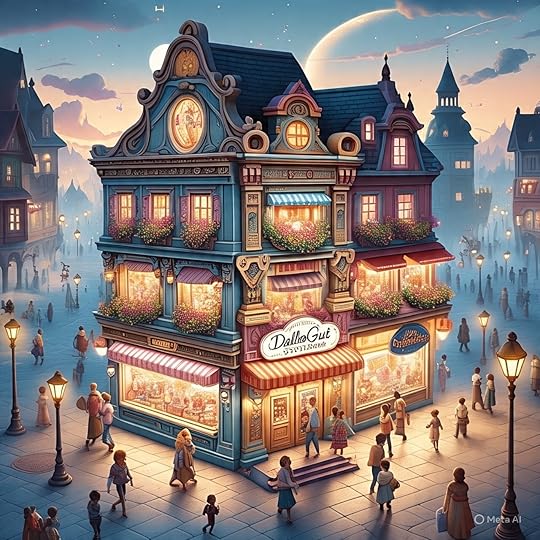
A Dream Book that you can easily read as if watching a dreamy Disney Pixar Movie.
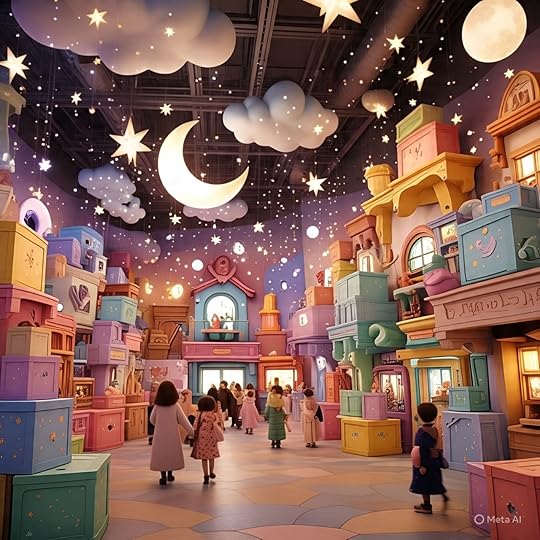
متجر دالرجوت للأحلام هو كتاب أحلام، تقرأه وكأنك تشاهد حلما جميلا كفيلم حالم من أفلام ديزني بيكسار
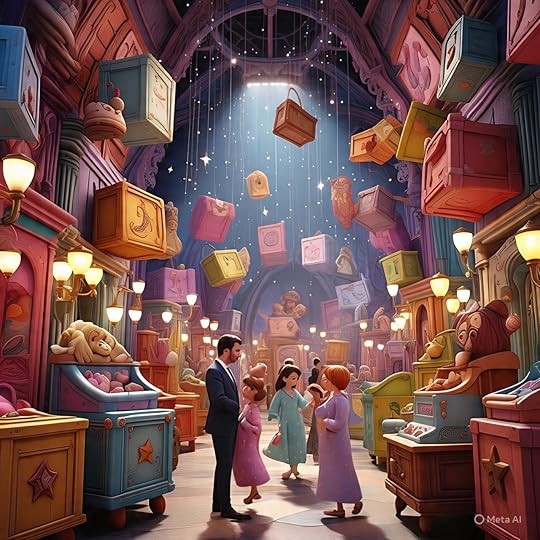
متجر تدخله أثناء نومك ليساعدك السيد دالرجوت الانيق في اختيار الحلم الذي تود أن تحلمه..لن تتذكر آنك زرت ذلك المتجر في مدينة الاحلام تلك ولكنك بالتأكيد ستتذكر الحلم الذي ستعيشه بعد شراءه
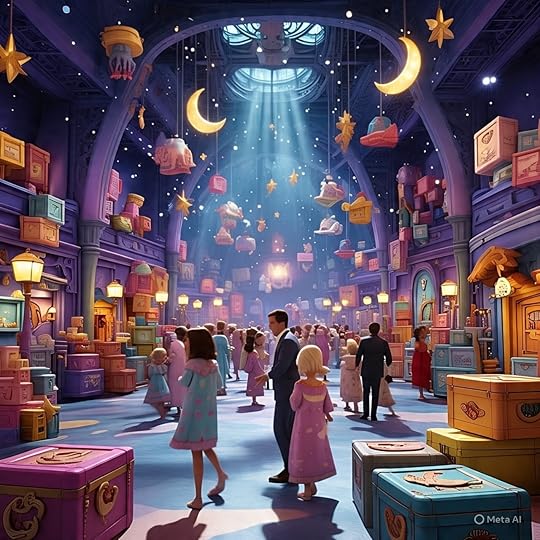
وستتابع مع "بيني" المتدربة الجديدة بالمتجر طوابقه المتعددة وعالم صناعة الاحلام الذي تعشقه ونوعية الزبائن والاحلام وحتي عالم المدينة العجيبة للاحلام وكائناتها المدهشة

٩ فصول منفصلة متصلة تم بناء عالم الرواية فيها بشكل ممتاز قطعة قطعة، عن عالم الأحلام وحتي فائدة الكوابيس الحقيقية
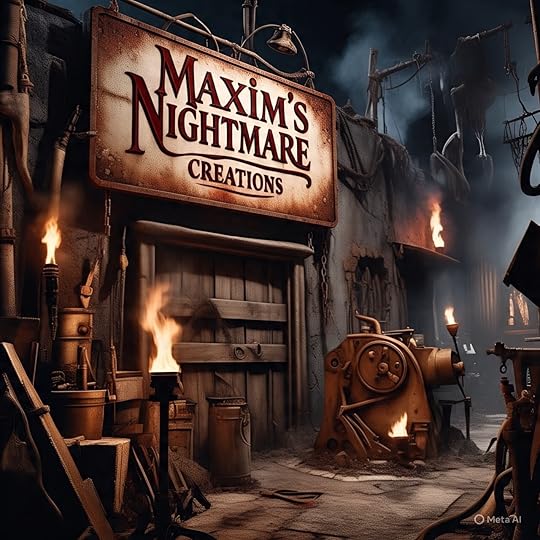
فصول ملهمة كفصل حلم حياة الاخر ، وفصول حزينة كحلم مهدي من شخص مجهول والذي يتحدث عن الاحلام بالمتوفيين والذي اقشعر جسمي وانا اقرأ عن الشاب وجدته العجوز المتوفية وجلستهم في ستاربكس
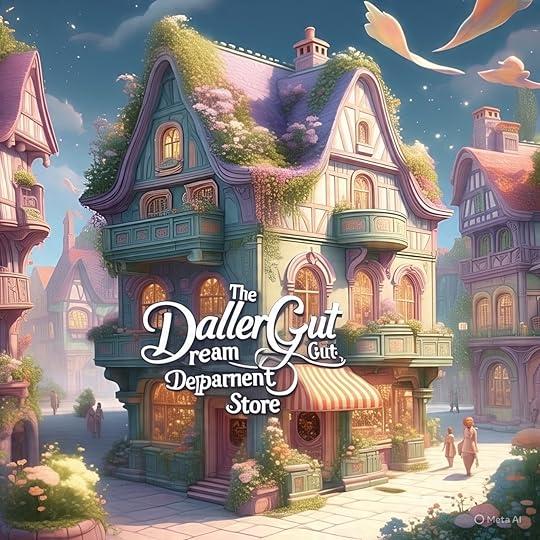
كتاب مبدع وخفيف مزج بين ظواهر مختلفة عالمية تحدث حقا في عالم الأحلام والكوابيس وبين خيال ظريف يعطي تلك الظواهر بعدا خياليا جميلا
كتاب كما قلت كأفلام الرسوم المتحركة العذبة الحالمة..عالم غني وشخصيات طريفة تزداد عمقا فصلًا تلو الفصل حتي يأسرك هذا العالم الذي ابتدعته الكورية لي مي ييه بأسلوب ناعم وصل من بوسان بكوريا الجنوبية للعالمية
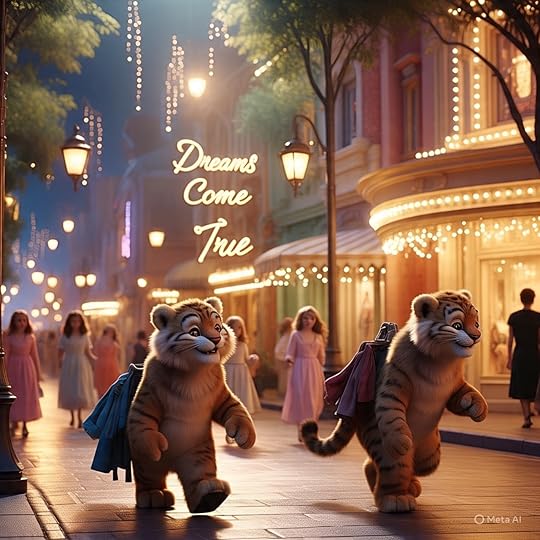
لذا ان كنت من الحالمين، فمتجر دالرجوت ينتظرك، وقد فوجئت بعد ان وصلت لمنتصفه بوجود نسخة عربية مترجمة له وأجد انها جيدة جدا ايضا ، لذا فلتتجه للمتجر فورا ربما تجد نفسك منتظرا الجزء الثاني والذي نوهت عنه نهاية الفصل التاسع بالجزء الأول بشكل حالم ومثير
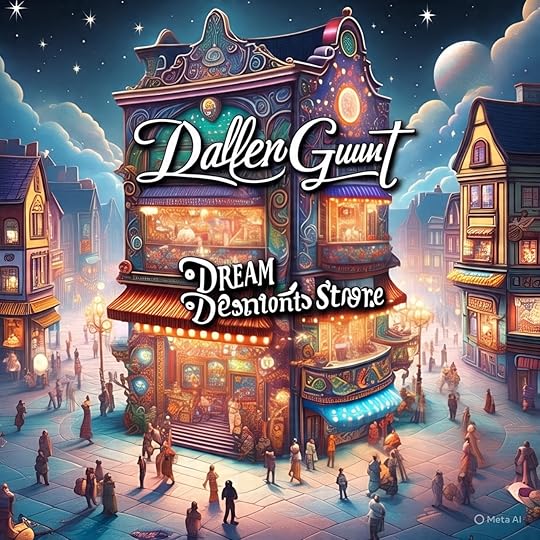
فنلتقي هناك إذن
محمد العربي
من ٢٦ يونيو ٢٠٢٥
الي ٣٠ يونيو ٢٠٢٥

October 16, 2024
This is one of those books that I’ve seen absolutely everywhere, and everyone I know seems to have given it a really high rating, and I feel so out of the loop. I have no idea what’s going on here, but me and this book did not get along unfortunately and I didn’t like it.
I think most of my dislike and lack of attachment and ability to immerse myself in the story was because for the most part I didn;t have a clue what was going on. I really struggled to comprehend the world, the roles of the characters in the world, and the logic of whatever fantasy/magical realism was happening here. It just would not compute in my brain, and so everything was just muddled.I really tried to concentrate every time I picked it up, but I feel like I was just ending up even more confused.
I also think quite controversially, this book was really boring and quite slow. I didn’t really care for the plot (in which not a lot was happening anyway) or any of the characters. I think it was too all over the place for me and my tiny pea brain, clearly. Even though it was a super short read and the chapters weren't particularly long, I was so disinterested and dreaded picking it up to the extent that it took me forever to slog through. It was definitely more character driven than plot, but both elements felt quite dry to me.
This was promised to be very comforting, whimsical, and emotional, and unfortunately none of this translated to my reading experience in the slightest. It's been compared to Before the Coffee Gets Cold (which I loved), and Days at the Morisaki Bookshop (which I thought was okay but overrated), so it's quite interesting that I liked this a lot less than those two because I feel like I should've liked this.
I think most of my dislike and lack of attachment and ability to immerse myself in the story was because for the most part I didn;t have a clue what was going on. I really struggled to comprehend the world, the roles of the characters in the world, and the logic of whatever fantasy/magical realism was happening here. It just would not compute in my brain, and so everything was just muddled.I really tried to concentrate every time I picked it up, but I feel like I was just ending up even more confused.
I also think quite controversially, this book was really boring and quite slow. I didn’t really care for the plot (in which not a lot was happening anyway) or any of the characters. I think it was too all over the place for me and my tiny pea brain, clearly. Even though it was a super short read and the chapters weren't particularly long, I was so disinterested and dreaded picking it up to the extent that it took me forever to slog through. It was definitely more character driven than plot, but both elements felt quite dry to me.
This was promised to be very comforting, whimsical, and emotional, and unfortunately none of this translated to my reading experience in the slightest. It's been compared to Before the Coffee Gets Cold (which I loved), and Days at the Morisaki Bookshop (which I thought was okay but overrated), so it's quite interesting that I liked this a lot less than those two because I feel like I should've liked this.
January 4, 2024
Gdybym miała powiedzieć kilka słów o książce, która w tym roku zaskoczyła mnie bardzo niespodziewanie, to byłaby to właśnie „Galeria Snów DallerGuta”. Połączenie magicznej i klimatycznej książki z niekonwencjonalnymi pomysłami i lekkim, płynnym piórem, które z każdą stroną coraz to bardziej oddziałuje na wyobraźnię czytelnika. Lektura krótka, ale ogromnie chwytająca za serce, emocjonalna i urokliwa. Nie jest ona tym samym zbyt wyidealizowana czy mało autentyczna, gdyż realizm magiczny przeplatany jest historią głównej bohaterki Penny. Jest to więc perfekcyjna lektura dla osób, które lubią na chwilę zapomnieć o codziennych problemach, a jednocześnie nie mieć poczucia, że ten magiczny nastrój jest zbyt przytłaczający. Jedna z wielu ciepłych i komfortowych książek, ale wyróżniająca się na tyle, że długo pozostaje w pamięci niczym piękny sen.
•
Idealny wybór czytelniczy dla miłośników „Zanim wystygnie kawa”, „Fotograf utraconych wspomnień” oraz „Kawiarnia pod pełnym księżycem”.
•
Idealny wybór czytelniczy dla miłośników „Zanim wystygnie kawa”, „Fotograf utraconych wspomnień” oraz „Kawiarnia pod pełnym księżycem”.

March 31, 2024
3.25/5
To naprawdę przyjemna lektura z intrygującym konceptem (sprzedawanie snów i wpływanie nimi na życie klientów) — wiem jednak, że ze mną nie zostanie na długo. Idealny wybór na gorszy humor 🫶🏻
To naprawdę przyjemna lektura z intrygującym konceptem (sprzedawanie snów i wpływanie nimi na życie klientów) — wiem jednak, że ze mną nie zostanie na długo. Idealny wybór na gorszy humor 🫶🏻
January 16, 2025
⭐️ Synopsis:
Penny is a young woman who gets her dream job (pun intended) at Dallergut Dream Department Store. Everyone wants to work at Dallergut’s! The Dream Department store fuels the entire town. Sleep is big business!
Penny begins her work and is introduced to an amazingly eclectic mix of floor managers, elite dream makers, diverse customers, and the mysterious Mr. Dallergut himself. Adventure ensues and Penny learns why dreams are important, and which dreams are right for which people.
Okay, so we just say people. Penny discovers a whole bunch about people.
⭐️ What I thought about this book:
I’m not usually a sucker for gorgeous covers ~ but this one immediately took me in. I had also just read three very violent books devoid of any hope. I’m not saying this was why I was so open to this book ~ but it sure helped.
The book is a translation and an excellent one at that .
The writing was simplistic, but still had the oomph to deliver a great story. It reminded me of the writing style of Legends and Lattes. Clean. Simple.
The ideas though! The types of dreams and why they were right for certain people (or animals) were brilliant. I was particularly touched by the chapters about nightmares, and the dreams that the dying left for those still living.
The characters were imaginative. I loved the ideas. I wish that they had been fleshed out even more.
Penny is a young woman who gets her dream job (pun intended) at Dallergut Dream Department Store. Everyone wants to work at Dallergut’s! The Dream Department store fuels the entire town. Sleep is big business!
Penny begins her work and is introduced to an amazingly eclectic mix of floor managers, elite dream makers, diverse customers, and the mysterious Mr. Dallergut himself. Adventure ensues and Penny learns why dreams are important, and which dreams are right for which people.
Okay, so we just say people. Penny discovers a whole bunch about people.
⭐️ What I thought about this book:
I’m not usually a sucker for gorgeous covers ~ but this one immediately took me in. I had also just read three very violent books devoid of any hope. I’m not saying this was why I was so open to this book ~ but it sure helped.
The book is a translation and an excellent one at that .
The writing was simplistic, but still had the oomph to deliver a great story. It reminded me of the writing style of Legends and Lattes. Clean. Simple.
The ideas though! The types of dreams and why they were right for certain people (or animals) were brilliant. I was particularly touched by the chapters about nightmares, and the dreams that the dying left for those still living.
The characters were imaginative. I loved the ideas. I wish that they had been fleshed out even more.

June 21, 2025
رواية خفيفة وممتعة جدًا، متشوقة للجزء الثاني❤️

October 6, 2024
Maybe it’s the translation or the writing itself that provides the coziness for such a weird dreamy story!
The characters are somehow very realistic in their appearance and approach despite the very unlikely scenario of the circumstances they were in.
This is a world of fantasy where you can buy or sell dreams in packages for which parts of your life or even the loved ones you want to have some time with them even if it is in a dream.
I am so glad I ended up enjoying this book much more than I had anticipated.
The only thing missing out was a solid wrap up or circumstances in the story which would make me want to flip the pages faster for such a great read.
But I can’t deny all the coziness the book provides. I just love this feeling while reading a book.
The characters are somehow very realistic in their appearance and approach despite the very unlikely scenario of the circumstances they were in.
This is a world of fantasy where you can buy or sell dreams in packages for which parts of your life or even the loved ones you want to have some time with them even if it is in a dream.
I am so glad I ended up enjoying this book much more than I had anticipated.
The only thing missing out was a solid wrap up or circumstances in the story which would make me want to flip the pages faster for such a great read.
But I can’t deny all the coziness the book provides. I just love this feeling while reading a book.

August 25, 2024
Cutesy but original, The Dallergut Dream Department Store imagines a commercial and competitive world in which dreams are designed, marketed, and paid for in emotions that trade on a stock market. It's a big business approach to fantasy that follows a young girl learning the ropes and meeting the prominent figures in the dream industry. Despite this corporate model, Mi-ye's world is a kind and friendly place filled with well-meaning people exploring the value of dreaming. It's a lovely place to escape to.

February 28, 2025
Really cute concept and book. Very easy read. Light exploration of what makes up a human experience: desires, traumas, freedoms, creativity, inspirations, courage, memory, etc.
DallerGut as a character is full of compassion and wisdom who makes sure there’s an accounting for everything. Reminded me of one of the core principles of Reiki. When I learned to be a Reiki master, my instructor emphasized how important it is to practice it only in exchange for something of equal value to the recipient, because that’s the best way to keep the recipient accountable for their own health. Otherwise, it would be too easy to continue unhealthy habits followed up with a Reiki cleanse. She said that was abusive of the sanctity of Reiki and disrespectful to themselves. It was also my responsibility to myself. I think there’s truth in accountability, and it felt like DallerGut kept everyone honest like that, but it was done gently and always with the customer's consent.
I would love to be a regular customer here to hold my mom once more or hear my dad laugh again and to apologize to my grandparents for having been a brat or to get a second chance with certain people. I would play out what-if scenarios and experience what it might be like if xyz.
Lastly, Santa Schmanta. He only works Christmas. That’s insulting in a country that is well known for being among the hardest working (super long workdays six or seven days a week - even for students - plus extremely high suicide rates from pressure to perform, even though legally, they are only supposed to work a maximum of 52 hours a week, that’s often ignored). Slacker! I think he was meant to inspire, but in actuality, I think it made me sad to read, knowing the contrast to reality.
I probably won’t read the sequel. Book was given to me by a friend. I think it was a light reflection of how necessary it is for South Korea to improve its national attitude towards and services in mental health. However, I am not sure how well that point may have landed among Korean readers.
3.5 stars.
DallerGut as a character is full of compassion and wisdom who makes sure there’s an accounting for everything. Reminded me of one of the core principles of Reiki. When I learned to be a Reiki master, my instructor emphasized how important it is to practice it only in exchange for something of equal value to the recipient, because that’s the best way to keep the recipient accountable for their own health. Otherwise, it would be too easy to continue unhealthy habits followed up with a Reiki cleanse. She said that was abusive of the sanctity of Reiki and disrespectful to themselves. It was also my responsibility to myself. I think there’s truth in accountability, and it felt like DallerGut kept everyone honest like that, but it was done gently and always with the customer's consent.
I would love to be a regular customer here to hold my mom once more or hear my dad laugh again and to apologize to my grandparents for having been a brat or to get a second chance with certain people. I would play out what-if scenarios and experience what it might be like if xyz.
Lastly, Santa Schmanta. He only works Christmas. That’s insulting in a country that is well known for being among the hardest working (super long workdays six or seven days a week - even for students - plus extremely high suicide rates from pressure to perform, even though legally, they are only supposed to work a maximum of 52 hours a week, that’s often ignored). Slacker! I think he was meant to inspire, but in actuality, I think it made me sad to read, knowing the contrast to reality.
I probably won’t read the sequel. Book was given to me by a friend. I think it was a light reflection of how necessary it is for South Korea to improve its national attitude towards and services in mental health. However, I am not sure how well that point may have landed among Korean readers.
3.5 stars.

July 14, 2024
This book is written with all the sophistication of a 7-Eleven hot dog. Flat characters, no plot of any kind, lots of holes, just mostly incoherent nonsense. Imagine someone enthusiastically telling them about a dream they loved but really none of it makes sense and it keeps jumping around. It's basically like that. Someone thought of a good setting and then was completely incapable of writing an interesting story about it. Part of imagine anyone over the age of 12 thinking this is interesting.

December 3, 2021
"Mr. Talergut's Dream Shop" will take you to the City of Dreams, where everyone has been, but not everyone will find their way there consciously. Here you can buy a dream for every taste in a specialized store, or you can order a perfect exclusive to the master of dreams. Here, small goblins noctiluca (vττα - night, look - look) will throw a nightgown or pajamas on you if you are in the habit of sleeping naked - do not walk in this form through the streets of a Sleepy city!
There are many things here like in the daytime world, but even more unlike it. You will be able to make sure of this together with the young saleswoman of the best city store Penny dreams. South Korean writer Lee Miye told a deceptively simple story about the selfless love of parents who are ready to do anything so that children get a better share than their own. About how many simple things that would cost us nothing, we do not talk and do not do for loved ones before it is too late. About flying in a dream and in reality. Yes, that if you want to succeed, you need to get enough sleep - after all.
A kind wise fairy tale, funny, sad, joyful. And in the performance of Igor Knyazev - just seven and a half hours of pure happiness. I never tire of being amazed at how he manages this magic of creating a visible image, having only one voice as an instrument.
Сновидческое
Хоть поверьте. хоть проверьте,
Но вчера приснилось мне,
Будто принц за мной примчался
На серебряном коне.
Новая корейская волна донесла до нас очередной хит - очаровательный янг-эдалт, связь которого со Страной Утренней свежести отслеживается лишь на уровне традиционных паттернов поведения, вроде трудоголизма, почтения к старшим членам семьи, культа образования. В остальном вполне себе интернациональная сказка, где даже имена героев усредненно англофицированные. Не могу не сказать о дивной работе переведшей эту книгу Людмилы Михаэску которая подарила героям говорящие имена, одновременно восточно-азиатские и русские, вроде мастерицы создания снов Доутра Сонадзаки.
"Магазин снов мистера Талергута" перенесет вас в Город Снов, где бывал каждый, но не каждый отыщет туда дорогу сознательно. Здесь можно купить сон на любой вкус в специализированном магазине, а можно заказать совершенный эксклюзив мастеру сновидений. Здесь мелкие гоблинчики ноктилуки (νύχτα - ночь, look - взгляд) набросят на вас ночную сорочку или пижаму в случае, если вы имеете обыкновение спать нагишом - не ходить же в таком виде по улицам Сонного города!
Здесь многое как в дневном мире, но еще больше всего, непохожего на него. Вы сможете убедиться в этом вместе с юной продавщицей лучшего городского магазина снов Пенни. Южнокорейская писательница Ли Мие рассказала обманчиво простую историю о самоотверженной любви родителей, готовых на все, чтобы детям досталась лучшая доля,чем их собственная. О том, сколь многих простых вещей, которые ничего не стоили бы нам, мы не говорим и не делаем для близких людей до того, как станет слишком поздно. О полетах во сне и наяву. Да о том, что если хочешь добиться успеха, необходимо высыпаться - в конце-то концов.
Добрая мудрая сказка, забавная, грустная, радостная. А в исполнении Игоря Князева - так просто семь с половиной часов чистого счастья. Не устаю поражаться, как ему удается эта магия создания зримого образа, имея инструментом один только голос.
There are many things here like in the daytime world, but even more unlike it. You will be able to make sure of this together with the young saleswoman of the best city store Penny dreams. South Korean writer Lee Miye told a deceptively simple story about the selfless love of parents who are ready to do anything so that children get a better share than their own. About how many simple things that would cost us nothing, we do not talk and do not do for loved ones before it is too late. About flying in a dream and in reality. Yes, that if you want to succeed, you need to get enough sleep - after all.
A kind wise fairy tale, funny, sad, joyful. And in the performance of Igor Knyazev - just seven and a half hours of pure happiness. I never tire of being amazed at how he manages this magic of creating a visible image, having only one voice as an instrument.
Сновидческое
Хоть поверьте. хоть проверьте,
Но вчера приснилось мне,
Будто принц за мной примчался
На серебряном коне.
Новая корейская волна донесла до нас очередной хит - очаровательный янг-эдалт, связь которого со Страной Утренней свежести отслеживается лишь на уровне традиционных паттернов поведения, вроде трудоголизма, почтения к старшим членам семьи, культа образования. В остальном вполне себе интернациональная сказка, где даже имена героев усредненно англофицированные. Не могу не сказать о дивной работе переведшей эту книгу Людмилы Михаэску которая подарила героям говорящие имена, одновременно восточно-азиатские и русские, вроде мастерицы создания снов Доутра Сонадзаки.
"Магазин снов мистера Талергута" перенесет вас в Город Снов, где бывал каждый, но не каждый отыщет туда дорогу сознательно. Здесь можно купить сон на любой вкус в специализированном магазине, а можно заказать совершенный эксклюзив мастеру сновидений. Здесь мелкие гоблинчики ноктилуки (νύχτα - ночь, look - взгляд) набросят на вас ночную сорочку или пижаму в случае, если вы имеете обыкновение спать нагишом - не ходить же в таком виде по улицам Сонного города!
Здесь многое как в дневном мире, но еще больше всего, непохожего на него. Вы сможете убедиться в этом вместе с юной продавщицей лучшего городского магазина снов Пенни. Южнокорейская писательница Ли Мие рассказала обманчиво простую историю о самоотверженной любви родителей, готовых на все, чтобы детям досталась лучшая доля,чем их собственная. О том, сколь многих простых вещей, которые ничего не стоили бы нам, мы не говорим и не делаем для близких людей до того, как станет слишком поздно. О полетах во сне и наяву. Да о том, что если хочешь добиться успеха, необходимо высыпаться - в конце-то концов.
Добрая мудрая сказка, забавная, грустная, радостная. А в исполнении Игоря Князева - так просто семь с половиной часов чистого счастья. Не устаю поражаться, как ему удается эта магия создания зримого образа, имея инструментом один только голос.

February 20, 2023
Mentre tutti dormono, c’è una città che rimane sveglia… e un posto in cui la notte si colora di avventure.. il Magazzino dei sogni è un libro magico in cui la realtà onirica predomina sulla vita realtà.
Avete mai pensato ad una città dei sogni? Quella in cui è possibile girare per strada in pigiama o sorseggiare tisane a qualsiasi ora? Ecco, questa è la città di Penny, la nostra protagonista che durante il colloquio per questo particolare lavoro, riesce a coinvolgere e lasciare a bocca aperta, con la sua teoria e le sue idee legate ai sogni, il famoso signor Dollagut, proprietario del Grande Magazzino dei Sogni, il negozio su quattro piani più ambito della città.
Un palazzo particolare e magico dove si accede solo da addormentati e dove si vendono solo sogni. Penny vende sogni, sogni di ogni tipo, ad esempio quelli legati all’amore non corrisposto, quello che permette di incontrare le persone che non si sono più, oppure sogni speciali e limitati. Lavorando pian piano, ogni giorno si rende conto dell’importanza di questo lavoro e del perché si tratta di un luogo così importante e speciale: il segreto che rende il Grande Magazzino dei Sogni è quello di risvegliare emozioni sepolte, di far vivere sensazioni mai provate, e molto spesso di far superare traumi, come un lutto o la fine di una storia d’amore.
Un libro interessante che nonostante la lentezza all’inizio, dovuta ai capitoli un po’ lunghetti, la storia ingrana, coinvolge tantissimo il lettore. Una favola contemporanea ricca di saggezza che celebra il potere misterioso dei sogni, capaci di influenzare le nostre scelte, anche se spesso non lo sappiamo.
Avete mai pensato ad una città dei sogni? Quella in cui è possibile girare per strada in pigiama o sorseggiare tisane a qualsiasi ora? Ecco, questa è la città di Penny, la nostra protagonista che durante il colloquio per questo particolare lavoro, riesce a coinvolgere e lasciare a bocca aperta, con la sua teoria e le sue idee legate ai sogni, il famoso signor Dollagut, proprietario del Grande Magazzino dei Sogni, il negozio su quattro piani più ambito della città.
Un palazzo particolare e magico dove si accede solo da addormentati e dove si vendono solo sogni. Penny vende sogni, sogni di ogni tipo, ad esempio quelli legati all’amore non corrisposto, quello che permette di incontrare le persone che non si sono più, oppure sogni speciali e limitati. Lavorando pian piano, ogni giorno si rende conto dell’importanza di questo lavoro e del perché si tratta di un luogo così importante e speciale: il segreto che rende il Grande Magazzino dei Sogni è quello di risvegliare emozioni sepolte, di far vivere sensazioni mai provate, e molto spesso di far superare traumi, come un lutto o la fine di una storia d’amore.
Un libro interessante che nonostante la lentezza all’inizio, dovuta ai capitoli un po’ lunghetti, la storia ingrana, coinvolge tantissimo il lettore. Una favola contemporanea ricca di saggezza che celebra il potere misterioso dei sogni, capaci di influenzare le nostre scelte, anche se spesso non lo sappiamo.

March 2, 2024
Trama/Plot ⭐⭐
Personaggi/Characters ⭐
Stile/Style ⭐
Mah...decisamente la letteratura sud-coreana non fa per me. Presentato come un libro con un'atmosfera magica, onirica, in realtà l'ho trovato molto vago, un po' sconclusionato, con personaggi appena abbozzati. Lo stile di scrittura, poi, mi ha lasciata perplessa, ha un che di infantile (e non in senso buono, non ricorda affatto una fiaba della buonanotte per bambini).
***
Well... South Korean literature is definitely not for me. Presented as a book with a magical, dreamlike atmosphere, I actually found it very vague, a bit rambling, with barely sketched characters. The writing style, then, left me perplexed, it has something childish (and not in a good way, it doesn't remind me of a children's bedtime story at all).
Personaggi/Characters ⭐
Stile/Style ⭐
Mah...decisamente la letteratura sud-coreana non fa per me. Presentato come un libro con un'atmosfera magica, onirica, in realtà l'ho trovato molto vago, un po' sconclusionato, con personaggi appena abbozzati. Lo stile di scrittura, poi, mi ha lasciata perplessa, ha un che di infantile (e non in senso buono, non ricorda affatto una fiaba della buonanotte per bambini).
***
Well... South Korean literature is definitely not for me. Presented as a book with a magical, dreamlike atmosphere, I actually found it very vague, a bit rambling, with barely sketched characters. The writing style, then, left me perplexed, it has something childish (and not in a good way, it doesn't remind me of a children's bedtime story at all).

October 16, 2025
Najbardziej w pamięci zapadnie mi „ Sen przesłany ci przez anonimowego klienta” Ale sama książka raczej ze mną nie zostanie. Była ładna, ale trochę nie jest w moim guście
Displaying 1 - 30 of 8,786 reviews