Whoever said nature is still has not borne witness to the migration of the seasons.
In this lyrical enquiry, Dalia Al-Dujaili considers what it means to belong in your land. She traces the rich heritage of the earth beneath our feet and the wildlife that call it home – from the oak tree and date palm to fairytale creatures, such as dragons, unicorns and the ancient Lamassu. Weaving together Arab and Islamic mythology with the English and Christian pastoral, Al-Dujaili unmasks the communal lush, familiar and, at times, dark places we share.
A love song to Britain, Iraq and the body of earth we hold in common, Babylon, Albion is a compelling re-imagining of what it means to be native.
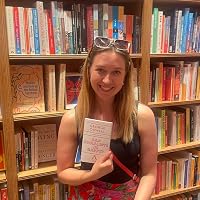
Thank you to my dear friend Anne for gifting me this book for Christmas and the coffee crocheted bookmark, it came in handy!
I met Dalia at the Maritime museum in Greenwich, after finding out about her magazine ‘The Road to Nowhere’ that explores different migrant communities in Britain and fell in love with her artistic style ever since. A lot of Dalia’s Iraqi background I could relate to, and this book made me think differently about what the ‘homeland’ means- so all in all a good read.
A nourishing reading experience drawing parallels between human migration and the natural world.
As a British-born woman to Iraqi migrant parents, Dalia Al-Dujaili has grown up in Britain (Albion) whilst hearing tales of ancestry and mythology from her parents’ homeland of Iraq (Babylon). She makes beautiful comparisons between the migration of people that has always occurred with the movements of nature: from rivers carrying seeds and carving their way through landscapes, to trees and the safety and nurture that they provide for others.
The writing is really beautiful, often very funny, or stark with its warnings about climate change. It’s deeply personal and the love for her family, her relationship with both Britain and Iraq, and her utmost respect for nature make for a brilliant reading experience.
A love letter to the cradle of civilisation: Surrey. - Only realised upon discussion how much I enjoyed the positive neutrality of the author’s reflections on both the past and present. Rather than the more common themes (at least from my readings) in diasporic fiction/non-fiction of romanticising one place and having escaped or wishing to escape the other, it makes me feel very positive about our ability to find connections between old and new, no matter where we are.
Admittedly, this (and overall pleas to positive neutrality) are a privileged view of migration, that cannot always hold true, but I could use the hope right now. - Shoutout to the 2013 rubber duck race at Bolton Abbey that I thought I had dreamt up but did in fact happen and was probably awful for local wildlife 🦆
Dalia captured the identity crisis of being Arab and living in the diaspora perfectly. I loved the connection of nature and migration and what it means to belong in a land. A must read!!
Sublime… a profound manifestation of lived experiences, resulting in a lyrical assemblage I couldn’t put down. Really excited to see what the Author shares with us next!
cok cok cok etkileyici bi yazim, ozellikle surekli politik ya sosyolojik bi yerden goc ogrenmis biri olarak siir gibi bi dil gormek gercekten iyi geliyor bana bile bir okuyucu olarak ama cok romantize edilince de sahiciligini yitiriyor, bu kisi ingilterede dogmus ailesi irakli, boyle dili sey gibi, all lives matter gibi bi hissi var, tamam ingiltere ve irak'in birbirini anlayabilecekleri bir kulturu olabilir de konumuz hic o ortaklik degil ki, o baglamda kalbimi acamadim bu kitaba
Her descriptions of nature made me want to dip my toes in grass. I also enjoyed the way she spoke about immigration and home and belonging. Though it didn’t rlly grip me as a book… just like oh nice that’s beautiful.
صدر عن دار الساقي حديثا، و باللغة الإنكليزية، كتاب ( بابيلون- ألبْيَنْ- تاريخ شخصي للأسطورة و الهجرة) للكاتبة العراقية الشابّة داليا الدجيلي، حاولت فيه تقديم رؤى شخصية، لمفاهيم شائعة، تناولت موضوعات الهجرة migration، الانتماء belonging، و الهوية identity. يقع الكتاب في ١٧٧ صفحة و يتكون من اربعة فصول: غابات الذاكرة، ماء مقدّس، جنّة على الارض، و أرضٌ مشتركة.
تنطلق الدجيلي في طرحها و مناقشتها لهذه الأفكار من محور علاقتنا بالطبيعة، و أهمية إدراكنا لتلك الروابط بين الإنسان و عناصرها ( الارض و الماء) و تأثيرها على مفهومنا نحن البشر لموضوعات الهجرة و الانتماء و الهوية. يتبين للقارئ عبر الأفكار المطروحة سعة إطلاع الدجيلي و شغفها بالطبيعة و كذلك اهتمامها بدراسة عوالم النبات و الحيوان و تاثيرات البيئة على تلك العوالم. و يمكن القول بأن شغفها قد يكون متأتّياً من بيئة الريف الانكليزي التي نشأت و تربّت في أحضانها كطفلة لأبوَين عراقيَين مهاجرَين، حيث تحيط بها متنزهات و غابات و جداول تَضجُّ بالخضرة و الحياة. مع ذلك، تأخذنا في رحلتها الإبداعية منطلقة من علاقة روحية تربطها بالأمكنة دون الإتِّكال كليّاً على الحقائق العلمية الجافّة.
يحمل عنوان الكتاب دلالات مكانية و زمانية، حيث يتناول بيئتين و ثقافتين متباينتين حددت هوية الكاتبة، متمثلة في بلدها الام العراق و البلاد التي التي ولدت فيها، إنكلترا لأبوين عراقيين هاجرا من العراق قبل ما يقارب الاربعة عقود. أضف إلى ذلك اختيارها للتسميات القديمة لكلا البلدين: العراق (بابيلون او ارض بابل كما كانت تعرف) و إنكلترا ( ألبْيَنْ) . طرحت الكاتبة وجهة نظرها للقارئ في أن البعد عن الأماكن التي يشدّنا الحنين اليها، لا يمثّل بالضرورة عائقاً أمام رغبتنا بالكتابة عن تلك الأماكن، و هذا ما سعت على إثباته عبر فصول الكتاب:
( لم أعد أمدّ يدي إلى الوطن، هذه المشاهد بداخلي هي وطن بذاتها. أشعر بداخلها بأنني في بيتي)
( بداخلي يكمن النهر. صخور و حصى الفرات المتدفق، و هو يغيّر مجراه مع التيار. تحيطُ ضفافيَ أعواد القصب و البردي، و هي تهمس مع نسيم الغسقِ الذهبي)
(يمكننا فهم مصطلح الوطن الام، لكن ليس كبقعة جغرافية محددة، بل مشعور نحمله بداخلنا)
استعانت الدجيلي بقصص و تجارب الآخرين في بناء ما يمكن ان نسميه وطناً روحياً كبديلٍ عن الوطن المادي، العراق، الذي لم تطئ قدميها ارضه سوى في زيارة عام ٢٠٢٣، فاستعانت إلى حد كبير بذاكرة والدتها التي غادرت العراق عام ١٩٨٩، وقد ساهمت تلك الذاكرة في رسم صورٍ غنية في مخيلة الكاتبة عن وطنها الام. علاوة على ذلك، استلهمت من الارث الأسطوري و الفولكلور الشعبي لكل من العراق و إنكلترا لبناء أرضية خصبة ساعدتها في صياغة رؤيتها لمفهوم الهوية و الهجرة و الانتماء. مثال ذلك انها وظفت عناصر الجغرافيا و الحيوات المتنوعة التي زخرت بها ملحمة گلگامش و أساطير سومرية و بابلية أخرى ؛ و ما تغنّت به الحكايات الفولكلورية الانگليزية من استخدام لرموز البيئة المحلية كالغابات و الجداول و الانهار ، لتتجاوز المعنى المادي السطحي للطبيعة كمكان، سعيا لايجاد صفات روحية تمنح تلك الأماكن هوية متفردة. ففي مقاربة بين شجرة البلّوط ( Oak tree) في بريطانيا و النخلة في بيئة العراق، تحاول الكاتبة ان تثبت أن كلتا الشجرتين أحق منا في تمثيل هوية البلدين إن كان بناء الهوية لا يقتصر سوى على عامل الزمن و قدم وجود الإنسان في بقعة جغرافية محددة. تقول بأن أقدم شجرة بلّوط ما تزال موجودة إلى يومنا هذا في انگلترا تعود إلى القرن الثالث عشر ( قبل اعتلاء العائلة الملكية البريطانية على العرش). كذلك استفاضت في تمثّلات النخلة في أساطير بلاد ما بين النهرين و كذلك في الكتب السماوية كرمز للحياة. و في زيارتها إلى آثار بابل و مشاهدتها لأسد بابل و نحت صور الاسد، رمز الآلهة عشتار - ألهة الحرب و الجنس في الإرث السومري- على جدران بوابة عشتار، رسمت لنا في مقاربة ذات دلالات رمزية تم توظيفها بالتراث الإنكليزي لتتحول صورة الأسد كرمز لقوة الإمبراطورية البريطانية؛ حتى أن صورته ما تزال تطبع على جواز السفر البريطاني بالرغم من أن الأسد لم يكن يوما حيوانا أصلياً في إنكلترا.
نجحت الدجيلي في استخدام تفاصيل دقيقة للحياة اليومية العراقية لتحتفي بشعور الانتماء و هي تعيش على بعد آلاف الاميال في الريف البريطاني، مثال ذلك طقس عمل الكليچة العراقية اعتمادا على كتاب طبخ عراقي شهير للسيدة نزيهة أديب، و في وصف جميل لدولاب المطبخ الذي تحفظ فيه مختلف أنواع التوابل و البهارات التي تميّز المطبخ العراقي عن نظيره الإنكليزي.
(كيف يمكنني تذكر أشياء لم أختبرها من قبل؟ أفتقد حرارة بلادي. أفتقد أشجار البرتقال، و رائحة الصمّون. أفتقد صوت الملعقة وهي تضرب جوانب إستكان الشاي. أعرف بلدي كظهر يدي، محفور في طريقة إشارات يدي،في ميل رأسي، وفي الطريقة التي تلتوي بها ذراعي وتتحرك بها وركاي أثناء الرقص. كأن دمي قد نزل إليّ من السماوات، كما لو أن السماوات قد حفظت دماء أسلافي فقط من أجلي، لأتذكر الوطن.)
و أعجبني في الكتاب توظيف النكتة العراقية في تفاصيل النص و التي قد لا يفهمها سوى الفرد العراقي. ففي هذه الجملة: "we slide our jamdeen toes into heavy boots"-نُدخلُ اصابع أرجلنا المتجمدة في أحذيتنا الثقيلة" ، لا أعلم كيف ان شخصا انكليزيا سيفهم كلمة Jamdeen و التي تعمدّت الدجيلي تركها هكذا ضمن السرد دون توضيح. و في مقطع آخر جميل تصف جلسة عائلتها في عطلة الكريسماس و هم يتناولون طعام الغداء:
( (ليلة عيد الميلاد؛ والدتي تحضر تمّن باگلا،لليوم التالي. نتوقع أن تأتي خالتي و تجلب معها كُبّة. في الثلاجة، هناك الديك الرومي بجانب الكباب الذي بدأ يذوب. في يوم عيد الميلاد، سيئن خالي قائلاً: "ألا يمكننا أن نتناول طعاما حقيقيا؟" بعد أن قُدّم له صحن من الجزر الأبيض و الصلصة. أتخيّل أسلافه يتقلبون في قبورهم: أعطوا الرجل قليلاٍ من مرق الباميا، قد نجا هذا الرجل من الديكتاتورية، و ذاق ما يكفي.)
و في الختام يمكننا اعتبار كتاب داليا الدجيلي مزجاً بين النص الإبداعي و السيرة الذاتية، و قد تميزت طريقة السرد بأسلوب جمالي و تدفق للوصف بلغة شعرية مستوحاة من كلاسيكيات الادب الإنكليزي. مع ذلك استشهدت الدجيلي بالكثير من أشعار و نصوص لمبدعين عراقيين كالجواهري و السياب و سعدي يوسف و فاضل العزاوي. من وجهة نظري. تختلف تجربة الوطن عند الكاتبة عن كثير من الكتّاب العراقيين الذي اصدروا سيرة ذاتية لحياتهم، حيث لا يجد القارئ في صفحات هذا الكتاب اي أثر لدموع تُذرَف و لا من وجعٍ لغربة او محاولة لملمةِ ذاكرةٍ معطوبة من شتات المنفى. و في رأيي ان الدجيلي نجحت إلى حد كبير في الموافقة بين الوطن البديل ( إنكلترا) و بين الوطن الأم( العراق)ف"نحن لا ننتمي بفطرتنا إلى شيء ما، انما نحن من يخلق الانتماء".
Book Review: Babylon, Albion: A Personal History of Myth and Migration Rating: 4.7/5
Dalia Al-Dujaili’s Babylon, Albion is a lyrical, genre-defying meditation on belonging that stitches together the mythologies of Iraq and Britain with the thread of personal memory. Blending nature writing, cultural history, and memoir, Al-Dujaili crafts a tapestry as lush as the marshes she describes and as sharp as the pebbles of Brighton Beach.
Strengths & Emotional Resonance Al-Dujaili’s prose is a revelation—fluid as converging rivers (her metaphor for the Tigris, Euphrates, and Nile within her) yet precise in its excavation of identity. Her juxtaposition of Islamic and Christian mythologies—date palms and oak trees, Iraqi marshes and Loch Ness—feels both daring and organic, challenging colonial binaries of native and foreign. The chapter on Brighton Beach, where she recalls her mother’s 99p Flake ice cream, is particularly poignant; it distills migration’s paradoxes into a single sensory moment, blending nostalgia with displacement.
As a reader, I was struck by her ability to weave scholarly references (from Arab poets to English pastoralists) into intimate vignettes. Her critique of static notions of nature—Whoever said nature is still has not borne witness to the migration of the seasons—resonates deeply in an era of climate crisis and border politics. The book’s urgency lies in its refusal to romanticize either homeland, instead honoring their complexities.
Constructive Criticism At 160 pages, the book’s brevity occasionally leaves threads underdeveloped. A deeper exploration of Islamic ecological traditions (e.g., himā protected zones) could have enriched her argument about shared land stewardship. Additionally, while her lyrical style is immersive, some transitions between myth and memoir feel abrupt, risking disorientation for readers unfamiliar with Mesopotamian lore.
How I would describe this book: - A masterpiece of migratory storytelling—where myth and memory flow like converging rivers. - Al-Dujaili doesn’t just write about land; she makes it breathe, bleed, and belong. - An antidote to nativist narratives—proof that roots can be both deep and divergent.
Personalized Remarks & Gratitude Reading Babylon, Albion felt like walking a borderless map, where every sentence unearthed a new layer of my own hybrid identity. Al-Dujaili’s voice is a compass for anyone who’s ever felt an ancient land inside them. Thank you to Edelweiss and Saqi Books for the advance copy; this is a work that will ripple through discussions of belonging for years to come.
Final Verdict: 4.7/5 — A luminous, necessary reimagining of home and heritage. Pre-order it, then read it slowly, like savoring a 99p Flake by the shore.
‘Folklore and its historic associations can also be regressive, rather than progressive. Such as the legend of St George who slaughtered a dragon, became the patron saint of England and gave himself to England’s white and red flag. Though St George was half Palestinian and born in modern-day Turkey and in fact never set foot in England, the flag makes an appearance at any right-wing protest, often used by fringe groups with a ‘go back to where you came from’ mentality. (…). When our national symbols and founding stories are based on imported myths, it calls into question what our understanding of ‘national’ means and confuses our belief systems about who, or what, belongs where.’
‘The divvying up of land for private use or exploitation is nothing new. From the British Mandate of Iraq to partition in India and Pakistan, or closer to home, with the English sectioning of Ireland, we see the ideology that interrupts our relationship with land. The majority of those who own vast acres of land in the United Kingdom – sometimes big enough to contain properties, woodlands, lakes and paths – have direct links to colonial projects around the world, from the East India Company to weapons manufacturers and army training bases. The borders which those in power imagine and impose for their own benefits do not end in the Global South, but are imposed at home too, on British soil to separate commoner from gentry.’
‘The changing climate and landscapes of today, fuelled by the ongoing extraction of resources from the land, has caused a mass-refugee exodus among the animal kingdom. In 2022, of 4.000 land mammals studied, half were on the move, such as the endangered Persian leopard of Iraqi Kurdistan and Britain’s foxes and hedgehogs. Many of the species who are unable to migrate may perish in the not-too-distant future, if they are unable to adept. The deconstruction of ideas around native and invasive species coupled with the movement of animals towards more promising climates begs us to ask what the difference is between a refugee species and an invasive one. If native species can and should move as they require, then what ideas about indigeneity are we trying to preserve?’
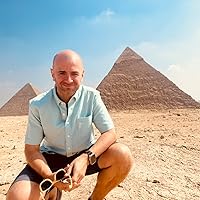
I picked this book up from Diwan in Cairo, Egypt and began to read stories of migration from Iraq with interest, not expecting to meet a love letter to Surrey, England, where I grew up. In one scene the author, our narrator, even ends up swimming the school swimming pool of Claremont, where I went through Secondary School, and spent many an awkward lesson, pubescent in my speedos.
I couldn't stop, and so read in one long sitting - day bled into night just as trees bleed in to people bleed in to deserts bleed into paths bleed into forests. This sprawling porous narrative made me cry, made me think, deeply, made me slow down, made me marvel at the author's words at her thoughts, musings, myths. I added Gilgamesh (back) onto my readlist. And I added this title to my favourite five-star reviews of the year.
What a writer. I hope she writes a novel. If she does, maybe it will share attributes of Ali Smith - meanderings like this personal history of migrations, among narrative. Smith slows my reading pace, as did Al-Dujaili. As I migrate myself, I'm grateful for this flowing river of a book, and for what she shares. Thank you Dalia.
I was deeply touched by this book. I kept thinking about it long after I put it down, which doesn’t happen often for me. It’s incredibly thoughtful and personal, yet I found so much of myself in it.
Truly impressive. One of the best books I’ve read in a long time. Thank you to Al‑Dujaili for writing this masterpiece, and to Saqi Books for bringing it into the world.
I’m really looking forward to whatever the author works on next, and I’ll be buying every future release.
More like 3.5 stars, but I found it very interesting and mostly engaging throughout. Al-Dujaili writes beautifully of her personal geographies, the descriptions are stunning, and you always learn a little bit. It's only a bit all over the place, which may make it harder for some readers to enjoy, but so is her family history, spread across many places, so that does make sense to me. I liked it!
Lovely easy read. Thought provoking with the similarities pulled together by the author. A great example why we should celebrate the diversity of the Britain, what you might think as ‘British’ is most likely something that’s been brought here many moons ago yet has become part of the British identity. Migration brings the UK greatness, such like the author and her family.
A mix between memoir and essay, this book is an exploration of how nature, identity, migration and folklore converge and intersect in the author's life between Britain and Iraq.
It has really good reflections but at times I struggled to find a pace and paused the reading for days or weeks at a time.
‘We do not inherently belong to something, we create belonging.’ This is my favourite line from Babylon, Albion, and perhaps the one that I feel captures the spirit of Dalia’s exploration/message best.
The book is an important insight into identity, belonging, (Iraqi) diaspora, and ecology. Dalia examines her Iraqi heritage and British birth (and heritage), with a blend of criticism and appreciation that, in the case of Britishness, presented things that were familiar to me in a new and prettier light; and shone a light on other things that I did not know, or know the full extent of. The book feels appreciative. Without overlooking the other very important qualities of it, I feel that that is one of its more unique ones, and one that might be a tool as we move forward with this conversation(s). Balancing the themes of this book could not have been easy, especially without digressing; but Dalia does it well, and with measured sobriety.
My favourite chapter was ‘Common ground’ and Dalia’s inspection into what makes something ‘invasive’. But throughout the book, Dalia bridges an interesting and important connection between racism, migration, British colonialism and imperialism, racism, the fashioning of borders as part of this ruling and the fashioning of borders in our own country with private land ownership—and nature, which acts as the important link between it all.
I hope Dalia continues this line of thought in the future. This book felt like an important beginning in many ways. There were points where I felt like saying ‘Keep going! Talk your shit!’ But I know that that would’ve strayed from the book’s central theme and accessibility, which I found its most impressive feat. It’s a perfect introduction into ‘ecological thought’, whilst simultaneously being so much more than just that. The importance of this accessibility can not be overstated: aside from the existential and moral importance for people to adopt more environmentally friendly habits and views, much of the literature (that I’ve at least read) on ecological thought has been complex and quite academic. That has its own important place, but we also need works that bridge that gap. Dalia does that brilliantly, I think. And that is without me even mentioning the racial, social, geographic and economic factors that exist in ecological discourse and which Dalia also bridges. I am reminded of a section which I particularly resonated with, and which I think is extremely relevant here:
'As a child in the countryside, my peers knew the names of many trees and flowers, while I - raised by parents whose native tongue is not English - simply knew these things as trees and flowers and could only identify them by their colour or the way they smelt. Even whilst writing this book, I have had to look up trees such as the birch, elder, hawthorn and (let me Google another) ash. I may not carry much knowledge about many trees or plants or birds, but I do carry a wisdom of them. I know that the short tree with the slender trunk in my garden with the spiky-edged leaves will turn completely red in late September. I know that it will start to drop its helicopter-shaped seeds which we will play with, throwing them in the air and watching their translucent wings spin on the air toward the ground like tiny angels. I do not know the name of the small bird that sits on my table outside the museum I'm visiting in early spring but I know that he travels in a pack because he and his friends compete for the crumbs of my blueberry muffin. I know that he has a fluffy coat of mousy brown feathers and beady eyes, a big round belly and a curious head that jerks and turns every few seconds, trying to take in the big world around him.'
(This is my first time reviewing anything—I don’t even give things ratings usually—so please take it as a rough and roundabout way of saying that I think you should read this book.)