

What do you think?

Ensouling the Effigy: The Witch’s Arte of Enspirited Objects
Unlock the mysteries of poppet magic and fetish crafting with Ensouling the Effigy, a compelling guide that offers readers an in-depth exploration into the realm of spirit conjuration, spirit vessels, and otherworldly communication. This book is not just a manual; it's an invitation to journey into the heart of animism, where the witch and spirits are inseparable. Within these pages, you'll discover techniques for creating poppets, effigies, and spirit houses that serve as vessels for spiritual entities and magical power. Learn to craft your own ritual oils, incenses, washes, and smokes with a comprehensive formulary that provides the key ingredients and instructions to infuse your practices with authenticity and botanical magic. Written for practitioners of the Arte, this book's unique blend of traditional practices will captivate anyone interested in witchcraft, magic, or spirit work. Whether you're looking to expand your magical toolkit or deepen your spiritual connections, Ensouling the Effigy offers a wealth of knowledge and inspiration for your journey.
420 pages, Paperback
Published October 7, 2025
Ratings & Reviews
Friends & Following
Create a free account to discover what your friends think of this book!
Community Reviews
Displaying 1 - 23 of 23 reviews
November 24, 2025
This was the standout book of the year—it honestly blew me away. It’s not just about how to create fetishes, vessels, spirit houses, and magical effigies. It goes far beyond that. It’s incredibly thorough because the author really takes the time to cover everything: from the basics of both traditional and folkloric witchcraft to its more advanced aspects.
It even closes with a series of rituals, each one better than the last. I genuinely hope to see more work published by this author—it’s obvious they have tremendous experience.
A book that doesn’t disappoint, and the artwork—illustrations, seals, and photographs alike—is simply wonderful.
It even closes with a series of rituals, each one better than the last. I genuinely hope to see more work published by this author—it’s obvious they have tremendous experience.
A book that doesn’t disappoint, and the artwork—illustrations, seals, and photographs alike—is simply wonderful.

October 1, 2026
When the religious belief of animism was disassembled, religion became a type of partnership in bartering with specific gods that could speak on behalf of plant and animal life, as well as explain cosmic forces. This is important going forward.
The author does a great job explaining their craft, beliefs, and history. That being said, parts of it veer into the realm of the overwrought. It described tilling soil as “violent” and felt needlessly reductive.
It almost reads like a self help book, discussing things witches can do to aid their journey and keep safe; both physically and metaphysically. From the tree of life “tool” to educating yourself on the world.
In all honesty, this book felt almost like a secret agent in disguise. It cautions the reader to be wary of the spirit realm, (something most rational people might understand as a religious or internal cognitive belief rather than an objectively verifiable reality), but beneath that framing, the book offers a deeper layer of wisdom about trust, discernment, and the importance of exercising caution when navigating unfamiliar people, places, and situations.
Since this is all made up (from believing what spirits look like, act like, to even what rituals do what), it's religious dogma and personalized experiences, I didn't like the author throwing occasional shade at other practitioners and beliefs for being done “wrong”. He teetered back and forth between objectively saying you can have fun with the craft vs “do it right or don't do it at all”. Which I take offense in. You can't lament about how intention is the most important and then devote half the book to encyclopedic nonsense about questions for dead people and how to light candles.
The book splices in a good amount of historical antidotes, which I appreciated, but they were few and far between. Because again, this book is mostly opinions, and how to practice this craft in a very particular way. I think if it was marketed as his own collection or ways, I would have been more understanding, but it's marketed as a teacher trying to reinforce the proper way to students. Or if it took more of an effort to make him personable, like when he shared what his spirit guides looked like.
The instructions ultimately seemed to amount to the simple premise: that right and wrong are, to some extent, matters of perspective. I thought there would be more drawings but I did enjoy the ones that were scattered within. Beats AI trash by ironed brains. I really would have liked more art and art used in examples.
The author does a great job explaining their craft, beliefs, and history. That being said, parts of it veer into the realm of the overwrought. It described tilling soil as “violent” and felt needlessly reductive.
It almost reads like a self help book, discussing things witches can do to aid their journey and keep safe; both physically and metaphysically. From the tree of life “tool” to educating yourself on the world.
In all honesty, this book felt almost like a secret agent in disguise. It cautions the reader to be wary of the spirit realm, (something most rational people might understand as a religious or internal cognitive belief rather than an objectively verifiable reality), but beneath that framing, the book offers a deeper layer of wisdom about trust, discernment, and the importance of exercising caution when navigating unfamiliar people, places, and situations.
Since this is all made up (from believing what spirits look like, act like, to even what rituals do what), it's religious dogma and personalized experiences, I didn't like the author throwing occasional shade at other practitioners and beliefs for being done “wrong”. He teetered back and forth between objectively saying you can have fun with the craft vs “do it right or don't do it at all”. Which I take offense in. You can't lament about how intention is the most important and then devote half the book to encyclopedic nonsense about questions for dead people and how to light candles.
The book splices in a good amount of historical antidotes, which I appreciated, but they were few and far between. Because again, this book is mostly opinions, and how to practice this craft in a very particular way. I think if it was marketed as his own collection or ways, I would have been more understanding, but it's marketed as a teacher trying to reinforce the proper way to students. Or if it took more of an effort to make him personable, like when he shared what his spirit guides looked like.
The instructions ultimately seemed to amount to the simple premise: that right and wrong are, to some extent, matters of perspective. I thought there would be more drawings but I did enjoy the ones that were scattered within. Beats AI trash by ironed brains. I really would have liked more art and art used in examples.
February 23, 2026
There are books that inform, books that inspire, and then there are books that initiate.
'Ensouling the Effigy: The Witch's Arte of Enspirited Objects' by Matthew Venus belongs firmly in the last category. It does not merely describe a practice, it ushers the reader into a living current of Traditional Witchcraft that is raw, intimate, and fiercely animistic. This is not a surface-level exploration of Magickal object creation; it is a descent into the marrow of what it means to house Spirit in matter.
From the first pages, Venus makes it clear that effigy work is not craft-store Mysticism or aesthetic Talisman-making.
It is pact-making.
It is negotiation.
It is relationship.
The book penetrates the Philosophical and Spiritual foundations of Ensoulment with a depth rarely seen in modern Occult publishing.
Animism is not treated as an abstract concept but as a lived cosmology.
Matter is alive.
Wood remembers.
Bone listens.
Clay receives.
The Practitioner is not a controller of forces but a Mediator between worlds.
One of the most compelling and exhaustive sections of the book is its treatment of Spirits themselves. Venus does not flatten the Spirit world into a single category of “entities.”
Instead, he carefully delineates types of Spirits with nuance and respect: Ancestral shades, tutelary spirits, Familiar spirits, wandering intelligences, Elemental presences, and constructed or emergent Spirits born through Magickal artifice.
Each type is discussed in terms of temperament, boundaries, ethics of engagement, and appropriate Ritual approach. You are also given resources at the end of the book to further your studies.
This alone sets the work apart—there is no romantic vagueness here. The Spirits are real, differentiated, and approached with gravity.
The sections on vesseled magick are nothing short of Masterful. Venus outlines multiple methodologies for creating Spirit-houses: from fetiches and poppets to elaborate effigies of wood, wax, clay, bone, and mixed media. He explains not only how to construct these vessels physically, but how to align them symbolically and sympathetically with the indwelling force.
Correspondence is not reduced to color charts or planetary tables; it is treated as a living language of resonance.
The Practitioner learns to think like a Witch-Craftsman, so to speak.
Choosing materials not for aesthetics, but for affinity and capacity.
There is profound attention paid to the gathering and preparation of materials. The book teaches how to collect wood with permission, how to harvest earth with offering, how to source bones respectfully, and how to reclaim discarded objects as potential vessels. Conjuring materials is treated as Sacred labor. Timing, planetary influences, Lunar phases, and land Spirits all factor into the process. Nothing is incidental. Even the thread used to bind an effigy carries intentional weight.
The conjuration Rites themselves are presented with clarity and depth. Venus does not provide hollow scripts; he teaches structure. He explains how to call, how to test, how to negotiate terms, how to establish maintenance Rites, and how to properly dismiss or release a spirit when necessary.
The emphasis on boundaries and ethical reciprocity is particularly powerful. This is not reckless summoning, it is cultivated alliance.
Perhaps the most striking quality of this book is that it leaves no stone unturned. Practical considerations like storage, feeding of spirits, signs of imbalance, dissolution of vessels, generational transmission of ensouled objects are all addressed. Psychological and Spiritual readiness are discussed alongside Ritual mechanics. The reader is guided through every stage, from first curiosity to advanced operational practice.
There is an unmistakable current of true Traditional Witchcraft running through these pages. It is earthy, profane in the old sense of the word. Rooted in the soil and the blood of lived experience. Venus writes not as an academic observer but as a Practitioner who has done the work, faced the consequences, and refined the Craft through devotion.
The tone is serious without being dogmatic, poetic without becoming obscure.
In a market saturated with superficial Grimoires and recycled folklore, this work stands alone. There is nothing else quite like it.
It is both manual and mystery, instruction and initiation.
For those called to the Arte of ensouled objects, to those who feel the pulse in wood and whisper in stone, this book will feel less like a purchase and more like a homecoming.
Quite simply, if this is your path, you will need no other book on the subject. This is the workbench, the Temple, and the threshold all in one.
'Ensouling the Effigy: The Witch's Arte of Enspirited Objects' by Matthew Venus belongs firmly in the last category. It does not merely describe a practice, it ushers the reader into a living current of Traditional Witchcraft that is raw, intimate, and fiercely animistic. This is not a surface-level exploration of Magickal object creation; it is a descent into the marrow of what it means to house Spirit in matter.
From the first pages, Venus makes it clear that effigy work is not craft-store Mysticism or aesthetic Talisman-making.
It is pact-making.
It is negotiation.
It is relationship.
The book penetrates the Philosophical and Spiritual foundations of Ensoulment with a depth rarely seen in modern Occult publishing.
Animism is not treated as an abstract concept but as a lived cosmology.
Matter is alive.
Wood remembers.
Bone listens.
Clay receives.
The Practitioner is not a controller of forces but a Mediator between worlds.
One of the most compelling and exhaustive sections of the book is its treatment of Spirits themselves. Venus does not flatten the Spirit world into a single category of “entities.”
Instead, he carefully delineates types of Spirits with nuance and respect: Ancestral shades, tutelary spirits, Familiar spirits, wandering intelligences, Elemental presences, and constructed or emergent Spirits born through Magickal artifice.
Each type is discussed in terms of temperament, boundaries, ethics of engagement, and appropriate Ritual approach. You are also given resources at the end of the book to further your studies.
This alone sets the work apart—there is no romantic vagueness here. The Spirits are real, differentiated, and approached with gravity.
The sections on vesseled magick are nothing short of Masterful. Venus outlines multiple methodologies for creating Spirit-houses: from fetiches and poppets to elaborate effigies of wood, wax, clay, bone, and mixed media. He explains not only how to construct these vessels physically, but how to align them symbolically and sympathetically with the indwelling force.
Correspondence is not reduced to color charts or planetary tables; it is treated as a living language of resonance.
The Practitioner learns to think like a Witch-Craftsman, so to speak.
Choosing materials not for aesthetics, but for affinity and capacity.
There is profound attention paid to the gathering and preparation of materials. The book teaches how to collect wood with permission, how to harvest earth with offering, how to source bones respectfully, and how to reclaim discarded objects as potential vessels. Conjuring materials is treated as Sacred labor. Timing, planetary influences, Lunar phases, and land Spirits all factor into the process. Nothing is incidental. Even the thread used to bind an effigy carries intentional weight.
The conjuration Rites themselves are presented with clarity and depth. Venus does not provide hollow scripts; he teaches structure. He explains how to call, how to test, how to negotiate terms, how to establish maintenance Rites, and how to properly dismiss or release a spirit when necessary.
The emphasis on boundaries and ethical reciprocity is particularly powerful. This is not reckless summoning, it is cultivated alliance.
Perhaps the most striking quality of this book is that it leaves no stone unturned. Practical considerations like storage, feeding of spirits, signs of imbalance, dissolution of vessels, generational transmission of ensouled objects are all addressed. Psychological and Spiritual readiness are discussed alongside Ritual mechanics. The reader is guided through every stage, from first curiosity to advanced operational practice.
There is an unmistakable current of true Traditional Witchcraft running through these pages. It is earthy, profane in the old sense of the word. Rooted in the soil and the blood of lived experience. Venus writes not as an academic observer but as a Practitioner who has done the work, faced the consequences, and refined the Craft through devotion.
The tone is serious without being dogmatic, poetic without becoming obscure.
In a market saturated with superficial Grimoires and recycled folklore, this work stands alone. There is nothing else quite like it.
It is both manual and mystery, instruction and initiation.
For those called to the Arte of ensouled objects, to those who feel the pulse in wood and whisper in stone, this book will feel less like a purchase and more like a homecoming.
Quite simply, if this is your path, you will need no other book on the subject. This is the workbench, the Temple, and the threshold all in one.

August 28, 2026
A magical object can represent something, contain something, attract something, or become something. Ensouling the Effigy is concerned primarily with that last possibility, and it takes the seemingly familiar subject of poppets and figures into territory far deeper than sympathetic magic alone.
Matthew Venus approaches the effigy through an animistic worldview in which matter is capable of relationship with spirit. A figure does not necessarily remain an inert object onto which the witch projects meaning; through preparation, ritual, invitation, negotiation, and continued attention, it can become a dwelling place, intermediary, ally, or embodied point of contact with an intelligence beyond the practitioner. That premise gives the entire book a gravity I was not expecting.
This is consequently much more than a collection of instructions for making magical dolls. Venus spends considerable time establishing the cosmology and techniques that make ensoulment intelligible in the first place, including animism, consciousness, sympathetic and contagious magic, breath, spirit flight, and models of the soul. By the time the reader begins constructing vessels, there is already a framework for understanding what the vessel is intended to accomplish.
I appreciated that gradual progression enormously. The book begins at a level someone relatively new to these ideas can follow, but it does not remain introductory for long. Each section adds another layer until what initially sounded like a specialized craft becomes an entire system of spirit work.
The distinction between an effigy representing a spirit and an effigy housing or mediating a spirit became especially important to me. Modern magical practice often relies heavily on symbolism, and symbolism is extraordinarily powerful, but Venus pushes beyond the idea that everything occurring in ritual is merely an operation of the practitioner's own mind. If the cosmos is genuinely populated by other beings, then creating a spirit vessel becomes an act of hospitality and relationship rather than elaborate visualization.
That shift changes the responsibilities involved as well. You are no longer simply making an object, charging it, using it, and putting it away when the spell is finished. Questions emerge about consent, boundaries, offerings, communication, maintenance, reciprocity, and what happens to the relationship once a presence has been invited into sustained proximity.
The material on negotiation was one of the strongest parts of the book for me because Venus does not romanticize spirit relationships. Working with spirits involves learning how to communicate, bargain, establish terms, discern what is being asked of you, and decide what you are actually willing to give. That makes the spirits feel less like interchangeable sources of supernatural assistance and more like independent participants in the work.
There is also a wonderful materiality to the practice. Wood, cloth, herbs, washes, smoke, oils, bodily actions, constructed forms, and prepared spaces all participate in the process, so the magic never floats away into abstraction. Ensoulment happens through matter, and Venus treats the physical construction of an object as part of the spiritual technology rather than mere decoration surrounding the “real” ritual.
That made the extensive formulary at the back particularly satisfying. The recipes for oils, incenses, washes, and related preparations do not feel tacked on to increase the page count because they belong naturally to a system in which substances help prepare, cleanse, feed, awaken, attract, protect, or maintain spiritual vessels. I can easily see that section becoming one of the most frequently revisited portions of the book.
The photographs from Venus's own practice contribute something important too. Effigy work can become overly aestheticized very quickly, particularly when magical objects are encountered primarily through social media, but seeing actual working objects helps return the subject to practice. These are things made to participate in relationships and rites, not simply occult objets d'art.
Adrienne Rozzi's illustrations deepen the atmosphere considerably. The artwork gives the book the feeling of an actual magical volume rather than a generic instructional manual, which suits a subject concerned with the mysterious point at which an image ceases to feel entirely inert. Here the visual presentation supports the ideas instead of competing with them.
I was also impressed by how much material surrounding the central subject Venus manages to incorporate without losing focus. Spirit houses, land spirits, magical flight, sacred space, ritual preparation, different forms of effigy, and the continued care of enspirited objects all lead back to the same fundamental question of how witches establish durable relationships between spirit and matter. The book is broad, but it remains coherent.
That coherence distinguishes it from many larger occult books that accumulate techniques without providing a worldview connecting them. Ensouling the Effigy feels like it begins with a cosmological proposition and allows the practices to unfold logically from it: the world is alive, spirits are real participants within it, material objects can mediate relationships with those spirits, and witches can learn techniques for cultivating those relationships intentionally.
The seriousness with which Venus treats discernment is therefore essential. Inviting spirit into matter is not framed as something to do impulsively because having an animated doll sounds exciting. There is a repeated sense that these practices create consequences and responsibilities, and that practitioners should understand what they are establishing before they establish it.
I found that refreshing in a field where “advanced” sometimes just means more elaborate ritual instructions. This book feels advanced because it expects maturity from the practitioner: patience, observation, negotiation, responsibility, and the ability to maintain a relationship after the dramatic ritual moment has passed. The difficult part is not simply getting something to happen; it is knowing what to do with what happens afterward.
Mat Auryn's foreword also feels particularly appropriate for a book concerned so deeply with animism and spirit perception. It sets the stage for the idea that Witchcraft is not merely a collection of symbolic actions performed upon passive matter but a practice conducted within a living, ensouled cosmos. From there, Venus takes that premise and makes it startlingly literal.
By the end, I found myself reconsidering the category of the “magical tool” altogether. Calling an effigy a tool starts to feel inadequate once the object becomes the locus of an ongoing relationship, because a tool is something you use while an ally is something you work with.
That may be the deepest value of Ensouling the Effigy. It begins with the relatively narrow subject of constructing magical figures and gradually reveals that its real subject is the relationship between consciousness, spirit, and matter. The effigy becomes the place where those three meet, and Venus gives the reader one of the most thorough contemporary explorations I have encountered of what might happen when they do.
Matthew Venus approaches the effigy through an animistic worldview in which matter is capable of relationship with spirit. A figure does not necessarily remain an inert object onto which the witch projects meaning; through preparation, ritual, invitation, negotiation, and continued attention, it can become a dwelling place, intermediary, ally, or embodied point of contact with an intelligence beyond the practitioner. That premise gives the entire book a gravity I was not expecting.
This is consequently much more than a collection of instructions for making magical dolls. Venus spends considerable time establishing the cosmology and techniques that make ensoulment intelligible in the first place, including animism, consciousness, sympathetic and contagious magic, breath, spirit flight, and models of the soul. By the time the reader begins constructing vessels, there is already a framework for understanding what the vessel is intended to accomplish.
I appreciated that gradual progression enormously. The book begins at a level someone relatively new to these ideas can follow, but it does not remain introductory for long. Each section adds another layer until what initially sounded like a specialized craft becomes an entire system of spirit work.
The distinction between an effigy representing a spirit and an effigy housing or mediating a spirit became especially important to me. Modern magical practice often relies heavily on symbolism, and symbolism is extraordinarily powerful, but Venus pushes beyond the idea that everything occurring in ritual is merely an operation of the practitioner's own mind. If the cosmos is genuinely populated by other beings, then creating a spirit vessel becomes an act of hospitality and relationship rather than elaborate visualization.
That shift changes the responsibilities involved as well. You are no longer simply making an object, charging it, using it, and putting it away when the spell is finished. Questions emerge about consent, boundaries, offerings, communication, maintenance, reciprocity, and what happens to the relationship once a presence has been invited into sustained proximity.
The material on negotiation was one of the strongest parts of the book for me because Venus does not romanticize spirit relationships. Working with spirits involves learning how to communicate, bargain, establish terms, discern what is being asked of you, and decide what you are actually willing to give. That makes the spirits feel less like interchangeable sources of supernatural assistance and more like independent participants in the work.
There is also a wonderful materiality to the practice. Wood, cloth, herbs, washes, smoke, oils, bodily actions, constructed forms, and prepared spaces all participate in the process, so the magic never floats away into abstraction. Ensoulment happens through matter, and Venus treats the physical construction of an object as part of the spiritual technology rather than mere decoration surrounding the “real” ritual.
That made the extensive formulary at the back particularly satisfying. The recipes for oils, incenses, washes, and related preparations do not feel tacked on to increase the page count because they belong naturally to a system in which substances help prepare, cleanse, feed, awaken, attract, protect, or maintain spiritual vessels. I can easily see that section becoming one of the most frequently revisited portions of the book.
The photographs from Venus's own practice contribute something important too. Effigy work can become overly aestheticized very quickly, particularly when magical objects are encountered primarily through social media, but seeing actual working objects helps return the subject to practice. These are things made to participate in relationships and rites, not simply occult objets d'art.
Adrienne Rozzi's illustrations deepen the atmosphere considerably. The artwork gives the book the feeling of an actual magical volume rather than a generic instructional manual, which suits a subject concerned with the mysterious point at which an image ceases to feel entirely inert. Here the visual presentation supports the ideas instead of competing with them.
I was also impressed by how much material surrounding the central subject Venus manages to incorporate without losing focus. Spirit houses, land spirits, magical flight, sacred space, ritual preparation, different forms of effigy, and the continued care of enspirited objects all lead back to the same fundamental question of how witches establish durable relationships between spirit and matter. The book is broad, but it remains coherent.
That coherence distinguishes it from many larger occult books that accumulate techniques without providing a worldview connecting them. Ensouling the Effigy feels like it begins with a cosmological proposition and allows the practices to unfold logically from it: the world is alive, spirits are real participants within it, material objects can mediate relationships with those spirits, and witches can learn techniques for cultivating those relationships intentionally.
The seriousness with which Venus treats discernment is therefore essential. Inviting spirit into matter is not framed as something to do impulsively because having an animated doll sounds exciting. There is a repeated sense that these practices create consequences and responsibilities, and that practitioners should understand what they are establishing before they establish it.
I found that refreshing in a field where “advanced” sometimes just means more elaborate ritual instructions. This book feels advanced because it expects maturity from the practitioner: patience, observation, negotiation, responsibility, and the ability to maintain a relationship after the dramatic ritual moment has passed. The difficult part is not simply getting something to happen; it is knowing what to do with what happens afterward.
Mat Auryn's foreword also feels particularly appropriate for a book concerned so deeply with animism and spirit perception. It sets the stage for the idea that Witchcraft is not merely a collection of symbolic actions performed upon passive matter but a practice conducted within a living, ensouled cosmos. From there, Venus takes that premise and makes it startlingly literal.
By the end, I found myself reconsidering the category of the “magical tool” altogether. Calling an effigy a tool starts to feel inadequate once the object becomes the locus of an ongoing relationship, because a tool is something you use while an ally is something you work with.
That may be the deepest value of Ensouling the Effigy. It begins with the relatively narrow subject of constructing magical figures and gradually reveals that its real subject is the relationship between consciousness, spirit, and matter. The effigy becomes the place where those three meet, and Venus gives the reader one of the most thorough contemporary explorations I have encountered of what might happen when they do.
July 11, 2026
This book lays a solid foundation for understanding witchcraft before diving into a very specific branch of practice: effigy work (with the core idea being that it functions as a bridge for contact).
-Sometimes the author has different opinions, which is great. I didn't connect with the praxis, but I did with the recipes.
-The most useful for my practice was him speaking on spirit negotiation and haggle. I never had it fully working before.
-New and interesting terms for me were oneiric sabbath, sensualization, the maumet, and Magistellus.
The book does not deeply explore the wider philosophies behind the practice beyond its relationship with spirits. Instead, it focuses on the practical and supports its ideas with historical and anthropological references, from prehistoric finds and ancient Greek and Egyptian sources to observations of modern traditional communities.
-Sometimes the author has different opinions, which is great. I didn't connect with the praxis, but I did with the recipes.
-The most useful for my practice was him speaking on spirit negotiation and haggle. I never had it fully working before.
-New and interesting terms for me were oneiric sabbath, sensualization, the maumet, and Magistellus.
The book does not deeply explore the wider philosophies behind the practice beyond its relationship with spirits. Instead, it focuses on the practical and supports its ideas with historical and anthropological references, from prehistoric finds and ancient Greek and Egyptian sources to observations of modern traditional communities.
August 29, 2026
Ensouling the Effigy is an unusually substantial contribution to contemporary witchcraft literature because Matthew Venus does something many books on magical objects fail to do: he begins with ontology before proceeding to technique. The central question is not merely how one constructs a poppet, fetish, vessel, or spirit house, but what sort of world must be inhabited for such objects to possess genuine magical agency. Venus answers from an animistic position in which spirit is not an occasional supernatural intrusion into an otherwise inert universe, but a fundamental condition of relationship. That premise gives the entire book considerably greater philosophical coherence than one generally encounters in manuals of operative witchcraft.
The first portion of the work is therefore indispensable. Venus spends considerable time establishing the witch's relationship with spirits, sacred space, communication, ethics, and the wider enspirited world before turning toward objects themselves. This prevents the later material from collapsing into a species of occult crafting. An effigy is not simply a doll upon which correspondences have been accumulated, nor is a vessel merely a container that has undergone sufficient ceremonial embellishment. The object becomes meaningful through relation, invitation, indwelling presence, and the deliberate creation of conditions through which spirit and matter may participate in one another.
This is where the book becomes particularly interesting from the standpoint of Western esotericism. The idea of ensouled or inhabited objects appears across an enormous range of magical cultures, yet modern occult writing frequently fragments these phenomena into separate categories: talismans in one literature, spirit vessels in another, poppets in folk magic, statues in theurgy, reliquaries in religion, fetishes in anthropological discourse, and so forth. Venus places many of these ideas into productive conversation without pretending they are culturally identical. The result encourages the reader to perceive an underlying magical problem shared across traditions: how presence becomes localized within matter.
The treatment of breath is especially elegant. Venus develops spiritus, breath, voice, and the spoken magical word into a practical theory of animation. Breath is simultaneously physiological, symbolic, and magical: the living practitioner communicates vitality through exhalation, speech, charm, conjuration, and vox magica. In this context the old image of breathing life into a fashioned form ceases to be poetic metaphor and becomes operative technology. It is a simple principle, but Venus follows its implications much further than most contemporary authors.
I also appreciated the seriousness with which he treats the maintenance and dissolution of these relationships. Creating an enspirited object necessarily raises questions about obligation, feeding, reciprocity, pact, boundaries, release, banishment, and exorcism. These are precisely the matters that tend to disappear from simplified treatments of spirit work. Venus understands that successful conjuration creates responsibilities. His inclusion of methods for severing bonds and formally disengaging from spirits demonstrates a mature conception of magical practice in which beginnings and endings require equal attention.
The practical sections are extensive. Spirit vessels, effigies, poppets, botanical preparations, incenses, washes, smokes, sigils, consecrated waters, planetary correspondences, magic squares, sacred-space rites, the consecration of the blade of Arte, and an example of a written spirit pact collectively make the latter portion of the book function almost as an independent grimoire. Yet these operations remain intelligible because the preceding chapters have established the metaphysics behind them. One understands not simply what Venus does, but why the operation should work within the magical universe he has articulated.
That architecture is the book's greatest strength. Contemporary occult publishing often gives us either theory divorced from praxis or recipes divorced from theory. Ensouling the Effigy insists upon their mutual dependence. Animism becomes ritual method; ritual method generates relationship; relationship transforms matter into an active participant within magical work.
There are echoes here of much older magical concerns: the animation of statues, the fabrication of talismanic bodies, the housing of spirits, the manufacture of magical intermediaries, and the ancient anxiety over where precisely an image ends and a presence begins. Venus places those perennial questions into the vocabulary of contemporary traditional witchcraft without stripping them of their strangeness.
For that reason, I would consider this far more significant than its title initially suggests. It is certainly one of the most comprehensive modern treatments of effigy work I have encountered, but its deeper subject is the magical possibility of matter itself. Venus asks the practitioner to reconsider the supposedly passive objects surrounding the witch and to approach the crafted magical object as a potential locus of presence, relationship, intelligence, and power.
That is a considerably older and more radical proposition than simply making a poppet.
The first portion of the work is therefore indispensable. Venus spends considerable time establishing the witch's relationship with spirits, sacred space, communication, ethics, and the wider enspirited world before turning toward objects themselves. This prevents the later material from collapsing into a species of occult crafting. An effigy is not simply a doll upon which correspondences have been accumulated, nor is a vessel merely a container that has undergone sufficient ceremonial embellishment. The object becomes meaningful through relation, invitation, indwelling presence, and the deliberate creation of conditions through which spirit and matter may participate in one another.
This is where the book becomes particularly interesting from the standpoint of Western esotericism. The idea of ensouled or inhabited objects appears across an enormous range of magical cultures, yet modern occult writing frequently fragments these phenomena into separate categories: talismans in one literature, spirit vessels in another, poppets in folk magic, statues in theurgy, reliquaries in religion, fetishes in anthropological discourse, and so forth. Venus places many of these ideas into productive conversation without pretending they are culturally identical. The result encourages the reader to perceive an underlying magical problem shared across traditions: how presence becomes localized within matter.
The treatment of breath is especially elegant. Venus develops spiritus, breath, voice, and the spoken magical word into a practical theory of animation. Breath is simultaneously physiological, symbolic, and magical: the living practitioner communicates vitality through exhalation, speech, charm, conjuration, and vox magica. In this context the old image of breathing life into a fashioned form ceases to be poetic metaphor and becomes operative technology. It is a simple principle, but Venus follows its implications much further than most contemporary authors.
I also appreciated the seriousness with which he treats the maintenance and dissolution of these relationships. Creating an enspirited object necessarily raises questions about obligation, feeding, reciprocity, pact, boundaries, release, banishment, and exorcism. These are precisely the matters that tend to disappear from simplified treatments of spirit work. Venus understands that successful conjuration creates responsibilities. His inclusion of methods for severing bonds and formally disengaging from spirits demonstrates a mature conception of magical practice in which beginnings and endings require equal attention.
The practical sections are extensive. Spirit vessels, effigies, poppets, botanical preparations, incenses, washes, smokes, sigils, consecrated waters, planetary correspondences, magic squares, sacred-space rites, the consecration of the blade of Arte, and an example of a written spirit pact collectively make the latter portion of the book function almost as an independent grimoire. Yet these operations remain intelligible because the preceding chapters have established the metaphysics behind them. One understands not simply what Venus does, but why the operation should work within the magical universe he has articulated.
That architecture is the book's greatest strength. Contemporary occult publishing often gives us either theory divorced from praxis or recipes divorced from theory. Ensouling the Effigy insists upon their mutual dependence. Animism becomes ritual method; ritual method generates relationship; relationship transforms matter into an active participant within magical work.
There are echoes here of much older magical concerns: the animation of statues, the fabrication of talismanic bodies, the housing of spirits, the manufacture of magical intermediaries, and the ancient anxiety over where precisely an image ends and a presence begins. Venus places those perennial questions into the vocabulary of contemporary traditional witchcraft without stripping them of their strangeness.
For that reason, I would consider this far more significant than its title initially suggests. It is certainly one of the most comprehensive modern treatments of effigy work I have encountered, but its deeper subject is the magical possibility of matter itself. Venus asks the practitioner to reconsider the supposedly passive objects surrounding the witch and to approach the crafted magical object as a potential locus of presence, relationship, intelligence, and power.
That is a considerably older and more radical proposition than simply making a poppet.

March 1, 2026
Absolutely amazing book. It is the most indepth book on creating effigys/poppets, mojo bags, working with spirits and so much more that I have read. It is a must have for your magickal library.
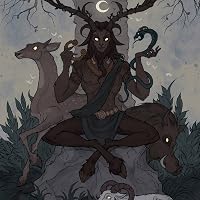
September 6, 2026
A magical object can represent something, contain something, or become something. Matthew Venus is interested in that third possibility, and once he begins pursuing it the familiar subject of poppets becomes considerably stranger. The effigy here is not merely a symbolic stand-in for a person or intention. It can become a vessel, a dwelling place, an intermediary, or an embodied point of relationship with spirit.
What impressed me first was how much groundwork Venus lays before asking the reader to animate anything. He begins with an ensouled worldview and works through animism, consciousness, spirit, sympathetic and contagious magic, breath, spirit flight, soul concepts, and the broader question of how matter participates in magical relationship. Only after that does he move deeply into enspirited objects and the actual ensouling of the effigy. The book’s structure reflects that progression very clearly, moving from "On an Enspirited World" into "On Enspirited Objects," then "Ensouling the Effigy," and finally a substantial practical section called "A Book of Secrets."
That order matters because otherwise this subject can become remarkably silly remarkably quickly. Sew a doll, put herbs inside it, whisper some words over it, and announce that it is alive. Venus demands considerably more than that. There is preparation, relationship, spirit communication, ritual construction, discernment, and ongoing responsibility involved. The book also expands outward into spirit houses, vessels, oils, incenses, washes, smokes, sigils, consecrated waters, planetary material, spirit pacts, sacred-space work, and other practical techniques, so by the latter sections it begins functioning almost like a grimoire attached to the original argument.
The animism is what really won me over. Modern magical writing can become oddly anthropocentric even while insisting that everything is alive. Herbs become ingredients, stones become correspondences, spirits become service providers, and objects become extensions of the witch's intention. Venus keeps returning agency to the things surrounding the practitioner. If an object can actually become a locus of presence, then caring for it, feeding it, housing it, addressing it, and eventually disposing of it are no longer decorative gestures. They become parts of an actual relationship.
There are echoes here of some very old magical anxieties about images and presence. When does a representation cease to be merely representational? When does a statue become a god, a vessel become inhabited, or a constructed body acquire enough spiritual presence that destroying it no longer feels equivalent to throwing away a broken candleholder? Venus does not make those questions safe, which is exactly why I found the book so compelling.
This is one of the best contemporary witchcraft books I have read on magical objects because it understands that the deepest question is not how to make a poppet. It is whether matter can become a participant in magic rather than simply the stage on which magic occurs. That is a much bigger subject, and Venus gives it the seriousness, weirdness, and practical detail it deserves.
What impressed me first was how much groundwork Venus lays before asking the reader to animate anything. He begins with an ensouled worldview and works through animism, consciousness, spirit, sympathetic and contagious magic, breath, spirit flight, soul concepts, and the broader question of how matter participates in magical relationship. Only after that does he move deeply into enspirited objects and the actual ensouling of the effigy. The book’s structure reflects that progression very clearly, moving from "On an Enspirited World" into "On Enspirited Objects," then "Ensouling the Effigy," and finally a substantial practical section called "A Book of Secrets."
That order matters because otherwise this subject can become remarkably silly remarkably quickly. Sew a doll, put herbs inside it, whisper some words over it, and announce that it is alive. Venus demands considerably more than that. There is preparation, relationship, spirit communication, ritual construction, discernment, and ongoing responsibility involved. The book also expands outward into spirit houses, vessels, oils, incenses, washes, smokes, sigils, consecrated waters, planetary material, spirit pacts, sacred-space work, and other practical techniques, so by the latter sections it begins functioning almost like a grimoire attached to the original argument.
The animism is what really won me over. Modern magical writing can become oddly anthropocentric even while insisting that everything is alive. Herbs become ingredients, stones become correspondences, spirits become service providers, and objects become extensions of the witch's intention. Venus keeps returning agency to the things surrounding the practitioner. If an object can actually become a locus of presence, then caring for it, feeding it, housing it, addressing it, and eventually disposing of it are no longer decorative gestures. They become parts of an actual relationship.
There are echoes here of some very old magical anxieties about images and presence. When does a representation cease to be merely representational? When does a statue become a god, a vessel become inhabited, or a constructed body acquire enough spiritual presence that destroying it no longer feels equivalent to throwing away a broken candleholder? Venus does not make those questions safe, which is exactly why I found the book so compelling.
This is one of the best contemporary witchcraft books I have read on magical objects because it understands that the deepest question is not how to make a poppet. It is whether matter can become a participant in magic rather than simply the stage on which magic occurs. That is a much bigger subject, and Venus gives it the seriousness, weirdness, and practical detail it deserves.
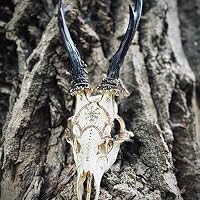
September 26, 2026
The chapter on living with and caring for enspirited objects is what makes the scope of this book click for me. Creating a spirit vessel raises questions that continue well after the ritual ends, and Matthew Venus gives those questions room. There are offerings to consider, relationships to maintain, and circumstances in which a bond might need to be dissolved. I appreciate an author who thinks beyond the exciting part where you’ve made something magical and now have a spiritually complicated roommate.
The foundation in animism gives the practical work a coherent context. Thinking about an object as potentially possessing agency has consequences for how you approach it. What are you inviting into relationship? What obligations might follow? Those are substantial questions, and the book’s movement from an enspirited worldview into the construction and enlivening of objects makes sense. The philosophy belongs in the work, right down to how the materials are approached.
And the materials receive wonderfully specific attention. Different approaches to constructing effigies allow for variation in what a practitioner can make or acquire. I’m especially interested in the inclusion of found objects and ready-made forms, because the choices involved deserve consideration too. There’s a lot to explore here for anyone drawn to the physical making of witchcraft, where decisions about a body or vessel become part of the magical process.
The formulary adds another reason to keep this within reach. Having preparations for oils and incense alongside the larger discussion gives readers practical avenues to investigate. I also appreciate the recommended reading throughout the book. A focused subject can open onto an enormous amount of related material, and guidance about where to pursue particular questions is useful. My browser tabs will survive. Probably.
What earns my enthusiasm is the sustained attention Venus gives his subject. Poppets and spirit vessels can easily occupy a brief section in a broader witchcraft book; here, their construction and ongoing care have the space to become a serious field of study. There’s enough specificity to support practical exploration and enough conceptual material to keep that exploration interesting. This is exactly the kind of focused occult book I want more of.
The foundation in animism gives the practical work a coherent context. Thinking about an object as potentially possessing agency has consequences for how you approach it. What are you inviting into relationship? What obligations might follow? Those are substantial questions, and the book’s movement from an enspirited worldview into the construction and enlivening of objects makes sense. The philosophy belongs in the work, right down to how the materials are approached.
And the materials receive wonderfully specific attention. Different approaches to constructing effigies allow for variation in what a practitioner can make or acquire. I’m especially interested in the inclusion of found objects and ready-made forms, because the choices involved deserve consideration too. There’s a lot to explore here for anyone drawn to the physical making of witchcraft, where decisions about a body or vessel become part of the magical process.
The formulary adds another reason to keep this within reach. Having preparations for oils and incense alongside the larger discussion gives readers practical avenues to investigate. I also appreciate the recommended reading throughout the book. A focused subject can open onto an enormous amount of related material, and guidance about where to pursue particular questions is useful. My browser tabs will survive. Probably.
What earns my enthusiasm is the sustained attention Venus gives his subject. Poppets and spirit vessels can easily occupy a brief section in a broader witchcraft book; here, their construction and ongoing care have the space to become a serious field of study. There’s enough specificity to support practical exploration and enough conceptual material to keep that exploration interesting. This is exactly the kind of focused occult book I want more of.

September 3, 2026
I've had magical objects in my life that eventually stopped feeling like objects. A statue fed with offerings for years, a ritual tool that has been through more workings than I could possibly count, a vessel prepared for a particular spirit—after a while, some things acquire a presence that makes treating them as ordinary possessions feel downright rude. I've known this in practice for most of my life, but the knowledge came to me piecemeal, gathered from older books, other witches, spirit work and plain experience. So finding Matthew Venus devoting an entire book to the arte of creating and tending enspirited objects was a refreshing read for this old crone.
And thank goodness the book goes well beyond poppets. Venus is interested in the much larger mystery of how material things can become vessels, bodies, houses and points of contact for spirit and magical power. He gets into the creation, enlivening, feeding, tending and working of effigies and other spirit-inhabited objects, along with the responsibilities that arise once you've made one. I particularly enjoyed the way the subject pulled together practices I've kept in separate drawers of my mind for years. Spirit houses, consecrated objects, images, vessels and other forms of embodied presence begin looking like relatives once you start examining what witches are actually doing with them. I found myself mentally walking around my house while reading and reconsidering the histories of several things sitting on my own shelves.
Venus also allows the work to remain wonderfully uncanny. He doesn't seem compelled to reassure us that an enspirited object is merely a psychological device or an elaborate way of talking to ourselves. At this stage of my life, I don't need my witchcraft rescued from its own strangeness. I've lived with objects I greet, objects I feed, objects I would never allow a stranger to handle and objects I certainly wouldn't toss into the rubbish when their usefulness was finished. Ensouling the Effigy gave me new ways of understanding practices I already knew while introducing possibilities I hadn't considered, which is increasingly difficult to do to this old witch. Any book that can send a crone back to her altar wondering what else might be awake has earned its place on my shelf.
And thank goodness the book goes well beyond poppets. Venus is interested in the much larger mystery of how material things can become vessels, bodies, houses and points of contact for spirit and magical power. He gets into the creation, enlivening, feeding, tending and working of effigies and other spirit-inhabited objects, along with the responsibilities that arise once you've made one. I particularly enjoyed the way the subject pulled together practices I've kept in separate drawers of my mind for years. Spirit houses, consecrated objects, images, vessels and other forms of embodied presence begin looking like relatives once you start examining what witches are actually doing with them. I found myself mentally walking around my house while reading and reconsidering the histories of several things sitting on my own shelves.
Venus also allows the work to remain wonderfully uncanny. He doesn't seem compelled to reassure us that an enspirited object is merely a psychological device or an elaborate way of talking to ourselves. At this stage of my life, I don't need my witchcraft rescued from its own strangeness. I've lived with objects I greet, objects I feed, objects I would never allow a stranger to handle and objects I certainly wouldn't toss into the rubbish when their usefulness was finished. Ensouling the Effigy gave me new ways of understanding practices I already knew while introducing possibilities I hadn't considered, which is increasingly difficult to do to this old witch. Any book that can send a crone back to her altar wondering what else might be awake has earned its place on my shelf.

August 16, 2026
Ensouling the Effigy is one of those rare witchcraft books where the subject actually feels as strange as it should. Matthew Venus isn’t talking about making a cute little poppet, stuffing it with herbs, and calling it a day. He’s exploring the much older and more unsettling idea that an object can become inhabited, ensouled, awakened, or otherwise transformed into something more than the materials from which it was made.
That distinction is what made this book so fascinating to me. Effigies, spirit houses, poppets, and vessels aren’t treated simply as symbolic representations used to focus intention. Venus approaches them through an animistic worldview in which relationships with spirits are real relationships and objects can become points of contact between different orders of being. The witch isn’t merely projecting meaning onto a passive object. Something reciprocal is being established.
I also appreciated how much actual craft is involved. There are methods for constructing and enlivening objects alongside oils, incenses, washes, smokes, botanical preparations, and other practical material. It feels like learning an arte rather than being handed another collection of spells. Adrienne Rozzi’s illustrations complement that atmosphere beautifully and make the book itself feel like an appropriately magical object.
Mat Auryn’s foreword is also an excellent way into the material, setting up the deeper questions surrounding consciousness, spirit, and ensouled objects before Venus takes you into the actual work. It feels genuinely connected to what follows rather than simply being a familiar name attached to the opening pages.
What I loved most is that Venus never seems embarrassed by the weirdness of his subject. He doesn’t need to reduce everything to psychology or insist that an effigy is merely a visual aid for your subconscious. He allows traditional witchcraft and animism to operate according to their own logic and then shows you what practice looks like from inside that worldview. Strange, practical, beautifully illustrated, and genuinely magical. This is exactly the kind of witchcraft book I wish there were more of.
That distinction is what made this book so fascinating to me. Effigies, spirit houses, poppets, and vessels aren’t treated simply as symbolic representations used to focus intention. Venus approaches them through an animistic worldview in which relationships with spirits are real relationships and objects can become points of contact between different orders of being. The witch isn’t merely projecting meaning onto a passive object. Something reciprocal is being established.
I also appreciated how much actual craft is involved. There are methods for constructing and enlivening objects alongside oils, incenses, washes, smokes, botanical preparations, and other practical material. It feels like learning an arte rather than being handed another collection of spells. Adrienne Rozzi’s illustrations complement that atmosphere beautifully and make the book itself feel like an appropriately magical object.
Mat Auryn’s foreword is also an excellent way into the material, setting up the deeper questions surrounding consciousness, spirit, and ensouled objects before Venus takes you into the actual work. It feels genuinely connected to what follows rather than simply being a familiar name attached to the opening pages.
What I loved most is that Venus never seems embarrassed by the weirdness of his subject. He doesn’t need to reduce everything to psychology or insist that an effigy is merely a visual aid for your subconscious. He allows traditional witchcraft and animism to operate according to their own logic and then shows you what practice looks like from inside that worldview. Strange, practical, beautifully illustrated, and genuinely magical. This is exactly the kind of witchcraft book I wish there were more of.

September 18, 2026
I discovered Ensouling the Effigy because Mat Auryn wrote the foreword, which led me to explore Matthew Venus’s work and Adrienne Rozzi’s illustrations. I have been consistently impressed by Mat’s writing, but Venus offers something very different and equally compelling. He brings a grounded intelligence to the subject of ensouled objects, exploring effigies, poppets, spirit vessels, and crafted forms as relationships rather than disposable magical props. He writes about how objects can be made, awakened, cared for, empowered, and incorporated into a living practice with unusual depth and respect.
The book’s treatment of the subject is both practical and philosophically rich. Venus considers the history and function of ensouled objects, the process of creating them, the kinds of spirits or powers they may hold, and the responsibilities that arise once an object is treated as more than an object. The work never feels like a collection of novelty techniques. It asks the reader to think seriously about agency, presence, care, boundaries, and the difference between making a tool and entering into a relationship. Adrienne Rozzi’s illustrations are amazing. They do more than decorate the pages. They give the book an atmosphere and visual language that make the objects feel tactile, mysterious, and genuinely alive.
Ensouling the Effigy is a remarkable contribution to contemporary witchcraft literature. It opened an area of practice I had not previously seen treated with this much seriousness, imagination, and emotional intelligence. I came to the book through Mat Auryn’s foreword and finished it deeply impressed by Matthew Venus’s ideas and Adrienne Rozzi’s artwork. The writing, concepts, and illustrations work together beautifully, creating a book that feels like both a guide and an artifact. This is the kind of work that expands what a witchcraft book can be.
The book’s treatment of the subject is both practical and philosophically rich. Venus considers the history and function of ensouled objects, the process of creating them, the kinds of spirits or powers they may hold, and the responsibilities that arise once an object is treated as more than an object. The work never feels like a collection of novelty techniques. It asks the reader to think seriously about agency, presence, care, boundaries, and the difference between making a tool and entering into a relationship. Adrienne Rozzi’s illustrations are amazing. They do more than decorate the pages. They give the book an atmosphere and visual language that make the objects feel tactile, mysterious, and genuinely alive.
Ensouling the Effigy is a remarkable contribution to contemporary witchcraft literature. It opened an area of practice I had not previously seen treated with this much seriousness, imagination, and emotional intelligence. I came to the book through Mat Auryn’s foreword and finished it deeply impressed by Matthew Venus’s ideas and Adrienne Rozzi’s artwork. The writing, concepts, and illustrations work together beautifully, creating a book that feels like both a guide and an artifact. This is the kind of work that expands what a witchcraft book can be.

August 17, 2026
As someone who has practiced witchcraft for many years, I found Ensouling the Effigy by Matthew Venus to be a refreshing and deeply useful addition to my library. The book speaks with genuine respect for both spirit and craft. Venus guides the reader through the process of creating and enlivening effigies, poppets, and spirit vessels, grounding every step in relationship and care.
His writing encourages a view of materials as living allies. Herbs, cloth, wood, and wax are treated as participants in sacred work rather than simple tools. That approach brings warmth and depth to the practice. The book also includes recipes for oils, washes, and incenses, all tied to the ritual process of awakening an object.
Adrienne Rozzi’s illustrations are stunning. The foreword by Mat Auryn (which is how I discovered this book) frames the work beautifully, placing Venus’ teachings within the modern animist movement. The design and quality of the edition from Crossed Crow Books make it a pleasure to read and work from.
I appreciate that Venus keeps his focus clear. The material feels direct and sincere, written by someone who has done this work for a long time and mastered it. It will especially appeal to witches and spirit workers who wish to move beyond surface ritual and build genuine connections with the consciousness within their tools and creations.
Ensouling the Effigy is a book I will return to again and again, both for inspiration and for guidance in my craft.
His writing encourages a view of materials as living allies. Herbs, cloth, wood, and wax are treated as participants in sacred work rather than simple tools. That approach brings warmth and depth to the practice. The book also includes recipes for oils, washes, and incenses, all tied to the ritual process of awakening an object.
Adrienne Rozzi’s illustrations are stunning. The foreword by Mat Auryn (which is how I discovered this book) frames the work beautifully, placing Venus’ teachings within the modern animist movement. The design and quality of the edition from Crossed Crow Books make it a pleasure to read and work from.
I appreciate that Venus keeps his focus clear. The material feels direct and sincere, written by someone who has done this work for a long time and mastered it. It will especially appeal to witches and spirit workers who wish to move beyond surface ritual and build genuine connections with the consciousness within their tools and creations.
Ensouling the Effigy is a book I will return to again and again, both for inspiration and for guidance in my craft.

March 10, 2026
I ever knew about this book until it was nominated for book club. I loved it. The book is stars at a beginner level and slowly you deal with more advanced concepts. The book is divided into three parts.
Part 1
History of animism and consciousness
Types of enspirite type contagion magic, sympathetic, imitative magic, breath magic
Going forth in flight
The three soul alignment
Part 2
Enspirited objects
Effigy as pray
Making effigy different ways
Part 3
This part of the book goes in-depth how do you continue working with effigy
Each chapter at the end had suggested reading. The author also provided pictures of their practice.
The book finished with a BOS of recipes of oils and incense. I decided to try to make one oil and one incense from the book. I’m glad I read this book and I will refer back to it.
The author did say often in the book to use your discernment. Ensouling any object is to be taken seriously
Part 1
History of animism and consciousness
Types of enspirite type contagion magic, sympathetic, imitative magic, breath magic
Going forth in flight
The three soul alignment
Part 2
Enspirited objects
Effigy as pray
Making effigy different ways
Part 3
This part of the book goes in-depth how do you continue working with effigy
Each chapter at the end had suggested reading. The author also provided pictures of their practice.
The book finished with a BOS of recipes of oils and incense. I decided to try to make one oil and one incense from the book. I’m glad I read this book and I will refer back to it.
The author did say often in the book to use your discernment. Ensouling any object is to be taken seriously
September 1, 2026
An object becomes considerably more interesting once you entertain the possibility that someone might be home. Matthew Venus takes the old magical art of enlivening effigies seriously, exploring how figures, vessels, dolls, and other crafted forms can be prepared, awakened, fed, housed, and brought into relationship with spirit. Ensouling the Effigy is wonderfully specific about the work while preserving its strangeness, drawing upon traditional witchcraft, folk magic, spirit work, and historical practices without sanding them into something merely symbolic. What emerges is a form of magic built upon relationship rather than decoration: the object becomes a body, the body becomes a dwelling, and the witch acquires responsibilities toward whatever has been invited to live there. You may begin the book surrounded by possessions and finish it slightly less certain which of them are merely things.
October 10, 2025
Ensouling The Effigy is single-handedly the best witchcraft book I’ve read in 17 years of study. This book is written from the animist perspective and indeed, this book is a living spirit vessel unto itself. The thoughtful, poetic writing style and the beautiful artworks made by Adrienne Rozzi weave together to create a truly enjoyable reading experience. In this tome; Venus covers everything from consecrating water, creating sacred space, to spirit flight, crafting vessels for spirits and much more. Venus has also gifted the reader with an extensive list of formulae for incense, washes, oils, as well as ready-made rituals and rites. Venus’ decades of experience are beautifully crystallized into this powerful work of witchery, and I feel the community itself is better for it. If I could only recommend one book of witchcraft to you, it would undoubtedly be this book.
November 9, 2025
Ensouled. Inspired. Transformed.
Ensouling the Effigy by Matthew Venus is pure magick in written form. It’s beautifully crafted, deeply accessible, and profoundly effective—a book that speaks directly to the spirit of the Witch. I’ve been waiting for a work like this for years, one that not only teaches but awakens something within the practitioner.
I ordered the signed hardback copy, but I couldn’t wait—so I went to my local shop and picked up another one. I’m glad I did, because once I opened it, I couldn’t put it down. Each page feels alive, breathing with the wisdom of practice and the pulse of spirit. This book doesn’t just inform—it transforms.
I’m truly grateful for this work; it’s already added greater depth and potency to my craft. Ensouling the Effigy is more than a book—it’s a companion on the witch’s path.
Thank you!
Meghan - Heathen Botanicals
Ensouling the Effigy by Matthew Venus is pure magick in written form. It’s beautifully crafted, deeply accessible, and profoundly effective—a book that speaks directly to the spirit of the Witch. I’ve been waiting for a work like this for years, one that not only teaches but awakens something within the practitioner.
I ordered the signed hardback copy, but I couldn’t wait—so I went to my local shop and picked up another one. I’m glad I did, because once I opened it, I couldn’t put it down. Each page feels alive, breathing with the wisdom of practice and the pulse of spirit. This book doesn’t just inform—it transforms.
I’m truly grateful for this work; it’s already added greater depth and potency to my craft. Ensouling the Effigy is more than a book—it’s a companion on the witch’s path.
Thank you!
Meghan - Heathen Botanicals
December 14, 2025
Love, love this book! I have been practicing magic for over 30 years and finding good books outside of your standard 101 is rare. This is a thick book that covers everything you need to know about working with spirits, creating effigies, enspiriting objects, journey work, working with spirits of the land etc. This book is jam packed with information and exercises. I would highly recommend this book to any serious magical practitioner. Due to the amount of information and exercises throughout I would say it's best to read the book completely. Then go back and slowly work your way through the practices to gain experience in the work. This author is very knowledgeable. My only wish is that I had known about this book sooner. I am late to the party. Definitely a must!
September 5, 2026
This is one of the better books Ive read on the idea that a magical object can become something more complicated than a symbolic prop, Venus spends alot of time on animism and spirit relationships before he ever gets around to actually ensouling the thing. The sections on poppets, effigies, spirit houses and vessels are extremely thorough, and I appreciated that theres actual conjuration and maintenance involved instead of just stuffing herbs into a doll and declaring it alive. Chaos magick trained me to treat objects as programmable technology but this book keeps asking what happens if the object eventually starts having opinions of its own, which is a much more interesting problem.

August 7, 2026
El mejor libro que he leído en el año sobre brujería y uno de los mejores de toda la vida. Qué joya.
Es un compendio de cómo invocar espíritus a envases, fetiches, muñecos, trabajos, objetos, you name it. Es un cómo darle vida a la materia, cómo intencionarla, trabajarla, cuidarla, mantenerla. Llena de consejos, ejemplos, ejercicios, rituales, recetas...
Aunque considero que es un libro para avanzados, puedes ser principiante e igual aprender desde la raíz con este libro.
Una maravilla. Quiero empezarlo de nuevo just for the fun of it.
Es un compendio de cómo invocar espíritus a envases, fetiches, muñecos, trabajos, objetos, you name it. Es un cómo darle vida a la materia, cómo intencionarla, trabajarla, cuidarla, mantenerla. Llena de consejos, ejemplos, ejercicios, rituales, recetas...
Aunque considero que es un libro para avanzados, puedes ser principiante e igual aprender desde la raíz con este libro.
Una maravilla. Quiero empezarlo de nuevo just for the fun of it.

May 9, 2026
Another witch book club pick!
What I enjoyed: This book is so thorough without feeling dense. I really enjoyed that it had a main focus and stuck to that idea throughout. It felt cohesive! The material itself was written from a place of experience and wisdom. I appreciated that it could appeal to novices and seasoned witches alike!
What I didn’t love: Honestly, not much criticism. This is an excellent read!
Bottom line: YES i recommend
What I enjoyed: This book is so thorough without feeling dense. I really enjoyed that it had a main focus and stuck to that idea throughout. It felt cohesive! The material itself was written from a place of experience and wisdom. I appreciated that it could appeal to novices and seasoned witches alike!
What I didn’t love: Honestly, not much criticism. This is an excellent read!
Bottom line: YES i recommend
November 30, 2025
One of the best, most informative books on traditional witchcraft that I have read.

February 27, 2026
A very thorough and useful guide to the practice of crafting magical effigies.
Displaying 1 - 23 of 23 reviews