

What do you think?

交易遊戲:日交易量百兆元的法人操盤手,揭露富人愈富、窮人愈窮的失衡現象
美國亞馬遜2024年最佳傳記與回憶錄類書入圍
英國亞馬遜企業金融類書排行榜NO.1
《星期日泰晤士報》暢銷榜NO.1
尚未出版已經售出六國版權
「這是關於我如何成為全球花旗銀行頭號交易員的故事,
以及為什麼經歷一切後我辭職的故事。」
本書作者蓋瑞還是個孩子時,他在東倫敦街頭,踢著破足球,望著金絲雀碼頭摩天大樓,心中揣著「獲得更多、更大、更好東西」的夢想。大學時期,他贏得花旗銀行舉辦的「交易遊戲」競賽,獎品是一張通往新生活的黄金門票。他一舉成為當時全市最年輕的交易員,用超乎想像的方式賺錢。
「如果看到金庫大門敞開,你會怎麼做?你會站在那裡等嗎?」他問自己。
24歲,成為「全世界交易量最大」的操盤手之一,日交易量超過170兆台幣|
在那裡,蓋瑞憑藉數學的天分和虛心求教的努力,從幫大家跑腿買漢堡的小弟,晉升為全球花旗銀行的頭號外匯交易員!他精準預測各國政府會將利率維持在近乎零,歷經311日本福島核災、歐債危機等挑戰,逆勢賺得3千5百萬美元,領取245萬美元(約7千萬元台幣)的分紅。他更是全世界交易量最大的操盤手之一,每日交易超過170兆台幣(5兆歐元)。
然而,在他見識到金融市場的真實面後,開始發惡夢,最後甚至夜夜失眠、暴瘦。眼見同為貧民窟長大的朋友,依然無法脫離貧困,被債務纏身,而自己卻輕鬆賺取巨大財富,讓從小經濟拮据的他感到恐懼。他想探究其中差異,於是,問了自己三個問題:
為什麼政府推出這麼多政策,一般人卻沒有感受到經濟復甦?
為什麼很多人省吃儉用,卻還說「手上沒有錢」?
利率對金融市場的影響是什麼?接下來各國利率會發生什麼變化?
他發現,各國政府原本想經由降低利率所產生的資金(熱錢)來救市,但這些錢讓富人買進更多的房地產或股票。房市與股市一路上漲,不但完全無助於經濟復甦,更使貧富不均的現象愈來愈嚴重。蓋瑞理解到最簡單的賺錢方法,竟是讓數百萬人變得愈來愈窮,這個世界的真相使他頓失人生方向,最終遞出辭呈。然而,銀行高層卻不希望他這麼做,於是雙方展開長達18個月威脅利誘的拉鋸戰。
27歲,毅然決然急流勇退,成為改革體制的倡議者,提出富人稅|
2014年,27歲的他從金融交易領域急流勇退,前往牛津大學攻讀經濟學碩士學位。他對他所受的學校教育感到失望,認為「變革不會從校園發生」,決定公開談論、寫下他的所見所聞,希望用自己的熱情和易於理解的方式,向所有人解釋現實生活中的經濟問題。
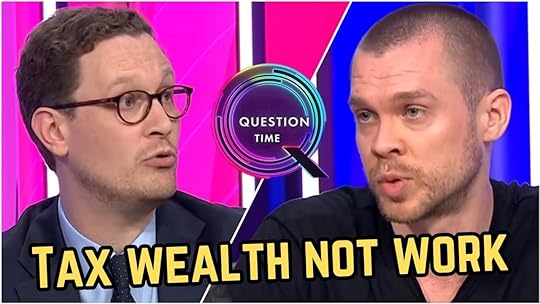
他加入「愛國百萬富翁」和「關懷人類的百萬富翁」組織的「富人稅」運動,創建YouTube頻道GarysEconomics,向更廣泛的觀眾解釋經濟概念。2021年,他與其他29位英國百萬富翁一起簽署致總理蘇納克的公開信,呼籲時任的財政大臣引進富人稅,並表示「與其提高國民保險費,並每年從領取統一福利救濟金的家庭手上奪走一千英鎊,身價數百萬的財政大臣應該對自己和像我這樣擁有財富的人課稅」。
直到今天,他仍投身於解決貧富差距的問題,積極出現在紀錄片或各大媒體,試著挑戰一場贏不了的比賽。
英國亞馬遜企業金融類書排行榜NO.1
《星期日泰晤士報》暢銷榜NO.1
尚未出版已經售出六國版權
「這是關於我如何成為全球花旗銀行頭號交易員的故事,
以及為什麼經歷一切後我辭職的故事。」
本書作者蓋瑞還是個孩子時,他在東倫敦街頭,踢著破足球,望著金絲雀碼頭摩天大樓,心中揣著「獲得更多、更大、更好東西」的夢想。大學時期,他贏得花旗銀行舉辦的「交易遊戲」競賽,獎品是一張通往新生活的黄金門票。他一舉成為當時全市最年輕的交易員,用超乎想像的方式賺錢。
「如果看到金庫大門敞開,你會怎麼做?你會站在那裡等嗎?」他問自己。
24歲,成為「全世界交易量最大」的操盤手之一,日交易量超過170兆台幣|
在那裡,蓋瑞憑藉數學的天分和虛心求教的努力,從幫大家跑腿買漢堡的小弟,晉升為全球花旗銀行的頭號外匯交易員!他精準預測各國政府會將利率維持在近乎零,歷經311日本福島核災、歐債危機等挑戰,逆勢賺得3千5百萬美元,領取245萬美元(約7千萬元台幣)的分紅。他更是全世界交易量最大的操盤手之一,每日交易超過170兆台幣(5兆歐元)。
然而,在他見識到金融市場的真實面後,開始發惡夢,最後甚至夜夜失眠、暴瘦。眼見同為貧民窟長大的朋友,依然無法脫離貧困,被債務纏身,而自己卻輕鬆賺取巨大財富,讓從小經濟拮据的他感到恐懼。他想探究其中差異,於是,問了自己三個問題:
為什麼政府推出這麼多政策,一般人卻沒有感受到經濟復甦?
為什麼很多人省吃儉用,卻還說「手上沒有錢」?
利率對金融市場的影響是什麼?接下來各國利率會發生什麼變化?
他發現,各國政府原本想經由降低利率所產生的資金(熱錢)來救市,但這些錢讓富人買進更多的房地產或股票。房市與股市一路上漲,不但完全無助於經濟復甦,更使貧富不均的現象愈來愈嚴重。蓋瑞理解到最簡單的賺錢方法,竟是讓數百萬人變得愈來愈窮,這個世界的真相使他頓失人生方向,最終遞出辭呈。然而,銀行高層卻不希望他這麼做,於是雙方展開長達18個月威脅利誘的拉鋸戰。
27歲,毅然決然急流勇退,成為改革體制的倡議者,提出富人稅|
2014年,27歲的他從金融交易領域急流勇退,前往牛津大學攻讀經濟學碩士學位。他對他所受的學校教育感到失望,認為「變革不會從校園發生」,決定公開談論、寫下他的所見所聞,希望用自己的熱情和易於理解的方式,向所有人解釋現實生活中的經濟問題。
他加入「愛國百萬富翁」和「關懷人類的百萬富翁」組織的「富人稅」運動,創建YouTube頻道GarysEconomics,向更廣泛的觀眾解釋經濟概念。2021年,他與其他29位英國百萬富翁一起簽署致總理蘇納克的公開信,呼籲時任的財政大臣引進富人稅,並表示「與其提高國民保險費,並每年從領取統一福利救濟金的家庭手上奪走一千英鎊,身價數百萬的財政大臣應該對自己和像我這樣擁有財富的人課稅」。
直到今天,他仍投身於解決貧富差距的問題,積極出現在紀錄片或各大媒體,試著挑戰一場贏不了的比賽。
384 pages, Paperback
First published March 5, 2024
About the author
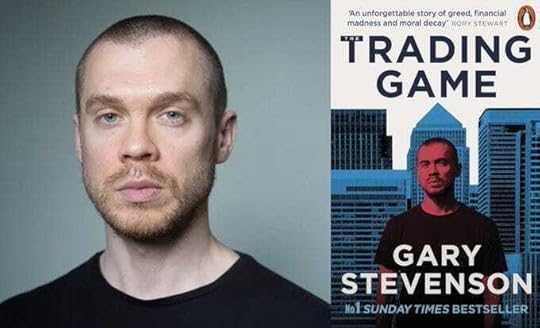
Gary Stevenson
6 books527 followersGary Stevenson left his trading career behind, convinced that solving inequality was the only way to repair the world economy. He has since studied for an MSc at Oxford, worked with economic think tanks, and founded a YouTube channel, GarysEconomics, teaching people about real-world economics. He regularly appears on television and radio and has written for The Guardian and OpenDemocracy, among others.
Ratings & Reviews
Friends & Following
Create a free account to discover what your friends think of this book!
Community Reviews
Displaying 1 - 30 of 2,566 reviews

January 21, 2024
*4.5 stars*
Gary Stevenson is from a working class background, he was expelled from grammar school in Ilford for selling drugs, but a few years down the line, his quick brain and a head for numbers, secured him a position on the trading floor of a large bank in Canary Wharf, London, and he became one of the highest earning traders in the world. This then is Gary’s true story of his climb to success, and ultimately the price he paid for it.
Gary helps demystify the very basics of trading - FX swaps, equities, fixed income, futures, options, commodities, foreign exchange, buying and selling securities, though there are still things that went way above my head!
If the very thought of trading sounds dull to you, let me dispel that notion right away, because the author’s real life story is absolutely riveting, and takes us on an emotional journey, right to the heart of the trading floor and beyond, demonstrating that whilst the attraction of earning eye watering amounts of money may be tempting for many, it also reveals the true cost to one’s mental health, as family, friends, leisure time, sleep, and even personal hygiene go out of the window in the endeavor to reach the next financial goal. Highly recommended.
*Thank you to Netgalley and Penguin Press UK - Allen Lane, Particular, Pelican, Penguin Classics for an ARC in exchange for an honest unbiased review *
Gary Stevenson is from a working class background, he was expelled from grammar school in Ilford for selling drugs, but a few years down the line, his quick brain and a head for numbers, secured him a position on the trading floor of a large bank in Canary Wharf, London, and he became one of the highest earning traders in the world. This then is Gary’s true story of his climb to success, and ultimately the price he paid for it.
Gary helps demystify the very basics of trading - FX swaps, equities, fixed income, futures, options, commodities, foreign exchange, buying and selling securities, though there are still things that went way above my head!
If the very thought of trading sounds dull to you, let me dispel that notion right away, because the author’s real life story is absolutely riveting, and takes us on an emotional journey, right to the heart of the trading floor and beyond, demonstrating that whilst the attraction of earning eye watering amounts of money may be tempting for many, it also reveals the true cost to one’s mental health, as family, friends, leisure time, sleep, and even personal hygiene go out of the window in the endeavor to reach the next financial goal. Highly recommended.
*Thank you to Netgalley and Penguin Press UK - Allen Lane, Particular, Pelican, Penguin Classics for an ARC in exchange for an honest unbiased review *
February 2, 2024
Holy crap. This was not what I expected. A couple of takeaways:
1. I do NOT want to be a trader, for Citibank or for anywhere else.
2. The author is a little bit of an asshole, and if I met him I wouldn't know whether to shake his hand, give him a hug, or slap him across the face.
3. This is one of the best books I've ever read.
From the get go you could tell that Gary Stevenson probably talks at the speed of light. I listen to podcasts on 2x speed, and I swear that was what the little narrative voice in my head was doing as I sped through this book. And speed through I did. This book is slightly terrifying, highly addictive, and a little bit (or a lot a bit) depressing, which I guess is a bit like trading itself.
As someone in the middle of a finance degree, the beginning of this book hit a bit too close to home. Coming into your second to last year of school and suddenly having everyone be obsessed with networking, internships, various business acronyms? Yeah, that hasn't changed.
At first I thought this would be an educational read instead of a fun one, but it turned out to be a good bit of both. I am not someone who rates books 5 stars very often, but I think this one deserves it, and more than that, if I had to bet on the (book) market, this one is going to be big. I don't know how much is cold hard truth and how much is dramatized for the narrative, but you will feel every emotion, whether it be triumph, anger, or no emotion at all, right alongside the author, because the trading game is one hell of a game to play.
1. I do NOT want to be a trader, for Citibank or for anywhere else.
2. The author is a little bit of an asshole, and if I met him I wouldn't know whether to shake his hand, give him a hug, or slap him across the face.
3. This is one of the best books I've ever read.
From the get go you could tell that Gary Stevenson probably talks at the speed of light. I listen to podcasts on 2x speed, and I swear that was what the little narrative voice in my head was doing as I sped through this book. And speed through I did. This book is slightly terrifying, highly addictive, and a little bit (or a lot a bit) depressing, which I guess is a bit like trading itself.
As someone in the middle of a finance degree, the beginning of this book hit a bit too close to home. Coming into your second to last year of school and suddenly having everyone be obsessed with networking, internships, various business acronyms? Yeah, that hasn't changed.
At first I thought this would be an educational read instead of a fun one, but it turned out to be a good bit of both. I am not someone who rates books 5 stars very often, but I think this one deserves it, and more than that, if I had to bet on the (book) market, this one is going to be big. I don't know how much is cold hard truth and how much is dramatized for the narrative, but you will feel every emotion, whether it be triumph, anger, or no emotion at all, right alongside the author, because the trading game is one hell of a game to play.

July 25, 2024
It’s so refreshing to stumble upon a book that has great reviews about a topic you know nothing about. I’ve watched some series about stock exchanges, but my knowledge is very basic. This gave me an interesting insight to ‘the trading game’ while also being highly entertaining. No dry descriptions here, on what could be a boring topic.

February 23, 2026
Working class through and through Gary Stevenson was expelled from school for drug dealing, less than ten years later he had become a high-earning stock trader. This book tells his, from poverty to unimaginable riches story in his voice through his lens. From using common sense and guile to learn, study and when money market competitions to his growing acumen in making money on the markets. But what if it means nothing and has no real connection to reality, what's Gary to do?
Interesting that if the many stockbroker expose books I read it is the one written by a broker with a truly working class background that not only breaks down the trading floor into accessible language, but also the one to see the money markets for the almost malignant force they are! Unlike so many of his peers Stevenson doesn't focus on the drugs, women, hedonism etc, but focus on how the markets work, how the brokers inter relate and most of all how the banks use and abuse their employees, whether facilitating a system that requires 12 hour days at a minimum or creating lead boot contracts that make it commercially difficult for successful traders to down tools or change career. A truly intriguing and interesting real-take on the banks, the banking culture and the malignancy of the money markets! Truly admirable that Stevenson went on to be a campaigner against the inequality built into banking.
A Four Star, 8 out of 12, must-read memoir.
2026 read
Interesting that if the many stockbroker expose books I read it is the one written by a broker with a truly working class background that not only breaks down the trading floor into accessible language, but also the one to see the money markets for the almost malignant force they are! Unlike so many of his peers Stevenson doesn't focus on the drugs, women, hedonism etc, but focus on how the markets work, how the brokers inter relate and most of all how the banks use and abuse their employees, whether facilitating a system that requires 12 hour days at a minimum or creating lead boot contracts that make it commercially difficult for successful traders to down tools or change career. A truly intriguing and interesting real-take on the banks, the banking culture and the malignancy of the money markets! Truly admirable that Stevenson went on to be a campaigner against the inequality built into banking.
A Four Star, 8 out of 12, must-read memoir.
2026 read

April 11, 2024
Initially I enjoyed it, for the first few chapters at least. It was coherent and well explained. I’m not sure if it was a narrative decision to have it become less and less coherent as it went, as if to mirror the author’s own mental breakdown, but I didn’t feel it worked and left a lot of threads unresolved. The author himself doesn’t come across well. He comes off as arrogant, callous and selfish; the only problem being I’m not sure if that was intentional. To sum the book up, the author could have written:
“Look how good with numbers I am, I’m from a poor background, look how much money I can make, I’m the best! Oh no, my mental health is suffering, Citibank are meanies but I beat them in the end and got all my bonus money.”
I think this would be a more accurate description of the book than the blurb.
I finished feeling rather disappointed after a decent opening.
“Look how good with numbers I am, I’m from a poor background, look how much money I can make, I’m the best! Oh no, my mental health is suffering, Citibank are meanies but I beat them in the end and got all my bonus money.”
I think this would be a more accurate description of the book than the blurb.
I finished feeling rather disappointed after a decent opening.
This entire review has been hidden because of spoilers.

March 3, 2024
The Trading Game is the type of book where while reading it, I wanted to talk to someone who’d read it but also wanted to throw it out of the window.
Gary Stevenson is a recovering trader. After a working class upbringing in Ilford, East London, he secured a spot in LSE studying maths and economics (he’s a maths genius), and from there secured a prestigious internship and job at Citigroup from the summer of 2008, just as the financial crisis was tipping the world economy into chaos.
He worked at Citi for around six years as an FX trader, making millions by betting that interest rates would keep going lower and stay low, while everyone else believed they couldn’t possibly go lower and the world economy would bounce back.
Stevenson says he saw what others didn’t - that as the economy crashed, the value of assets rose and the cost of borrowing crashed, turning the fundamental rule of capitalism on its head, thereby making the rich richer and everyone else working their arses off to pay for it.
Stevenson portrays everyone he worked with as absolute pricks, most of them utterly unhinged with it. This is very entertaining at times but wears thin too. I found the idea that he abhorred the amorality of it all dubious - I mean, this is the guy who refused to leave under any circumstances until his exorbitant bonus was guaranteed to be paid to him. He has since called on Rishi Sunak to introduce a wealth tax and he runs a successful YouTube channel on economics. The vibe is more embittered finance bro than Robin Hood in the book - he comes across every bit as egotistical and full of self-loathing as his erstwhile colleagues.
Conpulsive reading but also, I kind of hated it! It lacks the self-reflection to be truly thought-provoking though it’s undoubtedly very compelling. Read it but don’t blame me if you hate it too 😂. 3.5/5 ⭐️
*Many thanks to the publisher for the arc via Netgalley. The Trading Game will be published this Tuesday 5 March. As always, this is an honest review.
Gary Stevenson is a recovering trader. After a working class upbringing in Ilford, East London, he secured a spot in LSE studying maths and economics (he’s a maths genius), and from there secured a prestigious internship and job at Citigroup from the summer of 2008, just as the financial crisis was tipping the world economy into chaos.
He worked at Citi for around six years as an FX trader, making millions by betting that interest rates would keep going lower and stay low, while everyone else believed they couldn’t possibly go lower and the world economy would bounce back.
Stevenson says he saw what others didn’t - that as the economy crashed, the value of assets rose and the cost of borrowing crashed, turning the fundamental rule of capitalism on its head, thereby making the rich richer and everyone else working their arses off to pay for it.
Stevenson portrays everyone he worked with as absolute pricks, most of them utterly unhinged with it. This is very entertaining at times but wears thin too. I found the idea that he abhorred the amorality of it all dubious - I mean, this is the guy who refused to leave under any circumstances until his exorbitant bonus was guaranteed to be paid to him. He has since called on Rishi Sunak to introduce a wealth tax and he runs a successful YouTube channel on economics. The vibe is more embittered finance bro than Robin Hood in the book - he comes across every bit as egotistical and full of self-loathing as his erstwhile colleagues.
Conpulsive reading but also, I kind of hated it! It lacks the self-reflection to be truly thought-provoking though it’s undoubtedly very compelling. Read it but don’t blame me if you hate it too 😂. 3.5/5 ⭐️
*Many thanks to the publisher for the arc via Netgalley. The Trading Game will be published this Tuesday 5 March. As always, this is an honest review.
March 31, 2024
An interesting book that begins by reassuring us that traders and brokers are the arrogant, greedy and selfish individuals that many of us probably expected they were. Through their privileged position they earn eye watering large sums of money by placing simple, relatively low risk bets. What surprised me a little was how relaxed and poorly governed / controlled the environment was, but Gary seemed to miss this point, focusing instead on how it allowed him to quickly become the biggest earner!
I did struggle with Gary’s moral dilemmas, was he expecting that because he had started from a different background on his journey to becoming one of these greedy, arrogant individuals we should somehow see him differently, and instead recognise his achievement?! Then Gary realises that the bets he places are really low risk and high earning because they exploit the wealth gaps in our society, having learned this he continues on his journey to top trader rather than acting on this knowledge. Surely this makes him worse, as I suspect many of his arrogant colleagues were too dumb to realise this.
As Gary got bored with trading, I got bored with his book, the last quarter focuses on his desire to leave but at the same time maximise the money he can take from Citibank through exploiting contract options. I have little sympathy for his battle with HR and the stress it put him under when others clearly have much more stressful situations for things that really matter.
Overall I found the book entertaining although if Gary was looking for some form of self-healing and sympathy through sharing this story, he failed.
I did struggle with Gary’s moral dilemmas, was he expecting that because he had started from a different background on his journey to becoming one of these greedy, arrogant individuals we should somehow see him differently, and instead recognise his achievement?! Then Gary realises that the bets he places are really low risk and high earning because they exploit the wealth gaps in our society, having learned this he continues on his journey to top trader rather than acting on this knowledge. Surely this makes him worse, as I suspect many of his arrogant colleagues were too dumb to realise this.
As Gary got bored with trading, I got bored with his book, the last quarter focuses on his desire to leave but at the same time maximise the money he can take from Citibank through exploiting contract options. I have little sympathy for his battle with HR and the stress it put him under when others clearly have much more stressful situations for things that really matter.
Overall I found the book entertaining although if Gary was looking for some form of self-healing and sympathy through sharing this story, he failed.

March 7, 2024
A fascinating memoir with thriller vibes that provides a great insight into the work of investment banking and currency trading. Stevenson's honesty in documenting his own failings and his colourful descriptions of his colleagues make for a book which is both moving and funny. What really makes it so gripping though is his development from eager teenager wanting to make his first million, to passionate campaigner for wealth equality. Highly recommended.
Video review: https://youtu.be/fQIoduOhMlM?si=GHtkO...
Video review: https://youtu.be/fQIoduOhMlM?si=GHtkO...

April 11, 2024
The Trading Game by Gary Stevenson
Nearly 40 years ago I attempted to become a dealer at the London International Financial Futures Exchange at the Bank. I was an account manager for BT and we provided the dealer boards for all the banks in the City. I had been seconded to the LIFFE as it was known then. One day, whilst on the trading floor (a madcap hubbub of incessant but oddly compelling noise), I asked a ‘Yellowcoat’ (a runner) how I could get a job as a dealer. A slim, young girl on one of the desks turned around to face me and in her best Surrey, privately educated accent said; ‘Do you know anyone?’. I said no and she replied ‘Well, you can’t get a job here then’ with a finality that brooked no further argument. Her voice was so posh that I felt slightly embarrassed about my own working class accent.
But that was that, my 30 second inquiry into the world of banking ended as abruptly as it had began. I had a good job, but of course, I wanted the big bucks, the riches that dealers earned. I wanted to be a Master of the Universe, a big swinging dick! ‘Lunch is for wimps!’ said Gordon Gekko and I wanted to buy into that.
But that is where my story diverges from Gary Stevenson. Like me, he came from a modest background, but unlike me, he was a Maths genius with a clutch of top academic grades that got him into one of the five universities that the big banks recruit from. His memoire is a rags to riches story of his time as a successful FX swaps trader at Citibank between 2008-13. Stevenson’s story is a wry and darkly comic look at his life during of the most turbulent periods of economic history, which largely explains how he made his millions, as he bet against the markets by forecasting a downturn in the economy.
One of the problems I have with the book is his portrayal of himself as the Artful Dodger, a kid from the wrong side of the tracks, living in poverty, but ultimately surviving on his wits looking up at the bright twinkling, beckoning lights of Canary Wharf in…Ilford! NAHHH! I know Ilford well and this portrayal of his childhood circa the 1990s is a romanticised fantasy. Ilford in the age of Brit Pop is NOT Dickensian London! Far from it in a borough with no housing estates.
Stevenson plays down two big assets that he has - a natural talent with numbers and a place at the London School of Economics. This puts him in the top 10% and not the bottom 10% of society. Thus, his trajectory to the trading floor of Citibank is not such a great leap forward that he purports it to be. Moreover, he has an enormous stroke of good fortune with the trading game that he wins, which earns him an internship at Citibank, when the rules are explained to him in advance by a stranger, giving him an opportunity to prepare for the competition thoroughly.
The first half of the book up to 2012 is a fascinating look into the world of high finance, and you will come away with an understanding of why mortgage interest rates are calculated on a daily basis. Unfortunately, the book is flawed by the fact that Stevenson is not a likeable figure. He does not treat his parents well, as the cancellation of his Sky Sports subscription for his dad attests, despite having thousands in the bank. He falls out with his friends. He is scathing about his colleagues. And has a long suffering girlfriend to boot. In fact, he is a dick and is honest enough to admit it in the book.
Another problem with his story is the complete lack of proper explanation and introspection. Despite his best efforts to portray himself as ‘giving it to the Man’ as his postscript story infers, Citibank and his colleagues come out of it pretty well. It is clear that they helped him and tried to help him when he is in the throes of a mental and physical breakdown in 2012-13, but how and why this came about is not explored, and Stevenson himself does not address the fact that he was having a nervous breakdown. In fact, it is never mentioned in these terms, yet was blatantly obvious in his conduct and behaviour. Strange indeed.
Throughout the book, Stevenson develops an inexplicable hatred and scathing contempt for some of his colleagues, whom he refers to with disparaging nicknames. He also burns his bridges with an important friend, mentor and boss, who basically hired him and gave him a leg up. The second half of the book about his time in Japan and his attempts to leave Citibank with his deferred bonus between 2012-13 portrays him in an even worse light. His ‘work to rule’, sick leave, and eventual strike is frankly embarrassing, given that his behaviour is unexplained, and extremely boorish, in comparison with attempts by the bank and his colleagues to help him. Help, which he rejects.
I get it that Stevenson doesn’t like the system. I get it that he wants to challenge inequality. I get it that he wants to leave the bank. But he wants to do it on his own terms without the faintest regard for anyone else but himself, irrespective of the contract he signed. There is also no gratitude or acknowledgement for the people that helped him. It’s hard to like the story when you don’t like the person.
Ultimately, I think Stevenson betrays himself because he sees himself as an outsider looking in with a clear chip on his shoulder about privilege, but wanting to change the system and fight for inequality. Very laudable, but he can’t do that by leaving, by being an outsider.
Change is best effected from within. Stevenson was clearly a talented trader but to say he was the most successful in the world was disingenuous at best and delusional at worst because he made $31 million dollars in 2011 by correctly betting against an upturn in the markets when everyone else was betting for it. A good figure but hardly stellar, when one of his colleagues had made $100 million for the bank three years in a row. Stevenson never reached this high again.
Stevenson was well liked and could have honed his skills and become a better trader and moved upward in Citibank. In this way he could have become more influential. Instead, by leaving in a churlish and discourteous manner, he became just another talking head on YouTube with his own series of podcasts called Gary’s Economics. I have listened to some of these and have found them to be rambling and waffly. It’s a shame because Stevenson could have become so much more. Perhaps the job crushed him, although we do not know how. Perhaps he was unable to rise above his station. We don’t know. The book is a good read but raises more questions than answers and is thus ultimately frustrating. Stevenson’s oft-repeated ‘I don’t know’ to explain his own predicament is just not good enough.
Nearly 40 years ago I attempted to become a dealer at the London International Financial Futures Exchange at the Bank. I was an account manager for BT and we provided the dealer boards for all the banks in the City. I had been seconded to the LIFFE as it was known then. One day, whilst on the trading floor (a madcap hubbub of incessant but oddly compelling noise), I asked a ‘Yellowcoat’ (a runner) how I could get a job as a dealer. A slim, young girl on one of the desks turned around to face me and in her best Surrey, privately educated accent said; ‘Do you know anyone?’. I said no and she replied ‘Well, you can’t get a job here then’ with a finality that brooked no further argument. Her voice was so posh that I felt slightly embarrassed about my own working class accent.
But that was that, my 30 second inquiry into the world of banking ended as abruptly as it had began. I had a good job, but of course, I wanted the big bucks, the riches that dealers earned. I wanted to be a Master of the Universe, a big swinging dick! ‘Lunch is for wimps!’ said Gordon Gekko and I wanted to buy into that.
But that is where my story diverges from Gary Stevenson. Like me, he came from a modest background, but unlike me, he was a Maths genius with a clutch of top academic grades that got him into one of the five universities that the big banks recruit from. His memoire is a rags to riches story of his time as a successful FX swaps trader at Citibank between 2008-13. Stevenson’s story is a wry and darkly comic look at his life during of the most turbulent periods of economic history, which largely explains how he made his millions, as he bet against the markets by forecasting a downturn in the economy.
One of the problems I have with the book is his portrayal of himself as the Artful Dodger, a kid from the wrong side of the tracks, living in poverty, but ultimately surviving on his wits looking up at the bright twinkling, beckoning lights of Canary Wharf in…Ilford! NAHHH! I know Ilford well and this portrayal of his childhood circa the 1990s is a romanticised fantasy. Ilford in the age of Brit Pop is NOT Dickensian London! Far from it in a borough with no housing estates.
Stevenson plays down two big assets that he has - a natural talent with numbers and a place at the London School of Economics. This puts him in the top 10% and not the bottom 10% of society. Thus, his trajectory to the trading floor of Citibank is not such a great leap forward that he purports it to be. Moreover, he has an enormous stroke of good fortune with the trading game that he wins, which earns him an internship at Citibank, when the rules are explained to him in advance by a stranger, giving him an opportunity to prepare for the competition thoroughly.
The first half of the book up to 2012 is a fascinating look into the world of high finance, and you will come away with an understanding of why mortgage interest rates are calculated on a daily basis. Unfortunately, the book is flawed by the fact that Stevenson is not a likeable figure. He does not treat his parents well, as the cancellation of his Sky Sports subscription for his dad attests, despite having thousands in the bank. He falls out with his friends. He is scathing about his colleagues. And has a long suffering girlfriend to boot. In fact, he is a dick and is honest enough to admit it in the book.
Another problem with his story is the complete lack of proper explanation and introspection. Despite his best efforts to portray himself as ‘giving it to the Man’ as his postscript story infers, Citibank and his colleagues come out of it pretty well. It is clear that they helped him and tried to help him when he is in the throes of a mental and physical breakdown in 2012-13, but how and why this came about is not explored, and Stevenson himself does not address the fact that he was having a nervous breakdown. In fact, it is never mentioned in these terms, yet was blatantly obvious in his conduct and behaviour. Strange indeed.
Throughout the book, Stevenson develops an inexplicable hatred and scathing contempt for some of his colleagues, whom he refers to with disparaging nicknames. He also burns his bridges with an important friend, mentor and boss, who basically hired him and gave him a leg up. The second half of the book about his time in Japan and his attempts to leave Citibank with his deferred bonus between 2012-13 portrays him in an even worse light. His ‘work to rule’, sick leave, and eventual strike is frankly embarrassing, given that his behaviour is unexplained, and extremely boorish, in comparison with attempts by the bank and his colleagues to help him. Help, which he rejects.
I get it that Stevenson doesn’t like the system. I get it that he wants to challenge inequality. I get it that he wants to leave the bank. But he wants to do it on his own terms without the faintest regard for anyone else but himself, irrespective of the contract he signed. There is also no gratitude or acknowledgement for the people that helped him. It’s hard to like the story when you don’t like the person.
Ultimately, I think Stevenson betrays himself because he sees himself as an outsider looking in with a clear chip on his shoulder about privilege, but wanting to change the system and fight for inequality. Very laudable, but he can’t do that by leaving, by being an outsider.
Change is best effected from within. Stevenson was clearly a talented trader but to say he was the most successful in the world was disingenuous at best and delusional at worst because he made $31 million dollars in 2011 by correctly betting against an upturn in the markets when everyone else was betting for it. A good figure but hardly stellar, when one of his colleagues had made $100 million for the bank three years in a row. Stevenson never reached this high again.
Stevenson was well liked and could have honed his skills and become a better trader and moved upward in Citibank. In this way he could have become more influential. Instead, by leaving in a churlish and discourteous manner, he became just another talking head on YouTube with his own series of podcasts called Gary’s Economics. I have listened to some of these and have found them to be rambling and waffly. It’s a shame because Stevenson could have become so much more. Perhaps the job crushed him, although we do not know how. Perhaps he was unable to rise above his station. We don’t know. The book is a good read but raises more questions than answers and is thus ultimately frustrating. Stevenson’s oft-repeated ‘I don’t know’ to explain his own predicament is just not good enough.

April 21, 2024
Book club choice - at first I thought this had potential to be interesting. But after the first hour of the audiobook, I just wanted it to end. Lots of dull stories about essentially working in an office. Once the initial thrill of the amounts of money he was trading in wore off, it was just a really boring and badly written set of anecdotes about someone who seemed to lack emotional depth or any sort of introspection, instead focusing on how everyone else around him was so animalistic, immoral and...omg...FAT. There were also lengthy, 30 min long explainers on economics that couldn't hold my interest whatsoever. It badly needed a ghost writer and a more scrupulous editor. Worst of all, this book reeked of arrogance and I didn't see anything of a 'confession' in it at all.
A low point was his conversation with his childhood friend. We're obviously supposed to think that Gary was far too savvy and intelligent to get addicted to the trading lifestyle, but his stupid childhood friend did, and that he's trash because of it. But you end up just seeing a really nasty, vindictive side of Gary.
I held out for the end - there was a false spring as Gary moved to Japan. But there, it was just more of the same. Fat co workers. Dickheads. Arrogance. Revelling in doing nothing and making millions. I thought, when's the turning point going to happen when he sets out his stall for how to improve things in the future? But it never came, just a short set of glib rhetorical questions and no answers.
I won't be holding out for the sequel.
A low point was his conversation with his childhood friend. We're obviously supposed to think that Gary was far too savvy and intelligent to get addicted to the trading lifestyle, but his stupid childhood friend did, and that he's trash because of it. But you end up just seeing a really nasty, vindictive side of Gary.
I held out for the end - there was a false spring as Gary moved to Japan. But there, it was just more of the same. Fat co workers. Dickheads. Arrogance. Revelling in doing nothing and making millions. I thought, when's the turning point going to happen when he sets out his stall for how to improve things in the future? But it never came, just a short set of glib rhetorical questions and no answers.
I won't be holding out for the sequel.

February 26, 2025
A young British trader at Citi, from the “wrong side of the tracks” shares his journey to success and out the other side.
What is loved is his raw take on British society, and the money that makes it turn. His passion for inequality and the plight of the regular bloke on the street shines through this story of games, recklessness and markets.
For a young chap wanting to get into the industry the first half would probably resonate deeply. It’s smart, funny, competitive, and insightful.
The second half details his descent into depression as he slowly comes to realise that the work he does (taking advantage of the breakdown in society) is deeply at odds with his working class roots.
An important message wrapped up in a jolly good story.
What is loved is his raw take on British society, and the money that makes it turn. His passion for inequality and the plight of the regular bloke on the street shines through this story of games, recklessness and markets.
For a young chap wanting to get into the industry the first half would probably resonate deeply. It’s smart, funny, competitive, and insightful.
The second half details his descent into depression as he slowly comes to realise that the work he does (taking advantage of the breakdown in society) is deeply at odds with his working class roots.
An important message wrapped up in a jolly good story.

April 9, 2024
I was going to have a whole rant about this one, but to be honest, it’s not worth the effort.
This guy comes across as a massive douchebag with the world’s biggest inferiority and victim complex. And to add insult to injury, anyone with any finance industry experience (which I happen to have) can easily tell that he’s at best exaggerating, at least twisting and at worst probably lying about things.
Also, don’t go with the audiobook - if that’s his real accent then bless him because it’s so hammed up I became convinced it was a posh guy doing a working class impression.
The finance industry has a shit ton of issues, including making for a comically miserable workplace at times. This guy is clearly the wrong person to write about it because his self-absorbance and victim complex trumps any capacity for reflection he might have had.
Edit: I missed that the FT finally looked into him last year. You guys are being had. There are tons of left wing activists and economists out there who identify the same problems he does (and actually come up with some workable solutions too) who don’t have his delusions of grandeur, don’t elevate this grifter just because you agree with him.
This guy comes across as a massive douchebag with the world’s biggest inferiority and victim complex. And to add insult to injury, anyone with any finance industry experience (which I happen to have) can easily tell that he’s at best exaggerating, at least twisting and at worst probably lying about things.
Also, don’t go with the audiobook - if that’s his real accent then bless him because it’s so hammed up I became convinced it was a posh guy doing a working class impression.
The finance industry has a shit ton of issues, including making for a comically miserable workplace at times. This guy is clearly the wrong person to write about it because his self-absorbance and victim complex trumps any capacity for reflection he might have had.
Edit: I missed that the FT finally looked into him last year. You guys are being had. There are tons of left wing activists and economists out there who identify the same problems he does (and actually come up with some workable solutions too) who don’t have his delusions of grandeur, don’t elevate this grifter just because you agree with him.

May 31, 2024
I cannot even begin to fully put into words what this book has done to me. It’s a bit vile in many, many ways. It’s exactly as repulsive as I expected it to be and there are definitely quite a few people that deserve to be cursed with small inconveniences for the rest of their lives. But it was also kind of like watching a car crash. It’s terrible but you just can’t look away. I was captivated. I was depressed. I was delighted.
March 23, 2024
I don’t know why he bothered calling it a confession when there is not an inch of self reflection. Throw this book out of a window before it’s too late.
Revisiting this review a year later: This man is the worst.
Revisiting this review a year later: This man is the worst.
July 20, 2024
Author is whingey. Felt the story has massive gaps and doesn’t explain how he went from arrogant dickhead top trader to depressed and disillusioned about work. Or how he went from brown nosing intern to callous, cruel colleague. Seems like a horrible friend, boyfriend and son too. Didn’t help the people who mentored him, ditched Harry, dumped the girl who moved to Japan for him and by his account was only ever supportive, doesnt seem to have done anything for his parents etc etc. I’ve tonnes of complaints but this book isn’t worth any more of my breath. I give him 2 stars for being so open about what an ass he is.

April 9, 2025
[then]
To be honest... Gary is pretty hot!
[now]
Yeah, I've completely lost my attraction / interest while listening to this. So, if you already know that: 1. Trading is just gambling for rich people to do with other people's money. 2. It's all a shell game. 3. This traders are absolute shits and 4. Crisis is now profitable for the markets and for rich people, then this 400 page book (13-hour audiobook) has 0 insight for you. That's what happened to me. I can't stress enough how there's no essence here!
The beginning was pretty good, as Gary is an engaging storyteller and narrator. But it all fell apart. He was just telling this stories without much (on page) introspection, being a dick to his family, who didn't seem to have been dickish to him, to be honest. Even when near the end of the book his mental health is extremey affected by his job and shit, there's not much catharsis for that, just an extremely stubborn and driven person, not wanting to 'lose' the standoff with Citibank. It all felt very meh to me.
Seeing him on his YouTube channel, where he is trying to do his part I guess in solving wealth inequality and how it's driving the world off a cliff [for the 0 persons who are following my updates on Romania's political situation that I keep dropping in reviews, there's an austerity government who just went ahead and started to cut culture funding, research, scholarships for all kinds of people from poor backgrounds, disability help, raising VAT on books and food and stuff], well that's nice, I guess, but this book was an opportunity that IMO he missed. Or maybe I guess there's people who found out about all this shit going on from him?
This book is described as 'A Confession' so I guess now he's confessed to making so much money from disasters. Hurray?!
There's also the baffling choice of him 'performing' the accent of his Japanese junior trader, which sounded soooo bad to me, idk.
To be honest... Gary is pretty hot!
[now]
Yeah, I've completely lost my attraction / interest while listening to this. So, if you already know that: 1. Trading is just gambling for rich people to do with other people's money. 2. It's all a shell game. 3. This traders are absolute shits and 4. Crisis is now profitable for the markets and for rich people, then this 400 page book (13-hour audiobook) has 0 insight for you. That's what happened to me. I can't stress enough how there's no essence here!
The beginning was pretty good, as Gary is an engaging storyteller and narrator. But it all fell apart. He was just telling this stories without much (on page) introspection, being a dick to his family, who didn't seem to have been dickish to him, to be honest. Even when near the end of the book his mental health is extremey affected by his job and shit, there's not much catharsis for that, just an extremely stubborn and driven person, not wanting to 'lose' the standoff with Citibank. It all felt very meh to me.
Seeing him on his YouTube channel, where he is trying to do his part I guess in solving wealth inequality and how it's driving the world off a cliff [for the 0 persons who are following my updates on Romania's political situation that I keep dropping in reviews, there's an austerity government who just went ahead and started to cut culture funding, research, scholarships for all kinds of people from poor backgrounds, disability help, raising VAT on books and food and stuff], well that's nice, I guess, but this book was an opportunity that IMO he missed. Or maybe I guess there's people who found out about all this shit going on from him?
This book is described as 'A Confession' so I guess now he's confessed to making so much money from disasters. Hurray?!
There's also the baffling choice of him 'performing' the accent of his Japanese junior trader, which sounded soooo bad to me, idk.
January 19, 2025
Somewhere in the 4.5-but-rounding-up-to-5 territory.
Really engaging, interesting, and messed up. Also I consider the Penguin audiobook to be the definitive version of the book — read by Gary Stevenson himself, it added a whole another level of enjoyment.
Really engaging, interesting, and messed up. Also I consider the Penguin audiobook to be the definitive version of the book — read by Gary Stevenson himself, it added a whole another level of enjoyment.

January 14, 2024
There's a well judged hysteria underpinning the entirety of “The Trading Game” by Gary Stevenson. A memoir of a former Citibank trader, Stevenson writes of his exploits in making his way from East London working class to becoming one of the bank's most profitable global markets traders at a time of financial turmoil between 2008-2012.
Apart from some uneven sections, the overall pacing of the book is excellent- having set the scene with conflict (leaving us wondering right from the very beginning as to exactly what sort of trouble the author has landed himself) Stevenson doesn't dwell overly long on his origins and gets right to it with a rather thrilling account of winning a competition run by the bank, with the prize being a much sought after internship as a trader.
If you are thinking that a story involving FX swap trading sounds dull, it is anything but. Stevenson has a knack for explaining some of the aspects of trading in accessible language. It also helps to liven things that he is surrounded by a bunch of absolute characters in the form of his fellow traders, ranging from the colourfully eccentric to the downright crazy. The sheer amount of money sloshing around is staggering and it's not long until Stevenson seemingly becomes addicted to the thrill and risk of trading. What he also apparently seems to identify relatively early on is an inability to enjoy the proceeds of his work, making the whole exercise about the goal of hitting endless numbers, without obvious benefit. From there, the downward spiral is inevitable- and as he becomes more and more disillusioned and depressed, he finds himself in a trap with no obvious way out.
I've read a couple of descriptions of the book as "true crime" and I have to say, I am not seeing that angle at all. Without giving anything away by way of spoilers, Stevenson is very careful not to do anything illegal in his trading and so it's rather misleading to characterise the story in that way. There is however a definite confessional aspect- and at times, an unsavoury feeling- in revealing so much about the shady ethical and moral dilemmas of a few individuals getting richer and richer at the expense of the masses. Stevenson is bluntly honest in showing us how he was complicit in that system. He's not always likable but he is a talented writer and there are some laugh out loud funny aspects in his tale. I would have liked a bit more insight into what came after and some of the work he has done on economic inequality since leaving the bank but I also get that this wasn't necessarily in keeping with the main story.
This is a very thought provoking and highly entertaining read- recommended with 4.5 stars.
Many thanks to Penguin Press UK and Netgalley for an advance reading copy in exchange of an honest review.
Apart from some uneven sections, the overall pacing of the book is excellent- having set the scene with conflict (leaving us wondering right from the very beginning as to exactly what sort of trouble the author has landed himself) Stevenson doesn't dwell overly long on his origins and gets right to it with a rather thrilling account of winning a competition run by the bank, with the prize being a much sought after internship as a trader.
If you are thinking that a story involving FX swap trading sounds dull, it is anything but. Stevenson has a knack for explaining some of the aspects of trading in accessible language. It also helps to liven things that he is surrounded by a bunch of absolute characters in the form of his fellow traders, ranging from the colourfully eccentric to the downright crazy. The sheer amount of money sloshing around is staggering and it's not long until Stevenson seemingly becomes addicted to the thrill and risk of trading. What he also apparently seems to identify relatively early on is an inability to enjoy the proceeds of his work, making the whole exercise about the goal of hitting endless numbers, without obvious benefit. From there, the downward spiral is inevitable- and as he becomes more and more disillusioned and depressed, he finds himself in a trap with no obvious way out.
I've read a couple of descriptions of the book as "true crime" and I have to say, I am not seeing that angle at all. Without giving anything away by way of spoilers, Stevenson is very careful not to do anything illegal in his trading and so it's rather misleading to characterise the story in that way. There is however a definite confessional aspect- and at times, an unsavoury feeling- in revealing so much about the shady ethical and moral dilemmas of a few individuals getting richer and richer at the expense of the masses. Stevenson is bluntly honest in showing us how he was complicit in that system. He's not always likable but he is a talented writer and there are some laugh out loud funny aspects in his tale. I would have liked a bit more insight into what came after and some of the work he has done on economic inequality since leaving the bank but I also get that this wasn't necessarily in keeping with the main story.
This is a very thought provoking and highly entertaining read- recommended with 4.5 stars.
Many thanks to Penguin Press UK and Netgalley for an advance reading copy in exchange of an honest review.

July 24, 2024
I approached "The Trading Game" by Gary Stevenson with high expectations but found it ultimately disappointing, meriting a one-star rating.
The book presents itself as a confession but lacks the genuine remorse or introspection typically associated with such a narrative. Despite portraying himself as different from other traders, Stevenson comes across as similarly money-obsessed and egotistical, exhibiting traits commonly associated with narcissism, such as entitlement and grandiosity.
Stevenson’s narrative is marked by a sense of superiority and a significant chip on his shoulder. He frequently mocks those from privileged backgrounds without demonstrating a deep understanding or appreciation of their experiences, revealing a lack of cultural awareness. This narrow perspective leads to strong opinions that often lack depth and nuance. The absence of self-awareness and critical reflection detracts from what could have been a more compelling and insightful story.
While his success story is undeniably engaging, it is overshadowed by his continual disdain for others and a lack of self-reflection. This makes the book feel shallow and one-dimensional, mirroring the very traits Stevenson criticises within the trading community.
The book presents itself as a confession but lacks the genuine remorse or introspection typically associated with such a narrative. Despite portraying himself as different from other traders, Stevenson comes across as similarly money-obsessed and egotistical, exhibiting traits commonly associated with narcissism, such as entitlement and grandiosity.
Stevenson’s narrative is marked by a sense of superiority and a significant chip on his shoulder. He frequently mocks those from privileged backgrounds without demonstrating a deep understanding or appreciation of their experiences, revealing a lack of cultural awareness. This narrow perspective leads to strong opinions that often lack depth and nuance. The absence of self-awareness and critical reflection detracts from what could have been a more compelling and insightful story.
While his success story is undeniably engaging, it is overshadowed by his continual disdain for others and a lack of self-reflection. This makes the book feel shallow and one-dimensional, mirroring the very traits Stevenson criticises within the trading community.
April 23, 2026
I’m sorry but all bankers are wankers and this guy is no exception. I kept waiting for the bit where his “moral compass” would kick in and he would feel genuine shame and disgust at the amount of money he’d made at the expense of the poor, but it never seemed to happen. Instead he just swanned around Japan being paid six figures to eat Ramen and do nothing and feeling extraordinarily sorry for himself. There is a fundamental lack of self reflection in this book that I was surprised by, given how Gary Stevenson positions himself these days as a voice for the working man - just because you occasionally use the word inequality doesn’t mean youre the voice of the people mate.
It mostly reads like a 300 page brag, about how smart he is and how much money he’s made, which then descends in the final third into the depression memoir of an incredibly rich man trying desperately to cling onto his despicable hoard of wealth while convincing himself he’s actually going to war with a big bad bank.
That all being said, this book is incredibly readable, and to be honest I would recommend it to anyone as an insight into not just the finance system in the aftermath of 2008 but also the absolute moral bankruptcy of the ultra wealthy. The scariest part was when Gordon brown was on the tv talking about taxing the banks and the protagonist feels all nervous until he realises all his colleagues are just laughing. Bankers are morally decrepit little weasels!
It mostly reads like a 300 page brag, about how smart he is and how much money he’s made, which then descends in the final third into the depression memoir of an incredibly rich man trying desperately to cling onto his despicable hoard of wealth while convincing himself he’s actually going to war with a big bad bank.
That all being said, this book is incredibly readable, and to be honest I would recommend it to anyone as an insight into not just the finance system in the aftermath of 2008 but also the absolute moral bankruptcy of the ultra wealthy. The scariest part was when Gordon brown was on the tv talking about taxing the banks and the protagonist feels all nervous until he realises all his colleagues are just laughing. Bankers are morally decrepit little weasels!

August 5, 2024
Set yourself on fire: much-hyped, if mainly by himself, The Trading Game does little to educate or inform: c’mon, you know the schtick, East End oik finds himself among the latter day Gordon Gekkos, and surprise, surprise, they’re not very nice people- a mix of psychopaths, social misfits, perverts, and fanatics, and when our Gal tries to jump ship they turn on him. Is it entertaining? Fitfully, even if the characters are all pretty two-dimensional and the action plays out against a backdrop of high stress office environments, testosterone-polluted gyms and the kind of expensive restaurant most of us would need mortgages to afford. Even the most potentially interesting bit, where he’s catapulted off to Japan to bash the leaving idea out of him, is reduced to a series of eating experiences and the sort of stereotype coo isn’t Japan weird when you’re from Barking? I like Gary’s Economics, Stevenson’s big finance-bashing YouTube franchise, and he seems a decent guy. Part of my disappointment with this is from his other output I was expecting more of a takedown of the system rather than one man’s struggle with Citibank. We know they’re wankers but what we don’t know is, are they essential wankers? How much do we need this lot doing our dirty work for us (I want a decent pension, low inflation and good exchange rates as much as the next outraged lefty, but I left this book with little clue as to whether, if Citibank or any of its rivals burned to the ground tomorrow, we’d in any way miss them - Bear Stearns, anyone?). There’s the trace of a decent story here but editing it down to about half the current length and shoved in a bit more of the analysis he’s otherwise so good at, and then we can start taking telephone numbers…

June 18, 2024
A kid who grew up with two parents, went to a private school and then one of the finest universities in the land wants to sook about his treatment at Citibank.
He sounds immature and unhinged regarding him being paid his bonus, like a child with no insight, sooking for money that of course is contractually and by the sounds reasonable and fairly delayed.
He also at times tries to portray himself as some hardened, gangster from the streets, talking about people getting stabbed? It was embarrassing, I doubt after reading this ‘confession’ that he could move the froth off a cappuccino.
Every description is woven into a dramatic metaphor in that cringey way high school kids write creative pieces.
I feel sorry for the people that would’ve had to have worked with Gary there is no appreciation for the mentoring or guidance that they would’ve offered. He has no doubt made it harder for working class kids to get work in elite institutions by this nonsense.
I gave one star because, depending on how reliable his account is he provided a nice overview of what life is like on the trading room floor and how they made trades.
He sounds immature and unhinged regarding him being paid his bonus, like a child with no insight, sooking for money that of course is contractually and by the sounds reasonable and fairly delayed.
He also at times tries to portray himself as some hardened, gangster from the streets, talking about people getting stabbed? It was embarrassing, I doubt after reading this ‘confession’ that he could move the froth off a cappuccino.
Every description is woven into a dramatic metaphor in that cringey way high school kids write creative pieces.
I feel sorry for the people that would’ve had to have worked with Gary there is no appreciation for the mentoring or guidance that they would’ve offered. He has no doubt made it harder for working class kids to get work in elite institutions by this nonsense.
I gave one star because, depending on how reliable his account is he provided a nice overview of what life is like on the trading room floor and how they made trades.
This entire review has been hidden because of spoilers.
March 24, 2024
Not going to lie I started reading this because I wanted to learn a bit more about economics and trading and I liked his little vids on instagram. I did not expect to be rating this 5 stars. I can't describe how incredibly written it is for an autobiography and it exposes how almost dystopian trading and big banks are. The author is uncomfortably honest about his own feelings throughout - very sad book but I would highly recommend. Some great characters along his journey too.

January 28, 2024
Now I'll be the first to admit that I have ZERO knowledge or understanding of the Trading World, apart from the stereotypical movie scenes of 'Buy, Buy, Buy' 'Sell, Sell, Sell' BUT the blurb of this story gripped me so I knew I had to give it a go.
This is Gary Stevenson' truth.
As a young boy from a working class background, he always felt the pull of money. Staring up at the London skyscrapers, he knew that one day he would be part of that world. Expelled from Grammer School for selling drugs , noone would have dreamed that a few years later Gary would be offered a position on the trading floor at a prestigious bank in Canary Wharf.
This is Gary's story of how he rose, how he climbed the ladder of success and the price he had to pay for it. Whilst chasing eye watering amounts of money may sound amazing was the damage to his mental health and the life he missed out on really worth it?
As someone with no concept of what goes on in these places, Gary gives an Idiots Guide and helps demystify the jargon in a way that even I could understand (and I'm clueless) but still some things went over my head!
Now whilst you may think this is going to be a dull as dishwater book about numbers, trading blah blah blah..... believe me it's not! It's about a guy that gave everything he possibly could, like a deal with the devil... but managed to keep his soul!
With thanks to Netgalley and Penguin Press UK – Allen Lane for the ARC.
This is Gary Stevenson' truth.
As a young boy from a working class background, he always felt the pull of money. Staring up at the London skyscrapers, he knew that one day he would be part of that world. Expelled from Grammer School for selling drugs , noone would have dreamed that a few years later Gary would be offered a position on the trading floor at a prestigious bank in Canary Wharf.
This is Gary's story of how he rose, how he climbed the ladder of success and the price he had to pay for it. Whilst chasing eye watering amounts of money may sound amazing was the damage to his mental health and the life he missed out on really worth it?
As someone with no concept of what goes on in these places, Gary gives an Idiots Guide and helps demystify the jargon in a way that even I could understand (and I'm clueless) but still some things went over my head!
Now whilst you may think this is going to be a dull as dishwater book about numbers, trading blah blah blah..... believe me it's not! It's about a guy that gave everything he possibly could, like a deal with the devil... but managed to keep his soul!
With thanks to Netgalley and Penguin Press UK – Allen Lane for the ARC.
November 18, 2024
Pros:
- Interesting story (assuming it is mostly true).
- Easy read, a page turner.
Cons:
- I couldn't find a real point to the story, I didn't leave with any themes to think on or a changed opinion.
- The story was too light on details to be an exposé. Stevenson repeatedly covers how "spread" works, he then covers no other technical detail. He explains he made money by "betting inequality would increase", which no one else in the world saw for years................ 🤷♂️
- Many times I felt I was not reading a truthful account, but rather the self-aggrandising of a YouTube grifter. To give one example, on the last page of the book he describes how, having "beaten the bank", a whole team of people on a Zoom call muted their microphones so they could laugh and clap for him.
- Interesting story (assuming it is mostly true).
- Easy read, a page turner.
Cons:
- I couldn't find a real point to the story, I didn't leave with any themes to think on or a changed opinion.
- The story was too light on details to be an exposé. Stevenson repeatedly covers how "spread" works, he then covers no other technical detail. He explains he made money by "betting inequality would increase", which no one else in the world saw for years................ 🤷♂️
- Many times I felt I was not reading a truthful account, but rather the self-aggrandising of a YouTube grifter. To give one example, on the last page of the book he describes how, having "beaten the bank", a whole team of people on a Zoom call muted their microphones so they could laugh and clap for him.

Read
April 15, 2025‘What was I doing? I don’t know. Maybe I was deciding what to cook for dinner that evening. I was trying to perfect my duck à l’orange.’
The audiobook (read by author) is brilliant. Highly, highly recommend. Not a 'finance' self-help, but rather a 'memoir' of sorts.

October 29, 2024
Fascinating story that hooked me like a thriller
March 25, 2025
I enjoyed the fast pace and it was very easy to picture all the events from the writing! At points I felt bad for Gary but then you’d take a step back and realise he’s not the one to feel sorry for

September 2, 2024
Poorly written, too long, disjointed ramblings and anecdotes. The ONLY takeaway was the focus in college was to get a job - each year was focused on getting a summer internship that would lead to next summer’s internship that would lead to a job offer. Those that dropped the ball missing out on hustling an internship floundered and fell by the wayside jobless after graduation (like 90% of ALL college students today).
Audiobook is 12 hours! What a joke, even sped up it’s 6 hours which could have been done in 4-5 hours. I kept waiting for the book to deliver something and it never did. There's no way I could have read this. I audiobooked and the guy's accent is completely annoying and seeing what his photo looks like doesn't surprise me. The guy just a weird looking and sounding guy. I highly doubt he was citibank's best trader.I think there's a lot of exaggeration here and what we have is a guy who was a trader for a while I guess had success (like many others) and gets relegated Tokyo and is just waiting out his job ending doing nothing waiting to get some sort of settlement trying to sue his employer for mental health nonsense and his bonus. It seems like a part of his career was waiting around getting paid pretending to work until he was let go to collect his bonus.
The book touches nothing on trading and what made him supposedly this great trader. His mental discipline? We have no idea. He tries explaining FX trading, the economy with poor explanations. I didn't get anything from that so I don't see how this guy was some fantastic trader.
Terribly long book of ramblings, anecdotes w nothing of substance. I'll be nice and give it 1.5 Stars? I bet his YouTube channel sucks too, not to mention that the guy's hard to look at. There's something missing in his story and this is hardly revealing or insightful of Wall Street and London banking and international money center money flows. Don't waste your time bc there are far BETTER books on that thing this from people who can write or at least have a book editor (I think the only reason this book got anywhere is the title - it’s what suckered me. Free library copy!). This guy is supposedly well educated and might have studied economics but he has no clue about writing and neither did his book editor. WASTE OF TIME. Opportunity cost - read or listen to better books like Liar’s Poker by Michael Lewis.
Audiobook is 12 hours! What a joke, even sped up it’s 6 hours which could have been done in 4-5 hours. I kept waiting for the book to deliver something and it never did. There's no way I could have read this. I audiobooked and the guy's accent is completely annoying and seeing what his photo looks like doesn't surprise me. The guy just a weird looking and sounding guy. I highly doubt he was citibank's best trader.I think there's a lot of exaggeration here and what we have is a guy who was a trader for a while I guess had success (like many others) and gets relegated Tokyo and is just waiting out his job ending doing nothing waiting to get some sort of settlement trying to sue his employer for mental health nonsense and his bonus. It seems like a part of his career was waiting around getting paid pretending to work until he was let go to collect his bonus.
The book touches nothing on trading and what made him supposedly this great trader. His mental discipline? We have no idea. He tries explaining FX trading, the economy with poor explanations. I didn't get anything from that so I don't see how this guy was some fantastic trader.
Terribly long book of ramblings, anecdotes w nothing of substance. I'll be nice and give it 1.5 Stars? I bet his YouTube channel sucks too, not to mention that the guy's hard to look at. There's something missing in his story and this is hardly revealing or insightful of Wall Street and London banking and international money center money flows. Don't waste your time bc there are far BETTER books on that thing this from people who can write or at least have a book editor (I think the only reason this book got anywhere is the title - it’s what suckered me. Free library copy!). This guy is supposedly well educated and might have studied economics but he has no clue about writing and neither did his book editor. WASTE OF TIME. Opportunity cost - read or listen to better books like Liar’s Poker by Michael Lewis.

April 17, 2024
I was really intrigued by this tale of “boy from the wrong side of the tracks becomes worlds greatest trader, then becomes disillusioned with trading and dedicates himself to solving inequality”, but it ended up not being that at all.
Yes, Gary hustles his way into a great job and does amazingly at it- rising all the way to the top through smarts, graft and luck. And there are a few lessons to be drawn from that. And it’s inspiring in a way.
He also gives an interesting insight into what it means to trade FX swaps and how the truly talented can earn millions doing it.
But there as no Damascene moment, no discussion of inequality at all other than bitching about privilege. No ideas of how to address inequality. Even the idea of transforming into an “inequality economist” seems to have come about as a way of leaving Citibank with his bonuses intact. So the whole thing comes across as hollow and actually very immature.
I thought he was hamming up how aggressive and unpleasant he was in order to contrast with his new life and personality doing more meaningful work. But no, he’s actually very crude, profane and childish all the way to the end.
A shallow, meagre read about some of the smartest, most well-paid people who are earning millions while contributing nothing to society.
Yes, Gary hustles his way into a great job and does amazingly at it- rising all the way to the top through smarts, graft and luck. And there are a few lessons to be drawn from that. And it’s inspiring in a way.
He also gives an interesting insight into what it means to trade FX swaps and how the truly talented can earn millions doing it.
But there as no Damascene moment, no discussion of inequality at all other than bitching about privilege. No ideas of how to address inequality. Even the idea of transforming into an “inequality economist” seems to have come about as a way of leaving Citibank with his bonuses intact. So the whole thing comes across as hollow and actually very immature.
I thought he was hamming up how aggressive and unpleasant he was in order to contrast with his new life and personality doing more meaningful work. But no, he’s actually very crude, profane and childish all the way to the end.
A shallow, meagre read about some of the smartest, most well-paid people who are earning millions while contributing nothing to society.
This entire review has been hidden because of spoilers.
Displaying 1 - 30 of 2,566 reviews