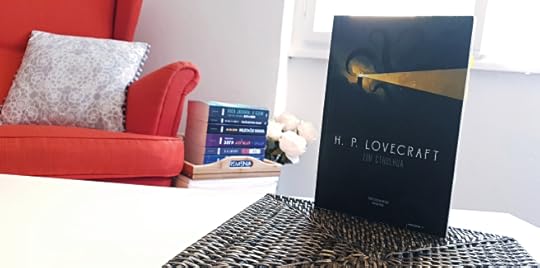
H.P. Lovecraft was the inventor of cosmic horror, of weird fiction and the Cthulhu mythology. His stories, incubated by a lonely and febrile childhood, found purchase in the fertile earth of pulp fiction where he inspired many other writers, from Robert E. Howard, to Robert Bloch and Clark Ashton Smith, many of whom also collaborated on the several short stories, some of which are also included here, in this special collectable edition.
Little treasures, the FLAME TREE COLLECTABLE CLASSICS are chosen to create a delightful and timeless home library. Each stunning, gift edition features deluxe cover treatments, ribbon markers, luxury endpapers and gilded edges. The unabridged text is accompanied by a Glossary of Victorian and Literary terms produced for the modern reader.
Howard Phillips Lovecraft, of Providence, Rhode Island, was an American author of horror, fantasy and science fiction.
Lovecraft's major inspiration and invention was cosmic horror: life is incomprehensible to human minds and the universe is fundamentally alien. Those who genuinely reason, like his protagonists, gamble with sanity. Lovecraft has developed a cult following for his Cthulhu Mythos, a series of loosely interconnected fictions featuring a pantheon of human-nullifying entities, as well as the Necronomicon, a fictional grimoire of magical rites and forbidden lore. His works were deeply pessimistic and cynical, challenging the values of the Enlightenment, Romanticism and Christianity. Lovecraft's protagonists usually achieve the mirror-opposite of traditional gnosis and mysticism by momentarily glimpsing the horror of ultimate reality.
Although Lovecraft's readership was limited during his life, his reputation has grown over the decades. He is now commonly regarded as one of the most influential horror writers of the 20th Century, exerting widespread and indirect influence, and frequently compared to Edgar Allan Poe. See also Howard Phillips Lovecraft.
اولین بار که با کطولحو آشنا شدم، توی بازی «شرلوک هلمز: بیدار» بود. دبیرستانی بودم و تازه با شرلوک هلمز آشنا و شدیداً هواخواهش شده بودم. این بازی رو هم به خاطر همین خریدم. بازی فوراً تبدیل شد به یکی از تجربههای تکرارنشدنیم. فضاهای تاریک و وهمآلود، فرقههای مذهبی مخفی که آدمهای بی خانمان رو که کسی پیگیر زندگی و مرگشون نبود، میدزدیدن و قربانی میکردن برای خدای وحشتآور اختاپوسمانندی که معتقد بودن قراره ظهور کنه و باید با قربانی انسانی ظهورش رو تعجیل کرد. بازی به شدت تخیل نوجوان من رو مسحور کرد و تا مدتها با برادرم خودمون رو داخل اون فضای جذاب و ترسناک تصور میکردیم و بازی میکردیم.
اون موقع نمیدونستم که داستان بازی، فضاسازیهای تاریک و نمناک و وهمآلودش، فرقهٔ مخفی و اعتقادات وحشتناکش و خدای اختاپوسمانندی که قراره ظهور کنه، همه و همه از داستانهای لاوکرافت اقتباس شده. من فکر میکردم که مسحور شرلوک هلمز شدهم، در حالی که در حقیقت بدون این که خبر داشته باشم شیفتهٔ لاوکرافت شده بودم.
چند سال گذشت تا پارسال یا پیارسال، نمیدونم چرا یادم افتاد که من، وقتی چهار پنج سالم بود، تصورم از خدا یک اختاپوس آسمانی یک چشم بود. بعد یادم افتاد که خدای بازی شرلوک هلمز هم اختاپوس بود و این خیلی به نظرم عجیب اومد. فکر کردم نکنه افراد بیشتری این تصور رو از خدا داشته باشن، و علت این تصور چیه؟ این شد که رفتم خدای اختاپوسمانند رو سرچ کردم، و گوگل فهرست بلند بالایی از مطالب راجع به کطولحو جلوم به نمایش گذاشت. اون جا بود که برای اولین بار با لاوکرافت و دنیای «وحشت کیهانی»ش آشنا شدم. فهمیدم این نویسندهٔ عجیب و غریب برای داستانهاش اساطیری کامل ساخته از خدایانی وحشتانگیز و فرقههایی مذهبی که با مناسکی مخوف قرنها این خدایان رو میپرستیدن. جهانی که در اون، عصر خرد در حقیقت چیزی نیست جز عصر فراموشی ذات وحشتانگیز جهان که در قرون وسطا و دوران باستان شناخته شده بود، و فقط وقتی این حقیقت وحشتانگیز از یادها رفت، عقل و منطق تونستن شکل بگیرن. اما این پوستهٔ عقلانی زیادی سست و شکننده است و حقیقت جهان خواه ناخواه از گوشه و کنارش بیرون میزنه و اون وقته که منطقیترین دانشمندها هم سر به جنون میذارن و شروع میکنن به هذیان گفتن و پرستیدن تاریکی و آدمخواری و در نهایت، خودکشی.
اون موقع در به در گشتم دنبال ترجمهٔ داستان اصلی لاوکرافت، یعنی «احضار کطولحو»، اما فقط یه ترجمهٔ نازل اینترنتی ازش پیدا کردم. وقتی دیدم نثر داستان انگلیسی خیلی برای من ثقیله، ناچار تن دادم و همون ترجمهٔ نازل رو خوندم. اما در حسرت یه ترجمهٔ خوب منتطر موندم و حتی به چند دانشجوی زبان انگلیسی پیشنهاد دادم که ترجمهش کنن. تا چند روز پیش که خیلی اتفاقی توی توییتر دیدم این داستان به همراه چند داستان دیگه از لاوکرافت بالاخره ترجمه شدن، و کسی هم گفت که مترجم مترجم خوبیه. بی معطلی خریدم و برای اولین بار بعد از دوازده سیزده سال که از آشناییم با لاوکرافت میگذشت، داستانهاش رو خوندم.
دو اشتباه، دو درس
اشتباهات لاوکرافت که ازش یاد گرفتم تکرار نکنم:
اول، اصرارش برای وحشتناک نشون دادن همه چیز، با آوردن توصیفاتی مثل «وحشتناک، منزجرکننده، نفرینزده» و لغتنامهای از انواع و اقسام توصیفات که یه نویسندهٔ وحشت نباید به کار ببره، به این دلیل ساده که گفتن این که فلان چیز «به غایت پلید و دیوانهکننده بود و گویی از دروازههای دوزخ به روی زمین گریخته بود» باعث میشه خواننده دیگه وحشت رو حس نکنه. قدیمیترین قانون داستاننویسی اینه که «نگو و نشان بده». و نویسندهٔ وحشت هم باید با زبانی خونسرد فقط واقعهٔ وحشتناک رو نشون بده و ترسیدن رو به عهدهٔ خواننده بذاره.
دوم، حضور، و بدتر از اون، موجودیت فیزیکی عامل ترس، که باعث میشه احساس ناشناختگی که باعث ترس میشه، از بین بره. انسن دیبل در طرح در داستان توصیه میکنه: اگر واقعهٔ نامعمول شما یک هیولا، قاتل روانی یا... است، او را مدام نشان ندهید بلکه غایب نگهش دارید. ندیدن باعث هیجان و ترس میشود و به تخیل خواننده اجازهٔ جولان میدهد. دیدن یک چیز آن را معمولی و پیش پا افتاده میکند.
خود لاوکرافت هم به شهادت مقدمهٔ داستان «موسیقی اریک زان» صراحت رو بزرگترین نقطه ضعف داستانهای خودش میدونسته، و معتقد بوده بهترین داستانش «موسیقی اریک زان»ـه، به خاطر این که عامل ترس توی این داستان به کلی غایبه.
This was my introduction to Mr. Lovecraft’s work and it didn’t disappoint. I had this in my audiobook library on Spotify and decided to give it a go and I was shocked and thrilled that Pinhead himself (Doug Bradley) did the narration. He did it as part of his Spinechillers audio production and with the help of some nice added sound effects, he added an eerie touch to an already eerie story.
All I have to say is that if I had a grand-uncle who devoted most of his life to uncovering a mysterious statute that had history leading to cults/cult-like activities where they believed an ancient creature with octopus and dragon features would arrive from the stars and doom the world, and it might have led to untimely death. Yeah I wouldn’t dive deep in that rabbit hole but that’s just me lol 😂
Can’t wait for the next story, Mr. Lovecraft. Bring it on!
این کتاب ترسناک نیست! این کتاب ترسناک نیست! این کتاب ترسناک نیست! با داستانهای این جلد بیشتر حال کردم، فکر میکنم بخاطر ترجمهی بهترش بود. مرسی از فرزین سوری و رفقاش :* اما به تمام ارواح مردگان و خدایان ترسناک تاریخ کائنات قسم، هرکاری کردم ترسم نیومد. حتی خوندنش در نیمه شب، زیر نور رعد و برق درحالیکه پنجره اتاق بازبود و پرده ها با وزش باد سرد شکل ارواح رقصان رو بخودشون گرفته بودن، کمکی نکرد. آقای لاوکرفت گرلمی، تو سعیت رو کردی، شایدم نکردی، شاید اگر تنبل نبودی و ایده های خلاقانهات رو بیشتر پرورش میدادی بهتر بود. بنظرم اون ایدهای توصیف نکردن موجودات ترسناک به بهانهای اینکه کلمهای برای توصیفشون وجود نداره ،یا صداهایی که هیچ بشری نشنیده و اینجور سرکار گذاشتن خواننده اصلا خوب کار نکرده. من میذارم به حساب تنبلی ذهنیت چون خودمم خیلی ازش استفاده میکنم وقتی حوصله توضیح ندارم. . . در کل ایده های اولیه داستانها رو دوست دارم، ولی خیلی هول هولکی شروع و تموم میشن. درست مثل تعریف کردن کابوس سر صبحه. یکی اگر باشه فنفیکشن این داستانا رو بنویسه خیلی خوب میشه :)) هر کدوم از داستانهای کوتاهش پتانسیل داستان بلند شدن رو دارن بنظرم. . . هفت تا داستان کوتاه بود که "موشها در دیوار" و "هیپونوس" رو بیشتر دوست داشتم چون اون فرم ابهام و معماگونهشون قویتر بودن از بقیه. از اون جمله های کذایی " در وصف نیاید" و " در این مقال نگنجد" هم خیلی کمتر استفاده کرده :))))) . . دیشب که فیلم seven seal رو دیدم بیشتر ترسیدم
Yup, the good old classic. And like most classics, it has quite a few flaws, mercifully balanced with enough imagination and silliness that one can still enjoy these short stories despite some truly off-putting elements.
I would lie if I pretended this book was easy to review, or to recommend. People usually either love or hate Lovecraft – I can see why, and his work is definitely not for everyone. If you can’t laugh at affected, excessively florid prose, don’t even bother. If you like the idea of sentient oozing green goo, step right up! But seriously: his thing was the ineffable, so you need to use your own imagination to make his stories creepy. All he will do is hint at what could possibly be lurking in shadows, or what those cultists might be summoning, and the rest is up to you. Most of his mysterious stories remain unsolved, and that can both frustrating and very creepy, but people who need their horror spelled out for them will not get into it. This is for those of us who love ideas like books with a mind of their own, geographies that will dive a man mad, strange not-quite-humanoid creatures, secret forgotten cults worshiping strange and ancient gods.
Also, given his incredible influence over horror, weird, fantasy, science-fiction and pop culture (see “In The Mountains of Madness” https://www.goodreads.com/review/show...), this little collection is a must-read if only because it is so seminal. You don’t have to like the guy, but knowing what inspired the greatest minds of genre literature and cinema is very interesting (at least, to nerds like me). It can definitely be a challenging read, both because of the style, repetition of a few tropes, and of course, the occasional unsavory descriptions. But when they are good, Lovecraft’s stories are truly wonderful, atmospheric and spooky. He created a world of dark menace, filled with truly alien entities whose motivations the human mind simply cannot grasp, and that world has spread like a virus into the mind of so many other writers and artists…
This collection, edited by S.T. Joshi, is the perfect place to start for Lovecraft newbies. Joshi carefully selected stories that are loosely connected to each other, provided a great introduction that will inform the reader about Lovecraft’s theories on writing and on horror, and includes notes about each story. But on the first read, my advice is to ignore the academic analysis and just dive in. Have a cocktail and read it aloud to yourself (or to a willing friend), as theatrically as you can.
"The Statement of Randolph Carter" remains a weird stand out for me, as does the title story (obviously), but I also really love "The Whisperer in Darkness" (adapted into a fantastic movie by the H.P. Lovecraft Historical Society in 2011) and "The Shadow Over Innsmouth". While this tome includes a few weaker stories, they all introduce important items over the Lovecratian Universe, like the town of Arkham, Massachusetts and it's infamous Miskatonic University, the Necronomicon is mentioned in several tales - and obviously, the Old Ones and their eon old cult, which can be found in isolated areas all over the globe. First-time readers and novices should definitely start here.
A flawed must-read, if only to satisfy your intellectual curiosity about what this whole Cthulhu business is about. I agree that other writers built on his groundwork and wrote better-written and more interesting stories, but the twisted root of one of my favorite genres is well worth the detour. 4 and a half stars.
In the "popular answered questions" section of this book, somebody has confused the opening line of the Turkish edition for text in the secret language of the Necronomicon.
If that does not set the scene for The Call of Cthulhu, and indeed for the works of H.P. Lovecraft as a whole, I'm not sure much will.
As a disclaimer with which to begin, I would like to briefly mention the overt racism and general bigotry which the author regularly expresses and supports in this and other works. These things make the work overall harder to read and whilst I firmly believe in separating art from artist, this piece of art is riddled with Lovecraft's out-of-date and offensive views. For this reason, I have chosen to cap the book at a maximum of 4/5 stars, because this language is distracting from the overall narrative.
Now, with that out of the way...
The Call of Cthulhu is a narrative which concisely sets up the themes and horrors of Lovecraft's now iconic expanded universe of grotesque, dark literature about the emptiness of the universe and the threats posed by the eldritch abominations which we mere mortals cannot begin to fully perceive.
Whilst there isn't exactly a cohesive, solid narrative in this book, I feel that doesn't do much to detract from the overall effect which the tale holds. This story is not a winding garden path along which one might be led, rather a freight train which tackles you in slow-motion with new and terrifying horrors at every turn. Whilst many horror stories, especially those of the gothic genre, are often cold, clean and dark, The Call of Cthulhu is warm and slimy and wet, it is a horror that is very much organic, not a sentient shadow, a sentient oceanic ooze which one cannot help but squirm at the thought of.
Not only did Lovecraft reinvent the horror genre, he did it in a way that was utterly unheard of before.
Had I not capped the rating at 4 stars, I would have issued 5.
I think I've read every story in this compilation numerous times before, so there's really nothing new to add, other than each re-reading of a Lovecraft story uncovers something new and unusual about Lovecraft's fascinating worldview.
Things I gleaned this time:
*Lovecraft was a pretty sad, lonely dude. Every story in this collection, by default or design, is essentially about loneliness, in a cosmic sense. I've always felt Lovecraft was a virulent racist---he was, of course---but in a larger sense, he was mostly just a miserable misanthrope. I think he hated all of humanity in general, mainly because he felt like he didn't "fit in" with his fellow humans.
*When he was bad, he was atrocious, and it's clear how influential Poe was in his writing, and Poe's style of writing was already passe when Lovecraft was young. However, when Lovecraft was good---and "The Color Out of Space" and "The Shadow Over Innsmouth" are very good stories---he was fabulous, in every meaning of that word.
*Women didn't exist in Lovecraft's world, except maybe as rumors.
*Lovecraft didn't like fish.
It must be said that this Penguin Deluxe Edition is a beautiful must-have edition, and the notes in the back of the book, written by S.T. Joshi (as far as I know, the only self-proclaimed Lovecraft scholar/expert in existence), are worth a read as much as the stories.
Terminé (de comenzar) mis lecturas de Lovecraft con los relatos del Necronomicón. Leer a este escritor en verdad te lleva a otra dimensión. Una vez le encuentras el gusto, no quieres parar. Lo disfrutas más si te sientas a leerlo en plan arqueólogo / ermitaño intelectual / profesor universitario / genio incomprendido, porque de repente te sientes como un personaje del autor, estudiando el Necronomicón en una biblioteca antigua y prestigiosa 👀. En serio, me fascina la manera en la que estas historias me abren la mente.
Vai kādreiz veroties Mēnesī tā pilnajā spozmē, tu esi sajutis, cik ļauni tas lūkojas pretī, un kā šī sajūta tevi nelaiž vaļā dienām? Un tad tu nododies šaubām, kurš Senais tas bija, kas pievērsa savu šaušalīgo uzmanību tavai niecīgajai radībai … Kā piemēram, kādēļ Ziemasvētku eglīšu mantiņas reizēm pašas no sevis sāk izdot skaņas, kas skan kā stabulēšana un ieklausoties dzirdi “Tekeli-li! Tekel-li!”? Kādēļ jūras ciema krastā zivis tirgojošās tantiņas vienmēr pat karstākajā vasaras dienā nēsā ap kaklu šalli un jo tālāk no pilsētas tu atrodies, jo mazāk tu saproti viņu valodu? Kādēļ veco mājvietu vietā visilgāk saglabājas ābeļdārzi un aizaugušas akas? Tikai šis Lavkrafta stāstu krājums spēs tev sniegt atbildi uz šo un uz daudziem citiem jautājumiem, ko tu savā prātā nemaz nespēj pats noformulēt un uzdot.
Šajā stāstu krājumā ir apkopoti daži un, iespējams, labākie no Lavkrafta stāstiem – Dagons, Ktulu aicinājums, Krāsa no kosmosa, Danvičas šausmas, Čukstētājs tumsā, Ārprāta kalnos un Ēna pār Insmūtu. Lvakrafta daiļrades pazinējs pamanīs, ka te nav neviena Sapņu cikla stāsta, bet, būsim godīgi, ar tiem var piepildīt atsevišķu stāstu krājumu.
Pats ar Lavkraftu iepazinos deviņdesmito gadu vidū izlasot stāstu “Krāsa no kosmosa” krievu valodā. Neteikšu, ka tas mani baigi pārsteidza, jo viss jau šķita kut kur lasīts un redzēts. Tajos tālajos laikos, kad lasīju visu, kam virsū uzrakstīti burti, es vēl nebiju nonācis līdz atziņai, ka rakstnieki mēdz aizņemties idejas no saviem priekštečiem, un šausmu literatūrā Lavkrafts ir gan pats aizņēmies, bet vēl vairāk ir aizņēmušies no viņa. Pilnībā visus viņa stāstus izlasīju tikai divtūkstošo sākumā un tad jau es spēju ar pirkstu parādīt, kurš autors ko no viņa ir aizlienējis. Lavkrafta stāsti nav zaudējuši ietekmi arī šodien, laiku pa laikam parādās pa antoloģijai, kurās apkopoti mūsdienu autoru stāsti, kuri norit Lavkrafta mitosa pasaulē, tomēr nekas nevar aizstāt arī paša oriģināla lasīšanu. Un nu par dažiem krājuma stāstiem:
Šajā krājumā mans favorīts ir “Ārprāta kalni”. Šai stāstā autors ir noslēpis visas šausmas vienā no pēdējiem baltajiem plankumiem , kas vēl atlicis uz Zemes Antarktīdā. Zinātnieku ekspedīcija tur atrod ne tikai senu civilizāciju paliekas, bet arī vēl senākus šausmīgus notikumus, kas nav zaudējuši savu spēku un to vien gaida, lai apdraudētu mūsu civilizāciju. Jebkura jauna zinātnes nozare paver durvis atklājumiem un šajā stāstā gods atvērt Pandoras lādi tiek uzticēts arheoloģijai un polārpētniecībai. Neliela, bet labi finansēta ekspedīcija piedzīvo patiesu ārprātu vēl neatklātajā kontinentā, un izdzīvojušie vēlas, lai par viņu atklājumiem neviens nekad neuzzinātu. Episks stāsts, kurš ietekmēs literatūru, kinematogrāfiju un datorspēles vēl ilgi. 10 no 10 ballēm.
“Čukstētājs tumsā” – Karkosa un Hastūrs te ir pieminēti tikai kā vārdi šausmonīgos rituālos, par kuru patieso dabu mēs varam nojaust tikai no trakā arāba Nekronomikona un Pnekotiskajiem manuskriptiem. Bet stāsts ir labs, pa Senajiem, kas mums līdzās dzīvo jau no senseniem laikiem. Par to, kā cilvēces izplešanās ASV mežonīgajos apgabalos ir radījusi sadursmi starp Senajiem un cilvēkiem. Zinātnieki kā vienmēr ir apbrīnojami naivi un lētticīgi, vietējais novadpētnieks izpilda episku last stand pret citdimensiju ordām, viņa liktenis paliek neskaidrs. Viņa līdzinātājs paliek, lai pastāstītu stāstu. Plutona atklāšana ir liela kļūda. 10 no 10 ballēm.
“Ktulu aicinājums”– interesants vecmeistara stāsts, kas radīja Ktulu, un šeit ir par viņa atgriešanos. Kaut kur Jaunzēlandes krastu tuvumā parādās ne vairāk ne mazāk R’ljē pilsēta, tas viss sapīts kopā ar sapņiem un dīvainiem kultiem, stāsts ir pa pirmo. 9 no 10 ballēm. Jābrīdina, ka šis stāsts pēc mūsdienu standartiem ir ļoti rasistisks un autors nudien neslēpj savus uzskatus par kanakiem un citiem jaukteņiem. Neatkarīgi no stāsta novēroju, ka Jaunzēlandes cilvēkiem Kutulu nav svešs un mans t-krekls ar uzrakstu Obey Cthulhu zinātāju vidū tika uzņemts ar atzinību gan lielveikalā, gan vulkānu piekājē. “Ktulu fhtagn”, “Ktulu fhtagn”
Šis nu ir stāstu krājums, kuru es noteikti ieteiktu izlasīt katram šausmu stāstu cienītājam, jā, iespējams viņi ir nedaudz atšālējušies, jo grūti jau stāstam noturēties pretī gandrīz simts atklājumu gadiem. Ja godīgi ir arī nedaudz dīvaini, ka vajadzēja gaidīt tik ilgu laiku, lai kāds tik apjomīgu Lavkrafta darbu krājumu izdotu latviešu valodā.
"قدیمی ترین و قوی ترین احساس آدمی ترس است، و قدیمی ترین و قوی ترین نوع آن، ترس از ناشناخته هاست."
اچ. پی. لاوکرفت
کتاب حاضر مجموعه ای از ده داستان کوتاه نوشته هاوارد فیلیپس لاوکرفت، یکی از بزرگترین نویسندگان ژانر وحشت می باشد. لاوکرفت به قدری بر روی این ژانر تاثیر گذار بود که زیرژانری به نام وحشت کیهانی را پایه گذاری کرد و به لطف فلسفه ، اساطیر و فضاسازی هایش توانست تاثیر شگرفی بر روی اکثر نویسندگان ژانر وحشت و برخی از نویسندگان ژانر فانتزی بگذارد. داستان های این کتاب در عین مستقل بودن در جهانی مشترک روایت می شوند و هر کدام ارتباط خاصی به نوع جهان بینی عجیب لاوکرفت و روحیات وی دارند. لاوکرفت در آثارش تاکید بسیاری بر عاجز و بی اهمیت بودن انسان در مقابل جهان هستی و حقایق پنهانش دارد، به گونه ای که نقش اصلی داستان هایش ، پس از پی بردن به حقایق هولناک پشت پرده جهان هستی، خیلی زود دچار سقوط به ورطه جنون و یا مرگ زودهنگام می شوند، که تاکید خاص او به محدود بودن ظرفیت های ذهن انسان را نشان می دهد.
لاوکرفت اعتقاد داشت که انسان نباید پرده از برخی از اسرار دنیا بردارد و عدم آگاهی انسان در مورد کلیت جهان هستی، بزرگترین موهبت بشریت به حساب می آید چرا که در صورت آگاهی هم کاری نمی تواند در قبالش انجام دهد. کتاب پیش رو، با این که با عنوان احضار کطولحو، معروف ترین داستانش نامگذاری شده، اما شامل داستان های کوتاه به مراتب بهتری می باشد که از جمله آن ها می توان به "رنگی از فضا" و "موجودی پشت درگاه" اشاره کرد که مورد اول برخلاف اکثر داستان هایش، نمونه بارزی از وحشت تن می باشد که الهام بخش بسیاری از وحشت نویسان ژاپنی بوده است. آثار لاوکرفت تاکید بسیاری به نوع فلسفه اش دارند و هیچ تلاشی برای ایجاد ترس لحظه ای نمی کنند بلکه مخاطب را به تفکر وامیدارند؛ بنابراین عامه پسند نیستند.
در مجموع این نویسنده با آثارش نشان داد که آثار ژانر وحشت می توانند درون مایه فلسفی هم داشته باشند و نویسندگان این ژانر می توانند در قالب وحشت حرف های زیادی برای گفتن داشته باشند.
Lovecraft está considerado como continuador de Edgar Allan Poe y precursor de Stephen King. Sin embargo, aunque la historia es interesante, mi opinión es que no ha envejecido bien. Debe ser porque este terror cósmico ha sido tan desarrollado tanto por la novela como por el cine, que Cthulhu ya no me ha parecido aterrador. Y esto se extiende a los 4 restantes relatos cortos del libro. En cuanto a la edición, debo decir que aún me duelen los "rallos" del Sol de la página 36 ... Ruego corregirlo a quien corresponda. No digo que en su momento no fuera rompedor, pero actualmente no me ha sorprendido mucho. Por eso mis dos estrellas, que son más opinión personal que valoración de la novela, por supuesto.
Con excepción del cuento que le da el título al libro (y a todo el universo lovecraftiano) y de "El color que cayó del cielo", el resto de los relatos me pareció una interminable repetición que a estas alturas, la naturaleza de las historias contadas ya no asusta a nadie. Lovecraft me aburre soberanamente.
American author H.P Lovecraft is such a prominent and prolific horror writer that a subgenre of horror was even named after him. Lovecraftian horror involves "the cosmic horror of the unknown and the unknowable more than gore or other elements of shock". With this mind, I was quite excited to read this anthology which collected his finest eighteen short stories throughout the years. This paperback edition I own even includes a great introductory essay to the life and times of Lovecraft, as well as explanatory notes that serve as expansions of ideas taken from his stories; a glossary that also offers more insights to his writing process, influence and conceptualization.
Frankly, I think The Call of Cthulu and Other Weird Stories is a fascinating though difficult read.
I have my reservations both in reviewing and recommending this anthology. I don't believe this is exactly something anyone can just enjoy and appreciate. In fact, upon closer inspection, I found that most tales included in this volume are interrelated, if not indirectly referential of each other. This is probably because Lovecraft, like all great literary masters, has created his own fictional universes where these stories breathe. For example, mentions of the place Arkham happens frequently, as well as the elusive grimoire known as the Necronomicon.
This could mean that for a novice, the collection may get alienating here and there. If this is the very first Lovecraft material you will ever read, then I think this particular anthology might baffle you at times because the degree of difficulty to his prose that might not be accessible to a reader more used to a contemporary and more straightforward style of storytelling, particularly when it comes to horror.
Speaking of which, I rather found Lovecraft's style challenging myself. There are so many adjectives and lengthy phrases; his general tonality can be bizarrely bone-dry in delivery which sometimes dilutes whatever horrific or terrifying plot thread you're supposed to be following. To be perfectly honest, a few of the stories in the volume have rendered me sluggish, mostly because I could predict the ending. In addition to that, there are three of four stories that are mostly repetitive, thematic-wise. I think these are my major criticisms of the anthology in general. However, his style isn't necessarily a bad thing though. When a certain story being told is unbelievably haunting and evocative, Lovecraft's prose can put you under a terrifying trance. What such stories excel in isn't about the gore or the shocking twist, really. It's the slow-burning build-up that leads to the tragedy. The Call of Cthulu and Other Weird Stories is ruthlessly engaging when you least expect it to and that's what made the obstacles along the way worth conquering as a reader.
I think this anthology would be more enjoyable when one's focus is singular. You can consume this in a slower pace if it means developing a richer and deeper understanding of what makes Lovecraft's stories so magnetic. Personally, I would re-read the stories again just so I can spot more connections among them. After all, I think this volume doesn't even cover the wide expanse of the Lovecraft universe, particularly that of the Cthulu mythos which is a rather influential piece of fiction and a tirelessly imaginative lore that has enchanted other writers across generations to contribute their own works to this perplexing creature of the most visceral and unknowable of horrors ever realized in fiction. The story Festival is credited as probably the first time Lovecraft has tried to weave Cthulu mythos for the very first time. I highly suggest that you and I check out more about said mythos in other collections.
I only have five stories that I would consider absolute favorites because they spoke to me in the most unpleasant yet invigorating ways. Understandably, I must include the namesake The Call of Cthulhu which was simply the stuff that makes nightmares real. Elaborate and layered with puzzles within puzzles, this story leaves so much to the reader's interpretation as it slowly crawls its way into your consciousness; right until the moment when you realize that it's irreversibly stuck in the damaged corners of your own mind. Two other stories like Facts Concerning the Late Arthur Jermyn and His Family and The Picture in the House are astounding because Lovecraft has woven them in a way that makes the discovery at the end so dreadful to comprehend. The suspense in these stories are unforgivably subtle, as if it only managed to graze my skin, but further reflection of these tales would reveal just how much they made me slightly sick to my stomach.
The stories Herbert West -- Reanimator and The Rats in the Walls really got under my skin. The former was definitely the best horror story I ever read about resurrecting dead people that I think rivals even Mary Shelley's classical novel Frankenstein. I could imagine watching the story unfold on screen which was why I want to watch the said film version of this story soon enough. Meanwhile, the latter story almost, sort of, destroyed me. It was an exploration of madness that is so hard to put in words even as I type this review unless one has dabbled in something akin to it (which, unfortunately, I once had back when I was less in control of my mental state as a young girl).
The Rats in the Walls symbolize a rude awakening where there really is no way you can ever go back; where a physical manifestation of your fears become a consuming preoccupation that can deteriorate the rest of your soul. I think there are many levels to this story that will make for a fruitful discussion. It's almost painful for me to read this tale without cringing in revulsion and distress.
Some other noteworthy tales to read are The Whisperer in Darkness, The Colour Out of Space, The Shadow Over Innsmouth, and The Haunter of the Dark. They are deft and daring in concept and execution and would make you question certain comfortable things in life after finishing them.
In a nutshell, H.P Lovecraft's The Call of Cthulu and Other Weird Stories is a worthwhile and challenging reading experience that I can only recommend to people who are prepared for something drastically eye-opening. The very best of the stories included in this anthology are like itches you can only keep scratching if the relief you garner from it also means that you have to bleed.
I read this collection of 11 Lovecraft stories over a year ago now, so I don’t remember very much of each story. I gave the collection away to a friend of mine too, but I did find my notes and my ratings of each story. Except one! And I’ve written two reviews in a group read in “Weird fiction”, so copied those two in, at least. I think this book works as a great introduction to Lovecraft, if you’re curious and looking to explore his writing!
Here you go😊
The Nameless City - ★★★★★
A man discovers a lost and ancient city and decides to explore the secrets kept within. He sees that the city "had been mighty indeed, and wondered at the sources of its greatness". Just like I, who have discovered the mystical writings of Lovecraft, so too does this man venture forth into the unknown, for the reward is adventure and knowledge beyond compare. It might be scary and harrowing, but it's worth it: "I was more afraid than I could explain, but not enough to dull my thirst for wonder" and then "yet the tangible things I had seen made curiosity stronger than fear".
I see myself in this man, as I too am obsessed with mystery and horror, I too have that "instinct for the strange and the unknown which had made me a wanderer upon the earth and a haunter of far, ancient and forbidden places", because "as always in my strange and roving existence, wonder soon drove out fear; for the luminous abyss and what it might contain presented a problem worthy of the greatest explorer".
Aah, behold!
Herbert West-Reanimator - ★★★
The Lurking Fear - ★★★★★
Rats In the Walls - ★★
The Festival - ★★★★★
The Shunned House - ★★★★
The Horror at Red Hook - ★★★★
He - ★★★★★
The Call of Chtulhu - ★★★★★
The Hound - ★★★
I read this and then listened to episode 29 of "The H.P. Lovecraft Literary Podcast", which is about this story. They mentioned that Lovecraft dismissed it as a “piece of junk”, but also that he might have had "The Hound of the Baskervilles" in mind when writing it. Which I guess is somewhat obvious. I really liked it, though. A neat little horror story with stylish prose.
Sure, it's basically about two bored men messing about, but I think it's cool that they were very particular about the atmosphere when doing their recreational activities, as if they made it an artform. The rest is fairly downtrodden genre wise and wouldn't have been as enjoyable if it hadn't been for the execution.
Stories I liked most: - The Call of Cthulhu (4 stars) - Celephaïs (5 stars) - The Outsider (5 stars) - The Rats in the Walls (4 stars) - The Shadow Over Innsmouth (4 stars) - The Color out of Space (3.5 stars) - The Haunter of the Dark (3.5 stars)
"The most merciful thing in the world, I think, is the inability of the human mind to correlate all its contents. We live on a placid island of ignorance in the midst of black seas of the infinity, and it was not meant that we should voyage far."
For a long time, Lovecraft himself seemed to be a bit of a myth to me. Until recently, I have never read anything written by him and yet a disconcerting amount of pop culture I've consumed in my life (may that be a TV show such as Stranger Things or even a video game like Bloodborne) would be described as "Lovecraftian" by somebody who knew more about it than me. How could an author, who died as young as he did and who didn't even write a full-length novel influence an entire genre even a hundred years after his lifetime to this extent? It all lead me to believe that it was my fate to meet the so-called father of horror.
This book presents a selection of stories, from early tales to the most famous nightmare of "The Call of Cthulhu". This edition proved to be the perfect introduction to Lovecraft's writing, as each story is introduced and carefully annotated, providing interesting and valuable background-knowledge.
I've spent a fair amount of time thinking about what it is that draws people to horror as a form of entertainment. Why seek out the horrible? Why look for things that may scare us? Why is it gives us the ability to even find pleasure in feelings that are evoked by the dark? I might not have found the answers yet, but what I am sure of is that it is the unknown that is particularly exciting. The potential of something terrible is much scarier than being faced with a monster upfront - things we can't perceive we can't fight and that's when things get unpredictable.
Lovecraft plays with the idea of unsolved mysteries a lot, which is his biggest strength. I love how he created an entire universe and embedded it seamlessly into ours - in his stories, he introduces us to Arkham, a fictional city and location of many of his stories; the Old Ones, a powerful supernatural entity and he is also the inventor of the Necronomicon as well as the Cthulhu myth. His imagination is rich, integral and unlike anyone else's. I can totally see why his writing was a real game-changer for the genre.
Admittedly, I'm still left undecided about what to think of Lovecraft's writing. I had a problem with how the narrators basically all sounded the same and were sometimes even transparent or irrelevant to what was being told. Reading the stories back to back I had to keep reminding myself that what I was reading was not a sequel to the previous story, despite the similarity in tone and narrative voice. It was impossible to relate to the protagonists, as they all expressed their thoughts in a very sober and impersonal, almost scientifically dry manner.
There's a good chance I'll come back to Lovecraft's writing at some point to revisit the dead and waiting Cthulhu and friends.
I love the creeps, gore and the all-around horror in books. I watch American Horror Story religiously, I live by the code of The Slayers that Joss Whedon laid out for us in Buffy the Vampire Slayer, I research serial killers and studies of their psychological states and look forward to the month of October all year round. So as someone who would rather watch a scary movie or go through a museum filled to the tip of mass murder and corruption than go on some overly-dramatic, romantic date filled with dozens of roses and walks in the park, why doesn’t Lovecraft and King’s story telling agree with me?
Don’t get me wrong, I love the theatrical adaptions of King so I am assuming that I would love them of H.P. Lovecraft as well, no matter how ironic his last name is. But I can’t seem to stop getting distracted while reading books written by the two dominate horror-writers. Whether it be a pretty butterfly fluttering a foot away or my mind wondering to the never-ending list of books I want and need to read.
I just don’t feel like a story actually happened. I feel like an old man sat down and told me this horrible thing that he saw once or read about in a documentation his uncle left him, but not the how, the when, the where or the why. Just the what.
I feel like a tentacle face is only scary with the story surrounding him. Without that, I am just imagining Davy Jones and Captain Jack Sparrow and then I crave a marathon of Pirates of the Caribbean.
"I'm afraid the creatures are learning to steer better with their space wings" is either your favorite sentence ever or you're not gonna love Lovecraft.
Lovecraft can be silly, racist, and extremely purple, but he has this terrifically unique imagination: his stories feel like nothing else. And they're very enticing. There's a certain feel to his stories - a pallid green glow - a whole collection of words like "eldritch", phrases like "foetid green ichor" - that feel forcefully Lovecraftian. "The foulest nightmares of secret myth" is what he's about. He's a true individual. I dig him.
Some brief notes on some of his more famous stories:
PARODIES? Herbert West - Reanimator (Ha, this was a ton of fun) The Hound (also great)
RACISM! Horror at Red Hook (Whee!) He (Racism alert!)
CTHULHU Dunwich Horror At the Mountains of Madness (Fun stuff) Shadow out of Time (Kinda too long) Call of Cthulhu Whisperer in Darkness (fantastic! This is where we get the space wings.)
THE REST OF IT The Case of Charles Dexter Ward The Dreams In The Witch House Colour out of Space (Great...sortof like a parable about radioactivity?) Shadow over Innsmouth
While this Penguin edition is lovely, I'm supplementing it with a cheapo Collected Works on my Kindle, for the stories I want to read that aren't in this collection.
While I really enjoyed these scary tales Lovecraft built on the foundation of his own nightmares and neuroses, I couldn’t not notice and not get seriously annoyed with obvious racism, xenophobia and misogyny of his views. Because of this it puts his works on a much lower level among other classics of horror. And 'tis a great pity, because these are some fascinating visions and ideas, fathering too many works of literature and cinema to this day and I am sure future ones as well.
Despite being one of Lovecraft's early stories, it's on par with his later masterpieces such as The Shadow Over Innsmouth and Call of Cthulhu. A very short yet classic tale that touches on one of my greatest fears; the unknown horrors of the sea and the infinite secrets that it holds within itself. Discovering dark secrets and higher beings never meant to be witnessed by human eyes, being driven to madness and suicidal tendencies, hallucinatory encounters with unfathomable horrors, all of the Lovecraftian staples are present here. The writing is phenomenal, rivaling the effectiveness of his greatest works that he would go on to write at the end of his career.
***
The Outsider - 4/5
This was a hidden gem that I wasn’t expecting to be as good as it was. A very short story that somehow captures the same level of dread and gothic atmosphere of works like The Curse of Yig and the Diary of Alonzo Typer in just a few pages. The gothic aesthetic is very reminiscent to E.F. Benson’s The Room in the Tower and Poe’s House of Usher (only in terms of setting not story.)
***
The Hound - 4/5
Wow, Lovecraft created a pretty harrowing and dreadful piece without a single mention of the infamous elder gods or Lovecraftian monstrosities. This was pure gothic horror, much more akin to Joseph Sheridan Le Fanu with all of the romantic horrors of the unexplored and marvelous depictions of graveyards and all that jolly stuff. Very underrated Lovecraft story if you ask me, I’m surprised that Lovecraft himself hated it so much.
***
The Rats in the Walls - 4/5
Feels like a more fleshed out and intense version of The Lurking Fear. Much of the same elements are borrowed such as the family house with a terrible history, deformed, human-like monstrosities and a very subtle reference to a creature from the Cthulhu Mythos.
The dread and tension as the protagonist explores the dark corridors of the wretched house’s forbidden depths smothers you with its intensity. The decrepit tragedies lurking within its violent and disturbing history were passed down through the ages, giving the dreadful impression that the very foundation of the world is built upon such horrors.
***
The Haunter of the Dark - 4/5
In Providence, Rhode Island, Robert Blake, a young writer with an interest in the occult, becomes fascinated by a large disused church on Federal Hill which he can see from his lodgings on the city's Upper East side. His researches reveal that the church has a sinister history involving a cult called the Church of Starry Wisdom and is dreaded by the local migrant inhabitants as being haunted by a primeval evil.
Another of Lovecraft's final tales that emphasizes how much he grew as a writer. It's much more personal and his characters have a lot more depth to them. I wish he could've gone on to write for another 30-50 years. I can only imagine how amazing his stories could've became if he had another lifetime's worth of improvement.
***
The Shadow over Innsmouth - 4/5
A student on an antiquarian tour of New England takes notice of an exotic piece of jewelry in a museum and learns that its source is the nearby decrepit seaport of Innsmouth. He travels to Innsmouth and observes disturbing events and people. It doesn't take long to notice that something is horrifically wrong about the seaport. A local resident informs the student of a horrifying story of aquatic monsters who can interbreed with humans to produce amphibian hybrids and they've made a residence within the waters of Innsmouth. The student is tricked into staying overnight in the seaport town and he is attacked in his hotel by unfathomable beings.
This is definitely one of Lovecraft's scariest tales. The attack and escape sequence within the hotel is incredibly tense and eerie, it rivals The Shining with its use of a wicked hotel and the supernatural entities within it that drive the protagonist to madness. If there's anything you can learn from reading Lovecraft, it's to stay the hell away from large bodies of water.
***
The Whisperer in Darkness - 4/5
Folklore professor Albert Wilmarth investigates legends of strange creatures in the most remote hills of Vermont. His enquiry reveals a terrifying glimpse of the truth that lurks behind the legends. The answer to what lies beyond the vast cosmos is a question that may better be left unanswered.
One of Lovecraft's best as it takes full advantage of his direction into science fiction rather than pure abstract horror. The elder gods, outer ones and other extraterrestrial beings feel more like real, living beings with their own unique identities, cultures and histories here than any other story in the mythos. The Colour out of Space and Mountains of Madness are other fantastic examples of Lovecraft's turn to science fiction and the humanization of unknown lifeforms. It really adds to the realism. It's a shame he wasn't able to write more of the genre, I can only imagine what he could've accomplished if he lived for another 30-50 years.
The Colour out of Space - 4/5
Foreboding and mysterious. The plot is extremly simple yet one of the most effective Lovecraft has ever written. A strange meteorite from another realm crashes into Europe and buries itself into the soil, contaminating everything in its circumference. The process of contamination is simple. It poisons the soil, it poisons the water, it kills the animals and it drives people mad. Eventually, the place becomes so corrupt that it transforms into an eldritch nightmarescape. To make things even more unsettling, the strange meteorite appears to have sentience and can move freely as it pleases. Perhaps it was never a meteorite in the first place, but something far more sinister?
***
The Call of Cthulhu - 4/5
Although not my favorite of the Cthulhu Mythos tales, it certainly does the best job of encompassing all of the primary and lovable elements of weird tales and cosmic horror.
Ancient texts, insane cults, forbidden knowledge, social recluses going mad and blasphemous abominations galore.
This is the story that brought it all together, paving way for incredible tales such as The Dunwich Horror, The Shadow Over Innsmouth, At The Mountains of Madness as well as thousands of other tales by writers that followed in Lovecraft’s macabre and charmingly eldritch footsteps.
***
Cool Air - 4/5
Afraid of death? No worries, just freeze yourself and gain immortality through artificial preservation. One of Lovecraft’s more down-to-earth tales that relies on traditional horror themes instead of his more dream-like and alien works.
***
He - 3/5
The prose in this story was phenomenal and dripping with eldritch fascination, but the racial undertones dragged it down quite a bit. He could have pulled off a nice dream cycle story here, but chose to go with this instead. Luckily, this was around the point he began to grow out of his discriminatory attitude and moved on to bigger and better things.
***
The Festival - 3/5
Nothing like a good old jolly Christmas festival, eh? Wrong! This is Lovecraft we're talking about, so of course strange alien monsters and dark forbidden lore is gonna show up to crash the party. This story makes the horrors of the Necronomicon feel more real as it actually provides a quote from the fictional text of terror. The ending is similar to that of Dagon, which is one of my favorites.
***
Herbert West Reanimator - 3/5
Has all the essential elements of a good Hammer Film Productions piece. It’s gritty and gross, cheesy yet fun and verbose. Feels like a skeletal frame of Frankenstein, just not nearly as long and emotionally complex. Frankenstein is the better book in my opinion, but I gotta give Lovecraft credit for whipping up something that’s pretty damn morbid.
***
The Statement of Randolph Carter 3/5
The twist at the end was cool in itself, but the way it was delivered made it feel like something you would see in a cheesy, low budget horror film involving a phone call.
***
Facts Concerning the Late Arthur Jermyn and His Family - 3/5
The story overall has an intensely mysterious vibe with an exciting buildup, but what could have been an incredible twist ended up being something that had no merit and was rather degrading.
***
Celephais - 4/5
The concept of this story is one I can relate to on a very personal level. The more the protagonist grows to loathe the contemporary world, the more he begins to value the world of dreams and imagination, much like a modern person would prefer to lose themselves in the comfort of books and music rather than dealing with a painful and depressing reality.
***
Nyarlathotep - 3/5
A truly nightmarish vision of a horrifying, gothic landscape induced by the frenzied visions from the one called The Crawling Chaos.
***
The Picture in the House - 3/5
Has the makings of a great horror setting, but the ending falls incredibly flat. The decrepit house where the protagonist is forced to seek shelter during a horrible storm, the ravings of a crazed old man, the blood dripping from the ceiling. It was all building up to something fantastically scary.
And then the narrator closes his eyes and pretends he didn’t see it to save his own sanity. And... that’s kind of it. The climax was not worth the tension building up to it. But still enjoyed it for the early tension and imagery alone.
Bail kaut ko teikt par grāmatu, jo pats esmu bijis tur iesaistīts un zinu - ja tajā ieslēpto patiesību uzzinās vēl kāds cilvēks, viņa dzīvē nekad vairs nebūs miera un gaismas.
That is not dead which can eternal lie, And with strange aeons death may die.
Is HPL the most paradoxical author to read in recent times?
Probably not. There's arguably countless waiting in the shadows, ready to lay claim to that title. But it's a given fact that reading Howard is never easy. Be it owing to the nature of his personality, his set of beliefs, or simply his utter inability to write well. It's pretty common to find yourself stranded within the foggy confines of his 'eldritch' world. And yet, we read him to this very day. And will probably continue to do so until the end of time.
Such has been his impact upon the musty underbelly of weird fiction and greater cosmic horror. Not the first ever to do so. But a revolutionary nonetheless whose influence still pulsates throughout pop culture and the unforgiving pits of nerd haven. So much so that reading him through a starkly modern lens might come off as repetitive. A sense of deja vu engulfing your nodal points as you meet the maker after wrestling down knock-offs all your life!
Nevertheless, despite everything, I've been an ardent Lovecraft fan since my school days. I have owned this particular edition for around eight years now. And do remember reading a few of the stories from within. However, my memory was threatening to betray me. And there rose an urge inside to revisit 'The Dunwich Horror' again. Something that I originally read only in translation and was keen to test again, against Howard's muddy prose.
As such, if you pick this one up and look past the 3D cover (glasses included!) As well as the lack of annotations and introductory material, you'll find yourself with twelve of his tales, all connected through the (filmsy) thread of the Cthulhu Mythos. Do not take offence with my choice of words, however, for Lovecraft's world-building, including the ever-modern notion of a shared universe, was mostly in jest. A clever little device that the man tinkered with but never really enforced upon his readers.
Creating a sense of inclusivity not only for his audience but also for his later admirers, who'd go on to build upon and expand the plethora of unspooled loose ends. Lovecraft himself borrowed judiciously from his peers and predecessors. And in a way, he created a benchmark for being borrowed likewise. Sure, he was historically stuck up about his work, often threatening to quit it altogether in the face of poor reception. But then, such was typical of him and his cranky, haughty headspace that oozed brilliance aplenty.
Although it misses the timely quips of Lovecraft researcher S.T. Joshi, this edition gleefully starts off with one of HPL's most grotesque short stories, 'The Rats in the Walls'. Something that I'd read back in school but completely forgotten over time. And boy was I in for a renewed sense of surprise, alongside the gut-churning stench of pathos, so typical of his reveals. Surprisingly Gothic, it utilises the tested 'creature behind the partition' trope and magnifies it with a demented slither of degradation.
This is then immediately followed by another one of my shorter favourites. ''The Picture in the House'. This is Lovecraft playing completely into the macabre. Flexing his creepy muscles, despite little Cthulhu connections beyond a 'Necronomicon' namedrop. All culminating with an utterly memorable final stretch that left me jittery with a case of the late-night dread!
The following two stories are also short but are not my absolute favourites, despite the cosmic inquisitiveness shown abundantly in 'The Nameless City' of Arabia. And the murky cult of horrors hinted towards in 'The Festival'. They aren't Lovecraft's best work and leave a lot to be desired. But at the same time, they help one acclimatise oneself before the eventual arrival of the bigger fishes. It's a rite of passage, almost. The mandatory endurance of wordy circulation before you're presented with the real heavyweights.
The likes of 'The Call of the Cthulhu' and 'The Dunwich Horror'.
It's actually quite funny, now that I think of it. All these years of being a fan, and I'd never once read 'The Call...' itself. And my first ever experience was not entirely positive as well. Despite being introduced to the 'figurative' granddad of a very popular universe, I found the didactic style of storytelling really taxing. Something that worked relatively well for his other longer texts, but just felt a bit banal here on. The finale and its marine 'madness' were also anti-climactic (get used to it!) and just didn't tempt me the way I'd hoped it would. Making this one an actual miss in my book.
"Do better, Howard!" I might have screamed, yelled, and shouted towards the pages in vain, but thankfully, 'The Dunwich Horror' showed up immediately to pacify it all. A deeply atmospheric, well-written tale that balances the allure of cosmic trickery with that of the despicable. Lovecraft commands the tension surprisingly well and crawls towards a solid finale. One that's greatly embellished with an extremely chilling final sentence that made me put the book away and compose myself for a good minute.
Some might take offence to HPL's tendency to greatly oversell his reveals with exclamations and italics. But it mostly works out for me, despite the shoddy literary value, or lack thereof. You can find something similar in 'The Whisperer in Darkness', as well.
A much longer story, the longest yet of the book, which I personally felt could have benefitted from a crisper edit. And yet, I was never bored for a minute traversing it's varied length. Lovecraft descends into proper science fiction right here, introducing the Mi-Go creatures as well as strengthening his brand of interstellar doom. As usual, the final stretch is tense, lively and memorable. It shakes you greatly and makes you forgive the author for the obvious plotholes and his inability to remain concise (for the love of all things holy!).
This brings me to a story that I really wanted to love. 'The Dreams in the Witch House'. A fairly straightforward tale of a mathematical research student inclined towards the occult, taking residence in the eponymous witch house, and the dreams that he's plagued with almost instantaneously. For his part, Lovecraft had ambition writing this thing. He invoked the spirit of science and witchcraft with a vivid sense of grotesqueness while playing up the surrealism tenfold.
However, it's not an easy read. Especially when Howard goes overboard with all the technical jargon in the game. Which is a shame, for this one is generally a more well-loved story. Recently filmed under Guillermo Del Toro's tutelage as well. But I couldn't enjoy it as much as I'd have loved to. A personal bummer, despite that deliciously wretched culmination. Maybe watching it unfold on the screens would be a better fit? Fingers crossed.
Anyways. We move on to another one of my absolute favourites. 'The Shadow over Innsmouth'. There's a distinct sense of wonder in the way Lovecraft helps you visualise the shady coastal town of Innsmouth. Almost overdoing it in his exhaustive approach with the details. But making it all worthwhile with the slow-burning buildup of dread, which in turn pulsates within the core of its ever-rotten mythology.
It's curious how HPL himself was not fond of this piece. Judging it harshly in his later days. But to me, this might be one of the best examples of Lovecraft, the author, and his ability to balance action with that of the informative. There's this riveting chase sequence by the end of 'Innsmouth' that's arguably one of the best pieces of moving action ever written by the author. But his acute underconfidence meant that, more than ever, we'd find him resorting to the tested shelter of the didactic and nothing else.
'The Shadow over Innsmouth' also sees Lovecraft exploring his preferred themes of sin persevering through bloodlines, intermixing of races, and hereditary mania. Elements of which can be visible throughout the book. A breed of paranoia that's widely believed to have been born out of Lovecraft undergoing sudden poverty as a child, health issues persisting in his family, and his infamous sense of racial superiority.
Nevertheless, we dredge on and reach the mountain itself. A literal mountain of a text, the extremely long, extremely potent, and infuriatingly wasteful 'At the Mountains of Madness'.
This angered me in real time. Feeling interminable at point with it's dry prose, purple paragraphs, and exhaustive amount of technical details. (Take 'Witch House' and multiply it with a hundred.) I do understand what HPL was attempting here. He was notoriously famous for scientific accuracy. And even edited information out in later prints, owing to them being out of date since the time of completion. But the goodwill itself doesn't make it a palatable read, does it?
It almost hinders the story rather. More so in this one, which is undoubtedly the most mythology-heavy tale in the entire book. Providing a surprising amount of answers and context to questions you'd probably wondered throughout and googled on with varied levels of success. It is this allure and intrigue of such vivid, tempting lore that kept me afloat and helped me brave the awful writing. In modern times, we might call this the classic case of a good concept, bad execution.
However, such cannot be said about the next in line, 'The Haunter of the Dark'. Nothing in it actively tickled my imagination, and it lost me pretty soon amidst the muck of purple prosing. It's an important story, however. Being the last one Lovecraft ever penned. Making people usually more kinder to this tale. And there's a genuine feeling in the circles about how Lovecraft's 'writing had improved a lot' by this point. But unfortunately, I didn't find any of that for myself.
It does warrant a later re-read, for sure. But for now, this takes the designation of being my least favourite story in the whole book.
And there we have it. We've arrived at our final station. 'The Thing on the Doorstep'. A much simpler tale that almost evokes the spirit of 'The Dunwich Horror' in its approach. It's nothing revolutionary per se and was generally looked down upon unfavourably by critics back then. But as we can sense a pattern here, I loved this one a lot. If nothing, despite it's predicatable nature, the story starts off with one of the most unhinged openers ever written by HPL. ("It is true that I have sent six bullets through the head of my best friend, and yet I hope to show by this statement that I am not his murderer.") And ends with a devilish image of degradation that rivals his very best. Can't recommend it enough!
และผมขอปิดท้ายกับคำกล่าวในคัมภีร์ปีศาจ Necronomicon ของ Lovecraft ที่ผมคิดว่านิยามจักรวาลของเขาได้เป็นอย่างดี นั่นก็คือ “Nor is it to be thought that man is either the oldest or the last of earth’s masters, or that the common bulk of life and substance walks alone. The Old Ones were, the Old Ones are, and the Old Ones shall be.”
Where the ladies at? No, really. I'm generally not one to complain about the demographics of the book, but there are so many repetitive stories here and yet not one female character utters a single word, and maybe only 3 are vaguely mentioned throughout the entire book. The stories are initially very creepy, but the book tells the same ones over and over. There is always a man who is utterly horrified at what he has seen or experienced, which is never really explained or elaborated on. The stories usually end with the narrator killing himself. It happens over and over all over the world. The protagonists of the stories are always exactly the same, rich educated foppish dudes who aren't contributing anything to society while whining about all the poor people and racial minorities who exist around them just living their lives. Meanwhile 50% of the world's population is just walking around chilling and living their lives, apparently oblivious to the horrors of the deep. Makes me think that the men are a bunch of sissies. Grow a pair, dudes. Stop locking yourself in your giant mansions shaking in terror of the unknown, we ladies are having to do all the goddamn work. Bunch of deadbeats who have time to sit around and worry about Cthulhu. Losers.
"Висшата проява на милосърдие в нашия свят, според мен, представлява неспособността на човешкия разум да свърже в едно цяло всичките му компоненти. Ние живеем на спокойно островче на невежеството, издигащо се сред черния океан на безкрая, и от това следва, че не бива да отплаваме надалеч".
Издадена преди 15 г. книга от отдавна починал автор, преведена от трагично загинал преводач, издадена от вече несъществуващо издателство. Корична цена 10 лв, да се сдобиеш сега с нея само за 50 - късмет. Времена, в които можеш да сложиш за корица на издавана от теб книга албум на Iron Maiden и да ти се размине... Без посочена година на издаване, без коректор, без редакторско каре отзад, указващо кой е художник на учудващо готините илюстрации или брой коли и пр. допълнителна информация - даже няма последна страница, а титулната такава с правата е супер орязана. Отделно - книга, лепена с плюнка.
Some years ago (like in the early '70s) I went on a binge reading everything I could get my hands on by Lovecraft. His unique brand of Horror (Cthulhu and otherwise) can really creep one out.
If you let Lovecraft into your head you may be in as much trouble as some of his protagonists.
I found the stories as good as ever though not as "invasive" to the head as they once were. If you haven't read Lovecraft (especially if you like psychological horror) he's not to be missed. Grab his collections up.
3,5 zvaigznes. Lavkrafts ir īpatnējs un vērts lasīt kā jau vienu no šausmu literatūras stūrakmeņiem, bet daži stāsti cieš no pārmērīga garuma, kurā noplok tā neomulības sajūta, kas varētu rasties. Autoram nenoliedzami bagāta iztēle. Teicams tulkojums. Plašāk: https://gramatas.wordpress.com/2022/0...
“U SVOJOJ KUĆI U R’LYEHU MRTVI CTHULHU ČEKA SANJAJUĆI.”
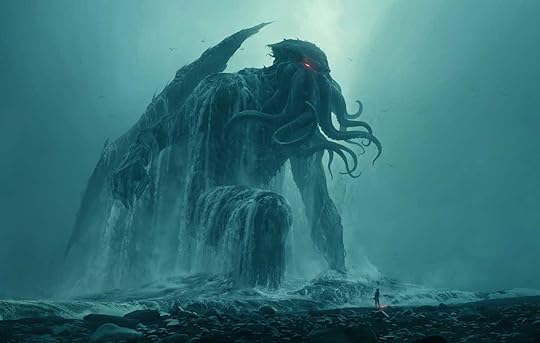
Počinjajući ovu knjigu pomislila sam: “Pa nije ovo baš toliko strašno…”. Nisam se ni snašla, a već sam sanjala kako me proganja krilato čudovište crvenih očiju s pipcima hobotnice na licu, sanjala sam kako me izjedaju štakori, sanjala sam kako me otimaju vanzemaljci s ljudskim licima. Bili su to atipično živopisni snovi, a ja inače baš i nisam toliko povodljiva za materijalom koji čitam.
Ova knjiga sastoji se od četiri kratke priče iz Cthulhu serijala. Iako su nepovezane sasvim je jasno da se odvijaju u istom lovecraftijanskom svijetu. O pričama vam ništa neću ispričati, pozivam vas da njihov sadržaj otkrijete sami! Dvije su mi bile baš odlične, dvije malo manje odlične. Ne ubodu baš svaki put u potpunosti, ali svaka je imala "ono nešto".
Interesantno mi je kako Lovecraft gradi priču, kako postiže atmosferu, kako koncipira likove. Tiha jeza provlači se kroz pripovijedanje, nikad ne znaš s koje će strane udariti, a prijetnja uvijek dolazi izvana: tamo negdje vani je urota veća od nas samih, veća od svijeta, veća od života. Urota postoji tek u tragovima, ako ih znadeš pročitati. Tek s vremena na vrijeme na svijetlo dana izađe incident koji naizgled povezuje neke končiće onome tko ih možda pokušava povezati, protiv svakog pravog glasa razuma.
Jer mi, kao ljudi, nismo sposobni probaviti ni letimičan pogled. Već i sami treptaj istine u nama razbuđuje ludilo koje nerijetko odvodi i u smrt. Jeza je uvijek vanjska, ona nikad ne dolazi iznutra (osim ako smo “degenerični”, a o čemu ću malo kasnije). Izvana nas zove u snovima, izvana nas tjera u bolest.
Lovecraftov kozmički horor koketira sa SF-om, Lovecraft daje pozadinu svojim čudovištima. Iskreno, mislila sam da će mi to uništiti čar priča, ali nije. Dapače! Znate ono kada Carl Sagan svojim optimizmom i znanjem otvara svemir u čarobno prostranstvo ničega, ali beskrajne nade? Znate ono kad Star Trek opisuje svemirsku utopiju u kojoj su sve rase najbolji frendovi? E pa toga nema s Lovecraftom. Njegovi alieni su ljigava smrdljiva čudovišta, njegov svemir je hladan, mračan, beskrajno surov, beznadno velik, i vrvi dijaboličnom inteligencijom.
“Ta idolska Stvar, taj zeleni, ljepljivi nakot zvijezda, probudio se da zatraži svoje.”
Lako je reći da je Lovecraft najveća inspiracija modernom hororu, ali tek kad sam ušla dublje u ove priče shvatila sam koliko je to istina. Stephen King je odavno priznao da je Lovecraft utjecao na njegov rad, kao i mnogi drugi, ali zaista je ludo koliko je moderne kulture, knjiga, serija i filmova indirektno poteklo iz mašte ovog čovjeka.
A tko je H.P. Lovecraft? Rođen je 20. kolovoza 1890. godine u istom “selu” u kojemu je i umro 1937. godine. Kao što vidite, živio je u vrlo turbulentnoj Americi, onoj prohibicije i Velike depresije. Lovecraft je kontroverzna ličnost. Da, utjecajan pisac, ali zapravo pravo dijete svog vremena, okolnosti i geografije. Rasist, šovinist, pravi privilegirani američki bijelac kojemu su svi drugi krivi za njegove probleme. Zvuči poznato?
Ali (da, postoji “ali“) čak i kad u jednoj svojoj priči najdražeg crnog mačka nazove Nigger Man, čak i kad su mu za sve krivi zlikovci koji su dotepenci (nema veze što su i vanzemaljci), čak i kad ljudski degenerizam često opisuje kroz rasistička obilježja, on svejedno u sve to unosi svoju poetiku. Oh, ironije.
“Najstarija i najjača čovjekova emocija je strah, a najstarija i najjača vrsta straha jest strah od nepoznatog.” – H.P. Lovecraft
Znate, mržnja je velika kreativna sila, ako se fokusirano usmjeri. Lovecrafta, kao osobu, još uvijek ne volim, to se nije promijenilo, ali za njegovo pisanje itekako gajim simpatije, jer on razumije da iza svega stoji Strah. Uostalom, jedan od najdražih skladatelja mi je Gesualdo de Venosa, a daleko najdraži slikar mi je Caravaggio. Ne baš dobri ljudi, ali vrhunski u onom što su stvarali, izmedju ostalog, i zato što su u svoju umjetnost uključili i svoje strahove.
Što se tiče ovog našeg domaćeg izdanja, osjetila sam da je ova mala knjiga plod dugogodišnje strasti. Cijeli tim koji je radio na njemu uložio je puno truda u uređivanje, u dodatne materijale, kao i u prijevod, a to se na završnom rezultatu itekako vidi. Moram napomenuti da se izdavač pobrinuo da izdanje, osim što je vrhunski napravljeno, bude i pristupačno i povoljno.
Knjiga sadrži fantastičan predgovor Dejana Ognjanovića, a za sam kraj knjige Milena Benini je sastavila vodič kroz Lovecraftianu. S obzirom na to koliko je Lovecraftov svijet bogat i sadržajan, ovaj mi je dio knjige bio od velike pomoći pri čitanju. Prijevod Marka Fančovića je odličan.
U planu je još knjiga H.P. Lovecrafta i nemojte da vas zaobiđu. Ovo bi mogla biti žanrovska lektira. Uzalud nam cijeli gotički pokret u književnosti, uzalud nam bajke, uzalud nam Poe, uzalud nam Dracula i Frankenstein, ma uzalud nam i predivni benevolentni vanzemaljci iz Voltaireovog “Micromegasa” ako zanemarimo Lovecrafta i njegov kontrast kao doprinos modernoj žanrovskoj priči.
I ako Cthulhua znate, nemojte ovu knjigu čitati na robinzonskom kampiranju, bez struje. Budite pametniji od mene. 🙂