

What do you think?

Gaspard De La Nuit: Fantaisies a La Maniere De Callot et Rembrandt Precedees De Lettres d'Aloysius Bertrand a David d'Angers
Aloysius Bertrand's ground-breaking collection of prose ballads was published in 1842, a year after his death at 34. Gaspard de la Nuit combines the haunting gothic imagery of Hoffman with the colorful romantic verve of Victor Hugo. In it, you will meet Scarbo the vampire dwarf, Ondine, the faerie princess of the waters, and an unforgettable assortment of lepers, alchemists, beggars, swordsmen and ghosts. Gaspard de la Nuit inspired Baudelaire, Rimbaud, Mallarmé, the Surrealist Movement and composer Maurice Ravel, who wrote a suite of virtuoso piano pieces patterned after it.
Mass Market Paperback
First published November 1, 1842
About the author
Aloysius Bertrand
194 books25 followersLouis Jacques Napoléon Bertrand, better known by his pen name Aloysius Bertrand (20 April 1807 — 29 April 1841), was a French Romantic poet, playwright and journalist. He is famous for having introduced prose poetry in French literature, and is considered a forerunner of the Symbolist movement. His masterpiece is the collection of prose poems Gaspard de la Nuit published posthumously in 1842 (but probably mostly written already in 1827); though relatively ignored at the time, the book later had a huge influence on Charles Baudelaire's Spleen de Paris, the Symbolists and on the Surrealist movement. Three of its poems were adapted to an eponymous piano suite by Maurice Ravel in 1908.
Ratings & Reviews
Friends & Following
Create a free account to discover what your friends think of this book!
Community Reviews
Displaying 1 - 30 of 53 reviews

May 26, 2015
A book may be influential without being lengthy or long remembered. Each prose poem, each surreal lyric, each tale of terror written in the last one hundred and seventy five years owes a debt--conscious or unconscious--to this little forgotten book.
Aloysius Bertrand's only book is indeed a slim one, written in his teens and twenties. It is little known, and uneven and eccentric in quality. Yet Bertrand won the admiration of his contemporaries Hugo, Saint-Beuve, and Nodier, created the form of the prose poem which later inspired Baudelaire, and eventually left his mark on writers as dissimilar as Arthur Rimbaud, Andre Breton, and Thomas Ligotti.
Bertrand's life was unlucky and brief: sickly, continually impoverished, he died at the age of thirty-four. Yet his painter-like sketches of life in the medieval cities of Dijon, Paris, Madrid, and Rome can be full of robust life, often suggesting the scope of a four volume historical novel. Sometimes, in a few pages, he can achieve the dense reality of Scott, the romantic sweep of Hugo, or the looming gothic atmosphere of Lewis or Maturin. In still others—set in the woods and graveyards—he achieves a dark, hallucinatory quality which reminds me a great deal of E.T.A. Hoffmann, but is still distinctly his own.
This book is unique, and, although I could go on at greater lengths about its merits, I think it would be better for you to read a few pieces for yourself. I have chosen to bypass the more realistic pieces, and instead present two in which Gaspard's alter ego, the sinister dwarf Scarbo, appears.
Here you may glimpse what Rimbaud and Ligotti admired.
SCARBO (1)
“My God, grant me, at the hour of my death, the prayers of a priest, a shroud of linen, a coffin made of wood from a fir tree, and a dry grave.” --The Paternosters of Monsieur the Marshall
“Whether you die absolved or damned,” murmured Scarbo that night in my ear, “you will have for a shroud a cloth woven by a spider, and I shall enshroud the spider with you!”
“Oh! That I should have at least for a shroud,” I replied to him, my eyes red from having wept so much, 'the leaf of an aspen tree in which the breath from the lake will soothe me.”
“No!” jeered the dwarf mocking me. “You would be food for the dung beetle that goes hunting, late in the afternoon, after the tiny flies blinded by the setting sun.”
“Then you would rather,” I responded, still weeping, “then you would rather that I should be drained by a tarantula with the trunk of an elephant?”
“Well then,” he added, “console yourself, you will have a shroud of little bandages, flecked with gold, made from the skin of a serpent, with which I shall embellish you like a mummy.
“And from the darkened crypt of Saint-Benigne, where I shall put you to bed standing up against the big wall, you will hear at your leisure the little children weeping in limbo.”
SCARBO (2)
“He looked under the bed, inside the fireplace, in the chest of drawers. He could not understand by what means he had intruded, but what means he had escaped.”-Hoffman, Nocturnal Tales.”
Oh! How many times have I heard and seen him, Scarbo, when at midnight the moon sparkles like a shield of silver featured on a banner of azure spangled with golden bees!
How many times have I heard his laugh humming in the shadows of my bedroom alcove, and his nail grinding along the silk of the curtains around my bed!
How many times have I seen him alight onto the floor, pirouette on one foot, and revolve all through my chamber like the spindle fallen from the distaff belonging to a sorceress?
Was I thinking that he had vanished? The dwarf grew larger between the moon and myself, like the bell-tower of a Gothic cathedral, with a little bell of gold in motion inside its tall pointed hat!
But before long his body turned blue, diaphanous like the wax in a candle, and his countenance turned pale, like the wax at the candle's end, and all at once he vanished away.

November 9, 2019
Algumas entradas são bastante boas, mas muitas outras são verdadeiramente crípticas para o leitor atual. Ainda assim, um bom livro.

November 3, 2012
Ho trovato Gaspard de la Nuit mentre curiosavo, una sera, tra i libri a metà prezzo. Ero indeciso, non ne sapevo nulla: il cellophane mi impediva di sfogliarlo; la descrizione sulla quarta di copertina, criptica ed elusiva, non mi permetteva di indovinarne il contenuto facendo ricorso a qualche pregiudizio, come si decide delle qualità di una persona affidandosi alle dicerie che la riguardano, o valutando le sue compagnie. Sono davvero felice di questa piccola scoperta.
È un libro gotico e notturno, animato dall'umanità più oscura e sfortunata: storpi, ubriachi, mendicanti, usurai; con frequenti immagini di malattia e di morte: Bertrand dà voce agli impiccati, ai lebbrosi, ai moribondi. Di tanto in tanto, con naturalezza, s'intrufolano nelle vicende umane personaggi fantastici: streghe che preparano il sabba, folletti nascosti nelle lanterne, diavoletti che gettano monete false dai tetti. Di notte, alla luce della luna, il poeta scopre le immagini più belle e crepuscolari: il lento attenuarsi dei colori dei fiori, il profilo delle merlature d'un castello all'orizzonte, l'incontro segreto di due amanti; ma nello stesso tempo è preda di ansie e di pensieri maligni, invincibili. Oggi queste immagini sembrano un po' antiquate; sono legate al gusto di quell'epoca, all'irragionevole nostalgia dell'autore per il passato medievale della sua città, Digione, e limitano la longevità di questi componimenti.
Quel che rende quest'opera ancora così interessante e sorprendentemente moderna è la sua forma: la definizione "poesia in prosa" sarebbe forse appropriata, ma non spiegherebbe fino in fondo l'originalità dell'invenzione di Bertrand, che risale al 1836, e la sensibilità che seppe comunicare attraverso quelle atmosfere, spesso davvero commovente: Bertrand aveva bisogno di scrivere, e affidò l'espressione dei suoi sentimenti a questo libro. I suoi riferimenti principali non sono letterari, ma pittorici: la prima idea per il titolo, poi scartata dallo stesso Bertrand, era Bambochades, in omaggio alla scuola dei bamboccianti; e il sottotitolo definitivo, Fantasie alla maniera di Rembrandt e Callot, lascia intendere quanto la sua arte volesse essere soprattutto figurativa, pur essendo scritta. Questa libertà espressiva fu la sua condanna: Bertrand morì ancora giovane, poverissimo, e non vide mai pubblicata la sua opera.
Scrisse dettagliate istruzioni per l'impaginatore, piuttosto ambiziose per l'epoca, con chiarimenti sui caratteri tipografici da usare, e sui soggetti che un artista avrebbe dovuto riprodurre nelle illustrazioni. Terminava così i suoi suggerimenti: "Maggiori saranno nella cornice la confusione e l'abbondanza di figure, maggiore sarà l'effetto." Le illustrazioni non furono mai realizzate. Bertrand descrisse in questo modo la sua opera, così fuori dagli schemi:
"[...] è divisa in sei libri, e ogni libro contiene un numero più o meno grande di composizioni. Il signor impaginatore noterà che ogni composizione è divisa in quattro, cinque, sei e sette capoversi o strofe. Disporrà larghi spazi bianchi tra queste strofe come si trattasse di strofe in versi."
Le strofe racchiudono brevi immagini, talvolta prive d'azione, e si succedono intervallate dagli spazi bianchi o da asterischi, come proiezioni di una lanterna magica: l'effetto finale è delicatamente surreale; ogni composizione si rivela lentamente, per piccole aggiunte, e gli spazi offrono l'occasione per pause meditative oppure cariche di un significato emotivo, come se l'autore avesse bisogno di riprendere fiato: la sua immaginazione si esprime in questi brevi singhiozzi, non è capace di adattarsi alle narrazioni labirintiche o ai torrenti di versi che dovrebbero certificare il suo talento, e garantirgli il successo.
Nelle epigrafi si trovano numerose citazioni e dediche a celebri autori dell'epoca, che forse dimostrano quanto la soggezione di Bertrand nei confronti dei suoi contemporanei fosse eccessiva. Temo che caratteri come il suo saranno sempre condannati alla fortuna postuma, quella degli innovatori fin troppo umili e silenziosi.
È un libro gotico e notturno, animato dall'umanità più oscura e sfortunata: storpi, ubriachi, mendicanti, usurai; con frequenti immagini di malattia e di morte: Bertrand dà voce agli impiccati, ai lebbrosi, ai moribondi. Di tanto in tanto, con naturalezza, s'intrufolano nelle vicende umane personaggi fantastici: streghe che preparano il sabba, folletti nascosti nelle lanterne, diavoletti che gettano monete false dai tetti. Di notte, alla luce della luna, il poeta scopre le immagini più belle e crepuscolari: il lento attenuarsi dei colori dei fiori, il profilo delle merlature d'un castello all'orizzonte, l'incontro segreto di due amanti; ma nello stesso tempo è preda di ansie e di pensieri maligni, invincibili. Oggi queste immagini sembrano un po' antiquate; sono legate al gusto di quell'epoca, all'irragionevole nostalgia dell'autore per il passato medievale della sua città, Digione, e limitano la longevità di questi componimenti.
Quel che rende quest'opera ancora così interessante e sorprendentemente moderna è la sua forma: la definizione "poesia in prosa" sarebbe forse appropriata, ma non spiegherebbe fino in fondo l'originalità dell'invenzione di Bertrand, che risale al 1836, e la sensibilità che seppe comunicare attraverso quelle atmosfere, spesso davvero commovente: Bertrand aveva bisogno di scrivere, e affidò l'espressione dei suoi sentimenti a questo libro. I suoi riferimenti principali non sono letterari, ma pittorici: la prima idea per il titolo, poi scartata dallo stesso Bertrand, era Bambochades, in omaggio alla scuola dei bamboccianti; e il sottotitolo definitivo, Fantasie alla maniera di Rembrandt e Callot, lascia intendere quanto la sua arte volesse essere soprattutto figurativa, pur essendo scritta. Questa libertà espressiva fu la sua condanna: Bertrand morì ancora giovane, poverissimo, e non vide mai pubblicata la sua opera.
Scrisse dettagliate istruzioni per l'impaginatore, piuttosto ambiziose per l'epoca, con chiarimenti sui caratteri tipografici da usare, e sui soggetti che un artista avrebbe dovuto riprodurre nelle illustrazioni. Terminava così i suoi suggerimenti: "Maggiori saranno nella cornice la confusione e l'abbondanza di figure, maggiore sarà l'effetto." Le illustrazioni non furono mai realizzate. Bertrand descrisse in questo modo la sua opera, così fuori dagli schemi:
"[...] è divisa in sei libri, e ogni libro contiene un numero più o meno grande di composizioni. Il signor impaginatore noterà che ogni composizione è divisa in quattro, cinque, sei e sette capoversi o strofe. Disporrà larghi spazi bianchi tra queste strofe come si trattasse di strofe in versi."
Le strofe racchiudono brevi immagini, talvolta prive d'azione, e si succedono intervallate dagli spazi bianchi o da asterischi, come proiezioni di una lanterna magica: l'effetto finale è delicatamente surreale; ogni composizione si rivela lentamente, per piccole aggiunte, e gli spazi offrono l'occasione per pause meditative oppure cariche di un significato emotivo, come se l'autore avesse bisogno di riprendere fiato: la sua immaginazione si esprime in questi brevi singhiozzi, non è capace di adattarsi alle narrazioni labirintiche o ai torrenti di versi che dovrebbero certificare il suo talento, e garantirgli il successo.
Nelle epigrafi si trovano numerose citazioni e dediche a celebri autori dell'epoca, che forse dimostrano quanto la soggezione di Bertrand nei confronti dei suoi contemporanei fosse eccessiva. Temo che caratteri come il suo saranno sempre condannati alla fortuna postuma, quella degli innovatori fin troppo umili e silenziosi.
June 5, 2026
Un peu inégal, au début j’étais archi fan, puis un peu moins, puis les derniers étaient tops, puis je n’ai même pas terminé les chroniques et proses diverses…
January 7, 2024
4,5/5⭐
Imagine : Jesteś diabłem mogącym przybrać formę żebraka. Podchodzisz do poety i rozmawiasz z nim o sztuce, po czym dajesz mu swoją książkę, w której piszesz o tym jak wyobrażasz sobie sceny z życia normalnych ludzi, po czym wracasz, by dalej palić się w piekle.
Imagine : Jesteś diabłem mogącym przybrać formę żebraka. Podchodzisz do poety i rozmawiasz z nim o sztuce, po czym dajesz mu swoją książkę, w której piszesz o tym jak wyobrażasz sobie sceny z życia normalnych ludzi, po czym wracasz, by dalej palić się w piekle.

November 4, 2025
I drank the elixir of Paracelsus hoping in vain to catch a glimpse of Satan and ask him studious questions concerning the nature of art, and all it did was give me a sore tummy. The philosopher’s stone is a stone fruit I put seed and all in the blender with nutmeg, an ancient remedy of parasitical exegesis turned disgusting and frothy smoothie. And then the sun opened its eyes upon the chaos of the stars and the planets, seeing only the azure sea and bastions of crumbling Gothic edifices. I’m starting to think things were just way, way more azure in the 19th century than we could have ever imagined today.
My new buddy Aloysius, inventor of the prose poem (who Baudelaire sought and failed to imitate, ultimately deciding to do his own thing in a fashion) didn’t even have a term for what he was inventing, calling them ballades en prose. The day they cured TB must have been a huge day on the calendar for Poetry. Everything is exacted inside a feverish delirium of chromatic excess that I love so well, possibly because they all really were just experiencing a too-heightened temperature. A society bent on eradicating all its fevers loses its azure tints; nevertheless, I’m still thankful for streptomycin.
“My case is that I was born as an aborted eaglet! The egg that represents my destinies, that the warm wings of prosperity have not incubated, is as hollow, is as empty as the gilded nut of the ancient Egyptian.”
Enough! So be it, it must be said: Gaspard’s gilded nut drips off my face, azuredly de la Nuit. And to think I once thought the sea was blue.
My new buddy Aloysius, inventor of the prose poem (who Baudelaire sought and failed to imitate, ultimately deciding to do his own thing in a fashion) didn’t even have a term for what he was inventing, calling them ballades en prose. The day they cured TB must have been a huge day on the calendar for Poetry. Everything is exacted inside a feverish delirium of chromatic excess that I love so well, possibly because they all really were just experiencing a too-heightened temperature. A society bent on eradicating all its fevers loses its azure tints; nevertheless, I’m still thankful for streptomycin.
“My case is that I was born as an aborted eaglet! The egg that represents my destinies, that the warm wings of prosperity have not incubated, is as hollow, is as empty as the gilded nut of the ancient Egyptian.”
Enough! So be it, it must be said: Gaspard’s gilded nut drips off my face, azuredly de la Nuit. And to think I once thought the sea was blue.

November 28, 2021
Μια αναφορά του Μπωντλέρ στο έργο του Μπερτράν τον έκανε γνωστό σε μεγαλύτερο κοινό.
Στα εισαγωγικά κείμενα "Γασπάρ της νύχτας" και "Φαντασίες με τον τρόπο του Ρέμβρανδου και του Καλλότου" ο συγγραφέας αναρωτιέται για το τι είναι η τέχνη, ποια τα στοιχεία της και ποιες οι προϋποθέσεις της.
"...αφού ο Θεός και η αγάπη είναι η πρώτη προϋπόθεση της τέχνης, το κομμάτι δηλαδή της τέχνης που είναι συναίσθημα, - ο Σατανάς θα μπορούσε κάλλιστα να είναι η δεύτερη, το κομμάτι δηλαδή που είναι ιδέα."
Ο Γασπάρ σαν άλλος Μεφιστοφελής εμφανίζεται και παραδίδει μια συλλογή ποιημάτων, έναν πραγματικό θησαυρό, στον συγγραφέα, εξαφανίζεται και δεν επιστρέφει ποτέ για να του επιστρέψει αυτό το μικρό αριστούργημα. Έτσι αποφασίζει να το εκδώσει.
Μια συλλογή πεζογραφημένων ποιημάτων με περιγραφές της μεσαιωνικής ζωής, σε ποιητική γλώσσα με στοιχεία ρομαντισμού και γραφή γοτθικού ύφους.
Ένας πιο λυρικός Ραμπελαί, που περιγράφει σε κάθε ποίημά του διαφορετικές προσωπικότητες και συμπεριφορές, ψηφίδες του κοινωνικού συνόλου με μια κριτική χροιά και ψήγματα παρωδίας των κακώς κειμένων.
Ένας αλχημιστής της ποίησης και της πεζογραφίας, παλινδρομεί μεταξύ ζωής και θανάτου, φωτός και σκότους, ρομαντισμού και ρεαλισμού, μεταφυσικού και πραγματικού.
Στα εισαγωγικά κείμενα "Γασπάρ της νύχτας" και "Φαντασίες με τον τρόπο του Ρέμβρανδου και του Καλλότου" ο συγγραφέας αναρωτιέται για το τι είναι η τέχνη, ποια τα στοιχεία της και ποιες οι προϋποθέσεις της.
"...αφού ο Θεός και η αγάπη είναι η πρώτη προϋπόθεση της τέχνης, το κομμάτι δηλαδή της τέχνης που είναι συναίσθημα, - ο Σατανάς θα μπορούσε κάλλιστα να είναι η δεύτερη, το κομμάτι δηλαδή που είναι ιδέα."
Ο Γασπάρ σαν άλλος Μεφιστοφελής εμφανίζεται και παραδίδει μια συλλογή ποιημάτων, έναν πραγματικό θησαυρό, στον συγγραφέα, εξαφανίζεται και δεν επιστρέφει ποτέ για να του επιστρέψει αυτό το μικρό αριστούργημα. Έτσι αποφασίζει να το εκδώσει.
Μια συλλογή πεζογραφημένων ποιημάτων με περιγραφές της μεσαιωνικής ζωής, σε ποιητική γλώσσα με στοιχεία ρομαντισμού και γραφή γοτθικού ύφους.
Ένας πιο λυρικός Ραμπελαί, που περιγράφει σε κάθε ποίημά του διαφορετικές προσωπικότητες και συμπεριφορές, ψηφίδες του κοινωνικού συνόλου με μια κριτική χροιά και ψήγματα παρωδίας των κακώς κειμένων.
Ένας αλχημιστής της ποίησης και της πεζογραφίας, παλινδρομεί μεταξύ ζωής και θανάτου, φωτός και σκότους, ρομαντισμού και ρεαλισμού, μεταφυσικού και πραγματικού.

December 19, 2013
Lovely, magical, with darkness. 'A succession of paintings through the medium of words.'

Read
September 24, 2026What a strange little book!
Aloysius Bertrand was a tragic young Bohemian, sickly, in love with the Arts and the past (raised in Dijon, France, which had retained much of its medieval architecture into the early 19th Century). He died at age 34, after composing (and trying desperately to get printed) this slim collection of what would later come to be called "prose poems" (unknown at the time, here to be best understood as small vignettes) informed by François Rabelais, Victor Hugo, Geoffrey Chaucer, etc., full of Heroic Romance, cheerful ghoulishness, details about the past and observations of varied situations in life.
The Introduction is itself odd - our narrator has a far-ranging conversation about Art ("Art, that philosopher’s stone of the XIXth century!") and Dijon history with a local "monomaniac" (who claims to have heard a gargoyle laugh), and is given a document entitled GASPARD DE LA NUIT: FANTASIES A LA MANIERE REMBRANDT ET DE CALLOT. But in trying to track down this "Gaspard" to return the text. he is led to believe the individual is the Devil. What follows is the document of prose poems.
The Preface contrasts Rembrandt (interiorized, meditative, philosophical) and Callot (loud, rambunctious, swaggering, obscene) as the range (along with some others) which the author hopes to convey with the work. Dedication to Victor Hugo reveals the presumption that Gaspard de La Nuit, as a work, will be transitory to history and culture.
The prose poems themselves are quite good - some more than others, but that's down to taste. I particularly liked "Ondine", and found the afterword (which explores the origins/resonances of the name "Gaspard" (ie: Casper) and his dark assistant (possible "familiar") hunchbacked Scarbo - the only characters to reoccur from time to time) to be interesting.
Aloysius Bertrand was a tragic young Bohemian, sickly, in love with the Arts and the past (raised in Dijon, France, which had retained much of its medieval architecture into the early 19th Century). He died at age 34, after composing (and trying desperately to get printed) this slim collection of what would later come to be called "prose poems" (unknown at the time, here to be best understood as small vignettes) informed by François Rabelais, Victor Hugo, Geoffrey Chaucer, etc., full of Heroic Romance, cheerful ghoulishness, details about the past and observations of varied situations in life.
The Introduction is itself odd - our narrator has a far-ranging conversation about Art ("Art, that philosopher’s stone of the XIXth century!") and Dijon history with a local "monomaniac" (who claims to have heard a gargoyle laugh), and is given a document entitled GASPARD DE LA NUIT: FANTASIES A LA MANIERE REMBRANDT ET DE CALLOT. But in trying to track down this "Gaspard" to return the text. he is led to believe the individual is the Devil. What follows is the document of prose poems.
The Preface contrasts Rembrandt (interiorized, meditative, philosophical) and Callot (loud, rambunctious, swaggering, obscene) as the range (along with some others) which the author hopes to convey with the work. Dedication to Victor Hugo reveals the presumption that Gaspard de La Nuit, as a work, will be transitory to history and culture.
The prose poems themselves are quite good - some more than others, but that's down to taste. I particularly liked "Ondine", and found the afterword (which explores the origins/resonances of the name "Gaspard" (ie: Casper) and his dark assistant (possible "familiar") hunchbacked Scarbo - the only characters to reoccur from time to time) to be interesting.
February 19, 2025
I enjoyed this little volume rather more than I care to admit. Bertrand is one of those poets who manages to paint with words—each encaustic prose poem is an impasto of syllables, a collection of vivid brushstrokes. If you are searching for poetry that will work within the very soul (a la Schiller, Rilke, Rosetti, etc.), you'd best keep looking; however, these ephemerally atmospheric poems certainly excite both the senses and the wit.
My French is abysmal, but I really enjoyed struggling through the original language and attempting to piece together what I could before approaching a translation—the work felt far more alive.
Still, Ravel did it better.
“Plût au ciel que l’art ne fût pas une chimère!”
“N’est-ce pas le diable qui a bâti la cathédrale de Cologne?”
"Merci, mon brave!…. Si Gaspard de la Nuit est en enfer, qu’il y rôtisse. J’imprime son livre.”
“Et les cigognes qui battent des ailes autour de l’horloge de la ville, tendant le col du but des airs et recevant dans leur bec les gouttes de pluie”
“Nul bruit, si ce n’est le froissement de feuillets de vélin sous les doigts du docteur Huylten, qui ne détachait les yeux de sa bible jonchée de gothiques enluminures que pour admirer l’or et le pourpre de deux poissons captifs aux humides flancs d’un bocal”
My French is abysmal, but I really enjoyed struggling through the original language and attempting to piece together what I could before approaching a translation—the work felt far more alive.
Still, Ravel did it better.
“Plût au ciel que l’art ne fût pas une chimère!”
“N’est-ce pas le diable qui a bâti la cathédrale de Cologne?”
"Merci, mon brave!…. Si Gaspard de la Nuit est en enfer, qu’il y rôtisse. J’imprime son livre.”
“Et les cigognes qui battent des ailes autour de l’horloge de la ville, tendant le col du but des airs et recevant dans leur bec les gouttes de pluie”
“Nul bruit, si ce n’est le froissement de feuillets de vélin sous les doigts du docteur Huylten, qui ne détachait les yeux de sa bible jonchée de gothiques enluminures que pour admirer l’or et le pourpre de deux poissons captifs aux humides flancs d’un bocal”

November 7, 2024
Never again Bertrand.

November 30, 2018
Δεν πρόκειται για συμβατική ποίηση με μέτρο κι ομοιοκαταληξία, αλλά περισσότερο για πρόζα, με έντονο ωστόσο ρυθμό. Μπορεί κανείς να δει το κάθε ποίημα σαν μια σύντομη ιστορία, μια ονειρική περιγραφή, σκοτεινή και μακάβρια, τρομακτική και φανταστική. Ο Γασπάρ αφηγήθηκε στον Αλοΐσιο Μπερτράν έξι κύκλους ποιημάτων. Συναντήθηκαν κάποιο βράδυ σ' ένα δάσος και μιλήσανε για πολλά και διάφορα που συνέβησαν στη Γαλλία, στη Βουργουνδία και στη Φλάνδρα: για κακούς νάνους με μυτερά καπέλα και για σαμπάτ μαγισσών, για ζητιάνους, για βασιλιάδες και δούκες, για νεράιδες και πλύστρες, για αγωγιάτες και για άλλα πολλά. Όλα όσα διηγήθηκε ο Γασπάρ έλαβαν χώρα από τον ύστερο Μεσαίωνα μέχρι και τον 19ο αιώνα και μάλιστα τα έδωσε και γραμμένα στον Μπερτράν και ο ποιητής τα έκανε μικρές ιστορίες και έδωσε το όνομα του περίεργου συνομιλητή του σε αυτή τη συλλογή.
Είναι δύσκολο για κάποιον που δεν έχει διαβάσει το περιεχόμενο της συλλογής να καταλάβει περί τίνος πρόκειται αλλά αν το κάνει, θα κολλήσει. Ο Πόε κι ο Χόφμαν θα ζήλευαν και ο Λαβκραφτ μάλλον θα έβρισκε έμπνευση. Με λίγα λόγια, ο Γασπάρ της νύχτας ΤΑ ΣΠΑΕΙ. Θα δώσω συγχαρητήρια στον Γιώργο Βάρσο και στην ομάδα του για την ΑΠΙΣΤΕΥΤΗ δουλειά που έκαναν με τη μετάφραση, respect σε όλους κι όλες. Και να συστήσω σε όλους τους λάτρεις του φανταστικού, του τρόμου, του gothic ή του metal και όχι μόνο, να αναζητήσουν τον Γασπάρ της νύχτας, να τον διαβάσουν, να τον απολαύσουν και να μιλήσουν για αυτόν.
Είναι δύσκολο για κάποιον που δεν έχει διαβάσει το περιεχόμενο της συλλογής να καταλάβει περί τίνος πρόκειται αλλά αν το κάνει, θα κολλήσει. Ο Πόε κι ο Χόφμαν θα ζήλευαν και ο Λαβκραφτ μάλλον θα έβρισκε έμπνευση. Με λίγα λόγια, ο Γασπάρ της νύχτας ΤΑ ΣΠΑΕΙ. Θα δώσω συγχαρητήρια στον Γιώργο Βάρσο και στην ομάδα του για την ΑΠΙΣΤΕΥΤΗ δουλειά που έκαναν με τη μετάφραση, respect σε όλους κι όλες. Και να συστήσω σε όλους τους λάτρεις του φανταστικού, του τρόμου, του gothic ή του metal και όχι μόνο, να αναζητήσουν τον Γασπάρ της νύχτας, να τον διαβάσουν, να τον απολαύσουν και να μιλήσουν για αυτόν.

July 4, 2017
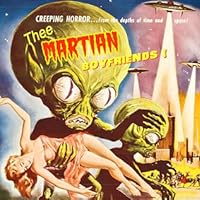
Black Coat Press has done us a great service in publishing Donald Sidney-Fryer's translation of this important and influential work. That being said, whoever okayed the cover illustration should be shot.

January 23, 2022
gaspard de la night

November 14, 2025
Elin Beş Parmağı
Şu şişko Flaman meyhanecidir başparmak, alaycı mizaçlı ve müstehcene düşkün, kapısının önünde sigara içen, bir duble Mart birası* tabelasında.
Karısıdır onun işaretparmağı, çiroz gibi kuru bir erkeksi kadın, daha sabahın köründe, kıskandığı hizmetçi kızı tokatlar, ve okşar sevdalı olduğu şişeyi.
Oğullardır ortaparmak, bu baltayla yontulmuş arkadaş, asker olurdu eğer meyhaneci olmasaydı, ve at olurdu elbet insan olmasaydı eğer.
Kızları olur onların yüzükparmağı, şu, hanımlara dantel satan ama süvarilere gülücük satmayan, şu çevik ve sinir bozucu Zerbine**.
Ve küçükparmak Bünyamin***'idir ailenin, bir dev anasının çengeline asılı bir küçük çocuk misali hep anasının kuşağında sallanan gözü suyu yumurcak.
Beş yapraklı en şaşırtıcı şebboydur**** elin beş parmağı ve çiçek bahçelerine hiç işlenmemiştir soylu Harlem kentinin.
Louis 'Aloysius' Bertrand -
Gaspard de la Nuit
( * ) : Büyük perhiz için hazırlanan koyu renkli bira.
( ** ) : Zerbine'in işlevi mizacı Molière'in Scapin'in Dolapları adlı oyununun kişilerinden olan ve baştan çıkartıcılığına karşın bu yeteneğini evleninceye kadar kullanmaya kararlı Zerbinette'e benzer.
( *** ) : Bünyamin (Benjamin) Yakub peygamberin en küçük ve en çok sevdiği çocuğuydu. Bir ailenin en küçük çocuğu anlamınada gelir.
( **** ) : Şebboy sözcüğü, Fransızcada "Beş parmağın izini bırakan şamar" deyiminde kullanılır.
Şu şişko Flaman meyhanecidir başparmak, alaycı mizaçlı ve müstehcene düşkün, kapısının önünde sigara içen, bir duble Mart birası* tabelasında.
Karısıdır onun işaretparmağı, çiroz gibi kuru bir erkeksi kadın, daha sabahın köründe, kıskandığı hizmetçi kızı tokatlar, ve okşar sevdalı olduğu şişeyi.
Oğullardır ortaparmak, bu baltayla yontulmuş arkadaş, asker olurdu eğer meyhaneci olmasaydı, ve at olurdu elbet insan olmasaydı eğer.
Kızları olur onların yüzükparmağı, şu, hanımlara dantel satan ama süvarilere gülücük satmayan, şu çevik ve sinir bozucu Zerbine**.
Ve küçükparmak Bünyamin***'idir ailenin, bir dev anasının çengeline asılı bir küçük çocuk misali hep anasının kuşağında sallanan gözü suyu yumurcak.
Beş yapraklı en şaşırtıcı şebboydur**** elin beş parmağı ve çiçek bahçelerine hiç işlenmemiştir soylu Harlem kentinin.
Louis 'Aloysius' Bertrand -
Gaspard de la Nuit
( * ) : Büyük perhiz için hazırlanan koyu renkli bira.
( ** ) : Zerbine'in işlevi mizacı Molière'in Scapin'in Dolapları adlı oyununun kişilerinden olan ve baştan çıkartıcılığına karşın bu yeteneğini evleninceye kadar kullanmaya kararlı Zerbinette'e benzer.
( *** ) : Bünyamin (Benjamin) Yakub peygamberin en küçük ve en çok sevdiği çocuğuydu. Bir ailenin en küçük çocuğu anlamınada gelir.
( **** ) : Şebboy sözcüğü, Fransızcada "Beş parmağın izini bırakan şamar" deyiminde kullanılır.
August 30, 2023
Oyaiiis ok bon qui s'en fout... JSP j'ai lu mieux pas dhumeur

November 16, 2020
Imaginemos estar sentados, durante la noche, en el banco de un parque y un extraño sujeto, sentándose a nuestro lado, entabla conversación sobre el arte, sobre su carácter divino cuando resulta absoluto, y sobre la figura del artista como simple copista del creador. Al final de la reflexión este nos acaba prestando un libro firmado por Gaspar de la noche, y al final se acaba descubriendo que dicha figura no era sino el mismo Diablo. Básicamente este es el inicio de la obra de Aloysius Bertrand (1807-1841).
‘Gaspar de la noche: fantasías a la manera de Rembrandt y de Callot’. Se compone de seis libros configurados por poemas en prosa, los cuales se constituyen bajo la forma de la balada en prosa, es decir siguiendo un procedimiento estrófico similar, cortado, y con cierto uso repetitivo de figuras retóricas. Además hay una clara influencia pictórica, ya el marbete lo indica «a la manera de Rembrandt y de Callot» que indican dos «características antitéticas» (p. 47), por un lado el elemento serio y hondo, y por otro el satírico y burlón. En los poemas además predominan las escenas estáticas, los diálogos, descripciones, y pese al carácter fragmentario de cada pieza hay una cierta intertextualidad.
Otra característica de la obra del Gaspar es que abunda en escenas y cuadros nocturnos —aunque no siempre— donde ese Diablo pinta situaciones trasladadas a la sociedad renacentista que unas veces resultan pintorescas, otras grotescas, de corte costumbrista, o incluso fantásticas —especialmente en el libro tercero—. Sea como fuere la importancia del Gaspar, amén de la curiosidad literaria que resulta para el lector actual, dimana porque el mismo Baudelaire, en el momento de la redacción de sus ‘Pequeños poemas en prosa’, le reconoció su importancia para la configuración del nuevo género, tan practicado y ampliamente mejorado por ulteriores literatos. De hecho ya el mismo Aloysius parecía consciente de la novedad de su obra, novedad que a su muerte todavía la consideraba en deshabillé —se publicó póstumamente en 1842—, y la concibe como una rareza que tal vez en el futuro a algún bibliófilo «se le ocurra exhumar» (p, 49).
Y si bien es cierto que no fue el primero en practicar este género, si parece que marcó un antes y un después definitivo. Porque el ‘Gaspar de la noche’, contra la creencia de su autor ha traspasado el interés de unos cuantos bibliófilos.
***
UN SUEÑO
«He soñado eso y más, pero no entiendo ni jota»
(Pantagruel, Libro III)
Era de noche. Primero fueron —como lo vi lo cuento— una abadía de muros agrietados por la luna, un bosque atravesado por senderos tortuosos, y el Morimont hormigueante de capas y sombreros.
Después fueron —como lo oí lo cuento— el tañido fúnebre de una campana al que respondían los sollozos fúnebres de una celda, gritos plañideros y risotadas feroces que hacían estremecerse cada hoja a lo largo de toda la enramada, y las plegarias runruneantes de los penitentes negros que acompañaban a un criminal al suplicio.
Por fin fueron —como acabó el sueño, así lo cuento— un monje que expiraba acostado en la ceniza de los agonizantes, una joven que se debatía colgada de las ramas de una encina. Y yo, desmelenado, que me ataba el verdugo a los radios de la rueda.
Don Agustín, el prior difunto, tendrá las nonras de la capilla ardiente en hábito de franciscano, y Margarita, a quien mató su amante, será enterrada con su túnica blanca de inocencia entre cuatro cirios de cera.
En cuanto a mí, la barra del verdugo se había quebrado al primer golpe como un cristal, las antorchas de los penitentes negros se habían apagado bajo torrentes de lluvia, la multitud se había retirado con los arroyos desbordantes y rápidos, y yo proseguía con nuevos sueños hacia el despertar.
‘Gaspar de la noche: fantasías a la manera de Rembrandt y de Callot’. Se compone de seis libros configurados por poemas en prosa, los cuales se constituyen bajo la forma de la balada en prosa, es decir siguiendo un procedimiento estrófico similar, cortado, y con cierto uso repetitivo de figuras retóricas. Además hay una clara influencia pictórica, ya el marbete lo indica «a la manera de Rembrandt y de Callot» que indican dos «características antitéticas» (p. 47), por un lado el elemento serio y hondo, y por otro el satírico y burlón. En los poemas además predominan las escenas estáticas, los diálogos, descripciones, y pese al carácter fragmentario de cada pieza hay una cierta intertextualidad.
Otra característica de la obra del Gaspar es que abunda en escenas y cuadros nocturnos —aunque no siempre— donde ese Diablo pinta situaciones trasladadas a la sociedad renacentista que unas veces resultan pintorescas, otras grotescas, de corte costumbrista, o incluso fantásticas —especialmente en el libro tercero—. Sea como fuere la importancia del Gaspar, amén de la curiosidad literaria que resulta para el lector actual, dimana porque el mismo Baudelaire, en el momento de la redacción de sus ‘Pequeños poemas en prosa’, le reconoció su importancia para la configuración del nuevo género, tan practicado y ampliamente mejorado por ulteriores literatos. De hecho ya el mismo Aloysius parecía consciente de la novedad de su obra, novedad que a su muerte todavía la consideraba en deshabillé —se publicó póstumamente en 1842—, y la concibe como una rareza que tal vez en el futuro a algún bibliófilo «se le ocurra exhumar» (p, 49).
Y si bien es cierto que no fue el primero en practicar este género, si parece que marcó un antes y un después definitivo. Porque el ‘Gaspar de la noche’, contra la creencia de su autor ha traspasado el interés de unos cuantos bibliófilos.
***
UN SUEÑO
«He soñado eso y más, pero no entiendo ni jota»
(Pantagruel, Libro III)
Era de noche. Primero fueron —como lo vi lo cuento— una abadía de muros agrietados por la luna, un bosque atravesado por senderos tortuosos, y el Morimont hormigueante de capas y sombreros.
Después fueron —como lo oí lo cuento— el tañido fúnebre de una campana al que respondían los sollozos fúnebres de una celda, gritos plañideros y risotadas feroces que hacían estremecerse cada hoja a lo largo de toda la enramada, y las plegarias runruneantes de los penitentes negros que acompañaban a un criminal al suplicio.
Por fin fueron —como acabó el sueño, así lo cuento— un monje que expiraba acostado en la ceniza de los agonizantes, una joven que se debatía colgada de las ramas de una encina. Y yo, desmelenado, que me ataba el verdugo a los radios de la rueda.
Don Agustín, el prior difunto, tendrá las nonras de la capilla ardiente en hábito de franciscano, y Margarita, a quien mató su amante, será enterrada con su túnica blanca de inocencia entre cuatro cirios de cera.
En cuanto a mí, la barra del verdugo se había quebrado al primer golpe como un cristal, las antorchas de los penitentes negros se habían apagado bajo torrentes de lluvia, la multitud se había retirado con los arroyos desbordantes y rápidos, y yo proseguía con nuevos sueños hacia el despertar.

August 4, 2020
Maravilloso, único y vanguardista.
Disfruté enormemente este pequeño gran libro.
Las ilustraciones son exquisitas, y ni hablar de la obra en sí.
Sutiles, interesantes, sugestivas, reflexivas, satíricas, cada una de estas piezas, cada pequeño poema en prosa está meticulosamente calculado para efectuar algo en el lector. Es justo el tipo de literatura que más me gusta.
Sin más que agregar, muchísimas gracias Aloysius Bertrand por crear semejante obra, que aún al día de hoy, continúa inspirando a los poetas por venir.
Disfruté enormemente este pequeño gran libro.
Las ilustraciones son exquisitas, y ni hablar de la obra en sí.
Sutiles, interesantes, sugestivas, reflexivas, satíricas, cada una de estas piezas, cada pequeño poema en prosa está meticulosamente calculado para efectuar algo en el lector. Es justo el tipo de literatura que más me gusta.
Sin más que agregar, muchísimas gracias Aloysius Bertrand por crear semejante obra, que aún al día de hoy, continúa inspirando a los poetas por venir.
April 29, 2024
A good little impulse borrowing from the library, collection of Gothic Short (incredibly short, often just a page or 2) stories - influential after its time, as far as I understand it, for being an early example of poetry in prose form (a willingness to eschew form, loose narrative more based on images.)
Would go on to influence Mallarmé, Breton and Ravel (his suite is where I had heard of this.)
To read in French must have dictionary / phone to hand as there are lots of very specific words (gnomes, sprites this kind of shit). But very fun, kind of hit or miss but the hits are wonderful.
Would go on to influence Mallarmé, Breton and Ravel (his suite is where I had heard of this.)
To read in French must have dictionary / phone to hand as there are lots of very specific words (gnomes, sprites this kind of shit). But very fun, kind of hit or miss but the hits are wonderful.

March 30, 2023
(quelques pièces détachées que j'ai pas lu)
ensemble incroyable j'ai adoré !! Le livre "la nuit et ses prestiges" est le meilleur : poésie horrifique ?? j'avais jamais vu ça encore, très inspirant, très perturbant, burlesque, carnavalesque, ça danse, ça bouge, ça tue, ça rigole... bien que "l'effet" de lecture est déroutant (termes médiévaux, lexique ancien...) la musicalité, la sensibilité poétique d'Aloysius Bertrand le transperce et nous atteint toujours
ensemble incroyable j'ai adoré !! Le livre "la nuit et ses prestiges" est le meilleur : poésie horrifique ?? j'avais jamais vu ça encore, très inspirant, très perturbant, burlesque, carnavalesque, ça danse, ça bouge, ça tue, ça rigole... bien que "l'effet" de lecture est déroutant (termes médiévaux, lexique ancien...) la musicalité, la sensibilité poétique d'Aloysius Bertrand le transperce et nous atteint toujours
July 4, 2011
perfect, amazing, poetic

August 31, 2012
El libro, muy breve, me encantó. Combina surrealismo febril (parece que el autor se estaba muriendo de tuberculosis cuando lo escribió) con belleza poética.

January 12, 2025
2,5/5
Je lis trop peu de prose. Mais ici avec Aloysius Bertrand, lorsque l’on compare la lune brillant dans le ciel à un écu d’argent sur une bannière d’azur semée d’abeilles d’or : oui on m’a convaincue d’en lire plus.
J’ai trouvé cette édition établie par Max Milner particulièrement bien construite.
Tout d’abord la préface de Milner m’a été d’une grande aide pour comprendre le contexte dans lequel a été écrit cet ouvrage et également cela m’a permis de m’éclairer sur un fait, et pas des moindres : Aloysius Bertrand est le premier poète a avoir écrit de la prose.
Ensuite j’ai beaucoup aimé le genre de « récit-cadre » que nous offre le poète pour nous introduire au recueil. En effet, ce dernier ne serait pas écrit par le poète lui-même - si l’on en croit le prologue - mais ce serait en réalité un recueil écrit par Gaspard de la Nuit, figure volatile que rencontre le poète et qui s’évapore mystérieusement lorsque le poète veut rendre le manuscrit que lui a prêté celui-ci. Dans ce récit-cadre, on y aborde des questions clefs sur l’Art et sur cette quête d’Art qui préoccupe le poète. Également, on y parle de Dieu et de Satan qui, si l’on en croit les passants interrogés par le poète, serait Gaspard de la Nuit lui-même.
Certaines parties m’ont énormément plu, d’autres ont été plus laborieuses à lire pour moi … Je pense notamment aux « Appendices » qui se détachaient vraiment du reste selon moi … J’ai moins aimé le deuxième livre, le quatrième et le sixième : ce qui correspond à la grosse moitié du recueil ; c’est ce qui explique mon ressenti en « demi-teinte » …
Je suis tout de même très heureuse d’avoir découvert cette œuvre !
Je lis trop peu de prose. Mais ici avec Aloysius Bertrand, lorsque l’on compare la lune brillant dans le ciel à un écu d’argent sur une bannière d’azur semée d’abeilles d’or : oui on m’a convaincue d’en lire plus.
J’ai trouvé cette édition établie par Max Milner particulièrement bien construite.
Tout d’abord la préface de Milner m’a été d’une grande aide pour comprendre le contexte dans lequel a été écrit cet ouvrage et également cela m’a permis de m’éclairer sur un fait, et pas des moindres : Aloysius Bertrand est le premier poète a avoir écrit de la prose.
Ensuite j’ai beaucoup aimé le genre de « récit-cadre » que nous offre le poète pour nous introduire au recueil. En effet, ce dernier ne serait pas écrit par le poète lui-même - si l’on en croit le prologue - mais ce serait en réalité un recueil écrit par Gaspard de la Nuit, figure volatile que rencontre le poète et qui s’évapore mystérieusement lorsque le poète veut rendre le manuscrit que lui a prêté celui-ci. Dans ce récit-cadre, on y aborde des questions clefs sur l’Art et sur cette quête d’Art qui préoccupe le poète. Également, on y parle de Dieu et de Satan qui, si l’on en croit les passants interrogés par le poète, serait Gaspard de la Nuit lui-même.
Certaines parties m’ont énormément plu, d’autres ont été plus laborieuses à lire pour moi … Je pense notamment aux « Appendices » qui se détachaient vraiment du reste selon moi … J’ai moins aimé le deuxième livre, le quatrième et le sixième : ce qui correspond à la grosse moitié du recueil ; c’est ce qui explique mon ressenti en « demi-teinte » …
Je suis tout de même très heureuse d’avoir découvert cette œuvre !

January 31, 2026
i thought sidney-fryer's english sounded a little odd in his intro, and was dispirited to discover he's a clark ashton smith acolyte, so im unsure how much of what i was disappointed in here is down to his influence
August 4, 2025
chiant comme la nuit

April 9, 2014
Bertrand mi ha incuriosito: precipuamente per aver influenzato Baudelaire, nella stesura dello: "Spleen di Parigi", e poi, perché considerato il "padre" del poema in prosa francese. La musicalità delle parole l'ho avvertita suadente ed armonica, ma avendo letto poco prima quel capolavoro di ferocia, che è: " I canti di Maldoror", temo che Lautreamont, abbia contribuito ad offuscare quell'appagamento un po' sadico, che di norma è il mio metro di giudizio per valutare questo tipo di opere.

Read
November 16, 2010Fantasie bizzarre, scomposte, intuitive e fertili. Sarebbe da salvare solo per l'influenza che ha avuto su altri autori, dalle meraviglie pianistiche di Ravel ai poemetti parigini di Baudelaire.
November 8, 2012
A poor translation of a superlative book.

March 3, 2016
Un style vraiment très particulier auquel je n'ai pas su accrocher.

October 14, 2021
идеальная интерлюдия между большими чтениями, всегдашний источник радости возвращаться и всё ещё самые красивые стихотворения в прозе
Displaying 1 - 30 of 53 reviews