Forest Bathing is more than just a walk in the woods. It is the practice of mindfully reconnecting with nature using the five senses, and there is a huge and growing body of evidence attesting to its many health benefits, which
• Reducing blood pressure
• Lowering stress
• Improving cardiovascular and metabolic health
• Lowering blood-sugar levels
• Improving concentration and memory
• Lifting depression
• Improving pain thresholds
• Improving energy
• Boosting the immune system with an increase in the count of the body’s natural killer (NK) cells
• Increasing anti-cancer protein production
• Helping lose weight
The Forest Bathing Institute has been championing this practice for several years, liaising with universities and government to research and publicise its merits and training hundreds of practitioners to spread the word. Now, for the first time, its founders share their 'Forest Bathing +' method in this lush and definitive guide. Endlessly informative and with beautiful photographs, The Healing Power of Trees not only helps you plan your next forest-bathing trip, it also brings some of the benefits of communing with nature into your own home.
Ideally, we should be spending around 80 per cent of our time in parasympathetic nervous system activity – actively relaxed, at ease, peaceful and happy. No lions to chase us, no last-minute deadlines to complete. However, with the speed of life that we are currently experiencing, the sympathetic nervous system seems to have taken over and many of us can spend 60–80 per cent of our time caught up in fight-flight-or-freeze. If you take a moment to think about the pace of your everyday life, would you say that you find it stressful? From the moment we get up in the morning, we face more potential stressors than any generation before us.
When I became an nature lover, I did so for the beauty of nature, the exhilaration of the hikes, the way I felt in the landscape and afterwards. It truly turned me into a poet and artist in photography, without ever having heard of any of this research. This book was a perfect, accessible little guide to why it is so so good for us to pay attention to nature, and I hope that it can inspire people to have an open mind and try some of the ideas in the book, some new to me, and reap the benefits of being where we belong.
It is a decently long drive for me to get to a state park, and longer for national parks and forest lands, but any green space can have hidden pockets that you can use for these. We have to do it for ourselves, our health, our loved ones, but also for our survival on this planet. If too many people see no value in green space, plants, wildlife, we will continue our destruction of the planet. It is insanity to turn away from the outdoors world that we are part of and think walls, ceilings, screens can nourish us.
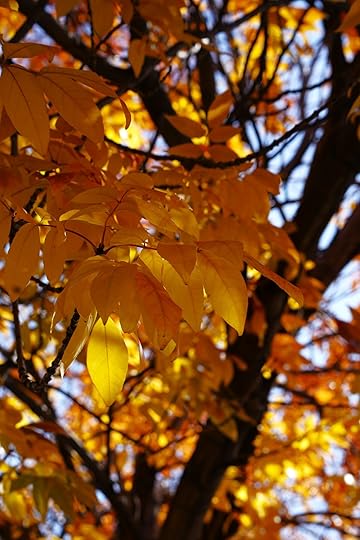
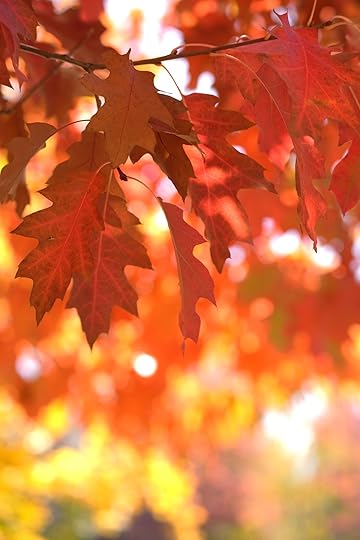
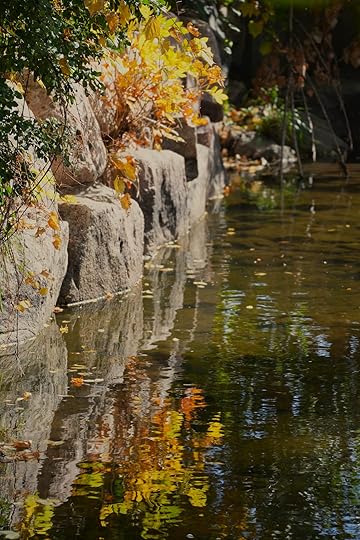
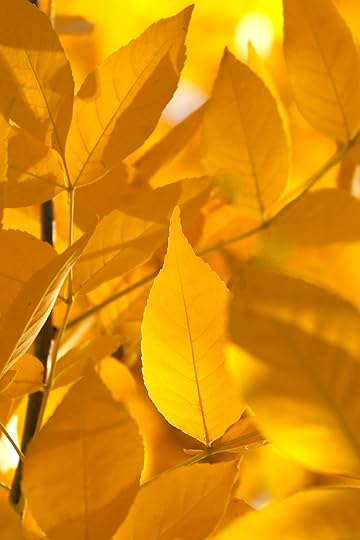
A few of my photos from a city park recently:
The research shows that as little as 20 minutes of nature immersion a day can bring about favourable changes. A recent study by Dr Hopman concluded that just a 20-minute walk through a city botanical garden can enhance cognition and memory, and improve general feelings of wellbeing. (She also noted, however, that people who use their mobile phones during the walk did not experience the benefits.7) These findings were reaffirmed by a study at the University of Michigan, showing that as little as 20 minutes in nature three times a week resulted in an efficient decrease in stress hormones. The optimal time was found to be between 20 and 30 minutes, and benefits continued to accrue after 30 minutes, though at a reduced rate.8 The miraculous benefits of just 20 minutes in nature are explained by the ‘soft fascination’ mode that our brain enters when in nature. This mode is associated with resetting our brain after periods of intense focus, which helps us think, process information and problem-solve more effectively.
A 2005 survey in Finland concluded that city dwellers felt less stressed and happier when they had at least five hours of nature exposure a month – and that a greater amount of exposure brought extra benefits.
Three days is the ideal amount of time we should be spending outdoors off-grid every year. This could be camping or renting a cabin in a nature reserve or national park, on your own or with family and friends. In his research, Professor Li has found out that the immune system experiences a dramatic boost, demonstrated by an increased NK (natural killer) cell activity, after three days and two nights of forest immersion.11 This increased cell activity lasted for more than one month after the immersion (suggesting that one trip every month would be the ideal schedule to maintain a consistently higher level of NK activity).
Amos Clifford, the founder of Association of Nature and Forest Therapy (ANFT), has noted that our pace of walking is often linked to our pace of thinking.13 Imagine walking somewhere while you are having to make a quick decision about something or are feeling very stressed – many of us would find that our pace increases (and, consequently, we would not normally notice much of our surroundings – to the point that we might even find ourselves somewhere we don’t know, wondering how we got there!)
Studies show that some of the most relaxing colours are green and blue, which are abundantly present in nature and often forests.17 Equally, observing different textures and patterns can also have a positive effect on our wellbeing. For instance, studies suggest that exposure to fractal patterns can have positive effects on mental health, cognitive function and overall quality of life. Fractals are complex geometric patterns that repeat at different scales, found in nature, art and mathematics. Research suggests that exposure to natural fractal patterns, such as those found in trees, clouds and coastlines, can have a calming effect on the mind and body. Viewing fractals has been linked to reduced stress levels and improved mood.18 Furthermore, some studies indicate that looking at fractal patterns can help improve focus, concentration and cognitive performance.19 The intricate and self-similar nature of fractals may engage the brain in a way that promotes concentration and mental clarity. A systematic review of 37 studies into the physiological benefits of viewing nature concluded that looking at images of nature can have a positive physiological effect, and that effect is even greater when we are in nature.
This book was interesting but I don't think it is very practical. I don't have hours to spend in a forest although I'd love it. It would be a long drive each time. I have a small city park with some trees I walk to most days and a small woods in a park fairly near here, but it's not much. I will try to go more often, but every day is not possible.
A coffee table style book with the step-by-step guidelines for building your own forest bathing practice. It's okay (a bit simplistic). I was hoping for more research and facts (there are some, just not a lot) on healing through trees but this is more of an instruction manual. I got a few good ideas and did screenshot some facts I want to remember.
Reading the book is almost as peaceful as being out among the trees. And a very beautiful book that would be a wonderful add to a coffee table or shelf collection.