

What do you think?

ضد النسوية البيضاء: ملاحظات على مواطن الخلل
من الأفضل أن تكوني الخادمة السمراء أو السوداء أو الآسيوية الجيدة للحركة النسوية السائدة، تطمئنين النساء البيض بأنهنَّ يفعلنَ كل شيء بشكل صحيح، وأن الشكاوى هي نتاج فرط الحساسية أو سوء الفهم أو الغيرة - أي شيء عدا القوة المهيمنة للبياض داخل الحركة النسوية نفسها.
هذا الكتاب دعوة ملحَّة لجميع النسويات، غير البيضاوات، في العالم للبدء في سرد قصصهن بأنفسهن، لتغيير الصورة النمطية التي أطَّرتهنَّ فيها النسوية البيضاء وتتعامل مع جميع قضاياهنَّ على أساسها، والنتيجة لا تخفى على أحد، أوضاع النساء تزداد تدهورًا. آن الأوان للكف عن الدوران في حلقات مُفرغة وهدر الأموال الطائلة على عقد المؤتمرات وورشات التمكين والدعم التي لن يجدي عقد المئات منها نفعًا بهذه الذهنية. آمل أن تفسح ترجمة هذا الكتاب إلى اللغة العربية الفرصة، أمام النسويات العربيات تحديدًا، لإعادة النظر بعلاقتهنَّ مع الحركة النسوية وتقييمها من منظورهن الخاص. ففي العالم العربي نسويات بطلات يعتدُّ بهنَّ، لكن النسوية البيضاء لن تعترف بهنَّ ما لم يحققنَ المعايير التي وضعتْها لتعتبر النساء نسويات؛ كأن يركبنَ على لوح التزلج بحجابهن، أو يسرن حاملات اللَّافتات، أو يكتبن كتابًا عن الجنس، أو يهربن إلى الغرب. هذا ما يجب بدء العمل على تغييره.
هذا الكتاب دعوة ملحَّة لجميع النسويات، غير البيضاوات، في العالم للبدء في سرد قصصهن بأنفسهن، لتغيير الصورة النمطية التي أطَّرتهنَّ فيها النسوية البيضاء وتتعامل مع جميع قضاياهنَّ على أساسها، والنتيجة لا تخفى على أحد، أوضاع النساء تزداد تدهورًا. آن الأوان للكف عن الدوران في حلقات مُفرغة وهدر الأموال الطائلة على عقد المؤتمرات وورشات التمكين والدعم التي لن يجدي عقد المئات منها نفعًا بهذه الذهنية. آمل أن تفسح ترجمة هذا الكتاب إلى اللغة العربية الفرصة، أمام النسويات العربيات تحديدًا، لإعادة النظر بعلاقتهنَّ مع الحركة النسوية وتقييمها من منظورهن الخاص. ففي العالم العربي نسويات بطلات يعتدُّ بهنَّ، لكن النسوية البيضاء لن تعترف بهنَّ ما لم يحققنَ المعايير التي وضعتْها لتعتبر النساء نسويات؛ كأن يركبنَ على لوح التزلج بحجابهن، أو يسرن حاملات اللَّافتات، أو يكتبن كتابًا عن الجنس، أو يهربن إلى الغرب. هذا ما يجب بدء العمل على تغييره.
272 pages, Paperback
First published August 17, 2021
About the author
Rafia Zakaria
8 books205 followersRafia Zakaria is American attorney, feminist, journalist, political philosopher and the author of "The Upstairs Wife: An Intimate History of Pakistan", "Against White Feminism" and "Veil".
Ratings & Reviews
Friends & Following
Create a free account to discover what your friends think of this book!
Community Reviews
Displaying 1 - 30 of 707 reviews

December 26, 2021
I read a lot of reviews on this book before getting it. It's open season on Whites these days, whether I'm White or not depends on who's writing the book. This author quotes Simone de Beauvoir talking about 'Blacks and Jews' as other, so I guess I'm not. Two of my sons are definitely Black in any case!
It does seem though that sweeping statements like "all while branding the language of the movement itself in whiteness and speaking over Black and Brown women in an effort to uphold privilege and perceived cultural superiority" as though this happened all the time, at every meeting, that non-white women would be ignored, because the feminists were at base White Supremacists. AND at this so-woke time of the present, it is accepted and praised without questioning, because to question this or any other statement made by a non-White is automatically to mean the questioner is racist and exhibiting white fragility.
Rant, long one
We need to work together to build a better society, and the present activist movements whether feminism, education or anything else are not at all about 'together', they are about blame and divisiveness. About setting one group against another, about making people frightened to express a dissenting opinion. Insectionality taking a leaf from the colonialist divide and conquer modus operandi.
I don't like racism obviously and given my mixed-race family have a personal stake in it, but the polarisation of political thought will swing the wrong way. In the secrecy of the ballot box where they can't be castigated or cancelled, people opposed to these bitter, often spiteful attempts that take everything to extremes and ignore science, facts and don't allow dissenting opinions will vote against them, it's playing into Rightwing hands. And we all know what that means for the US.
It does seem though that sweeping statements like "all while branding the language of the movement itself in whiteness and speaking over Black and Brown women in an effort to uphold privilege and perceived cultural superiority" as though this happened all the time, at every meeting, that non-white women would be ignored, because the feminists were at base White Supremacists. AND at this so-woke time of the present, it is accepted and praised without questioning, because to question this or any other statement made by a non-White is automatically to mean the questioner is racist and exhibiting white fragility.
Rant, long one
We need to work together to build a better society, and the present activist movements whether feminism, education or anything else are not at all about 'together', they are about blame and divisiveness. About setting one group against another, about making people frightened to express a dissenting opinion. Insectionality taking a leaf from the colonialist divide and conquer modus operandi.
I don't like racism obviously and given my mixed-race family have a personal stake in it, but the polarisation of political thought will swing the wrong way. In the secrecy of the ballot box where they can't be castigated or cancelled, people opposed to these bitter, often spiteful attempts that take everything to extremes and ignore science, facts and don't allow dissenting opinions will vote against them, it's playing into Rightwing hands. And we all know what that means for the US.

September 2, 2021
"The goal here is not to expel white women from feminism, but to excise whiteness, with all its assumptions of privilege and superiority, so as to foster the freedom and empowerment of all women."
Against White Feminism is a brilliant analysis of how white feminism has traditionally and is currently failing to include all women, and how it upholds white supremacy.
Author Rafia Zakaria describes why feminism is long overdue for a transformation so that it includes and works for the benefit of all women, not just middle and upper class cis white women.
Ms Zakaria mainly focuses on the (many) ways in which women of colour are harmed by traditional feminism but she also notes that traditional feminism excludes the needs of LGBQTIA2S people, instead centering around white, middle-upper class, straight, cis-gender women as though the rest of us either don't exist, aren't real women, or need to be "rescued" by the "true" feminists, the white, middle-upper class, straight, cis women.
Anyone who calls themself a feminist should read this book and others like it, such as White Tears/Brown Scars: How White Feminism Betrays Women of Color. I learned so much from both of these books and am grateful to the authors for their insight and courage in speaking out.
"When you are called out for white feminism, this is not a mere description of your racial heritage, something you may feel guilty about but can do nothing to change. It is a description of your words and actions. It is crucial that white women realize whiteness is not construed as a biological category but as a set of practices and ideas that have emerged from the bedrock of white supremacy, itself the legacy of empire and slavery."
Against White Feminism is a brilliant analysis of how white feminism has traditionally and is currently failing to include all women, and how it upholds white supremacy.
Author Rafia Zakaria describes why feminism is long overdue for a transformation so that it includes and works for the benefit of all women, not just middle and upper class cis white women.
Ms Zakaria mainly focuses on the (many) ways in which women of colour are harmed by traditional feminism but she also notes that traditional feminism excludes the needs of LGBQTIA2S people, instead centering around white, middle-upper class, straight, cis-gender women as though the rest of us either don't exist, aren't real women, or need to be "rescued" by the "true" feminists, the white, middle-upper class, straight, cis women.
Anyone who calls themself a feminist should read this book and others like it, such as White Tears/Brown Scars: How White Feminism Betrays Women of Color. I learned so much from both of these books and am grateful to the authors for their insight and courage in speaking out.
"When you are called out for white feminism, this is not a mere description of your racial heritage, something you may feel guilty about but can do nothing to change. It is a description of your words and actions. It is crucial that white women realize whiteness is not construed as a biological category but as a set of practices and ideas that have emerged from the bedrock of white supremacy, itself the legacy of empire and slavery."

October 15, 2021
It pains me to rate "Against White Feminism" this way. But I'm very frustrated with this book, and somewhat perplexed. Significant portions contain fairly blatant (t)radfem/TERF/SWERF dogwhistles, from the sneering at women who are very sexually active, to the simplistic and inaccurate positing of "asexuality" as the nonsexual counterpart to a boogeyman "hypersexual culture."
Then, there's the comparison of FGM, most of whose victims are children and even babies, with cosmetic surgery, largely attained by adults capable of consent, with no attention to the differences between bodily injury mandated by family members/communities and bodily injury glorified by society but not enforced.
Lastly, there's the utter lack of trans people, particularly trans women, in this entire book, matched with an uncomfortable willingness to sympathize with reactionary feminists (even amidst rightful criticism) of the 70s and 80s, despite their racism. This, matched with a complete elision of the specific issues faced by trans women (and largely of trans women as a group, in general) under a system of racialized transmisogyny, is glaring; alongside the sexual politics of this book and its choice not to unequivocally reject the violently bioessentialist politics of reactionary feminism in decades past and today, makes it impossible for me to recommend this to anyone, despite its astute, forthright, and necessary observations about racialized misogyny.
Then, there's the comparison of FGM, most of whose victims are children and even babies, with cosmetic surgery, largely attained by adults capable of consent, with no attention to the differences between bodily injury mandated by family members/communities and bodily injury glorified by society but not enforced.
Lastly, there's the utter lack of trans people, particularly trans women, in this entire book, matched with an uncomfortable willingness to sympathize with reactionary feminists (even amidst rightful criticism) of the 70s and 80s, despite their racism. This, matched with a complete elision of the specific issues faced by trans women (and largely of trans women as a group, in general) under a system of racialized transmisogyny, is glaring; alongside the sexual politics of this book and its choice not to unequivocally reject the violently bioessentialist politics of reactionary feminism in decades past and today, makes it impossible for me to recommend this to anyone, despite its astute, forthright, and necessary observations about racialized misogyny.

September 22, 2021
This book was refreshingly empirical. I enjoyed its blunt truths. Although I'm a white person I didn't feel pushed away by Zakaria's thesis--I felt invited to re-examine the goals of feminism as they have been defined by Western white women. I was asked to consider all the ways that cultural bias, Western economic values, and the residue of colonialism have warped feminist thinking, and have impeded progress for all genders. I was moved by what Zakaria wrote about her personal experiences, and I was persuaded by her arguments. Although the title of her book feels deliberately antagonistic, the book itself is nuanced and inclusive, where I could see how white women have also been hurt by adopting definitions of female empowerment that are exclusionary and competitive and, well, male. I suggest you read it.

October 28, 2021
Can a 61-year-old feminist (who is white) criticize Rafia Zakaria's book, Against White Feminism, without being summarily dismissed? Well, I'm going to try.
Yes, there is a problem with white feminism. Yes, there are many things we need to do better - yielding the floor, listening, owning our contributions to the status quo, acknowledging white privilege, etc. Does Zakaria's book move this conversation along - does it disrupt current thinking (by white feminists) enough to open the door wide?
No, it doesn't. It's more effective at slamming the door closed.
If you read her book, I suggest starting with the conclusion that presents a bridge to reconciliation. But I'm unsure if this chapter reflects Zakaria's thinking or her publisher's desire to end the book on a conciliatory note? The last chapter is the first place where the author invites discourse, but at the same time, its writing contrasts so strongly with the preceding chapters it's hard to believe they're part of the same book.
If Zakaria wants discourse, why did she summarily dismiss and disparage Joan Smith after her unfavorable (but well-founded) review in The Guardian (https://www.thetimes.co.uk/article/ag...). Zakaria outright ripped Joan Smith a new one on Twitter.
From Joan Smith's review: "The book’s most serious flaw lies in its singularly ill-informed account of modern feminism. If the movement has a single unifying feature it is an analysis of the way oppression of women is linked to female bodies, regardless of race, class, age, religion or sexual orientation. Yet this is precisely what Zakaria denies: “An aversion to acknowledging lived trauma permeates white feminism, which in turn produces a discomfort and alienation from women who have experienced it.”
Likewise, the comments by Zakaria's fans to the 1- and 2-star reviews are often scathing rants directed at the reviewer's as people. Lesson? Disagree and suffer the consequences.
Where does the book's argument fail? First, much of the book is a scathing dismantling of colonialization. I don't disagree with the author on the horrific policies of this period, nor their lasting impact. But is this a legacy of white feminism? Gertrude Bell is one woman she calls explicitly out. Yet, Bell was a leader of the anti-suffrage movement in England. Far from being a feminist, Bell was an upper-class imperialist antifeminist. Zakaria makes similar mischaracterizations of early feminists, including Simone de Bouvier.
Another notable fail in the book was the entire discussion on FGM. First, Zakaria minimizes the horror of this act by stating that now only 8% of at-risk girls experience FGM, compared to much higher historical numbers (implying it's no longer a problem - unless you're one of 8%). She describes FGM as more typically a symbolic snip or cut and uses the term FGC instead of FGM. She considers any concern or action against FGM by white people as culturally insensitive. Finally, the author embarks on a long discussion about Sweden's response to FGM - calling for the gynecologic examination of at-risk girls. She blames this overreaction on white feminists. But who called out for this Swedish policy? Swedish-Somali activist Anissa Mohammed Hassan (https://www.theguardian.com/society/2...). Finally, I push back on Zakaria's lumping of FGM with breast augmentation. I disagree that FGM committed on underage girls is equivalent to a surgery consenting aged adults undergo.
I get it that Zakaria is intentionally provocative in her book. She is correct that racism, white privilege, colonial-era attitudes, and more contribute to the disenfranchisement of POC from the feminist movement. But does she succeed in offering disruptive solutions? No.
I'm giving this book 3-stars because it pushed me to do a lot of follow-on research. But there are so many flaws part of me wants to give it 2-stars, or even 1.
Yes, there is a problem with white feminism. Yes, there are many things we need to do better - yielding the floor, listening, owning our contributions to the status quo, acknowledging white privilege, etc. Does Zakaria's book move this conversation along - does it disrupt current thinking (by white feminists) enough to open the door wide?
No, it doesn't. It's more effective at slamming the door closed.
If you read her book, I suggest starting with the conclusion that presents a bridge to reconciliation. But I'm unsure if this chapter reflects Zakaria's thinking or her publisher's desire to end the book on a conciliatory note? The last chapter is the first place where the author invites discourse, but at the same time, its writing contrasts so strongly with the preceding chapters it's hard to believe they're part of the same book.
If Zakaria wants discourse, why did she summarily dismiss and disparage Joan Smith after her unfavorable (but well-founded) review in The Guardian (https://www.thetimes.co.uk/article/ag...). Zakaria outright ripped Joan Smith a new one on Twitter.
From Joan Smith's review: "The book’s most serious flaw lies in its singularly ill-informed account of modern feminism. If the movement has a single unifying feature it is an analysis of the way oppression of women is linked to female bodies, regardless of race, class, age, religion or sexual orientation. Yet this is precisely what Zakaria denies: “An aversion to acknowledging lived trauma permeates white feminism, which in turn produces a discomfort and alienation from women who have experienced it.”
Likewise, the comments by Zakaria's fans to the 1- and 2-star reviews are often scathing rants directed at the reviewer's as people. Lesson? Disagree and suffer the consequences.
Where does the book's argument fail? First, much of the book is a scathing dismantling of colonialization. I don't disagree with the author on the horrific policies of this period, nor their lasting impact. But is this a legacy of white feminism? Gertrude Bell is one woman she calls explicitly out. Yet, Bell was a leader of the anti-suffrage movement in England. Far from being a feminist, Bell was an upper-class imperialist antifeminist. Zakaria makes similar mischaracterizations of early feminists, including Simone de Bouvier.
Another notable fail in the book was the entire discussion on FGM. First, Zakaria minimizes the horror of this act by stating that now only 8% of at-risk girls experience FGM, compared to much higher historical numbers (implying it's no longer a problem - unless you're one of 8%). She describes FGM as more typically a symbolic snip or cut and uses the term FGC instead of FGM. She considers any concern or action against FGM by white people as culturally insensitive. Finally, the author embarks on a long discussion about Sweden's response to FGM - calling for the gynecologic examination of at-risk girls. She blames this overreaction on white feminists. But who called out for this Swedish policy? Swedish-Somali activist Anissa Mohammed Hassan (https://www.theguardian.com/society/2...). Finally, I push back on Zakaria's lumping of FGM with breast augmentation. I disagree that FGM committed on underage girls is equivalent to a surgery consenting aged adults undergo.
I get it that Zakaria is intentionally provocative in her book. She is correct that racism, white privilege, colonial-era attitudes, and more contribute to the disenfranchisement of POC from the feminist movement. But does she succeed in offering disruptive solutions? No.
I'm giving this book 3-stars because it pushed me to do a lot of follow-on research. But there are so many flaws part of me wants to give it 2-stars, or even 1.

July 27, 2021
This may be the most racist & hateful manifesto I’ve ever digested.
Shame on you for spreading lies and hate.
Not to mention rife with jealousy & self hatred.
Shame on you for spreading lies and hate.
Not to mention rife with jealousy & self hatred.
August 17, 2021
Intellectually lazy and gratuitously antagonistic--most likely with the goal of increasing sales by aspiring to be "provocative". The title is needlessly inflammatory and foments outrage much like Fox News. When you confound the notion of white women with women of privilege who are of Anglo Saxon or western European elites you essentially dismiss women who appear to be "white" physically but are Slavic, Persian, Romanian, Lebanese, Armenian etc... and you relegate their struggles and their contributions to the dustbin with one pathetic reductionist, woefully inaccurate term. Well this Slavic woman whose immigrant mother and grandmother struggled to overcome deeply entrenched patriarchal values and misogyny is not impressed. This author is the flip side of a die-hard Trumpist fundie--different lens but same narrow, unhinged and unenlightened way of delivering her point of view. And it is just that--a point of view although deeply warped and myopic.
July 27, 2021
Another racist book that attacks productive thinking and action. The intersectional Marxists won’t stop until they’ve alienated every “group” from all others. This book claims that white women somehow have different wants, needs, and values than women that aren’t white—mental acrobatics at its best. It also ignores all of the women, that aren’t white, that have played a role in American feminism. Another Marxist tactic—rewriting history. And simple-minded fascists eat it up, ignoring their families and humanity because of their psychotic, imaginary obsessions.

March 7, 2021
“A white feminist is someone who refuses to consider the role that whiteness and the racial privilege attached to it have played,” Zakaria writes. And you do not have to be white to be a white feminist, she contends. This necessary book is a critique of how whiteness (not white women) has infiltrated feminism and how it should be razor-bladed out of the current form. What does this mean? Look around. Who are the feminists writing about feminism or the experts speaking about feminist policy or leading feminist organizations and what are their assumptions and goals? Do they acknowledge the disproportionate access and networks within their ranks? Zakaria’s critiques orbit her lived experience. For example, Zakaria grew up in Pakistan and saw the women in her life suffer and survive loss, discrimination, migration, and more without ever abandoning those who relied upon them. Part of the current feminist commandments don’t allow for such resilience (to stay rather than leave) and insist upon rebellion instead. Her argument is much more nuanced than my clumsy retelling but know this: Zakaria is a warm-hearted and sharp-eyed writer that brings compassion, intelligence, and a steady drumbeat of change to redefining term—feminism—a word that is old and soggy and full of white ladies yelling about things. This book is going to light fires everywhere, so if you are prone to combust, get right the hell out of the way. (for Lit Hub)

September 23, 2021
I figured out what was wrong with this book! Perhaps consider reading this book backwards: Start with the Conclusion, followed by the last 2 chapters, then read from the beginning.
As is, this came very close to getting a DNF around page 110. To be fair, I'm not a fan of feminist tracts to begin with. There are some bona fide, valuable truths in Against White Feminism but the first six chapters, let's just say it felt like some long stretches to make the connection to the argument "against white feminism." More clearly anti-imperialist, anti-colonial, and anti-consumerist, it wasn't until Ch7 that finally got on topic critiquing racism within the institutionalized form of feminism existent today. Then the Conclusion ends with a bridge toward "solidarity" with other groups, I think would have been better served as a start for the book, encouraging readers to keep an open mind. Without it the book starts with and maintains anger and combativeness, an instant turn off to many of those very same people Zakaria is trying to reach.
The last 70 pages are the makings of a 4 star book. But no matter which order you read the chapters in, the first six are problematic. Reaching to make a point, arguments are weak, faulty, and/or ill considered. And in a number of spots it's critique from both sides, too much, too little, damned if you do, damned if you don't.
As is, this came very close to getting a DNF around page 110. To be fair, I'm not a fan of feminist tracts to begin with. There are some bona fide, valuable truths in Against White Feminism but the first six chapters, let's just say it felt like some long stretches to make the connection to the argument "against white feminism." More clearly anti-imperialist, anti-colonial, and anti-consumerist, it wasn't until Ch7 that finally got on topic critiquing racism within the institutionalized form of feminism existent today. Then the Conclusion ends with a bridge toward "solidarity" with other groups, I think would have been better served as a start for the book, encouraging readers to keep an open mind. Without it the book starts with and maintains anger and combativeness, an instant turn off to many of those very same people Zakaria is trying to reach.
The last 70 pages are the makings of a 4 star book. But no matter which order you read the chapters in, the first six are problematic. Reaching to make a point, arguments are weak, faulty, and/or ill considered. And in a number of spots it's critique from both sides, too much, too little, damned if you do, damned if you don't.
October 26, 2021
This is a complex book, and one I really wanted to like. First and foremost Zakaria does make several clear points about the problems with white feminism. The details about the early British suffragettes and how they painted their struggle in the context of their racism and superiority to, well, anyone but white men, highlight a definite stain on the history of the feminist cause. The chapters on the white saviour industrial complex and feminist wars are also very good with plenty of food for thought.
However, the book still has several problems. I didn't actually finish it after struggling through the first couple of chapters, but dipping in throughout the rest of it confirms that Zakaria is writing from the perspective of a very individualist, American feminism from the era of Lean In. While I'm sure this is what she knows, it means some of the sweeping statements Zakaria likes to make aren't so relevant to other perspectives as she seems to think. I also cannot forgive the quote
'The Glamour magazine of the late nineteenth century, The Englishwoman's Review was launched in 1866...'
Just...no. In no meaningful sense. Stop it.
Ironically, too, in a book about black and brown women being silenced, Zakaria references a lot of events and speakers but provides very few direct quotes, preferring to interpret events in her own words and just give a reference to the source text. While Zakaria is rightfully angry, I often felt that her intepretations were pushing me towards a certain conclusion, rather than presenting facts and letting me draw my own. This really detracted from her arguments for me. (As a contrast I found the points in Shon Faye's recent The Transgender Issue to be just as angry but far more clearly stated.)
Finally, in a book that mentions intersectionality so much, the author focuses very much on race but makes no mention of issues such as class or gender. While white privilege remains a significant problem, to claim as Zakaria does that race is the only (or only important?) axis against which women are discriminated is both factually and intellectually wrong.
There's no discussion about women who do sex work, about trans women, about non-binary people, or about any intersection between minority groups that has *maybe* come about due to white feminism. Ultimately, the arguments in this book are fundamentally self interested. As Zakaria herself says -
'So effortless to replicate those unthinking, convenient sins as you forge towards the glass ceiling, teeth gritted.'
The tactile blue, green and white dust jacket is still absolutely gorgeous, though :-)
However, the book still has several problems. I didn't actually finish it after struggling through the first couple of chapters, but dipping in throughout the rest of it confirms that Zakaria is writing from the perspective of a very individualist, American feminism from the era of Lean In. While I'm sure this is what she knows, it means some of the sweeping statements Zakaria likes to make aren't so relevant to other perspectives as she seems to think. I also cannot forgive the quote
'The Glamour magazine of the late nineteenth century, The Englishwoman's Review was launched in 1866...'
Just...no. In no meaningful sense. Stop it.
Ironically, too, in a book about black and brown women being silenced, Zakaria references a lot of events and speakers but provides very few direct quotes, preferring to interpret events in her own words and just give a reference to the source text. While Zakaria is rightfully angry, I often felt that her intepretations were pushing me towards a certain conclusion, rather than presenting facts and letting me draw my own. This really detracted from her arguments for me. (As a contrast I found the points in Shon Faye's recent The Transgender Issue to be just as angry but far more clearly stated.)
Finally, in a book that mentions intersectionality so much, the author focuses very much on race but makes no mention of issues such as class or gender. While white privilege remains a significant problem, to claim as Zakaria does that race is the only (or only important?) axis against which women are discriminated is both factually and intellectually wrong.
There's no discussion about women who do sex work, about trans women, about non-binary people, or about any intersection between minority groups that has *maybe* come about due to white feminism. Ultimately, the arguments in this book are fundamentally self interested. As Zakaria herself says -
'So effortless to replicate those unthinking, convenient sins as you forge towards the glass ceiling, teeth gritted.'
The tactile blue, green and white dust jacket is still absolutely gorgeous, though :-)
June 10, 2022
"The goal here is...to excise whiteness". In this book, the author uses the word "white" simultaneously as a racial category and as a synonym for white supremacy, racism, capitalism, imperialism, colonialism, and any other negative aspect of today's world that she can think of. I would think that it would be obvious today that it is wrong to use an immutable physical characteristic of a group of people as a synonym for evil.
I also find it interesting that she does not address the fact that her skin is lighter than that of many "white" women, and that we share the same Indo European genetics, history of Abrahamic religion, and violent conquest and colonialization of other cultures. She is a Muslim, born in Bombay. The majority of India is comprised of Hindus. Prior to the British colonization, India was conquered and colonized by the Muslim Mughal Empire, which ruled until the British helped overthrow it. She is part of a light-skinned, patriarchal colonizing group that dominated a darker-skinned group with a less patriarchal religion for hundreds of years.
Her family relocated to Pakistan, but she was still a member of a privileged class, attending an all girls school where she didn't have to veil, which had the means to rent a private beach with guards for the girls to enjoy. She had an arranged marriage with a doctor who agreed to pay for her college education. In the book, she remarks that her first experience interacting with the working class was after graduating law school, when she learned that they couldn't afford lawyers.
When discussing percentages of women in poverty (who can't afford lawyers) she left out statistics on white and Asian women, even though it didn't logically follow from her previous point and these statistics are readily available from the source she referenced. It's dishonest to leave out the data points that don't support one's argument. (According to her source, the Center for American Progress, a higher percentage of white women in the U.S. live in poverty than do Asian women - the author's ethnic category).
Despite all of this, she speaks for Black and Brown women throughout, as well as "the poor".
Many of her points are valid, but the book is divisive, does not follow a logical argument, and uses apologetics to justify anything the author is not ready or willing to confront. For example, she argues that FGM is no different from a boob job, and perhaps, boob jobs are even worse.
I also find it interesting that she does not address the fact that her skin is lighter than that of many "white" women, and that we share the same Indo European genetics, history of Abrahamic religion, and violent conquest and colonialization of other cultures. She is a Muslim, born in Bombay. The majority of India is comprised of Hindus. Prior to the British colonization, India was conquered and colonized by the Muslim Mughal Empire, which ruled until the British helped overthrow it. She is part of a light-skinned, patriarchal colonizing group that dominated a darker-skinned group with a less patriarchal religion for hundreds of years.
Her family relocated to Pakistan, but she was still a member of a privileged class, attending an all girls school where she didn't have to veil, which had the means to rent a private beach with guards for the girls to enjoy. She had an arranged marriage with a doctor who agreed to pay for her college education. In the book, she remarks that her first experience interacting with the working class was after graduating law school, when she learned that they couldn't afford lawyers.
When discussing percentages of women in poverty (who can't afford lawyers) she left out statistics on white and Asian women, even though it didn't logically follow from her previous point and these statistics are readily available from the source she referenced. It's dishonest to leave out the data points that don't support one's argument. (According to her source, the Center for American Progress, a higher percentage of white women in the U.S. live in poverty than do Asian women - the author's ethnic category).
Despite all of this, she speaks for Black and Brown women throughout, as well as "the poor".
Many of her points are valid, but the book is divisive, does not follow a logical argument, and uses apologetics to justify anything the author is not ready or willing to confront. For example, she argues that FGM is no different from a boob job, and perhaps, boob jobs are even worse.

September 8, 2021
Against White Feminism is a timely, important and fascinating polemic and essential critique that argues for the transformation of feminist ideology to be inclusive of every woman regardless of race or background; equality for all women not only those who hold white feminist values. Upper-middle-class white women have long been heralded as “experts” on feminism. They have presided over multinational feminist organizations and written much of what we consider the feminist canon, espousing sexual liberation and satisfaction, LGBTQ inclusion, and racial solidarity, all while branding the language of the movement itself in whiteness and speaking over Black and Brown women in an effort to uphold privilege and perceived cultural superiority. An American Muslim woman, attorney, and political philosopher, Rafia Zakaria champions a reconstruction of feminism in Against White Feminism, centring women of colour in this transformative overview and counter-manifesto to white feminism’s global, long-standing affinity with colonial, patriarchal and white supremacist ideals.
Covering such ground as the legacy of the British feminist imperialist saviour complex and “the colonial thesis that all reform comes from the West” to the condescension of the white feminist–led “aid industrial complex” and the conflation of sexual liberation as the “sum total of empowerment,” Zakaria follows in the tradition of intersectional feminist forebears Kimberlé Crenshaw, Adrienne Rich, and Audre Lorde. Zakaria ultimately refutes and reimagines the apolitical aspirations of white feminist empowerment in this staggering, radical critique, with Black and Brown feminist thought at the forefront. This captivating analysis addresses how whiteness and white supremacist concepts, whether purposefully or not, have made their way into the feminist sphere and permeated feminist thought, therefore, undermining the fight for true egalitarianism. Blazingly incisive, meticulously detailed and unfalteringly humane, Against White Feminism is a devastating indictment of the failures of mainstream Western feminism and a manifesto for the radical change needed to redeem the movement.
The phenomenon of white feminism is an open secret: widely and persistently called out by women of colour, working-class and queer women, it remains glaringly, shamefully absent from feminist discourse. It traces feminism’s complicity with colonialism, capitalism, male hegemony and the military-industrial complex, from its earliest days to the modern world, while also drawing on case studies from the author’s work as an immigration attorney. I cannot think of a more necessary book to bring into the social and political consciousness right now. White feminism is an enormous subject to tackle and an essential one, and Zakaria’s proposal is note-perfect: steely and clear-sighted, accessible and persuasive. Her writing balances a commitment to holding its subjects (and readers) to account with a radical compassion and a capacity for hope. Highly recommended.
Covering such ground as the legacy of the British feminist imperialist saviour complex and “the colonial thesis that all reform comes from the West” to the condescension of the white feminist–led “aid industrial complex” and the conflation of sexual liberation as the “sum total of empowerment,” Zakaria follows in the tradition of intersectional feminist forebears Kimberlé Crenshaw, Adrienne Rich, and Audre Lorde. Zakaria ultimately refutes and reimagines the apolitical aspirations of white feminist empowerment in this staggering, radical critique, with Black and Brown feminist thought at the forefront. This captivating analysis addresses how whiteness and white supremacist concepts, whether purposefully or not, have made their way into the feminist sphere and permeated feminist thought, therefore, undermining the fight for true egalitarianism. Blazingly incisive, meticulously detailed and unfalteringly humane, Against White Feminism is a devastating indictment of the failures of mainstream Western feminism and a manifesto for the radical change needed to redeem the movement.
The phenomenon of white feminism is an open secret: widely and persistently called out by women of colour, working-class and queer women, it remains glaringly, shamefully absent from feminist discourse. It traces feminism’s complicity with colonialism, capitalism, male hegemony and the military-industrial complex, from its earliest days to the modern world, while also drawing on case studies from the author’s work as an immigration attorney. I cannot think of a more necessary book to bring into the social and political consciousness right now. White feminism is an enormous subject to tackle and an essential one, and Zakaria’s proposal is note-perfect: steely and clear-sighted, accessible and persuasive. Her writing balances a commitment to holding its subjects (and readers) to account with a radical compassion and a capacity for hope. Highly recommended.

January 13, 2022
I hope I gleaned the sometimes scholarly gist of this book. The author does not attempt a critique of feminist theory. This is simply about widening the lens and making more space at the center.
I distinctly remember once trying to explain that white women, including feminists, benefit from white patriarchy. Most people will bristle at the suggestion that they benefit in any way from institutionalized societal structures.
You don't have to be white, to be a white feminist. Also, you can be white, and a feminist, without being a white feminist who upholds rigid systemic structures which marginalize WOC.
The obliviousness of feminist leaders has allowed for the bastardization of the word *empowerment* saddling it with neo-colonial capitalist meaning. The rebranding of women as consumers, and as the stabilizing foundation of society, both reduce and restrain, the very antithesis of empowerment.
These are some of the concepts which most resonated with me. There's a much bigger discussion to be had, but this is a good introduction.
I distinctly remember once trying to explain that white women, including feminists, benefit from white patriarchy. Most people will bristle at the suggestion that they benefit in any way from institutionalized societal structures.
You don't have to be white, to be a white feminist. Also, you can be white, and a feminist, without being a white feminist who upholds rigid systemic structures which marginalize WOC.
The obliviousness of feminist leaders has allowed for the bastardization of the word *empowerment* saddling it with neo-colonial capitalist meaning. The rebranding of women as consumers, and as the stabilizing foundation of society, both reduce and restrain, the very antithesis of empowerment.
These are some of the concepts which most resonated with me. There's a much bigger discussion to be had, but this is a good introduction.

March 10, 2022
"Man muss nicht weiß sein, um eine weiße Feministin zu sein. Es ist durchaus möglich, weiß und feministisch, aber keine weiße Feministin zu sein. Der Begriff beschreibt verschiedene Überzeugungen und Verhaltensweisen, die sich im westlichen Feminismus eingebürgert haben, und nicht die Hautfarbe seiner Anhänger*innen." - Rafia Zakaria, "Against White Feminism"
Manchmal hat man so ein Gefühl - ein Gefühl, dass das, was hier gerade unter dem Deckmantel des "Feminismus" passiert, überhaupt nicht feministisch ist, ganz im Gegenteil, dass manche Handlungen des westlichen Feminismus weiblich gelesenen Personen of Color sogar eher schadet, als hilft. Rafia Zakaria hat dieses Gefühl auch, mit einem Unterschied: Sie kann ganz klar und genau benennen, was früher, heute und zukünftig in der feministischen Bewegung falsch lief/läuft/laufen wird. In ihrem Buch "Against White Feminism", übersetzt von Simoné Goldschmidt-Lechner, legt die Autorin, Anwältin und Aktivistin den Finger in die Wunde vieler weißer Feminist*innen - und das absolut zurecht!
Rafia Zakaria wurde in Pakistan geboren und kam mit 17 Jahren wegen einer arrangierten Ehe mit einem pakistanischen Amerikaner in die Vereinigten Staaten. Gegen seinen Willen studierte sie Jura und floh später mit ihrem Kind in ein Frauenhaus. Ihr Buch startet sie mit einer Anekdote über ihr Leben - und wie wenig sich weiße Feminist*innen mit diesem Leben identifizieren können. Dass diese mangelnde Identifikation verhängnisvoll ist, arbeitet sie in ihrem Werk sehr präzise aus - und das ist nur eines der Themen, die sie anspricht. Es geht auch um weißes Retter*innentum, weiße Vorherrschaft, das Problem mit dem sexpositiven Feminismus, die Missachtung der Rechte von Women of Color durch weiße Feministinnen* (besonders eindringlich hier: das Recht am eigenen Bild, vor allem bei Fotografien aus Kriegsgebieten) und, und, und. Für mich war "Against White Feminism" sehr augenöffnend - und entgegen dem doch eher polemischen Titel des Buchs spricht Rafia Zakaria sehr sensibel und offen über die verschiedenen Probleme, die der weiße Feminismus schafft. So bleibt kein Gefühl der Resignation, sondern eher ein Gefühl der Bestärkung und des Aufbruchs zurück.
"Against White Feminism" ist eines dieser Bücher, das wir alle gelesen haben sollten. Man kann bei der Lektüre gar nicht anders, als das eigene Verhalten zu hinterfragen und sich auf neue Perspektiven einzulassen. Von mir gibt es daher eine nachdrückliche Empfehlung!
Manchmal hat man so ein Gefühl - ein Gefühl, dass das, was hier gerade unter dem Deckmantel des "Feminismus" passiert, überhaupt nicht feministisch ist, ganz im Gegenteil, dass manche Handlungen des westlichen Feminismus weiblich gelesenen Personen of Color sogar eher schadet, als hilft. Rafia Zakaria hat dieses Gefühl auch, mit einem Unterschied: Sie kann ganz klar und genau benennen, was früher, heute und zukünftig in der feministischen Bewegung falsch lief/läuft/laufen wird. In ihrem Buch "Against White Feminism", übersetzt von Simoné Goldschmidt-Lechner, legt die Autorin, Anwältin und Aktivistin den Finger in die Wunde vieler weißer Feminist*innen - und das absolut zurecht!
Rafia Zakaria wurde in Pakistan geboren und kam mit 17 Jahren wegen einer arrangierten Ehe mit einem pakistanischen Amerikaner in die Vereinigten Staaten. Gegen seinen Willen studierte sie Jura und floh später mit ihrem Kind in ein Frauenhaus. Ihr Buch startet sie mit einer Anekdote über ihr Leben - und wie wenig sich weiße Feminist*innen mit diesem Leben identifizieren können. Dass diese mangelnde Identifikation verhängnisvoll ist, arbeitet sie in ihrem Werk sehr präzise aus - und das ist nur eines der Themen, die sie anspricht. Es geht auch um weißes Retter*innentum, weiße Vorherrschaft, das Problem mit dem sexpositiven Feminismus, die Missachtung der Rechte von Women of Color durch weiße Feministinnen* (besonders eindringlich hier: das Recht am eigenen Bild, vor allem bei Fotografien aus Kriegsgebieten) und, und, und. Für mich war "Against White Feminism" sehr augenöffnend - und entgegen dem doch eher polemischen Titel des Buchs spricht Rafia Zakaria sehr sensibel und offen über die verschiedenen Probleme, die der weiße Feminismus schafft. So bleibt kein Gefühl der Resignation, sondern eher ein Gefühl der Bestärkung und des Aufbruchs zurück.
"Against White Feminism" ist eines dieser Bücher, das wir alle gelesen haben sollten. Man kann bei der Lektüre gar nicht anders, als das eigene Verhalten zu hinterfragen und sich auf neue Perspektiven einzulassen. Von mir gibt es daher eine nachdrückliche Empfehlung!
![Profile Image for laurel [the suspected bibliophile].](https://i.gr-assets.com/images/S/compressed.photo.goodreads.com/users/1645808644i/7494844._UX200_CR0,6,200,200_.jpg)
June 20, 2023
As a white woman raised by a woman who calls herself a proud feminist (read: white feminism) it took a long time to to realize the insidious pervasiveness of whiteness in feminism.
Anywho, this book is incredible and I really enjoyed it. It's a primer in both intersectional feminism and the deconstruction and decentering of whiteness and capitalism in feminist movements, as the two are combined to cause harm and destroy marginalized BIPOC (and queer) communities.
Anywho, this book is incredible and I really enjoyed it. It's a primer in both intersectional feminism and the deconstruction and decentering of whiteness and capitalism in feminist movements, as the two are combined to cause harm and destroy marginalized BIPOC (and queer) communities.
December 29, 2022
wer nicht liest ist selbst schuld

May 15, 2022
Rafia Zakaria's collection,
Against White Feminism: Notes on Disruption
, undoubtedly ruffled some (white peoples) feathers. The title alone grabbed the attention of the kind of white women that need to read it most. Unfortunately, many of them won't, but there's not much in terms of respectability politics that can be done to sway them anyway. If they did take a moment to turn a few pages, they would find that Zakaria is very clear in both the very beginning and in the conclusion that there is a huge difference between white women who are feminists and women who practice white feminism- the latter being a sort of white supremacist capitalism that uses womens "empowerment" as a tool to gain profit and power at expense of the most marginalized women.
In some sections, Zakaria details her own experiences dealing with white women practicing white feminism. They are painful to read and I can only imagine how painful they were to experience. They show that tokenism, silencing, casual racism, microaggressions, and more problems can have humiliating, demoralizing, and traumatizing effects. Even though some saw this book as divisive or too angry, I noticed Zakaria self criticizing quite a bit. She would discuss her lack of preparation or experience leading her to make certain decisions that honestly, sounded unavoidable because, had she had the experience, they already would have happened to her.
I am not seen as a white woman in the world much these days, but have most definitely made some mistakes that I thought of, cringing, as I read her experiences. I was luckily not the head of an NGO or a CEO or whatever, but still. I briefly note this to shy away from the thing many people do after their social justice educations- pretend they've always gotten it, eager to show their rage on behalf of others. This book should be read by imperfect white people, too. If you're willing to reckon with that, you will get the most out of it.
I imagine that this book is also quite validating for women of color, though I obviously cannot assume to speak for anyone. Zakaria discusses a lot of international cultural experiences of women throughout the world that aren't often discussed, even when people are discussing the issues with white feminism. There is a toxic tendency for white women practicing white feminism to place themselves in the roles of missionaries to save the women of color from their native cultures. White women often do this without even seeing the colonialist and white supremacist cultures that the white women themselves are coming from and how those affect women across the world.
She also critiques "sex positive" feminism and "choice" feminism at length. Some folks, especially those who think that the only thing produced by the second wave is TERFs, felt this to be too "second wave." But, I will again, disagree. As someone who got involved in feminism during the sex positive wave then later read a ton of radical feminist writings, I found a lot to be gained- and a lot that needed work- from both. I think Zakaria walks this line well. She says something like "if everything is feminist, then nothing is," which really hits to the root of it. Many movements, often started or co-created by the most marginalized of women, are capitalized upon by corporations or highly privileged women who change movements for social change into stories of individual empowerment through climbing ladders and stepping on people below you along the way.
In the end, the message is repeated that has been told time and again, yet not listened to nearly enough: helping women of color will help all women. Helping women at the margins and intersections helps all women. Centering the experiences of white women alone does not. It actively does harm. There is much to be done and much to be learned and this book is part of that.
This was also posted to my blog.
In some sections, Zakaria details her own experiences dealing with white women practicing white feminism. They are painful to read and I can only imagine how painful they were to experience. They show that tokenism, silencing, casual racism, microaggressions, and more problems can have humiliating, demoralizing, and traumatizing effects. Even though some saw this book as divisive or too angry, I noticed Zakaria self criticizing quite a bit. She would discuss her lack of preparation or experience leading her to make certain decisions that honestly, sounded unavoidable because, had she had the experience, they already would have happened to her.
I am not seen as a white woman in the world much these days, but have most definitely made some mistakes that I thought of, cringing, as I read her experiences. I was luckily not the head of an NGO or a CEO or whatever, but still. I briefly note this to shy away from the thing many people do after their social justice educations- pretend they've always gotten it, eager to show their rage on behalf of others. This book should be read by imperfect white people, too. If you're willing to reckon with that, you will get the most out of it.
I imagine that this book is also quite validating for women of color, though I obviously cannot assume to speak for anyone. Zakaria discusses a lot of international cultural experiences of women throughout the world that aren't often discussed, even when people are discussing the issues with white feminism. There is a toxic tendency for white women practicing white feminism to place themselves in the roles of missionaries to save the women of color from their native cultures. White women often do this without even seeing the colonialist and white supremacist cultures that the white women themselves are coming from and how those affect women across the world.
She also critiques "sex positive" feminism and "choice" feminism at length. Some folks, especially those who think that the only thing produced by the second wave is TERFs, felt this to be too "second wave." But, I will again, disagree. As someone who got involved in feminism during the sex positive wave then later read a ton of radical feminist writings, I found a lot to be gained- and a lot that needed work- from both. I think Zakaria walks this line well. She says something like "if everything is feminist, then nothing is," which really hits to the root of it. Many movements, often started or co-created by the most marginalized of women, are capitalized upon by corporations or highly privileged women who change movements for social change into stories of individual empowerment through climbing ladders and stepping on people below you along the way.
In the end, the message is repeated that has been told time and again, yet not listened to nearly enough: helping women of color will help all women. Helping women at the margins and intersections helps all women. Centering the experiences of white women alone does not. It actively does harm. There is much to be done and much to be learned and this book is part of that.
This was also posted to my blog.

October 29, 2022
I have always understood "feminism" to mean "a long term struggle for dignity, equity, equality of status and opportunity, fair treatment, justice, freedom of choice...". Something I received, first from my parents, and then from every company that I worked for and that did not discriminate against me merely because I'm a female. I believe in this "feminism" because it's the right one, squarely standing on universally accepted principles. That's why the book's title intrigued me. White Feminism?! 🤔 Off I went to Audible to download the book.
I should have saved the Credit for a book that didn't read like the Pakistani government's/ Islamic clergy's grumblings against the West, especially the US; while surreptitiously pushing the raw deal that muslem women are meted out under the carpet. (Watch the movie Bol, read My Feudal Lord and Blasphemy- both the books by Tehmina Durrani, wife of current Pakistani PM- if you really want to know what injustice/ cruelties are foisted upon Pakistani muslem women kept hidden behind heavily draped bolted doors, and who are buried under the shroud called burqa/ hijab/ niqab/ chaddar, abaya..)
The book seems like a constant complaint, in polished convent learned English. Even the narrator speaks in an accusatory, on-the-edge tone. Zakaria's grouse is "hers/ needs of non-white women are not understood by the 'white privileged rich women, who dabble in white Feminism only to further the agenda of their white husbands/ whiter government and push 'white Feminism' on non white women." Period. Though, I'm not doubting there may be some truth in that, but Zakaria's own biases enter with a ferocity that makes these earlier assertions of her doubtful.
Eg. Zakaria mentions in chapter 1 how she felt isolated by a group of women just because she neither had alcohol, nor a 'loose tongue" after having alcohol. Since when does one swallow make a summer? I never felt pressured by expats to have alcohol/ non veg, in fact I have received nothing but respectful courtesy from them. The second thought I had: Isn't this western culture? Why didn't Zakaria 'understand' that culture, despite having lived in the USA half her life?! Better still, why couldn't she help those women learn about Islamic culture? Isn't 'effective communication' a two way street?
Zakaria talks against the modern gas stoves, favouring the traditional clay choolhas- arguing that women went to gather 'fuel' together, thus sharing their troubles with each other. She also pooh poohs the environmental worries, saying women never cut down any trees. Here she exposes herself as the 'entitled rich brown woman's completely oblivious of the smoke pollution that non gas stoves cause, not to mention the damage to the health, eyes and lungs of the women using the wood fed choolah/ coal fed angithi.
Midway, Zakaria refuses to call Osama Bin Laden 'a terrorist who in cold blood butchered thousands of innocent people", instead she calls him 'a brown man', - let's not forget Zakaria has been building a case for the 'selfish white man who oppresses the brown man', and thereby putting him in the category of 'all non white people who receive nothing but cruelties/ injustice, from white men'. Ditto terrorists from any Moslem country, e.g. Afghanistan or Pakistan... She doesn't stop here, she accuses the US for the failure of polio vaccine efforts in Pakistan too- you see the pakistani parents wouldn't let their kids get the vaccine as 'a doctor had gone to the house where bin Laden was hiding, under the guise of hepatitis vaccine'. Logic dies a slow painful death. Do you see any correlation!? Then, 'US, the bully, didn't stop there, it threatened to withdraw 800M aid'! What was expected!? Garlands!?
Ironically, Zakaria, by her own admission in the book, agreed to marry a 13 years older US doctor of Pakistani origin only as he agreed to let her study in an American college- a country who's efforts she now so strongly condemns!
A balanced view is an extreme expectation from the book. I'm not denying that foreign aid doesn't, many a times, come as the trijan horse. But, surely not every time! And, the western influence has benefitted the feminist movement across the world! Does Zakaria want muslem women to stay hidden, oppressed as 'half as good as men' as dictated by Islam? She doesn't speak a word about what's "non white feminism".
Nor does Zakaria whisper about what ails women in islamic countries, eg. The Sharia, or the muslem religious laws: Halala, where a divorced muslim woman is raped by a man other than her husband- usually a cleric or another male member of husband's family, if her husband marries her again- before husband can have sex. Or, burqya/ niqab/ hijab/ Abaya... - shrouds that muslim religion imposes on women. Or the oral triple talaq, where a muslim man can just utter the word Talaq (divorce) three times and the woman along with with the children is thrown out in the street without a maintenance. Or that the evidence given by a woman is only half as good as that given by a man, ie to say it takes two women to equal the evidence given by a man thereby making their evidence useless, ensuring supremacy of the male is maintained! Or that a woman gets only "one sixth" of the inheritance, than a male sibling. Or the Mutah marriages (short term marriage contracts, that can last from a few minutes to a few months) where at the end of the contract the woman is saddled with children, and not entitled to any maintenance! Or that a man can marry multiple times (4-10 wives, depending upon each Islamic country- in India it's 4 wives) and the woman has no say in it, in most cases the earlier wives become a servant of the man and the "newest" wife, else get thrown out on the street. Heck, muslim women can't even pray in mosques! Routinely poor muslim girl child (under 12) is married off to old men from the middle East! Woman is treated as chattle in Islam, with any opposition resulting in fatwa (order to kill, if one can't kill then all muslims are ordered to help those people who will kill)- Salman Rushdie being the latest victim. Honour killings, where a woman loses her life every time a member of the family decides the woman/ girl/ child has "dishonoured" the family. So, much for being a feminist and speaking for the plight of "non white" women, when Zakaria is conveniently blind to the horrific islamic religious laws, still prevalent in the year 2022, suppressing muslim women!
But, right towards the end Zakaria speaks freely about "foeticide, sati, infanticide, women in 'illicite relations' and illegal abortions of such babies", not forgetting to use the word "India" a number of times! She further states that the British imperialist colonisers made rules to punish the woman for death of a child, especially a male child when the man was held responsible for death of a female child! Curiously, she conveniently omits the fact that all these were outlawed by the very same "India" 200 years back! Zakaria also correctly mentions that these were "exceptions", but the British treated them as the "norm" to punish women who had no say in the matter, and were killing babies under threat of death. Shockingly, the British would convict the woman and exile them to their colonies across the world to be used as free servants, labour, prostitutes... for white men. (In fact the British had a law that applied differently to prostitutes in Cantts as they served white men, from other prostitutes outside the Cantt limits!) All this took place when the British burnt women in the stake as witches!
Zakaria also discusses female genital cutting and honour killings. She bizarrely equates, 1. 'honour killings' to 'sudden provocation'; and 'female genital cutting' to 'cosmetic surgery', both being fallacies. She ends the book by inviting the 'white females', to the feminist cause of the non white women, requiring them to shed their imperialist whitness'! She erroneously (?) reduces 'white Feminism', as she terms it, to "sexual freedom" and "consumerism"! Not having lived in the West, I'm unable to concur or oppose the thought. I do find it intriguing that despite all the freedoms enjoyed by the American women, there have been no woman POTUS, even their representation in the Board Rooms is abysmal. Other countries, including India fare only slightly better! They have had women as heads of state, but all the PMs in the Indian subcontinent were either the daughter or the widow of a President/ Prime Ministers!
Her Wiki page mentions: "Rafia Zakaria is a Pakistani-American attorney, feminist, journalist, and author. Zakaria is a columnist for Dawn. She has written for The Nation, Guardian Books, The New Republic, The Baffler, Boston Review, and Al Jazeera". Both Dawn and Al Jazeera are India baiters, often peddling false news about the country.
Now, it makes some sense as to why the book reads like something sponsored by the patriarchy, and why Zakaria cleanly skirts any mention to the ills faced by the Muslim women in islamic countries- places where feminist movements are most needed. Iraqi women today are demanding freedom from hihab- that's just a deep anguished cry for women to be able to breathe freely in the sun and to live a fulfilled life.
I should have saved the Credit for a book that didn't read like the Pakistani government's/ Islamic clergy's grumblings against the West, especially the US; while surreptitiously pushing the raw deal that muslem women are meted out under the carpet. (Watch the movie Bol, read My Feudal Lord and Blasphemy- both the books by Tehmina Durrani, wife of current Pakistani PM- if you really want to know what injustice/ cruelties are foisted upon Pakistani muslem women kept hidden behind heavily draped bolted doors, and who are buried under the shroud called burqa/ hijab/ niqab/ chaddar, abaya..)
The book seems like a constant complaint, in polished convent learned English. Even the narrator speaks in an accusatory, on-the-edge tone. Zakaria's grouse is "hers/ needs of non-white women are not understood by the 'white privileged rich women, who dabble in white Feminism only to further the agenda of their white husbands/ whiter government and push 'white Feminism' on non white women." Period. Though, I'm not doubting there may be some truth in that, but Zakaria's own biases enter with a ferocity that makes these earlier assertions of her doubtful.
Eg. Zakaria mentions in chapter 1 how she felt isolated by a group of women just because she neither had alcohol, nor a 'loose tongue" after having alcohol. Since when does one swallow make a summer? I never felt pressured by expats to have alcohol/ non veg, in fact I have received nothing but respectful courtesy from them. The second thought I had: Isn't this western culture? Why didn't Zakaria 'understand' that culture, despite having lived in the USA half her life?! Better still, why couldn't she help those women learn about Islamic culture? Isn't 'effective communication' a two way street?
Zakaria talks against the modern gas stoves, favouring the traditional clay choolhas- arguing that women went to gather 'fuel' together, thus sharing their troubles with each other. She also pooh poohs the environmental worries, saying women never cut down any trees. Here she exposes herself as the 'entitled rich brown woman's completely oblivious of the smoke pollution that non gas stoves cause, not to mention the damage to the health, eyes and lungs of the women using the wood fed choolah/ coal fed angithi.
Midway, Zakaria refuses to call Osama Bin Laden 'a terrorist who in cold blood butchered thousands of innocent people", instead she calls him 'a brown man', - let's not forget Zakaria has been building a case for the 'selfish white man who oppresses the brown man', and thereby putting him in the category of 'all non white people who receive nothing but cruelties/ injustice, from white men'. Ditto terrorists from any Moslem country, e.g. Afghanistan or Pakistan... She doesn't stop here, she accuses the US for the failure of polio vaccine efforts in Pakistan too- you see the pakistani parents wouldn't let their kids get the vaccine as 'a doctor had gone to the house where bin Laden was hiding, under the guise of hepatitis vaccine'. Logic dies a slow painful death. Do you see any correlation!? Then, 'US, the bully, didn't stop there, it threatened to withdraw 800M aid'! What was expected!? Garlands!?
Ironically, Zakaria, by her own admission in the book, agreed to marry a 13 years older US doctor of Pakistani origin only as he agreed to let her study in an American college- a country who's efforts she now so strongly condemns!
A balanced view is an extreme expectation from the book. I'm not denying that foreign aid doesn't, many a times, come as the trijan horse. But, surely not every time! And, the western influence has benefitted the feminist movement across the world! Does Zakaria want muslem women to stay hidden, oppressed as 'half as good as men' as dictated by Islam? She doesn't speak a word about what's "non white feminism".
Nor does Zakaria whisper about what ails women in islamic countries, eg. The Sharia, or the muslem religious laws: Halala, where a divorced muslim woman is raped by a man other than her husband- usually a cleric or another male member of husband's family, if her husband marries her again- before husband can have sex. Or, burqya/ niqab/ hijab/ Abaya... - shrouds that muslim religion imposes on women. Or the oral triple talaq, where a muslim man can just utter the word Talaq (divorce) three times and the woman along with with the children is thrown out in the street without a maintenance. Or that the evidence given by a woman is only half as good as that given by a man, ie to say it takes two women to equal the evidence given by a man thereby making their evidence useless, ensuring supremacy of the male is maintained! Or that a woman gets only "one sixth" of the inheritance, than a male sibling. Or the Mutah marriages (short term marriage contracts, that can last from a few minutes to a few months) where at the end of the contract the woman is saddled with children, and not entitled to any maintenance! Or that a man can marry multiple times (4-10 wives, depending upon each Islamic country- in India it's 4 wives) and the woman has no say in it, in most cases the earlier wives become a servant of the man and the "newest" wife, else get thrown out on the street. Heck, muslim women can't even pray in mosques! Routinely poor muslim girl child (under 12) is married off to old men from the middle East! Woman is treated as chattle in Islam, with any opposition resulting in fatwa (order to kill, if one can't kill then all muslims are ordered to help those people who will kill)- Salman Rushdie being the latest victim. Honour killings, where a woman loses her life every time a member of the family decides the woman/ girl/ child has "dishonoured" the family. So, much for being a feminist and speaking for the plight of "non white" women, when Zakaria is conveniently blind to the horrific islamic religious laws, still prevalent in the year 2022, suppressing muslim women!
But, right towards the end Zakaria speaks freely about "foeticide, sati, infanticide, women in 'illicite relations' and illegal abortions of such babies", not forgetting to use the word "India" a number of times! She further states that the British imperialist colonisers made rules to punish the woman for death of a child, especially a male child when the man was held responsible for death of a female child! Curiously, she conveniently omits the fact that all these were outlawed by the very same "India" 200 years back! Zakaria also correctly mentions that these were "exceptions", but the British treated them as the "norm" to punish women who had no say in the matter, and were killing babies under threat of death. Shockingly, the British would convict the woman and exile them to their colonies across the world to be used as free servants, labour, prostitutes... for white men. (In fact the British had a law that applied differently to prostitutes in Cantts as they served white men, from other prostitutes outside the Cantt limits!) All this took place when the British burnt women in the stake as witches!
Zakaria also discusses female genital cutting and honour killings. She bizarrely equates, 1. 'honour killings' to 'sudden provocation'; and 'female genital cutting' to 'cosmetic surgery', both being fallacies. She ends the book by inviting the 'white females', to the feminist cause of the non white women, requiring them to shed their imperialist whitness'! She erroneously (?) reduces 'white Feminism', as she terms it, to "sexual freedom" and "consumerism"! Not having lived in the West, I'm unable to concur or oppose the thought. I do find it intriguing that despite all the freedoms enjoyed by the American women, there have been no woman POTUS, even their representation in the Board Rooms is abysmal. Other countries, including India fare only slightly better! They have had women as heads of state, but all the PMs in the Indian subcontinent were either the daughter or the widow of a President/ Prime Ministers!
Her Wiki page mentions: "Rafia Zakaria is a Pakistani-American attorney, feminist, journalist, and author. Zakaria is a columnist for Dawn. She has written for The Nation, Guardian Books, The New Republic, The Baffler, Boston Review, and Al Jazeera". Both Dawn and Al Jazeera are India baiters, often peddling false news about the country.
Now, it makes some sense as to why the book reads like something sponsored by the patriarchy, and why Zakaria cleanly skirts any mention to the ills faced by the Muslim women in islamic countries- places where feminist movements are most needed. Iraqi women today are demanding freedom from hihab- that's just a deep anguished cry for women to be able to breathe freely in the sun and to live a fulfilled life.
September 19, 2021
While I think Zakaria has some valid points, I found her approach to presenting them very inflammatory. Her extremely narrow view of the issues left me feeling like she was looking to find flaws in anything that didn't align perfectly with her life experience and world view, and I fear her approach will have the result of making readers apathetic, rather than causing them to consider her points and drive readers to take action. In short, I found it polarizing.
I am a white women, who considers myself a feminist for ALL women and I try to behave accordingly. I read this book because I wanted to learn where I might have blind spots and address them. I did learn a thing or two that I can improve upon, but many times while reading this book I found myself inclined to discount the author's assertions because of how narrow they were. For instance, Zakaria sites that Sophia Loren's autobiography had a list of recommended titles and "not one of the authors listed was an Islamic woman who didn't agree with [Loren's] views on the Global War on Terrorism". If that is the best objection the Author can come up with to Loren's reading list, that really causes me to doubt the other assertions the author made throughout the book about how "white feminists" were discounting women of color. How many of the Zakaria's recommended readings disagree with her view on [fill in your favorite controversial topics that is tangentially related to feminism], I wonder?
I really think this was a lost opportunity to help women band together and work towards equality for ALL women, and it makes me sad that it will likely end up causing divisions and distrust amongst women of different backgrounds. I'm glad I read it - it elicited a very emotional response for me - but I won't be recommending it to anyone who is on the path to moving towards a more inclusive form of feminism, as I'd fear it would lead them to feel like they can do no right, and have the effect of polarizing them and throwing up their hands, thus setting back the fight for inclusive feminism.
I am a white women, who considers myself a feminist for ALL women and I try to behave accordingly. I read this book because I wanted to learn where I might have blind spots and address them. I did learn a thing or two that I can improve upon, but many times while reading this book I found myself inclined to discount the author's assertions because of how narrow they were. For instance, Zakaria sites that Sophia Loren's autobiography had a list of recommended titles and "not one of the authors listed was an Islamic woman who didn't agree with [Loren's] views on the Global War on Terrorism". If that is the best objection the Author can come up with to Loren's reading list, that really causes me to doubt the other assertions the author made throughout the book about how "white feminists" were discounting women of color. How many of the Zakaria's recommended readings disagree with her view on [fill in your favorite controversial topics that is tangentially related to feminism], I wonder?
I really think this was a lost opportunity to help women band together and work towards equality for ALL women, and it makes me sad that it will likely end up causing divisions and distrust amongst women of different backgrounds. I'm glad I read it - it elicited a very emotional response for me - but I won't be recommending it to anyone who is on the path to moving towards a more inclusive form of feminism, as I'd fear it would lead them to feel like they can do no right, and have the effect of polarizing them and throwing up their hands, thus setting back the fight for inclusive feminism.

October 2, 2021
With the utter and complete assault on women’s reproductive rights in the US and of course other parts of the world, what the social dialogue really needs at this time is most certainly a book railing against white feminists as this will surely further female emancipation and equality. There is an entire section here where the author attempts to defend East African genital mutilation techniques, as if this cultural trend wasn’t a complete and utter abomination. But perhaps the worst section was when the author expanded on which noted feminists were ‘mean’ to certain perceived other seminar attendees based on their minority status. Even if this actually occurred exactly as the author ranted, how is someone’s butthurt at a conference salient to their overall point? And is the author even trustworthy at that point. There’s the lamest of ‘bridges’ offered at the end to close the supposed divide between PoC and their evil white counterparts, but with such a scorched earth set of words before it why would anyone think that the author is serious at that point? What a grating listen – thankfully short.
October 4, 2021
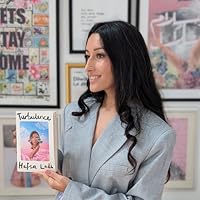
Reading this book made me feel like a lucky, front-row listener to a lecture by Rafia Zakaria – because make no mistake, her tone is sharp, stern and highly critical of the mainstream “feminism” that is widely celebrated in the West. She’s seeking to shake up the world of feminism, which, as she aptly argues, should have never been a monolithic vision, since women of different races and cultures have unequal access to equality. “The white gaze has never been disaggregated from feminism itself. It has become the only kind of feminism we recognize or even have language for,” writes Zakaria.
She delves into the history of British colonialism to show how feminism has always had a decidedly “white” slant and has often been contradictory, always serving the purposes of white people in power. For instance, she writes that colonizers viewed native women in India as backwards savages that need to be clothed (in the case of Hindu women who wore saris) – while American white feminists viewed Afghan women as pitiful females who needed to be de-veiled during the more recent “War on Terror”.
My favourite chapter was the one that explored how feminism is often equated with sexual liberation, and how the Western, “white” media – Cosmo Magazine and Sex and the City for instance, have painted an individualistic, sexually-free picture of female liberation, one that has led to terms like “girl-boss” and “self-love”, often losing the whole collective sisterhood spirit of feminism. And, her sections discussing “secure-feminism” and its impact on America’s War on Terror were extremely enlightening, especially considering recent events in Afghanistan, where the Taliban have taken over once again.
She delves into the history of British colonialism to show how feminism has always had a decidedly “white” slant and has often been contradictory, always serving the purposes of white people in power. For instance, she writes that colonizers viewed native women in India as backwards savages that need to be clothed (in the case of Hindu women who wore saris) – while American white feminists viewed Afghan women as pitiful females who needed to be de-veiled during the more recent “War on Terror”.
My favourite chapter was the one that explored how feminism is often equated with sexual liberation, and how the Western, “white” media – Cosmo Magazine and Sex and the City for instance, have painted an individualistic, sexually-free picture of female liberation, one that has led to terms like “girl-boss” and “self-love”, often losing the whole collective sisterhood spirit of feminism. And, her sections discussing “secure-feminism” and its impact on America’s War on Terror were extremely enlightening, especially considering recent events in Afghanistan, where the Taliban have taken over once again.

May 3, 2022
sigh. first dnf of the year, and it pains me, especially because i’m reading this for asian american heritage month- i think an amazing alternative to this book that is also on white feminism, and by another south asian author would be “white tears, brown scars” by ruby hamad- but this, for me, was completely unhelpful, and particularly antagonistic. the language made me really uncomfortable, and that is saying a lot coming from me, since i am an indian-american gal who loves to read about race. i’m sure she eventually started talking about solidarity, but reading as far as i did was excruciatingly divisive and unhelpful.

December 16, 2025
dieses buch verlangt mitdenken, selbstkritik und das aushalten unangenehmer erkenntnisse. das ist wichtig und für mich als woman of color vor allem vertraut.
vieles davon ist nichts neues, sondern gelebte realität. was mich besonders berührt hat: ich fühle mich gesehen. meine wut, meine erschöpfung, mein widerstand bekommen hier endlich worte. der gedanke, dass perspektivwechsel für viele woman of color keine freiwillige moralische leistung, sondern eine überlebensstrategie sind, hat für mich gesessen. genau das!!!
vieles davon ist nichts neues, sondern gelebte realität. was mich besonders berührt hat: ich fühle mich gesehen. meine wut, meine erschöpfung, mein widerstand bekommen hier endlich worte. der gedanke, dass perspektivwechsel für viele woman of color keine freiwillige moralische leistung, sondern eine überlebensstrategie sind, hat für mich gesessen. genau das!!!

April 12, 2022
Wie kann ein Feminismus sich für die Geschlechtergerechtigkeit aller weiblich gelesenen Personen einsetzen? Welche internalisierten Rassismen und blinde Intersektionalitätsignoranz schränken diese Gleichberechtigung ein? – Das versucht Autorin und Aktivistin Rafia Zakaria in ihrem Werk AGAINST WHITE FEMINISM. WIE WEISSER FEMINISMUS GLEICHBERECHTIGUNG VERHINDERT aufzudecken.
Intensives Sachbuch regt zur Reflexion eigener Privilegien an
Das Sachbuch ist nur knapp 250 Seiten lang und liegt leicht in der Hand: Die vielen zwischen Buchdeckel und -rücken verborgenen Informationen sind hingegen derart intensiv, dass sie meine Perspektive auf feministische Strukturen grundlegend veränderten. Dieses Buch regt ab der ersten Seite zur Reflexion eigener Privilegien und Wahrnehmungen an.
"Der Wandel, den wir brauchen, den der Feminismus braucht, ist ein Wandel im Wandel. Die Analyse, wo und wie dieser Wandel zu vollziehen ist, muss intersektional sein, sie muss race, Klasse und Gender berücksichtigen, und das Resultat muss sowohl umverteilend als auch anerkennend sein."
(Zakaria, Rafia: Against White Feminism. Wie weißer Feminismus Gleichberechtigung verhindert. München: hanserblau Verlag 2022, S. 222.)
Intersektionaler Blick ist für den Feminismus essenziell
Zakaria bietet durch die Einordnung des Feminismus in seinen historischen Kontext einen tiefen Einblick in die Entstehung weißer Vorherrschaft in revolutionären Bewegungen – Bewegungen, die ihre intersektionale Perspektive verlieren, indem sie „bloß“ einzelne Marginalisierungen unterdrücken wollen.
Sämtliche Ismen und internalisierte strukturelle Probleme sind miteinander verbunden. Dabei sei es – trotz der verlockenden Überwältigung durch Zusammenhalt – wichtig, Feminismus nicht als gemeinschaftliche Masse zu betrachten, die in ihren Erfahrungswerten übereinstimmt. Der Fokus sei in der Bewusstmachung von Unterschieden und Spaltungen zu suchen.
Ist ein gemeinsamer Kampf gegen das Patriarchat möglich?
Ist daher weibliche Solidarität – und somit ein gebündelter Kampf gegen das Patriarchat – möglich? Dieser berechtigten Frage widmet sich die Autorin in einer aufwühlenden und zugleich beruhigenden Intensität: Es gehe nicht darum, (weiße) Frauen aus der Bewegung herauszudrängen, sondern alle an den Tisch (zurück) zu holen. Und all diejenigen Strukturen zu zerschlagen, die das in den letzten Jahrhunderten verhindert haben.
"Es geht nicht darum, weiße Frauen aus dem Feminismus zu verdrängen; es geht darum, das «Weißsein» aus dem Feminismus zu verdrängen, in dem Sinne, dass Weißsein gleichbedeutend mit Herrschaft und Ausbeutung ist. Und dieses Ziel kann niemals ohne die Unterstützung weißer Frauen erreicht werden."
(Zakaria, Rafia: Against White Feminism. Wie weißer Feminismus Gleichberechtigung verhindert. München: hanserblau Verlag 2022, S. 209.)
Wütender Schreibstil, jedoch Eröffnung des Dialogs
Sie echauffiert sich überzeugend über die Aufdringlichkeit, mit der westliche Feministinnen dem Globalen Süden ihre (angeblich überlegenden) Werte überstülpten – und sie damit ihrer Entscheidungsfreiheit zu berauben, diese abzulehnen. Sie nimmt die Hypersexualisierung und Kapitalisierung des weiblichen Körpers auseinander. Sie erzürnt sich über fehlendes Problembewusstsein und fordert von ihren Leser*innen die Reflexion der eigenen Privilegien.
Ja, Rafia Zakaria ist deutlich frustriert – und dennoch schafft sie es jederzeit, den Dialog zu eröffnen und polarisierte Parteien zusammenzuführen. Ihr Schreibstil ist bissig, trifft punktgenau. Strukturelle (und somit oft schwammig formulierte) Probleme verdeutlicht sie anhand überzeugender und gut recherchierter Beispiele. Ein Buch, das mir so schnell nicht aus dem Gedächtnis verschwindet.
Fazit
AGAINST WHITE FEMINISM. WIE WEISSER FEMINISMUS GLEICHBERECHTIGUNG VERHINDERT ist ein überzeugendes Plädoyer für einen antirassistischen und intersektionalen Blick innerhalb des Feminismus.
Intensives Sachbuch regt zur Reflexion eigener Privilegien an
Das Sachbuch ist nur knapp 250 Seiten lang und liegt leicht in der Hand: Die vielen zwischen Buchdeckel und -rücken verborgenen Informationen sind hingegen derart intensiv, dass sie meine Perspektive auf feministische Strukturen grundlegend veränderten. Dieses Buch regt ab der ersten Seite zur Reflexion eigener Privilegien und Wahrnehmungen an.
"Der Wandel, den wir brauchen, den der Feminismus braucht, ist ein Wandel im Wandel. Die Analyse, wo und wie dieser Wandel zu vollziehen ist, muss intersektional sein, sie muss race, Klasse und Gender berücksichtigen, und das Resultat muss sowohl umverteilend als auch anerkennend sein."
(Zakaria, Rafia: Against White Feminism. Wie weißer Feminismus Gleichberechtigung verhindert. München: hanserblau Verlag 2022, S. 222.)
Intersektionaler Blick ist für den Feminismus essenziell
Zakaria bietet durch die Einordnung des Feminismus in seinen historischen Kontext einen tiefen Einblick in die Entstehung weißer Vorherrschaft in revolutionären Bewegungen – Bewegungen, die ihre intersektionale Perspektive verlieren, indem sie „bloß“ einzelne Marginalisierungen unterdrücken wollen.
Sämtliche Ismen und internalisierte strukturelle Probleme sind miteinander verbunden. Dabei sei es – trotz der verlockenden Überwältigung durch Zusammenhalt – wichtig, Feminismus nicht als gemeinschaftliche Masse zu betrachten, die in ihren Erfahrungswerten übereinstimmt. Der Fokus sei in der Bewusstmachung von Unterschieden und Spaltungen zu suchen.
Ist ein gemeinsamer Kampf gegen das Patriarchat möglich?
Ist daher weibliche Solidarität – und somit ein gebündelter Kampf gegen das Patriarchat – möglich? Dieser berechtigten Frage widmet sich die Autorin in einer aufwühlenden und zugleich beruhigenden Intensität: Es gehe nicht darum, (weiße) Frauen aus der Bewegung herauszudrängen, sondern alle an den Tisch (zurück) zu holen. Und all diejenigen Strukturen zu zerschlagen, die das in den letzten Jahrhunderten verhindert haben.
"Es geht nicht darum, weiße Frauen aus dem Feminismus zu verdrängen; es geht darum, das «Weißsein» aus dem Feminismus zu verdrängen, in dem Sinne, dass Weißsein gleichbedeutend mit Herrschaft und Ausbeutung ist. Und dieses Ziel kann niemals ohne die Unterstützung weißer Frauen erreicht werden."
(Zakaria, Rafia: Against White Feminism. Wie weißer Feminismus Gleichberechtigung verhindert. München: hanserblau Verlag 2022, S. 209.)
Wütender Schreibstil, jedoch Eröffnung des Dialogs
Sie echauffiert sich überzeugend über die Aufdringlichkeit, mit der westliche Feministinnen dem Globalen Süden ihre (angeblich überlegenden) Werte überstülpten – und sie damit ihrer Entscheidungsfreiheit zu berauben, diese abzulehnen. Sie nimmt die Hypersexualisierung und Kapitalisierung des weiblichen Körpers auseinander. Sie erzürnt sich über fehlendes Problembewusstsein und fordert von ihren Leser*innen die Reflexion der eigenen Privilegien.
Ja, Rafia Zakaria ist deutlich frustriert – und dennoch schafft sie es jederzeit, den Dialog zu eröffnen und polarisierte Parteien zusammenzuführen. Ihr Schreibstil ist bissig, trifft punktgenau. Strukturelle (und somit oft schwammig formulierte) Probleme verdeutlicht sie anhand überzeugender und gut recherchierter Beispiele. Ein Buch, das mir so schnell nicht aus dem Gedächtnis verschwindet.
Fazit
AGAINST WHITE FEMINISM. WIE WEISSER FEMINISMUS GLEICHBERECHTIGUNG VERHINDERT ist ein überzeugendes Plädoyer für einen antirassistischen und intersektionalen Blick innerhalb des Feminismus.

March 27, 2021
This book packs a powerful punch in a short space, and I think is destined to be on hundreds of 'books you must read' lists to come.
Covering a broad range of topics, from her personal experiences as a woman moving from Pakistan to the US and navigating conversations with white friends and colleagues, to the harmful outlooks and decisions of international aid organisations, Rafia Zakaria argues powerfully about the dangers of one narrative- a white and often privileged one- dominating all discussions, and shutting out voices.
She describes being invited to an event to talk about Pakistan, only to realise that she has been put on a stall where she is expected to dress 'conventionally' and go around 'selling' both her culture and some bangles to the white women in the audience. She describes leaving the event early to go and cry in her car, and you can't help but feel both sad for her, but also truly angry.
And anger is at the heart of this book, in such a powerful, tear-down-the-system-and-start-again, kind of way. And its anger is also its strength- these are issues that we should be angry about, and part of Rafia Zakaria's power as a writer is channelling the rage she and many others rightly feel, and using it as a tool for empowerment, education and change.
One section I found especially poignant was the one I mentioned above on aid. Rafia Zakaria points out how racist double standards radically affect how 'aid' is given, and even who is doing the giving. From journalists putting women in danger by not getting consent for photos that are then used to cover stories of abuse, to the assumption that non-white women need to be 'saved' from non-white men, to even Western (and often hyper-capitalist/consumerist) narratives (especially around sex and sexuality) being seen as the benchmarks of 'progress'.
She is razor-sharp in her analysis of not only how we have reached this stage, but also what needs to happen next.
There is too much to go into one review, but this book burns with passion and intellect, and is a vital voice that we owe it to ourselves and others to make sure we listen to.
I received an advanced copy of this book from Net Galley in exchange for an honest review.
Covering a broad range of topics, from her personal experiences as a woman moving from Pakistan to the US and navigating conversations with white friends and colleagues, to the harmful outlooks and decisions of international aid organisations, Rafia Zakaria argues powerfully about the dangers of one narrative- a white and often privileged one- dominating all discussions, and shutting out voices.
She describes being invited to an event to talk about Pakistan, only to realise that she has been put on a stall where she is expected to dress 'conventionally' and go around 'selling' both her culture and some bangles to the white women in the audience. She describes leaving the event early to go and cry in her car, and you can't help but feel both sad for her, but also truly angry.
And anger is at the heart of this book, in such a powerful, tear-down-the-system-and-start-again, kind of way. And its anger is also its strength- these are issues that we should be angry about, and part of Rafia Zakaria's power as a writer is channelling the rage she and many others rightly feel, and using it as a tool for empowerment, education and change.
One section I found especially poignant was the one I mentioned above on aid. Rafia Zakaria points out how racist double standards radically affect how 'aid' is given, and even who is doing the giving. From journalists putting women in danger by not getting consent for photos that are then used to cover stories of abuse, to the assumption that non-white women need to be 'saved' from non-white men, to even Western (and often hyper-capitalist/consumerist) narratives (especially around sex and sexuality) being seen as the benchmarks of 'progress'.
She is razor-sharp in her analysis of not only how we have reached this stage, but also what needs to happen next.
There is too much to go into one review, but this book burns with passion and intellect, and is a vital voice that we owe it to ourselves and others to make sure we listen to.
I received an advanced copy of this book from Net Galley in exchange for an honest review.

October 15, 2024
عن التميز العنصري أو العرقي الممنهج داخل الحركة النسوية البيضاء، وكذبة التضامن ، دون تعميم بل نقد، حيث يلقي البياض بتاريخه الأسود الهيمنة بعناصره على الحركة النسوية بتنوعها العرقي ، اذ تعاني الاعراق المختلفة او المرأة السوداء من التهميش داخل الحركة، بل تتواجد كديكور، أو كاعتراف ضمني من قبل النسوية البيضاء بتضامنهن الشكلي مع ما يتعرضن له من اضطهاد او تمييز في بلدانهن. حيث كانت قضاياهن محور الاهتمام، اذ تقتصر على نخبة منفصلة عن القاعدة العريضة. تتحدث عن نسويات يشاركن في الندوات والمؤتمرات الدولية، ويعرضن معاناة النساء البيض عبر تجاربهن الخاصة بمعزل عن إشراك نساء أخريات (من أعراق وألوان مختلفة) ومن دون أن تكون هموم النساء الأخريات والمشكلات التي تعيقهنّ مطروحة على طاولة النقاش.
كذلك فيما يتعلق في الحقوق هناك نظرة متعالية من النسوية البيضاء ضد مثيلاتها التسويات من الأعراق والأجناس المختلفة .
هدف الكتاب بشكل عام الى نقد وتفكيك المعايير التي وضعتها النسوية البيضاء لتعتبر النساء من أعراق اخرى نسويات، كما هو تشجيع للنسويات من بلدان وأعراق مختلفة لسرد قصصهن، والخروج من دائرة الصورة النمطية التي أطرتهن فيها النسوية البيضاء ل تتعامل مع جميع قضاياهن على أساسها، والنتيجة لا تخفى على أحد، أوضاع النساء تزداد تدهورًا، خصوصًا في بلدان الصراع أو التي تعاني من اضطرابات سياسية. لا سيما ما يتعرض له نساء غزة اليوم … "اذ تواجه النساء الحوامل والمرضعات مخاطر عالية على الصحة بسبب سوء التغذية، حيث تحدثت بعض التقارير عن عمليات قيصرية أجريت دون تخدير، وولادات تجري في ظروف غير آمنة، وحالات إجهاض تحدث بمستويات غير مسبوقة.
تفيد تقارير من فلسطين بأن نساء فلسطينيات محتجزات أبلغن عن تعرضهنّ للإذلال والتعذيب والعنف الجنسي على يد جنود إسرائيليين. وقد تسبب تدمير الجيش الإسرائيلي بشكل منهجي المدارسَ والجامعات في حرمان مئات الآلاف من الشابات والفتيات من حقهن في التعليم. تزايدت مستويات العنف والإساءة التي تواجهها المرأة الفلسطينية إلى مستويات غير مسبوقة، مما يستدعي القلق والتدخل من الجميع من أجل حماية حقوق المرأة وتحقيق العدالة."
كذلك فيما يتعلق في الحقوق هناك نظرة متعالية من النسوية البيضاء ضد مثيلاتها التسويات من الأعراق والأجناس المختلفة .
هدف الكتاب بشكل عام الى نقد وتفكيك المعايير التي وضعتها النسوية البيضاء لتعتبر النساء من أعراق اخرى نسويات، كما هو تشجيع للنسويات من بلدان وأعراق مختلفة لسرد قصصهن، والخروج من دائرة الصورة النمطية التي أطرتهن فيها النسوية البيضاء ل تتعامل مع جميع قضاياهن على أساسها، والنتيجة لا تخفى على أحد، أوضاع النساء تزداد تدهورًا، خصوصًا في بلدان الصراع أو التي تعاني من اضطرابات سياسية. لا سيما ما يتعرض له نساء غزة اليوم … "اذ تواجه النساء الحوامل والمرضعات مخاطر عالية على الصحة بسبب سوء التغذية، حيث تحدثت بعض التقارير عن عمليات قيصرية أجريت دون تخدير، وولادات تجري في ظروف غير آمنة، وحالات إجهاض تحدث بمستويات غير مسبوقة.
تفيد تقارير من فلسطين بأن نساء فلسطينيات محتجزات أبلغن عن تعرضهنّ للإذلال والتعذيب والعنف الجنسي على يد جنود إسرائيليين. وقد تسبب تدمير الجيش الإسرائيلي بشكل منهجي المدارسَ والجامعات في حرمان مئات الآلاف من الشابات والفتيات من حقهن في التعليم. تزايدت مستويات العنف والإساءة التي تواجهها المرأة الفلسطينية إلى مستويات غير مسبوقة، مما يستدعي القلق والتدخل من الجميع من أجل حماية حقوق المرأة وتحقيق العدالة."

August 16, 2021
This book took a more global approach to the impacts of white centric feminism than I had expected. That isn't a bad thing. It was an educationally different thing than what I had anticipated reading. White privilege impact how feminist doctrine has been formed. The book pushes for these to be removed from the fight for women's rights by recognizing that the issues of feminism aren't just those issues facing white women. Unlike a few other books on this subject I have read, this book placed a larger emphasis on the commercialization of feminism. While being told they are independent and equal to men, women are at the same time being told that this cigarette will make them sexy thereby immediately objectifying them. It continues to provide multiple examples of how colonialism brought about the unequal view and treatment of brown women versus white women. In the UK and USA, women were burned at the stake while in India, British colonizers made it illegal for a widow to burner herself on her husband's pyre. Really, it was about control. It still is. Women, white women, need to recognize that the privilege they receive as second class white citizens is just that and only at the convenience of white men. All women need to consider the concerns for all women and provide a united front.
Thanks to NetGalley and W.W. Norton & Company for a copy of the book. This review is my own opinion.
Thanks to NetGalley and W.W. Norton & Company for a copy of the book. This review is my own opinion.

June 8, 2021
Powerful, punchy and VERY much needed in our current climate, Zakaria's book is a call for attention to racial differences in the feminist movement. After finishing this all in one day and sitting with a lot of concepts and knowledge that was new to me (such as how deeply capitalist many aid initiatives are beneath the surface) i think it would be a crime for this book not to be considered required reading on its release within the next few months. It covers an extremely broad amount of ground in detail and depth without ever losing pace or focus, and questions many of feminism's flaws when it comes to the acceptance of white women as the 'norm' and its failure to account for the unique experiences of WOC, or even consult them on their own issues. This book may cause some discomfort amongst many white feminists but that is essential to bring about change. I highly recommend this!
(Recieved for free from NetGalley in exchange for an honest review)
(Recieved for free from NetGalley in exchange for an honest review)

September 16, 2021
[review of an ARC provided by the publisher]
4.5 stars
Well-researched, lots of interesting history and global perspectives that center Black and Brown women. I always feel like these types of books won't get into the hands of people who "need" to read them (white people), but I will say that I as a WOC learned things I didn't know and gained a deeper understanding of how to center BIPOC women in feminist thought and action. And how to think more critically about the white feminist lens we apply to everything, even when it doesn't fit.
4.5 stars
Well-researched, lots of interesting history and global perspectives that center Black and Brown women. I always feel like these types of books won't get into the hands of people who "need" to read them (white people), but I will say that I as a WOC learned things I didn't know and gained a deeper understanding of how to center BIPOC women in feminist thought and action. And how to think more critically about the white feminist lens we apply to everything, even when it doesn't fit.
Displaying 1 - 30 of 707 reviews