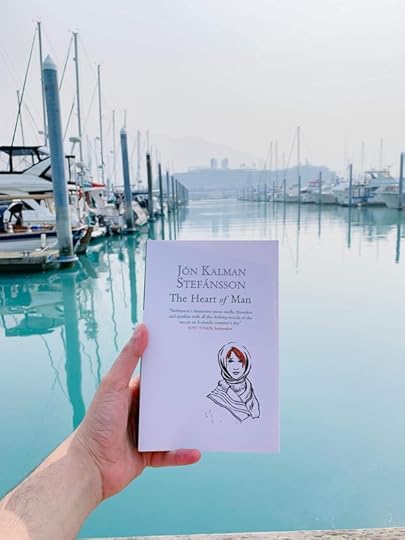
Jump to ratings and reviews
Rate this book

Heaven and Hell Trilogy #3

Il cuore dell'uomo

Rate this book
«L’uomo è nato per amare, ecco quant’è semplice il fondamento dell’esistenza. Per questo il cuore batte, questa strana bussola, grazie a lui ci orientiamo tra le nebbie più fitte, a causa sua ci smarriamo e moriamo in pieno sole.» Il ragazzo si risveglia in uno sperduto fiordo nel nord dell’Islanda. Il mare gli ha strappato l’unico amico, i ghiacci l’hanno inghiottito fino alle soglie della morte, ma a richiamarlo alla vita sono degli occhi verdi e dei capelli rossi. È la giovane Álfheiður che lo cura ogni giorno prima che il destino lo riporti al Villaggio, a una piccola comunità di pescatori impegnata in una quotidiana lotta per la sopravvivenza, alla locanda del capitano cieco che gli apre le porte della letteratura e della conoscenza. E mentre il cuore continua a inseguire quei capelli rossi «oltre le montagne del mondo», la sua perenne ricerca del senso più alto della vita diventa un viaggio iniziatico attraverso l’amore, da quello libero della ribelle Geirþrúður a quello dominatore della capricciosa Ragnheiður, a quello che guarisce il dolore di Rakel, nato dalla poesia di una lettera. Perché le parole possono dare corpo ai sogni, cambiare un destino, elevarci sopra il tempo. Ed è il potere delle parole e dell’animo umano contro gli abissi bui dell’esistenza a illuminare ogni pagina di questo romanzo. «Bisogna vivere come le stelle», dice il ragazzo, «bisogna vivere per vincere la morte, è l’unica cosa che sappiamo». Allora non ci spegneremo, «forse semplicemente ci trasformeremo in musica».

441 pages, Paperback

First published January 1, 2009

99 people are currently reading
2634 people want to read

About the author

Jón Kalman Stefánsson

56 books1,309 followers
Jón moved to Keflavík when he was 12 and returned to Reykjavík in 1986 with his highschool diploma. From 1975 – 1982 he spent a good deal of his time in West Iceland, where he did various jobs: worked in a slaughterhouse, in the fishing industry, doing masonry and for one summer as a police officer at Keflavík International Airport. Jón Kalman studied literature at the University of Iceland from 1986 until 1991 but did not finish his degree. He taught literature at two highschools for a period of time and wrote articles and criticism for Morgunblaðið newspaper for a number of years. Jón lived in Copenhagen from 1992 – 1995, reading, washing floors and counting buses. He worked as a librarian at the Mosfellsbær Library near Reykjavík until the year 2000. Since then he has been a full time writer.

His first published work, the poetry collection, Með byssuleyfi á eilífðina, came out in 1988. He has published two other collections of poetry and a number of novels. His novel Sumarljós, og svo kemur nóttin (Summer Light, and Then Comes the Night) won The Icelandic Literature Prize in 2005. Three of his books have also been nominated for The Nordic Council's Literature Prize.

He was the recipient of the Per Olov Enquists Prize for 2011, awarded at the book fair in Gautaborg in September 2011.

Ratings & Reviews

What do you think?
Rate this book

Friends & Following

Create a free account to discover what your friends think of this book!

Community Reviews

5 stars
1,095 (55%)
4 stars
635 (32%)
3 stars
198 (9%)
2 stars
41 (2%)
1 star
12 (<1%)
Displaying 1 - 30 of 252 reviews
Profile Image for Cecily.
1,320 reviews5,328 followers
May 27, 2020


“Live, as you are able, live!”
(Because death is ever lurking and ultimately inescapable.)

Now familiar themes are gently examined afresh, in sparkling summer light.
The Sorrow of Angels was mired in winter and death.
The overwhelming message of this is to listen to one’s beating heart.
Take the risk, and accept the duty to live.
To live for the dead, so they are not forgotten.
Anything less is cowardice. Or ingratitude:

“Bárður dies and the boy’s talents come to light… How can one live with such a sacrifice?... Can happiness dwell in the sorrow, can light emerge from darkness, and is it then justifiable to welcome it?”

The mechanism, of course, is words: letters and books sent out to change lives. “The most important thing of all, bringing two people together, combining two notes into a chord.”

And after life, is death.
It should not be feared: it can even be beautiful.
Or ambiguous.

This volume gets to the eponymous heart of man - and the heart of everything, asking the most fundamental questions:
What am I?
Who am I?
Why am I?
Can I love two people at once?
Am I alive or dead?

The boy becomes a man.

Change

This jumps from winter to summer (there is no spring in Iceland), but fog and death still lurk.

And it's not just the season that has changed: “This is the modern age… What’s impossible to imagine becomes commonplace.”

Here, at the edge of the world, as the ice creaks and cracks, the landscape changes: the snow recedes, grassy tussocks are revealed, and familiar patterns of life change for ever.
International travel by steamship, the telephone, women taking charge of their lives and businesses, some even riding astride their horses, like men.
Conflict, independence, love, brutality, compromise.

But always, there is counterpoint: “There's so much that happened yet he's precisely the same as when he set off, still with uncertainty in place of blood.” Is there change or not?

The End?

“Where does life begin and where does death stop but in a kiss?”

The ending is mysterious, mystical, maybe even miraculous:
“It’s likely they’ve rowed out of the world and into another…. In the direction of the seabed… a direction that might not exist.”

The environment is harsh and bleak, as are the lives of many of the protagonists, but the overwhelming message is one of hope:
“Nothing is difficult if you’re free.”
Live, love, and be free!
“Nothing is sweet to me, without you.”


Quotes
No plot spoilers. They’re hidden for brevity and easy scrolling.

Words and Books


Life and Death


Heaven and Hell


Weather


The Sea


Love


Eyes, Sight, Blindness


The Heart


Hands and Fingers


Women, Feminism - and Men


Memories


Dreams


Miscellaneous


Three-Volume Novel

This is not a trilogy; it’s one novel in three, very closely-related parts, covering just a few weeks:

1. Heaven and Hell, reviewed HERE.
2. The Sorrow of Angels, reviewed HERE.
3. The Heart of Man, this book.

For a more concrete idea of setting, plot, characters, and writing style, see my overview HERE.


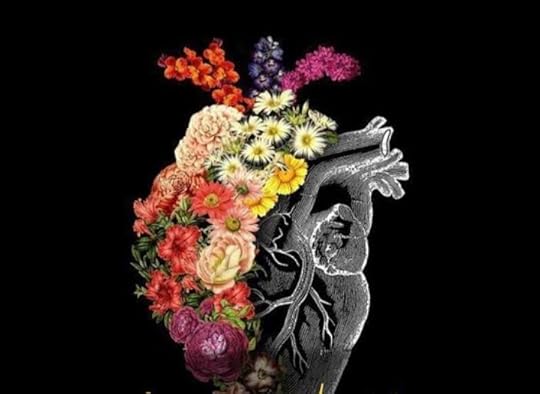
Image source for heart of fire and ice:
http://thumbs.dreamstime.com/thumblar...
Profile Image for Valeriu Gherghel.
Author 6 books2,067 followers
September 9, 2023
Cînd s-a tradus prima carte din trilogie, Între cer și pămînt, am scris o recenzie entuziastă: citisem un roman excelent și nu mă așteptasem la asta. A fost bucuria adusă de surpriză. Dar și de povestea din carte. Găsiți recenzia aici.

Am găsit acolo un narator colectiv, satul / comunitatea. Asta e ceva foarte rar în proza modernă. Doar în tragediile grecilor, acțiunea, faptele eroilor sînt narate și comentate de cor. Și, în al doilea rînd, găsisem ceva din fraza lungă și din ironia amară ale lui Saramago. Iar mie îmi plac (auto)ironicii. A, să nu uit, mai era amețitoarea Geirþrúður, femeia de o frumusețe fulgerătoare, cum i-am zis într-o notă pe blog. Geirþrúður n-a urmat școli înalte, a fost slujnică într-un hotel din Reykjavík (Între cer și pămînt, pp.134, 138), iar farmecul ei vine tocmai din spontaneitate și lipsă de inhibiții:
„Geirþrúður se trezise și stătea așezată pe pat, apoi se ridicase în picioare, era goală, băiatul lăsase ochii în jos” (p.321).

La Tristețea îngerilor, entuziasmul meu a scăzut întru cîtva (cam cît cîntărește jumătate de steluță pe Goodreads), deși călătoria băiatului prin viscol, întuneric și nămeții copleșitori alături de poștașul cel taciturn avea ceva dintr-o coborîre în infern.

Cu Inima omului trilogia s-a încheiat, Stefánsson trebuie să găsească altceva, un subiect nou (o „viață nouă”, ar spune Dostoievski), o frază mai puțin încărcată de epitete ornante, de „rostiri alese”, și, mai ales, o miză. Stefánsson nu e un poet nemaipomenit și asta se vede îndeosebi aici. Romanul s-a umplut pe trei sferturi de țesut metaforic adipos. Ca în exemplul următor, să zicem:

„Geirþrúður coborî din pat, trase perdelele, privi către chila înnegrită și înțelese că moartea e un cuțit negru care sfîșie lumina. Rămase cîteva minute așezată la masa mică, dar masivă, cumpărată din Germania..., privindu-și degetele, deja înțepenite de doliu” (p.175). Sau aici: „Geirþrúður îl îmbrățișase pe bătrînul lup de mare, cît de drag îi era, îl strînsese în brațe cum strîngi la piept nefericirea” (p.322). Sigur, unii cititori pot găsi expresiile interesante (moartea = cuțit negru care taie lumina în două, degete înțepenite de doliu), dar mie nu-mi plac, puteți să oftați.

Înclinația spre „poetizare” e dublată în Inima omului de alta: personajele și naratorul au dat în mania filosofării. Să citim acest pasaj: „Puțini sînt aceia care rătăcesc întrebîndu-se despre distanța dintre om și Dumnezeu, despre scopul măreț sau despre ce justifică existența omului” (p.95).

Așa este, naratorul are perfectă dreptate. Sînt foarte puțini oamenii care își pun întrebări cu privire la sensul vieții, fiindcă e mai comod să le ignore, fiindcă n-au timp de asta, fiindcă nu vor ori nu le pasă. Și n-au timp nici să citească banalități, aș adăuga gingaș. În Adolescentul, Dostoievski a spus ceva asemănător: „Ideile sînt o povară destul de plictisitoare, fără ele viaţa e mai veselă şi mai uşoară...”.

Acțiunea propriu-zisă începe abia la paginile 168-169, cam tîrziu, în opinia mea, cînd velierul Sf. Lovisa se scufundă în port în timpul unei furtuni, din pricina unei greșeli elementare: marinarii nu au așezat cum trebuie mărfurile în cală. Căpitanul vasului, un anume John Andersen, bărbatul pe care îl iubește Geirþrúður, se îneacă.

Mai mult nu vă spun, citiți singuri, la sfîrșit mor toți. Ca în viață...

P. S. M-am uitat chiar acum. Prozatorul islandez a mai publicat trei cărți. Abia aștept să le citesc...
Profile Image for بثينة العيسى.
Author 27 books29.5k followers
April 22, 2018
أنت تحتاج أن تتمّ هذا العمل لأنه يملك قدرة مخيفة على امتلاكك. في "جنة وجحيم" و"حزن الملائكة" وأخيرًا في "قلب الرجل" تقرأ عن الإنسان الأعزل أمام قسوة الطبيعة، عن هشاشة الحياة وفكرة الوجود الفادحة في ذاتها، لأن قصيدة واحدة قادرة على الإطاحة بتوازنك في عالم المادة البارد. يون كالمان ستيڤنسن يكتب منطلقًا من الحسّي إلى الميتافيزيقي، ومن المادي إلى المجرّد. كل شيء يحدث على الأرض له سؤالٍ موازٍ في السماء. رواية يكمنُ الشعر في كل سطرٍ من سطورها، مثل الماء في الغصن. إذا كنت من أولئة الباحثين عن "حبكة" و"حدث" واضحين، أو تسمّي التكرار الموسيقي "حشو" فدع هذا العمل وشأنه. وإذا كنت مستعدًا لاستقبال شكلٍ جديد، يُكتشف على مهل، يخترقك بنعومة مؤلمة.. فهذه توصيتي.


Profile Image for Dolors.
605 reviews2,812 followers
April 23, 2016
Springtime. Mercurial, deceptive, magnetic.
The voices of drowned fishermen sparkle with the faint sunbeams of a treacherous morning sun that makes the driven snow sparkle like emeralds under water.
The journey of the nameless boy, on which he embarked almost six months ago to unravel the gist of man’s existence in a land where the landscape’s elemental power silences words with gelid ruthlessness before they have been uttered, continues.

In “The Heart of Man”, the last installment of this epic trilogy, the boy understands that words can become deadly weapons when they challenge the established order of things.
“Art is dangerous”, murmurs Kolbeinn, the blind skipper.
And what are words that swell and thunder and shimmer with all the shifting moods of this battered existence but a valiant defiance to nurture dreams of a different life?
Having survived the mission to deliver letters struggling against ominous wind and tide to bring some sort of meaning to the absurd atrocities that befall many of the townsfolk of this remote island, the boy returns to the (nameless, like himself) Village to complete his education. His childhood and innocence dims with the fiery red hair of Alfheidur, a young single mother that kisses the boy with her seductive glances, and stirs up sensations in his inexperienced body that he can’t begin to fathom.

Stefánsson proves to be not only a master storyteller, a poet and an explorer of the limits of narrative fiction, but also a committed defender of the repudiated in traditionally organized hierarchical societies. A sightless fisher, an unmarried, and therefore, disreputable businesswoman, a wife that abandons a “decent” husband because she feels trapped in an unhappy marriage, an orphan boy whose bigger passion is to read Shakespeare and to write letters that have the power to change lives… these are the main characters that impersonate Stefánsson’s soul-stirring prose, so delicate and sharp-edged, so voluptuous and organic, so brimming with answers to unarticulated questions, that it befits the writer’s progressive ideals that burn the discomfited reader like fire and ice, nagging at hidden crevices of his neglected conscience.

Something prodigious takes place in the last pages of this book.
When Life and Death look each other in the eye through words spitted out in impetuous urgency, a strange, almost supernatural silence emerges between such a timeless oxymoron. A silence that whispers the truths of the world that surrounds us and navigates its troubled waters with dazzling purity, a silence that urges us to love recklessly, to believe that death can be conquered if one dares to live like a star, and shine. Something Stefánsson does. To the burning point of life.

“Soon someone may wind up the music box, and then perhaps we’ll hear the faint notes of eternity.”
Profile Image for Marc Lamot.
3,461 reviews1,972 followers
February 8, 2025
“Life, it’s glittering stars, but what then is the darkness between them?”
The strength of the previous, second part of the Heaven and Hell trilogy was its homogeneity, with the unnamed ‘boy’ and his companion postman Jens, trekking through a gruesome snowstorm for days. This third part has a completely different character: it is multiform, chaotic, with more characters and more varied scenes. That is initially somewhat confusing (where is the story going?), and not all story lines are equally well done (postman Jens almost completely disappears from view), but Stefansson clearly uses that complexity consciously to address a richer number of themes, all in the ‘coming of age’ of the boy.

After his adventure with Jens, that boy finds himself back in the village, taken in by a number of free-spirited women who take care of his upbringing. Once again, the theme of death is prominently present, almost even as an active character, including in a beautiful scene in which a ship capsizes in a storm: “she sees a man pounding the keel of the ship with his fists, as if he’s knocking on a door; hello, is anyone there? Yes, death says, I’m always here, you’ll never find my door shut, you’re always welcome, my embrace is larger than life.” But the emphasis of this third part lies somewhat more on themes such as loneliness, human decline, (social) injustice, brutal games by the rich and powerful, and so on, all illustrated by means of incidents in the village.

The boy associates all these negative phenomena with darkness, an alternative to the classic struggle with evil. And that ultimately culminates in a beautiful scene at a wedding party, where the boy phenomenally summarizes his preliminary findings in a vitalistic credo: “I don’t know where the darkness comes from, yet I think that it comes from the same place as the light, and I think it grows dark because we let it happen. I think that it's difficult to attain the light, often very difficult, but I also think that no-one attains it for us. Not God, not Jesus, who maybe should have been a woman because then the world would have been different and better, not the governor, not farmers, not ships, not books. If we don't set out on our own, life is nothing. We ought to live to conquer death, that's the only thing that we know how to do and are able to do. If we live as we're able, preferably a bit better, then death will never conquer us. Then we won't die, we'll just become something else. I don't have the words for it, to describe it, I mean. Maybe we simply change into music.” And that ultimately turns out to be the message of this trilogy: “we ought to live to conquer death.” In hindsight, this coming-of-age trilogy much resembles the ordeal and the outcome of Hans Castorp in Thomas Mann's masterpiece The Magic Mountain. The final scene of this third part may be a bit cheesy (at least to my taste), but all in all, this trilogy is more than worth the read!
Profile Image for Zahraa زهراء.
481 reviews322 followers
March 25, 2024
لا يمكن أن تعيشوا لمحض أنكم لستم أمواتاً؛ ذلك زيف. يجب أن تعيشوا كالنجوم، وتلمعوا مثلها
أعتقد أن الوصول إلى النور صعب جدا في أغلب الأحيان، لكن أعتقد أيضا أننا إن لم نسع إليه فلا أحد سيجلبه إلينا. لا الحاكم ، ولا الزراعة ، ولا السفن، ولا الكتب. الحياة لا شيء إذا لم ننطلق إليها بأنفسنا .علينا أن نحيا لنقهر الموت، ذاك الشيء الوحيد الذي نعرف كيف نقوم به ويمكننا القيام به .

هناك شخصيات وأحداث لا تمحى بسهولة من الذاكرةـ لطرافتها ربما
شاب أنساه بيت من الشعر معطفه الواقي، فمات متجمدا..
صيدلية تباع فيها الكتب إلى جانب الأدوية ، لقناعة الصيدلي ان الكتب دواء ..
بحار أعمى يملك أكبر مجموعة من الكتب ، والتي بطبيعة الحال لا يمكنه قراءتها..
مرأة تتغير حياتها بفعل رسالة قصيرة..
فتى يقرأ قصيدة قبل أي شيء آخر في الصباح..
حكاية يرويها الأموات العالقون في الليمبو...

وعلى رأسهم طبعاً : الفتى
الفتى الذي اعتقدت اننا سنعلم اسمه في النهاية، لكن اتضح انه سيظل (الفتى) ..
ارجح اني لست وحدي من تعلق بالفتى، على حماقته وعفويته وظرافته واحلامه..

الرواية ـ وكذلك الثلاثية بشكل عام ـ هادئة ، حالمة،وقاسية أيضا.
عالم من الشاعرية والأحلام، ونقلات رشيقة بين الواقع والخيال، ورواة مميزون، وبيئة خلابة

أحببتها..
و
"لا شيء حلو لعيني بدونك"
Profile Image for Zahraa زهراء.
481 reviews322 followers
September 26, 2025
كيف حال فتاي الحالم ؟

حلمت أنك كنت أميرة أشجار وشمس مشرقة
كيف حال فتاي الحالم ؟
انا قلق على ينز، يجب ان اكتب له ،واريد ايضا ان اكتب الى سيغريدور خطيبة باردور، اعتقد ان باردور كان يود ان افعل، لن أنساه ماحييت، هو مثل السماء التي فوقي
كيف حال فتاي الحالم؟
أفتقد أخي، اسمه ايغل، بيد اني لا اعرف اين هو
كيف حال فتاي الحالم؟

ها أنا أقرأ حكايتك للمرة الثالثة
أتتبع حياتك
أجد نفسي فيك
لا أمل من كلماتك

لم نكرر قراءة كتاب؟
ربما لاننا لا نريد لعلاقتنا معه من نهاية.

اليوم اقيم الكتاب بخمسة نجوم واضيفه الى رف المفضلات.

مرت ستة اشهر ، وأقر ان ستفينسون اسرني بكلماته.
أفتح احد كتبه الثلاثة وأقرأ الفقرات التي لونتها ،أقرأ واكمل الباقي عن ظهر قلب، اريد ان اسمع هذه الكلمات للعالم ،اطلعهم على الكنز الذي وجدته ،لا ألبث اشارك بعض الاقتباسات على مواقع التواصل الاجتماعي فقط لأصرخ :لله درك يا جون من كاتب ما أعظمك ! واتحدث عن كم هو شاعري هذا النص ،وعن العالم الساحر الذي يأخذني اليه .ولا تلبث الفقرات الملونة تزداد، ويزداد تعلقي بالكتاب.

اقرأ منها قبل ان انام احيانا ،او اثناء الاستراحة في نهار حافل. فقرة هنا وفقرة هناك ،الصفحة التي قبلها وصفحتين بعدها ، لابأس بخمسين صفحة متتالية.
لابد من قراءة كاملة اخرى لأروي غليلي .
احب ان اصغي لكلماته ، هل قلت كلمات؟ أعني موسيقاه التي يعزفها.

اسمح لي ان ابين الفرق الذي اعني بين الكلمات و الموسيقى.
الموسيقى مجرد اصوات لا تنقل معلومات، على انها تخاطب أعمق ما فينا. هل جربت الاستمتاع بالسمفونية التاسعة ؟او السابعة؟ او البداية الآسرة لفصول فيفالدي الاربعة؟ الاحساس الذي تنقله أبلغ من أي كلام. وهنا ستفينسون بأحداث قليلة، بل ربما تافهة، وشخصيات بسيطة تمارس حياتها، في تخوم آخر الدنيا ، أيضا يخاطب أعمق ما فينا -او في على الاقل.

أعتقد ان السر يكمن في أسلوب كتابة ستفنسون :التنقلات الخلابة بين الواقع والخيال ،كهذا المثال:
الجو هادئ والجبال تعتم قليلا في المساء، والبحر مسالم جدا الى درجة ان بعض الغرقى يرتفعون الى سطحه، يطفون هناك كالزبد او مثل قناديل بحر غامضة، يحلمون احلامهم المالحة والمرة، بينما المسافات بين النجوم معابر غير مرئية الى السماء.


تعد ألفايدر الطاولة للفتى، وعندما تدنو منه تلامس الذراع الذراع.
وهذه اخبار العالم؛ هذا ما يرد في صفحات الجرائد الأولى:
لا فتور في التناوش الغاضب بين اليابان والصين، واليابانيون يمتلكون قوة عسكرية عظيمة.
سكان الأرض بليون و974 مليون و972 ألف و4 مئة أيضا.
والأذرع تحتك ببعضها في سليتوري في آيسلندا.

الخلط بين الكلام والافكار والاحلام والواقع، فبعض الحوارات لا تتمكن من تمييز المتكلم بسهولة. ومن الجيد ان المترجمة لم تميز بينها بتنسيقات اضافية ، لا اعرف ان كانت فعلت ذلك عن قصد ،لكن ذلك بالتأكيد أكمل الصورة التي سعى جون لرسمها.

التكرار أضفى تأثيرا خاصا، ومحببا ،واختيار جمل ذات معنى مكثف وفي أوقات مناسبة تماما ،ك: "لاشي حلو في نظري بدونك" وهو بيت الشعر الذي اغرق باردور ،والذي يقفز لذهن الفتى مرات عديدة ،حتى يكاد يكون اخر مايختم به حياته، ويكون وروده مثاليا.

ومن الواضح ان الكاتب يعرف ما يفعل، لقد سعى الى أسر القارئ بكلماته منذ البداية. في الجزء الاول من الثلاثية، واحد من أحب اقتباساتي عنه:
تحملنا بعض القصائد إلى أماكن لا تبلغها الكلمات، ولا الأفكار، إنها ترقى بك إلى الجوهر نفسه، فتتوقف الحياة للحظة واحدة وتصبح جميلة، تتضح معالمها بكل ما تحتويه من أسى وسعادة. تغير بعض القصائد النهار والليل وحياة المرء. تجعله بعض القصائد ينسى، ينسى الكآبة، ينسى اليأس، ينسى معطفه الواقي فيأتي إليه الصقيع، يقول له :نلت منك، ويغدو في عداد الأموات

وهذا بالفعل ما نجح فيه ستفنسون. فعلا فعلا ، تتوقف الحياة للحظة وتصبح جميلة . كلماته مرهفة رقيقة بشكل محير. واعادة اكتشافها في كل قراءة اخرى تصيبني بالقشعريرة، بعض العبارات تثيرني حد البكاء

يمكنني تخيله يسطر هذه الصفحات، بهدوء وحس للجمال عجيب. ثم لا تلبث الكلمات ان تتدافع فيسرع في الكتابة ربما ،كاندفاع أولايفر في رسائلها للفتى .يكتب ما يفكر فيه، الافكار الخام، كيف ينبغي ان يكون العالم ومامعنى هذا كله.

يمكن ان نجد قاسما مشتركا بين الشخصيات جميعها- والذي ارى فيه شيئا من روح جون كالمان ستفنسون :العبثية.

كل الشخصيات قامت بالقليل او الكثير بدافع العبث

يترك الفتى كوخ صيد السمك في اوج موسم الصيد ليرد كتابا لصاحبه
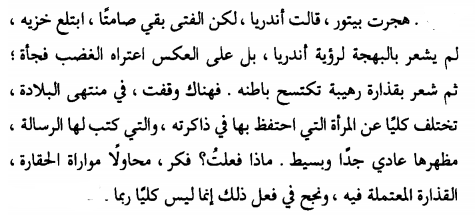
تهجر اندريا زوجها بسبب رسالة تخبرها ان تخضع حياتها للمساءلة
تقرر غيرترود القوية الزواج من غيلسي بين ليلة وضحاها
تغتصب راغنيهلد المترفة الفتى البسيط قبل يوم من سفرها الى كوبنهاغن
تنتظر اولايفر على الشاطئ فتى تحس فقط ،انه سيأتي يوما بسبب رسائلها
تهدد غيرترود زوجها بمسدس ليلة زفافها
يترك الفتى الحياة كلها في سبيل الفوز برؤية الشعر الاحمر مرة اخرى
"وهل تعلم ماكان مستهل رسالة ذات الشعر الاحمر والعينين الخضراوين للفتى؟: "هل ما زال قلبك ينبض؟
او ماذا كان الكتاب الذي يحمله كولبين في سترته والذي اشار اليه يوم انتحاره؟: قصائد شعرية عن الحياة والموت.

هنا يجب ان اتوقف واؤكد ان الكتابة فن
هذا هو النجاح في الأدب: ان يكون ما تكتب علاجا لروح غيرك، وبلسما لجراحه، ومدعاة لتسليته.
الكلمات يمكن ان تؤثر على الناس، يجب ان تدرك ذلك، لاسيما الكلمات المكتوبة، فهي تقتحمك بطريقة ما ولا تدعك وشأنك، هذا ليس سهلا، وفي هذه الاثناء لابد من ان تقبل على الحياة كما لو ان لاشيء خارج المألوف
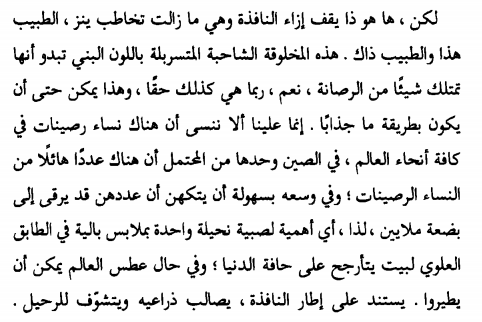
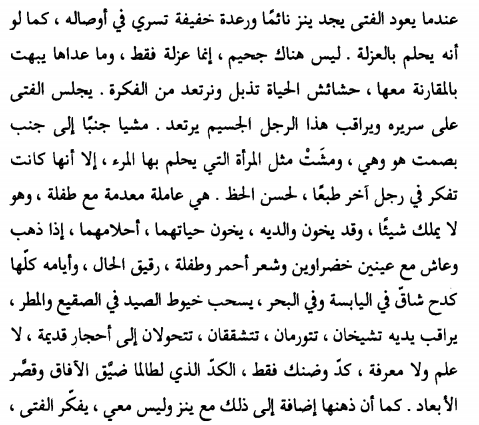
سأكتفي بهذا القدر.
وختاما لابد ان اشكر الاصدقاء الذين عرفوني بهذه الرواية، يقين في المقدمة :)
Profile Image for Sandra Deaconu.
796 reviews128 followers
March 13, 2020
Trilogia fiordurilor este o formă răvășitoare de a elogia poezia, cărțile, cuvintele, muzica, arta și toate acele lucruri de care prea mulți ne depărtăm, fie că suntem obligați de muncă, de foame, de griji ori de lăcomie, fie pentru că, pur și simplu, nu le putem înțelege. Dar, mai presus de toate, elogiază viața, cuvântul pe care îl folosim pentru a rezuma vorbele pe care ni le amintim mult timp după ce nu se mai aud, atingerile după care tânjim, mormintele peste care plantăm flori pentru că nici după ce un om drag moare nu ne putem opri din a vrea să îl îngrijim, pozele la care ne uităm ca să revedem un rid la colțul ochilor care însoțește un zâmbet, o scânteie în privire sau poate un loc în care ne-a fost bine.

Ne vorbește despre cum același lucru poate însemna ceva diferit pentru fiecare. Vântul poate face frunzele să cânte, poate arunca unei femei părul pe față și împinge un bărbat să i-l așeze cu o mângâiere, dar tot vântul poate răsturna o barcă. Și? O întoarcem și gata, dar cum îi întorci pe cei prinși sub ea în apa rece și nemiloasă? Poți întoarce un ceas, dar nu poți întoarce timpul. Poți coase o inimă, dar nu și o rană sufletească. Poți să ridici clădiri de sute de metri, dar nu poți ridica un om doborât de viață. Poți fi măreț când trăiești, dar tot devii mărunt în fața morții. Mai ales a acelei morți, cea mai crudă dintre toate, cea care te ia pe bucăți. Întâi îți stinge lumina în suflet, apoi se uită la tine, o masă de oase îmbătrânite și carne nemângâiată care încearcă să găsească în întuneric un sens și un loc în care să fie în siguranță. Nu poți întoarce morții și uneori e imposibil să întorci și viii. Poate că iadul este un loc în care un om pierdut îți repetă la nesfârșit ce ai greșit în timpul vieții. Și-atunci raiul ce este? Poate un loc în care același om te ține în brațe și îți spune că nu puteai face mai mult? Aș putea vorbi mult despre toate gândurile pe care mi le-a stârnit lectura asta, dar nu o să mai spun decât că este printre cele mai frumoase povești pe care le-am citit vreodată; incredibil de copleșitoare, dureroasă și liniștitoare deopotrivă. Recenzia aici: https://sandradeaconu.blogspot.com/20....

,,Nu știm niciodată în ce direcție ne duce viața, nu știm niciodată cine are să trăiască până la capătul zilei și cine are să cadă răpus, nu știm dacă ultimul adio va fi un sărut, o vorbă amară, o privire tăioasă, e de ajuns ca omul să nu fie un pic atent, să nu se uite la dreapta și să moară, și atunci e prea târziu să-ți iei înapoi vorbele acelea nefericite, prea târziu să zici iartă-mă, prea târziu să spui ce contează, ce-am vrut de fapt să spunem, dar n-am putut să punem în cuvinte fiindcă am fost cruzi, obosiți sau înghițiți de rutină, fiindcă n-am avut timp, ai uitat să te uiți în dreapta, n-am să te mai văd niciodată și vorbele pe care mi le-ai spus vor continua să-mi răsune în minte în fiecare zi și în fiecare noapte, și sărutul pe care trebuia să-l primești are să mi se usuce pe buze și-are să se facă o rană care se va deschide de fiecare dată când cineva care nu ești tu are să mă sărute.''
Profile Image for Emilio Gonzalez.
185 reviews109 followers
July 21, 2022
Lo primero que puedo decir de este libro, es que la prosa de Jon Stefánsson es tan poética que es muy fácil quedar cautivado desde la primer pagina. Y a eso hay que sumarle una de las cosas que más me sedujo de la lectura de esta serie, que es el magnifico ambiente que consigue con las descripciones que hace de los paisajes de Islandia y de la crudeza de su clima.
Es cierto que en el cierre de esta trilogía se echa un poco de menos la intensidad de los libros anteriores, y que el argumento carece de la robustez que sí tenían los otros, pero igual consigue darle un buen cierre a la historia del protagonista, acentuando temas que ya se venían tocando desde antes como el valor por la vida y la superación de la muerte de alguien cercano, la amistad y la soledad, o la lealtad y las traiciones.

Definitivamente no recomendaría leer esta novela a alguien que no haya leído las anteriores, pero en el global me parece una trilogía muy recomendable que tiene su pico en el primero de la serie, Entre cielo y tierra.
3.5
Profile Image for JimZ.
1,297 reviews757 followers
August 27, 2020
3.5 stars for me, so rounded up to 4.

I was originally only going to give this book 3 stars. It is the third book in a trilogy and I liked the first book the most (Heaven and Hell) (I gave it 4 stars). I liked The Sorrow of Angels (the second book in the trilogy, which I also gave 4 stars to) but was frustrated somewhat by the ending of that book, which left a key thing up in air, a major question left unanswered. Apparently one has to buy/get/read the third book to get the answer, eh? So that sort of bothered me. Then I read this book yesterday and it was hard to do so (in one day) because it was 379 pages. I don’t know sometimes what possesses me to try and read such a big book as this in one day. 😐 Anyway, after reading it, I realized that for the most part all loose ends in the trilogy were tied up and straightened out. There was one thing that bothered me though…why did Álfheiður, the boy’s new love that we are introduced to in this book, give Jens a letter right before he boarded the ship to go back to his home? It drove “the boy” crazy because he surmised Álfheiður was in love with Jens, and although he liked Jens (they went through hell together in the second book) he was jealous. So at least after reading this book last night I still could not tell what that letter was all about and why she gave Jens a letter in the first place.

So I was ready to write my review this morning and complain that the book was too long and I would give it a solid 3 stars nevertheless because the writing at times was just beautiful in the same way as it was in the first two books, and the book did pick up in intensity…I think that is why I couldn’t put the book down last night and I couldn’t go to sleep without knowing how it ended. Anyway, this afternoon I took out the first two books from the trilogy, and looked at my notes, and drew a chart of characters (Person A is connected to Person B who is connected to Person C and blah blah blah), and figured out what was bothering me — what that letter was all about that Álfheiður gave Jens and why she gave Jens a letter in the first place. Ha — my satisfaction is now complete! So now I will give the book 3.5 stars which rounds up to 4. 😊

I will close with copying down a paragraph from the book that resonated with me quite a bit. Gisli the headmaster compliments “the boy” on a translation exercise he has given him…”the boy” has translated five pages of Dickens’ “A Tale of Two Cities” into Icelandic:
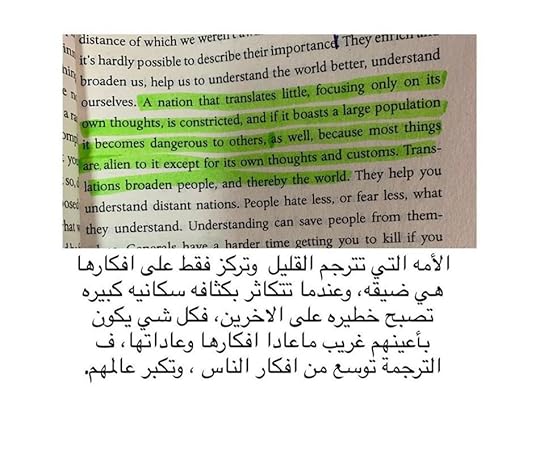
• There’s power in this text, says Helga after the boy has read the five pages. These words that he found in the language and used the bridge-building so that both he and others, could seek out remote worlds, seek out life, feelings, seek out what exists in the distance of which we weren’t aware. Translations, Gisli has said, it’s hardly possible to describe their importance. They enrich and broaden us, help us to understand the world better, understand ourselves. A nation that translates little, focusing only on its own thoughts, is constricted, and if it boasts a large population it becomes dangerous to others, as well, because most things are alien to it except for its own thoughts and customs. Translations broaden people, and thereby the world. They help you understand distant nations. People hate less, or fear less, what they understand. Understanding can save people from themselves. Generals have a harder time getting you to kill if you possess understanding. Hated and prejudice, I say to you, are fear and ignorance, you may write that down. (p. 162 and 163 of the hardcover edition).

The above is not representative of the book…it’s not about Stefansson proselytizing and using characters he has made up as his mouthpiece to preach. This is a damn good book with an interesting story to tell…I only copied the above passage for this review because I am growing to really appreciate books in translation, and that passage about translated works really spoke to me. And I find it ironic that it came from a book and it’s two predecessors that are books in translation! Without this trilogy being translated into English I would have been a poorer man for not have having read these gems. 😊

Reviews:
https://www.independent.co.uk/arts-en...
https://www.irishexaminer.com/lifesty...
From a blog-site…I love this person’s byline…too lazy to be a writer…too egotistical to be quiet: https://tonysreadinglist.wordpress.co...

Final note: I put “the boy” in quotation marks in this review, because we are never told his name and that is what Stefansson and all the other characters in his trilogy refer to him as — although he really is not a boy in the literal sense…we can estimate his age as early to mid-twenties.
Profile Image for A..
454 reviews47 followers
February 4, 2024
Y el viaje llegó al final. Después de sobrevivir al mar y a la nieve y de recorrer parte de esta mítica isla azotada por el viento, el viaje ha terminado. No solo el del muchacho, este querible joven con corazón de poeta enamorado de los libros, sino también el increíble viaje por la prosa magnética y magnífica de Jón Kalman Stefánsson. Una historia que explora el amor y el deseo, la vida y la muerte, y donde se buscan respuestas a esas preguntas que el corazón del hombre solo se hace en secreto.
Profile Image for Mark.
444 reviews104 followers
December 31, 2024
“We’re never the same, the presence of others changes us, draws forth different features and only rarely all at once, within every person are hidden worlds, some of which never reach the surface.” p25/6

Who can truly claim to understand the heart of man? It is complex and plumbs the depths of emotion, and raw human mystery. Jón Kalman Stefansson’s The Heart of Man is just the most beautiful, poetic, lyrical homage to the complexity of the heart. The third and final book in the Heaven and Hell trilogy, we continue to walk with ‘the boy’, the nameless protagonist whom we have travelled with since he set out on that fateful fishing trip with his most valued companion, Bárdur who forgot his waterproofs because of a book…

Reading Stefansson is like reading a dream. Translator Philip Roughton has done an amazing job as I, the reader, am carried away on the wisps of life and the depth of thoughts that permeate every page. Every page is a treasure as Stefansson has this unique ability to evolve a plot where we are privy to a narrative of the heart, mind and soul.

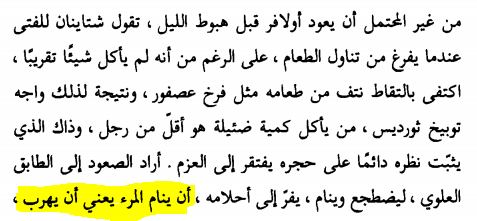
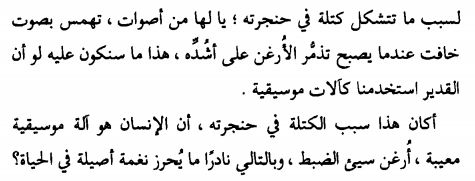
“The most burdensome in this life is never to be able to escape oneself, one’s own existence, shut up inside a compartment, in a world that never gives you any space, except perhaps in particular dreams, but that comes to you as soon as you open your eyes; how can it be tolerated? The most burdensome thing is not to know how to live, to know the notes but to be unable to sing them.”

Somehow throughout this book and indeed the entire trilogy which is essentially one meandering narrative in three parts, ‘the boy’ seems like the most unlikely character yet he seems to epitomise so much. In him is a youthful wisdom, a constancy, an observer, an innocence, a sadness, and a representation of a humanity that is ultimately an aspiration. We see him dealing with the entanglement of affairs of the heart, a naïveté that is becoming as he grapples with a heart that he’s trying to manage.

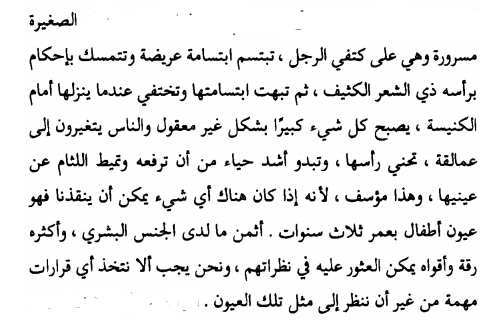
“The human body is a stupid beast that we drag along through time, like a heavy memory…. It’s a fact that the human heart has two chambers, which is why it’s possible to love two people at the same time. Biology makes it possible, demands it, some would say, but our consciences, consciousness, tell us a different story, which can make everyday life unbearably burdensome.” P77

Permeating throughout the entire book is the notion that all we really have are words. And that there is power contained in the written word, especially the poetic. It’s a source of wisdom, richness, dreams, expansion and wholeness. “What Reverend Kjartan said to me in the spring, that people who like Kierkegaard were dangerous because they cause us to question, and even rethink, the world”. P342

Beautiful, mesmerising, provocative and reflective. Can’t ask for much more from a book. 5 stars.
Profile Image for Sofia.
1,034 reviews129 followers
October 24, 2017
"Como se poderia esquecer de Maria, da sua paixão por livros, e também de como ela olhava para o seu marido Jón, um pouco como se o mundo fosse bonito enquanto o fazia, pode ser belo quando há vidas humanas enterradas em neve, quando um filho morreu e outro tosse demais, o mundo pode ser bonito em tais circunstâncias, de onde retira ela a força que a impede de ceder?"

Em "O coração do homem", Jón Kalman Stéfansson termina a trilogia iniciada com "Paraíso e Inferno" e a "Tristeza dos Anjos". A história decorre na Islândia do século XIX, onde a neve, o mar, o peixe e a luta pela sobrevivência marcam o dia-a-dia das personagens. É humanamente impossível não amarmos estes livros, as suas personagens, a maneira sublime como o autor consegue transportar-nos para o frio, para a dor que habita cada uma delas. Mas também é impossível não nos sentirmos maravilhados com esta capacidade do homem em sobreviver, em amar a vida acima de tudo, de toda a dor, de todo o sofrimento.

"Dói-te o coração, meu amigo?, perguntou-lhe Gísli. O outro respondeu: Sim, sempre que tento compreender o mundo."

Poderia recomendar-vos estes livros um milhão de vezes, e mesmo assim não seriam recomendações suficientes.
Profile Image for Ahmed Taha.
208 reviews
Read
February 11, 2020
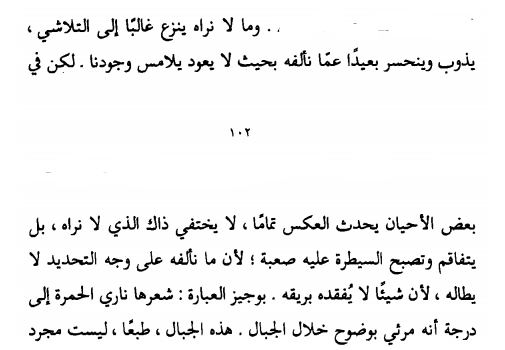
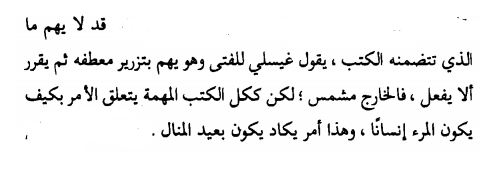
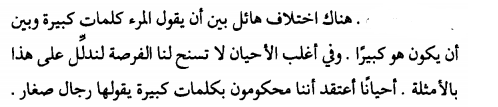
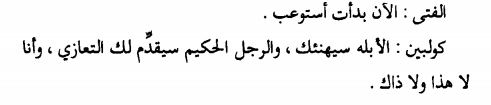
كثير من السعادة، خُتمت بقليل من الإحباط والألم، مرورا بكثير من المقتطفات،، الكثير جدا
في الجزء الأخير من الثلاثية تتسارع وتيرة الأحداث بيد أن هذا لا يطغى على الجانب الفلسفي والوجودي فيها.
منبع الإحباط كان من النهاية، ليست لذاتها ولكن لدلالتها، وشخصيا لست من هواة النهايات السعيدة بل الواقعية، لكن يون أحسسته كالأطفال، كل ملّ من لعبة يكسرها، وكل ملّ من شخصية يقتلها!
يكفي أن أشير أني بعد نهايتها أمس لم أنعم بنوم هانيء، لا أحلام ولا كوابيس كالعادة، لكن لا نوم جيد كذلك.

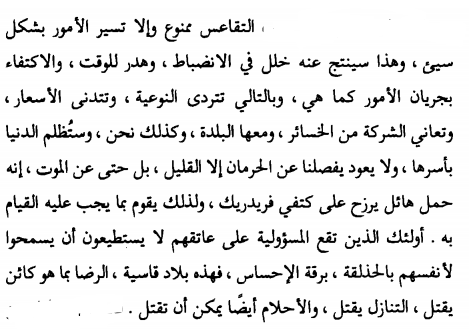
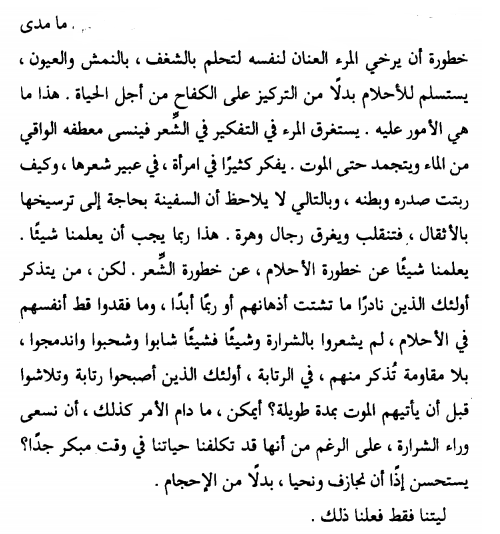
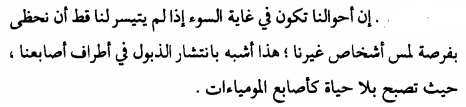
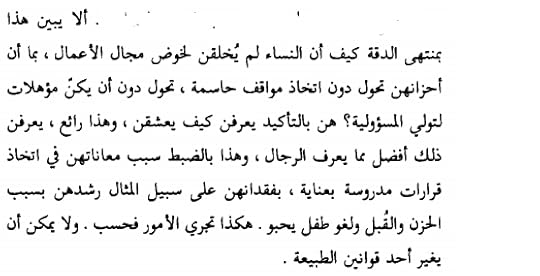
تظل الثلاثية واحدة من أفضل الروايات التي قرأتها في حياتي - على قلتها -

المقتطفات .. الكثيرة
38
38

67
67


71
71


80
80


84
84


85
85


96
96


102
102


119 - 123 - 133
119
123
133


153
153


161
161


166
166


213
213

233
233-1
233-2


278
278


335
335


394
394
Profile Image for David Carrasco.
Author 1 book146 followers
August 12, 2025
Crecer no es salir ileso. Es arriesgarse a perderse, a confundirse, a herirse con lo que uno descubre en su interior. El corazón del hombre nos habla de ese viaje: la lucha silenciosa de un muchacho que aprende que, a menudo, el enemigo más implacable no está fuera, sino dentro.

Y, al fin y al cabo, “¿Dónde comienza la vida y dónde cesa la muerte, sino en un beso?”

Jón Kalman Stefánsson lanza esa pregunta al principio de la novela como quien abre una herida con delicadeza. Y a partir de ahí, ya no hay vuelta atrás. Porque en esta historia, cada pregunta es un hilo que tira de todo lo demás. Y en El corazón del hombre, ese hilo termina por deshacer el tapiz que Stefánsson venía tejiendo desde el principio.

Esta novela cierra la Trilogía del muchacho, ese tríptico áspero y bellísimo que forman también Entre cielo y tierra y La tristeza de los ángeles . Lo que comenzó con el rugido del mar y siguió con el susurro del hielo, termina aquí con el latido de algo mucho más confuso: el alma humana. Porque si las dos primeras partes te hablaban del frío, el hambre, la nieve y el viento como enemigos, esta última se mete donde más duele: dentro.

Quienes hayan llegado hasta aquí tras leer las dos primeras entregas saben que esto no es solo la historia de un muchacho huérfano en la Islandia de finales del siglo XIX. Es, sobre todo, la historia de la conciencia, de cómo se forma un alma a base de pérdidas, libros, silencios y una rabiosa necesidad de encontrar belleza donde solo parece haber hielo y muerte. Aquí el muchacho ya no pelea contra la tormenta, sino contra sí mismo.

Y es precisamente ese crecimiento, esa costra que ha ido formando el muchacho, lo que permite que el autor cambie el foco sin que nada chirríe. Ahora el enemigo ya no viene del horizonte, sino del propio pecho. Stefánsson lleva toda la trilogía hablándonos de lo mismo —la vida, la muerte, la soledad, la amistad, el amor, el destino y otras palabras demasiado grandes para un puñado de humanos mojados y congelados—, pero en esta entrega final cambia el foco: lo que se tambalea es la conciencia, la brújula moral, el deseo. Las decisiones que te rompen por dentro aunque no se noten por fuera.

El muchacho ha crecido. Y con él, la historia. La nieve ya no le asusta tanto como la posibilidad de estar eligiendo mal. Porque el mundo de El corazón del hombre no es solo blanco o negro: es una mezcla sucia de emociones donde amar puede ser tan peligroso como naufragar.

Y ese amor —el que une y separa, el que cura y duele— atraviesa la novela como una línea de sangre. Amar también es elegir, y elegir implica perder. El protagonista se pasa el libro entero debatiéndose entre lo que quiere, lo que puede y lo que debe. Y en esa tensión, Stefánsson construye algo mucho más poderoso que cualquier tormenta ártica: una lucha sin trinchera, sin abrigo, sin salvación… contra uno mismo.

Y claro, para contar algo así no sirve cualquier voz. Aquí la narración se convierte en cómplice, en un espejo que refleja más dudas que certezas. La narración —en esa segunda persona lírica tan característica del autor, como si una voz invisible le susurrara al chico desde algún rincón de su memoria futura— se mantiene fiel al estilo que ha marcado toda la trilogía: lírica sin empalago, bella sin hacerse la interesante. Una prosa poética, fragmentaria, que combina la cotidianidad más cruda con fogonazos de filosofía existencial. Stefánsson no narra: susurra, pregunta, arremete, acaricia y luego escupe, todo en la misma página. Leerle es como escuchar a alguien que ha vivido demasiado y aún así se atreve a hablar de amor. Pero aquí el tono es más calmo, más meditado. Como si el autor ya no tuviera prisa por impresionarnos, sino por dejarnos con esa inquietud que se mete bajo la piel y no se va.

La estructura de la novela, menos lineal que las anteriores, refleja el caos interior del protagonista. Hay un mayor espacio para la introspección, los recuerdos, los deseos no expresados. El chico —ya no tan niño, pero tampoco hombre— se enfrenta a la vida real, con sus miserias, sus rutinas, su moral borrosa. Aquí ya no hay tormentas que justifican la tragedia: solo decisiones, pasiones, vacíos. La lucha se libra en pensiones mal iluminadas, en bibliotecas, en camas compartidas, en silencios que arden más que el frío.

Y en ese mismo contexto, el protagonista deja de ser un recipiente vacío que absorbe lo que el mundo le lanza. Ha desarrollado una voz, una conciencia, una herida que no se cura. Ama, sí, pero no sabe qué hacer con eso. Como si amar fuese un idioma hermoso que nadie le ha enseñado a pronunciar sin tartamudear.

Sin embargo, frente a las luchas físicas de los primeros dos libros —sobrevivir al mar, no congelarse en una tormenta—, El corazón del hombre presenta un conflicto puramente interno: el dilema moral, la vergüenza, la necesidad de pertenencia. Esa batalla íntima, tan desordenada y tan callada, es la que emparenta a Stefánsson con otros navegantes del alma. Así, a muchos les recordará las tensiones existenciales de autores como Dostoievski o Camus, pero tamizadas por la bruma islandesa y el lirismo de un poeta que se pregunta si el alma puede realmente salvarse. Stefánsson no da respuestas, quizá ni siquiera plantea bien las preguntas. Pero logra que nos duela como si las lleváramos tatuadas.

Comparada con Entre cielo y tierra , donde el mar era la muerte, y con La tristeza de los ángeles , donde el hielo era el olvido, esta tercera parte convierte al corazón en campo de batalla. Y es ahí donde Stefánsson se la juega del todo: en mostrar que el infierno puede ser un sentimiento mal gestionado, una culpa mal curada, una ternura que nadie quiere recibir. La trilogía no se cierra con una épica, sino con un susurro, con un chico que ya no busca escapar del mundo, sino entender su lugar en él.

Hay en este libro algo del Demian de Hesse, esa sensación de tránsito, de que algo muere para que algo pueda nacer —aunque no sepamos qué ni cómo. Y también algo de Faulkner, en ese ritmo interno, en ese lenguaje que se pliega sobre sí mismo hasta crear un mapa emocional donde cada frase parece escrita con sangre antigua.

Lo que más deslumbra, sin embargo, es la forma en que Stefánsson cuenta la historia. Su escritura es una especie de espiritualidad sin dioses, una liturgia del dolor cotidiano. Puede hablar de una taza de café o de la muerte con la misma intensidad. Y en esta tercera parte, se nota que ha llegado al centro de la herida. Todo duele más, pero todo tiene más sentido. La belleza, aquí, no es un adorno: es un refugio que a veces también corta.

Leer esta trilogía en orden no es una recomendación, es una necesidad. Cada libro no solo construye sobre el anterior, sino que también lo resignifica. Hay ecos que solo resuenan si los escuchas desde el principio, y heridas que solo duelen del todo si ya vienes con el cuerpo lleno de cicatrices. Saltarse uno es perderse parte del viaje emocional, y este viaje va de eso: de sentir, aunque escueza. Y cuando terminas los tres, no tienes la sensación de cerrar una historia, sino de haber vivido una vida ajena que, de alguna manera, se te ha pegado a la piel.

El corazón del hombre no es una conclusión en el sentido narrativo clásico. No cierra nada con un lacito, no resuelve, no perdona. Pero sí transforma. Lo que ofrece es algo más valioso y mucho más incómodo: una última mirada a ese muchacho que ya no es tan muchacho, y que intenta —como todos— no perderse del todo en medio del caos. Y si no lo consigue… bueno, al menos lo ha intentado con el corazón por delante. Aunque duela.
Profile Image for Sorin Hadârcă.
Author 3 books259 followers
May 29, 2025
Fiindcă toate poveștile care au un început au nevoie și de un sfârșit, cum să nu exploreze Stefánsson și această peșteră întunecată care-i inima omului și care (aici invocă o zicală arabă) e formată din două părți: una căreia îi spunem fericire, și alta care se cheamă disperare.

Poate că-i prea liric și poetic, dar anume din acest motiv pare adevărat. Poezia are propriul ei adevăr, cel de pe urmă. Fără el povestea nu ne-ar mai convinge și, prin urmare, nu ne-ar afecta. Și "oamenii ăștia", cei însetați de putere și care nu vor să schimbe ordinea lucrurilor sunt parte din poveste, la fel ca și cei care caută dreptatea și vor adevăr și lumină.

Și zice bine autorul când zice că nu prea contează dacă lucrurile care trebuiau să se întâmple s-au întâmplat în secolul nouăsprezece sau douăzeci și unu. Acum, ca și atunci, avem nevoie de povești despre viață și despre moarte că să putem face următorul pas.
Profile Image for Ana.
230 reviews91 followers
August 6, 2017
E assim se conclui a trilogia iniciada com Paraíso e Inferno, seguido de A Tristeza dos Anjos.
Este terceiro livro mantém a beleza da escrita, assente numa prosa muito lírica. Ao nível do conteúdo senti algum esgotamento do tema, quer ao nível do enredo quer do panorama geográfico e histórico. Também, como já tinha sentido no segundo livro, surgem vários personagens ocasionais que nada acrescentam à narrativa e que, pela dificuldade e falta de familiaridade com os nomes islandeses, acabam por gerar alguma confusão e quebrar o ritmo da leitura. Creio que uma redução da extensão da obra teria resultado melhor. Apesar disso a leitura continuou a proporcionar-me bastante prazer, com passagens de grande beleza e gostei do final escolhido pelo autor para rematar a obra.
Este livro, se apreciado individualmente, talvez me merecesse as quatro estrelas, mas a sensação de alguma repetição do apresentado nos livros anteriores levou-me a retirar-lhe uma estrela.
Profile Image for Nader Qasem.
59 reviews41 followers
January 31, 2020
267230-CE-DC53-4673-BD6-D-7-A7-B575-CE255
host image


1811-C7-D2-5-D61-4-D44-8365-7-F851-A104-E03
online free url upload


يا قلب الرجل !
ماذا أكتب عنك ؟
فصفحاتك كلها كانت بارده !
وحروفك كلها كانت صرده !
وأبجدياتك كانت قارسه كالصقيع !

يا قلب الرجل !
ماذا أكتب عنك ؟
ف قلمي يئن أمام عظمتك !
وذهني يشرد عند عمق تفاصيلك !
ونضجي يتساقط بذهول عند فلسفتك !

يا قلب الرجل !
ماذا أكتب عنك ؟
فقد أعدتني الى متناقضات عمري المنسيه!
سلبت مني وسادتي المريحة الهنيئة !
ذكرتني ب صراعاتي الداخليه !

نعم ...هناك كتب تزرع بك صراعات داخليه ، تجعلك تطرح أساله وجوديه ، و تنقب بك عن حقائق مؤكده، هذه احدى الكتب ...فها أنا اصل الى اخر الطريق ، الى المغلف الأخير ، الى المنتهى والخاتمة ... اصل "قلب الرجل "... حيث يطرح الفتئ أسأله أساسيه ويحاول استكشاف نفسه أكثر وأكثر !


ما أنا ؟
من أنا ؟
لماذا أنا ؟
أيمكنني حب شخصين في ذات واحد ؟
هل أنا على قيد حياه .. أم ذات قيد موت ؟

في "قلب الرجل" .. الجزء الأخير من الثلاثيه الايسلنديه "جنه وجحيم" يصبح الفتى رجلا ، ويقفز الشتاء الى صيف ويبقى الامس أمس ويغدو اليوم العصر الحديث!

"حزن الملائكه " وهو الجزء الثاني من الثلاثيه كان غارقا في الشتاء والصقيع ، أما "قلب الرجل" الجزء الثالث والأخير يكشر عن أنياب العشب ، ويرفع صيحات ذوبان الجليد، ويأتي لنا بعالم جديد وحله جديده!

عالم جديد يصل اليه الفتى بعد سته أشهر من رحلته الاولى ، عالم جديد يحاول به الفتى استكشاف جوهر وجود الإنسان في ارض تسكت بها قوه المشهد عن كلماتها بقسوه جليدية غليظه.

عالم جديد بين شخصيات قديمة ولكن الفرق هنا ان العمر زاد به واصبح الفتى رجلا ، نعم ، فطفولته تتلاشى مع الشعر الاحمر الناري ل الفيدور، أم شابه عزباء تقبل الصبي بنظراتها المغريه وتثير الإحاسيس في جسده ،جسده الذي يفتقر الى الخبره ويستصعب حتى على الفتى نفسه فهمه.

نعم، فهذا القلب يدق دم العاطفه ايضا: تلك الكلمه القاسيه التي تسمى الحب ، ذاك الشعور الذي يستجلب معه بناء او دمار، ذلك الشعور يكون ل الفتى منه نصيب ويمسي الخط الرئيسي ل الروايه.

طالت قامه الكتاب كثيرا حتى كادت ان تصل الى 400 صفحه، لكن طبيعي من طبيعه تنوع المجتمع الهرمي الذي روى لنا عنه كالمان: صياد ضرير محب ل الكتب، سيده غير متزوجه وبالتالي سيدة أعمال مزعجة ، زوجة تتخلى عن زوج "محترم" لأنها تشعر بأنها محبوسة في زواج غير سعيد، وشخصيات أخرى جانبيه مثيره ل الاهتمام تتنمى لو ان كالمان يكتب روايات منفصله عنها.


باعتبارها الروايه الثالثه والختامية في ثلاثيه كالمان ف أنت ملزم بقرأتها حتى تمسك بيدك الضوء الذي يضيئ على الروايتان السابقتان ، اقراءها بمزاج جيد واسترخ في امتدادها الفلسفي وثراءها الوصفي، ستدهشك النهايه لذلك كن على استعداد ل مواجهه كل الاحتمالات.


أدناه اقتباساتي المفضله ❤️


"يمكن أن تجعل القوه الرجل شيطانا ، ولهذا يكون الرجل أحيانا أسواء ما قد يوجد على وجه البسيطه."

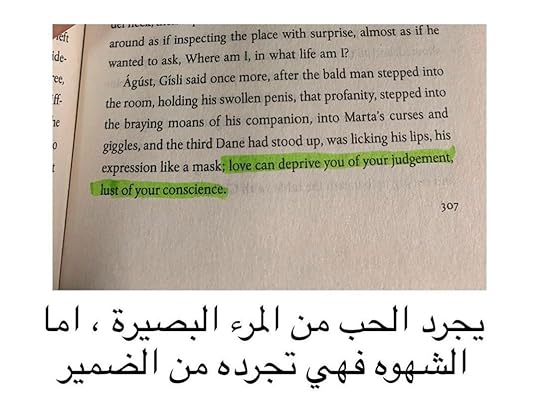
"يجرد الحب من المرء البصيرة ، اما الشهوه فهي تجرده من الضمير"

"يستنشق الغبار، يستنشق الكتب، يستنشق عشرات الآلاف من الكلمات والأفكار التي يفترض أن تكون قادره على تحرير الانسانيه من قيودها وان كانت لا تفعل دائما."

"أعتقد أن الوصول الى النور صعب ، بل صعب جدا في أغلب الأحيان، لكم أعتقد أيضا أننا ان لم نسع أليه فلا أحد سيجلبه لنا."

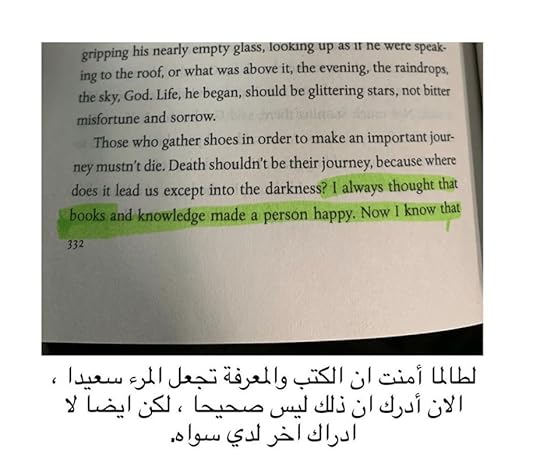
"لطالما أمنت ان الكتب والمعرفة تجعل المرء سعيدا ، الان أدرك ان ذلك ليس صحيحا ، لكن ايضا لا ادراك اخر لدي سواه."

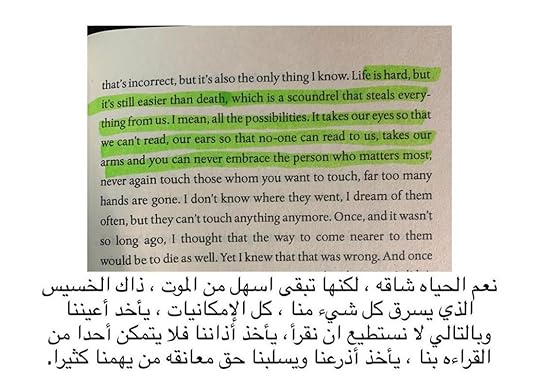
"نعم الحياه شاقه ، لكنها تبقى اسهل من الموت ، ذاك الخسيس الذي يسرق كل شيء منا ، كل الإمكانيات ، يأخد أعيننا وبالتالي لا نستطيع ان نقرأ، يأخذ أذاننا فلا يتمكن أحدا من القراءه بنا ، يأخذ أذرعنا ويسلبنا حق معانقه من يهمنا كثيرا."


"لاتسمح لقبلاتك أن تقل عن عدد قطرات المطر المنهمره على السقف، حول أطراف أصابعك ألى قبل، قبلني والمسني ومعا سنجعل العالم صالحا ل السكن، قبلتي وسنحول الصخور الى أحواض زهور."


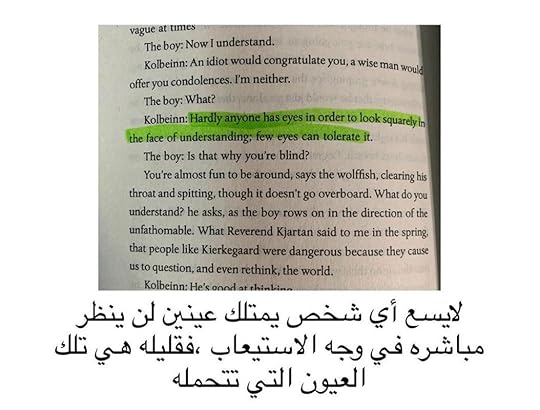
"لايسع أي شخص يمتلك عينين لن ينظر مباشره في وجه الاستيعاب ،فقليله هي تلك العيون التي تتحمله."

"أولئك الذين يرحلون لا يعودون أبدا ، نفقدهم ونفقد كل ما كان لديهم، عيونهم ، ابتسامتهم ، حركات الأصابع، كيف ناموا وكيف حدقوا بحيره في الفضاء، كيف بكوا وقبلوا ولمسوا ، كيف وُجدوا، ...... هذا كله يتلاشى حالما يمسنا الموت."


"الوقت وهم: وهو وحده القياس الوحيدة الصالحه للاستخدام في الحياه، فالناس لايتغيرون أبداً، بغض النظر عن مرور الوقت، مانسميه السنين، الأساليب كلها تتغير ، أما البشرية فلا."


"هل يمكن أن يتغير المرء كثيرا بحيث يموت او يذوي ؟ يتحول الى لاشئ ، او بمعنى ادق يتحول الي شي مختلف بتاتا عن صورته الاولى ؟؟؟"


“الفن خطر .. فهو يمكن ان يصنع احلاما بحياه افضل ، اكثر انصافا ، اجمل ، لكن ايضا يمكن ان يعزز شعور الذنب ويهدد الوجود اليومي ل الفرد.”

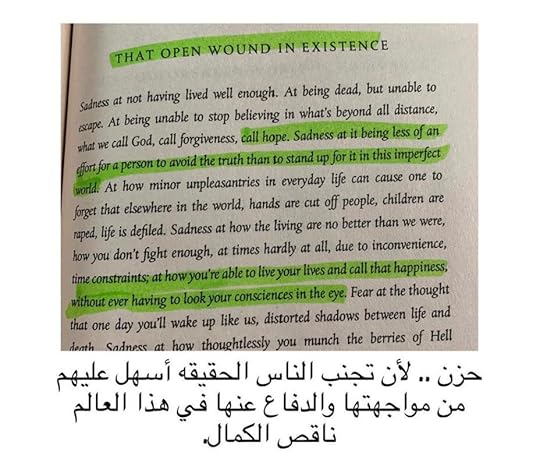
“حزن .. لأن تجنب الناس الحقيقه أسهل عليهم من مواجهتها والدفاع عنها في هذا العالم ناقص الكمال.”

“أنك تفكر بوضوح على الجبال ، ترى الحياه من زاويه مختلفه، ربما بسبب الهواء ذاته وربما بسبب المسافه بينك وبين الناس والمستوطنات.”


“من المستحيل ان نقول انه يتحتم على المرء أن يتخذ قرارا او لا يتخذ قرار ، ففي النهايه لايهم اتخاذه او عدم اتخاذه، فنحن لسنا الأوصياء على حياتنا.”


“اعترى سنوري النحول، وامسئ هزيلا مثل وتر يعزف عليه الوجود أغنيته الحزينه ، بينما مارتا امست كعلامه تعجب في وجود الحياه.”

“أننا نمسي موتى اذا ما امتنعنا استشعار الاخرين، وكأن علامه أصابعنا تختفي، تغدو ميته ، تماما ك المومياء.”


“جراح الحياه لا تشفئ بيوم واحد، يتطلب الأمر اكثر من ذلك ، لكن اناره اليله تتعامل معها برفق، وربما تتيح للمرء فرصه البكاء.”


“رغبته تنمو أقوى مما له من قدره على القتل، أقوى بكثير حتى انه يكاد ان يبكي”


“من المستحيل النوم بينما الدم يغني في عروقك.”

“هذه اللغه غنيه ب المفردات، من السهوله جدا ان تهين بها ، ف الأمر لا يطلب موهبه او ذكاء او حتى شجاعه.”


“الأمه التي تترجم القليل وتركز فقط على افكارها هي ضيقه، وعندما تتكاثر بكثافه سكانيه كبيره تصبح خطيره على الاخرين، فكل شي يكون بأعينهم غريب ماعادا افكارها وعاداتها، ف الترجمة توسع من افكار الناس ، وتكبر عالمهم”


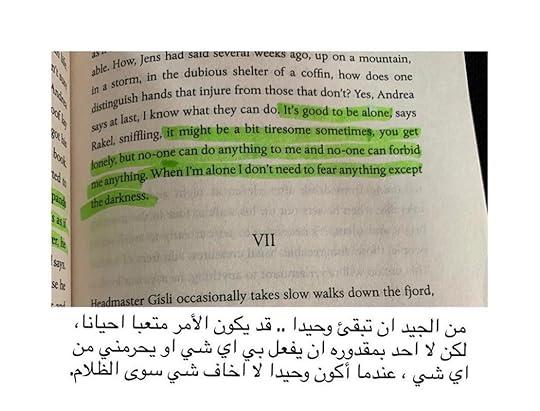
“من الجيد ان تبقى وحيدا، قد يكون الأمر متبعا احيانا ، لكن لا احد بمقدوره ان يفعل بي اي شي او يحرمني من اي شي، عندما أكون وحيدا لا اخاف اي شي سوى الظلام.”


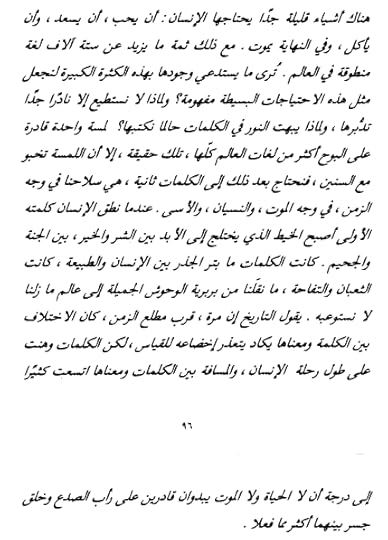
"لماذا يبهت النور في الكلمات حالما نكتبها، لمسه واحده قادره على البوح اكثر من لغات العالم كله، تلك حقيقه ، الا ان اللمسه تخبو مع السنين، فنحتاج بعد ذلك الى الكلمات ثانيه، هي سلاحنا في وجه الزمن ، في وجه الموت والنسيان."


"أناديك ، معك أنا بأمان ، وهذا العالم الموحش صالح للسكن مادمت تحبني."


"لكن الموت يدوس على أمانينا، على صلواتنا، على يأسنا وقوتنا ، هذا ما يفعله متى ما يسره ذلك."


"سماء بعيده جدا كما لو أنها رمت الإنسان في عزله"

"أولئك الذين يبحثون بعيدا في البحار ولوقت طويل لا يجدون سوى الوحده والموت"

"لاشئ يجلب الراحه، ف الحياه هي اما فوز او خساره ، لا سعاده ولا تعاسه، وسأكون رابحا في طريقتي الخاصه"

"الحب ليس شي يتركه المرء جانبا"

"أمازال قلبك ينبض ؟ وأن كان اخبرني كيف ... ف أنا مازلت أقف بجانب جدار المنزل .. ذاك الذي ارتطمت به أنت."


"ما كل الرسائل جيده، بعضها ماكان يجب ان تُرسل، ما كان يجب ان تُفتح ، ما كان يجب تُقراء."

"هذه بلد عديمه الرحمه، الرضا يقتلك، والتنازل يقتلك، حتى الأحلام تقتلك."

"من المريح أن تحصل على فرصة التحدث بلغة المزارعين ، فهي تسمح لك بالهروب ل التقاط أنفاسك للحظة والشعور بالحيوية"


"من الصعوبه الوصول الى مكان ما عاد يوجد ، الوصول الى أولئك الذين أمسوا عدم."


"اكثر ما يثقل كاهل المرء هو ان لا يعرف كيف يعيش، ان يعرف النوتات جيدا لكن يعجز عن غناءها."


"اكثر الأمور صعوبه في الحياه هي عدم الهروب من الذات، من الوجود الشخصي، ان تصمت في دواخلك ، في عالم لا يمنحك اي مساحه سوى في الأحلام."

"كل منا يرى العالم بعيونه ، لذلك من الصعوبه ان يتحدث المرء عن حياه واحده او عالم واحد."

"حياه الرجل هي عباره عن معاناه طويله ومتعبه من تحريض الجسد عل�� الذات"


"الحياه تتوسع بك عندما تقراء ، فبها الكثير ، كأنك تحصل على شي لا احد بمقداره ان يسلبه منك ، ف القراءه تجعلك سعيدا."

"لذلك من الأسهل التظاهر بعدم فهم اي شي عندما تمسي الحياه هدام مندثر الآلاف القطع حولك"

"أولئك الذين لا يمتلكون أصواتا يبحثون عن المأوى عبثا"


"عندما نطق الإنسان كلمته الاولى اصبح الخيط الذي يختلج الى الأبد بين الخير والسر ، بين الجنه والجحيم، كانت الكلمات ما بتر الجذر بين الإنسان والطبيعة."

"العالم البشري غير منصف بتاتا ل أولئك الضعفاء ، انه فاسد بقسوه وجشع."

"الرجل يولد من اجل ان يحب .. هذا هو أساس الحياه."

"انها حقيقه ان القلب البشري يحتوي على غرفتان، لذلك متوقع هو جدا ان يقع في حب شخصان في وقت واحد"

"الجسد البشري عباره عن وحش نجره في الحياه ك ذاكره ثقيله

A7-E70580-1877-40-BD-A60-A-931-B8352-D202


EA38-FEF6-EFCC-40-EE-94-A1-AF92-B7-DD4057

5-B55-F3-B8-0640-4947-BF40-79-A0-CE366-BF2

56-E49-F57-9665-4-FC8-A24-F-644-A34-EB8512


D09-A3-D11-2895-4202-A3-A2-5-E11-DB5362-BA

E94376-C1-B9-F2-4-B62-B45-F-D2-EEFE83-FB14

E2-DA74-CE-F1-EC-4782-8-D9-B-4907511-BA74-E
Profile Image for Dolf Patijn.
795 reviews52 followers
December 17, 2018
Het laatste deel in de trilogie was weer schrijnend mooi. Met schrijnend mooi bedoel ik dat het erg mooi is geschreven maar dat - en dat geldt ook voor de andere twee delen - het bepaald geen vrolijk boek is. Het harde leven op IJsland met de dood nooit ver weg, de verveling, de drankzucht, het gevecht om te overleven; het speelt allemaal een rol in dit boek en in de andere twee delen.

Tot nu toe vind ik "Zomerlicht, en dan komt de nacht" nog zijn mooiste boek. Dat boek is ook iets lichter van toon.

Dit laatste deel van de trilogie brengt "de jongen" die het altijd moeilijk vond om beslissingen te nemen, tot een besluit aan het eind van het boek. Een treffend einde van een meeslepende trilogie.
Profile Image for Dani Dányi.
631 reviews81 followers
October 21, 2019
Nahát.
Elbírta. Mármint a szöveg ezt a rengeteg billegést a határain, tényleg mint egy hajó, ami bármekkorának is látjuk éppen, az óceánhoz képest csak egy kis lélekvesztő. Időnként egy vékony deszkapadló választotta csak el a feneketlen Titanicozástól, de elbírta, a saját bátran bevállalt örök üzeneteit, néhol már-már hollywoodiasan stilizált, örökzöld metaforáit, egyensúlyban tartotta a saját iránya és súlya az élet és halál között vitorlázásban, bátor hajó, hosszú és életnagyságú odüsszeiáról végül beérkezett.
Profile Image for Yasmine Mohamed.
179 reviews24 followers
March 22, 2020
"أمازال قلبك ينبض؟وإن كان مازال ينبض فكيف؟"
تُرى هل ينبض كنغم حزين أم ينبض كشذى الياسمين؟


"إن قلب الرجل يتألف من حجرتين، إحداهما تدعى السعادة، والأخرى تدعى اليأس"

القلب إنه ميزان الحياة المتأرجح بإستمرار، السعادة في إحدى كفتيه، وفي الكفة الأخرى اليأس.
فأيهما أثقل يا ترى؟

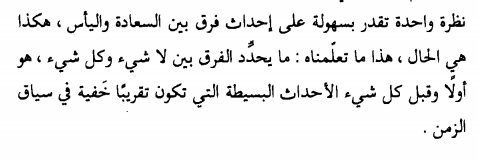
ما الذي يحدث فرق بين السعادة واليأس، ما يحدد الفرق بين لا شئ وكل شئ؟
هو أولا وقبل كل شئ الأحداث البسيطة التي تكون تقريبا خفية في سياق الزمن.
نظرة ممن نحب، رسالة بكلمات كطوق نجاة من أمواج الحياة، ورأفة ترحمنا من قسوة رحلتنا.

أتمادى في التقدم أكثر مما فعلت نحو نهاية رحلة الفتى، النهاية التي قد لا تكون نهاية مطلقا.

الرحلة التي خضت فيها مع فتى لا أعرف إسمه لكني تماهيت مع رحلته، كلماته، قلبه وتساؤلاته.

رحلة أخذتني إلى أرض الجليد بين بحرها ، جبالها ، سمائها وناسها.


أحببت الرحلة من قلب الشتاء إلى مشارف الصيف حيث القطرات الشفافة إخترقت حزن الملائكة في قلب الفتى لتذيبه وتشعل الدفء فيه فيمسي الفتى رجلا.

فى النهاية هل سيخطو القلب نحو الضوء؟
أعتقد أن الوصول إلى النور صعب جدا ، ولكن إن لم نسع إليه فلا أحد سيجلبه لنا.
Profile Image for Calzean.
2,770 reviews1 follower
January 1, 2018
There is more hope and a glimpse of happiness in this final book of an outstanding trilogy. No matter what rating has been given to a single book, I rate the whole series as a 5.
The boy and Jens recover from their escape for the avalanche. The boy then returns to a life of somewhat normality, it is spring after all and the weather is more favourable. He lives with three strong women, impresses people with his wisdom and need for reading/learning. Life in northern Iceland is described in detail.
But the book debates the meaning of life, death, happiness, choice, luck, sex, love, women, fate and human kind through poetic but melancholy words. It is a beautiful and outstanding book.
Profile Image for Albus Eugene Percival Wulfric Brian Dumbledore.
587 reviews96 followers
October 14, 2018
siamo quello che facciamo o siamo quello che sogniamo? …
«La cosa peggiore è non saper vivere, conoscere tutte le note e non avere una melodia.»
Si chiude la trilogia iniziata con Paradiso e inferno, seguito da La tristezza degli angeli.
Islanda, Fiordi Occidentali, fine XIX secolo. Il Villaggio, microcosmo dove tutto è rappresentato, al centro del quale troviamo la locanda dell’affascinate Geirþrúður, ombelico del mondo …
«… una prosa fortemente poetica dominata dalla lentezza e dall’apparente inesistenza di eventi … », così Alessandro Zironi.
«L’uomo è crudele, dobbiamo guardarci dall’ammirare chi sale in alto finché non sappiamo su cosa fa leva, se sulle proprie gambe o sulla vita degli altri.»
Filosofia poetica? Poesia filosofica? Poesia applicata all’Antropologia? Etica e poesia? Boh! Insomma, non lo so. So solo che questa trilogia è, ai miei occhi, una struggente rappresentazione dell’umanità, con tutto il suo carico di crudeltà da un lato “Pregiudizi, Cupidigia, Crudeltà, Violenza, Egoismo” e di affetto, amore, generosità, solidarietà, memoria, ruolo della parola, dall’altro.
«se esiste qualcosa che può salvarci sono gli occhi di un bambino di tre anni, ciò che di più prezioso possiede l’uomo, ciò che ha di più fragile e più potente sta in quello sguardo, non dovremmo mai prendere decisioni importanti senza consultare occhi come quelli.»
«Non siamo mai uguali, la presenza degli altri ci cambia, mette in luce tratti diversi e raramente tutti nello stesso momento, in ciascuno di noi ci sono mondi nascosti e alcuni non affiorano mai in superficie.»
«i punti cardinali sono tre: il vento, il mare e l’eterno …»
Forse Pratt già lo sapeva …
[anobii, Feb 2016]
Profile Image for رولا حسن.
Author 1 book130 followers
January 5, 2019
قلب الرجل مقطوعة موسيقية من جزيرة نائية تعزفها أوتار الحياة
ملخص الحكاية………
Profile Image for Ahmed.
918 reviews8,053 followers
March 23, 2020
‫قلب الرجل: ختام ثلاثية مريحة في القراءة، نصها الشعري ومعانيها الروحانية الجميلة، ودور الطبيعة البطولي في أحداثها منحها رونق خاص، بترجمة أنيقة تناسب جوها الصافي وتدفق يساعد على القراءة السلسة كانت خير رفيق في أيام وليال عزل طويلة.‬
Profile Image for Nader Qasem .
56 reviews9 followers
September 19, 2019
الكتاب : قلب الرجل
الكاتب : يون كالمان


يا قلب الرجل !
ماذا أكتب عنك ؟
وصفحاتك كلها كانت بارده !
وحروفك كلها كانت صرده !
وأبجدياتك كانت قارسه كالصقيع !

يا قلب الرجل !
ماذا أكتب عنك ؟
ف قلمي يئن أمام عظمتك !
وذهني يشرد عند عمق تفاصيلك !
ونضجي يتساقط بذهول عند فلسفتك !

يا قلب الرجل !
ماذا أكتب عنك ؟
فقد أعدتني الى متناقضات عمري المنسيه!
سلبت مني وسادتي المريحة الهنيئة !
ذكرتني ب صراعاتي الداخليه !

نعم ...هناك كتب تزرع بك صراعات داخليه ، تجعلك تطرح أساله وجوديه ، و تنقب بك عن حقائق مؤكده، هذه احدى الكتب ...فها أنا اصل الى اخر الطريق ، الى المغلف الأخير ، الى المنتهى والخاتمة ... اصل "قلب الرجل "... حيث يطرح الفتئ أسأله أساسيه ويحاول استكشاف نفسه أكثر وأكثر !


ما أنا ؟
من أنا ؟
لماذا أنا ؟
أيمكنني حب شخصين في ذات واحد ؟
هل أنا على قيد حياه .. أم ذات قيد موت ؟

في "قلب الرجل" .. الجزء الأخير من الثلاثيه الايسلنديه "جنه وجحيم" يصبح الفتى رجلا ، ويقفز الشتاء الى صيف ويبقى الامس أمس ويغدو اليوم العصر الحديث!

"حزن الملائكه " وهو الجزء الثاني من الثلاثيه كان غارقا في الشتاء والصقيع ، أما "قلب الرجل" الجزء الثالث والأخير يكشر عن أنياب العشب ، ويرفع صيحات ذوبان الجليد، ويأتي لنا بعالم جديد وحله جديده!

عالم جديد يصل اليه الفتى بعد سته أشهر من رحلته الاولى ، عالم جديد يحاول به الفتى استكشاف جوهر وجود الإنسان في ارض تسكت بها قوه المشهد عن كلماتها بقسوه جليدية غليظه.

عالم جديد بين شخصيات قديمة ولكن الفرق هنا ان العمر زاد به واصبح الفتى رجلا ، نعم ، فطفولته تتلاشى مع الشعر الاحمر الناري ل الفيدور، أم شابه عزباء تقبل الصبي بنظراتها المغريه وتثير الإحاسيس في جسده الذي يفتقر الى الخبره ويستصعب حتى على الفتى نفسه فهمه.

نعم، فهذا القلب يدق دم العاطفه ايضا: تلك الكلمه القاسيه التي تسمى الحب ، ذاك الشعور الذي يستجلب معه بناء او دمار، ذلك الشعور يكون ل الفتى منه نصيب ويمسي الخط الرئيسي ل الروايه.

طالت قامه الكتاب كثيرا حتى كادت ان تصل الى 400 صفحه، لكن طبيعي من طبيعه تنوع المجتمع الهرمي الذي روى لنا عنه كالمان: صياد ضرير محب ل الكتب، سيده غير متزوجه وبالتالي ، سيدة أعمال مزعجة ، زوجة تتخلى عن زوج "محترم" لأنها تشعر بأنها محبوسة في زواج غير سعيد، وشخصيات أخرى جانبيه مثيره ل الاهتمام تتنمى لو ان كالمان يكتب روايات منفصله عنها.


باعتبارها الروايه الثالثه والختامية في ثلاثيه كالمان ف أنت ملزم بقرأتها حتى تمسك بيدك الضوء الذي يضيئ على الروايتان السابقتان ، اقراءها بمزاج جيد واسترخ في امتدادها الفلسفي وثراءها الوصفي، ستدهشك النهايه لذلك كن على استعداد ل مواجهه كل الاحتمالات.


أدناه اقتباساتي المفضله ❤️


"يمكن أن تجعل القوه الرجل شيطانا ، ولهذا يكون الرجل أحيانا أسواء ما قد يوجد على وجه البسيطه."

"يجرد الحب من المرء البصيرة ، اما الشهوه فهي تجرده من الضمير"

"يستنشق الغبار، يستنشق الكتب، يستنشق عشرات الآلاف من الكلمات والأفكار التي يفترض أن تكون قادره على تحرير الانسانيه من قيودها وان كانت لا تفعل دائما."

"أعتقد أن الوصول الى النور صعب ، بل صعب جدا في أغلب الأحيان، لكم أعتقد أيضا أننا ان لم نسع أليه فلا أحد سيجلبه لنا."

"لطالما أمنت ان الكتب والمعرفة تجعل المرء سعيدا ، الان أدرك ان ذلك ليس صحيحا ، لكن ايضا لا ادراك اخر لدي سواه."

"نعم الحياه شاقه ، لكنها تبقى اسهل من الموت ، ذاك الخسيس الذي يسرق كل شيء منا ، كل الإمكانيات ، يأخد أعيننا وبالتالي لا نستطيع ان نقرأ، يأخذ أذاننا فلا يتمكن أحدا من القراءه بنا ، يأخذ أذرعنا ويسلبنا حق معانقه من يهمنا كثيرا."


"لاتسمح لقبلاتك أن تقل عن عدد قطرات المطر المنهمره على السقف، حول أطراف أصابعك ألى قبل، قبلني والمسني ومعا سنجعل العالم صالحا ل السكن، قبلتي وسنحول الصخور الى أحواض زهور."


"لايسع أي شخص يمتلك عينين لن ينظر مباشره في وجه الاستيعاب ،فقليله هي تلك العيون التي تتحمله."

"أولئك الذين يرحلون لا يعودون أبدا ، نفقدهم ونفقد كل ما كان لديهم، عيونهم ، ابتسامتهم ، حركات الأصابع، كيف ناموا وكيف حدقوا بحيره في الفضاء، كيف بكوا وقبلوا ولمسوا ، كيف وُجدوا، ...... هذا كله يتلاشى حالما يمسنا الموت."


"الوقت وهم: وهو وحده القياس الوحيدة الصالحه للاستخدام في الحياه، فالناس لايتغيرون أبداً، بغض النظر عن مرور الوقت، مانسميه السنين، الأساليب كلها تتغير ، أما البشرية فلا."


"هل يمكن أن يتغير المرء كثيرا بحيث يموت او يذوي ؟ يتحول الى لاشئ ، او بمعنى ادق يتحول الي شي مختلف بتاتا عن صورته الاولى ؟؟؟"


“الفن خطر .. فهو يمكن ان يصنع احلاما بحياه افضل ، اكثر انصافا ، اجمل ، لكن ايضا يمكن ان يعزز شعور الذنب ويهدد الوجود اليومي ل الفرد.”

“حزن .. لأن تجنب الناس الحقيقه أسهل عليهم من مواجهتها والدفاع عنها في هذا العالم ناقص الكمال.”

“أنك تفكر بوضوح على الجبال ، ترى الحياه من زاويه مختلفه، ربما بسبب الهواء ذاته وربما بسبب المسافه بينك وبين الناس والمستوطنات.”


“من المستحيل ان نقول انه يتحتم على المرء أن يتخذ قرارا او لا يتخذ قرار ، ففي النهايه لايهم اتخاذه او عدم اتخاذه، فنحن لسنا الأوصياء على حياتنا.”


“اعترى سنوري النحول، وامسئ هزيلا مثل وتر يعزف عليه الوجود أغنيته الحزينه ، بينما مارتا امست كعلامه تعجب في وجود الحياه.”

“أننا نمسي موتى اذا ما امتنعنا استشعار الاخرين، وكأن علامه أصابعنا تختفي، تغدو ميته ، تماما ك المومياء.”


“جراح الحياه لا تشفئ بيوم واحد، يتطلب الأمر اكثر من ذلك ، لكن اناره اليله تتعامل معها برفق، وربما تتيح للمرء فرصه البكاء.”


“رغبته تنمو أقوى مما له من قدره على القتل، أقوى بكثير حتى انه يكاد ان يبكي”


“من المستحيل النوم بينما الدم يغني في عروقك.”

“هذه اللغه غنيه ب المفردات، من السهوله جدا ان تهين بها ، ف الأمر لا يطلب موهبه او ذكاء او حتى شجاعه.”


“الأمه التي تترجم القليل وتركز فقط على افكارها هي ضيقه، وعندما تتكاثر بكثافه سكانيه كبيره تصبح خطيره على الاخرين، فكل شي يكون بأعينهم غريب ماعادا افكارها وعاداتها، ف الترجمة توسع من افكار الناس ، وتكبر عالمهم”


“من الجيد ان تبقى وحيدا، قد يكون الأمر متبعا احيانا ، لكن لا احد بمقدوره ان يفعل بي اي شي او يحرمني من اي شي، عندما أكون وحيدا لا اخاف اي شي سوى الظلام.”


"لماذا يبهت النور في الكلمات حالما نكتبها، لمسه واحده قادره على البوح اكثر من لغات العالم كله، تلك حقيقه ، الا ان اللمسه تخبو مع السنين، فنحتاج بعد ذلك الى الكلمات ثانيه، هي سلاحنا في وجه الزمن ، في وجه الموت والنسيان."


"أناديك ، معك أنا بأمان ، وهذا العالم الموحش صالح للسكن مادمت تحبني."


"لكن الموت يدوس على أمانينا، على صلواتنا، على يأسنا وقوتنا ، هذا ما يفعله متى ما يسره ذلك."


"سماء بعيده جدا كما لو أنها رمت الإنسان في عزله"

"أولئك الذين يبحثون بعيدا في البحار ولوقت طويل لا يجدون سوى الوحده والموت"

"لاشئ يجلب الراحه، ف الحياه هي اما فوز او خساره ، لا سعاده ولا تعاسه، وسأكون رابحا في طريقتي الخاصه"

"الحب ليس شي يتركه المرء جانبا"

"أمازال قلبك ينبض ؟ وأن كان اخبرني كيف ... ف أنا مازلت أقف بجانب جدار المنزل .. ذاك الذي ارتطمت به أنت."


"ما كل الرسائل جيده، بعضها ماكان يجب ان تُرسل، ما كان يجب ان تُفتح ، ما كان يجب تُقراء."

"هذه بلد عديمه الرحمه، الرضا يقتلك، والتنازل يقتلك، حتى الأحلام تقتلك."

"من المريح أن تحصل على فرصة التحدث بلغة المزارعين ، فهي تسمح لك بالهروب ل التقاط أنفاسك للحظة والشعور بالحيوية"


"من الصعوبه الوصول الى مكان ما عاد يوجد ، الوصول الى أولئك الذين أمسوا عدم."


"اكثر ما يثقل كاهل المرء هو ان لا يعرف كيف يعيش، ان يعرف النوتات جيدا لكن يعجز عن غناءها."


"اكثر الأمور صعوبه في الحياه هي عدم الهروب من الذات، من الوجود الشخصي، ان تصمت في دواخلك ، في عالم لا يمنحك اي مساحه سوى في الأحلام."

"كل منا يرى العالم بعيونه ، لذلك من الصعوبه ان يتحدث المرء عن حياه واحده او عالم واحد."

"حياه الرجل هي عباره عن معاناه طويله ومتعبه من تحريض الجسد على الذات"


"الحياه تتوسع بك عندما تقراء ، فبها الكثير ، كأنك تحصل على شي لا احد بمقداره ان يسلبه منك ، ف القراءه تجعلك سعيدا."

"لذلك من الأسهل التظاهر بعدم فهم اي شي عندما تمسي الحياه هدام مندثر الآلاف القطع حولك"

"أولئك الذين لا يمتلكون أصواتا يبحثون عن المأوى عبثا"


"عندما نطق الإنسان كلمته الاولى اصبح الخيط الذي يختلج الى الأبد بين الخير والسر ، بين الجنه والجحيم، كانت الكلمات ما بتر الجذر بين الإنسان والطبيعة."

"العالم البشري غير منصف بتاتا ل أولئك الضعفاء ، انه فاسد بقسوه وجشع."

"الرجل يولد من اجل ان يحب .. هذا هو أساس الحياه."

"انها حقيقه ان القلب البشري يحتوي على غرفتان، لذلك متوقع هو جدا ان يقع في حب شخصان في وقت واحد"

"الجسد البشري عباره عن وحش نجره في الحياه ك ذاكره ثقيله"
Profile Image for Leif.
1,950 reviews103 followers
March 29, 2016
Nothing is sweet to me, without thee!

This book is quicksilver magic, heartrending stamina, made of a mountain's truth.
Art is dangerous, it can stir up dreams of a better life, more equitable, more beautiful; it can arouse guilt and menace everyday existence.
I can think of few novels–let alone trilogies–with the power and guile and sheer majestic passion as I find in Jón Kalman Stefánsson's The Heart of Man, coming after his Heaven and Hell and The Sorrow of Angels. Read these books! Relax in their philosophic extension, their descriptive richness, all granted with the serenity of ghostly narrative. After all, as the novel suggests,
But what is good, what is evil? The difference isn't as obvious as we'd wish. What is good can bring us misfortune, what is most difficult can become a solace.


As the third and concluding novel in Stefánsson's trilogy, The Heart of Man takes its remit to be both the narrative conclusion but also the light that shines back on previous novels. What is striking to me is how politicized the novels' aesthetic development has become in a way that, advantageously, lends (or more properly reveals) meaning in the previous stories and their meditations on the deathly power of poetry and art, and then on the journey across land and the significance of lives less visible but lived with such intensity, such quietude. In this book, much more an urban, economic development, the time of the book catches up with the financial crisis in Iceland not in narrative fact but, certainly, in the echo of themes: both novels are concerned with the capitalist growth, monopoly, and dehumanizing power of financial privilege over the engaged, enjoyed life.

This is, incidentally, a theme that works particularly well in the Iceland of Stefánsson's narrative world: spare but unsparing, quiet but deafeningly thoughtful, and on the turning-grond of history. It is a politics from below, as well, one revealed in defence of freedom, education, women's rights, and art. Speaking of the principle antagonists, an especially perspicacious character observes that "their names and characters are irrelevant, because those who rule are shaped by their power, and their power by tradition. So we're wrestling with something considerably larger than those fine men." In the background are the families encountered in the span of The Sorrow of Angels: small children coughing, quiet men whiling away their days collecting eggs, intelligent women desperate for any scraps of poetry or prose that come their way... The Heart of Man: ripped open, this chest of humanity; in what way could it be said to be political? What heart beats in the accountant's rapacious counting, the merchant's incessant leveraging, the finance trader's casual disdain? As the schoolteacher Gísli points out about the two traders Friðrik and Tryggvi, "neither ... would care to have a fellow such as Jesus in their inner circle, a man with ideas like his would lead them straight into bankruptcy. In all probability ... it's considerably quicker getting to Hell than to Heaven." Life, Gísli repeats, is misfortune; men and women are at the mercy of those whose power has corrupted them. Later, Geirþrùðer serves the teacher a more than necessary reply:
Honesty can make a person courageous, but life isn't misfortune; it may be difficult, sometimes degrading, which is why far too many give in, too soft or too sapless to keep heading toward their dreams. They bend, accept what they shouldn't accept.
At which point, we return to the inflammation, the cold burn, the devastating elevation of art's power.

But this heart beats blood of passion too: "that word, love, that cruel noun, that comet". Perhaps one of the most fulfilling of the book's plots is the way that it treats romance and disappointment, passion and its darknesses. Amid an incredibly sensitive narrative that revolves around marital rape and women's liberation, which has been an important bone of the trilogy's skeleton since the first novel, there is also the story of the boy's encounters with women, sometimes as a friend, sometimes correspondent, sometimes more. These yield absolutely fantastic grounds for poetry and prose of high order and, though I will stop here, incredible passages. Take this, which stopped me with its force:
The boy shuts his eyes yet nothing comes to him except for what she said about the world being different if Jesus had been a woman, disgraced by man before ascending into the light, dear God how he longs to love a person who thinks like that. He opens his eyes and weeps a little.
This is fine in sense and in sensitivity alike; beautiful, I think, in all its parts.

Oh, and did I mention? If you thought the previous books were dramatic but keening and slow, painfully elaborated perhaps, delicately unspooled? This book is a riot of action in comparison–conditioned by the previous two, I had to put this down to catch my breath. The action mixes its parts: sudden passions, financial collapse, fortuitous friends' sudden appearance, the devastation of sexual assault, ships are wrecked and egg-sellers' fortunes are made, the kindling of possibility in spirits and marriages and partnerships... all is told with a balance of tension and release, jumps in the story carefully retread in nervous anticipation. There is even a beautiful wedding; "it can be such a treat when something unexpected happens."

I'll end with a boy's blessing, given in memory if not under the name of his mother, whose considered, impassioned advice to him was simply this: "Live, as you are able, live!.
I don't know where the darkness comes from, yet I think that it comes from the same place as the light, and I think it grows dark because we let it happen. I think that it's difficult to attain the light, often very difficult, but I also think that no one attains it for us. Not God, not Jesus, who maybe should have been a woman because then the world would have been different and better, not the governor, not farming, not ships, not books. If we don't set out on our own, life is nothing. We out to live to conquer death, that's the only thing that we know how to do and are able to do. If we live as we're able, preferably a bit better, then death will never conquer us. Then we won't die, we'll just become something else. I don't have the words for it, to describe it, I mean. Maybe we simply change into music.


A last thought: "Those who have never betrayed life do not fear death." An arrow, this book.
Profile Image for 1tom.jk.
70 reviews20 followers
December 28, 2021
" لمسة واحدة قادرة على البوح أكثر من لغات العالم كلها ، تلك حقيقة ، إلا أن اللمسة تخبو مع السنين ، فنحتاج بعد ذلك إلى الكلمات ثانية ، هي سلاحنا في وجه الزمن ، في وجه الموت ، والنسيان ، والأسى . عندما نطق الإنسان كلمته الأولى أصبح الخيط الذي يختلج إلى الأبد بين الشر والخير ، بين الجنة والجحيم . كانت الكلمات ما بتر الجذر بين الإنسان والطبيعة ، كانت الثعبان والتفاحة ، ما نقلنا من بربرية الوحوش الجميلة إلى عالم ما زلنا لا نستوعبه . "

وأنتهت الثلاثية
ساحرة ، وتشبه الحلم
تجعلك تكره الجبال ، الثلوج ، والبرد .
الطبيعة الي دائمًا نشوفها
بشكل جميل ونحس بيها تواسينا
هنا صورتها تختلف ، هنا هي العدو .
لوقت معين فعلًا حسيت انو
الجحيم مو النار ، البرودة هي الجحيم
وهي وسيلة التعذيب الي تأثيرها
يكون أكبر
اللغة شاعرية وبيها موسيقا
ولا كأنها رواية

الي يجعل الثلاثة روايات
مجموعة هو وجود بطل واحد
ما اله أسم ويبدأ من وهو صغير لحد
ما يكبر برحلة ما أعرف ليش ،
هذا النوع من الروايات يخليني أشكك
بكل شيء ، وعلى طول الصفحات جان الكاتب
يسأل : ليش نعيش ؟ وليش نموت ؟
وصل لبؤس كبير لدرجة صار يكرر جملة :
ليش نتكلم ؟ وليش نستخدم اللغة
؟ ليش كل الجهد
هذا واحنه عاجزين انو نعيش
بشكل طبيعي ؟
وبالنهاية نفس ما هو يشوف انو
كل شيء حيختفي .

أفضل ثلاثية قرأتها ، لا تُنسى ولا أريد نسيانها .
Displaying 1 - 30 of 252 reviews

Can't find what you're looking for?

Get help and learn more about the design.