It may be the twenty-first century but religious tensions and conflicts continue all across the world. Even today, religion continues to play an unparalleled role in the lives of individuals and nations with people and leaders pitting one religious identity against another. But the question that needs to be asked is are all religions fundamentally different from each other?
What if we go back to the source texts of all great religions of the world? What will we find?
Will we find a mountain of differences or a sea of harmony? This book addresses this question and is sure to surprise you with its findings.
-Your Prayers and Faith- Review of 'The Essentials of World Religions' by Trilochan Sastry
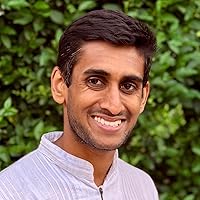
Trilochan Sastry is professor at Indian Institute of Management (IIM) Bangalore and a former dean of the institute. So when he says or writes something, it ought to be taken seriously. The book, as it promises on the blurb, tries to find out the root of all religions. And it does so with an equal respect to all, a rarity in today's world of propaganda and fake news.
The book will remain impartial to all the religion, this can be gleaned from his dedication at the beginning of the book: {Om, Amen, Amin Most sacred syllables of Hinduism, Buddhism, Jainism, Sikhism (Om); Christianity (Amen); Judaism and Islam (Amin.)}
The religions he discusses are Judaism, Christianity, Islam, Buddhism, Jainism, Sikhism, and Hinduism at the end. This reminds me of a story that I heard in school about Mahatma Gandhi who used to keep all the sacred texts at this home and Gita at the bottom When someone asked him have you kept the book of your own religion at the lowest, he replied, this is Gita so it's content and humble enough to be at the lowest.
What he has written certainly holds true for so many - 'There is a difference between what a religion says and how it is understood and practised. Religion is understood by most of us through our own life experiences from childhood. Our family, the rituals we are exposed to, the stories we read and hear, the teachings from respected elders and priests and some reading of the texts determine our view of the religion we are born into.' Read it to exist in harmony.
This book takes a primary text focused of key religions, namely: Judaism, Christianity, Islam, Buddhism, Jainism, Sikhism and Hinduism. The book provides some comparative analysis of religions and notes the large amount of similarities across the texts.
Each religions analysis follows the same process, with a critical focus on the texts themselves as opposed the cultural elements of each of the religions.
I learned a lot from the book, but I feel like extra editing could have led to a better structured comparative analysis. In each religions summary, some elements were concise and clear but other elements felt a bit confusing and jumbled. I feel like the comparative piece was also a little rushed and that it could have been more clearly articulated.