Ilonka povestește. În Budapesta dintre războaie, căsnicia burgheză cu industriașul Péter părea fără cusur privită din afară. Însă pe dinăuntru pierea, strivită sub apăsarea unui secret de nepătruns al bărbatului. Péter povestește. Căsătoria cu Ilonka s-a sfârșit. Dar nu și sfâșierea conștiinței lui tragice, împărțită între pasiunea pe cât de veche, pe atât de mistuitoare pentru Iudita – servitoarea care nu s-a lepădat de lumea ei nici după ce a luat-o de soție – și lumea lui, pe care n-o poate salva de tăvălugul istoriei. Iudita povestește. Anii au trecut, vremurile s-au schimbat, iar ea și-a lăsat în urmă soțul și țara. Însă nu și trecutul, pe care i-l destăinuie unui tânăr iubit într-o noapte de alcov, cu Roma fremătând sub portocalii de la fereastră.
Trei actori ai aceleiași drame și, la sfârșit, un raisonneur neașteptat își spun poveștile-confesiuni ca pe niște roluri prinse într-un joc de oglinzi. Pe fundal, Dunărea, maiestuoasă ori măturând resturile asediului, saloanele budapestane interbelice, o operă de Wagner. În decor, o panglică mov. Sándor Márai pătrunde până în crevasele fine ale sufletului omenesc și surprinde atât antagonismele de clasă ale unei lumi la asfințit, cât și agonia adevărului crunt, aflat în răstimpul dintre două clipiri.
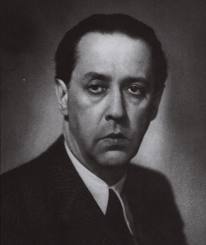
Sándor Márai (originally Sándor Károly Henrik Grosschmied de Mára) was a Hungarian writer and journalist. He was born in the city of Kassa in Austria-Hungary (now Košice in Slovakia) to an old family of Saxon origin who had mixed with magyars through the centuries. Through his father he was a relative of the Ország-family. In his early years, Márai travelled to and lived in Frankfurt, Berlin, and Paris and briefly considered writing in German, but eventually chose his mother language, Hungarian, for his writings. He settled in Krisztinaváros, Budapest, in 1928. In the 1930s, he gained prominence with a precise and clear realist style. He was the first person to write reviews of the work of Kafka. He wrote very enthusiastically about the Vienna Awards, in which Germany forced Czechoslovakia and Romania to give back part of the territories which Hungary lost in the Treaty of Trianon. Nevertheless, Márai was highly critical of the Nazis as such and was considered "profoundly antifascist," a dangerous position to take in wartime Hungary. Marai authored forty-six books, mostly novels, and was considered by literary critics to be one of Hungary's most influential representatives of middle class literature between the two world wars. His 1942 book Embers (Hungarian title: A gyertyák csonkig égnek, meaning "The Candles Burn Down to the Stump") expresses a nostalgia for the bygone multi-ethnic, multicultural society of the Austro-Hungarian Empire, reminiscent of the works of Joseph Roth. In 2006 an adaptation of this novel for the stage, written by Christopher Hampton, was performed in London. He also disliked the Communist regime that seized power after World War II, and left – or was driven away – in 1948. After living for some time in Italy, Márai settled in the city of San Diego, California, in the United States. He continued to write in his native language, but was not published in English until the mid-1990s. Márai's Memoir of Hungary (1944-1948) provides an interesting glimpse of post World War II Hungary under Soviet occupation. Like other memoirs by Hungarian writers and statesmen, it was first published in the West, because it could not be published in the Hungary of the post-1956 Kádár era. The English version of the memoir was published posthumously in 1996. After his wife died, Márai retreated more and more into isolation. He committed suicide by a gunshot to his head in San Diego in 1989. Largely forgotten outside of Hungary, his work (consisting of poems, novels, and diaries) has only been recently "rediscovered" and republished in French (starting in 1992), Polish, Catalan, Italian, English, German, Spanish, Portuguese, Czech, Danish, Icelandic, Korean, Dutch, and other languages too, and is now considered to be part of the European Twentieth Century literary canon.
I’ve read hundreds of books and I would say that this novel is the most detailed psychological study I have ever read. It digs into feeling and motives in exquisite detail, to the point where you ask yourself, how can one person have this much knowledge of human nature? We see a marriage from three perspectives each written in the first person as a conversation with a friend. A man tells his story to a friend in a bar. His ex-wife (the first) tells her story to a girlfriend in a coffee shop; and the second ex-wife tells her story to a lover in a hotel room. (This book would make a great 3-act play.) It’s set in Hungary between the Wars; let’s say the late 1930’s.
There’s a lot of blame to go around in these two broken marriages. The man is cold, distant, intellectual and filled with “duty” to running the family business. The first wife is not satisfied with a comfortable but unloving relationship and drives her husband away by prying into his past and looking for a “perfect” marriage. In the second marriage, not to give way any plot, let’s just say he marries his childhood sweetheart who turns out to be a conniving thief. The main theme of the novel is fundamentally class and each person is a bit of a caricature of their class in Europe between the World Wars. He of course is an aristocrat. The first wife is from the upward striving middle class. The second is wife is from the lower class. In a kind of upstairs-downstairs reflection, we get the best picture and the most devastating portrayal of the aristocratic class from a former scullery maid.
Some gems: [Of the aristocratic family:] “They all lived under the one roof ,but they lived their lives a long way from each other.” The maid on the aristocrats sitting down to breakfast: “…they dressed for it with as much care as they would for a wedding.” “…he treated his body the way he might treat one of his employees. His body was required to work for him.” “How far off the point talking is when you really want to say something!” “Love and being in love don’t go together, you know.” “…one had to listen with him and pay close attention to whatever it was he was not saying.” “He believed the mind was a power, like any other power that is capable of changing the world: like light, like electricity, like magnetism.”
I’ve enjoyed several other novels by Sandor Marai and here are links to my reviews of those:
The novel is translated from the Hungarian. Marai is a genius and this book is a classic. He wrote 42 books and only five have been translated into English, and only since 2004, so we have a lot to look forward to.
Hungary between the wars is at the backdrop of the disquieting canon of voices that compose Márai’s elegiac portraits of a marriage. Three confessions in the first person narrative that speak from the vortexes of a love triangle: the wife, the husband and the other woman. The middle class lady, the cultured bourgeois and the destitute maid. Three different versions of the same truth, the same timeline of events, seen through the diverging lenses of subjective interpretations that cast endless shadows over the protagonists, whose fears, betrayals and murderous passions will sentence them to a permanent estrangement from each other, rendering them unable to break through the masks of their unbending social backgrounds and deluded expectations.
Márai constructs a game of mirrors where the reflection of each character is distorted by his or her own perception of reality. Who is the true wife? The one who acts as such or the one who has made a slave of the dignified gentleman? Are there any guilty parties when unrequited love subdues rationality? When desperation rules over pride? When the impending loss of the one we were meant to be with dictates our actions?
The reader listens with growing stupefaction, dazzled by the raw, naked honesty of each monologue and has no other choice than to absolve them all, because each party is a victim of self-deception, not only in the personal sphere but also in the role they play in the drastic social transformation that takes place in Europe after WWII. The traditional moral conventions of the bourgeoisie encourage poised discretion and false modesty that justify hypocrisy and deceit, and so Márai’s characters agonize in silence, their communication, stillborn, dead before it even started, and their wounds fester and grow deeper up to a point of no return where willpower becomes impotent in front of a predetermined destiny, where the new era of a communist regime is but another form of tyranny disguised of fraternity.
Márai’s mastery is blatant in the way each voice develops a unique tone color that blends the individual and the collective with nuanced plasticity. The characters meditate about the lethal power of desire, idealization and death without a trace of self-pity or moralizing hint, and their defeated chronicle, free of resentment or accusation, becomes the only means towards “the only truth”, the liberating truth, the one they always knew in their guts, the truth that will allow them to endure the heavy burdens of a life burnt out by the consuming power of mismatched love, failed trust and doomed miscommunication. Emily already said so: “Tell the truth but tell it slant”. Truth tends to be a painful business, but one we do need to confront, to accept, if we aspire to live without bitterness and spite.
valla çok beğenerek okudum. aktı gitti kitap. üç farklı kişinin anlatımıyla iki kadın ve bir erkeğe dair yıllara dayanan bir hikaye anlatılıyor. 1930’lardan 50’lerin sonuna kadar gidiyor. bu arada ikinci dünya savaşı, budapeşte’nin başına gelenler ve burjuva sınıfının çöküşü de arka planda anlatılıyor. kadınların anlattığı birinci ve üçüncü bölüm çok daha iyi. bir erkek yazar romanın en sıkıcı bölümünü erkeğin anlatımına ayırmış çünkü hakkaten çok sıkıcı bir adam yani anlatılan :) son bölümde judit parlıyor resmen. özellikle aristokrat, burjuva ve köylülere dair yaptığı gözlemler, çıkarımlar resmen avrupa tarihi gibi. anlatıcıya göre dilin ustalıklı değişimi, hep uzun bir monolog şeklinde ilerlemesine rağmen hiç sıkıcı olmamasıyla sandor marai gerçekten usta bir yazarmış.
"Sevgi muazzam bir bencillik. Sevginin korku imparatorluğunda ölümcül bir yara almadan yaşayabilen insan var mıdır, bilemiyorum."
Ay muhteşem, muhteşem. İyice Macar Kültür Elçisi gibi oldum ama okudukça daha çok seviyorum Macar edebiyatını, ne yapalım? Sandor Marai'nin "İşin Aslı, Judit ve Sonrası" kitabı bu sene okuduğum kitapların en iyilerinden, şimdiden rahatlıkla söyleyebilirim.
Bir adam: Peter. Önce ilk karısından, sonra kendisinden, en son da ikinci karısından dinliyoruz aynı öyküyü. Anlatıcılar başka zamanlarda konuşuyor ve böylece 20 seneye yayılmış bu hikâyenin tamamını öğreniyoruz. Herkes aynı zamanı ne kadar farklı deneyimlemiş, ne kadar farklı bakmış, birbirlerini ve kendilerini ne kadar farklı duyumsamış - müthiş. Ki zaten hep öyle olmaz mı?
İlk bakışta bir aşk ve belki intikam hikayesi bu fakat o kadar çok katman var ki, açıldıkça açılıyor konu. Yazar karakterlerini sınıf dinamikleri üzerinden konumlandırıyor ve bunu muazzam biçimde yediriyor metne. Bir küçük burjuva, bir soylu ve bir proleter üç karakter var ve hayata, aşka, yalnızlığa, paraya, savaşa bakışlarını ait oldukları sınıfın nasıl şekillendirdiğini görüyoruz. Birinin sözünü bile etmediği, farkına varmadığı "normal"inin, diğerinin o kişiye karşı tüm tavrını biçimlendiren bir şeye dönüşmesini, insan ilişkilerinin belki de bu yüzden imkansızlığa mahkum olduğunu, hayatta birini gerçekten anlamanın nasıl sadece bir ütopya olduğunu...
Yazarın dili müthiş lezzetli - okuduğum neredeyse tüm Macarlarda karşıma çıkan tadı burada da aldım; asla ağdalı olmayan ama şiirli bir dil, süssüz kelimeler ve mesafeli bir katılıkla insanın teninin altına nüfuz edebilme kabiliyeti ki bunu çok, çok seviyorum.
Çok kolay akan, müthiş sürükleyici bir öykü ama yazar bazen öyle büyük şeyler söylüyor ki durup düşünmek, bir daha okumak ihtiyacı duyuyor insan. Ezcümle; bayıldım bu kitaba, kana kana içtim resmen. Okumadıysanız lütfen okuyunuz.
Şununla bitireyim: "İki gururlu insan yan yanayken kuşkusuz çok acı çeker. Fakat şimdi sizin içinize, neredeyse günah sayılabilecek bir hırs girmiş. Bir insanın ruhunu ondan koparıp almak istiyorsunuz. Âşıklar hep bunu isterler. Fakat bu günahtır."
Monologhi in sequenza Questo bel romanzo di Marai è suddiviso in quattro monologhi. E' indispensabile sapere che è stato scritto in tre momenti storici diversi : alle prime due parti pubblicate nel 1941 è stato aggiunto il terzo monologo nel '49 ; l'opera completa, con l'epilogo finale, compare nel 1980. Di qui i diversi contesti storico-culturali.
La moglie colta e bellissima, ormai separata, di un uomo della ricca borghesia di Budapest racconta, ancora profondamente ferita, la loro vicissitudine coniugale. Nel II monologo è invece il marito a narrare il proprio vissuto, facendo entrare prepotentemente in scena Judit, ex governante della madre : una donna che, diventata ricca, "voleva sempre qualcos'altro", comprava di tutto, "solo gli affamati si scagliano con la stessa foga su una tavola imbandita", ma non era mai appagata. Con la terza parte, è Judit stessa a raccontare : è a Roma nel dopoguerra ; l'Ungheria è diventata comunista filosovietica. L'epilogo è infine situato nella New York dello sfrenato consumismo.
A mio parere, le prime due parti formano un autentico capolavoro letterario. Anche le altre due sono comunque interessanti : l'autore usa talvolta un fine umorismo che svela in profondità contraddizioni della nostra 'modernità' attraverso frasi, pronunciate da persone semplici, che paiono ironici aforismi. "La cultura è quando una una persona...o un popolo...sono pieni di una gioia immensa! (...) in giro ci sono solo esperti, che però non sanno dare quella gioia che è la cultura". "Ormai i libri sono così tanti che sembra non esserci quasi spazio per il pensiero" .
Romanul este analiza unei căsnicii burgheze văzută din trei perspectiva, dar și analiza unei epoci pe cale să apună și a celei care urmează să vină. Deși nu chiar comod modul de scriere este interesantă abordarea diferențelor sociale, relațiile de familie și evoluția societății văzute din interior și exterior. Śandor Márai este clar personajul din cea de a treia căsnicie, scriitorul care vede obiectiv și detașat cursul tragic al societății.
Rimango assolutamente incantato dall’abilità di Sandor Marai nel sondare l’animo umano, affascinato dalle atmosfere che riesce a creare, dalle parole che sceglie con cura per raccontare i suoi personaggi, dalla semplicità della trama che si contrappone alla complessità delle personalità che descrive, dalla profondità delle sue considerazioni.
"Improvvisamente ho capito che non c'è nessuna persona giusta. Non esiste né in terra né in cielo né da nessun'altra parte, puoi starne certa. Esistono soltanto le persone, e in ognuna c'è un pizzico di quella giusta, ma in nessuna c'è tutto quello che ci aspettiamo e speriamo. Nessuna racchiude in sé tutto questo, e non esiste quella certa figura, l'unica, la meravigliosa, la sola che potrà darci la felicità. Esistono soltanto delle persone, e in ognuna ci sono scorie e raggi di luce, tutto…".
Questo romanzo racconta la fine del matrimonio di una coppia, Marika e Peter, da quattro diversi punti di vista (quello della moglie, del marito, dell’amante di lui e dell’amante dell'amante). Marai riesce a calarsi in modo sorprendente in ciascuno dei protagonisti, diversi per estrazione sociale e carattere, cambiando voce, tono, modo di sentire senza difficoltà e senza mai annoiare.
L'angolazione continua a cambiare in base a chi sta raccontando la storia, che quindi si trasforma. Ognuno dei personaggi vive una vita parallela, vive un’esperienza differente facendosi solo una idea vaga di quello che pensa l’altro.
Grandissima l’abilità dell’autore nell’analizzare, scandagliare e sondare i sentimenti, le passioni, la gelosia, le verità taciute, i rancori, l’orgoglio ferito, l’egoismo. Splendide sono le riflessioni sulla capacità di essere felici per ciò che si è e per ciò che si ha, sulla paura di amare e di farsi amare, sul senso di povertà nella ricchezza che obbliga ad accumulare per riempire un vuoto, sull’incapacità di essere contenti perché la felicità è sempre lontana.
“La maggior parte delle persone non sa amare né lasciarsi amare, perché è vigliacca o superba, perché teme il fallimento. Si vergogna a concedersi a un’altra persona, e ancor più ad aprirsi davanti a lei, poiché teme di svelare il proprio segreto. Il triste segreto di ogni essere umano: un gran bisogno di tenerezza, senza la quale non si può resistere”
Le prime due parti del romanzo sono per me magnifiche sotto ogni aspetto. La terza è anch’essa di ottimo livello, anche se forse inferiore alle prime due. La quarta secondo me non è all’altezza delle altre tre, anche se è importante per capire completamente l’intreccio.
Sandor Marai’s pensive novel is an examination of human interaction that is laced with wistful longings for a vanished way of life.These elements coalesce to create a Rashomon tinged portrait that swirls with smoldering emotion and thwarted passion.
The novel is a series of linked monologues that are painstakingly self absorbed perspectives of one marriage and the protagonists’ triangular relationship which impacted the union.Ilonka, Peter and Judit each deliver their thoughts to unseen friends and present conflicting versions of their entangled web that is suffused with jealousies, betrayals and class conflicts.
The initial setting is in Hungary between the two World Wars. Each protagonist represents a different strata of Hungarian society. Peter is a wealthy member of the bourgeoisie. Ilonka is cultured but less affluent than Peter.Judit is the impoverished servant. Their divergent backgrounds create differing perceptions that lead to mistrust, fears and betrayals that impact their ability to forge viable relationships.
These unreliable narrators present different versions of the same events colored by each person’s unique reality. Their stories spiral through their refracted lenses to create a vortex of emotion and misunderstanding that changes with each turn of the narrative.
The competing voices form a chorus that alternates between cacophony and harmony. Their stories are tinged with class tensions that influence relationships and exacerbate personal rifts. Their familiar world is changing but their traditional social and moral touchstones have not equipped them to cope with their altered circumstances.Ultimately, their conflicting voices become a harmonious dirge that laments the crumbling of the milieu and the relationships that cocooned them at the start of their life journeys. When we leave them, they are floundering and slightly askew, struggling to understand their new circumstances.
Kitabın tanıtım metnine bakıldığında bir aşk romanı okuyacağımızı sanıyoruz. Biraz savaş, biraz aşk, biraz sınıfsal ayrımlar, edebiyat dünyasından çokça aşina olduğumuz sürprizsiz klişe konular. Hal böyle olunca meraksız ve biraz da önyargılı bir okuma adımı ile başlıyorum. Kitaba dair en çok ilgimi çeken şey aslında yazarı ve kitabın geçtiği ülke. Sandor Marai'nin hayat öyküsünün hüznü, ülkesine olan sevgisi ve trajik ölümü kitabı okurken aklımdan çıkmıyor.
Üç kişiden ayrı ayrı dönemi ve yaşananları okuyoruz. Kadınlar konuşurken hikaye daha akıcı. Ne zaman sözü hikayenin ilgi odağı olan adam Peter ele alıyor o zaman biraz yavaşlıyoruz. O kadar çok burjuva olmanın altı çiziliyor ki detaylarla boğuluyorum ve kitaptan uzaklaşıyorum biraz. Kendini çok iyi tanıyan bir adam var karşımızda. Çok okumuş, çok gezmiş bir adam. Yaşadığı deneyimler hayat görüşünü değiştiriyor. Varoluşsal bir kriz yaşıyor. Kendi sancılı kişiliğinin üzerine bir de dünyada ve ülkesinde süregelen savaş eklenince iyice boşlukta kalıyor. Tek bir şeye tutunuyor hayatta. O da ilk gördüğü andan itibaren asla unutamadığı Judith'in hayali. Ve İşin Aslı Judith burada devreye giriyor. Bütün hikaye Judith'in ekseninde dönüyor.
İlk bölüm karşılıksız bir sevgi ile kocasına bağlı bir kadının perspektifinden anlatılıyor. Kadının sevgisi biraz saplantı, biraz da tutku gibi. Bir gizemi çözmek için neredeyse ömrünü heba etmeye hazır. Bu kadar ağır bir sevgi her iki tarafa da fazla. Hastalıklı bir hal alıyor evlilikleri. Yine de sanırım kitabı bize sevdiren, sonrasında neler olacağını merak ettiren, bahsi geçen ailenin hayatına , dönemin ve ülkenin atmosferine yumuşak bir geçiş yapmamızı sağlayan bölüm burası.
İkinci bölümden sonra nihayet hikayenin kilit ismi Judith başlıyor anlatmaya. Başından beri sessiz, sakin ve sır küpü gibi görünen hizmetçi Judith meğer ne kadar konuşmayı ve anlatmayı seven biriymiş. Resmen bir ailenin ve savaş dönemindeki Avrupa'nın tarihini muhteşem bir gözlem gücüyle anlatıyor. Burjuvazi üzerine anlattığı sayfalarca detay o döneme ait bu sınıfı takıntılı bir üst sınıf gibi görmemize neden oluyor.
Romanda keşke daha fazla tanıma şansımız olsaydı dediğim karakter yazar Lazar. Son bölümde sanırım en insani halleriyle, Judith sayesinde hakkında daha çok şey okuyoruz onun hakkında. Savaş dönemindeki Budapeşte'de sadece Lazar'ın hayatından bile bence muhteşem bir roman çıkar. Yalnız ve her şeyden vazgeçmiş bir adam. Ölümün kıyısında bir hayatta sanki deniz kenarındaki otel odasından gün batımını izler gibi sadece stokladığı şarapları içerek ve kitap okuyarak yaşıyor günlerini.
Kitapta en çok sevdiğim anlardan biri köprü üzerindeki o acayip karşılaşma anıydı. Köprülerin halkın hayatındaki yeri şiirsel bir etki yarattı bende. Keşke bu karşılaşmayı Lazar anlatsaydı. Ya da Peter. Ya da Peter'dan da dinleseydik o anı.
Yine sevdiğim bir kitap hakkında bahsetmek istediklerim uzun bir blog yazısına dönüşmek üzere. Değinmek istediğim daha çok şey olunca bazen böyle uzun notlar kaçınılmaz oluyor. Üstelik daha bayıldığım benzetmelere ve çok sevdiğim paragraflara değinmedim bile.
Sandor Marai muhteşem anlatım gücüyle ve şiirsel bir etki bırakan diliyle sevdiğim yazarlar arasında yerini aldı. Böyle kusursuz bir okuma yapabilmemizi sağlayan çevirmen Esen Tezel'in emeği büyük. Bence insan psikolojisi üzerine yazılmış en güzel romanlardan biri. Her ne kadar her bölümde anlatıcı değişiyor olsa da arka planda o asıl anlatıcının, yazarın sesini sıkça duyuyoruz. Özellikle Peter'ın hikayeyi devraldığı bölümde.
Sevdiğim birkaç bölümle bu yazıyı artık sonlandırayım. Bir tanesinde yalnızlığın bugüne kadar yapılmış en güzel tanımlarından biri var..
''Fakat insanın hayatta, imkansız, anlamsız ve akıl almaz olanın gerçekte sıradan ve bir o kadar basit olduğunu kavradığı anlar vardır. Birdenbire hayatın mekanizmasını görürüz: Önemli saydığımız figürler gömülüp gider, arka plandan başkaları, hakkında net bir şey bilmediklerimiz öne çıkar ve aniden, ortaya çıktıkları anda idrak ederiz ki biz onları bekliyormuşuz, onlar da tüm kaderleriyle bizi.''
“Acılar sayesinde ıslah olduğumuz, daha iyi, daha bilge, daha dirayetli biri haline geldiğimiz doğru değil. İnsan soğuk, çok daha net ve kayıtsız oluyor. Kaderin ne demek olduğunu hayatta ilk kez gerçekten anladığımızda, neredeyse dinginleşiyoruz. Hem dingin, hem de son derece tuhaf ve ürkütücü bir biçimde yalnız oluyoruz.”
''İnsan bir süre yalnızlığı ceza gibi algılıyor; yetişkinler yan odada sohbet edip eğlenirken karanlık odada tek başına bırakılan bir çocuk gibi. Fakat günün birinde sen de yetişkin oluyorsun ve yalnızlığın hakiki, bilinçli, tek başınalığın bir ceza, yaralı, hastalıklı bir kendini çekme, bir münzevilik değil, tek onurlu durum olduğunu fark ediyorsun. İşte o zaman artık yalnızlığa katlanmak da o kadar zor olmuyor. Daha temiz havada yaşamak gibi bir şey.''
''Günün birinde uyandım, yatağımda doğrulup oturdum ve gülümsedim. Artık en ufak bir acı çekmiyordum ve birden, doğru insan diye bir şeyin olmadığını idrak ettim. Ne yeryüzünde ne de cennette. Öyle biri, öyle tek bir kişi yok. Sadece insanlar ve her insanın içinde bir tutam doğru insan var ama kimsede, bizim diğerinden beklediğimiz ve umduğumuz şey yok. Kusursuz insan diye bir şey yok ve o mutluluk veren, harikulade tek adam aslında hiç var olmadı. Sadece içlerinde ışık kadar moloz da olan insanlar...''
4.5 stars Sándor Márai began his literary career as a poet whose artistry is well suited for this novel of a marriage viewed from the three corners of a love triangle. Márai deftly manipulates his reader through the novel's intense narrative, allowing his three main characters to perform their passionate monologues, each a moving tale as distinct and contrasting as their differing social backgrounds.
The story opens in a bar in post-war Budapest with Ilonka, who comes from a middle class family, holds marriage as sacrosanct, and divorce a sacrilege; recalling her marriage to Peter, an aristocrat, with loneliness and bitter regret. "I understood that my husband whom I had previously believed to be entirely mine - every last inch of him, as they say, right down to the recesses of his soul - was not at all mine but a stranger with secrets." Her rendition of marital disillusionment, disappointment, and the betrayal that drove them to divorce is touching and sensitive.
Peter's perspective follows, formed by a highly privileged upbringing, therefore more cerebral than emotional; adding the necessary detail that sheds some light on the relationship that baffled the innocent Ilonka. "A man's life depends on the state of his soul.... Your heart must let me go. I can't live under conditions of such emotional tension. There are men more feminine than me, for whom it is vital to be loved. There are others who, even at the best of times, can only just about tolerate the feeling of being loved. I am that kind." Peter later matured in his thinking but remained cynical. He was not my favorite character.
The most striking voice comes from Judit, the second wife, whose dirt-poor rags to riches story gives the reader a clear vision of the change also occurring in Hungary. Her version is the most earthbound and realistic, her own change the most dramatic. "The whole business of the bourgeois and the class war was different from what we proles were told. These people were sure they had a role in the world; I don't mean just in business, copying those people who had had great power when they themselves had little power. What they believed was that when it came down to it, they were putting the world into some sort of order, that with them in charge, the lords of the world would not be such great lords as they had been and the proles would not remain in abject poverty, as we once were. They thought the whole world would eventually accept their values; that even while one group moved down and another one up, they, the bourgeois, would keep their position - even in a world where everything was being turned upside down."
On the surface, Márai created a soulful, deeply intimate story built on themes of love, marital disillusionment, jealousy, social class, even death. Since much of the flashback events occurred in wartime, the book is not only a journal of the deconstruction of a marriage, it chronicles the decline and dissolution of a strictly hierarchical society, and the barbaric destruction and widespread devastation that left Europe in ruins as a result of the war. The ill-fated marriage and Europe might serve as metaphors, leaving one in no doubt of Márai's genius in weaving this historical and psychological work of art.
From the back matter- A Note about the Author:
Sándor Márai was born in Kassa in the Austro-Hungarian Empire, in 1900, and died in San Diego, California, in 1989. He rose to fame as one of the leading literary novelists in Hungary in the 1930s. Profoundly anti-fascist he survived the war but persecution by the Communists drove him from the country in 1948, first to Italy, then to the United States. His [highly acclaimed] novel Embers was published for the first time in English in 2001.
************* Quotable quote: “Do you also believe that what gives our lives their meaning is the passion that suddenly invades us heart, soul, and body, and burns in us forever, no matter what else happens in our lives? And that if we have experienced this much, then perhaps we haven’t lived in vain? Is passion so deep and terrible and magnificent and inhuman? Is it indeed about desiring any one person, or is it about desiring desire itself? That is the question. Or perhaps, is it indeed about desiring a particular person, a single, mysterious other, once and for always, no matter whether that person is good or bad, and the intensity of our feelings bears no relation to that individual’s qualities or behavior?” ― Sándor Márai, Embers
İki savaş arasındaki bir zamanda Budapeşte. Bir kadın, Amerika’dan yeni dönmüş arkadaşıyla pastanede otururken, eski eşine denk gelir ve hikaye başlar. Bir kadın, bir eski koca ve bu kocanın sırrı. Kitap üç bölümden oluşuyor, her bölüm de bu üçlünün kendi gözünden geçmişlerinin hikayesi. Aşkın ve “doğru insan” fikrinin ne seviyede bir sanrı olabileceğini ve o sanrının kaç hayatı altüst edebileceğini çok güzel anlatmış. Yalnız ilk bölüm öylesine akıyor, o kadar etkiliyor ki sonraki bölümler bir miktar onun gölgesinde kalıyor.
Nel suo consueto stile elegante e asciutto, Maraì racconta l'amore (e la crudeltà, il risentimento, la sofferenza e il desiderio di vendetta che in esso si nascondono) attraverso quattro monologhi. Il libro inizia col racconto di Ilonka che, in una pasticceria di Budapest, confida a un’amica le vicende della sua vita privata: la scoperta del tradimento del marito e il suo disperato e inutile tentativo di riconquistarlo. Alcuni anni dopo, sempre a Budapest, l'ex marito di Ilonka parla a un conoscente della passione travolgente che aveva provato per una donna, tanto da indurlo a lasciare la prima moglie, sposarla per poi perderla senza speranza. La storia è ripresa proprio da Judit, la seconda moglie, che nella camera di un albergo di Roma, narra all’amante, un batterista ungherese, la propria vita: una povera domestica, diventata la moglie di un uomo ricco. A chiudere il racconto è il batterista, divenuto cameriere in un bar di New York.
Macar asıllı Sandor Marai, Yapı Kredi Yayınları'ndan çıkan eseri "İşin Aslı, Judith Ve Sonrası" ile adeta büyülüyor. Bunda sevgili Esen Tezel'in olağanüstü dile, anlatıya bir çevirmenin başarabileceği en üst noktadan katkısı ile eşlik ettiğini de belirtmeliyim. Bunu en iyi anlamanın yolu metinin üstüne zihninizi sürdüğünüzde yazarın o pürüzsüz atmosferini yakalayabilmeniz. Kitap o kadar müthiş bir akışla, birbirini doğurarak ilerliyor ki çok fazla şey olmamasına rağmen üç kişinin anlattısı harika bir diyalog oluşturuyor. Çok beğendim. Hem yazarı hem de çevirmeni, doğal olarak editörü Devrim Çakır'ı tebrik ediyorum.
Parte prima LA DONNA GUASTA (Buda) Il romanzo, quello vero, quello piacevole da leggere, è in questa prima parte. L’idea di raccontare la storia ad un interlocutore anziché direttamente al lettore è vincente. Sembra di leggere un libro di Kundera o di Marìas che per quanto si odino reciprocamente hanno tratti comuni. La narrazione è lenta ma non come qualcosa che venga l’urgenza di spingere, lenta come l'aumentare dei minuti quotidiani di luce quando ci si muove verso la primavera; nessuno scossone, una progressione inesorabile “il ritmo delle donne e delle stagioni".
Parte seconda L’UOMO CHE L'HA GUASTATA (Pest) Prima di iniziare la seconda parte si ha il presentimento che non potrà valere la prima. Cambia colui che racconta la storia (la storia è la stessa ma non il punto di vista), cambia l'interlocutore fittizio, il ritmo non è più quello delle stagioni, diventa quello di un jazz disarmonico pieno di rimandi, ripetizioni; la scrittura si ispessisce, spostarsi da una frase all'altra diventa molto faticoso.
Parte terza LA DONNA INGIUSTA (Roma) La terza parte del libro è camminare nell'acqua di mare immersi fino al costato. Non ce modo di correre, l’acqua fa resistenza, bisogna ruotare il busto per fenderla. Quanto sarebbe più piacevole camminare due metri più in là, in battigia, dove l'acqua lambirebbe i piedi che si muoverebbero fluidamente. (O forse bisognerebbe saper nuotare?) Questo libro è un ammasso d'acqua fredda dove rari piacevoli ristori di correnti più calde mitigano una traversata infinita. 400 pagine di Mam-Ma-rai equivalgono a 4000 leghe a piedi nell’acqua alta.
Epilogo L’UOMO CONSUMATO DAL CONSUMO (New York) E poi c’è la morale, il messaggio sociale, il reale scopo del libro che la prima (ottima) parte non sarebbe bastata a trasmettere. E se invece sulla prima parte fossero stati edificati i tre piani successivi senza che essa avesse le fondamenta per sostenerli? Ho paragonato Marai a Kundera (anche geograficamente sono vicini) e ho capito quanto sia importante l'aspetto thriller in Marìas che nonostante sia un autore più rimuginante di entrambi, usando il pastello giallo e quello nero imprime un ritmo volta pagina che in questo libro è completamente assente; finisci una pagina di Marai e pensi: se ne leggo subito un'altra me ne resterà una in meno da leggere.
Correnti: la Terra e l'uomo hanno la stessa composizione... ne aveva letto la formula da qualche parte: il trentacinque per cento di solidi e il sessantacinque di liquidi. Il corpo umano è composto al sessantacinque per cento di liquidi, solo il rimanente è materia solida. Allo stesso modo il carattere di un essere umano è composto per lo più di vanità: il resto è una mescolanza di desideri, generosità, paura della morte e senso dell'onore.
Lui mi amava. Va sempre così: uno dei due ama più dell'altro. Ma chi ama è facilitato.
Non è vero che con il dolore ci si purifica, che si diventa migliori, più saggi e comprensivi. Si diventa freddi, lucidi e indifferenti. Quando, per la prima volta nella vita, si comprende veramente cos'è il destino, si acquista una specie di tranquillità. Si è calmi, e soli al mondo, di una solitudine così strana, terribile...
Quando si ama qualcuno, si avrà sempre il batticuore a vederlo o a sentirne parlare. Insomma, credo che tutto passi, tranne l'amore.
Non è vero che le persone sono tutte delle belve egoiste. Ce ne sono pure alcune che sono disposte ad aiutare i propri simili. Ma ciò che sprona la gente a dare una mano al prossimo non è la bontà, e nemmeno la compassione. Credo che il tizio pelato avesse ragione quando diceva che a volte le persone sono buone solo perché hanno delle inibizioni che le trattengono dal fare del male. Questo è il massimo a cui può arrivare un essere umano...
E' infinitamente più difficile conservare qualcosa che conquistarla, oppure distruggerla.
“In generale, credo che gli esseri umani siano capaci di tutto, quando scatenano i propri istinti.”
“Nel 1941 Márai pubblicò Az igazi [La donna giusta], un romanzo composto di due lunghi monologhi; per l’edizione tedesca del 1949 (Wandlungen der Ehe) ne aggiunse un terzo, scritto durante il suo esilio italiano; nel 1980 quest’ultimo fu da lui rielaborato e dato alle stampe, insieme all’epilogo, con il titolo Judit... és az utóhang [Judit... e un epilogo]. La presente edizione raduna per la prima volta le quattro parti del romanzo.”
Così si legge nel risvolto di copertina dove, per altro, il libro viene riassunto in tutto il suo svolgimento (!!!). Quello che, tuttavia, nessuna sinossi può tradire è l’atmosfera di questa storia.
Il primo pensiero leggendo questo libro riguarda la sua struttura: Marika, la prima moglie, è colei che dà il via ad un flusso di parole che, apparentemente, formano un dialogo, salvo poi rivelarsi come monologo in quanto reggono unicamente sulla sua voce. Allo stesso modo accade nei racconti degli altri testimoni che vanno così a formare un cerchio narrativo. Così, dopo Marika è il turno del marito, Peter; poi di Judit, seconda moglie ed, infine, il suo amante, un batterista ungherese trasferitosi a New York (il meno riuscito, a mio avviso).
Una storia di passioni, tradimenti in tutte le sfumature dell’amore ma soprattutto Budapest e una riflessione tra le diverse classi sociali. L’adozione dei diversi punti di vista permette all'autore di analizzare gli stessi eventi da differenti prospettive. Molto interessante è l'inserimento di un personaggio-anello, uno scrittore di nome Lazàr che, per buona parte della storia, condiziona alcune decisioni. Così dall'intreccio di esistenze minime con le loro scelte, decisioni, sbagli ed abbagli, lo sguardo si allarga e si riflette sulla Storia, sulla società e manifesta il desiderio della Letteratura di avere un ruolo che non è quello del giullare di corte il cui compito è solo intrattenere. Lazàr, tuttavia, crederà di avere una missione e che la scrittura sia l’arma rivoluzionaria necessaria a mantenere l’ordine. Tuttavia, come non esiste la persona giusta( “e in ognuna c'è un pizzico di quella giusta, ma in nessuna c'è tutto quello che ci aspettiamo e speriamo. “), allo stesso modo non esiste una Letteratura giusta.
”Che hai da guardarmi con quell'aria allarmata? Mi chiedi che cosa disprezzo sopra tutto. La letteratura? Quel tragico malinteso chiamato amore? O semplicemente il genere umano?... E' una domanda difficile. Non disprezzo niente e nessuno, non ne ho alcun diritto. Ma, per il tempo che mi resta da vivere, ho anch'io intenzione di abbandonarmi a una passione. La passione per la verità. Non tollererò di sentirmi raccontare menzogne, né dalla letteratura, né dalle donne, e non mi permetterò in alcun modo di mentire a me stesso. “
Em 1941 o escritor húngaro Sándor Márai (1900 – 1989) publicou ”A Mulher Certa”, um romance composto por dois longos monólogos; na edição alemã de 1949 o autor adicionou uma Terceira Parte, escrita durante o seu exílio em Itália, no período de 1949, com início em Posillipo e com o fim em Salerno, em 1978. Em 1979, já nos Estados Unidos da América, em San Diego, Márai reescreveu essa Terceira Parte, adicionando um Epílogo. A primeira edição portuguesa, publicada em 2007, reúne as quatro partes que constituem o romance. O romance ”A Mulher Certa” está dividido em quatro partes, cada uma das partes tem um narrador diferente: na Primeira Parte (5*), em Budapeste, Hungria, Ilonka/Marika, conta a uma amiga como descobriu o adultério do seu marido, Péter, num relato que ocorre vários anos depois do fim do seu casamento, uma visão que revela o incondicional e profundo amor que nutria pelo seu marido; na Segunda Parte (5*) o narrador é Péter, que revela a um amigo porque abandonou a sua mulher, não a primeira esposa, mas a segunda, de quem está separado há três anos; na Terceira Parte (3*) a narrativa pertence a Judit, que confidencia ao seu amante, em Roma, Itália, que casou por “dinheiro” e no Epílogo (3*) o narrador é Ede ou Lajos um baterista que recorda um período que se inicia na Hungria, uma fuga à guerra e às perseguições políticas, e que termina em Nova Iorque. Através das recordações do passado Sándor Márai vai construindo a narrativa no presente, descrevendo minuciosamente determinados episódios, registos de lembranças pessoais que permitem decifrar os comportamentos e as acções das personagens, descobertas dolorosas e enigmáticas que nos transportam para a dura realidade da “vida” e para a impossibilidade de amar. Sándor Márai retrata de uma forma notável e fascinante a vida em Budapeste, antes do holocausto da Segunda Guerra Mundial, a invasão da Hungria pelas forças nazis; e, mais tarde, a ocupação pelos soviéticos e a destruição dos valores culturais e sociais, onde a personagem de Lázár, o escritor amigo de Péter, descreve perfeitamente essa ruptura, adicionando exemplarmente vários elementos e ideias sobre a arte e a criação literária. A Primeira e a Segunda Parte de ”A Mulher Certa” têm uma qualidade literária excepcional, numa narrativa inovadora e muito bem estruturada, apesar da convencionalidade da história – um triângulo amoroso de “amor” e “desamor” – um enredo alicerçado numa escrita envolvente e poderosa, com diálogos e pensamentos maravilhosos, observações filosóficas inteligentes; na Terceira Parte, a escrita torna-se repetitiva e as divagações sobre trabalho e sobre estratificação social são demasiado monótonas; na quarta parte, o Epílogo, acaba por “ligar” as personagens anteriores, num relato imparcial mas sem originalidade. No conjunto das quatro partes”A Mulher Certa”revela-se um romance interessante, como uma escrita cativante e inteligente, estabelecendo observações subtis e clarividentes sobre o casamento, o amor, a amizade, a luxúria, a solidão, a pobreza, a inveja, o ciúme, as relações pessoais, as questões monetárias e as diferenças entre as classes sociais.
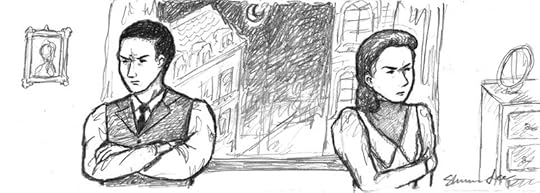
Ilustração de Shimwoo Lee
“PRIMEIRA PARTE”
“Eu sou uma mulher com outros princípios e tenho um temperamento diferente. Não acredito que marido e mulher possam continuar amigos depois do divórcio. Casamento é casamento, e divórcio é divórcio.” (Pág. 13)
”Eu lia com paixão, segundo o meu gosto e humores. Ele lia como se cumprisse uma das obrigações mais importantes da sua vida. Quando começava um livro, não o largava enquanto não o lesse até ao fim – nem mesmo se o livro o aborrecia ou o irritava. A leitura era, para ele, uma obrigação sagrada, adorava a letra como os sacerdotes adoram os livros sagrados.” (Pág. 16)
”E em que consiste o nosso poder, a força das mulheres? É o amor, dizes tu. Bem, pode ser que seja o amor. Eu, às vezes, duvido desta palavra. Não nego que o amor exista, claro que não. É a maior força da terra. E, contudo, sinto por vezes que os homens quando nos amam, porque não podem fazer outra coisa, não nos vêem por inteiro. Em cada verdadeiro homem há uma certa reserva, como se, face à mulher amada, ansiasse por parte do seu ser e da sua alma…” (Pág. 20)
“Mas há instantes na vida em que percebemos que o absurdo, o impossível, o inconcebível são, na realidade, as coisas mais triviais e simples.” (Pág. 89)
”O encontro. Ela encontrara-se comigo, eu olhara-a, e algo aconteceu. Naturalmente, eu também soube, nesse instante, que algo acontecera, mas não de modo tão profundo. As mulheres, as mulheres fortes e instintivas como ela, percebem exactamente tudo o que é importante e decisivo, melhor do que nós, homens, que tendemos a interpretar mal os sinais e a não perceber os encontros fundamentais da nossa vida.” (Pág. 156)
”Porque a esperança é duradoura. É muito difícil resignarmo-nos ao desespero que é estarmos sós, terrível e desesperadamente sós. São muito poucos os que aguentam saber que não há remédio para a solidão das nossas vidas. Agarram-se à esperança, afadigam-se, refugiam-se nas relações humanas, e nestas tentativas de fuga não há verdadeira paixão, nem entrega, pelo que se escondem em mil canseiras e artifícios, trabalham imenso… (Pág. 164)
”SEGUNDA PARTE”
“Lia muito. Mas, também no que respeita à leitura, sabes como é… só consegues tirar alguma coisa dos livros se fores capaz de pôr algo de teu no que estás a ler. Quer dizer, só se te entregares à leitura como a um duelo, como quem se mostra disposto a ferir e a ser ferido, a polemicar, a convencer e ser convencido, e, depois, enriquecido com o que tirou dos livros, disso se serve para construir qualquer coisa na vida ou no trabalho... Dei por mim a pensar, um dia, que já não punha nada de meu nas minhas leituras... Lia como se houvesse um sentido do dever: saía um livro, falava-se dele, era preciso ler. Ou: ainda não li este clássico, urge colmatar uma falha tão grave na minha cultura, pelo que lhe dedico uma hora de manhã e uma hora à noite. E lia... Houve um tempo em que a leitura era para mim uma autêntica experiência, o meu coração cavalgava quando tinha nas mãos um livro recém-saído de escritores que eu conhecia, um novo livro era como que um encontro, uma companhia arriscada de que poderíamos tirar grandes emoções, coisas boas, mas, igualmente, consequências inquietantes e dolorosas. Agora lia da mesma maneira que ia para a fábrica...” (Pág. 194)
”Eu, meu caro, esperava um milagre. Que milagre?... Bem, simplesmente, que o amor fosse eterno, e a sua força misteriosa e sobrenatural dissolvesse a solidão, anulasse a distância entre dois seres humanos, demolisse qualquer muro artificial que a sociedade, educação, as recordações e o passado tivessem erguido entre nós.” (Pág. 222)
”E agora quero dizer-te outra coisa, se é que não sabes: o amor, quando verdadeiro, é sempre letal. Explico melhor: o seu objectivo não é a felicidade, esse idílico mão na mão, um devaneio, até que a morte nos separe, sob os ramos floridos, através dos quais se entrevê a luz ténue do candeeiro que ilumina a entrada, ao romper da aurora, na casa que te envolve de uma frescura perfumada… Isso é a vida, não é o amor. O amor é uma chama mais séria, mais trágica. Um dia acende-se em nós o desejo de conhecer essa paixão devastadora. Sabes, quando já nada mais se deseja para si, nem se procura o amor para nos sentirmos mais saudáveis, mais serenos, mais apagados, mas se quer ser, sem mais, a ponto de nos perdermos. Isso acontece muito tarde; e muitos nem conhecerão um tal sentimento, jamais…” (Pág. 226 – 227)
Zaman zaman tıkanmalar olsa da akıcı ve güzel bir anlatımı var. Birkaç ay önce kitaba başlamış ve bu aksamalar yüzünden devam edememiştim. Belkide o zaman doğru zaman değildi.
Kitap boyunca sesini hiç duymadığımız bir karakter olan yazarın anlatıldığı son kısmı çok sevdim. Nedense bu karakterin kitabın yazarının bir güzellemesi olduğunu düşünmeden edemiyorum.
Burjuvazi , halk, kadın erkek ilişkileri, kültür, savaş gibi konular üzerine uzun eleştiriler barındıran bir kitap. Bu eleştiriler bazen aşırı detayla boğulsa da toparlamayı başarıyor. En çok da kültürün ne olduğu sorusuna verdiği cevap ilgimi çekti diyebilirim. Kitabın sonuna doğru uzun bir kültür eleştirisi var, orada biryerde kültürün daha doğrusu kültürlülüğün bir insanın ya da bir halkın mutlu olma kabiliyetinden ibaret olduğunu söylüyor, ne de güzel söylüyor.
"Çok konuşan bir şeylerin üstünü örtüyordur. Tutarlı bir biçimde susansa, bir şeylere kanidir."
Aynı hikayeyi üç kişiden dinliyoruz esasen. Burjuva bir kadın eski eşini görüyor ve başından geçenleri anlatmaya başlıyor. İlişkisini, işin aslını ve Judit'i... Sonra bu kez aynı hikayeyi eski eşten dinliyoruz, onun gözünden bakıyoruz bu sefer neler yaşadığına. Sonra tabi Judit'e geliyor sıra bir de bekleyen ve beklenen olarak onun açısından bakıyoruz olaylara. Üç kişinin gözünden bakınca, hepsine az çok hak veriyoruz. Aslında diyoruz ilk eşin düşündüğü gibi değilmiş bazı durumlar. Sonra bir bakıyoruz adam da mağdur buralarda... İlişkiler her daim içinden bakınca çok farklıdır zaten.
Anlatım olarak çok beğendim, sıradan sayılabilecek bir konuda sıkılmadan okuyorsunuz.
Çok beğendim, hatta daha önce bu yazardan niye haberdar olmadım diye hayıflandım. Üstelik Macar edebiyatıyla aşinalığım yeni de sayılmaz. Aşk, evlilik, tutku, toplum, burjuvazi ve sanat iki savaş arası sözde huzurlu dönemde ele alınıyor. Kitap bana biraz da daha önceden okuduğum ve yine çok sevdiğim Andre Maurois'nın İklimler'ini anımsattı. Öyle hızla okunacak bir kitap değil, aklınızda bulunsun; neredeyse her satırda altı çizilecek fikirler ve hatta yaşanmışlıklar var. Yazar boşu boşuna Tolstoy'un Kreutzer Sonat'ına atıfta bulunmuyor.
This entire review has been hidden because of spoilers.
Aquí encontramos a tres personajes entrelazados: Marika, Peter y Judith. Los tres conforman las tres partes del libro en la que nos cuentan su relación desde su perspectiva. Hay un cuarto personaje importante, Lazar el "calvo escritor", que a mí me ha apasionado también.
Es un libro muy reflexivo, donde los personajes nos hablan en forma de monólogo compartiéndonos sus puntos de vista, sus pensamientos, sus sentimientos, su ideología y lo que les ha marcado las diferentes experiencias de su vida en común.
Marika, primera esposa de Peter, nos habla de su relación con este hombre al que consideraba diferente a ella pero al que ama con locura y que nunca tuvo para ella sola, lo doloroso de saber que no tenía a esa persona por completo y tener que asumirlo. Peter nos acerca a su mundo de alto burgués, de su vida y su crecimiento en una familia que seguía todas las convenciones de su clase; nos habla de su obsesión por una chica que entró a trabajar como criada en casa de sus padres y que le desestabiliza su vida, y nos lleva al recuerdo de su primera mujer que tras el paso del tiempo valora de forma distinta. Judith, esa hermosa criada que hipnotiza a Peter y que consigue aquello que anhelaba a través de él, es la tercera que nos comparte su visión; nacida en la máxima pobreza, vivía con sus padres en un hoyo lleno de ratas y acaba convirtiéndose en una señora, sin olvidar jamás que ella realmente venía de un hoyo apestoso, que idealizaba el tener más de un par de zapatos y que servía a esos burgueses que tenían armarios llenos de esos productos de lujo para ella, sin olvidar tampoco todo lo que observó y odiaba de ellos (y a la vez, anhelaba) mientras trabajaba como criada: sus privilegios, sus excentricidades y su olor a heno enmohecido que le producía náuseas.
Las tres partes me han gustado mucho, he disfrutado de cada personaje y de las reflexiones que realizan sobre: la burguesía; el amor y el matrimonio; el sexo y el deseo; los celos; los verdaderos artistas y la cultura; las vivencias de la guerra (el Asedio de Budapest en la IIGM); la soledad y la muerte... En fin, Márai es un experto en atraparte con sus monólogos dejándote ajeno a todo lo demás. Diría que la parte de Judith ha sido la más compleja para mí, creo que no he llegado a captar toda la esencia de este personaje, pero me ha atrapado igual que los demás.
Ma la gioia che si prova leggendo perle come "La donna giusta" è un dono che si riceve. Bellissimo libro. Quello che mi ha colpito, al di là della grande capacità narrativa nel descrivere sentimenti come passione, dolore, verità taciute, sono i momenti di riflessione sulla felicità, l'amore, la capacità di essere felici per ciò che si è e si ha. Ecco allora l'incapacità o la paura di amare e farsi amare, il senso di incompletezza nella ricchezza, che obbliga ad avere altro per colmare un vuoto, l'incapacità di essere felici perché la felicità è sempre un passo avanti. Bello bello bello. Da leggere!
Sıcağı sıcağına yorum yapmayı sevmiyorum ama sonraya bırakınca da ya kelimeler kaçıyor ya düşünceler soluyor velhasıl ilk andaki gibi olmuyor deyip aklıma nasıl geldiyse öyle anlatıyorum İşin Aslı Judit ve Sonrası’nı. Çok uzun zamandır okumak istediğim fakat her seferinde başka okumalar nedeniyle bir türlü kendine alan açılamayan bir kitaptı. Nihayet dokuz ayın çarşambasının bir araya geldiği 2024 Ekim’ine, Vergilius’un Ölümü ve Niteliksiz Adam ile birlikte çapraz okumaya dahil olmakmış kısmeti.
Kitabın kapağını kapatır kapatmaz ilk aklımdan geçen şey deli işi bu diye düşünmek oldu. Ve ben böyle farklı çalışan kafaları seviyorum. Tıpkı üç anlatıcı, üçü de birbirinden güvenilmez ama her şeyiyle sizi hikayesine ikna eden anlatıcıya bayıldığım gibi. Gerçekler kuruldu ve yıkıldı ve tekrar kuruldu bu kitapta.
Peter, İlonka ve elbette Judit. Üç ayrı anlatıcı. İki kadın bir adam klasik bir hikaye gibi gözükse de acayip derin bir hikaye var arka planda. Savaş, sınıf çatışmaları, varoluşsal sıkıntılar da olmazsa olmazı elbette. Ama bir yerde Judit şöyle diyordu onu da ayrıca not aldım varoluş sıkıntısı çekmek de herkese kısmet olmuyor yani.
“… Tabii bu sadece bir hayal, tabir caizse bir idealdi. Bu kelimeyi, modaya uyduğum, zengin olduğum ve dolayısıyla ruhsal sorunlara sahip olmanın fiyatını ödeyebildiğim için bir süre gittiğim bir doktordan öğrenmiştim.” Görüyorsunuz, ancak fiyatını ödeyebildiği sürece ruhsal sorunlara sahip olabiliyor insan. Neyse bu ve bunun gibi pek çok üzerine kafa yorduracak, hem katılacağınız hem katılmayacağınız, hem katılmadan da üzerine düşünmeyi ilginç bulacağınız nefis tespitler arka arkaya yığdırmış resmen Sandor Marai ve bunu o kadar doğal yapmış ki pastanede oturup dondurma yiyip kahvesini içen sigara üstüne sigara yakan bir kadının ağzından dinlemeye başlıyoruz hikayeyi önce. İlonka. Peter’in karısı. Sonra Peter anlatıyor kendi penceresinden ve en son Judit.
Başka karakterler de var elbette. Mesela yazar Lazar çok enteresan bir karakterdi. “Bazen bana bardakta parmak izlerinin bulunmasından korkan ve sahte kimlikle saklanan bir suçlu gibi gelirdi. Tek bir ilgin yanı varsa o da vücudunun her hücresiyle ilginç olmaya direnmesiydi.” diye bahsediyor ondan Judit. Benim de okurken sık sık aklıma düştü durdu keşke Lazar’ı da dinlemeye fırsatımız olsaydı diye. Kitaplarında yazar gördüğümde hemen kitabın yazarıyla karşılaştırmaya başlayan duygusal okurlardanım ben evet. Bu arada hayatını intiharla sonlandıran bir yazar Marai. Ve benim Macar edebiyatından vurulduğum ikinci yazar oldu Agota Kristof’tan sonra.
Neyse Lazar’a geri dönelim kitabın sonunda o da Lazar’a hakkını teslim etmek için son kez sahneye çağırıyor ve son rolünü veriyor yazar kahramanımıza. Bence oldukça tatlı bir finaldi. Yine Judit’in dediği gibi “Fakat bu masal değildi küçüğüm ve hiçbir şeyin gerçek bir başı ve tam bir sonu yoktu.”
Kitapla ilgili eleştirebileceğim tek nokta açıkçası Judit’in sona kalmasıydı. Çünkü oraya kadar zaten bir parça yorulan ve dağılan okur o son sayfalarda yine çok fazla tespit ve bilgiye maruz kalıyor. Elbette bunlar da diyalog/monolog karışımı şeklinde ilerliyor fakat son kısımda artık biraz yorulduğumu hissettim ve Judit’in anlattıklarına haksızlık yapıyorum gibi de hissettim. Tabii artık okuyup bitirdikten sonra Peter bir çık aradan diye düşündüm bir ara fakat Peter’ı kitabın ortasına hikayenin kalbine koymuş yazar. Ya da iki kadının arasında sıkışması için ortaya. Ya da burjuvazi ve proletarya arasında. Burjuvazi ve soylular arasında da diyebiliriz. Yani Peter’a da kıyamadım böyle yazınca ama bu hikayenin kadın anlatıcılarını okumayı daha çok sevdim sanırım her şeye rağmen.
Çok severek okudum. Bunca konuşmamın üstüne ne denli tavsiye ettiğimi belirtmeme gerek var mı:)
Cu siguranță Marai stăpânește arta cuvântului. Această carte e mult mai mult decât un portret al unei căsnicii. Povestea te prinde initial prin perspectivele multiple ale celor implicați, fiecare cu propriul său mod de raportare la ea, fiecare cu adevărul lui. Dar dincolo de povestea acelei căsnicii subiectul cărții e lumea în schimbare, bogații și săracii, burghezii și proletarii iar între cele două categorii nu poate exista armonie. Cartea abundă în reflecții despre cultură, artă, literatură, rolul scriitorului în lume, adevăr și minciună, veridicitate și falsitate. Mi-a plăcut o definiție a culturii, cultura văzută ca bucurie.
"Certe storie non passano come se niente fosse..."
... e questa lettura è proprio una di quelle storie, che rimangono, che sedimentano, su cui rimugini. Certe letture son quasi sedute di analisi!
La storia è abbastanza banale: c'è una moglie (Marika), della classe piccolo borghese, squattrinata, molto dolce e docile, c'è un marito (Peter), alta borghesia, ricco, un vero signore, e c'è una serva (Judith), bellissima, di una bellezza felina, poverissima, con il desiderio di emergere... Che cosa potrà mai succedere? :D
E qui viene la grandezza di Marai, nel modo che Marai ha trovato per raccontarci questa storia, 'vecchia' come la storia del mondo. ["Se ci deve essere un dramma , che sia bello fragoroso, pieno di grida, di lotte, di morti, con tanto di applausi e fischi finali."]
Dapprima il monologo di Marika e il suo modo di vedere le persone accanto a lei, la sua opinione sulle persone diventa pure anche la verità del lettore che pian piano (senza difficoltà di lettura) si fa un quadro della situazione. E qui mi viene una riflessione: incredibile come, quando ci facciamo un'opinione sugli altri, tanto ci mettiamo di noi stessi. Nel suo monologo ci son passaggi meravigliosi: l'esposizione del concetto dell'amore per transitiva, ami un figlio perchè è il riflesso dell'uomo che ami, piuttosto che tutta la vicenda del nastro viola che non descrivo per non svelare.
Poi, il monologo di Peter, in cui il lettore comincia ad aprire gli occhi e la visione (decisamnte un po' ovattata, dei fatti e delle persone) di Marika, assume altre connotazioni. Anche qui alcuni passaggi veramente meravigliosi, sulla solitudine, come condizione necessaria dell'uomo, sull'amore come dono totale di sè, sulla passione come leva che muove il mondo, sulla necessità di sovvertire l'ordine delle cose. Monologo magnifico!
Per finire (ma purtroppo così non è, e qui il motivo per cui non ho messo le cinque stelline), il monologo di Judith, che arricchisce e completa il quadro... Anche qui passaggi molto belli sulla impossibilità di comunicazione, sulla difficoltà di mettere in relazione due mondi (persone) culturalmente molto distanti (... lei stronza è stronza eh,... ma alla fine finisce proprio per fare pure un po' pena)
C'è anche un epilogo, per me assolutamente non necessario, anzi direi di troppo. Tutto il racconto del triangolo è poi arricchito dallo sfondo storico relativo alla lotta di classe tra borghesia e proletariato, il contesto sociale in divenire, il decadimento della classe dominante, la voglia di emergere del proletariato, contesto, per l'appunto, in cui si muovono i personaggi e che pare quasi costituire la spinta che li anima.
"Che cosa conta allora?... La verità. Esattamente come nella letteratura e in ogni ambito umano: riuscire ad essere spontanei..."
Ma dove si trova la verità? A me vien da rispondere (influenza pirandelliana) la verità è soggettiva, a ciascuno la sua! Marai, Marai... un autore che crea dipendenza!
Sandor Marai'yi "Bir Burjuvanın İtirafları" ile tanımıştım. Açıkçası başlarda iyi giderken sonlara doğru sıkılmış ve yarım bırakmıştım, o günün kafa karışıklığından kaynaklanmış da olabilir. "İşin Aslı" ilginç ismi ile dikkatimi çekti önce, Sandor Marai'nin diğer kitabından dolayı biraz tereddüt etsem de Macar Edebiyatı'na olan ilgim nedeniyle aldım. Aldım almasına da epey bir bekledi kitaplıkta. Ve dün esefle, "Niye bu zamana kadar beklettim" düşüncesiyle kapattım son sayfasını. Üç kişinin ağzından okuyoruz olayları. Üç farklı bakış açısı, üç farklı düşünce, üçünün de birbirinden çok farklı oluşu. "Doğru eş yoktur" kavramının irdelenişi, son bölümde savaşın getirdikleri, burjuva yaşamının benzerlikleri, her şey çok iyi yansıtılmıştı. Kolay okunan, su gibi akan bir kitap asla değil ama elden bırakılacak bir kitap da değil. Şimdi sıra yarım kalan "Bir Burjuvanın İtirafları"na tekrar el atmakta...
bu kitabı tavsiye eden ve tavsiyelerine güvendiğim herkes çok akıcı olduğunu söylüyordu. gelgelelim ben neredeyse bir ayda okudum. neyse ki goodreads’teki yorumları inceleyince benim gibi yavaş okuyanlar, mola verenler olduğunu da görüp rahatladım.
kitap üç ayrı anlatıcının dilinden üç ayrı bölümden oluşuyor ve aynı hikayeyi birbirinin eksiklerini tamamlayarak anlatıyor. bence kitabın en büyük dezavantajı en güzel ve en lezzetli anlatımın ilk bölümde olması: buradaki akıcılık ve tempoyu bir daha yakalayamamak beni kitaptan çok uzaklaştırdı.
yine de böyle kitapları okumaktan çok büyük keyif alıyorum. nasıl kitaplar? içine girip bir karakter olmak istediğim kitaplar. yaşanan hikayenin mutluluğu, keyifliliği, cazibesi gibi bir şeyden bahsetmiyorum. o kadar detaylı, gerçekçi ve girift hikayeler insan bir parçası olmak istemekten kendini alamıyor.
velhasıl ara ara anlaşamamış olsak da okumaktan memnun olduğum bir kitap oldu. macar edebiyatından razıyım.
Am devorat Portretele unei căsnicii de Sándor Márai în două zile; 400 de pagini de confesiuni în persoana I, un triunghi amoros tragic între Ilonka, Péter și Iudita, suspendat între eleganța interbelică și fragilitatea țelului omenesc. Roman de idei, nu de acțiune. Introspectiv, reflexiv, cu o scriitură detaliată și consistentă ce mi-a amintit de Tolstoi.
În fundal, Budapesta asediată, Dunărea măturând resturile unei epoci, saloane burgheze și o operă de Wagner, totul învăluit de simbolul discret al unei panglici mov. Márai face din această poveste o elegie a burgheziei în declin, un studiu lucid despre diferențele sociale și despre cum se prăbușesc zidurile unei lumi care credea că are răspunsuri pentru toate.
Pero ahora, después de varias décadas, me gustaría responder a la pregunta que tantas veces me he formulado: ¿sabía en aquel momento que todo ocurriría de ese modo? Y en general, ¿reconocemos los grandes encuentros? ¿Podemos ser realmente conscientes de estar viviendo momentos decisivos? ¿Es posible que un día entre alguien en la habitación y uno piense al instante: es ella, la mujer justa, la verdadera, igual que en las novelas?
Me es difícil describir lo que sentí al leer esta novela: lo primero que se me ocurre es que no es entretenida, pero continué leyéndola porque me dieron compasión los tres personajes principales y quería saber si alguno tenía alguna suerte de final feliz… lo que no fue el caso. Sin embargo, me reafirmo en mi opinión de que Márai es un escritor excepcional. Solo he leído una de sus novelas antes que esta (Divorcio en Buda) y quiero volver al Budapest que él describe, así que espero encontrar más de sus obras pronto. Lo único que no me pareció acertado es el título que le dieron en español, pues según se indica es esta edición de Salamandra, el original en húngaro es Az Igazi y Judith, cuya traducción sería “Lo real” y “Judith”, es decir dos títulos separados; lo cual es mucho más apropiado que solo La mujer justa.
Hayatınızda bir şey ördünüz mü bilmiyorum ama örülen bir şeyi sökmenin kesinlikle meditatif bir yönü olduğunu söylebilirim. Annem ben küçükken yanlış ördüğü hırka ya da atkıları sökmem için bana verirdi. Siz ipi çektikçe ilmekler pıt pıt açılıverir, izledikçe rahatlarsınız. İşin Aslı, Judit ve Sonrası da tıpkı o ilmeklerin açılması gibi. Bir olayı üç farklı karakterin ağzından dinliyoruz -ki bu benim hem sinema hem edebiyatta çok sevdiğim bir anlatım tarzı.- Üç ayrı bölüm de anlatıcı karakterleri üzerinden bir soruyu mercak altına alıyor gibi: Doğru insan var mıdır? İnsan ne ile yaşar ve huzur bulur? Kültür nedir?
Bir aşk öyküsünden çok daha fazlası bu kitap. İçinde sınıf çatışması, savaş, kadın-erkek ilişkileri ve esas olarak şüphesiz ki yaşamın kendisi var. Diyaloglar yok. Anlaticilara kulak veriyoruz. Sanki üç perdelik bir oyunda, karakterlerimiz kendi sahnelerinde seyircilere anlatacaklarını anlatıp yerini bir sonraki karaktere bırakıyor gibi. Oyun uyarlaması olsa keyifli olurdu sanki ve epey uzun :) Çok dağınık anlattım biliyorum. İnsan bazen beğendiği şeyleri anlatmak konusunda yetersiz kalıyor. En iyisi siz okuyun bu güzel romanı. :)
Es cierto que es un libro denso, es cierto que no es fácil de leer, es cierto que puede ser monótono a veces pero también es cierto que vale la pena leerlo.
La forma narrativa de este libro fue una sorpresa para mi, a través de un monólogo cada protagonista nos cuenta su versión de la historia y esto me parece un gran reto para un autor porque además cada uno lleva al lector por diferentes etapas de la historia.
La narración no tiene grandes emociones ni una trama de esas que lo envuelven a uno y no se puede parar de leer, pero creo que este libro es valioso en sí, por la carga reflexiva que tiene, muy al estilo de La insoportable levedad del ser. Está lleno de citas hermosas, valiosas y cautivantes.
Si mi calificación no es más alta es porque la última parte fue el punto de vista del personaje menos querido del libro y se me hizo eterna, también porque pienso que pudo haber sido más corto, pero a pesar de esto me encantó haberlo leído.