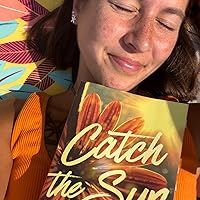
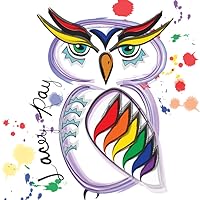
Solar Punks by Gume Laurel III - 4,5🌟
"Seems my loneliness
has lasted so long that
now it’s fully anger."
I went into Solar Punks knowing little about it—only that I’d loved Gume Laurel III’s The Brujos of Borderland High. Now, I can confidently say this is my favourite verse novel.
Set on Isla Sola, a utopian island where Nature and technology coexist in perfect harmony, the story centres on Veny, the only young person in his generation without a life partner. Restless and out of place, Veny spends his days shirking his chores and seeking solace in the waves. His life takes a dramatic turn when he is rescued from drowning by Mateo, a blue-haired outsider who doesn’t belong on Isla Sola. Mateo’s sudden arrival sets off a series of revelations that force Veny to confront the hidden truths about his home and its people.
Throughout the novel, I was reminded of the African proverb: “The child who is not embraced by the village will burn it down to feel its warmth.” While there’s no literal burning of the island, Veny’s struggles to find acceptance within his tightly bound community echo this sentiment deeply. Both Veny and Mateo are, in different ways, outsiders—people living on the margins of others’ stories. Their bond, as they become each other’s comfort and protectors, is one of the most touching elements of the narrative.
The novel also explores the complexities of leadership and community. On Isla Sola, the elders make decisions for everyone, wielding power that is often obscured by secrecy. As Veny and Mateo challenge these dynamics, they raise important questions about fairness, transparency, and what it means to lead justly.
A central theme of Solar Punks is climate change, approached through a lens of cautious hope rather than despair. Isla Sola—literally “Alone Island”—represents what humanity might achieve through renewable energy, sustainable practices, and advanced technology—but not without raising serious ethical questions. While the island appears to thrive in harmony with nature, the story examines the cost of such harmony, particularly the decisions made by its leaders and the secrets they keep. These layers add depth to the narrative, offering a thoughtful reflection on the inequalities and moral dilemmas tied to our pursuit of a better world.
While technically a sci-fi story, Solar Punks is rich with vibrant descriptions of Isla Sola’s culture: the food, the clothing, the rituals, and even its fauna (dodos AND capybaras!). These details breathe life into the island, making it feel like a character in its own right.
Ultimately, Solar Punks left me with a rare and precious feeling: hope. Few dystopian novels manage to inspire optimism about the future, but Laurel accomplishes this through a beautifully woven story in verse. Without delving into spoilers, I’ll say this: I’m already yearning for a sequel.