

What do you think?

双子のひみつ 魅惑のツイン文化史
双子の著者による双子研究本。名画や彫刻、挿絵、広告など多数の写真・図版を収録しており、
視覚的に双子の文化史を知ることができる。
双子に関する神話や伝承、医学、超常現象など奇妙で魅力的な双子の世界について考察する。
【目次】
神々とヒーロー/邪悪な片割れ/双子精神/遺伝と環境/犯罪と鑑識/先天性と後天性/生まれながらのエンターテイナー/双子と超常現象/双子コミュニティ
【出版社からのコメント】
奇想天外で魅力的な双子の世界を神話・伝説から、医療、科学、風俗、芸能、事件、犯罪、超常現象までぐるりと巡り、考察していく双子研究の決定版。
双子に関する図版や写真も多く、双子の名画、彫刻、医療書の図版、広告、フリークショーのポスター、映画など視覚的にも双子の文化史を辿ることができる。
そして本書のいちばんのポイントは、なんと言っても「筆者自身が双子だ」ということだろう。
双子の片割れとしての自らの人生と照らし合わせながら、双子の光と影が語られている。だから一言一言の密度が違うのだ。
また、欧米だけでなく、日本を含むアジアの双子事情も取り上げられており、ワールドワイドに双子論が展開される。
ヒグチユウコ氏が描くカバーイラストも印象的な、まさに双子づくしの一冊。
視覚的に双子の文化史を知ることができる。
双子に関する神話や伝承、医学、超常現象など奇妙で魅力的な双子の世界について考察する。
【目次】
神々とヒーロー/邪悪な片割れ/双子精神/遺伝と環境/犯罪と鑑識/先天性と後天性/生まれながらのエンターテイナー/双子と超常現象/双子コミュニティ
【出版社からのコメント】
奇想天外で魅力的な双子の世界を神話・伝説から、医療、科学、風俗、芸能、事件、犯罪、超常現象までぐるりと巡り、考察していく双子研究の決定版。
双子に関する図版や写真も多く、双子の名画、彫刻、医療書の図版、広告、フリークショーのポスター、映画など視覚的にも双子の文化史を辿ることができる。
そして本書のいちばんのポイントは、なんと言っても「筆者自身が双子だ」ということだろう。
双子の片割れとしての自らの人生と照らし合わせながら、双子の光と影が語られている。だから一言一言の密度が違うのだ。
また、欧米だけでなく、日本を含むアジアの双子事情も取り上げられており、ワールドワイドに双子論が展開される。
ヒグチユウコ氏が描くカバーイラストも印象的な、まさに双子づくしの一冊。
224 pages, Paperback
Published February 8, 2024
Ratings & Reviews
Friends & Following
Create a free account to discover what your friends think of this book!
Community Reviews
Displaying 1 - 20 of 20 reviews

December 28, 2023
When twins tell others 'I am a twin', it is not only a sibling relationship of which they speak. They reference many changing relationships to each other, to other twins and to the people, places and things that give them meaning, as well as all the ways twins have been used to reveal relationships and histories of human culture, biology, technology and political life.
Twinkind: The Singular Significance of Twins by William Viney is a beautifully illustrated study. Viney is a mono-zygotical twin himself, as am I, but this study is not about the experience of being a twin, but rather the ways twins have been viewed (and used) in societies ancient and modern, ranging through religion and myths, science, cultural norms particularly sexual morality, eugenics and culture, from vaudeville to film and literature.
The illustrations are perhaps the book's highlight, but while this is a perfect coffee table book it's also an interesting cover-to-cover read. Perhaps not surprisingly, the sections on literature appealed to be most - I hadn't realised that Galton's Nature vs Nurture debate itself draws on Prospero's verdict on Caliban in The Tempest
(A devil, a born devil, on whose nature
Nurture can never stick)
and I was particularly delighted to see the book featuring literature's most memorable twin characters (indeed the book passed the 'index' test in that regard as 'Ágota Kristóf' was the first author I looked up):
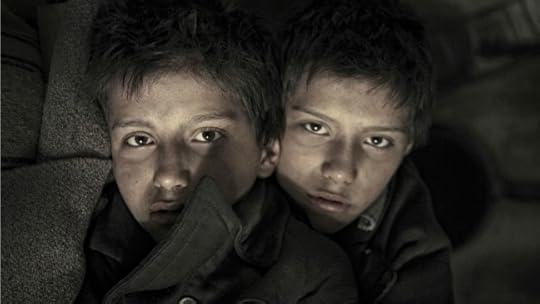
(Laszlo and Andras Gyemant from the film version)
And perhaps the book's most important take-away for me - how to commit the perfect crime in Germany where the sinister new DNA tests that can distingish even identical twins are rightly not admissible in court.
Against that the language can be a little over-academic and Viney tends to sit on the fence on topics such as telepathic communication, and the sheer volume of territory covered, in just over 200 pages of which half must be illustrations, means that any one topic, or set of twins, gets limited coverage. But then this is in part by design, as Viney concludes:
Pick one or a few twins as examplars, view their history via a partial style of thinking, and then twins are easily tamed and they will go two by two. But one reason that a twin history is difficult to portray in one image, or a few hundred, and why this book has approached its work by comparison and thematic collage, is that each twin os what US anthropologist Roy Wager (1938-2018) might have called a 'fractal person' - neither singular nor plural.
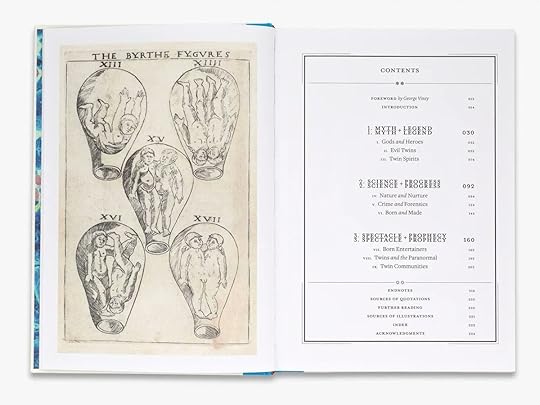
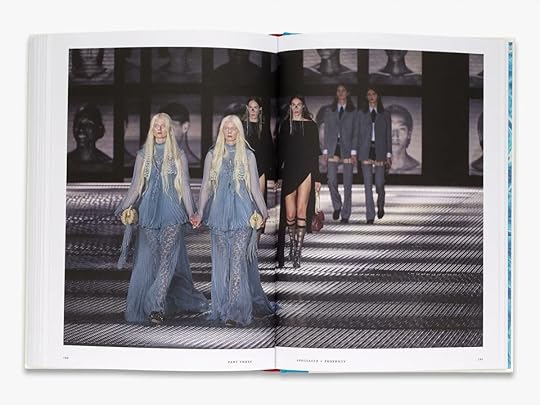
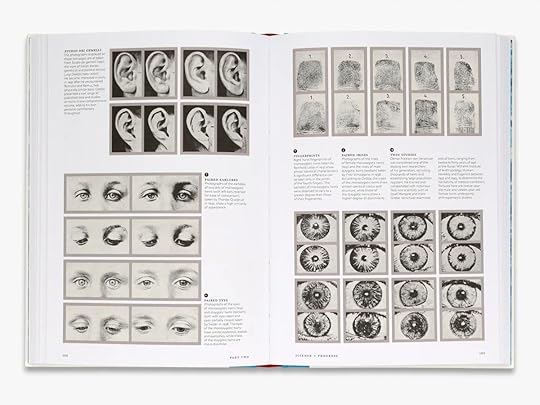
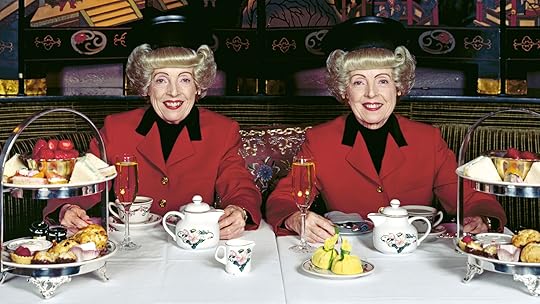
Some further example illustrations (mainly from the author's Twitter account)
3.5 stars rounded to 4
Read 26-28 December 2023
Twinkind: The Singular Significance of Twins by William Viney is a beautifully illustrated study. Viney is a mono-zygotical twin himself, as am I, but this study is not about the experience of being a twin, but rather the ways twins have been viewed (and used) in societies ancient and modern, ranging through religion and myths, science, cultural norms particularly sexual morality, eugenics and culture, from vaudeville to film and literature.
The illustrations are perhaps the book's highlight, but while this is a perfect coffee table book it's also an interesting cover-to-cover read. Perhaps not surprisingly, the sections on literature appealed to be most - I hadn't realised that Galton's Nature vs Nurture debate itself draws on Prospero's verdict on Caliban in The Tempest
(A devil, a born devil, on whose nature
Nurture can never stick)
and I was particularly delighted to see the book featuring literature's most memorable twin characters (indeed the book passed the 'index' test in that regard as 'Ágota Kristóf' was the first author I looked up):
(Laszlo and Andras Gyemant from the film version)
And perhaps the book's most important take-away for me - how to commit the perfect crime in Germany where the sinister new DNA tests that can distingish even identical twins are rightly not admissible in court.
Against that the language can be a little over-academic and Viney tends to sit on the fence on topics such as telepathic communication, and the sheer volume of territory covered, in just over 200 pages of which half must be illustrations, means that any one topic, or set of twins, gets limited coverage. But then this is in part by design, as Viney concludes:
Pick one or a few twins as examplars, view their history via a partial style of thinking, and then twins are easily tamed and they will go two by two. But one reason that a twin history is difficult to portray in one image, or a few hundred, and why this book has approached its work by comparison and thematic collage, is that each twin os what US anthropologist Roy Wager (1938-2018) might have called a 'fractal person' - neither singular nor plural.
Some further example illustrations (mainly from the author's Twitter account)
3.5 stars rounded to 4
Read 26-28 December 2023

February 10, 2024
Diezgan interesants tēmas apkopojums, kur autors parāda dažādus sabiedrības priekštatus un izmaiņas tajos pret dvīņiem. Grāmatā ir ļoti daudz dažādi attēli, kurus ar interesi arī izpētīju. Diezgan traki, ka pat salīdzinoši nesenos laikos pētniecības vārdā dvīņi tika nošķirti un nodoti adopcijai dažādām ģimenēm, lai redzētu daba vai iedzimtība ņem pārsvaru cilvēkā.
![Profile Image for Ieva Strazdiņa [mrs.lasitaja].](https://i.gr-assets.com/images/S/compressed.photo.goodreads.com/users/1659017528i/124023459._UX200_CR0,0,200,200_.jpg)
December 5, 2023
3,5⭐️
Bērnībā tādu grāmatu iespaidā, kā “Divas Lotiņas” vai filmas “Dvīņu slazdā” ietekmē gribēju, lai man būtu dvīņu māsa – cik jautri un interesanti tas varētu izvērsties.👧🏼👧🏼
Taču patiesībā dvīņi vēsturē nemaz nav bijis notikums, ko vecāki savā ģimenē gaidīja, jo kā jau viss neparastais – cilvēkus dvīņi biedēja un bieži tiem tika piedēvēts viss ļaunais un tumšais.
Šajā izzinošajā grāmatā autors stāsta par dvīņiem pasaules vēsturē, kas tikuši izcelti vienmēr – liecības par dvīņiem atrastas dažādos mākslas priekšmetos, teiksmās par Dieviem un citur, tomēr faktiski vienmēr dvīņi bijis kaut kas ļauns un nav jau brīnums - dvīņu grūtniecība ir bīstamāka kā viena augļa grūtniecība – tika pieņemts, ka dvīņi nonāvē savu māti vai otru dvīni. Turklāt divi vienādi cilvēki – dvīņi cilvēkos raisīja neuzticēšanos un aizdomas. Tāpat neko labu par dvīņu iznēsāšanu nedomāja par māti – bieži tika nosodīts, ka sieviete kopojoties ar dzīvniekiem, ja tai dzimst vairāk kā viens bērns, jo cilvēku pasaulē, tas nav normāli, taču dzīvnieku – gan.
Grāmatā vēstīts arī par krietni vēlākiem vēstures laika posmiem, kad dvīņus sāka pastiprināti pētīt un patiesībā izpēte noris joprojām un zinātniekiem vēl ir daudz neizskaidrojama par dvīņu savstarpējām saitēm, kas mēdz saistīt dvīņus.
Grāmatā autors pieskaras arī siāmas dvīņu tematam un tam, cik neapskaužama bijusi to dzīve, kad tie tika izmantoti cirkus numuros un citur publiskai izklaidei.
Kā arī jau par jaunākajiem laikiem – autors runā par ētikas jautājumiem, kas saistīti ar mākslīgo apaugļošanu, kuru rezultātā nereti dzimst vairāk par vienu bērnu un par to, kā mūsdienās mainījusies dvīņu klasifikācija, ņemot vērā zinātnes iespējas, piemēram, senāk – pirms mākslīgās apaugļošanas nepastāvēja iespēja sievietei ieņemt dvīņus – katru no sava tēva (donora) vai arī šodien ir iespēja, ka no viena donora rodas dvīņi, ko katru iznēsā cita sieviete.
Grāmata rosina interesi un vizuālais materiāls ir bagātīgs, bet man tomēr prasījās detalizētāku informāciju, varbūt paša autora viedokli – kaut kādu “rozīnīti” šim informācijas apkopojumam.
Bērnībā tādu grāmatu iespaidā, kā “Divas Lotiņas” vai filmas “Dvīņu slazdā” ietekmē gribēju, lai man būtu dvīņu māsa – cik jautri un interesanti tas varētu izvērsties.👧🏼👧🏼
Taču patiesībā dvīņi vēsturē nemaz nav bijis notikums, ko vecāki savā ģimenē gaidīja, jo kā jau viss neparastais – cilvēkus dvīņi biedēja un bieži tiem tika piedēvēts viss ļaunais un tumšais.
Šajā izzinošajā grāmatā autors stāsta par dvīņiem pasaules vēsturē, kas tikuši izcelti vienmēr – liecības par dvīņiem atrastas dažādos mākslas priekšmetos, teiksmās par Dieviem un citur, tomēr faktiski vienmēr dvīņi bijis kaut kas ļauns un nav jau brīnums - dvīņu grūtniecība ir bīstamāka kā viena augļa grūtniecība – tika pieņemts, ka dvīņi nonāvē savu māti vai otru dvīni. Turklāt divi vienādi cilvēki – dvīņi cilvēkos raisīja neuzticēšanos un aizdomas. Tāpat neko labu par dvīņu iznēsāšanu nedomāja par māti – bieži tika nosodīts, ka sieviete kopojoties ar dzīvniekiem, ja tai dzimst vairāk kā viens bērns, jo cilvēku pasaulē, tas nav normāli, taču dzīvnieku – gan.
Grāmatā vēstīts arī par krietni vēlākiem vēstures laika posmiem, kad dvīņus sāka pastiprināti pētīt un patiesībā izpēte noris joprojām un zinātniekiem vēl ir daudz neizskaidrojama par dvīņu savstarpējām saitēm, kas mēdz saistīt dvīņus.
Grāmatā autors pieskaras arī siāmas dvīņu tematam un tam, cik neapskaužama bijusi to dzīve, kad tie tika izmantoti cirkus numuros un citur publiskai izklaidei.
Kā arī jau par jaunākajiem laikiem – autors runā par ētikas jautājumiem, kas saistīti ar mākslīgo apaugļošanu, kuru rezultātā nereti dzimst vairāk par vienu bērnu un par to, kā mūsdienās mainījusies dvīņu klasifikācija, ņemot vērā zinātnes iespējas, piemēram, senāk – pirms mākslīgās apaugļošanas nepastāvēja iespēja sievietei ieņemt dvīņus – katru no sava tēva (donora) vai arī šodien ir iespēja, ka no viena donora rodas dvīņi, ko katru iznēsā cita sieviete.
Grāmata rosina interesi un vizuālais materiāls ir bagātīgs, bet man tomēr prasījās detalizētāku informāciju, varbūt paša autora viedokli – kaut kādu “rozīnīti” šim informācijas apkopojumam.

April 8, 2024
Glancēts, ilustratīvs "širpotreb" žurnāls grāmatas vākos.

January 3, 2024
"What's it like to be a twin?' has been a top-three question to ask us about our relationship. The lazy answer was always to shrug and say, 'I don't know. I don't know what it's like not to be a twin'. The longer, less evasive and more complicated answer touches on a set of contradictions - involving rarity and plurality, visibility and mistaken identity, community and isolation. It also depends on age and circumstances”.
A beautifully presented, lavishly illustrated idiosyncratic examination of “twindom” – written by an identical twin but (other than a foreword by his own twin – from which my opening quote is taken) based not on personal experience but on a cultural survey of how twins have been viewed by society over time.
The first set of three chapters “Myth and Legend” starts by exploring the roles played by twins in the foundational myths of many religions and cultures (eg Castor and Pollux, Romulus and Remus, Jacob and Esau) – interestingly many of the legends appear to have evolved over time from siblings to twins. It then looks at the representation of twins – particularly cojoined twins - as somehow “evil” before exploring how the cultural responses to the birth of twins (particularly in pre-scientific cultures) varied over time. If anything, I found these sections perhaps a little overwrought and very deliberately repetitive – in a style I think is one typically used in higher education humanities (perhaps not surprising given the author’s academic background).
"The world's twins are not valued equally. Changing rites of thought, feeling and belief evolve in time and place - set in dynamic relations with the practices we use to observe, measure and describe what twins do. Twins have become some of the most discussed and studied human beings on the planet.
They assist us in grasping hold of things unseen; they appear to answer questions related to the most intangible and mysterious and important phenomena. But a sense of history - and justice - requires us to pay cautious attention to how the meaning of twins is made. Collectively, twins have rarely been consulted about their status as tools or 'monitoring instruments'. Universalizing debates have invited or coerced twins to give up their minds, bodies and spirits to science.
The paragraph above concludes and summarises this first section and effectively sets up the second “Science and Progress”: one which looks at the role of Twins in modern society and particularly their interactions with science and which I found much more to my interest. The first chapter explores the use of twins in debates around nature versus nurture and interestingly points out how twin studies were foundational to much of eugenics. I was particularly fascinated to read how modern epigenetics seems to be showing both how monozygotic (“identical”) twins can develop different mutations (possibly at or even due to the act of separation) and how identical twins also appear to have biomarkers which mark them as twins without any reference to the other twin. The next two chapters look at the role of twins and crime (both their early role in developing the ideas that underlay criminal databases and the way in which twins – especially those prepared to cover for each other - effectively undermine much of modern forensics (DNA testing, facial recognition): this latter point did seem to overplay an extremely rare occurrence of a twin going free for a crime as it cannot be definitely pinned on either of the two twins. The last chapter is on artificial reproduction.
The last section “Spectacle and Prophecy” starts with a review of twins in literature and film (the former tracing a path from Shakespeare through Agota Kristof to JK Rowling) – again with perhaps language which is rather overdone.
"The stage and screen make twins stock in trade, visual and dramatic gifts. They are evidence of an old system of folklore adapting to new media. Some modern representations of twins scarcely stray from the centuries-old tropes of myth, cosmology, medieval romance and religious veneration, with their madcap substitutions, mistaken identities, bed-trick swaps and miraculous reunions. Truthfulness and authenticity are key to these twinly presentations; twins provide the revelation of narrative truth and recognition. But twins are figures made up of many other people, and in them we find a model for all character performance: the requirement that characters have many personas, subtle and not so subtle representations formed from a chorus of other cultural projections”.
Finishing with a chapter on the supernatural which I largely skipped and a conclusion on twin communities which does feature an interesting small section on modern prejudices against true twins manifesting themselves in ill-informed instructions.
"The legacies of mid-20th-century twin psychology are still with us. Twins are worried over, treated as singular and discrete units who need to be securely detached from their twin companions and primary caregivers. Western psychologies of twin people are frequently underpinned by a fear of twinship, in which individualism is both prevention and remedy. Twins, parents and caregivers are instructed in ways that manage twin relationships like they are an accident waiting to happen. The language may have changed, but the thinking remains active among psychologists and therapists, who recommend that twins are dressed differently and are separated at home, school and in other institutions”
Advice that our parents – this book was a Christmas present from my Mum to both my twin brother and I – thankfully ignored.
Recommended. I also recommend being an identical twin – but that cannot (yet) be purchased on Amazon, even with Prime.
Finally - a monozygotic review here
https://www.goodreads.com/review/show...
November 4, 2023
Poorly written. The facts are merely dropped, not analysed. Same statements about twins are being repeated over and over again. The images are really nice, it’s printed on a good paper.
February 23, 2025
Written by an identical twin who knows what it means to be a "twin," this book is incredibly fascinating. It is really weird to see specific moments of your life or constant questions that you always get asked being a twin written down and shared as being a universal thing.
The chapters cover a variety of subjects, from the scientific to the methodological. It was really well done and the intricacies of what it is to be a twin are eloquently described to those who aren't. The subtle familiarity and attachment twins have that is innately inside them is described to others through the world's view.
For those who are curious about twins, want to learn more about how twins are made, the mythology around twins, and even get the answer as to why people ask the age-old question of "Who's the evil twin?", this book is for you.
The chapters cover a variety of subjects, from the scientific to the methodological. It was really well done and the intricacies of what it is to be a twin are eloquently described to those who aren't. The subtle familiarity and attachment twins have that is innately inside them is described to others through the world's view.
For those who are curious about twins, want to learn more about how twins are made, the mythology around twins, and even get the answer as to why people ask the age-old question of "Who's the evil twin?", this book is for you.
Read
June 5, 2025“Gadu simtiem cilvēces vēsturē dvīņi bija noslēpumainības apvīta, neizprotama parādība, kas reizēm robežojās ar mistiku. Viljama Vainija grāmatas “Dvīņi” izdevums latviešu valodā ir unikāls kultūrvēsturisks pētījums, kas cieši pietuvojas šī fenomena izpratnei no visdažādākajiem aspektiem daudzu zinātņu nozaru – psiholoģijas, antropoloģijas, ģenētikas, literatūras, mākslas, reliģijas, jurisprudences u.c. – skatījumā.“
Vairāk par identiskā dvīņa un autora Viljama Vainija grāmatu “Dvīņi” (2023) lasiet Irēnas Moreino apskatā LNB izdevuma “Literatūras ceļvedis” decembra numurā.
www.literaturascelvedis.lv
Irēna Moreino ir LNB Pakalpojumu departamenta Jesajas Berlina Humanitāro un sociālo zinātņu lasītavas nozaru informācijas speciāliste.
Vairāk par identiskā dvīņa un autora Viljama Vainija grāmatu “Dvīņi” (2023) lasiet Irēnas Moreino apskatā LNB izdevuma “Literatūras ceļvedis” decembra numurā.
www.literaturascelvedis.lv
Irēna Moreino ir LNB Pakalpojumu departamenta Jesajas Berlina Humanitāro un sociālo zinātņu lasītavas nozaru informācijas speciāliste.

June 27, 2024
I read this book to learn more about the history, biology and social influences that surround fraternal and identical twins. Being a grandfather to twin zygotic (fraternal)twin boys has been fascinating and full of surprises. While the book was filled with lots of wonderful identical twin photos, stories and facts, I found it lacking in information about fraternal twins. An informative read, just not exactly what I was hoping.

February 17, 2024
Granted this has more draw for the mother of twins, but this book was amazing!!! Rivetingly told and unbelievable historical facts about the treatment of twins and their mothers throughout recorded history. Thank goodness I didn’t give birth in the middle ages! From the photos to the facts this was spectacular.

July 9, 2024
Drusku par primitīvu, nez kam šī grāmata vispār ir domāta, citplanētiešiem, kas pirmoreiz dzird par dvīņu konceptu? Autors apgrābsta vairākus ar dvīņiem saistītus aspektus, bet tā īsti neattīsta nevienu no tiem.

February 7, 2025
interesting read but kind of limited in scope! focused way more on outer depictions and perceptions on twins but didn't dive super deep on twin interiority / sibling dynamics / psychological development which i think is waayyyy more interesting personally

February 16, 2026
I was expecting more of the text, but it is just a superficial revision of the myths and stories about twins, the way they have been seen in different eras. The hardcover edition is nice, with illustrations and pictures. But overall I did not take much from it.
Read
January 1, 2024Daudz faktu par dvīņiem - sākot ar sengrieķu mītiem, Romas dibināšanas teiku līdz mūsdienīgiem zinātniskiem pētījumiem un dvīņiem mūsdienu kultūrā - filmas, grāmatas, twinfluenceri u.c.

January 17, 2024
Maz teksta, daudz ilustratīvo attēlu, daudz faktu. Interesanta pieeja dvīņu fenomenam. Iesaku.
March 22, 2024
Being an identical twin, this was a fascinating book.

December 25, 2024
More of a coffee table book, but worth flipping through.
Read
February 2, 2025I read this for work and honestly it was way better than I expected. Actually well written, super aware of Eurocentric / colonial ideals and incredibly well researched.
July 26, 2024
Tā kā man pašai mājās ir dvīņu pārītis, lasīju ar milzu aizrautību. Izlasīju divos piegājienos. Ļoti patika vispusīgais skatījums uz tēmu!
May 24, 2024
Facts -
The best way to describe Twinkind is as a beautifully illustrated dissertation on the history of how twins have been perceived through a variety of lenses. Dividing the book into three sections (“Myth and Legend,” “Science and Progress,” and “Spectacle and Prophecy”) gives good structure and allows readers to jump around to the parts they find most interesting.
Feels -
Personally, I was more interested in the science and culture aspects of twins throughout history. The “Science and Progress” section was the highlight of the entire book – it answers a lot of questions and is probably the reason why most picked up this book anyway. The sections based on spirits and the paranormal can easily be skipped, seeing as they didn’t add any real value and seemed to be included for a very small audience of conspiracy theorists.
Final Thoughts -
Although an interesting topic, this isn’t a book meant for reading…it is an academic paper that tries to appeal to the masses with some personable edits, but 2/3 of the way through it’s clear editors became tired and gave up. Great research, just not something to spend your time on unless you, too, are writing a thesis/dissertation and need another source.
The best way to describe Twinkind is as a beautifully illustrated dissertation on the history of how twins have been perceived through a variety of lenses. Dividing the book into three sections (“Myth and Legend,” “Science and Progress,” and “Spectacle and Prophecy”) gives good structure and allows readers to jump around to the parts they find most interesting.
Feels -
Personally, I was more interested in the science and culture aspects of twins throughout history. The “Science and Progress” section was the highlight of the entire book – it answers a lot of questions and is probably the reason why most picked up this book anyway. The sections based on spirits and the paranormal can easily be skipped, seeing as they didn’t add any real value and seemed to be included for a very small audience of conspiracy theorists.
Final Thoughts -
Although an interesting topic, this isn’t a book meant for reading…it is an academic paper that tries to appeal to the masses with some personable edits, but 2/3 of the way through it’s clear editors became tired and gave up. Great research, just not something to spend your time on unless you, too, are writing a thesis/dissertation and need another source.
Displaying 1 - 20 of 20 reviews