

What do you think?

The Agonizing Resurrection of Victor Frankenstein and Other Gothic Tales
This is number 12 of a selection of authors copies printed for Thomas Ligotti and Harry Morris. That is, this is not one of the 500-copy edition published for sale. The number is printed in red to distinguish it from the regular state of the book, and this is so noted on the signature page of the volume. Otherwise, this book is identical to the state published for public sale. For further info, see centipede.com/horror/agonizing.html. This item is being sold by the author, Thomas Ligotti, and on request I will personally inscribe it to the buyer or whomever the buyer chooses.
86 pages, Paperback
First published January 1, 1994
About the author
Thomas Ligotti
197 books3,300 followersThomas Ligotti is a contemporary American horror author and reclusive literary cult figure. His writings, while unique in style, have been noted as major continuations of several literary genres—most prominently Lovecraftian horror—and have overall been described as works of "philosophical horror", often written as philosophical novels with a "darker" undertone which is similar to gothic fiction. The Washington Post called him "the best kept secret in contemporary horror fiction"; another critic declared "It's a skilled writer indeed who can suggest a horror so shocking that one is grateful it was kept offstage."
Ratings & Reviews
Friends & Following
Create a free account to discover what your friends think of this book!
Community Reviews
Displaying 1 - 30 of 82 reviews

February 8, 2012
Today’s Motif is PAIN...whether physical, emotional, psychological or spiritual, we are talking warm buckets full of agony, trauma, battery and destruction...with added art.
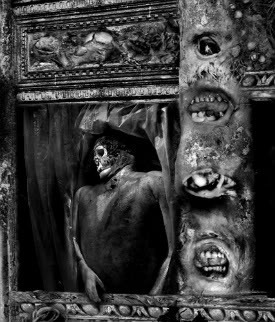
These are brutal, beautiful flash fiction codas to a host of the elite gothic stories of all time, penned by one of the masters of modern cerebral literary horror...Tom Ligotti.
Among the pantheon of great ideas, the inspiration behind this collection belongs up there with Post-it Notes and the iPad.
From the title story extending the narrative of Shelly's masterpiece, to pieces about Dracula, Dr. Moreau and Jekyll & Hyde and even works like the Turn of the Screw and The Castle of Otranto, Ligotti mined the best the gothic genre has to offer...and jabbed a scalpel directly into their essence to create a brand new perspective on the works. They may not have all been equally successful, but what an amazing goal as an author to set for yourself.
Overall, I say major score.
Most of the 19 stories in this slim volume are only 1-2 pages long and the whole work is only 90 pages with about half of that page count being art and other non-story material (e.g., chapter headings, table of contents). Still, this featherweight packs a heavyweight punch that can move you directly onto your ass. They may haunt, they may make you gasp, but they will most certainly forever change the way you look at the classics represented.
Given how short the stories are, it’s going to be exceedingly difficult to give a synopsis of the stories without spoilers so I decided I would just let you experience the amazing titles and I’ll lob in a few thoughts about a few of my favorites:
THE STORIES:
1. “One Thousand Painful Variations Performed Upon Diverse Creatures Undergoing the Treatment of Dr. Moreau, Humanist”
Among my top three of the collection and I think I owe part of that to the author’s comments about this piece in the introduction. I would love to have heard commentary about each of the stories.
2. "The Excruciating Final Days of Dr. Jekyll, Englishman"
A wonderful inversion of the stories soul. It was after reading this one that I knew Ligotti was doing something special.
3. "The Agonizing Resurrection of Victor Frankenstein, Citizen of Geneva"
This one totally reminded me of the end of the Twilight Zone episode called “Time Enough at Last” when Burgess Meredith breaks his glasses at the end.
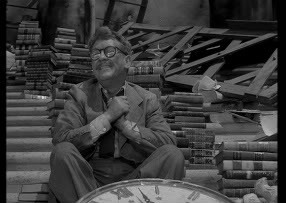
Ouch...don’t celebrate too early Burgess.
4. "The Heart of Count Dracula, Descendant of Attila, Scourge of God"
A complete deconstruction of Dracula that turns his figure into something truly tragic.
5. "The Insufferable Salvation of Lawrence Talbot the Wolfman"
6. "The Intolerable Lesson of the Phantom of the Opera"
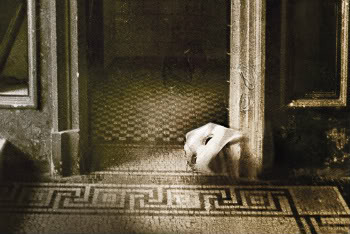
One of my favorites...I can’t get this one to stop banging around in my head.
7. "The Unbearable Rebirth of the Phantom of the Wax Museum"
8."The Perilous Legacy of Emily St. Aubert, Inheritress of Udolpho"
I liked this much more than I liked The Castle of Otranto
9."The Eternal Devotion of the Governess to the Residents of Bly"
I need to read The Turn of the Screw and Other Short Fiction, but the unreliability of the narrative in this seems to be a direct riff on the story itself. This is probably much better than I am giving it credit for in my ignorance.
10. "The Unnatural Persecution, by a Vampire, of Mr. Jacob J."
11 "The Superb Companion of Andre de V., Anti-Pygmalion"
12. "The Ever-Vigilant Guardians of Secluded Estates"
13. "The Scream: From 1800 to the Present"
14. "The Transparent Alias of William Wilson, Sportsman and Scoundrel"
15. "The Worthy Inmate of the Will of the Lady Ligeia"
16. "The Interminable Residence of the Friends of the House of Usher"
17. "The Fabulous Alienation of the Outsider, Being of No Fixed Abode"
A continuation of my favorite non-Cthulhu H.P. Lovecraft story.
18. "The Blasphemous Enlightenment of Prof. Francis Wayland Thurston of Boston, Providence, and the Human Race"
A continuation of one of my favorite Cthulhu H.P. Lovecraft stories.
19. "The Premature Death of H. P. Lovecraft, Oldest Man in New England"
FINAL THOUGHTS:
This is a very good collection. That said, not all of these stories hit the mark with me which is not much of a gripe as any short story collection will have its highs and lows. In a few of the pieces, the lack of connection was likely due to my not having read the source material (e.g., story 9 and also story 15) and I think having a good familiarity with the underlying stories is essential to fully appreciate the work. Notwithstanding that sentiment, there were several stories, #14 and #16 for example, that I loved despite not having read the original.
Overall, this work did exactly what it was designed to do. It slapped me across the face and left a sting that stayed with me long after I closed the book. A truly wonderful collection for fans of Ligotti, classic gothic horror or just thought-provoking stories.
4.0 stars. HIGHLY RECOMMENDED.

These are brutal, beautiful flash fiction codas to a host of the elite gothic stories of all time, penned by one of the masters of modern cerebral literary horror...Tom Ligotti.
Among the pantheon of great ideas, the inspiration behind this collection belongs up there with Post-it Notes and the iPad.
From the title story extending the narrative of Shelly's masterpiece, to pieces about Dracula, Dr. Moreau and Jekyll & Hyde and even works like the Turn of the Screw and The Castle of Otranto, Ligotti mined the best the gothic genre has to offer...and jabbed a scalpel directly into their essence to create a brand new perspective on the works. They may not have all been equally successful, but what an amazing goal as an author to set for yourself.
Overall, I say major score.
Most of the 19 stories in this slim volume are only 1-2 pages long and the whole work is only 90 pages with about half of that page count being art and other non-story material (e.g., chapter headings, table of contents). Still, this featherweight packs a heavyweight punch that can move you directly onto your ass. They may haunt, they may make you gasp, but they will most certainly forever change the way you look at the classics represented.
Given how short the stories are, it’s going to be exceedingly difficult to give a synopsis of the stories without spoilers so I decided I would just let you experience the amazing titles and I’ll lob in a few thoughts about a few of my favorites:
THE STORIES:
1. “One Thousand Painful Variations Performed Upon Diverse Creatures Undergoing the Treatment of Dr. Moreau, Humanist”
Among my top three of the collection and I think I owe part of that to the author’s comments about this piece in the introduction. I would love to have heard commentary about each of the stories.
2. "The Excruciating Final Days of Dr. Jekyll, Englishman"
A wonderful inversion of the stories soul. It was after reading this one that I knew Ligotti was doing something special.
3. "The Agonizing Resurrection of Victor Frankenstein, Citizen of Geneva"
This one totally reminded me of the end of the Twilight Zone episode called “Time Enough at Last” when Burgess Meredith breaks his glasses at the end.

Ouch...don’t celebrate too early Burgess.
4. "The Heart of Count Dracula, Descendant of Attila, Scourge of God"
A complete deconstruction of Dracula that turns his figure into something truly tragic.
5. "The Insufferable Salvation of Lawrence Talbot the Wolfman"
6. "The Intolerable Lesson of the Phantom of the Opera"

One of my favorites...I can’t get this one to stop banging around in my head.
7. "The Unbearable Rebirth of the Phantom of the Wax Museum"
8."The Perilous Legacy of Emily St. Aubert, Inheritress of Udolpho"
I liked this much more than I liked The Castle of Otranto
9."The Eternal Devotion of the Governess to the Residents of Bly"
I need to read The Turn of the Screw and Other Short Fiction, but the unreliability of the narrative in this seems to be a direct riff on the story itself. This is probably much better than I am giving it credit for in my ignorance.
10. "The Unnatural Persecution, by a Vampire, of Mr. Jacob J."
11 "The Superb Companion of Andre de V., Anti-Pygmalion"
12. "The Ever-Vigilant Guardians of Secluded Estates"
13. "The Scream: From 1800 to the Present"
14. "The Transparent Alias of William Wilson, Sportsman and Scoundrel"
15. "The Worthy Inmate of the Will of the Lady Ligeia"
16. "The Interminable Residence of the Friends of the House of Usher"
17. "The Fabulous Alienation of the Outsider, Being of No Fixed Abode"
A continuation of my favorite non-Cthulhu H.P. Lovecraft story.
18. "The Blasphemous Enlightenment of Prof. Francis Wayland Thurston of Boston, Providence, and the Human Race"
A continuation of one of my favorite Cthulhu H.P. Lovecraft stories.
19. "The Premature Death of H. P. Lovecraft, Oldest Man in New England"
FINAL THOUGHTS:
This is a very good collection. That said, not all of these stories hit the mark with me which is not much of a gripe as any short story collection will have its highs and lows. In a few of the pieces, the lack of connection was likely due to my not having read the source material (e.g., story 9 and also story 15) and I think having a good familiarity with the underlying stories is essential to fully appreciate the work. Notwithstanding that sentiment, there were several stories, #14 and #16 for example, that I loved despite not having read the original.
Overall, this work did exactly what it was designed to do. It slapped me across the face and left a sting that stayed with me long after I closed the book. A truly wonderful collection for fans of Ligotti, classic gothic horror or just thought-provoking stories.
4.0 stars. HIGHLY RECOMMENDED.
March 23, 2016
Fan fiction about classic horror, written by someone far too convinced of his writing's artistic merit. The preface goes on longer than any of the stories to tell you just how clever and twisting and painful these stories are. Painful is right.
Plots are basically "What if this story was EVEN WORSE OOOOOO" [holding flashlight under chin]; writing is the present tense tone of someone telling you about their day with about as much narrative skill as you'd expect from someone who insists on telling about their day in the present tense.
What if Victor Frankenstein's brain got put into another monster OOOOOOO what if the wolfman didn't know what would happen to his body OOOOO What if Christine felt something for the phantom of the opera OOOOOOO What if someone drank/smoked themselves to death because they were worried about a vampire OOOOOO What if a ghost could never scream at someone because it waited too long OOOOOO....
Nickelodeon's "Are You Afraid of the Dark" series of scary campfire tales for preteens was more twisty, painful, and clever than this.
Positives about this book:
Is very short
Not so awful that it can't be finished (helped by being short)
Nothing that made my editing senses tingle though I disagree with some of the commas
Plots are basically "What if this story was EVEN WORSE OOOOOO" [holding flashlight under chin]; writing is the present tense tone of someone telling you about their day with about as much narrative skill as you'd expect from someone who insists on telling about their day in the present tense.
What if Victor Frankenstein's brain got put into another monster OOOOOOO what if the wolfman didn't know what would happen to his body OOOOO What if Christine felt something for the phantom of the opera OOOOOOO What if someone drank/smoked themselves to death because they were worried about a vampire OOOOOO What if a ghost could never scream at someone because it waited too long OOOOOO....
Nickelodeon's "Are You Afraid of the Dark" series of scary campfire tales for preteens was more twisty, painful, and clever than this.
Positives about this book:
Is very short
Not so awful that it can't be finished (helped by being short)
Nothing that made my editing senses tingle though I disagree with some of the commas

August 26, 2018
a mere pastime for Ligotti fans. Reviews of well-known horror stories with humorous or dramatic tones. Only for Ligotti's collectors.

March 6, 2019
Mia reazione al primo racconto:
“Ma sul serio?”
Al secondo:
“Ma sul serio?”
E via così, per tutti quanti, fino alla fine.
Non avevo mai letto nulla di Ligotti, prima, ma se gli hanno pubblicato questo dev'essere uno che vende un botto.
I racconti sono tutti brevissimi: sono diciannove, e li ho letti in tre quarti d'ora. Scritti al tempo presente, sono stringatissimi anche nel linguaggio: più che veri racconti, sembrano gli appunti che un scrittore potrebbe scribacchiare di fretta per fissare un'idea, per buttare giù una prima scaletta molto schematica. E come se ci non bastasse, la stragrande maggioranza di questi racconti è in realtà un riassuntino dell'opera originale, cui Ligotti appiccica un suo finale più cupo di quello originale.
Per esempio, il narratore de La Caduta della Casa degli Usher, dopo aver assistito al crollo, decide di annegarsi nel laghetto. Pure Christine de Il Fantasma dell'Opera si annega, nella Senna. William Wilson non uccide solo metaforicamente il suo doppio, nello specchio, ma ne fa a pezzi uno in carne e ossa e lo dà in pasto ai cani, dopodiché morirà lui stesso, perché in preda al riso isterico non riuscirà più a smettere nemmeno per mangiare o bere. Non ho riconosciuto tutti i racconti originali, ma immagino che il trucchetto peggiorativo sia sempre lo stesso; in particolare, non riesco a individuare “I sempre vigili guardiani di ville isolate”, e se qualcuno ha letto la raccolta e riconosciuto di che si tratta, me lo dica, per favore!
Giusto l'ultimo racconto, sulla morte di Lovecraft, non risponde allo schema, ma certo non basta a salvare questo libro: non c'è inquietudine, né umorismo nero, né passione; è un gran piattume che non ha nemmeno il pregio di quella scrittura eccelsa che sa farsi perdonare quasi tutto.
“Ma sul serio?”
Al secondo:
“Ma sul serio?”
E via così, per tutti quanti, fino alla fine.
Non avevo mai letto nulla di Ligotti, prima, ma se gli hanno pubblicato questo dev'essere uno che vende un botto.
I racconti sono tutti brevissimi: sono diciannove, e li ho letti in tre quarti d'ora. Scritti al tempo presente, sono stringatissimi anche nel linguaggio: più che veri racconti, sembrano gli appunti che un scrittore potrebbe scribacchiare di fretta per fissare un'idea, per buttare giù una prima scaletta molto schematica. E come se ci non bastasse, la stragrande maggioranza di questi racconti è in realtà un riassuntino dell'opera originale, cui Ligotti appiccica un suo finale più cupo di quello originale.
Per esempio, il narratore de La Caduta della Casa degli Usher, dopo aver assistito al crollo, decide di annegarsi nel laghetto. Pure Christine de Il Fantasma dell'Opera si annega, nella Senna. William Wilson non uccide solo metaforicamente il suo doppio, nello specchio, ma ne fa a pezzi uno in carne e ossa e lo dà in pasto ai cani, dopodiché morirà lui stesso, perché in preda al riso isterico non riuscirà più a smettere nemmeno per mangiare o bere. Non ho riconosciuto tutti i racconti originali, ma immagino che il trucchetto peggiorativo sia sempre lo stesso; in particolare, non riesco a individuare “I sempre vigili guardiani di ville isolate”, e se qualcuno ha letto la raccolta e riconosciuto di che si tratta, me lo dica, per favore!
Giusto l'ultimo racconto, sulla morte di Lovecraft, non risponde allo schema, ma certo non basta a salvare questo libro: non c'è inquietudine, né umorismo nero, né passione; è un gran piattume che non ha nemmeno il pregio di quella scrittura eccelsa che sa farsi perdonare quasi tutto.

October 12, 2018
Not the best Ligotti
This collection is interesting, but not worth the time it takes an experiment.
There are interesting parts of these short short stories, but Ligotti spends a good chunk of time to summarize the story they originate from instead of putting his own spin on them.
The best tale out of these is the title story, but even that is too brief and too surface level to really recommend.
Disappointing compared to his other collections, but not terrible by any measure.
This collection is interesting, but not worth the time it takes an experiment.
There are interesting parts of these short short stories, but Ligotti spends a good chunk of time to summarize the story they originate from instead of putting his own spin on them.
The best tale out of these is the title story, but even that is too brief and too surface level to really recommend.
Disappointing compared to his other collections, but not terrible by any measure.
December 3, 2015
I got this in a pack of a bunch of ebooks from Humble Bundle. I'm unfamiliar with Thomas Ligotti's work, and after reading this, I have no desire whatsoever to track down any of his other books.
"Agonizing Resurrection" is pointless garbage, with no more skill or insight than a 1st year creative writing course submission. Ligotti does nothing more than take the ending to various classic horror stories, then rewrite them ~with a twist~ (what if Victor Frankenstein's was placed in the body of another corpse brought to life??? What a twist!), but they are so short and poorly written that they don't even examine the impact of the changes made.
I seriously have no idea how this was published. Worse, the introduction (which is longer than most of the stories) shows that the author thinks he's being particularly clever with the book. The whole thing is so masturbatory and a waste of time. I was going to say that the *one* good thing about the book is that it's so short, but even then I struggled to get through it. So I guess the only real advantage to reading the book is to give readers such as myself more confidence in their own writing ability. If this trash can get published, then anything can.
"Agonizing Resurrection" is pointless garbage, with no more skill or insight than a 1st year creative writing course submission. Ligotti does nothing more than take the ending to various classic horror stories, then rewrite them ~with a twist~ (what if Victor Frankenstein's was placed in the body of another corpse brought to life??? What a twist!), but they are so short and poorly written that they don't even examine the impact of the changes made.
I seriously have no idea how this was published. Worse, the introduction (which is longer than most of the stories) shows that the author thinks he's being particularly clever with the book. The whole thing is so masturbatory and a waste of time. I was going to say that the *one* good thing about the book is that it's so short, but even then I struggled to get through it. So I guess the only real advantage to reading the book is to give readers such as myself more confidence in their own writing ability. If this trash can get published, then anything can.

November 17, 2018
Mostly just short fiction experiments, taking characters from classic horror stories and writing a short "muse" from their perspective or about them. I only found one that was even halfway engaging and the rest were appropriate for a creative writing class, but not for public consumption.

December 13, 2019
An unusual but rewarding and relatively engaging collection from an eccentric genius.
Thomas Ligotti inspires fear in me. No, not just fear of his depiction of an indifferent and uncaring universe or its eldritch inhabitants as well as his various puppets but fear of not understanding his dense and thick prose. For a writer who had admitted in the past that he intentionally tries to make his writing complex, a casual horror reader can only run away at the sight of such collections such as Noctuary , Songs of a Dead Dreamer , etc.
This is why this book is a treat for your casual horror reader. For once in his career, Ligotti gives us stripped-down prose, which is even more surprising considering the length (flash fiction length) and the topics (classic horror literature and iconic figures in horror culture and arts) discussed. This, however, does nothing to diminish the power of Ligotti to unnerve and make an impression; the prose is just the form hiding the genius within.
I planned to discuss the stories but they're relatively short. The stories are distillations of the essence of classic horror books with Ligotti adding and highlighting a particularly important theme through the addition of a new character and a backstory or two. While the takes on the classic horror literature may not add anything under the sun (considering the amount of material it inspired through the years, both good and bad) Ligotti surprises with his take on the classic painting The Scream as well as the final days of the H. P. Lovecraft.
Worth it if you have limited time but want to spend the same on something of great value.
Thomas Ligotti inspires fear in me. No, not just fear of his depiction of an indifferent and uncaring universe or its eldritch inhabitants as well as his various puppets but fear of not understanding his dense and thick prose. For a writer who had admitted in the past that he intentionally tries to make his writing complex, a casual horror reader can only run away at the sight of such collections such as Noctuary , Songs of a Dead Dreamer , etc.
This is why this book is a treat for your casual horror reader. For once in his career, Ligotti gives us stripped-down prose, which is even more surprising considering the length (flash fiction length) and the topics (classic horror literature and iconic figures in horror culture and arts) discussed. This, however, does nothing to diminish the power of Ligotti to unnerve and make an impression; the prose is just the form hiding the genius within.
I planned to discuss the stories but they're relatively short. The stories are distillations of the essence of classic horror books with Ligotti adding and highlighting a particularly important theme through the addition of a new character and a backstory or two. While the takes on the classic horror literature may not add anything under the sun (considering the amount of material it inspired through the years, both good and bad) Ligotti surprises with his take on the classic painting The Scream as well as the final days of the H. P. Lovecraft.
Worth it if you have limited time but want to spend the same on something of great value.

November 24, 2018
Adoro Ligotti.
Ogni tanto lo prenderei a sberle, quando sembra inseguire più il suo piacere che la scrittura, ma l'ho sempre ritenuto un ottimo scrittore.
Poi, è arrivata questa cosa
Cosa, perché non è un libro, non è una raccolta di racconti, non è nulla.
L'idea sarebbe stata intrigante se:
a) Ligotti avesse scritto seriamente questi finali alternativi/aggiuntivi. Non volevo la bozza di quello che avrebbe potuto fare, anche perché così si è perso tutto il piacere che sta nel'affrontare la narrativa ligottiana, quel districarsi tra parole e pensieri che ti immerge senza che tu te ne renda conto nella sua atmosfera. E' come aver ricevuto per sbaglio il suo quadernino degli appunti, i suoi "to do": fare la spesa, dare da mangiare al gatto, far finire la vita di Lovecraft così e cosa. E, peggio ancora:
b) se le storie non fossero state così banali. Davvero Thomas, tu che ti sei fatto affibbiare volontariamente o meno l'epiteto di autore di horror filosofici, mi scrivi questi finaletti da B movie? Hai massacrato persino i tuoi autori di riferimento, e che diamine! Giusto L'Urlo si salva, il resto...
Non capisco. Arrabbiato, lì per lì ho sperato che ilSaggiatore avesse fatto qualche cavolata, un qualche magheggio editoriale per spillarci quindici euro (quindici euro per un libricino così, tra l'altro, parliamone). E invece no: è tutta farina del tuo sacco.
E sono qui a chiedermi:
perché?
perchè?
perchè?
Ogni tanto lo prenderei a sberle, quando sembra inseguire più il suo piacere che la scrittura, ma l'ho sempre ritenuto un ottimo scrittore.
Poi, è arrivata questa cosa
Cosa, perché non è un libro, non è una raccolta di racconti, non è nulla.
L'idea sarebbe stata intrigante se:
a) Ligotti avesse scritto seriamente questi finali alternativi/aggiuntivi. Non volevo la bozza di quello che avrebbe potuto fare, anche perché così si è perso tutto il piacere che sta nel'affrontare la narrativa ligottiana, quel districarsi tra parole e pensieri che ti immerge senza che tu te ne renda conto nella sua atmosfera. E' come aver ricevuto per sbaglio il suo quadernino degli appunti, i suoi "to do": fare la spesa, dare da mangiare al gatto, far finire la vita di Lovecraft così e cosa. E, peggio ancora:
b) se le storie non fossero state così banali. Davvero Thomas, tu che ti sei fatto affibbiare volontariamente o meno l'epiteto di autore di horror filosofici, mi scrivi questi finaletti da B movie? Hai massacrato persino i tuoi autori di riferimento, e che diamine! Giusto L'Urlo si salva, il resto...
Non capisco. Arrabbiato, lì per lì ho sperato che ilSaggiatore avesse fatto qualche cavolata, un qualche magheggio editoriale per spillarci quindici euro (quindici euro per un libricino così, tra l'altro, parliamone). E invece no: è tutta farina del tuo sacco.
E sono qui a chiedermi:
perché?
perchè?
perchè?

April 3, 2018
Two stories in this collection contend with any of the masterful pieces Ligotti has written: "The Scream: From 1800 to the Present," and "The Fabulous Alienation of the Outsider, Being of No Fixed Abode." "The Scream" is a fanciful imagination of death, told through one of the victim's of the Boston Strangler. As in Ligotti's other stories, the action, the initial "horror" of the story is a prelude to the larger horror of existence. The victim succumbs to two deaths in this story: at the hands of the Strangler, and in the presence of the woman he covets. Edvard Munch's "The Scream" is an appropriate evocation of the torture, the horror that the victim experiences in the end.
"The Fabulous Alienation of the Outsider, Being of No Fixed Abode" is a continuation of H.P. Lovecraft's story "The Outsider". It is undoubtedly one of Ligotti's most fascinating cosmic horror tales. At once it's a story about alienation, the human need to connect, the horror of absolute solitude, and the death/birth of human existence. "The Fabulous Alienation," perhaps more than any non-fiction essay, expresses Ligotti's synchronicity with Lovecraft while moving beyond Lovecraft and into the realm of the philosophical pessimism.
"The Fabulous Alienation of the Outsider, Being of No Fixed Abode" is a continuation of H.P. Lovecraft's story "The Outsider". It is undoubtedly one of Ligotti's most fascinating cosmic horror tales. At once it's a story about alienation, the human need to connect, the horror of absolute solitude, and the death/birth of human existence. "The Fabulous Alienation," perhaps more than any non-fiction essay, expresses Ligotti's synchronicity with Lovecraft while moving beyond Lovecraft and into the realm of the philosophical pessimism.

February 6, 2018
A decent collection of pastiches by one of cosmic horror's greats, this by no means measures up to his previous accomplishments. This is little more than a pleasant diversion; Ligotti does little more here than summarize classic tales and append a twist ending. A disappointment in light of his deserved reputation.

March 18, 2025
Aesthetically transcendent. Post Opulent pan-decadence.

October 14, 2025
Thomas Ligotti's The Agonizing Resurrection of Victor Frankenstein is a once-over-lightly visitation of selected heroes (villains?) of horror fiction as well as two of the main authors: Edgar Allan Poe and H. P. Lovecraft. Although Ligotti does not go into any great detailed analysis, it is interesting to re-visit Dr. Moreau, Dracula, Victor Frankenstein, the Wolf Man, the characters in Henry James's The Turn of the Screw and others.
June 21, 2025
An intriguing premise but a naff execution to the point where its almost pointless in itself. As a huge fan of Ligotti I was underwhelmed as well an unimpressed with this book. Not even Ligotti's eloquent, lyrical prose could make any of these stories engaging. Being arguably the best horror short story writer of the last 50 years, who uses the brevity and ambiguity of the form to his advantage, the premise of Ligotti putting his spin on iconic Gothic tales is an exciting one. The result is a collection of flash fiction retellings (which barely deviate from their original versions) which are 3 pages long at most. It begs the question why this book exists, and why Chiroptera Press went at such lengths to reprint this. Ultimately, this book is to me Ligotti's weakest body of work, leaving a lot more to be desired.

January 29, 2016
How do you rate a book like this exactly? I don't have a lot to say about it. This is a short book, coming in at just over 10,000 words. It is essentially a dark look at the aftermath of various works and characters of Gothic literature. The traditional "villians" are here shown to be the real victims, lonely outcasts.
There's a good deal of humor here, especially in the earlier stories, but the stories gradually darken as they go. The Lovecraft and Poe stories were the most interesting I thought, especially the former. There's certainly some clever stories here, but I would say this is among the less representative of Ligotti's work.
There's a good deal of humor here, especially in the earlier stories, but the stories gradually darken as they go. The Lovecraft and Poe stories were the most interesting I thought, especially the former. There's certainly some clever stories here, but I would say this is among the less representative of Ligotti's work.

January 14, 2019
Uno spin off di un capitolo de La cospirazione contro la razza umana; l'orrore è creato per mostrare cosa c'è dietro ai burattini. Può sempre andare peggio però, chiaro.
(Da leggere dopo tutti gli altri Ligotti appunto, altrimenti non ha molto senso.)
(Da leggere dopo tutti gli altri Ligotti appunto, altrimenti non ha molto senso.)

July 15, 2014
A strange collection of vignettes based on well-known horror stories, and the creatures and characters within. Lots of suffering in this short, interesting read.
Read
December 30, 2025A short story less than 100 pages which consists of shorter short stories that are retelling, reimagining, and a satire of classic gothic stories. Some of them even feels like a fanfics albeit only a bite size. My favorites are The Agonizing Resurrection of Victor Frankenstein, Citizen of Geneva (a good start to a fanfic where Victor gets to be the creature this time), The Perilous Legacy of Emily St. Aubert, Inheritress of Udolpho (a not so happy but a realistic ending to Mysteries of Udolpho), The Irreproachable Statement of the Governess as to the affair at Bly (a most enlightening satire of The Turn of the Screw) and The Interminable Residence of the Friends of the House of Usher (a short conclusion of The Fall of The House of Usher from the anonymous friend's POV)

February 26, 2019
Non indispensabile MA... bellissime illustrazioni e "ritratti" di mostri degni di Ligotti.
Una stella in meno per il prezzo per pagina. Di base è una chicca saggiatoriana.
Una stella in meno per il prezzo per pagina. Di base è una chicca saggiatoriana.
August 17, 2020
Ligotti is my favorite living author, but these works just aren't to my taste.

April 9, 2024
Il Ligotti che non ti aspetti arriva di soppiatto, sbuca fuori da uno zainetto minuscolo e si prende tutta la tua attenzione.
Poi è tutto un viaggiare tra i classici del gotico con un’occhio subdolamente ironico che non attribuiresti mai a questo autore.
Poi è tutto un viaggiare tra i classici del gotico con un’occhio subdolamente ironico che non attribuiresti mai a questo autore.
December 5, 2020
this is wildly different in tone, style, and content from any other Ligotti I've read (and I've read everything he's written except for Noctuary!) this was a treat.

April 2, 2022
Well, I guess they can’t all be good.

January 29, 2014
The conceit of this short anthology is to re-examine many classic horror stories—from novels, movies, stories, and [in one case] biography—with an added dash of pain. To re-examine them, in very quick form (a page or two, a handful paragraphs), with an element of keen insight into the humanity of the characters.
Generally speaking, many of them deal with loneliness, broken hearts, and betrayal. The semi-titular tale depicts Frankenstein's corpse being used in a similar-to-his-own experiment, with the added twist that he knows the being closest to him in nature—the creature of the original novel—is no more, so he is denied true kinship. In a riff off of H.P. Lovecraft's "The Outsider", the Outsider returns to his grave and by the time he wakes up, again, to see if things are better finds he has outlasted all life on earth. With an added bit about why we might be dissatisfied by what we see in the mirror. That is the sort of thing to expect.
The whole thing, a few dozen vignettes, takes up about as much space as a single novella, and can be read reasonably in a sitting. It covers many of the best known classic monsters: Dracula, Frankenstein (the scientist, not the creature), Dr. Jekyll and Mr. Hyde, The Wolfman, Dr. Moreau, The Phantom, the folk from The Turn of the Screw, a few from Poe and Lovecraft, and so on. If you are a horror fan, you will probably recognize all or nearly all.
Standout stories would possibly be the ones mentioned above, as well as Ligotti's addition to Turn of the Screw [which is where his humor shines brightest/darkest] and the extended life of Thurston beyond "Call of Cthulhu". There a plenty of other moments worth noting, but there are also lots of moments worth taken as something like background "hmmm". The very last story differs the most because it is about Lovecraft as a non-fictional character, and deals with something like a final overcoming of pain at death, but I suppose that is up for debate.
Special attention should be given to Harry O. Morris's artwork throughout. They are exemplary, and add considerable flavor to the book as a whole. If you are lucky enough to get ahold of a Centipede Press edition, that is.
Generally speaking, many of them deal with loneliness, broken hearts, and betrayal. The semi-titular tale depicts Frankenstein's corpse being used in a similar-to-his-own experiment, with the added twist that he knows the being closest to him in nature—the creature of the original novel—is no more, so he is denied true kinship. In a riff off of H.P. Lovecraft's "The Outsider", the Outsider returns to his grave and by the time he wakes up, again, to see if things are better finds he has outlasted all life on earth. With an added bit about why we might be dissatisfied by what we see in the mirror. That is the sort of thing to expect.
The whole thing, a few dozen vignettes, takes up about as much space as a single novella, and can be read reasonably in a sitting. It covers many of the best known classic monsters: Dracula, Frankenstein (the scientist, not the creature), Dr. Jekyll and Mr. Hyde, The Wolfman, Dr. Moreau, The Phantom, the folk from The Turn of the Screw, a few from Poe and Lovecraft, and so on. If you are a horror fan, you will probably recognize all or nearly all.
Standout stories would possibly be the ones mentioned above, as well as Ligotti's addition to Turn of the Screw [which is where his humor shines brightest/darkest] and the extended life of Thurston beyond "Call of Cthulhu". There a plenty of other moments worth noting, but there are also lots of moments worth taken as something like background "hmmm". The very last story differs the most because it is about Lovecraft as a non-fictional character, and deals with something like a final overcoming of pain at death, but I suppose that is up for debate.
Special attention should be given to Harry O. Morris's artwork throughout. They are exemplary, and add considerable flavor to the book as a whole. If you are lucky enough to get ahold of a Centipede Press edition, that is.

July 12, 2020
Damn Ligotti, what happened? I haven't been this disappointed in a book by a favorite author since Roberto Bolaño's The Spirit of Science Fiction (which I suspect was actually a rough draft left unfinished by his death). This phoned-in short story collection purports to be an exploration of loss; what it really is simply a grab-bag of "what if this famous Gothic/horror story went like this?" The book wasn't awful per se, just nowhere near the standards I expect from a writer as brilliant and original as Thomas Ligotti.

July 30, 2018
Short-short stories that take famous gothic situations one step further. For example, what do you suppose happened to Victor Frankenstein's brain when he died?
April 17, 2020
Una vera e propria dichiarazione d'amore nei confronti del gotico classico. Godibile, veloce, ottimo l'audiolibro.

August 2, 2023
Premettendo che di Ligotti sto ancora aspettando di leggere Nottuario, e quindi questa è la prima volta che mi trovo faccia a faccia con questo autore, l'idea di fondo non è male.
Si tratta di una serie di racconti brevi (ma veramente brevissimi, di massimo due pagine) che ruotano attorno ai famosi "mostri" della letteratura e del cinema. Per non leggerlo a vuoto ovviamente serve un minimo background di letture gotiche/horror, che comunque va di poco oltre ai classici.
Detto questo, sono rimasta un po' delusa. Mi aspettavo che i racconti avessero un che di grottesco o almeno di originale, un twist a cui nessuno aveva mai pensato prima; invece questi racconti sono veramente poveri, e di salvabile c'è veramente poco se non una buona prosa, delle illustrazioni accattivanti (altrimenti come avrebbero potuto far pagare ben 15 euro per questo libricino di racconti di nicchia?!) e una prefazione più interessante dei racconti stessi. Inoltre erano davvero troppo brevi, non c'era spazio per provare nulla.
Mi permetto di compilare una lista di romanzi e film da cui Ligotti trae i racconti delle varie sezioni, o perlomeno tutti quelli che ho individuato. Chissà che possa essere utile a qualcuno non particolarmente ferrato sul genere che si trova comunque a leggere questo libro...
TRE SCIENZIATI
1. L'isola del dottor Moreau
2. Il dottor Jekyll e mr. Hyde
3. Frankenstein
DUE IMMORTALI
1. Dracula
2. L'uomo lupo, film del 1941
PRIMI ATTORI
1. Il fantasma dell'Opera
2. La maschera di cera, film del 1953
EROINE GOTICHE
1. I misteri di Udolpho
2. Il giro di vite
SOLITARI
Due racconti originali?
RECLUSI
1. Racconto originale?
2. Racconto originale con ispirazione il quadro L'urlo di Edvard Munch
ANTOLOGIA DI POE
1. William Wilson
2. Racconto "Ligeia" di Poe, contenute in svariate raccolte.
3. La caduta della Casa Usher
OPERE E MORTE DI H.P. LOVECRAFT
1. L'estraneo
2. Il richiamo di Cthulhu
3. Racconto originale
Si tratta di una serie di racconti brevi (ma veramente brevissimi, di massimo due pagine) che ruotano attorno ai famosi "mostri" della letteratura e del cinema. Per non leggerlo a vuoto ovviamente serve un minimo background di letture gotiche/horror, che comunque va di poco oltre ai classici.
Detto questo, sono rimasta un po' delusa. Mi aspettavo che i racconti avessero un che di grottesco o almeno di originale, un twist a cui nessuno aveva mai pensato prima; invece questi racconti sono veramente poveri, e di salvabile c'è veramente poco se non una buona prosa, delle illustrazioni accattivanti (altrimenti come avrebbero potuto far pagare ben 15 euro per questo libricino di racconti di nicchia?!) e una prefazione più interessante dei racconti stessi. Inoltre erano davvero troppo brevi, non c'era spazio per provare nulla.
Mi permetto di compilare una lista di romanzi e film da cui Ligotti trae i racconti delle varie sezioni, o perlomeno tutti quelli che ho individuato. Chissà che possa essere utile a qualcuno non particolarmente ferrato sul genere che si trova comunque a leggere questo libro...
TRE SCIENZIATI
1. L'isola del dottor Moreau
2. Il dottor Jekyll e mr. Hyde
3. Frankenstein
DUE IMMORTALI
1. Dracula
2. L'uomo lupo, film del 1941
PRIMI ATTORI
1. Il fantasma dell'Opera
2. La maschera di cera, film del 1953
EROINE GOTICHE
1. I misteri di Udolpho
2. Il giro di vite
SOLITARI
Due racconti originali?
RECLUSI
1. Racconto originale?
2. Racconto originale con ispirazione il quadro L'urlo di Edvard Munch
ANTOLOGIA DI POE
1. William Wilson
2. Racconto "Ligeia" di Poe, contenute in svariate raccolte.
3. La caduta della Casa Usher
OPERE E MORTE DI H.P. LOVECRAFT
1. L'estraneo
2. Il richiamo di Cthulhu
3. Racconto originale

December 19, 2021
Chi dice che nella vita (e dopo) si arriva necessariamente a una qualche forma di riscatto morale/ sociale?
Thomas Ligotti 🔍
scrittore e saggista statunitense, definito da molti il protagonista del weird e della "poetica delle tenebre"; focalizzato, ovviamente, sulla letteratura horror contemporanea.
La sua visione della vita è... particolare e potremmo dire che si avvicina al pensiero del nostro caro Solitario.
Vi basta sapere che per Ligotti il vero orrore è la consapevolezza di < essere vivi>. Per Thomas la vita, vista in genere come dono, è una condanna e di rimando, la routine non fa che peggiorare la condizione stessa dell'uomo.
📖 La straziante resurrezione di Victor Frankenstein
È una raccolta di racconti brevi che ruota, come avrete immaginato, attorno al tema dell'orrore e della sofferenza.
Ligotti in questo breve saggio rielabora i racconti must della letteratura horror mantenendo il suo stile unico e diretto. Mostra in modo limpido il suo pensiero attraverso le azioni dei protagonisti, quali saranno secondo voi?
Ovviamente i nostri cari personaggi oscuri come Dracula, Frankenstein, Dr Jekyll e Mr Hyde, il dottor Moreau...
Ci fa capire come delle volte non si può uscire dalla propria condizione, si resta quasi freezzati, incapaci di migliorare le proprie sorti. In questi casi c'è ben poco da salvare, come se tutto fosse già scritto...
Ecco le conseguenze di chi, per esempio, preso dal suo delirio di onnipotenza o bisogno di risposte paga con la sua vita.
Una sorta di karma superiore prende decisione al nostro posto o fa in modo che le cose vadano come "dovrebbero andare".
O ancora il caso dell'allievo che supera il maestro e quindi il creatore è succube della stessa creatura...
Passiamo agli esempi:
Gli ultimi giorni del dottor Jekyll, racconto presente nel libro:
Jekyll cerca disperatamente una formula che possa distruggere del tutto il suo alter ego Hyde. Una mattina gli si avvicina Hyde dicendo che ha trovato la soluzione che stavano cercando.
Gli porge una beuta con uno strano liquido e gli dice di berla.
Hyde lo ascolta e manda giù lo soluzione senza battere ciglio, non immaginandosi che quel gesto metterà fine alla sua vita.
Nell'isola del dottor Moreau di H G Wells lo scienziato vuole trasformare gli animali in esseri umani.
Il suo obiettivo?
Eliminare gli istinti delle creature e immettere la ragione.
Indovinate il risultato?
Distruttivo e decisamente inferiore rispetto agli obiettivi che si era prefissato.
Conseguenza?
Dolore, non solo per la creatura, privata della sua stessa natura, ma anche per il suo creatore in quanto non riuscirà mai a raggiungere le sue ambizioni iniziali.
Altro esempio che riconferma il suo pensiero è la visione "alternativa" di Frankenstein visto con gli occhi di Ligotti.
Creare il clone di un uomo o meglio un essere a sua immagine e somiglianza in toto. È una scommessa ok, ma quanto di reale ed etico c'è in tutto cio?
Quanto può essere replicabile la vita dell'uomo? E ne vale davvero la pena?
Nel caso di Frankenstein, il mostro è una creatura sensibile e intelligente allontanata dalla società per il suo aspetto ripugnante.
Questa potrebbe essere la conseguenza e l'elemento principale che porta il creatore a patire per avere provato a creare un suo simile?
Eccoci arrivati alla fine ( o forse per alcuni sarà un inizio?!).
Questi sono solo alcuni esempi, per farvi un'idea.
Una lettura consigliata e per niente banale per chi vuole andare oltre i brividi e cerca spunti di riflessione.
Darete una chance a Thomas Ligotti?
Thomas Ligotti 🔍
scrittore e saggista statunitense, definito da molti il protagonista del weird e della "poetica delle tenebre"; focalizzato, ovviamente, sulla letteratura horror contemporanea.
La sua visione della vita è... particolare e potremmo dire che si avvicina al pensiero del nostro caro Solitario.
Vi basta sapere che per Ligotti il vero orrore è la consapevolezza di < essere vivi>. Per Thomas la vita, vista in genere come dono, è una condanna e di rimando, la routine non fa che peggiorare la condizione stessa dell'uomo.
📖 La straziante resurrezione di Victor Frankenstein
È una raccolta di racconti brevi che ruota, come avrete immaginato, attorno al tema dell'orrore e della sofferenza.
Ligotti in questo breve saggio rielabora i racconti must della letteratura horror mantenendo il suo stile unico e diretto. Mostra in modo limpido il suo pensiero attraverso le azioni dei protagonisti, quali saranno secondo voi?
Ovviamente i nostri cari personaggi oscuri come Dracula, Frankenstein, Dr Jekyll e Mr Hyde, il dottor Moreau...
Ci fa capire come delle volte non si può uscire dalla propria condizione, si resta quasi freezzati, incapaci di migliorare le proprie sorti. In questi casi c'è ben poco da salvare, come se tutto fosse già scritto...
Ecco le conseguenze di chi, per esempio, preso dal suo delirio di onnipotenza o bisogno di risposte paga con la sua vita.
Una sorta di karma superiore prende decisione al nostro posto o fa in modo che le cose vadano come "dovrebbero andare".
O ancora il caso dell'allievo che supera il maestro e quindi il creatore è succube della stessa creatura...
Passiamo agli esempi:
Gli ultimi giorni del dottor Jekyll, racconto presente nel libro:
Jekyll cerca disperatamente una formula che possa distruggere del tutto il suo alter ego Hyde. Una mattina gli si avvicina Hyde dicendo che ha trovato la soluzione che stavano cercando.
Gli porge una beuta con uno strano liquido e gli dice di berla.
Hyde lo ascolta e manda giù lo soluzione senza battere ciglio, non immaginandosi che quel gesto metterà fine alla sua vita.
Nell'isola del dottor Moreau di H G Wells lo scienziato vuole trasformare gli animali in esseri umani.
Il suo obiettivo?
Eliminare gli istinti delle creature e immettere la ragione.
Indovinate il risultato?
Distruttivo e decisamente inferiore rispetto agli obiettivi che si era prefissato.
Conseguenza?
Dolore, non solo per la creatura, privata della sua stessa natura, ma anche per il suo creatore in quanto non riuscirà mai a raggiungere le sue ambizioni iniziali.
Altro esempio che riconferma il suo pensiero è la visione "alternativa" di Frankenstein visto con gli occhi di Ligotti.
Creare il clone di un uomo o meglio un essere a sua immagine e somiglianza in toto. È una scommessa ok, ma quanto di reale ed etico c'è in tutto cio?
Quanto può essere replicabile la vita dell'uomo? E ne vale davvero la pena?
Nel caso di Frankenstein, il mostro è una creatura sensibile e intelligente allontanata dalla società per il suo aspetto ripugnante.
Questa potrebbe essere la conseguenza e l'elemento principale che porta il creatore a patire per avere provato a creare un suo simile?
Eccoci arrivati alla fine ( o forse per alcuni sarà un inizio?!).
Questi sono solo alcuni esempi, per farvi un'idea.
Una lettura consigliata e per niente banale per chi vuole andare oltre i brividi e cerca spunti di riflessione.
Darete una chance a Thomas Ligotti?
Displaying 1 - 30 of 82 reviews