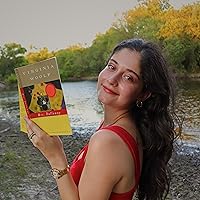
چالشهای زندگی مشترک، خصوصاً آنهایی که به مشاجره و دعوا ختم میشوند، مهمترین دلیل زوجها برای تقاضای کمک از اطرافیان و مشاوران روانشناسی هستند، اما چیزی که همگان از آن غافلاند این است که این چالشها میتوانند فرصتی برای بهبود روابط زناشویی باشند. نویسندگان در این کتاب از یک اصل شگفتآور پردهبرداری میکنند: چگونه دعوا کردن ما آیندۀ رابطهمان را پیشبینی میکند!
Julie Schwartz Gottman is a clinical psychologist, co-founder and director of the Gottman Institute. She is co-initiator of the extremely popular weekend workshops for couples "The Art and Science of Love" and co-developed the national clinical training program for Gottman couples therapy in the USA. She is an author and co-author and lives with her husband in Seattle.
HIGHLIGHTS: 1. CONFLICT: - Conflicts breakdown what’s not working and create something better. - Lack of conflict does not equate to peace. - We can disagree and still be on each other’s side. - Anger is a “frustrated goal.” - Decision fatigue throughout the day. It is a constant drain of energy. - Intentional positivity: 5 positive to 1 negative.
2. META-EMOTION: - Meta-emotion mismatch: avoider (shut down when emotions increase), validator, volatile (fighting is enticing) - Build agenda, persuade, comprise attempt - “Intention” doesn’t match “impact” in a fight.
3. BIDS FOR CONNECTION: - 3 minutes to turn the conflict around or it goes downhill.
4. STARTUPS: - Harsh startups and the problems that evolve. Criticism. Describe other. Kitchen sink complaints. - Don’t face up complaints - Soft Startup: my feelings, my needs, behavior I want from you. I feel..I need.
5. EMOTIONAL FLOODING: - Reduces the ability to have healthy conflict. - Take a break if you’re feeling flooded. - Come back in 20-60 minutes. The body needs time to “regulate”.
6. REPAIRS: - Please say that more gently - I feel … can you rephrase that? - I need your support right now. - Sorry, I need to try that again softer - That’s a good point - I appreciate that
7. GRIDLOCK: - We try to fix the problem before we understand it. - Gridlock conflicts have deeper unmet needs. - Have I ever been in a similar fight like this before (personal history)? - Identify dreams under the conflict.
8. JUST MOVE ON: - People say sorry, but the hurt is not resolved because it is NOT UNDERSTOOD. - Unfinished business sears into memory. - Revisiting memory becomes inaccurate. - Use “I saw” + “I felt” + “the story I told myself about your behavior is”.
9. OVERVIEW: - Everyone wants to be understood. There may be a deeper layer of needs happening. - The goal is not to win or persuade the other person. - Make this conversation a positive one. - Don’t fight flooded. - Make small repairs. - Yield to win. Identify where you can be flexible and where there is a non-negotiable. - Share HOW you felt (description), not WHY (interpretation from own perception).
3.5 Lots of mixed feelings about this one. Let me preface by saying I love the Gottman’s work. Their research is invaluable and the information in this book is extremely helpful.
I didn’t love the book itself. I found it very difficult to relate to most of the couples whose stories were used as examples. Much of what was presented as normal marital conflict sounded like verbal and emotional abuse to me, and the profane language of the fighting couples was often shocking and unsettling.
The relationship dynamics of one couple in particular really bothered me…she was 15 years younger than him and he was her cardiologist. They met while she was his patient and both were married to other people. There’s just a lot about that whole scenario that left me very uncomfortable, and didn’t seem appropriate to use as a prototype for couples to get healthy considering the power and abuse dynamics.
There was a disclaimer regarding abuse, which I appreciated, however the way they explained abusive relationships also made me uneasy. It kind of came across as if the majority of abusive relationships are mutually abusive with both partners engaging in violence, and that these relationships can be saved if the partners learn how to fight right instead of resorting to violence.
The Gottman’s expertise is not in abuse dynamics, so I wouldn’t expect this book to be a primer on such, however, I think the way it was presented could be very confusing for abuse victims who are reading this looking for help. They may think that their self-defense responses or natural reactions to being mistreated are “mutual abuse” when in reality, mutual abuse is largely a myth. Abuse involves one person in power and the other person being used, exploited, or controlled.
Along the same lines, there were examples of couples recovering from infidelity. I felt uneasy about this as well, because there was no mention that if the couple does want to work towards health and reconciliation, they need to first address individual healing of the victim and the individual beliefs/character/integrity of the betrayer—before couples therapy and before learning how to have healthy conflict. The book did lightly address betrayal trauma, but still seemed to suggest that the betrayed partner needed to learn how to fight right and empathize with her/his partner more than anything else.
I deeply appreciated the chapter in Part 2 about “standoffs.” A key element in the Gottman’s research is the fact that marriages centered around a hierarchy of power—where one person is in charge and makes the final decisions—are much more likely to fail. This chapter presented this point along with a description of the ways women throughout history have been used, abused, and subjugated because of power over dynamics. It was a very therapeutic chapter as well as a very practical one, offering strategies for overcoming this mindset which can lead to standoffs in conflict.
Overall, I think the actual material, the strategies, the data, and the guidelines, are all very helpful and will really help a lot of people. On the Gottman Institute website there is a free download available called A Better Way to Fight which is a simplified version of the main points in the book and looks incredibly helpful. They also have a couple of conflict courses you can take on their website which I would feel very comfortable recommending—but not to couples who have abuse dynamics in their relationship or to couples in which one partner is a recent victim of betrayal trauma.
Humans are rational and emotional beings. In the spectrum of emotions we can find some real dark ones, such as anger and resentment. When you give command to one of those you’ll have a resulting argument.
While we argue, we remain in a tunnel. Some people stay there and others come out to the light. This book is definitely for those who aim to reach the light...
“When we fight, we should try to create something better. That’s the ultimate goal of conflict: to create something better for yourself, for you and your partner, as a couple, and for the world.”
——————+++++++————++++++++—————
Aprender a Discutir
Os humanos são seres racionais e emocionais E do espectro das emoções constam, entre outras, algumas bem negras como a raiva e o ressentimento. Basta dar voz de comando a uma delas para gerar uma discussão.
Enquanto discutimos permanecemos num túnel. Há quem fique por lá e há quem saia dele para a luz. Este livro destina-se, claramente, aos que se propõem chegar à luz...
“Quando discutimos, devemos tentar criar algo melhor. Esse é o derradeiro objetivo do conflito: criar algo melhor para si mesmo, para si e para o seu par, enquanto casal, e para o mundo.”
Nota: A Edição portuguesa intitula-se “Saber Discutir — Como os Casais Felizes Transformam o Conflito em Harmonia”
A blueprint that doesn't give you impractical advice like "don't fight" but instead helps you fight constructively and effectively. Fighting the right way will leave both parties feeling like change is possible instead of lashing out anger. A plan to tell your partner what they can do to help you instead of laying on blame and "flooding" them which forces them to attack and defend their position. I particularly liked the quick reference guide in the back of the book which allows you to easily review key points keeping fights light, fair and civil. These are geared towards life partners but the skills will help in any relationship squabble from social to work possibly even with teenagers. My thanks to the publisher for the advance copy.
بسیار کتاب خوب و مفیدی بود، اما شخصا فکر میکنم این چنین کتابهایی زمانی واقعا در بهبود روابط موثر هستند که هر دو طرف یک رابطه برای خوندنش زمان بذارن. خوندن فصل آخر (نتیجهگیری) رو حتی وقتی فرصت خوندن کل کتاب رو ندارید قطعا توصیه میکنم.
A book where I wanted to highlight, bookmark and dogear every page. Immensely practical, relatable and helpful. Highly recommend. Now, as with all self help, comes the test of putting it into practice when the rubber hits the road lol! I feel this way about my favorite parenting book of all time — how to talk so kids will listen and listen so kids will talk. There was so so so much helpful content in that book that made total sense to me and that I wanted to implement and yet I still find myself making mistakes and not putting it into practice! 🫣😅 it’s a daily challenge to do better and be better but I thought this book was a great one!
This book has some wonderful guidance. And I do wish that “fight” wasn’t in the title. The book truly seems to be about communicating during conflict, which applies to everyone. Fighting feels more volatile and this word may dissuade people from reading it because they feel it doesn’t apply to them. Especially those who can be conflict avoidant.
The Gottmans have excellent concepts for how to fight right in a relationship. Disagreement is a part of life, and this book is a helpful tool for people to gain an awareness of their own triggers and learn to navigate differences in a positive way.
However, examples of couples portrayed in the book were cringy and offensive. Maybe the way they fought and what they said was exaggerated to make a point for the book, but if the crude, harsh, and belittling manner in which those people spoke to their spouses is considered “normal” conflict, it left me feeling as though there is little hope for the human race.
Read this chapter by chapter each week with one of my couples therapy clients and it was super helpful & led to lots of good discussion. Will def use/recommend again in the future!
My husband and I got married this year (yay!) and although we have a great relationship, both of us agree that communication can always improve! We read these sorts of books aloud together and found this to be one of Gottman's best books.
خب بیا مثل من از روی جلدش قضاوتش نکن، انگلیسیش جلد قشنگی داره ( با خطهای تیز تیز و نازک فرم یه قلب توپرو درآورده، به رنگ همهی رنگا که به نظرم به معنی وجود همهی حساس، خیلی جلد بهتریه تا جلد ترجمه فارسیش، باید عرض کنم که واقعا عاصیم از این گرافیستای بیسلیقه نوپا که تصویرای نصفه نیمه آماده رو برمیدارن کپی پیست میکنن.🤦🏻♀️
ترجمه عنوان هم راستش یه حالیه، جاهای عمومی جلد کتابو نامحسوس قایم میکردم معلوم نشه چی میخونم! 🤷🏻♀️ درست حسابی دعوا کن! خیلی بار منفی نداره بنظرتون؟ مگه جنگه؟ مینوشت درست دعوا کن بهتر نبود؟ یا به روش درست بحث کن. بهرحال محتوای کتاب برای من خوب بود، خوندنش سخت نیست ولی کتاب سبکیم نیست. با خوندش بهتر میتونی شرایط ملتهب و عصبانیت شدید و فضای دعوا رو تحلیل کنی، الگوی دعوا کردن خودتو اطرافیانتو بشناسی و جالبتر اینکه ببینی الگوها مثل تیپ شخصیتی در مقابل یه الگوی دیگه چه پکیجی میشه:))) واقعا هیجانانگیزه که کامل دستت میاد چی به چیه، اگه قبلا حسش میکردی که میدونی مشکل کار کجاست حالا مطمعن میشی که درست دیده بودی. و جالبتر حتی اینکه این مسئله برات باز میشه که دعوا کردن بد نیست و فرصتیه برای صمیمیت و نزدیکی بیشتر، برخلاف اینکه تو فرهنگ جا افتاده دعوا بده و رابطهها با دعوا کردن خراب میشه. برای خود من قابل پذیرش نبود همین مسئله یعنی با پوستو گوشتم قبولش نداشتم، چندباری پارتنرم اینو بهم گفته بود، ولی من همچنان میترسیدم دعوا بشه و اینجا یکم این ترسم کمتر شد واقعا،💁🏻♀️
This book profoundly changed how I handle conflict in my relationship. The Gottmans' research-based insights and practical techniques emphasize empathy, effective communication, and addressing underlying issues. By applying their methods, I've transformed conflicts with my partner into opportunities for deeper connection and understanding, significantly strengthening our relationship for the better.
I enjoyed this book. It was a very digestible non fiction. The book explored deeper themes of how our life experiences impact us in conflict and offered concrete tools. The information learned will be helpful to me personally and professionally!
A helpful read, even if you are not actively fighting with your spouse.
My notes:
- When upset, do not launch into a complaint laden with personal attacks. Start “soft” by describing your own feelings, the situation, and a positive action your partner can take. - Most problems are perpetual (having to do with personality differences or different preferences) not solvable. Your goal is to make this conversation a positive one. - You need 5 positive interactions in a conflict for every 1 negative. Make repair attempts like apology, touch, a smile, humor, empathy to get things back on track. - People remember and perseverate on “unfinished business.” Process past fights without getting back into the fight so you can put them to bed. - A lot of arguments are surface level disagreements that stand in for controversy about core dreams and beliefs. Get to know what your dreams are and talk about them openly to have a more productive conversation. - “Being flooded” is when you are so physiologically aroused (heart rate and BP high, urge to yell, etc.) that you are no longer capable of having a productive conversation. Make an effort to recognize this in yourself and ask to take a break from the argument with a set time that you will return to the conversation. You need at least 20 minutes for the stress hormones to metabolize and your body to calm down.
The Gottmans are considered the GOATs of relationship psychology. After reading this, I understand why even more than in undergrad! They have completed volumes of research on couples.
I appreciated the most their breakdowns of different conflict styles. These have sparked several interesting conversations for my husband and me. 10/10 recommendations thinking about how conflict styles play into interactions.
While they have several caveats about abusive situations, I felt like they weren’t clear enough on how to identify the abuse that occurs in many modern relationships.
They don’t come from a Christian background and I felt that in several sections.
My biggest complaint is how heavily they flirt with subjective relativism in the last third of the book. While some of the practical points are potentially useful, I found myself mentally arguing with their instance on the central importance of “perspective” rather than “reality.”
Yes, different perspectives are important to consider. Absolutely. But when push comes to shove, sometimes people’s perceptions are flat out wrong, didn’t happen, and are a lie (sometimes lying to their spouse, sometimes lying to themselves!). What then? Sometimes, one person is right and one person is wrong. We have to be able to navigate when that happens in a loving, reality-based way.
All the same, the Gottmans’ discussions on being influenced by your partner in a good way, finding compromise, and being honest about deal breakers were extremely thought-provoking.
This was a “don’t judge a book by its cover” moment for me. Written by two influential relationship scientists/clinical psychologists, this book takes a research based approach to describing the mechanics by which successful (and un-successful) relationships develop. I loved it. This book helped me understand my self better, and had helped me reason to *why* & *how* I can do relationships better.
Excellent book with actionable approaches for any couple. I respect all of Gottman approaches. They did a brilliant job focusing on the anatomy of successful conflict with compassion and acknowledgement that we are all going to get it wrong from time to time, including them.
This is a great book. I not only want to use it for my husband and I but also for my daughters seems like when we talk it goes south really fast. I was in the middle of a book and we had a fight and so I got to apply some things and it really helped. I think I want to go buy it though so I can have the paper back and be able to look to. I also liked how one couple had a copy of some of the steps on their fridge and they would go there to fightthat makes a lot of sense to me just like practicing any sport you’ve got to practice it right the correct way
The Gottmans (and their research) are awesome. I was just kind of bored but had some good takeaways throughout. I think I’m just only wanting to read fiction these days