

What do you think?

Dirty Kitchen: A Memoir of Food and Family
Jill Damatac blends memoir, food writing, and colonial history as she cooks her way through recipes from her native-born Philippines and shares stories of her undocumented family in America. After two decades of being undocumented in the US, surviving poverty, familial trauma, and violence, Damatac self-deported in 2015, starting over in the UK. There, she began to cook Filipino dishes in an act of self-recovery, hoping to understand her experiences as an undocumented immigrant. Starting over again in London, and then as a graduate student at Cambridge University, she asks questions of belonging, identity, selfhood, and survival in a memoir of emotional intelligence, clarity, and grace.
RAVES AND REVIEWS:
"Unblinking ... fierce...makes no effort to lull the reader into complicity...Damatac and her recipes are not here for your convenience..[they] serve as both escape and reminder, toggling between the ancient past of Indigenous myth, layers of colonial scarring, childhood, the present...This is not an easy memoir, nor should it be. Damatac writes, she says, 'to document myself into existence. And, as she says of some of her recipes, it will serve many."
- The New York Times Book Review
"Dirty Kitchen is not only an astonishing memoir—it is a bravura juggling act of genre, and a vivid testament to resilience. An absolute marvel."
—Jose Antonio Vargas, Pulitzer Prize winner and bestselling author of Dear America: Notes of an Undocumented Citizen
"Jill Damatac's fiery culinary memoir about growing up undocumented takes America to task...Dirty Kitchen is a fiercely honest, eye-opening view of one undocumented family's experiences trying to start over in a new world."
—The San Francisco Chronicle
“Part personal memoir, part cultural analysis, and all heart, Dirty Kitchen invites us into Jill Damatac's searing journey from decades of undocumented invisibility through the slow and recursive process of healing. Vulnerable and gripping, Damatac's debut explores what it means to reclaim one's life from the jaws of generational trauma and colonialism, while honoring the great ancestral gifts of Filipino heritage. Dirty Kitchen heralds the arrival of an unforgettable new talent.”
—Qian Julie Wang, New York Times bestselling author of Beautiful Country
“There's a blue fire to Jill Damatac's way with words. In Dirty Kitchen, history itself burns sapphire bright.”
—Saeed Jones, author of Alive at the End of the World and How We Fight For Our Lives
“Dirty Kitchen is a feast of many ingredients: at once a searing, heartfelt account of one undocumented family’s life, as well as a fierce, unflinching look at the indigenous and colonial history that seasons every meal. This is a book that knows that the root of the word ‘recipe’ is ‘to receive’—one that shows us, with profound resolve and tenderness, all the things we receive with every meal: every pleasure, every pain, every story, every ghost. A book to sate multiple hungers, that leaves its reader truly fed.”
—Elaine Castillo, author of America Is Not The Heart
“As nimble and bold as the dishes she describes, Jill Damatac confronts the intersectional cruelties of colonialism and patriarchy with an unflinching spirit. Damatac celebrates the resilience of Filipino food as an ingredient for healing passed down through the ancestors. Dirty Kitchen is a literary feast that sticks to your fingers like a sumptuous kamayan.”
—Albert Samaha, author of Concepcion: Conquest, Colonialism, and an Immigrant Family’s Fate
"Jill Damatac brings together myth and memory, history and hauntings, colonialism and catharsis and seats them around her table. Any reader of Dirty Kitchen is in for a feast when they pull up a chair."
—Alejandra Oliva, author of Rivermouth: A Chronicle of Language, Faith and Migration
RAVES AND REVIEWS:
"Unblinking ... fierce...makes no effort to lull the reader into complicity...Damatac and her recipes are not here for your convenience..[they] serve as both escape and reminder, toggling between the ancient past of Indigenous myth, layers of colonial scarring, childhood, the present...This is not an easy memoir, nor should it be. Damatac writes, she says, 'to document myself into existence. And, as she says of some of her recipes, it will serve many."
- The New York Times Book Review
"Dirty Kitchen is not only an astonishing memoir—it is a bravura juggling act of genre, and a vivid testament to resilience. An absolute marvel."
—Jose Antonio Vargas, Pulitzer Prize winner and bestselling author of Dear America: Notes of an Undocumented Citizen
"Jill Damatac's fiery culinary memoir about growing up undocumented takes America to task...Dirty Kitchen is a fiercely honest, eye-opening view of one undocumented family's experiences trying to start over in a new world."
—The San Francisco Chronicle
“Part personal memoir, part cultural analysis, and all heart, Dirty Kitchen invites us into Jill Damatac's searing journey from decades of undocumented invisibility through the slow and recursive process of healing. Vulnerable and gripping, Damatac's debut explores what it means to reclaim one's life from the jaws of generational trauma and colonialism, while honoring the great ancestral gifts of Filipino heritage. Dirty Kitchen heralds the arrival of an unforgettable new talent.”
—Qian Julie Wang, New York Times bestselling author of Beautiful Country
“There's a blue fire to Jill Damatac's way with words. In Dirty Kitchen, history itself burns sapphire bright.”
—Saeed Jones, author of Alive at the End of the World and How We Fight For Our Lives
“Dirty Kitchen is a feast of many ingredients: at once a searing, heartfelt account of one undocumented family’s life, as well as a fierce, unflinching look at the indigenous and colonial history that seasons every meal. This is a book that knows that the root of the word ‘recipe’ is ‘to receive’—one that shows us, with profound resolve and tenderness, all the things we receive with every meal: every pleasure, every pain, every story, every ghost. A book to sate multiple hungers, that leaves its reader truly fed.”
—Elaine Castillo, author of America Is Not The Heart
“As nimble and bold as the dishes she describes, Jill Damatac confronts the intersectional cruelties of colonialism and patriarchy with an unflinching spirit. Damatac celebrates the resilience of Filipino food as an ingredient for healing passed down through the ancestors. Dirty Kitchen is a literary feast that sticks to your fingers like a sumptuous kamayan.”
—Albert Samaha, author of Concepcion: Conquest, Colonialism, and an Immigrant Family’s Fate
"Jill Damatac brings together myth and memory, history and hauntings, colonialism and catharsis and seats them around her table. Any reader of Dirty Kitchen is in for a feast when they pull up a chair."
—Alejandra Oliva, author of Rivermouth: A Chronicle of Language, Faith and Migration
256 pages, Hardcover
First published May 6, 2025
About the author
Jill Damatac
2 books44 followersJill Damatac is the author of Dirty Kitchen, a Filipino American food memoir of 22 years undocumented in the United States, published by One Signal/Simon & Schuster in 2025. She is a 2026 James Beard Foundation Book Award nominee for Literary Writing and is a 2026 Haymarket Books and Mellon Foundation Writing Freedom Fellow. Her work has appeared in The New York Times, TIME Magazine, The Nation, British Vogue, and Harper’s Bazaar. She teaches creative nonfiction at the University of Cambridge, where she is a graduate of its creative writing master's program. In 2027, Jill will be teaching immigrant narrative writing at Harvard Medical School’s MS in Media, Medicine, and Health, where she also mentors graduate students. Now documented, she lives in Manhattan with her dog, Gus. Find her on Instagram @jilldamatac.
Ratings & Reviews
Friends & Following
Create a free account to discover what your friends think of this book!
Community Reviews
Displaying 1 - 30 of 101 reviews

April 25, 2025
books about food >>>
but be warned: this book is a lot. do not let the extremely adorable cover fool you...the author has been through more than any one person should reasonably go through and lets it all out on the page.
her story and her clear-eyed rendition of it are completely stunning.
she tells the story of her life through filipino recipes, so each chapter is a helter-skelter pile of memoir, cooking instruction, mythology, and analysis.
is it a bit much? yes. the chapters begin to feel very long, and all of these things are a lot to juggle with what is already an overwhelming story.
but still, i have more positive things to say about this book than negative.
bottom line: sheesh!
(3.5 / thanks to the publisher for the e-arc)
but be warned: this book is a lot. do not let the extremely adorable cover fool you...the author has been through more than any one person should reasonably go through and lets it all out on the page.
her story and her clear-eyed rendition of it are completely stunning.
she tells the story of her life through filipino recipes, so each chapter is a helter-skelter pile of memoir, cooking instruction, mythology, and analysis.
is it a bit much? yes. the chapters begin to feel very long, and all of these things are a lot to juggle with what is already an overwhelming story.
but still, i have more positive things to say about this book than negative.
bottom line: sheesh!
(3.5 / thanks to the publisher for the e-arc)
February 3, 2025
Is it ok to like my own book? ;) No seriously - if you’re here, reading or having read my book…thank you. It means everything. My voice as someone who was undocumented for most of my life is only mine, but I hope it helps to shed light on some of the challenges faced by undocumented immigrants today. Thanks for being here!

January 11, 2026
3.5 stars
Rounding up to 4 stars because I really appreciated how Jill Damatac wrote about her experience of abuse within her family of origin. The way her father enacted physical, emotional, and financial abuse against her was harrowing to read, as well as how her mother colluded in that abuse. Raw and vulnerable writing throughout Dirty Kitchen that made it a compelling read. I also liked the way Damatac interrogated U.S. empire and how her and her family’s experience of being undocumented intersected with the abuse and health issues within her family. She’s justly critical of the white supremacy and colonial systems that negatively affected her and her family of origin, and I could tell she’s thoroughly researched the relevant history for this memoir.
My main critique is that I didn’t love the amatonormative ending/structure of the book. It seemed that the main thing that shifted Damatc’s journey was when she met her husband (at one point she describes him as the only person she’s met who loved her… which made me curious about her friendships or lack thereof, her relationship with her sister, etc.) While Damatac acknowledges in one paragraph her privileges (e.g., being married to a white man), I wanted more continued reflection and action about taking down empire and racism as opposed to wrapping the story up with a marriage to a privileged person. Still, she’s courageous in her writing about her family and overall her politics, so I give this a 3.5 rounded up to 4.
Rounding up to 4 stars because I really appreciated how Jill Damatac wrote about her experience of abuse within her family of origin. The way her father enacted physical, emotional, and financial abuse against her was harrowing to read, as well as how her mother colluded in that abuse. Raw and vulnerable writing throughout Dirty Kitchen that made it a compelling read. I also liked the way Damatac interrogated U.S. empire and how her and her family’s experience of being undocumented intersected with the abuse and health issues within her family. She’s justly critical of the white supremacy and colonial systems that negatively affected her and her family of origin, and I could tell she’s thoroughly researched the relevant history for this memoir.
My main critique is that I didn’t love the amatonormative ending/structure of the book. It seemed that the main thing that shifted Damatc’s journey was when she met her husband (at one point she describes him as the only person she’s met who loved her… which made me curious about her friendships or lack thereof, her relationship with her sister, etc.) While Damatac acknowledges in one paragraph her privileges (e.g., being married to a white man), I wanted more continued reflection and action about taking down empire and racism as opposed to wrapping the story up with a marriage to a privileged person. Still, she’s courageous in her writing about her family and overall her politics, so I give this a 3.5 rounded up to 4.

January 6, 2025
Part personal memoir, part cultural analysis, and all heart, Dirty Kitchen invites us into Jill Damatac's searing journey from decades of undocumented invisibility through the slow and recursive process of healing. Vulnerable and gripping, Damatac's debut explores what it means to reclaim one's life from the jaws of generational trauma and colonialism, while honoring the great ancestral gifts of Filipino heritage. Dirty Kitchen heralds the arrival of an unforgettable new talent. This book will make you cry, laugh, and hunger for more, and Damatac's wisdoms will leave you forever changed.

January 20, 2025
I don't love being the first review because I don't think what I have to say will suffice.
I am a 2nd generation American, my mom came to America in her early 20s (or 18/19 idk, sorry Mom!). Within the words of this memoir, I hear the very sentiments my mom has expressed; the idea of trying to love a country that just refuses to love you back. Reading this made me emotional and angry...especially with how things are in America currently (writing this in Jan. 2025) and I'll leave that at that.
Also, I LOVED the format with the recipes and instructions sprinkled throughout; I have the fondest memories of eating those very dishes growing up...I no longer eat meat but you bet I've tried to make the best vegetarian adobo (definitely not the same, but the salty, peppery, vinegar-y flavors are spot on).
I don't feel like I have the words but this was raw, powerful, incredible.
I am a 2nd generation American, my mom came to America in her early 20s (or 18/19 idk, sorry Mom!). Within the words of this memoir, I hear the very sentiments my mom has expressed; the idea of trying to love a country that just refuses to love you back. Reading this made me emotional and angry...especially with how things are in America currently (writing this in Jan. 2025) and I'll leave that at that.
Also, I LOVED the format with the recipes and instructions sprinkled throughout; I have the fondest memories of eating those very dishes growing up...I no longer eat meat but you bet I've tried to make the best vegetarian adobo (definitely not the same, but the salty, peppery, vinegar-y flavors are spot on).
I don't feel like I have the words but this was raw, powerful, incredible.

May 7, 2025
In a Filipino household, there is a main kitchen and a dirty kitchen. The main kitchen is nicer, typically used for hosting, and is like any other kitchen in an average house. The dirty kitchen meanwhile is a second or adjoining kitchen. It’s hidden from view and where most of the cooking and messy activities take place that others may not know about.
In Jill Damatac’s memoir, DIRTY KITCHEN, the title itself can be considered a metaphor, but also a homage to her roots as she looks back on her life as an undocumented immigrant growing up in the US, while also reflecting on her motherland of the Philippines through Filipino cuisine.
It’s hard to put into words how much her story deeply resonated with me and forever will. It's raw and personal that leaves an ache throughout reading while still holding on to hope. It’s never easy and this is in no way a light read, but one that brings awareness and honesty from her experiences and an adoptive country that promises hope, but instead creates an invisible barrier that elicits fear and isolation, while hindering potential and always full of sacrifices that others fail to realize or at least take the time to understand.
Food has a way of telling a story and harkening back memories. So it makes sense how through food Jill Damatac is able to not only take us on her journey, but also the complex history of the Philippines that is as intricate as the dishes headlined in each chapter, down to the step-by-step recipes alongside key moments. There is also a progression to the dishes that mirrors a stage in her life. Dinuguan na Baboy (Pork in Blood Stew) symbolizes a dark and heavy time like the dish that I urge readers to take care while reading. Meanwhile, Adobong Manok (Chicken Adobo) and Halo-Halo (Mixed Shaved Sweet Ice Dessert) offer stability and awaited happiness matching her own after everything she endured and begins to reconcile with.
This is a memoir I hope everyone gets a chance to pick up. It is poignant, reflective, relevant, and one that will stay with you long after reading.
In Jill Damatac’s memoir, DIRTY KITCHEN, the title itself can be considered a metaphor, but also a homage to her roots as she looks back on her life as an undocumented immigrant growing up in the US, while also reflecting on her motherland of the Philippines through Filipino cuisine.
It’s hard to put into words how much her story deeply resonated with me and forever will. It's raw and personal that leaves an ache throughout reading while still holding on to hope. It’s never easy and this is in no way a light read, but one that brings awareness and honesty from her experiences and an adoptive country that promises hope, but instead creates an invisible barrier that elicits fear and isolation, while hindering potential and always full of sacrifices that others fail to realize or at least take the time to understand.
Food has a way of telling a story and harkening back memories. So it makes sense how through food Jill Damatac is able to not only take us on her journey, but also the complex history of the Philippines that is as intricate as the dishes headlined in each chapter, down to the step-by-step recipes alongside key moments. There is also a progression to the dishes that mirrors a stage in her life. Dinuguan na Baboy (Pork in Blood Stew) symbolizes a dark and heavy time like the dish that I urge readers to take care while reading. Meanwhile, Adobong Manok (Chicken Adobo) and Halo-Halo (Mixed Shaved Sweet Ice Dessert) offer stability and awaited happiness matching her own after everything she endured and begins to reconcile with.
This is a memoir I hope everyone gets a chance to pick up. It is poignant, reflective, relevant, and one that will stay with you long after reading.
May 31, 2025
I am not sure who started following who (and I still don’t know why I deserve the follow back lol), but I remember seeing Ate Jill on my Instagram shortly after I moved to the US for college in 2021. Throughout the next 4 years her posts online were affirmation and inspiration as I grew disillusioned with the American Dream offline, and I knew from regular glimpses of Dirty Kitchen in progress that this was a work I was going to want to read as soon as it came out.
Nothing prepares you for the genius of this book, nor the depths of what Ate Jill has gone through. She writes with clarity and conviction and is unabashedly decolonial in her approach to Philippine mythology and cuisine. I love it! Why put quotation marks around the lived experience of 110 million people (at present, not to mention all who have gone before us)? I also love how she shows that the history of her family is intertwined with Filipino food is intertwined with national struggle. Every characterization of the Filipino character and description of a recipe is on point. (As a sea girlie 4ever I also love her recollection of the sea and tapok-tapok life)
I cannot imagine how difficult it must have been to write this memoir and am only glad she chose to share her story with the world. Highly recommend if you are of Filipino descent / live in the US / are interested in non-Western cuisine and mythology. Especially recommend if you’re Pinoy, have family/friends in the US, and want to decolonize yourself. Thank you po Ate Jill for your courage, more peace and love to you <33
Nothing prepares you for the genius of this book, nor the depths of what Ate Jill has gone through. She writes with clarity and conviction and is unabashedly decolonial in her approach to Philippine mythology and cuisine. I love it! Why put quotation marks around the lived experience of 110 million people (at present, not to mention all who have gone before us)? I also love how she shows that the history of her family is intertwined with Filipino food is intertwined with national struggle. Every characterization of the Filipino character and description of a recipe is on point. (As a sea girlie 4ever I also love her recollection of the sea and tapok-tapok life)
I cannot imagine how difficult it must have been to write this memoir and am only glad she chose to share her story with the world. Highly recommend if you are of Filipino descent / live in the US / are interested in non-Western cuisine and mythology. Especially recommend if you’re Pinoy, have family/friends in the US, and want to decolonize yourself. Thank you po Ate Jill for your courage, more peace and love to you <33

April 8, 2025
I don’t even know where to begin because this wasn’t just a memoir to me, it was a mirror. it was memory. it was ache and joy and hunger all wrapped into one. Jill Damatac wrote something that felt like home, even in all its messiness.
as a Filipino-Canadian and immigrant, this memoir sliced right into the tenderest parts of me. there were moments i had to stop reading because i was sobbing. when Jill described the silence of fear, the constant self-erasure we perform to survive, the quiet rituals we do to feel rooted in a place that tells us, again and again, we don’t belong. i cried for her, and i cried for me.
her storytelling reminded me of Crying in H Mart and that is one of my favorite book. but it also felt more personal, more specific to the Filipino experience, and that specificity was everything. it was in the way she described the food like lechon, sinigang, adobo with such care that you could smell the garlic browning in the pan. it was in her recounting of colonialism, of our country’s history, that i felt both the weight of what’s been erased and the power of reclaiming it. and it was in the way she moved between countries, cultures, and versions of herself that i found my own journey reflected back at me. i felt like i was sitting across the table from her in her kitchen as she cooked. like i could hear the sizzle of onions in hot oil and smell the vinegar rising from the pan. and all the while, she was telling me a story. a hard, honest, unflinching story about invisibility, poverty, abuse, survival, and, ultimately, liberation. she didn’t shy away from the pain, but she didn’t let it consume the narrative either. she gave space to healing, to curiosity, to learning who you are when you are finally free to be.
the parts about her time in America, undocumented, broke my heart. the not-knowing, the hypervigilance, the dull pain of always feeling like an outsider. and then there was the chapter where she writes about going back to the Philippines, a place that is home and not home at the same time and i felt that strangeness in between my bones. the way she writes about identity, and how food becomes both a tether and a balm, resonated so deeply.
this memoir is a love letter to Filipino heritage, to the unspoken strength of immigrant families, to the ritual of food as memory, and to the journey of making peace with who you are especially when the world tried so hard to erase you. i laughed at the familiar chaos of a Filipino household, I sobbed at the buried trauma, and I absolutely got hungry along the way. but more than anything, I felt seen.
this book is a gift, especially for those of us who grew up in the margins. thank you so much Atria Books and for Jill for writing your truth so beautifully and bravely. Dirty Kitchen will stay with me for a long, long time.
5 ⭐️ MUST READ.
as a Filipino-Canadian and immigrant, this memoir sliced right into the tenderest parts of me. there were moments i had to stop reading because i was sobbing. when Jill described the silence of fear, the constant self-erasure we perform to survive, the quiet rituals we do to feel rooted in a place that tells us, again and again, we don’t belong. i cried for her, and i cried for me.
her storytelling reminded me of Crying in H Mart and that is one of my favorite book. but it also felt more personal, more specific to the Filipino experience, and that specificity was everything. it was in the way she described the food like lechon, sinigang, adobo with such care that you could smell the garlic browning in the pan. it was in her recounting of colonialism, of our country’s history, that i felt both the weight of what’s been erased and the power of reclaiming it. and it was in the way she moved between countries, cultures, and versions of herself that i found my own journey reflected back at me. i felt like i was sitting across the table from her in her kitchen as she cooked. like i could hear the sizzle of onions in hot oil and smell the vinegar rising from the pan. and all the while, she was telling me a story. a hard, honest, unflinching story about invisibility, poverty, abuse, survival, and, ultimately, liberation. she didn’t shy away from the pain, but she didn’t let it consume the narrative either. she gave space to healing, to curiosity, to learning who you are when you are finally free to be.
the parts about her time in America, undocumented, broke my heart. the not-knowing, the hypervigilance, the dull pain of always feeling like an outsider. and then there was the chapter where she writes about going back to the Philippines, a place that is home and not home at the same time and i felt that strangeness in between my bones. the way she writes about identity, and how food becomes both a tether and a balm, resonated so deeply.
this memoir is a love letter to Filipino heritage, to the unspoken strength of immigrant families, to the ritual of food as memory, and to the journey of making peace with who you are especially when the world tried so hard to erase you. i laughed at the familiar chaos of a Filipino household, I sobbed at the buried trauma, and I absolutely got hungry along the way. but more than anything, I felt seen.
this book is a gift, especially for those of us who grew up in the margins. thank you so much Atria Books and for Jill for writing your truth so beautifully and bravely. Dirty Kitchen will stay with me for a long, long time.
5 ⭐️ MUST READ.
February 2, 2025
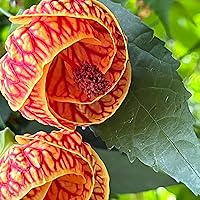
Halo Halo.
It’s the quintessential Filipino dessert.
It’s also an apt metaphor for this equal parts memoir, history, and cookbook.
A little bit of everything all mixed up together. Unlike the dessert, there were quite a few sour parts ( financial exploitation, domestic abuse) that were sad to read. But it’s the authors’ truth.
Hearing the real impact of Marcos’ regime and the US immigration policies left a lasting impression. There were few to any light moments so felt this was heavier than advertised and depressing.
I think the use of Filipino dishes as chapter titles was clever. But random placement of cooking instructions in the middle of chapters was often distracting.So, too, was the snippets of mythology.
This ARC was provided by the publisher, Atria Books | Atria/One Signal Publishers via NetGalley in exchange for an honest review.
It’s the quintessential Filipino dessert.
It’s also an apt metaphor for this equal parts memoir, history, and cookbook.
A little bit of everything all mixed up together. Unlike the dessert, there were quite a few sour parts ( financial exploitation, domestic abuse) that were sad to read. But it’s the authors’ truth.
Hearing the real impact of Marcos’ regime and the US immigration policies left a lasting impression. There were few to any light moments so felt this was heavier than advertised and depressing.
I think the use of Filipino dishes as chapter titles was clever. But random placement of cooking instructions in the middle of chapters was often distracting.So, too, was the snippets of mythology.
This ARC was provided by the publisher, Atria Books | Atria/One Signal Publishers via NetGalley in exchange for an honest review.

January 7, 2026
If US imperialism has no haters that means I am dead
August 28, 2026
I empathize with the author for having a difficult—an understatement—life not just as an undocumented immigrant but as the daughter of abusive parents.
However, except for the chapters on Spamsilog and Adobong Manok (the latter being the best written one, imo), I did not feel the author’s personal relationship with the food she was cooking or eating. It seemed to me in the other chapters that the recipes were afterthoughts just so it could remotely relate to the author’s life. I couldn’t help but feel that Filipino food and culture were being exoticized.
Some parts in the beginning dragged and then it felt rushed by the end. (SPOILERS AHEAD) After the author’s dad dies, I expected a lot more reflection about their turbulent, abusive, complicated relationship. Her self-deportation to Manila was also a blur. It felt to me like when she got her UK spousal visa, until she gained UK citizenship, everything had begun to be wrapped up. I had hoped she would talk more about reconnecting with her Filipino roots, and finding her identity beyond legal documentation in a Western country.
A lot of the mistranslated or mispelled Filipino words irked me too: kapatid from the root word “patid” meaning “to trip”; salu-salo meaning “catch-catch”; kasamahan meaning “to be with”; “manggagamod”; “utang ng loob.”
However, except for the chapters on Spamsilog and Adobong Manok (the latter being the best written one, imo), I did not feel the author’s personal relationship with the food she was cooking or eating. It seemed to me in the other chapters that the recipes were afterthoughts just so it could remotely relate to the author’s life. I couldn’t help but feel that Filipino food and culture were being exoticized.
Some parts in the beginning dragged and then it felt rushed by the end. (SPOILERS AHEAD) After the author’s dad dies, I expected a lot more reflection about their turbulent, abusive, complicated relationship. Her self-deportation to Manila was also a blur. It felt to me like when she got her UK spousal visa, until she gained UK citizenship, everything had begun to be wrapped up. I had hoped she would talk more about reconnecting with her Filipino roots, and finding her identity beyond legal documentation in a Western country.
A lot of the mistranslated or mispelled Filipino words irked me too: kapatid from the root word “patid” meaning “to trip”; salu-salo meaning “catch-catch”; kasamahan meaning “to be with”; “manggagamod”; “utang ng loob.”
May 26, 2025
Jill’s memoir, Dirty Kitchen, is an honest and moving account of her experiences as an undocumented immigrant in the U.S. What stood out to me was how she incorporated elements of Filipino folklore/mythology, and even some history of Filipino cuisine. It added so much depth to the book and her story. Her descriptions of life in the Philippines are beautifully written and emotionally resonant. At the same time, her reflections on her challenges as an undocumented immigrant is not always easy to read, emotionally speaking, but it is an important one that needs to be told. This book speaks to broader immigrant experiences in a way that’s both personal and universal. Highly recommended.
Want to Read
May 7, 2025i will read everything single memoir about food and identity… this was literally published yesterday but already on my want to read

Want to Read
May 14, 2025i know a filipino childhood photo when i see one
May 23, 2025
Unapologetically honest and beautifully written.
October 9, 2025
I couldn’t get past the 1st chapter. The author’s writing style just didn’t connect with me.

May 25, 2025
I thoroughly enjoyed and would highly recommend Jill Damatac’s memoir, Dirty Kitchen. It’s a deeply personal, at times terrifying, but ultimately revealing portrait of the undocumented experience in America.
Jill masterfully weaves her experiences in the U.S. with Filipino folklore and cuisine, creating a memoir that is both deeply personal and culturally rich. This was my first time encountering a memoir in this style, and I’m so glad I picked it up. Some of the content is harrowing—she recounts abuse, neglect, and profound loss—making it, at times, a difficult read. Yet her story will resonate deeply with readers who see their own lives reflected in her words. Just as importantly, it offers others—especially those unfamiliar with the undocumented experience—a powerful opportunity to recognize that immigration is never as simple as public discourse often suggests.
Beyond the personal recollections, I enjoyed the infusion of Filipino folklore. Jill’s selection of stories was perfect - with each invocation of lore conveying deeply resonant life lessons. I particularly enjoyed the tale of the boy who dived too deep into the ocean and was caught by a beautiful siren princess. He was offered all the luxuries he could want, but it would require turning his back on all he knew. On who he was. At a crossroads, the boy chose the hard path of persevering through life as himself, turning away a life of ease and luxury that would require him to be someone else. Many of us face similar choices in our lives. Do we take the safe route, temper our aspirations? Or, do we exchange our dreams for creature comforts but live outside the scope of our potential?
As Jill shares through her family’s story, many immigrants come to the U.S. with faith in the promise of a better life. Their children grow up here, pay taxes, and endure the same challenges as everyone else. Yet for many—Jill included—they remain just beyond the reach of that enduring American ideal: if you work hard, you will get ahead. For some, no matter how hard they work, they will never get ahead. At best, they can hope to get by. This is not a personal failure—it is the lingering legacy of colonialism and imperialism.
Thank you, Jill, for sharing this important story. It is a fantastic memoir that is well-written and deeply moving. 5 stars - I highly recommend.
Jill masterfully weaves her experiences in the U.S. with Filipino folklore and cuisine, creating a memoir that is both deeply personal and culturally rich. This was my first time encountering a memoir in this style, and I’m so glad I picked it up. Some of the content is harrowing—she recounts abuse, neglect, and profound loss—making it, at times, a difficult read. Yet her story will resonate deeply with readers who see their own lives reflected in her words. Just as importantly, it offers others—especially those unfamiliar with the undocumented experience—a powerful opportunity to recognize that immigration is never as simple as public discourse often suggests.
Beyond the personal recollections, I enjoyed the infusion of Filipino folklore. Jill’s selection of stories was perfect - with each invocation of lore conveying deeply resonant life lessons. I particularly enjoyed the tale of the boy who dived too deep into the ocean and was caught by a beautiful siren princess. He was offered all the luxuries he could want, but it would require turning his back on all he knew. On who he was. At a crossroads, the boy chose the hard path of persevering through life as himself, turning away a life of ease and luxury that would require him to be someone else. Many of us face similar choices in our lives. Do we take the safe route, temper our aspirations? Or, do we exchange our dreams for creature comforts but live outside the scope of our potential?
As Jill shares through her family’s story, many immigrants come to the U.S. with faith in the promise of a better life. Their children grow up here, pay taxes, and endure the same challenges as everyone else. Yet for many—Jill included—they remain just beyond the reach of that enduring American ideal: if you work hard, you will get ahead. For some, no matter how hard they work, they will never get ahead. At best, they can hope to get by. This is not a personal failure—it is the lingering legacy of colonialism and imperialism.
Thank you, Jill, for sharing this important story. It is a fantastic memoir that is well-written and deeply moving. 5 stars - I highly recommend.
May 13, 2025
Book Review: Dirty Kitchen: A Memoir of Food and Family by Jill Damatac
Jill Damatac’s Dirty Kitchen is a richly layered memoir that intertwines culinary traditions, immigrant identity, and the complexities of family bonds. Through the lens of food, Damatac—a filmmaker and writer—crafts a narrative that is both deeply personal and expansively cultural, exploring how recipes become vessels for memory, resistance, and belonging. The book stands out as a poignant meditation on displacement and the ways cooking can suture fragmented lives.
At its core, Dirty Kitchen is a love letter to Filipino cuisine and its role in sustaining Damatac’s family during their 22 years undocumented in the U.S. The author’s prose is vivid and sensory, immersing readers in the sizzle of garlic rice, the tang of adobo, and the communal rituals of kitchen labor. These descriptions transcend mere food writing; they serve as metaphors for resilience, adaptation, and the quiet defiance of preserving culture in unwelcoming spaces. Damatac’s reflections on “making do” with limited ingredients—transforming scarcity into cherished meals—are particularly powerful, revealing how immigrant ingenuity reshapes culinary traditions.
The memoir’s structural brilliance lies in its seamless blending of genres. Part cookbook, part colonial history, and part coming-of-age story, Dirty Kitchen uses recipes as narrative anchors, each dish unpacking layers of family lore and geopolitical context. Damatac’s critique of how American imperialism and labor exploitation have shaped Filipino migration adds scholarly heft to the personal anecdotes. However, some transitions between historical analysis and intimate memoir feel abrupt, occasionally disrupting the narrative flow.
Where the book truly excels is in its emotional honesty. Damatac does not romanticize her family’s struggles; she grapples with the guilt of assimilation, the weight of generational expectations, and the paradox of longing for a homeland that exists more in memory than reality. Her vulnerability about the “split self” of immigrants—neither fully here nor there—resonates universally.
Rating: 4.7/5
Section Scoring Breakdown:
-Cultural & Culinary Insight: 5/5 – A masterclass in how food embodies history and identity.
-Narrative Structure: 4/5 – Innovative but occasionally uneven genre blending.
-Emotional Depth: 5/5 – Unflinchingly honest and relatable for diasporic audiences.
-Prose & Sensory Detail: 4.5/5 – Lush descriptions, though some passages verge on overly dense.
-Originality: 5/5 – Redefines the immigrant memoir through a culinary lens.
Thank you to NetGalley and the author, Jill Damatac, for providing an advance copy of this book in exchange for an honest review.
Jill Damatac’s Dirty Kitchen is a richly layered memoir that intertwines culinary traditions, immigrant identity, and the complexities of family bonds. Through the lens of food, Damatac—a filmmaker and writer—crafts a narrative that is both deeply personal and expansively cultural, exploring how recipes become vessels for memory, resistance, and belonging. The book stands out as a poignant meditation on displacement and the ways cooking can suture fragmented lives.
At its core, Dirty Kitchen is a love letter to Filipino cuisine and its role in sustaining Damatac’s family during their 22 years undocumented in the U.S. The author’s prose is vivid and sensory, immersing readers in the sizzle of garlic rice, the tang of adobo, and the communal rituals of kitchen labor. These descriptions transcend mere food writing; they serve as metaphors for resilience, adaptation, and the quiet defiance of preserving culture in unwelcoming spaces. Damatac’s reflections on “making do” with limited ingredients—transforming scarcity into cherished meals—are particularly powerful, revealing how immigrant ingenuity reshapes culinary traditions.
The memoir’s structural brilliance lies in its seamless blending of genres. Part cookbook, part colonial history, and part coming-of-age story, Dirty Kitchen uses recipes as narrative anchors, each dish unpacking layers of family lore and geopolitical context. Damatac’s critique of how American imperialism and labor exploitation have shaped Filipino migration adds scholarly heft to the personal anecdotes. However, some transitions between historical analysis and intimate memoir feel abrupt, occasionally disrupting the narrative flow.
Where the book truly excels is in its emotional honesty. Damatac does not romanticize her family’s struggles; she grapples with the guilt of assimilation, the weight of generational expectations, and the paradox of longing for a homeland that exists more in memory than reality. Her vulnerability about the “split self” of immigrants—neither fully here nor there—resonates universally.
Rating: 4.7/5
Section Scoring Breakdown:
-Cultural & Culinary Insight: 5/5 – A masterclass in how food embodies history and identity.
-Narrative Structure: 4/5 – Innovative but occasionally uneven genre blending.
-Emotional Depth: 5/5 – Unflinchingly honest and relatable for diasporic audiences.
-Prose & Sensory Detail: 4.5/5 – Lush descriptions, though some passages verge on overly dense.
-Originality: 5/5 – Redefines the immigrant memoir through a culinary lens.
Thank you to NetGalley and the author, Jill Damatac, for providing an advance copy of this book in exchange for an honest review.
Read
March 31, 2026superrrr heavy but a valuable listen (great audiobook and cookbook), gotta go make some adobo now mmmm
November 11, 2025
it took me more than a month to finish this wow. the first few chapters were a bit hard for me to go through because it reminded me of the harsh realities of my own life as a child of immigrants. saw myself in jill’s stories. i love the way jill intertwines indigenous stories as well as bits and pieces of filipino history with her own. how our own lives are affected no matter how small we may think we seem in this world.

June 24, 2025
From living undocumented in the U.S. for 22 years, enduring domestic abuse and exploitation, to finding love and self-deporting to the UK, Dirty Kitchen, while gut-wrenching, offers profound resonance though the healing ritual of cooking. What I appreciate best about it is that, Dramatic doesn’t minimize, ignore, or make trauma seem less messy than it truly was - she lights up and sifts meaning from it, dish by dish.

May 6, 2025
I’m SO glad that this book caught my eye. Jill Damatac’s memoir is brimming with the deeply personal and painful details of her upbringing as an undocumented immigrant and this vivid narrative is also interwoven with Filipino history, folklore, and cultural food writing. At first I found myself itching to get back to the personal memoir sections and rushing through the parts about the colonized history of the Philippines and the indigenous storytelling. The whole thing felt a bit overstuffed, but once I slowed down and realized how skillfully and purposefully all this content was put together, I realized I was reading a new favorite memoir.
This book was brutally honest and felt extremely relevant to read right now in America. It is a searing condemnation of historic colonialism and current immigration policy. Damatac’s authorial voice is unique and unflinching, and her story feels so important- this title seems to be flying under the radar right now but I hope it gets some much deserved attention!
Recommended for fans of Crying in H-Mart, Educated, and The Glass Castle.
Thank you to NetGalley and Atria books for the opportunity to read an early copy.
This book was brutally honest and felt extremely relevant to read right now in America. It is a searing condemnation of historic colonialism and current immigration policy. Damatac’s authorial voice is unique and unflinching, and her story feels so important- this title seems to be flying under the radar right now but I hope it gets some much deserved attention!
Recommended for fans of Crying in H-Mart, Educated, and The Glass Castle.
Thank you to NetGalley and Atria books for the opportunity to read an early copy.

September 7, 2025
Did I basically cry ever chapter? Yes.
Did I somehow manage to be even more appalled at the atrocities upheld by the colonial apparatus of America? Also yes.
So with all that, did I even enjoy this book?…Immensely.
This memoir is raw. This memoir is decades of lived pain and anxiety and trauma articulated. But it’s also an intricately woven narrative of layers. I’m astonished at how she connected her own lived experiences with multiple threads, from Filipino history, to food, to mythology. I am particularly struck by her final chapter, Halo-Halo, and how apt of a metaphor the dessert becomes for her life and for the conclusion of this memoir:
🌱“In this new life, where I am an author, a grad student, and the co-owner of a small house with my husband, I am still frozen in place by depression. I am still shredded by anxiety over my place, traumas, desires and privileges. I do not know what to do with these bitter and sour ingredients in the increasingly sweet halo-halo that is my life now. I am still riven with the desire to prove myself, with the belief that excellence is required in order to be seen as equal. I am proud of myself; I am ashamed of myself. I am convinced of my true potential; I am convinced I shall fail, as I always do. I deserve to be here; I am here only through the goodness of others.”
What I found to be particularly poignant was the kaleidoscope of emotions about her family. The give and take of duty (especially as the eldest daughter), of a young girl trying to save her family, just wanting to belong and be safe somewhere. And from my own particular bias, the slow bleed of chronic health issues was especially heartbreaking. The labor of love it must have been to breathe humanity into her parents throughout the chapters of their misdeeds. The labor of hurt it must have been to see her parents transfigured into unrecognizable adults, having been failed time and time again, up until their last breath.
🌱“For my father, my mother, my sister, for what we could have been and what we became, instead….For myself, for having no choices except the wrong one. For the millions like me I had left behind, who had no choice at all.”
I think ultimately memoirs are hard to rate. This is someone’s life compacted into finite pages. I would have loved to read more in depth about the intersection of her queer identity, her friendships and support, and also more about her reflections on her family (while recognizing the limitations of a single book). I was undoubtedly moved by what I read about her experiences as an undocumented immigrant and her critique of citizenship as a exclusionary entity. And at the end id the day, this was an experience of heart from an extraordinary story-telling voice, and I think most readers will find solace, sorrow, or at the very least learning, in these pages.
Did I somehow manage to be even more appalled at the atrocities upheld by the colonial apparatus of America? Also yes.
So with all that, did I even enjoy this book?…Immensely.
This memoir is raw. This memoir is decades of lived pain and anxiety and trauma articulated. But it’s also an intricately woven narrative of layers. I’m astonished at how she connected her own lived experiences with multiple threads, from Filipino history, to food, to mythology. I am particularly struck by her final chapter, Halo-Halo, and how apt of a metaphor the dessert becomes for her life and for the conclusion of this memoir:
🌱“In this new life, where I am an author, a grad student, and the co-owner of a small house with my husband, I am still frozen in place by depression. I am still shredded by anxiety over my place, traumas, desires and privileges. I do not know what to do with these bitter and sour ingredients in the increasingly sweet halo-halo that is my life now. I am still riven with the desire to prove myself, with the belief that excellence is required in order to be seen as equal. I am proud of myself; I am ashamed of myself. I am convinced of my true potential; I am convinced I shall fail, as I always do. I deserve to be here; I am here only through the goodness of others.”
What I found to be particularly poignant was the kaleidoscope of emotions about her family. The give and take of duty (especially as the eldest daughter), of a young girl trying to save her family, just wanting to belong and be safe somewhere. And from my own particular bias, the slow bleed of chronic health issues was especially heartbreaking. The labor of love it must have been to breathe humanity into her parents throughout the chapters of their misdeeds. The labor of hurt it must have been to see her parents transfigured into unrecognizable adults, having been failed time and time again, up until their last breath.
🌱“For my father, my mother, my sister, for what we could have been and what we became, instead….For myself, for having no choices except the wrong one. For the millions like me I had left behind, who had no choice at all.”
I think ultimately memoirs are hard to rate. This is someone’s life compacted into finite pages. I would have loved to read more in depth about the intersection of her queer identity, her friendships and support, and also more about her reflections on her family (while recognizing the limitations of a single book). I was undoubtedly moved by what I read about her experiences as an undocumented immigrant and her critique of citizenship as a exclusionary entity. And at the end id the day, this was an experience of heart from an extraordinary story-telling voice, and I think most readers will find solace, sorrow, or at the very least learning, in these pages.

May 17, 2025
where do i even begin? memoirs always make me cry and dirty kitchen was no exception. jill damatac is one strong, independent woman. i could only wish to have her strength, her resilience, her quiet power. much love and respect from a fellow filipina.
edit: rereading parts of this now, it hits even harder. this story is so timely, so harrowing, especially with what’s happening in the united states right now. all these people want is to work, to survive, to have a life. i may be far from the US but i feel their pain. this book holds it with such clarity and heart.
edit: rereading parts of this now, it hits even harder. this story is so timely, so harrowing, especially with what’s happening in the united states right now. all these people want is to work, to survive, to have a life. i may be far from the US but i feel their pain. this book holds it with such clarity and heart.
Read
June 13, 2025𝙄𝙩 𝙙𝙤𝙚𝙨 𝙣𝙤𝙩 𝙢𝙖𝙩𝙩𝙚𝙧 𝙩𝙤 𝙬𝙝𝙞𝙘𝙝 𝙘𝙤𝙪𝙣𝙩𝙧𝙮 𝙄 𝙥𝙡𝙚𝙙𝙜𝙚 𝙖𝙡𝙡𝙚𝙜𝙞𝙖𝙣𝙘𝙚. 𝙄 𝙣𝙤 𝙡𝙤𝙣𝙜𝙚𝙧 𝙗𝙚𝙡𝙞𝙚𝙫𝙚 𝙞𝙣 𝙩𝙝𝙚 𝙜𝙤𝙤𝙙𝙣𝙚𝙨𝙨 𝙤𝙛 𝙖𝙣𝙮 𝙘𝙤𝙪𝙣𝙩𝙧𝙮. 𝘾𝙤𝙪𝙣𝙩𝙧𝙞𝙚𝙨 𝙢𝙚𝙖𝙣 𝙗𝙤𝙪𝙣𝙙𝙖𝙧𝙞𝙚𝙨. 𝘽𝙤𝙪𝙣𝙙𝙖𝙧𝙞𝙚𝙨 𝙢𝙚𝙖𝙣 𝙚𝙭𝙘𝙡𝙪𝙨𝙞𝙤𝙣. 𝙀𝙭𝙘𝙡𝙪𝙨𝙞𝙤𝙣 𝙤𝙛𝙩𝙚𝙣 𝙢𝙚𝙖𝙣𝙨 𝙙𝙚𝙖𝙩𝙝.
Dirty Kitchen is a profoundly timely and necessary memoir that left me both heartbroken and inspired. Jill's raw vulnerability in sharing her journey as an undocumented immigrant is matched only by the awe-inspiring resilience and strength that radiates from every page. This isn't just a memoir—it's an act of courage that will stick with me for a long time.
Jill masterfully weaves together personal narrative, food writing, and colonial history as she explores her experiences through the lens of Filipino cuisine. As a Filipino, I found myself learning fascinating details about the origins of dishes I grew up eating. Jill's exploration of pre and post-colonial Philippines opened my eyes to aspects of my own culture I'd never fully understood.
I must note that some chapters are incredibly difficult to read—please check trigger warnings before diving in. Jill doesn't shy away from the harsh realities of poverty, familial trauma, and violence that shaped her experience. These chapters are challenging but important, forcing readers to confront difficult questions about circumstances, privilege, and survival.
Jill's writing is filled with immense clarity, and grace making it an essential read for anyone interested in immigration stories, Filipino culture, or simply powerful memoir writing. Jill has given us a gift in sharing her story so openly, and I'm grateful for the education and perspective it provided.
Thank you, Jill, for your courage in telling this story and for teaching us about resilience, identity, and the power of food to heal and connect us to our roots.
Dirty Kitchen is a profoundly timely and necessary memoir that left me both heartbroken and inspired. Jill's raw vulnerability in sharing her journey as an undocumented immigrant is matched only by the awe-inspiring resilience and strength that radiates from every page. This isn't just a memoir—it's an act of courage that will stick with me for a long time.
Jill masterfully weaves together personal narrative, food writing, and colonial history as she explores her experiences through the lens of Filipino cuisine. As a Filipino, I found myself learning fascinating details about the origins of dishes I grew up eating. Jill's exploration of pre and post-colonial Philippines opened my eyes to aspects of my own culture I'd never fully understood.
I must note that some chapters are incredibly difficult to read—please check trigger warnings before diving in. Jill doesn't shy away from the harsh realities of poverty, familial trauma, and violence that shaped her experience. These chapters are challenging but important, forcing readers to confront difficult questions about circumstances, privilege, and survival.
Jill's writing is filled with immense clarity, and grace making it an essential read for anyone interested in immigration stories, Filipino culture, or simply powerful memoir writing. Jill has given us a gift in sharing her story so openly, and I'm grateful for the education and perspective it provided.
Thank you, Jill, for your courage in telling this story and for teaching us about resilience, identity, and the power of food to heal and connect us to our roots.

March 23, 2025
I received this book courtesy of the Goodreads First Reads program for the purpose of a fair and honest review.
I will be foregoing my usual review format for this review. This is due to the fact that my usual format won't work for this book.
Mrs. Damatac advertises this book as part memoir and part cookbook. You see, Mrs. Damatac is a Filipino that was, admittedly, an illegal immigrant, or undocumented migrant in the United States. This is the memoir section of the book. Each chapter starts with a recipe title and a list of ingredients. This is the cookbook section.
The idea of starting a chapter with a recipe and the instructions being followed while your author is talking to you should have been interesting. Yet it didn't work well for me.
Mrs. Damatac seemed to left parts out of the recipes that she used in the book. And she placed the blame of how rough her childhood was solely on the United States. Both of her parents intentionally overstayed their VISAs.
While some countries will encourage such a sneaky way to work in the Western world in order to supplement the nation's income, this does not make the West guilty of the undocumented migrants' crimes.
I'm glad that Mrs. Damatac has found some peace, and I wish her well.
This is a book that will only work for those who already hate the United States. Enjoy the read, if you can.
I will be foregoing my usual review format for this review. This is due to the fact that my usual format won't work for this book.
Mrs. Damatac advertises this book as part memoir and part cookbook. You see, Mrs. Damatac is a Filipino that was, admittedly, an illegal immigrant, or undocumented migrant in the United States. This is the memoir section of the book. Each chapter starts with a recipe title and a list of ingredients. This is the cookbook section.
The idea of starting a chapter with a recipe and the instructions being followed while your author is talking to you should have been interesting. Yet it didn't work well for me.
Mrs. Damatac seemed to left parts out of the recipes that she used in the book. And she placed the blame of how rough her childhood was solely on the United States. Both of her parents intentionally overstayed their VISAs.
While some countries will encourage such a sneaky way to work in the Western world in order to supplement the nation's income, this does not make the West guilty of the undocumented migrants' crimes.
I'm glad that Mrs. Damatac has found some peace, and I wish her well.
This is a book that will only work for those who already hate the United States. Enjoy the read, if you can.
April 14, 2025
I received an e-ARC of this book for free from Netgalley in exchange for review.
This is an incredible book! I learned about America's colonization of the Philippines in my junior year US History class, but never learned about the ramifications of America (and prior countries) greed. Damatac did an incredible job of weaving the themes of each chapter with Filipino lore, history, and mouth-watering food.
This is an incredible book! I learned about America's colonization of the Philippines in my junior year US History class, but never learned about the ramifications of America (and prior countries) greed. Damatac did an incredible job of weaving the themes of each chapter with Filipino lore, history, and mouth-watering food.
July 12, 2025
I really wanted to like this book more, but I honestly felt like most of it was just random anecdotes and descriptions of food that didn't really go together. It was also just quite depressing to hear all the horrible things she went through, and I felt it was written in a very negative way. I didn't feel happy at all while reading it, but it definitely was a creative way to tell a story of life through food. I think it was definitely a necessary book to write, and a story that should be told more often, but I just wish it had been done differently.

December 22, 2025
very heavy book that made me angry and sad seeing elements of my own family’s immigration story in the author’s. really echoed my feelings about being first gen and the insidious tentacles of american imperialism. the recipe incorporation worked for me sometimes but most times i just skipped those parts. and i think the transitions between personal story and broader history could’ve been smoother. but overall an important story about undocumented immigrants and not for the faint of heart (tw: physical, emotional, domestic abuse)

Read
October 22, 2025Some parts made for hard reading--the author went through a lot of really awful stuff. But she provides a perspective on immigrant experience in the US that doesn't get a lot of airtime, so it's worth a read. Her interspersed commentary on some Filipino food traditions, which often touches on sociopolitical issues, is also interesting. I'll just say that the subtitle "A Memoir of Food and Family" suggests a much sunnier narrative than the book contains.
Displaying 1 - 30 of 101 reviews