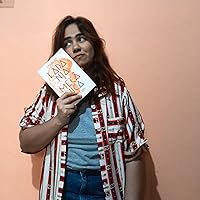
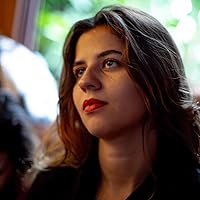
Um relato memorialístico pungente e sensível sobre ancestralidade, feminismo e antirracismo na criação de filhos. No mais pessoal e delicado de seus livros, a filósofa Djamila Ribeiro revisita sua infância e adolescência para discutir temas como ancestralidade negra e os desafios de criar filhos numa sociedade racista. O relato se dá na forma de cartas a sua saudosa avó Antônia ? carinhosa e amorosa, conhecedora de ervas curativas e benzedeira muito requisitada. A cumplicidade que sempre houve entre avó e neta é o que permite que a autora rememore episódios difíceis, como a perda do pai e da mãe, as agressões que sofreu como mulher negra no Brasil e os desafios para integrar a vida acadêmica. Djamila também fala de relacionamentos amorosos e experiências profissionais, das músicas, das leituras e das amizades que a acompanharam em sua construção pessoal ? e da percepção paulatina de que a memória das lutas e das conquistas das pessoas negras que vieram antes de nós é a força que nos permite seguir adiante. Editora : Companhia das Letras; 1ª edição (30 julho 2021) Idioma : Português Capa comum : 200 páginas ISBN-10 : 655921091X ISBN-13 : 978-6559210916 Dimensões : 16 x 1.2 x 23 cm
Djamila Taís Ribeiro dos Santos is a Brazilian feminist and academic. She graduated in Philosophy from the Federal University of São Paulo (Unifesp), in 2012, and became a Master in Political Philosophy at the same institution in 2015, with an emphasis on Feminist Theory.
In 2005, she interrupted a degree in Journalism. His main activities are in the themes: Race and Gender Relations and Feminism. He is an online columnist for CartaCapital, Blogueiras Negras and Revista Azmina and has a strong presence in the digital environment, confirmed by his belief in the importance of appropriating the internet as a tool in the militancy of black women, and, according to Djamila, the "hegemonic media "tends to make them invisible.
In May 2016, she was appointed Assistant Secretary for Human Rights and Citizenship in the city of São Paulo during the term of Mayor Fernando Haddad.
He wrote the preface to the book "Women, Race & Class" by the black and feminist philosopher Angela Davis, which until then was an unprecedented work in Brazil and which was translated and released in September 2015. She constantly participates in events, documentaries and other actions involving race and gender debates.
She is the author of works that are a reference in the feminist and anti-racist struggle, such as "Who's Afraid of Black Feminism?" and "Small Anti-Racist Handbook", and "What is a Place of Speech?" and published, together with the author and Phd in Philosophy and Law Silvio Almeida, "What is Structural Racism?". All works originally published in Portuguese.
"Eu jamais esqueceria meus amores primeiros, mas era preciso uma canção cantada com ternura para me lembrar que eles precisam ser eternizados sem dor em demasia. Como essa dor será carregada para sempre, ela não pode nos fazer afundar e esquecer as memórias felizes." 💭
Este é um livro de não-ficção, um livro de memórias, em que a autora revisita lugares e memórias da sua infância, adolescência e início da vida adulta. É um retrato de uma miúda negra que cresceu no meio do racismo. E ao mesmo tempo cresceu rodeada de amor e numa família de mulheres fortes e lutadoras.
Nas cartas para a avó, Djamila aborda temas tão variados como o luto, racismo, casamento, maternidade, as expectativas dos outros, a importância de quebrar correntes impostas pela sociedade, a violência e a brutalidade para se "preparar para o mundo" e a importância da representatividade.
Haveria muitas coisas para escrever sobre este livro, mas ainda me faltam as palavras. Tocou-me muito e emocionei-me algumas vezes.
A capacidade da Djamila de auto-análise é extraordinária e dei por mim a ler alguns textos a pensar "isto parece fácil, mas tenta tu, Sofia, tenta tu escrever sobre a tua vida e as tuas memórias e vês o quão difícil é".
Fiquei fascinada com a capacidade de reflexão de Djamila, com a beleza e crueza das palavras, sublinhei muito muito este livro e fiquei fã da escrita e da própria Djamila Ribeiro.
É o retrato do que é ser mulher, do que é ser uma mulher negra, a perspectiva de uma mulher negra numa sociedade racista e machista.
É um livro poderoso, tão triste e comovente e tão belo.
"Eu repudiava fortemente quando as pessoas diziam: «Djamila não tem mãe, não tem avó», porque eu tenho, sim, elas só não estão mais nesse plano. Dizer que eu não tenho avó é negar a sua influência na minha vida, o amor que me protegeu e curou, é negar parte de mim." 🥺❤️
que livro forte e impactante! quanto mais eu leio sobre djamila, mais eu a admiro.
achei essa passagem especialmente emocionante:
"Eu repudiava fortemente quando as pessoas diziam 'Djamila não tem mãe, não tem avó', porque eu tenho, sim, elas só não estão mais nesse plano. Dizer que eu não tenho avó é negar a sua influência na minha vida, o amor que me protegeu e curou, é negar parte de mim. Há uma enorme diferença entre acostumar-se e aceitar. Passei a aceitar sua ausência física e carregar sua força, e falo de você com lágrimas de alegria e gratidão pela oportunidade do encontro, mas nunca me acostumei com sua ausência."
“Essa imagem da mulher negra forte é muito cruel. As pessoas se esquecem de que não somos naturalmente fortes. Precisamos ser porque o Estado é omisso e violento. Restituir a humanidade também é assumir fragilidades e dores próprias da condição humana. Somos subalternizadas ou somos deusas. E pergunto: quando seremos humanas?”
“Uma vez, minha mãe me disse que saiu de uma escravidão para entrar em outra, referindo-se ao favor de ter deixado o trabalho de empregada doméstica em São Paulo para casar e se tornar dona de casa. Essa frase é de um profundidade perturbadora.”
“Bifurcação existem e a hora do adeus também, e impedir as lágrimas é arrogância. Porque há dias tristes, aceno para a vida. Há dias tristes para que eu me lembre que a felicidade vem de mim, há dias tristes para que eu aprenda a valorizar minha alegria. Não há de se brigar com os tristes e nem fugir deles. Há de se aceitar que a vida também é feita de dias tristes. Eu não me afundo na amargura, pois tive uma avó que ensinou que chá de boldo também cura.”
Que livro lindíssimo. Uma autobiografia saudosista em que a autora vai contando à sua avó como foi a sua vida desde que ela partiu. Emocionou-me imenso e identifiquei-me bastante com esta necessidade da Djamila de escrever estas cartas. Uma ode de amor que me fez recordar a minha infância e as minhas avós.
Que livro lindo. Ao mesmo tempo em que tem uma delicadeza singular (“culpa”, acredito eu, do formato - cartas para a avó), é superforte - como Djamila sempre é.
Amei conhecer melhor a história dessa mulher que admiro tanto!
Numa sentada eu li com olhos marejados praticamente o tempo todo, chorei de soluçar em algumas partes. Foi o livro que mais gostei de ter lido esse ano, que linda escrita, que lindo o amor impregnado em cada palavra dele; certa vez uma amiga disse que o amor pela avó tinha sido o mais puro que ela experimentara, concordei mais ainda depois de ler esse livro. Senti saudades da minha avó, quero dar esse livro de presente pra minha mãe e voltar a escrever cartas pras pessoas que amo e que ainda estão vivas. Que presente essa leitura.
Un libro increíble, en todos los sentidos. Tiene una delicadeza linda y reconfortante, pero al mismo tiempo es pura fuerza y emoción. Tuve que detener la lectura en varios momentos para llorar -a veces un segundo, a veces minutos enteros-, porque las palabras y recuerdos de Djamila realmente conmueven y hacen imposible que las lágrimas no lleguen. Lo recomiendo muchísimo. Amé cada momento de la lectura y me ayudó a reflexionar sobre muchos temas (familia, feminismo, relaciones, decisiones de vida, religión, racismo, etc.). Maravilloso como lo es Djamila Ribeiro.
Hay historias que necesitan ser contadas. Cuando el racismo confluye con el machismo y la escasez económica, es verdadera magia la que se necesita ante la dureza. Y toda la dureza del mundo sólo puedo digerirla a través del calor de una visión femenina y el calor de una abuela. Me han gustado mucho las referencias tambien a la religión de los orixas que desconocía completamente.
Aún así algunas partes me han parecido algo flojitas. Lectura fácil.
Leitura fenomenal! Djamila tece histórias carregadas de ancestralidade, de feminismo negro, do local que a mulher ocupa na sociedade, entre tantos outros. Narrativa sincera e simples, mas muito comovente.
Eu repudiava fortemente quando as pessoas diziam «Djamila não tem mãe, não tem avó», porque eu tenho, sim, elas só não estão mais nesse plano. Dizer que não tenho avó é negar a sua influência na minha vida, o amor que me protegeu e curou, é negar parte de mim.
Questa raccolta di lettere, molto intime e toccanti, ha uno scopo ben preciso: la filosofa Djamila Ribeiro vuole mostrare quanto le vicende personali siano intrise di significato politico, e quante, fra le azioni della quotidianità, siano portatrici di carica rivoluzionaria emancipatrice, sia sul piano della questione femminile che del razzismo. L'autrice ha una forte capacità di far immedesimare chi legge nei suoi racconti, volti a illustrare il rapporto che intercorre tra lei e le donne più importanti della sua vita: la nonna e la madre. Voglio riportare qui di seguito uno dei tanti passi che ho reputato molto importanti: "Questa immagine della donna nera forte è molto crudele. Le persone si dimenticano che non siamo naturalmente forti. Dobbiamo esserlo perché lo Stato e le iniziative private sono negligenti e violente. Restituire umanità significa anche assumere fragilità e dolori propri della condizione umana. Siamo rese subalterne o siamo dee. Io chiedo: quando saremo umane?" (p. 110)
cara, que experiência. eu tenho um fraco sobre narrativas que tratem sobre relações com avós e esse não foi diferente. através das cartas para a avó, djamila vai contanto pra gente sobre a sua vida. e cara, que potência. sabe aquelas conversas que a gente tem que parece que a sua alma tá encontrando com a alma da outra pessoa? a última vez que eu senti tanta cumplicidade foi quando encontrei meu amigo/irmão, pois é. muito das vivências da djamila eu vivi, acredito que, no meu caso, foi mais por ser uma criança/mulher gorda do que uma criança/mulher negra (apesar de eu ser). me identifiquei em tantos cenários, tantos momentos... não tenho palavras. foi um abraço em forma de livro. que livro lindo. que história! conheçam a djamila, vale a pena ♡
A filósofa Djamila Ribeiro une-se a uma longa tradição literária de escrita de cartas mais como uma formulação literária a partir do gênero epistolar do que como uma real coleção de missivas. Mas se, historicamente, este gênero de ensaio epistolar costuma adotar como destinatário um filho ou discípulo, Ribeiro subverte a tradição endereçando os seus textos não à sua filha, mas à sua falecida avó.
Se na tradição os conselhos dirigidos a uma pessoa mais jovem justificam o comentário social, político e cultural da contemporaneidade, aqui o formato serve para esboçar uma autobiografia ou, melhor, uma trajetória pessoal. Assistimos nas páginas do livro à recoleção de momentos mercantes na vida de Djamila Ribeiro, que ela relata à avó, que não teria podido assistir a eles em vida.
Como é esperável num texto da autora, reflexões sobre o racismo e o sexismo que marcaram a sua vida pessoal, acadêmica e profissional estão presentes em lugar destacado, ao lado de pensamentos mais íntimos sobre sexualidade, relacionamentos, maternidade, etc.
Trata-se de uma leitura fundamental por entender a posição de Djamila Ribeiro como intelectual e ativista, embora eu tenha sentido falta de mais presença das linguagens poética e filosófica que a autora também pratica e domina, resultando, por vezes, em texto excessivamente nu e factual.
Nas cartas para sua avó, que foi uma figura muito importante na sua formação e que morreu quando ela tinha 13 anos, a Djamila vai contando para a avó experiências da vida dela, da infância e adolescência vividas em um contexto de racismo, mas sempre com as figuras fortes do pai, da mãe, da própria avó e outros familiares; e depois da vida adulta, da militância, do casamento, da maternidade e da redescoberta dos estudos, das conquistas profissionais e da religião. Ainda que não estejamos todas na sua pele ou no seu lugar de fala, não há como não se emocionar e se identificar com muitas das questões e experiências de crescer mulher no Brasil e, no meu caso, de ter tido uma avó como a dela. Livro lindo.
“Foram raras as vezes em que ofereciam ajuda para minha mãe. Ela era vista como uma mulher forte que dava conta de tudo, mas foram muitas as vezes em que a vi chorar escondido ou disfarçar as lágrimas enquanto lavava roupas no tanque. “Desculpe qualquer coisa”, ela se despedia assim das mulheres do chá. Sempre se desculpando por tudo, nunca se sentindo plena e completa. Mesmo tendo oferecido um banquete, seu sentimento era de falta, escassez, incompletude.”
um excelente livro paradidático, deve-se dizer. uma autobiografia linda e importante. só queria que a autora tivesse uma marca, uma linguagem mais expressiva.
Creo que es lo mejor que he leído dentro de la autobiografía. Todo contado de un modo íntimo como si se estuviese escribiendo una carta a la abuela de la protagonista, un pilar fundamental en su vida, haciendo que el relato pase a estar vivo en sí mismo. Ha sido una experiencia sincera y hermosa. Agradezco a mi novio por regalármelo y hacer así que no me pierda una obra tan íntima, profunda y dura sobre la autora.
"A gente sabe, vó, que na nossa família as mulheres já fizeram jarras inteiras de limonada com só meio limão - como aquele dito popular de colocar mais água no feijão. Nosso povo inventou a feijoada com restos de porco e a transformou no prato mais conhecido do país, numa espécie de milagre da multiplicação." p.12
Que livro lindo. Tanto amor nas palavras de Djamila Ribeira para a sua avó Antónia. E quanta luta e violência desnecessárias, tanto de racismo como de misoginia. Temos de lutar todos por um mundo melhor, a Djamila fez muito bem em deixar de ter medo da vida e entrar nessa luta, e por isso, estou lhe eternamente agradecida.
Gente q livro fantastico Em muitos momentos me fez pensar sobre minha própria família e as injustiças q percebo no mundo, contente com o fato de ter mais gente que percebe e luta contra os estereótipos femininos e raciais e das injustiças que tantas pessoas passam diariamente. Ao mesmo tempo, tem a parte que reflete sobre a espiritualidade da autora que me lembra outras partes da minha vida, e me da curiosidade de explorar esse lado meu (ainda um mapa mais misterioso da minha pessoa). Ele serve de inspiração e muito conforto para algumas pessoas q conheço
Lindas reflexões sobre as escolhas feministas de Djamila e seus impactos na sua filha e lindas também as reflexões sobre aquilo que ela ainda gostaria de falar com a avó vs tudo aquilo que mostra a presença da avó para ela. Adorei a leitura, os capítulos curtinhos fazem a gente devorar o livro
Emocionante. Djamila gigante! “Antes de fazer uma aliança entre nós mulheres, a gente aprende a se ressentir uma das outras, sem cogitar que os homens têm responsabilidade por suas omissões… Aqui eu quero cortar as correntes que nos unem pela culpa. Cada uma fez o que sabia fazer. Cada uma fez o que foi possível”
Encontrar olhares cúmplices ao longo da vida é muito raro. Quando encontramos sabemos a responsabilidade de cuidar dessa pessoa que nos olha de volta com tanta ternura e afeto. É o pouco que é muito - não precisa ser dito, as vezes só precisa ser lembrado, sonhado ou sentido.
Cartas para minha avó é esse sonho-mensagem. Em cada carta consegui pensar em Djamila escrevendo isso tendo em mente sua avó, Antônia. E também consegui pensar em como dona Antônia esteve presente em cada uma dessas situações: aquelas que foram narradas depois de sua partida deste plano, a situação de escrita de cada uma delas em frente ao computador, enquanto Djamila puxava a memória para dar vida ao livro; enfim, cada momento e detalhe de dar vida à uma história (na verdade, tantas). Essa leitura me acompanhou no momento em que eu estou no segundo ano do curso de ciências sociais, sentada no ônibus indo e voltando do meu estágio em São Paulo - a cidade que eu sempre quis morar e trabalhar em um desses prédios espelhados é bem altos. A jovem sonhadora que deseja tanto dar sentido ao próprio destino - acho que Djamila tem muito disso. Djamila e tantas outras jovens que desejam, sonham, planejam e querem vivenciar cada uma de suas realizações. Queremos ver as coisas acontecerem. E elas acontecem;