

What do you think?

The Pointe Book: Shoes, Training and Technique
Studies the development of pointe shoes and the technique of pointe dancing, an artistic innovation that allowed female dancers to carry ballet to new heights of virtuosity.
- GenresNonfictionHow To
208 pages, Paperback
First published December 1, 1990
Ratings & Reviews
Friends & Following
Create a free account to discover what your friends think of this book!
Community Reviews
Displaying 1 - 17 of 17 reviews

April 24, 2015
This is an exhaustive compendium of all things pointe, including making the shoes, fitting them, sewing them, breaking them in, training in them and being injured by them. The biggest takeaway is that no one agrees on anything. How to tie ribbons, what (if anything) to wear inside pointe shoes, when a dancer is ready for pointe work - all controversial. Let's not even get into rolling up to pointe versus springing onto it (though now having attempted both and succeeded at neither, I will become a proponent of whichever method I accomplish first).
The most fascinating part was Gaynor Minden and shoes made from "space-age" materials. Gaynor Minden flies in the face of centuries of shoemaking and basically makes Nikes in the shape of pointe shoes. Gaynor Mindens have injection-molded elastometric components so they never break, don't need to be/can't be broken in, and might last a month, rather than one performance. On the one hand, why isn't everyone wearing these? On the other hand, how dare they? Ballet is beautiful and impractical, and what I really want is a papier-mache shoe handmade by a grumpy old British or Russian man, which is about 99% of pointe shoes.
There's a terrifying chapter on foot injuries, a disconcerting number of which are contagious (ew). There are also fun tidbits from company shoe masters ("I put my foot in a pointe shoe once, and it was awful!") and dancers (male dancer Anton Wilson did pointe work to strengthen his feet and very vocally suffered from blisters and bruised toenails such that he dreaded the thought of having to perform, the poor dear). Paloma Herrera wears nothing in her shoes, good lord, Tiler Peck wears Ouch Pouches, and NYCB dancers like to wrap their feet in paper towels. And most of the dancers here agree that they want their shoes to be silent because apparently "dancing is more nuanced and magical when you cannot hear a sound."
The most fascinating part was Gaynor Minden and shoes made from "space-age" materials. Gaynor Minden flies in the face of centuries of shoemaking and basically makes Nikes in the shape of pointe shoes. Gaynor Mindens have injection-molded elastometric components so they never break, don't need to be/can't be broken in, and might last a month, rather than one performance. On the one hand, why isn't everyone wearing these? On the other hand, how dare they? Ballet is beautiful and impractical, and what I really want is a papier-mache shoe handmade by a grumpy old British or Russian man, which is about 99% of pointe shoes.
There's a terrifying chapter on foot injuries, a disconcerting number of which are contagious (ew). There are also fun tidbits from company shoe masters ("I put my foot in a pointe shoe once, and it was awful!") and dancers (male dancer Anton Wilson did pointe work to strengthen his feet and very vocally suffered from blisters and bruised toenails such that he dreaded the thought of having to perform, the poor dear). Paloma Herrera wears nothing in her shoes, good lord, Tiler Peck wears Ouch Pouches, and NYCB dancers like to wrap their feet in paper towels. And most of the dancers here agree that they want their shoes to be silent because apparently "dancing is more nuanced and magical when you cannot hear a sound."

February 24, 2008
This book tells a dancer just about everything they could possibly want to know about pointe. Everything from the evolution, to what kinds of bones are in your feet. It is a must-have for ANY ballerina!!
August 3, 2008
Parents of little girls in ballet class need to read this book WAY before they ever get fitted for their first pair of pointe shoes. Students should read this book way before they ever get fitted for their first pair of pointe shoes. Teachers should read this book because they may know as much as they thought they did about pointe shoes, pointe technique and foot health. Balletomanes should read this book because it's pretty damn cool.
As a former ballet dancer, I know first hand that pointe isn't something simple and that's it's about much more than pretty shoes. A lot goes into the technique and there is a TON of misinformation out there. Parents and teachers allow little girls to go up way too early. This leads to injuries galore and the crushing of future careers. Students often don't take proper care of their feet and shoes and end up with injuries and with shoes that don't last. I was proud to be one of few students I knew who never had a pointe-related injury. I also knew how to properly care for my shoes in order to make them last for a good while.
With this book, you get a lot of information, as much as you could want to know about pointe. The authors outline the history of pointe and how it came to be such a defining trait in ballet. There's a section on how the shoes are made, which is very interesting as many casual dancers and fans have no clue as to what really goes into making those shoes (especially the custom ones). You get a lot of advice on breaking in shoes and caring for them. They have a nice class outline, with examples of exercises. There is a lot of information on the various brands of shoes and how they differ, as well as the gear associated with going on pointe. A nice chapter includes stories from professional dancers. They do give advice on how to prevent injuries and what to do should one occur. The newer edition (2004) lists resources for those injuries. I would caution against ordering shoes sight unseen based on the information on this book. It's always wise to go to a proper dance store and see those shoes first hand and try them on.
Again, I highly recommend this book to any parent, student or teacher. It should be required reading for those involved in ballet.
As a former ballet dancer, I know first hand that pointe isn't something simple and that's it's about much more than pretty shoes. A lot goes into the technique and there is a TON of misinformation out there. Parents and teachers allow little girls to go up way too early. This leads to injuries galore and the crushing of future careers. Students often don't take proper care of their feet and shoes and end up with injuries and with shoes that don't last. I was proud to be one of few students I knew who never had a pointe-related injury. I also knew how to properly care for my shoes in order to make them last for a good while.
With this book, you get a lot of information, as much as you could want to know about pointe. The authors outline the history of pointe and how it came to be such a defining trait in ballet. There's a section on how the shoes are made, which is very interesting as many casual dancers and fans have no clue as to what really goes into making those shoes (especially the custom ones). You get a lot of advice on breaking in shoes and caring for them. They have a nice class outline, with examples of exercises. There is a lot of information on the various brands of shoes and how they differ, as well as the gear associated with going on pointe. A nice chapter includes stories from professional dancers. They do give advice on how to prevent injuries and what to do should one occur. The newer edition (2004) lists resources for those injuries. I would caution against ordering shoes sight unseen based on the information on this book. It's always wise to go to a proper dance store and see those shoes first hand and try them on.
Again, I highly recommend this book to any parent, student or teacher. It should be required reading for those involved in ballet.

October 28, 2011
Obviously, this book is not for those uninterested ballet and, particularly, pointe shoes. However, with that said, this is such an informative and highly interesting book. This would be an essential of any bunhead and certainly anyone taking or teaching pointe would completely benefit from owning this. The book includes: a brief history, basic foot anatomy, pointe shoe construction, a comprehensive guide to pointe shoe companies and products, theories of pointe work and examples of pointe classes.
November 5, 2007
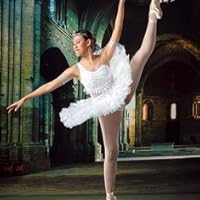
Pointe work is the core of classical ballet tecnique for female. This is a wonderful book for all ballet lovers... teachers, students, and even concerned parents will find this extra knowledge useful.
October 4, 2017
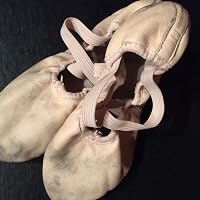
This book was very, very helpful. I read it while taking a pointe class. Great!
May 18, 2021
So helpful

May 21, 2023
Super helpful for teaching! I would like to see a section about knowing when your pointe shoe is dead. So informative!
April 6, 2025
It was quite informative

November 2, 2011
The Pointe Book was very informative and, for me as a ballet dancer, extremely interesting. I read the book cover-to-cover and ran into few problems. I started pointe less than two months ago, so when I read the sample classes I imagined them in soft ballet slippers, not en pointe. I would suggest that any ballerina who is willing to set aside a bit of their time to learn more about their sport read The Pointe Book: Shoes, Training & Technique Second Edition.

October 2, 2012
This is one of the best dance books I've ever gotten my hands on. It made understanding pointe shoes so much easier. There is just one thing I was a little concered about. The date it was published is a little old so I'm not sure about the things it says. But other than that this book is fantastic!

February 26, 2007
All about how ballet shoes are made.
December 9, 2007
Very interesting. I would like to see a larger section on adults dancing en pointe.

December 6, 2008
Informative and helpful... just what I was looking for.

May 12, 2010
Why don't they teach these things in class?

December 9, 2016
inspiration
July 16, 2014
Very helpful for girls starting pointe!
Displaying 1 - 17 of 17 reviews