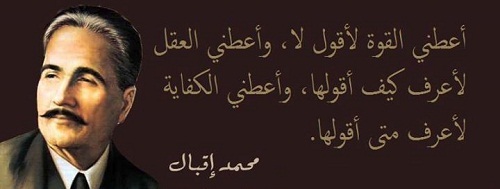
" لقد حاولت في هذه المحاضرات التي أعددتها بناء على طلب الجمعية الإسلامية بمدارس وألقيتها في مدارس وحيدر آباد وعليكره بأن أحاول بناء الفلسفة الدينية الإسلامية بناء جديدا، آخذا بعين الاعتبار المأثور من فلسفة الإسلام إلى جانب ما جرى على المعرفة الإنسانية من تطور في نواحيها المختلفة [...] "
Sir Allama Mohammad Iqbal also known as Allama Iqbal was born in 1877 in Sialkot, Punjab, in British Ruled India, now Pakistan, and was educated in the local school and college in Sialkot, before going on the university in Lahore. There he studied Arabic and philosophy as an undergraduate, then in 1899 did an M.A. in philosophy (being ranked first in the Punjab, and awarded a Gold Medal). He was appointed to a Readership in Arabic at the Oriental College in Lahore, and over the next few years became well known as a poet, as well as writing his first book (in Urdu), The Knowledge of Economics (1903).
In 1905 he travelled to Europe to continue his philosophical studies, first at Cambridge, then at Munich, where he obtained his doctorate with a thesis entitled The Development of Metaphysics in Persia. From 1907 to 1908 he was Professor of Arabic at the University of London; during this period he studied for the bar, becoming a barrister in 1908, when he returned to Lahore to practise law. While practising as an advocate at the Lahore High Court he continued to a part-time academic career as professor of philosophy and English Literature, being appointed Professor of Philosophy at the Government College, Lahore in 1911. He was knighted in 1923.
Despite his law practice, his philosophical work, and his gradual entry into politics, first as a member of the Punjab Legislative Council and later as president of the All India Muslim League, Iqbal was probably best known and respected as a poet. Nevertheless, his other activities brought him some measure of fame, especially six lectures that he gave at Madras, Osmania University at Hyderabad, and Aligarh, which were later published as The Reconstruction of Religious Thought in Islam (1930). During the early thirties he travelled extensively in the Middle East and Europe, participating in international political conferences, meeting philosophers and politicians, and writing.
His political view was that in theory a Muslim state wasn't desirable, as he held to the ideal of a world-wide Muslim community; nevertheless, he held that, at least in the short and medium terms, the only way for Indian Muslims to be able to live according to the tenets of Islam was in such a state, and he campaigned accordingly. He died in Lahore in 1938, some nine years before the creation of Pakistan, where his birthday is celebrated as national holiday.
Iqbal's philosophical work involved bringing various philosophical influences, including Leibniz, Hegel, and Nietzsche, to his Islamic scholarship, thus holding out the promise of a revival of genuine Islamic philosophical thought — a return of Islam to its place in the philosophical world. That promise has yet to be truly fulfilled, though it remains in place.
"To exist in pure duration is to be a self, and to be a self is to be able to say 'I am'." (The Reconstruction of Religious Thought in Islam p.56)
Muhammad Iqbal is one of those subcontinental Islamic intellectuals who is celebrated by all, read by few, and understood by even fewer. This book - a collection of speeches that Iqbal gave on reconstructing the metaphysical worldview of Islam in the light of modernity - is a deeply humbling piece of contemporary Islamic scholarship. Iqbal attempts to synthesize the spiritual outlook of Islam with modern rationality, explaining the worldview of the Quran in comparison and contrast with the philosophies articulated by Nietzsche, Bergson, Einstein and other modern Westerners. He argues for the enduring importance of spiritual gnosis and practice, alongside modern activist knowledge and empiricism.
In addition to being an intellectual conversant in modern Western thought, Iqbal was what many today would refer to as a Sufi. Like much Sufi writing and poetry, much of what he writes is only directly understandable to people who have engaged in Sufi practices, or, somewhat less so, those who are otherwise familiar with the underlying philosophy through study. His reference of the Quranic verse stating that human beings hold the trust of Allah as His viceregents - a trust which the mountains and the earth refused to carry - would make sense to someone familiar with the Sufi tradition, but I imagine it would likely be perplexing otherwise. I was struck by his repeated reference to a theory of biological evolution apparently espoused by Sufis like Mawlana Jalaladin Rumi, including through poetic verse. The fact of evolution was something that Sufis viewed as an affirmation rather than a negation of the divine nature of man (unlike in the West where it has led to a great deal of metaphysical angst), a point which Iqbal makes with eloquence. His point about the Quran supporting empiricism by exhorting humans to reflect on nature and history was also well taken.
Many have commented on how “dense” this book is. I was a bit concerned about that before picking it up and was bracing myself for something turgid and unreadable. But in reality, nothing could have been further from the truth. Iqbal’s thoughts are necessarily complex, but remarkably enough the book was a light and elegant read, despite the weightiness of the subjects discussed. I suspect that it was the sheer energy and enthusiasm of his thought that made it so enjoyable to go through.
While reading I occasionally paused to reflect how strange it was that most Westerners were ignorant of Iqbal, who by any measure belongs in the class with the most able philosophical minds of the past century. Trying to understand why he was only obscurely known outside the Islamic world, I suspect that his references to the Quran were likely off-putting to all except Muslims -- the people who are ultimately in need of making their spiritual tradition comport with the changes wrought by modernity. This book was an extremely admirable and extremely ambitious attempt at articulating why such a synthesis is both possible and necessary for human flourishing. Its clear to me why Iqbal was such an inspiration to Ali Shariati and an entire generation of Islamic thinkers. It’s no exaggeration to say that his work is as relevant today as it was when it was first put into print nearly a century ago.
في البدء يكتب إقبال : "القرآن الكريم كتاب يعنى بالعمل أكثر مما يعني بالرأي... "الخ وهي جملة تدخلك مبشارة بعد هذه القراءة في المقدمة للكتاب. الكتاب في الأصل عدة محاضرات لمحمد إقبال. راعى فيها الركيزة الأولى لروح الإسلام مع التجديد وفقًًا لما هو مأثور من فلسفة الإسلام السابقة في القرون الماضية وتطورات المعرفة الإنسانية ليقيسها وفق زمنه الذي ليس ببعيد عنا مع التنبيه إلا زنه دومًآ مايذكر بضرورة التجديد وتقبّل الرأي الآخر من خلال الفكر الإنساني ولكن يدعو للنقد والتمحيص، ودمًا ماتشعر به وهو يدعو لفتح باب الإجتهاد وعدم الجمود بين مباحث كتابه.
الغريب أن العنوان مضلل كثيرًا في محتوى النص. فالمحتوى بعيدًا عن خدعة (عناوين الفصول) لم يلامس العنوان الرئيس للكتاب. حيث كنت أنتظر مواضيع تُعنى بتجديد الفكر الديني لكن ما وجدته – رغم جودته وجماله – مختص بقضايا فكرية فلسفية وعدة مقالات عن (المتكلمين : علم الكلام) وطرقة المساعدة لتبيان العقائد، ويتناول كذلك الكتاب قضايا عقائدية لم تقترب كثيرًا من العنوان وأعتقد هذا الكتاب يمثل فكر محمد إقبال وتجربته الروحية مع الفلسفة.
من خلال قراءة الكتاب يتضح مدى إطلاع المؤلف إقبال على النتاج الإسلامي الفلسفي الذي يظهر جليًا مابعد القرن الثامن الميلادي، والذي لم يعمل به الكثير من المتقدمين من رجالات الدين والفكر في القرنين الأوليين ولكن إقبال يظنها وصلت مبكرة وحقيقة الأمر غير ذلك وهذا ما تقوله كتب العلماء الذي أشتهروا بإدخال عنصر (الحكمة) المعنى الذي يقابل : الفلسفة، في الكتاب السابقة). وربما بسبب عدم إطلاع إقبال على النماذج الأوليّة وإكتفائه بالنتاج الصوفية – وليس في هذا مضرة – التي أشار إليها لمعرفته بها وهي الصوفية الصحيحة (ص ٣) وهنا أقصد بالحديث عن التصوف ذلك القائم على العمل المناط للسلوك وليس ذلك التصوف الكاذب الذي يضحك من نفسه وقد أبدل العمل التطبيقي بالتأمل في الله فقط.
يبدو على إقبال أنه يشير بذلك لكتابات رجال الدين – مهما تتقبلهم أو تختلف معهم – الذي حتى فيما بينهم شكلوا حلقات صراع وجدال لمرحلة معرفتهم نتفًا من الفلسفة اليونانية كإفرازات مدرسة (أفلاطون وأرسطو) وممن كان يدور في هذا اللفلك مابين متقبل ورافض : الفارابي، وابن رشد، وابن سينا، والغزالي، والرازي وغيرهم كثر، ومعظم هؤلاء أستلهموا النتاج المعرفي إبان العصر الذهبي للترجمة وسعة الإطلاع ونحن هنا نتحدث عن مابعد القرن الثامن الميلادي / القرن الثالث الهجري.
ويرى إٍقبال ضرورة التواصل بين الدين والعلوم الحديثة وعدم القطيعة بينهما بل وإحترام العلوم الحديثة لخدمة تطور الفكر الديني من خلاله لتجاوز قرون التحجر الذهني فيما مضىوا وأظنه يرمي لقرون تلت مع بعد القرن (الثالث عشرميلادي). ففي الكتاب تجد مزيج من الفلسفة الإسلامية والكثير من أراء إقبال كزخم معرفي هائل من الدرسات الأوربية التي نهل منها - لمن يعرف إٍقبال - ومحاولات لمد التواصل بين الثقافتين فيما يخدم وجهة نظره وهي التجديد دون المساس بالجوهر وهي العقيدة، ويبدو أن الكتاب ليس فقط مخصص للعرب فقط أو المسلمين فأظنه يخاطب حتى غير ذلك.
جهد المراجع الأول، المراغي، والدكتور علّام، جهد يشكران عليه رغم أنني كنت أعوّل عليهما كثيرًا منذ الفصول الأولى. ربما ترجمة الكتاب للدكتور محمد يوسف عدس (طبعة مختلفة) تكون أكثر سهولة.
فاصلة أولى : مع تقديري للكثير هنا لا أنصح بالكتاب لقليلي القراءة في بناء العقل من ناحية الكتب الفكرية والفلسفية فالكتاب متقدم وأظنه يحتاج تحديث لشرح وتيسير أبسط وليس هذا والله تقليل لشأن فئة قرائية معينة بقدر ماهو رغبة في عدم تقييم الكتاب بفهم مبني على عدم الفهم.
فاصلة أخرى : من قرأ ماكتب الجابري، وعبد الرحمن بدوي وبعض الكتاب المعنية بالفلسفة الإسلامية وإعادة إحياء التراث الديني سيأنس بفهم بعض جوانب هذا الكتاب.
Not for the fainthearted, not for the easily bored, not for the shallow beings, not for the easy losers, not for the less ambitious. This work is fascinating, I was blown away the first time I read it, but then I thought did I get it? You don't just "get" this straight away..nope. It requires constant pondering, continuous conscious effort to work through the lines and to really really think things out. Philosophy students might find it less stressful to read. Others, well it will all come down to how much do you really want to read and understand it?
"Buhat level hai iska"
I will read it again (as I have done many times already), and keep reading it over and over, cuz that's how you read Iqbal!
PS: Critique of pure reason by Kant is perhaps one of the toughest philosophy books to read (yes, just to read), refuting Kant is next level stuff right there.
Wish more and more people know about "this" Iqbal. Iqbal has been my teacher ever since I could remember..the only teacher I truly trust.
هذا الكتاب يمثل خلاصة آراء محمد إقبال - رحمة الله عليه - الفكرية والفلسفية . الكتاب يركز على أهمية التجربة الدينية الذاتية أو التجربة الصوفية ( المصطلح الذي تلوث كثيراً كما يقول المؤلف ) بدلاً من الإيمان البرهاني أو الذي يستند على أدلة عقلية، وحاول تدعيم آراءه بالعديد من الحجج الفلسفية بل والعلمية بطريقة جميلة وعميقة جداً، مع تفنيده لبعض الحجج الفلسفية المشهورة و إعادة طرحها من حيثية جديدة . بالإضافة لتركيزه على حرية الذات الإنسانية و خلودها
المبحث الأخير -والأهم ربما- تحدث عن مصادر التشريع الإسلامي الأربعة المعروفة ( القرآن والسنة والإجماع والقياس ) وشدد على أهمية إحياء مبدأ الإجتهاد في الدين الذي توقف تقريباً من قرون طويلة رغم سعة ومرونة التشريع الإسلامي لدرجة أن المذاهب وصلت في فترة من فترات التاريخ الإسلامي في أقل من قرنين لما يقارب 20 مذهبا فقهيا .
في الأخير أحب أشكر الرائع محمد يوسف عدس على الترجمة الجبارة ( نسخة 2011 - 2012 من مكتبة الإسكندرية ) ترجمة لا تقل روعة عن ترجمته لكتاب الإسلام بين الشرق والغرب . والنسخة بشكل عام ممتازة
محاولة عميقة و عظيمة لم يُعتن بها و لم تُستأنف ... لا من حيث أفكاره و حسب و إنّما من حيث غايته في تقديم فهم ديني يجيب على إشكاليّات الرؤية الفلسفية و العلمية المعاصرة و يحلّها , و بعمق و جدلٍ من داخل الأفكار الفلسفيّة لا بالأسلمة السطحيّة من خارجها كما يجري الآن غالباً
الواقع أن عنوان هذا الكتاب مختلف قليلاً عن مضمونه .. أو هكذا أظن! فالمتوقع أن تقرأ لكاتب يحاول أن يعرض طرق جديدة لتصحيح التفكير الإسلامي الحالي .. بينما ترك الكاتب كل ما كنت أتخيله، وطفق يحدثنا عن موضوعات شديدة الصلة بعلم الكلام (أو التوحيد) والعديد من الموضوعات والقضايا الفلسفية وأحوال خاصة بعلم النفس وحتى بنظريات العلم الحديثة !! وهو طبقاً لكلامه كان عدة محاضرات للكاتب .. وإني لأعجب من نوعية القارىء/ المستمع لمثل هذه النوعية الخاصة من الكتابات! في القسم الأخير من الكتاب : (مبدأ الحركة في بناء الإسلام) ظهر قليلاً عنوان الكتاب حيث تعرض المؤلف لرأيه الشخصي في التجديد الواجب لمصادر التشريع في الإسلام وكيف أنه يجب التجديد وألا تقف على المذاهب الفقهية الأربعة المعتمدة وما إلى ذلك من آراء.. مما أثار إعجابي حقيقةً ..
الكتاب صعبٌ إذن ، ويحتاج المزيد من الشروح والإطلاع على الموضوعات الفلسفية التى ذكرها ..
مقتطفات: ======
* وقد أُثير مرة البحث في موضوع الخلق بين يدي أبا يزيد البسطامي الصوفي المشهور فأدلى أحدهم -في صراحة- بالرأي الذي تقبله الفطرة السليمة : "كان الله ولا شئ معه". فأجاب الولي جواباً قاطعاً أيضاً فقال: " الآن كما كان" . فعالم المادة إذن ليس شيئاً يشارك الله في الأزل ، ويُحدث فيه الله ما يشاء وهو كأنه على مسافة منه، بل هو في طبيعته الحقيقية فعل واحد متصل يجزئه الفكر إلى كثرة من أشياء منفصل بعضها عن بعض.
* إلى أن القرآن لا يعتبر الأرض ساحة للعذاب سُجنت فيه انسانية شريرة العنصر بسبب ارتكابها خطيئة أصلية. فالمعصية الأولى للإنسان كانت أول فعل له تتمثل فيه حرية الاختيار، ولهذا تاب الله على آدم كما جاء في القرآن وغفر له. وعمل الخير لا يمكن أن يكون فسراً: بل هو خضوع عن طواعية للمثل الأخلاقي الأعلى خضوعاً ينشأ عن تعاون الذوات الحرة المختارة عن رغبة ورضى.
* فالصلاة إذن سواء في ذلك صلاة الفرد أم صلاة الجماعة، هي تعبير عن مكنون شوق الإنسان إلى من يستجيب لدعائه في سكون العالم المخيف. وهي فعل فريد من أفعال الإستكشاف تؤكد به الذات الباحثة وجودها في نفس اللحظة التي تنكر فيها ذاتها، فتتبين قدر نفسها ومبررات وجودها بوصفها عاملاً محركاً في حياة الكون. وصور العبادة في الإسلام في صدق إنطباقها على سيكولوجية المنزع العقلي ترمز إثبات الذات وإنكارها معاً.
* وعلى هذا فالنار كما يصورها القرآن ليست هاوية من عذاب مقيم يسلّطه إله منتقم، بل هي تجربة للتقويم قد تجعل النفس القاسية المتحجرة تحسّ مرة أخرى بنفحات حية من رضوان الله. وليست الجنة كذلك إجازة أو عطلة ، فالحياة واحدة ومتصلة ، والإنسان يسير دائماً قدماً فيتلقى على الدوام نوراً جديداً من الحق غير المتناهي الذي هو "كل يومٍ هو في شأن" ، ومن يتلقى نور الهداية الربانية ليس متلقياً سلبياً فحسب لأن كل فعل لنفس حرة يخلق موقفاً جديداً وبذلك يتيح فرصاً جديدة تتجلى فيها قدرته على الإيجاد.
* أأنت في مرحلة "الحياة" أم "الموت" أم "الموت في الحياة"؟ انشد العون من شهود ثلاثة لتتحرى حقيقة "مقامك" أولها عرفناك لذاتك فانظر نفسك في نورك أنت والثاني معرفة ذات أخرى فانظر نفسك في نور ذات سواك والثالث المعرفة الإلهية فنظر نفسك في نور الله فإذا كنت ثابت الروع في حضرة نوره فاعتبر نفسك حياً باقياً مثله إنه لحق .. وحده من يجسر على رؤية الله وجهاً لوجه "والصعود" أي شيء هو؟ ليس سوى بحث عن شاهد قد يؤكد حقيقتك نهائياً شاهد بيده وحده ، أن يجعلك خالداً وما من أحد يقدر على الوقوف رابط الجأش في حضرته ومن استطاع ذلك فإنه ذهب خالف أأنت مجرد ذرة من تراب؟ اشدد عقدة ذاتك واستمسك بكيانك الصغير ما أجلّ أن يصقل الإنسان ذاته! وأن يختبر رونقها في سطوع الشمس فاستأنف تهذيب إطارك القديم وأقم كياناً جديداً مثل هذا الكيان هو الكيان الحق وإلا فذاتك لا تزيد على أن تكون حلقة من دخان.
In the late 1920s the Indian Islamist and poet Mohammed Iqbal delivered six lectures at Madras (to the Madras Muslim Association), Hyderabad and Aligarh, in which he set out his vision of the reconstruction of religious thought in Islam. Apparently Iqbal himself intended to write a second, larger book to be called “The Reconstruction of Legal Thought in Islam”, to which these lectures formed a sort of philosophical prelude. That second book was never written, but the lectures were combined with a seventh lecture (“is religion possible”) that was delivered to the Aristotelian society in England, and published as a book “The Reconstruction of Religious Thought in Islam”. By the time the book was published (first in Lahore in 1930, by Kapur Art Press, then with the seventh lecture included, by Oxford in 1934), Iqbal had been knighted for his services to the crown and was already a famous poet (in both Urdu and Persian) and was being honored by the Islamicate elite of India as their philosopher and thinker par excellence. Since this is the only work of philosophy that he ever composed after his PhD thesis, his status as a philosopher is heavily dependent on this slim volume.
The book is primarily targeted at contemporary Muslims, who were keenly aware of their weakness vis-a-vis Europe, as well as of their historic role as a “worthy opponent” that at some point in the past held the upper hand against Western Christian competitors. Iqbal’s primary mission here is not some open ended search for philosophical truth, it is the revival of Muslim greatness, the basic fact of which is taken for granted and is an element of faith. In his own words:
“I have tried to meet, even though partially, this urgent demand by attempting to reconstruct Muslim religious philosophy with due regard to the philosophical traditions of Islam and the more recent developments in the various domains of human knowledge.”
Like many other religiously minded thinkers of the day, he was also quite taken with modern physics and believed “the present moment is quite favorable for such an undertaking. Classical Physics has learned to criticize its own foundations. As a result of this criticism the kind of materialism, which it originally necessitated, is rapidly disappearing; and the day is not far off when Religion and Science may discover hitherto unsuspected mutual harmonies.”
In terms of his education and training, Iqbal was firmly in the Western philosophical tradition (tending mostly towards its German, orientalist, idealist and romantic currents) and like other Islamist modernizers, he took it for granted that the “Muslim world” has to come to terms with modern knowledge, but this was to be done from within the Islamic tradition and while maintaining the distinctive character of Muslim society. His grandfather may have been a Kashmiri Hindu (his son claims the conversion happened 400 years earlier) and it has been claimed that there were branches of the family that remained Hindu, but either because of this relatively recent conversion, or because of his mother’s strong Muslim faith, his commitment to Muslim separatism and supremacism was strong and unbending. He was willing to admire other traditions (including the learning of the Brahmins, about whom he has interesting things to say elsewhere) and learn from them, but they are always “other” traditions, about this there is never any doubt.
The books is interesting, especially if you are philosophically inclined towards the “spiritual” and the mystical; on the other hand, if you are somewhere on the “new atheist” spectrum then the book can only be of historical interest. Even those who are willing to entertain metaphysical speculation should be aware that this is not a systematic philosophical text. All the central claims of the book are simply asserted (there is rarely any detailed argument showing why they are correct) and the historical views are very early 20th century, with the ghosts of Spengler and countless lesser writers hovering in the background. Entire cultures and historical epochs are summed up in ex-cathedra pronouncements of the sort that were popular in that age but seem to have fallen out of favor since then. For example “the cultures of Asia, and in fact, of the whole ancient world failed because they approached reality exclusively from within and moved from within outwards. This procedure gave them theory without power, and on mere theory no durable civilization can be based”.
Always hovering in the background is his (not so original) view that history is progressive and something is gradually unfolding and developing as we move from ancient cultures (India, Greece, never China) to Islam to modern Europe. In this great drama, the “spirit of Islam” is essentially anti-classical and empiricist and it is Islam that created the foundations of modern science by introducing this attitude into humanity (“European culture, on its intellectual side, is only a further development of some of the most important phases of the culture of Islam”). This basically Hegelian view of history was all the rage in the circles that Allama Iqbal frequented (its echoes survive to this day), and if this is still your cup of tea, jump right in, Iqbal will not disappoint you.
Among his claims are the assertion that “the prophet of Islam was the first critical observer of psychic phenomena”
and “In Islam, prophecy reaches its perfection in discovering the need for its own abolition”
A prophet may be defined as a type of mystic consciousness in which ‘unitary experience’ tends to overflow its boundaries, and seeks opportunities of redirecting or refashioning the forces of collective life. In his personality the finite centre of life sinks into his own infinite depths only to spring up again, with fresh vigour, to destroy the old, and to disclose the new directions of life”
You get the drift.
Historical references are cherry picked and whatever theory he is proposing is supported by quranic verses that other Muslims may nor may not interpret the way Iqbal does. Sometimes the cherry-picking stretches credulity and even fans may become a bit suspicious; for example, defending the unequal shares of men and women in Quranic inheritance law he says “From the inequality of their legal shares it must not be supposed that the rule assumes the superiority of males over females. Such an assumption would be contrary to the spirit of Islam. The Qur’an says: And for women are rights over men similar to those for men over women’ (2:228). This is rather disingenuous, because the quoted verse in context is not about equality at all, but specifically about the superiority of men over women. Here is Yusuf Ali’s translation of the entire verse: Divorced women shall wait concerning themselves for three monthly periods. Nor is it lawful for them to hide what Allah Hath created in their wombs, if they have faith in Allah and the Last Day. And their husbands have the better right to take them back in that period, if they wish for reconciliation. And women shall have rights similar to the rights against them, according to what is equitable; but men have a degree (of advantage) over them. And Allah is Exalted in Power, Wise.
Judge for yourself.
The book quotes heavily from contemporary European intellectuals (someone has calculated that 25 of the 34 Western philosophers mentioned in it are contemporaries, some of whom are already fading into obscurity, but were prominent in the day); if the metaphysical speculations of early 20th century Western philosophers (Bergson, Whitehead, Carr, Spengler, etc.) appeal to you, go for it. You will learn that much of this speculation was already present in the Islamicate tradition, or so Iqbal claims. I don’t doubt that some of what he is saying is perfectly true, but given the way he creatively cherry-picks and interprets the Quran, I have my doubts about some of his interpretations of Muslim philosophers as well. But I don’t know enough about the subject to know for sure.
Now that almost a century has passed (some of the lectures are revised versions of essays he was working on in the early 1920s) we can also ask, what influence has the book had? It seems to me that it continues to appeal to modern (semi-westernized) Muslims (especially in Pakistan) because it seems to offer the possibility of radical reform of Islamic law and creative (modern) reinterpretation of Islamic theology, the appeal is almost entirely symbolic; most of his fans don’t actually read the book, they just like the fact that it is there and that they have heard it is modern and all about creativity and freedom and how we had all this before the West ever thought of it. It is my impression that the detailed ideas had more appeal then, when this kind of reinterpretation and the “catch up with the West because we were actually there first” theme was commonplace in places like Aligarh, but since then the Islam that has risen to confront the West is good old classical Islam, Magian crust and all.
That said, the books is available online for free. Make up your own mind. Read it. (very few of his fans actually do)
Some random quotes follow:
“The task before the modern Muslim is, therefore, immense. He has to re-think the whole system of Islam without completely breaking with the past”.
“Believe me, Europe today (due to its perverted ego) is the greatest hindrance in the way of man’s ethical advancement. The Muslim, on the other hand, is in possession of these ultimate ideas of the basis of a revelation, (…) which, speaking from the inmost depths of life, internalises its own apparent externality. With him the spiritual basis of life is a matter of conviction for which even the least enlightened man among us can easily lay down his life.”
“If time is real… then every moment in the life of Reality is original, giving birth to what is absolutely novel and unforeseeable. Everyday doth some new work employ Him, says the Koran. To exist in real time means (…) to create it from moment to moment and to be absolutely free and original in creation. The universe is a free creative movement.”
“It is in contact with the Most Real that the ego discovers its uniqueness, its metaphysical status, and the possibility of improvement in that status. Strictly speaking, the experience which leads to this discovery is not a conceptually manageable intellectual fact; it is a vital fact, an attitude consequent on an inner biological transformation which cannot be captured in the net of logical categories.”
“Muhammad, we are told, was a psychopath13. Well, if a psychopath has the power to give a fresh direction to the course of human history, it is a point of the highest psychological interest to search his original experience which has turned slaves into leaders of men, and has inspired the conduct and shaped the career of whole races of mankind”
“..religion; for reasons which I have mentioned before, is far more anxious to reach the ultimately real than science”
“The final act is not an intellectual act, but a vital act which deepens the whole being of the ego, and sharpens his will with the creative assurance that the world is not something to be merely seen or known through concepts, but something to be made and re-made by continuous action. It is a moment of supreme bliss and also a moment of the greatest trial for the ego”
Incidentally, recently a pakhtoon mullah who was said to be “anti-extremist” was killed in Kandahar after his work was described as anti-Islam by traditional mullahs.. The application of Iqbalian ideas to the real world will run up against blasphemy and apostasy memes..
PS: a respected professor of Urdu (from Canada) posted this comment, which I cannot help sharing: Iqbal continues to be of paramount interest to Pakistanis(every PhD proposal I ever received from Pakistani students involved Iqbal!), and of no interest to anyone else
Muhammad Iqbal's Reconstruction is an ambitious attempt to articulate what he takes to be the fundamental message and perspective of the revelation of the Prophet in dialog with contemporary European discourse (i.e., early 20th-century) in philosophy and the sciences. I think anyone who engages seriously with a living religious tradition, and who values these forms of discourse, will similarly cobble together an eclectic and idiosyncratic interpretation of their own - I certainly have. But whether or not that mass of material can be persuasively organized to constitute a theory in its own right is another question, and Iqbal's ambitious work is only partly a satisfactory answer.
Its principle weakness is that he spreads himself too thin, leaping breathlessly from mountain peak to mountain peak. On a single page you'll find references to Whitehead, Einstein, Carnap, ibn Khaldun, and even, very occasionally, the Quran. But the more he perceives and attempts to articulate a deep underlying connection unifying all these voices into a common thread, the less persuasive his model appears from the outside.
Of all the many thinkers he considers, I think Whitehead and Bergson are most important. Iqbal articulates a vision of Islam that is turned toward the natural universe and that echoes deep insights into the nature of time, and especially the manifestation of prophetic utterance within the span of time. This far I can go along with him.
Where I have to get off the train, however, is Iqbal's paradoxical embrace of epistemological closure. That is, despite his interest in an unfolding and temporalized interplay of time and eternity, he never brings the subject into critical reflection, and shows a strong tendency to constantly give the sense that his ideas are adequate to the task to which he sets himself.
Now that the book is approaching a century old, the inadequacy of his conceptual toolbox is pretty obvious. I think he would have benefited greatly from systems theory and I'm sorry that he missed it. It would have made a better framework for his reflections on time than Whitehead's dissatisfying process metaphysics, and it would have forced him to consider the framing effects of the subject.
In my view, Islam has benefited far more from the modern voices that emphasize the historicity of its constructions than from those who would argue, in effect, that the Quran anticipates Einstein. The latter approach, combined with an unwillingness to problematize the subject, keeps Islam fixed in a pre-modern idiom, no matter how it's seasoned with theoretical physics. I share his interest in bringing the thought-worlds of Europe and Islam into dialog, but the way he goes about it did not win me over.
كتاب قيم جداً وصعب ومشوق بنفس الوقت :). لا يخفى ان اهتمام شخص مثل أقبال كفيلسوف صوفي سينطوي على بحث انطولوجي بالمقام الأول وهو مبحث صعب على القارئ العادي. إن جاز لي فسأقول بأن هناك ثلاث مباحث في الكتاب هي الوجود(الأنطولوجيا) والمعرفة(الابستمولوجيا) والاجتماع(السوسيولجيا) وأكثرها صعوبة الجزئين الأولين لدرجة أنني تركت الكتاب مرة قبل أن اكمل ثلثه الأخير الذي راق لي جداً كون الكاتب جرئء جداً ومتمكن في فنه الفلسفي ويدخل في غمار أمور قلما تسمع شخصاً يتحدث بها مقل فكرة ختم النبوة أو النقودات المعرفية للفقه الإسلامي. الكتاب يحتاج إلى تعمق في الفلسفات بشكل عام لتستطيع فهم الكتاب والاستفادة منه، والحقيقة أنه يحتاج إلى أكثر من قراءة وركائز معرفية قد لا تتوفر للقارئ العادي مثلي :)
ترجمة غير مساعدة بالمرة. أطروحة اقبال تستحق النظر والتفكّر فيها, ولكنها ايضا تستحق قالبا أفضل, يجعل من قراءتها مصدر فائدة للقارئ العربي. مؤجلة حتى الوصول الى ترجمة أرقى.
نتيجة لقراءة ومعرفة بالفكر الغربي يخلق إقبال جسرا بينه وبين الفكر الإسلامي وان كان تحدث عن تجديد فلم يتحدث عن منهج بعينه بل نظرات هنا وهناك وترجيحات لأفكار قديمة وتبيان لأصالة الفكر الاسلامي و كيف أن القران صبغه بهذه الصبغة وان كان طبيعة اتصاله الفكر الغربي تبين اهتمامه الاكبر بقضايا علم الكلام لانها قضايا فلسفية ، لكنه يعطي نظرات غنية و افكار واضاءات مهمة بشأن الكثير من المسائل ، تبين قيمة الكتاب المحتفى به بين المهتمين بالفكر الإسلامي
A very ambitious book that tries to reconcile mysticism and reason, faith and positivism, & outlines the past and future of Islamic metaphysical, ethical & political thoughts in the context of the scientific & philosophical ideas known by early 20th century, e.g. general relativity, evolution, psychoanalysis & analytic philosophy. Overall the author was advocating reforms in Islamic scholarship by revitalizing the spirit of free inquiry & incorporating elements of modern science & liberal democracy. His warning that giving too much power to the clergy as in the then Persian constitution can be dangerious was unfortunately proved by the historical developments since the 1980s in Iran as well as his own country. He didn't always get the science stuff right, which is understandable as a lot of the results he cited were quite new when this was written. I find many of his ideas quite interesting though sometimes ambiguious which may be why his thoughts have influenced both liberals & religious fanatics. Maybe I would like it more if I had more patience for metaphysics.
Reading this book during class with help of Professor Z was really fascinating. The discussion is very thoughtful and deep, but it is my bad that I cant chew all the discussion in a proper way. Why? Because reading Iqbal is not similar with the other author. You need to have some background with other similar topics before went through Iqbal. Therefore it is hard to me to write a proper review.
In short, Iqbal ask the Muslim to think, to read and to have a deep understanding on Islam. Iqbal ask the Muslim to reconstruct their thinking, attitude and practice so they can be a better Muslim. Sounds familiar with the other author? Maybe yes, but if you read Iqbal, you will know he was different with the other leaders/authors. That's why people called him 'thinker'.
I wish to read the book later, perhaps I can understand better than my current undertaking.
By far one of the most astounding philosophical works that I have ever read by one of our greatest scholars. I can't keep myself from referring back to it.
هذه المراجعة الثانية للكتاب وهي عرض للمحتوى كما كان الحال في مراجعة القراءة الأولى الموجودة في الأسفل المراجعة الثالثة إن شاء الله تكون عند القراءة الثالثة بعد التوسع في مواضيع كثيرة وإن شاء الله تكون مراجعة تحديد موقف حينها أستطيع القول ماذا بقي من فكر إقبال .
---------------------------------
ما أجّل أن يصقل الإنسان ذاته ويختبر بريقها في حضرة الشمس في ذلك الوقت أعد نحت جسدك القديم وأقم كياناً جديداً مثل هذا الكيان هو الكيان الحقيقي و إلا فذاتك إنما هي مجرد حلقة من دخان
(من ديوان جاويد نامه – محمد إقبال )
مراجعة عرض للمحتوى القراءة الثانية – بترجمة محمد يوسف عدس ( من وجهة نظري هي الترجمة الأفضل في مقدمة الطبعة بقلم الشيماء العقالي صحيفة رقم 35 بيان للفروق بين الترجمتين والتي لاحظتها خلال قراءتي ) – طبعة دار الكتاب المصري تاريخ الإنتهاء 12-11-2017
العنوان الإنجليزي أقرب إلى المحتوى من العنوان المعرب فإعادة البناء أكثر خصوصية من التجديد مع أن التجديد قد يفهم في هذا السياق أيضا .
في مقابلة مع الفيلسوف الفرنسي ميشيل فوكو في آخر حياته أجاب عن سؤال وجه إليه أفضل فكرة في حياتك أثرت بك ؟ فأجاب : هي فكرة أن أي فكرة أتعامل معها أضعها في سياقها الزمني .
فلابد إذاً من فهم سمات العصر والسياق الزمني الذي جاء فيه هذا الكتاب : 1. انهيار الإطار الجامع للمسلمين المتمثل بالخلافة . 2.تمزيق الرابطة المعنوية للشعوب الإسلامية المتمثلة في النزعات القومية والوطنية . 3.الإختراقات الغربية والعسكرية للعالم الإسلامي . 4.الفزع من اختراق روحي للعالم الإسلامي .
في مراجعتي للقراءة الأولى أشرت للمحتوى حسب الفصول أما الآن فسوف أشير للأفكار بعيداً عن ترتيبها في الكتاب وعناوين الفصول .
اقبال بلا شك هو من رواد إحياء الروح الإسلامية والنشأة المستأنفة وكما يشير إلى ذلك تلك الأبيات الجميلة التي صدرت بها المراجعة من ديوانه جاويد نامه .
عدم التراكم المعرفي هو من أعوص مشكلات الفكر الإسلامي ، الغالبية تأتي للبدء من جديد دون البناء على ما سبق ولهذا كان مصير الكثير من الأفكار ومصير الكثير من العقول في العالم الإسلامي التهميش وحتى الإندثار أو الإلتفات إليها والتغني بها بعد فوات الأوان وفقدان الصلاحية !!!!!
وكأن الخيار أضحى هو إما الهدم و إما البناء فوق طوابق متداعية للسقوط لكن بحق دائماً ما أتساءل إن كان الأساس قادر على تحمل ثقل ناطحات سحاب لماذا نحصر أنفسنا أمام هذين الخيارين البائسين !!!
شتان بين من يكون معول هدم ومن يكون معول بناء يزيل تكلسات الزمان والأعمدة الركيكة التي رفعت فوق الأساسات المتينة .
شتان بين تجديد وتجديد الذي عندما أفكر في وجه الإختلاف بينهما أجد خير مثال شخص متسخ يؤثر رش العطور على الإستحمام !!!! شتان بين من يجمل وبين من يحمل معوله بجرأة وثبات وعزم ويهوي به على القشور والبناء المتداعي الذي لا يستطيع التحمل . هذا ما عبر عنه اقبال في تصوري باشدد عقدة ذاتك .
إن للدين دورة كما لكل شئ دورة في هذه الحياة فإن كانت دورة الدين بأن يبدأ روحاً أخلاقية وإنسانية ثم تتحول الروح إلى مؤسسة ثم تصبح المؤسسة عبئاً على الروح فيظهر التجديد إما بدين جديد أو إحياء الأصول لهذا الدين وفي حالة الإسلام الخيار الثاني هو الخيار الصحيح حيث كان نبيه خاتم الأنبياء .
مفتاح التحرر و التجديد للمجتمعات التي تنمو فيها الحياة وتزدهر حول نص ديني هو التمييز بين العنصر الأزلي والعنصر التاريخي في تجربتها الدينية . التحرر من الفهوم التي كانت معينة في الماضي لكنها أصبحت عائقاً في الحاضر ، لجوهان هويزنجر نظرية حول الأفكار المرهقة مفادها أن بعض الأفكار التي تكون ملهمة في عصر تصبح مرهقة في عصر آخر .
إفراط الخلف بالثقة بالسلف هذا الإفراط الزائد في الثقة بالشرح الذي يبعد عن المتن وما دمنا نردد ونقول : لن نفهم أبعد مما فهموا ولن نستطيع الوصول إلى أبعد مما وصلوا إليه حينها لا تحدثني عن التجديد فالمشكلة ليست في العمل فقط وإنما هي مشكلة في الأفكار أيضاً . فالأفكار التي لا تستطيع الدفاع عن نفسها هي أفكار جديرة بالموت .
الكتاب زخم من الأفكار الفلسفية أكثر من القضايا الدينية بفهمها الشائع
فلسفة إقبال في الجمع بين المتناقضات جمع بين العز والعبودية الجمع بين نفي الذات ( في العلاقة بالخالق ) وبين إثباتها ( في العلاقة بالمخلوق ) تصوف اقبال هو زهد الملوك وزهد المقتدر .
الحركة هي جزء أساسي من فلسفة إقبال والتي يراها في الإسلام متمثلة بالإجتهاد .
فالدين في أرفع مراتبه ليس سعياً إلا وراء حياة أعظم اقبال يركز على الوظيفة الإجتماعية للدين بتركيز قوى الذات وجعل الفرد صاحب رسالة . اقبال يؤكد على ضرورة التمييز بين الخالد الأزلي والمتغير التاريخي ، فالخالد الأزلي يحفظ اتزاننا في العالم المتغير لكنه لا يقيد حركتنا فجوهر التجديد يكمن في التفريق بين الأزلي والتاريخي في التجربة الدينية .
ويرى أن الشرق والغرب فشل كل منهما في معادلة الثابت والمتغير فالغرب انساق مع المتغير من غير ثبات والشرق ثبت من غير تغير وفي الإقتباسات اقتباس طويل يوضح هذه الفكرة . فيرى اقبال أن من أعظم مضار الجمود والتخلف هو القضاء على حرية الذات المبدعة ويسد النوافذ أمام التقدم الروحي
العوامل التي أدت إلى الجمود : 1. المهاترات الكلامية في العصر العباسي التي أدت إلى معاداة العقل . 2.المنزع الباطني في التصوف الذي جعل الناس يتخلون عن الشريعة بزعم الوصول الذي أدى إلى ردة فعل قانونية جامدة خالية من الروح . 3.تدمير بغداد على أيدي المغول الذي أدى إلى فرض النمطية المذهبية والفكرية خوفاً على الذات فشتان بين عصور الإزدهار والخوف من الإندثار . 4.المنزع المجوسي المترقب لقدوم مخلص الذي أثر بالحس التاريخي والتقدم الإسلامي فكرة المهدي والمهدوية التي عانت الأمة معاناة شديدة بسببها .
اقبال يرى بأن منتهى غاية الذات هي أن تصير لا أن ترى أن السعي هو تحول في الكينونة وليس زيادة في الرصيد المعرفي يقول أن فلسفة الإسلام هي أقدر عند كانت وليس أنا أفكر عند ديكارت . يرى أن الإسلام تجريبي أكثر منه تجريدي مثل ما يقول بيجوفيتش هو أن الإسلام أتى ليسلك طريقاً ثالثاً بين واقعية العهد القديم والعهد الجديد .
شن حملة قوية على تصوف السلبية والإنعزال بالرغم من أنه ابن المدرسة نفسها إلا أنه يدعوا إلى تصوف متحرك مؤثر فاعل وعامل في التغيير ز
مصادر المعرفة عند اقبال هي : 1.النفس الذات عن طريق معرفة القرآن وتدبره 2.الطبيعة 3.التاريخ
وليس الجانب الفكري المجرد
نظرة اقبال للحضارة الغربية بأنها تحدي إيجابي لا خطر وجودي .
نظرة اقبال لفكرة الإجماع في الإسلام التي جمدت وتحولت إلى مصطلح فقهي وضرورة تحويلها إلى مصطلح سياسي يعبر عن الإرادة السياسية للأمة .
الإنتقال من تشريع الأفراد إلى هيئة تشريعية تشمل الجميع في كافة المجالات بدل من تحويل الجانب الفقهي في الإسلام إلى تخصص أكاديمي جامد .
انتقد اقبال الثقافة اليونانية التي يرى أنها أبعدت المسلمين عن الواقعية في الإسلام الذي يميل إلى التجربة لا إلى التجريد وأن مذهب الملاحظة والتجريب ليس وليد أو مكتسب الثقافة اليونانية وإنما نتيجة لفهمهم للقرآن .
يرى اقبال ان التجديد هو رحلة من غير وصول وما يراه الصوفية وصولاً هو عند الأنبياء بداية ولو سلمنا بالوصول لقلنا أن الإسلام انتهى عند غار حراء . التفريق بين الوعي الصوفي والوعي النبوي فالوعي النبوي وعودته من مقام الشهود هي عودة بعث وتجديد وشق لرحلة الإنسان وسط المدلهمات والظلمات . غاية الشهود عند الصوفي هي غاية تقصد لذاتها أما عند النبي فهي يقظة تترجم إلى واقع.
الإسلام والقرآن هو قنطرة العبور من العالم القديم إلى العالم الجديد ويوضح ذلك في معنى ختم النبوة وما لها من قيمة عظيمة وهي أن النبوة لتكمل كمالها الأخير في إلغاء الحاجة إلى النبوة ذاتها . انتقال السلطة من الفرد إلى الأمة هي ثورة على الصعيد الإجتماعي والسياسي .
ركز على النبوغ الأشعري في مواضيع العلة والمعلول ، والجوهر الفرد ، ومفهوم التوسع في الزمان والمكان .
لم يعتمد على مصادر المستشرقين وفي الغالب كان يشير إاليهم بالنقد .
عالج موضوع الفلسفة والدين وهو ما أحب أن أسميه بفصل المقال في ما بين الفلسفة والدين من الإتصال وفي الإقتباسات شرح لهذا المعنى فهو يرى أن الفلسفة وهي نظر عقلي في الأشياء ترى الحقيقة عن بعد أما الدين فتجربة حية لكل منهما مجراه الخاص والدين تجربته أكثر غنى هو يفرق بين الأفكار الباردة للفلسفة و الأفكار الدافئة في الدين بين الأفكار الفلسفية التي قد تؤدي إلى الحياد وبين الإلتزام الديني الذي يؤدي إلى التغيير بين السكون والحركة .
معالجته لموضوع الصلاة بأنها ضرورة فطرية بتناوله لمقولات ويليام جيمس وفي الإقتباسات توضيح لذلك .
استفدت من كثير من الافكار من حلقات برنامج أسمار وأفكار بخصوص الكتاب وكلام الدكتور محمد الشنقيطي .
نلتقي في المراجعة الثالثة :)
---------------------------------
مراجعة عرض للمحتوى القراءة الأولى – بترجمة عباس محمود – طبعة دار الهداية تاريخ الإنتهاء 17-03-2017
من ذا الذي رفع السيوف**** ليرفع أسمك فوق هامات النجوم منارا
كنا جبالا في الجبال وربما سرنا****علـى مـوج البحـار بحـارا
تجديد الفكر الديني في الإسلام لفيلسوف الديار الهندية وفيلسوف الذاتية محمد إقبال الكتاب لايعالج الفكر الإسلامي الراسخ بصورة معينة في عقول الناس من حيث مناقشة أسلوب الحكم والظواهر الإجتماعية بأسلوب إسلامي لا هذا الكتاب يتجاوز هذا الخطاب إلى خطاب أعم وأشمل في موضوع الفلسفة والدين وتجدر الملاحظة أن اقبال توفي عام 1938 أي أن فكره كان متأثرا في تلك المرحلة بالفلسفات الغربية إلى حد بعيد ولم يكن معاصرا لمرحلة ظهور الإسلام السياسي ومفكريه حتى لم يكن يدرك كل تلك العوامل التي صاغت التيارات الدينية في عالمنا المعاصر إذا فالكتاب هو دعوة للتجديد في علم الكلام الإسلامي وتطوير الفلسفة الإسلامية وبث الروح في الإجتهاد الفقهي .
***** الفصل الأول : المعرفة والرياضة الدينية
في الفصل الأول من الكتاب يتكلم إقبال عن مصدر مهم من مصادر المعرفة والإدراك وهو الرياضة الدينية أي التجربة الشخصية والتصوف الحقيقي لا تصوف الإحلال ووحدة الوجود وتصوف الرقص والزمر وهذا الجانب يؤدي إلى يقين فردي مختص بالإنسان نفسه لكن في حقيقته غير قابل لإقناع المتشككين يطرح إقبال سؤال مهم جدا وهو هل من الممكن أن نستخدم في مباحث الدين المنهج العقلي البحت للفلسفة ؟؟؟ إن روح الفلسفة هي روح البحث الحر تضع كل سند موضع الشك ووظيفتها أن تتقصى فروض الفكر الإنساني التي لم يمحصها النقد إلى أغوارها وقد تنتهي إلى بحثها هذا إلى الإنكار أو الإقرار في صراحة بعجز التفكير العقلي البحت عن اكتناه الحقيقة القصوى أما جوهر الدين فهو الإيمان والإيمان يعرف طريقه الخالي من المعالم غير مسترشد بالعقل وفي هذا يقول جلال الدين الرومي العقل يترصد قلب الإنسان النابض ويحرمه ذلك الزخر من الحياة الكامنة فيه . لكننا لا نستطيع إنكار أن الإيمان أمر أكثر من مجرد الشعور فهو في حقيقته يشبه رضا النفس عن علم ومعرفة . فالنظر العقلي في الإيمان ليس معناه التسليم بتعالي الفلسفة على الدين فللفلسفة من غير شك حق الحكم على الدين وإلا لكان كل دين صحيحا ولكن طبيعة مايراد الحكم عليه لن تذعن لحكم الفلسفة إلا إذا كان هذا الحكم قائما على أساس ما يضعه هو من شرائط بالتالي الدعوة هي إلى فلسفة إسلامية بأدوات منطقية فلسفية ترتكز على هذا الدين فليس هناك من سبب يدعو إلى الظن بأن الفكر والبداهة متضادان بالضرورة فهما ينبعان من أصل واحد وكل منهما يكمل الآخر فأحدهما يدرك الحقيقة جزأ جزأ والآخر يدركها بمجملها .فضرورة تمحيص الفكر الأوروبي بروح مستقلة هي حاجة المسلمين اليوم وليس الإكتفاء باستيراد قوالب فكرية جاهزة .
***** الفصل الثاني : البرهان الفلسفي على وجود الدين
يعرض إقبال ضعف البراهين العقلية على وجود الله بصيغتها التي طرحها الإمام أبو حامد الغزالي ومن بعده الفلسفة المدرسية بقيادة توماس الاكويني وهي دليل الوجود والدليل الكوني والعلة الغائية ... أنوه هنا أن ملا صدرة عالج هذه البراهين بصيغة أعمق وأقوى لا تدخل ضمن نقد محمد اقبال .
***** الفصل الثالث : الألوهية والصلاة
يعالج الفصل موضوع الفردية ومفاهيم التناهي والاتناهي بأسلوب عميق جدا ومن الجميل في هذا الفصل إنصاف متكلمين الأشاعرة وتقدير جهودهم في هذا المجال . هذا البحث عميق لأنه في أساس الذات الإلهية بين المجسمة من جهة وبين العقيدة الأشعرية من جهة أخرى ويطرح اقبال في هذا الفصل نظرية الأشاعرة في الزمان ويوضح أوجه قصورها ويطرح مفهوم جديد أعم وأشمل للصلاة وإخراجها من طور العبادة التقليدي إلى مفهوم شامل يحقق الغاية منها على أساس قرآني ويناقش أيضا مسألة الروح والنفس والفرق بينهما .
***** الفصل الرابع :روح الثقافة الإسلامية
يناقش اقبال مفاهيم اسلامية في هذا الفصل مثل خاتم النبيين ويبين الأثر العميق لهذا المفهوم في روح الثقافة الإسلامية ويبين مفهوم الذات الإلهية في حيز الزمان والمكان .. تنويه بسيط في هذا الفصل ذكر رأي ابن خلدون في مسألة المهدي المنتظر هذه مسألة شائكة لا تعالج بمثل هذا الأسلوب تحتاج إلى تأصيل يرتكز على التراث الإسلامي وخاصة الحديث للحكم بالثبات والنفي خاصة أن المذاهب اليوم كل منها له مهديه .
***** الفصل الخامس : مبدأ الحركة في الإسلام
الإسلام يتعامل مع الكون أنه متغير فلا جمود في النظرة الإسلامية والإجتهاد هو أساس الحركة في بناء الإسلام هذا الفصل هو دعوة لإعادة إحياء الإجتهاد بأدواته وهي القرآن والحديث والقياس والإجماع ... هنا في مسألة الإجماع هناك اختلاف في كيفية التعاطي معه ... وهي دعوة لعدم الغرق في التكرار يعرض إقبال العوامل التي أدت إلى الجمود الفقهي وإغلاق باب الإجتهاد حتى أضحت الأمة تأكل نفسها وتعيد تكرار إرثها فقط بتغيير القالب اللغوي فلابد من نزع هذه القشرة الجافة عن الإسلام التي أحالته إلى الجمود وأن نعيد الكشف عن حقائق الحرية والمساواة والاتحاد فنقيم على أساسها المتمثل بالبساطة والعالمية مثلنا العليا في الاجتماع والاخلاق والسياسة .
مقدمه علامه اقبال بر این کتاب با تاکید اسلام بر عمل در مقابل ایده، دورنمای کلی آن را مشخص میکند. کتاب مجموعهای از درسگفتارهای علامه اقبال لاهوری با کاوشی فلسفی در اسلام است. اکثر ما اقبال را به عنوان یک شاعر میشناسیم، اما این کتاب نشان میدهد که اقبال چه تسلط عمیقی بر فلسفه غرب دارد. به عنوان مثال درس ,آیا دین ممکن است؟, از عنوان مقاله کانت ,آیا متافیزیک ممکن است؟, وام گرفته شده است و اقبال در جای جای کتاب خود در تفسیر قرآن به نظرات فیلسوفانی چون کانت و نیچه و برگسون باز میگردد. نکته جالب مقطع تاریخی نگارش کتاب است: در سال ۱۹۳۰ که نظریه نسبیت انیشتین اثرات خود را در فلسفه بیش از پیش نشان میداد. این مفاهیم-همراه با مفاهیمی عرفانی از مولانا و مثلا عارف گمنامی از پاکستان- و تفسیر آیات قرآن در مورد ,هبوط آدم,، ,بازگشت مسلمانان به دوران طلایی, و ... ملغمه پیچیدهای ساخته است که برای فهم این کتاب بسیار فشرده باید چندباره خوانده شود. مثلا یکی از پیچیدهترین مباحث فلسفی کتاب بحث جبر و اختیار- سرنوشت و تقدیر- است. اقبال با بررسی آرای فلاسفه در مورد ,زمان, و نیز خوانش نظریه نسبیت از زمان، به مساله تقدیر از دیدگاه قرآن میپردازد! بحث تقدیر به عنوان یک نمونه عالی از رویکرد فلسفی اقبال به اسلام -معادلا قرآن- دراین کتاب است. برای توضیح بیشتر بحث تقدیر نگاه کنید به http://neeloofar.org/critic/124-artic... البته به دلیل قدمت این کتاب، ارجاعاتی به کتابهای مطرح آن زمان مثل ,انحطاط غرب, وجود دارد که شاید دیگر اکنون مطرح نباشند. همچنین کتاب تکنکتههایی دارد که بر خلاف بحثهای غلیظ فلسفی راحت در ذهن میماند: تحلیل اقبال از نظریه اِتِرنال ریکِرنس -زندگی مداوم ابدی- نیچه که میگوید اگر نیچه در زمان ما میزیست به قرائتی صوفیانه از اسلام روی میآورد یا در جای دیکر که میگوید هدف از زندگی -سوال مشترک انسانها در طول تاریخ- همان تولید مثل و ادامه بقاست! من متن انگلیسی همراه با پیوستها را خواندهام که مطمئن نیستم در متن فارسی اولیه توضیحات تکمیلی داده شده باشد. ضمنا در هنگام خواندن این کتاب یک قرآن دیجیتال برای مراجعه پیدرپی نویسنده به آیات قرآن ضروری است! مطالعه این کتاب علاوه بر برخورد عقلی-فلسفی با مفاهیم قرآنی، از دید تاثیری که بر جریان روشنفکری دینی به ویژه شریعتی و سروش گذاشته است برای خواننده ایرانی جذاب است. ایده ,بازگشت به خویشتن خویش, شریعتی و ,ختم نبوت, سروش تحت تاثیر این کتاب اقبال است- اقبال شیعه نبود و مساله ختم نبوت را البته متفاوت بحث میکند.
بعد صراع مرير ، إنتهينا من هذه المعركة مع الفيلسوف الباكستاني محمد إقبال اللاهوري ، و محاولة لتجديد التفكير الديني . الكتاب عبارة عن 7 فصول و محاضرات لإقبال عن مختلف جوانب الفكر الديني ،
يقول نجيب محفوظ : العقل الواعي هو القادر على احترام الفكرة حتى و لم يؤمن بها
، و هذا ما لمسته في إقبال ، حتى كنت اجهل ميوله الفكرية و موقفه من الكثير من الأراء التي يطرحها في هذا الكتاب ، فتارة تجده يهاجم فكر فلاسفة الإغريق و تأثيرها على الفكر الإسلامي ، و تارة تجده يهاجم التجربة الصوفية و تارة أخرى أجده مدافعاً شرساً عن التجربة الدينية في الرياضات الصوفية و إعتبارها مصدراً رئيسياً للمعرفة و لكشف الحقيقة ..
أعجبني في هذا الكتاب إلمام إقبال بالكثير من المواضيع الفيزيائية المعقدة في زمنه آنذاك مثل النظرية النسبية و أثرها على نظرتنا للزمان بالإضافة إلى إلمامه بآراء علماء الأحياء بنظرية التطور لداروين و غيرها .. كل هذا مع مقارنته لآراء علماء الإسلام القدامى و الحاضرين لمثل هذه الأفكار ..
و في فصل آخر يقدم إقبال نظرة جميلة للفرق بين النبي و الصوفي و بين التجربة النبوية للوحي و التجربة الصوفية ، و هنا إلتمست عبقرية هذا المفكر في نظرته العميقة للنبي و لصفات النبوة في علاقتها مع الله عزوجل و الذي تفتقدها النظرة الصوفية للذات الإلهية ..
يقدم إقبال في هذا الكتاب نموذجاً للدين كما يجب أن يكون (حسب نظرته) في الحياة المعاصرة و كيف يستطيع أن يتغلب على النظام المادي السائد .. و لكن كما قال عنه الشهيد المطهري "فإن مطالعات إقبال في سائر العلوم و المعارف الإسلامية ضعيفة مقارنة مع إلمامه بالفلسفة و العلوم غربية" و لهذا نجد لغطاً في فهمه للعرفان الإسلامي و خلطه مع الروح التصوف الهندية ..
هذا بالإضافة إلى تأثره بنظرة إبن خلدون لفكرة ختم النبوة و عقيدة المخلص و المنتظر ، الإشكالات كانت ضعيفة بالنسبة لي ..
بشكل عام ، الكتاب جميل للإطلاع على أحد اهم النتاجات الفكرية لأحد المفكرين المجددين في بداية القرن السابق و مهما إختلفنا معه و لكن تبقى لإسهاماته الكثير من الفضل في بث الروح الحركية في الفكر الإسلامي كغيره من المصلحين في ذاك الزمن من أمثال جمال الدين الأفغاني و محمد عبده ..
RELIGIOUS FAITH has to be blind, and mostly inherited; tampering with intellect leads to disaster. History is an evidence.
European philosophers tried to rationalise Christianity, and, as a result, lost faith in Christian dogma. Kant came to Christianity's rescue by declaring human intellect incapable of reaching God.
Muslim scholars met a similar fate, and took refuge in Sufism, which despises intellect. However, Iqbal, a renowned poet, philosopher, and intellectual, could not accept defeat. He was not prepared to choose between his two great loves, his faith, and his intellect. The present book is his effort to keep both.
Iqbal's thesis exhibits a love-hate relationship with intellect and science - and Sufism. Scientific and philosophical discussion of universe, matter, movement, space and time, is illuminating, but fails to justify his conclusions.
The crux of his thesis is his concept of religious experience, finite ego, and infinite or ultimate ego. It is an interesting doctrine but, in view of insufficient evidence, appears no more than a wishful dream, or at best a science fiction.
Iqbal was not only a masterful poet in farsi and urdu but also a brilliant philosopher who was grounded in the western and eastern traditions with a phenomenal grasp over history and Islamic theology. In reconstruction, he discusses Islamic epistemological roots and proposes a revivification of the foundations of Islamic intellectual thought. Muslims engaging in philosophy should definitely read this.
When I first read this book as a teenager admittedly it flew over my head. I have come across excerpts of it from time and time. Now, having read the book I am of the opinion that it merits consideration as an important book which should be read by all Muslims for the way it presents the esoteric and exoteric parts of Islam into a coherent system of thought.
There however certain caveats. Like many of the Muslim intelligentsia of that time, Iqbal does seem to be burdened by a need to qualify his ideas with Western psychology. This I felt vitiated his arguments.
Iqbal in his opening chapter dwells on mysticism and mystical states. He quotes from Bergson, Whitehead and William James, but he does not seem to pay that much regard to Al-Ghazali, or Ibn Arabi, or even mention any of the scores of Muslim mystics who expounded their experiences. He describes mysticism as an inarticulate feeling and part of an incommunicable experience. Some of the utterances of the Muslim mystics were no doubt cryptic but sages of all ages often communicated in aphorisms. No one could describe the way Rumi communicated his mystical experiences as inarticulate. Certainly there are elements of incoherence of Ibn Arabi’s writings but no one can say that they were not enlightened by much of what he wrote and explained. Nor could you level that accusation against Christian mystics such as Aquinas. To accuse Al-Ghazali of being inarticulate would beggar belief from anyone who has read his works which made me wonder if Iqbal had spent much time researching the works of Muslim mystics. He quotes the passage of light from the Quran but neglects to mention Al-Ghazali’s seminal Mishkat-Al-Nur which is a remarkable synthesis of symbolism and logic. He quotes Ibn Arabi’s illuminating statement that God is percept and the world is a concept but does not seem to have found it necessary to delve deeper into his works.
Iqbal does however correctly identify a scarcely known fact: the impact of Greek philosophers on Islamic Mysticism or Sufism. I don’t think it would be all that much of a stretch to say that Plato was one of the founding fathers of Sufism. The Greek philosophers were much preoccupied by the soul. Muslim thinkers analysed their works and this led to rich vista of philosophical enquiry in Islam. Iqbal makes the salient observation that Socrates and his disciple Plato viewed sense-perception with disdain. Such a view is antithetical to the teachings of the Quran which frequently exhorts its readers to observe the alternation of night into day, the starry of heavens and the perpetual change of winds.
The ideas of the Greek philosophers were championed by another theological titan, Ibn Rush and opposed with equal vigour by the legendary Al-Ghazali. This led to the formation of two opposing schools of thought, the Mutazilites and the Asharites. Iqbal makes the point that the Mutazilites failed to realise that you cannot separate thought from concrete experience.
Iqbal has problems in qualifying thought and intuition within the spectrum of mystical experience. He avers that mystical experience must be cognitive in nature but that’s not the conclusion you form once you read the works of mystics. This highlights a flaw of this book. In viewing mysticism solely from a Western perspective he makes reductive and contradictory conclusions. Sometimes it seems he likens mystical states to heightened psychological sensations. Other times he makes a valid point in saying that that in mystic states the distinction between subject and object does not exist. But then contradicts himself later on in the book when he describes the experiences of Sheikh Ahmed of Sirhind.
Iqbal utilises his creativity in a very ingenious way when he contrasts the Christian and Islamic perspectives on time. In Christian theology time is presented as a series of Cartesian points in Islamic theology time is an evolving moment shaped by possibility. Not having a scientific background you can overlook his awkwardness when he tries to use physics to justify his metaphysics. There can be no denying the originality of this thinking when he stipulates that in Islamic metaphysics infinity is calibrated not by extension by intensity. The state of ‘fana’ which has attracted so much conjecture is not negation of the Self but enhancement of the Self.
The pivotal feature of Iqbal’s thought which features in a lot of his poetry is his concept of the Self. He explains with great clarity why the Self is the nexus between the esoteric and exoteric parts of Islam. Why one need not be in conflict with the other. The ultimate aim of the Self he articulates is not to see but to be. A very important point when you consider that Sufism was the dominant form of Islam for over a thousand years.
Iqbal also makes insightful points about the decay of the Muslim world. The reasons he mentions are just as prevalent today as back then. The dogma of the ulema who have stultified Islam. The abundance of untrustworthy hadith which led Muslims astray.
Iqbal was indeed a visionary philosopher. You may need to dig deep to unravel his insight but it was well worth the effort.
كتاب تجديد التفكير الديني في الإسلام للمفكر العلّامة محمد إقبال.. ترجمة : عباس محمود . الكتاب أخذ مني وقت طويل والسبب كثافة الطرح و التحليل وكمية الأفكار الجديدة. . يعالج محمد إقبال في الكتاب الصورة الدينية الراسخة ويعيد طرحها بأفكار جديدة.. من حيث فلسفة الدين و العبادات . في الفصل الأول : المعرفة والرياضة الدينية والمقصور بالرياضة الدينية هاهنا هو اتجربة الشخصية والتصوف القائم على التأمل للاتصال بالخالق.. ويطرح في هذا الفصل سؤال مهم : هل من الممكن أن نستخدم المنهج العقلي البحت للفلسفة في مباحث الدين ودراسته ؟ حيث أن روح الفلسفة تقوم على البحث الحر والبحث والنقد والتمحيص وكلها أدوات يمكن استخدامها في الفكر الديني ,
في الفصل الثاني : البرهان الفلسفي على ظهور التجربة الدينية ( أو وجود الدين بصيغة أخرى ) يستعرض آراء و أقوال أبو حامد الغزالي و توماس الاكويني حول الوجود و العلة الغائية وينقدها . والطرح في هذا الفصل شتتني قليلاً وتداخلت الآراء ببعضها.
الفصل الثالث عنوانه : الألوهية والصلاة يعالج الفصل مفهوم الفردية في الدين والتناهي واللاتناهي و يعرض نظريات الزمان والمكان المختلفة من حيث البحث العلمي ومن نظرة العقيدة الأشعرية ويقدم نظرة جديدة للصلاة بشكل أعم وأشمل أكثر من مجرد عبادة وحركات .. الفصل الرابع: روح الثقافة الإسلامية يناقش الفصل بعض المفاهيم مثل حيز وجود الله بين الزمان والمكان ومفهوم ختام الرسالات والأنبياء و المهدي المنتظر.
الفصل الخامس : مبدأ الحركة في الإسلام نظرة الإسلام للكون : الكون متغير في حركة مستمرة و هو ثابت في تغيره. الخلاف في الاجتماع و الاجتهاد و إغلاق باب الاجتهاد ويرى اقبال أن الاجتهاد كان أحد أدوات التجديد في الإسلام إلا أنه لم يعد يستخدم كما يجب.
يطرح محمد إقبال أفكار أخرى فالتجديد كما يقول لا يتوقف و لا نهاية له .. رحلة من غير وصول كونه مرتبط بتغير الزمان والتفريق بين الوعي الصوفي والوعي النبوي و انتقاد الفلسفة اليونانية التي هي بعيدة عن الواقع .. ويركز إقبال في الكتاب كله على الوظيفة الاجتماعية للدين .. بعد الانتهاء من قراءة الكتاب شعرت بفجوة نوعاً ما بين العنوان و المحتوى.. الكتاب عميق جداً، من الكتب التي لابد أن تعيد قراءتها في وقت لاحق حتى تعطي نفسك فرصة لاستيعاب النظريات والآراء والأفكار الجديدة
هذا كتاب جيد لزمن صعب، كان إقبال يحلق فلسفيًا في وسط انهزامي أراد إيجاد مساحة في فكر متفوق، حاول أن يثبت أن الإسلام جاء بلفسفة يمكنها أن تزامن وتخالف ما جاء به كانط وهيوم ولوك، لكنها محاولة تحتمل النقد، إلا أنه جهد كبير لا يمكن تجاوزه وواجب القراءة لكل متخصص في الفكر الإسلامي.، ومن يصبر على أجزاء الكتاب الأولى ستعجبه البقية.
أضفت الاقتباس
"لقد قدر على الإنسان أن يشارك في أعمق رغبات العالم الذي يحيط به، وأن يكيِّف مصير نفسه ومصير العالم كذلك؛ تارة بتهيئة نفسه لقوى الكون، وتارة أخرى ببذل مافي وسعه لتسخير هذه القوى لأغراضه ومراميه. وفي هذا المنهج من التغير التقدمي لا يكون الله في عون المرء إلا على شريطة أن يبدأ هو بتغيير مافي نفسه (إن الله لا يغير ما بقوم حتى يغيروا ما بأنفسهم) "
محمد إقبال فى كتابه لا يتحدث عن الإسلام وإنما الكتاب فى مجمله هو خطاب تنويرى معاصر يكشف عن حقيقة الإسلام كما يتلمسه إقبال واستعادة ما يغيب عنا من هذا الدين الحنيف، وهو هبة الله للإنسان وتنبه إقبال للدلالة العميقة وتلمس هذا المعنى.
أما فكرة ختام النبوة التى تحدث عنها معناها رفع الوصاية عن العقل، وإطلاق مبدأ الاجتهاد خاصة فيما يحتاج إلى إعادة فهم، ويحمل إقبال الإنسان مسئولية المعرفة من خلال فهمه أولا ثم التاريخ وتجارب السابقين وما فيها من عظة نستفيد منها، وطرح فكرة التطور الذي هو أصل من أصول الكون، ويرى أن التغير هو أصل من أصول الخلق فهناك فى طبيعة الوجود نزعة للتجاوز.
Though a book of the early 20th century, it is still a must-read for any serious reader of contemporary Muslim thought. Some parts of the book, especially those dealing with the scientific facts of the days it was written, are outdated, but the basis arguments are still relevent and insightful.
The book is a wonderful collection of lectures delivered by Allama Iqbal in English language between 1928 & 1930 at different institutions. Later, these lectures were revised, polished, and compiled into book form.
As an amateur reader I was extremely overwhelmed to read such an incredibly heavy load of information about science, philosophy, and religion. While reading this masterpiece of Iqbal, I realised that one reading is not enough. So in future insha'Allah, I'll read it again, and with better understanding of those concepts that I didn't grasp at the current age of my brain.
Allama Muhammad Iqbal is the national poet of Pakistan and is credited with being the first to suggest a separate homeland for the Muslims of British India.
His poetry was and is very popular (though most of his poetry is in Persian and not Urdu/Hindi)so much so that his status as a poet has overshadowed his true stature as a Muslim Social (and Religious) Philosopher. Ibal belongs to the Modernist section of Muslim Thinkers and in this book he has so eloquently presented his solutions for integrating Islamic ideals and principals in a Modern and democratic society. Main theme of the book is 'Ijma'. Ijma or 'Concensus of the Umma (Muslim Community), is the most important source of Islamic Jurisprudence after Qur'an and Sunnah and Iqbal tries to re-construct the concept in a country that would be Islamic as well as democratic. Interestingly, he proposes that a Legislative Assembly housed by representatives of the citizens is equally competent as the gathering of Ulema (Islamic religious scholars) to serve for practing 'Ijma'. The is supported by the fact that Islam has, unlike most other religions, no Priesthood, Divinely or Otherwise ordained.
This was and is a radical preposition that may overthrow the traditional preception of the central role that religious scholars enjoy in Sunni Islamic Socities.. Perhaps thats the reason that in Pakistan, a country that has yet to form a concrete response to the role of religious scholars in running the state and society, the book has never been as ardently advocated as is the case with the poetry of Iqbal. This book is a solution which is conveniently overlooked.
The book is not an easy read as it was penned by a trained philospher to be presented as PhD dessertaion and hence targeted fellow philosophers and not common readers. Nevertheless, anyone with passing familiarity with social and religious philosophy would enjoy and understand it very well. Readers, especially Muslims, would also appreciate that the book explains some commonly known yet never properly understood religious and historical issues with excellent prowess. The main concept, unusual it may be, would definitely intrigue a midly interested reader and may well force him or her to read more about Modernist Islamic Thought..
Being a naiveté to the world of Philosophy, this book was hard to grasp at the start; but after a few lines, I formed the pace, and it was rather an enlightening, informative, introspective and thoughtful experience to read philosophical lectures by the great Allama Muhammad Iqbal, who delivered these lectures when the world was in a speedy transition. Giving due importance to the Islamic philosophical traditions, Allama Iqbal managed to reconstruct the religious thought in Islam, using mathematical, biological, mystical, philosophical and most importantly psychological references, all of which are evident through modern science and philosophy. The most important component of the Fiqh is Quran, which emphasises on deed, rather than an idea. Extracting the teachings hidden in the mystical verses of Quran, Iqbal shed light on the religious experience and its relevant knowledge; the concept of God, its divine presence and the meaning of prayer. From psychological point of view, he described the concept of ego, the freedom of ego, and immortality. Having done my majors in Psychology, I’ve never really rendered it to be that important till I got my hands on this book, and I must say I’m now proud of my choice. There’s so much in the universe to be pondered upon, unless we learn to evaluate psychically and spiritually. This book really helped me to set my direction towards further inquiry into the field.