Healthy soil isn't an input—it's a living system you can learn to cultivate
Strong harvests begin below the surface. Living A Grower's Guide shows gardeners and small-scale farmers how to build fertile, resilient soil that supports productive crops year after year—without relying on high-input fixes or extractive practices.
Grounded in The Market Gardener Method, this highly illustrated guide translates soil science into clear, practical decisions you can apply immediately, whether you're improving a backyard garden or managing a diversified market farm. The focus is on understanding how soil functions—and how to work with biology rather than against it.
What this Book Offers
A clear explanation of soil structure, organic matter, minerals, and microbial life Practical ways to assess soil health, from simple field observations to basic testing Proven low- and no-till techniques that protect soil structure and biology Strategies for composting, mulching, crop rotation, and green manures Long-term approaches to maintaining fertility while reducing labor and inputs
Rather than prescribing one-size-fits-all solutions, this guide helps you make informed choices based on your soil, crops, and climate—building systems that improve over time.
Who this Book is For
Gardeners who want healthier plants and more consistent yields Market growers seeking durable, regenerative production systems Farmers reducing tillage and external inputs Readers of The Market Gardener looking to deepen their soil practice Anyone interested in working with living ecosystems, not against them
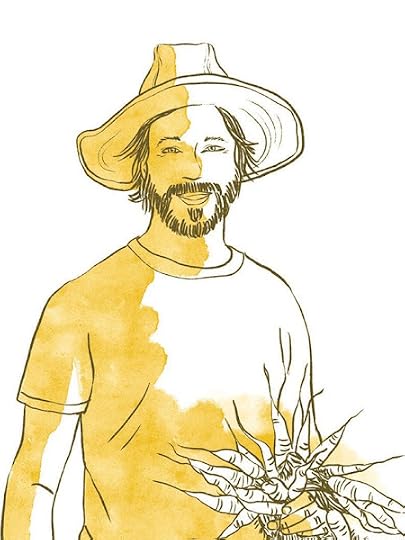
Jean-Martin Fortier is a farmer, educator, and internationally recognized leader in biointensive, human-scale agriculture. Through decades of hands-on growing and teaching, he has helped thousands of growers improve productivity while restoring soil health.
Living Soil is part of the Grower's Guides from the Market Gardener series—practical, visually rich manuals designed to help growers take meaningful steps toward more resilient food systems.
If you want soil that grows stronger—and more productive—every season, this guide shows you where to start.
The Publisher Says: Living Soil: A Grower's Guide offers an illustrated, accessible resource on nurturing resilient crops and ecosystems through fertile, healthy soil. Jean-Martin Fortier shares his proven biointensive methods to help growers understand soil biology, improve fertility, and cultivate lasting abundance. Build and sustain fertile, living soil—the essential foundation for thriving crops—with Jean-Martin Fortier's biointensive techniques.
Living Soil: A Grower's Guide reveals the secrets to creating fertile, healthy soil—an essential foundation for abundant, nutrient-rich harvests. With Jean-Martin Fortier's biointensive methods, gardeners and farmers alike can improve soil health while supporting thriving ecosystems.
This richly illustrated, full-color guide includes:
An overview of "The Market Gardener Method"—a proven formula for small-scale, high-yield farming A deep dive into soil composition, including humus, microbes, and mineral content Simple DIY assessments and advanced tests for understanding soil biology and structure Low and no-till techniques to enhance soil fertility, including composting, mulching, crop rotation, and green manures Strategies for regenerating and sustaining soil over time.
Living Soil is part of the Grower's Guides from the Market Gardener series, offering practical knowledge for all growers. From beginner gardeners to seasoned farmers, these guides equip you with the tools and insights needed to grow sustainably using principles of biointensive, regenerative agriculture on a human scale.
I RECEIVED A DRC FROM THE PUBLISHER VIA EDELWEISS+. THANK YOU.
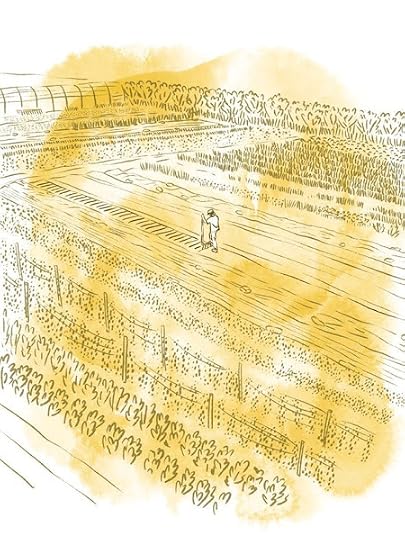
My Review: Author Fortier is the founder of the Market Gardener Institute (www.themarketgardener.com) dedicated to the expansion of sustainable agriculture in all levels of farming and gardening. The entry into the Institute's Market Gardener series is very thorough indeed: ...just to orient you as to what we're going to be reading about. Of course, it always helps to have a face to put with the voice, and a milieu for both: Where we go from here is down. Into the soil, the basic material od all food production. It is something much more important than ever, as our planetary climate shifts in as-yet unpredictable conditions. How much more warming we're going to experience is a large determining factor in how we're going to feed everybody.
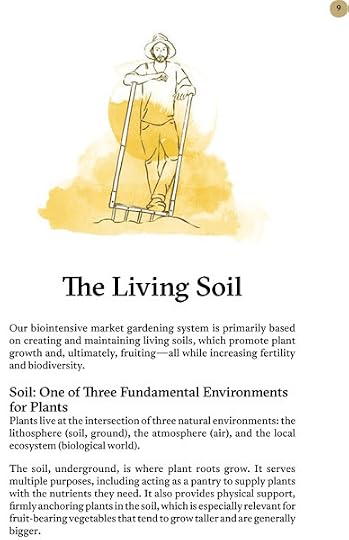
Soil is what we're using to feed them, so learning about it is key. It's also key if you're going to do your own bit to help feed your own near and dear. Here are some examples of what you'll see in this book: