

What do you think?

The Mailman
Once upon a time, waiting for the mail was filled with warm anticipation. But the suicide of the local mailman has left the residents of this tiny Arizona town shell-shocked. Nothing this bad has ever happened here. And now there's a new mail carrier in town, one who's delivering lethal letters stuffed with icy fear. Nothing — not even the most outstanding citizens or the most secret weaknesses — is safe from the sinister power of this malicious mailman...
388 pages, Paperback
First published January 1, 1991
About the author
Bentley Little
134 books2,645 followersBentley Little is an American author of horror fiction. Publishing an average of a novel a year since 1990, Little avoids publicity and rarely does promotional work or interviews for his writing.
Ratings & Reviews
Friends & Following
Create a free account to discover what your friends think of this book!
Community Reviews
Displaying 1 - 30 of 361 reviews

November 28, 2021
I think this mailman is actually my mailman 😹 I can't count how many times I found my mail on the ground or in other neighbor's boxes. As usual, Little brings on the weird from something we deal with every day. There are great moments of tension where you are wondering what is going to happen next. However, this book is lacking that certain buildup and drama I come to expect from Little's writing. Overall, it is still a good read.

May 20, 2020
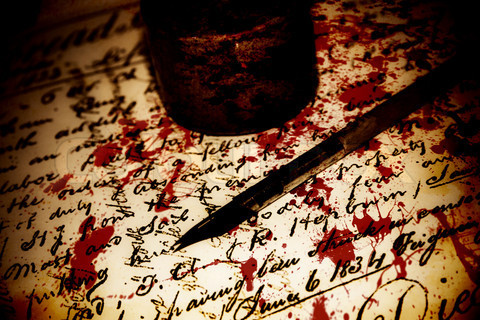
"The sound grew louder. The mailman was chanting something. At first it sounded like a foreign language, so strange and alien were its rhythms and cadences. But, listening closer as he approached, Doug realized that the words of the chant were English.
‘Neither rain nor snow nor sleet nor hail…’
He was chanting the motto of the Postal Service."
Boy was this a fun read! A solid four stars for my first outing with Bentley Little. I'll definitely be picking up another.
This one had serious Needful Things vibes, no bad things as I loved that one. To Little's credit this was published first. Think dark entity arrives in town and proceeds to cause chaos, turning the entire town against one another and you're on the right track. Only this time the supernatural menace is in the form of a mailman as opposed to a shop owner.
The story takes place in a small town in Arizona and centres around Doug Albin, his wife Tritia and their son Billy. Strange things are afoot when the local mailman perishes in a shocking suicide, only for a very creepy replacement to step into his shoes. If you're thinking this leads to mysterious goings on with the daily deliveries then you're not going to be disappointed.
The writing and character development weren't up to Stephen King's exceptionally high standard. So I can't give this one top marks. Stephen King himself described Little as "horror's poet laureate." I think that's going a bit far. However it was a really fun, fast paced read with enough blood and violence thrown into the mix to satisfy my craving for the good stuff.
Little paints the picture of small town horror very well and taps into the societal aspects with a definite degree of intelligence. Everyone knowing each others business and talking about each other as soon as a back is turned. If you like novels like Salem's Lot and the aforementioned Needful Things then this will definitely be up your street.
He also captures childhood and friendship exceedingly well in his portrayal of Billy. The importance of friends and a young person's interpretation of friendship. Don't get me wrong, it's not on the level of Stephen King's It or Robert McCammon's Boys Life, but what else is? There's a lot Little gets right in this book, so credit where it's due.
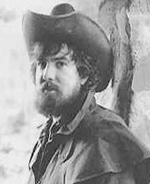
Bentley Little
Little gives a very satirical and dark twist on an every day aspect of our lives. Just make sure you read it before everything ends up electronic and mailmen (sorry mailpeople, 21st century) are a thing of the past. Thoroughly recommend.

January 14, 2011
This was my second time reading Little and I had such a good time that I immediately started to read another right after this one, it wasn’t as successful but now I know for certain that I really like this author and will probably read everything he wrote, his ideas are the good kind of crazy, just what you want in a juicy fictional book that breathes down reality’s neck with an unnerving and steady breeze. The Mailman was something, I wish I could read this again fresh without any prior recollection but it’s great to have this in my book memory library, put away to smile at when I remember reading it. In a place isolated and small enough a lunatic mailman can do actual damage, in this book the concept takes that plunge and manages to make the most ridiculous things realistic enough where I would take a pause thinking, well this COULD happen… and then ick.. how would I react in that case…
For the residents of a small Arizona town the news of their mailman committing suicide was a shock, the only worst thing that happened was his replacement, materialized out of what seemed like plain air the new mailman barely resembles a living creature as his robotic and cold mannerism unnerves more than one resident, one family in particular feels that he’s picking on them, when things are so bizarre that one tires to convince himself that what is happening could not possibly be real the price for lack of faith is high.. the mailman is an enigmatic character that the reader isn’t sure about, is he real or is he part of something supernatural and sinister going on or is everyone’s imagination simply acting up after the funeral? Deaths, warnings, violence, strange bizzaro behavior.. it’s all here deliver right on time with the morning mail, or if you’re unlucky enough at 3am…
I loved the creep factor climbing up my neck because the whole time I felt like something was wrong, that people weren’t imagining their lives being disrupted by something as simple as a mailman, who has never seemed menacing until he appeared in this story. The ending was pretty good even though I would have loved more of a punch but the whole story was great, I had a blast reading it.
Kasia S.
For the residents of a small Arizona town the news of their mailman committing suicide was a shock, the only worst thing that happened was his replacement, materialized out of what seemed like plain air the new mailman barely resembles a living creature as his robotic and cold mannerism unnerves more than one resident, one family in particular feels that he’s picking on them, when things are so bizarre that one tires to convince himself that what is happening could not possibly be real the price for lack of faith is high.. the mailman is an enigmatic character that the reader isn’t sure about, is he real or is he part of something supernatural and sinister going on or is everyone’s imagination simply acting up after the funeral? Deaths, warnings, violence, strange bizzaro behavior.. it’s all here deliver right on time with the morning mail, or if you’re unlucky enough at 3am…
I loved the creep factor climbing up my neck because the whole time I felt like something was wrong, that people weren’t imagining their lives being disrupted by something as simple as a mailman, who has never seemed menacing until he appeared in this story. The ending was pretty good even though I would have loved more of a punch but the whole story was great, I had a blast reading it.
Kasia S.

May 8, 2014
Wicked Little. This is an early one from this ecclectic author. I enjoyed it immensely. Critics refer to Little as Stephen King without a conscious, and this book really exemplifies that assessment. If you like Bentley Little, you will love this book.

June 10, 2024
Yet another hit from the most marvelous, Mr. Little. The Mailman is a riveting rollercoaster ride filled with nonstop suspense, thrills and (of course) relentless nail biting chills.
In the prologue Bentley Little thanks his family "for their problems with the post office." I would like to add my sincere gratitude as well for helping make this spectacularly unputdownable read possible. Highly recommend.
In the prologue Bentley Little thanks his family "for their problems with the post office." I would like to add my sincere gratitude as well for helping make this spectacularly unputdownable read possible. Highly recommend.

May 12, 2017
This is my first Bentley Little novel, but it certainly won't be my last! A quick, smart, and surprisingly bleak horror tale about a small town under siege, The Mailman is one of the finer horror stories I've read lately.
The premise is a simple one: our main characters are Doug, a schoolteacher on summer vacation; his wife, Tritia; and their son, Billy. Peripheral characters are their friends and neighbors, but the focus is on this family — especially Doug . . . and, of course, the titular mailman, a newcomer to town.
This one was published in 1991, and certainly shows its age: characters actually receive letters from relatives (*gasp*!) and totally rely on landlines. Yeah, this one is dated, but that adds to the charm. And despite feeling very early '90s, this story still has relevance today. Being a habitual online shopper, I check the mail religiously and have struck up a sort of friendship with my mail-woman. The mail is a big part of my life, so this novel's magic really worked on me. Little makes something so mundane as mail delivery terrifying!
I enjoyed this one to pieces, and I cannot wait to read Little's other novels. Highly recommended to anyone looking for a fun and exceptionally scary summer read.
The premise is a simple one: our main characters are Doug, a schoolteacher on summer vacation; his wife, Tritia; and their son, Billy. Peripheral characters are their friends and neighbors, but the focus is on this family — especially Doug . . . and, of course, the titular mailman, a newcomer to town.
This one was published in 1991, and certainly shows its age: characters actually receive letters from relatives (*gasp*!) and totally rely on landlines. Yeah, this one is dated, but that adds to the charm. And despite feeling very early '90s, this story still has relevance today. Being a habitual online shopper, I check the mail religiously and have struck up a sort of friendship with my mail-woman. The mail is a big part of my life, so this novel's magic really worked on me. Little makes something so mundane as mail delivery terrifying!
I enjoyed this one to pieces, and I cannot wait to read Little's other novels. Highly recommended to anyone looking for a fun and exceptionally scary summer read.

May 7, 2019
It seems that Bentley Little’s stuff is all very similar. Formulaic.
I have no idea why I enjoy it as much as I do.
But I do.
Well, I guess I do know why. The dude knows how to ratchet up the tension and when the shit inevitably hits the fan, it makes a big splatter.
After the tragic suicide of the town mail carrier, John Smith takes over the route and it doesn’t take long for some irregularities to start cropping up. At first, it’s all good.
And then its not.
And then the good folks of Willis, Arizona start coming to bad ends.
Real bad ends.
Now it's up to, English teacher Doug Albin to find a way to put a cancellation stamp on this sucker.
Just when you think it doesn’t get any worse than piles of junk mail and stacks of bills in the mailbox, here comes The Mailman to go all kinds of postal on you and the entire town.
I have no idea why I enjoy it as much as I do.
But I do.
Well, I guess I do know why. The dude knows how to ratchet up the tension and when the shit inevitably hits the fan, it makes a big splatter.
After the tragic suicide of the town mail carrier, John Smith takes over the route and it doesn’t take long for some irregularities to start cropping up. At first, it’s all good.
And then its not.
And then the good folks of Willis, Arizona start coming to bad ends.
Real bad ends.
Now it's up to, English teacher Doug Albin to find a way to put a cancellation stamp on this sucker.
Just when you think it doesn’t get any worse than piles of junk mail and stacks of bills in the mailbox, here comes The Mailman to go all kinds of postal on you and the entire town.

March 2, 2026
The Mailman was one I went into with higher expectations than usual because I’d heard more than once that this was supposed to be Bentley Little’s crown jewel. After reading a handful of his books already I figured this would be the one that really stood above the rest. For me it didn’t quite hit that level, but I still had a good time with it. The story centers around Doug Albin, a schoolteacher living in a quiet Arizona town with his wife Tritia and their son Billy, and things start going sideways after the town’s longtime mail carrier suddenly kills himself out of nowhere. Not long after, a new guy named John Smith takes over the route and from the beginning he gives off that strange Bentley Little energy where something just feels wrong but nobody can quite explain why. At first the mail actually seems like a blessing. People start receiving unexpected checks, letters from old friends, packages they weren’t expecting, little bits of good fortune showing up in their mailboxes. But it slowly turns darker. Bills stop arriving, which sounds great until the power gets shut off because nothing was actually paid, and then the letters start coming that expose secrets, stir up old grudges, and push people toward some really ugly behavior. The whole town starts unraveling as neighbors turn on each other and long buried things get dragged out into the open, all while this creepy mailman just keeps quietly making his rounds like he’s feeding the chaos. What I liked about it was that compared to some of Bentley’s other books I’ve read this one wasn’t nearly as grotesque or over the top weird, it was more about watching a normal town slowly lose its mind. I also found myself really attached to Doug. He’s just a regular dad trying to hold things together and protect his family while everything around him is falling apart, and that instinct to keep your wife and kid safe when the world suddenly stops making sense felt very real. It’s not a book you really need to overthink or dig too deeply into, it’s more about the ride and watching how quickly things can spiral when something starts poisoning the trust in a community. It may not have ended up being my favorite Bentley Little book, but it was definitely an entertaining one.
November 11, 2015
How to write a Bentley Little novel: 1. Take a common place or occupation. 2. Make it evil.
Places that have already been used: The Night School ("University"), The Town, The Store, The House, The Association, The Resort, The Academy, etc.
Professions that have already been used: The Mailman, The Consultant, The Policy (insurance company), Dispatch (letter writer), etc.
Here's my idea for my Bentley Little inspired novel: The Garbageman! It's about an evil garbageman who takes peoples garbage and then insidiously starts scattering it all over neighborhoods and streets. The Garbageman kills all the other fellow garbagemen, but there is no evidence to prove that he committed such homicidal or littering crimes. He basically just harasses people for over 300 pages until the book comes to an abrupt end. And of course, like any Bentley Little novel, it would be incomplete without the inclusion of an unnecessary passage deliberating on a character's penis (or as Little likes to call it, "rod"). So we include a Chapter in which The Garbageman picks up peoples garbage without pants and with an erection. The story is eventually solved by everyone no longer throwing out trash, they instead recycle! And with this, The Garbageman's garbage spirit withers and dies. The end!
Places that have already been used: The Night School ("University"), The Town, The Store, The House, The Association, The Resort, The Academy, etc.
Professions that have already been used: The Mailman, The Consultant, The Policy (insurance company), Dispatch (letter writer), etc.
Here's my idea for my Bentley Little inspired novel: The Garbageman! It's about an evil garbageman who takes peoples garbage and then insidiously starts scattering it all over neighborhoods and streets. The Garbageman kills all the other fellow garbagemen, but there is no evidence to prove that he committed such homicidal or littering crimes. He basically just harasses people for over 300 pages until the book comes to an abrupt end. And of course, like any Bentley Little novel, it would be incomplete without the inclusion of an unnecessary passage deliberating on a character's penis (or as Little likes to call it, "rod"). So we include a Chapter in which The Garbageman picks up peoples garbage without pants and with an erection. The story is eventually solved by everyone no longer throwing out trash, they instead recycle! And with this, The Garbageman's garbage spirit withers and dies. The end!

May 29, 2021
When the mailman of a small American town commits suicide a replacement appears surprisingly fast. However, once the new mailman begins delivering letters things soon take a sinister turn.
Bentley Little's small town American horror story has similar themes to Stephen King's novel Needful Things. They were both published in the same year, although The Mailman is shorter & not as entertaining. Bentley Little has got some good ideas, but doesn't seem to execute them with the same finesse as King.
Bentley Little's small town American horror story has similar themes to Stephen King's novel Needful Things. They were both published in the same year, although The Mailman is shorter & not as entertaining. Bentley Little has got some good ideas, but doesn't seem to execute them with the same finesse as King.

December 30, 2020
Such random but well-thought-out malevolence was impossible for her to comprehend.
As far as horror novels go, this is one of the more interesting ones I have read in recent years. It’s old-school fare, but it is eerily relevant today.
Manipulation and exploitation of communication?
Fake news?
Sound familiar?
Now, the author does not use these terms here, and it is possible that his intention was never to foreshadow them, but the events in this book are, in many respects, an uncanny prophecy of how media can affect social well-being.
Communication made possible the niceties of modern life, ensured the continuation of society. A breakdown in communication, particularly in this global age when so much depended on the proper relay of correct information, left people feeling lost and helpless, resulting in an arrest of the normal rules of behaviour, paving the road for chaos.
In the author’s acknowledgement he mentions some problems that his family had with the postal service, which presumably served as some form of inspiration for the novel. Now, this may be speculation, but if it’s not then I would be very interested to know what sort of issue could have been so magnitudinous as to have inspired some of the events depicted here. The novel does turn fairly grotesque, and in reviews I have read elsewhere it has been referred to as “bleak”, which is as apt as anything I can think of.
Since the story takes place in a world before internet and e-mail, parallels to modern communication are not immediately apparent, and I am not sure if a story like this could be told using today’s means of communication as basis. No, let me reiterate, it could, but it would be some Science Fiction / Horror / Cyberpunk / Technological Thriller hybrid, I should guess.
But I digress. Back to the review.
Old School Horror with requisite atmospheric and cool cover art. Check.
Premise? New mailman in (small) town. People start dying. Things get weird. Things get nasty. Not too much more to say.
The final say: the story is not particularly fancy, and it takes a while to build up steam, but it certainly gets the job done and it is eerie enough to appeal to most horror fans (I should think).
This is by far the best Bentley Little book I have read, at any rate.
The severed joint seemed suddenly more sinister, invested with a documented past that lent it a decidedly supernatural aura.
3.5 stars
As far as horror novels go, this is one of the more interesting ones I have read in recent years. It’s old-school fare, but it is eerily relevant today.
Manipulation and exploitation of communication?
Fake news?
Sound familiar?
Now, the author does not use these terms here, and it is possible that his intention was never to foreshadow them, but the events in this book are, in many respects, an uncanny prophecy of how media can affect social well-being.
Communication made possible the niceties of modern life, ensured the continuation of society. A breakdown in communication, particularly in this global age when so much depended on the proper relay of correct information, left people feeling lost and helpless, resulting in an arrest of the normal rules of behaviour, paving the road for chaos.
In the author’s acknowledgement he mentions some problems that his family had with the postal service, which presumably served as some form of inspiration for the novel. Now, this may be speculation, but if it’s not then I would be very interested to know what sort of issue could have been so magnitudinous as to have inspired some of the events depicted here. The novel does turn fairly grotesque, and in reviews I have read elsewhere it has been referred to as “bleak”, which is as apt as anything I can think of.
Since the story takes place in a world before internet and e-mail, parallels to modern communication are not immediately apparent, and I am not sure if a story like this could be told using today’s means of communication as basis. No, let me reiterate, it could, but it would be some Science Fiction / Horror / Cyberpunk / Technological Thriller hybrid, I should guess.
But I digress. Back to the review.
Old School Horror with requisite atmospheric and cool cover art. Check.
Premise? New mailman in (small) town. People start dying. Things get weird. Things get nasty. Not too much more to say.
The final say: the story is not particularly fancy, and it takes a while to build up steam, but it certainly gets the job done and it is eerie enough to appeal to most horror fans (I should think).
This is by far the best Bentley Little book I have read, at any rate.
The severed joint seemed suddenly more sinister, invested with a documented past that lent it a decidedly supernatural aura.
3.5 stars

August 5, 2024
This is probably my favourite Little novel that I've read so far. His formula is in full effect, but it worked very well for me here. It's full of the kinds of demented ideas that I've come to appreciate from Little, as well as his darkly humorous satire, and also serves as a great entry in the small town horror, corner of things. The idea is so ridiculous, and yet somehow Little makes his gleefully wicked antagonist feel legitimately threatening, and we get a great many brutal deaths and truly disturbing moments and scenes. Too bad this wasn't made into a glorious 90's horror movie.

May 13, 2022
This was absolutely ridiculous 😂 It’s about an evil mailman, and at one point he was seen by our main character on a mountain top in the middle of the night, dressed in black, and was ritualistically dancing and chanting to the sky, “neither rain nor snow nor sleet nor hail…”. 😂😂😂😂
However, it was also very perverse and messed up. Lots of disturbing and violent imagery. I’ll post TWs to Storygraph as usual, but it features the following:
Violent rape, suicide, body horror+blood and gore, sexually violence against children, animal cruelty/death, infant death (imagery at the end), war crimes, and just in general weird sex stuff and innuendoes.
All in all, it was about what I was expecting with Little. I’ve seen him described as Stephen King without a conscience, and I think that’s accurate with this book.
However, it was also very perverse and messed up. Lots of disturbing and violent imagery. I’ll post TWs to Storygraph as usual, but it features the following:
Violent rape, suicide, body horror+blood and gore, sexually violence against children, animal cruelty/death, infant death (imagery at the end), war crimes, and just in general weird sex stuff and innuendoes.
All in all, it was about what I was expecting with Little. I’ve seen him described as Stephen King without a conscience, and I think that’s accurate with this book.

July 11, 2022
3.5 stars. The most boring family in the entire world battles an excessively pale, red-headed mailman with way too much time on his evil little freckled hands. And yet somehow, the whole thing kind of worked—I was often genuinely creeped out by the sinister, malevolent mailman, and I enjoyed the campier elements as well, such as the post office posters for new stamps commemorating the anniversaries of such delightful and beneficial inventions as the guillotine and the hydrogen bomb. I was also a big fan of the part where said mailman was up on an isolated hilltop performing some sort of dark ceremony, dancing around like a maniac, flailing his scrawny ginger arms in the air like he just didn’t care, all while chanting the Postal Service motto. Too cute!
Anyway, this thing was partly campy, partly a truly scary horror novel, and I found that, by the end, I was pretty caught up in the story, anxious to see what would happen, to find out if the mailman could ever be stopped by the remaining inhabitants of the small town he was relentlessly, sadistically preying on. So, even though it was super slow to start, and the main family was blander than day old shit, it was definitely a worthwhile read overall.
Anyway, this thing was partly campy, partly a truly scary horror novel, and I found that, by the end, I was pretty caught up in the story, anxious to see what would happen, to find out if the mailman could ever be stopped by the remaining inhabitants of the small town he was relentlessly, sadistically preying on. So, even though it was super slow to start, and the main family was blander than day old shit, it was definitely a worthwhile read overall.

March 31, 2019
The suburbs are far weirder and more extreme than they look, as the most mundane thing ever (recieving mail) is the catalyst for a societal breakdown in the face of a supernatural terror. Little's imaginative take on horror tropes are unmatched. The Mailman is wild fun.

October 19, 2016
A remarkably affable whack job of a horror novel. Doesn't reach the giddy absurdity of which Little is capable, but it's solid fun and a fast read.

February 8, 2018
Stephen King once said that his work was the literary equivalent of a Big Mac and Fries.* If that's an accurate measure of his fiction, then Bentley Little is the toy that comes with the Happy Meal--pointless, joyless, and cheap.
I don't want to spend too much time on this review since I already gave WAY too much time to THE MAILMAN, so I'll just bullet out my spoiler-free complaints:
1. I really hated the main characters: Doug The Man of Impotent Rage and Trish the Shrew.
2. NOTHING happens in this book. It is empty. It is just a bunch of moving images.
3. This book requires a complete suspension of disbelief, wherein Disbelief is shot, stabbed, and placed into a trunk of a car which is then set on fire and sent over a cliff into a pit that is then filled with cement that is used as a foundation for a home for lepers. In return for abandoning all you know about how people act and communicate in the real world, you get NOTHING. A big heaping, fly-ridden NOTHINGBURGER. Enjoy your NOTHING.
4. OK, SPOILERISH--the crazy baddie is basically just as impotent as Doug. The absolute worst thing the Mailman did in the entire book was get me to read it. And even then, I could have just closed the book. so I'm worse than the Mailman.
5. Little writes like he is a slave to tedium.
6. I hate this book.
7. I will never read anything else by Little.
So this was strike three for me with Little. I read THE CIRCLE and tried to read THE RETURN and I cannot understand how anyone can be a Bentley Little fan. Sorry if you are. This of course isn't a judgment on you. I'm sure you are a wonderful person in every way, and we can talk about our love of reading and ice cream, but we can never ever agree on anything worthwhile about Bentley Little's books. I'm not seeing it.
And good on you, Bentley Little, for having a career as a published author that I can only dream of having. You've found your thing and your set of fans who like your thing and that's all good.
I bid good day to you.
*I don't agree with King's assessment of his work, I was just providing a measuring device.
I don't want to spend too much time on this review since I already gave WAY too much time to THE MAILMAN, so I'll just bullet out my spoiler-free complaints:
1. I really hated the main characters: Doug The Man of Impotent Rage and Trish the Shrew.
2. NOTHING happens in this book. It is empty. It is just a bunch of moving images.
3. This book requires a complete suspension of disbelief, wherein Disbelief is shot, stabbed, and placed into a trunk of a car which is then set on fire and sent over a cliff into a pit that is then filled with cement that is used as a foundation for a home for lepers. In return for abandoning all you know about how people act and communicate in the real world, you get NOTHING. A big heaping, fly-ridden NOTHINGBURGER. Enjoy your NOTHING.
4. OK, SPOILERISH--the crazy baddie is basically just as impotent as Doug. The absolute worst thing the Mailman did in the entire book was get me to read it. And even then, I could have just closed the book. so I'm worse than the Mailman.
5. Little writes like he is a slave to tedium.
6. I hate this book.
7. I will never read anything else by Little.
So this was strike three for me with Little. I read THE CIRCLE and tried to read THE RETURN and I cannot understand how anyone can be a Bentley Little fan. Sorry if you are. This of course isn't a judgment on you. I'm sure you are a wonderful person in every way, and we can talk about our love of reading and ice cream, but we can never ever agree on anything worthwhile about Bentley Little's books. I'm not seeing it.
And good on you, Bentley Little, for having a career as a published author that I can only dream of having. You've found your thing and your set of fans who like your thing and that's all good.
I bid good day to you.
*I don't agree with King's assessment of his work, I was just providing a measuring device.

April 23, 2012
The mail.
Such an ordinary, everyday thing. Something we often take for granted in today's digitized, electronic society, in which the daily mail is merely one of many ways to communicate, pay bills, arrange clandestine trysts, express sadness or remorse or comfort to loved ones and friends.
Today, a person could conceivably cut the daily mail out of their lives entirely, preferring to communicate largely by email, or pay their bills via phone or the Internet.
But what about a mere twenty-years ago?
A lifetime for those of the youngest generation, but for most of us, a time easily remembered when the mail was perhaps the biggest event of the day. Especially in small towns, when the mailman was a familiar, comforting cornerstone of small town life.
So imagine a small town in Arizona. Where the mail has been co-opted by an outsider, a strange-looking man with pale skin, a sick smile, and an eerie knowledge of everyone's fears and secrets. Imagine how the mail changes, as townspeople receive strange letters from distant relatives and friends either long since passed from their lives...or long since dead, for that matter. Imagine the threads of paranoia weaving through an isolated town cut-off from the outside world, as the mail itself seems to become a living, breathing, sentient thing.
Knowing everyone's secrets. Pushing their buttons, turning neighbors against each other. While the new mailman sits in a slowly deteriorating post office, like a spider in its web, playing everyone like personal chess pieces, moving them here and there, back and forth...with the daily mail.
Bentley Little's The Mailman, reprinted in a deluxe, 20th Anniversary Edition by Cemetery Dance, is the best kind of horror: something comforting and familiar, twisted into a dark, shadowed version of itself. On the outset, the concept may seem a little ridiculous - that an evil mailman could slowly corrupt and take over a town - but it works splendidly, because it plucks an age-old chord: that evil is usually invited. Usually welcomed and allowed to grow strong.
And in this novel, reading a letter is more than just enjoying correspondence: it's invitation. Acceptance. And once something dark and twisted is allowed entrance into our lives, it burrows and digs deep, refusing to let go without dreadful consequence.
Such an ordinary, everyday thing. Something we often take for granted in today's digitized, electronic society, in which the daily mail is merely one of many ways to communicate, pay bills, arrange clandestine trysts, express sadness or remorse or comfort to loved ones and friends.
Today, a person could conceivably cut the daily mail out of their lives entirely, preferring to communicate largely by email, or pay their bills via phone or the Internet.
But what about a mere twenty-years ago?
A lifetime for those of the youngest generation, but for most of us, a time easily remembered when the mail was perhaps the biggest event of the day. Especially in small towns, when the mailman was a familiar, comforting cornerstone of small town life.
So imagine a small town in Arizona. Where the mail has been co-opted by an outsider, a strange-looking man with pale skin, a sick smile, and an eerie knowledge of everyone's fears and secrets. Imagine how the mail changes, as townspeople receive strange letters from distant relatives and friends either long since passed from their lives...or long since dead, for that matter. Imagine the threads of paranoia weaving through an isolated town cut-off from the outside world, as the mail itself seems to become a living, breathing, sentient thing.
Knowing everyone's secrets. Pushing their buttons, turning neighbors against each other. While the new mailman sits in a slowly deteriorating post office, like a spider in its web, playing everyone like personal chess pieces, moving them here and there, back and forth...with the daily mail.
Bentley Little's The Mailman, reprinted in a deluxe, 20th Anniversary Edition by Cemetery Dance, is the best kind of horror: something comforting and familiar, twisted into a dark, shadowed version of itself. On the outset, the concept may seem a little ridiculous - that an evil mailman could slowly corrupt and take over a town - but it works splendidly, because it plucks an age-old chord: that evil is usually invited. Usually welcomed and allowed to grow strong.
And in this novel, reading a letter is more than just enjoying correspondence: it's invitation. Acceptance. And once something dark and twisted is allowed entrance into our lives, it burrows and digs deep, refusing to let go without dreadful consequence.

January 15, 2013
I love Bentley Little novels and this one is no exception. It was creepy and eerie and a bit suspenseful..everything a good horror novel should be. The plot was a stretch--but it's fiction after all, so a supernatural mailman is perfectly okay! This was not my favorite Bentley Little novel, but I enjoyed reading it and would recommend it to horror fans.
July 8, 2024
I was kinda obsessed with finding out what was the deal on this psycho mailman. The town I could visualize along with everyone in it. 2 parts where I was legit creeped out and anxious for the character. Which is not an easy feat for me! Recommending for anyone who loves small town mailman drama.

August 27, 2018
Creepy!!!!

March 15, 2011
This was considerably more fun that anticipated, more fun that previously read (inexplicably Bram Stocker winning) Revelations would have expectations set up to be. Little took an every day innocuous mindless really act of receiving mail to a very horrifying level. That's pretty awesome to me, turning mundane into frightening. Apparently Philly's post offices (with exception of the very excellent Q.V. one) are nothing comparing to the horrors of postal situation in a small town Arizona, where for one summer going to the mailbox has become a very dangerous proposition. Good writing and pacing, very quick and entertaining read. Recommended.

July 2, 2021
Bentley Little has done it for me again, with this small town horror story about one of the most benign, unthought of people in your life: The Mailman.
Your postal official knows more about you than anyone - they know when your birthday is, which banks you use, if you have the IRS or collection agencies after you, how often you order online, what holidays you observe, what charities you donate to … and sometimes they know your past, who is in your life (or out of it) and how to turn your world upside down.
The town of Willis, Arizona, is left reeling when their friendly and beloved mailman is found dead of suicide. Nobody can imagine how such a happy man seemed to suddenly decide to take his own life. Faster than they expected, he was replaced by John Smith, a pale young redhead who creeps everyone out - until their mail changes. There were no more bills, no more junk mail, but lots of good news and letters from long-lost friends and family.
The Albin family is one of the families who are still in shock at all the good fortune coming their way. The summer looks like it’s going to be a great one, and while something about the new mailman seems off, they ignore him as much as possible. Soon though, their lives, along with everyone’s in town, are thrown into chaos as their utilities keep turning off, the letters they keep getting made a distinct change for the worse, the nightmares begin, and people start dying.
While the plots are completely different, this book reminded me of Stephen King’s “Needful Things” in that the mailman is able to easily turn everyone in Willis against each other. As he watches his town unravel, Doug Albin decides to go a trusted friend at the police department, and though his theories are wild, the two men work together to find out who John Smith is, and if it’s no coincidence that the town’s troubles started right after his arrival.
Bentley Little’s unique writing style is alive and well in this novel, and it’s another of his I’m happy to rate an easy four stars, leaning towards 4.5. There were a couple parts that got cheesy, even for a horror story, and it wasn’t quite as suspenseful as others of his, but it was still an excellent read. You may not ever look at your mailman the same again … and if you hear them chanting “neither rain, nor snow nor sleet nor hail…”, it’s time to run.
Your postal official knows more about you than anyone - they know when your birthday is, which banks you use, if you have the IRS or collection agencies after you, how often you order online, what holidays you observe, what charities you donate to … and sometimes they know your past, who is in your life (or out of it) and how to turn your world upside down.
The town of Willis, Arizona, is left reeling when their friendly and beloved mailman is found dead of suicide. Nobody can imagine how such a happy man seemed to suddenly decide to take his own life. Faster than they expected, he was replaced by John Smith, a pale young redhead who creeps everyone out - until their mail changes. There were no more bills, no more junk mail, but lots of good news and letters from long-lost friends and family.
The Albin family is one of the families who are still in shock at all the good fortune coming their way. The summer looks like it’s going to be a great one, and while something about the new mailman seems off, they ignore him as much as possible. Soon though, their lives, along with everyone’s in town, are thrown into chaos as their utilities keep turning off, the letters they keep getting made a distinct change for the worse, the nightmares begin, and people start dying.
While the plots are completely different, this book reminded me of Stephen King’s “Needful Things” in that the mailman is able to easily turn everyone in Willis against each other. As he watches his town unravel, Doug Albin decides to go a trusted friend at the police department, and though his theories are wild, the two men work together to find out who John Smith is, and if it’s no coincidence that the town’s troubles started right after his arrival.
Bentley Little’s unique writing style is alive and well in this novel, and it’s another of his I’m happy to rate an easy four stars, leaning towards 4.5. There were a couple parts that got cheesy, even for a horror story, and it wasn’t quite as suspenseful as others of his, but it was still an excellent read. You may not ever look at your mailman the same again … and if you hear them chanting “neither rain, nor snow nor sleet nor hail…”, it’s time to run.

July 12, 2021
Trigger warnings: poisoned dogs, sexual abuse of children, gorey rape, suicide.
All of the gore is off screen, and we only see the outcome after the fact. It's a slow story which I'm perfectly fine with, but the lame ending ruined it. I think the premise would make an interesting "Are You Afraid of the Dark?" episode, but it definitely needs a better ending.
I'm ok accepting a supernatural element, but the hardest stretch for me was how the town behaved. I feel like the protagonist is an angry man without common sense. People are dying, and something supernatural is going on with the sinister mailman. So let's leave the kid home alone, sounds like a great idea.
I wouldn't reread the book, but I might try another from the author. Hopefully one without animal harm.
All of the gore is off screen, and we only see the outcome after the fact. It's a slow story which I'm perfectly fine with, but the lame ending ruined it. I think the premise would make an interesting "Are You Afraid of the Dark?" episode, but it definitely needs a better ending.
I'm ok accepting a supernatural element, but the hardest stretch for me was how the town behaved. I feel like the protagonist is an angry man without common sense. People are dying, and something supernatural is going on with the sinister mailman. So let's leave the kid home alone, sounds like a great idea.
I wouldn't reread the book, but I might try another from the author. Hopefully one without animal harm.

February 16, 2019
3, maybe 3.5. Roundabout there.
This is the novel that folks have told me to read when they've read my reviews of Bentley Little. The Little Novel, as it were. Little to me is something of a conundrum. My first taste of his fiction, The Store, I liked. I liked the strange imagery blended with visceral horror, and I liked the sense that underneath it all he wasn't so much a horror author but a satirist, one who punctuated his jokes with gore and suffering. Bentley Little might just be the reductio ad absurdum of the old Mel Brooks line (I'm paraphrasing) about cutting your hand being a tragedy, while you falling down an open sewer and dying being a comedy. The whole slant of the novel, which on the surface read was about a demonic department store destroying the fabric of a small town, felt a bit like a mockery of the new America, the new American family, the new American male, and the new American cowardice: our belief in authority, in truth, in things working out if we just wait the weird long enough.
As I read more by him, though, it soured. The template repeated. The "joke" was the same. Family man loses control of the situation (and his family and - largely metaphorically, though I doubt always - his penis) as some everyday instance, some new fact of American life, is perverted and twisted and embiggened until it is a caricature of our new fears, a breathing demonic form of our existential dread in dealing with the day to day existing in this world with its plastic and neon and television adverts and 401ks. His visceral glee has punch, has power, but it traps itself in certain patterns, certain themes.
Thus, The Mailman, The Little Novel, the one that would perhaps open up my eyes. And, truth be told, it is my favorite Bentley Little novel. The central conceit is strikingly brilliant - even if it had ceased to be as viable a few years after the novel was written, and was perhaps not as viable as it seemed even when the novel was written: what does a small, somewhat isolated town do when someone/something completely alters the mail? Bills and important letters go missing. In its place, is mail that carries a darker tone, nearly subtle at first, increasingly warped and depraved over time. Letters from neighbors carry threats, terrible secrets, sexual perversions. Letters from colleagues revel in disdain, spew hate, belittle (ha, pun!), and wound. Dead relatives send horrid pictures (or show up, piece by piece). Loved ones tell you they despise you. The entire flow of information becomes the plaything of a single, seemingly innocuous figure: the mailman.
Nowadays you could substitute social media, and experiments conducted where Facebook ok'd some folks getting more negative news and some getting more positive. Or parallels in state censorship, Agitprop. Twitter bots. Et cetera.
In the midst of this, you factor a certain ineffectiveness of authority, a certain holding to company line, a failure of those in charge to be in charge when things don't run themselves, a distrust of those nearest you. In other words, you expose the machine and all its gears and cogs and rules and instructions as a blind idiot god merely dancing to the mad piping of flutes as the little people - the ones who have to worship it and pray to it and feed it with their flesh and time to survive - are forced to emulate a world in which said machine is real, has power, and has meaning. The machine becomes a fiction, a madman fantasy, and the faith in it drives those underneath into a widening gyre. This is the satire that I sense, however correctly or incorrectly, boiling inside of Little's fiction. A great Kafka-esque joke that you cannot even laugh at, a Dionysian comedy full of angry wine and shouts and blood.
Just look at the "solution" to the problem of this novel, the fighting back against the evil, and dance with joy at its simple inanity and delightful brilliance; its message of the people and the rejection of the machine.
The weakness, though, is in the pattern that Little weaves. The reliance on easy triggers. The repetition of certain punches. Though less present here than in other things I have read by him, this novel again evokes the spectre of castration, the reduction of the modern male into a dickless thing (see, among other places, the man character's despair that he cannot be there when his son needs him, and how the wife must make up his lacks, and why this means children are drawn to their mother for protection). This novel so overuses gory child rape that it almost starts normalizing the shock. Sexual violence, in general, is too easy a tool, here, and even Little's attempts to make particularly violent does not save it from a sense of cheapness. Suicides with brains splattered: why stop at one? Why cut open one young woman when you cut up multiples? Going to kill a dog, kill several! Rinse! Repeat!
If you told me Little was trying to bash these cookie cutter shocks into the readers' brains until they ceased to have meaning, that this was a dive into a surreal Grand Guignol where the audience's own inability to continue engaging in the horror was the true horror, I'd nearly believe it. Even in the scope of a single book, the hits keep falling into the same old pigeonholes. Across several books, the patterns continue. It becomes very nearly neoclassical in its mathematics, its use of structure, the Bentley Little alphabet of betrayal (by us, by the system, by the minimum wage workers and middle management that should help us to feel empowered).
The savior of these novels is the sheer glee in which the aforementioned everyday [perverted, exploded, corrupted] thing is displayed, the skewed take on officious, smiling drones in the capitalist world. Even if one grows a little tired of his unhelpful, uniformed-and-nametag-wearing entities acting as masks for demonic powers, one can appreciate the artistic stroke that makes those little smiles, those little pitying comments, those appeals to page after page of official policy, those refusals to check the back to see if some sweater you really want is there or not...into something so sinister. Our everyday world is plagued by interactions with folks we slot into easy categories, we associate with their jobs and their stations, that we turn into automatons and targets for our disdain, targets for our ire and our own sense of failure when the machine does not give us our perceived due, when it makes us struggle against it. Little just turns that up a notch, says that we are right to see them as The Other (though usually it is simpler than that, they are other people, with other lives, and they in turn see us as equally fitting into slots: the bitchy customer, the unsatisfied tool, the paycheck). Their failure to respond to your potency, to bring you your steak, to give you extra towels in a timely fashion, to deliver your mail: in Little's world, this is the true evil. And it is up to us to stop them. Bless.
At any rate, this novel has a Chekov's grammar lesson in it...so it has that going for it.
This is the novel that folks have told me to read when they've read my reviews of Bentley Little. The Little Novel, as it were. Little to me is something of a conundrum. My first taste of his fiction, The Store, I liked. I liked the strange imagery blended with visceral horror, and I liked the sense that underneath it all he wasn't so much a horror author but a satirist, one who punctuated his jokes with gore and suffering. Bentley Little might just be the reductio ad absurdum of the old Mel Brooks line (I'm paraphrasing) about cutting your hand being a tragedy, while you falling down an open sewer and dying being a comedy. The whole slant of the novel, which on the surface read was about a demonic department store destroying the fabric of a small town, felt a bit like a mockery of the new America, the new American family, the new American male, and the new American cowardice: our belief in authority, in truth, in things working out if we just wait the weird long enough.
As I read more by him, though, it soured. The template repeated. The "joke" was the same. Family man loses control of the situation (and his family and - largely metaphorically, though I doubt always - his penis) as some everyday instance, some new fact of American life, is perverted and twisted and embiggened until it is a caricature of our new fears, a breathing demonic form of our existential dread in dealing with the day to day existing in this world with its plastic and neon and television adverts and 401ks. His visceral glee has punch, has power, but it traps itself in certain patterns, certain themes.
Thus, The Mailman, The Little Novel, the one that would perhaps open up my eyes. And, truth be told, it is my favorite Bentley Little novel. The central conceit is strikingly brilliant - even if it had ceased to be as viable a few years after the novel was written, and was perhaps not as viable as it seemed even when the novel was written: what does a small, somewhat isolated town do when someone/something completely alters the mail? Bills and important letters go missing. In its place, is mail that carries a darker tone, nearly subtle at first, increasingly warped and depraved over time. Letters from neighbors carry threats, terrible secrets, sexual perversions. Letters from colleagues revel in disdain, spew hate, belittle (ha, pun!), and wound. Dead relatives send horrid pictures (or show up, piece by piece). Loved ones tell you they despise you. The entire flow of information becomes the plaything of a single, seemingly innocuous figure: the mailman.
Nowadays you could substitute social media, and experiments conducted where Facebook ok'd some folks getting more negative news and some getting more positive. Or parallels in state censorship, Agitprop. Twitter bots. Et cetera.
In the midst of this, you factor a certain ineffectiveness of authority, a certain holding to company line, a failure of those in charge to be in charge when things don't run themselves, a distrust of those nearest you. In other words, you expose the machine and all its gears and cogs and rules and instructions as a blind idiot god merely dancing to the mad piping of flutes as the little people - the ones who have to worship it and pray to it and feed it with their flesh and time to survive - are forced to emulate a world in which said machine is real, has power, and has meaning. The machine becomes a fiction, a madman fantasy, and the faith in it drives those underneath into a widening gyre. This is the satire that I sense, however correctly or incorrectly, boiling inside of Little's fiction. A great Kafka-esque joke that you cannot even laugh at, a Dionysian comedy full of angry wine and shouts and blood.
Just look at the "solution" to the problem of this novel, the fighting back against the evil, and dance with joy at its simple inanity and delightful brilliance; its message of the people and the rejection of the machine.
The weakness, though, is in the pattern that Little weaves. The reliance on easy triggers. The repetition of certain punches. Though less present here than in other things I have read by him, this novel again evokes the spectre of castration, the reduction of the modern male into a dickless thing (see, among other places, the man character's despair that he cannot be there when his son needs him, and how the wife must make up his lacks, and why this means children are drawn to their mother for protection). This novel so overuses gory child rape that it almost starts normalizing the shock. Sexual violence, in general, is too easy a tool, here, and even Little's attempts to make particularly violent does not save it from a sense of cheapness. Suicides with brains splattered: why stop at one? Why cut open one young woman when you cut up multiples? Going to kill a dog, kill several! Rinse! Repeat!
If you told me Little was trying to bash these cookie cutter shocks into the readers' brains until they ceased to have meaning, that this was a dive into a surreal Grand Guignol where the audience's own inability to continue engaging in the horror was the true horror, I'd nearly believe it. Even in the scope of a single book, the hits keep falling into the same old pigeonholes. Across several books, the patterns continue. It becomes very nearly neoclassical in its mathematics, its use of structure, the Bentley Little alphabet of betrayal (by us, by the system, by the minimum wage workers and middle management that should help us to feel empowered).
The savior of these novels is the sheer glee in which the aforementioned everyday [perverted, exploded, corrupted] thing is displayed, the skewed take on officious, smiling drones in the capitalist world. Even if one grows a little tired of his unhelpful, uniformed-and-nametag-wearing entities acting as masks for demonic powers, one can appreciate the artistic stroke that makes those little smiles, those little pitying comments, those appeals to page after page of official policy, those refusals to check the back to see if some sweater you really want is there or not...into something so sinister. Our everyday world is plagued by interactions with folks we slot into easy categories, we associate with their jobs and their stations, that we turn into automatons and targets for our disdain, targets for our ire and our own sense of failure when the machine does not give us our perceived due, when it makes us struggle against it. Little just turns that up a notch, says that we are right to see them as The Other (though usually it is simpler than that, they are other people, with other lives, and they in turn see us as equally fitting into slots: the bitchy customer, the unsatisfied tool, the paycheck). Their failure to respond to your potency, to bring you your steak, to give you extra towels in a timely fashion, to deliver your mail: in Little's world, this is the true evil. And it is up to us to stop them. Bless.
At any rate, this novel has a Chekov's grammar lesson in it...so it has that going for it.

October 1, 2024
I LOVED this story

November 2, 2015
Check out this and other reviews on my blog, Here's to Happy Endings!
I'm taking a break from my usual young adult genre reviews to review a book that has been a favorite of mine for years.
Ever since I was little I had a strange obsession with horror movies, and as I got older, I realized that while horror movies are a treat, books in the horror genre are always twice as good. When I stumbled upon Bentley Little's strange and twisted talent many years ago, I felt like jumping for joy - here was a fantastic writer with quite a talent for embracing the strange, creepy, and downright terrifying in a way that makes you wanting more.
The first day of summer is always enjoyable for both children and adults alike...and in a small town in Arizona, this is no different. However, a horrible tragedy strikes, leaving the town without a mailman - until the new one shows up. A bit strange in appearance and personality, the residents of the town don't think much of it - until odd things begin happening. First, the people in the town begin getting letters from people they haven't heard from in years. Then mail begins getting mixed up - and letters with some not-so-nice contents end up causing arguments among the recipients. Bills stop being delivered - and this results in power, water, and phone lines being shut off. Finally, some of the residents of the town notice some very strange things being sent to them via the mail...and they have had some bizarre interactions with the mailman that will make you want to leave the lights on if you're reading this book before bedtime.
The plot of The Mailman seems kind of simple, but there is so much going on in this book that there isn't a single moment of boredom. The pacing is pretty fast, and it's one of those books where you will keep saying "Just one more chapter!" and find yourself still awake at four in the morning reading. It's just so easy to become absorbed in this nail-biting, truly chilling
I have read this book so many times...at least seven or eight now, and it never gets old. I'm pretty sure the first time I read this I was like ten or eleven (and had probably read a great deal of the books already on my mom's bookshelf), so of course, as I got older, I had to own a copy of it for myself (I have the paperback and Kindle versions of it). For a while, this book was kind of tough to track down. It was originally published in 1991 by Signet, but had been out of print for a while before Cemetery Dance Publications picked it up again. I have the original version, of course, but the newer version has a nice, spruced up cover that looks pretty nice. It's pretty cheap on Kindle, too...so if you're reluctant to try out his writing, that's a great way to give this fantastic author a chance!
Bentley Little is truly a master of horror. He knows how to write deliciously terrifying stories that would make other writers cringe at the mere thought of. Out of all of the Bentley Little books I've read over the years (and there are a lot), The Mailman remains a personal favorite (as well as The Association and The Store - check those out, too). Just keep in mind that this isn't YA horror in the slightest...and it isn't for those with a weak stomach, either.
Sure, it deals with some twisted content (actually, some downright messed up stuff), but if you aren't one for minding this type of writing, and you like horror, than this is one that you absolutely need on your shelf.
I'm taking a break from my usual young adult genre reviews to review a book that has been a favorite of mine for years.
Ever since I was little I had a strange obsession with horror movies, and as I got older, I realized that while horror movies are a treat, books in the horror genre are always twice as good. When I stumbled upon Bentley Little's strange and twisted talent many years ago, I felt like jumping for joy - here was a fantastic writer with quite a talent for embracing the strange, creepy, and downright terrifying in a way that makes you wanting more.
The first day of summer is always enjoyable for both children and adults alike...and in a small town in Arizona, this is no different. However, a horrible tragedy strikes, leaving the town without a mailman - until the new one shows up. A bit strange in appearance and personality, the residents of the town don't think much of it - until odd things begin happening. First, the people in the town begin getting letters from people they haven't heard from in years. Then mail begins getting mixed up - and letters with some not-so-nice contents end up causing arguments among the recipients. Bills stop being delivered - and this results in power, water, and phone lines being shut off. Finally, some of the residents of the town notice some very strange things being sent to them via the mail...and they have had some bizarre interactions with the mailman that will make you want to leave the lights on if you're reading this book before bedtime.
The plot of The Mailman seems kind of simple, but there is so much going on in this book that there isn't a single moment of boredom. The pacing is pretty fast, and it's one of those books where you will keep saying "Just one more chapter!" and find yourself still awake at four in the morning reading. It's just so easy to become absorbed in this nail-biting, truly chilling
I have read this book so many times...at least seven or eight now, and it never gets old. I'm pretty sure the first time I read this I was like ten or eleven (and had probably read a great deal of the books already on my mom's bookshelf), so of course, as I got older, I had to own a copy of it for myself (I have the paperback and Kindle versions of it). For a while, this book was kind of tough to track down. It was originally published in 1991 by Signet, but had been out of print for a while before Cemetery Dance Publications picked it up again. I have the original version, of course, but the newer version has a nice, spruced up cover that looks pretty nice. It's pretty cheap on Kindle, too...so if you're reluctant to try out his writing, that's a great way to give this fantastic author a chance!
Bentley Little is truly a master of horror. He knows how to write deliciously terrifying stories that would make other writers cringe at the mere thought of. Out of all of the Bentley Little books I've read over the years (and there are a lot), The Mailman remains a personal favorite (as well as The Association and The Store - check those out, too). Just keep in mind that this isn't YA horror in the slightest...and it isn't for those with a weak stomach, either.
Sure, it deals with some twisted content (actually, some downright messed up stuff), but if you aren't one for minding this type of writing, and you like horror, than this is one that you absolutely need on your shelf.

October 6, 2011
If there is author of Horror that I really feel confortable reading is Bentley Little. This was the sixth book I read. The Association and The Colection are two of my favourite horror books.
Well, if you read any of his books this one follows that thread. Bently Little uses a thing/person of everday and turns it into a evil thing. The association was one of those things. Who could thing a house association could be so evil.
All his ideas, the ones I read, are far different from other horror writers. And that's what so interesting about him. I think in a way he is gem. An hidden gem for that matter.
As you read this novel about this mailman you understand that this is fiction personage but it could happen. Well Maybe. It's realistic enough.
The story begins with the arrival of a new mailman because the last one has commited suicide to the disbelief of everyone. The new mailman (until the very end) you can't understand what he is. I think that's the best part of the novel. From the beginning to the end is an enigmatic character that make you think if he is real or supernatural. From the first moment on he begins to torment all residents, first with only good things on the mail changing to only bad mails at odd hours and other things... As you turn the pages the creeping sensation on your neck begins to rise until the climax at the final confrontation.
The main character and it's family are quite good characters each with it's problems with the mailman and themselves. That gave something more. This was one of the creepiest books I've read.
Well, if you read any of his books this one follows that thread. Bently Little uses a thing/person of everday and turns it into a evil thing. The association was one of those things. Who could thing a house association could be so evil.
All his ideas, the ones I read, are far different from other horror writers. And that's what so interesting about him. I think in a way he is gem. An hidden gem for that matter.
As you read this novel about this mailman you understand that this is fiction personage but it could happen. Well Maybe. It's realistic enough.
The story begins with the arrival of a new mailman because the last one has commited suicide to the disbelief of everyone. The new mailman (until the very end) you can't understand what he is. I think that's the best part of the novel. From the beginning to the end is an enigmatic character that make you think if he is real or supernatural. From the first moment on he begins to torment all residents, first with only good things on the mail changing to only bad mails at odd hours and other things... As you turn the pages the creeping sensation on your neck begins to rise until the climax at the final confrontation.
The main character and it's family are quite good characters each with it's problems with the mailman and themselves. That gave something more. This was one of the creepiest books I've read.
This entire review has been hidden because of spoilers.

May 24, 2022
Doug, Tritia and their son Billy were an ordinary family in an ordinary small town. Their little slice of Heaven quickly grows rotten when their dear friend and local mailman commits suicide out of the blue. The new mailman in town doesn't show up as a simple replacement, he's here to weave chaos, evil and malice between friends and neighbors in the most seemingly innocent way possible: delivering the mail. Every envelope is filled with dark and bloody secrets that could destroy the peaceful town from the inside out.
Bentley Little takes the simple concept of a creepy mailman and turns it into a chilling supernatural thriller with heart-wrenching family drama and small town horror slowly spiraling out of control thanks to the influence of a peculiar force of nature. Gossip and superstition paired with dark memories can go a long way when it comes to planting seeds of chaos. The suspension, madness and skeletons spilling out of people's closets (literarily and metaphorically) were all well done. There were a few moments that were a bit cheesy and anticlimactic, but overall it's a classic horror thriller.
My first Bentley Little book and I'm already a fan. His style reminds me of old school Stephen King and Robert R. McCammon. The horror of the story is delivered in a very passive, quiet manner, taking a backseat to the immersive character development found in the everyday struggles of the protagonists.
My rating: 4.0/5
Bentley Little takes the simple concept of a creepy mailman and turns it into a chilling supernatural thriller with heart-wrenching family drama and small town horror slowly spiraling out of control thanks to the influence of a peculiar force of nature. Gossip and superstition paired with dark memories can go a long way when it comes to planting seeds of chaos. The suspension, madness and skeletons spilling out of people's closets (literarily and metaphorically) were all well done. There were a few moments that were a bit cheesy and anticlimactic, but overall it's a classic horror thriller.
My first Bentley Little book and I'm already a fan. His style reminds me of old school Stephen King and Robert R. McCammon. The horror of the story is delivered in a very passive, quiet manner, taking a backseat to the immersive character development found in the everyday struggles of the protagonists.
My rating: 4.0/5

March 1, 2021
Based on the novels I’ve read of his so far Bentley Little doesn’t ever seem to stray from his formula. His books are straight up horror, usually have titles that start with “The —“ and then followed with an everyday noun that by itself doesn’t typically instill fear. The Mailman, The Store, The University, The Association, The Handyman...you get my drift. They almost always start out as simple stories with simple writing that you’d expect to find in the young adult horror section of the library. But as you continue to read on his books gets more and more twisted as the tale unfolds until you realize this isn’t a young adult horror novel and it’s not for the weak stomached. I love Little because they’re such easy reads. Like watching trash tv it gives your mind a nice break if you’ve recently endured a mammoth 800 page deep novel and looking to not have use brain cells on your next read. His books are scary and fun. Some don’t always end strongly but this one did.
I don’t think I need to talk about plot here. It’s called The Mailman. It’s about a messed up scary as heck mailman who in some ways reminded me of Stephen Kings Pennywise the Clown from IT. I had fun with this and if you’re a horror fan looking for a light read I recommend it.
I don’t think I need to talk about plot here. It’s called The Mailman. It’s about a messed up scary as heck mailman who in some ways reminded me of Stephen Kings Pennywise the Clown from IT. I had fun with this and if you’re a horror fan looking for a light read I recommend it.
Displaying 1 - 30 of 361 reviews