This is the second book of poems by a powerful, compassionate, and fiercely intelligent poet who writes about the boundaries between life and death, sickness and health, body and spirit. Gregerson's theme is our formidable encounter with mortality - the assaults of disease and bodily harm, the gradations of material and psychic well-being, domestic treachery, self-slaughter, failures of mind. Her emphasis is always on the resourcefulness of the human spirit, the intelligence of the body, the abundant loveliness of the created world. What readers will love about these poems - many of them centered on young children - is their combination of straightforwardness and complexity. Linda Gregerson is not an ordinary believer, but the rhythms and icons of faith pervade her work. Readers will also relish the music of Gregerson's poems and the remarkable use of line breaks and patterns on the page, which give her poems aesthetic as well as moral authority. These are not light verses, far from it
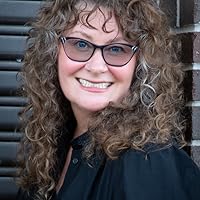
Linda Gregerson is an American poet and member of faculty at the University of Michigan. She recieved her M.F.A. from the University of Iowa Writers Workshop. In 2014, she was named as a Chancellor of the Academy of American Poets. Linda Gregerson is the author of several collections of poetry and literary criticism. Also a Renaissance scholar, a classically trained actor, and a devotee of the sciences, she produces lyrical poems informed by her expansive reading that are inquisitive, unflinching, and tender.
Kingsley Tufts Poetry Award for Waterborne Lenore Marshall Poetry Prize finalist for The Woman Who Died in Her Sleep 2000 Guggenheim Fellowship National Book Award finalist for Manetic North
when i tell you language is my religion, this book is an example of what i mean.
been seriously slacking in the poetry department this year so i figured i’d finish this collection on the beach today — i picked it up from the used book store because the poet taught at u of m and i love to support michigan !!
this was good, i enjoyed it’s solemnity, the seriousness it took every subject. incantatory and devotional, most written in couplet form, felt like a prayer. a prayer to what? to whom? a merciful god, a malevolent, an indifferent god? who’s to say. who are we asking forgiveness from if we don’t believe in a god? there’s much suffering, but there’s also much love.
“we had not loved you half/so well/ had we not loved you ineptly.”
"The fault's in nature, who will//without system or explanation/make permanent/havoc of little mistakes. A natural//mistake, the transient ill will we define/as the normal/and trust to be inconsequent,//by nature's own abundance soon absorbed."
In these poems, the author ponders mortality itself, discussing (with the reader in mind) the terrible and the inevitable: death, illness, warfare. That in the face of such atrocities, we should still turn to a god that seems to has turned his back on us. Yet from such tragedy Gregerson is able to create a place where we might contemplate, reflect, and possibly even heal. We are forced to confront such horrors because a) they are ever-present, and b) without doing so, we cannot know the joys of life. A haunting, gorgeous, and devastating collection.
A book in high contrast, and mostly composed of in a poetic form seemingly of Gregerson’s own devising. These poems illuminate the depths of mortality, the particular vulnerabilities inherent to being parent and child, human failing, and the body’s miraculous resilience in the face of everything. Gregerson is a master, and this chiaroscuro collection a tour de force.
Highlights: — Safe — An Arbor — The Resurrection of the Body — Bunting — Target
At times too academic, but Gregerson is able to find resonances that can leave you breathless when ultimately revealed, particularly in her multipart poems, of which there are several here. "Safe," "Salt," and "For the Taking" are notable.
I love the pacing, the weaving in these poems, and my favorites are the ones that deal with the failures of the body as well as the observations of others.