Dans les ruines brûlantes de la cité millénaire de Kaboul, la mort rôde, un turban noir autour du crâne. Ici une lapidation de femme, là un stade rempli pour des exécutions publiques. Les Taliban veillent. La joie et le rire sont devenus suspects. Atiq, le courageux moudjahid reconverti en geôlier, traîne sa peine. Toute fierté l'a quitté. Le goût de vivre a également abandonné Mohsen, qui rêvait de modernité. Son épouse Zunaira, avocate, plus belle que le ciel, est désormais condamnée à l'obscurité grillagée du tchadri. Alors Kaboul, que la folie guette, n'a plus d'autres histoires à offrir que des tragédies. Quel espoir est-il permis ? Le printemps des hirondelles semble bien loin encore...
Yasmina Khadra (Arabic: ياسمينة خضراء, literally "green jasmine") is the pen name of the Algerian author Mohammed Moulessehoul. Moulessehoul, an officer in the Algerian army, adopted a woman's pseudonym to avoid military censorship. Despite the publication of many successful novels in Algeria, Moulessehoul only revealed his true identity in 2001 after leaving the army and going into exile and seclusion in France. Anonymity was the only way for him to survive and avoid censorship during the Algerian Civil War. In 2004, Newsweek acclaimed him as "one of the rare writers capable of giving a meaning to the violence in Algeria today." His novel The Swallows of Kabul, set in Afghanistan under the Taliban, was shortlisted for the 2006 International IMPAC Dublin Literary Award. L'Attentat won the Prix des libraires in 2006, a prize chosen by about five thousand bookstores in France, Belgium, Switzerland, and Canada. Khadra pledges for becoming acquainted with the view of the others. In an interview with the German radio SWR1 in 2006, he said “The West interprets the world as he likes it. He develops certain theories that fit into its world outlook, but do not always represent the reality. Being a Muslim, I suggest a new perspective on Afghanistan, on the religious fanaticism and the, how I call it - religiopathy. My novel, the The Swallows of Kabul, gives the readers in the West a chance to understand the core of a problem that he usually only touches on the surface. Because the fanaticism is a threat for all, I contribute to the understanding of the causes and backgrounds. Perhaps then it will be possible to find a way to bring it under control.”
Kabul, dall’omonimo film di animazione in fase di post-produzione. Il romanzo è ambientato alla fine dell’invasione russa e prima di quella americana, durante il governo talebano.
A casa del diavolo, una tromba d’aria dispiega la sua veste svolazzante nella macabra danza di una strega in trance; il suo isterismo non riesce neppure a spolverare le due palme calcificate che si alzano al cielo come le braccia di un suppliziato.
Se non avessi letto da qualche parte come va a finire questo libro, non sono sicuro che sarei riuscito ad arrivare in fondo. È scritto in modo così insopportabile dal mio punto di vista (per la cronaca, qui sopra l’incipit), che mi sono chiesto più volte se fosse responsabilità di Khadra o del traduttore Marco Bellini. Essendo arrivato al quarto o quinto romanzo di Khadra, opto per la prima ipotesi, e assolvo il traduttore (che però forse qualcosa qui o là me la poteva risparmiare).
Il pomo d’Adamo sembra impazzito nel collo emaciato. La sofferenza è tale che dei brividi partono dagli zigomi, dilagano fino al mento e tornano a squassargli le labbra.
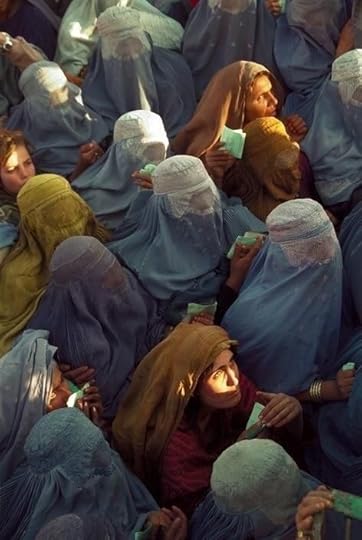
Donne sotto il burqa e talebani.
E, appunto, essendo arrivato al quarto o quinto romanzo di Khadra, comincio a farmi un’idea di questo scrittore. Che costruisce storie non particolarmente nuove né originali né indimenticabili: questo non è certo un limite perché sa adattarle in luoghi geografici e contesti storico-politici estremamente affascinanti. Il suo vero punto di forza. Dopo di che, non mi pare lo si possa considerare granché interessato alla qualità della sua scrittura, e del suo stile.
Un fiotto di dolore gli inonda le pupille accecandolo; le sue narici fremono di rabbia. La mano, irrefrenabile, descrive una curva folgorante e si abbatte sulla guancia della moglie che, stordita, stramazza a terra.
Ex mujaeddin e donne sotto il burqa.
In questo caso, si tratta di centoventidue paginette (al netto degli spazi lasciati bianchi), che secondo me potevano essere racchiuse in una ventina: l’impressione è che sia un racconto dilatato a romanzo, con esito alquanto incerto.
Arrivato in fondo, ritengo che Khadra non abbia mai messo piede a Kabul, e probabilmente neppure in Afghanistan. Si sente, si percepisce: la sua narrazione non aggiunge nulla a quanto io già non sapessi, documentazione vera assente. E invece speravo molto di allargare la conoscenza. Direi che Khadra ha fatto ricerche guardando qualche telegiornale, le foto di riviste e google immagini, e se è stato fortunato, il racconto di un amico reporter.
Talebane con burqa e kalashnikov.
Lo sguardo di Qassim non gli è mai sembrato così acuto e accorto. Ne trasuda in ogni poro. Un principio di vertigine isterilisce il suo respiro e gli trancia le gambe.
Psicologia: zero. Credibilità dei personaggi e della vicenda: zero. Stile: meno che mediocre, irritante. I dialoghi sono così inverosimili e sentenziosi che si passa alle descrizioni con gioia. Ma dura poco: perché queste risultano presto perfino più sgradevolmente teatrali delle battute pronunciate dai personaggi. Per carità, non chiamiamolo stile barocco: il barocco è stato magnifico. Qui di magnifico c’è solo la parola fine.
È un apologo morale, un omaggio ai testi sacri? Possibile: per sentenziosità pomposità e ridondanza siamo in quella zona Ma quanto sembra più pregnante perfino la bibbia.
Kabul
Khadra ambienta la sua storia nel periodo tra l’invasione russa e quella americana, durante il governo talebano: il paese è martoriato dal fondamentalismo, ogni libertà negata, i barbuti integralisti spadroneggiano armati e accompagnandosi di frusta con la quale si fanno largo tra la gente, le donne sono meno che ombre. Un mondo crudele, chiuso, ottuso, reazionario. Purtroppo, questo romanzetto è così brutto che ho quasi sviluppato simpatia per i talebani. Il che è tutto dire.
Ecco la (raffinata) descrizione di uno dei protagonisti, che ha paura, molta paura: Atiq Shaukat scivola furtivamente nel corridoio e si addossa al muro, le mani tremanti schiacciate dalla natiche, lo sguardo a terra per non tradire l’intensità delle proprie emozioni. Ha freddo, e paura. Le sue viscere si contorcono fino a spezzarsi in uno stridio incessante mentre crampi lancinanti, quasi voraci, gli martirizzano le gambe. Le pulsazioni del sangue risuonano sordamente alle sue tempie simili a colpi di maglio dentro gallerie sotterranee. Contrae le mascelle e trattiene il respiro sempre più caotico per non cedere al panico.
E, quindi, sì, viva lo spoiler. Alleluja.
Stordito, terrorizzato, il cuore sul punto di schizzargli fuori dalla gola, torna in mezzo al prato, esattamente lì dove si è coagulata una pozza di sangue e, la testa fra le mani, scruta ostinatamente, una dopo l’altra, le tribune. Realizzando improvvisamente quanto vasto sia il silenzio, le gambe gli cedono e cade in ginocchio. Il suo urlo da bestia folgorata si riversa sulla cinta, raccapricciante come la caduta di un titano: Zunaira!
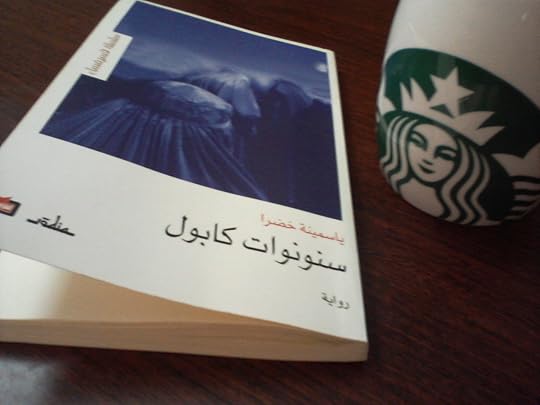
سنونوات كابول..رواية للكاتب الجزائري محمد مولسهول المعروف بإسم ياسمينة خضرا وهو إسم مستعار إستخدمه عندما كان ضابطاً في الجيش الجزائري ليُوقِع به عدة روايات هرباً من الرقابة العسكرية...وهو في الواقع إسم زوجته ويقول إنه إختاره إعترافاً بالجميل للمرأة التي ساندته في مشواره..:)
تدور أحداث الراوية في كابول بعد الغزو السوڤيتي لأفغانستان ووقوعها تحت حكم حركة طالبان.. من خلال عتيق شوكت السّجان ومحسن رمات الذي فقد كل ثروته بعد الحرب بياخدنا الكاتب لنري حياتهم وعلاقتهم بزوجاتهم في بلد حزين وصعب جداً التعايش فيه مثل كابول..
كابول التي كانت يوما ما بعظمة بغداد وسمرقند وكان يحلم فيها السلاطين بإمبراطوريات أوسع من السماء ،أصبحت الآن-تحت حكم طالبان- شوارعها مليئة بالأرامل واليتامي ،يُعدم فيها الرجال و تُرجم فيها النساء في الميادين العامة...
كيف يمكن أن تعيش في بلد أصبح الكرباج فيه هو اللغة الرسمية؟ كيف يمكن أن تُحب و تمارس حياة طبيعية في بلد مُنع حتي الضحك في شوارعه؟
بإسلوب سرد جميل جداً و بقلم له نكهة مميزة إستطاع الكاتب ببراعة أن يوصف شخصيات الرواية وشعورهم بالوحدة والحزن والغربة داخل بلدهم.. كما ألقي الضوء علي شكل البلد تحت حكم طالبان وشريعتهم التي يفرضوها علي الجميع...
تقييمي للرواية كان ٣ نجوم إلي أن قرأت الجزء الأخير من الكتاب .. الصراحة النهاية كانت غير متوقعة بالنسبة لي والكاتب إستطاع أن يربط مصير كل شخصيات الرواية ببعض في النهاية بطريقة عبقرية...
رواية حزينة..مؤلمة ..فيها مشاعر حلوة..فيها حب وتضحية حتي في وجود حكم قاسي زي حكم طالبان.. الترجمة كمان كانت جيدة جداً.. أول قراءة لمحمد مولسهول/ياسمينة خضرا وبالتأكيد لن تكون الأخيرة😍
This is a grim story of the horrendous conditions in Afghanistan from 1996 to 2001 after the Taliban took over control from the Soviets. And now (2023) it's deja vu because the Taliban are in control again.
While there is a story and a plot, the book is really about the desolate conditions in the war-scarred capital of Kabul: a dying city in a dying landscape of desert heat and dryness hemmed in by mountains. Half of the buildings are destroyed, including mosques. Some structures are simply fronts of buildings; business is conducted in pieces of buildings.
The brutality of the social and political conditions parallels the physical desolation. The Taliban regime has banned “pleasure.” There can be no music. As if the war did not do enough damage, they destroy historic monuments. You can be clubbed for laughing on the street; passersby are whipped into prayers in the mosques. You look around every corner before speaking.
Order is maintained with whips, fists and clubs. Public executions are a weekly occurrence. There are hangings, stonings of women, rifle executions, throat slittings. Sometime relatives of the victim conduct the execution. A mentally ill man who wanders the streets talking to himself is whipped to death for blasphemy. Women can only go out in public in full burka (“the swallows”) and when accompanied by a man.
The toll of years of war is seen in the population. There are widows, war wounded, orphans. Men who lost arms and legs in the war beg from wheelbarrows. Parents have lost children. Kids roam the streets like packs of dogs, begging, feeding on garbage and stealing food. Important men carry a whip on the street to lash their way through the rabble.
The story focuses on two married couples who aren’t connected to each other. One man is the jailer to those being held for execution. He is a simple man who loves his wife. But he can’t help himself from tormenting her even though she is dying. Seeing him depressed, his only friend tells him, in effect “Divorce her; she’s only a woman; get another one.”
A college-educated man and woman form the other couple. They were well-off before the Taliban but his family fell out of favor for political reasons. Now they live by selling off their furniture. She was a progressive woman who supported women’s rights. Now she is home in a burka and she hates men for it. Overcome with guilt, her husband confesses an atrocity to her: After she and her husband are whipped for laughing on the streets, she transfers her hatred for the regime to her husband, realizing it is MEN who have created this absurd situation she has to live in.
The two families interact finally at the end in a creative but implausible ending.
The author is a pen name for an Algerian army officer who used a feminine name to by-pass submitting his book to review and censorship while in the military. His real name, used on later books, is Mohammed Moulessehoul. The book is translated from the French.
Top photo from npr.org Bottom photo from principlepictures.com
I still feel very conflicted about this book. Originally, I had planned on giving it four stars. But after having thought about it some more, I'll be settling for three instead. (reasons below)
Whilst many mentioned that their biggest gripe was getting into the book, for me that was hardly an issue. I was pretty much full on engrossed from the first page. And with a opening page starting with a woman being stoned to death, how the hell can I not be? Not only did it really make me recoil from shock and disgust, but despite the fact that I was sat among others in the library, my urge was so strong to shout that I had to put the book down for a minute. And there were so many of these moments, because the author does not hold back AT ALL. There is shocking moment after moment and as these strong, unfair rules are imposed of the citizens of Kabul, I felt isolated and suffocated right alongside them.
This, in my opinion, is the strongest point of this book. It sucks in you in from the very first page and completely holds you captive, making you squirm and flinch at the exact intended moments whilst always being very, very aware that - no matter how hopeful things may seem- that everything can go downhill at any given moment. And that is apparent - followed by the fact that I never expected a happy ending, ever. I never witnessed a sweet moment without waiting for something horrifying to follow it.
But this book also unsettled me in another way. I felt manipulated, almost, at times. I got into this book and realised very quickly that the only way to read through it was to accept all that I was being told. And although I was a little on the fence about some things, I pretty much left them behind as I read on, locking them inside until now to really reevaluate my thoughts on this book. What I would have really appreciated before delving into this book is: how does the author know what he does about Kabul and its people there? Has he done some in depth research, interviewed men and women who reside there, visit or live there for a time? Not knowing these things, ultimately, left me a little annoyed when the female characters felt so black and white whilst the men seemed to have somewhat more a layer of complexities to them.
Because either you have the strong minded, educated, independent Zunaira, or the ever obedient, extremely devoted, self sacrificing wife that is Musarrat. Whilst both of their husbands (who also seemed a little off to me, but not to the same extent) seemed to have more depth in contrast. Now I'm not saying that what they face does not happen, because I am aware that times have been extremely tough/horrifying since the Taliban took over, but I feel that it's because of this very reason that knowing the facts and accurate details is so much more important to me. Because as a Muslim, if I am being told that this, this, and this, is happening, then I need more than being expected to go with it, simply because you happen to be telling the story.
In the book, characters dwell of the past - of more happier times, with pure sadness and longing. And it's enough to make me want to see that past for myself, because although things were not perfect even then, they seemed like happy times, times filled with less fear and terror. But it leaves me conflicted because isn't there even a tinge of beauty in the most darkest of times? I have been Pakistan, and I have seen beauty within my home town that I honestly never expected to see. And although that's a unfair comparison to make because things are so, so much worse in Afghanistan right now, I refuse to believe that there is not a hint of hope or happiness in that place, that all is lost, that it is as hopeless as this book tells me it is.
Now do you see how conflicted I am? Funny, since these things tend to niggle at me only after I have finished reading the book. It is a bit tougher for me right now because all the community reviews I have read really don't go into personal thoughts when it comes to this book (no friends have read and reviewed it ) so I feel pretty alone on this one. And I definitely, even now, am trying to figure out where I stand with this book.
But I suppose since it has left me so deep in thought, it must mean something, right?.
3.5 stars. "Furthermore, I refuse to wear a burqa. Of all the burdens they have put on us, that is the most degrading. The Shirt of Nessus wouldn't do as much damage to my dignity as that wretched getup. It cancels my face and takes away my identity and turns me into an object. Here, at least, I'm me, Zunaira, Mohsen Ramat's wife, age 32, former magistrate, dismissed by obscurantists without a hearing and without compensation, but with enough self-respect left to brush my hair every day and pay attention to my clothes. If I put that damned veil on I'm neither a human being nor an animal, I'm just an affront, a disgrace, a blemish that has to be hidden. That's too hard to deal with. Especially for someone who was a lawyer, who worked for women's rights. Don't ask me to give up my name, my features, the color of my eyes, and the shape of my lips so I can walk through squalor and desolation." This book is a very upsetting look into living under Taliban rule and how it destroyed the lives of two couples. I am so grateful to live how and where I want.
If I had a list of the most distressing books I've ever read, most likely this one would be near the top of the list! Like most people who read this short and horrifying book set in Afghanistan during the Taliban regime, I was appalled as I read about the brutality and misery that had become commonplace for everyone - most especially for women. So why read a book like this, ask readers who only read for pleasure and quickly abandon any book that might leave them feeling depressed. My answer is that for me books are a way to educate myself about the way life is being lived in a wide variety of contexts. Unfortunately many of those contexts are pretty depressing. Why read about them? Because I think it's important for the rest of us to realize how priviliged and pampered we have become living here in our safe and secure little corner of the world where we are free to live the way we choose. If nothing else we need to be reminded that for untold numbers of people life is a pretty dismal business. This book definitely gets that point across.
I will read anything Afghanistan, and I'm so glad I crossed paths with this book.
I really liked this book as I felt it equally explored the effects of the Taliban on both males and females.
I've read many books focusing and educating us (quite rightly) on the traumas, restrictions, and hostilities towards females under the Taliban rule. But what if you are an educated man who wants to hear his wife's laughter? Would love to walk beside her on the streets? Wants to see her face under the glow of the sun?
Here, we see two marriages trying to hold onto humanity in a place where pleasure is a sin.
At 200 pages, this is a short book, but it packed a decent punch and certainly gave me a lot to think about.
The novel focuses on two marriages and how they inevitably fall apart in a city, a country, and a faith also falling apart. A city replete with public executions the populace are eager to see and cheer. A city that has become as pitiless as the sun. As pitiless as the burqa that hides and disfigures beauty and life.
It is Khadra’s tragic novel of the disintegration of the human spirit in the face of a colorless religious extremism devoid of mercy, love, or compassion.
« La tragédie fondamentale des hommes vient du fait que nul ne peut survivre à ses vœux les plus pieux, qui sont de surcroît la raison essentielle de son infortune. Le monde n’est-il pas la faillite des mortels, la preuve monstrueuse de leur inconsistance? »
C’est une vérité universelle reconnue que la plume de Khadra ne trahit jamais de sa fluidité et encore moins de sa richesse.
Même si le récit recèle de nombreuses scènes assez explicites au vu de leur violence et relativement difficiles à lire. J’ai malgré tout apprécié ma lecture, dommage que je n’ai été captivé à proprement parler par l’histoire que vers la toute fin.
« Je ne les laisserai pas vous tuer.
— Nous avons tous été tués. Il y a si longtemps que nous l’avons oublié »
The first two pages and I was hooked. This is a beautifully written novel that will punch you in the gut, have you wanting to throw it against a wall in disgust, make you weep for the tragic characters and fall in love with the writing.
“And yet it is also here, amid the hush of stony places and the silence of graves, in this land of dry earth and arid hearts, that our story is born, like the water lily that blooms in the stagnant swamp.”
You could almost read the first two pages and have a full understanding of Fundamentalist ruled Afghanistan under the Taliban. The writer took his wife’s name as he was an Algerian soldier and wanted to escape the censorship of the military. I first heard of this book listening to The BBC World Book Club Podcast in archive: “Yasmina Khadra – The Swallows of Kabul” Jun 5, 2015
This is the story of two Afghan couples living in Kabul, no they are merely surviving. I really do not like to give away anything. It is set the late 1990’s or early 2000’s. Two vastly different couples, but they will be violently yet passionately come together.
The author stated he wrote with the idea of wanting to understand the times he lived in, and that from his point of view, life is not worth living without the love of a woman. This is very clear in the novel by my reading, yet how he does this in a culture in which women are hidden, almost invisible, is the tragedy, a Shakespearean tragedy set in modern times.
This book is hard on the emotions and I can see why so many people gave it fewer stars than I. It is gut wrenching. But at the same time it is beautiful. It also drove home to me personally on why I am so thankful to live in a country that separates Church and State. I say that as a practicing Christian.
“In the middle of nowhere, a whirlwind spins like a sorceress flinging out her skirts in a macabre dance; yet not even this hysteria serves to blow the dust off the calcified palm trees thrust against the sky like beseeching arms. Several hours ago, the night, routed by the dawn and fleeing in disorder, left behind a few of its feeble breezes, but the heat has scorched and smothered them….
…Then, without warning, at the foot of the mountains singed bare by the breath of raging battles, rises Kabul, or rather, what’s left of it: a city in an advanced stage of decomposition."
يد تقهر...وأيدٍ مقهورة...نساء مقموعات يحيين تحت ظلم الدين والشادور...وعقوبات بالرجم وقطع اليد والرأس...وحركة تنقل كل تفاصيلها بتكرار وتكثيف غريب للوقائع...وكتّاب يصفون حياة لم يعيشوها أبدا... أوليست تلك صورة نمطية مكررة لحركة طالبان في أفغانستان؟؟!!
وكأنها وصفة سحريّة للعبور...عبر جسر ينقلهم إلى العالمية والانتشار...دون الحاجة إلى أن يعفروا أقدامهم ببقايا الخراب الذي يصفون في أزقة كابول وجبالها!!
لا أنكر أن في رواية ياسمينة خضرا " محمد مولسهول"...ما يشدك إليها...فاللغة والحبكة والخيال تجذبك لمتابعة أحداث الرواية والاندماج مع شخصياتها التي تحيا تحت خط الفقر وتحت ضغط الحروب المتتالية...وفي أجواء خانقة مسمومة...أبدع ياسمينة خضرا في تصويرها...
ولا أنكر أن في الرواية كثيرا من الحقائق حول حركة طالبان ونظرتها القاصرة لتطبيق الإسلام...لدرجة نفرت الأفغانيين من دعمها والوقوف إلى جانبها.
ولكنني أنكر عدم الموضوعية في عرض الحقائق...وتقديم الحجاب، ورجال الدين، والعقوبات في الإسلام بتلك الصورة المنفرة البائسة...خاصة وأن الرواية كتبت بالفرنسية...للقراء غير العرب بداية...ونظرة على مراجعات القراء توضح فهمهم لل��سلام من خلال الرواية!
احترت صراحة بتقييم الرواية...ومنحتها نجمتين...فرغم أنها جذبتني بلغتها وطريقة السرد فيها...إلا أن النهاية خيبت آمالي كلها...فأضافت للبؤس مزيدا...ولم يبد بعد كل حدث في الرواية أن هناك بصيص أمل.
Non sarà forse uno dei suoi romanzi migliori, ma la storia narrata ne “Le rondini di Kabul” di Yasmina Khadra merita comunque attenzione. La vicenda ci conduce per le strade polverose e devastate di una Kabul ormai spettrale e ben lontana dai fasti del passato, quando la sua fama poteva rilvaleggiare con quella di altre grandi città del mondo islamico. Non soltanto la capitale, ma l'intero Afghanistan, dopo un ventennio di guerre, è ridotto a cumuli di macerie, schiacciato dal peso oscurantista di un regime, quello talebano, che genera distruzione e morte a non finire. Le due coppie protagoniste (Atiq e Mussarat, Zunaira e Mohsen), molto diverse per estrazione sociale e tuttavia accomunate dalla diffusa miseria, vedranno incrociarsi inconsapevolmente le loro strade nel momento più tragico, mentre un destino feroce si accanirà in maniera brutale contro fragili esistenze già messe a dura prova. Incarnate dai quattro personaggi principali, resistenza e rassegnazione a un mondo popolato da tagliagole e donne umiliate dal muto anonimato del burqa s'intrecciano tristemente; soltanto il vecchio Zanish pare conservare il desiderio di sognare ancora e fuggire da una città dannata dove tutti mendicano pietà. Il tutto, in una prosa altamente poetica in cui, già dal prologo, finisce per specchiarsi una natura inaridita quanto il cuore umano. Come anticipato, il romanzo, dei primi anni Duemila, non sembra all'altezza di altri lavori dello scrittore algerino (al quale riesce forse meglio parlare del disagio delle giovani generazioni maghrebine in Europa o del terrorismo più in generale), ma offre comunque una buona lettura, ricordandoci il dramma di una terra che, considerata la forte instabilità politico-sociale dell'area, in verità non è mai terminato del tutto. Nel 2019, dal libro è stato tratto un film di animazione (Les Hirondelles de Kaboul), in cui, però, la cui trama originale è stata modificata in diversi punti: https://www.youtube.com/watch?v=Qb3Ak...
لم أعرف كيف أقيم هذا الكتاب الذي أخذ من وقتي دهراً بالرغم من صغر حجمه !
لماذا أخذت الرواية وقتاً طويلاً ؟ - لانها سببت لي اختناقاً ، مع كل فصل أردت أن أقذفها بعيدأالا أنني لم أستطع دون ان أنهيها !
ثاني قراءاتي عن أفغانستان بعد (ألف شمس مشرقة) ، و أولى قراءاتي لياسمينة خضرا (محمد مولسهول) - الضابط العسكري السابق في الجيش الجزائري ، ربما كان في ذلك بعض من عدم الانصاف له ، حيث قد يكون من الأفضل أن أبدأ بأحد كتاباته عن الجزائر . و لكن كون هذه الرواية أحد أجزاء ثلاثيته عن العنف الديني أو منطق الإرهاب وآليات إنتاجه في العالم العربي/ الاسلامي (الأجزاء الأخرى هي "صفارات إنذار بغداد" و "الانتحارية") – جعل قراءة هذه الرواية اختياراً منطقياً الى حد ما .
قبل أن أتطرق لما اراه بها فلنسمع ما يقوله مولسهول : رفض الأديب الجزائري ياسمينة خضرا وصفه "بـأديب العنف والإرهاب"، لكنه اعترف بأنه يكتب عن "الوحشية"، معتبراً الإرهاب "ظاهرة غربية"، ومتهماً بعض المثقفين الغربيين بتشويه صورة الإسلام
في هذه الرواية ، هل مولسهول "أديب العنف والإرهاب" ؟
ههممممم ....لا يمكن انكار أن هناك بالرواية مشاهد وحشية متعددة و في منتهى القسوة و يكفي أن تبدأ الرواية بوصف تفصيلي لرجم امرأة . و اذا كانت هناك "مناورات جهنمية من بعض الأوساط الثقافية لتشويه صورة المسلمين" على حد قوله ، فأنا لم أرى في هذه الرواية ما يحاول اصلاح هذه الصورة سوى من مرور سريع على ماضي زنيرة و زوجها قبل حكم طالبان . هل يريد أن يقول للغرب أن المسلمين لا يريدون هذا ؟ انهم بشر مثل باقي البشر و لكنه الاستبداد و القهر باسم الدين ؟...ربما و لكن الصياغة العامة لم تكن مريحة لي .
ما عنت به الرواية فعلاً هو البعد النفسي ، مردود العنف و القهر على تكوين النفس البشرية ، فكل أبطال الرواية مشوهون ، و يعد هذا أهم ما خرجت به . كما أن المرأة هنا محور الرواية الرئيسي من العنوان الى السطور الأخيرة ، و لا عجب في ذلك فالمجتمع القائم على القهر تكون أكثر عناصره المسحوقة المرأة و الأقليات .
و هذا ما جعلني أشعر أنه بالرغم من أن الرواية عن أفغانستان ، الا أنني لم أشعر بخصوصية أفغانستان أو تفردها ، فهي تتعامل مع تجارب انسانية قابلة للتكرار في كل المجتمعات التي تتعرض للقهر و الاستبداد تحت مسميات مختلفة و ليس فقط الدين (المعني هنا في الرواية) ، و سوف يصيب هذا المتلقي بالصدمة و الألم ذاتيهما . في حين برواية(ألف شمس مشرقة) – إن جازت المقارنة – نسج البشر بالتاريخ بالمكان ، فانتقلت مع الرواية الى أفغانستان . ربما كان هذا مقصد مولسهول ؟!
The ruin of the city walls has spread into people’s souls. The dust has stunted their orchards, blinded their eyes, sealed up their hearts. [...] Nobody believes in miraculous rains or the magical transformations of spring, and even less in the dawning of a bright new tomorrow. Men have gone mad; they have turned their backs on the day in order to face the night. Patron saints have been dismissed from their posts. Prophets are dead, and their ghosts are crucified even in the hearts of children...
In the general sense, The Swallows of Kabul is a short novel of Afghan life under the Taliban, but (as with Philip Caputos' Acts of Faith) the real message of this political novel is more personal and more penetrating. Here is book made to question the logic of fundamentalist rule. Here also is an emotionally emptying story of how the central binding power of women has been systematically destroyed by Afghanistan’s culture of war. There are scathing commentaries given to the women of Kabul — the swallows of the novel — about the theft of femininity and identity through the assignment of the burqa. The men, meanwhile, seem not to know themselves, and can only note their losses in the mirroring faces and costumes of their wives.
Reading Swallows is like reading science fiction without the fiction part; it creates an uncomfortable view of life yoked by the impulses of fundamentalism, and demonstrates a history of loss — lives literally driven to ruin — from the whips and bonds that has made this world of men.
[Yasmina Khadra is the feminine pen name for Algerian army officer Mohammed Moulessehoul]
Watching Kunduz get taken—- and now Jalalabad… it’s so very sad. As if nothing has changed through these decades. The Taliban’s resurgence means further suffering and injustice for the Afghans. Here, I’ve had this book in my shelf for over a decade. And how is it that the plot and its telling of how horribly abusive the Taliban are is still so decidedly prescient? They insist on Shari’a and want to take 2021 back to medieval times.
This is a very lyrical, gorgeous language book about a very stark, sparse, squeezed of freedom and milked of dignity Kabul. The dynamics and regard between the two married couples is a good juxtaposition. And side characters like Nazeesh and Qassim and Mirza illustrate men’s thinking.
Women are ghosts, what the author calls wounded swallows. No choice, no air, nowhere to go, no purpose, everything is as the color of the dirt—-I’m glad I finally opened and read it. Huge part of book: stoning of women under Shari’a. And the throngs that come to watch executions reminds me of the public picnics and outings in the South, to go cheer on lynchings.
A starkly grim picture of life in Kabul under the Taliban. It's written by an outsider so the events are not based on any personnel experience. There is the Taliban is all of it's violence, whipping, stoning, executions and preaching. The characters include the jailer of a prison used to house women to be executed and his dying wife. Also there is an educated couple who have lost everything and the wife refuses to leave the house as she would have to wear a burka. There is a lot of conflict between the couples, no happiness and no hope. But the star of the book is probably the descriptions of Kabul - it's destruction, decrepit building, heat, dust and entrapment. There were times the writing was great but I had problems with plausibility of the character's motives.
-5 stars I don't remember EVER reading a more boring book with a dumber plot than this one. I wanted to DNF it the entire time I was reading it, it was horrible. Let's recap: Zunaira despises the chador that the Taliban make women wear. Mohsen, her husband, talks her into wearing it for a NICE WALK OUTSIDE WHERE THEY OBVIOUSLY ENCOUNTER SAID TALIBAN and get scolded for laughing out loud. Then Mohsen is made to attend a sermon while Zunaira waits alone in the schorching heat, in her black chador she despises. This makes no sense, but I was far past trying to make sense of anything at this point. Zunaira hates Mohsen now and she kills him... accidentaly, while he begs for forgiveness and cries. I'm not entirely sure why she hates him so much all of a sudden, but she refuses to take off her chador and I assume it's because he didn't stand up to the Taliban for her. Sigh I am SO bored. She is sentenced to death and sent to prison for 5 days until her public execution. Cue Akif, her saviour. He has a sick wife who is sometimes also somehow healthy as a horse, whom he occasionally chokes. Akif despises his wife, Mussarat, because she is ugly and sick. He LOVES Zunaira, because she removes her chador and he sees that she is beautiful. Akif hasn't seen a woman other than Mussarat in years. He drones on about Zunaira's beauty to Mussarat and she decides to take her place in the execution because "she is more useful dead than alive" (someone burn this book it is so stupid). Mussarat is executed and Zunaira has no clue, because Akif didn't explain anything. He is separated from Zunaira in an unlucky turn of events, and she never comes back. Akif starts to forcibly remove the chadors of other women in search of Zunaira and he is (I assume) killed as a consequence.
Goodbye, the most idiotic book of all time. I hated reading you with every fiber of my being.
This entire review has been hidden because of spoilers.
The reference to swallows in the title of this remarkable novel is to the burqa-clad women of Afghanistan during the years of the Taliban. Swathed in fabric from head to toe, they have been forced from public life and, as much as possible, rendered invisible, to preserve their "purity" and the honor of their families. The French-Algerian author, Khadra, heightens the incomprehensibility of this kind of faith-based segregation of genders even further by beginning and ending his story with the public executions of two women, one for alleged adultery and the other for the alleged murder of her husband.
Between these two incidents, the story follows the daily lives of several characters living out lives of soul-crushing misery in the doomed and ruined city of Kabul. There is a jail keeper, a university-educated man, an aged man who dreams of escape, and a Kalashnikov-carrying militiaman who turns a blind eye to the inhumanity he witnesses and looks only for opportuniies to advance his own career. It is a violent, Orwellian world where empathy has died and only the self-serving survive.
Both spare and unsparing, Khadra's writing brings to mind the stark, unsentimental vision of Camus' "The Stranger." The book is a bleak portrayal of exteme Islamic fundamentalism and as such seems intended as a heart-rending call of compassion for those in war-devastated regions, who are trapped by its worst excesses.
هي كابل منذ أن اسدل الليل يوما ما همومه عليها لم تستطع لحد اليوم أي شمس أن تشرق لتزيل تلك العتمة الخانقة .
مناظر مؤثرة واخرى جد حزينة استوقفتني وأنا أقرأ الرواية بدءا بمراسم رجم المرأة " الفاجرة" انتهاءا بالخاتمة المجحفة ، طوال الرواية وانا انتظر بصيص أمل يعيد البسمة لتلك الوجوه المغبرة لكن دون جدوى.
نطاق الكتابة كان محدود وهناك تكرار لما سبق وقرأته أو ما شاهدته على التلفاز احسست ان هناك هوة بين الكاتب واحداث تلك الأرض . بعد ألف شمس مشرقة لا اظن أن هناك من سيبدع في وصف حالة كابل ولا نساء كابل ولا بشاعة الشادور الذي يغطي بلاد الأفغان برمتها وليس فقط نساءها
ويبقى ان لياسمينة خضرا لمسته الخاصة في الكتابة فالعنوان بحد ذاته يستحق نجمة كاملة
I was very disappointed in this book. While it started out with many intriguing answers to questions I had about the Taliban and its treatment of woman, it ended on a note that I believe trivialized the impact of their rule.
The characters of this novel try in their small way tried to revolt against the Taliban, but found themselves within a society that devalues women and makes a male feel less so because they lose their right to defend the individualistic ability of their wives, daughters, mothers etc. It was extremely sad and pointed to the ability of any group of males to devalue and dehumanize the female.
Interestingly the author was a member of the military and because of his affiliations, he had to write under an assumed female name. I do so wish that the author was able to make the reader feel right up to its conclusion the revulsion that one has in the debasement of any segment of society. Unfortunately, I felt the author missed his opportunity to hammer home the point that all are created equal and need to stand on their own merits and abilities. Holding a segment of any population down makes that population lose an integral part of its makeup. The ending just seemed to peter out and lose the point I think he was trying and I was hoping he was making.
رواية لكاتب جزائري تتحدث عن أفغانستان - مدينة كابول بالتحديد- العربية ليست لغتها الأصلية فالرواية مترجمة عن الفرنسية أغلب الظن - اعتبرت الترجمة هي اسوأ ما في الرواية ! - مزيج غريب بعض الشيء إلا انك خلال قراءتها لن تلاحظ أنه غير متجانس أبداً
الرواية تصف الحياة اليومية في كابول من خلال 4 شخصيات تتقاطع خطوط حياتها بطريقة ما ، وتف الرواية كذلك كيفية تدهور الوضع الحياتي للناس في كابول بعد سيطرة الطالبان على المدينة وتطبيقهم للنظام الاسلامي - أو ما يسمونه هم كذلك - ذكرتني هذه الرواية كثيرا بقصة رجم ثريا ومع أن الثانية كانت قصة حقيقية إلا أن سنونوات كابول أفضل بكثير منها بالرغم من الشهرة التي تأخذها رواية رجم ثريا
بالنسبة للترجمة لا ادري لماذا تعمد المترجم - أو هكذا حكمت أنا - اختيار الالفاظ أو الكلمات الأصعب دائماً ، لا أدري ولكنني أظن انني كنت ساحب الرواية أكثر لو كان أسلوب المترجم أبسط بعض الشيء .
Je suis content d’avoir découvert Yasmina Khadra, sa plume est poignante et ses mots m’ont touché. Je vais avoir besoin de temps pour digérer ma lecture !
There's no more painful love than the love you feel when you're in a railroad station and you exchange glances with someone whose train is headed in the other direction.
This book was read based on a recommendation by one of our library volunteers. With over five thousand ratings present on Goodreads, I find myself safely in the middle. The writing is simply beautiful and the author does an excellent job of placing us in Taliban ruled Afghanistan . I felt the concept of focusing on two different adult couples really showed how political ideologies drove a wedge in martial relationships. The height of the text is brilliantly executed when a simple walk on the streets of Kabul leads to disaster for one of the couples.
What didn't work for me was the characterization of the two women- Zunaira and Musarrat. I felt something "lacking" in the way in which their storylines play out. Even Mohsen seemed like a caricature of a man. Perhaps, as occasionally happens, in written texts, the author couldn't write the other characters because one- in this case, Atiq just consumed the most important role in the story. Whatever the case may be, I would still recommend it to others.
Swallows of Kabul is a book that shows us a city turned into dirt and ruins because of all of the continuous war. Even the people themselves have become just as ugly as the city, which once was filled with music and happiness. Children excitedly following poor stray dogs to kill them, their innocence gone. People fighting to be the first to throw stones on a woman being executed in front of them. It made me want to throw the book out the window; so much injustice, so much sadness, so much cruelty.
It is written in a simple language and it is easy to understand. Although if someone would like to read books with this theme, I'd recommend A Thousand Splendid Suns and The Kite Runner.
Don't be fooled by the small size and shorter length of this book. It was heartbreaking, but I feel as if it depicted the desolation, desperation, and debilitation of a terroristic autocratically ruled society/culture such as Kabul under Taliban rule and fighting the Soviet Union. I realize humans are tough overall and able to survive (some perhaps even thrive?) during such oppression and terror, but I cannot imagine it myself...
I was reminded of A Thousand Splendid Suns but with less detail and perhaps more inclusion of the oppressed male perspective.
This is heart-wrenching, but a necessary read, IMO.
Bookopoly 2020 - Standalone Strašno mi je tužna ova knjiga, od prve do zadnje rečenice. Duša me je boljela dok sam ju čitala. Stalno sam imala želju plakati, od jada, od tuge, od bijesa. Srećom pa je bila kratka. Obožavam takve knjige. Mrzim takve knjige. Šokiraju me preko svake mjere. Ne mogu si kao žena zamisliti živjeti u takvom svijetu.
هل جهلك لشئ ممكن يقودك عند معرفتك إياه للجنون؟ هل التشدد الأخلاقي بدلاً من أن يقوم بدوره في تهذيب النفوس يدمرها ؟
** نبذة بسيطة عن نظام طالبان ، الذي تدور الأحداث في عصره
دبت الفوضى في الجسد الأفغاني بعد دحر قوات الاحتلال السوفياتي، وانقسمت أفغانستان بين الجماعات والفرق المتصارعة، وأصبحت وحدة البلاد مهددة
فقد استشرى الفساد نتيجة لرواسب الحقبة الشيوعية التي عاشتها أفغانستان وتحكم القائد الشيوعي دوستم في بعض الولايات والفوضى الإدارية التي جعلت من الصعوبة على جهة معينة محاربة الرذائل التي انتشرت في المجتمع الأفغاني المحافظ بطبيعته
ورغبت واشنطن كذلك في تشديد الحصار على النفوذ الإيرانى ومنعه من التوغل تجاه الشرق وبخاصة في جمهوريات آسيا الوسطى ومنطقة بحر قزوين التي تحوي أكبر ثاني احتياطي نفطي في العالم بعد الخليج العربي لذلك لم تمانع الولايات المتحدة ولم تقف حجر عثرة أمام تقدم طالبان.
على يد الملا محمد عمر، وهو أبو طالبان حيث رغب في القضاء على مظاهر الفساد الأخلاقي وإعادة أجواء الأمن والاستقرار إلى أفغانستان، وساعده على ذلك طلبة المدارس الدينية (كان يطلق عليهم طالبان وهى مرادف كلمة طالب في لغتهم) الذين بايعوه أميرا لهم عام 1994م.
هدف حركتهم هو استعادة الأمن والاستقرار وجمع الأسلحة من جميع الأطراف إضافة إلى إزالة مراكز جمع الإتاوات من الطرق العامة التي سلبت الناس أموالهم وانتهكت أعراضهم.
فتأمر الرجال بإطلاق اللحى ولبس العمامة وتمنع إطالة الشعر وتحرم الموسيقي والغناء والصور وتمنع عمل المرأة خارج بيتها ويشرف على تنفيذ ذلك هيئات الأمر بالمعروف والنهي عن المنكر.
سواء كنت مع أو ضد حركة طالبان ، فهى كانت معروفة بموقفها المتشدد تجاه المخالفين لمنهجها ونظرتها القاسية تجاه المرأة وحقوقها ( بخلاف طبعاً حق الزواج وإنشاء أسرة ، كرماء طالبان)
سجان لمحتجزات للإعدام ، عاش في مدينة الوضع العام لنسائها التحشم ، وعندما انكشفت سجينة أمامه ، ورأي جمالها أصابه هوس دفعه لأكثر الأفعال شناعة . لذا لا تستغرب عندما تجد رجل فى شوارع أفغانستان يجرى وراء النساء يخلع عنهم البوركا ما بين ضرب وشتم له لا يتوقف.
الراوية نسوية بإمتياز - زوجة أصبت بمرض عضال أنهكها ، والآخرون ينصحون زوجها بزواج آخر وعدم تحمل المشقة، ولو العكس حدث يلقون باللوم علي الزوجة! - زوجة في الرابعة عشرة من عمرها وعند ولادتها ، أراد الزوج تدبر أمره كما الراشد وقام بتوليدها دون طلب المساعدة حتى لفظت أنفاسها علي يده - زوجة تم ضربها بكرباج أحد رجال طالبان أمام زوجها دون أخذ حقها
آثار الحرب السوفيتية تظهر بين السكان ، أرامل جرحى حرب أطفال يتامى، أشخاص بيوتهم دمرت من الصواريخ ، متسولون يدورن في الشوارع ، آكل من قمامة.
حسيت الكاتب في بعض الأحيان في وصفه عن أفغانستان ينظر بمنظور الغرب ، الغرب الذي كل فكرته عنها أنها السبب في أحداث 11 سبتمبر ، وعند عرض حوار خطبة شيخ في الجامع أظهرها ك تحفيز للإرهاب "أما قتلاهم فلا يغادورن قسوة الحياة إلا ليرموا في قاع جهنم ، لا يحظون برحمة الله ولا شفقتنا ، ولا أحد يمنعنا من تطهير أرض المؤمنين . ثم علا صوت الملا: الله أكبر"
في النهاية أتمنى ل سنونوات كابول أن تعاود تحليقها في السماء بعيداً عن شلال صواريخ السوفيت وكرباج رجال طالبان وقذائف الأمريكان . فقضية امرأة واحدة هي قضية كل النساء.
I wondered what an Arab from Algeria, currently a French Citizen, might have to tell about the social and cultural conflict in Afghanistan that I did not already know from reading the newspaper and having read half a dozen books on the region. The answer is nothing.
Most Afghani languages are in the Persian family and the region for most of its history has had very little to do the Mediterranean where Khadra was born and still lives. The fact that Khadra comes from a Muslim society does not provide him with enough tools to do anything but express banal truisms about Afghanistan.
Khadra can, has and will do much better than this. My recommendation would be The Attack (L'Attentat)which works much better. In the Attack, Khadra describes the efforts of a Westernized Arab Israeli trying to sort out the clash of cultures and societies in involving the Jews and Muslims in a territory they both claim. In this case the bilingual and bicultural (French-Algerian) Khadra easily convinces the reader that he knows what he is talking about and leaves the reader satisfied at the end of the novel that his time has been well spent.