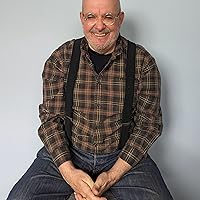
Rosmarie Waldrop on the Art of Poetry: “It puzzles me that people say my work is difficult. If you read it, it’s very simple.”
Javier Cercas on the Art of Fiction: “Hell, to me, is a literary party.”
James Schuyler on Frank O’Hara: “I still can see Frank, standing on that street corner outside a pastry shop, holding a neatly tied-up box of God knows what—éclairs, perhaps.”
Prose by Josephine Baker, Caleb Crain, Marlene Morgan, Morgan Thomas, and Fumio Yamamoto.
Poetry by Hannah Arendt, Matt Broaddus, Sara Gilmore, Benjamin Krusling, Mark Leidner, James Richardson, and Margaret Ross.
Art by Ayé Aton and Ron Veasey, and cover by Sterling Ruby.
was considering getting a subscription even though i had never read one of these, decided to buy a copy first to see if it was worth it. glad i did that - i’m not at a point where i need a subscription. respect and appreciate what they’re doing, but i think i’m better off purchasing these only if there’s something that catches my interest.
2.5-2.75 The three interviews were so thought-provoking that I wish this entire art review was just those, but longer. While I’m unfamiliar with Waldrop and Schuyler’s work, their words and expressions have led me to follow up on their writing. Javier Cercas’ interview—despite him being a longtime favorite author of mine—funnily enough, challenged my willingness to dive into postmodern authors without a strong background in classic literature. He later countered this himself in his own interview, stating that it’s all about finding the connection between the authors and their work—if that connection is real, then time spent on them is never wasted. All three interviews offer some of the most beautiful perspectives on literature in the modern world, how it has been consumed in the past, and the environments that led these writers to be recognized for their art.
It’s a shame that the editors placed such raw and gorgeous perspectives next to some of the most mediocre poems and stories I have ever read. This is why people hate modern art. If I have to Google a poet to understand why they’ve simply listed famous Black names and called it a poem, then the piece isn’t serving the purpose they think it is. Without looking anything up, it’s clear that the statement could be interpreted as a commentary on how only a few Black figures are recognized for their contributions—figures who helped shape some of the greatest Black movements in history—now placed in an industry that has historically been exclusionary, like the magazine world. But Black writers in the past have delivered some of the most breathtaking poetry in these very editions. Overall, the stories and poems in this issue felt lazy.
The only story that redeemed this edition was Naked by Fumio Yamamoto. I cried. This short story explored humanity on its smallest scale while resonating with people worldwide. Japanese literature often focuses on small, unnoticed lives and presents them in a way that makes readers feel less alone, and Naked did exactly that. I wish this story had been placed last, following Cercas’ interview, to leave the reader with the ability to analyze it through his insights on fiction.
I enjoyed a solid 70% of this edition—the other 30% made me want to quit reading. Thank god I didn’t, because Yamamoto shot to the top of my reading list so fast.
I'm convinced that painfully boring writers like Caleb Crain are the exact reason why so much of the modern readership has jumped ship to genre fiction. Why the fuck do they keep publishing this dweeb?
Really liked Naked by Fukui Yamamoto, will buy the rereleased English translation of her collection when it comes out in July. Thought the other three fiction stories were all strong as well. First Tour of the old World did drag a bit for me but on second reading I came around.
Bought this on a whim last fall when I decided I wanted to get back into magazines and finally got around to reading it. I really enjoyed it! The poetry was just okay, but I really enjoyed most of the stories and interviews. Maybe I’ll pick up more from time to time.
Interviews were great. Mostly forgettable stories, but this magazine is always posted here months after it has actually been released, so that might be the fault of time