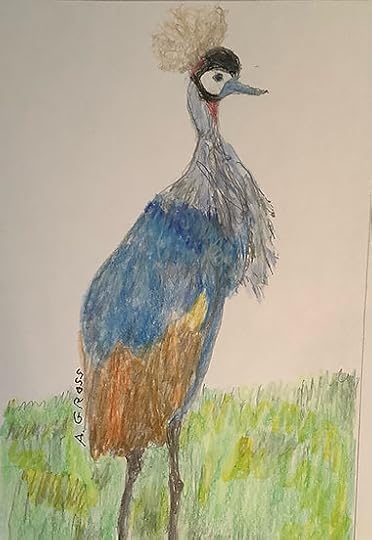
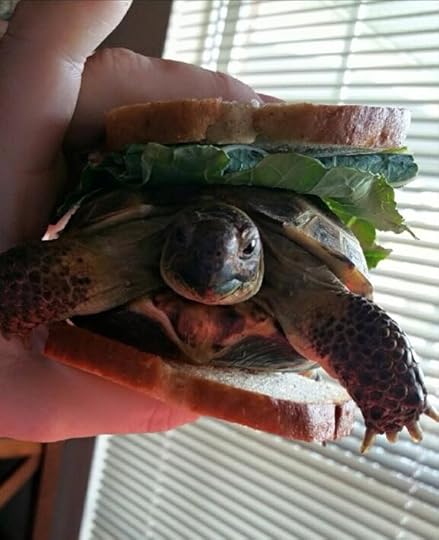
Recently lauded by Merve Emre in The New Yorker as publishing “the most interesting short-story writers working in English,” NOON is an award-winning literary annual that was founded in 2000 by American author Diane Williams. It is noted for its cutting-edge fiction, arresting art portfolios and elegant design. Contributors to the 26th edition of NOON include Bryan Price, Lydia Davis, Kim Chinquee, Christine Schutt, Nathan Dragon, Mark Tweed, Kathryn Scanlan, Dave Barrett, Belinda Paxton, Clancy Martin, Vi Khi Nao, Sara Reggiani, Stephen Mortland, Lucie Elven, Kayla Blatchley, Susan Laier, and Robert Tindall. NOON features paintings by Phyllis Bramson, Bernardo Zenale, Sofonisba Anguissola, drawings by Augusta Gross. ADVANCE PRAISE “A compendium of unlikely short prose and illustrations that challenge us to think about meaning and narrative . . . These are oblique stories, stories that exist in the interior, getting at the things we know but do not know we know.” —David Ulin, LOS ANGELES TIMES “Erudite, elegant and stubbornly experimental.” —Rumaan Alam, THE NEW YORK TIMES “A beautiful annual that remains staunchly avant-garde in its commitment to work that is oblique, enigmatic and impossible to ignore . . . stories that leave a flashbulb’s glow behind the eyes even as they resist sense.” —Rachel Syme, THE NEW YORK TIMES
Diane Williams is an American author, primarily of short stories. She lives in New York City and is the founder and editor of the literary annual NOON (est. 2000). She has published 8 books and taught at Bard College, Syracuse University and The Center for Fiction in New York City.
Her books have been reviewed in many publications, including the New York Times Book Review ("An operation worthy of a master spy, a double agent in the house of fiction") and The Los Angeles Times ("One of America's most exciting violators of habit is [Diane] Williams…the extremity that Williams depicts and the extremity of the depiction evoke something akin to the pity and fear that the great writers of antiquity considered central to literature. Her stories, by removing you from ordinary literary experience, place you more deeply in ordinary life. 'Isn't ordinary life strange?' they ask, and in so asking, they revivify and console”).
Jonathan Franzen describes her as "one of the true living heroes of the American avant-garde. Her fiction makes very familiar things very, very weird." Ben Marcus suggested that her "outrageous and ferociously strange stories test the limits of behavior, of manners, of language, and mark Diane Williams as a startlingly original writer worthy of our closest attention."