

What do you think?
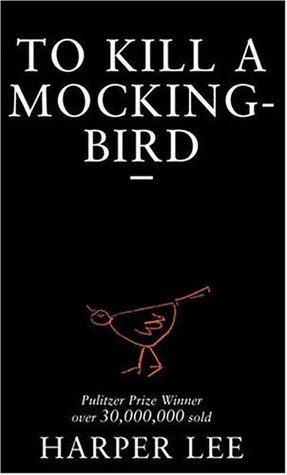
To Kill a Mocking Bird Study Guide
To Kill a Mocking Bird Study Guide
13 pages, Kindle Edition
First published May 3, 2011
Ratings & Reviews
Friends & Following
Create a free account to discover what your friends think of this book!
Community Reviews
Displaying 1 - 30 of 36 reviews

October 7, 2014
The reason why I read To Kill a Mockingbird is because my test prep over the summer had suggested I read this book. To Kill a Mockingbird is a piece of literature that has to deal with racial inequality, and justice for all. The author of To Kill a Mockingbird, Harper Lee, uses a very interesting way of conveying his theme to the audience. The author manipulates the protagonists innocents to show the affects of racial inequality on nonchalant people such as Jem, the protagonists brother. For instance, in the novel it says, " Shoot all the blue jays you want. But remember, its a sin to kill a mockingbird."(103)When reading this book, it had made me feel sentiment towards African Americans. This is because I realized how much hardships,discrimination, and injustice they had faced. Ultimately, this is a book that teaches myriads of lessons and should be read. This gives the reader an insight on what it feels like to be different and discriminated.

October 18, 2023
Πολλά ηθικά ζητήματα ξετυλίγονται με τόσο λεπτό τρόπο χωρίς να δίνεται αβίαστα η λύση τους.
Από την άλλη, η κεντρικη ηρωίδα έρχεται αντιμέτωπη με το πατριαρχικό σύστημα που την θέλει νσ συμπεριφερέται και ντύνεται με ορισμένο τροπο για να θεωρείται κυρία.Κάτι που στα μάτια ενός μικρού κοριτσιού φαίνεται -και είναι- παράλογο.
Πολύ ωραία ροή του λόγου, ακόμα και στις συνειρμικές σκέψεις της αφηγήτριας-ηρωίδας υπάρχει ροή που σου επιτρέπει να ξετυλίξεις το κουβάρι της σκέψης της και στην τελική, καταφέρνει να σε κάνει να ταυτιστείς μαζί της ξανανιώσεις παιδί.
Από την άλλη, η κεντρικη ηρωίδα έρχεται αντιμέτωπη με το πατριαρχικό σύστημα που την θέλει νσ συμπεριφερέται και ντύνεται με ορισμένο τροπο για να θεωρείται κυρία.Κάτι που στα μάτια ενός μικρού κοριτσιού φαίνεται -και είναι- παράλογο.
Πολύ ωραία ροή του λόγου, ακόμα και στις συνειρμικές σκέψεις της αφηγήτριας-ηρωίδας υπάρχει ροή που σου επιτρέπει να ξετυλίξεις το κουβάρι της σκέψης της και στην τελική, καταφέρνει να σε κάνει να ταυτιστείς μαζί της ξανανιώσεις παιδί.
July 20, 2020
What a book! I feel like I know all the main characters my whole life and now miss them! Although this book is both racist and sexist it demonstrates just what this meant back in the 1960's

October 4, 2018
Just a stereotypical melodrama :)
January 30, 2017
To Kill A Mocking Bird is a book about a black man accused of the rape of a white girl. This story is also focused on Boo Radley and how mysterious he is.
I didn't enjoy the beginning nearly as much as the end. Learning about Scout and Jem's fascination with Boo wasn't very interesting to me at all.
But I really did enjoy one scene in particular in Part Two, Chapter 12. Calpurnia takes Jem and Scout to her church, a 'colored' church. I loved the atmosphere of it all and I honestly wished that I was there, experiencing that with them. I really was curious that because they weren't all able to read and write, they repeat the hymnal that is read to them by Calpurnias son. It seemed like a very relaxed and friendly environment which I am memorized by.
I was very interested in the court scene, were Tom Robinson was trialed. I was very attentive and curious on what Atticus was debating and was shocked on how well he handled the case. It did, however, make me hate the Ewells a lot more. To me, it makes perfect sense that Mayella Ewell began the incident, with Tom Robinson declining, trying to back away without harming Mayella. Bob Ewell, Mayellas father, caught her, Tom running away. Bob was left furious with Mayella, therefore beating her and accusing Tom Robinson.
I also felt that Tom Robinson was more believable with his side of the story. He stuck with it and didn't feel unsure or having any second thoughts about what he was saying. Mayella, on the other hand was very obviously unsure, bursting into tears in very sudden moments. Her father was on his toes, making sure she said her story right.
I felt sympathy for Tom Robinson when he died, being shot trying to escape the prison. Tom was a man of 'colour', which in the 1930's, had the odds up against you. Tom was very sure that he would of been prosecuted guilty, even making him go crazy, leaving him to try and escape the prison.
A quote said by Mr. Dolphus Raymond, a wealthy man with mixed children. He says to Dill in the beginning part of Chapter 20, in which they are taking a break outside from the court; cry about the simple hell people give other people - without even thinking. Cry about the hell white people give colored folks, without stopping to think that there're people, too.
I thought that this was a very valid point, especially to be said in that era, because nobody else did.
I also quite like Mr Raymond as a character, I liked his thinking. I admired how he pretended to be drunk all the time, excusing him for his 'peculiar' actions when really he was sipping coke the whole time.
In the end, when Boo Radley saved Jem and Scout from Bob Ewells attack, I found to be perfect timing for him to be re-introduced. I feel like is was a great way to incorporate Boo back into the story, and then him leaving into his house, never to be seen again was a great way to keep the mysterious thrill about him alive.
Characters
Aunt Alexandra
In the first introduction of Aunt Alexandra, I absolutely hated her. I found her to be rude and too blunt. But I began to like and understand her at the end of Chapter 24 when Scout, Calpurnia and Aunt Alexandra are interrupted with the news of Tom Robinson death. Aunt Alexandra seems upset and very sad, but masks it to join the missionary circle meeting. Scout then says in her head that if Auntie could be a lady at a time like this, so could I.
I found this to be very heartwarming and sweet that Scout thought like this at that moment.
Atticus Finch
I loved Atticus as a fatherly figure and as a lawyer. I loved his attitude towards things and his complete placidness all of the time.
Jean Louise/Scout and Jem Finch.
I loved both of these characters, especially because of how realistic they were. The behaved exactly how I would expect them to, and reminded myself of how my brother and I speak to one and other, be being in Jems shoes. I quite liked how the story was told from Scouts point of view as it made it more easier to read and a lot more relaxed, yet still keeping the tension at the right moments.
Dill Harris
I didn't overly love Dill as a character, I felt that he was alright but kind of in the way and a bit annoying. Dill got between Jem and Scout, unintentionally, I believe, but I just wasn't very fond of him at all.
Overall, To Kill A Mocking Bird was very good book which I recommend everyone to read once in there life. I didn't love the beginning, but read to love the ending - but, obviously I was upset to learn the fate of Tom Robinson, but it was very realistic I feel, making me give it 4/5 stars.
I didn't enjoy the beginning nearly as much as the end. Learning about Scout and Jem's fascination with Boo wasn't very interesting to me at all.
But I really did enjoy one scene in particular in Part Two, Chapter 12. Calpurnia takes Jem and Scout to her church, a 'colored' church. I loved the atmosphere of it all and I honestly wished that I was there, experiencing that with them. I really was curious that because they weren't all able to read and write, they repeat the hymnal that is read to them by Calpurnias son. It seemed like a very relaxed and friendly environment which I am memorized by.
I was very interested in the court scene, were Tom Robinson was trialed. I was very attentive and curious on what Atticus was debating and was shocked on how well he handled the case. It did, however, make me hate the Ewells a lot more. To me, it makes perfect sense that Mayella Ewell began the incident, with Tom Robinson declining, trying to back away without harming Mayella. Bob Ewell, Mayellas father, caught her, Tom running away. Bob was left furious with Mayella, therefore beating her and accusing Tom Robinson.
I also felt that Tom Robinson was more believable with his side of the story. He stuck with it and didn't feel unsure or having any second thoughts about what he was saying. Mayella, on the other hand was very obviously unsure, bursting into tears in very sudden moments. Her father was on his toes, making sure she said her story right.
I felt sympathy for Tom Robinson when he died, being shot trying to escape the prison. Tom was a man of 'colour', which in the 1930's, had the odds up against you. Tom was very sure that he would of been prosecuted guilty, even making him go crazy, leaving him to try and escape the prison.
A quote said by Mr. Dolphus Raymond, a wealthy man with mixed children. He says to Dill in the beginning part of Chapter 20, in which they are taking a break outside from the court; cry about the simple hell people give other people - without even thinking. Cry about the hell white people give colored folks, without stopping to think that there're people, too.
I thought that this was a very valid point, especially to be said in that era, because nobody else did.
I also quite like Mr Raymond as a character, I liked his thinking. I admired how he pretended to be drunk all the time, excusing him for his 'peculiar' actions when really he was sipping coke the whole time.
In the end, when Boo Radley saved Jem and Scout from Bob Ewells attack, I found to be perfect timing for him to be re-introduced. I feel like is was a great way to incorporate Boo back into the story, and then him leaving into his house, never to be seen again was a great way to keep the mysterious thrill about him alive.
Characters
Aunt Alexandra
In the first introduction of Aunt Alexandra, I absolutely hated her. I found her to be rude and too blunt. But I began to like and understand her at the end of Chapter 24 when Scout, Calpurnia and Aunt Alexandra are interrupted with the news of Tom Robinson death. Aunt Alexandra seems upset and very sad, but masks it to join the missionary circle meeting. Scout then says in her head that if Auntie could be a lady at a time like this, so could I.
I found this to be very heartwarming and sweet that Scout thought like this at that moment.
Atticus Finch
I loved Atticus as a fatherly figure and as a lawyer. I loved his attitude towards things and his complete placidness all of the time.
Jean Louise/Scout and Jem Finch.
I loved both of these characters, especially because of how realistic they were. The behaved exactly how I would expect them to, and reminded myself of how my brother and I speak to one and other, be being in Jems shoes. I quite liked how the story was told from Scouts point of view as it made it more easier to read and a lot more relaxed, yet still keeping the tension at the right moments.
Dill Harris
I didn't overly love Dill as a character, I felt that he was alright but kind of in the way and a bit annoying. Dill got between Jem and Scout, unintentionally, I believe, but I just wasn't very fond of him at all.
Overall, To Kill A Mocking Bird was very good book which I recommend everyone to read once in there life. I didn't love the beginning, but read to love the ending - but, obviously I was upset to learn the fate of Tom Robinson, but it was very realistic I feel, making me give it 4/5 stars.
This entire review has been hidden because of spoilers.
February 15, 2019
This book is kind of simply plotted yet bit complex to understand still worth loving not your main stream kind of read. The narration, the main lead was not very appealing to me in the beginning still as I dug deep into this book I unfolded stauff I loved very much. I liked the character of Atticus Finch the most. I don't know what I loved more about him? His character as a lawyer or his character as a father? And oh! God his last speech in the court room as he finished I thought (it's a spoiler I can't tell you but believe me I loved that part the most.) The conclusion of the story was something that usually happens in the world. Something that was quite natural. The writer simply didn't try to satisfy the ordinary readers like me. The writer narrated what is truth, what must be called real. This book deserves a read. I love it. It's a sin to kill a mocking bird ;)
December 14, 2021
To be completely honest, the only reason I read this book was because of its high ratings and place in the literature world, and while it’s not my preferred genre or typical grab, To Kill a Mocking Bird is a worthy read and tells an eye opening story of racial prejudice in mid 1900s America. I really enjoyed seeing Scout grow and mature throughout the book, in the beginning, naive and innocent, and by the end becoming more confident and observant, understanding of the world around her, through watching the trial and being exposed to the controversy and conflicting opinions of the towns racist and closed views on equality, compared to Atticus’s lust for equality in defending his clients. It’s a great book, but for me not something I would choose to read a second time as it’s just didn’t seem to pull me in as much as other reads.
December 9, 2023
To Kill A Mockingbird is a classic, and while it is widely well-known, I'm not sure it deserves such a good reputation. It had somewhat interesting characters, but it had too many of them. It's hard to follow an overall plot when you're reading several different stories at once. With so many characters, they start to blend and mix until you don't know who’s who. The story unfolded at a slow pace and left me disappointed and overall unsatisfied. While the book covers very important and relevant themes, the delivery didn't resonate with me. Some characters were well thought out, but others were undeveloped and shallow. Overall it was an underwhelming read and though it may be a classic, I wouldn't recommend spending the time to read it.

February 20, 2019
Couldn’t recall how I heard of the book but the title in itself is obtruded. I love it when without paying a penny the book just came to me and did not disappoint me. Without reading review of it before I just dived into the story. And it got me hooked. The way the author narrated it clear enough for me and at the same time kept my mind afloat with high suspense.
The fact that the author used a kid’s voice to portrayed the story is somehow adept. It gives reader a sensible picture. It’s fictional yet to me the story could be. This book is enjoyable to me.
The fact that the author used a kid’s voice to portrayed the story is somehow adept. It gives reader a sensible picture. It’s fictional yet to me the story could be. This book is enjoyable to me.
October 7, 2019
Excellent book that talks about how the society was in the Northern States in the U.S. Its main theme is about the discrimination of color, justice and how people and society in general perceived things back then. These things are presented by the young girl's point of view in a very pleasant way. Apart from the basic theme, it also introduces you to information about habits and how the kids were growing up. Very good book and movie. As it always happens with movies that are based on books, the book contains more information than the movie.

July 21, 2026
SAURRRR GOOOOOD like I was hesitant pa kasi natatakot akong magka reading slump sa mga classics pero I genuinely enjoyed this !!! binasa q kasi naalala ko fav daw to ni mayor leni hehehe. but anyway siguro dahil na rin kasi wala kaming wifi kaya natapos ko siya ng 4 days lang ata. siya yung type ng book na ma aadapt or maaatach ka sa buhay nung narrator like ma fefeel mo na part ka ng story, na parang may routine na ganern perow di siya boring promise. this is so hard to pull off sa libro tas di pa series. basta ang ganda super. ang ganda rin ng parenting ni Aticus.
December 12, 2025
As a black person,this book left me with a bitter taste in mu mouth. The injustice and cruelty people of colour faced was quite shocking. I am glad there were a few white people in the book that actually stood up for what was right and called out the injustice although nothing much could have been done.

September 23, 2017
Brilliant. So beautifully written. So descriptive and so evocative of life in the Deep South of America in the 1930's. The story exemplifies the racial inequality, injustice & social inequality of the era and life through the eyes of children.

May 25, 2024
People normally don’t like this book but i actually really liked it. I thought the symbolism and plot was good. There was so many plot twists and i love how it put things into perspective. It was an eye opening book. I truly recommend this book to anyone who wants a historical eye opening book

May 30, 2017
almost cried because it was so touching. such a loving, understanding and brave 8-year-old
January 2, 2019
To be honest, I found it hard to follow along with. I had to read it for school and I just couldn't understand it easily. It is a good book though.
January 13, 2019
loved the ending didnt expext that also the begiing some how connected to the end ( trying not ti spoil)

Read
August 14, 2019A great book
Read
September 8, 2019The book is a masterpiece.
Read
January 10, 2020Finn a gen Let's Begin AGAIN

April 1, 2020
An idyllic life interlaced with harsh realities. A child in the South comes to terms with life's hidden secrets and injustices whilst her father embarks on righting some of these wrongs.

June 5, 2024
This is a must for everyone. A capturing reading. I enjoyed it.
January 22, 2025
had to read it for school, it starts pretty boring but by the end is really interesting!
May 11, 2025
Although they mostly speak in foreign or broken English, it is a thriller for the head strong, law type of people like myself. I would definitely recommend 👌 👍
August 29, 2025
2.5 Stara
February 23, 2020
This book is about racial issues and how several american generations came to grips with those issues. It’s a story about a father who had to endure hardships to live up to his values, a young girl trying to figure out life and morality, a young boy following up in his father’s footsteps and the community around them.
I thoroughly enjoyed how the author took great detail in illustrating the way of life at that period, it felt like i was right there experiencing seasons change, characters development and change in people’s perception. I laughed quite a bit, felt awkward at times and was touched overall by the story.
Atticus Finch is a great character with an even greater name. And as he said ”The one thing that doesn't abide by majority rule is a person's conscience.” That pretty much sums up Atticus’ attitude during the whole story.Next on my list of favorite characters is the curious Jean Louise “scout” Finch, i admired how she was always willing to learn and fight for her convictions. Such a strong character and she was always willing to revisit her convictions and follow the truth. As the following quote shows in a very simple way “Atticus, he was real nice'. 'Most people are, Scout, when you finally see them.'
If you liked kindred, a raisin in the sun or the sound and the fury, you will probably like to kill a mocking bird. I would recommend this book because it’s interesting and keeps you engaged till the end. It gives you an insight on how people was at the time in America and shows you how humanity developed over the years. 4/5
I thoroughly enjoyed how the author took great detail in illustrating the way of life at that period, it felt like i was right there experiencing seasons change, characters development and change in people’s perception. I laughed quite a bit, felt awkward at times and was touched overall by the story.
Atticus Finch is a great character with an even greater name. And as he said ”The one thing that doesn't abide by majority rule is a person's conscience.” That pretty much sums up Atticus’ attitude during the whole story.Next on my list of favorite characters is the curious Jean Louise “scout” Finch, i admired how she was always willing to learn and fight for her convictions. Such a strong character and she was always willing to revisit her convictions and follow the truth. As the following quote shows in a very simple way “Atticus, he was real nice'. 'Most people are, Scout, when you finally see them.'
If you liked kindred, a raisin in the sun or the sound and the fury, you will probably like to kill a mocking bird. I would recommend this book because it’s interesting and keeps you engaged till the end. It gives you an insight on how people was at the time in America and shows you how humanity developed over the years. 4/5

September 23, 2014
Ok so like i read this because my freshman English teacher made me and like it was the worst. This book is soooooooooooo boring because it's basically many stories in one. I didn't really like that because it kept getting me really confused and i didn't know what was going on. After, we watched the movie, which was HORRIBLE! The book and the movie don't really tie together. The movie was missing so many parts from the book that it got me even more lost. Over all, i give this book 2 stars.

October 1, 2014
An entertaining story and well worth reading but I am not sure it really merits the awe with which some people view it. Don't get me wrong, it is a good book, but for me an exceptional book is one that hits my emotions hard, dazzles me with its prose or changes the way I see the world and this book does not really say anything profound.
February 21, 2015
It definitely was a challenge to get to the finish, the book had been built up by movies, tv and English teachers to be this amazing book. And it didn't quite reach the expectation, but I'm glad I read it
July 19, 2015
Reread this novel to get ready for the new Harper Lee. Even better than I remember. Such great character development, descriptions, and conversations. What great historical depictions of the south during those times. Harper Lee is a gift to book lovers.
Displaying 1 - 30 of 36 reviews