

What do you think?

Harpy: A Manifesto for Childfree Women
'Harpy is a tonic; a tongue-in-cheek manual for dealing with Spanish Inquisition-style questioning about saying pass to procreation and building an enriching life beyond the nuclear family' VOGUE 'Harpy made me nod in recognition, and shake my head with sorrow, and then it made me laugh out loud' EMILIE PINE, author of NOTES TO SELF and RUTH & PEN'Defiant, funny and inspiring' SEÁN HEWITT, author of ALL DOWN DARKNESS WIDE Each generation has more childfree women than the one before. For many, it is an active decision made for a wide range of reasons. Despite this growing trend, we continue to live in a society where women are often judged for deciding to remain childfree - for not conforming to narrow expectations. For being a Harpy. In this timely and thoughtful book, Caroline Magennis looks beyond the often-divisive conversation around women who choose to be childfree and offers an alternative message of hope and celebration. With humour and intelligence, she explores why motherhood isn't right for everybody and how any woman - whether a parent or childfree - can live a full life, while also reminding the reader that your freedoms and the right to autonomy should never be taken for granted.
272 pages, Paperback
Published September 9, 2025
Ratings & Reviews
Friends & Following
Create a free account to discover what your friends think of this book!
Community Reviews
Displaying 1 - 30 of 30 reviews

May 23, 2024
2.5⭐ rounded up
I never thought a Childfree book could make me feel more isolated in my choice, but Harpy did it.
Harpy is focused on a specific type of childfree person:
Childfree women who enjoy spending time with children
It discusses how we can keep our friends when they become parents and how we can support parents in the workplace. It is essentially "it takes a village to raise a child” and we should join with our Mum friends to improve life for all women.
This is definitely a great perspective and we, as women, should be supporting each other rather than tearing each other down for personal choice, but it felt like the book disregarded anyone who didn't fit into that space.
Personally, I struggle around children. I am awkward and I don't like spending time with them. I don't want to be a cool aunt or have some sort of caring role in children's lives. The book mentioned people like me in passing, just noting we exist but providing nothing for us.
Aside from this, the book definitely needs some editing. It was clunky and confusing to read with some quotes from interviewees being in paragraphs and other quotes being in block quotes. I regularly had to go back and read sentences again to determine whether the thoughts being discussed were from one of Magennis' interviewees or her thoughts.
The chapters also go off on huge tangents. The chapter about friendship ends on pages and pages of recap of the book Olive by Emma Gannon. I ended up so confused about why these things were being discussed.
Overall, I was pretty disappointed in this book. I went into it thinking I'd feel more comfortable and accepted for my choice, but ended up feeling like I wasn't doing childfree right.
If you are a childfree woman who wants help on building relationships with your parent friends, this might be a great book. If you can get past the way it is edited.
I never thought a Childfree book could make me feel more isolated in my choice, but Harpy did it.
Harpy is focused on a specific type of childfree person:
Childfree women who enjoy spending time with children
It discusses how we can keep our friends when they become parents and how we can support parents in the workplace. It is essentially "it takes a village to raise a child” and we should join with our Mum friends to improve life for all women.
This is definitely a great perspective and we, as women, should be supporting each other rather than tearing each other down for personal choice, but it felt like the book disregarded anyone who didn't fit into that space.
Personally, I struggle around children. I am awkward and I don't like spending time with them. I don't want to be a cool aunt or have some sort of caring role in children's lives. The book mentioned people like me in passing, just noting we exist but providing nothing for us.
Aside from this, the book definitely needs some editing. It was clunky and confusing to read with some quotes from interviewees being in paragraphs and other quotes being in block quotes. I regularly had to go back and read sentences again to determine whether the thoughts being discussed were from one of Magennis' interviewees or her thoughts.
The chapters also go off on huge tangents. The chapter about friendship ends on pages and pages of recap of the book Olive by Emma Gannon. I ended up so confused about why these things were being discussed.
Overall, I was pretty disappointed in this book. I went into it thinking I'd feel more comfortable and accepted for my choice, but ended up feeling like I wasn't doing childfree right.
If you are a childfree woman who wants help on building relationships with your parent friends, this might be a great book. If you can get past the way it is edited.

April 7, 2024
Even though this book’s topic is near and dear to my heart, I had never before read any non-fiction on it.
On the topic of motherhood, I’ve read Guadalupe Nettel’s “Still Born” and Emma Gannon’s “Olive”, which didn’t totally fill my cup, the latter in particular because of the title character’s doubts about not wanting children, and worrying there was something wrong with her.
Caroline Magennis’ “Harpy”, on the other hand, is an amazing book by an unashamedly childfree woman for other unashamedly childfree women, and I absolutely loved it.
What I enjoyed most is that the book doesn’t focus on the reasons behind not wanting children, but rather on all other aspects of childree women’s lives. Mixing the author’s own thoughts and feelings with testimonials of childfree women she’s interviewed, the book shows us how childfree women navigate the workplace, and their relationships to friends, partners, families, and communities; how they move through life by valueing their work, their community, their freedom, or simply the passing of their routinely quiet days.
Some of the topics mentioned in the book I’d already thought a lot about and experienced myself, such as having “friends” tell me I’d change my mind. Others, however, I had never even considered such as the under-researched impact of not having children on menopause, alternative living facilities for the childfree elderly people, and the need for advocating for ourselves in what these sorts questions are concerned.
Harpy is a great information source as it is, with a chapter focussed on real and fictional childfree women, but not just that, it also shares a lot of other childree resources, from online communities to books and documentaries.
I really enjoyed this book, and would recommend it to all childfree people as well as anyone wanting to educate themselves on the topic or understand the childfree women in their lives a little bit better.
Thank you so much to NetGalley and Icon Books for this ARC.
On the topic of motherhood, I’ve read Guadalupe Nettel’s “Still Born” and Emma Gannon’s “Olive”, which didn’t totally fill my cup, the latter in particular because of the title character’s doubts about not wanting children, and worrying there was something wrong with her.
Caroline Magennis’ “Harpy”, on the other hand, is an amazing book by an unashamedly childfree woman for other unashamedly childfree women, and I absolutely loved it.
What I enjoyed most is that the book doesn’t focus on the reasons behind not wanting children, but rather on all other aspects of childree women’s lives. Mixing the author’s own thoughts and feelings with testimonials of childfree women she’s interviewed, the book shows us how childfree women navigate the workplace, and their relationships to friends, partners, families, and communities; how they move through life by valueing their work, their community, their freedom, or simply the passing of their routinely quiet days.
Some of the topics mentioned in the book I’d already thought a lot about and experienced myself, such as having “friends” tell me I’d change my mind. Others, however, I had never even considered such as the under-researched impact of not having children on menopause, alternative living facilities for the childfree elderly people, and the need for advocating for ourselves in what these sorts questions are concerned.
Harpy is a great information source as it is, with a chapter focussed on real and fictional childfree women, but not just that, it also shares a lot of other childree resources, from online communities to books and documentaries.
I really enjoyed this book, and would recommend it to all childfree people as well as anyone wanting to educate themselves on the topic or understand the childfree women in their lives a little bit better.
Thank you so much to NetGalley and Icon Books for this ARC.
September 10, 2024
it took me way too long to finish this book… it was a non-fiction, so nothing i would normally reach for, and it was about a topic that wasn’t really relevant to me (decidedly childless women, though technically i am one?) it was interesting to read as it was presented in an academic but digestible way, but it wasn't very engaging.

January 11, 2026
I was so very looking forward to this book so maybe I set the expectations too high. I found it exhaustingly repetitive and lacking a clear message and structure, to the point where I really struggled to finish it. The points made are all very true, however they don’t need to be backed by - and I am not exaggerating - 20 to 50 examples from movies / literature / music / pop culture each, in my opinion they deserved to stand on their own and this over-exemplifying and relentless repeating just made it messy and redundant. Could have been a 10 page essay.

March 28, 2025
A refreshing read, written in a soft but unbreakable voice. I appreciated that the author didn’t waste time justifying or explaining “why”—a choice that made the book feel all the more resolute and empowering.
The book made me realise how strikingly intrusive it is when people casually ask, “When will you have kids?” That’s a deeply personal decision and nobody should have to justify it.
While the book approaches being childfree from a specific perspective, I found it life affirming since I fit within the category the author describes. Of course, if it attempted to cover every possible viewpoint on being childfree, it would likely be a ten-volume encyclopedia.
The societal pressure to center a woman’s existence/essence around motherhood is both limiting and unnecessary.
“I will do as I please” is one of the most powerful statements a woman can make, and I deeply admire any woman who stands by it. Yet, why is it that when a woman asserts this, she is seen as rebellious or “unnatural,” while for a man, it is simply accepted?
Ultimately, whether or not a woman chooses to have children, the true power lies in having the choice. The more women are free to shape their own lives, the more we all benefit as a society.
The book made me realise how strikingly intrusive it is when people casually ask, “When will you have kids?” That’s a deeply personal decision and nobody should have to justify it.
While the book approaches being childfree from a specific perspective, I found it life affirming since I fit within the category the author describes. Of course, if it attempted to cover every possible viewpoint on being childfree, it would likely be a ten-volume encyclopedia.
The societal pressure to center a woman’s existence/essence around motherhood is both limiting and unnecessary.
“I will do as I please” is one of the most powerful statements a woman can make, and I deeply admire any woman who stands by it. Yet, why is it that when a woman asserts this, she is seen as rebellious or “unnatural,” while for a man, it is simply accepted?
Ultimately, whether or not a woman chooses to have children, the true power lies in having the choice. The more women are free to shape their own lives, the more we all benefit as a society.

August 10, 2024
Interesante.
En un libro que toca la no maternidad desde la decisión individual y la búsqueda de comunidad y aceptación, ha habido momentos de contexto que se me han hecho algo largos pero que veo imprescindibles para un lector escéptico.
Un buen ensayo.
En un libro que toca la no maternidad desde la decisión individual y la búsqueda de comunidad y aceptación, ha habido momentos de contexto que se me han hecho algo largos pero que veo imprescindibles para un lector escéptico.
Un buen ensayo.
July 24, 2026
Really enjoyed this book, it felt like a conversation and covered lots of aspects I think about such as wanting to be a part of "the village" and to support without being a parent.
May 29, 2025
Pues me ha gustado mucho. Tanto si eres una persona que quiere tener hijos como sino recomiendo darle una oportunidad. Es un espacio sobre todo seguro para quien no quiera hijos, sobre todo para sentirse resguardado en su decisión.
Y en el caso de que quieras podrás comprender un poco más a quien no quiera y entender que es una decisión más y aprender a no juzgar esa decisión
Y en el caso de que quieras podrás comprender un poco más a quien no quiera y entender que es una decisión más y aprender a no juzgar esa decisión
June 18, 2025
This was so gentle, a great pick to give to someone you love who maybe doesn't quite understand your child free choice. I also really want to read Motherhood now.

January 9, 2025
كتاب جاء بطريقة عفوية ، لا تريد منه المؤلفة أن يكون علمياً ، ثم نقلت فيه أقوال نساء مختلفات كوسيلة لخلق صوت جماعي يعبر عن النساء اللاتي لا يريدن الإنجاب..
المؤلفة تخلط كثيرا و تتخبط بشكل يصل إلى الضجر فهي لا تبدو مدركة جيداً للذي تريده ، الحسنة الوحيدة هي حديثها عن وسم النساء اللاتي لا يرغبن بالإنجاب بالانانية و الرفاهية ، ولأن المشكلات كثيرة سنقسمها إلى:
جعل الاختيار هوية!
ترفض المؤلفة سؤال لماذا و تصر على كونها لا ترغب بالإنجاب ليس لأنها قررت بل لأنها .. مخلوقة بانعدام رغبة ، حين تصبح الهوية مفهوم مطاطي نجد أمثال المؤلفة يدعون لأنفسهم حق تحقيق الميول والرغبة على أرض الواقع دون سؤال و نقاش بل يصبح أي حوار محاولة لنزع الحق ، المرأة الوحيدة التي انعدام الإنجاب جزء من هويتها هي العاقر وليست وحدها بل بجانبها شقيقها الرجل العقيم ، هما فقط من يكون عدم الإنجاب هوية ، أما الأخوة و الأخوات الذين تعمل اعضاءهم التناسلية على إنتاج الحيوانات و البويضات فهم أشخاص مخيرون ومن حقهم الاختيار .
لكن لماذا تريد المؤلفة جعل عدم الرغبة بالأطفال هوية؟
رغم أنها لا تجيب إلا أنك تستطيع رؤية سبب منطقي وهي الأمومة حين تصبح هوية ، تضع المنظومة الذكورية المرأة في دور الأم فقط ومن تفكر خارج إطار الطفل و البيت هي امرأة أقل إن لم تكن مذنبة وعليها التوبة، اختصار هوية المرأة بالأمومة يحمل ثقلاً فدور الأم ليس سهلاً متيسر ، لهذا ستجد المرأة نفسها مجبرة على دور صعب قد تفقد بسببه رغبات كثيرة ، الصواب أن لا تكون ردة الفعل خلق هوية مناقضة! ، أن نصنع هويتان إما أم أو امرأة بلا أطفال! .. ردة الفعل هذه ليست طفولية فحسب بل فيها عته و غباء ،الأمومة دور اجتماعي لا يفقدكِ فردانيتكِ .
وهناك سبب واقعي وهو التيار الهوياتي الذي أطلقه الشواذ جنسياً ، فالمؤلفة تشجع اختلاف انواع الأسر على أن لا تكون الأسرة البيولوجية هي الأصل ، وأن يكون مفهوم الرعاية بجانب مفهوم الوالدية حين يتعلق الأمر بالاهتمام بالأطفال، فتضع المرأة التي لا ترغب بالإنجاب بجانب الرجل المتحول و المرأة المتحولة و المرأة العاقر!.
خلاصة الكلام هنا أن دعوى الهوية مرفوضة فعدم الإنجاب للقادرين عليه يسمى قرار و أصحاب القرار تكون لهم أسباب خاصة في القبول و الرفض ، وحدهم الذين يولدون بلا قدرة يكون عدم الإنجاب جزء من وجودهم وعليه أي ممارسة تقلل من شأنهم أو تشيطن وجودهم تسمى عنصرية.
وصف النساء بالمخلوق الخطافة
مخلوق نصفه امرأة و الآخر طائر يدعى هاربي أو الخطاف ، لم يصف أحد المرأة التي لا ترغب بطفل بهذا الحيوان الاسطوري لكن المؤلفة تعتقد بأن وصف المرأة به يدل على القوة و الصلابة في مواجهة وسمات العار و الاحتقار !
التهرب و عدم المواجهة
الأنانية و الإنتاجية و الوحدة ، ثلاثة أمور ينظر إلى المرأة التي لا ترغب بالإنجاب من خلالها ، فيعتقد الجميع أنها تفكر في رغباتها الشخصية فقط بحيث لا تجد في نفسها رغبة في الإهتمام بطفل ولا تريد تحقيق رغبة زوجها بالابوة ، امرأة تهرب من المسؤوليات التي تتجاوز ذاتها ، ترد المؤلفة بأنها تحب رعاية الأطفال والاهتمام بهم و تحب مساعدة الأمهات و كبار السن ، أن فرصة التعاون أكبر حين تقرب من أسرتك امرأة لا ترغب بالإنجاب لأنها ستحب خدمة الآخرين وتملك وقت لذلك ، إذن سيكون الاعتقاد بأن النساء اللاتي لا يرغبن بالإنجاب يوفرون أكثر لأصحاب رؤوس الأموال صحيح ، فهن موظفات أفضل لكونهن متفرغات للإنتاج فليس لديهن مسؤوليات تحتم عليهن تقليص و تخصيص أيام للعمل و الإجازة، ترد المؤلفة بأن هذا ليس بصحيح فلا يجب النظر إلى التي تقرر عدم الإنجاب على أنها موظفة متفرغة فربما لديها شغلها الخاص وتريد له وقتاً وهي تقر وتحترم النساء اللاتي يجدون أنفسهم في وظائفهم لكنها ترفض وضع توقعات إنتاجية عالية على اكتافهن، يعتقد بأن الوحدة ترافق المرأة التي لا تريد طفل لكن المؤلفة ترفض فهي لديها زوجها وغيرها لديهن صديقات .
ما الذي تفعله؟
المؤلفة تهرب بهويتها - أو بالأصح برغبتها - من التصور السلبي ، لذلك تنفي الأنانية رغم أن نساء مثلها كثر شجاعات قالن بصريح العبارة نعم .. لا أريد مسؤولية أريد الإهتمام بنفسي فحسب ثم يسردون روتين الأمهات ليقلن في الختام بأنهن أراحن انفسهن، الصراحة مهمه هنا فإن كانت تربية طفل أمراً لستِ قادرة عليه.. أتركيه، لكن المؤلفة ليست بقادرة على الاعتراف بأنها لا تريد أن تهتم بطفل منذ الفجر كي لا تصور بالانانية فتقول سأهتم بأطفالكن يا أمهات! ، ثم موضوع الإنتاجية وهو موضوع شائك حيث يتبنى التيار الهوياتي المسعور رؤية مناهضة للرأسمالية، والنساء اللاتي لا يرغبن باطفال سيأخذن وظائف الأمهات في شركة انتهازية.. وستكون فرصة توظيف الأمهات أقل في سوق تعرض فيه امرأة بلا طفل خدمتها ، الهروب من دعم الرأسمالية بالقول بأنها ستأخذ إجازة أيضا لأنها تريد أن تمارس هواية يضحكني ، ربما من الأفضل أن ترفع عن نفسها الملامة وتشير إلى النظام الذي يضعها محل شقيقتها الأم دون أن تنكر قيمتها في السوق ، ثم الوحدة .. كان بالإمكان المؤلفة أن تجب بعدم الضمان ، لا يمكنك أن تعول على أبدية أي علاقة .. لكنها تدرك ما يمكن أن تفعله العائلة البيولوجية و ثنائية البنوة و الأبوة، المنزل الذي يسكنه طفل يستحيل أن يكون مثل منزل بلا طفل ، الأصوات و الفوضى و العمل المتواصل .. لها طعم مختلف تدركه الأمهات بعدما يكبر آخر أطفالها ، فحين يسألون امرأة لا تريد طفلا لماذا تختار الوحدة دون صحبة ابن في حياتها تجيبهم بأنها في صحبة زوجها ..
الأمر في النهاية أختيار لكن انعدام الشفافية يغضبني ، ثم مهلاً هي اختارت عدم الإنجاب ماذا عن زوجها؟ هل اكتشف هويته حين تزوجها؟ أم أختار البقاء معها على أن يكون أب ؟ ، مسألة الهوية مستفزة .
وضع كل الظلم الذي على المرأة في مواجهة المرأة التي اختارت عدم الإنجاب
الكتاب تضع المؤلفة جميع انواع قهر المرأة في مواجهة قرار عدم الإنجاب وهذا سلوك تحاول فيه خلق نضال و مقاومة أكبر من الواقع ، أن المرأة التي خلقت بامكانية الاختيار لا يمكن لأحد أن يوسمها بالقصور و النقص مثلما توسم المرأة العاقر ، فهذه المرأة لديها سلاح الرفض .. قد قالت لا للتصور التقليدي عن دور المرأة في المجتمع.. قالت لا للامومة، مستفز سلب المرأة العاقر نضالها ليشمل امرأة سليمة فقط لكي تخلق لنفسها سردية نضالية ، الصراع الحقيقي هو وسمها بالشبق و خيانة العرق والأمة - خاصة في الشعوب التي عانت حروباً تطهيرية- ، هذا ميدان الجدل فهي صحيحة البطن يمكنها أن تنجب فكيف تصور بالقصور ! .
ثم نجدها تدخل نفسها في معاناة المرأة التي تسعى للاجهاض أو التي تعاني من تدخل الأطباء في صحتها بحيث تشاركهم معاناة التحكم في جسمها، وهذا ليس بصحيح فهي اختارت ولا يمكن لأحد أن يحقنها ببيضة مخصبة! .. المرأة التي بيد الرعاية الصحية علاجها هي التي تعاني من وصاية على الجسد ، ثم يذكرني الأمر حين قررت احداهن التخلص من المبايض فقررت الطبيب اعطاءها فترة تفكير فوجدت في قراره وصاية! ، طبيعي لن يستعجل .. من انسانيته أن لا يستعجل .
واخيراً نراها تتسلل إلى المنظومة الفكرية الجندرية لتقول نحن أيضا نوع أسرة مثل نوع الأسرة السحاقية و الأسرة اللوطية و الأسرة المتحولة ، نواجه التصور المحدود للأسرة وحصرها في الأسرة البيولوجية المكونه من الجنسين، لكنها لا تدرك بأنها ليست أسرة أصلا، الأسرة محاضن الأطفال أما الشخصين المتزوجين هما زوجان فحسب ، لا يهمني جدل القيمة بل يهمني هنا ميوعة المفهوم و محاولة المؤلفة صنع سردية المظلومية و القهر !
هذا يدل على عجز المؤلفة في فهم شعور الضغط الذي تمر به لقرار اختارته، فتهرب من الاتهامات الحقيقية الموجهه لقرارها إلى ساحات صراع لا تشملها كي تجد لنفسها فريق تنتمي له وتجد إجابات جاهزه لعدو هي اختارته! ، كان عليها الجلوس مع افكارها ومراجعة أثر قرارها في دعم الرأسمالية وفي تصويرها كامراة شهوانية و تصويرها كخائنة لعرقها الايرلندي..
ليست مسألة وصاية فالعكس صحيح ،ولا مسألة قهر وجودي فهي تستطيع الإنجاب ولا تريد ، ولا مسألة محاربة زواجها لأجل الأسرة البيولوجية لأنها أصلا لا تشكل أسرة مع زوجها .
التعاطف إلى درجة التقزز
تكرار المؤلفة أنها في صف الأمهات و تحب رعاية الأطفال وترغب في تسخير وقتها لاجلهم يجعلني اشفق على العجز الفكري الذي وقعت فيه فراحت تكرر على النساء لست عدو انا احبكم! .
كان يكفيها مرة واحدة توضح فيها موقفها من الأسرة البيولوجية ، الإصرار على تأكيد أنها ليست خصم مثيرة للشفقة .
اخيراً المؤلفة امرأة تبحث عن القبول ولا تملك شجاعة الاعتراف بأسباب قرارها، قرار الإنجاب يجب أن يكون واعي وكذلك قرار عدم الانجاب، هذا القرار ليس هوية بل اختيار مرهون بظروف الحياة المختلفة ، مثله مثل قرار الزواج .
المؤلفة تخلط كثيرا و تتخبط بشكل يصل إلى الضجر فهي لا تبدو مدركة جيداً للذي تريده ، الحسنة الوحيدة هي حديثها عن وسم النساء اللاتي لا يرغبن بالإنجاب بالانانية و الرفاهية ، ولأن المشكلات كثيرة سنقسمها إلى:
جعل الاختيار هوية!
"There are two kinds of inten- tionally childless women - the ones who have always known and the ones who have come to the realisation slowly over time. Rarely is it a 'decision.It's not like deciding if a short haircut will suit you or if you should paint the bathroom teal
For me, it wasn't a decision at all. It's a conviction deep in my bones. We can no more row back on that feeling that someone who wants to have children can row back on their deeply held desire for family life."
ترفض المؤلفة سؤال لماذا و تصر على كونها لا ترغب بالإنجاب ليس لأنها قررت بل لأنها .. مخلوقة بانعدام رغبة ، حين تصبح الهوية مفهوم مطاطي نجد أمثال المؤلفة يدعون لأنفسهم حق تحقيق الميول والرغبة على أرض الواقع دون سؤال و نقاش بل يصبح أي حوار محاولة لنزع الحق ، المرأة الوحيدة التي انعدام الإنجاب جزء من هويتها هي العاقر وليست وحدها بل بجانبها شقيقها الرجل العقيم ، هما فقط من يكون عدم الإنجاب هوية ، أما الأخوة و الأخوات الذين تعمل اعضاءهم التناسلية على إنتاج الحيوانات و البويضات فهم أشخاص مخيرون ومن حقهم الاختيار .
لكن لماذا تريد المؤلفة جعل عدم الرغبة بالأطفال هوية؟
رغم أنها لا تجيب إلا أنك تستطيع رؤية سبب منطقي وهي الأمومة حين تصبح هوية ، تضع المنظومة الذكورية المرأة في دور الأم فقط ومن تفكر خارج إطار الطفل و البيت هي امرأة أقل إن لم تكن مذنبة وعليها التوبة، اختصار هوية المرأة بالأمومة يحمل ثقلاً فدور الأم ليس سهلاً متيسر ، لهذا ستجد المرأة نفسها مجبرة على دور صعب قد تفقد بسببه رغبات كثيرة ، الصواب أن لا تكون ردة الفعل خلق هوية مناقضة! ، أن نصنع هويتان إما أم أو امرأة بلا أطفال! .. ردة الفعل هذه ليست طفولية فحسب بل فيها عته و غباء ،الأمومة دور اجتماعي لا يفقدكِ فردانيتكِ .
وهناك سبب واقعي وهو التيار الهوياتي الذي أطلقه الشواذ جنسياً ، فالمؤلفة تشجع اختلاف انواع الأسر على أن لا تكون الأسرة البيولوجية هي الأصل ، وأن يكون مفهوم الرعاية بجانب مفهوم الوالدية حين يتعلق الأمر بالاهتمام بالأطفال، فتضع المرأة التي لا ترغب بالإنجاب بجانب الرجل المتحول و المرأة المتحولة و المرأة العاقر!.
خلاصة الكلام هنا أن دعوى الهوية مرفوضة فعدم الإنجاب للقادرين عليه يسمى قرار و أصحاب القرار تكون لهم أسباب خاصة في القبول و الرفض ، وحدهم الذين يولدون بلا قدرة يكون عدم الإنجاب جزء من وجودهم وعليه أي ممارسة تقلل من شأنهم أو تشيطن وجودهم تسمى عنصرية.
وصف النساء بالمخلوق الخطافة
مخلوق نصفه امرأة و الآخر طائر يدعى هاربي أو الخطاف ، لم يصف أحد المرأة التي لا ترغب بطفل بهذا الحيوان الاسطوري لكن المؤلفة تعتقد بأن وصف المرأة به يدل على القوة و الصلابة في مواجهة وسمات العار و الاحتقار !
التهرب و عدم المواجهة
الأنانية و الإنتاجية و الوحدة ، ثلاثة أمور ينظر إلى المرأة التي لا ترغب بالإنجاب من خلالها ، فيعتقد الجميع أنها تفكر في رغباتها الشخصية فقط بحيث لا تجد في نفسها رغبة في الإهتمام بطفل ولا تريد تحقيق رغبة زوجها بالابوة ، امرأة تهرب من المسؤوليات التي تتجاوز ذاتها ، ترد المؤلفة بأنها تحب رعاية الأطفال والاهتمام بهم و تحب مساعدة الأمهات و كبار السن ، أن فرصة التعاون أكبر حين تقرب من أسرتك امرأة لا ترغب بالإنجاب لأنها ستحب خدمة الآخرين وتملك وقت لذلك ، إذن سيكون الاعتقاد بأن النساء اللاتي لا يرغبن بالإنجاب يوفرون أكثر لأصحاب رؤوس الأموال صحيح ، فهن موظفات أفضل لكونهن متفرغات للإنتاج فليس لديهن مسؤوليات تحتم عليهن تقليص و تخصيص أيام للعمل و الإجازة، ترد المؤلفة بأن هذا ليس بصحيح فلا يجب النظر إلى التي تقرر عدم الإنجاب على أنها موظفة متفرغة فربما لديها شغلها الخاص وتريد له وقتاً وهي تقر وتحترم النساء اللاتي يجدون أنفسهم في وظائفهم لكنها ترفض وضع توقعات إنتاجية عالية على اكتافهن، يعتقد بأن الوحدة ترافق المرأة التي لا تريد طفل لكن المؤلفة ترفض فهي لديها زوجها وغيرها لديهن صديقات .
ما الذي تفعله؟
المؤلفة تهرب بهويتها - أو بالأصح برغبتها - من التصور السلبي ، لذلك تنفي الأنانية رغم أن نساء مثلها كثر شجاعات قالن بصريح العبارة نعم .. لا أريد مسؤولية أريد الإهتمام بنفسي فحسب ثم يسردون روتين الأمهات ليقلن في الختام بأنهن أراحن انفسهن، الصراحة مهمه هنا فإن كانت تربية طفل أمراً لستِ قادرة عليه.. أتركيه، لكن المؤلفة ليست بقادرة على الاعتراف بأنها لا تريد أن تهتم بطفل منذ الفجر كي لا تصور بالانانية فتقول سأهتم بأطفالكن يا أمهات! ، ثم موضوع الإنتاجية وهو موضوع شائك حيث يتبنى التيار الهوياتي المسعور رؤية مناهضة للرأسمالية، والنساء اللاتي لا يرغبن باطفال سيأخذن وظائف الأمهات في شركة انتهازية.. وستكون فرصة توظيف الأمهات أقل في سوق تعرض فيه امرأة بلا طفل خدمتها ، الهروب من دعم الرأسمالية بالقول بأنها ستأخذ إجازة أيضا لأنها تريد أن تمارس هواية يضحكني ، ربما من الأفضل أن ترفع عن نفسها الملامة وتشير إلى النظام الذي يضعها محل شقيقتها الأم دون أن تنكر قيمتها في السوق ، ثم الوحدة .. كان بالإمكان المؤلفة أن تجب بعدم الضمان ، لا يمكنك أن تعول على أبدية أي علاقة .. لكنها تدرك ما يمكن أن تفعله العائلة البيولوجية و ثنائية البنوة و الأبوة، المنزل الذي يسكنه طفل يستحيل أن يكون مثل منزل بلا طفل ، الأصوات و الفوضى و العمل المتواصل .. لها طعم مختلف تدركه الأمهات بعدما يكبر آخر أطفالها ، فحين يسألون امرأة لا تريد طفلا لماذا تختار الوحدة دون صحبة ابن في حياتها تجيبهم بأنها في صحبة زوجها ..
الأمر في النهاية أختيار لكن انعدام الشفافية يغضبني ، ثم مهلاً هي اختارت عدم الإنجاب ماذا عن زوجها؟ هل اكتشف هويته حين تزوجها؟ أم أختار البقاء معها على أن يكون أب ؟ ، مسألة الهوية مستفزة .
وضع كل الظلم الذي على المرأة في مواجهة المرأة التي اختارت عدم الإنجاب
"Don’t be intimidated by all the babies they have/Don’t be embarrassed that all you’ve had is fun"
الكتاب تضع المؤلفة جميع انواع قهر المرأة في مواجهة قرار عدم الإنجاب وهذا سلوك تحاول فيه خلق نضال و مقاومة أكبر من الواقع ، أن المرأة التي خلقت بامكانية الاختيار لا يمكن لأحد أن يوسمها بالقصور و النقص مثلما توسم المرأة العاقر ، فهذه المرأة لديها سلاح الرفض .. قد قالت لا للتصور التقليدي عن دور المرأة في المجتمع.. قالت لا للامومة، مستفز سلب المرأة العاقر نضالها ليشمل امرأة سليمة فقط لكي تخلق لنفسها سردية نضالية ، الصراع الحقيقي هو وسمها بالشبق و خيانة العرق والأمة - خاصة في الشعوب التي عانت حروباً تطهيرية- ، هذا ميدان الجدل فهي صحيحة البطن يمكنها أن تنجب فكيف تصور بالقصور ! .
ثم نجدها تدخل نفسها في معاناة المرأة التي تسعى للاجهاض أو التي تعاني من تدخل الأطباء في صحتها بحيث تشاركهم معاناة التحكم في جسمها، وهذا ليس بصحيح فهي اختارت ولا يمكن لأحد أن يحقنها ببيضة مخصبة! .. المرأة التي بيد الرعاية الصحية علاجها هي التي تعاني من وصاية على الجسد ، ثم يذكرني الأمر حين قررت احداهن التخلص من المبايض فقررت الطبيب اعطاءها فترة تفكير فوجدت في قراره وصاية! ، طبيعي لن يستعجل .. من انسانيته أن لا يستعجل .
واخيراً نراها تتسلل إلى المنظومة الفكرية الجندرية لتقول نحن أيضا نوع أسرة مثل نوع الأسرة السحاقية و الأسرة اللوطية و الأسرة المتحولة ، نواجه التصور المحدود للأسرة وحصرها في الأسرة البيولوجية المكونه من الجنسين، لكنها لا تدرك بأنها ليست أسرة أصلا، الأسرة محاضن الأطفال أما الشخصين المتزوجين هما زوجان فحسب ، لا يهمني جدل القيمة بل يهمني هنا ميوعة المفهوم و محاولة المؤلفة صنع سردية المظلومية و القهر !
هذا يدل على عجز المؤلفة في فهم شعور الضغط الذي تمر به لقرار اختارته، فتهرب من الاتهامات الحقيقية الموجهه لقرارها إلى ساحات صراع لا تشملها كي تجد لنفسها فريق تنتمي له وتجد إجابات جاهزه لعدو هي اختارته! ، كان عليها الجلوس مع افكارها ومراجعة أثر قرارها في دعم الرأسمالية وفي تصويرها كامراة شهوانية و تصويرها كخائنة لعرقها الايرلندي..
ليست مسألة وصاية فالعكس صحيح ،ولا مسألة قهر وجودي فهي تستطيع الإنجاب ولا تريد ، ولا مسألة محاربة زواجها لأجل الأسرة البيولوجية لأنها أصلا لا تشكل أسرة مع زوجها .
التعاطف إلى درجة التقزز
تكرار المؤلفة أنها في صف الأمهات و تحب رعاية الأطفال وترغب في تسخير وقتها لاجلهم يجعلني اشفق على العجز الفكري الذي وقعت فيه فراحت تكرر على النساء لست عدو انا احبكم! .
كان يكفيها مرة واحدة توضح فيها موقفها من الأسرة البيولوجية ، الإصرار على تأكيد أنها ليست خصم مثيرة للشفقة .
اخيراً المؤلفة امرأة تبحث عن القبول ولا تملك شجاعة الاعتراف بأسباب قرارها، قرار الإنجاب يجب أن يكون واعي وكذلك قرار عدم الانجاب، هذا القرار ليس هوية بل اختيار مرهون بظروف الحياة المختلفة ، مثله مثل قرار الزواج .

August 28, 2024
Harpy: A Manifesto for Childfree Women, by Caroline Magennis
Rating: 4/5
Published: NOW
‘Each generation has more childfree women than the one before. For many, it is an active decision made for a wide range of reasons. Despite this growing trend, we continue to live in a society where women are often judged for deciding to remain childfree – for not conforming to narrow expectations. For being a Harpy.’
I loved this book. It is powerful and really packs a punch. Like Magennis, I am tired of people asking why I choose to be childfree, and being on the receiving end of judgement and patronizing idiocy. It’s never ok for women to be treated so badly for making a choice which is well within their rights to make, which is why I adored this book. It defies the outdated idea that a woman’s primary purpose in life is to be a mother. Magennis explores the unflattering and somewhat ridiculous representations of childfree women in the media, and analyses other ways in which women can be powerful creators. She also points out that there is a very real and frightening link between the overriding idea that women must be mothers, and our autonomy over our bodies. Being childfree is a political act, whether we like it or not, because of the outdated ideas that dominate society, and reading Magennis’ work felt like a move in the right direction –a woman’s primary purpose is NOT to be a reproductive vessel. We have so much more to offer!
Rating: 4/5
Published: NOW
‘Each generation has more childfree women than the one before. For many, it is an active decision made for a wide range of reasons. Despite this growing trend, we continue to live in a society where women are often judged for deciding to remain childfree – for not conforming to narrow expectations. For being a Harpy.’
I loved this book. It is powerful and really packs a punch. Like Magennis, I am tired of people asking why I choose to be childfree, and being on the receiving end of judgement and patronizing idiocy. It’s never ok for women to be treated so badly for making a choice which is well within their rights to make, which is why I adored this book. It defies the outdated idea that a woman’s primary purpose in life is to be a mother. Magennis explores the unflattering and somewhat ridiculous representations of childfree women in the media, and analyses other ways in which women can be powerful creators. She also points out that there is a very real and frightening link between the overriding idea that women must be mothers, and our autonomy over our bodies. Being childfree is a political act, whether we like it or not, because of the outdated ideas that dominate society, and reading Magennis’ work felt like a move in the right direction –a woman’s primary purpose is NOT to be a reproductive vessel. We have so much more to offer!

September 20, 2024
This is a book about what it means to be someone who likes children but does not want children - the author distinguishes the “intentionally childfree” from the unintentional childless”, because while there are some similarities there are differences between these experiences too. Neither of these terms quite feel right though, which is why she uses the term “harpy” instead.
I loved this read. This is a fascinating exploration of what it means to be in your late twenties, thirties and forties and hear other people’s intrusive questions in social and familial settings, at work and other contexts and navigate assumptions, pitying looks and limited representations of vibrant lives without children in pop culture, literature, myths etc, and with all this; to try and live beyond the “will you have kids?” question to the “what kind of life do you want to live?” question and what do you want to come next. This is a fascinating, thoughtful, textured book about solidarity and femininity and I thoroughly enjoyed it, though as the author points out, much more about this topic from diverse women needs to be written.
I loved this read. This is a fascinating exploration of what it means to be in your late twenties, thirties and forties and hear other people’s intrusive questions in social and familial settings, at work and other contexts and navigate assumptions, pitying looks and limited representations of vibrant lives without children in pop culture, literature, myths etc, and with all this; to try and live beyond the “will you have kids?” question to the “what kind of life do you want to live?” question and what do you want to come next. This is a fascinating, thoughtful, textured book about solidarity and femininity and I thoroughly enjoyed it, though as the author points out, much more about this topic from diverse women needs to be written.

August 21, 2024
Book club read/ author event
I was a little bit disappointed because this is such an interesting topic but this book was a bit dry/ repetitive to be honest!
I was a little bit disappointed because this is such an interesting topic but this book was a bit dry/ repetitive to be honest!
August 27, 2025
I thought this book was supposed to show the public that chilfree women don't eat children or are evil. I thought it'd be interesting, as there are many flavours of childfree and I thought they'd be shown. Instead of that I found a 200 pages manifesto from the author to the author herself, trying to convince herself that her choice isn't bad. Thank you, I already knew that my choice is a valid one.
It was an OK book (not bad, not that great) until I got to the "some childfree women avoid children... but the majority of them want to be around children and to help their friends with children". The author then adds several testimonies about women loving taking care of children and being the village. What about the other side?
I expected a balanced book showing all the chilfree ways of life for women, but got a marketing one showing the only acceptable way to be childfree, which is "we are not THAT bad: we help and give! And of course we want to take care of your kids, as if it was our new hobby!"
Considering the academic background of the author this narrow-mindedness is even more insulting.
To all childfree women out there: your choice is valid, regardless of your reasons or lack thereof. On top of that: other people's opinions are irrelevant. At the end of the day, we are the first ones who don't tell people with kids "are you sure you want to have children?" Or "You'll regret your decision". And your flavour of childfree is also fine. Surround yourself with kids and be the village, or avoid children just as I do. I dislike children but would stop a child running to the street if a car was coming. We aren't evil, just utterly disinterested in children. That's all and that's fine
It was an OK book (not bad, not that great) until I got to the "some childfree women avoid children... but the majority of them want to be around children and to help their friends with children". The author then adds several testimonies about women loving taking care of children and being the village. What about the other side?
I expected a balanced book showing all the chilfree ways of life for women, but got a marketing one showing the only acceptable way to be childfree, which is "we are not THAT bad: we help and give! And of course we want to take care of your kids, as if it was our new hobby!"
Considering the academic background of the author this narrow-mindedness is even more insulting.
To all childfree women out there: your choice is valid, regardless of your reasons or lack thereof. On top of that: other people's opinions are irrelevant. At the end of the day, we are the first ones who don't tell people with kids "are you sure you want to have children?" Or "You'll regret your decision". And your flavour of childfree is also fine. Surround yourself with kids and be the village, or avoid children just as I do. I dislike children but would stop a child running to the street if a car was coming. We aren't evil, just utterly disinterested in children. That's all and that's fine
August 30, 2024
Caroline Magennis has claimed the word ‘harpy’ as her favoured term for women who choose not to be mothers. Her book's title might raise expectations of quarrelsome or unpleasant women, but the people described in this work are anything but those things. Stepping aside from the mud-slinging divisions that sometimes permeate conversations on this topic, the book offers a refreshingly open-minded and positive approach. Not only around the choice of not having kids, but also in terms of the respect that Caroline displays towards those who take the opposite life choice. We are all in this together, after all, and women’s lives are made better by supporting each other - mothers and non-mothers alike. This is not about taking sides and insisting that one way of life is superior or the only correct way to be.
But the heart of the book lies in examining and empowering those who have chosen to remain without children. Caroline presents her manifesto across a series of carefully curated chapters, each focused on a key aspect of the childfree experience. In addition, the book is interspersed with excerpts from interviews that Caroline conducted with other women, which help to build a broader picture of what it means to be childfree today. She also outlines her own story - an all too relatable tale of insensitive questioning and casual assumptions both by strangers and those who should know better. But Caroline reminds us that she, as with many other childfree women, always knew this was the right path for her - there will be no changing of minds nor coming to regret choices.
But the heart of the book lies in examining and empowering those who have chosen to remain without children. Caroline presents her manifesto across a series of carefully curated chapters, each focused on a key aspect of the childfree experience. In addition, the book is interspersed with excerpts from interviews that Caroline conducted with other women, which help to build a broader picture of what it means to be childfree today. She also outlines her own story - an all too relatable tale of insensitive questioning and casual assumptions both by strangers and those who should know better. But Caroline reminds us that she, as with many other childfree women, always knew this was the right path for her - there will be no changing of minds nor coming to regret choices.
July 3, 2024
There are ever so subtle nuances in the tone in which society speaks to childfree by choice women. And this book manages to articulate these nuances in such a manner that those of us taking this path will feel deeply validated. We are not alone. And this book, and many that have gone before it, and all those that will come after it, are testament to that.
I particularly appreciate the humour weaved throughout the book and the references to cultural dialogue on the non-parent life.
Magennis covers all the hot topics and more, friendship, workplace, family comments. At times it felt like she was connected into my own thoughts when she talks about solutions for an aging population.
But ultimately the thing I loved most about this book is that while it is a manifesto for childfree women, it shows true allyship for all women. While it doesn't pretend to have all the answers it doesn't partake in the ridiculous suffering Olympics of who has it worse, nor does it appoint blame anywhere. It simply suggests we band together and love and support each other based on where we are in life and what we can give at that time. Patience, respect, acceptance, adaptability....
A woman supporting woman book and an important part of the childfree conversation.
I particularly appreciate the humour weaved throughout the book and the references to cultural dialogue on the non-parent life.
Magennis covers all the hot topics and more, friendship, workplace, family comments. At times it felt like she was connected into my own thoughts when she talks about solutions for an aging population.
But ultimately the thing I loved most about this book is that while it is a manifesto for childfree women, it shows true allyship for all women. While it doesn't pretend to have all the answers it doesn't partake in the ridiculous suffering Olympics of who has it worse, nor does it appoint blame anywhere. It simply suggests we band together and love and support each other based on where we are in life and what we can give at that time. Patience, respect, acceptance, adaptability....
A woman supporting woman book and an important part of the childfree conversation.

May 1, 2024
Harpy proclaims itself to be a 'Manifesto' - and I picked it up imagining a bold treatise for childfree women. And while it is wonderfully unapologetic, I was also pleasantly surprised by its warmth. At the outset, Magennis says she wants to speak to the imaginary 'You' as if she and the reader were sat in a cosy pub or cafe. And that is exactly what reading this book feels like: a chat between friends.
There is no interrogation here - Magennis refuses to question 'why' a woman might not want children, and instead focuses on what a childfree life might look like. It's a liberating approach to the subject, allowing for some thoughtful and open-minded musings on how childfree women navigate relationships, the workplace and family. Magennis mixes her own thoughts with those of other women she has interviewed, creating a community of voices which perfectly illustrates the core themes of care and coexistence.
I came away from Harpy feeling supported and empowered, and I will definitely be recommending this book to other women in my life.
*Thank you to Netgalley for the arc in exchange for an honest review*
There is no interrogation here - Magennis refuses to question 'why' a woman might not want children, and instead focuses on what a childfree life might look like. It's a liberating approach to the subject, allowing for some thoughtful and open-minded musings on how childfree women navigate relationships, the workplace and family. Magennis mixes her own thoughts with those of other women she has interviewed, creating a community of voices which perfectly illustrates the core themes of care and coexistence.
I came away from Harpy feeling supported and empowered, and I will definitely be recommending this book to other women in my life.
*Thank you to Netgalley for the arc in exchange for an honest review*

March 30, 2025
I think there probably aren't that many books on my shelf that I would feel embarrassed to read in public but I guess you could say this is one of them 😆 I bought this in a Waterstone's in London and it was the last copy(!). I wanted some insight into the perspectives of child-free women.
Definitely an interesting book by a PhD holder in English Literature about women who made the choice to be child-free. On some level, I did feel both simultaneously comforted and isolated reading this book, as a single person. 'What do you want out of life? What do you want to do with your life? Who is important in my life? What relationships do I want to cultivate?' I think these are important existential questions I can reflect more deeply on as the years go by.
I think to me, the key takeaway here is to live your life on your own terms, plan, financially, for your long-term future (if it's a child-free one), support your community, invest in your social circle and relationships, get to know more child-free women, think about what you want out of life, live your life to the fullest, and don't let the stigma and noise of social expectations take away your sparkle ✨
Definitely an interesting book by a PhD holder in English Literature about women who made the choice to be child-free. On some level, I did feel both simultaneously comforted and isolated reading this book, as a single person. 'What do you want out of life? What do you want to do with your life? Who is important in my life? What relationships do I want to cultivate?' I think these are important existential questions I can reflect more deeply on as the years go by.
I think to me, the key takeaway here is to live your life on your own terms, plan, financially, for your long-term future (if it's a child-free one), support your community, invest in your social circle and relationships, get to know more child-free women, think about what you want out of life, live your life to the fullest, and don't let the stigma and noise of social expectations take away your sparkle ✨
November 8, 2025
Glad I had no expectations and did not read other reviews prior reading this. A solid 3.5/4ish in my POV.
If you are looking for a book that will comfort you in a potential child-free choice this would be a pass.
However, if you want to broaden your mind, hear about stories, testimonies, book references to dive a little on the childfree topic then this is a good start!
This is a decent essay that starts exploring something unspoken and which nevertheless can give some “déjà vu” or feelings around différent thematics : Home, Work, relationships and an outlook for instance. And of course, when asked The Question.
Advice would be to not read it in one go but read it by pieces and pause, reflect as the writing style is not necessarily the smoothest.
If you are looking for a book that will comfort you in a potential child-free choice this would be a pass.
However, if you want to broaden your mind, hear about stories, testimonies, book references to dive a little on the childfree topic then this is a good start!
This is a decent essay that starts exploring something unspoken and which nevertheless can give some “déjà vu” or feelings around différent thematics : Home, Work, relationships and an outlook for instance. And of course, when asked The Question.
Advice would be to not read it in one go but read it by pieces and pause, reflect as the writing style is not necessarily the smoothest.
This entire review has been hidden because of spoilers.
October 14, 2025
I loved the point of view that was presented and the academic evaluation of being a children women. I loved that this book made me think about it, even when I wasn’t reading it. However, two chapters (about 1/3 of the book) where a mere series of music, tv shows, books or movies (generally popular media)without adding much to the overall context. It felt repetitive to the part that it should just be cut out. And it really does focus on women who are childfree but love being around children? That is a very peculiar view on this topic and still plays into the caregiver role assigned to women in the patriarchy.

March 31, 2025
I appreciated the insight into Irish culture's view on motherhood. However, this book felt more about childfree individuals showing solidarity with parents, understanding their perspective, and supporting them—both socially and in the workplace.
As a childfree woman not interested in children, I did not feel validated or advocated for. It is a pity because as childfree people we need more advocacy since parenting is still the norm in todays society
As a childfree woman not interested in children, I did not feel validated or advocated for. It is a pity because as childfree people we need more advocacy since parenting is still the norm in todays society
February 19, 2026
This book does an amazing job showcasing life after deciding not to have kids, not just from the prospective of a woman who falls under the "old maid" archetype. This book is a beautiful and also difficult mirror that is being held up to society. Begging the question "why do we care about women having children" and forces people to confront the way we, as a society, treat and approach women living live without children.

September 26, 2024
Caroline Magennis makes many points about being childfree that had not occurred to me before.
She refers to other writings on the topic and uses interviews with other childfree women to illustrate many of her points.
She includes much of her own experience and this as well an engaging writing style makes the book very accessible.
She refers to other writings on the topic and uses interviews with other childfree women to illustrate many of her points.
She includes much of her own experience and this as well an engaging writing style makes the book very accessible.
August 12, 2026
Excellent Overview of being childfree. It did not feel biased. Thoroughly enjoyed reading this. It covered a variety of different areas and highlighted the fragile excuses of ‘wanting children’ for all the wrong reasons.

August 17, 2024
4.5 stars
July 24, 2025
too damn boring took me forever to complete it
Read
August 1, 2025The book is brilliant and we’d recommend all to read, but Caroline is equally as brilliant, and we’d encourage all to read, research, learn, and listen to anything by her.

August 17, 2025
A gentle hug for the childfree
January 5, 2026
Ugh, I really wanted to like this one!
As a child-free-by-choice (or, “Harpy” as this book suggests) millennial, this definitely sparked my interest. It’s always interesting to learn more about others that share similar convictions. However… this book was hard to read. The author diligently interviewed many childfree women and quoted them throughout, but unfortunately the frequent block quotes took away from the theme I think she was trying to nail down.
I think this book would have been better as a blog of sorts. Another possibility would be including more headers throughout because it was difficult to follow where the author was closing one thought to move onto another.
As a child-free-by-choice (or, “Harpy” as this book suggests) millennial, this definitely sparked my interest. It’s always interesting to learn more about others that share similar convictions. However… this book was hard to read. The author diligently interviewed many childfree women and quoted them throughout, but unfortunately the frequent block quotes took away from the theme I think she was trying to nail down.
I think this book would have been better as a blog of sorts. Another possibility would be including more headers throughout because it was difficult to follow where the author was closing one thought to move onto another.
August 18, 2026
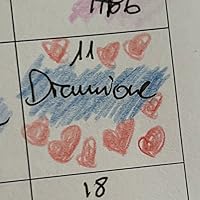
Potrzebowałam tego
Displaying 1 - 30 of 30 reviews