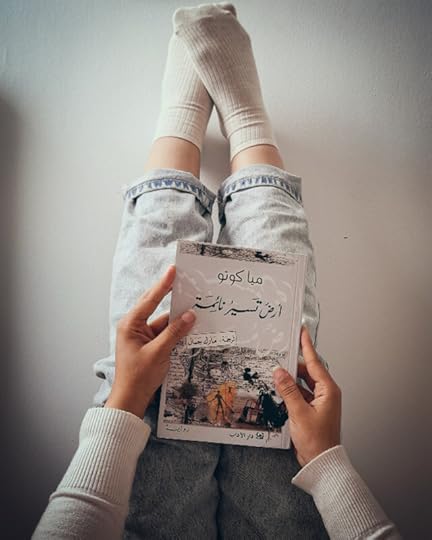
Prvý a najznámejší román mozambického spisovateľa Miu Couta sa odohráva na pozadí krvavej občianskej vojny v Mozambiku. Zničenú a vyschnutú krajinu obývajú postavy bez nádeje či budúcnosti. Starec Tuahir a chlapec Muidinga, ktorý stratil pamäť, nájdu na ceste vyhorený autobus a vedľa neho telo a kufor s nebožtíkovými zápiskami. Tu sa začínajú rozvíjať dva príbehy: jeden o chlapcovi a starcovi, ktorí putujú zničenou krajinou plnej čarovných, priam chimérických postáv, a druhý o mladíkovi Kindzuovi, ktorý sa chce pridať k bájnym bojovníkom naparama. Cestou však nachádza len strach, beznádej, chaos a smrť a predstavivosť a sny sú často jeho jediným útočiskom pred krutou realitou.
Námesačná krajina je snový román plný podmanivých magických postáv a africkej ústnej tradície, ktorý nám ukazuje, že sa dá snívať aj v tých najneprajnejších podmienkach. Mia Couto prináša vlastný, inovatívny a poetický jazyk, ktorý nazýva „hravotvorba“, a majstrovsky premiešava realitu s fantáziou. Niet divu, že tento román bol zaradený medzi dvanásť najlepších afrických diel 20. storočia.
Journalist and a biologist, his works in Portuguese have been published in more than 22 countries and have been widely translated. Couto was born António Emílio Leite Couto. He won the 2014 Neustadt International Prize for Literature and the 2013 Camões Prize for Literature, one of the most prestigious international awards honoring the work of Portuguese language writers (created in 1989 by Portugal and Brazil).
An international jury at the Zimbabwe International Book Fair called his first novel, Terra Sonâmbula (Sleepwalking Land), "one of the best 12 African books of the 20th century."
In April 2007, he became the first African author to win the prestigious Latin Union Award of Romanic Languages, which has been awarded annually in Italy since 1990.
Stylistically, his writing is heavily influenced by magical realism, a style popular in modern Latin American literature, and his use of language is inventive and reminiscent of Guimarães Rosa.
Português) Filho de portugueses que emigraram para Moçambique nos meados do século XX, Mia nasceu e foi escolarizado na Beira. Com catorze anos de idade, teve alguns poemas publicados no jornal Notícias da Beira e três anos depois, em 1971, mudou-se para a cidade capital de Lourenço Marques (agora Maputo). Iniciou os estudos universitários em medicina, mas abandonou esta área no princípio do terceiro ano, passando a exercer a profissão de jornalista depois do 25 de Abril de 1974. Trabalhou na Tribuna até à destruição das suas instalações em Setembro de 1975, por colonos que se opunham à independência. Foi nomeado diretor da Agência de Informação de Moçambique (AIM) e formou ligações de correspondentes entre as províncias moçambicanas durante o tempo da guerra de libertação. A seguir trabalhou como diretor da revista Tempo até 1981 e continuou a carreira no jornal Notícias até 1985. Em 1983 publicou o seu primeiro livro de poesia, Raiz de Orvalho, que inclui poemas contra a propaganda marxista militante. Dois anos depois demitiu-se da posição de diretor para continuar os estudos universitários na área de biologia.
Além de ser considerado um dos escritores mais importantes de Moçambique, é o escritor moçambicano mais traduzido. Em muitas das suas obras, Mia Couto tenta recriar a língua portuguesa com uma influência moçambicana, utilizando o léxico de várias regiões do país e produzindo um novo modelo de narrativa africana. Terra Sonâmbula, o seu primeiro romance, publicado em 1992, ganhou o Prémio Nacional de Ficção da Associação dos Escritores Moçambicanos em 1995 e foi considerado um dos doze melhores livros africanos do século XX por um júri criado pela Feira do Livro do Zimbabué.
Na sua carreira, foi também acumulando distinções, como os prémios Vergílio Ferreira (1999, pelo conjunto da obra), Mário António/Fundação Gulbenkian (2001), União Latina de Literaturas Românicas (2007) ou Eduardo Lourenço (2012). Ganhou em 2013 o Prémio Camões, o mais importante prémio para autores de língua portuguesa.
It is a novel that simultaneously pays homage to Mozambican culture while also exploring themes of war, injustice, and dreams. It is a story that cannot leave anyone reading it indifferent.
This is an excellent, classic-grade novel but how do we get folks to find out about a work set in Mozambique, written in 1992 and translated from the Portuguese in 2006? Mozambique is a former Portuguese colony; that Indian Ocean country on the east coast of Southern Africa that "fits around" the broken-off island of Madagascar. This novel takes us back to the 1970's when a war of independence against colonial Portugal disintegrated into civil war, and ultimately, simply into banditry and chaos. Bands of soldiers murdered, raped, burned and plundered across the countryside with no plan or logic.
The plot is simple. A young boy and old man are survivors sheltering in a burned-out bus, from which they removed charred bodies to make it habitable. The boy may be the man's son or his nephew or they may be unrelated. Every day they wander around their home base looking for food or other living souls and avoiding gunmen. So it is very much like The Road by Cormac McCarthy. The boy dreams of finding his parents but his companion warns him not to even think of it because children are such a burden to parents in this strife-torn land. One story is that the boy has no memory of his early life because he was taken to a witchdoctor to empty his head of the horrible memories. They encounter a man who spend his time spinning sisal to make a rope to hang himself. An old woman in a refugee campus spends all her time in heavy physical labor because she knows she will be abandoned once she is no longer useful. Even death does not bring relief; a ghost, a perhaps the boy's father's, tells his son: "I'm dead but disconsolate." "But our fate is that of a mat: history will wipe its feet on our backs."
On the bus, the boy finds a journal kept by a young passenger and each night he reads chapters to the old man. So nightly journal entries alternate with sequences about their daily activities. Couto gives us dream-like sequences of horror laced with magical realism. Here is a selection of literary gems from a couple of dozens I marked while reading, that show the power of his writing. "...dreams are letters we send to our other, remaining lives." "Pain ... is a window through which death peers at us." "We make our way toward death in the same way a river unbodies itself into the sea: one part of it is being born and, at the same time, the other is entering the infinite shadowlands." "He who lives in fear needs a small world, a world he can control." "He frowned, as if his thoughts might escape through his eyes."
We learn a lot about folk beliefs: "chissila," a curse that punishes you; "xipocos," ghosts that take joy from your suffering -- they wander in chaos because they don't know where the border is between the dead and the living; "mampfana," birds that kill journeys; "tchoti," dwarfs who drop from heaven;
“الحرب كوبرا تلدغنا بأنيابنا نحن، ولقد سرى سُمَّها إلى أنهار روحنا جميعًا. فما عُدنا نخرج نهارًا، ولا عُدنا نحلم ليلًا. إنما الحلم عين الحياة، ونحن قد صرنا عميان”.
“من لا يملك شيئًا لا يحسده الآخرون. وخيرُ حارسٍ ألّا يملك المرء بابًا”.
“مصير عالمنا مُعلّق بخيوط مرهفة. يكفي أن يُقطع خيطٌ منها لتعمَّ الفوضى وتتوالى المصائب في موكبٍ حافل”.
“يبدو أنني وماضيَّ نتناوب على النوم، يترجَّل واحدنا على الركبِ، بينما الآخر ماضٍ في سَفَرِه”.
“دع عنك الحربَ يا بينيَّ. فالقتل لا يُعلِّمنا سوى القتل”.
“يموت الناس وكلُّهم حنين إلى الحياة”.
“فالافكار، كما نعلم جميعًا، لا تُولَد في رؤوس البشر. بل إنَّها تبدأ في مكان ما، على هيئة أبخرةٍ طليقةٍ، هاذية، تحوم باحثةً عن الذهن الملائم.
“للسعادة مُتَّسعٌ في راحة اليد المُحكمة، فهي أمرٌ اختلقه ذوو السَّطوة لخداع الأشدُّ فقرًا”.
"كُل ما هنالك أني أرى الموت خيراً للمرء من التواجد هُنا."
كيف تنجو البلاد بعد الحروب الأهلية؟ كيف يعيش السكان ويتعايشون؟ كيف يأكلون؟ كيف يجدون أبسط الأشياء لكي يحيوا. في أفريقيا، وبالتحديد، موزمبيق، في أرض أُنهكت وأًنتهكت، من الغريب المستعمر كالبرتغاليين، ومن أهلها الذين وجدوا أن ذلك ليس بكاف، فلنسفك دم بعضنا البعض. يُحاول "مودينغا" الهرب من تلك الأرض التي تسير نائمة، يهرب من الدماء التي تُلاحقه في كُل صوب، والأمراض التي لا يستطيعوا الشفاء منها، والجوع، الجوع الذي يفتك بهم بلا هوادة أو رحمة.
"فالموت حبل يُحيط بشرايين المرء منذ ميلاده. يشد الزمن طرفي الحبل، فيخنقنا رويداً رويداً."
التجربة الأولى لي مع الكاتب "ميا كوتو" وما وجعل هذه التجربة مُتميزة، هو طريقة سرده للأحداث وتطعيمها بالفانتازيا والخوارق السحرية، التي ليست بغريبة على القارة السمراء وأدغالها، تلك أساطير شعوب، يتغذون عليها، ويؤمنوا بها، وكانت لها تأثيراً ساحراً بعيداً عن قتامة الأحداث الحقيقية، فتنوع الأحداث، والخط الموازي المُضاف، ساعدا على تسريع الرتم للحكاية، وإن لم يكن بالسرعة الكافية، فبعض الأوقات كان الملل موجوداً، بالإضافة إلى تشتت الحكايات في المنتصف الثاني من الحكاية، ولكن جاءت النهاية مميزة بكل تأكيد.
ختاماً..
هذه رواية عن الحرب، بعدما تُنهيها لن تتذكر إلا أن الحكايات الساحرة طغت على دموية الحرب، وأن ترجمة "مارك جمال" كانت متميزة لتنقل كُل تلك الألفاظ الغريبة، والأحداث الساحرة.
Terra Sonâmbula é o primeiro romance de Mia Couto. Foi publicado em 1992, e aborda questões sociais e políticas importantes, como a guerra civil em Moçambique, a luta pela independência e as consequências desse conflito para a população do país.
Agora, eu via o meu país como uma dessas baleias que vêm agonizar na praia. A morte nem sucedera e já as facas lhe roubavam pedaços, cada um tentando o mais para si.
A narrativa é estruturada em torno de duas personagens principais: Tuahir, um velho, e Muidinga, um rapaz órfão que está a fugir da guerra. Os dois viajam juntos em busca de um lugar seguro para viver. Durante a viagem abrigam-se num machimbombo queimado e encontram 11 cadernos que contam a história de Kindzu.
A alternância da história entre os capítulos que tratam de Muidinga e Tuahir, e os que tratam da história de Kindzu torna o livro viciante.
A escrita de Mia Couto é exuberante, e as palavras inventadas - uma marca registada do autor, e que não são simplesmente aleatórias ou sem sentido - criam uma linguagem única, muito bela e com uma musicalidade bem moçambicana.
Quando iniciaram a viagem já ele se acostumava de cantar, dando vaga a distraídas brincriações.
Morrera, fugira, se infinitara?
Por momento me pareceu que, em seu lugar, jazia estendido um corpo humano. Pé-pós-pé, me afastei.
entre tantas outras palavras que deixei de anotar.
Mia Couto usa diversos elementos simbólicos que servem essencialmente para transmitir mensagens mais profundas sobre a guerra civil e a história de Moçambique, por ex: Terra Sonâmbula - representa a natureza em transe durante a guerra, e é um símbolo poderoso da destruição causada pelo conflito, mas também pode simbolizar a resiliência e a capacidade de sobrevivência.
Gostei da personagem Farida. É complexa e cheia de nuances, a sua história ajuda a iluminar a experiência das mulheres durante a guerra, bem como as tensões entre diferentes grupos étnicos e culturais em Moçambique. A relação de Muidinga com Farida também serve como um contraponto à violência e à brutalidade do conflito, mostrando que mesmo no meio da destruição e do caos, ainda há espaço para o amor e a esperança.
Em 1992 o escritor e biólogo moçambicano Mia Couto (n. 1955) publicou o seu primeiro romance - ”Terra Sonâmbula”; traduzido para inglês por David Brookshaw e editado em 2006 com o título ”Sleepwalking Land”. “Naquele lugar, a guerra tinha morto a estrada. Pelos caminhos só as hienas se arrastavam, focinhando entre cinzas e poeiras. A paisagem se mestiçara de tristezas nunca vistas, em cores que se pegavam à boca. Em cores sujas, tão sujas que tinham perdido toda a leveza, esquecidas da ousadia de levantar asas pelo azul. Aqui o céu se tornara impossível. E os viventes se acostumaram ao chão. Em resignada aprendizagem da morte.” (Pág. 9) – assim começa ”Terra Sonâmbula”. Um velho e um miúdo, Tuahir e Muidinga, ”Fogem da guerra, dessa guerra que contaminara toda a sua terra. Vão na ilusão de, mais além, haver um refúgio tranquilo. (…) Muidinga e Tuahir param agora frente a um autocarro queimado. (…) Entram no autocarro. O corredor e os bancos estão cobertos de corpos carbonizados. (…) Aquele recinto está contaminado pela morte. (…) Saem a enterrar os cadáveres. (…) No caminho de regresso encontram mais um corpo. (…) Tinha sido morto a tiro. (…) Junto dele estava uma mala, fechada, intacta. (…) Enterram o último cadáver. (…) Depois de fecharem o buraco, o velho puxa a mapa para dentro do autocarro. (…) Forçam o fecho, apressados. (…) Por cima de tudo estão espalhados cadernos escolares, gatafunhados com letras incertas. (…) - Tira só essa papelada. Serve para acendermos a fogueira. O jovem retira os caderninhos. Guarda-os por baixo do seu banco. Não parece pretender sacrificar aqueles papéis para iniciar o fogo. (…) O miúdo se levanta e escolhe entre os papéis, receando rasgar uma folha escrita. Acaba por arrancar a capa de um dos cadernos. Para fazer fogo usa esse papel. Depois se senta ao lado da fogueira, ajeita os cadernos e começa a ler. Balbucia letra a letra, percorrendo o lento desenho de cada uma. (…) O miúdo lê em voz alta. (…) (Pág. 9 a 14) – o primeiro caderno de Kindzu. Em ”Terra Sonâmbula” há um estória dentro de uma estória; em capítulos alternados acompanhamos o “dia” de Tuahir e Muidinga, que fogem do terror e da devastação da guerra civil, o período pós-independência, ”A guerra é uma cobra que usa nossos próprios dentes para nos morder. Seu veneno circulava agora em todos os rios da nossa alma. De dia já não saímos, de noite não sonhávamos.” (Pág. 17); e durante a “noite” ”Os cadernos de Kindzu se tinham tornado o único acontecer naquele abrigo.”. (Pág. 35) Kindzu - tal como Moçambique - procura a sua identidade, entre os delírios e os sonhos do seu pai, Taímo, e os ensinamentos e a resignação da sua mãe, e com um irmão a quem dão o nome de Vinticinco de Junho (o dia da independência de Moçambique), ou Junhito, ; acaba por decidir que “Qualquer que fosse minha escolha uma coisa era certa: eu tinha que sair dali, aquele mundo já me estava matando.” (Pág. 30), empreendendo uma viagem sem destino final, onde encontra personagens inesquecíveis, algumas fantasmagóricas, desenvolvendo profundas e intensas relações de amizade e companheirismo. "... a felicidade só cabe no vazio da mão fechada. A felicidade é uma coisa que os poderosos criaram para ilusão dos mais pobres." (Pág. 84) Em "Terra Sonâmbula" é analisada a desintegração social decorrente, primeiro, da Guerra Colonial contra a potência colonizadora, Portugal, e, depois, a Guerra Civil, subsequente à independência, uma luta que decorreu entre 30 de Maio de 1977 e 4 de Outubro de 1992, um conflito com o partido no poder, a Frente de Libertação de Moçambique (FRELIMO) e as forças armadas moçambicanas com a Resistência Nacional Moçambicana (RENAMO), uma guerra que vitimou cerca de um milhão de pessoas, entre os combates e as crises de fome – o que motivou, igualmente, a perda de identidade de uma nação devastada e desagregada, emocionalmente e geograficamente. A escrita de Mia Couto é admirável, original, sedutora nos detalhes e no simbolismo, com amplo recurso à utilização do neologismo, “novas” palavras que ampliam o sentido das frases e do texto; incrementando o contexto histórico e cultural na narrativa de ”Terra Sonâmbula”, nomeadamente, a guerra civil, o período pós-independência, os bandos “negros” armados, os guerreiros místicos "naparamas", o “branco” colonizador, o comércio dominado pelos “monhés”, a corrupção, os campos de refugiados, a Missão, a feitiçaria, o misticismo e a cultura tradicional.
”Não é a estória que o fascina mas a alma que está nela.” (Pág. 73)
"Quero pôr os tempos, em sua mansa ordem, conforme esperas e sofrências. Mas as lembranças desobedecem, entre a vontade de serem nada e o gosto de me roubarem do presente. Acendo a estória, me apago a mim. No fim destes escritos, serei de novo uma sombra sem voz." (Pág. 15)
تكمن المشكلة في السماح لتلك العتمة بالتسلل إلى رؤوسنا، مادام لا يسعنا الرقص و لا الضحك، فهيا بنا إلى تلك النصوص، هناك يسعنا اللهو و الغناء.
عندما تحل الحرب ببلد ما، تتبدل الارض و السهول و الجبال و البشر، لا يشبهون سابق عهدهم. يحل الحزن و التعاسة في كل مكان، يتبدل الضياء بالدم و الجوع و الالم، ربما ما يشقينا أكثر، ان كان من يقتلنا، هو من بني جنسنا، شخصا ألفناه جداً، حمل السلاح ليحمينا من المستعمر، و عندما غاب المستعمر، تحول هو عدواً، و حمل سلاحه ليقتلنا. هذا ما حصل مع مودينغا و العجوز تواهير ، و مع كيندزو ايضا، هم ضحايا تلك الحرب التي لم ترحم شيئا، اولئك الجبناء اصحاب السلاح الذين دمروا تلك البلاد الرائعة. في الموزمبيق، ذلك البلد الذي عانى الاستعمار، الحرب الاهلية و العنصرية و الكذب، ذلك البلد الذي يضج بالاساطير، نعم تلك الاساطير التي تمتزج بالواقع، لتمنح للحياة معنى. ابدع ميا كوتو بوصف جزء من تاريخ بلده، من خلال اساطيره، فابدع كتابا رائعا ،نعم هنا امتزج الواقع بالخيال. صدقا كانت نهاية الكتاب لا تخطر على بال ابداً.
ربما عرفت الكتاب، رغبة بقراءة ما ترجمته يدا مارك جمال، ذلك المترجم المبدع، لكنني عرفت كاتبا مبدعا جدا، فكان الكتاب اسطوريا ،و جاءت الترجمة بقدر هذا الكتاب.
“دع عنك الحربَ يا بنيَّ. فالقتل لا يُعلِّمنا سوى القتل”.
على أرض مقفرة أنهكتها الحرب يلوذ العجوز تواهير مع مويدينغا في ماشيمبومبو (حافلة) محترقة تعتبر المكان الأنسب للاختباء على حد قول العجوز (كونها محترقة يعني أنها لن تحترق مرة أخرى!) في جثة شاب من ركاب الحافلة يعثر الصغير على دفاتر مدونة بيد كيندزو القتيل فنجد بين أيدينا قصتين متشابهتين على قدر اختلافهما. ليست الأحداث بل اللغة هي ما جعلت هذه الرواية متفردة ومختلفة عن غيرها. ما بين مزيج من السحر والهذيان يحكي لنا الكاتب حكاية حرب واغتراب وأرض بكر تقع فريسة بين المستعمر وأعداء الأرض من أبنائها، وكيندزو الذي بين ضياعه وترحاله يجد الحب ليهبه بعد ذلك لقارئ الدفاتر كي يؤنس به وحشة لياليه. ومثل كل مرة أقف أمام الترجمة البديعة وأشعر بالامتنان لمن قدم لنا هذه الحكاية وأدخل السحر إلى حياتنا. فلا يسعنا إلا أن نقول شكراً جزيلاً على كل شيء.
Normally I reserve my 5-star rating for tried and true books, books that I've returned to again and again. When I finished Sleepwalking Land, though, I flipped back to page 1 and started over immediately. It is one of the most gorgeous, devastating and disturbing books I've ever read. Sleepwalking Land is set during Mozambique’s civil war, which commenced shortly after the country became independent from the Portuguese colonists. During the course of the war, which ended in 1992, five million people were displaced from their homes and nearly one million people were killed. It goes without saying that it was a horrifying period in Mozambican history. Joe and I lived in Mozambique for a few months when we were first married, so I feel a connection to the land and its history, of course. The story in this book is one I've heard before...but never --NEVER-- like this.
Sleepingwalking Land is the story of an old man and a young boy who, while trying to hide from the war, find a burnt-out bus and decide to live in it. The bus is like “a monument to war,” filled with dead people and their belongings. The boy discovers some notebooks in a box that belonged to one of the dead passengers, and as he reads the notebooks out loud to his elderly friend, they learn about the writer: Kindzu, who traveled across the country hoping to become a naparama, a warrior of justice, and discovered love and lust and jealousy and death on his journey. But the real story of the story --for me-- is the IMAGES, the beautiful and horrifying images, that populate the book. It is unapologetic magical realism, a war described without any battle scenes, metaphor upon metaphor.
If you like One Hundred Years of Solitude, The Odyssey, Alice in Wonderland or The Alchemist, you will like this book. If you love magical realism, you will love this book. (And if you don't like magical realism...well, shame on you :) )
من دیار خوابگردی رو دقیقا دو هفته پیش خریدم، چند روز بعد از پخشش و توی حدِ فاصل خریدن، خوندن و مراجعهی دوبارهم به کتابفروشی فهمیدم که کلِ نشر افق پخش این کتاب رو متوقف کرده. امیدوارم که این کارشون برای منطقیتر کردن بخشهای سانسور شده باشه و نه ممنوع شدن این کتاب. به نظرم توضیح من در مورد کسی مثل میا کوتو چندان نمیتونه حق مطلب رو ادا کنه. کوتو یکیه مثل موراکامی برای آفریقا، با داستانهایی که همونقدر کشش دارن و توی روایت کارش حرف نداره. وقتی که در مورد رئالیسم جادویی حرف میزنیم، من هیچ وقت دلم نمیخواد یک داستان، مثل بقیهی آثاری که روی کاغذ مکتوب شدن، رو بخونم، دنبال یک قصهایم که حس کنم من و نویسنده کنار آتش نشستیم و اون داره برام از چیزهای مختلف میگه. میا کوتو دقیقا همین کار رو میکرد، خیلی وقتها حس میکردم این یک نثر و اثر مکتوب نیست، من توی داستانم و میبینم که چه اتفاقاتی میافتن. همین برای اینکه از یک کتاب لذت ببرم کافیه. داستان ظرافت عجیبی داره، خیلی شخصیتها میان و میرن و همون حضور کوتاهشون به یاد موندنیه. میا کوتو با دقت جزئیات خاص رو توصیف میکنه و شخصیتهاش رو میسازه. همون جزئیات هستن که دنیاش رو میسازن. خیلی خوب خبر داشته که خوانندههاش احتمالا درک مشخصی از آفریقا دارن و نیازی نیست نظرشون رو عوض کنه. کنارِ تمام این روایت و قصهها، سعی میکنه مفاهیم ضدجنگی رو هم برسونه که چندتا از نقطههای اوج داستان رو شکل میدن.
متاسفانه مشکل سانسور توی این اثر خیلی توی ذوق میزد. اون یک ستاره هم بابت همین کم شده. در حدی سانسور آخر کتاب زیاد بود که من مجبور شدم به متن انگلیسی مراجعه کنم تا ببینم چه خبره و چه بلایی سر شخصیتها اومده. یک سوم پایانی کتاب در حد فیلمهای جرح و تعدیل شدهی صداوسیما پایین میاد و من واقعا متاسفم که کتابی توی این سطح سرنوشت این شده.
What a powerful and reflective book about the aftermath of war. The images of loss, desire, eking out an existence compounded with war makes for some stark images. But this is a book of hope.
Set in the 1970’s Moçambique, an older man, Tuahir (also called uncle) and a young man Muidinga clear the burnt bodies out of a bombed out bus to have a place to live. While clearing the bodies, they find a notebook by Kindzu. The notebook will be a grand diversion for the two men from their meager lives.
And the story is a great enjoyment for them and myself. The story tells the captivating story of Kindzu searching for a better life from his humble background. He meets Farida looking for her son Gaspar. On display is the art of storytelling. Everyone has a great story to tell which moves the book along to its finale. No spoiler here but when you read the last notebook, you will get the “ah ha” moment.
There was one feature that I found compelling - water. Kindzu sets out on a canoe and water becomes a recurring element, even compelling Tuahir and Muidinga to look for the sea.
One of my favourite sections is the story of the land of the dead. His dead father tells him the reason people dream, so as not to suffer on earth:
“É que a vida não gosta sofrer. A terra anda procurar dentro de cada pessoa, anda juntar os sonhos.”
The sleepwalking land. The land of the people of Moçambique. Dream to escape the realities of the land. The killing land. Terra Sonâmbula.
Such an enjoyable read. A special thanks to João Carlos and Susana for their recommendations.
Terra Sonâmbula exprime uma abordagem muito interessante, e algo perturbadora, sobre as consequências da guerra civil em Moçambique. Nele lemos sobre o resultado da atrocidade e da brutalidade da guerra, sem a violência propriamente dita.
Inúmeras metáforas servem para criar ora imagens terríveis ora imagens muito bonitas, servindo-se do folclore da terra para criar a atmosfera ideal, mítica. Tanto simbolismo não vem sem grande ambiguidade, pelo que a interpretação do texto pode ser, por vezes, desafiante... mas muito compensatória.
Desistência, desespero, perseverança e esperança misturam-se em igual medida no meio de tanto caos, o 'sonambolismo' parece estender-se ao leitor, tal é o talento do escritor, e a excelência da sua prosa, a originalidade com que manobra o nosso idioma, são, só por si, motivo suficiente para ler este livro.
البطل الحقيقي لهذا العمل هو الترجمة لانى اعتقد ويمكن يكون غلط أن النص مكنش سهل
اعتدت ع��ى أن البشر يرحلون عن الأرض وإن كانت الوطن بحثا عن السلام رغم كونهم سبب الدمار، ميا كوتو استطاع من حرب أهلية واحتلال البرتغال لموزمبيق أن يرسم عالمين يعتقد شخصياتها أنهم يبحثون عن أرض السلام أما الحقيقة هى فالارض هى التى تسير لتبحث عن السلام بعد أن ضاقت من والصراعات السياسية والاقتصادية والاجتماعية والعنصرية والحروب بين العصابات والجيش ضاقت تلك الأرض من احتضان الاطفال بعد الجوع والاموات والأرواح حكايات كيندزو وهو من أحد تلك العوالم ترك أسرته ووطنه هربا من الحرب لييحث عن مقاتلى صناع الحروب وأثناء البحث يقابل الكثير من الشخصيات وتتراءا له الاحلام والذكريات المؤثرة على الرحلة ليقوم بتدوينها فى دفاتر .قراءة تلك الدفاتر عن الرحلة العجيبة ل كيندزوا وما فيها من أشخاص واموات كانت السبب الرئيسي في الحفاظ على حياة مويدينغا الصغير "والذى كان يأمل فى أن يجد أبواه"، ورفيقه تواهير العجوز الذي لم يتخلى عنه فى وقت الحرب فالطريقة الوحيدة للانتصار فيها هى النجاة منها والبقاء على قيد الحياة
بعيداً عن الترجمة لأنها الأجمل لكن تقييم العمل نفسه صعب ويمكن يكون ظلم منى للعمل لأنى استمتعت ب اعترافات شرسة اكتر فا توقعاتى للعمل دا كان أكبر من كده .
مليئة بالأقتباسات لكن الافضل كان من العراف فى الجزء الأخير من الدفتر
تراكم تبكون الحاضر ؟ ألا فاعلموا أن الآتي شر من الحاضر ، حتى يلد الحاضر بدلا من الأمل وحوشا لم تندلع هذه الحرب لانتزاعكم من البلد ، وإنما لانتزاع البلد منكم ، لم تعد لكم روح إلا السلاح. لقد ونادوا فى نهبكم حتى لم تعد الاحلام أحلامكم، ولم تعد رقعة واحدة من أرضكم ملكا لكم،حتى السموات والبحار ستغدو ملكية خاصة بالدخلاء وذلك شر من الماضى الف مرة..... وتهب ريح تجرف النجوم في السموات. ويضيف الليل بالأضواء المتفجرة فوق رؤوسكم ....وتتهاوى الطيور هامدة، وتنزل مصائب لا اسم لها دعونا نقبل الموت بوصفها بشرا، ونحن الذين لم نعد بشرا. دعوا الحيوان يمت، ذلك الحيوان الذي حولتنا إليه تلك الحرب ...
I really wanted to enjoy this book. It starts well with prose that has a sense of magic in it absent from most contemporary fiction. You'll come upon lines like this: “the sea opens like a blue word." But the plot corners itself when the main characters hole up in a bus. And the narrative present shrivels away into magical realism.
But there are still great moments, and the book probably deserves three stars for dialogue like this alone. After the shop of an Indian is burned, the man says, “I don’t like blacks, Kindzu.”
Kindzu says, "What do you mean? Who do you like, then? Whites?
“I don’t like them either.”
"Ah, I know: you like Indians. You like your own race."
“No. I like man who have no race. That’s why I like you Kindzu."
Este é o segundo livro que leio do escritor moçambicano Mia Couto, e tal como o anterior que li do mesmo escritor, "A Varanda do Frangipani", tive dificuldades em compreender e em seguir a história que estava a ser narrada.
De facto, acabei por fazer várias pausas e recomeçar a ler por mais de uma vez bastantes páginas, bem como quando iniciava um novo capítulo, tinha que voltar ao final do anterior, pois não me lembrava do desenrolar da história.
Ao ler um livro com esforço e não com naturalidade, acabo sempre por não me interessar muito pelo seu conteúdo, esqueço-me com mais facilidade das personagens e termino a leitura com um sentimento de desilusão.
No entanto, este foi considerado um dos doze melhores livros africanos do século XX, e Mia Couto é um escritor de sucesso, tendo já sido distinguido com vários prémios literários.
Pelo que, poderei estar a ser injusta no comentário que estou a escrever, mas não consegui sentir empatia com a escrita de Mia Couto em ambos os livros que já li deste autor. Talvez porque o mesmo utiliza muitas palavras que não compreendo, umas que são próprias da linguagem dos povos africanos e outras que o autor inventa. Aliás, Mia Couto é conhecido por nos seus livros utilizar muitas palavras criadas pelo próprio através da junção de partes de palavras já existentes, mas cujo significado nem sempre consegui entender.
A história de "Terra Sonâmbula" desenrola-se em Moçambique durante a guerra civil que se seguiu à independência, e não se debruça tanto sobre os confrontos que ocorreram, mas sobretudo pelas suas suas consequências na população civil e no país.
Deparamo-nos com campos de refugiados, onde as pessoas agonizam com fome, com doenças e com a morte "sempre à espreita", com vilas e aldeias destruídas, com campos abandonados e não cultivados e com destroços por todo o lado. Um país onde as pessoas perdem a esperança e desistem de viver, onde é fácil arranjar armas e onde se mata sem motivo, pois a vida humana perde todo e qualquer valor. A própria terra e suas paisagens parecem sofrer com a guerra e, em consequência, a natureza é também afetada.
Apesar de as vítimas civis da guerra terem perdido todo o interesse umas nas outras, um idoso encontra um rapaz moribundo num campo de refugiados, ajuda-o a recuperar-se e ambos vão percorrer uma estrada que os leve a algum sítio onde possam sobreviver. Nesse caminho sem destino certo, encontram um machimbombo (autocarro) incendiado, com pessoas mortas, onde decidem ficar, uma vez que aí existe comida e bancos para dormirem.
Após retirarem os mortos e limparem o autocarro, o rapaz descobre cadernos escritos por alguém que se chamava Kindzu, que nos mesmos narra a história da sua vida desde que decide abandonar a sua casa por causa da guerra e da morte do seu pai e irmãos, e percorrer o país, em busca do mar, talvez por achar que aí poderia encontrar um lugar seguro e ficar em paz.
Todas as noites, o rapaz lê os cadernos escritos por Kindzu ao idoso, o que origina maiores laços de amizade entre ambos, e durante o dia vagueiam pelos lugares existentes em redor do autocarro em busca de comida, encontrando as personagens mais bizarras, até que decidem também ir em direção ao mar.
Deste modo, entrecruzam-se duas histórias de vida, a da amizade entre Muidinga (o rapaz) e Tuahir (o idoso), e a de Kindzu, que na sua viagem por Moçambique, acaba por conhecer em momentos diferentes duas mulheres, por quem se apaixona, pelo que no meio de tanto ódio e mortes, também é possível existir o amor.
Por último, neste livro as personagens e as suas vidas têm uma envolvente mística, pois a todo o momento nos surgem relatos de feitiços, de crenças nativas, de fantasmas, de mistura da realidade com a magia, de interferências dos mortos e do além na vida terrena; mas do meu ponto de vista, com uma componente excessivamente trágica.
Knižka z kategórie "výborne napísaná, no nemohla som sa napojiť na príbeh." Možno ma zastihla v nesprávnej dobe, nevylučujem, že sa k nej v budúcnosti nevrátim, lebo mnohé motívy ma v knihe zaujali. Také to posúvanie sa na hranici živých a mŕtvych, to znie viac ako dobrý námet a veľmi mi pripomenula knižku od Bena Okriho Hladová cesta, ktorá ma narozdiel od tejto úplne pohtila.
Publicado em 1992, no mesmo ano em que teve fim a guerra civil moçambicana, o primeiro romance de Mia Couto é o relato da busca pela identidade de uma nação assolada pela guerra. Considerada uma das melhores obras da literatura africana do século XX, o cenário da narrativa é a terra árida e destruída, povoada por indivíduos sem memória ou perspectiva de vida. Com uma escrita extremamente poética e onírica, o autor consegue transmitir ao leitor a sensação de caos e abandono vivenciada por cada um dos personagens por ele construído.
A história tem início com as andanças - sem destino - de Muidinga, um jovem que esqueceu seu passado, e Tuahir, um velho sábio. Tentando fugir da guerra, os dois personagens se deparam com um ônibus queimado, repleto de corpos carbonizados. Próximo de um dos corpos, Muidinga descobre um diário e logo começa a lê-lo. O diário foi escrito por um jovem chamado Kindzu, que vivenciou por muitos anos a guerra civil que destruiu seu país. A partir disso, os capítulos vão se alternando entre, de um lado, a relação do garoto e do velho sábio, e, de outro, as aventuras de Kindzu.
Ao longo de toda a obra, Mia Couto mistura de uma forma incrível a realidade com a fantasia. Na verdade, tanto para Muidinga e Tuahir, como para Kindzu, a fantasia e o sonho servem como uma fuga para a dura realidade em que vivem. Enquanto a leitura do diário pode levar o garoto e o velho para um outro cenário, em que a fome e a solidão não são nem mesmo sentidas, Kindzu sonha em ser um guerreiro lendário, como se isso pudesse dar um sentido à própria vida.
Nesse meio tempo, somos apresentados a novos personagens, alguns mais marcantes que outros, mas todos com uma mensagem a ser passada. A leitura não é fácil, com frases densas e repletas de figuras de linguagem, o que demanda uma atenção maior. O leitor deve se deixar levar pela imaginação poética de Mia Couto, sem se importar com o que é ou não real - se é que podemos fazer essa distinção. Só assim será possível perceber a excepcionalidade da obra que se tem nas mãos.
I don't think I've ever read a book quite like this one, though I can see the bits and pieces of what it is drawing together and I loved it. What an original way to write about the malaise and panic that war can produce in a people and in a person; what an exciting mixture of literary ideals and forms and traditions; what a pleasure to read and explore and watch as it shifts and plays and changes perspectives and possibilities.
It is two stories in one - two books talking to each other in gentle whispers that, like the wind, become clearer but never reveal their origins or destinations. Together, they move from what feels like a real world moment to something that steps deep into the surreal possibilities of the human imagination. And watching this happen in tandem and rhythms feels like a masterclass in structure and imaginative capacity.
For this reason alone I would recommend giving this book a go.
But when you add in the exceptional writing as well; wow! The writing! The mark of an incredible poet and exceptional translator is found in every sentence, every gentle tug at the full power of a word's sound, every shift that takes you suddenly into a surreal examination of human limitation. I can say, with some level of confidence, that I've only been so quickly convinced of a writer's mastery over their craft in one or two or three instances before. Mia Couto is the real deal.
For those who love J.M. Coetzee, Amos Tutuola, Gabriel Garcia Marquez, Mario Vargas Llosa, Miguel Angel Asturias, a hint of Can Xue; or just for those who love to read about worlds that feel like ours and nothing like ours.
ليه لازم تقرأ "أرض تسير نائمة"؟ أرض نسير نائمة، هي ألف ليلة وليلة القارة الأفريقية، ملحمة سلسة بتتحرك في إيقاع متزن وجذاب من البداية والنهاية. الرواية بتمشي في خطين متوازيين، الخط الأول مع الصبي مودينغا والعجوز تواهير، أتنين بيظهروا على الطريق في موزامبيق أثناء الحروب الأهلية وانتشار العصابات، وبعد انتهاء الاحتلال البرتغالي، بيلاقوا حافلة محترقة، بينضفوها من الجثث وبيخلوها المكان اللي هيناموا فيه باليل. أثناء التنضيف مودينغا بيلاقي مجموعة من الأوراق وهي ١١ فصل عبارة عن يوميات لشخص اسمه كنيدزو، كيندزو الطفل اللي بيقرر يبقى رحال وبينضم لمحاربي الناباراما عشان يحارب صُناع الحروب، وينشر العدل، واللي بيقابل في رحلته فريدا اللي بتحكيله قصتها، وبتطلب منه يبحث عن ابنها غاسبار.
فصل بنلاقي مودينغا والعجوز ومغامراتهم أثناء تنقلهما من الحافلة للأدغال، وفصل بنشوف كيندزو ومغامرات رحلته العجيبة ومقبلته لفريدة.
الرواية هي واقع سحري، وسحر واقعي، وده أدق وصف ممكن يتقال، كل حاجة بتحصل في ضباب ميتافيزيقي شديد الواقعية، الأرض بتسير بتبحث عن وطن بلا حرب، بتبحث عن السلام للاستراحة من الدم والرصاص.
بنشوف معالجات لأشياء كثيرة تخص الحروب والوطن والوحدة والغربة وغيره.
كل ده كوم ونهاية الرواية كوم تاني خالص، يمكن دي أفضل نهاية قرأتها السنادي، وأفضل نهاية مقارنةً مع تجارب السينما كمان.
What an extraordinary writer Mia Couto is. He combines some of the most poetic prose you will find with extremely mind twisting magical realism to create incredible but also bizarre stories. This is a tale about a young boy, Muidinga, who has been taken in by an old man, Tuahir. They are escaping from the ravages of war when they discover a burned out bus to take refuge in. While taking the dead bodies out of the bus they discover notebooks that one of the passengers, Kindzu, had left that told his life story. Muidinga then began reading, periodically, to Tuahir the stories that Kindzu had written in the notebook. From this point the book began alternating chapters between the happenings of Muidinga and Tuahir and the tales told in Kindzu's notebooks but as they went on both narratives began merging into one. It is a bewildering tale full of magical happenings and ghostly appearances set in a world of hunger and carnage told in a very unique way.
Apesar de reconhecer todas as qualidades deste livro e da escrita do Mia Couto, não é o tipo de livro que me prende ou que fica na minha memória por muito tempo. Já disse isso outras vezes (sobre outros autores), mas esse estilo de escrita que é muito poético, muito alegórico não costuma me dizer muito. Esse livro tem frases, passagens e imagens lindíssimas, e é muito engenhosa a forma do Mia Couto costurar essas histórias da guerra como se fossem indistintas, todas a mesma, como se fosse uma só guerra, como se ela nunca se acabasse. Se você gosta desse tipo de escrita, bem adjetivada, metafórica e alusiva, recomendo muitíssimo.
Estou condenado a uma terra perpétua, como a baleia que esfalece na praia.
fiquei pensando na odisseia, pois narra uma viagem que parece não ter fim. porém, ao contrário da odisseia, terra sonâmbula é um ciclo e não uma jornada.
"Conte, tio. Se é uma estória me conte, nem importa se é verdade".
o livro conta a história que conta outra história. e é a própria história escrita que cria a história. sei lá, literatura às vezes é linda demais.
"رأيتُ الموكب الجنائزيّ يتلاشى وسط الحطام، فتبادرَت إليَّ الخاطرة التالية : إننا، نحن الذين وُلِدنا في هذا الزمن، أواخر الباقين على قيد الحياة. و بعدنا لن يعود هناك عالَمٌ كي يستقبل أحدًا، كائنًا من كان."
This book was...bizarre. I think I went into it expecting it to be a more or less straightforward historical fiction account of the Mozambican Civil War, but I quickly realized that it was going to be one that relied almost solely on magical realism in the telling. I definitely understand Couto's potential reason for taking this approach (since magical realism in such a context makes sense, especially when trying to dissect and come to terms with something as ravaging and transformative as war). While reading, I was very aware that the entire book served as an allegory for the unspeakable events that likely took place and the damage wrought by the war. I actually think magical realism is a very unique and fitting way to approach such laden, often inexplicable subject matter. Unfortunately, though, I often found the use of magical realism in Sleepwalking Land to be overwhelming and at times frustrating. In particular, the sheer amount of characters and their larger significance within the story itself often felt convoluted and was difficult to follow. This frequently made Sleepwalking Land a difficult read, and I found myself having to walk away from it more than once for days at a time before picking it up again. On top of that, I know I may not be acquainted with all of the nuances of Mozambican culture, but there were events that took place in the book that were confusing and unsettling - I at times wasn't sure if they were mere figments of magical realism, or meant to speak directly to elements of the culture itself. Aside from that certain events were just downright disturbing, and I wasn't sure why they were included at all, since they seemingly had nothing at all to do with the story itself or the over-arching theme of war (an example of this is when Tuahir begins touching Muidinga in a sexual way on p. 127).
All in all I appreciate Couto's perceived reasoning behind examining the Mozambican Civil War through the lens of magical realism, but for me personally it was not a reading journey I enjoyed or would want to revisit. I'm curious if all of Couto's books resemble this one.
Here are my favorite lines/passages from the book:
"Whoever sleeps in another's arms loses their soul, she said. Dreams don't reach their rightful owners when a man and a woman sleep entangled." (p. 99)
"In the end, death is a rope that binds our veins. The knot is there from the day we are born. Time slowly pulls the end of the rope, squeezing the life out of us little by little." (p. 124)
"Uncle, I feel so small..." "That's because you're alone. That's what the war has done: now, all of us are alone, the dead and the living. There's no nation any more." (p. 159)
"Do you weep for the present? Well, know that the days to come will be worse still. That's why they made this war, to poison the womb of time, so that the present would give birth to monsters instead of hope. Don't seek your relatives any more, those who have left for other lands in search of peace. Even if you find them again, they will not recognise you. You have turned into beasts of the wild, without family, without a nation. For this war was not made to take you away from your country, but to take the country away from within you." (p. 210)
A obra tem como pano de fundo os tempos de guerra em Moçambique, e é neste cenário que toda a história se desenrola. As personagens são de uma enorme humanidade, onde vigora um doloroso desespero e uma esperança que se recusa a morrer, permanecendo sempre uma dimensão mágica e mítica. A obra é de uma riqueza literária e cultural fenomenal, que proporciona o conhecimento realista da cultura tradicional moçambicana, prezando também a vertente da magia, os sonhos e os simbolismos.
É visível aos leitores o fortalecimento que se verifica na relação quer entre Tuahir e Muidinga, quer deste último com os cadernos (de Kindzu) que encontra num machimbombo [autocarro] queimado (panorama pós-guerra), e que contém relatos de uma história que irá entrelaçar-se à sua. O velho Tuahir, errante e analfabeto, torna-se na única figura significativa para Muidinga, (re)ensinando-o a viver, através da transmissão de crenças, valores e tradições moçambicanas. E aqui se verifica a beleza da obra: um jovem, em busca de seus pais, que devido a uma doença perdeu a sua memória e com a companhia da única pessoa que encontra parte numa viagem reveladora de um enorme construtivismo e construcionismo social. Ao longo dessa busca este par insólito embarca num processo de descoberta de si mesmos, ensinamentos mútuos, construções de mundos e de significados, enfrentando a insanidade e a miséria que se propaga em seu redor com uma postura de recusa da morte do alento.
Repleta de aventura e metáforas de um nível fascinante, que por vezes encobrem críticas ao povo português, aprecia-se ainda a capacidade do autor em criar numa só obra duas histórias, que decorrem em momentos temporais distintos, separadas pela guerra, mas que se cruzam fazendo, na verdade, parte de apenas uma história comum, estando unidas por uns simples cadernos (os cadernos de Kindzu). Resta mencionar que a narrativa tem um desfecho sugestivo, oferecendo ao leitor a oportunidade para imaginar o futuro do jovem.
Terra Sonâmbula foi o primeiro romance do famoso autor moçambicano, e também o livro que tornou Mia Couto o meu autor literário favorito.