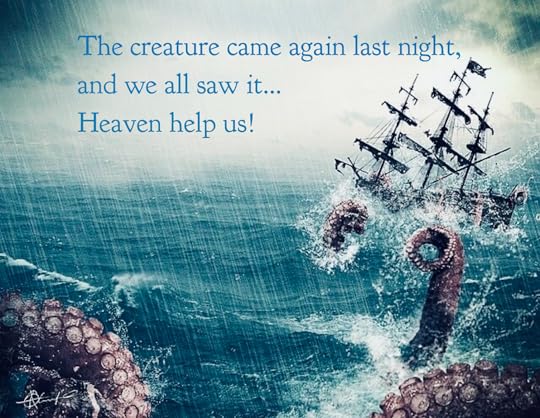
Onde tumultuose stritolano i naviganti. Mostri marini risalgono dagli abissi. L’orrore agita le acque più profonde.
Quando calano le tenebre e il vento si spegne, un cupo richiamo attraversa i flutti. Piovre giganti lacerano i corpi dei marinai, trascinati nei fondali più oscuri. Relitti di antiche navi affiorano tra le alghe del Mar dei Sargassi, presagi di una fine ineluttabile. Un’isola fantasma vaga per gli oceani catturando i naufraghi, prigionieri di un limbo che la morte stessa rifugge.
Profondo raccoglie i migliori racconti sugli abissi, nutrendo quella morbosa attrazione per l’immensità oceanica e insieme l’angoscia di una rotta senza salvezza. Otto racconti per cedere alle lusinghe dell’ignoto e lasciarsi sedurre dal fascino sinistro del mare.
Michael Raymond Donald Ashley is the author and editor of over sixty books that in total have sold over a million copies worldwide. He lives in Chatham, Kent.
3.75 stars "...the sea is another world and one of which we should be wary." Another collection from the British Library Tales of the Weird, this time based on the seas and oceans and those who sail on them. There are fifteen in all and the focus is on lesser known writers. The only ones I was aware of were William Hope Hodgson and Elinor Morduant. The editor took these stories mainly from magazines of the period. The settings are mainly late Victorian and early to mid twentieth century. There are some of the usual tropes: abandoned ships, ships seeking revenge, a couple based around the Sargasso Sea, one with a sea monster, haunted ships, more revenge and some that are variously bizarre and inexplicable. The standard does vary. There is one about spiritualism which is truly awful. There are three which do stand out. Devereux’s last smoke is a classic ghost story written by Izola Forrester, allegedly the grand-daughter of John Wilkes Booth. No Ships Pass by Eleanor Smith is a variant on an afterlife story which is quite interesting. It is also quite striking that this story has a very similar plot to the TV series Lost (although written in the 1930s). The best story in the book is the oddest: The Soul Saver by Morgan Burke and that one is bizarre. Watch out for the psychotic parrot in the first story!
No Ships Pass by Lady Eleanor Smith ★★★★½ The intro was correct, this story, written in the early 1930s, could have been the basis for Lost. Imagine a smaller cast that could not die. Madness!
The Floating Forest by Herman Scheffauer ★★★★☆ You could read it as vengeance or fate, but either way the imagery was beautiful.
The Black Bell Bouy by Rupert Chesterton ★★★★☆ The most believable, and unexpectedly brutal, sea haunting story of the bunch. It was easier for me to ascribe malevolent personality to a wandering dark metallic ball than a ship. Undoubtedly due to:
The Soul-Saver by Morgan Burke ★★★½☆ With shades of Steven King, Burke delivers paranormal horror ahead of his time.
Held by the Sargasso Sea by Frank H. Shaw ★★★½☆ While the anthropomorphic magical ship might be unbelievable, it felt real. The decades of devotion between Chisholm and The Swordfish make the ending more than possible, they make it right.
From the Depths by F. Britten Austin ★★★½☆ I was hooked from the map! There was an Indiana Jones quality to the accidentally discovered mysterious map. And dun-dun-dun, is the captain secretly German?!?! Gasp, lol. What followed diminished to a weak vengeful ghost story and a sad ending.
Sargasso by Ward Muir ★★★☆☆ For an epistolary short sea-monster-mystery story, that was a bit of alright. Hey, there was a tentacle.
Tracked: A Mystery of the Sea by C.N. Barham ★★★☆☆ “The vessel have been run down by a passing steamer, which, because merchants look on time as being of greater value than life, had inhumanely left it’s wretched victims to perish.”
These days it’s massive cargo vessels hitting whales. Bastards.
The Murdered Ships by James Francis Dwyer ★★★☆☆ A bit of a second u-boat story, a bit of a cursed pearls story, and a lot of an anthropomorphic ghost ships story. The beginning was clumsy but it ended neatly.
Devereux’s Last Smoke by Izola Forrester ★★½☆☆ A vengeful newlywed comes back to crush his wife’s happiness. The sad thing was, she thought only the best of him.
The Ship of Silence by Albert R. Wetjen ★★½☆☆ Excellent first line and premise, unfortunately this was twenty pages of tension signifying nothing.
From the Darkness and the Depths by Morgan Robertson ★★½☆☆ The author sounded more interesting than his presented work. This was a forgettable sea monster story that I skimmed neared the end.
The Ship That Died by John Gilbert ★½☆☆☆ Not much of a story here. We are never told why the ship’s metal melted, why it haunted the world, why it made sure there were no survivors.
The Mystery of the Water-Logged Ship by William Hope Hodgson DNF I fell asleep twice trying to get into this.
The High Seas by Elinor Mordaunt DNF Animal abuse, bullying, and it was heading to rape. Hard pass.
I completed 13/15 stories that averaged 3.15 stars. I will keep it at three stars because there was one outstanding gem and an effort to include lost female British authors.
What great, great fun, appealing to my love of old pulp fiction and the supernatural.
This book marks my second foray into the British Library Tales of the Weird series. It is my favorite kind of ahhh-time compilation, a mix of horror, ghostly tales, the supernatural, and pure unadulterated pulp, with stories ranging from 1891 to 1932. There are a few entries here written by authors already known to me: William Hope Hodgson, F. Austin Britten, Elinor Mordaunt, Morgan Robertson and Lady Eleanor Smith, but for the most part, it seems that Ashley has put together the work of a number of writers I'd never heard of. Such is my joy in reading these tales -- not only are they fun, dark, and in some cases, actually hair-raising frightening, but they've been rescued from the depths of obscurity to be enjoyed all over again.
It is perfect for anyone who loves old pulp, the supernatural, and in some cases, straight-up horror stories. I am so grateful to Mike Ashley for putting this volume together and bringing these tales to light. In his introduction, he says that this book is probably not the best thing to read on a cruise, but I can see myself at night, tucked up safely in bed somewhere in the mid-Atlantic, reading it in the dark with only a book light and letting my imagination run completely wild. If the rest of the British Library Tales of the Weird series is as good as this one and Glimpses of the Unknown: Lost Ghost Stories, I will be a very happy camper when they finally arrive.
recommended for lovers of tales of yesteryear. You will not be disappointed.
I happened upon this delightful collection of creepy, eerie, and downright weird short stories of the sea by accident.
I love the sea, I love the thought that we as a race still know hardly anything about it. What lurks in its depths, how creatures survive in the dark abyss, and most of all how monsters, ghosts, and superstitions seem to multiply because of its secrets.
Mike Ashley has compiled a fantastic collection of fifteen short stories from the 20th century. I was pleasantly surprised that I hadn't heard of any of the authors and now hope to find more from their wickedly twisted minds.
These stories range from large sea creatures who can decimated entire ships, to dead men's souls appearing in white mice, to ghost ships, floating islands, defiant ghosts, and such twisted tales that you sometimes wonder how could anyone think that sailing over the sea was a good idea at all.
Brilliant collection of authors from a variety of backgrounds (all with some form of sea-fairing knowledge), including two female authors (whose stories leave the reader without a definitive solution to the narratives). A common theme, which I love to read, is that of the Captain's love of their ship; you cannot have strange tales of the sea without one or two twisted, compassionate, or ignorant Captains appearing.
I would suggest this collection to anyone who loves a good horror kick, people who love the sea, and anyone who wants to question what they think they know about sailing and all its dangers. Fantastic book to get you thinking about what lies beneath the waves when you're at the beach or on a ship.
What a highly enjoyable book! This collection features a wide variety of stories in various styles, and all of them were tales I likely would never have encountered otherwise. This anthology brings together stories that are lesser-known, even obscure, and presents them with a brief introduction about each author. I would have preferred a bit more information in the introductions, or at least the year that each story was first published, but that is minor. These are terrific yarns, and they reflect a voice and a cadence that are not often used in modern storytelling. For want of a better way of putting it, they feel old-timey. Taken together, the stories evoke the sea, not just with their subject matter, but with their mood; one can almost hear the ship's bell, feel the spray, taste the salt. As with most anthologies, I found some stories to be more enjoyable than others. There was one that I found too disturbing to finish. But most of them were fun, and even the less enjoyable ones still contributed to the overall feeling created by placing these tales together in a volume. Collectively, they create an atmosphere that is at turns brooding, terrifying, serene, and beautiful—just as is the sea itself.
Gruselgeschichten aus den Tiefen des Meeres mag ich ganz besonders gern. Ich hätte mir bei dieser Sammlung aber noch mehr Abwechslung gewünscht, die meisten Storys spielen dann doch (verständlicherweise) auf Deck und es geht um verschollene Schiffe. Ich hatte ehrlich gesagt mehr Meeresungeheuer erwartet. Außerdem habe ich gemerkt, dass mein Bord-Vokabular sehr klein ist und mich manche Beschreibungen deshalb verwirrt und gelangweilt haben.
Empfehlenswert fand ich: Wetjens The Ship of Silence (Geisterschiff), Muirs Sargasso (über die Sargassosee), Chestertons The Black Bell Buoy (Geisterboje) und Smiths No Ships Pass (Inselsetting).
Closer to 3.5/5. Collection of weird tales involving the sea. These were originally written in the last years of the 19th century and first three decades of the 20th. These consisted of unexplained and often bizarre happenings.
The ones I liked best:
"The ship of silence": a ship with no one on board except a parrot who calls out what has happened to the ship through the years, especially how it met its end. "Held by the Sargasso Sea": ship caught in tentacles of seaweed mass in the Caribbean and how it breaks free. "The floating forest": a derelict ship overgrown with vegetation. "The ship that died": a ship that weakens and comes apart little by little. On board, the captain's wife and family wait for death. "The Black Bell Buoy": the ghost of a murdered man seeks revenge, using an old rusted buoy. "The high seas": concerning two brothers who hate each other going to sea and the girl whom they both love. A storm arises... "No ships pass": A castaway finds himself on an island that travels the world picking up shipwrecked sailors. These people are here until eternity, will recover from any illnesses or wounds, and cannot escape.
Great. The collection is eclectic, and presents some very strong examples of good writing surround horror stories set at sea. I really enjoyed all the stories and enjoyed the different approaches to a similar genre. The concepts differed widely and I never felt as though I was respecting the same tale.
As usual, a very good anthology from the British Library Tales of the Weird collection.
Individual ratings: The Ship of Silence ***** From the Darkness and the Depths ***** Sargasso **** Held by the Sargasso Sea *** The Floating Forest **** Tracked: A Mystery of the Sea * The Mystery of the Water-logged Ship **** From the Depths ***** The Murdered Ships *** The Ship that Died ** Deveroux’s Last Smoke *** The Black Bell Buoy **** The High Seas **** The Soul-saver ** No Ships Pass ****
Overall, a pretty good anthology. Completely my aesthetic - weird early 20th century stories about the sea. It started pretty strongly, but got a bit lost halfway through, and the stories felt a bit same-y. Also, a lot of them weren’t that scary. Maybe they were more so in their contemporary period, but they were more atmospheric if anything, and after so many years, some felt a bit trope-y. Still, not bad, and all of them were a nice length to dip into. It was also nice to see some female writers in it. I thought I’d put a breakdown of them, in order of how much I enjoyed them.
1. The Ship of Silence (Albert R Wetjen) - One of the stories which were genuinely eerie, maybe because I read it at night with creepy ambient music on haha. Really liked the arc of the abandoned ship, and the mystery of how it came to be derelict. It had an innovative and interesting ending, and remained ambiguous enough to be quite unsettling.
2. Sargasso (Ward Muir) - One of my favourites. I loved the arc of the ship becoming stuck in weed, and the effect of that on the crew, slowly going mad and turning mutinous. Add in a sea monster and I am in. Also inspired a new story of mine.
3. Black Bell Buoy (Rupert Chesterton) - Another story about a man being haunted by what he did at sea, but has an interesting twist at the end and has a good control of its plot and arc. Really liked the powerful image of the buoy going around the sea, chiming its bell.
4. No Ships Pass (Lady Eleanor Smith) - A pretty strong story, most intriguing for its look into the staleness and cosmic dread of immortality, on an isolated island. The characters were a bit lacklustre. Like Sargasso, it would have been great as a longer story.
5. From the Depths (F Britten Austin) - Actually pretty intriguing, about a former German WW1 Captain being haunted by his victims. The climax was quite gripping and intense too.
6. Floating Forest (Herman Scheffauer) - I can’t remember too much about this plot-wise but there was a really evocative image of a woman standing on a burning deck as the ship went down, and a really nice arc of a deliberately destroyed ship, swamped in reeds, bringing down others.
7. Held by the Sargasso Sea (Frank H Shaw) - An interesting story again about thick Sargasso weed, this time with quite a poignant ending about a ship returning to a dying captain.
8. Soul Saver (Morgan Burke) - Not afraid of its weirdness, which was good. I liked the concept of the Captain harbouring dead men in the form of white mice. A bit underdeveloped, though, which was a characteristic of a few of these stories.
9. From the Darkness and the Depths (Morgan Robertson) - One of those early 20th century stories which loves to talk about new developments in science and technology, this time about early modern photography. Sometimes, that makes it feel a bit outdated but this was combined with a nice bit of action, if a bit anticlimactic.
10. The Mystery of the Water-Logged Ship (William Hope Hodgson) - I love William Hope Hodgson, and this had a nice, atmospheric build-up again about a derelict ship. The climax was a bit of a let-down though. Not as good as the Ghost Pirates, his brilliant sea ghost story!
11. The Ship that Died (John Gilbert) - Quite an intriguing concept, about a dissolving ship, but didn’t really have the plot to bring it to life.
12. High Seas (Elinor Mordaunt) - A good climax, but more of a melodrama about two brothers who hated each other, and based around a kind of cliche and boring romance too.
13. Devereux’s Last Smoke (Izola Forrester) - More of a traditional ghost story that felt a little outdated.
14. The Murdered Ships (James Francis Dwyer) - I can’t actually remember this one, so that says a lot.
15. Tracked (CN Barham) - Meh. More of a treatise on clairvoyance than anything else.
Raccolta di 8 misteriosi racconti a tema marino. Le storie presentate sono molto variegate e intrattengono bene. Personalmente le mie preferite sono state quelle che avevano come tema centrale "navi fantasma" e "navi vendicative" (Mistero della nave allagata, Foresta galleggiante e Morte di una nave), ma sono state tutte piacevoli da leggere. Come ho scritto per altri 3 volumi della collana (Inferni, Abisso e Ignoto), anche questo albo è sicuramente un buon titolo per gli appassionati di racconti gotici e fantastici che vedono come protagonista/antagonista indiscusso l'oceano, con le sue profondità e i suoi misteri.
Questo è l'ultimo volume della collana Dark Tales - la serie gotica della British Library. Da appassionata del genere, ammetto che un po' mi dispiace non sia continuata oltre, ma evidentemente il progetto editoriale prevedeva fin dall'inizio un determinato numero di volumi. Speriamo arrivino altre collane simili in futuro!
Giving a anthology 3 stars is always a bit of a cop-out I think, but this had very few 4 or 5 star reads in it, and too many 2 and 2.5 star reads. Still, I enjoyed most of the stories, and I loved that the editor, Mike Ashley really tried to dig out some unknown works and lesser known authors. A few more sea-beasties would have pushed it over to a four for me, but then it really isn't an ode to Cthluhu, more to the sea and her sailors.
A definite must for lovers of adventure on the high seas, and land-lubbers alike.
As always it's a mixed bag, but this one seemed to have more duds than the other British Library Tales of the Weird collections I've read so far. The good stories are definitely still worth a look in, especially The Ship of Silence (big Return of the Obra Din energy), From the Darkness and the Depths (definitely stealing the plot for some future RPG), and The Floating Forest (overly gothic in the best possible way). The Soul Saver, No Ships Pass, From the Depths and The Murdered Ships have some neat ideas, but a lot of the other stories are sort of middling, and both The High Seas and Held by the Sargasso Sea are pretty dire.
Although this anthology is fairly hit-and-miss, editor Mike Ashley is to be applauded for his detective work in digging up these obscure tales from the brink of extinction. The best stories approach the greatness of a Hodgson or Wells, but even the worst bring a distinctly pulpy pleasure.
2 1/2⭐️ Rating. Some of the stories were interesting and kept my interest while others were hard to understand due to the old way of writing. I did keep that in mind (this being written quite awhile ago) as I was reading but found I was using the book as a filler instead of an actual reading material. This is all on me and not the content.
3.5 stars Because I love the sea and everything adjacent, this was one of the Weird Tales collections I was most excited about. Well, it wasn't as exciting as I had hoped. The maritime lingo wore me out and the stories started bleeding into each other, but the good news is that a less interesting Weird Tales collection is still worth the read. Not so surprisingly, I enjoyed the action-packed sea creature stories the least, because I've always been partial to ghost ships.
Favorites:
No Ships Pass (1932) by Lady Eleanor Smith: Echoes of Lost. I don't think I can say more without giving spoilers, but if you remember how the show ended, you know what I mean.
The Floating Forest (1909) by Herman Scheffauer: Creepy, but also beautifully written and has gorgeous imagery.
Devereux’s Last Smoke (1907) by Izola Forrester: A classic ghost story of revenge. Nothing revolutionary, but one of the best in this group.
8- I admit I had not fully read the description on the back of the book before buying it, because as someone who loves the ocean and all that lives within it, a collection of ocean based weird tales and horror stories had immediate appeal. It turned out that this collection had stories from the ‘pulp’ age of storytelling, from the end of the 19th century op to halfway the 20th century. Luckily for me this was the time when unironical adventure stories could still be written, ghost stories that just try to chill the reader. On the other hand: there were a couple of stories here that for a modern reader felt too predictable (containing tropes that then probably felt fresh but have become clichés in our day and time). Also these fast writing authors (some writing a novella in a day) didn’t skimp on the adjectives and the descriptions were sometimes a bit overwrought. But when one adjusts to these differences in style, this is a very enjoyable collection. Some of the stories were too slight to me, simple ghost stories or a ship caught by the Sargasso weeds. They had great atmosphere, but didn’t really surprise me or give me something to think about. Luckily there were also some stories that were better than the rest, that felt modern in a way, in the care that was taken to build up the mystery, in the characters that felt like real people and in a twist that did stop me in my tracks and made me shiver. From the Darkness and the Depths lacked a really transgressive ending, but had a science fictional atmosphere with a monster from the depths hunting the sailors on a half-flooded ship. I liked it. I suspected I would like the story by William Hope Hodgson, but the conclusion of his tale felt a little pat to me. I did shiver reading F. Britten Austins ‘From the depths’ about the crew of a ship receiving messages in morse code on the location where in the Great War a German U-boat sank a passenger ship. One of the best stories is ‘The Black Bell Buoy’ by Rupert Chesterton, where the secret of the Buoy in question turns out to be real grisly. A great story with building suspense. Another treat is the well written story by Elinor Mordaunt (who goes to show that women were among the pulp authors of those days, and maybe wrote the best stories of them all). ‘The high seas’ is a story of biblical proportions about two brothers fighting over the same girl, brought together on the same ship … I did also like ‘The Soul-Saver’ by Morgan Burke, but it was not really clear to me what the end signified. That was a bit of a letdown after a great build-up. The best in the collection and a great way to end this book was Lady Eleanor Smith’s ‘No ships pass’. This would not have been amiss in a more modern collection of short stories, because it still felt fresh. A sailor washes up on a tropical island where he meets someone from the sunken Titanic and a pirate captain from the 18th century … The editor compares the story to the TV-series ‘Lost’. Also once again a chilling conclusion. In conclusion: I had a great time reading this, but one has to appreciate the stories from the pulp decades and not expect too many modern sensibilities here.
Seems like the stories that were picked for this collection, probably indicative of the period as a whole were based around scary things that happened to sailors that they COULD feel the ripples of in their daily life, like "what if I die at sea and don't get a christian burial" or "some ships really do vanish without a trace, that could totally happen to me". The stories don't have villains at all really, or adversaries other than the ocean so I guess that's realistic, but I don't know if I'd call this horror.
There were two stories in this one that really grabbed me, the first being one of the stories about Sargasso, which is a floating algae in the Atlantic that can tangle up boat rudders and propellors, but the author imagines huge swathes of it as far as the eye can sea, from which it's impossible to escape, and any attempt to cross it you just get sucked under and drowned. I genuinely enjoyed that one, it really captured a feeling of increasing stress and impending doom. The second I liked, which was just fun was one about an invisible creature thrown up onto a ship during a storm which kills the crew one by one. Obviously written before people had a proper grasp of biology or just animals in general, but fun anyway, it's a good spooky romp.
I know you shouldn't really simplify stories and try to boil them down to their essence because that's dumb like the people who say "lord of the rings is just people walking for three book", but I feel like a lot of these stories CAN be boiled down to something not all together that exciting. Like "I saw a ship and then it vanished", or "I saw a light on deck like somebody smoking but there wasn't anyone there".
Something I do think was interesting though is that when I think of nautical stories, a lot of the ones I've read are set in the age of sailing ships, and the stories in this collection are written from the late 1800s to the early 1900s so while the style is still archaic to me, the content of the stories in terms of setting and technology feels a lot more modern than other spooky sailor stories I've read. You could tell me some of these stories were set in the 1980s and I'd have no way to dispute it.
One thing that ticked me off to no end was the format in which almost EVERY story seemed to be layed out. The story opens with somebody saying to somebody else "I heard this really cool story" or "something spooky happened to me", and then tells the story. Like the narrator had to be a real person who had an audience and we just got to watch from the side. WE'RE THE AUDIENCE BUDDY. Just tell the story to the reader oh my god. Do they think that the "overheard conversation" thing makes the stories more believable or lends them credibility or something? Yeah I hate that. Every time a story started with that, I was like AAAARGH.
As a longtime reader of books about the age of sail and maritime logistics, I enjoyed many stories in From the Depths: And Other Strange Tales of the Sea.
* Introduction by Mike Ashley: An overview of maritime "weird fiction," tracing the evolution of sea-based horror from literal monsters to psychological terrors.
Part I: Man Against Nature * The Ship of Silence (Albert Richard Wetjen): A protagonist recounts boarding an abandoned vessel found floating in eerie, unexplained silence. * From the Darkness and the Depths (Morgan Robertson): Near Krakatoa, an aged seaman faces a terrifying, unseen creature that rises from the depths to haunt his ship. * Sargasso (Ward Muir): A journalist’s diary reveals the fate of a steamer found drifting and crewless within the weed-choked Sargasso Sea. * Held by the Sargasso Sea (Frank H. Shaw): Mutineers seize Captain Chisholm’s ship, but the ocean’s grasping weeds intervene to return the vessel to its master. * The Floating Forest (Herman George Scheffauer): A ship becomes ensnared in a nightmare of dense kelp, dooming its mutinous crew to a slow demise. * Tracked: A Mystery of the Sea (C. N. Barham): Mesmerism and clairvoyance are employed to locate a lost ship, echoing the gothic, atmospheric style of Edgar Allan Poe. * The Mystery of the Water-Logged Ship (William Hope Hodgson): An ingenious crime caper turned inside out for Scooby-Doo purposes.
Part II: Man Against Himself * From the Depths (F. Britten Austin): A Swedish freighter's radio receives a haunting distress signal from a ship torpedoed and sunk exactly one year prior. * The Murdered Ships (James Francis Dwyer): A supernatural exploration of the collective spiritual echoes left behind by ships sunk during the Great War. * The Ship That Died (John DeWitt Gilbert): A psychological study of a vessel's "death" and the lingering emotional impact on those who served aboard her. * Devereux's Last Smoke (Izola Forrester): Through a thick Mid-Atlantic fog, a crew witnesses the glowing ember of a ghost’s final cigar. * The Black Bell Buoy (Rupert Chesterton): Two men attempt to capture and secure a hazardous buoy on the Great Barrier Reef, but only one returns from the abyss. * The High Seas (Elinor Mordaunt): Twin brothers, bitter enemies over a shared love, find themselves trapped together on the same ship. * The Soul-Saver (Morgan Burke): A cruel captain is followed by white mice, believed by the crew to be the souls of dead men. * No Ships Pass (Lady Eleanor Smith): A castaway reaches a remote island, only to find inhabitants who have been trapped there for centuries.
This entire review has been hidden because of spoilers.
Even though I like the book series of which this is part of, this particular book was not as well curated as the other one I have read so far (Weird Woods). The first story in this book is really good, but after that there are many stories that don't really differ much in the ways they talk about the sea and ships.
I expected a little more horror in the way it is hinted at in the first story, where a crew finds a deserted ship and it is never explained what happened to the crew except for a little parrot who imitates the words some crewmen have shouted before their disappearance.
But the other stories are mostly about ships that are lost or found and about people that die under one circumstance or the other, and they were not really discernible except for a few notable exceptions like the last story, which was the inspiration for the TV series Lost, as the editor tells us. But I shall read some other volumes of this book series as well!
i wasn't very sure i would like this as the majority of the sea jargon is quite foreign to me. regardless, there were several very, very good short stories in this collection, even they sometimes felt a little repetitive.
favourites include: 'the ship of silence' by albert r. wetjen, 'sargasso' by ward muir, 'the floating forest' by herman scheffauer, 'the mystery of the water-logged ship' by william hope hodgson, 'from the depths' by f. britten austin, 'devereux's last smoke' by izola forrester, 'the soul-saver' by morgan burke and 'no ships pass' by lady eleanor smith.
More like a 3.5 because it has the usual collection problem - meaning that the stories are of varying quality / depth, something that is hardly surprising considering this collection contains works by 15 different authors. The stories themselves are entertaining, though, the overall arrangement of the collection definitely works, and the sheer creativity of early 20th century maritime (science) fiction is amazing.
Solid collection. A lot of good and okay stories, a couple great ones as well as some duds. The best stories were the two Sargasso ones, From the Darkness and the Depths, the Black Bell Buoy, No Ships Pass and From the Depths (ghosts using Morse code!). I absolutely loved The Floating Forest – so dramatic, so Gothic, so epic! As is par for the course for the covers of these Tales of the Weird editions, this one looks fantastic too!
Edit: My friend pointed out that women are underrepresented in horror and similar genres, so here are the depressing stats for this anthology:
15 stories, 3 female authors, arguably 2 female protagonists (who both die for a man)