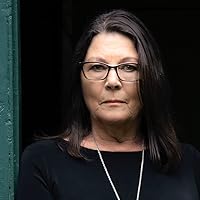
Despite decades of activism by feminists and their allies, women and their children continue to be killed by their partners and former partners in shocking numbers, leading the federal government to describe intimate partner violence (IPV) as an epidemic in Canada. Why have we failed to respond effectively to a social problem that affects millions of women and children?
After working for more than three decades with survivors, frontline workers, and the systems they turn to for help, lawyer Pamela Cross provides an in-depth look at intimate partner violence in Canada. And Sometimes They Kill You untangles what intimate partner violence is, the barriers to its eradication, and what we could be doing to eliminate those barriers. Told in an engaging and accessible fashion, the book weaves together Cross’ personal experiences and reflections on what she has learned with the heartbreaking stories of victims, survivors, and the alarming but convincing data. Cross offers practical and hopeful ideas for how each of us can engage in the vital work of eradicating intimate partner violence. This a call-to-action for the all-of-society, revolutionary response to gender-based violence needed to build communities that are safe and healthy for everyone.
It has been many years since I have worked in the field of victim services and provided information and support to many women (and occasionally men) going through the justice system. Part of my work was working with women who did not always wish to have their partners charged or who wished the conditions of bail be changed to allow contact with them. Part of my job was to interview the victim, without discussing evidence, to determine if the woman was being coerced into requesting the conditions or charges be changed. During these interviews, I would ensure to discuss safety planning with the woman and offer her supports in her community. It was not up to me whether the charges or conditions changed; that was up to the Crown counsel and/or judge. Like the author of And Sometimes They Kill You, I struggled with vicarious trauma. The criminal system was far from perfect and often times likely inflamed circumstances in its attempt to protect the victim and have consequences for the abuser. How many times did I hear the question: “how is a piece of paper going to save me?” when referring to the conditions imposed.
I looked forward to reading this book by lawyer and activist Pamela Cross and now upon completion can say that she has opened my thinking about what systems Canadian society applies to the epidemic of intimate partner violence (IPV).
Information is powerful and is one of the means by which IPV can be mitigated. Cross discusses ways in which systems can be more responsive and preventative in nature and how we must take an intersectional, trauma-informed approach. We need to do a better job at considering and consulting women of colour, differences in ability and age, gender and sexual orientation and very importantly, indigenous women.
Women who stay with or return to their abuser should not be judged. So many factors can be at play in making this very difficult decision including financial dependence, cultural factors, children, a pattern of coercive control by the abuser, just to name a few. It is well known that women are at the most danger in their relationships when their partners suspect they are about to leave them or when they have just left.
Cross has provided a very thorough examination of the topic and I would encourage anyone to read it, perhaps most particularly if you are part of a system that could help make changes. News flash, you most likely are!
Thank you to @btlbooks and @zgstories for a copy of this book in exchange for my honest opinions. And Sometimes They Kill You: Confronting the Epidemic of Intimate Partner Violence is available now.
A very good overview of the curse of domestic violence. A few comments: Perhaps the author did not fully appreciate the role of child protection services: the child is the client, not the parent, but the criticism is understood. I have some hesitation concerning implied accommodation/special consideration for non-white parents who hurt their children. Maybe in the next edition of her book the author could include comments in the "what we can do" section about the "Roots of Empathy" programme which was quite effective in my former agency. I'm not convinced that restorative justice circles are appropriate for sex offenders. The case studies in this book are distressingly familiar to this retired social worker. Systemic barriers and sometimes simple indifference can often lead to tragic and avoidable outcomes. Finally, a word to those working in the field for many years: watch out for vicarious trauma. You have a personal "best before" date. You gotta know when to pull up stakes.
I finished this one a few days ago and had to let it sit. Written by a lawyer based in Ontario, the experiences shared a largely from this area. This is a tough topic to read about and the stories shared are incredibly upsetting. It speaks to large number of intimate partner violence incidents and how little they are reported. It also touched on the impact of Covid abd people being restricted to their homes.
I have never worked in this field and from the outside this book is very academic - a great deal of definitions from various acts, along with pieces pulled from various reports. For me it made it hard to really dig in to the topic, but I was engaged by the stories that she weaves throughout the book coming both from her own personal experience and those stories we have all seen in the media.
The author is clearly passionate about supporting and advocating for victims/survivors of intimate partner violence and I do think this would be a valuable read to advocates and those working in this field.
This book is very well researched and presents the past and current facts of intimate partner violence in a way that does not shy away from the grim reality without sensationalizing the horror that too many women face every day. It is both real and empathetic. This is a must read for anyone who wants to understand this epidemic. I am not quite finished reading this outstanding book and can’t wait to get to the final chapter, “What We Can Do.” And there is no doubt that we need to do something to protect women and children in their own homes.