

What do you think?

Selkie
From the author of Medusa comes a beautiful and emotional story featuring a a mythological creature who can turn from a seal into a human.
Seven years ago, Quinn finally dared to transform from a seal into a human and took her first steps on land. As a selkie, she is both a daughter of land and sea. But when a human stole her pelt, he stole her freedom as well, forcing Quinn to become his wife and bear his children. As legend tells, capturing a selkie will bring you luck, and she became a coveted prize.
Constrained to a life that was no longer her own, Quinn longed for nothing more than to find her pelt and seize her freedom. Then one day, her eldest daughter hands Quinn her pelt and without a second thought, Quinn snatches it and escapes to the sea. But she's no longer used to swimming and doesn't know where her herd has gone. And after an almost disastrous encounter with her former husband, leaving her severely injured, Quinn doesn't have the strength to go searching.
Instead, she finds herself taking shelter on a nearby island with a lighthouse and three lighthouse keepers. Quinn doesn't trust humans anymore and wants to stay hidden from the keepers. But she can't survive on her own. Can she learn to trust these humans and shed her hatred of all humankind? Or will she give into her fears and accept the monstrous fate that others have bestowed upon her?
Seven years ago, Quinn finally dared to transform from a seal into a human and took her first steps on land. As a selkie, she is both a daughter of land and sea. But when a human stole her pelt, he stole her freedom as well, forcing Quinn to become his wife and bear his children. As legend tells, capturing a selkie will bring you luck, and she became a coveted prize.
Constrained to a life that was no longer her own, Quinn longed for nothing more than to find her pelt and seize her freedom. Then one day, her eldest daughter hands Quinn her pelt and without a second thought, Quinn snatches it and escapes to the sea. But she's no longer used to swimming and doesn't know where her herd has gone. And after an almost disastrous encounter with her former husband, leaving her severely injured, Quinn doesn't have the strength to go searching.
Instead, she finds herself taking shelter on a nearby island with a lighthouse and three lighthouse keepers. Quinn doesn't trust humans anymore and wants to stay hidden from the keepers. But she can't survive on her own. Can she learn to trust these humans and shed her hatred of all humankind? Or will she give into her fears and accept the monstrous fate that others have bestowed upon her?
423 pages, Kindle Edition
First published August 12, 2025
Ratings & Reviews
Friends & Following
Create a free account to discover what your friends think of this book!
Community Reviews
Displaying 1 - 30 of 111 reviews

August 10, 2025
I have always loved mythology, but especially that of the U.K. Therefore, I was already familiar with the legend of the selkie and rushed to request this book as soon as I saw it on NetGalley. I would say I enjoyed Quinn’s journey, but I actually was often upset at the sheer unfairness of her life once she was forced to stay human.
Today’s society is full of men who think that women are literally their property. The man who stole Quinn’s pelt and forced her to become his wife and bear his children is no different from the incels of today who wonder why they can’t get women to date them. Quinn’s husband is astonished that she doesn’t magically fall in love with him after hiding her pelt and raping her over and over. I mean, what woman wouldn’t be thrilled at her good fortune, landing such a prize of a husband? /s
Quinn is wholly unfamiliar with the ways of human society, and she quickly and irrevocably alienates the town’s inhabitants, making her new circumstances even more challenging.
Years pass, and then one day, one of her children accidentally comes across Quinn’s pelt, and then Quinn’s story really begins. Is she of the sea still? Or is she of land? In her quest to find her herd and learn to be a seal again, she is again forced to rely on others to heal. Can she do that? Quinn has only ever known humans who hurt her.
The prevailing question becomes, do kind humans exist?
Even if you think you don’t like folklore or mythology, I encourage you to give this novel a try. There are themes in here that deal with loneliness, misery, obligation, freedom and found family—things that all of us experience. Quinn’s story begins with so much sorrow and anger that she cannot see a way out. It’s only when she has her pelt back that she’s able to choose for herself again, and that’s when the real beauty of life starts to shine forth. It’s magical to see.
Thank you to NetGalley and Grand Central Publishing for an e-copy in exchange for my honest feedback.
Today’s society is full of men who think that women are literally their property. The man who stole Quinn’s pelt and forced her to become his wife and bear his children is no different from the incels of today who wonder why they can’t get women to date them. Quinn’s husband is astonished that she doesn’t magically fall in love with him after hiding her pelt and raping her over and over. I mean, what woman wouldn’t be thrilled at her good fortune, landing such a prize of a husband? /s
Quinn is wholly unfamiliar with the ways of human society, and she quickly and irrevocably alienates the town’s inhabitants, making her new circumstances even more challenging.
Years pass, and then one day, one of her children accidentally comes across Quinn’s pelt, and then Quinn’s story really begins. Is she of the sea still? Or is she of land? In her quest to find her herd and learn to be a seal again, she is again forced to rely on others to heal. Can she do that? Quinn has only ever known humans who hurt her.
The prevailing question becomes, do kind humans exist?
Even if you think you don’t like folklore or mythology, I encourage you to give this novel a try. There are themes in here that deal with loneliness, misery, obligation, freedom and found family—things that all of us experience. Quinn’s story begins with so much sorrow and anger that she cannot see a way out. It’s only when she has her pelt back that she’s able to choose for herself again, and that’s when the real beauty of life starts to shine forth. It’s magical to see.
Thank you to NetGalley and Grand Central Publishing for an e-copy in exchange for my honest feedback.
August 19, 2025
I need to stop getting excited about selkie novels. Ugh.
A shallow mythology retelling that takes far too long to say not very much and does nothing interesting with the selkie legends. Flimsy characters, painful worldbuilding and a narrative that tries to have its cake and eat it. I kept reading hoping it was going to come together, only for it to end in a groan.
But what really grated the whole way through was the laziness. It's a book about a seal shapeshifter that gets confused by basic seal physiology. It's set in late-1890s Scotland and the characters speak in modern Americanisms. The technology of the time gets used in nonsensical ways. Anachronisms all over the place. I swear to god, the men in the story refer to the main character as 'Ms. Quinn'. Ms. In the 1890s.
A shallow mythology retelling that takes far too long to say not very much and does nothing interesting with the selkie legends. Flimsy characters, painful worldbuilding and a narrative that tries to have its cake and eat it. I kept reading hoping it was going to come together, only for it to end in a groan.
But what really grated the whole way through was the laziness. It's a book about a seal shapeshifter that gets confused by basic seal physiology. It's set in late-1890s Scotland and the characters speak in modern Americanisms. The technology of the time gets used in nonsensical ways. Anachronisms all over the place. I swear to god, the men in the story refer to the main character as 'Ms. Quinn'. Ms. In the 1890s.

April 24, 2026
i will read basically any book about selkies you give me. i've been enamoured with them since childhood. double so if it's sapphic. i enjoyed this one for the most part! i liked quinn as a protagonist. maisie and the other lighthouse keepers ended up having a fun and sweet dynamic and read it prety quickly/it sucked me in. i will say, i'm clamoring for a modern day selkie story, and i found the romance between quinn and maisie a little lacking, though i can't totally put my finger on what, exactly, i wanted. overall, this didn't knock my socks off, but i had fun and i love that there are more selkie sapphic stories in the world.

Did Not Finish
August 17, 2025Dnf'd since the content was starting to get sketchy. No thank you!

September 14, 2025
Nataly Gruender imagines a tale drawing on Celtic and Norse folklore in her second book, Selkie.
The stories of her kind have always fascinated Quinn, as sleek gray seal she lives in the open waters off of the coast of Scotland with her herd, but as a selkie she has inherited the ability to shed her pelt on land and become human. Despite warnings from their elders, one late night Quinn along with a small group of her young herd-mates, wade onto the shore under the moonlight and play at being human. But when it’s time to return to the ocean Quinn’s pelt is gone, stolen by a fisherman who believes that a captured selkie will bring him good fortune.
Forced to become the wife of the thief and live as a human in the village above the shoreline, Quinn is miserable. Despite repeated attempts to find her pelt, it’s her young son that unearths it seven years after it was taken from her. Quinn can only think of finally going home and flees, leaving her three young children behind, but her longed for freedom isn’t the salvation she hopes for.
Selkie is primarily a character driven story focusing on Quinn’s journey to reclaim her life. Gruender explores several serious themes such as survival, trauma, connection, self determination, and sacrifice as Quinn attempts to reconcile the schism of being a daughter of both the land and sea.
There’s a thread of found family that brings some lightness to the story. When Quinn is injured after her escape she is forced to take refuge on a tiny island in the bay that supports a lighthouse. While the staff of the lighthouse also have quite bleak back stories, the bond that unexpectedly develops among them and Quinn is sweet.
There were elements of Selkie that I really liked, and Quinn was an interesting character, but somehow the story overall fell a bit flat, not helped by a slightly nebulous ending. The narrative also felt repetitive at times and was slow to progress.
I may not have been wholly captivated by Selkie but I did find it to be reasonably engaging historical fantasy.
The stories of her kind have always fascinated Quinn, as sleek gray seal she lives in the open waters off of the coast of Scotland with her herd, but as a selkie she has inherited the ability to shed her pelt on land and become human. Despite warnings from their elders, one late night Quinn along with a small group of her young herd-mates, wade onto the shore under the moonlight and play at being human. But when it’s time to return to the ocean Quinn’s pelt is gone, stolen by a fisherman who believes that a captured selkie will bring him good fortune.
Forced to become the wife of the thief and live as a human in the village above the shoreline, Quinn is miserable. Despite repeated attempts to find her pelt, it’s her young son that unearths it seven years after it was taken from her. Quinn can only think of finally going home and flees, leaving her three young children behind, but her longed for freedom isn’t the salvation she hopes for.
Selkie is primarily a character driven story focusing on Quinn’s journey to reclaim her life. Gruender explores several serious themes such as survival, trauma, connection, self determination, and sacrifice as Quinn attempts to reconcile the schism of being a daughter of both the land and sea.
There’s a thread of found family that brings some lightness to the story. When Quinn is injured after her escape she is forced to take refuge on a tiny island in the bay that supports a lighthouse. While the staff of the lighthouse also have quite bleak back stories, the bond that unexpectedly develops among them and Quinn is sweet.
There were elements of Selkie that I really liked, and Quinn was an interesting character, but somehow the story overall fell a bit flat, not helped by a slightly nebulous ending. The narrative also felt repetitive at times and was slow to progress.
I may not have been wholly captivated by Selkie but I did find it to be reasonably engaging historical fantasy.

October 14, 2025
the gaggery i experienced when i learned 80% of the way through the book that this was set in 1890s Scotland (Ireland?)

January 16, 2026
While this is a magical tale, it is also hard to write a review for a story like this. If I go into what I loved about and/or would like answered regarding this story this review would be heavy on the spoilers. So instead of a review I'll just say go into this story expecting to be surprised. This is one of those you think will be one thing quickly to find it taking another turn early on. Enjoy.

July 11, 2026
I really just love love, man.
All the protagonists in this story just broke my heart and made my soul warm.
Give me more highland mythology 😭🙌
All the protagonists in this story just broke my heart and made my soul warm.
Give me more highland mythology 😭🙌

May 16, 2025
This is the first selkie folklore novel I've read and I thoroughly enjoyed it! Quinn's journey of finding herself, connecting to her heritage, and fighting for her found family is compelling and tragic at times.
While I thoroughly enjoyed the enchanting atmosphere and the exploration of selkie lore, I found myself wishing the romantic elements played a more significant role in the overall story.
Overall, I definitely would recommend this to anyone who enjoys folklore-inspired fantasy.
Thank you to NetGalley, the author, and Grand Central Publishing for the eARC of Selkie!
While I thoroughly enjoyed the enchanting atmosphere and the exploration of selkie lore, I found myself wishing the romantic elements played a more significant role in the overall story.
Overall, I definitely would recommend this to anyone who enjoys folklore-inspired fantasy.
Thank you to NetGalley, the author, and Grand Central Publishing for the eARC of Selkie!

July 8, 2026
"...you do not owe motherhood to me because I did not get it. You do not owe motherhood to anyone."
For a book called Selkie, this story ended up being much less about selkie mythology than I expected — and I don't mean that as a bad thing. The mythology is always there, woven throughout the story, but this is first and foremost Quinn's story. Her life, her choices, the people she loves, and the family she finds along the way.
And the found family in this book? Top tier.
I loved the little collection of people Quinn gathered around her, and I adored the queerness woven so naturally throughout the story. Between the lighthouse keepers and Quinn and Maisie, there was so much love in this book that existed outside the expectations placed on people at the time. Speaking of which, I genuinely had no idea this was set in the late 1890s for about 240 pages. Aside from the lack of technology and some generally old-fashioned vibes, I don't think the historical setting came through as strongly as it could have.
The romance really worked for me, though I would've happily accepted a little more burn. I liked Quinn for the most part, but never completely fell in love with her as a character. Again, I adored the people around her; Maisie and MacArthur were easily favorites. Owen can go into the woodchipper.
I also really enjoyed the folklore itself, especially the stories passed down from Quinn's mother. Those moments made the mythology feel personal rather than like background information added just because this is a selkie story. Getting to see other figures from Scottish folklore woven into the story was a thoughtful addition (the washerwoman — or bean-nighe — was a gift).
There are a few things I'm still wondering about (particularly ), but I can see how some of that is intentionally left open depending on where the story goes next.
This wasn't a very tense or stressful read, and I did appreciate that. It was nice to settle into Quinn's world, soak up the folklore and romance, and read a beautiful story about a group of late-19th-century queer misfits in a gloomy Scottish lighthouse. However, the story was SO cozy and easy to settle into that I occasionally found myself wanting just a tiny bit more conflict or raised stakes to propel it forward; thus the four stars.
Also, once again: Owen can go directly into the woodchipper.
For a book called Selkie, this story ended up being much less about selkie mythology than I expected — and I don't mean that as a bad thing. The mythology is always there, woven throughout the story, but this is first and foremost Quinn's story. Her life, her choices, the people she loves, and the family she finds along the way.
And the found family in this book? Top tier.
I loved the little collection of people Quinn gathered around her, and I adored the queerness woven so naturally throughout the story. Between the lighthouse keepers and Quinn and Maisie, there was so much love in this book that existed outside the expectations placed on people at the time. Speaking of which, I genuinely had no idea this was set in the late 1890s for about 240 pages. Aside from the lack of technology and some generally old-fashioned vibes, I don't think the historical setting came through as strongly as it could have.
The romance really worked for me, though I would've happily accepted a little more burn. I liked Quinn for the most part, but never completely fell in love with her as a character. Again, I adored the people around her; Maisie and MacArthur were easily favorites. Owen can go into the woodchipper.
I also really enjoyed the folklore itself, especially the stories passed down from Quinn's mother. Those moments made the mythology feel personal rather than like background information added just because this is a selkie story. Getting to see other figures from Scottish folklore woven into the story was a thoughtful addition (the washerwoman — or bean-nighe — was a gift).
There are a few things I'm still wondering about (particularly ), but I can see how some of that is intentionally left open depending on where the story goes next.
This wasn't a very tense or stressful read, and I did appreciate that. It was nice to settle into Quinn's world, soak up the folklore and romance, and read a beautiful story about a group of late-19th-century queer misfits in a gloomy Scottish lighthouse. However, the story was SO cozy and easy to settle into that I occasionally found myself wanting just a tiny bit more conflict or raised stakes to propel it forward; thus the four stars.
Also, once again: Owen can go directly into the woodchipper.
July 12, 2025
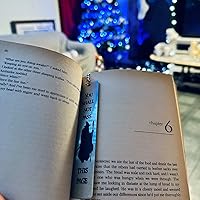
I recently read Medusa by this author, and immediately went to look into her other books and turns out it was her debut but another one was coming out. Seeing it wasn't out yet, I rushed over to NetGalley to see if it was there, and it was. So, thank you to the publisher, the author and NetGalley for allowing me an ARC to read. All thoughts are my own.
I really enjoyed this. I was filled with so much rage at certain points, but given what was happening that made sense.
One of my favourite tropes is found family, and that trope was so well done within this book. I really loved seeing the relationships develop and the characters begin to get closer.
Overall really happy with the ending, though it felt a bit quick. That was likely me though because I just didn't want it to be over.
A really great book, and I will be following this author closely to keep any eye on any new releases.
I really enjoyed this. I was filled with so much rage at certain points, but given what was happening that made sense.
One of my favourite tropes is found family, and that trope was so well done within this book. I really loved seeing the relationships develop and the characters begin to get closer.
Overall really happy with the ending, though it felt a bit quick. That was likely me though because I just didn't want it to be over.
A really great book, and I will be following this author closely to keep any eye on any new releases.

March 20, 2026
Interesting story of Celtic folklore about Selkies.
I hoped for a more whimsical story about one of my favorite folklore motifs. I did love all the parts describing the legends of Selkies, but it never went much deeper than what you could find on the internet. Much like the parts with the Kelpie and the washerwoman, or bean-nighe. I have a book of Scottish folk tales, and the scenes in this book were nearly identical to the original story of all the folk characters used. I was really looking forward to a more imaginative approach in this book.
What struck me was how some of the plot reminded me of the mystery of the 1900 disappearance of 3 lighthouse keepers from the Flannan Island Lighthouse. There seemed to be some parallels, though I'm not sure if the author intended this
The plot was ok. It lacked some substance, but it was easy to follow and made for a fun and easy read.
I hoped for a more whimsical story about one of my favorite folklore motifs. I did love all the parts describing the legends of Selkies, but it never went much deeper than what you could find on the internet. Much like the parts with the Kelpie and the washerwoman, or bean-nighe. I have a book of Scottish folk tales, and the scenes in this book were nearly identical to the original story of all the folk characters used. I was really looking forward to a more imaginative approach in this book.
What struck me was how some of the plot reminded me of the mystery of the 1900 disappearance of 3 lighthouse keepers from the Flannan Island Lighthouse. There seemed to be some parallels, though I'm not sure if the author intended this
The plot was ok. It lacked some substance, but it was easy to follow and made for a fun and easy read.

September 1, 2025
"𝑴𝒖𝒔𝒕 𝒂𝒍𝒍 𝒄𝒓𝒆𝒂𝒕𝒖𝒓𝒆𝒔 𝒍𝒊𝒌𝒆 𝒖𝒔...𝒍𝒊𝒗𝒆 𝒖𝒏𝒅𝒆𝒓 𝒕𝒉𝒆 𝒆𝒙𝒑𝒆𝒄𝒕𝒂𝒕𝒊𝒐𝒏𝒔 𝒐𝒇 𝒉𝒖𝒎𝒂𝒏𝒔, 𝒆𝒗𝒆𝒏 𝒘𝒉𝒆𝒏 𝒕𝒉𝒆𝒊𝒓 𝒔𝒕𝒐𝒓𝒊𝒆𝒔 𝒂𝒃𝒐𝒖𝒕 𝒖𝒔 𝒃𝒂𝒓𝒆𝒍𝒚 𝒔𝒄𝒓𝒂𝒑𝒆 𝒕𝒉𝒆 𝒔𝒖𝒓𝒇𝒂𝒄𝒆 𝒐𝒇 𝒐𝒖𝒓 𝒆𝒙𝒊𝒔𝒕𝒆𝒏𝒄𝒆? 𝑰 𝒘𝒂𝒔 𝒏𝒆𝒗𝒆𝒓 𝒚𝒐𝒖𝒓 𝒔𝒕𝒐𝒓𝒚...𝒂𝒏𝒅 𝑰 𝒘𝒊𝒍𝒍 𝒏𝒆𝒗𝒆𝒓 𝒃𝒆𝒍𝒐𝒏𝒈 𝒕𝒐 𝒚𝒐𝒖."
Celtic and Norse mythology meets lush, achingly beautiful storytelling with SELKIE, a mythological creature who can change from seal to human and back again. The story centers around Quinn, a young selkie who dismissed her mother's warnings and bravely took her first steps on land. But a human man stole her pelt, relegating her to life as a human. She yearned for the sea and longed for her family. But the man who took her pelt knows that legend says capturing a selkie will bring you luck, and she became his coveted prize.
Forced into a life she never wanted as a wife and mother, Quinn's spirit grows dimmer each day until her eldest daughter presents her with her long-hidden pelt. Thinking of nothing but her freedom, she snatches it and runs. But years away form her ocean home have affected her swimming abilities, and she has no idea where her herd is gone. She's lost and alone, and as expected, her husband comes looking for her. After a violent encounter leaves her free but badly injured, she takes refuge on a nearby island with a lighthouse and its three keepers. Quinn no longer trusts humans and vows to stay away, yet she knows she needs their help.
This was such a poignant story with so much depth. It's about family, love, freedom, acceptance, guilt, and being brave enough to answer the question of what it truly means to be home. I loved how these universal themes were explored gently, never being heavy-handed or preachy. Many thanks to Grand Central Publishing for this beautiful finished copy. This book is available now.
Celtic and Norse mythology meets lush, achingly beautiful storytelling with SELKIE, a mythological creature who can change from seal to human and back again. The story centers around Quinn, a young selkie who dismissed her mother's warnings and bravely took her first steps on land. But a human man stole her pelt, relegating her to life as a human. She yearned for the sea and longed for her family. But the man who took her pelt knows that legend says capturing a selkie will bring you luck, and she became his coveted prize.
Forced into a life she never wanted as a wife and mother, Quinn's spirit grows dimmer each day until her eldest daughter presents her with her long-hidden pelt. Thinking of nothing but her freedom, she snatches it and runs. But years away form her ocean home have affected her swimming abilities, and she has no idea where her herd is gone. She's lost and alone, and as expected, her husband comes looking for her. After a violent encounter leaves her free but badly injured, she takes refuge on a nearby island with a lighthouse and its three keepers. Quinn no longer trusts humans and vows to stay away, yet she knows she needs their help.
This was such a poignant story with so much depth. It's about family, love, freedom, acceptance, guilt, and being brave enough to answer the question of what it truly means to be home. I loved how these universal themes were explored gently, never being heavy-handed or preachy. Many thanks to Grand Central Publishing for this beautiful finished copy. This book is available now.

April 20, 2026
I liked that this book wove in many different creatures that aren't quite human but sometimes overlap with them. I guess the romance didn't speak to me overly much because I only felt the friendship, not that spark. A solid ending, though.
October 13, 2025
I’m giving it a 3.5
Slow to start but ended well.
Slow to start but ended well.
February 17, 2026
some people are just not made to be mothers shiv
May 23, 2026
Really beautiful story. It is very sad at times, so quite an emotional journey but very beautiful.
I was captivated all the way through.
I was captivated all the way through.

July 3, 2026
3.5 This was very sweet and heartwarming in the end. But it took a while to get there. I wish we had more selkie lore/mytholgy and less of the darker subjects but overall a decent read.

August 15, 2025
Selkie is a beautifully written slow burn novel full of heart. This is a story of pain, found family, healing, and going after the life you truly want and deserve. I loved every minute of this book and was so sad to see it end.
Thank you to NetGalley and Grand Central Publishing for the ARC in exchange for an honest review!
Thank you to NetGalley and Grand Central Publishing for the ARC in exchange for an honest review!

January 4, 2026
Selkie was magical and beautifully written. The language is lush and immersive, and I could deeply feel the emotions of the main character throughout — which feels especially important in a world where her feelings shape so much of what happens. The emotional connection made the story feel intimate and powerful. I’ve always been drawn to selkie mythology, so it was a joy to experience it explored through this novel. Atmospheric, emotional, and quietly enchanting.

September 27, 2025
I literally only started this bc of a review that said “the content was starting to get sketchy” and i still have no idea what that’s supposed to mean.
TLDR the myth-building was bad, the plot was contrived at every turn, and everything that was clearly meant to make a point just fell flat.
Spoilers now:
I really hated the way this book interpreted selkies. They’re supposed to be magical half-human half-seals so why does this herd spend their entire lives only as seals? How do they keep the toddlers and baby selkies from changing on land? They had that little private beach before the lighthouse got built, but also there is more than one beach in the world and they’re migratory… you don’t have to go to the human beach… I feel like the magic should be instinctual and play more of a role in their lives— this book just treats them like quirky seals. They don’t even have any interesting culture, just repeating the stories that humans tell about them.
The first scene is written as if Quinn has never been in human form before, but later it’s mentioned that her mom taught her to shift. Why would she bother, if the herd never goes on land in the first place? How come Owen is just magically there the very first time she ever goes to a human beach?? It would have been easy to say that the younger selkies sneak off all the time to the beach and they’re so reckless because they keep getting away with it, and that would have made so much more sense and felt so much less stupid.
Quinn meets two other random magical creatures and each encounter is disappointing. Also in the washerwoman scene Quinn literally says the entire contents of the Wikipedia article for bean-nighe so clearly a lot of research was done.
Second, I really had a problem with the whole town of humans, and especially the stupid scene where all the nasty women who are all slaves to their husbands stage a behavioral intervention. That’s not how social exclusion works or has worked ever. I can imagine everyone hating her and slowly driving her out of their social circles and excluding her from things and acting cruel to her very easily! Nobody needed to write a scene where they all get together and directly say “we hate you and anyone else who even pretend to like you will be punished socially” because that has literally never happened!! Bullying and social dynamics are a crazy thing. (Also I have a problem with the split between The Wives and the one woman who has free will and no husband)
Also not a fan of the children getting left with her abuser. “Oh but he loves them!” It has been proven to us over and over again that this man only loves what he can control or use. He has been physically violent to her, you can’t pretend there’s no chance of him doing that to the kids. And he works full time on his stupid boat, so you know the actual parent is going to be the oldest daughter. And the town has been shown to be a conservative hellscape where women are total property of horrible brutish men. I don’t think Quinn should have had to take them with her but acting like leaving them with him was a good or kind choice is bad. I wanted her to kill him but it’s fine that it didn’t happen.
Lastly there are truly no stakes in this book. They keep acting like she absolutely HAS to choose between human form and seal form, but the whole point of selkies is that they aren’t fully one or the other! Why can’t she swim in the sea and have a modicum of freedom but also return to the lighthouse and kiss girls? Then they all act like her turning them into selkies means they have to be seals forever and can’t ever work in the lighthouse. But why? They can just go back into human form once the random contrived villains leave? And then she’s like “I have to give up a piece of myself” and it’s soooo serious but of course she doesn’t lose any physical pieces of her body, doesn’t lose precious memories or emotions, doesn’t lose anyone she cares about or any of her children, and doesn’t even lose the power to become human again— she’s still just as selkie as ever, even though she’s going to waste that power. Nope, she loses the power to make bad weather when she’s upset, a power she rarely cared about until it was important to the plot and will mean absolutely nothing for her to lose.
TLDR the myth-building was bad, the plot was contrived at every turn, and everything that was clearly meant to make a point just fell flat.
Spoilers now:
I really hated the way this book interpreted selkies. They’re supposed to be magical half-human half-seals so why does this herd spend their entire lives only as seals? How do they keep the toddlers and baby selkies from changing on land? They had that little private beach before the lighthouse got built, but also there is more than one beach in the world and they’re migratory… you don’t have to go to the human beach… I feel like the magic should be instinctual and play more of a role in their lives— this book just treats them like quirky seals. They don’t even have any interesting culture, just repeating the stories that humans tell about them.
The first scene is written as if Quinn has never been in human form before, but later it’s mentioned that her mom taught her to shift. Why would she bother, if the herd never goes on land in the first place? How come Owen is just magically there the very first time she ever goes to a human beach?? It would have been easy to say that the younger selkies sneak off all the time to the beach and they’re so reckless because they keep getting away with it, and that would have made so much more sense and felt so much less stupid.
Quinn meets two other random magical creatures and each encounter is disappointing. Also in the washerwoman scene Quinn literally says the entire contents of the Wikipedia article for bean-nighe so clearly a lot of research was done.
Second, I really had a problem with the whole town of humans, and especially the stupid scene where all the nasty women who are all slaves to their husbands stage a behavioral intervention. That’s not how social exclusion works or has worked ever. I can imagine everyone hating her and slowly driving her out of their social circles and excluding her from things and acting cruel to her very easily! Nobody needed to write a scene where they all get together and directly say “we hate you and anyone else who even pretend to like you will be punished socially” because that has literally never happened!! Bullying and social dynamics are a crazy thing. (Also I have a problem with the split between The Wives and the one woman who has free will and no husband)
Also not a fan of the children getting left with her abuser. “Oh but he loves them!” It has been proven to us over and over again that this man only loves what he can control or use. He has been physically violent to her, you can’t pretend there’s no chance of him doing that to the kids. And he works full time on his stupid boat, so you know the actual parent is going to be the oldest daughter. And the town has been shown to be a conservative hellscape where women are total property of horrible brutish men. I don’t think Quinn should have had to take them with her but acting like leaving them with him was a good or kind choice is bad. I wanted her to kill him but it’s fine that it didn’t happen.
Lastly there are truly no stakes in this book. They keep acting like she absolutely HAS to choose between human form and seal form, but the whole point of selkies is that they aren’t fully one or the other! Why can’t she swim in the sea and have a modicum of freedom but also return to the lighthouse and kiss girls? Then they all act like her turning them into selkies means they have to be seals forever and can’t ever work in the lighthouse. But why? They can just go back into human form once the random contrived villains leave? And then she’s like “I have to give up a piece of myself” and it’s soooo serious but of course she doesn’t lose any physical pieces of her body, doesn’t lose precious memories or emotions, doesn’t lose anyone she cares about or any of her children, and doesn’t even lose the power to become human again— she’s still just as selkie as ever, even though she’s going to waste that power. Nope, she loses the power to make bad weather when she’s upset, a power she rarely cared about until it was important to the plot and will mean absolutely nothing for her to lose.
This entire review has been hidden because of spoilers.
June 23, 2025
Thank you to NetGalley and Grand Central Publishing for the eARC of Selkie by Nataly Gruender.
Release Date: August 12th
As someone who loves mythology and folktales from all cultures, I was quite interested in the idea of a book that follows selkies (seals that can turn into humans). This book was quick and easy to read as you get sucked up into the world of our main character, Quinn. I found the characters to be well written and they all had fascinating backstories that added to their complexity. The relationships between the characters were heartwarming and authentic. This would be a great pick for anyone who loves a found family story. My one problem with the book was that I did think the first section was a bit boring. However, once it picks up, it was hard to put the book down. I would recommend to fans of folklore, found families, and stories about women breaking free from societal norms.
Release Date: August 12th
As someone who loves mythology and folktales from all cultures, I was quite interested in the idea of a book that follows selkies (seals that can turn into humans). This book was quick and easy to read as you get sucked up into the world of our main character, Quinn. I found the characters to be well written and they all had fascinating backstories that added to their complexity. The relationships between the characters were heartwarming and authentic. This would be a great pick for anyone who loves a found family story. My one problem with the book was that I did think the first section was a bit boring. However, once it picks up, it was hard to put the book down. I would recommend to fans of folklore, found families, and stories about women breaking free from societal norms.

April 29, 2025
More Selkie books please! I like Selkie lore and this one is from the author of Medusa which I really enjoyed (so good!). This wasn't as good o ONLY because it was a little rushed in the end and I didn't want it to end! From the start I if course was angry for Quinn, I saw red when she was held against her will. I understood her feelings towards those adults around her. It made me sad. Reading her journey was so so good though. This didn't end like I thought it might, I'm sad about that but also happy with how it ended for some of the characters. Not happy for others. It was a quick read. I started it yesterday. Finished it today.
Thank you NetGalley and Grand Central Publishing for this egalley. I was not obligated to leave a review. All opinions are my own
Description
From the author of Medusa comes a beautiful and emotional story featuring a selkie: a mythological creature who can turn from a seal into a human.
Seven years ago, Quinn finally dared to transform from a seal into a human and took her first steps on land. As a selkie, she is both a daughter of land and sea. But when a human stole her pelt, he stole her freedom as well, forcing Quinn to become his wife and bear his children. As legend tells, capturing a selkie will bring you luck, and she became a coveted prize.
Constrained to a life that was no longer her own, Quinn longed for nothing more than to find her pelt and seize her freedom. Then one day, her eldest daughter hands Quinn her pelt and without a second thought, Quinn snatches it and escapes to the sea. But she's no longer used to swimming and doesn't know where her herd has gone. And after an almost disastrous encounter with her former husband, leaving her severely injured, Quinn doesn't have the strength to go searching.
Instead, she finds herself taking shelter on a nearby island with a lighthouse and three lighthouse keepers. Quinn doesn't trust humans anymore and wants to stay hidden from the keepers. But she can't survive on her own. Can she learn to trust these humans and shed her hatred of all humankind? Or will she give into her fears and accept the monstrous fate that others have bestowed upon her?
Thank you NetGalley and Grand Central Publishing for this egalley. I was not obligated to leave a review. All opinions are my own
Description
From the author of Medusa comes a beautiful and emotional story featuring a selkie: a mythological creature who can turn from a seal into a human.
Seven years ago, Quinn finally dared to transform from a seal into a human and took her first steps on land. As a selkie, she is both a daughter of land and sea. But when a human stole her pelt, he stole her freedom as well, forcing Quinn to become his wife and bear his children. As legend tells, capturing a selkie will bring you luck, and she became a coveted prize.
Constrained to a life that was no longer her own, Quinn longed for nothing more than to find her pelt and seize her freedom. Then one day, her eldest daughter hands Quinn her pelt and without a second thought, Quinn snatches it and escapes to the sea. But she's no longer used to swimming and doesn't know where her herd has gone. And after an almost disastrous encounter with her former husband, leaving her severely injured, Quinn doesn't have the strength to go searching.
Instead, she finds herself taking shelter on a nearby island with a lighthouse and three lighthouse keepers. Quinn doesn't trust humans anymore and wants to stay hidden from the keepers. But she can't survive on her own. Can she learn to trust these humans and shed her hatred of all humankind? Or will she give into her fears and accept the monstrous fate that others have bestowed upon her?
October 8, 2025
Quinn is a selkie, living most of her life as a seal, until one day she takes of her pelt to turn into a human. However, she is trapped on land for seven years by a man who became her husband. Seven years later, one of her three children finds her pelt and returns it to her. She immediately dashes back into the sea, become a seal once again, only for her husband to find her as a seal and injure her. Quinn barely makes it back to the island where she last saw her herd, but they're long gone and instead there is a lighthouse kept by three men. She isn't strong enough to survive on her own and Quinn must learn how to trust humans in order to survive.
I was so excited for the concept of this book, but I felt extremely let down. The writing was repetitive and it felt as though the author didn't trust the reader to infer anything about the characters or plot. To be completely honest, I didn't care about the characters. All of them annoyed me.
Now for the specifics (there are spoilers here). Jamie is said to have experience with treating injuries but didn't notice that Quinn's wound was a week old. After what seemed like months of healing Quinn also had absolutely no lost strength from healing after she turned back into a seal even though it was mentioned earlier that her lung capacity decreased from spending so long as a human. Similarly when MacArthur turned into a selkie there was no mention of him having a missing flipper. Quinn was speared in the back fluke and it came out to be a wound in her foot. So following the same logic MacArthur should have a missing fin. It also seemed like Quinn couldn't decide if she cared about her children or not. Oliver is going to have such a hard time if he's turning into a seal. She wasn't willing to take him, but she took three other people? Finally, the SA experienced by Maisie is obviously horrible, but how are Quinn's own experiences not discussed at all? She had three children and shared a bed with Owen, but never expressed any concern about the situation or how her children was created.
I was so excited for the concept of this book, but I felt extremely let down. The writing was repetitive and it felt as though the author didn't trust the reader to infer anything about the characters or plot. To be completely honest, I didn't care about the characters. All of them annoyed me.
Now for the specifics (there are spoilers here). Jamie is said to have experience with treating injuries but didn't notice that Quinn's wound was a week old. After what seemed like months of healing Quinn also had absolutely no lost strength from healing after she turned back into a seal even though it was mentioned earlier that her lung capacity decreased from spending so long as a human. Similarly when MacArthur turned into a selkie there was no mention of him having a missing flipper. Quinn was speared in the back fluke and it came out to be a wound in her foot. So following the same logic MacArthur should have a missing fin. It also seemed like Quinn couldn't decide if she cared about her children or not. Oliver is going to have such a hard time if he's turning into a seal. She wasn't willing to take him, but she took three other people? Finally, the SA experienced by Maisie is obviously horrible, but how are Quinn's own experiences not discussed at all? She had three children and shared a bed with Owen, but never expressed any concern about the situation or how her children was created.
July 21, 2025
I was excited to read this new release from Nataly Gruender, as I enjoy reading about Selkies and other Celtic mythology. The setting of this book was well-written, and Gruender did a lovely job creating an evocative and compelling setting for this story.
Sadly, the story itself fell flat in many ways. The characters lacked depth and complexity, and I found it unbelievable that Quinn would abandon her children to a cruel community and father in order to run away with a group of people that she only knew for a few weeks at most.
The overall themes of found family and freedom were enjoyable, but not executed well in the grand scheme of the story. Thank you so much to NetGalley and Grand Central Publishing for the opportunity to read this book early!
Sadly, the story itself fell flat in many ways. The characters lacked depth and complexity, and I found it unbelievable that Quinn would abandon her children to a cruel community and father in order to run away with a group of people that she only knew for a few weeks at most.
The overall themes of found family and freedom were enjoyable, but not executed well in the grand scheme of the story. Thank you so much to NetGalley and Grand Central Publishing for the opportunity to read this book early!
This entire review has been hidden because of spoilers.

May 16, 2025
True Rating: 4.5
Thank you to Netgalley and Grand Central Publishing for a free copy of this book. All thoughts listed below are my own.
After reading Medusa, I was super excited to get this widget and couldn't wait to dive in. Selkie's are a lesser known part of mythology and seeing them be explored was intriguing. Nataly seems to have cornered a market on mythological retelling and honestly I am here for it. Nataly has a wonderful way of taking villains and showing that they are often truly a victim of being in a man's world, Selkie is not an exception.
Quinn, our FMC and Selkie in question, has her seal pelt stolen from her by a man who believes that she will bring him luck and fortune. She is forced to become his wife and have his children, but his pride prevents him from letting her go despite the misfortune she has actually brought. Seven years of being forced to remain on land, her eldest daughter finds and returns her pelt. Quinn escapes, but after an unfortunate encounter with her husband, she is wounded and forced to take shelter on an island with a lighthouse and its three keepers, after she is unable to find her Selkie herd.
During this time, we get to experience flashbacks into her life before her pelt is returned to her. We get to witness her, in some ways self inflicted, isolation from the human village she is forced to live in. Ambiguous, but yet very clear, references to her SA at the hands of her forced husband, births she had to do alone as no one would help her, and watching her children bear the brunt of the oddness of her mother. Quinn's anger and frustration, along with the fear of her husband, are so pronounced I found myself feeling them along with her every time they were on the page. She is the victim here, despite the world portraying her as the villain. Quinn is a very complicated character. She is written with a dual nature in this story that I absolutely adore, because its so realistic. She has moments of being selfish and moments of being selfless, which we all do. Ultimately, its up for you as the reader to decide which she is.
She has to navigate her own experiences with humans when it comes to the three lighthouse keepers. She has seven years of selfishness and hatred under her belt from living in the village, yet these three keepers are challenging everything she knows. This growth that Quinn shows during these few weeks/months of living on the island is some of the best development I've read in a while. There are a few twists that are revealed while on this island, some obvious and some that I did not see coming.
There is one part of the book that stands out to me that I can not get over, in a good way. The author wove in a few other myths into this story, in the form of Kelpies and Bean-Nighe. There is a chapter that focuses on the myth of the Washerwomen (or Bean-Nighe) and I could not devour this section more! The depth of this side character was so jaw dropping, and I want to explore this myth/character. Nataly, please make this your next book! This character stole the show for me in the best way possible and I want more!
The ending of the book is very vague. It ends happily, don't get me wrong, but as far as a true conclusion, it doesn't really give that. And to be honest, normally that bothers me but in this book it works so well. It's up to you what happens after, with Quinn and her found family. I see myself reading this book again!
Thank you to Netgalley and Grand Central Publishing for a free copy of this book. All thoughts listed below are my own.
After reading Medusa, I was super excited to get this widget and couldn't wait to dive in. Selkie's are a lesser known part of mythology and seeing them be explored was intriguing. Nataly seems to have cornered a market on mythological retelling and honestly I am here for it. Nataly has a wonderful way of taking villains and showing that they are often truly a victim of being in a man's world, Selkie is not an exception.
Quinn, our FMC and Selkie in question, has her seal pelt stolen from her by a man who believes that she will bring him luck and fortune. She is forced to become his wife and have his children, but his pride prevents him from letting her go despite the misfortune she has actually brought. Seven years of being forced to remain on land, her eldest daughter finds and returns her pelt. Quinn escapes, but after an unfortunate encounter with her husband, she is wounded and forced to take shelter on an island with a lighthouse and its three keepers, after she is unable to find her Selkie herd.
During this time, we get to experience flashbacks into her life before her pelt is returned to her. We get to witness her, in some ways self inflicted, isolation from the human village she is forced to live in. Ambiguous, but yet very clear, references to her SA at the hands of her forced husband, births she had to do alone as no one would help her, and watching her children bear the brunt of the oddness of her mother. Quinn's anger and frustration, along with the fear of her husband, are so pronounced I found myself feeling them along with her every time they were on the page. She is the victim here, despite the world portraying her as the villain. Quinn is a very complicated character. She is written with a dual nature in this story that I absolutely adore, because its so realistic. She has moments of being selfish and moments of being selfless, which we all do. Ultimately, its up for you as the reader to decide which she is.
She has to navigate her own experiences with humans when it comes to the three lighthouse keepers. She has seven years of selfishness and hatred under her belt from living in the village, yet these three keepers are challenging everything she knows. This growth that Quinn shows during these few weeks/months of living on the island is some of the best development I've read in a while. There are a few twists that are revealed while on this island, some obvious and some that I did not see coming.
There is one part of the book that stands out to me that I can not get over, in a good way. The author wove in a few other myths into this story, in the form of Kelpies and Bean-Nighe. There is a chapter that focuses on the myth of the Washerwomen (or Bean-Nighe) and I could not devour this section more! The depth of this side character was so jaw dropping, and I want to explore this myth/character. Nataly, please make this your next book! This character stole the show for me in the best way possible and I want more!
The ending of the book is very vague. It ends happily, don't get me wrong, but as far as a true conclusion, it doesn't really give that. And to be honest, normally that bothers me but in this book it works so well. It's up to you what happens after, with Quinn and her found family. I see myself reading this book again!
November 13, 2025
This is my first GoodReads review.
I have a particular fascination with the selkie mythical character. There is a tragic beauty to them (the female equivalent anyway). Their stories center arounds the themes of love, loss, stolen freedom and choice, and identity regained, and Gruender takes those themes and makes them hers.
While some of the selkie lore is unique to the book (or I haven't come across yet), it is clear that Gruender did her research because her understanding of the selkie is lovely.
The book opens with Quinn, the selkie is question, taking her seal pelt off for the first time and transforming from seal into human. Gruender gives a good, detailed description of the act, something that most selkie stories tend to overlook. The experience starts out fun but ends horribly when Owen, a local fisherman, takes her pelt.
Quinn is trapped in her human form for 7 years and is forced to be Owen's wife (She doesn't know how to navigate human life, and she has to stick with him if she ever wants to get her pelt back). In that time, she develops a hatred for humanity. The townspeople unfairly judge and hate her, and Owen is far from the loving husband. When you leave your *cough* kidnapped *cough* pregnant wife to give birth alone so you could go to the pub, you're not winning any Husband of the Year awards. Even her own children can't help but look at her strangely.
When Quinn's son finds her pelt, she books it back to the sea.
That is how the usual selkie story goes and how it ends. But Gruender expands past that point. Quinn has a hard time readjusting to the sea after her near decade away from it. She also is alone. Her fellow selkies have long since moved on without her and she has no idea where they are. Being alone in the ocean makes Quinn vulnerable, something she is very well aware of.
When a near run-in with Owen leaves her injured, Quinn is found by a kind lighthouse keeper. She is left with no choice but to put aside her fear of humans and let this one show her that not all humans are cruel.
There are 3 lighthouse keepers, and each has their own story. While only 1 of them knows what Quinn is for a while, the others earn her friendship over time, and they too learn her secret.
Throughout the book, Gruender jumps between Quinn's time with the lighthouse keepers and Owen. The difference in her treatment truly highlights the duality of love and hate, of choice and subjugation.
Since the prologue, Quinn does nothing but lose. She loses her pelt, her mother, and her friends. She loses her body autonomy and identity (the townsfolk don't even know her name). When she finally gets her pelt back, she loses her kids and realizes that she has lost her understanding of the sea. When Quinn has to make a choice that would result in her losing her lighthouse keeper friends, she finally decides that she is done with losing what she loves.
I have a particular fascination with the selkie mythical character. There is a tragic beauty to them (the female equivalent anyway). Their stories center arounds the themes of love, loss, stolen freedom and choice, and identity regained, and Gruender takes those themes and makes them hers.
While some of the selkie lore is unique to the book (or I haven't come across yet), it is clear that Gruender did her research because her understanding of the selkie is lovely.
The book opens with Quinn, the selkie is question, taking her seal pelt off for the first time and transforming from seal into human. Gruender gives a good, detailed description of the act, something that most selkie stories tend to overlook. The experience starts out fun but ends horribly when Owen, a local fisherman, takes her pelt.
Quinn is trapped in her human form for 7 years and is forced to be Owen's wife (She doesn't know how to navigate human life, and she has to stick with him if she ever wants to get her pelt back). In that time, she develops a hatred for humanity. The townspeople unfairly judge and hate her, and Owen is far from the loving husband. When you leave your *cough* kidnapped *cough* pregnant wife to give birth alone so you could go to the pub, you're not winning any Husband of the Year awards. Even her own children can't help but look at her strangely.
When Quinn's son finds her pelt, she books it back to the sea.
That is how the usual selkie story goes and how it ends. But Gruender expands past that point. Quinn has a hard time readjusting to the sea after her near decade away from it. She also is alone. Her fellow selkies have long since moved on without her and she has no idea where they are. Being alone in the ocean makes Quinn vulnerable, something she is very well aware of.
When a near run-in with Owen leaves her injured, Quinn is found by a kind lighthouse keeper. She is left with no choice but to put aside her fear of humans and let this one show her that not all humans are cruel.
There are 3 lighthouse keepers, and each has their own story. While only 1 of them knows what Quinn is for a while, the others earn her friendship over time, and they too learn her secret.
Throughout the book, Gruender jumps between Quinn's time with the lighthouse keepers and Owen. The difference in her treatment truly highlights the duality of love and hate, of choice and subjugation.
Since the prologue, Quinn does nothing but lose. She loses her pelt, her mother, and her friends. She loses her body autonomy and identity (the townsfolk don't even know her name). When she finally gets her pelt back, she loses her kids and realizes that she has lost her understanding of the sea. When Quinn has to make a choice that would result in her losing her lighthouse keeper friends, she finally decides that she is done with losing what she loves.
Read
August 10, 2025Thank you to the publisher and NetGalley for an advanced reader copy
Selkie by Nataly Gruender is a third person-POV speculative historical set in Scotland in the 1930s and 40s. Quinn is a selkie who traveled with her herd until her pelt was stolen while she was out playing with some of her peers. Her husband, Owen, believes that she will bring him fortune and is determined to have a family with her. When Quinn finally sees a chance to return home, she leaves her three children behind, but her finds that her herd has moved on.
This sits in a very similar place for me as Nataly Gruender’s previous book: it’s more of a historical character study that acknowledges the fantastical aspects of the main character rather than an actual fantasy. For me, this would be just as at home on a women’s fiction or book club shelf as it would a fantasy shelf, which makes it kind of hard to define beyond ‘speculative historical character study.’ The focus stays pretty firmly on Quinn in the moment and how she is perceiving the world and that makes the more fantasy elements that are attached to her feel more normal.
Nataly Gruender takes a very different turn from the typical selkie story, which often has a tinge of tragic romance and longing for a lost love from the POV of the man who kept the selkie’s pelt. This centers the selkie’s experience and depicts it as entrapment and a longing to leave. Quinn struggles to connect to her children, in part because she never really wanted them and also because she cannot sense selkie aspects in them. I don’t think it means she doesn’t love and care for them as she would have had no qualms killing Owen and leaving them alone if that was the case. It’s more that they are connected to a relationship she was in against her will and she can’t bring them with her because she doesn’t know if they would even survive in the sea.
There is a minimal amount of dialogue and the pacing is on the slower side. Quinn’s interiority is what is supposed to shine and be given weight and depth, including her budding feelings for Maisie and her learning how to trust humans when she takes refuge at the lighthouse after Owen hits her with a spear. It is a very gradual shift, but it felt believable because Quinn never really hated humans. She just resented Owen and how his actions isolated her from everyone and everything she had ever known and the way that impacted her place in the village. Her connection to the ocean and the creatures within it has been fractured over the seven years she was on land and we do feel that loss.
I would recommend this to fans of historical fantasy that like a lighter touch for the fantastical and readers of women’s fiction who want a spin on the selkie myth
Selkie by Nataly Gruender is a third person-POV speculative historical set in Scotland in the 1930s and 40s. Quinn is a selkie who traveled with her herd until her pelt was stolen while she was out playing with some of her peers. Her husband, Owen, believes that she will bring him fortune and is determined to have a family with her. When Quinn finally sees a chance to return home, she leaves her three children behind, but her finds that her herd has moved on.
This sits in a very similar place for me as Nataly Gruender’s previous book: it’s more of a historical character study that acknowledges the fantastical aspects of the main character rather than an actual fantasy. For me, this would be just as at home on a women’s fiction or book club shelf as it would a fantasy shelf, which makes it kind of hard to define beyond ‘speculative historical character study.’ The focus stays pretty firmly on Quinn in the moment and how she is perceiving the world and that makes the more fantasy elements that are attached to her feel more normal.
Nataly Gruender takes a very different turn from the typical selkie story, which often has a tinge of tragic romance and longing for a lost love from the POV of the man who kept the selkie’s pelt. This centers the selkie’s experience and depicts it as entrapment and a longing to leave. Quinn struggles to connect to her children, in part because she never really wanted them and also because she cannot sense selkie aspects in them. I don’t think it means she doesn’t love and care for them as she would have had no qualms killing Owen and leaving them alone if that was the case. It’s more that they are connected to a relationship she was in against her will and she can’t bring them with her because she doesn’t know if they would even survive in the sea.
There is a minimal amount of dialogue and the pacing is on the slower side. Quinn’s interiority is what is supposed to shine and be given weight and depth, including her budding feelings for Maisie and her learning how to trust humans when she takes refuge at the lighthouse after Owen hits her with a spear. It is a very gradual shift, but it felt believable because Quinn never really hated humans. She just resented Owen and how his actions isolated her from everyone and everything she had ever known and the way that impacted her place in the village. Her connection to the ocean and the creatures within it has been fractured over the seven years she was on land and we do feel that loss.
I would recommend this to fans of historical fantasy that like a lighter touch for the fantastical and readers of women’s fiction who want a spin on the selkie myth
September 16, 2026
This is just one of those books I want to take and rewrite myself.
I never write reviews on books but I feel a strong need to for this one. I love seals and selkies, so when I saw this at my local library I decided to pick it up. Right away I was really invested in the characters and the plotline, then it just went downhill as it went along. The decline was slow enough at first, but it all led up to the flop of an ending.
I was really enjoying the first third! I’m only giving it three stars because of how much I enjoyed that third. I found Quinn’s life and struggle in the human town way more interesting than the lighthouse portion.
Honestly, my main gripe is that I wanted her husband Owen DEAD. Or at the very least to get what’s coming to him. He faces ZERO consequences for the torture he put Quinn through. He gets to keep his children, and he wouldn’t have to deal with Quinn potentially murdering him if he didn’t chase her down. Quinn’s happy to just leave her two daughters and her selkie son with the man that kidnapped and raped her, because he LOVES THEM! oh my god.
I think the lighthouse portion bothered me because the keepers are just so… dull. Maisie’s cute, I always like a ‘girl disguising herself as a man’ trope. She just wasn’t super interesting to me outside of that. Jamie is genuinely a nothing-burger, his twist towards the end meant absolutely nothing to me. MacArthur was cool, probably the keeper I was most interested in, thanks to his backstory and reason for being a keeper.
The ending. I like the idea of Quinn turning them into selkies, but this entire sequence just pissed me off??????
1. What was the point of MacArthur forgetting his coat inside and Quinn having to split one pelt into two. Like. Okay and? Did I miss something?
2. What do you mean Jamie and MacArthur are kissing rn, there was 0 lead up to this until like. A page ago. What’s happening. (I thought MacArthur was much older, more of a father figure to all three of them) Did I miss something?
3. Quinn could make multiple pelts this whole time??? Why didn’t she take her kids with her???
4. Quinn’s big sacrifice for THREE(Two?) pelts was just losing her storm powers she resented for 99% of the book? THREE(Two?) PELTS?
This takes place in the 1890s and I find this out 3/4s in the book? Did I miss something???
I really liked the beginning, and the idea of this book. I know it’s most of the story in length but god the lighthouse oof ouchie my foot portion is so LAME. I came here for seals not humans. This review was angrier than intended but I’m just really disappointed. 😔😔😔
I never write reviews on books but I feel a strong need to for this one. I love seals and selkies, so when I saw this at my local library I decided to pick it up. Right away I was really invested in the characters and the plotline, then it just went downhill as it went along. The decline was slow enough at first, but it all led up to the flop of an ending.
I was really enjoying the first third! I’m only giving it three stars because of how much I enjoyed that third. I found Quinn’s life and struggle in the human town way more interesting than the lighthouse portion.
Honestly, my main gripe is that I wanted her husband Owen DEAD. Or at the very least to get what’s coming to him. He faces ZERO consequences for the torture he put Quinn through. He gets to keep his children, and he wouldn’t have to deal with Quinn potentially murdering him if he didn’t chase her down. Quinn’s happy to just leave her two daughters and her selkie son with the man that kidnapped and raped her, because he LOVES THEM! oh my god.
I think the lighthouse portion bothered me because the keepers are just so… dull. Maisie’s cute, I always like a ‘girl disguising herself as a man’ trope. She just wasn’t super interesting to me outside of that. Jamie is genuinely a nothing-burger, his twist towards the end meant absolutely nothing to me. MacArthur was cool, probably the keeper I was most interested in, thanks to his backstory and reason for being a keeper.
The ending. I like the idea of Quinn turning them into selkies, but this entire sequence just pissed me off??????
1. What was the point of MacArthur forgetting his coat inside and Quinn having to split one pelt into two. Like. Okay and? Did I miss something?
2. What do you mean Jamie and MacArthur are kissing rn, there was 0 lead up to this until like. A page ago. What’s happening. (I thought MacArthur was much older, more of a father figure to all three of them) Did I miss something?
3. Quinn could make multiple pelts this whole time??? Why didn’t she take her kids with her???
4. Quinn’s big sacrifice for THREE(Two?) pelts was just losing her storm powers she resented for 99% of the book? THREE(Two?) PELTS?
This takes place in the 1890s and I find this out 3/4s in the book? Did I miss something???
I really liked the beginning, and the idea of this book. I know it’s most of the story in length but god the lighthouse oof ouchie my foot portion is so LAME. I came here for seals not humans. This review was angrier than intended but I’m just really disappointed. 😔😔😔
This entire review has been hidden because of spoilers.

August 4, 2025
📖 Title: Selkie-a standalone
✍🏾 Author: Nataly Gruender-I read Medusa and gave it 5⭐
📅Publication date: 8/12/25 | Read 8/3/25
📃 Format: e-Book 432 pgs.
Genre:
*Mythology/Fairy tales
*Historical Fic
Tropes:
*secret identities-selkie vs human, woman vs. man
*2nd chance romance
*found family
*LGBTQIA+ rep
👆🏾POV: 3rd person single
⚠️TW: domestic violence, S/A, bullying, town gossip, h injured w/ a spear, murder
🌎 Setting: Scotland
Summary: Quinn is curious about being on two legs, so she and four selkies go to land and Quinn transforms into a human. She didn't notice but a man (her soon to be husband)- takes her pelt believing the selkie will bring fortune, luck, and family. He takes her captive, hides her pelt, and forces her into marriage and motherhood. After seven years on land, Quinn gets her pelt back with her kids' help and she escapes to the sea. When she finds her herd gone and is injured by Owen, she discovers a lighthouse with three keepers. Can she trust these humans, or can she survive alone?
👩🏾 Heroine: Quinn
🎭 Other Characters:
* Flora + Evie-Quinn's daughters 7 and 6
* Owen Melville-Quinn's husband, a fisherman
* Oliver-Quinn's son
* Finn MacArthur+ James "Jamie" Donovan- the lighthouse keepers
* Tavis Murdoch-the newest keeper
🤔 My Thoughts: This a unique novel featuring a selkie-a mythological shapeshifter I was unfamiliar with. There were legends and fairytales about them, but through Quinn I learned how magical they were. The lighthouse keepers were a found family with a lot of secrets. I felt bad for Quinn's children because they didn't have anything to do with Owen's cruelty. I wished she took Oliver with her, and she was a little selfish returning for only Maisie. I understood her need for independence, but I wished her family meant more to her.
Rating: 4/5 ✨
Spice level 1/5 🌶️ kissing only
🙏🏾Thanks to NetGalley, Grand Central Publishing, and Nataly Gruender for this ARC! I voluntarily give my honest review, and all opinions are my own.
✍🏾 Author: Nataly Gruender-I read Medusa and gave it 5⭐
📅Publication date: 8/12/25 | Read 8/3/25
📃 Format: e-Book 432 pgs.
Genre:
*Mythology/Fairy tales
*Historical Fic
Tropes:
*secret identities-selkie vs human, woman vs. man
*2nd chance romance
*found family
*LGBTQIA+ rep
👆🏾POV: 3rd person single
⚠️TW: domestic violence, S/A, bullying, town gossip, h injured w/ a spear, murder
🌎 Setting: Scotland
Summary: Quinn is curious about being on two legs, so she and four selkies go to land and Quinn transforms into a human. She didn't notice but a man (her soon to be husband)- takes her pelt believing the selkie will bring fortune, luck, and family. He takes her captive, hides her pelt, and forces her into marriage and motherhood. After seven years on land, Quinn gets her pelt back with her kids' help and she escapes to the sea. When she finds her herd gone and is injured by Owen, she discovers a lighthouse with three keepers. Can she trust these humans, or can she survive alone?
👩🏾 Heroine: Quinn
🎭 Other Characters:
* Flora + Evie-Quinn's daughters 7 and 6
* Owen Melville-Quinn's husband, a fisherman
* Oliver-Quinn's son
* Finn MacArthur+ James "Jamie" Donovan- the lighthouse keepers
* Tavis Murdoch-the newest keeper
🤔 My Thoughts: This a unique novel featuring a selkie-a mythological shapeshifter I was unfamiliar with. There were legends and fairytales about them, but through Quinn I learned how magical they were. The lighthouse keepers were a found family with a lot of secrets. I felt bad for Quinn's children because they didn't have anything to do with Owen's cruelty. I wished she took Oliver with her, and she was a little selfish returning for only Maisie. I understood her need for independence, but I wished her family meant more to her.
Rating: 4/5 ✨
Spice level 1/5 🌶️ kissing only
🙏🏾Thanks to NetGalley, Grand Central Publishing, and Nataly Gruender for this ARC! I voluntarily give my honest review, and all opinions are my own.
Displaying 1 - 30 of 111 reviews