

What do you think?

The Wild Wynchesters #6
A Waltz on the Wild Side
Saving the day has never been so fun when two enemies must fight their attraction and work together.
Advice columnist Miss Vivian Henry hates how the Wild Wynchesters flaunt so many privileges ordinary people could never emulate. But when her beloved cousin goes missing and the authorities shrug, Viv has no choice but to beg for help from the vigilantes she despises.
Aspiring poet Jacob Wynchester prefers animals to people. He’d rather stay behind the safety of a quill than interact with prickly clients. But when he's appointed lead investigator, Jacob finds he admires Vivian's resourcefulness and intelligence—including the sharp wit he must parry. As they team up to rescue her kidnapped cousin, they discover just how compatible they are.
Together, they must not only save the day, but also decide how far they’re willing to go to be who they really are. And determine whether their partnership is a mistake… or the missing piece that completes them.
Advice columnist Miss Vivian Henry hates how the Wild Wynchesters flaunt so many privileges ordinary people could never emulate. But when her beloved cousin goes missing and the authorities shrug, Viv has no choice but to beg for help from the vigilantes she despises.
Aspiring poet Jacob Wynchester prefers animals to people. He’d rather stay behind the safety of a quill than interact with prickly clients. But when he's appointed lead investigator, Jacob finds he admires Vivian's resourcefulness and intelligence—including the sharp wit he must parry. As they team up to rescue her kidnapped cousin, they discover just how compatible they are.
Together, they must not only save the day, but also decide how far they’re willing to go to be who they really are. And determine whether their partnership is a mistake… or the missing piece that completes them.
368 pages, Kindle Edition
First published August 26, 2025
About the author
Erica Ridley
135 books2,224 followersGet freebies and 99¢ deals at: https://ridley.vip
Erica Ridley is a New York Times and USA Today best-selling author of historical romance novels, including THE DUKE HEIST, featuring the Wild Wynchesters. Why seduce a duke the normal way, when you can accidentally kidnap one in an elaborately planned heist?
In the 12 Dukes of Christmas series, enjoy witty, heartwarming Regency romps nestled in a picturesque snow-covered village. After all, nothing heats up a winter night quite like finding oneself in the arms of a duke!
Two popular series, the Dukes of War and Rogues to Riches, feature roguish peers and dashing war heroes who find love amongst the splendor and madness of Regency England.
When not reading or writing romances, Erica can be found eating couscous in Morocco, zip-lining through rainforests in Costa Rica, or getting hopelessly lost in the middle of Budapest.
Erica Ridley is a New York Times and USA Today best-selling author of historical romance novels, including THE DUKE HEIST, featuring the Wild Wynchesters. Why seduce a duke the normal way, when you can accidentally kidnap one in an elaborately planned heist?
In the 12 Dukes of Christmas series, enjoy witty, heartwarming Regency romps nestled in a picturesque snow-covered village. After all, nothing heats up a winter night quite like finding oneself in the arms of a duke!
Two popular series, the Dukes of War and Rogues to Riches, feature roguish peers and dashing war heroes who find love amongst the splendor and madness of Regency England.
When not reading or writing romances, Erica can be found eating couscous in Morocco, zip-lining through rainforests in Costa Rica, or getting hopelessly lost in the middle of Budapest.
Ratings & Reviews
Friends & Following
Create a free account to discover what your friends think of this book!
Community Reviews
Displaying 1 - 30 of 193 reviews

August 26, 2025
jacob wynchester and his menagerie of animals and secret poet lifestyle meets his match in a playwright who carries a tarantula spider on her person for protection and also has a badger? i know that’s right
Bookstagram | Blog
Bookstagram | Blog

Read
November 30, 2025Jacob Wynchester finally meets his match in the prickly and opinionated Miss Vivian Henry - a formerly enslaved newspaper columnist and aspiring playwright. Her cousin who she lives with practically worships the legendary Wynchesters, trying to follow in their footsteps with a group of friends. Vivian is concerned about his safety since he has none of the money or power the Wynchesters have at their disposal should things go wrong. But the cousin doesn't listen and when he disappears, Vivian is forced to turn to the Wynchesters for help finding him. But perhaps they aren't as terrible as she assumed...
I'll be honest, Vivian is sometimes insufferable in her self-righteousness, but she does learn and moderate things eventually. Jacob is a sweetheart and falls hard and fast for her. Vivian partly serves to demonstrate the rarity of people of color during this time having the kind of freedom the Wynchesters have, and we get a hard look at how many more opportunities for things like writing plays or poetry are afforded to the white and wealthy. The messaging is admittedly a bit heavy-handed and I would have liked to see a stronger romantic buildup between the characters. The ending is lovely and very romantic but I we spend a LOT of time talking about Vivian's constant rejection as a Black woman playwright and how power and money let the Wynchesters get away with things that would get someone else jailed or executed. Which, valid. But I wanted a little more of the romance and shenanigans. I received a copy of this book for review via NetGalley, all opinions are my own.
I'll be honest, Vivian is sometimes insufferable in her self-righteousness, but she does learn and moderate things eventually. Jacob is a sweetheart and falls hard and fast for her. Vivian partly serves to demonstrate the rarity of people of color during this time having the kind of freedom the Wynchesters have, and we get a hard look at how many more opportunities for things like writing plays or poetry are afforded to the white and wealthy. The messaging is admittedly a bit heavy-handed and I would have liked to see a stronger romantic buildup between the characters. The ending is lovely and very romantic but I we spend a LOT of time talking about Vivian's constant rejection as a Black woman playwright and how power and money let the Wynchesters get away with things that would get someone else jailed or executed. Which, valid. But I wanted a little more of the romance and shenanigans. I received a copy of this book for review via NetGalley, all opinions are my own.

August 20, 2025
There was no waltzing

August 26, 2025
Jacob Wynchester meets his match
Vivian Henry is a bold, caring and highly intelligent young woman. As a child she escaped Demerara after her mother died in a slave uprising. She is guardian to her nephew Quentin and keeps house for him. Quentin is the illegitimate son of Viscount Ayleswick. He has a small trust that enables him to rent a modest house.
Vivian earns a very underwhelming amount by being an anonymous advice columnist. She has quite a following, and who would use their given name for such a column? Vivian’s true passion is writing plays. She’s sent them to every conceivable theater in London and beyond—none have been accepted.
Quentin adores the Wynchesters. He and his friends form a secret society and try to emulate them. Vivian is scornful of the Wynchesters and of Quentin’s efforts. As she sees it the Wynchesters are rich and powerful, but Quentin would not be so lucky if he were to be arrested, being who he is.
When Quentin disappears after disguising himself as Baron Vanderbean, the Winchester's non existent uncle, Vivian finds herself turning to the despised Wynchesters for help. She finds herself in a completely different group from what she’d imagined the Wynchesters to be. And then there’s Jacob Wynchester! Vivian is totally undone by him—not that she’ll let that show. And Jacob has his own secrets.
A delightful romp complete with zany yet well meaning characters. But the dark underbelly of Slavery is a thread woven throughout.
A Forever ARC via NetGalley.
Many thanks to the author and publisher.
Vivian Henry is a bold, caring and highly intelligent young woman. As a child she escaped Demerara after her mother died in a slave uprising. She is guardian to her nephew Quentin and keeps house for him. Quentin is the illegitimate son of Viscount Ayleswick. He has a small trust that enables him to rent a modest house.
Vivian earns a very underwhelming amount by being an anonymous advice columnist. She has quite a following, and who would use their given name for such a column? Vivian’s true passion is writing plays. She’s sent them to every conceivable theater in London and beyond—none have been accepted.
Quentin adores the Wynchesters. He and his friends form a secret society and try to emulate them. Vivian is scornful of the Wynchesters and of Quentin’s efforts. As she sees it the Wynchesters are rich and powerful, but Quentin would not be so lucky if he were to be arrested, being who he is.
When Quentin disappears after disguising himself as Baron Vanderbean, the Winchester's non existent uncle, Vivian finds herself turning to the despised Wynchesters for help. She finds herself in a completely different group from what she’d imagined the Wynchesters to be. And then there’s Jacob Wynchester! Vivian is totally undone by him—not that she’ll let that show. And Jacob has his own secrets.
A delightful romp complete with zany yet well meaning characters. But the dark underbelly of Slavery is a thread woven throughout.
A Forever ARC via NetGalley.
Many thanks to the author and publisher.

Want to Read
September 16, 2025
June 17, 2026
It's a wild ride with the Wynchester family. They are ready, willing and able to help Miss Vivian Henry find her missing cousin, Quentin. To make ends meet, Vivian writes an advice column, but dreams to have one of her plays performed on stage. Jacob Wynchester is attracted to Viv and her unusual "gifts." He is a master at training animals, but wants to be a poet. They understand each other. Secrets and the Wynchester's eccentricities will play important roles in finding her cousin.
Politics and magic.
Descriptive sex.
I voluntarily read and reviewed a copy of this book from Netgalley.
Politics and magic.
Descriptive sex.
I voluntarily read and reviewed a copy of this book from Netgalley.
August 10, 2025
i didn't realize this was the 6th book in a series which hindered my reading experience because i had no idea who anyone was or what was going on, the family's previous matters, or their status. at this point in the series, it was hard to keep up with who was who and who was with who. thrown in and info dumped in the first few chapters made me feel both confused and completely out of the loop because the characters had certain interactions that i knew were inside jokes. i felt like the seventh wheel lol.
vivian, the fmc was prickly and uptight around jacob and his family. she was against their wealth and privilege, had no problem reminding him of that (during EVERY conversation), but yet still needed their help. i didn't like her for most of it but i also could understand where she was coming from (to a point). jacob was a complete golden retriever and in this case, it made no sense to me how he fell for vivian because she berated him the entire time they were on this rescue mission.
i did enjoy the hijinks and the family overall. the romance was your typical historical romance, nothing great but nothing bad either.
thank you to netgalley and the publisher for providing an e-arc!
vivian, the fmc was prickly and uptight around jacob and his family. she was against their wealth and privilege, had no problem reminding him of that (during EVERY conversation), but yet still needed their help. i didn't like her for most of it but i also could understand where she was coming from (to a point). jacob was a complete golden retriever and in this case, it made no sense to me how he fell for vivian because she berated him the entire time they were on this rescue mission.
i did enjoy the hijinks and the family overall. the romance was your typical historical romance, nothing great but nothing bad either.
thank you to netgalley and the publisher for providing an e-arc!

September 14, 2025
A Waltz on the Wild Side by Erica Ridley
The Wild Wynchesters series #6. Historical romance. Diverse. A famous family helps those in need in unique ways.
Miss Vivian Henry worries about her cousin when he emulates the Wild Wynchesters with his friends. He doesn’t understand they have money and resources that he doesn’t. When he disappears one night and doesn’t come home, she’s forced to go to the Wynchesters herself to get help finding him. He’s been kidnapped and they will help but their case load is heavy. Vivian will have to work with Jacob Wynchester to find the right clues in this disappearance.
Vivian is a playwright although she has yet to successfully convince a theater to produce one of her plays. Jacob is a poet and hasn’t been able to publish. He writes secretly under a different name with wild success but hasn’t shared that secret with anyone. Both know their skin color is a factor in their lack of public support.
Incredible writing style. A true wordsmith.
Plus clear joy and amusement in the dialog.
This author writes the absolute best stories. This series hits so many diverse elements with family, love and support. Delightful.
I received a copy of this from NetGalley. I purchased a copy to keep and reread.
The Wild Wynchesters series #6. Historical romance. Diverse. A famous family helps those in need in unique ways.
Miss Vivian Henry worries about her cousin when he emulates the Wild Wynchesters with his friends. He doesn’t understand they have money and resources that he doesn’t. When he disappears one night and doesn’t come home, she’s forced to go to the Wynchesters herself to get help finding him. He’s been kidnapped and they will help but their case load is heavy. Vivian will have to work with Jacob Wynchester to find the right clues in this disappearance.
Vivian is a playwright although she has yet to successfully convince a theater to produce one of her plays. Jacob is a poet and hasn’t been able to publish. He writes secretly under a different name with wild success but hasn’t shared that secret with anyone. Both know their skin color is a factor in their lack of public support.
Incredible writing style. A true wordsmith.
Plus clear joy and amusement in the dialog.
This author writes the absolute best stories. This series hits so many diverse elements with family, love and support. Delightful.
I received a copy of this from NetGalley. I purchased a copy to keep and reread.

September 13, 2025
Note: Some of my goodreads shelves can be spoilers
Overall: ⭐️⭐️⭐️
Readability: 📖📖📖
Feels: 🦋🦋🦋
Emotional Depth: 💔💔💔💔
Sexual Tension: ⚡⚡⚡
Romance: 💞💞💞
Sensuality: 💋💋 (I like a lot more explicitness and emotional pull in my scenes. I just think it wasn’t long enough to develop that)
Sex Scene Length: 🍑🍑🍑 (The one full scene was pretty short. 3 is probably generous)
Steam Scale (Number of Sex Scenes): 🔥
Humor: Yes
Perspective: third person from both the hero and heroine
More character focused or plot focused? a mix?
How did the speed of the story feel? medium
When mains are first on page together: It took awhile for me – about 14% in (Chapter 5 of 36)
Cliffhanger: No, this ends with a happily ever after
Epilogue: Yes, soon after but it’s pretty short
Format: voluntarily read an advanced reader copy through NetGalley in e-book form
Why I chose this book: I have liked Erica Ridley in the past and wanted to try more by her
Mains: Jacob Wynchester and Miss Vivian Henry - This is a M/F relationship
(Descriptions found at end of my review)
Should I read in order?
Yes. The family seems to well established throughout the series so you will probably have a way better feel for the hero if you read in order – this is my first read from this series. And there’s a lot of references and just...family flow...that you feel kind of thrown into otherwise without the background.
Basic plot:
Vivian needs help finding her missing cousin, so she goes to the people she despises but can get the job done...the Wynchesters.
Give this a try if you want:
- historical romance (Didn’t catch a year and haven’t read others from this series, but I think Regency?)
- heroine is a playwright
- hero is a poet
- he falls first
- working together to find her missing cousin
- lower steam – 1 full scene and a couple short kisses
Ages:
- heroine is 28, hero’s 32
First line:
Whilst Miss Vivian Henry’s mind was busy plotting how best to steal the Crown Jewels, she fried a pan of bubble and squeak with her left hand, pulled down cups and saucers with her right hand, knocked the silverware drawer shut with her left hip, and kicked her cousin’s round leather football out of the kitchen with a well-practiced swing of her right boot.
My thoughts:
Sadly I just think I wasn’t in the mood for this book! Enemies to lovers (though it’s from her side) has been exhausting me lately and just not feeling good to me. It was hard for me to get into it because they didn’t meet until like 14% in, and then Vivian spend the good first half making bad assumptions about Jacob (and being continually wrong).
This also was my first read from this series and this family just seems so vibrant and personable, I probably would have liked it more if I started from the beginning and read the series. I realized when I was almost done that I also have the old NetGalley ARC for book 1, so I should have at least started that!
I think if you like some animosity between the mains, big families, and a mystery to solve together wrapped up with some light steam this might work perfectly for you!
Few random reading stats for this author
# of books read: 6
Average rating from me: 4.33 stars
Favorite book: Forever Your Duke
Content warnings: These should be taken as a minimum of what to expect. It’s very possible I have missed some.
Locations of kisses/intimate scenes, safe sex aspects, consent, pregnancy/child in the story:
Extra stuff like what my review breakdown means, where to find me, and book clubs
Overall: ⭐️⭐️⭐️
Readability: 📖📖📖
Feels: 🦋🦋🦋
Emotional Depth: 💔💔💔💔
Sexual Tension: ⚡⚡⚡
Romance: 💞💞💞
Sensuality: 💋💋 (I like a lot more explicitness and emotional pull in my scenes. I just think it wasn’t long enough to develop that)
Sex Scene Length: 🍑🍑🍑 (The one full scene was pretty short. 3 is probably generous)
Steam Scale (Number of Sex Scenes): 🔥
Humor: Yes
Perspective: third person from both the hero and heroine
More character focused or plot focused? a mix?
How did the speed of the story feel? medium
When mains are first on page together: It took awhile for me – about 14% in (Chapter 5 of 36)
Cliffhanger: No, this ends with a happily ever after
Epilogue: Yes, soon after but it’s pretty short
Format: voluntarily read an advanced reader copy through NetGalley in e-book form
Why I chose this book: I have liked Erica Ridley in the past and wanted to try more by her
Mains: Jacob Wynchester and Miss Vivian Henry - This is a M/F relationship
(Descriptions found at end of my review)
Should I read in order?
Yes. The family seems to well established throughout the series so you will probably have a way better feel for the hero if you read in order – this is my first read from this series. And there’s a lot of references and just...family flow...that you feel kind of thrown into otherwise without the background.
Basic plot:
Vivian needs help finding her missing cousin, so she goes to the people she despises but can get the job done...the Wynchesters.
Give this a try if you want:
- historical romance (Didn’t catch a year and haven’t read others from this series, but I think Regency?)
- heroine is a playwright
- hero is a poet
- he falls first
- working together to find her missing cousin
- lower steam – 1 full scene and a couple short kisses
Ages:
- heroine is 28, hero’s 32
First line:
Whilst Miss Vivian Henry’s mind was busy plotting how best to steal the Crown Jewels, she fried a pan of bubble and squeak with her left hand, pulled down cups and saucers with her right hand, knocked the silverware drawer shut with her left hip, and kicked her cousin’s round leather football out of the kitchen with a well-practiced swing of her right boot.
My thoughts:
Sadly I just think I wasn’t in the mood for this book! Enemies to lovers (though it’s from her side) has been exhausting me lately and just not feeling good to me. It was hard for me to get into it because they didn’t meet until like 14% in, and then Vivian spend the good first half making bad assumptions about Jacob (and being continually wrong).
This also was my first read from this series and this family just seems so vibrant and personable, I probably would have liked it more if I started from the beginning and read the series. I realized when I was almost done that I also have the old NetGalley ARC for book 1, so I should have at least started that!
I think if you like some animosity between the mains, big families, and a mystery to solve together wrapped up with some light steam this might work perfectly for you!
Few random reading stats for this author
# of books read: 6
Average rating from me: 4.33 stars
Favorite book: Forever Your Duke
Content warnings: These should be taken as a minimum of what to expect. It’s very possible I have missed some.
Locations of kisses/intimate scenes, safe sex aspects, consent, pregnancy/child in the story:
Extra stuff like what my review breakdown means, where to find me, and book clubs

August 24, 2025
5 stars. The Wild Wynchesters series book 6, enemies-to-lovers trope. Here it is.. the last series book, Jacob’s story! Enter Vivienne, whom is definitely not a Winchester fan, hates them and shows it.. nor does she like how they seem to flaunt their success.. but nonetheless, practically begs for their help to find her missing cousin.
Jacob is the lead investigator in the case.. and oh boy do Viv and Jacob ever have this love-hate dynamic toward the other! They’re perfectly matched.. know it, but won’t admit it. When Viv finally sees the family for who they really are, perfection!
I absolutely loved this endearing tale of when push-comes-to-shove, love wins all. I had such great fun.. the witty banter, a swoony cinn roll hero and snarky heroine, steaminess, improv shenanigans, and of course, the power of found family.. the entire Winchester clan are present giving you all the feels of what I think Ridley wrote this series about; -a quirky found family of *good-over-evil* vigilantes discovering the best in each other and in themselves, AND most of all.. each finding their happily ever after. ❥ Bravo, ER, bravo!! Pub. 8/26/25
Thanks to NetGalley for the advanced reading copy in exchange for an honest review.
Jacob is the lead investigator in the case.. and oh boy do Viv and Jacob ever have this love-hate dynamic toward the other! They’re perfectly matched.. know it, but won’t admit it. When Viv finally sees the family for who they really are, perfection!
I absolutely loved this endearing tale of when push-comes-to-shove, love wins all. I had such great fun.. the witty banter, a swoony cinn roll hero and snarky heroine, steaminess, improv shenanigans, and of course, the power of found family.. the entire Winchester clan are present giving you all the feels of what I think Ridley wrote this series about; -a quirky found family of *good-over-evil* vigilantes discovering the best in each other and in themselves, AND most of all.. each finding their happily ever after. ❥ Bravo, ER, bravo!! Pub. 8/26/25
Thanks to NetGalley for the advanced reading copy in exchange for an honest review.

July 4, 2025
I have received this ARC from NetGalley in exchange for an honest review.
A Waltz on the Wild Side is the sixth book in The Wild Wynchesters Series. In this, you will meet Vivian Henry and Jacob Wynchester. Now if you've read the previous books in this series, then you've already met Jacob. You also already watched his siblings fall in love. Now it's his turn.
Of course, he has his work cut out for him because Vivian does not like the Wynchesters. Now this seems to be a trend with the romantic love interests so I was sure she was going to start changing her mind at one point (just like the rest). These two have a lot in common: writing, liking each other, and working with animals. Though, I do not think I would be friends with Vivian if she ever unleashed Sally near me.
Anyways, they work together to find her cousin Quentin, who goes missing. Eventually they get clues that will help them figure out where he is and how to save him. But along the way these two do start to develop feelings for one another. It's also hilarious that his family kept pushing for it to happen as well. The only thing that did annoy me was how quickly Viv was to be angry with the Wynchesters. She definitely rubbed me the wrong way for a handful of chapters.
Other than that, it was cute. They solved the mystery, saved the day, and everyone's happy in the end. Well, I guess not everyone. They still have battles to solve and dream of equality one day. I'm not sure if this will be the last book or not but I wouldn't say no to another book. Or heck, even a spinoff.
"Wynchesters do impossible things every day!"
A Waltz on the Wild Side is the sixth book in The Wild Wynchesters Series. In this, you will meet Vivian Henry and Jacob Wynchester. Now if you've read the previous books in this series, then you've already met Jacob. You also already watched his siblings fall in love. Now it's his turn.
Of course, he has his work cut out for him because Vivian does not like the Wynchesters. Now this seems to be a trend with the romantic love interests so I was sure she was going to start changing her mind at one point (just like the rest). These two have a lot in common: writing, liking each other, and working with animals. Though, I do not think I would be friends with Vivian if she ever unleashed Sally near me.
Anyways, they work together to find her cousin Quentin, who goes missing. Eventually they get clues that will help them figure out where he is and how to save him. But along the way these two do start to develop feelings for one another. It's also hilarious that his family kept pushing for it to happen as well. The only thing that did annoy me was how quickly Viv was to be angry with the Wynchesters. She definitely rubbed me the wrong way for a handful of chapters.
Other than that, it was cute. They solved the mystery, saved the day, and everyone's happy in the end. Well, I guess not everyone. They still have battles to solve and dream of equality one day. I'm not sure if this will be the last book or not but I wouldn't say no to another book. Or heck, even a spinoff.
August 20, 2025
I absolutely adore Erica Ridley’s The Wild Wynchesters series. It never fails to make me laugh, tear up and giggle while kicking my feet. Each sibling has their own book and I just adore every one of them. Their individual uniqueness and pure love for each other just lifts my heart.
A Waltz on the Wild Side is about the last brother to find their partner. Jacob Wynchester is a shy animal trainer and poet, who is scared to put himself out there because he doesn’t want to be rejected or ridiculed. Enter Miss Vivian Henry, a slave turned guardian of her cousin and playwright. She puts herself out there everyday trying to sell her plays even though everyday she receives rejections. She boldly gives her opinions to all with or without people asking for them. She makes snap decisions about people and their characters, without looking past the exterior. She is not a fan of the Wynchesters but when her cousin disappears they turn out to be her only hope in finding him. This is where matchmaking shenanigans begin the Wynchesters siblings immediately put Jacob as lead on the case in hopes that Vivian and Jacob will end up together. So the hunt for her cousin starts there with all the animal companions you could ever want.
Now onto my thoughts about Jacob and Vivian. Jacob is so sweet and tries so hard to make others happy. Sometimes he just goes full tilt into things without asking himself or others the proper questions before hand. His earnestness and gentle soul make him the perfect balance to Vivian and her hardened exterior. Given her life up to the beginning of the story was a hard one I totally understand her thought process and why she is that way. Her heart is so full of longing to be loved for who she is while being free to make her own choices in her life. Her logical mind and ability to see how things could turn out before they happen makes her a brilliant edition to Jacob’s family.
They started out with Jacob at a disadvantage, but between his animal companions, his drive to help others and the fact that he shows up for her and tries to make life easier for Vivian, he won her over. His siblings also won her over slowly as she got to know each couple throughout the story. The epilogue was so sweet and I was so proud of Jacob and his growth as well as Vivian’s growth. I can’t get over the sweetness between them and their love of writing, reading and animals. The banter and mishaps made me laugh out loud and the sweet moments had me giggling and kicking my feet. I didn’t want their story to end or for the door to close on the Wynchesters, I hoping we can get a novella or something that flashes forward to some point in the future to show us how everyone is fairing. At the end of the book it did seem like it set up for a spin off series though and I’m impatiently awaiting to see if it will be done or if I’m just wishing for it.
Thank you to Forever(the publisher) for gifting me an ARC through NetGalley. All opinions and thoughts are my own, given freely and honestly.
A Waltz on the Wild Side is about the last brother to find their partner. Jacob Wynchester is a shy animal trainer and poet, who is scared to put himself out there because he doesn’t want to be rejected or ridiculed. Enter Miss Vivian Henry, a slave turned guardian of her cousin and playwright. She puts herself out there everyday trying to sell her plays even though everyday she receives rejections. She boldly gives her opinions to all with or without people asking for them. She makes snap decisions about people and their characters, without looking past the exterior. She is not a fan of the Wynchesters but when her cousin disappears they turn out to be her only hope in finding him. This is where matchmaking shenanigans begin the Wynchesters siblings immediately put Jacob as lead on the case in hopes that Vivian and Jacob will end up together. So the hunt for her cousin starts there with all the animal companions you could ever want.
Now onto my thoughts about Jacob and Vivian. Jacob is so sweet and tries so hard to make others happy. Sometimes he just goes full tilt into things without asking himself or others the proper questions before hand. His earnestness and gentle soul make him the perfect balance to Vivian and her hardened exterior. Given her life up to the beginning of the story was a hard one I totally understand her thought process and why she is that way. Her heart is so full of longing to be loved for who she is while being free to make her own choices in her life. Her logical mind and ability to see how things could turn out before they happen makes her a brilliant edition to Jacob’s family.
They started out with Jacob at a disadvantage, but between his animal companions, his drive to help others and the fact that he shows up for her and tries to make life easier for Vivian, he won her over. His siblings also won her over slowly as she got to know each couple throughout the story. The epilogue was so sweet and I was so proud of Jacob and his growth as well as Vivian’s growth. I can’t get over the sweetness between them and their love of writing, reading and animals. The banter and mishaps made me laugh out loud and the sweet moments had me giggling and kicking my feet. I didn’t want their story to end or for the door to close on the Wynchesters, I hoping we can get a novella or something that flashes forward to some point in the future to show us how everyone is fairing. At the end of the book it did seem like it set up for a spin off series though and I’m impatiently awaiting to see if it will be done or if I’m just wishing for it.
Thank you to Forever(the publisher) for gifting me an ARC through NetGalley. All opinions and thoughts are my own, given freely and honestly.

August 15, 2025
I’ve been reading this series since the first book released in early 2021, so it feels bittersweet to say goodbye to the Wild Wynchesters. Thank you to Forever and NetGalley for the complimentary early copy of A Waltz on the Wild Side.
Vivian Henry believes the Wynchesters are a menace—flaunting their wealth, flouting the rules, and setting a terrible example for impressionable youths like her cousin, Quentin. Formerly enslaved until her aunt secured her freedom, Vivian now cares for Quentin, works as an advice columnist, and is an aspiring playwright. She is sharp, practical, and wary of a world that continues to meet her with prejudice. But when Quentin disappears, she has no choice but to seek help from the family she’s always distrusted.
Jacob Wynchester, the quietest of the siblings, is a poet and animal trainer who usually plays a supporting role. Yet when Vivian storms into the Wynchester home, Jacob finds himself leading the case. With the family stretched thin, Vivian shadows Jacob to ensure her cousin’s safety—never expecting to find herself drawn to the kind, emotionally sensitive member of the Wynchesters’ clan.
As a longtime fan of this series, I went in cautiously optimistic after feeling a little let down by the previous two books. Happily, A Waltz on the Wild Side brings back much of what I love most: the full Wynchester family dynamic, the sibling bond, and a mystery with real narrative drive. Seeing Chloe, Tommy, Philippa, and Kuni again was especially satisfying, and Jacob finally got the spotlight he deserved. He remains an absolute delight—sweet, gentle, and devoted to his animals.
Where the book faltered for me was in pacing and repetition. Vivian is a challenging heroine—judgmental, rigid, and slow to trust—but her perspective is a refreshing and important one to see in historical romance. Unfortunately, her character growth took far too long, with the same conflict circling for most of the book. This not only tested my patience with her arc but also slowed the mystery plot. A tighter structure (cutting about 75–100 pages) would have elevated the story considerably.
Even with these frustrations, I enjoyed spending time with the Wynchesters again, and I appreciated the risk of centering a heroine like Vivian alongside a hero as tender as Jacob. For me, the heart of this series has always been the found-family dynamic, and this book delivered that in a big way.
Overall, a solid and enjoyable installment, even if not perfectly executed. Four stars, mostly for the family bond and for giving Jacob his moment to shine.
Vivian Henry believes the Wynchesters are a menace—flaunting their wealth, flouting the rules, and setting a terrible example for impressionable youths like her cousin, Quentin. Formerly enslaved until her aunt secured her freedom, Vivian now cares for Quentin, works as an advice columnist, and is an aspiring playwright. She is sharp, practical, and wary of a world that continues to meet her with prejudice. But when Quentin disappears, she has no choice but to seek help from the family she’s always distrusted.
Jacob Wynchester, the quietest of the siblings, is a poet and animal trainer who usually plays a supporting role. Yet when Vivian storms into the Wynchester home, Jacob finds himself leading the case. With the family stretched thin, Vivian shadows Jacob to ensure her cousin’s safety—never expecting to find herself drawn to the kind, emotionally sensitive member of the Wynchesters’ clan.
As a longtime fan of this series, I went in cautiously optimistic after feeling a little let down by the previous two books. Happily, A Waltz on the Wild Side brings back much of what I love most: the full Wynchester family dynamic, the sibling bond, and a mystery with real narrative drive. Seeing Chloe, Tommy, Philippa, and Kuni again was especially satisfying, and Jacob finally got the spotlight he deserved. He remains an absolute delight—sweet, gentle, and devoted to his animals.
Where the book faltered for me was in pacing and repetition. Vivian is a challenging heroine—judgmental, rigid, and slow to trust—but her perspective is a refreshing and important one to see in historical romance. Unfortunately, her character growth took far too long, with the same conflict circling for most of the book. This not only tested my patience with her arc but also slowed the mystery plot. A tighter structure (cutting about 75–100 pages) would have elevated the story considerably.
Even with these frustrations, I enjoyed spending time with the Wynchesters again, and I appreciated the risk of centering a heroine like Vivian alongside a hero as tender as Jacob. For me, the heart of this series has always been the found-family dynamic, and this book delivered that in a big way.
Overall, a solid and enjoyable installment, even if not perfectly executed. Four stars, mostly for the family bond and for giving Jacob his moment to shine.

August 7, 2025
This Wynchester adventure serves up exactly what I love about the series: quirky, larger-than-life characters, a bonkers rescue mission, and the kind of found-family warmth that makes you want to linger a little longer on the page. I’d only read the first book before this one, but that was enough background to fully enjoy Jacob and Vivian’s story—and Ridley weaves in just enough context for newcomers to keep up without bogging things down.
Jacob, the sweet and slightly awkward poet-turned-investigator, might be my favorite Wynchester yet. He’s the kind of hero who prefers animals to people, but when he steps up to help Vivian find her kidnapped cousin, his quiet steadiness becomes irresistible. Vivian, for her part, is sharp, resourceful, and fiercely protective of the people she loves. Watching the two of them slowly discover their worth—not just to each other, but in a world that doesn’t always make space for them—was tender and deeply satisfying. And then there are the animals, each with their own flashes of personality, who nearly steal the whole show.
That said, the journey wasn’t without its bumps. The mystery drags a little in the middle, and Vivian’s prickliness sometimes lingers past the point of believability, especially given how much Jacob puts himself on the line for her. There’s also a fair bit of repetition—yes, we know the Wynchesters have more cases than they can handle, and yes, Vivian is skeptical of their privilege. But the charm, humor, and emotional payoff far outweigh the slower moments, and Ridley threads in thoughtful notes on race, social justice, and equality that give the story weight without dimming its fun.
Jacob, the sweet and slightly awkward poet-turned-investigator, might be my favorite Wynchester yet. He’s the kind of hero who prefers animals to people, but when he steps up to help Vivian find her kidnapped cousin, his quiet steadiness becomes irresistible. Vivian, for her part, is sharp, resourceful, and fiercely protective of the people she loves. Watching the two of them slowly discover their worth—not just to each other, but in a world that doesn’t always make space for them—was tender and deeply satisfying. And then there are the animals, each with their own flashes of personality, who nearly steal the whole show.
That said, the journey wasn’t without its bumps. The mystery drags a little in the middle, and Vivian’s prickliness sometimes lingers past the point of believability, especially given how much Jacob puts himself on the line for her. There’s also a fair bit of repetition—yes, we know the Wynchesters have more cases than they can handle, and yes, Vivian is skeptical of their privilege. But the charm, humor, and emotional payoff far outweigh the slower moments, and Ridley threads in thoughtful notes on race, social justice, and equality that give the story weight without dimming its fun.
Read
August 12, 2025Wow, what a ending for the Winchester's books. All of us who have read each and every book are very sad to see the ending of this great series. If you have not read them please read them in order, you will get so much more out of the stories if you do. Jacob is more comfortable around his animals then people except his own crazy family. Each member has his or her own special gift to add to helping those who come to them when no one will help them. Jacob also write poetry and has yet to get some published or has he. He is keeping a Hugh secret from his friends and family's and it weighs on him. Vivian Henry has had a hard life and it still is trying to raise her cousin, Rufus who is ten years younger then her. She has been his companion and now is his guardian. She does everything for him and he takes her for granted not being mean just doesn’t see how much she is doing. She is a playwright and would love to see one of her plays performed. But no matter how many she sends out no one will give an unknown, writer who happens to be a single black woman the time of day. She is worried about Rufus and his friends as they spend all their time trying to copy all the Winchesters do. She fears he will get into trouble and secretly dislikes all the Winchesters and how they get by with doing things common folks would be jailed for. When Rufus doesn’t come home for a couple of days she fears the worst. She goes to all his friends but no one will help her or talk to her. At her wits end she does the unthinkable and goes to the Winchesters for help. She is shocked by what she see’s at their mansion! She is forced to work with them to find Rufus. She is drawn to Jacob who is a strikingly handsome black man who is not anything like she thought. Both she and the whole group are about to learn they have a lot more in common then anyone could know. After all what does a robbery have to do with balloons, shepherd's pie and a whooper swan! You will have to grab a copy to see what happens to Viv, and Jacob the whole family and a lot of they special animals too. Also where is Rufus ? What a final read for this great series. I know I will reread the whole series again. So much fun. I received an ARC from the author and wish to thank her. This is my honest opinion and am freely giving it.

February 8, 2026
also, adding to this review that there is basically no waltzing in this book.
there were moments toward the end when i wasn’t sure if i was going to be able to finish this. It super overstayed its welcome, and fell into the trap that some historical romance books do of throwing so much plot spaghetti at the wall, that it just ends up being a mess
that said, this is the final book in the series, i do love the core characters of this family, and having read 5/6 of these books, there’s a high likelihood i go back and read book one finally. Amongst the five I’ve read, book two, Perks of Loving a Wallflower, and book four, My Rogue To Ruin, are by far my favorites. The other three id pass on i think
there were moments toward the end when i wasn’t sure if i was going to be able to finish this. It super overstayed its welcome, and fell into the trap that some historical romance books do of throwing so much plot spaghetti at the wall, that it just ends up being a mess
that said, this is the final book in the series, i do love the core characters of this family, and having read 5/6 of these books, there’s a high likelihood i go back and read book one finally. Amongst the five I’ve read, book two, Perks of Loving a Wallflower, and book four, My Rogue To Ruin, are by far my favorites. The other three id pass on i think

August 26, 2025
Jacob and Vivian’s story was a fantastic addition to the series.
They seem to be a mismatch on paper but as the reader you quickly realise they’re exactly what the other needs. I’m a bit of a sucker for a sweet and clueless hero and Jacob definitely delivers. Plenty of laughs, some truly sweet moments and a great HEA that left me a happy reader.
I received an arc of this book.
They seem to be a mismatch on paper but as the reader you quickly realise they’re exactly what the other needs. I’m a bit of a sucker for a sweet and clueless hero and Jacob definitely delivers. Plenty of laughs, some truly sweet moments and a great HEA that left me a happy reader.
I received an arc of this book.

July 30, 2025
This book. Phew! An absolutely perfect end to the Wynchesters series (I'm very sad to be saying goodbye to them!)
This book had so many layers. Viv, the FMC, a former sugar plantation slave, who now lives in England to take care of her cousin, the natural born son of a Lord and plantation owner. Her cousin who is OBSESSED with the Wynchesters, a "caper-committing family of delinquents" that Viv wants less than nothing to do with. So of course her cousin goes missing and the only people Viv can rely on is the Wynchesters, including the very attractive, very single Jacob Wynchester.
Both Viv and Jacob happen to be aspiring writers (playwright and poet), both are Black people living in Regency London and face rejection after rejection. Their ongoing discussion about using little white lies to even just be acknowledged and have their work read was important, and sadly still relevant even today.
And with all that we also get a charming, delightful romance between Jacob and Viv. Viv felt almost too perfect at times (how and when did she learn some of her skills?!) but as the final book in my favourite HR series I just went with it and enjoyed the Mission Impossibleness of it all. I laughed every time she dunked on the Wynchesters. She had zero tolerance for their careless breaking of rules, and rightly so. Of course she ends up falling for all of them, and for Jacob specifically. Overall a low heat, but instant chemistry romance between two people who have so very much in common.
I have loved this series so much, and very much enjoyed this final Wynchester book. While this is a standalone romance, the series is best read in order as the Wynchesters are very much all up in each other's business.
TW: on page, and past discussion of, racist acts.
Thank you to Forever (Grand Central Publishing) for an eARC of this book. All opinions are my own.
This book had so many layers. Viv, the FMC, a former sugar plantation slave, who now lives in England to take care of her cousin, the natural born son of a Lord and plantation owner. Her cousin who is OBSESSED with the Wynchesters, a "caper-committing family of delinquents" that Viv wants less than nothing to do with. So of course her cousin goes missing and the only people Viv can rely on is the Wynchesters, including the very attractive, very single Jacob Wynchester.
Both Viv and Jacob happen to be aspiring writers (playwright and poet), both are Black people living in Regency London and face rejection after rejection. Their ongoing discussion about using little white lies to even just be acknowledged and have their work read was important, and sadly still relevant even today.
And with all that we also get a charming, delightful romance between Jacob and Viv. Viv felt almost too perfect at times (how and when did she learn some of her skills?!) but as the final book in my favourite HR series I just went with it and enjoyed the Mission Impossibleness of it all. I laughed every time she dunked on the Wynchesters. She had zero tolerance for their careless breaking of rules, and rightly so. Of course she ends up falling for all of them, and for Jacob specifically. Overall a low heat, but instant chemistry romance between two people who have so very much in common.
I have loved this series so much, and very much enjoyed this final Wynchester book. While this is a standalone romance, the series is best read in order as the Wynchesters are very much all up in each other's business.
TW: on page, and past discussion of, racist acts.
Thank you to Forever (Grand Central Publishing) for an eARC of this book. All opinions are my own.

May 18, 2025
I received an ARC from NetGalley and I'm willingly leaving a review. Clearly not for me.
Vivian is rude, a knows-it-all, and insufferable. Jacob is polite, smart, humble, and useful. I didn't see any chemistry between Vivian and Jacob, only that Vivian kept insulting, and Jacob took it all in, and apparently fell in love with her because of that (???). Many details, too gory for a book like this, about plantations, the owners, and how slaves were treated and how they tried to get out of there - darkest Regency Historical Romance ever! A couple of times, Vivian got mad at Jacob, while he never implied whatever she was thinking he said (but didn't). Plainly, skin color was necessary as it came to differentiate people 69 times (I might have missed some) - THAT got old fast because the author did the same with Kuni's story. The two best parts was when Stephen was crying over the fact that he could have made a machine instead of him being the motor/muscles for something.
Vivian is rude, a knows-it-all, and insufferable. Jacob is polite, smart, humble, and useful. I didn't see any chemistry between Vivian and Jacob, only that Vivian kept insulting, and Jacob took it all in, and apparently fell in love with her because of that (???). Many details, too gory for a book like this, about plantations, the owners, and how slaves were treated and how they tried to get out of there - darkest Regency Historical Romance ever! A couple of times, Vivian got mad at Jacob, while he never implied whatever she was thinking he said (but didn't). Plainly, skin color was necessary as it came to differentiate people 69 times (I might have missed some) - THAT got old fast because the author did the same with Kuni's story. The two best parts was when Stephen was crying over the fact that he could have made a machine instead of him being the motor/muscles for something.
October 31, 2025
London, 1819.
Vivian Henry is an advice columnist, playwright, cook, caretaker, and a keenly insightful Black immigrant formerly enslaved woman. Sure, she's stretched thin writing plays, answering letters, and caring for her younger cousin, Quentin, who at 18 thinks he's old enough to care for himself, but she'll have more time for herself one day, when eventually a theatre will take interest in her plays. Quentin, though, is a handful. Viv owes him her life and has raised him for much of his, but all he wants is to be a Wynchester. Because of this, Viv has a deep and abiding hatred for the Wynchester family who have the privilege and the means to embark on life-threatening missions to solve cases and serve those in need of their help. When Quentin goes missing, though, Viv is forced to admit that the Wynchesters may be her best hope. Jacob Wynchester is a soulful animal-loving poet who is hiding his biggest secret from his large but close bustling family: he is one of the most famous poets in England. He may be stretched as thin as Viv, but still wants to fix everything.
Ridley tackles race and privilege in 1819 England well, and this may be the highlight of the book. Viv and Jacob are both Black, but Viv is a former enslaved woman and an immigrant, while Jacob lives the life of a Baron's son. Her cousin Quentin is a mixed-race natural son of a lord as well. Viv resents the Wynchesters because she believes they don't consider their privilege and that everything comes too easily to them. Jacob eventually admits this is true, even though they all came from nearly nothing and have made the best of their circumstances, they have still had easy access to everything Viv has had to work for. This is a class difference romance that addresses class head on. Viv's plays are about universal suffrage, a hot button topic so soon after the Peterloo Massacre. Viv and Jacob have a conversation midway though the book about getting her plays produced, where Viv is stunned that she'd have to change herself to get the attention of a theatre manager and Jacob, who has been writing under a nom de plume for years, believes that being proud of your work reaching thousands is worth changing your public persona. Viv accuses Jacob of lying and using his privilege, while Jacob accuses Viv of being stubborn. This feeds into the interesting tension in the relationship dynamic between the two.
A Waltz on the Wild Side is the final book in the Wild Wynchester series, and it feels like it. Erica Ridley makes sure to include the entire cast of characters from the series, all Wynchesters, partners, children (human and animal), and all of the special talents. Unfortunately, I found that this, plus a plot that involved too many moving parts made the book overly complicated. From the intertwined cases of disappearance, robbery, blackmail, and kidnapping to the the Wynchester family trying to push Viv and Jacob together, there wasn't enough room to build real romantic chemistry on page for our leading couple. This works better as a social critique of 19th century aristocracy and racial politics than it does as a romance. The kissing and grand gesture were all nice, but I didn't get quite enough swoon while Viv was telling Jacob off for 90% of the book.
There's a lot to really like about A Waltz on the Wild Side, and it serves well as a conclusion to the series. While I think you can pick and choose the order for some of the books in the series, this feels like it should be read last in the series.
Thank you to Forever/You Head Me at the HEA for an eARC. A Waltz on the Wild Side is out now.
Vivian Henry is an advice columnist, playwright, cook, caretaker, and a keenly insightful Black immigrant formerly enslaved woman. Sure, she's stretched thin writing plays, answering letters, and caring for her younger cousin, Quentin, who at 18 thinks he's old enough to care for himself, but she'll have more time for herself one day, when eventually a theatre will take interest in her plays. Quentin, though, is a handful. Viv owes him her life and has raised him for much of his, but all he wants is to be a Wynchester. Because of this, Viv has a deep and abiding hatred for the Wynchester family who have the privilege and the means to embark on life-threatening missions to solve cases and serve those in need of their help. When Quentin goes missing, though, Viv is forced to admit that the Wynchesters may be her best hope. Jacob Wynchester is a soulful animal-loving poet who is hiding his biggest secret from his large but close bustling family: he is one of the most famous poets in England. He may be stretched as thin as Viv, but still wants to fix everything.
Ridley tackles race and privilege in 1819 England well, and this may be the highlight of the book. Viv and Jacob are both Black, but Viv is a former enslaved woman and an immigrant, while Jacob lives the life of a Baron's son. Her cousin Quentin is a mixed-race natural son of a lord as well. Viv resents the Wynchesters because she believes they don't consider their privilege and that everything comes too easily to them. Jacob eventually admits this is true, even though they all came from nearly nothing and have made the best of their circumstances, they have still had easy access to everything Viv has had to work for. This is a class difference romance that addresses class head on. Viv's plays are about universal suffrage, a hot button topic so soon after the Peterloo Massacre. Viv and Jacob have a conversation midway though the book about getting her plays produced, where Viv is stunned that she'd have to change herself to get the attention of a theatre manager and Jacob, who has been writing under a nom de plume for years, believes that being proud of your work reaching thousands is worth changing your public persona. Viv accuses Jacob of lying and using his privilege, while Jacob accuses Viv of being stubborn. This feeds into the interesting tension in the relationship dynamic between the two.
A Waltz on the Wild Side is the final book in the Wild Wynchester series, and it feels like it. Erica Ridley makes sure to include the entire cast of characters from the series, all Wynchesters, partners, children (human and animal), and all of the special talents. Unfortunately, I found that this, plus a plot that involved too many moving parts made the book overly complicated. From the intertwined cases of disappearance, robbery, blackmail, and kidnapping to the the Wynchester family trying to push Viv and Jacob together, there wasn't enough room to build real romantic chemistry on page for our leading couple. This works better as a social critique of 19th century aristocracy and racial politics than it does as a romance. The kissing and grand gesture were all nice, but I didn't get quite enough swoon while Viv was telling Jacob off for 90% of the book.
There's a lot to really like about A Waltz on the Wild Side, and it serves well as a conclusion to the series. While I think you can pick and choose the order for some of the books in the series, this feels like it should be read last in the series.
Thank you to Forever/You Head Me at the HEA for an eARC. A Waltz on the Wild Side is out now.

August 14, 2025
Advice columnist & budding playwright Miss Vivian Henry hates how the Wild Wynchesters flaunt so many privileges ordinary people could never emulate. But when her beloved cousin Quentin goes missing and the authorities shrug, Viv has no choice but to beg for help from the vigilantes she despises. Aspiring poet Jacob Wynchester prefers animals to people. He’d rather stay behind the safety of a quill than interact with prickly clients. But when he's appointed lead investigator, Jacob finds he admires Vivian's resourcefulness and intelligence.
The sixth book in the series & it could easily be read on its own but to fully appreciate the Wynchesters I’d recommend reading in order. Another well written book that made me smile, it made me laugh & it also gave me pause for thought. I loved Jacob the animal trainer par excellence but he also had a secret, which he eventually shared, he fell for Viv from the start. I tried very hard to like Viv but I just didn’t like her, she was far too judgemental & had a huge chip on her shoulder & hung on to her prejudices of the Wynchesters far too long, especially when they were dong their best to help her. However I thoroughly enjoyed the book as the Wynchesters are such a wonderful family with all their quirks & accomplishments
I voluntarily read and reviewed a special copy of this book; all thoughts and opinions are my own
The sixth book in the series & it could easily be read on its own but to fully appreciate the Wynchesters I’d recommend reading in order. Another well written book that made me smile, it made me laugh & it also gave me pause for thought. I loved Jacob the animal trainer par excellence but he also had a secret, which he eventually shared, he fell for Viv from the start. I tried very hard to like Viv but I just didn’t like her, she was far too judgemental & had a huge chip on her shoulder & hung on to her prejudices of the Wynchesters far too long, especially when they were dong their best to help her. However I thoroughly enjoyed the book as the Wynchesters are such a wonderful family with all their quirks & accomplishments
I voluntarily read and reviewed a special copy of this book; all thoughts and opinions are my own

August 23, 2025
In Erica Ridley’s A WALTZ ON THE WILD SIDE, the last Wynchester sibling finally gets their HEA and it’s in their regular spectacular fashion!
The final lone Wynchester, Jacob meets his match when as a last resort in finding her missing cousin, she storms into the Wynchester’ abode!
Vivian is a former Demeraraian slave, playwright, the guardian of her younger cousin and not a fan of the Wynchesters! Her cousin on the other hand is obsessed and now Vivian finds herself turning incredibly privileged Wynchesters in your time of need.
Readers of the series have Met Jacob before and his menagerie, adorable animals, so this book only gives a brief reintroduction and really focusses on Vivian and her character, which I love. She is strong incapable, but also needing of some care as well. Thankfully, Jacob sees that and does his best (which isn’t always best!) for Vivian.
Pick up and I love you/I hate you spark from the beginning that really creates a fun push and pull as they work together on the case to find her cousin.
Fan of the series we happy at the amount of time the rest of the siblings get and the fund on their lives. The integration of the rest of the family was very organic and felt like an integral part of the story.
This is a delightful story and series wrap up, I couldn’t be happier with the last Wynchester finding their happily ever after and seeing what’s in the future, for the rest of the wild Wynchesters to come!
The final lone Wynchester, Jacob meets his match when as a last resort in finding her missing cousin, she storms into the Wynchester’ abode!
Vivian is a former Demeraraian slave, playwright, the guardian of her younger cousin and not a fan of the Wynchesters! Her cousin on the other hand is obsessed and now Vivian finds herself turning incredibly privileged Wynchesters in your time of need.
Readers of the series have Met Jacob before and his menagerie, adorable animals, so this book only gives a brief reintroduction and really focusses on Vivian and her character, which I love. She is strong incapable, but also needing of some care as well. Thankfully, Jacob sees that and does his best (which isn’t always best!) for Vivian.
Pick up and I love you/I hate you spark from the beginning that really creates a fun push and pull as they work together on the case to find her cousin.
Fan of the series we happy at the amount of time the rest of the siblings get and the fund on their lives. The integration of the rest of the family was very organic and felt like an integral part of the story.
This is a delightful story and series wrap up, I couldn’t be happier with the last Wynchester finding their happily ever after and seeing what’s in the future, for the rest of the wild Wynchesters to come!

August 24, 2025
Another FABULOUS Wild Wynchester's novel that sees poet and animal lover, Jacob becoming entranced by aspiring playwright and former slave, Vivian as she seeks the Wynchester's help figuring out what happened to her missing younger cousin. I loved this slow burn, adventure romcom so much!! There were lots of animal helpers, hijinks galore, tons of laughs, and a strong FMC who wasn't willing to settle for anything less than she knew she was worth. I really hope this isn't the end to the Wynchester series but if it is, I admit Ridley left off on a superior high note!! This could be read as a standalone but I highly recommend picking up all the books in the series. Each one is fun and unique and full of diverse, loveable characters! Many thanks to NetGalley and the publisher for an early digital copy in exchange for my honest review!

August 14, 2025
I enjoyed the romance in this one by the mystery kept leaving me confused on what was actually going on. A lot of the better parts of this book besides the romance was the conversations revolving, sexism, racism and classism. Vivian has strong feelings and opinions and she didn't shy away from them and i loved that. Jacob in turn, made me feel like he was almost too soft for her but in the end i enjoyed their dynamic.
ARC kindly provided through Netgalley
ARC kindly provided through Netgalley

January 24, 2026
3.5 stars

August 2, 2025
Our animal loving king finally gets his happily ever after! Vivian's nephew Quentin is obsessed with the Wynchesters but Vivian is not such a big fan. Armed with commentary on slavery, racism, sexism and more, Waltz definitely finishes off the series strong.
I struggled with Vivian's prickliness at first but after I sat with my feelings a bit, I realized Vivian has had to protect herself against a world that has not been kind to her. That would make me pretty freaking prickly too.
This series has been really fun and I will miss the Wynchesters so so much.
I struggled with Vivian's prickliness at first but after I sat with my feelings a bit, I realized Vivian has had to protect herself against a world that has not been kind to her. That would make me pretty freaking prickly too.
This series has been really fun and I will miss the Wynchesters so so much.

July 16, 2025
Heat Index: 5.5/10
—dislike at first sight... for her... until it isn't
—artsy people love drama
—casual vigilantism
The Basics:
Vivian is a secret advice columnist (and aspiring playwright), and she absolutely hates the scandalous (shall we say... wild?) Wynchester family. But when her cousin goes missing and the police fail to act, she has no choice but to turn to them for help. Unfortunately, the only Wynchester at the ready is Jacob, who is typically on the quiet side, what with his whole "poet boy" thing. While Vivian doesn't exactly want anything to do with him, Jacob definitely wants something to do with Vivian—and as they embark on their mission, they might discover they have a lot more in common than it might seem...
The Review:
I think the "writer on writer" romance has been a subtle trend as of late, though I've seen it more on the contemporary side than the historical side. It's kind of a challenge, because you don't want the two to have too much in common—but they obviously have that one big thing in common right off the bat.
Erica Ridley confronts this by having Jacob fall for someone who is a borderline-professional hater on his family, and that? Is smart. I personally enjoy a novel where the heroine is a bit prickly and determined to dislike the hero while he's smitten. Jacob doesn't NOT rise to the occasion with Vivian (haha) and he's by no means a doormat. But he doesn't have the bias she does, and he's a little more open to all the sexy feelings Vivian gives him.
I will be real—while I think this overall works as a standalone, I do kind of wish I'd read more of the other books beforehand, because this is very entrenched in the Wynchester family. Which is great! I just did feel a little lost at first. And now I've discovered that Jacob is a literal teenager in earlier books (here, he's in his thirties) so no wonder! I plan on doubling back and reading, just wanted to make that note.
We have a few different historical romance conventions crossing swords here—a little light mystery, a bit of a romp and adventure, a bit of the spitfire heroine and the hero who isn't quite sure why she hates him so much, but is definitely willing to go for it anyway. This is what I would categorize as a romp, but it's definitely a thinking romp (in a good way). Ridley doesn't shy away from the politics of the era, and it's kind of refreshing that she acknowledges the societal access Jacob has, which Vivian in comparison lacks. I find that there's a huge gap in knowledge, amongst most white people (and I am one) in the different degrees of class amongst people of color in majority-white societies in the past. Yes, Vivian and Jacob are both Black; but they don't necessarily have the same degree of privilege, taking gender out of it. They have common experiences, but they also have a lot of differences to overcome.
At the same time, the book remains on the lighter side, and I think a lot of that is owed to Ridley's writing style. She has a really witty quality to her work that blends the historical romance (a la Quinn more than Kleypas, I think) with contemporary. It's easy for the layman to get into, I imagine, while not feeling TOO "modern".
'The Sex:
I do kind of wish this had been hotter.
I've read Ridley's work before, but not at large (one or two books, I think) and while I respect her heat level and there is sex on the page... Jacob and Vivian's dynamic just made me want more. That may be a "it's not you, it's me" thing, though! I would love to see her write higher heat in the future, though.
The Conclusion:
While I do think I need a bit more Wynchester history, I still had a lot of fun with this book—and I love a "challenging" heroine. Vivian isn't actually challenging; she's just upfront and doesn't suffer fools. And I love that. As for Jacob.... Well. If you love a loverboy, you'll love Jacob.
Thanks to Forever and NetGalley for providing me with a copy of this book. All thoughts and opinions are my own.
—dislike at first sight... for her... until it isn't
—artsy people love drama
—casual vigilantism
The Basics:
Vivian is a secret advice columnist (and aspiring playwright), and she absolutely hates the scandalous (shall we say... wild?) Wynchester family. But when her cousin goes missing and the police fail to act, she has no choice but to turn to them for help. Unfortunately, the only Wynchester at the ready is Jacob, who is typically on the quiet side, what with his whole "poet boy" thing. While Vivian doesn't exactly want anything to do with him, Jacob definitely wants something to do with Vivian—and as they embark on their mission, they might discover they have a lot more in common than it might seem...
The Review:
I think the "writer on writer" romance has been a subtle trend as of late, though I've seen it more on the contemporary side than the historical side. It's kind of a challenge, because you don't want the two to have too much in common—but they obviously have that one big thing in common right off the bat.
Erica Ridley confronts this by having Jacob fall for someone who is a borderline-professional hater on his family, and that? Is smart. I personally enjoy a novel where the heroine is a bit prickly and determined to dislike the hero while he's smitten. Jacob doesn't NOT rise to the occasion with Vivian (haha) and he's by no means a doormat. But he doesn't have the bias she does, and he's a little more open to all the sexy feelings Vivian gives him.
I will be real—while I think this overall works as a standalone, I do kind of wish I'd read more of the other books beforehand, because this is very entrenched in the Wynchester family. Which is great! I just did feel a little lost at first. And now I've discovered that Jacob is a literal teenager in earlier books (here, he's in his thirties) so no wonder! I plan on doubling back and reading, just wanted to make that note.
We have a few different historical romance conventions crossing swords here—a little light mystery, a bit of a romp and adventure, a bit of the spitfire heroine and the hero who isn't quite sure why she hates him so much, but is definitely willing to go for it anyway. This is what I would categorize as a romp, but it's definitely a thinking romp (in a good way). Ridley doesn't shy away from the politics of the era, and it's kind of refreshing that she acknowledges the societal access Jacob has, which Vivian in comparison lacks. I find that there's a huge gap in knowledge, amongst most white people (and I am one) in the different degrees of class amongst people of color in majority-white societies in the past. Yes, Vivian and Jacob are both Black; but they don't necessarily have the same degree of privilege, taking gender out of it. They have common experiences, but they also have a lot of differences to overcome.
At the same time, the book remains on the lighter side, and I think a lot of that is owed to Ridley's writing style. She has a really witty quality to her work that blends the historical romance (a la Quinn more than Kleypas, I think) with contemporary. It's easy for the layman to get into, I imagine, while not feeling TOO "modern".
'The Sex:
I do kind of wish this had been hotter.
I've read Ridley's work before, but not at large (one or two books, I think) and while I respect her heat level and there is sex on the page... Jacob and Vivian's dynamic just made me want more. That may be a "it's not you, it's me" thing, though! I would love to see her write higher heat in the future, though.
The Conclusion:
While I do think I need a bit more Wynchester history, I still had a lot of fun with this book—and I love a "challenging" heroine. Vivian isn't actually challenging; she's just upfront and doesn't suffer fools. And I love that. As for Jacob.... Well. If you love a loverboy, you'll love Jacob.
Thanks to Forever and NetGalley for providing me with a copy of this book. All thoughts and opinions are my own.

June 2, 2025
I really enjoyed this conclusion(?) to the Wynchester novels. I love love love the Wynchesters. Every book has been such a delight, with loveable characters that feel real and mischief and antics all to right wrongs in society.
However, this book felt a little lacking to me in some areas in comparison to the previous books. I feel like the writing quality was not quite up to par with the others, and Vivian and Jacob are harder to like and really care about than the other Wynchesters.
I did really appreciate how much Vivian cares about suffrage and the poor and the plight of slaves and former slaves and Black people. She spends so much of the book with a chip on her shoulder and convinced that the Wynchesters are terrible that it took awhile for me to really come around to her side. However, her brilliant analytical brain is very attractive and I loved when she put it to use helping the Wynchesters with their cases.
Jacob also feels a little too passive and clueless and does a lot more apologizing and course correcting than Vivian does over the course of the novel. However, I really felt for him in his angst over whether to reveal his secret poetical identity, and seeing him working with all the animals for their missions was delightful.
The sex scene near the end was a little abrupt and jarring, and felt unnecessary. I don't think it added anything to the story and it was written rather awkwardly. To be fair, this could be a me issue, as I generally don't like sex scenes in books, but I don't mind them when they're done well and add emotional weight to the story and I feel like this one really wasn't and didn't add anything.
The ending scene, where everything is revealed and tied together, was beautiful and one of the best scenes in the book. I had so many emotions while reading that scene, and it felt like a beautiful and perfect end to the Wynchester series.
I do hope we get a spinoff series with Quentin's gaggle of Wynchester copycats (and many cameos by the original Wynchesters) because that would be amazing. I am very sad to see this world and these characters go.
I feel like with any other book series I would give this book 4 stars, but because it's a Wynchester book - and because the familiar Wynchester parts of it were done SO well - that I have to give it 5. But it's like, a 5 where most of the other Wynchester books would get 6 stars (if there were such a thing).
*Thanks to Forever for providing an early copy for review.
However, this book felt a little lacking to me in some areas in comparison to the previous books. I feel like the writing quality was not quite up to par with the others, and Vivian and Jacob are harder to like and really care about than the other Wynchesters.
I did really appreciate how much Vivian cares about suffrage and the poor and the plight of slaves and former slaves and Black people. She spends so much of the book with a chip on her shoulder and convinced that the Wynchesters are terrible that it took awhile for me to really come around to her side. However, her brilliant analytical brain is very attractive and I loved when she put it to use helping the Wynchesters with their cases.
Jacob also feels a little too passive and clueless and does a lot more apologizing and course correcting than Vivian does over the course of the novel. However, I really felt for him in his angst over whether to reveal his secret poetical identity, and seeing him working with all the animals for their missions was delightful.
The sex scene near the end was a little abrupt and jarring, and felt unnecessary. I don't think it added anything to the story and it was written rather awkwardly. To be fair, this could be a me issue, as I generally don't like sex scenes in books, but I don't mind them when they're done well and add emotional weight to the story and I feel like this one really wasn't and didn't add anything.
The ending scene, where everything is revealed and tied together, was beautiful and one of the best scenes in the book. I had so many emotions while reading that scene, and it felt like a beautiful and perfect end to the Wynchester series.
I do hope we get a spinoff series with Quentin's gaggle of Wynchester copycats (and many cameos by the original Wynchesters) because that would be amazing. I am very sad to see this world and these characters go.
I feel like with any other book series I would give this book 4 stars, but because it's a Wynchester book - and because the familiar Wynchester parts of it were done SO well - that I have to give it 5. But it's like, a 5 where most of the other Wynchester books would get 6 stars (if there were such a thing).
*Thanks to Forever for providing an early copy for review.

August 24, 2025
I enjoyed this book like all the Wynchester books but it might be least favorite of the series.
As the culmination of the series it included the usual Wynchester capers, but I felt it like it ended on a downer.
This is Jacob's book but it read as a bit of Jacob's book, a look at where the other Wynchesters are, and how busy the Wynchesters are that they can't investigate cases to the fullest. Sure we've gotten to know Jacob throughout the series but I was hoping for more. In fact he was overshadowed by Vivian and her anger. And while I love that Erica Ridley has explored gender, disability, race, etc. through the series and I do appreciate the explicit acknowledgement of colonial slavery, it got frustrating with Vivian's single mindedness. She was quick to get angry with the Wynchester's and I don't think she listened to Jacob the way she wats the world to listen to her.
And Jacob? He got lost in all of this for me.
I liked all the animals (minus Sally) and seeing the Chloe and Philippa and Kuni, but I wanted more Jacob and grace for him from Vivian.
As the culmination of the series it included the usual Wynchester capers, but I felt it like it ended on a downer.
This is Jacob's book but it read as a bit of Jacob's book, a look at where the other Wynchesters are, and how busy the Wynchesters are that they can't investigate cases to the fullest. Sure we've gotten to know Jacob throughout the series but I was hoping for more. In fact he was overshadowed by Vivian and her anger. And while I love that Erica Ridley has explored gender, disability, race, etc. through the series and I do appreciate the explicit acknowledgement of colonial slavery, it got frustrating with Vivian's single mindedness. She was quick to get angry with the Wynchester's and I don't think she listened to Jacob the way she wats the world to listen to her.
And Jacob? He got lost in all of this for me.
I liked all the animals (minus Sally) and seeing the Chloe and Philippa and Kuni, but I wanted more Jacob and grace for him from Vivian.
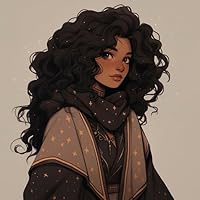
May 29, 2026
If I wanted to have someone lecture me for six hours straight, I'd call my father.
To start, this wasn't a romance. I LOVE Erica Ridley books! Or, I used to. The first in this series?
*MASTERPIECE*
The second?
Hon hon hon (evil little french laugh, insert here)
Then it started going downhill. When the covers started changing, I knew we were doomed.
Vivian (the FMC) is a Temu Kuni (Kuni being the FMC from the 3rd book).
She's strong, takes no shit, and defends what she loves to the death.
I felt like I was reading a book by a man.
Men never get women right (Brandon Sanderson and Rick Riordan excluded). To make us "strong," we have to be rude, selfish, and incredibly skilled with weaponry.
I was so disappointed to find Erica started writing like one.
YOU'RE A WOMAN, LADY, GET YOUR SHIT TOGETHER.
Vivian was rude to everyone. The whole book was just her calling everyone morally bankrupt, and selfish for ignoring the laws to complete cases (like disguising themselves, or pulling heists).
THAT'S THEIR WHOLE THING, BITCH
When her little shit of a cousin, Quentin, went missing, she came to them (the Wynchesters) begging for help.
Then proceeded to call them incompetent and spoiled to their faces, while still expecting them to help.
God bless the Wynchesters, and give me patience, because if I asked for strength, I'd need some bail money too.
Because of Vivian cruelly attacking everyone in the name of "honesty," her relationship with Jacob was so underdeveloped, I was genuinely surprised when he proposed at the end, because:
wait.
This was a romance?
Vivian also didn't stand for anything. She claimed to want equality for Blacks and women against the unfair white man's law, but when the Wynchesters try to steer around those unfair laws to help those people, she freaks and starts calling them spoiled and pretentious, believing they're "above the law."
(No shit, she said that)
Honesty, this whole book, Vivian just had issues.
I feel like she needed to learn to come to terms with herself and who she was, because she was NOT ready for romance.
She acknowledged how annoying and cruel she could be, but then later considered it part of her charm. I was dying of second-hand embarrassment, if you can't tell.
When Jacob told her his family loved her, the guffaw I guffawed.
Jacob deserved so much better. I LOVED him in the earlier books. He was so sweet and handsome and supportive. It's like the universe decided to punish him or something by giving him Vivian.
He needs someone who can support him and push him to be better.
Vivian brushes over his pain because he was adopted into a rich family, and "obviously had it better than her," which, of course, immediately erases all of his trauma (not).
The plot was also too overloaded. Ridley introduced way too many things at once. Vivian's incredible observation and memory skills went nowhere; her skill with knives was convenient and never again expounded on, and there were like five plotlines that were sloppily tied up with the final bow.
I miss when Ridley's books were simpler, because it gave time to flesh out the characters and create a beautiful plot.
This was heavy, unenjoyable, and a mockery to the name of Regency Romance.
It's obvious she's sold out to the masses, and that makes me sad, because her older books were so beautiful.
If I were you, I'd skip this one and check out her older selection.
It aged much better, like Chanel.
To start, this wasn't a romance. I LOVE Erica Ridley books! Or, I used to. The first in this series?
*MASTERPIECE*
The second?
Hon hon hon (evil little french laugh, insert here)
Then it started going downhill. When the covers started changing, I knew we were doomed.
Vivian (the FMC) is a Temu Kuni (Kuni being the FMC from the 3rd book).
She's strong, takes no shit, and defends what she loves to the death.
I felt like I was reading a book by a man.
Men never get women right (Brandon Sanderson and Rick Riordan excluded). To make us "strong," we have to be rude, selfish, and incredibly skilled with weaponry.
I was so disappointed to find Erica started writing like one.
YOU'RE A WOMAN, LADY, GET YOUR SHIT TOGETHER.
Vivian was rude to everyone. The whole book was just her calling everyone morally bankrupt, and selfish for ignoring the laws to complete cases (like disguising themselves, or pulling heists).
THAT'S THEIR WHOLE THING, BITCH
When her little shit of a cousin, Quentin, went missing, she came to them (the Wynchesters) begging for help.
Then proceeded to call them incompetent and spoiled to their faces, while still expecting them to help.
God bless the Wynchesters, and give me patience, because if I asked for strength, I'd need some bail money too.
Because of Vivian cruelly attacking everyone in the name of "honesty," her relationship with Jacob was so underdeveloped, I was genuinely surprised when he proposed at the end, because:
wait.
This was a romance?
Vivian also didn't stand for anything. She claimed to want equality for Blacks and women against the unfair white man's law, but when the Wynchesters try to steer around those unfair laws to help those people, she freaks and starts calling them spoiled and pretentious, believing they're "above the law."
(No shit, she said that)
Honesty, this whole book, Vivian just had issues.
I feel like she needed to learn to come to terms with herself and who she was, because she was NOT ready for romance.
She acknowledged how annoying and cruel she could be, but then later considered it part of her charm. I was dying of second-hand embarrassment, if you can't tell.
When Jacob told her his family loved her, the guffaw I guffawed.
Jacob deserved so much better. I LOVED him in the earlier books. He was so sweet and handsome and supportive. It's like the universe decided to punish him or something by giving him Vivian.
He needs someone who can support him and push him to be better.
Vivian brushes over his pain because he was adopted into a rich family, and "obviously had it better than her," which, of course, immediately erases all of his trauma (not).
The plot was also too overloaded. Ridley introduced way too many things at once. Vivian's incredible observation and memory skills went nowhere; her skill with knives was convenient and never again expounded on, and there were like five plotlines that were sloppily tied up with the final bow.
I miss when Ridley's books were simpler, because it gave time to flesh out the characters and create a beautiful plot.
This was heavy, unenjoyable, and a mockery to the name of Regency Romance.
It's obvious she's sold out to the masses, and that makes me sad, because her older books were so beautiful.
If I were you, I'd skip this one and check out her older selection.
It aged much better, like Chanel.
Displaying 1 - 30 of 193 reviews