

What do you think?

Irma Voth
Jorge said he wasn't coming back until I learned how to be a better wife . . . But before he drove off he gave me a new flashlight with triple C batteries and I'm grateful for it because this is a very dark, pitch-black part of the world . . .
The closeted life of nineteen-year-old Irma Voth, recently married and more recently deserted, is turned on its head when a film crew arrives. They have come to make a movie about the strict Mennonite community in which she and her family live. Against her family's wishes, Irma takes a job on set and glimpses the wider world and a path towards something that feels like freedom.
The closeted life of nineteen-year-old Irma Voth, recently married and more recently deserted, is turned on its head when a film crew arrives. They have come to make a movie about the strict Mennonite community in which she and her family live. Against her family's wishes, Irma takes a job on set and glimpses the wider world and a path towards something that feels like freedom.
272 pages, Paperback
First published April 5, 2011
About the author
Miriam Toews
21 books3,442 followersMiriam Toews is a Canadian writer of Mennonite descent. She grew up in Steinbach, Manitoba and has lived in Montreal and London, before settling in Winnipeg, Manitoba.
Toews studied at the University of Manitoba and the University of King's College in Halifax, and has also worked as a freelance newspaper and radio journalist. Her non-fiction book "Swing Low: A Life" was a memoir of her father, a victim of lifelong depression. Her 2004 novel "A Complicated Kindness" was her breakthrough work, spending over a year on the Canadian bestseller lists and winning the Governor General's Award for English Fiction. The novel, about a teenage girl who longs to escape her small Russian Mennonite town and hang out with Lou Reed in the slums of New York City, was also nominated for the Giller Prize and was the winning title in the 2006 edition of Canada Reads.
A series of letters she wrote in 2000 to the father of her son were published on the website www.openletters.net and were profiled on the radio show This American Life in an episode about missing parents.
In 2007 she made her screen debut in the Mexican film "Luz silenciosa" directed by Carlos Reygadas, which screened at the Cannes Film Festival.
In Sept. 2008, Knopf Canada published her novel "The Flying Troutmans", about a 28-year-old woman from Manitoba who takes her 15-year-old nephew and 11-year-old niece on a road trip to California after their mentally ill mother has been hospitalized.
Irma Voth, was released in April 2011 and is a novel about a conservative Mennonite community in Mexico.
All My Pun Sorrows published in 2014 is a novel about two sisters in story that was inspired by Miriam Toews’ relationship with her sister who committed suicide.
Women Talking is a novel published in 2018 and is inspired by historical events that took place between 2005 and 2009 on a remote Mennonite community in Bolivia. A film adaptation of the book was released in late 2022. The movie won an Academy Award for Best Adapted Screenplay.
Fight Night published in 2021 is a novel that focuses on a multigenerational family of women living in Toronto and features the relationship between the grandmother and grand daughter on a trip to California.
A Truce That Is Not Peace published in 2025 is nonfiction memoir.
Toews studied at the University of Manitoba and the University of King's College in Halifax, and has also worked as a freelance newspaper and radio journalist. Her non-fiction book "Swing Low: A Life" was a memoir of her father, a victim of lifelong depression. Her 2004 novel "A Complicated Kindness" was her breakthrough work, spending over a year on the Canadian bestseller lists and winning the Governor General's Award for English Fiction. The novel, about a teenage girl who longs to escape her small Russian Mennonite town and hang out with Lou Reed in the slums of New York City, was also nominated for the Giller Prize and was the winning title in the 2006 edition of Canada Reads.
A series of letters she wrote in 2000 to the father of her son were published on the website www.openletters.net and were profiled on the radio show This American Life in an episode about missing parents.
In 2007 she made her screen debut in the Mexican film "Luz silenciosa" directed by Carlos Reygadas, which screened at the Cannes Film Festival.
In Sept. 2008, Knopf Canada published her novel "The Flying Troutmans", about a 28-year-old woman from Manitoba who takes her 15-year-old nephew and 11-year-old niece on a road trip to California after their mentally ill mother has been hospitalized.
Irma Voth, was released in April 2011 and is a novel about a conservative Mennonite community in Mexico.
All My Pun Sorrows published in 2014 is a novel about two sisters in story that was inspired by Miriam Toews’ relationship with her sister who committed suicide.
Women Talking is a novel published in 2018 and is inspired by historical events that took place between 2005 and 2009 on a remote Mennonite community in Bolivia. A film adaptation of the book was released in late 2022. The movie won an Academy Award for Best Adapted Screenplay.
Fight Night published in 2021 is a novel that focuses on a multigenerational family of women living in Toronto and features the relationship between the grandmother and grand daughter on a trip to California.
A Truce That Is Not Peace published in 2025 is nonfiction memoir.
Ratings & Reviews
Friends & Following
Create a free account to discover what your friends think of this book!
Community Reviews
Displaying 1 - 30 of 590 reviews

February 22, 2024
LUZ SILENCIOSA
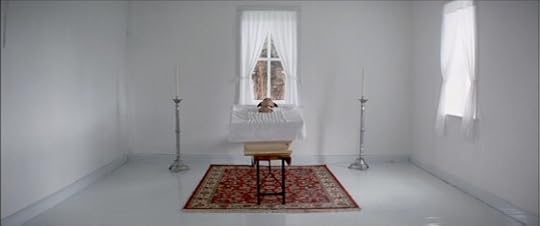
Il titolo pone al centro una donna, Irma Voth, sin dal principio è chiaro che sarà lei la protagonista. Personaggio principale e io-narrante.
Tanto per chiarire da subito la concezione di donna con la quale si deve rapportare Irma Voth riporto due brevi citazioni:
Un giorno sarai una moglie e una madre, Irma, ha detto mia madre.
e
Come devo comportarmi in questo mondo se smetto di obbedire agli ordini di mio padre, di mio marito o di dio?
Viene presto da augurarsi, per se stessi e per lei, Irma, che riesca a scrollarsi di dosso una cappa simile, che riesca a liberarsi da una gabbia di matti come quella che le hanno imposto. Mennoniti.
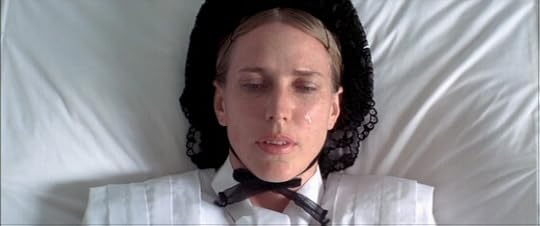
Miriam Toews nel film.
Miriam Toews centra subito la voce giusta, quella che assegna a Irma, calza bene i suoi diciannove anni, la mostra giovane donna pensante – il che è un problema in una comunità mennonita dove le donne, come si desume dalle citazioni precedenti, si realizzano solo in quanto mogli e figlie, appartengono prima al padre e poi al marito, non devono neanche pronunciare il proprio nome ma dichiararsi come appartenenti, “sono di…”.
Irma è una giovane donna scomoda per la sua comunità, è difficile che possa restare a vivere lì, in mezzo al nulla, deserto, campi, bestiame, mungitura, faccende domestiche, preghiere, rigore…
Toews adotta una scrittura a frasi brevi, molto descrittive, immediate, semplici, che rendono bene l’età e la personalità di Irma. E anche quando affronta pensieri e situazioni “pesanti”, lo fa senza eccesso e senza dramma, con un filo di ironia leggera, e per certi versi dissimulata, aggiungendo una certa dose di bizzarria.

Reygadas è ovviamente un fan dei riflessi sulla lente dell’obiettivo.
Sono le undici e due minuti di mattina. Mi chiamo Irma Voth. Sono su un aereo. Non sono una brava persona. Non sono una persona intelligente. Forse sono una persona libera. Se è questo l’effetto che fa.
In realtà, Irma è sia una brava persona che una persona intelligente. E per essere libera deve fare piazza pulita. E qui, nella seconda parte, il romanzo si tinge di note picaresche.
Ad accentuare la bizzarria di Irma e della sua situazione, Toews le fa incontrare solo brave persone, gentili, generose, affettuose, un aspetto che riesce a sviluppare senza mai cadere nello zuccheroso, e un aspetto che devo dire ho particolarmente apprezzato.
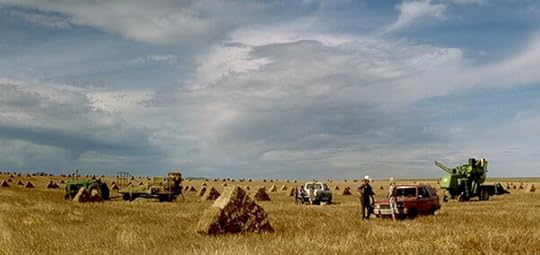
Irma pensa, e questo la rende una mina vagante, un pericolo e una minaccia per suo padre e la comunità.
La sua famiglia s’è trasferita dall’oggi al domani dalla comunità originaria di mennoniti nel Manitoba, in Canada, al Chihuahua, nel centro nord del Messico.
Un giorno arriva una piccola troupe cinematografica, poche persone, ognuna assolve alle funzioni di un intero reparto (dimensioni umane che avrebbero fatto la gioia di Kubrick, che soffriva la misura, per lui esagerata, di una normale crew cinematografica).
La vicenda ricalca alla lontana quella che si vede nel film di Carlos Reygadas Luz silenciosa (2007), ambientato in una comunità mennonita del Messico, dove la scrittrice canadese Miriam Toews, di famiglia ed educazione mennonita, interpreta una delle due donne protagoniste. La Toews ha preso ispirazione da questa sua esperienza per costruire un romanzo romanzo, molto diverso dal film, tutto meno che una mera novelization.
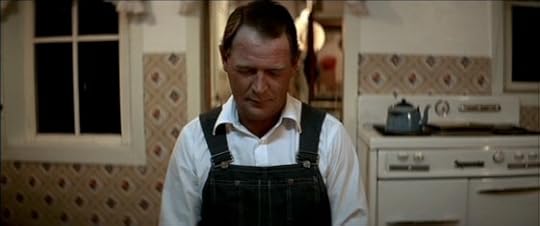
Il film ha vinto premi importanti e guadagnato lodi sperticate dalla maggior parte dei critici.
A me non è piaciuto, per tanti motivi, ma ne esprimo solo uno: in una comunità fortemente repressiva verso il femminile – aspetto che il film trascura al cento per cento, neppure un accenno – aver messo al centro del racconto un uomo conteso tra l’amore di due donne, la moglie e l’amante, mi sembra una scelta barbina. Ci sarebbe voluto poco a capire che la storia andava ribaltata, e avrebbe dovuto mostrare una donna che non sa quale uomo scegliere, se quello che ama o quello che significa l’obbedienza.
Motivo per cui ho passato due ore e ventidue minuti di film, parlato in basso tedesco, facendo l’elenco dei difetti, limiti, problemi, e sorbendomi interminabili minuti di un’alba all’inizio e un tramonto alla fine come se fossero fenomeni sconosciuti allo spettatore. Viva Miriam Toews e sorvolo su Carlos Reygadas.
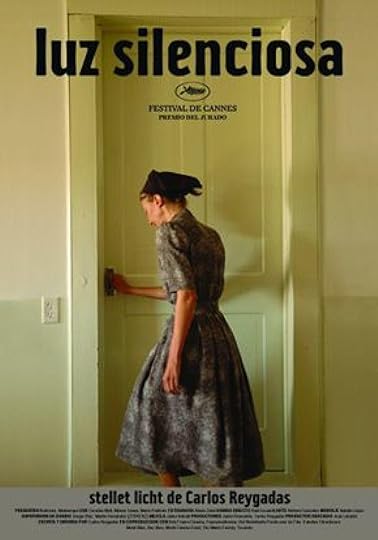
Il titolo pone al centro una donna, Irma Voth, sin dal principio è chiaro che sarà lei la protagonista. Personaggio principale e io-narrante.
Tanto per chiarire da subito la concezione di donna con la quale si deve rapportare Irma Voth riporto due brevi citazioni:
Un giorno sarai una moglie e una madre, Irma, ha detto mia madre.
e
Come devo comportarmi in questo mondo se smetto di obbedire agli ordini di mio padre, di mio marito o di dio?
Viene presto da augurarsi, per se stessi e per lei, Irma, che riesca a scrollarsi di dosso una cappa simile, che riesca a liberarsi da una gabbia di matti come quella che le hanno imposto. Mennoniti.
Miriam Toews nel film.
Miriam Toews centra subito la voce giusta, quella che assegna a Irma, calza bene i suoi diciannove anni, la mostra giovane donna pensante – il che è un problema in una comunità mennonita dove le donne, come si desume dalle citazioni precedenti, si realizzano solo in quanto mogli e figlie, appartengono prima al padre e poi al marito, non devono neanche pronunciare il proprio nome ma dichiararsi come appartenenti, “sono di…”.
Irma è una giovane donna scomoda per la sua comunità, è difficile che possa restare a vivere lì, in mezzo al nulla, deserto, campi, bestiame, mungitura, faccende domestiche, preghiere, rigore…
Toews adotta una scrittura a frasi brevi, molto descrittive, immediate, semplici, che rendono bene l’età e la personalità di Irma. E anche quando affronta pensieri e situazioni “pesanti”, lo fa senza eccesso e senza dramma, con un filo di ironia leggera, e per certi versi dissimulata, aggiungendo una certa dose di bizzarria.
Reygadas è ovviamente un fan dei riflessi sulla lente dell’obiettivo.
Sono le undici e due minuti di mattina. Mi chiamo Irma Voth. Sono su un aereo. Non sono una brava persona. Non sono una persona intelligente. Forse sono una persona libera. Se è questo l’effetto che fa.
In realtà, Irma è sia una brava persona che una persona intelligente. E per essere libera deve fare piazza pulita. E qui, nella seconda parte, il romanzo si tinge di note picaresche.
Ad accentuare la bizzarria di Irma e della sua situazione, Toews le fa incontrare solo brave persone, gentili, generose, affettuose, un aspetto che riesce a sviluppare senza mai cadere nello zuccheroso, e un aspetto che devo dire ho particolarmente apprezzato.
Irma pensa, e questo la rende una mina vagante, un pericolo e una minaccia per suo padre e la comunità.
La sua famiglia s’è trasferita dall’oggi al domani dalla comunità originaria di mennoniti nel Manitoba, in Canada, al Chihuahua, nel centro nord del Messico.
Un giorno arriva una piccola troupe cinematografica, poche persone, ognuna assolve alle funzioni di un intero reparto (dimensioni umane che avrebbero fatto la gioia di Kubrick, che soffriva la misura, per lui esagerata, di una normale crew cinematografica).
La vicenda ricalca alla lontana quella che si vede nel film di Carlos Reygadas Luz silenciosa (2007), ambientato in una comunità mennonita del Messico, dove la scrittrice canadese Miriam Toews, di famiglia ed educazione mennonita, interpreta una delle due donne protagoniste. La Toews ha preso ispirazione da questa sua esperienza per costruire un romanzo romanzo, molto diverso dal film, tutto meno che una mera novelization.
Il film ha vinto premi importanti e guadagnato lodi sperticate dalla maggior parte dei critici.
A me non è piaciuto, per tanti motivi, ma ne esprimo solo uno: in una comunità fortemente repressiva verso il femminile – aspetto che il film trascura al cento per cento, neppure un accenno – aver messo al centro del racconto un uomo conteso tra l’amore di due donne, la moglie e l’amante, mi sembra una scelta barbina. Ci sarebbe voluto poco a capire che la storia andava ribaltata, e avrebbe dovuto mostrare una donna che non sa quale uomo scegliere, se quello che ama o quello che significa l’obbedienza.
Motivo per cui ho passato due ore e ventidue minuti di film, parlato in basso tedesco, facendo l’elenco dei difetti, limiti, problemi, e sorbendomi interminabili minuti di un’alba all’inizio e un tramonto alla fine come se fossero fenomeni sconosciuti allo spettatore. Viva Miriam Toews e sorvolo su Carlos Reygadas.

August 20, 2012
miriam toews is one of the best writers writing in english today. miriam toews is one of the best writers writing in english today. miriam toews is one of the best writing writing in english today. miriam toews is one of the best writers writing in english today. miriam toews is one of th ebest writerswritnnng in english today. miriam toews is one oft he best bwitnerwr writing in english today. miriam woetys is one of the bst writers wirting in english today. miriam toews is onweof the best bwringwer writing in english today. miriam toews is one of the bst writers witing in english today. miriam toewws is on the best wrignnerrs wintng in english todya.
miriam toews is one of the best writers writing in english today.
Miriam Toews is one of the best writers writing in English today.
miriam toews is one of the best writers writing in English today.
Miriam Toews is one of the best writers writing in English today.
i'm not going to read the three-star two-star one-star reviews. it's okay for people not to like this book. maybe they got bogged down at the beginning, when all that happens is a nothingness of happening in which a movie is being shot in a godforsaken mennonite community of canadian expats in mexico and there's a lot of hanging out waiting for the right light and the rain and sometimes the equipment breaks down and people watch tv or cook or eat or fuck and the woman who plays the main character is a german mennonite who feels so freaked out by loneliness and the desert she is always on the verge of losing her mind. this section is very paratactic and very small-sentencey and there's a terrible drama underneath but irma voth is a 19 year old kid who is all alone in the world and she's not the best person to give you a sense of the terrible drama she's the driving force of maybe because drama has been her life from day one and maybe because she thinks that’s how life is and she has nothing to compare it with.
she has to milk the cows. she has to be home at a decent time. she has to get things right. she has to save her family. she has a husband she greatly loves but may or may not love her.
some moments are hilarious. miriam toews is one of the best writers writing in english today. some passages are side-splitting hilarious. irma, who narrates in the first person, has this way with language that all of toews' characters have: it's as if she saw the world in a slightly different way from the way you and i see it. she juxtaposes things you and i wouldn't juxtapose. she messes with things but just a little. she tries not to ruffle things too much. she tries to keep still but thoughts pour out of her with irrepressible life-force and that’s just the way she is.
the second part is about trying to make a new life but i won't tell you anything about it because i'd spoil the book for you. this part is hilarious too. it's also tender, generous, uplifting (oh people are good), encouraging (yes, you can make it), heartbreaking (didn't i just say you can make it?), strong, and original in that miriam toews-is-one-of-the-best-writers-writing-in-english-today way that makes you want to underline a sentence in every page.
it's all very simple and very miraculous and not nearly as painful as A Complicated Kindness, an emotional whopper of a book that left me reeling for days. and then things happen and other things happen and for some reason, somehow, everyone ends up okay.
(a small note for miriam toews, in case you read this review. dear miriam toews, i think you are one of the best writers writing in english today and i'm so very thankful for you. this is not what this note is about. A Complicated Kindness, the most difficult and unyielding of your last three books, is also the book that made the bigger splash. my explanation is that it has a really good title. i loved The Flying Troutmans but wasn’t going to pick it up just for the title. same with Irma Voth. at this point i’m sold. You can call a book anything at all and i’ll read it. but do you have to go for all these un-catchy titles? with great love and admiration, jo)
miriam toews is one of the best writers writing in english today.
Miriam Toews is one of the best writers writing in English today.
miriam toews is one of the best writers writing in English today.
Miriam Toews is one of the best writers writing in English today.
i'm not going to read the three-star two-star one-star reviews. it's okay for people not to like this book. maybe they got bogged down at the beginning, when all that happens is a nothingness of happening in which a movie is being shot in a godforsaken mennonite community of canadian expats in mexico and there's a lot of hanging out waiting for the right light and the rain and sometimes the equipment breaks down and people watch tv or cook or eat or fuck and the woman who plays the main character is a german mennonite who feels so freaked out by loneliness and the desert she is always on the verge of losing her mind. this section is very paratactic and very small-sentencey and there's a terrible drama underneath but irma voth is a 19 year old kid who is all alone in the world and she's not the best person to give you a sense of the terrible drama she's the driving force of maybe because drama has been her life from day one and maybe because she thinks that’s how life is and she has nothing to compare it with.
she has to milk the cows. she has to be home at a decent time. she has to get things right. she has to save her family. she has a husband she greatly loves but may or may not love her.
some moments are hilarious. miriam toews is one of the best writers writing in english today. some passages are side-splitting hilarious. irma, who narrates in the first person, has this way with language that all of toews' characters have: it's as if she saw the world in a slightly different way from the way you and i see it. she juxtaposes things you and i wouldn't juxtapose. she messes with things but just a little. she tries not to ruffle things too much. she tries to keep still but thoughts pour out of her with irrepressible life-force and that’s just the way she is.
the second part is about trying to make a new life but i won't tell you anything about it because i'd spoil the book for you. this part is hilarious too. it's also tender, generous, uplifting (oh people are good), encouraging (yes, you can make it), heartbreaking (didn't i just say you can make it?), strong, and original in that miriam toews-is-one-of-the-best-writers-writing-in-english-today way that makes you want to underline a sentence in every page.
it's all very simple and very miraculous and not nearly as painful as A Complicated Kindness, an emotional whopper of a book that left me reeling for days. and then things happen and other things happen and for some reason, somehow, everyone ends up okay.
(a small note for miriam toews, in case you read this review. dear miriam toews, i think you are one of the best writers writing in english today and i'm so very thankful for you. this is not what this note is about. A Complicated Kindness, the most difficult and unyielding of your last three books, is also the book that made the bigger splash. my explanation is that it has a really good title. i loved The Flying Troutmans but wasn’t going to pick it up just for the title. same with Irma Voth. at this point i’m sold. You can call a book anything at all and i’ll read it. but do you have to go for all these un-catchy titles? with great love and admiration, jo)
January 27, 2022
In the last several years I have almost totally neglected the literature of my own country. When I moved away, I was disgruntled with the state of it (or maybe just too young, but it all seemed so dreary, depressing, lyrical and blah). I’ve decided its time to play catch up. So, after the masterly Two Solitudes got me enthused, I’m having an unofficial few months (maybe year? maybe lifetime?) of reading Canadian.
This wasn’t obvious place to start. Miriam Toews is one of the best-known Canadian novelists, but Irma Voth is not one her most widely read or celebrated books, and it’s about Mennonites making a movie in Mexico. Irma Voth is a 19-year-old Canadian Mennonite girl transplanted to Mexico. She is semi-ostracized from her family for marrying a local. She misses her mother, she is frightened of and oppressed by her father, her younger sister is always hanging around risking trouble, her young husband is usually absent, and she’s been hired as a translator on a Mexican auteur’s film about her community.
I was pleasantly surprised. I’ve been iffy on Toews in the past. She’s “quirky,” a trend in twenty-first century fiction that I dislike, wherein characters say strange, non-sequitur things and there are slightly surreal elements on the edges of the story. For example, here there is an actress who makes pronouncements like “I’ve been alive for forty-one years but on other levels I stopped progressing at fourteen. My son is sixteen, but spiritually he’s much older. I’d say closer to eighty.” And there are a range of bizarre characters and a dog called Oveja, that kind of thing. I would expect this style to appeal quite a bit to fans of Deborah Levy. It’s the thing that has always held me back from enjoying Deborah Levy.
But actually it worked here. The “funny quirky” elements were mostly tied down to actual serious points to be made. As when the eponymous protagonist records an audio for a friend’s play:
If you work hard. If you want something badly enough. If you believe in yourself and never give up…I asked Noehmi if she thought it was true, what I was saying.
I don’t know, she said. Do you?
I don’t know, I said.
But it’s the kind of thing a grade school teacher tells a kid, right? said Noehmi.
We come to realize this inspirational speech that Irma is recording has a grim undertone. She might be thinking of herself, of how she and other family members have longed to escape her violent, domineering father. Alternatively, she might be thinking of her father, who is desperately trying to hold the family together according to his wants and beliefs, and who will never give up even as he tears them all apart. Spanning outwards in the story, why has the beautiful Mennonite actress stopped progressing at fourteen, and why does her son need to be an older soul than she?
At the heart of the novel is a family story, a Mennonite family with many children, and Irma’s interactions with her father and her next-youngest sister Aggie. The sister relationship is strong. There’s plenty of quirk again, in the form of very annoying dialogue, but it’s annoyingly quirky in a way that flashes a person right back to being a young adult with a stroppy thirteen-year-old sister (I remember it well).
I hesitated over the four stars. I’m not sure it’s a totally successful novel. But I have to admit I was captivated, I went in skeptical, and now I’m going to have to read all the famous ones by Toews.
Fun fact: Toews herself was hired to star in a very similar-sounding Mexican film, but this book seems to be gently poking fun at the experience, and the main plot is not autobiographical.
This wasn’t obvious place to start. Miriam Toews is one of the best-known Canadian novelists, but Irma Voth is not one her most widely read or celebrated books, and it’s about Mennonites making a movie in Mexico. Irma Voth is a 19-year-old Canadian Mennonite girl transplanted to Mexico. She is semi-ostracized from her family for marrying a local. She misses her mother, she is frightened of and oppressed by her father, her younger sister is always hanging around risking trouble, her young husband is usually absent, and she’s been hired as a translator on a Mexican auteur’s film about her community.
I was pleasantly surprised. I’ve been iffy on Toews in the past. She’s “quirky,” a trend in twenty-first century fiction that I dislike, wherein characters say strange, non-sequitur things and there are slightly surreal elements on the edges of the story. For example, here there is an actress who makes pronouncements like “I’ve been alive for forty-one years but on other levels I stopped progressing at fourteen. My son is sixteen, but spiritually he’s much older. I’d say closer to eighty.” And there are a range of bizarre characters and a dog called Oveja, that kind of thing. I would expect this style to appeal quite a bit to fans of Deborah Levy. It’s the thing that has always held me back from enjoying Deborah Levy.
But actually it worked here. The “funny quirky” elements were mostly tied down to actual serious points to be made. As when the eponymous protagonist records an audio for a friend’s play:
If you work hard. If you want something badly enough. If you believe in yourself and never give up…I asked Noehmi if she thought it was true, what I was saying.
I don’t know, she said. Do you?
I don’t know, I said.
But it’s the kind of thing a grade school teacher tells a kid, right? said Noehmi.
We come to realize this inspirational speech that Irma is recording has a grim undertone. She might be thinking of herself, of how she and other family members have longed to escape her violent, domineering father. Alternatively, she might be thinking of her father, who is desperately trying to hold the family together according to his wants and beliefs, and who will never give up even as he tears them all apart. Spanning outwards in the story, why has the beautiful Mennonite actress stopped progressing at fourteen, and why does her son need to be an older soul than she?
At the heart of the novel is a family story, a Mennonite family with many children, and Irma’s interactions with her father and her next-youngest sister Aggie. The sister relationship is strong. There’s plenty of quirk again, in the form of very annoying dialogue, but it’s annoyingly quirky in a way that flashes a person right back to being a young adult with a stroppy thirteen-year-old sister (I remember it well).
I hesitated over the four stars. I’m not sure it’s a totally successful novel. But I have to admit I was captivated, I went in skeptical, and now I’m going to have to read all the famous ones by Toews.
Fun fact: Toews herself was hired to star in a very similar-sounding Mexican film, but this book seems to be gently poking fun at the experience, and the main plot is not autobiographical.

March 21, 2012
At 19, Irma is ostracized and shunned from her family, living in isolation and despair. Her very strict Mennonite upbringing as a Canadian in Mexico leaves her dependent upon her father, who is the one who imposes the rejection and shunning. Her husband, leaves home for months on end, leaving Irma as alone as anyone can be on this planet: no home, no husband, no family, no friends, no community.
When disaster strikes, Irma knows she must leave, for her own safety. To save her younger sister, Irma takes her alone when she runs, with the mother's blessing. What follows is Irma finding her way to independence while mothering her sister and keeping them safe.
This is a wonderful story of forgiveness of self and others. Miriam Toews adds humor and darkness into her stories and manages the mix wonderfully. She brings warmth and resilience to her characters. These are people who try, then try again but never, ever lose the desire to find their way.
When disaster strikes, Irma knows she must leave, for her own safety. To save her younger sister, Irma takes her alone when she runs, with the mother's blessing. What follows is Irma finding her way to independence while mothering her sister and keeping them safe.
This is a wonderful story of forgiveness of self and others. Miriam Toews adds humor and darkness into her stories and manages the mix wonderfully. She brings warmth and resilience to her characters. These are people who try, then try again but never, ever lose the desire to find their way.

August 18, 2021
🍁🇨🇦—Well, that's another terrific Toews novel done. This was a bit of a departure from the others, though. Being of Mennonite descent, she makes mention of Mennonites in all her books, in either the characters or the community she's writing about. And she's written all the novels I've read so far (that is, all but Puny Sorrows and Women Talking) with a sweet blend of comedy and melancholy. But in Irma Voth, Mennonites were very much the main focus of the book. And although there was lots of humour, there was an underlying sadness that grabbed hold of me almost immediately and stayed with me throughout the entire novel. I couldn't understand, at first, why I felt this knot in my chest, but as I approached the final pages, it became clear. I usually shed a few tears while reading, but this book had me openly weeping big, fat tears.😢
Miriam Toews is a genius when it comes to creating conflicted characters. She has an inate ability to get inside her characters' heads to explain what they're going through with the actions and dialogue she writes for them. It's often the internal dialogue that tells us the most. Her characters are never 2-dimensional; they are fully-realized, 3-dimensional, and very, very real. It's this "realness" that may be why her fans love her books so much - because it's impossible not to see yourself in her characters!
I'm just so glad she's relatively young. Hopefully, she has several books in her yet.📚
Miriam Toews is a genius when it comes to creating conflicted characters. She has an inate ability to get inside her characters' heads to explain what they're going through with the actions and dialogue she writes for them. It's often the internal dialogue that tells us the most. Her characters are never 2-dimensional; they are fully-realized, 3-dimensional, and very, very real. It's this "realness" that may be why her fans love her books so much - because it's impossible not to see yourself in her characters!
I'm just so glad she's relatively young. Hopefully, she has several books in her yet.📚

January 19, 2023
Miriam Toews is so fucking fun to read on the page. I rarely have the thought, “I bet this author is super fun to hang out with” — because I’ve hung out with some real drips — but I genuinely want to have coffee and cigarettes with Toews. Her characters are so richly realized, so perfectly sketched, that it’s possible to believe they’re real. There is just so much delight in reading her.

August 8, 2023
Protagonist Irma Voth is part of a Mennonite family living in the Mexican desert after relocating from Canada. At age eighteen, she marries Jorge, and her authoritarian father stops speaking to her. Jorge abandons her for unspecified reasons, and she becomes a translator for a low-budget film crew making a movie about the Mennonite community. Irma eventually must embark on a journey, during which she learns more about life and the reader learns about family secrets. This is a character-driven coming-of-age novel that highlights family dynamics and relationships. The initial storyline about the Irma and the film crew is intriguing, but it felt like the storyline lost its way (so to speak) once the journey started, and my interest waned. It is a story of a dysfunctional family and an attempt to break free to forge a new life. I found it most unusual.

June 10, 2011
A must read for book lovers of either gender. Through the story we get into the mind set of a young woman dealing with serious issues and - as the book jacket says, "delves into the complicated factors that set us on the road to self-discovery and show us how we can sometimes find the strength to endure the really hard things that happen. It also asks the most difficult of questions: How do we forgive? And most importantly, how do we forgive ourselves?"
-from page 21
"I stood in my yard and notieced the lights on at my cousins' old place. The filmmakers had arrived. And then I heard voices and music and laughter and I had never felt more alone and strange in my life, which is something. I went back into my house and lay in my bed some more and tried to pray. God, I said, help me to live. Help me to live please. Please God, help me to live. God I need your help. I need to live. Please? I need help living. God. Help. I had never learned how to pray properly. It didn't make sense that God would require me to articulate my pain in order for him to feel it and respond. I wanted to negotiate a deal. I knew I wasn't supposed to talk to the filmmakers but wondered if it would be acceptable to observe them from a distance. I punched myself on the side of my head. What difference did it makewhat my father had said? I posed another question to myself. How do I behave in this world without following the directions of my father, my husband or God? Does it all end with me sleeping in a barn with cows and creeping around the campo spying on people from the roofs of empty grain sheds?
I got up again and went outside and crept along in the darkness towards the filmmakers' house. I leaned against the water pump in the side yard and watched while several guys unloaded a million black boxes from a truck and a car and a van and carried them into the house. All the lights were on and the filmmakers wer laughing and talking loudly and music was playing from somewhere inside. A dog was barking. In fact a dog was barking and running at me in the dark and it looked like his eyes were on fire and I could see sparks, flying out of them. I thought, well, I should run now, but I couldn't move, I was galvanized to the pump, and then I heard a man yell, Oveja, Oveja!
Which is how I met Diego, the director of the film."
-from page 21
"I stood in my yard and notieced the lights on at my cousins' old place. The filmmakers had arrived. And then I heard voices and music and laughter and I had never felt more alone and strange in my life, which is something. I went back into my house and lay in my bed some more and tried to pray. God, I said, help me to live. Help me to live please. Please God, help me to live. God I need your help. I need to live. Please? I need help living. God. Help. I had never learned how to pray properly. It didn't make sense that God would require me to articulate my pain in order for him to feel it and respond. I wanted to negotiate a deal. I knew I wasn't supposed to talk to the filmmakers but wondered if it would be acceptable to observe them from a distance. I punched myself on the side of my head. What difference did it makewhat my father had said? I posed another question to myself. How do I behave in this world without following the directions of my father, my husband or God? Does it all end with me sleeping in a barn with cows and creeping around the campo spying on people from the roofs of empty grain sheds?
I got up again and went outside and crept along in the darkness towards the filmmakers' house. I leaned against the water pump in the side yard and watched while several guys unloaded a million black boxes from a truck and a car and a van and carried them into the house. All the lights were on and the filmmakers wer laughing and talking loudly and music was playing from somewhere inside. A dog was barking. In fact a dog was barking and running at me in the dark and it looked like his eyes were on fire and I could see sparks, flying out of them. I thought, well, I should run now, but I couldn't move, I was galvanized to the pump, and then I heard a man yell, Oveja, Oveja!
Which is how I met Diego, the director of the film."

August 20, 2011
I really wanted to like this one. I truly did. The description of this novel, by new-to-me author Miriam Toews, sounded so different than anything else I'd read and seemed very intriguing.
Irma Voth is 19, married, and living in a Mennonite community in Mexico. With the exception of her younger sister, Irma is pretty much estranged from her family. A filmmaker arrives in town to make a documentary and hires Irma as a translator. Irma befriends Marijke, an actress in the film and ...well, that would be as far as I got with this one.
I can't really point to one specific element of this story that made me give up after 54 pages. My two main issues were that the plot seemed to be all over the place, kind of disjointed and unstructured. Also, as much as I tried, I didn't feel connected to any of the characters. Both of these were factors in making me lose interest.
Normally I don't have any problem abandoning books that aren't working for me, but I did with this one because I was reading it as part of a TLC Book Tour. I don't do many book tours - and maybe I shouldn't do any, period, because this is now the second toured book that I didn't quite enjoy. It left me in a conundrum about what to do about the review, but after talking to the ever-so-gracious-and-understanding Trish, I decided to treat this one like any other DNF and just be honest.
Bottom line? This one just didn't work for me. However, I'm planning to donate this ARC to my local library in hopes that Irma Voth will find a reader or two who will fall deeply in love with all that she has to offer.
Irma Voth is 19, married, and living in a Mennonite community in Mexico. With the exception of her younger sister, Irma is pretty much estranged from her family. A filmmaker arrives in town to make a documentary and hires Irma as a translator. Irma befriends Marijke, an actress in the film and ...well, that would be as far as I got with this one.
I can't really point to one specific element of this story that made me give up after 54 pages. My two main issues were that the plot seemed to be all over the place, kind of disjointed and unstructured. Also, as much as I tried, I didn't feel connected to any of the characters. Both of these were factors in making me lose interest.
Normally I don't have any problem abandoning books that aren't working for me, but I did with this one because I was reading it as part of a TLC Book Tour. I don't do many book tours - and maybe I shouldn't do any, period, because this is now the second toured book that I didn't quite enjoy. It left me in a conundrum about what to do about the review, but after talking to the ever-so-gracious-and-understanding Trish, I decided to treat this one like any other DNF and just be honest.
Bottom line? This one just didn't work for me. However, I'm planning to donate this ARC to my local library in hopes that Irma Voth will find a reader or two who will fall deeply in love with all that she has to offer.

July 7, 2011
Toews is a literary genius who writes with such a masterly command of the English language. A wizard of words! Her characters are always so complex and vivid despite her minimalist approach to writing. I found this story disturbing and quite sad, but she still managed to infuse it with her signature dark humour. Not my fave Toews book but it was a quick read and I would recommend. My fave line was the one about the protagonist sleeping in the barn like Jesus without the entourage or pressure to perform lol

September 26, 2011
Originally published at Book Browse: https://www.bookbrowse.com/mag/review...
Author Miriam Toews has enjoyed modest success in her home country of Canada. Of Mennonite tradition and hailing from rural Manitoba, many of Toews's novels explore this way of life. She won the 2004 Governor General's Award for Fiction for A Complicated Kindness, and she was awarded the 2008 Writer's Trust Fiction Prize for her novel, The Flying Troutmans. All this to say, Toews has writerly chops.
Irma Voth came about when, in 2006, she was approached to star in a film by Mexican director Carlos Reygadas. He was taken with her photograph - seen on the jacket of her novel, A Complicated Kindness - and felt she would be perfect to play the role of a Mennonite wife living in northern Mexico, trapped in a troubled marriage. Toews studied film at university but had never acted and, initially, thought Reygadas was a bit nuts. She ignored his emails for a long time but relented when he posited that being in his film "...will give [her] something to write about." (Silent Light, the resulting movie was an independent darling in 2008 and won the Jury Prize at the Cannes International Film Festival that same year.)
And write about it she did. Miriam Toews has a wonderful and minimalist style, and in Irma Voth she explores some familiar themes - a young woman's longing for freedom, getting by on wits alone, and a road trip. She has a great ability to take readers into amazing places that are a little bit strange but a whole lot inviting, and because of her incredible skills, I was very eager to dive into her new novel.
Irma Both revolves around a simple question posed by our protagonist: "How do I behave in this world without following the directions of my father, my husband, or God?" For a young woman raised within strict, old-order Mennonite beliefs, it is a disturbing question - one that unmoors Irma but also helps to ground her. At the beginning of the story, Irma has been disowned by her very strict and rigid father for secretly marrying a man who is outside of the Mennonite faith. While still residing in a separate house on her father's property, Irma and her husband, Jorge, struggle to communicate and make a go of their new marriage. This attempt is made all the more difficult as Jorge frequently absents himself from home for long periods of time.
Metaphorically, Irma is a widow and orphan at the age of nineteen, even though her family and husband exist. Her mother is portrayed as having two main functions - making babies and being subservient to her husband. Her sister Aggie, at only thirteen-years-old, is strong-willed, and more vocal and rebellious than Irma, though Irma does take her opportunities where she can find them. It is this relationship, the one between sisters, that Toews really explores. The level of maturity and capability of both girls is astounding. There is a resilience and hopefulness in Irma and Aggie that will make you cheer for them as they try to improve their lot in life.
Toews writes honestly and with humour, and her balanced style makes her work accessible to readers. We are given a beautiful literary story that becomes much more real with her interjections of observational wit. Her narrative never seems forced, instead it feels as though you are listening to a friend relay a tale.
05 October 2011 ©
Author Miriam Toews has enjoyed modest success in her home country of Canada. Of Mennonite tradition and hailing from rural Manitoba, many of Toews's novels explore this way of life. She won the 2004 Governor General's Award for Fiction for A Complicated Kindness, and she was awarded the 2008 Writer's Trust Fiction Prize for her novel, The Flying Troutmans. All this to say, Toews has writerly chops.
Irma Voth came about when, in 2006, she was approached to star in a film by Mexican director Carlos Reygadas. He was taken with her photograph - seen on the jacket of her novel, A Complicated Kindness - and felt she would be perfect to play the role of a Mennonite wife living in northern Mexico, trapped in a troubled marriage. Toews studied film at university but had never acted and, initially, thought Reygadas was a bit nuts. She ignored his emails for a long time but relented when he posited that being in his film "...will give [her] something to write about." (Silent Light, the resulting movie was an independent darling in 2008 and won the Jury Prize at the Cannes International Film Festival that same year.)
And write about it she did. Miriam Toews has a wonderful and minimalist style, and in Irma Voth she explores some familiar themes - a young woman's longing for freedom, getting by on wits alone, and a road trip. She has a great ability to take readers into amazing places that are a little bit strange but a whole lot inviting, and because of her incredible skills, I was very eager to dive into her new novel.
Irma Both revolves around a simple question posed by our protagonist: "How do I behave in this world without following the directions of my father, my husband, or God?" For a young woman raised within strict, old-order Mennonite beliefs, it is a disturbing question - one that unmoors Irma but also helps to ground her. At the beginning of the story, Irma has been disowned by her very strict and rigid father for secretly marrying a man who is outside of the Mennonite faith. While still residing in a separate house on her father's property, Irma and her husband, Jorge, struggle to communicate and make a go of their new marriage. This attempt is made all the more difficult as Jorge frequently absents himself from home for long periods of time.
Metaphorically, Irma is a widow and orphan at the age of nineteen, even though her family and husband exist. Her mother is portrayed as having two main functions - making babies and being subservient to her husband. Her sister Aggie, at only thirteen-years-old, is strong-willed, and more vocal and rebellious than Irma, though Irma does take her opportunities where she can find them. It is this relationship, the one between sisters, that Toews really explores. The level of maturity and capability of both girls is astounding. There is a resilience and hopefulness in Irma and Aggie that will make you cheer for them as they try to improve their lot in life.
Toews writes honestly and with humour, and her balanced style makes her work accessible to readers. We are given a beautiful literary story that becomes much more real with her interjections of observational wit. Her narrative never seems forced, instead it feels as though you are listening to a friend relay a tale.
05 October 2011 ©

October 3, 2018
My favourite of Miriam's books, although Swing Low was personally moving and brought on a sadness I was not prepared for.

September 27, 2011
Mennonite Irma Voth had been kicked out of her home by her father when she fell in love with and married a Mexican man named Jorge. Her father arranged for them to stay in a nearby house, but Jorge was to work for him for free. A year later though, Jorge is tired of Irma and the whole arrangement and leaves. Around the same time, a film crew moves into another house nearby to shoot a movie about Mennonites. Irma's father isn't happy about it, and is especially angry when Irma herself chooses to work for the film director. Soon, Irma's sister Aggie has also left home and wants to stay with Irma. One thing leads to another and Irma's father decides that Irma has to move out of her house and find her own stay. But Irma decides enough is enough and flees her home along with her sister, and tries to manage this new independent life.
I first read a Miriam Toews book - The Flying Troutmans - couple of years ago. That book dealt with a dysfunctional family, which was beginning to fall apart. There were elements of loneliness, sadness, family bonding and escapism lacing the book, and yet despite the heavy issues, the book was a quick read and funny at times. I don't remember feeling the urge to cry as I was reading the book, instead I felt a kind of closeness with the characters - the closeness you feel when you identify with the characters because they remind you of yourself when you hit the doldrums or felt aimless at any point in life. It was the kind of quirky sadness that everyone hits at some point - not a despairing sadness but more the-need-to-reconnect-with-self kind of sadness.
Irma Voth has the same elements. Although it's been two years since I read The Flying Troutmans, I could quickly see similarities between the two books. Both stories are as different as can be, but both tackle the same basic questions of a person's tendency towards flight in difficult situations, and how family can both be the bond holding them together and the wedge driving them apart. The characters are as usual dysfunctional and very human. Although Irma is the protagonist and the narrator, most of the secondary characters are well fleshed and lend their dynamic presence to the book. The Mennonite beliefs and ways of life was another big presence in this book. Although I was new to this denomination and reluctant to read anything with a huge religious element in it, I loved how easily and sometimes-hilariously Miriam Toews (a Mennonite herself) painted a vivid picture of the people of this faith.
As with The Flying Troutmans, I loved several of the characters that pass through the book - there are Irma and Aggie themselves, sisters, trusting each other, and yet always arguing with each other. There is the Russian-origin German actress, Marijke, who has her own huge baggage of issues that she drags all the way to the Mexican town, where the film crew is staying. The director, Diego, alternates between enthusiasm for shooting the movie and frustration at all the inevitable issues that crop up, both within the crew and from outside. When Irma works as the translator between Diego and Marijke, she easily feeds her own hilarious lines for Marijke to speak at each shoot. Then there are a whole host of minor characters - each one quirky enough during their brief appearances and whole enough to make those brief appearances memorable.
The second half of the book is set in an entirely different setting from the first. While the first half focused on the film crew, which served as the backdrop against which Irma’s family's dynamics played out, the second half was set in Mexico City, where Irma and her two sisters try to make their life work, away from their parents. Although Irma’s father is shown mostly as an adamant, over-protective and strongly principled man in the first half, we begin to see other shades of his personality in the latter half, through Irma’s eyes. Since Irma is rarely honest with herself and doesn't discuss what is bothering her, it takes a while before the reader catches on. There's a very ohmygodly bomb dropped in the second half that I never saw coming and made me feel overwhelmingly sad.
In classic Miriam Toews' style, the prose is quick and easy to read. Even though there is a lot of sadness and humor, the author doesn't infuse those sentiments heavily into her writing. The feelings of the characters are never discussed - the book is a first-person account written from the perspective of Irma, and yet, Irma rarely ever says if she is feeling happy or sad due to something. She only talks of what she is doing, or what someone else is doing - people's emotions aren't the principal focus. Miriam lets the characters' actions demonstrate the inner state of their minds. This is an interesting mode of writing because a character's behavior can be interpreted in so many ways or can be too complicated for a reader to analyze in the few seconds he/she reads that passage, but this works wonderfully here because there is no ambiguity in the meanings of what any character does.
Irma Voth is just as much a favorite of mine now as The Flying Troutmans is. Before starting this read, I was somewhat worried about how much this book will measure up to the successful image the other book has formed in my mind. But when I started and eventually finished it, I was thrilled that this book worked. It felt like revisiting an old favorite - and this has made me eager to check out her other books, and especially the book she wrote about her father, Swing Low: A Life.
I first read a Miriam Toews book - The Flying Troutmans - couple of years ago. That book dealt with a dysfunctional family, which was beginning to fall apart. There were elements of loneliness, sadness, family bonding and escapism lacing the book, and yet despite the heavy issues, the book was a quick read and funny at times. I don't remember feeling the urge to cry as I was reading the book, instead I felt a kind of closeness with the characters - the closeness you feel when you identify with the characters because they remind you of yourself when you hit the doldrums or felt aimless at any point in life. It was the kind of quirky sadness that everyone hits at some point - not a despairing sadness but more the-need-to-reconnect-with-self kind of sadness.
Irma Voth has the same elements. Although it's been two years since I read The Flying Troutmans, I could quickly see similarities between the two books. Both stories are as different as can be, but both tackle the same basic questions of a person's tendency towards flight in difficult situations, and how family can both be the bond holding them together and the wedge driving them apart. The characters are as usual dysfunctional and very human. Although Irma is the protagonist and the narrator, most of the secondary characters are well fleshed and lend their dynamic presence to the book. The Mennonite beliefs and ways of life was another big presence in this book. Although I was new to this denomination and reluctant to read anything with a huge religious element in it, I loved how easily and sometimes-hilariously Miriam Toews (a Mennonite herself) painted a vivid picture of the people of this faith.
As with The Flying Troutmans, I loved several of the characters that pass through the book - there are Irma and Aggie themselves, sisters, trusting each other, and yet always arguing with each other. There is the Russian-origin German actress, Marijke, who has her own huge baggage of issues that she drags all the way to the Mexican town, where the film crew is staying. The director, Diego, alternates between enthusiasm for shooting the movie and frustration at all the inevitable issues that crop up, both within the crew and from outside. When Irma works as the translator between Diego and Marijke, she easily feeds her own hilarious lines for Marijke to speak at each shoot. Then there are a whole host of minor characters - each one quirky enough during their brief appearances and whole enough to make those brief appearances memorable.
The second half of the book is set in an entirely different setting from the first. While the first half focused on the film crew, which served as the backdrop against which Irma’s family's dynamics played out, the second half was set in Mexico City, where Irma and her two sisters try to make their life work, away from their parents. Although Irma’s father is shown mostly as an adamant, over-protective and strongly principled man in the first half, we begin to see other shades of his personality in the latter half, through Irma’s eyes. Since Irma is rarely honest with herself and doesn't discuss what is bothering her, it takes a while before the reader catches on. There's a very ohmygodly bomb dropped in the second half that I never saw coming and made me feel overwhelmingly sad.
In classic Miriam Toews' style, the prose is quick and easy to read. Even though there is a lot of sadness and humor, the author doesn't infuse those sentiments heavily into her writing. The feelings of the characters are never discussed - the book is a first-person account written from the perspective of Irma, and yet, Irma rarely ever says if she is feeling happy or sad due to something. She only talks of what she is doing, or what someone else is doing - people's emotions aren't the principal focus. Miriam lets the characters' actions demonstrate the inner state of their minds. This is an interesting mode of writing because a character's behavior can be interpreted in so many ways or can be too complicated for a reader to analyze in the few seconds he/she reads that passage, but this works wonderfully here because there is no ambiguity in the meanings of what any character does.
Irma Voth is just as much a favorite of mine now as The Flying Troutmans is. Before starting this read, I was somewhat worried about how much this book will measure up to the successful image the other book has formed in my mind. But when I started and eventually finished it, I was thrilled that this book worked. It felt like revisiting an old favorite - and this has made me eager to check out her other books, and especially the book she wrote about her father, Swing Low: A Life.

November 17, 2011
To fully appreciate this book I recommend the reader first see
this movie
. The author played the role of the mother of the family in this movie. It is obvious that she has used her experience acting in this movie as the setting in which to place the first half of the story of this book. But this is a novel so there's no reason to consider this story anything other than Toews' imagination. (I have the DVD of the movie that I'm willing to loan out.)
The beginning of the book is set in a rural conservative Mennonite community in the State of Chihuahua, Mexico. A filming crew has moved into the area to make a movie. The first person narrator of the story, Irma Voth, is a young woman from the Mennonite community who gets a job with the crew to translate between the director's Spanish and the Low German (Plattdüütsch) spoken by the lead actress. Relations between the outside crew and the local inhabitants is strained. One thing leads to another and Irma Voth feels compelled to move with two of her sisters to Mexico City in order to protect them from an abusive father.
The second half of the book tells the story of their living in the big city. This leads to the revealing of a big secret which I had no idea was coming. I was blown away by the ending. It leaves the reader with something to ponder. Is forgiveness possible? Should it be?
The following link is to a National Geographic video reporting on the Mennonite Communities of Chihuahua, Mexico. (It's over an hour long.)
https://www.youtube.com/watch?v=sJrS2...
A note of clarification:
The Mennonites in the above video speak Low German and are descendants of refugees that left the Ukraine in the late 19th century to move to Canada before later moving to Mexico. Their ancestors originally came from Holland by way of East Prussia before migration to Ukraine. This ancestry is completely different from the Amish of USA and Canada. The Amish speak "Pennsylvania Dutch" which is an Americanized version of Swiss German. The ancestors of the Amish came to North America from Alsace and Switzerland in the 18th and 19th centuries. Both groups are descendants of 16th century Amabaptists in Europe. Thus religiously they have some things in common, but culturally and linguistically very little in common even though their "plain living" gives the outward appearance of being similar.
(I speak with a small degree of authority of the subject because I am a descendant of USA Amish, and a current member of a Mennonite church (liberal, open & accepting).)
The beginning of the book is set in a rural conservative Mennonite community in the State of Chihuahua, Mexico. A filming crew has moved into the area to make a movie. The first person narrator of the story, Irma Voth, is a young woman from the Mennonite community who gets a job with the crew to translate between the director's Spanish and the Low German (Plattdüütsch) spoken by the lead actress. Relations between the outside crew and the local inhabitants is strained. One thing leads to another and Irma Voth feels compelled to move with two of her sisters to Mexico City in order to protect them from an abusive father.
The second half of the book tells the story of their living in the big city. This leads to the revealing of a big secret which I had no idea was coming. I was blown away by the ending. It leaves the reader with something to ponder. Is forgiveness possible? Should it be?
The following link is to a National Geographic video reporting on the Mennonite Communities of Chihuahua, Mexico. (It's over an hour long.)
https://www.youtube.com/watch?v=sJrS2...
A note of clarification:
The Mennonites in the above video speak Low German and are descendants of refugees that left the Ukraine in the late 19th century to move to Canada before later moving to Mexico. Their ancestors originally came from Holland by way of East Prussia before migration to Ukraine. This ancestry is completely different from the Amish of USA and Canada. The Amish speak "Pennsylvania Dutch" which is an Americanized version of Swiss German. The ancestors of the Amish came to North America from Alsace and Switzerland in the 18th and 19th centuries. Both groups are descendants of 16th century Amabaptists in Europe. Thus religiously they have some things in common, but culturally and linguistically very little in common even though their "plain living" gives the outward appearance of being similar.
(I speak with a small degree of authority of the subject because I am a descendant of USA Amish, and a current member of a Mennonite church (liberal, open & accepting).)
August 20, 2011
Toews is adept at quiet irony and at mapping the travels we make inside our own hearts, especially as we move toward a truer understanding of other people, and this novel displays those skills in even greater measure. I find her protagonists authentic and moving, and their struggles to manage the need for connection with the knowledge that it often fails or can only be won after great forebearance rings true to me. This novel offers us an engaging central figure and demonstrates Toews' ability to knit minor characters into our heart through dialogue. I think it's a wonderful book.

July 29, 2018
I adored this book! Toew's style is deceptively and disarmingly simple, but these people and places came alive for me.

November 19, 2022
"Irima Voth" is an excellent novel in which Miriam Toews pursues her lifelong project of urging young people to revolt against parental authority and to flee from the linguistic-religious prisons that their parents seek to confine them in. As always the heroine like Toews is a young Mennonite woman from Manitoba. The novel works because Toews understands so well and presents so brilliantly the particularities of life in the Canadian Mennonite community. In Toews' world view (weltanschauung) young people do not have a right to live their lives as they so choose; rather they have an absolute duty to rebel against their parents.
The Mennonites according to Toews try to ensure that their children speak fluently only plattdeutsch (a.k.a. low German). This language allows for excellent communication with those family members that one loves but in fact is a major barrier when one needs to escape. Toews' Mennonites argue that non-Mennonites have evil intentions towards them. Toew's agrees that there are indeed bad people among the non-Mennonites. However, her point is that outside of the Mennonite community it is much easier to escape from those who use and exploit you.
"Irima Voth" is extremely authentic and highly convincing. It contributes significantly to Toew's overall oeuvre. Unfortunately, it is not by any means Toew's best effort. The first and second halves of the novel are poorly connected. A great tragedy is presented but with excessive irony. The decision to situate the events in Mexico serves to stress the international aspect of the Mennonite phenomenon but the issues facing the protagonists are profoundly Manitoban. Start with "A Complicated Kindness" or "All my Puny Sorrows" which provide much better introductions to the work of this very important Canadian writer.
The Mennonites according to Toews try to ensure that their children speak fluently only plattdeutsch (a.k.a. low German). This language allows for excellent communication with those family members that one loves but in fact is a major barrier when one needs to escape. Toews' Mennonites argue that non-Mennonites have evil intentions towards them. Toew's agrees that there are indeed bad people among the non-Mennonites. However, her point is that outside of the Mennonite community it is much easier to escape from those who use and exploit you.
"Irima Voth" is extremely authentic and highly convincing. It contributes significantly to Toew's overall oeuvre. Unfortunately, it is not by any means Toew's best effort. The first and second halves of the novel are poorly connected. A great tragedy is presented but with excessive irony. The decision to situate the events in Mexico serves to stress the international aspect of the Mennonite phenomenon but the issues facing the protagonists are profoundly Manitoban. Start with "A Complicated Kindness" or "All my Puny Sorrows" which provide much better introductions to the work of this very important Canadian writer.

May 27, 2024
I romanzi ambientati tra le comunità religiose integraliste mi affascinano e mi respingono allo stesso tempo. Qui siamo tra i mennoniti, in particolare la piccola comunità messicana dei Voth, che si sono trasferiti nel Chiwawa dal Canada, dopo un particolare accadimento che li ha costretti a migrare. Irma è spinta da qualcosa a ribellarsi, e così prima sposa e un ragazzo messicano e poi si fa assumere da una troupe cinematografica venuta a girare proprio un film sui mennoniti come interprete. La vita all'interno della troupe è particolarmente stravagante - e tra i mennoniti, per cui il tempo non sembra essere mai passato, e l'atmosfera hippie che aleggia tra gli attori e il resto dello staff, in principio non si capisce davvero in che periodo storico ci troviamo - e Irma, ormai abbandonata dal marito messicano, decide di approfittarne per sfuggire al regime dispotico del padre, fuggendo a Città del Messico. La sua vita sembra diventare un romanzo picaresco, ma è tristemente reale - non escludo che molti episodi siano basati su esperienze autobiografiche dell'autrice - e Irma dovrà affrontare la violenza del senso di colpa per tutto ciò che ha fatto nella vita, per poter conquistare la tanto agognata libertà.

April 6, 2011
Miriam Toews' (pronounced "Taves", please) earlier books had a charming quirky humor to lighten the story but not this one. I think she intended the younger adolescent sister Aggie to provide some comic relief but she only screws things up. If you thought Toews portrayed a dour Mennonite existence before you ain't seen nothin' yet. Irma Voth is a nineteen year-old Mennonite girl transplanted from rural Manitoba to rural northern Mexico. Apparently, some ultra-conservative Mennonites started relocating to Mexico with the blessing of the Mexican government in the 1920s when they thought the Canadian government was becoming too intrusive in their isolated way of life. Irma's family moved to Mexico much more recently. There are approximately 80,000 Mennonites living in Mexico today. When Irma is abandoned by her Mexican husband he finds work as a translator with a movie crew filming in the area. [This appears to be based on the production of a real movie, "Stellet Lijcht" released in 2007.] The book's ending is very confusing and I'm still not really sure what happened but maybe Toews intended that. A dark story with only a few rays of light.

June 6, 2012
I was surprised by how good the writing was; not over the top, not trying-too-hard, just good solid writing. I became interested initially because of the framework of the story: the filming of a movie set in Low-German speaking Mennonite community in Mexico. Obviously, this was based on the filming of Silent Light a great movie from a great, Mexican director of whom I am very fond, Carlos Reygadas (trailer here: http://www.youtube.com/watch?v=etIzLi...). Miriam Toews, the author here, was an actor in the movie as well and the novel has a feeling of authenticity throughout that couldn't have been accomplished otherwise. Anyhow...great book.

February 10, 2017
Irma Voth deals with similar themes to the fantastic A Complicated Kindness. Engaging from the beginning, it is an incredibly strong novel, filled with female characters you end up rooting strongly for. There is a darkness to it which hasn't been as prominent in Toews' other work, and there isn't the wry humour here which I have almost come to expect from her novels. Regardless, Irma Voth is incredibly though-provoking, and overarchingly rather sad.

November 10, 2011
This is an odd book. Its written in the first person and is told in conversation throughout by the main character. There are no quotation marks at all which is odd too. I felt compelled to finish it but not particularly because I was enjoying it but because it was odd and I wanted to find out the end. I haven't read anything by the author before and I'm not sure if I will read her again.

October 9, 2024
This book was such a disappointment compared to the other novels written by Miriam Toews. The prose is repetitive and the plot is so flat. Some parts were hard to follow. I got lost in the repetitive back and forth of "she said," "he said." At least put some adjectives in there and other plot points in between dialogue. This book was just a hard read!

January 21, 2020
Actual rating 1.5 Stars
Linguistically this book is very well done! I am actually very sad I couldn't make myself to like it more. I will defo check out other books by this Author. I did appreciate the psychological build-up in the story very much.
Linguistically this book is very well done! I am actually very sad I couldn't make myself to like it more. I will defo check out other books by this Author. I did appreciate the psychological build-up in the story very much.
October 2, 2025
3.5/5
i was in a reading slump for a loooong time but the past couple of days i could not put this book down. i loooove the way this was written and i looooove irma like she’s great. i love narrators like her she reminded me of the narrator of Big Swiss, funny in a concerning way. this book was honestly good and im kinda intrigued to read some more works by this author. at first, this book is a little repetitive and not much happens while also a lot happening at the same time and i think that’s why it took me a second to fully get into it, but it was needed to be that way. i very much enjoyed this book and im excited to keep on reading!
i was in a reading slump for a loooong time but the past couple of days i could not put this book down. i loooove the way this was written and i looooove irma like she’s great. i love narrators like her she reminded me of the narrator of Big Swiss, funny in a concerning way. this book was honestly good and im kinda intrigued to read some more works by this author. at first, this book is a little repetitive and not much happens while also a lot happening at the same time and i think that’s why it took me a second to fully get into it, but it was needed to be that way. i very much enjoyed this book and im excited to keep on reading!

October 18, 2011
I had been disappointed with Miriam Toews most recent book (The Flying Troutmans) so I embarked on this read with lowered expectations and was delighted to find that the author is back on form. I was completely captivated by the character of Irma Voth. Toews has returned to what she writes about best...the effects of living in a family dominated by a bigoted and powerful father. In this case, she sets her action in a Mennonite community in Mexico and weaves into the story a group of filmmakers and the struggles of 2 sisters who are trying to escape the rigours of their family life.
Irma Voth's view of the world is necessarily constrained and her inner dialogue illuminates her despair. Ultimately she is able to use her courage and intelligence to find a new way of living for herself and her sisters, and her journey towards that goal is filled with a rich assortment of characters and situations. Congratulations to Miriam Toews for another wonderful piece of fiction.
Irma Voth's view of the world is necessarily constrained and her inner dialogue illuminates her despair. Ultimately she is able to use her courage and intelligence to find a new way of living for herself and her sisters, and her journey towards that goal is filled with a rich assortment of characters and situations. Congratulations to Miriam Toews for another wonderful piece of fiction.

June 26, 2014
I initially didn't know what to think of this book- I will admit I wasn't automatically drawn in. I know nothing about Mennonites and, as the story progressed, found myself irritated with the presence of the hooligans and posers in the film crew and their related shenanigans. I guess it was the character of Irma, who simultaneously didn't believe in her abilities yet quietly refused to surrender to hopelessness, who kept me reading. When she reaches a point where she is willing to abandon the farce she has been living in, the story breaks open. The new setting, the developments in her relationship with her younger sister, and the later revelations that lead Irma to perceieve and portray herself as a person who must now live with crushing guilt- these humanized what initially seemed like a stiff and uninteresting character. Part of me would have liked more, but another part of me enjoyed the restrained and understated narrative. By the end of the novel, I felt I understood Irma in ways I hadn't expected. A quiet surprise that challenges in subtle ways.

May 14, 2015
This is the third Toews book I've read, and of the two I've read previously, I really loved A Complicated Kindness and liked A Boy of Good Breeding okay. So I had high hopes for Irma Voth, and I am more than happy with what I found. Like A Complicated Kindness, this one takes place within a Mennonite family. In this case, a Mennonite family that has relocated to Mexico from Canada.
Note: The rest of this review has been withdrawn due to the changes in Goodreads policy and enforcement. You can read why I came to this decision here.
In the meantime, you can read the entire review at Smorgasbook
Note: The rest of this review has been withdrawn due to the changes in Goodreads policy and enforcement. You can read why I came to this decision here.
In the meantime, you can read the entire review at Smorgasbook

November 23, 2014
More people should read this novel about a young woman, Irma, and the complications of her life as a Mennonite in exile in Mexico. She's constrained by her father and then a husband, but when a film crew arrives in the village to make a crazy avant garde movie, her involvement in the filming changes her life. It is simply written, yet full of emotion and intellect. Recommended. I will be reading more Miriam Toews.

January 30, 2018
If Miriam Toews wrote a telephone book I'd probably read it. Her characterizations and odd-weird-quirky relationships never disappoint. This one was perhaps a bit more somber but I still thoroughly enjoyed it. Loved the little bit where Irma purposely gives the lead actress erroneous dialogue translations. Passive-aggressive subversion. Heh. My only criticism it was too short with many threads left dangling. Highly readable.
Displaying 1 - 30 of 590 reviews