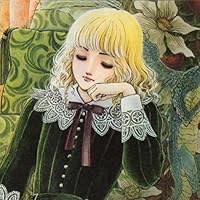
El mayor evento en la clase de Nanako es la selección para formar parte de la Sororidad, un club social de gran prestigio en el instituto. Contra todo pronóstico, Nanako resulta preseleccionada para formar parte de esta, por lo que se gana el desprecio y la envidia de algunas de sus compañeras. Incluso su mejor amiga, Tomoko, se aleja de ella. Por su parte, la madre de Nanako visita a Takehiko y le pide que no le cuente a su hija que en realidad es su hermanastro. Riyoko Ikeda, autora de grandes obras como Claudine y La rosa de Versalles, relata de manera magistral el odio, la amistad, los celos y las complicadas relaciones humanas en este elegante drama que se ha convertido en un clásico del manga.
Riyoko Ikeda (池田理代子) is a Japanese manga author and soprano singer. As one of the 24-gumi, she has written and illustrated many shōjo manga, many of which are based on European historical events, such as the French Revolution or the Russian Revolution.
Her most famous manga is Versailles no bara (ベルサイユのばら, The rose of Versailles). Other famous works include Oniisama e... (おにいさまへ…, Dear Brother) and Orpheus no mado (オルフェウスの窓, The Window of Orpheus) that won an Excellence award at Japan Cartoonists Association Award in 1980.
Forget what I said before, I'm officially on board with Rei/Nanako after this volume. I swear the romantic implications of their relationship weren't nearly so pronounced in the anime (at least from Rei's side), but I wonder if any of it was censored to more appropriately fall in line with Class S tropes? Apparently Nanako's falling for a boy, which happens at the end of the show, doesn't happen in the manga either, but I'll have to wait and see.
I mean, I don't remember any of this:
But I'm here for it!
This volume also features the reveal of Mariko's feelings for Kaoru, which is sweet, but we also get Fukiko and Rei's creepy older brother vying for her affections. Mariko's hatred of men is definitely played up for comedy, but the implications of an adult man pursuing a teenage girl is already unfortunate before we consider that she has made it very clear she is uncomfortable with his presence and is also likely a lesbian. His best friend, Henmi, is also a creeper so I guess they flock together. They are the one unfortunate aspect of what's otherwise an absolutely crazy, but brilliant, series.
Huge emphasis on crazy though, we've reached the double suicide pacts and Mariko just resorting to stabbing a girl in the hand this volume. Just another day at Seiran Academy.
Cometí el error de empezar el tercero sin haber comentado antes este tomo, ahora tengo todas las ideas mezcladas jaja.
Creo que el personaje que me interesó más fue Kaoru no kimi, ya que, a diferencia de lo que me pasó con Saint-Juste-sama/Rei, no pude evitar que mi mente empezara a hacer teorías locas sobre lo que le estaba pasando.
En este tomo se explican más o menos algunas cosas, lo cual me gustó un montón, y se siguen desarrollando misterios.
Puede que el tomo uno me haya gustado un poquito más, pero esta es una buena continuación (el melodrama es real).
Okay, my biggest gripe about volume 2 is the lack of Tomoko and Nanako's friendship. Tomoko is one of my favorite characters in the anime and she is essentially nonexistent here. However, one of my BIG PROS is the longing and struggle that Nanako feels for Rei and coming to terms with being in love with her. I felt like it was done so well in the manga and it felt abrupt and rushed in the anime, but the buildup and pining were here. I love some good pining. The fact that Rei and Nanako kiss several times in the manga shows their feelings were reciprocated and I was just eating it up. There is a lot of lesbianism and obvious subtext in the anime, but a lot of it was also left out due to the time period and what was allowed in animes at the time. I'm just happy to see that their romance was more fleshed out in the manga space since it was censored in the anime.