Jump to ratings and reviews
Rate this book

Anarkali

Rate this book
The classic Urdu play, Anarkali was first published in Lahore in 1922. It was written by renowned playwright, Syed Imtiaz Ali Taj and retold in the epic Indian movie, Mughal-e-Azam (1960).

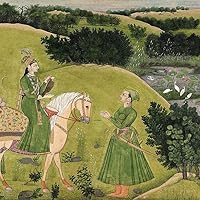
The story takes place in 16th century India. Prince Saleem, eldest son of Mughal Emperor, Akbar the Great has returned home after years of military service. He falls in love with Anarkali, a beautiful court dancer and wants to marry her. The Emperor objects because she is of low birth and thus, an inappropriate match for his son. This is underlined when Anrakali performs her art in the Hall of Mirrors. Her sworn enemy, Dilaram another slave-girl, has fixed a mirror so that the Emperor notices Anarkali's lustful gestures of infatuation for Saleem. He orders her to be imprisoned. Saleem defies the Emperor by visiting her prison cell where she begs him to save her as well as his own life. Saleem promises to do so, but if he is to prevail, he must face the full force of the Emperor’s will.

The play has many parallels with Shakespeare’s Romeo and Juliet as the ‘star-crossed lovers’ discover that the course of true love never did run smooth.

227 pages, Kindle Edition

First published January 1, 1922

101 people are currently reading
1179 people want to read

About the author

Imtiaz Ali Taj

13 books30 followers
Syed lmtiaz Ali Taj is a Pakistani prose and drama writer. He was born in Lahore. After his education, he was able to partake in his father's publishing institution, Dar-ul-Ishaat Punjab.

During his college days he showed his literary qualities by translating and directing several English plays, and then staging them for the college. He sometimes played female roles as girls in his times were not allowed to act.

His earliest involvement with publications began with 'Phool', a children's periodical and 'Tahzeeb-e-Niswan' for women readership.

In 1918 he began the literary magazine called 'Kehkashan' in collaboration with his friend, Maulana Abdul Majeed Salik. In Phool he had the assistance of the famous short story writer Ghulam Abbas Ahmed as well as young Ahmed Nadeem Oasmi.

He translated into Urdu Shakespeare's play 'A Mid Summer Nights Dream' and entitled it in 'Sawan Rain ka sapna'. In 1922 he wrote 'Anarkali', which became a landmark in Urdu drama writing. This was later adapted into feature films in India and Pakistan.

In 1926 he wrote a play 'Chacha Chhakan' which was similar to the famous characters 'Uncle Podger' of the English dramatist Jerome, Chacha Chhakan remains until today the most humorous character in the Urdu literature.

Apart from criticism on drama, he also wrote radio plays, novels, short stories and several film stories, some of them directed by him. As the Director of 'Majlis' he republished many critical works of Urdu literature.

After the establishment of Pakistan, Syed lmtiaz Ali Taj conducted a daily feature 'Pakistan Hamara Hai' for Radio Pakistan. It was no doubt a popular programme.

On 19th April, 1970 while he was asleep, he was shot dead by some unknown persons. His wife Hijab lmtiaz Ali was seriously wounded.

Ratings & Reviews

What do you think?
Rate this book

Friends & Following

Create a free account to discover what your friends think of this book!

Community Reviews

5 stars
81 (38%)
4 stars
51 (24%)
3 stars
46 (21%)
2 stars
14 (6%)
1 star
18 (8%)
Displaying 1 - 23 of 23 reviews
Profile Image for W.
1,185 reviews4 followers
January 22, 2021
It is the legendary love story of Mughal Emperor Akbar the Great's son,Saleem (the future Emperor Jahangir),and a courtesan,Anarkali.

Is this a true story or did Anarkali even exist ? Probably not.But the legend endures.A famous bazar in old Lahore is named Anar Kali.

It is a sad story,which has been the subject of several films and plays. Most notably,this play was the inspiration for the film Mughal e Azam,in which Madhubala gave the greatest performance of her career as Anarkali.

Duleep Kumar played Saleem.Incidentally,the real life romance of this legendary pair of actors,was also doomed.Madhubala was to die young (she was only in her mid 30s when she died,after an unhappy marriage to Kishore Kumar).

There are some great songs in the film,in the immortal voice of Lata.Despite her failing health,Madhubala was given a very strenuous role,she was kept in chains.It took its toll.

Her eyes tell the story of her suffering,as Anarkali is taken to be executed.And Lata sings an unforgettable song about leaving this world.

Despite knowing the story,Imtiaz Ali Taj's play kept me interested. The helplessness of Saleem and Anarkali,as they face the wrath of Emperor Akbar,is beautifully depicted. The ending of the tragic love story,is very moving.
Profile Image for Clace .
880 reviews3,008 followers
Want to read
December 2, 2023
Sometimes i want to be suffocated in a wall like Anarkali was and I also heard that Dilaram was a girlboss 💅 💅
Profile Image for ahmad  afridi.
139 reviews156 followers
February 20, 2017
اس خوبصورت ڈرامے کے ساتھ میری جذباتی وابستگی ہے . ٹارزن ،عمرو عیار اور عمران سیریز کے علاوہ یہ میری پہلی ادبی کتاب تھی جو ٢٠٠٣ میں پڑھی تھی . اس وقت عشق معشوقی کی کوئی خاص سمجھ بوجھ بھی نہیں تھی لیکن پھر بھی انارکلی کے انجام پر بہت رویا تھا، اور شاید یہی وجہ تھی کہ پھر ٣، ٤ سالوں تک کسی اور ادبی تحریر کو ہاتھ نہیں لگا سکا . ابھی دوبارہ پڑھتے ہوئے وہی جذبات اور شدت سے محسوس کیے ..

ایوانوں کے غلام گردشوں میں پروان چڑھتے ، عشق ، حسد ، سازشوں، انتقام اور آقا غلام کے رشتوں کو ضبط تحریر لا کر امتیاز صاحب نے ان کرداروں کو امر کر دیا ..
Profile Image for Omama..
713 reviews72 followers
March 15, 2020
What an epic classic. My childhood nostalgia. When I was a kid, there used to air an amazing ad of Supreme Chai on television, showcasing this epic love saga of Prince Salim & Anarkali. And from there, I fell in love with this fictional story. I'm putting the link below just out of nostalgia, because It has tried to depict the aura of Mughal era, the colors, language, music, Mughal Court, Lahore, and Akbar is the great Mughal-e-Azam,Zill-e-Ilahi; while Salim is so cute (I know it's fictional but still):

https://www.youtube.com/watch?v=YtITR...

Anarkali was a slave-girl whose real name was Nadira Begum. She was brought to Akbar's court by Raja Maan Singh and became one of Akbar's favourites. Akbar gave her the title Anarkali, or 'the pomegranate bud', for her beauty. According to what has become a popular folktale, Jahangir, a prince then, and Anarkali fell in love with each other and once when Anarkali was dancing in the Sheesh Mahal (mirror palace), Akbar noted their exchange of gestures in the mirror and ordered that she be entombed alive in a wall.

The last scenes are so heart-wrenching. Whether fact or fiction, the story is as famous and immortal as any other love story.
Profile Image for Aditi.
7 reviews1 follower
April 20, 2020
Saleem: ‘I do understand it very well. Take everything from me: the luxuries of these palaces, the empire of Hindustan, the rule of the world, the wealth of the treasury, you may take everything. But leave me and Anarkali alone in any wilderness where I could see her only, hear her only and that would be my own paradise for which my eyes shall always remain wet with tears of gratitude for my parents’

Everyone knows the story, but Anarkali is a play that will transport you to the court of Akbar, the Great. The storyline is the same as the legend. BUT, there's way more to the reading of this play than a mere sequence of events.

It's not the first time that I have thoroughly regretted my inability to read in Urdu zubaan. Usually, being a hindiphone saves me from drowning deep in melancholy because of the similarity of Hindi and Urdu. But this time I was completely shattered... shattered for having to read translated passages of mind-blowing poems and stanzas like the one posted above where Saleem and Anarkali confess their love to each other, imagining at every moment what would it sound like in Urdu.

That said, translator Zulfiqar Saab has done an amazing job! Hats off to him for retaining the beauty of Urdu zubaan in English language. Young Saleem's melancholy and helplessness comes out instantly and jabs the reader's heart.

The Amazon Kindle version has a detailed analysis of the play at the end which is a treasure house for literature students and layman readers alike. The Mughal harem as a socio-political influencer has been very-well painted by the author. The Aristotelian tragedy is also quite evident at the end where everything falls apart. Anarkali is dead inside a wall. Saleem is aching and suicidal. Akbar hangs his head as a failed father, the queen consoling her son but in vain.
Profile Image for Omer Shakil.
14 reviews15 followers
June 13, 2022
"میرے لال وہ زندہ رہے گی۔ وقت کی گود میں زمانے کی آغوش میں۔ یہ لاہور اس کا نام زندہ رکھے گا۔ دنیا اس کی داستان سلامت رکھے گی۔ اور تو بھی۔ میں بھی اور دور دراز کی نسلیں بھی اس پر آنسو بہائیں گی۔۔۔۔۔۔"

اور پھر ہوا یوں کہ گو راوی اسے قرین قیاس گردانتے رہے مگر اس ٹریجڈی میں اتنی دل آویزی ہے کہ نسلیں بد نصیب انارکلی کے عشقِ بلاخیز کی داستانِ کرب پر اشک فشانی کرتی رہیں۔ شہر لاہور سے اب بھی "آہ گر من باز ببینم روئے یارخویش را" کی بلند ہوتی صدائیں ضعیف و نحیف کائنات کی فریاد ہیں۔

ویبقی وجه ربک ذوالجلال والاکرام۔
Profile Image for Aly Shah.
102 reviews4 followers
December 16, 2024
امتیاز علی تاج کا یہ ڈرامہ انارکلی(جو واضح نہیں ہے کہ حقیقی کردار ہے یا تصوراتی) کے گرد گھومتا ہے جو کہ مغل بادشاہ اکبر کی کنیز ہے۔ انارکلی کو شہزادہ سلیم کے ساتھ محبت ہو جاتی ہے لیکن یہ محبت یک طرفہ نہیں ہوتی بلکہ انارکلی کے عشق میں سلیم بھی گرفتار نظر آتا ہے۔ بہر حال نہ سلیم میں اور ںہ ہی سلیم کی معشوقہ انارکلی میں وہ جرات نظر نہیں آتی جس سے وہ دنیا کے سامنے اپنی محبت کا اقرار کریں۔ انکی اس بزدلی سے ایک اور کنیز جس کا نام ڈرامہ میں دل آرام رکھا گیا ہے فائدہ اٹھاتی ہے۔ دل آرام کا نام شاید امتیاز علی تاج نے طنزیہ طور پر رکھا ہے کیونکہ اس کردار میں اس نام کے موافق کوئی کوئی فعل نظر نہیں آتا۔ دل آرام، انارکلی اور شہزادہ سلیم کی محبت کو برداشت نہٰیں کر پاتی کیونکہ ایک تو انارکلی کے آنے سے بادشاہ اکبر اسکو کوئی خاص گاس نہیں ڈالتے اور دوسرا انارکلی دل آرام کی محبت کے درمیا ن آجاتی ہے۔ دل آرام میں بھی سلیم کو چاہتی ہے لیکن انارکلی کی طرح وہ بھی اظہار نہیں کر پاتی۔ آخر کار دل آرام اپنی محبت کا انتقام لینے کے لیے سلیم اور انارکلی کی چھپکے سے جو محبت چل رہی ہوتی ہے اس کو دنیا کے سامنے لانے کا مسمم ارادہ کر چکی ہوتی ہے۔

دوسری طرف دل آرام شہرادہ سلیم کو یہ باور کرانے میں کامیاب ہو جاتی ہے کہ وہ انارکلی اور شہزادہ سلیم کو قریب لانے میں مدد کرے گی جس
سے سلیم نہ صرف خوش ہوتا بلکہ دل آرام کو کہتا ہے کہ تمہارے اس احسان کا بدلا کبھی نہیں اتار سکوں گا(اس وقت کے شہرادے بھی بلکل آج کے شہزادوں کی طرح ہوتے تھے کسی چیز کی جانچ پڑتال کرنا معیوب سمجھتے تھے)۔

جشن کا انتطام کیا جاتا یے انارکلی کا حسن اپنے شباب کے معراج پر ہوتا ہے ادھر سلیم سے انتظار کرنا عذاب بنا ہوتا ہے لیکن شہنشاہ اکبر کے
سامنے انارکلی کو نظر بھر کے دیکھنے کی ہمت نہیں ہوتی (کیا شہزادہ سلیم بزدل نہیں ؟)۔ انارکلی کو بادشاہ حکم دیتا ہے کہ رقص پیش کرے ، شہنشاہ کا حکم سر آنکھوں پر۔ لیکن رقص سے پہلے دل آرام پانی میں انارکلی کو کچھ ملا دیتی ہے جس سے وہ اپنا ہوش کھو بیٹھتی ہے اور بادشاہ اکبر کے دربار میں اپنی محبت کا اظہار کرنے لکتی ہے۔ نشہ اس پر اتنا حاوی ہو جاتا ہے کہ اس کو آس پاس کو ہوش نہیں رہتا اسکی کل کائنات(سلیم) ہی اس کو نظر آتاہے۔یہ سب دیکھ کر سلیم بھی حیران ہو جاتا ہے اور اشاروں میں انارکلی کو منع کرتا ہے لیکن دل آرام کا دیا ہوا نشہ آور پانی اپنا جلوہ دکھاتا رہتا ہے اور سلیم کے اشارے بے کار ہی جاتے ہیں۔ آخر کار دل آرام بادشاہ کی توجہ انارکلی اور سلیم کی طرف کرتی ہے۔دل آرام کے دیکھائے ہوئے منظر سے اکبر عتاب میں آجاتا ہے اور فورا حکم دیتا ہے کہ انارکلی کو گرفتار کر لیا جائے جس کو خواجہ سرا پکڑ کے لے
جاتے ہیں اور شہزادہ سلیم یہ سب کچھ چپ دیکھتا رہتا ہے۔

آخر میں انارکلی کو سزا کے طور پر دیوار میں چن دیا جاتا ہے اور شہزادہ کو محل میں قید کر دیا جاتا ہے۔ سلیم نیم پاکلوں کی طرح خنجر کا مطالبہ
کرتا رہتا ہے اور اسکا مطالبہ کوئی بھی پورا نہیں کرتا۔ اکبر بیتے کی حالت دیکھ کر افسردہ رہتا ہے اور اپنے محل کی طرف چلا جاتا ہے۔

اس سارے ڈرامے میں جو حقیقی نقصان ہوتا ہے وہ انارکلی کی چھوٹی بہیں ثریا کا ہوتا ہے جس کی بہں کو زندہ دیوار میں دفن کر دیا جاتا ہے اور اس کی ماں کو اکبر کے کہنے پر قتل کر دیا جاتا ہے۔ انارکلی جیسی جذباتی لوگوں کے لیے اس ڈرامہ میں وہی سبق ہے جو ہمیں شروع سے پڑھایا جاتا ہے کہ "اتنے ہی پاؤں پھلانے چاہیں جتنی لمبی چادر ہو۔"؛

اس ڈرامہ میں اس چیز کی بھی عکاسی کی گئی ہے کہ مغلیہ دور میں کنیزوں کے ہاتھوں ہی درباری حکومت تھی چاہے بلواسطہ ہی سہی۔
Profile Image for Shreyas.
14 reviews
November 12, 2024
انار کلی سید امتیاز علی تاج کی ١٩٢٢ ُ میں شائع کی گئی ڈرامہ ہے جو انتہا مقبول سلیم اور انار کلی کہ داستانِ محبت کو پیش کرتا ہے ۔ عظیم ترین بالی وڈ فلم مغلِ اعظم اسی ڈرامے کی فلمی موافقت ہے ۔

اس کہانی کو سب جانتے ہی ہیں ۔ لیکن اس کے باوجود اس کتاب کو پڑھتے ہوئے دل و دماغ اک الگ کیفیت میں غرق ہو جاتی ہیں ۔ امتیاز علی تاج اس ڈرامے کے ہر منظر کو بلاغت تر الفاظ کے ذریعے اس طرح وضاحت فرماتے ہیں کہ مغلیہ دنیا — ایوان سے لے کر باغ تک،‌ دیوانِ خاص سے لے کر حرم سرا تک، کی دلکش تصور واضح ہو جاتا ہے اور قاری اس رومانی عالم میں غرق ہو جاتا ہے ۔ اس کہانی کے کردار بھی بڑے دلچسپ ہیں ۔ ایک طرف سلیم ہے جو اپنی محبت کے واسطے دنیا کا سب کچھ قربان کرنے کے لئے آمادہ ہے ۔ وہ رانی سے اپنے خیالات کو کچھ اس طرح فرماتا ہے -

"لے لیجیے ۔ مجھ سے سب کچھ لے لیجیے ۔ ان محلوں کی عشرت ، ہندوستان کی سلطنت ، دنیا کی حکومت، خزانوں کی دولت سب کچھ لے لیجیے اور مجھ کو اور انار کلی کو ایک ویرانے میں تنہا چھوڑ دیجیے۔ جہاں میں صرف اس کو دیکھوں ۔ اس کو سنوں ۔ میں اپنی فردوس میں پہنچ جاؤں گا"

اور دوسری طرف ہماری بے کس و بے قصور انارکلی، جس کی گناہ بس یہ تھی کہ ایک کنیز ہو کر شہزادے سے محبت کی ۔ ایک طرف ظلِ الہٰی ہیں جو شہنشاہِ ہند ہوتے ہوئے ایک باپ کا فرض نبھا نہیں پاتے کیونکہ وہ اپنے اصولوں کے غلام ہیں ۔ اور دوسری طرف دلارام ہے جو ملکہِ ہند بننے کی ذاتی مفاد میں کتنے دلوں کو شدید زخمی کر دیتی ہے اور اک نہایت معصوم عورت کی بالواسطہ قاتل بن جاتی ہے ۔

آخری مناظر کو پڑھتے پڑھتے کوئی بھی شخص بے حد زخمی دل ہو جائے گا، جیسے میں بھی ہوا تھا ۔ امتیاز علی تاج نے بے شک کمال کا ڈرامہ لکھا ہے ۔ اردو ادب میں لطف رکھنے والے ہر انسان کو زندگی میں اک دفعہ اس ڈرامے کو ضرور پڑھنا چاہیے ۔

اختتام میں آخری منظر کے آخری الفاظ پیش کرنا چاہوں گا جو مہارانی سلیم سے فرماتی ہیں، اور جو یوں لگتا ہے کہ واقعے میں ایسے ہی بولی ہوں گی —

"میرے لال وہ زندہ رہے گی۔ وقت کی گود میں ۔ زمانہ کے آغوش میں ۔ یہ لاہور اس کا نام زندہ رکھے گا۔ دنیا اس کی داستان سلامت رکھے گی۔ اور تو بھی۔ میں بھی اور دور دراز کی نسلیں بھی اس پر آنسو بہائیں گی۔ سن رہا ہے چاند!"
Profile Image for Dhwani Advani.
45 reviews
August 11, 2021
𝒜𝓃𝒶𝓇𝓀𝒶𝓁𝒾
The play that inspired the absolutely magnificent and one of the most loved movies of literally all time, Mughal e Aazam. The first time I saw a movie better than the book it was based on!
This absolutely beautiful and sad story of two lovers who will never be able to stay together. Akbar's battle between being a responsible king of a good father. Salim's rage, Anarkali's helplessness. Reading this play and then watching the movie was an extremely beautiful experience!
Quite a few things differed in the play as compared to the movie, especially the ending. The book felt a little stretched out at times but it was a good read nevertheless. The movie has done a magnificent job in going way ahead of the book, bringing it to life with such beauty and intricacy!
.
Profile Image for Ayesha Zuha.
3 reviews
March 7, 2025
I loved this book. The language, settings, character, dialogues, and plot was so amazing. I feel that I've literally witnessed all these events. Want to meet Anarkali and Salim, though. Would love to dress up as Anarkali and visit Fortress. It seems that my love for mughal architecture and it's aesthetics is increasing day by day.
Profile Image for Wanu.
17 reviews2 followers
July 20, 2023
Read it because I need to pass my A-levels 😭
Profile Image for Tameel Fiza.
41 reviews2 followers
October 26, 2024
One of the Most heart wrenching books I've ever read
Never sobbed like this reading a book before
844 reviews34 followers
September 28, 2023
Everybody knows the story. I, too, knew. And I don't even like sad endings. Then why did I give it 5 🌟?? BECAUSE I really liked the writing style, the dialogues, and the setting. Everything was kinda perfect.
Displaying 1 - 23 of 23 reviews

Can't find what you're looking for?

Get help and learn more about the design.