ഡി സി ബുക്സ് സുവർണ്ണ ജൂബിലി നോവൽ മത്സരം-2024 പുരസ്കാരം നേടിയ കൃതി. പ്രമേയത്തിലും ആഖ്യാനരീതിയിലും കഥാപാത്രചിത്രീകരണത്തിലും ശ്രദ്ധേയമായ അടയാളപ്പെടുത്തലുകൾ ചേർത്തുവെച്ചിട്ടുള്ള 'ഇരിച്ചാൽ കാപ്പ്' എന്ന നോവൽ ആഖ്യാനത്തിലെ ഉൾവഴികളിലൂടെ വേറിട്ട തലങ്ങളിലേക്ക് എത്തുന്നു. ജേണലിസ്റ്റ് ഉദ്യോഗം രാജിവച്ച് നാട്ടിലെത്തുന്ന റൂമിയുടെ ജീവിതാന്വേഷണത്തിന്റെ ദിനസരികളാണ് ഇരിച്ചാൽ കാപ്പ് . ചുറ്റുപാടുമുള്ള ജീവിതങ്ങളെ തന്റെ തന്നെ നോവലിലെ കഥാപാത്രങ്ങളാക്കുക വഴി ജീവിതം തന്നെ റൂമി ഒരു ബൃഹദ്നോവലാക്കി മാറ്റുന്നു. ഐഷാമൻസിലിലെ കൂട്ടക്കൊലപാതകം എന്ന തായ് വേരിലൂടെ ഗ്രാമത്തിലെ വ്യത്യസ്ത കഥകളാകുന്ന നാരുവേരുകളിലേക്ക് പടരുന്ന കഥ അനേകം അടരുകളിലൂടെ സഞ്ചരിക്കുന്നു എന്നത് എടുത്തുപറയണം. ഭാഷയുടെ ഇരുത്തം കൊണ്ട് ഈ കൃതി നടുനിവർത്തി നില്ക്കുന്നുമുണ്ട്. കഥകളും ഉപകഥകളുമായി മുന്നോട്ടു പോകുന്ന ആഖ്യാനം വ്യത്യസ്ത വഴികളിലൂടെ സഞ്ചരിക്കുന്നു.
ജേര്ണലിസ്റ് ഉദ്യോഗം രാജി വച്ച് നാട്ടിലെത്തുന്ന റൂമി, അയാളുടെ ചുറ്റുപാടുമുള്ള ജീവിതങ്ങളെ കഥാപാത്രങ്ങളാക്കി കൊണ്ട് ഒരു നോവൽ എഴുതുന്നതാണ് പ്രമേയം.
കണ്ടുപഴകിയ ഒരു പ്ലോട്ട് പോലെയാണ് എനിക്ക് തോന്നിയത്. എവിടെയൊക്കെയോ ഇഴയടുപ്പം ഇല്ലാത്തതു പോലെ. വായന ഇടക്ക് ബ്ലോക്ക് ആവുന്നപോലെയും. എഴുത്തിലെ ഭാഷ നല്ലതായി തോന്നി. 2.5/5
നാടിന്റെയും നാട്ടുകാരുടെയും കഥകൾ വളരെ വലിയ കാൻവാസിൽ പറയുന്നത് ഒരുകാലത്ത് മലയാളത്തിലെ ട്രെൻഡ് ആയിരുന്നു. ആ ഫോർമുല പക്ഷേ ഇന്നത്തെ കാലത്ത് വർക്ക് ആകുമെന്ന് തോന്നുന്നില്ല. അത്തരം നോവലുകളുടെ വികലമായ ഒരു അനുകരണമായി തോന്നി.
Shamsudheen Kuttoth’s Ireechal Kappu is the latest addition to the roster of Malayalam novels that have emerged through literary contests. While the novel attempts to blend poetic charm with a narrative steeped in the essence of classic Malayalam literature, it ultimately falls short of expectations due to significant structural and thematic flaws.
The overarching impression one gets from Ireechal Kappu is that it resembles an old wine presented in a new bottle. The themes and execution seem to heavily borrow from the so-called classics of Malayalam literature, yet without achieving the same depth or innovation. The lack of a cohesive narrative structure is glaring, as the book feels like a hastily compiled patchwork of disconnected writings. This approach detracts from the storytelling, leaving the reader with an experience that feels incomplete and hurried.
To Kuttoth’s credit, his background as an accomplished poet is evident in the flow of language. The lyrical quality of the prose highlights his command over words and imagery, lending moments of beauty to an otherwise fragmented narrative. However, poetics alone are insufficient to carry the weight of a novel. The absence of a well-crafted story undermines the potential of his linguistic prowess.
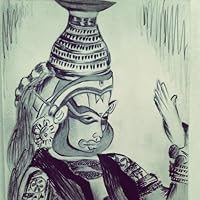
The book’s physical presentation also leaves much to be desired. The cover design is unappealing and does little to reflect the essence of the novel, adding an unfortunate comic undertone to what should be a serious work.
The selection of Ireechal Kappu as a winner in the DC Books novel contest raises questions about the effectiveness of these competitions in recognizing truly outstanding literary works. Depthless, hurriedly assembled, and structurally weak efforts such as this should ideally be identified and ruled out during the evaluation process.
That said, the author’s evident talent for language offers a glimmer of hope. With more time, care, and attention to narrative craftsmanship, Shamsudheen has the potential to create truly remarkable works. I sincerely wish him the best in his future endeavors and look forward to seeing more genuine and well-developed contributions from him to Malayalam literature.