

What do you think?

La casa de verano
Una premiada novela que ofrece un singular retrato del Japón moderno a partir de la apasionante historia de un estudio de arquitectura.
Premio Yomiuri.
Toru Sakanishi es un joven arquitecto recién graduado que se acabade incorporar a Murai, un prestigioso y pequeño estudio de arquitectura fundado por Shunsuke Murai, antiguo discípulo de Frank Lloyd Wright. Sakanishi se siente profundamente cautivado por la sensibilidad artística y el cuidado que el estudio Murai demuestra en cada uno de sus diseños. Cuando llega el caluroso verano, el estudio se traslada de Tokio a la casa de verano de Shunsuke Murai situada en un pueblo de montaña en las faldas del monte Asama. Allí, este pequeño equipo de arquitectos, incluidas las dos mujeres por las que Sakanishi se siente torpemente atraído, se propondrá diseñar la nueva Biblioteca Nacional de Tokio y competir con la famosa firma rival que habitualmente gana todos los concursos públicos.
Una novela originalísima y fascinante que, a través de los entresijos del mundo de la arquitectura contemporánea y la intensa colaboración y competición de sus miembros, explora las intrincadas dinámicas de las relaciones humanas y retrata el Japón actual, con su constante fricción entre modernidad y tradición.
Premio Yomiuri.
Toru Sakanishi es un joven arquitecto recién graduado que se acabade incorporar a Murai, un prestigioso y pequeño estudio de arquitectura fundado por Shunsuke Murai, antiguo discípulo de Frank Lloyd Wright. Sakanishi se siente profundamente cautivado por la sensibilidad artística y el cuidado que el estudio Murai demuestra en cada uno de sus diseños. Cuando llega el caluroso verano, el estudio se traslada de Tokio a la casa de verano de Shunsuke Murai situada en un pueblo de montaña en las faldas del monte Asama. Allí, este pequeño equipo de arquitectos, incluidas las dos mujeres por las que Sakanishi se siente torpemente atraído, se propondrá diseñar la nueva Biblioteca Nacional de Tokio y competir con la famosa firma rival que habitualmente gana todos los concursos públicos.
Una novela originalísima y fascinante que, a través de los entresijos del mundo de la arquitectura contemporánea y la intensa colaboración y competición de sus miembros, explora las intrincadas dinámicas de las relaciones humanas y retrata el Japón actual, con su constante fricción entre modernidad y tradición.
381 pages, Paperback
First published September 28, 2012
About the author
Masashi Matsuie
11 books33 followersMasashi Matsuie (Tokio, 1958) estudió en la Universidad de Waseda, en Tokio, y trabajó como editor de ficción en el grupo editorial Shinchôsha, donde fue responsable de publicar autores como Haruki Murakami y lanzó Shincho Crest Books, un sello especializado en literatura de otros idiomas. Dirigió también varias de las revistas del mismo grupo como Kangaeru hito y Geijutsu shincho, antes de dejar la compañía en 2010. Su primera novela, La casa de verano (Kazan no fumoto de, 2012; Libros del Asteroide, 2024) recibió el Premio Yomiuri de Literatura, pese a que es un galardón que suele recaer en autores con una larga trayectoria literaria. Además ha publicado las obras Shizumu Furanshisu (2013), Yûga-na no ka dô ka, wakaranai (2014), Hikari no inu (2018) y Awa (2021).
Ratings & Reviews
Friends & Following
Create a free account to discover what your friends think of this book!
Community Reviews
Displaying 1 - 30 of 255 reviews

August 5, 2025
The Summer House is an ode to architecture the way The Great Passage is an ode to words. I absolutely loved The Great Passage and I felt the same about The Summer House.
There is an array of characters, distinct and memorable in their own way. Each has their own unique role and relationship with the other characters. Sensei was my favorite followed by the two old women, the flower farmer and the novelist. The narrator is an expert on birds and they are referenced throughout the novel. What I loved most about the novel is the communal living.
The contest to design a new library drives the story. Loved every aspect of dissecting and creating the optimal library. A reoccurring theme is architecture is meant to be functional in a way that the user is seamlessly unaware of it. There are discussions of the relationship between wood and books, ideal alignment of bookcases, and how air flow increases the life of books while decreasing dust, mold, and insect damage.
I absolutely loved this novel and the audio narration. The Summer House is a wonderful escape with a beautiful setting.
There is an array of characters, distinct and memorable in their own way. Each has their own unique role and relationship with the other characters. Sensei was my favorite followed by the two old women, the flower farmer and the novelist. The narrator is an expert on birds and they are referenced throughout the novel. What I loved most about the novel is the communal living.
The contest to design a new library drives the story. Loved every aspect of dissecting and creating the optimal library. A reoccurring theme is architecture is meant to be functional in a way that the user is seamlessly unaware of it. There are discussions of the relationship between wood and books, ideal alignment of bookcases, and how air flow increases the life of books while decreasing dust, mold, and insect damage.
I absolutely loved this novel and the audio narration. The Summer House is a wonderful escape with a beautiful setting.

February 15, 2026
Summer at Mount Asama - Masashi Matsuie
"تلك الحرية في أن تكون وحيدًا مهمة حقًا. إنها ضروريةٌ للأطفال كما هي للكبار. الكتب تخطفك بعيدًا — عن عائلتك، عن المجتمع الذي تعيش فيه. وحيدًا لكن ليس معزولًا. اكتشف ذلك في طفولتك وسيكون لديك ملاذ تعود إليه مدى الحياة."
...
تارو شاب تخرج مؤخرًا من كلية الهندسة، يلتحق بالعمل في مكتب صغير ومرموق أسسه شونسوكي موراي وهو أحد تلامذة المهندس المعماري الشهير فرانك لويد رايت، ينبهر راوينا تارو بالجو العام للمكتب وموظفيه وخاصة مؤسسه وبرؤيته الخاصة في تصميم المنازل والمباني عامة .
بحلول أشهر الصيف ينتقل الفريق من طوكيو إلى كيتا-آساما، قرية جبلية صغيرة وأغلب قاطنيها من الفنانين. هناك، يشرعون في أحدث المشاريع التي يسغى المكتب للفوز بها وهو تصميم المكتبة الوطنية للأدب الحديث.
الصيف في جبل أساما أو كما نشرت باسم آخر هو المنزل الصيفي... رواية يابانية دافئة. نشرت لأول مرة في 2012، تذكرني برواية شيون ميورا الممير العظيم.
في الممر العظيم ينضم موظف في إحدى دور النشر للعمل مع فريق يعمل على قاموس جديد لـ اللغة اليابانية، كما هنا توجد القليل من كل كل شيء، التفاعلات البشرية بين أعضاء الفريق وقصة رومانسية..إلخ
ورغم أنها رواية تقدم صورة لليابان في الثمانينات والعمل في التصميم المعماري وتركز على الطبيعة والعلاقات الإنسانية وتصادم الحداثة والتقليد، لكن أكثر ما أحببته شخصيًا هو الحوارات بين الأعضاء الأكبر سنًا مع البطل وخاصة مؤسس المكتب، هذه الحوارات المهمة والدافئة والحكيمة والتي تركز على نظرة تكاد تكون غائبة خلال تصميم المنازل الآن..
"حين تصمم فضاءً للعيش، مُتجاهلًا الأكل والنوم، ينتهي بك الأمر بقشرة فارغة. لن أطلب قطْ من شخصٍ لا يطبخ أو يغسل الملابس أو ينظف منزله أن يصمم منزلي."
...
"تلك الحرية في أن تكون وحيدًا مهمة حقًا. إنها ضروريةٌ للأطفال كما هي للكبار. الكتب تخطفك بعيدًا — عن عائلتك، عن المجتمع الذي تعيش فيه. وحيدًا لكن ليس معزولًا. اكتشف ذلك في طفولتك وسيكون لديك ملاذ تعود إليه مدى الحياة."
...
تارو شاب تخرج مؤخرًا من كلية الهندسة، يلتحق بالعمل في مكتب صغير ومرموق أسسه شونسوكي موراي وهو أحد تلامذة المهندس المعماري الشهير فرانك لويد رايت، ينبهر راوينا تارو بالجو العام للمكتب وموظفيه وخاصة مؤسسه وبرؤيته الخاصة في تصميم المنازل والمباني عامة .
بحلول أشهر الصيف ينتقل الفريق من طوكيو إلى كيتا-آساما، قرية جبلية صغيرة وأغلب قاطنيها من الفنانين. هناك، يشرعون في أحدث المشاريع التي يسغى المكتب للفوز بها وهو تصميم المكتبة الوطنية للأدب الحديث.
الصيف في جبل أساما أو كما نشرت باسم آخر هو المنزل الصيفي... رواية يابانية دافئة. نشرت لأول مرة في 2012، تذكرني برواية شيون ميورا الممير العظيم.
في الممر العظيم ينضم موظف في إحدى دور النشر للعمل مع فريق يعمل على قاموس جديد لـ اللغة اليابانية، كما هنا توجد القليل من كل كل شيء، التفاعلات البشرية بين أعضاء الفريق وقصة رومانسية..إلخ
ورغم أنها رواية تقدم صورة لليابان في الثمانينات والعمل في التصميم المعماري وتركز على الطبيعة والعلاقات الإنسانية وتصادم الحداثة والتقليد، لكن أكثر ما أحببته شخصيًا هو الحوارات بين الأعضاء الأكبر سنًا مع البطل وخاصة مؤسس المكتب، هذه الحوارات المهمة والدافئة والحكيمة والتي تركز على نظرة تكاد تكون غائبة خلال تصميم المنازل الآن..
"حين تصمم فضاءً للعيش، مُتجاهلًا الأكل والنوم، ينتهي بك الأمر بقشرة فارغة. لن أطلب قطْ من شخصٍ لا يطبخ أو يغسل الملابس أو ينظف منزله أن يصمم منزلي."
...

May 9, 2025
No puedo negar que lo adquirí buscando cierto exotismo, pero lo que me encontré fue que el Taliesin particular que describe lo mismo podía estar en una colina de Soria que en Japón. Realmente no hay apenas chicha que contar sobre el funcionamiento de un estudio de arquitectura. Tan solo aporta una visión idealizada de la profesión, repleta de mentorazgo Miyagi para neófitos y de jerarquías obsoletas, y por si fuera poco, a falta de la adrenalina propia de una historia de médicos o policías, oh dios mío, recurre al romance. Bah.

January 31, 2026
A regényírás bizonyos értelemben az építészet rokona: mindkettő belakható tereket kíván alkotni. Ilyen értelemben Maszasi olyan építész, aki egy monumentális koncerttermet vagy templomot tervez épp, ami kizárja a világ zaját. Itt az akusztika a kulcsfogalom, egy olyan belső tér létrehozása, ahol minden kimondott csendes szó a leghátsó padsorokban is tisztán és világosan érthető. A jó akusztika egyik feltétele a csend megteremtése – ez regénytechnikai értelemben annyit tesz, hogy az alap egy visszafogott alig-cselekmény, egy olyan történet, ami szinte nincs is, és amiben aztán a szereplők minden apró gesztusa mintegy visszhangot ver és többletjelentéssel töltődik meg.
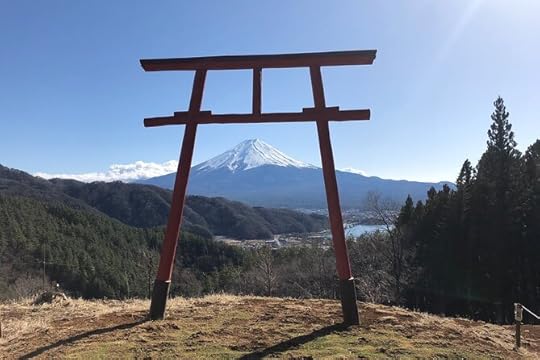
A Nyári Lakban vagyunk, az Aszama hegy oldalában, ahová egy építészkollektíva vonul vissza egyrészt rekreáció céljából, másrészt hogy egy sorsdöntő pályázatra elkészítsék a monumentális Kortárs Nemzeti Könyvtár tervrajzait. Maszusi nem veszi félvállról szereplői foglalkozását, az építészet itt nem csak futtában odaskiccelt háttér, hanem a szöveg masszív és részletesen tárgyalt eleme – olyan gonddal ábrázolja például a leendő könyvtár felépítését, a polcsorok és olvasóbarát zugok kialakítását, hogy az olvasó ott érzi magát az ívesen hajlított tölgyfa bútorok és vakolt falak között, és minden további nélkül el tudja képzelni, ahogy egy kiváló könyvvel (mondjuk ezzel) leereszkedik a felhasználóbarát fotelbe az „Életrajzok” szekció végén. Miközben pedig a karakterek szakmájuk gyakorlatáról és filozófiájáról elmélkednek, körbeveszi őket a csend megteremtésének másik nagyszerűen interpretált eszköze, a természeti környezet. A törpeharkályok, a zöldborsfák, a szentjánosbogarak éppúgy részei az atmoszférának, mint a Guggenheim Múzeum és a Svéd Nemzeti Könyvtár emlegetése, illetve a japán és nyugati hagyományok egybeolvadásának finom érzékeltetése – mind arról hordoz üzenetet, hogyan létezik az ember a világban, világ az emberben, és milyen módon hatnak egymásra.
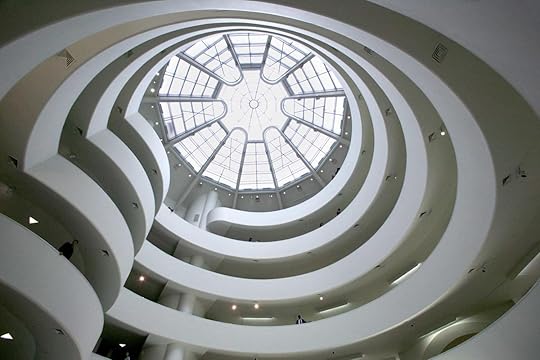
(Az építészet mint meditációs segédeszköz - a belső tér spirálja a New York-i Guggenheim Múzeumban.)
A csend megteremtésének másik eszköze az introvertált elbeszélő. Tóru, az építésztanonc olyan figura, aki „mindig megvárja, hogy a másik lépjen először”, ilyen értelemben pedig tulajdonképpen lemond arról, hogy befolyása legyen a cselekmény változására. Csak elfogadja, amit adnak neki – az idősebb építészek tanácsait éppúgy, mint a nők érintését. Ebben azonban valahogy nem az önalávetés irritáló aktusát fedezni fel, hanem egyfajta meditatív alázatot. Ritka erős regény a sodródásról – az embernek szinte kedve támad leheverni valami puha gyepre, és hagyni, hogy elmenjen mellette az idő. De sajnos a puha gyepig legalább tavaszig várni kell.
Amit most kivételesen nem politikai utalásnak szánok.
A Nyári Lakban vagyunk, az Aszama hegy oldalában, ahová egy építészkollektíva vonul vissza egyrészt rekreáció céljából, másrészt hogy egy sorsdöntő pályázatra elkészítsék a monumentális Kortárs Nemzeti Könyvtár tervrajzait. Maszusi nem veszi félvállról szereplői foglalkozását, az építészet itt nem csak futtában odaskiccelt háttér, hanem a szöveg masszív és részletesen tárgyalt eleme – olyan gonddal ábrázolja például a leendő könyvtár felépítését, a polcsorok és olvasóbarát zugok kialakítását, hogy az olvasó ott érzi magát az ívesen hajlított tölgyfa bútorok és vakolt falak között, és minden további nélkül el tudja képzelni, ahogy egy kiváló könyvvel (mondjuk ezzel) leereszkedik a felhasználóbarát fotelbe az „Életrajzok” szekció végén. Miközben pedig a karakterek szakmájuk gyakorlatáról és filozófiájáról elmélkednek, körbeveszi őket a csend megteremtésének másik nagyszerűen interpretált eszköze, a természeti környezet. A törpeharkályok, a zöldborsfák, a szentjánosbogarak éppúgy részei az atmoszférának, mint a Guggenheim Múzeum és a Svéd Nemzeti Könyvtár emlegetése, illetve a japán és nyugati hagyományok egybeolvadásának finom érzékeltetése – mind arról hordoz üzenetet, hogyan létezik az ember a világban, világ az emberben, és milyen módon hatnak egymásra.
(Az építészet mint meditációs segédeszköz - a belső tér spirálja a New York-i Guggenheim Múzeumban.)
A csend megteremtésének másik eszköze az introvertált elbeszélő. Tóru, az építésztanonc olyan figura, aki „mindig megvárja, hogy a másik lépjen először”, ilyen értelemben pedig tulajdonképpen lemond arról, hogy befolyása legyen a cselekmény változására. Csak elfogadja, amit adnak neki – az idősebb építészek tanácsait éppúgy, mint a nők érintését. Ebben azonban valahogy nem az önalávetés irritáló aktusát fedezni fel, hanem egyfajta meditatív alázatot. Ritka erős regény a sodródásról – az embernek szinte kedve támad leheverni valami puha gyepre, és hagyni, hogy elmenjen mellette az idő. De sajnos a puha gyepig legalább tavaszig várni kell.
Amit most kivételesen nem politikai utalásnak szánok.

February 28, 2025
"Que las vacaciones sucedan en verano es tanto una cuestión práctica como un homenaje a la vida. Ocurre lo mismo con la mejor arquitectura: lo funcional va de la mano de la emoción. Ni siquiera la ambición casi estrictamente comercial que impera hoy en el planeta, y por lo tanto en la arquitectura, ha con-seguido desvirtuar esa dicotomía que condena a la convivencia de lo pragmático con lo sensorial.
Es difícil concentrałse y desplazarse sin fatigarse es decir: ser en verano. El calor marca un ritmo pausado vida. Sin embargo, más allá de la falta de aire, son esos días largos los que permiten el ocio, la calma y el aburrimiento. Sucede como si el calendario nos diera una clave sobre el funcionamiento de nuestra existencia, dejando una estación para ralentizar la marcha de los días y detenerse a pensar. Por eso, una casa definida para la estación del descanso habla de un lugar suspendido, casi al margen del tiempo. De un refugio donde se puede dudar" (del prólogo de Anatxu Zabalbeascoa)
Es difícil concentrałse y desplazarse sin fatigarse es decir: ser en verano. El calor marca un ritmo pausado vida. Sin embargo, más allá de la falta de aire, son esos días largos los que permiten el ocio, la calma y el aburrimiento. Sucede como si el calendario nos diera una clave sobre el funcionamiento de nuestra existencia, dejando una estación para ralentizar la marcha de los días y detenerse a pensar. Por eso, una casa definida para la estación del descanso habla de un lugar suspendido, casi al margen del tiempo. De un refugio donde se puede dudar" (del prólogo de Anatxu Zabalbeascoa)
July 17, 2025
A slow, quiet book that seems to reflect the summer it describes. I enjoyed being in its company.

July 1, 2025
Un coñazo precioso, pero coñazo al fin y al cabo.

September 26, 2025
Me ha gustado mucho toda la parte de teoría de la Arquitectura, de la vida y desarrollo de la actividad profesional de un arquitecto japonés, de sus detalles personales aplicados a su arte. Y toda la historia de la convivencia en esa “casa de verano” de los componentes del Estudio de Arquitectura también me gusta. Lo que no veo tan pulido es el hilo narrativo de un protagonista que parece puesto únicamente para contar las diferentes fases de su maestro y pinceladas de su propia vida solo como presunto hilo conductor. Se podría haber desarrollado esa historia algo más, me queda como un poco corta, aunque, en conjunto, he disfrutado mucho de la atmósfera y todo el ambiente que tan bien describe aquí el autor.

May 17, 2025
Mi interés por este libro ha ido aumentando poco a poco según lo leía, con un final maravilloso. La calma que transmite, típico japonés, contrasta gratamente con los tiempos de cólera y ruido en que vivimos. Ademas, me gusta la manera delicada de abordar la arquitectura. Lo recomiendo a personas pacientes, que se dejen envolver poco a poco por un libro delicado con muchos matices, y ya si les gusta la arquitectura no tienen excusa para no leerlo.
July 27, 2025
wat een mooi boek, echt zo zo zo van genoten
ik ga dit boek een beetje missen denk ik
ik ga dit boek een beetje missen denk ik

June 23, 2025
The calming brilliance of the world of design, aesthetics, and landscapes of the mind and heart (Central Japan, fictional village by Mt. Asama; 1980s mostly): The Summer House is an exquisite example of why a quieter, softer touch can be as or more affecting than harsher, darker, or more explicit novels.
“There’s something mysterious about the human voice,” says the coming-of-age narrator, Tōru, whose soothing voice conveys the intricacies of a sensuous novel with its own subtleties.
Centered on the multifaceted considerations in architecture in engaging prose that digs into how a group of fictional architects think as well as historical ones at a well-respected architectural firm based in Tokyo – the Murai Office of Architectural Design, founded by Shunsuke Murai, referred to as Murai Sensei or Sensei.
Sensei in Japanese means teacher. Murai is a guru who “left his mark on postwar Japanese modernism.” His values and teachings designing buildings with simplicity, practicality, and enduring beauty, fusing the ancient/old with newness, expand to other aspects of life that make the novel soar. “Variations in human emotion were what his architecture was based on,” echoes the range of human emotions of a writer who comes across as a sensei too.
The Summer House may be Matsuie’s debut, but it reads like a masterwork, winning an esteemed Japan’s literary prize (Yomiuri Prize for Literature), “an award that normally goes to seasoned authors who are well along in their careers” (book jacket). Matsuie isn’t new to the literary world, though, as he’s the longtime editor of some of Japan’s big names in Japanese contemporary literature – Haruki Murakami among them.
Authenticity of the setting and characters is one of the novel’s noteworthy characteristics. Sensei feels amazingly real having apprenticed with Frank Lloyd Wright when he came to America in 1939 (including much insight and unknown information about the iconic American architect), and reference to a Museum of Modern Art exhibition that featured his work. Both sent me googling in disbelief that he wasn’t a real architect lost to history. The deftness of Matsuie’s literary skills in mixing fiction with historical fiction also plays out in the best weaving together of an ending I can recall.
Set during the summer months when the office moves into a house outside of Tokyo to a once vibrant, fictional village at the base of a real active volcano, Mt. Asama, which had attracted academics and creative types, such as writers, is beautifully characterized by a cherished, wise, elderly one: Harue Nomiya exudes calm, a life built around books, a strong sense of community in a culture that prioritizes harmony of the whole over the individual, and offers lessons on how to live life fully without regrets. She’s also one of the secrets of the heart you’ll discover.
Tōru’s appealing voice reaches out to us from the first line to the last. Soothing, natural, flowing as if he’s sitting beside you sharing his reflective story of a special time and place when he was utterly surprised to be invited to join a talented, dedicated team at the prestigious architectural firm straight out of the university without any practical experience. His development is carried out exceptionally well over the 400 pages. Sensei, now well into his seventies, liked him from the day he interviewed him, from the thoughtful answers he gave to a question he asked. Sensei’s affection for him grows considerably and meaningfully impacting Tōru’s professional confidence but not romantically as shy, unsure Tōru unexpectedly finds himself in. You’ll like him too, for his candor about his insecurities, respectfulness, impressions. He’s immediately relatable when he starts the new job feeling “like an ill-fitting rain shutter, but as I got used to things, I gradually settled in the grove and started working more smoothly.”
Tōru’s mentor (besides the great man himself) isn’t much older than he, in his thirties, Iguchi, the office manager. He does an excellent job of teaching him the ropes and the norms. An emotional one Tōru takes to heart and is a source of inner tension: “An office romance is forbidden.” An example of a moral issue the novel delicately handles as we watch how this young man navigates two relationships with women around his age he’s attracted to and they to him, one more directly than the other though both are tentative and reserved like he is.
Tōru’s sense of awe of the summer house’s natural beauty fits our appreciation for the strength of the atmospheric prose. The summer house was ‘in the forest, over a thousand meters above sea level” where “the first to break the silence were the birds” (he’s a bird watcher in a place with “80 birds”), who also pays close attention to the fantastic diversity of the country’s trees such that Nature feels like a character beyond the thirteen member team. He speaks of a native katsura tree that embraced the “two wings” of the summer house as a “privilege.” It’s considered a symbol of the country’s beauty, survival, and spirituality.
Creating a narrator in tune with the famous architect who shunned “flashy,” Matsuie sets the tone for a simpler, aesthetic approach for telling this contemplative tale. Like the homes and other buildings Sensei chose to design with an “old-fashioned, comforting feeling,” the prose evokes those qualities.
“Nothing is as persuasive than design itself,” Sensei says. A church he designed affirmed that when Tōru tells us entering it he felt, “The sanctity it embodied would calm, or encourage, or move people who gathered here.” Visiting it is tied to the firm’s current occupying endeavor.
A competition to design a National Museum of Modern Literature, a huge deal as it’s the first for the office in ten years (you’ll wonder and sense why Sensei is so determined to enter and win it now). The project provides a smart and effective jumping off point for book lovers. As various characters weigh in on the library’s design, we’re treated to the kinds of creative and functional considerations books generate, starting with fundamentals like “books need to breathe” and libraries need a “silently inviting sort of atmosphere.” All sorts of questioning and decision-making fill the pages. Two examples: “How would people move, make their way around the building?” and “visual and tactile” elements. Furniture handcrafted by another of the architects is forward-thinking.
“Books carry you away – from your family, from the society you live in. Alone but not lonely,” is seen as a “freedom,” offsetting a melancholy/nostalgic tone of loneliness. The novel’s grand finale more than makes up for the sadness you might feel. Other than realizing this wondrous time and place can’t last forever. Except in the memories, hearts, and minds of the design team – and readers.
“There’s something mysterious about the human voice,” says the coming-of-age narrator, Tōru, whose soothing voice conveys the intricacies of a sensuous novel with its own subtleties.
Centered on the multifaceted considerations in architecture in engaging prose that digs into how a group of fictional architects think as well as historical ones at a well-respected architectural firm based in Tokyo – the Murai Office of Architectural Design, founded by Shunsuke Murai, referred to as Murai Sensei or Sensei.
Sensei in Japanese means teacher. Murai is a guru who “left his mark on postwar Japanese modernism.” His values and teachings designing buildings with simplicity, practicality, and enduring beauty, fusing the ancient/old with newness, expand to other aspects of life that make the novel soar. “Variations in human emotion were what his architecture was based on,” echoes the range of human emotions of a writer who comes across as a sensei too.
The Summer House may be Matsuie’s debut, but it reads like a masterwork, winning an esteemed Japan’s literary prize (Yomiuri Prize for Literature), “an award that normally goes to seasoned authors who are well along in their careers” (book jacket). Matsuie isn’t new to the literary world, though, as he’s the longtime editor of some of Japan’s big names in Japanese contemporary literature – Haruki Murakami among them.
Authenticity of the setting and characters is one of the novel’s noteworthy characteristics. Sensei feels amazingly real having apprenticed with Frank Lloyd Wright when he came to America in 1939 (including much insight and unknown information about the iconic American architect), and reference to a Museum of Modern Art exhibition that featured his work. Both sent me googling in disbelief that he wasn’t a real architect lost to history. The deftness of Matsuie’s literary skills in mixing fiction with historical fiction also plays out in the best weaving together of an ending I can recall.
Set during the summer months when the office moves into a house outside of Tokyo to a once vibrant, fictional village at the base of a real active volcano, Mt. Asama, which had attracted academics and creative types, such as writers, is beautifully characterized by a cherished, wise, elderly one: Harue Nomiya exudes calm, a life built around books, a strong sense of community in a culture that prioritizes harmony of the whole over the individual, and offers lessons on how to live life fully without regrets. She’s also one of the secrets of the heart you’ll discover.
Tōru’s appealing voice reaches out to us from the first line to the last. Soothing, natural, flowing as if he’s sitting beside you sharing his reflective story of a special time and place when he was utterly surprised to be invited to join a talented, dedicated team at the prestigious architectural firm straight out of the university without any practical experience. His development is carried out exceptionally well over the 400 pages. Sensei, now well into his seventies, liked him from the day he interviewed him, from the thoughtful answers he gave to a question he asked. Sensei’s affection for him grows considerably and meaningfully impacting Tōru’s professional confidence but not romantically as shy, unsure Tōru unexpectedly finds himself in. You’ll like him too, for his candor about his insecurities, respectfulness, impressions. He’s immediately relatable when he starts the new job feeling “like an ill-fitting rain shutter, but as I got used to things, I gradually settled in the grove and started working more smoothly.”
Tōru’s mentor (besides the great man himself) isn’t much older than he, in his thirties, Iguchi, the office manager. He does an excellent job of teaching him the ropes and the norms. An emotional one Tōru takes to heart and is a source of inner tension: “An office romance is forbidden.” An example of a moral issue the novel delicately handles as we watch how this young man navigates two relationships with women around his age he’s attracted to and they to him, one more directly than the other though both are tentative and reserved like he is.
Tōru’s sense of awe of the summer house’s natural beauty fits our appreciation for the strength of the atmospheric prose. The summer house was ‘in the forest, over a thousand meters above sea level” where “the first to break the silence were the birds” (he’s a bird watcher in a place with “80 birds”), who also pays close attention to the fantastic diversity of the country’s trees such that Nature feels like a character beyond the thirteen member team. He speaks of a native katsura tree that embraced the “two wings” of the summer house as a “privilege.” It’s considered a symbol of the country’s beauty, survival, and spirituality.
Creating a narrator in tune with the famous architect who shunned “flashy,” Matsuie sets the tone for a simpler, aesthetic approach for telling this contemplative tale. Like the homes and other buildings Sensei chose to design with an “old-fashioned, comforting feeling,” the prose evokes those qualities.
“Nothing is as persuasive than design itself,” Sensei says. A church he designed affirmed that when Tōru tells us entering it he felt, “The sanctity it embodied would calm, or encourage, or move people who gathered here.” Visiting it is tied to the firm’s current occupying endeavor.
A competition to design a National Museum of Modern Literature, a huge deal as it’s the first for the office in ten years (you’ll wonder and sense why Sensei is so determined to enter and win it now). The project provides a smart and effective jumping off point for book lovers. As various characters weigh in on the library’s design, we’re treated to the kinds of creative and functional considerations books generate, starting with fundamentals like “books need to breathe” and libraries need a “silently inviting sort of atmosphere.” All sorts of questioning and decision-making fill the pages. Two examples: “How would people move, make their way around the building?” and “visual and tactile” elements. Furniture handcrafted by another of the architects is forward-thinking.
“Books carry you away – from your family, from the society you live in. Alone but not lonely,” is seen as a “freedom,” offsetting a melancholy/nostalgic tone of loneliness. The novel’s grand finale more than makes up for the sadness you might feel. Other than realizing this wondrous time and place can’t last forever. Except in the memories, hearts, and minds of the design team – and readers.
July 18, 2025
"La casa de verano" es un homenaje a la arquitectura como arte.
Antes de construir se dibuja,se afilan lápices, se planifica en función de las necesidades del cliente y finalmente se construye un espacio y un entorno que habitamos y modificamos,con nuestra presencia.
Está casa,está en Japón,en un pueblo de las afueras de Tokio.
Y la conócenos dirigidos por la mirada de un joven arquitecto que entra a trabajar y aprender como discípulo de un prestigioso arquitecto.
Me ha gustado especialmente el punto de vista que propone el autor ,dirigido a la relación entre los discípulos y el profesor ,la convivencia de todos ellos.
Es un poco, como el fuera de cámara en una película.Nosotros admiramos el resultado final ,pero desconocemos lo que hubo a su alrededor y propicio esa obra,ese hogar o edificio que contemplamos .
Cuando el estudio recibe la invitación para participar en un concurso para proyectar la Biblioteca Nacional de Literatura Contemporánea,Matsuie se gana a todos los lectores con distintas reflexiones,entre ellas, la importancia de elegir fondos que la gente realmente lea,que no se acumulen.
Una propuesta lectora que por el título puede parecer sugerente para esta época estacional ,pero que es atemporal.
Se lee despacio,se disfruta y sus paginas pasan como unas vacaciones.
📌 ❣️Como curiosidad lectora,Masashi Matsuie trabajo como editor de ficción en Shincôsha y fue responsable de publicar a Haruki Murakami.
Antes de construir se dibuja,se afilan lápices, se planifica en función de las necesidades del cliente y finalmente se construye un espacio y un entorno que habitamos y modificamos,con nuestra presencia.
Está casa,está en Japón,en un pueblo de las afueras de Tokio.
Y la conócenos dirigidos por la mirada de un joven arquitecto que entra a trabajar y aprender como discípulo de un prestigioso arquitecto.
Me ha gustado especialmente el punto de vista que propone el autor ,dirigido a la relación entre los discípulos y el profesor ,la convivencia de todos ellos.
Es un poco, como el fuera de cámara en una película.Nosotros admiramos el resultado final ,pero desconocemos lo que hubo a su alrededor y propicio esa obra,ese hogar o edificio que contemplamos .
Cuando el estudio recibe la invitación para participar en un concurso para proyectar la Biblioteca Nacional de Literatura Contemporánea,Matsuie se gana a todos los lectores con distintas reflexiones,entre ellas, la importancia de elegir fondos que la gente realmente lea,que no se acumulen.
Una propuesta lectora que por el título puede parecer sugerente para esta época estacional ,pero que es atemporal.
Se lee despacio,se disfruta y sus paginas pasan como unas vacaciones.
📌 ❣️Como curiosidad lectora,Masashi Matsuie trabajo como editor de ficción en Shincôsha y fue responsable de publicar a Haruki Murakami.

July 18, 2025
Mica en mica li he anat trobant més i més el gust. Durant les primeres 100 pàgines no sabia ben bé cap on aniria res, que no és un problema de per si, però em feia por que fos una d'aquelles coses "cozies" sense més. I no és gens això, i no sé ben bé ni si el definiria com a cozy. He acabat gaudint molt de la història i de la manera detallada d'explicar-la.

Read
July 16, 2026It’s actually hard to imagine a book more perfect in concept for me than this one…an architecture firm designing a national library, and for the summer they work in a house in the mountains, and it’s in translation…
So much natural wood (shutters, paneling, floors, doors, handles), so many windows opening up onto trees…floor plans, hexagonal bookcases or curved ones?…Taliesin, Alvar Aalto chairs…and my favorite moment was one of the architects working in a “Less is More” on the front/“Less is a Bore” on the back Mies van der Rohe/Robert Venturi t-shirt.
So fun to read fiction with this much architecture in it…would have been dangerous if I had found more works like this before I started my senior thesis.
This book is a safe bet for an architecture/design lover in your life! But certainly read it in the summer. Left me feeling peaceful and a bit melancholy — as a good summer book should, I think…
So much natural wood (shutters, paneling, floors, doors, handles), so many windows opening up onto trees…floor plans, hexagonal bookcases or curved ones?…Taliesin, Alvar Aalto chairs…and my favorite moment was one of the architects working in a “Less is More” on the front/“Less is a Bore” on the back Mies van der Rohe/Robert Venturi t-shirt.
So fun to read fiction with this much architecture in it…would have been dangerous if I had found more works like this before I started my senior thesis.
This book is a safe bet for an architecture/design lover in your life! But certainly read it in the summer. Left me feeling peaceful and a bit melancholy — as a good summer book should, I think…

Read
September 6, 2026‘—September. An unusually large number of red dragonflies, rarely seen in Tokyo, had flown in from the northwest, stopping on telephone wires or low concrete walls to rest their wings—Wings like paper-thin metal; deep-red bodies; the blurry brightness of their compound eyes. No human hand could create anything like this.’
DNF-ed (with about a quarter of it left unread). This is (unfortunately) not quite the one for me (but to clarify, it's not terribly written or anything like that). To me, it felt like the narrator was rambling on and on about something but mostly about nothing (and to other readers who (may) enjoy this sort of (style of) writing, I suppose it would easily go under the category/style of some form of ‘slice-of-life’ narrative (for the lack of better descriptions)). I think someone who enjoys Haruki Murakami’s work/writing might like this.
‘Something I never quite got used to—was the way many architects write 解, the Chinese character for ‘solution,’ on their plans in places where they’ve met a client’s demand. Unlike mathematics, in architecture there are no correct answers, or 正解 (seikai). It might have started as a way to show that although you’ve solved the problem, the outcome isn’t perfect, but it still seemed strange to me.’
‘You don’t want to talk loudly in one of Sensei’s houses. There’s something relaxing about the textures, the way the light comes in, delicate touches people don’t even notice till they’ve lived there for a while. As if the building’s speaking to them softly, so they follow suit.’
‘In certain places, Sensei seemed to be roughening up the original drawings rather than refining them, but when I saw the finished product, I realised that he had actually made the furniture more rational, easier to use. What is the difference between being careful and being fussy? I felt as if I’d found the answer in the lines that were added to Uchida’s work.’
‘I felt a drop of rain on my forehead. Mariko, who must have felt the same, looked up. The next moment, as if the sky had fallen, rain was pouring down—Mariko finally smiled. Even with all the windows closed, the sound of rain pattering on the glass filled the room. The katsura leaves quivered.’
It kind of brings to mind Murakami but without the subtly creepy/ gross descriptions about (objectifying?) women (but there’s a romantic subplot included somewhere in the middle, which I frankly don’t see the point of?) and with a total lack of solid/concrete ‘plot’ (which I usually don’t mind/care, but I think I just really didn’t enjoy the style/writing, so it really didn’t leave me with anything I could like (enough of)).
‘‘These are the original violets—,’ she said. ‘I leave them alone, don’t fuss over them at all.’ We walked to the eastern edge of the field. Not knowing I was the villain who had been blowing on them just a while before, bees flitted right by me in different directions. Along with the fragrance of flowers and earth, the smell of herbs like rosemary, mint, and thyme floated past in the air.’
‘Sensei—stopped entering design competitions for public buildings; and since he’d never been one to hold forth on architectural theory, he didn’t appear much in the media either. But as I went around examining buildings he had designed ten or twenty years earlier, I realised how remarkable his work had been during those years of silence. Without getting caught up in the excesses of Japan’s postwar economic boom, or indulging in any sort of flashy display, he had designed buildings that were simple and easy to use, yet with a beauty that didn’t fade.’
‘He himself was an avid reader. Having designed many houses with private libraries—not just for scholars, but for clients who loved books as much as he did—he was interested in working on another large-scale facility—The library itself was to be a learning center where anyone would feel welcome, rather than primarily an archive for storing research materials—To put it simply, the place didn’t need a definitive collection or oppressively official-looking architecture—The function of the library, in other words, might change with the times.’
The only ‘thing’ I really appreciated was the little historical bits here and there (but it started to feel like I was only reading for those bits, so ultimately it made a whole lot more sense for me to abandon/give it up (didn’t see the point of spending/wasting my time reading it)). ‘Cute’ without substance is precisely what I’d ‘say’ this was. But only because I couldn’t appreciate it the way it deserves to be appreciated, no?
‘‘But just imagine, if there was a really big earthquake that reduced the whole city of Tokyo to rubble, how would you feel if your house was the only one that didn’t collapse or burn down? That’s something worth thinking about.’ I wasn’t quite sure I understood. I didn’t answer, so he went on. ‘Imagine a wasteland, with only your house left standing. Most of your neighbors would be dead. And you, not only alive, but with a roof over your head, and everything unscathed. It would be unbearable. Could you recover from something like that?’’
‘Anyone who thinks he’s saving money by using ready-made chairs is kidding himself. They’re not made to last. You have to keep buying more—that’s how furniture companies stay in business. Wooden furniture costs a lot up front, but if you take care of it you can use it for fifty, maybe even a hundred years—But people nowadays don’t think of repairing things, and there’s no telling whether fifty or a hundred years from now they’ll even want to use what we make now. Nobody thinks that far ahead anymore. Everything’s calculated to fit the annual budget.’
In any case, (for some reason or other) I’m still curious/ quite keen to get my hands on a copy of Sinking Francis by the same author (published in English (translation) later this year). Perhaps only because the original text in Japanese features an inconveniently/deceivingly cute Shiba Inu on the cover? Maybe reading that would make me want to come back to this and (for some reason or other) finish the last quarter? Time will dictate/tell later (or however the ‘cliché’ goes).
‘—earlier, the remains—the eruption of 1783 had been found. They were trying to climb to high ground, but were covered by lava and debris before they reached safety. They—were starting to climb the steps leading to the Kannon-dō Temple. The village of Kamahara had a population of almost six hundred at the time, but about five hundred perished—those who hadn’t taken refuge in the temple. Kamahara was about twenty kilometers from Mt. Asama. Kita-Asama is closer, within ten kilometers—& that was as far as I got. I closed the book. A gentle breeze brought cold air in from the north. Feeling chilly, I shut the small window that looked out onto the garden.’
July 19, 2025
A recent architectural student, Sakanishi, lands a job at a prestigious company led by founder Shunsuke Murai. The Murai Office is based in Tokyo, but when they prepare to participate in a design competition for a new library, the employees follow their sensei to Kita-Asama. There, the team will live and work side-by-side to streamline their tasks and focus on putting together the winning project. As Sakanishi learns about his sensei’s philosophy of architectural design, studying his previous works and learning from his teammates, office romances develop between Sakanishi and coworkers. The project comes to a head when Sensei, an older man close to the age of retirement, suffers from a stroke. When he is unable to return to work, the Murai Office dwindles, and Sakanishi starts his firm with the skills he picks up from Sensei.
The style of the writing is what I expected—a telling-heavy narration that will teach me about architecture. I enjoyed thinking about the intentional ways to use space and designing a building with its purpose and occupants or patrons in mind. However, the character-driven plot didn’t seem to fully invite me into Sakanishi’s life, and this made it harder for me to stay engaged. I realize this is not what I’m familiar with (in a character-driven story), but it could be a culturally stylistic phenomenon, and that is all great.
The style of the writing is what I expected—a telling-heavy narration that will teach me about architecture. I enjoyed thinking about the intentional ways to use space and designing a building with its purpose and occupants or patrons in mind. However, the character-driven plot didn’t seem to fully invite me into Sakanishi’s life, and this made it harder for me to stay engaged. I realize this is not what I’m familiar with (in a character-driven story), but it could be a culturally stylistic phenomenon, and that is all great.
This entire review has been hidden because of spoilers.
April 14, 2025
En un ambiente idílico se debate la importancia de la pormenoridad en el buen hacer de cualquier oficio. La atención al detalle, a través de personajes muy bien caracterizados a través de pocas intervenciones, hace que sea una novela muy fácil y agradable de leer.
May 18, 2025
terminarlo fue como ver hojas secas arrastradas por el viento (el pico kizuki hace prr prr)

August 18, 2026
bought this book blind (aka it was wrapped in a paper bag and had a brief description on the front)
I wasn't buying the story at first, but by the end I found myself falling in
also, a great read for those who don't know much about architecture but want to appreciate it more (aka me)
I wasn't buying the story at first, but by the end I found myself falling in
also, a great read for those who don't know much about architecture but want to appreciate it more (aka me)

April 21, 2025
precioso… como la vida misma… tremendamente bonito pero tremendamente triste… además ahora quiero ser arquitecto

May 8, 2026
Loved this book with all my heart. It feels appropriate that I bought and read it on a whim and found it utterly delightful and melancholy.

August 12, 2026
Me encantan los libros con trama sencilla y que en manos de otro serían material de telefilm, porque es donde brilla el estilo, el espíritu del libro, el aura que está tan de moda.
Aquí el aura es japonesa, con ese carácter templado y contenido lleno de personajes que parecen esconder secretos que ni ellos saben.
He leído bastantes comentarios que hablan de él como un coñazo, y hasta cierto punto lo entiendo. Las digresiones sobre arquitectos, sobre técnicas constructivas, sobre discusiones internas del estudio, pueden aburrir a quien busque avance argumental. La arquitectura se convierte en una forma de mirar el mundo, y el mundo, en una forma de habitar la arquitectura. Pero ese pausado paladeo es justo lo que el libro pide de ti, y si esa aura no te atrapa, si no logra interesarte, de poco sirve insistir.
Puede que el autor se pierda entre tantos personajes, algunos que bien podrían haberse fundido en uno solo, porque no todos aportan a la historia lo suficiente para justificar su espacio. Pero esa dispersión imagino que se le perdona al tío que nos regaló a Murakami.
A mí me ha encantado, pero entiendo que es café para muy cafeteros.
Aquí el aura es japonesa, con ese carácter templado y contenido lleno de personajes que parecen esconder secretos que ni ellos saben.
He leído bastantes comentarios que hablan de él como un coñazo, y hasta cierto punto lo entiendo. Las digresiones sobre arquitectos, sobre técnicas constructivas, sobre discusiones internas del estudio, pueden aburrir a quien busque avance argumental. La arquitectura se convierte en una forma de mirar el mundo, y el mundo, en una forma de habitar la arquitectura. Pero ese pausado paladeo es justo lo que el libro pide de ti, y si esa aura no te atrapa, si no logra interesarte, de poco sirve insistir.
Puede que el autor se pierda entre tantos personajes, algunos que bien podrían haberse fundido en uno solo, porque no todos aportan a la historia lo suficiente para justificar su espacio. Pero esa dispersión imagino que se le perdona al tío que nos regaló a Murakami.
A mí me ha encantado, pero entiendo que es café para muy cafeteros.
January 23, 2026
Esta bien es interesante de leer, la trama de arquitectura y del concurso esta guay, pero para mi gusto excesivas descripciones que cortan la trama y el final me da la sensación de no saber muy bien como acabarlo y dan solución rápida a muchos temas que han sido parte de la trama central a lo largo del libro.

January 16, 2026
Un libro pausado sobre la belleza, la creación, la arquitectura, las relaciones personales... Es un libro para sentirlo y dejarse llevar. No importa la trama como el viaje del protagonista desde que entra al estudio hasta que acaba el libro.
September 11, 2026
Beautiful and elegiac, this book is a paean to craftsmanship and the pursuit of beauty, and also an unsentimental look at the slow but sure march of time and the inevitability of change and renewal.

July 26, 2025
una gran lectura de verano

July 18, 2026
Hay algo de la literatura japonesa que me relaja profundamente… Una pausada narración contraria a los hábitos de nuestra generación “tiktok”.
Estupenda trama aunque podría haberse sacado más partido. Una novela tranquila, pausada, ideal para el verano.
Estupenda trama aunque podría haberse sacado más partido. Una novela tranquila, pausada, ideal para el verano.
July 11, 2025
I saw that this was a "prize-winning debut novel" but that was back in 2012 so I managed my expectations. I think this kind of novel would appeal only to a specific kind of reader, not a general audience. What I mean is that this is the kind of story that has very little plot, but not even in a psychological literary fiction way. There's just no plot, and I mean this in as neutral a way as possible. You can see what I mean in the screenshots. It's a quiet and meditative piece of work. The characters yap a lot but there are zero arguments or drama, there are long paragraphs dedicated to historical events, architecture, or past architects, and the narrator himself is largely an observer and ordinary employee. If you open this book accepting all that, you can enjoy the contemplative experience. But if you are the kind of reader who wants some kind of action or a 'proper' build-up to a romantic relationship, witty banter, something to sweep you away, this won't be it.
The narrator is an architecture graduate who decides to shoot his shot and apply for a job at the firm of an architect he admires, Murai. To his surprise, he's offered a provisional role for the season. The office moves to a summer house in a mountain village to work on a design competition for a new library. The office has literally only two women and guess what? He likes them both. Lol. One of the women is Murai's niece so he was wary of starting workplace romance, but then he is told that Murai wants to arrange a marriage for them. Can employers do that?? I'm not sure I would marry my employer's relative after just two months after starting work. Anyway, they do date a little but it's more of a situationship or fling, I feel. And throughout, he's still attracted to the other woman colleague. In the end, Murai collapses from health problems, he loses his job, and he does not marry the niece, but he does marry the other ex-colleague and they buy the house to bask in memories.
The narrator is an architecture graduate who decides to shoot his shot and apply for a job at the firm of an architect he admires, Murai. To his surprise, he's offered a provisional role for the season. The office moves to a summer house in a mountain village to work on a design competition for a new library. The office has literally only two women and guess what? He likes them both. Lol. One of the women is Murai's niece so he was wary of starting workplace romance, but then he is told that Murai wants to arrange a marriage for them. Can employers do that?? I'm not sure I would marry my employer's relative after just two months after starting work. Anyway, they do date a little but it's more of a situationship or fling, I feel. And throughout, he's still attracted to the other woman colleague. In the end, Murai collapses from health problems, he loses his job, and he does not marry the niece, but he does marry the other ex-colleague and they buy the house to bask in memories.

Read
May 4, 2025I've read Catriona Shine's Habitat, which explores post-human "insurrectional infrastructure," and Franziska Gänsler's Eternal Summer, which is haunted by empty hotels in the warming world, almost back-to-back. From this perspective, Matsuie's The Summer House is an interesting read in the sense that it depicts the production of the built environment, one of the major human activities driving the extinction of non-human species and planetary-scale environmental change. It does so, however, without any critical distance, fascinated by what architects do and what kind of image they project. Plenty to pick from critical environmental perspective.

July 30, 2025
Tiene pasajes de gran belleza y reflexiones muy interesantes sobre la arquitectura, la cultura japonesa y la naturaleza, pero es demasiado largo, demasiado detallado y con demasiadas divagaciones. Tampoco ayuda que no haya fotos ni ilustraciones que ayuden a comprender algunos conceptos arquitectónicos o proporcionen una referencia visual a las descripciones que, muchas veces, no he logrado imaginar en la realidad. Un mapa de la región que se menciona también sería de agradecer para los lectores no japoneses, ya que las referencias geográficas abundan en el texto.
La parte sobre el no-romance del protagonista me ha dejado fría; ni él ni la mayoría de los personajes consiguen despertar mis simpatías, no he logrado siquiera que cobren vida en mi imaginación.
Al final me ha parecido como uno de esos partidos de fútbol interminables de Oliver y Benji, en los que una jugada duraba diecisiete episodios, llenos de divagaciones y flashbacks, para que al final el balón fuera al poste.
La parte sobre el no-romance del protagonista me ha dejado fría; ni él ni la mayoría de los personajes consiguen despertar mis simpatías, no he logrado siquiera que cobren vida en mi imaginación.
Al final me ha parecido como uno de esos partidos de fútbol interminables de Oliver y Benji, en los que una jugada duraba diecisiete episodios, llenos de divagaciones y flashbacks, para que al final el balón fuera al poste.
Displaying 1 - 30 of 255 reviews