Eiji Yoshikawa's 'Musashi' is a historical novel that chronicles the life of the famous Japanese swordsman, Miyamoto Musashi. Serialized in newspapers from 1935 to 1939, it was later published as a complete book. Yoshikawa's novel, while based on the real life of Musashi, includes fictional elements to create a dramatic and engaging narrative. The story begins with Musashi's early years and follows his journey as he grows into a master swordsman. Key figures in his life, such as his mentor Takuan Soho and his rival Sasaki Kojiro, play significant roles in his development. Throughout numerous trials and battles, Musashi evolves from a mere swordsman to a philosophically profound individual. The novel explores themes beyond swordsmanship, delving into personal growth, life philosophy, and the way of the samurai. 'Musashi' by Eiji Yoshikawa has been widely read not only in Japan but also around the world. It has been adapted into various media, including films, TV dramas, and manga. The story of Musashi's strength, wisdom, and pursuit of the 'Two Sword Style' continues to inspire many.
Pen-name of Yoshikawa Hidetsugu. Yoshikawa is well-known for his work as a Japanese historical fiction novelist, and a number of re-makes have been spawned off his work.
In 1960, he received the Order of Cultural Merit. Eiji Yoshikawa (吉川 英治, August 11, 1892 – September 7, 1962) was a Japanese historical novelist. Among his best-known novels, most are revisions of older classics. He was mainly influenced by classics such as The Tale of the Heike, Tale of Genji, Outlaws of the Marsh, and Romance of the Three Kingdoms, many of which he retold in his own style. As an example, the original manuscript of Taiko is 15 volumes; Yoshikawa took up to retell it in a more accessible tone, and reduced it to only two volumes. His other books also serve similar purposes and, although most of his novels are not original works, he created a huge amount of work and a renewed interest in the past. He was awarded the Cultural Order of Merit in 1960 (the highest award for a man of letters in Japan), the Order of the Sacred Treasure and the Mainichi Art Award just before his death from cancer in 1962. He is cited as one of the best historical novelists in Japan.
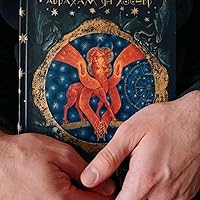
"Мусаші. Книга сьома. Світло досконалості" Ейджі Йошікава
Фінальний том розпочинається з появи вже призабутого, але знаменитого бойового монаха списника Іншюна, який на цей час стає наставником храму. Мусаші тим часом проводить дозвілля в горах, Оцу мандрує, Коджіро будує підступні плани, а Осуґі, яку я з кожним томом ненавиджу все більше і більше, посідає перше місце в моєму топі найбільш бісячих протагоністів. Аж не віриться... Це єдиний цикл на сім книг після "Гаррі Поттера", який я прочитав у своєму житті. І абсолютно про це не шкодую. Так це пригодницька література, так розважальна, так місцями передбачувана і надто пафосна. Але це дуже добре читво.
"Тепер він проклинав себе за боягузтво, яке не дозволило йому бути відвертим з другом дитинства. Мусаші злився на себе, пригадуючи всі свої помилки, зайшовши в глухий кут, він розлучився з Йорі і Ґонноске, з друзями з Едо. Прохолода торкнулася обличчя — Мусаші вийшов до річки Яхаґі, коли вчув свистячий звук, куля пролетіла за півтора метри від нього. Небо світлішало, мідні прикраси на прикладі мушкету тьмяно заблищали."
В Україні існує якийсь десяток людей, які прочитали чи прочитають цю книжку. Тим не менш, я не хочу спойлерити кінцівку і процитую найбільш напружений епізод фінального бою. Мусаші проти Коджіро. Сушильна жердина проти дерев'яного меча.
"Противники дивилися один одному в очі. За три кроки за спиною Мусаші було море. За три метри від Мусаші стояв Ґанрю з високо занесеним мечем. Життя обох зосередилося в рішучій сутичці. Противники відмовилися від думок. Навколишній світ не існував для них, але за ними, затамувавши подих, спостерігали тисячі людей. Вони молилися за перемогу. За Коджіро — його прихильники, за Мусаші — Садо та Йорі на острові, Оцу, Осуґі та Ґонноске у Шімоносекі, Акемі та Матахачі на пагорбі у Кокурі. Усі молитви підносилися до небес. На полі бою молитви, надії, боги, удача всесильні. Тут панувала порожнеча, неосяжна і безпристрасна. Чи ж не в ній, недоступно для смертного в тлінному житті, проявляється досконалий розум, що тріумфує над світськими думками і суєтними устремліннями? Суперники вели мовчанку. Вони вже не сприймали одне одного як звичайні люди. Мусаші і Коджіро, ніби наїжачившись тисячею голок, пронизували один одного. М'язи, нігті, волосся, навіть брови озброїлися проти ворога, захищаючи своє життя. Лише розум, злитий воєдино з всесвітом, залишався ясним і нескаламученим, як лик місяця, що дивиться у води ставка, коли вирує тайфун. Немає нічого піднесенішого для людини, ніж ця абсолютна відчуженість від тлінного буття."