

What do you think?

The Republic of Užupis
Uzupis (on the other side of the river) is, in reality, a neighborhood in Lithuania's capital city of Vilnius, which took the peculiar step of declaring itself an independent republic in 1997. In this novel, however, it is the lost homeland of a middle-aged man named Hal, who lands in Lithuania hoping to travel back to the town of his birth in order to bury his father's ashes there -- in a place that might not really exist. In a literary tradition dominated by social realism, The Republic of Uzupis is a unique work of melancholy, Murakami-esque whimsy.
149 pages, Paperback
First published January 1, 2009
About the author
Haïlji
5 books2 followersHaïlji studied creative writing at Chung-ang University in Seoul and earned a doctoral degree in France. Currently he is a professor at Dongduk Women's University. He has written more than ten novels in Korean, as well as poetry in English and French, including Blue Meditation of the Clocks.
Ratings & Reviews
Friends & Following
Create a free account to discover what your friends think of this book!
Community Reviews
Displaying 1 - 22 of 22 reviews
October 25, 2014
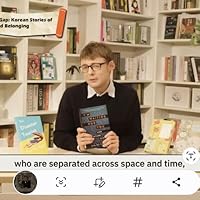
Watch my review on YouTube here - https://www.youtube.com/watch?v=PZdkv...
KBS Korea 24 @KBSKorea24
“On #KoreaBookClub, @BarryPWelsh shares "#TheRepublicofUzupis" by #Hailji, an unsettling, dreamlike story that follows a middle-aged man who arrives in Lithuania hoping to bury his father's ashes in the Republic of Uzupis - a land that may not even exist. #우주피스공화국 #하일지”
19:10-20:00 KST, Mon-Fri on KBS WORLD Radio.
Download the KBS Kong / KBS WORLD Radio Mobile apps or subscribe to the Korea 24 podcast for your daily updates!
#KBSWORLDRadio #KBS월드라디오 #Korea24 #코리아24 #책스타그램 #북스타그램 #bookstagram #book #reading #KoreanLiterature #한국문학 (https://lnkd.in/gxkU6aW)
“Today's selection for #KoreaBookClub was translated by the duo Bruce and Ju-Chan Fulton. To hear more about their journey as well as their latest project on #KimSoom's "#OneLeft," check out their interview from yesterday's #TouchBaseinSeoul here!” https://www.youtube.com/watch?v=d6TUw...
KBS Korea 24 @KBSKorea24
“On #KoreaBookClub, @BarryPWelsh shares "#TheRepublicofUzupis" by #Hailji, an unsettling, dreamlike story that follows a middle-aged man who arrives in Lithuania hoping to bury his father's ashes in the Republic of Uzupis - a land that may not even exist. #우주피스공화국 #하일지”
19:10-20:00 KST, Mon-Fri on KBS WORLD Radio.
Download the KBS Kong / KBS WORLD Radio Mobile apps or subscribe to the Korea 24 podcast for your daily updates!
#KBSWORLDRadio #KBS월드라디오 #Korea24 #코리아24 #책스타그램 #북스타그램 #bookstagram #book #reading #KoreanLiterature #한국문학 (https://lnkd.in/gxkU6aW)
“Today's selection for #KoreaBookClub was translated by the duo Bruce and Ju-Chan Fulton. To hear more about their journey as well as their latest project on #KimSoom's "#OneLeft," check out their interview from yesterday's #TouchBaseinSeoul here!” https://www.youtube.com/watch?v=d6TUw...

December 10, 2014
Haïlji's The Republic of Užupis (translated by Bruce and Ju-Chan Fulton) is a wonderful addition to my burgeoning K-Lit library, a novel much more experimental and western-influenced than most of what I've read before. The novel begins with an Asian man arriving in Lithuania, attempting to get past the rather tall guards at immigration. When asked if he plans to stay long in the country, his reply is rather unusual - he intends to depart within a day or so, as soon as he has worked out how to get to his intended destination.
So, where is he off to? Russia? Poland? Belarus? No... Hal, our inscrutable Oriental, is actually a native of a land which has just reclaimed its independence after decades under foreign control. His goal is the Republic of Užupis, the land of his birth, the home of the language he understands but can no longer speak. If only he could find someone who knows where his country is actually located...
The Republic of Užupis is a superb book, one-hundred-and-fifty pages of inventiveness, the story of a man trying to find a country which may not exist. It's full of a deliberately confusing series of events including encounters with strangers, beautiful women, tall men and lots of snow, geese and grandfather clocks (really). Trust me, it all makes some kind of sense (to the author, at least).
In Vilnius, there is a real Užupis (a semi-official micro-state), a place which inspires jokes from the locals, and the book acknowledges the real-life situation:
"The people of this city call this particular area Užupis - it means 'the other side of the river'. It is the most run-down area in Vilnius. As a joke, the struggling artists who live here began calling it the Republic of Užupis. They even wrote a Declaration of Independence and established April Fool's Day as their Independence Day."
pp.19/20 (Dalkey Archive Press, 2014)
This mock republic, however, is not the place Hal is looking for:
"That's interesting - a bogus Republic of Užupis. But where I'm going is not a joke, it's the actual Republic of Užupis." With that, Hal pulled the postcard from his pocket and displayed it. "This was mailed from the actual Republic of Užupis." (p.20)
Exiled for most of his life in the land of Han (a thinly-concealed Korea), where his father was an ambassador, all Hal has to guide him on his way is a suitcase with photos showing people and flags. Oh, and memories of the haunting anthem...
On the search for his elusive homeland, he heads onto the streets of Vilnius and is thrown straight into a whirlwind of parties and chance encounters. Just who are these 6' 6'' men he encounters (and seriously, what's with the obsession with the grandfather clocks...)? Eventually, he catches up with a woman he spotted during his first hours in Lithuania, the beautiful Jurgita, and hears about her involvement in the past with an Užupis man of Asian appearance. With time running out, will this chance connection show him the way home?
The Republic of Užupis is a short book, but it's one which throws up a million questions. Time loops around (this isn't a book to follow the laws of time and space), and over the course of his constant encounters with his new friends, the reader begins to suspect that they might actually be old ones. Everywhere Hal goes, he sees places he vaguely remembers, photos that look oddly familiar:
"In another photograph, taken in a study, people sat around a huge table engaged in conversation. The walls were lined with bookshelves packed with ancient tomes in ornate bindings. The walls to the right, as you looked at the photo, bore windows, the source of light for the scene. Prominent in the photo was the marble sculpture set between the windows, a bust of a man whose agonized face was cupped in his hands. The study was virtually identical to the room in which Hal now sat with Vladimir. But the three men failed to notice this." (p.38)
It's almost as if he keeps walking into another time, his memory failing to remind him that he's seen these things before...
The book is a superb look at the importance of home and the impossibility of reaching that different country, the past, and while Haïlji is a writer with his own style, a western reader would be hard pressed to read this novel without being reminded of Kafka. There's the snowy beginning, the aimless wandering through menacing streets, the large ramshackle houses, the cafés, the meandering corridors in government offices - all recounted in the writer's own calm, casual voice. The reader is never quite sure exactly what's happening - they're sure to enjoy it, nonetheless.
One of the keys to the novel is language. The Republic of Užupis is set in Lithuania, but as Hal doesn't know the language, much of the dialogue takes place in English (a story of our times...). However, as the book progresses, there are more occasions when Hal suddenly hears Užupis being spoken. He knows what's being said, but, having lost the ability to communicate in the language, he finds himself in the frustrating position of being unable to make himself understood. This miscommunication only adds to the difficulty of finally getting home...
All of the above makes for a clever, mind-bending book which will appeal to anyone who enjoys novels which require more than simple page-turning. It's superbly translated by the Fultons (which goes without saying), catching the slightly off-kilter tone and the unnatural conversations which often occur between people communicating in a third language. The Republic of Užupis is a book I want to reread when I find a few spare hours, and it's one I hope will get some decent recognition. Just as is the case with No One Writes Back and Pavane for a Dead Princess, this is a book which deserves to rise above the status of merely one work in the Library collection. Here's hoping it finds the audience it deserves :)
*****
This review first appeared on my blog, Tony's Reading List
So, where is he off to? Russia? Poland? Belarus? No... Hal, our inscrutable Oriental, is actually a native of a land which has just reclaimed its independence after decades under foreign control. His goal is the Republic of Užupis, the land of his birth, the home of the language he understands but can no longer speak. If only he could find someone who knows where his country is actually located...
The Republic of Užupis is a superb book, one-hundred-and-fifty pages of inventiveness, the story of a man trying to find a country which may not exist. It's full of a deliberately confusing series of events including encounters with strangers, beautiful women, tall men and lots of snow, geese and grandfather clocks (really). Trust me, it all makes some kind of sense (to the author, at least).
In Vilnius, there is a real Užupis (a semi-official micro-state), a place which inspires jokes from the locals, and the book acknowledges the real-life situation:
"The people of this city call this particular area Užupis - it means 'the other side of the river'. It is the most run-down area in Vilnius. As a joke, the struggling artists who live here began calling it the Republic of Užupis. They even wrote a Declaration of Independence and established April Fool's Day as their Independence Day."
pp.19/20 (Dalkey Archive Press, 2014)
This mock republic, however, is not the place Hal is looking for:
"That's interesting - a bogus Republic of Užupis. But where I'm going is not a joke, it's the actual Republic of Užupis." With that, Hal pulled the postcard from his pocket and displayed it. "This was mailed from the actual Republic of Užupis." (p.20)
Exiled for most of his life in the land of Han (a thinly-concealed Korea), where his father was an ambassador, all Hal has to guide him on his way is a suitcase with photos showing people and flags. Oh, and memories of the haunting anthem...
On the search for his elusive homeland, he heads onto the streets of Vilnius and is thrown straight into a whirlwind of parties and chance encounters. Just who are these 6' 6'' men he encounters (and seriously, what's with the obsession with the grandfather clocks...)? Eventually, he catches up with a woman he spotted during his first hours in Lithuania, the beautiful Jurgita, and hears about her involvement in the past with an Užupis man of Asian appearance. With time running out, will this chance connection show him the way home?
The Republic of Užupis is a short book, but it's one which throws up a million questions. Time loops around (this isn't a book to follow the laws of time and space), and over the course of his constant encounters with his new friends, the reader begins to suspect that they might actually be old ones. Everywhere Hal goes, he sees places he vaguely remembers, photos that look oddly familiar:
"In another photograph, taken in a study, people sat around a huge table engaged in conversation. The walls were lined with bookshelves packed with ancient tomes in ornate bindings. The walls to the right, as you looked at the photo, bore windows, the source of light for the scene. Prominent in the photo was the marble sculpture set between the windows, a bust of a man whose agonized face was cupped in his hands. The study was virtually identical to the room in which Hal now sat with Vladimir. But the three men failed to notice this." (p.38)
It's almost as if he keeps walking into another time, his memory failing to remind him that he's seen these things before...
The book is a superb look at the importance of home and the impossibility of reaching that different country, the past, and while Haïlji is a writer with his own style, a western reader would be hard pressed to read this novel without being reminded of Kafka. There's the snowy beginning, the aimless wandering through menacing streets, the large ramshackle houses, the cafés, the meandering corridors in government offices - all recounted in the writer's own calm, casual voice. The reader is never quite sure exactly what's happening - they're sure to enjoy it, nonetheless.
One of the keys to the novel is language. The Republic of Užupis is set in Lithuania, but as Hal doesn't know the language, much of the dialogue takes place in English (a story of our times...). However, as the book progresses, there are more occasions when Hal suddenly hears Užupis being spoken. He knows what's being said, but, having lost the ability to communicate in the language, he finds himself in the frustrating position of being unable to make himself understood. This miscommunication only adds to the difficulty of finally getting home...
All of the above makes for a clever, mind-bending book which will appeal to anyone who enjoys novels which require more than simple page-turning. It's superbly translated by the Fultons (which goes without saying), catching the slightly off-kilter tone and the unnatural conversations which often occur between people communicating in a third language. The Republic of Užupis is a book I want to reread when I find a few spare hours, and it's one I hope will get some decent recognition. Just as is the case with No One Writes Back and Pavane for a Dead Princess, this is a book which deserves to rise above the status of merely one work in the Library collection. Here's hoping it finds the audience it deserves :)
*****
This review first appeared on my blog, Tony's Reading List

April 6, 2015
"The black and white postcard showed a lake surrounding an ancient castle, from the steeple of which flew the flag of the Republic of Užupis. The grand castle was built of marble, and it rose against the backdrop of a snow-covered alpine range. Hal failed to notice it was the same postcard he had seen last night at the apartment of Jurgita in Vilnius."
우주피스 공화국 by 하일지 (Ha Il-ji) has been translated into English as The Republic of Užupis by the prolific, and praiseworthy, Fultons (Bruce and Ju-Chan).
It's a fascinating, if brief, work, with strong echoes of Karinthy's Metropole or Ishiguro's Unconsoled, and more classically Kafka's The Castle, but which contains a uniquely Korean perspective.
Hal, a visitor from the Asian country of Han, arrives in Lithuania in search of his ancestral homeland, the Republic of Užupis, which he seems to expect to find as a newly reformed independent state nestling somewhere between Lithunia and Belarus, only to encounter incomprehension.
The locals are bemused and at first assume Hal to be the author or victim of a joke. Užupis means "the other side of the river" in Lithuanian, and there is indeed a rundown district of Vilnius called Užupis, which the local artistic community jokingly self-declared as an independent Republic of Užupis, with for example April 1st (Fool's Day) as the national day. (NB this is indeed actually true outside of the novel http://en.wikipedia.org/wiki/U%C5%BEupis)
But it soon becomes clear that Hal is in search of a real place, with it's own language (which he finds he can understand when he encounters others speaking it) and with some, admittedly scant, tangible evidence such as the picture on the postcard in the opening quote and a family photograph. Some of those he encounters still treat Užupis as fantasy ("a medal in a photograph - now that's convincing!"), others claim to have lived there themselves, but most disturbingly he discovers he is not the first such visitor from Asia and that others have "wandered around Vilnius for a few days, saying they were going to the Republic of Užupis, and then they shot themselves."
But just as Hal seems to be getting somewhere, his existence takes on a more dream-like state. Certain encounters start to repeat - a mute man (or men - they may or may not be the same character) toting a grandfather clock on his back, an elderly farmer who carries a goose (ditto), a fog-induced cough that is treated by a jasmine-scented soup, and an inherited Montblanc pen and revolver which seems a common possession of those who claim Užupisian ancestry.
And some of the repeats are more than mere coincidence - identical copies of the family photo are in the possession of several characters, all of whom claim is as their own family. And, as per the opening quote, Hal seems to fail to recognise these repeated motives, despite having his own version of the postcard, which indeed, having a Vilnius postmark, bought him to Lithuania in the first place.
Even characters repeat - boys called Kornelius who want to become a basketball players and whose mothers claims their father to be the legendary (and long dead) Užupis poet Urbonas; a strikingly blond lady called Jurgita (but one is young and the other elderly) who has childhood memories from Užupis of presenting a bouquet to the national sporting hero, an Olympic marathon medallist.
As the story progresses, things become more circular - it seems that the earlier visitors were somehow Hal himself, and he may share their fate - a fortune teller prophecies to the middle-aged Hal "you are the grandfather of the holy maiden Jeanne d'Arc, that you will meet your granddaughter and she will be the saviour of your homeland."
Hal's country, Han, is clearly based on Korea, but the choice of the word Han (한) is key. 한 is a important, unique, and untranslatable Korean cultural concept, and the key to the novel.
To quote from D. Bannon's "Unique Korean Cultural Concepts in Interpersonal Relations":
"Han is sorrow caused by heavy suffering, injustice or persecution, a dull lingering ache in the soul. It is a blend of lifelong sorrow and resentment, neither more powerful than the other. Han is imbued with resignation, bitter acceptance and a grim determination to wait until vengeance can at last be achieved. Han is passive. It yearns for vengeance, but does not seek it. Han is held close to the heart, hoping and patient but never aggressive. It becomes part of the blood and breath of a person. There is a sense of lamentation and even of reproach toward the destiny that led to such misery."
The characters in the novel quote a number of Užupis poems by the national poet Urbonas (incidentally written in English by the author in the Korean original book) which illustrate the national psyche, similar to 한 (albeit more humorous). So it seems fitting to close my review with a Korean poem:
"서시" ("Prelude") by 윤동주 (Yoon Dong-Ju):
"죽는 날까지 하늘을 우러러
한 점 부끄럼이 없기를,
잎새에 이는 바람에도
나는 괴로워했다.
별을 노래하는 마음으로
모든 죽어 가는 것을 사랑해야지
그리고 나한테 주어진 길을
걸어가야겠다.
오늘밤에도 별에 바람이 스치운다."
"Let me have no shame
under heaven 'til I die.
Even wind in the leaves
pained my soul.
With a heart that sings of stars
I must love all dying things.
And I must walk the path
given to me.
Tonight also, the wind sweeps over the stars"
우주피스 공화국 by 하일지 (Ha Il-ji) has been translated into English as The Republic of Užupis by the prolific, and praiseworthy, Fultons (Bruce and Ju-Chan).
It's a fascinating, if brief, work, with strong echoes of Karinthy's Metropole or Ishiguro's Unconsoled, and more classically Kafka's The Castle, but which contains a uniquely Korean perspective.
Hal, a visitor from the Asian country of Han, arrives in Lithuania in search of his ancestral homeland, the Republic of Užupis, which he seems to expect to find as a newly reformed independent state nestling somewhere between Lithunia and Belarus, only to encounter incomprehension.
The locals are bemused and at first assume Hal to be the author or victim of a joke. Užupis means "the other side of the river" in Lithuanian, and there is indeed a rundown district of Vilnius called Užupis, which the local artistic community jokingly self-declared as an independent Republic of Užupis, with for example April 1st (Fool's Day) as the national day. (NB this is indeed actually true outside of the novel http://en.wikipedia.org/wiki/U%C5%BEupis)
But it soon becomes clear that Hal is in search of a real place, with it's own language (which he finds he can understand when he encounters others speaking it) and with some, admittedly scant, tangible evidence such as the picture on the postcard in the opening quote and a family photograph. Some of those he encounters still treat Užupis as fantasy ("a medal in a photograph - now that's convincing!"), others claim to have lived there themselves, but most disturbingly he discovers he is not the first such visitor from Asia and that others have "wandered around Vilnius for a few days, saying they were going to the Republic of Užupis, and then they shot themselves."
But just as Hal seems to be getting somewhere, his existence takes on a more dream-like state. Certain encounters start to repeat - a mute man (or men - they may or may not be the same character) toting a grandfather clock on his back, an elderly farmer who carries a goose (ditto), a fog-induced cough that is treated by a jasmine-scented soup, and an inherited Montblanc pen and revolver which seems a common possession of those who claim Užupisian ancestry.
And some of the repeats are more than mere coincidence - identical copies of the family photo are in the possession of several characters, all of whom claim is as their own family. And, as per the opening quote, Hal seems to fail to recognise these repeated motives, despite having his own version of the postcard, which indeed, having a Vilnius postmark, bought him to Lithuania in the first place.
Even characters repeat - boys called Kornelius who want to become a basketball players and whose mothers claims their father to be the legendary (and long dead) Užupis poet Urbonas; a strikingly blond lady called Jurgita (but one is young and the other elderly) who has childhood memories from Užupis of presenting a bouquet to the national sporting hero, an Olympic marathon medallist.
As the story progresses, things become more circular - it seems that the earlier visitors were somehow Hal himself, and he may share their fate - a fortune teller prophecies to the middle-aged Hal "you are the grandfather of the holy maiden Jeanne d'Arc, that you will meet your granddaughter and she will be the saviour of your homeland."
Hal's country, Han, is clearly based on Korea, but the choice of the word Han (한) is key. 한 is a important, unique, and untranslatable Korean cultural concept, and the key to the novel.
To quote from D. Bannon's "Unique Korean Cultural Concepts in Interpersonal Relations":
"Han is sorrow caused by heavy suffering, injustice or persecution, a dull lingering ache in the soul. It is a blend of lifelong sorrow and resentment, neither more powerful than the other. Han is imbued with resignation, bitter acceptance and a grim determination to wait until vengeance can at last be achieved. Han is passive. It yearns for vengeance, but does not seek it. Han is held close to the heart, hoping and patient but never aggressive. It becomes part of the blood and breath of a person. There is a sense of lamentation and even of reproach toward the destiny that led to such misery."
The characters in the novel quote a number of Užupis poems by the national poet Urbonas (incidentally written in English by the author in the Korean original book) which illustrate the national psyche, similar to 한 (albeit more humorous). So it seems fitting to close my review with a Korean poem:
"서시" ("Prelude") by 윤동주 (Yoon Dong-Ju):
"죽는 날까지 하늘을 우러러
한 점 부끄럼이 없기를,
잎새에 이는 바람에도
나는 괴로워했다.
별을 노래하는 마음으로
모든 죽어 가는 것을 사랑해야지
그리고 나한테 주어진 길을
걸어가야겠다.
오늘밤에도 별에 바람이 스치운다."
"Let me have no shame
under heaven 'til I die.
Even wind in the leaves
pained my soul.
With a heart that sings of stars
I must love all dying things.
And I must walk the path
given to me.
Tonight also, the wind sweeps over the stars"
July 2, 2014
On a freezing, snow-blowing, wind-howling, in other words typical Baltic winter night, a diffident seeming Asian man walks off a plane into Vilnius airport. From a country identified as Han, he has no visa for Lithuania, so is taken out of the passport queue to be interviewed. There he explains that he will not be remaining long in Lithuania as he is travelling to the Republic of Užupis, a statement which causes no end of merriment and confusion for the Border Police and most of the people from, university professors turned cab-driver, to artists, writers and hotel keepers, Mr Hal meets on his first days in Vilnius. The joke is that, while there is a self-proclaimed Republic of Užupis, a run-down neighbourhood of artists, drug-dealers and squats, it in no way resembles the old pictures our Mr Hal is showing them.
So begins this bizarre fairy-tale by the noted Korean writer and poet, Haïlji. The work is in part, the fruit of a long-standing friendship between Haïlji and the Lithuanian poet and critic, Kornelijus Platelis. Through several visits to Mr Platelis’ home in Vilnius, the Korean writer was introduced to and became interested in the difficult history of this Baltic country. He said in an interview in 2012, The Republic of Užupis was written as a kind of thank you for many years of friendship and support.
So, a man from a foreign and very different culture wanders around a dark winter Baltic landscape searching for a country that does and does not exist. He meets many people – several times over – often not recognising that he has met them before or seen a similar photo or artefact before. Does he in the end, find his Republic of Užupis? That is a question the reader will have to answer for herself.
Reading this, at times, I felt as if I had fallen down the rabbit hole of a totally new literary form: Asian-Baltic Magic realism. There are also strong overtones of one of my favourite writer’s more perplexing books. In The City and the City, the Marxist influenced writer, China Miéville creates a place, two places in fact, that exist, but not as we know them. The duality of these conjoined cities is the core of this strange book.
The country and area of Lithuania depicted in The Republic of Užupis is a place just digging itself out from 50 years of occupation by a perverted Marxist regime, the USSR. Nothing Mr Hal encounters is clear, and every other thing or person he meets is doubled or obscure. The country he seeks exists, but the people he meets know it as something else.
Most of you know that I live in Estonia, a country that side by side with the other Baltic States, Latvia and Lithuania, was enslaved after WWII by the Soviet Socialists. Today, the Baltic Republics, members of the EU and NATO are modern, bright, forward looking countries, with disgusting numbers of clueless yuppie-types in the bigger cities. But when I first arrived up here in the mid-1990’s, streets were darker than anything I had ever known, people were inward and suspicious, black figures against snowy landscapes readily set a suggestible mind to imagining all sorts of dire possibilities. For anyone interested in that period, Henning Mankell’s The Dogs of Riga, 1992, is another book that uses the post-Soviet environment as a major character in its development.
Not written until 2009, The Republic of Užupis, nonetheless also eloquently catches the otherworldly duality of post-Soviet Vilnius. The language is expressive, yet clear and straightforward, only the images and ideas are haunting and disturbing. The translation from Korean by Bruce and Ju-Chan Fulton is excellent, making readable poetry of the language I was pleased that I chose this from NetGalley to read and review. 5*****
So begins this bizarre fairy-tale by the noted Korean writer and poet, Haïlji. The work is in part, the fruit of a long-standing friendship between Haïlji and the Lithuanian poet and critic, Kornelijus Platelis. Through several visits to Mr Platelis’ home in Vilnius, the Korean writer was introduced to and became interested in the difficult history of this Baltic country. He said in an interview in 2012, The Republic of Užupis was written as a kind of thank you for many years of friendship and support.
So, a man from a foreign and very different culture wanders around a dark winter Baltic landscape searching for a country that does and does not exist. He meets many people – several times over – often not recognising that he has met them before or seen a similar photo or artefact before. Does he in the end, find his Republic of Užupis? That is a question the reader will have to answer for herself.
Reading this, at times, I felt as if I had fallen down the rabbit hole of a totally new literary form: Asian-Baltic Magic realism. There are also strong overtones of one of my favourite writer’s more perplexing books. In The City and the City, the Marxist influenced writer, China Miéville creates a place, two places in fact, that exist, but not as we know them. The duality of these conjoined cities is the core of this strange book.
The country and area of Lithuania depicted in The Republic of Užupis is a place just digging itself out from 50 years of occupation by a perverted Marxist regime, the USSR. Nothing Mr Hal encounters is clear, and every other thing or person he meets is doubled or obscure. The country he seeks exists, but the people he meets know it as something else.
Most of you know that I live in Estonia, a country that side by side with the other Baltic States, Latvia and Lithuania, was enslaved after WWII by the Soviet Socialists. Today, the Baltic Republics, members of the EU and NATO are modern, bright, forward looking countries, with disgusting numbers of clueless yuppie-types in the bigger cities. But when I first arrived up here in the mid-1990’s, streets were darker than anything I had ever known, people were inward and suspicious, black figures against snowy landscapes readily set a suggestible mind to imagining all sorts of dire possibilities. For anyone interested in that period, Henning Mankell’s The Dogs of Riga, 1992, is another book that uses the post-Soviet environment as a major character in its development.
Not written until 2009, The Republic of Užupis, nonetheless also eloquently catches the otherworldly duality of post-Soviet Vilnius. The language is expressive, yet clear and straightforward, only the images and ideas are haunting and disturbing. The translation from Korean by Bruce and Ju-Chan Fulton is excellent, making readable poetry of the language I was pleased that I chose this from NetGalley to read and review. 5*****

February 18, 2015
I try to read as much foreign literature as possible and yet there are many countries from which I haven't read anything. The Republic of Užupis is my first foray into Korean literature and I definitely will be continuing my exploration after such a promising start.
The Republic of Užupis is a fascinating novel. Although Goodreads calls it 'Murakami-esque', it reminded me a lot of Kafka and his convoluted narratives in which men go through the strangest experiences, surrounded by people who are at once understanding and rejecting. From the get go Haïlji twists your expectations by setting this novel in Lithuania rather than in Korea. As a Western reader this meant that the setting was both familiar and yet also strangely disconcerting. Haïlji demands for you to pay attention on each page, keep track of what happens and to whom because the story will otherwise make no sense. I enjoy these kinds of reads, where reading is, in some ways, a challenge because what you get out of the book is hard won and therefore feels more precious. Haïlji's narrative is one which constantly twists about and runs in circles. On the one hand it feels as if everything that happens is slightly familiar and yet every new twist is surprising and fascinating. None of the characters seems aware of what is happening and this brings realism to a narrative which is otherwise utterly absurd.
The author stirred controversy in Korea with his Racetrack-novels through the way in which he deals with the contradictions in life and this is something he also does in The Republic of Užupis. He offsets characters and situations against each other which seem utterly ridiculous and yet the reader can't help but feel that if the novel were narrated by one of the other characters their actions would make sense. A big theme throughout the whole novel is the idea of home and missing something that is impossible to find. When do you give up and stop hunting after something everyone tells you doesn't exist? As Han continues on his mad search for Užupis and the reader becomes more desperate to find out what the truth is, Haïlji makes it clear that maybe the truth doesn't matter. Is what Han believes to be true not more important than the actual truth? The Republic of Užupis is bound to leave you with a whole range of interesting questions and conversation starters. It might also make you want to visit Lithuania. I know I'm desperate for a hike through its snowy hills now.
This translation is from the Library of Korean Literature series — a joint venture between the Dalkey Archive Press and the Literature Translation Institute of Korea. Bruce and Ju-Chan Fulton do an amazing job at translating Haïlji's intricate fiction. There is no difficulty in their writing and the understanding of the story for a non-Korean. Haïlji's story feels nation- and time-less, as if it could happen everywhere at any point in history, present or future. The novel's strength, then, lies in exactly this. Han's search for his long lost country becomes personal to the reader and Han and Haïlji show that language and borders form no barriers for someone desperate to return home.
Haïlji's The Republic of Užupis is a singular book. By this I mean that I have read nothing like it before. Whereas Kafka's fiction is absurd to the extent that his characters can hardly be identified with, Haïlji infuses his characters with so much realism that the reader can't help but curse our strange world for dooming them so. I recommend this novel to anyone looking for a challenging and fun read. The Republic of Užupis is short, but it will stay with you for a long time.
Link: http://universeinwords.blogspot.co.uk...
The Republic of Užupis is a fascinating novel. Although Goodreads calls it 'Murakami-esque', it reminded me a lot of Kafka and his convoluted narratives in which men go through the strangest experiences, surrounded by people who are at once understanding and rejecting. From the get go Haïlji twists your expectations by setting this novel in Lithuania rather than in Korea. As a Western reader this meant that the setting was both familiar and yet also strangely disconcerting. Haïlji demands for you to pay attention on each page, keep track of what happens and to whom because the story will otherwise make no sense. I enjoy these kinds of reads, where reading is, in some ways, a challenge because what you get out of the book is hard won and therefore feels more precious. Haïlji's narrative is one which constantly twists about and runs in circles. On the one hand it feels as if everything that happens is slightly familiar and yet every new twist is surprising and fascinating. None of the characters seems aware of what is happening and this brings realism to a narrative which is otherwise utterly absurd.
The author stirred controversy in Korea with his Racetrack-novels through the way in which he deals with the contradictions in life and this is something he also does in The Republic of Užupis. He offsets characters and situations against each other which seem utterly ridiculous and yet the reader can't help but feel that if the novel were narrated by one of the other characters their actions would make sense. A big theme throughout the whole novel is the idea of home and missing something that is impossible to find. When do you give up and stop hunting after something everyone tells you doesn't exist? As Han continues on his mad search for Užupis and the reader becomes more desperate to find out what the truth is, Haïlji makes it clear that maybe the truth doesn't matter. Is what Han believes to be true not more important than the actual truth? The Republic of Užupis is bound to leave you with a whole range of interesting questions and conversation starters. It might also make you want to visit Lithuania. I know I'm desperate for a hike through its snowy hills now.
This translation is from the Library of Korean Literature series — a joint venture between the Dalkey Archive Press and the Literature Translation Institute of Korea. Bruce and Ju-Chan Fulton do an amazing job at translating Haïlji's intricate fiction. There is no difficulty in their writing and the understanding of the story for a non-Korean. Haïlji's story feels nation- and time-less, as if it could happen everywhere at any point in history, present or future. The novel's strength, then, lies in exactly this. Han's search for his long lost country becomes personal to the reader and Han and Haïlji show that language and borders form no barriers for someone desperate to return home.
Haïlji's The Republic of Užupis is a singular book. By this I mean that I have read nothing like it before. Whereas Kafka's fiction is absurd to the extent that his characters can hardly be identified with, Haïlji infuses his characters with so much realism that the reader can't help but curse our strange world for dooming them so. I recommend this novel to anyone looking for a challenging and fun read. The Republic of Užupis is short, but it will stay with you for a long time.
Link: http://universeinwords.blogspot.co.uk...

December 20, 2014
Dalkey Archive have release fifteen works as part of the “Library of Korean Literature” the latest being “The Republic of Uzupis” by Haijli. Haijli graduated from Chung-Ang University with a degree in Creative Writing and left Korea at age 28 to study in France. He has published poetry in both English and French and has twelve published novels in Korea where he now works as a professor in Seoul, at the University of Donguk.
Our novel opens with our protagonist Hal (is this a reference to HAL, the sentient computer from “2001: A Space Odyssey”?) . arriving in Lithuania and explaining to the immigration officials that he is there to visit “The Republic of Uzupis”. To his amazement he is given 48 hours on his Visa and told he has to report to the Ministry of Foreign Affairs if he wants to stay longer. He finds a taxi only to be informed that the Republic of Uzupis cannot be found, he is eventually dropped at the Hotel Uzupis. A mysterious gathering accept Hal into their fold and he is informed that nobody knows how the place received its name, but that it is over 200 years old as Napoleon stopped there on his way to invade Russia.
For my full review go to http://messybooker.blogspot.com
Our novel opens with our protagonist Hal (is this a reference to HAL, the sentient computer from “2001: A Space Odyssey”?) . arriving in Lithuania and explaining to the immigration officials that he is there to visit “The Republic of Uzupis”. To his amazement he is given 48 hours on his Visa and told he has to report to the Ministry of Foreign Affairs if he wants to stay longer. He finds a taxi only to be informed that the Republic of Uzupis cannot be found, he is eventually dropped at the Hotel Uzupis. A mysterious gathering accept Hal into their fold and he is informed that nobody knows how the place received its name, but that it is over 200 years old as Napoleon stopped there on his way to invade Russia.
For my full review go to http://messybooker.blogspot.com

October 28, 2014
This quirky but thought-provoking short novel tells of Hal, a middle-aged man who leaves Asia and travels to Lithuania in search of the land of his birth, the Republic of Uzupis. He discovers that there is indeed such a Republic, but it turns out to be merely the artistic and bohemian quarter of Vilnius, which declared its independence in 1997. This is hardly the homeland he is searching for. So his quest continues and he meets an array of often puzzling characters who help, or perhaps hinder him, on his journey.
Another reviewer has called the book Asian-Lithuanian Magic Realism – and that seems to sum it up quite well. What’s real and what isn’t, the very existence of Hal’s homeland, the nature of the people he meets – all is open to question and interpretation. Is he searching for a real place or a place of the imagination? Does it matter?
It’s an atmospheric and sometimes disturbing tale, and one which I found strangely compelling. Thanks to Netgalley I’ve discovered some very interesting Korean books and authors and this is certainly the one that has intrigued me the most. Recommended.
Another reviewer has called the book Asian-Lithuanian Magic Realism – and that seems to sum it up quite well. What’s real and what isn’t, the very existence of Hal’s homeland, the nature of the people he meets – all is open to question and interpretation. Is he searching for a real place or a place of the imagination? Does it matter?
It’s an atmospheric and sometimes disturbing tale, and one which I found strangely compelling. Thanks to Netgalley I’ve discovered some very interesting Korean books and authors and this is certainly the one that has intrigued me the most. Recommended.

November 7, 2015
Hal ze země Han (*ehm*Korea*ehm*) přijíždí do zasněžené Litvy za hledáním své ztracené rodné země Užupis. V ledové zimě bloudí uličkami města, poznává se s lidmi a zjišťuje, co se s jeho domovinou stalo. Tedy aspoň by rád, ale setkává se pouze s výsměchem, smutnými pohledy, či popíráním existence podobného státu. Ve snové realitě muže v cizí zemi se tak motá do klubka nití, které mu jeví jeho vlastní osud, aniž by byl schopný uzly rozmotat.
Musím přiznat, že ze začátku jsem byla z knihy nadšená. Následně se mé nadšení přelilo do nevěřícného uchechtávání nad autorem za doprovodu názoru "to musí dopadnout takhle a ten člověk potřebuje zapracovat na psaní." Naštěstí mne pár následujících kapitol uhodilo do tváře a já si vyjasnila, že vše v knize bylo naprosto záměrně, já byla úplně mimo obraz a potřebovala bych víc. Bohužel, internet mi o autorovi nic neřekl, natož o dalších jeho dílech a tak snad sáhnu v momentu potřeby podobné literatury po Sto letech samoty nebo Kafkovi, tedy klasikách.
Musím přiznat, že ze začátku jsem byla z knihy nadšená. Následně se mé nadšení přelilo do nevěřícného uchechtávání nad autorem za doprovodu názoru "to musí dopadnout takhle a ten člověk potřebuje zapracovat na psaní." Naštěstí mne pár následujících kapitol uhodilo do tváře a já si vyjasnila, že vše v knize bylo naprosto záměrně, já byla úplně mimo obraz a potřebovala bych víc. Bohužel, internet mi o autorovi nic neřekl, natož o dalších jeho dílech a tak snad sáhnu v momentu potřeby podobné literatury po Sto letech samoty nebo Kafkovi, tedy klasikách.
This entire review has been hidden because of spoilers.
April 4, 2021
Puiki knyga, pilna neatsakytų klausimų, slendinčių užburtame laiko rate. Sužavėjo visas siužetas, rašymo stilius ir pabaiga.

September 22, 2021
HAILJI “UŽUPIO RESPUBLIKA” 2,5-3,5/ 5
Lietuvos rašytojų sąjungos leidykla
2012 m.
231 psl.
“ — Jei pasakysite “užupis” Prancūzijoje, visi supras, kad tai yra ou je piss, tai yra vieta, kur šlapinuosi. Taigi tai tualetas.” P. 55
“Noriu pasakyti, kad kai kurie dalykai egzistuoja, ar aš tikėčiau jais, ar ne. Taip pat ir mano tėvynė Užupio respublika.” P. 88
“Ar tik nebus taip, kad žmonės tampa skirtingi dėl skirtingų prisiminimų?” P. 89
Pietų Korėjos rašytojas Hailji (tariasi Haildži, tikrasis vardas Rim Jong Joo) gimė 1955 m. Kyungju, studijavo kūrybinį rašymą Seulo Chungango universitete, įgijo prancūzų literatūros magistro laipsnį Puatjė ir daktaro laipsnį Limožo universitetuose Prancūzijoje. Šiuo metu yra profesorius Seulo Donduko moterų universitete, dėsto kūrybinį rašymą. Pirmą kartą apsilankė Lietuvoje 2000 m. sausio 3 dieną, kur tą kartą 5 dienas, kaip teigė “klajojau po jūsų šaltą, snieguotą šalį, ji man paliko didžiulį įspūdį ir įkvėpė parašyti romaną.” Korėjoje “UŽUPIO RESPUBLIKA” išėjo 2009 metais.
Romane, kuris parašytas dar 2009 m., pasakojama, kaip azijietis Halas iš Hano per Amsterdamo oro uostą atskrenda į Vilnių, Lietuvą tik tam, kad galėtų iš čia lengvai surasti kelią į Užupio respubliką, iš kurios yra kilęs. Kaip pasakoja Halas, jo tėtis buvo Užupio respublikos ambasadorius Hane, ir per tą laiką jo tėvynė Užupis buvo okupuotas aplinkinių valstybių. “Tėtis nebegalėjo grįžti į Užupį ir jam nieko daugiau neliko — tik gyventi Hane kaip pabėgėliui. Bet dabar mano tėvynė Užupis atgavo nepriklausomybę. Todėl ir bandau ten grįžti.” P. 27-28. Sutikti veikėjai ir juokais, ir piktai, ir beviktiškai bando įtikinti, kad čia tokios nėra. Ar kalbama apie tą Užupio mikrorajoną? Ne, tai daug didesnė respublika. “Seniau Užupio respublika buvo didelė šalis su sena istorija. Apie tai galima spręsti iš to, kad ne tik Lietuvoje, Latvijoje ar Estijoje, bet ir Lenkijoje, Rumunijoje, Baltarusijoje, netgi Ukrainos pietvakariuose — visur randami Užupio respublikos archeologiniai radiniai.” P. 43. Ši šalis turėjusi savo prezidentą, vėliavą, himną, užupiečių kalbą, papročius, kariuomenę. Besiblaškydamas tarp turimų užuominų, sutiktų žmonių pasakojimų Halas atsiduria tarsi užburtame rate, kur tam tikri elementai cikliškai kartojasi. O skaitytojas pajunta, kad tai lyg siužeto déjà vu. Tai visgi, ar Halas iš Huno atras savo tėvynę Užupį ir kaip viskas bus? Skaitytojas viską, o gal nieko ir nesupras užvertęs kraštinįjį knygos puslapį.
Skaitai ir galvoji, kad čia viską sapnuoji?… O perskaitę knyga vis dar kažkurį laiką jaučiatės lyg vis dar mąstote apie knygą ir jos poveikį. Tokį ir keistą, ir absurdišką, ir miglotą, mistišką, keistą, absurdišką, keistą… Bet rašymo stilius ir gebėjimas taip sukurpti istoriją išties primena filmo scenarijų. „Užupio respublika“ iš pradžių ir buvo sukurta kaip scenarijus kino filmui, o tik vėliau tapo romanu. Labai aiškus šis momentas skaitant knygą. Nes ji išties tokia, lyg sėdėtum ir žiūrėtum itin mistifikuoto scenarijaus kino filmą, ir jaustum aplink kaustantį Lietuvišką speigą, šaltą žiemą, pūgą, matytum ūkaną, belapius medžius. Nuo šalčio liptų blakstienos. Momentais, skaitydama knygą atrodė, kad viskas aišku ir suprantama, tačiau jau po poros puslapių šis suvokimas būna taip sujautas, chaotiškas, nauji pasakojimai ir nauji įsiveržę į siužetą herojai sutirština veiksmą, nukreipia ja kita linkme. Rodos, vėl stovi labirinto, skendinčio milžiniškame šaltyje ir ūkanose, pradžioje. Toks virsmas, kad lyg ir seki, supranti, po to vėl atsiduri sumaištyje iš pradžių erzino, ypač pradžioje lėtai tempiamas “tai kurgi yra ta Užupio respublika?” arba “ar Užupio respublika išvis yra?” svarstymas ir ieškojimas atsakymų. Knyga įgavo pagreitį, o su juo ir mano susidomėjimas augo maždaug nuo antro knygos trečdalio. Tačiau irgi taip su properšom, nes kai kurios detalės man atrodė tokios nereikalingos, nes ir be jų knyga buvo stipri. Nors ir tokia, kai pagalvoji, užtenka ir pasiimti knygą iš bibliotekos. Man šiaip pirmoji perskaityta šio rašytojo knyga “Parodymai” patiko labiau.
Tai knyga romanas, kuriame labiau nei realybė sukasi sapniškas, siurrealistinis veiksmas. Nuolat keičiasi laikas, iš praeities į ateitį, vėl atgal, pirmyn, atgal, o kur dabartis ir ar tai išties vyko/ vyksta yra klausimas ir interpretacijos variantas. Ką patiko atrasti šioje siurrealistinėje “aka Dali-drobėje” tai tokie “out of box” simboliai, kaip nei iš tio nei iš to pasirodantis žmogus, nešantis sieninį laikrodį, Olimpinis sportininkas vėliau besinešiojantis žąsį, arba pilnas namas kregždžių. Kaip pats Hailji sako: Tai lyg koks magiškas ženklas, tarsi nurodantis duris į kitą tikrovę. Dažnai naudojuosi panašiais ženklais savo romanuose, kino filmuose, eilėraščiuose bei paveiksluose. Jie kelia susidomėjimą, kartais šypseną, kuria paslapties atmosferą, o svarbiausia – skatina suvokėją mąstyti patį, atkoduoti metaforas.” Medžiaga iš https://literaturairmenas.lt/publicis... Tad skaitydama ir bandžiau sau sukurti atkodavimo metaforas, rasti raktus. O skirtingiems skaitytojams šios metaforos piešia skirtingus paveikslus. Tad įdomi ta skaitymo kelionė buvo. Kad ir niūri, tamsoka, kartais erzinanti, ištęsta, su daug klaustukų, bet nekvestionuojamai verčianti jaustis taip, lyg spręstum sudėtingus sudoku kryžiažodžius.
Tad giliąja prasme mąstant, ši knyga galėjo būti ir svarstymai apie savo tautybę, pilietiškumą, savo autentiškumo paieškas, šaknis, tėvynę, priklausymą tam tikrai grupei, tautai, tautos istorijai, apie ieškojimą to, ko kiti sako nesant/ neegzistuojant, bet pats jauti, kad yra kitaip. Tačiau žinant faktą, kad pats kūrybinio rašymo profesorius, rašytojas, poetas teigia, “I’m not a very serious man,” teigęs knygos pristatymo renginyje at the Korean Cultural Centre 2014 m. lapkričio 4 d., galima ir kitaip žvelgti į romaną “Užupio respublika.” Pasakodamas apie savo rašymo būdą, jis prisipažino, jog pasijuto daug lengviau atradęs faktą, kad ir Picasso turėjo labai panašų darbo stilių. Medžiaga iš https://londonkoreanlinks.net/2014/12... Tad giliai analizuoti ar reiktų ar nereiktų lieka kiekvieno skaitytojo reikalas. O juk svarbiausia yra pati skaitymo patirtis ir iš viso to kylančios mintys.
Lietuvos rašytojų sąjungos leidykla
2012 m.
231 psl.
“ — Jei pasakysite “užupis” Prancūzijoje, visi supras, kad tai yra ou je piss, tai yra vieta, kur šlapinuosi. Taigi tai tualetas.” P. 55
“Noriu pasakyti, kad kai kurie dalykai egzistuoja, ar aš tikėčiau jais, ar ne. Taip pat ir mano tėvynė Užupio respublika.” P. 88
“Ar tik nebus taip, kad žmonės tampa skirtingi dėl skirtingų prisiminimų?” P. 89
Pietų Korėjos rašytojas Hailji (tariasi Haildži, tikrasis vardas Rim Jong Joo) gimė 1955 m. Kyungju, studijavo kūrybinį rašymą Seulo Chungango universitete, įgijo prancūzų literatūros magistro laipsnį Puatjė ir daktaro laipsnį Limožo universitetuose Prancūzijoje. Šiuo metu yra profesorius Seulo Donduko moterų universitete, dėsto kūrybinį rašymą. Pirmą kartą apsilankė Lietuvoje 2000 m. sausio 3 dieną, kur tą kartą 5 dienas, kaip teigė “klajojau po jūsų šaltą, snieguotą šalį, ji man paliko didžiulį įspūdį ir įkvėpė parašyti romaną.” Korėjoje “UŽUPIO RESPUBLIKA” išėjo 2009 metais.
Romane, kuris parašytas dar 2009 m., pasakojama, kaip azijietis Halas iš Hano per Amsterdamo oro uostą atskrenda į Vilnių, Lietuvą tik tam, kad galėtų iš čia lengvai surasti kelią į Užupio respubliką, iš kurios yra kilęs. Kaip pasakoja Halas, jo tėtis buvo Užupio respublikos ambasadorius Hane, ir per tą laiką jo tėvynė Užupis buvo okupuotas aplinkinių valstybių. “Tėtis nebegalėjo grįžti į Užupį ir jam nieko daugiau neliko — tik gyventi Hane kaip pabėgėliui. Bet dabar mano tėvynė Užupis atgavo nepriklausomybę. Todėl ir bandau ten grįžti.” P. 27-28. Sutikti veikėjai ir juokais, ir piktai, ir beviktiškai bando įtikinti, kad čia tokios nėra. Ar kalbama apie tą Užupio mikrorajoną? Ne, tai daug didesnė respublika. “Seniau Užupio respublika buvo didelė šalis su sena istorija. Apie tai galima spręsti iš to, kad ne tik Lietuvoje, Latvijoje ar Estijoje, bet ir Lenkijoje, Rumunijoje, Baltarusijoje, netgi Ukrainos pietvakariuose — visur randami Užupio respublikos archeologiniai radiniai.” P. 43. Ši šalis turėjusi savo prezidentą, vėliavą, himną, užupiečių kalbą, papročius, kariuomenę. Besiblaškydamas tarp turimų užuominų, sutiktų žmonių pasakojimų Halas atsiduria tarsi užburtame rate, kur tam tikri elementai cikliškai kartojasi. O skaitytojas pajunta, kad tai lyg siužeto déjà vu. Tai visgi, ar Halas iš Huno atras savo tėvynę Užupį ir kaip viskas bus? Skaitytojas viską, o gal nieko ir nesupras užvertęs kraštinįjį knygos puslapį.
Skaitai ir galvoji, kad čia viską sapnuoji?… O perskaitę knyga vis dar kažkurį laiką jaučiatės lyg vis dar mąstote apie knygą ir jos poveikį. Tokį ir keistą, ir absurdišką, ir miglotą, mistišką, keistą, absurdišką, keistą… Bet rašymo stilius ir gebėjimas taip sukurpti istoriją išties primena filmo scenarijų. „Užupio respublika“ iš pradžių ir buvo sukurta kaip scenarijus kino filmui, o tik vėliau tapo romanu. Labai aiškus šis momentas skaitant knygą. Nes ji išties tokia, lyg sėdėtum ir žiūrėtum itin mistifikuoto scenarijaus kino filmą, ir jaustum aplink kaustantį Lietuvišką speigą, šaltą žiemą, pūgą, matytum ūkaną, belapius medžius. Nuo šalčio liptų blakstienos. Momentais, skaitydama knygą atrodė, kad viskas aišku ir suprantama, tačiau jau po poros puslapių šis suvokimas būna taip sujautas, chaotiškas, nauji pasakojimai ir nauji įsiveržę į siužetą herojai sutirština veiksmą, nukreipia ja kita linkme. Rodos, vėl stovi labirinto, skendinčio milžiniškame šaltyje ir ūkanose, pradžioje. Toks virsmas, kad lyg ir seki, supranti, po to vėl atsiduri sumaištyje iš pradžių erzino, ypač pradžioje lėtai tempiamas “tai kurgi yra ta Užupio respublika?” arba “ar Užupio respublika išvis yra?” svarstymas ir ieškojimas atsakymų. Knyga įgavo pagreitį, o su juo ir mano susidomėjimas augo maždaug nuo antro knygos trečdalio. Tačiau irgi taip su properšom, nes kai kurios detalės man atrodė tokios nereikalingos, nes ir be jų knyga buvo stipri. Nors ir tokia, kai pagalvoji, užtenka ir pasiimti knygą iš bibliotekos. Man šiaip pirmoji perskaityta šio rašytojo knyga “Parodymai” patiko labiau.
Tai knyga romanas, kuriame labiau nei realybė sukasi sapniškas, siurrealistinis veiksmas. Nuolat keičiasi laikas, iš praeities į ateitį, vėl atgal, pirmyn, atgal, o kur dabartis ir ar tai išties vyko/ vyksta yra klausimas ir interpretacijos variantas. Ką patiko atrasti šioje siurrealistinėje “aka Dali-drobėje” tai tokie “out of box” simboliai, kaip nei iš tio nei iš to pasirodantis žmogus, nešantis sieninį laikrodį, Olimpinis sportininkas vėliau besinešiojantis žąsį, arba pilnas namas kregždžių. Kaip pats Hailji sako: Tai lyg koks magiškas ženklas, tarsi nurodantis duris į kitą tikrovę. Dažnai naudojuosi panašiais ženklais savo romanuose, kino filmuose, eilėraščiuose bei paveiksluose. Jie kelia susidomėjimą, kartais šypseną, kuria paslapties atmosferą, o svarbiausia – skatina suvokėją mąstyti patį, atkoduoti metaforas.” Medžiaga iš https://literaturairmenas.lt/publicis... Tad skaitydama ir bandžiau sau sukurti atkodavimo metaforas, rasti raktus. O skirtingiems skaitytojams šios metaforos piešia skirtingus paveikslus. Tad įdomi ta skaitymo kelionė buvo. Kad ir niūri, tamsoka, kartais erzinanti, ištęsta, su daug klaustukų, bet nekvestionuojamai verčianti jaustis taip, lyg spręstum sudėtingus sudoku kryžiažodžius.
Tad giliąja prasme mąstant, ši knyga galėjo būti ir svarstymai apie savo tautybę, pilietiškumą, savo autentiškumo paieškas, šaknis, tėvynę, priklausymą tam tikrai grupei, tautai, tautos istorijai, apie ieškojimą to, ko kiti sako nesant/ neegzistuojant, bet pats jauti, kad yra kitaip. Tačiau žinant faktą, kad pats kūrybinio rašymo profesorius, rašytojas, poetas teigia, “I’m not a very serious man,” teigęs knygos pristatymo renginyje at the Korean Cultural Centre 2014 m. lapkričio 4 d., galima ir kitaip žvelgti į romaną “Užupio respublika.” Pasakodamas apie savo rašymo būdą, jis prisipažino, jog pasijuto daug lengviau atradęs faktą, kad ir Picasso turėjo labai panašų darbo stilių. Medžiaga iš https://londonkoreanlinks.net/2014/12... Tad giliai analizuoti ar reiktų ar nereiktų lieka kiekvieno skaitytojo reikalas. O juk svarbiausia yra pati skaitymo patirtis ir iš viso to kylančios mintys.

June 15, 2014
"Memories are like fields of dusk: the ones in the distance are the first to disappear" - so ends this rather unfortunately short novel. Even though the quote isn't really the highest literature I have ever read, it does tell about the main theme - time. Without going into long analysis, and it's probably just my main preoccupation these days talking (namely Deleuze), the novel tries to deal with the ungrounding force of the time which produces the simulacra in the wake of "cracked" subject through the themes of the country, language and a people that does not (quite) exist as well as the eternal reoccurence of the same (circularity of familial relations of characters) that is the time/difference itself.
June 24, 2020
Like a nostalgic Inception, with a slight aftertaste of existential dread.
Btw, minor spoiler for the very beginning of the book,
everyone in Lithuania knows about Užupis. They might have been confused because of the photograph, but the airport attendant at the beginning has no excuse
Btw, minor spoiler for the very beginning of the book,
everyone in Lithuania knows about Užupis. They might have been confused because of the photograph, but the airport attendant at the beginning has no excuse

July 6, 2025
*3,5 takhle, opět je ta kniha podhodnocena.
Ale myslím si, že v česku nemá moc šancí k tomu, aby se uchytila nebo nějak zaujala. Je to tak trochu divnokniha. Možná i více než trochu. Autor je Korejec a knihu zasadil do Vilniusu hlavního města Litvy, kde je skutečně Užupis, což je umělecká čtvrť takové umělecké místo. Je to ale na pozadí a takovém uměleckém zpracování toho, co vzniklo v Rusku, bývalé státy Ruska, jak je to poznamenalo a jak je poznamenalo to, že je násilně přemístili do jiných států, kdy se 20 let nemohli vrátit na místo, odkud pocházeli. Pak ho takto hledali. Byli vykořenění. Neměli jazyk. Je to taková zajímavá směska Korejského autora, který studoval Francouzštinu a dost jasně zná problematiku ruských republik. Ten styl se podobá i jim. A ano, mám pravdu, dohledala jsem si, jestli se mi to zdálo ten pocit, ale je to přesně o tom, to vykořenění těch lidí, které přehodili ze státu do státu, měli zakázáno se přitom vrátit do původní domoviny, byť to bylo součástí Ruska, třeba ta rodina měla zákaz na 20 let a jazyk měli rovněž zakázaný, děti byly tímto vykořeněné a pracně hledaly své původní domovy a týká se to nejen Litevců, Bělorusů, Ukrajinců, Moldavanů ...a dalších, ale také i oněch Korejců, kteří se dostali díky tomu do Kazachstánu, Uzbekistánu.
Jenže... jenže pokud se o toto téma nezajímáte, nemáte načteno, něco už o této problematice nevíte, asi to pro vás bude podivná kniha, kde si to, co je v ní psáno, nedáte dohromady. A tu si myslím, že vzniklo to nízké hodnocení. Tahle kniha není mainstreamová. Je to kniha pro fajnšmekry.
Ale myslím si, že v česku nemá moc šancí k tomu, aby se uchytila nebo nějak zaujala. Je to tak trochu divnokniha. Možná i více než trochu. Autor je Korejec a knihu zasadil do Vilniusu hlavního města Litvy, kde je skutečně Užupis, což je umělecká čtvrť takové umělecké místo. Je to ale na pozadí a takovém uměleckém zpracování toho, co vzniklo v Rusku, bývalé státy Ruska, jak je to poznamenalo a jak je poznamenalo to, že je násilně přemístili do jiných států, kdy se 20 let nemohli vrátit na místo, odkud pocházeli. Pak ho takto hledali. Byli vykořenění. Neměli jazyk. Je to taková zajímavá směska Korejského autora, který studoval Francouzštinu a dost jasně zná problematiku ruských republik. Ten styl se podobá i jim. A ano, mám pravdu, dohledala jsem si, jestli se mi to zdálo ten pocit, ale je to přesně o tom, to vykořenění těch lidí, které přehodili ze státu do státu, měli zakázáno se přitom vrátit do původní domoviny, byť to bylo součástí Ruska, třeba ta rodina měla zákaz na 20 let a jazyk měli rovněž zakázaný, děti byly tímto vykořeněné a pracně hledaly své původní domovy a týká se to nejen Litevců, Bělorusů, Ukrajinců, Moldavanů ...a dalších, ale také i oněch Korejců, kteří se dostali díky tomu do Kazachstánu, Uzbekistánu.
Jenže... jenže pokud se o toto téma nezajímáte, nemáte načteno, něco už o této problematice nevíte, asi to pro vás bude podivná kniha, kde si to, co je v ní psáno, nedáte dohromady. A tu si myslím, že vzniklo to nízké hodnocení. Tahle kniha není mainstreamová. Je to kniha pro fajnšmekry.
This entire review has been hidden because of spoilers.

July 30, 2020
ne romanas, bet pjesė ant scenos - dalykai nenuspėjamai grįžta, veiksmas vystomas su tuo, kas jau yra.
ar maloni ta pjesė apie užupį ir lietuvos apylinkes? taip. ar veikėjai elgiasi bei bendrauja tikroviškai? hmmm.
visa tai ir primena padavimą arba sapną. žmonės kalba ir aiškina dalykus, bet visuma yra neapčiuopiama, pilnai nepaaiškinama.
man patiko naujas žvilgsnis į užupį ir ilgesinga jo paieška, vilniaus gatvės ir bedidėjantis jų mistikos kiekis. haïlji kviečia atrast užupį ten, kur teka ne vanduo, o užsilikęs ne dumblas.
ar maloni ta pjesė apie užupį ir lietuvos apylinkes? taip. ar veikėjai elgiasi bei bendrauja tikroviškai? hmmm.
visa tai ir primena padavimą arba sapną. žmonės kalba ir aiškina dalykus, bet visuma yra neapčiuopiama, pilnai nepaaiškinama.
man patiko naujas žvilgsnis į užupį ir ilgesinga jo paieška, vilniaus gatvės ir bedidėjantis jų mistikos kiekis. haïlji kviečia atrast užupį ten, kur teka ne vanduo, o užsilikęs ne dumblas.

April 5, 2018
Nors gal knygos mintis ir įdomi, pats pasakojimas nuobodokas ir kartais per daug paaiškinamos akivaizdžios detalės, kartu visiškai nepaaiškinant mistinių siužeto pokyčių.
September 10, 2024
jau pamirsau
September 27, 2024
2,5⭐️
Atrodo ciklinis, labai pasikartojantis kūrinys. Pavargau skaityt tą patį per tą patį. Lyg prastas sapnas. Veikejai neišvystyti ir varginantys, nenuovokūs.
Atrodo ciklinis, labai pasikartojantis kūrinys. Pavargau skaityt tą patį per tą patį. Lyg prastas sapnas. Veikejai neišvystyti ir varginantys, nenuovokūs.

July 17, 2026
Should have marked it as “Read” ages ago. Take my rating with a grain of salt.
Read
January 29, 2016Forced myself to finish this book. In the end I enjoyed the idea. Didn't enjoy so much the execution.
Somewhere I read a review comparing Ha Il Ji to Murakami and Kafka. I compare him more to Calvino.
Not sure I liked the translation, but since I don't read Korean I have no idea if the translation or the original is where the fault in execution lay.
Would like to talk to someone who has read both the Korean original and the English translation.
Somewhere I read a review comparing Ha Il Ji to Murakami and Kafka. I compare him more to Calvino.
Not sure I liked the translation, but since I don't read Korean I have no idea if the translation or the original is where the fault in execution lay.
Would like to talk to someone who has read both the Korean original and the English translation.

March 18, 2016
Nerišlūs ir nelogiški kliedesiai. Net nejuokinga. Ryžtingai nerekomenduoju.

June 11, 2014
O tada...pasidarė aišku, kad tai šlamštas.
Displaying 1 - 22 of 22 reviews