

What do you think?

Mes amis
A young man leaves behind more than he realizes to follow his passions in this major, luminous novel of friendship, family, and the unthinkable realities of exile from the Pulitzer Prize-winning author of The Return.
The trick time plays is to lull us into the belief that everything lasts forever, and although nothing does, we continue, inside our dream.
One evening, as a young boy growing up in Benghazi, Khaled hears a bizarre short story read aloud on the radio and has the sense that his life has been changed forever. Obsessed by the power of those words—and by their enigmatic author, Hosam Zawa—Khaled eventually embarks on a journey that will take him far from home, to pursue a life of the mind at the University of Edinburgh.
There, thrust into an open society that is light years away from the world he knew in Libya, Khaled begins to change. He attends a protest against the Qaddafi regime in London, only to watch it explode in tragedy. In a flash, Khaled finds himself injured, clinging to life, an exile, unable to leave England. To even tell his mother and father back home what he has done, on tapped phone lines, would mark them for death.
When a chance encounter in a hotel brings Khaled face to face with Hosam Zawa, the author of the fateful short story, he is subsumed into the deepest friendship of his life. It is a friendship that not only sustains him, but eventually forces him, as the Arab Spring erupts, to confront agonizing tensions between revolution and safety, family and exile, and how to define his own sense of self against those closest to him.
A devastating meditation on friendship and family, and the ways in which time tests—and frays—those bonds, My Friends is an achingly beautiful work of literature by an author working at the peak of his powers.
The trick time plays is to lull us into the belief that everything lasts forever, and although nothing does, we continue, inside our dream.
One evening, as a young boy growing up in Benghazi, Khaled hears a bizarre short story read aloud on the radio and has the sense that his life has been changed forever. Obsessed by the power of those words—and by their enigmatic author, Hosam Zawa—Khaled eventually embarks on a journey that will take him far from home, to pursue a life of the mind at the University of Edinburgh.
There, thrust into an open society that is light years away from the world he knew in Libya, Khaled begins to change. He attends a protest against the Qaddafi regime in London, only to watch it explode in tragedy. In a flash, Khaled finds himself injured, clinging to life, an exile, unable to leave England. To even tell his mother and father back home what he has done, on tapped phone lines, would mark them for death.
When a chance encounter in a hotel brings Khaled face to face with Hosam Zawa, the author of the fateful short story, he is subsumed into the deepest friendship of his life. It is a friendship that not only sustains him, but eventually forces him, as the Arab Spring erupts, to confront agonizing tensions between revolution and safety, family and exile, and how to define his own sense of self against those closest to him.
A devastating meditation on friendship and family, and the ways in which time tests—and frays—those bonds, My Friends is an achingly beautiful work of literature by an author working at the peak of his powers.
528 pages
First published January 9, 2024
About the author
Hisham Matar
20 books1,720 followersHisham Matar was born in New York City, where his father was working for the Libyan delegation to the United Nations. When he was three years old, his family went back to Tripoli, Libya, where he spent his early childhood. Due to political persecutions by the Ghaddafi regime, in 1979 his father was accused of being a reactionary to the Libyan revolutionary regime and was forced to flee the country with his family. They lived in exile in Egypt where Hisham and his brother completed their schooling in Cairo. In 1986 he moved to London, United Kingdom, where he continued his studies and received a degree in architecture. In 1990, while he was still in London, his father, a political dissident, was kidnapped in Cairo. He has been reported missing ever since. However, in 1996, the family received two letters with his father's handwriting stating that he was kidnapped by the Egyptian secret police, handed over to the Libyan regime, and imprisoned in the notorious Abu-Salim prison in the heart of Tripoli. Since that date, there has been no more information about his father's whereabouts.
Hisham Matar began writing poetry and experimented in theatre. He began writing his first novel In the Country of Men in early 2000. In the autumn of 2005, the publishers Penguin International signed a two-book deal with him, and the novel was a huge success.
Hisham Matar began writing poetry and experimented in theatre. He began writing his first novel In the Country of Men in early 2000. In the autumn of 2005, the publishers Penguin International signed a two-book deal with him, and the novel was a huge success.
Ratings & Reviews
Friends & Following
Create a free account to discover what your friends think of this book!
Community Reviews
Displaying 1 - 30 of 2,905 reviews

January 13, 2024
[Longlisted for the 2024 Booker Prize!]
When the book begins in 2016, Khaled is saying goodbye to his old friend and exiled author, Hosam Zowa, at King's Cross Station in London as Hosam heads back to Paris where they met and spent time together over 20 years before.
After Hosam's departure, Khaled begins the long walk back from the station to the apartment he's lived in for three decades, and along this meandering and meditate walk he dives into the history that brought him to London from Libya so many years ago.
As a child in Libya, Khaled heard a bizarre but compelling short story on the BBC radio about a man who was slowly eaten by his cat, piece by piece, until finally the man resists with a single word: "No."
This story, written by Hosam Zowa, would transform Khaled's life, pushing him to go to Edinburgh to study literature where he meets a fellow Libyan young man named Mustafa. Eventually, Mustafa convinces Khaled to go down to London to attend a protest outside the Libyan embassy against Gaddafi's dictatorship in 1984.
While attending the protest, the two men are shot; yet their survival renders them static—unable to return to school for fear of exposure as radicals against Gaddafi's regime by fellow Libyan spies or their homeland for being wanted for their purported crimes.
With this narrative, Hisham Matar expertly weaves together meditations on what it means to have a home, to be at peace with the world around you, to make a life for oneself after unimaginable tragedy. The title alludes to advice Khaled's father gives him when leaving home, that he only need a few good friends and work to make a life, as he also warns him not to get sucked into 'their world,' to keep a firm grip on his reality and maintain a strong sense of self.
This novel is also deeply political—as all books are—and considers the role that writers have in revolution. From Hosam Zowa's powerful short story that so deeply impacts Khaled's life to the many writers he studies in university and whose homes across London (from Virginia Woolf to Robert Louis Stevenson) Mustafa turns into a sort of pilgrimage to visit.
Some books get their hooks in you from the very start. Others steadily grow on you, never quite leaving your mind while you aren't reading them. This was the latter; a book I wanted to return to again and again, a book I wanted to speed through but also take my time with to savor the experience. The novel opens:
When I completed the novel last night, I immediately turned to that beginning and revisited the first 20 pages. To my surprise, the ending was there all along; Khaled had detailed so much of what we, much later, come to know—and yet he had taken us, over the course of a single night's walk back, through history as he finally returns home that I'd lost myself along the way only to feel, at the end, like one of his friends. His view of Hosam Zowa could very well be our view of him, and this book a kind of friendship between him and the reader.
Updated Review: 2nd Read of 2024:
I had to re-read this before the year's end (and for Booker of the Month book club). Sad that it didn't get shortlisted, but I still love it and feel like this could be a new comfort read for me in a lot of ways. I just love Khaled's story and the writing is so nostalgic and lovely. Though on a re-read perhaps there is less to dissect and interpret, but it still makes for a very enjoyable and beautiful reading experience.
When the book begins in 2016, Khaled is saying goodbye to his old friend and exiled author, Hosam Zowa, at King's Cross Station in London as Hosam heads back to Paris where they met and spent time together over 20 years before.
After Hosam's departure, Khaled begins the long walk back from the station to the apartment he's lived in for three decades, and along this meandering and meditate walk he dives into the history that brought him to London from Libya so many years ago.
As a child in Libya, Khaled heard a bizarre but compelling short story on the BBC radio about a man who was slowly eaten by his cat, piece by piece, until finally the man resists with a single word: "No."
This story, written by Hosam Zowa, would transform Khaled's life, pushing him to go to Edinburgh to study literature where he meets a fellow Libyan young man named Mustafa. Eventually, Mustafa convinces Khaled to go down to London to attend a protest outside the Libyan embassy against Gaddafi's dictatorship in 1984.
While attending the protest, the two men are shot; yet their survival renders them static—unable to return to school for fear of exposure as radicals against Gaddafi's regime by fellow Libyan spies or their homeland for being wanted for their purported crimes.
With this narrative, Hisham Matar expertly weaves together meditations on what it means to have a home, to be at peace with the world around you, to make a life for oneself after unimaginable tragedy. The title alludes to advice Khaled's father gives him when leaving home, that he only need a few good friends and work to make a life, as he also warns him not to get sucked into 'their world,' to keep a firm grip on his reality and maintain a strong sense of self.
This novel is also deeply political—as all books are—and considers the role that writers have in revolution. From Hosam Zowa's powerful short story that so deeply impacts Khaled's life to the many writers he studies in university and whose homes across London (from Virginia Woolf to Robert Louis Stevenson) Mustafa turns into a sort of pilgrimage to visit.
Some books get their hooks in you from the very start. Others steadily grow on you, never quite leaving your mind while you aren't reading them. This was the latter; a book I wanted to return to again and again, a book I wanted to speed through but also take my time with to savor the experience. The novel opens:
"It is, of course, impossible to be certain of what is contained in anyone's chest, least of all one's own or those we know well, perhaps especially those we know best, but, as I stand here on the upper level of King's Cross Station, from where I can monitor my old friend Hosam Zowa walking across the concourse, I feel I am seeing right into him, perceiving him more accurately than ever before, as though all along, during the two decades that we have known one another, our friendship has been a study and now, ironically, just after we have bid one another farewell, his portrait is finally coming into view."
When I completed the novel last night, I immediately turned to that beginning and revisited the first 20 pages. To my surprise, the ending was there all along; Khaled had detailed so much of what we, much later, come to know—and yet he had taken us, over the course of a single night's walk back, through history as he finally returns home that I'd lost myself along the way only to feel, at the end, like one of his friends. His view of Hosam Zowa could very well be our view of him, and this book a kind of friendship between him and the reader.
Updated Review: 2nd Read of 2024:
I had to re-read this before the year's end (and for Booker of the Month book club). Sad that it didn't get shortlisted, but I still love it and feel like this could be a new comfort read for me in a lot of ways. I just love Khaled's story and the writing is so nostalgic and lovely. Though on a re-read perhaps there is less to dissect and interpret, but it still makes for a very enjoyable and beautiful reading experience.
February 10, 2024
‘My Friends’ is the type of book that slowly but powerfully starts to absorb you, and by the end you have experienced a huge range of often touching and powerful emotions. This brilliant book covers many themes (family, politics, love, excile), but non more so than friendship - it’s beauty, complexity, impact and innate ability to shape who we are. A beautiful testament to friendship and it’s unequivocal ability to affect us.
“After a little silence he said, ‘Friend. What a word. Most use it about those they hardly know. When it is a wondrous thing’”.
“After a little silence he said, ‘Friend. What a word. Most use it about those they hardly know. When it is a wondrous thing’”.

September 24, 2024
Winner of the National Book Critics Circle Award for Fiction 2024
Winner of the Orwell Prize for Political Fiction 2024
Nominated for the Booker Prize & the National Book Award 2024
And this is why I read literature: Matar has crafted a mesmerizing, intense novel about the refugee experience and how it affects people and their relationships. Our protagonist and narrator is Khaled abd el Hady, who was born in 1966 in Benghazi/Libya. As he walks through London in 2016, his life unfolds in his mind, and with it his friendships with Mustafa, whom he met in the 80's at the University of Edinburgh, as well as with Hosam, an enigmatic writer who has haunted his life since his childhood, when he heard one of his short stories on the radio, read by Mohammed Mustafa Ramadan. The latter was a real-life Libyan journalist with the BBC Arabic service and an outspoken critic of dictator Muammar Gaddafi - Ramadan was assassinated in 1980.
The beauty of the story is the lively, emotionally deep rendition of the dynamic between the three friends with Libyan roots and how the world affects their bond. Matar connects these fictional characters with real-life events, like the murder of Yvonne Fletcher which Khaled and Mustafa witness. There are also layers referring to the author's personal life story: His father Jaballa Matar was considered a dissident by Gaddafi, the family had to flee, but in 1990, Jaballa was detained in Egypt, brought to Tripolis and disappeared in the infamous Abu Salim prison. The family still doesn't know what happened to him. And then, there are multiple references to books and paintings, from Joseph Conrad over Salīm Lawzī to Hans Memling.
This text, presented as the thoughts of a 50-year-old man strolling through the British capital, is exciting like a thriller: The way the friends are affected by domestic and foreign politics, how exile and grief challenge them throughout their lives, how they live under a constant strain, in a constant state of alert translates to the reader with great immediacy. A wonderful novel, which deserves to win some literary prizes.
You can listen to my radio review of the German translation Meine Freunde feat. Matar's fabulous translator Werner Löcher-Lawrence here: https://www.sr.de/sr/srkultur/home/ak...
...and here: https://www.sr.de/sr/srkultur/radio/s...
...plus there's a podcast version (with even more of the book and Werner!) here: https://papierstaupodcast.de/podcast/...
Winner of the Orwell Prize for Political Fiction 2024
Nominated for the Booker Prize & the National Book Award 2024
And this is why I read literature: Matar has crafted a mesmerizing, intense novel about the refugee experience and how it affects people and their relationships. Our protagonist and narrator is Khaled abd el Hady, who was born in 1966 in Benghazi/Libya. As he walks through London in 2016, his life unfolds in his mind, and with it his friendships with Mustafa, whom he met in the 80's at the University of Edinburgh, as well as with Hosam, an enigmatic writer who has haunted his life since his childhood, when he heard one of his short stories on the radio, read by Mohammed Mustafa Ramadan. The latter was a real-life Libyan journalist with the BBC Arabic service and an outspoken critic of dictator Muammar Gaddafi - Ramadan was assassinated in 1980.
The beauty of the story is the lively, emotionally deep rendition of the dynamic between the three friends with Libyan roots and how the world affects their bond. Matar connects these fictional characters with real-life events, like the murder of Yvonne Fletcher which Khaled and Mustafa witness. There are also layers referring to the author's personal life story: His father Jaballa Matar was considered a dissident by Gaddafi, the family had to flee, but in 1990, Jaballa was detained in Egypt, brought to Tripolis and disappeared in the infamous Abu Salim prison. The family still doesn't know what happened to him. And then, there are multiple references to books and paintings, from Joseph Conrad over Salīm Lawzī to Hans Memling.
This text, presented as the thoughts of a 50-year-old man strolling through the British capital, is exciting like a thriller: The way the friends are affected by domestic and foreign politics, how exile and grief challenge them throughout their lives, how they live under a constant strain, in a constant state of alert translates to the reader with great immediacy. A wonderful novel, which deserves to win some literary prizes.
You can listen to my radio review of the German translation Meine Freunde feat. Matar's fabulous translator Werner Löcher-Lawrence here: https://www.sr.de/sr/srkultur/home/ak...
...and here: https://www.sr.de/sr/srkultur/radio/s...
...plus there's a podcast version (with even more of the book and Werner!) here: https://papierstaupodcast.de/podcast/...

December 14, 2024
TERRITORI AFFETTIVI
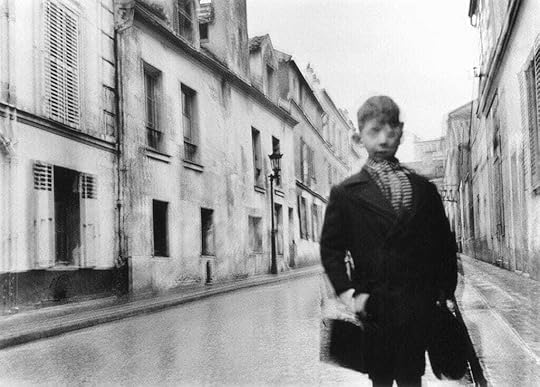
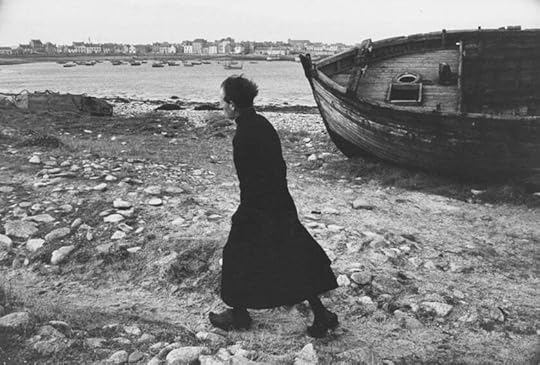
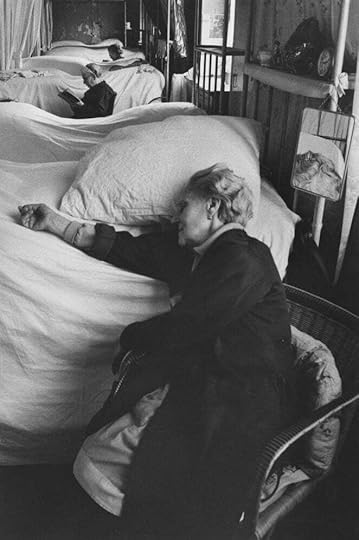
Sulla copertina appare una foto di Jean-Philippe Charbonnier che non sono riuscito a trovare in rete. Ho scelto altri scatti dello stesso Charbonnier: ce ne sono talmente tanti belli che non è stato facile selezionarne solo alcuni.
Londra: Khaled saluta l’amico del cuore Hosam che va a prendere il treno per Parigi e qualche giorno dopo raggiungere moglie e figlia in California (Point Reyes, posto splendido). Khaled lo vede allontanarsi verso i binari: si volta e comincia a camminare verso casa (Shepherd’s Bush). Arriverà dopo il tramonto, a sera. E la sua passeggiata lo avrà riportato in vari luoghi della memoria. Offrendogli l’occasione per rivivere i ricordi e così facendo raccontarli al lettore.
E così facendo Matar narra una storia d’esilio e amicizia, una storia essenzialmente di uomini lontani dalla loro patria, la Libia sotto il dittatore Gheddafi. Due di loro, Hosam e Mustafa, fanno ritorno quando nel 2011 esplodono le primavere arabe. L’io-narrante Khaled invece rimane: è stato difficile a diciotto anni lasciare Bengasi, padre, madre, sorella, casa, stabilirsi nel Regno Unito (prima tappa Edinburgo), studiare, laurearsi, lavorare, guadagnare, mantenersi, farsi una vita a Londra. Se torna in Libia teme che non riuscirà più a lasciarla, non riuscirà più a tornare a Londra, che è ormai diventata casa sua. D’altronde, ha trascorso nella capitale inglese il doppio del tempo vissuto in Libia: è talmente integrato da insegnare lingua e letteratura inglese in una scuola.
Lo spunto di partenza è un episodio di cronaca che non ricordavo affatto e leggendo m’è sembrato inventato e poco credibile per la pazzesca arroganza del potere che manifesta. Invece è proprio tutto vero, tutto successo e accaduto.
Nell’aprile del 1984 una pacifica manifestazione di protesta contro la dittatura di Gheddafi (già vecchia di quindici anni, e destinata a durarne altri ventisei) davanti all’ambasciata di Libia a Londra si trasforma in un macello nel momento in cui da una finestra dell’ambasciata cominciano a mitragliare i manifestanti: undici finiscono in ospedale, tutti libici – Matar infila tra i feriti il suo io-narrante e l’amico Mustafa – una poliziotta inglese muore sul posto.
Cosa successe dopo si trova facilmente in rete. Matar rimane focalizzato sui suoi personaggi, Khaled e Mustafa e Hosam, e li segue fino al 2011 (primavere arabe, morte di Gheddafi) e oltre, fino al 2016.

A me è mancato un pizzico d’ironia qui e là – semplicemente non pervenuta, assente ingiustificata – e invece non avrei sentito la mancanza di un filo d’enfasi in meno, un po’ meno pathos.
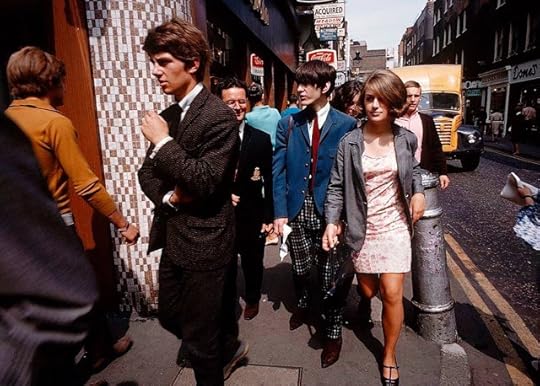
Almeno uno scatto a colori, come quello sulla copertina, e almeno uno scatto di Londra, dove è ambientata gran parte del romanzo: che però inizia nella prima metà degli anni Ottanta, mentre la foto di Charbonnier risale al 1966.
Sulla copertina appare una foto di Jean-Philippe Charbonnier che non sono riuscito a trovare in rete. Ho scelto altri scatti dello stesso Charbonnier: ce ne sono talmente tanti belli che non è stato facile selezionarne solo alcuni.
Londra: Khaled saluta l’amico del cuore Hosam che va a prendere il treno per Parigi e qualche giorno dopo raggiungere moglie e figlia in California (Point Reyes, posto splendido). Khaled lo vede allontanarsi verso i binari: si volta e comincia a camminare verso casa (Shepherd’s Bush). Arriverà dopo il tramonto, a sera. E la sua passeggiata lo avrà riportato in vari luoghi della memoria. Offrendogli l’occasione per rivivere i ricordi e così facendo raccontarli al lettore.
E così facendo Matar narra una storia d’esilio e amicizia, una storia essenzialmente di uomini lontani dalla loro patria, la Libia sotto il dittatore Gheddafi. Due di loro, Hosam e Mustafa, fanno ritorno quando nel 2011 esplodono le primavere arabe. L’io-narrante Khaled invece rimane: è stato difficile a diciotto anni lasciare Bengasi, padre, madre, sorella, casa, stabilirsi nel Regno Unito (prima tappa Edinburgo), studiare, laurearsi, lavorare, guadagnare, mantenersi, farsi una vita a Londra. Se torna in Libia teme che non riuscirà più a lasciarla, non riuscirà più a tornare a Londra, che è ormai diventata casa sua. D’altronde, ha trascorso nella capitale inglese il doppio del tempo vissuto in Libia: è talmente integrato da insegnare lingua e letteratura inglese in una scuola.
Lo spunto di partenza è un episodio di cronaca che non ricordavo affatto e leggendo m’è sembrato inventato e poco credibile per la pazzesca arroganza del potere che manifesta. Invece è proprio tutto vero, tutto successo e accaduto.
Nell’aprile del 1984 una pacifica manifestazione di protesta contro la dittatura di Gheddafi (già vecchia di quindici anni, e destinata a durarne altri ventisei) davanti all’ambasciata di Libia a Londra si trasforma in un macello nel momento in cui da una finestra dell’ambasciata cominciano a mitragliare i manifestanti: undici finiscono in ospedale, tutti libici – Matar infila tra i feriti il suo io-narrante e l’amico Mustafa – una poliziotta inglese muore sul posto.
Cosa successe dopo si trova facilmente in rete. Matar rimane focalizzato sui suoi personaggi, Khaled e Mustafa e Hosam, e li segue fino al 2011 (primavere arabe, morte di Gheddafi) e oltre, fino al 2016.
A me è mancato un pizzico d’ironia qui e là – semplicemente non pervenuta, assente ingiustificata – e invece non avrei sentito la mancanza di un filo d’enfasi in meno, un po’ meno pathos.
Almeno uno scatto a colori, come quello sulla copertina, e almeno uno scatto di Londra, dove è ambientata gran parte del romanzo: che però inizia nella prima metà degli anni Ottanta, mentre la foto di Charbonnier risale al 1966.

January 9, 2024
This spring marks a grim 40th anniversary. On April 17, 1984, after months of tension between Britain and Libya, an angry demonstration swelled outside the Libyan Embassy in London. Outraged by Muammar Qaddafi’s murderous reign back home, dozens of Libyan students chanted slogans against the dictator. Suddenly, from the embassy’s windows, shots were fired into the crowd. A 25-year-old British police officer was killed, and 10 demonstrators were wounded.
That carnage burns through Hisham Matar’s meditative new novel, “My Friends.”
Matar, the son of Libyan parents, was too young to have been involved in the deadly 1984 protest, but he later settled in London, and much of his writing has explored the terror of living under the threat of Qaddafi, who once clawed after his opponents around the world. Matar’s first novel, “In the Country of Men,” which was shortlisted for the Booker Prize, is about a boy in Tripoli trying to fathom his family’s rising anxiety. His Pulitzer Prize-winning memoir, “The Return,” explores the political abduction and disappearance of his father.
In “My Friends,” a Libyan man named Khaled describes how he came to spend his adult life in England, pining for home. Part historical fiction, part cultural reflection, this is a story about the way exile calcifies the heart into an organ of brittle longing.
To read the rest of this review, go to The Washington Post:
https://www.washingtonpost.com/books/...
That carnage burns through Hisham Matar’s meditative new novel, “My Friends.”
Matar, the son of Libyan parents, was too young to have been involved in the deadly 1984 protest, but he later settled in London, and much of his writing has explored the terror of living under the threat of Qaddafi, who once clawed after his opponents around the world. Matar’s first novel, “In the Country of Men,” which was shortlisted for the Booker Prize, is about a boy in Tripoli trying to fathom his family’s rising anxiety. His Pulitzer Prize-winning memoir, “The Return,” explores the political abduction and disappearance of his father.
In “My Friends,” a Libyan man named Khaled describes how he came to spend his adult life in England, pining for home. Part historical fiction, part cultural reflection, this is a story about the way exile calcifies the heart into an organ of brittle longing.
To read the rest of this review, go to The Washington Post:
https://www.washingtonpost.com/books/...

August 13, 2024
Longlisted for the Booker prize 2024. My general feel with the longlist of this year is that the jury picked solid reads, but not many that really blew me away, and this book is an exponent of that.
A well written and at times touching account of the impact of exile and the dangers of a life not lived. Still I found this book more to be admired than loved, despite the quality writing
After a little silence he said “Friend, what a word, most use it over someone they hardly know, but it is a wondrous thing”
Hisham Matar definitely can write and in general I learned a lot from this book. In My Friends a Libyan man looks back to his youth as a student in London, where he and a friend where shot during a demonstration at the embassy (now 40 years ago, this was something I knew nothing about: https://en.m.wikipedia.org/wiki/Murde...). Our main character is very reflective and studies English literature. He struck me as somewhat too dispassionate to really carry the book, which is told in over 100 short chapters which are mainly flashbacks, allegedly coming to his mind as he walks back after a meeting with one of his friends in London in 2016.
London is almost a character in the book, a refuge, but not truly a home for the large diaspora who fled from Libya and its dictatorship. Living in London gives the frequent mentions of Shepherds Bush, Hyde Park, Kensington High Street, Chelsea, Piccadilly Circus, Soho, Notting Hill Gate and all other places a feel of texture, that Benghazi and other sites where the Arab spring play out never get in the book. Due to the murders on critical voices left and right during the 1980s people (including Khaled who narrates the book) self censor to stay safe. Communication with parents is monitored constantly, making it hard to have real conversations and connections with the homefront.
Exile and being unmoored are definitely key themes of the book. Our narrator loses not just the opportunity to visit his aging parents and his sister, but also seems unable to truly connect and take up roots in London with his new friends or potential love interest. He describes the actions of the titular friends, yet never manages to transcends the onlooker role. Even being shot in the demonstration at the start of the book is more circumstance than conviction.
I would have liked to see more of the experience of one of the friends of the main character in Libya during the Arab spring, or even the perspective from his sister. There are monumental things going on but through the lens of the main character we only catch the CNN or Al Jazeera news snippets of it. Again this is perfectly parsimonious with the theme of exile and being an onlooker on ones own life, but it felt dissatisfying. I did find Khaled being there for a friend who was sick touching, even though how this experience in Paris led to encountering a new friend felt a bit bolted on.
Finally I wondered a lot about how privileged Khaled and his circle really where, with travels to Europe, San Francisco, rendezvous in Paris, kids going to boarding schools and work that Khaled allegedly has as a teacher almost never coming back despite lavish parties in Kensington.
While the Gadaffi regime obviously hoarded wealth and extorted the country, Khaled and his group form part of a historical elite in Libya, something which is initially acknowledged when some families in their social circles are called traitors or people who always back the winning side, but which is not really further investigated/reflected upon in the narrative.
Still this is a very interesting, if melancholy coming of age book, with little obvious flaws.
Quotes:
And a face like a landscape liable to bad weather
As foolish to think we are free of history as it would be of gravity.
I didn’t know joy could be so painful
I suddenly felt neither a supporter nor a critic of this, and enjoying my indifference, wondered if perhaps one needed to know something very well before being able to be ambivalent about it, and I realised then that this was why it had become impossible for me to feel ambivalence towards much at all. I suffered an opinion about nearly every detail of my new life.
The question is, my boy, and it has always has been the most important question, how to escape the demands of unreasonable men.
Isn’t it just terrible how life just keeps on?
Just keeps on and on and on and on without a pause.
Terrible and beautiful I said.
Beautiful only sometimes he said
Every tyrant has its end.
It’s hard work hiding things, you have to watch yourself, how you walk even, how you eat and sleep and I am terrible at it, you know it.
God veil our faults
You can not be two people at once
Freedom I told myself is also the freedom not to be suspicious, not to fear, not to envy.
Isn’t it magical to be alive?
Life is a traitor, always waiting to stab you in the back
Love is as much a miracle as it is an education
2024 Booker prize personal ranking, shortlisted books in bold:
1. Held (4.5*) - Review: https://www.goodreads.com/review/show...
2. Playground (4.5*) - Review: https://www.goodreads.com/review/show...
3. James (4*) - Review: https://www.goodreads.com/review/show...
4. Wandering Stars (4*) - Review: https://www.goodreads.com/review/show...
5. Headshot (3.5*) - Review: https://www.goodreads.com/review/show...
6. The Safekeep (3.5*) - Review: https://www.goodreads.com/review/show...
7. My Friends (3.5*) - Review: https://www.goodreads.com/review/show...
8. Stone Yard Devotional (3.5*) - Review: https://www.goodreads.com/review/show...
9. This Strange and Eventful History (3*) - Review: https://www.goodreads.com/review/show...
10. Creation Lake (3*) - Review: https://www.goodreads.com/review/show...
11. Enlightenment (3*) - Review: https://www.goodreads.com/review/show...
12. Orbital (2.5*) - Review: https://www.goodreads.com/review/show...
13. Wild Houses (2.5*) - Review: https://www.goodreads.com/review/show...
A well written and at times touching account of the impact of exile and the dangers of a life not lived. Still I found this book more to be admired than loved, despite the quality writing
After a little silence he said “Friend, what a word, most use it over someone they hardly know, but it is a wondrous thing”
Hisham Matar definitely can write and in general I learned a lot from this book. In My Friends a Libyan man looks back to his youth as a student in London, where he and a friend where shot during a demonstration at the embassy (now 40 years ago, this was something I knew nothing about: https://en.m.wikipedia.org/wiki/Murde...). Our main character is very reflective and studies English literature. He struck me as somewhat too dispassionate to really carry the book, which is told in over 100 short chapters which are mainly flashbacks, allegedly coming to his mind as he walks back after a meeting with one of his friends in London in 2016.
London is almost a character in the book, a refuge, but not truly a home for the large diaspora who fled from Libya and its dictatorship. Living in London gives the frequent mentions of Shepherds Bush, Hyde Park, Kensington High Street, Chelsea, Piccadilly Circus, Soho, Notting Hill Gate and all other places a feel of texture, that Benghazi and other sites where the Arab spring play out never get in the book. Due to the murders on critical voices left and right during the 1980s people (including Khaled who narrates the book) self censor to stay safe. Communication with parents is monitored constantly, making it hard to have real conversations and connections with the homefront.
Exile and being unmoored are definitely key themes of the book. Our narrator loses not just the opportunity to visit his aging parents and his sister, but also seems unable to truly connect and take up roots in London with his new friends or potential love interest. He describes the actions of the titular friends, yet never manages to transcends the onlooker role. Even being shot in the demonstration at the start of the book is more circumstance than conviction.
I would have liked to see more of the experience of one of the friends of the main character in Libya during the Arab spring, or even the perspective from his sister. There are monumental things going on but through the lens of the main character we only catch the CNN or Al Jazeera news snippets of it. Again this is perfectly parsimonious with the theme of exile and being an onlooker on ones own life, but it felt dissatisfying. I did find Khaled being there for a friend who was sick touching, even though how this experience in Paris led to encountering a new friend felt a bit bolted on.
Finally I wondered a lot about how privileged Khaled and his circle really where, with travels to Europe, San Francisco, rendezvous in Paris, kids going to boarding schools and work that Khaled allegedly has as a teacher almost never coming back despite lavish parties in Kensington.
While the Gadaffi regime obviously hoarded wealth and extorted the country, Khaled and his group form part of a historical elite in Libya, something which is initially acknowledged when some families in their social circles are called traitors or people who always back the winning side, but which is not really further investigated/reflected upon in the narrative.
Still this is a very interesting, if melancholy coming of age book, with little obvious flaws.
Quotes:
And a face like a landscape liable to bad weather
As foolish to think we are free of history as it would be of gravity.
I didn’t know joy could be so painful
I suddenly felt neither a supporter nor a critic of this, and enjoying my indifference, wondered if perhaps one needed to know something very well before being able to be ambivalent about it, and I realised then that this was why it had become impossible for me to feel ambivalence towards much at all. I suffered an opinion about nearly every detail of my new life.
The question is, my boy, and it has always has been the most important question, how to escape the demands of unreasonable men.
Isn’t it just terrible how life just keeps on?
Just keeps on and on and on and on without a pause.
Terrible and beautiful I said.
Beautiful only sometimes he said
Every tyrant has its end.
It’s hard work hiding things, you have to watch yourself, how you walk even, how you eat and sleep and I am terrible at it, you know it.
God veil our faults
You can not be two people at once
Freedom I told myself is also the freedom not to be suspicious, not to fear, not to envy.
Isn’t it magical to be alive?
Life is a traitor, always waiting to stab you in the back
Love is as much a miracle as it is an education
2024 Booker prize personal ranking, shortlisted books in bold:
1. Held (4.5*) - Review: https://www.goodreads.com/review/show...
2. Playground (4.5*) - Review: https://www.goodreads.com/review/show...
3. James (4*) - Review: https://www.goodreads.com/review/show...
4. Wandering Stars (4*) - Review: https://www.goodreads.com/review/show...
5. Headshot (3.5*) - Review: https://www.goodreads.com/review/show...
6. The Safekeep (3.5*) - Review: https://www.goodreads.com/review/show...
7. My Friends (3.5*) - Review: https://www.goodreads.com/review/show...
8. Stone Yard Devotional (3.5*) - Review: https://www.goodreads.com/review/show...
9. This Strange and Eventful History (3*) - Review: https://www.goodreads.com/review/show...
10. Creation Lake (3*) - Review: https://www.goodreads.com/review/show...
11. Enlightenment (3*) - Review: https://www.goodreads.com/review/show...
12. Orbital (2.5*) - Review: https://www.goodreads.com/review/show...
13. Wild Houses (2.5*) - Review: https://www.goodreads.com/review/show...

February 8, 2025
My Friends, Hisham Matar's latest novel is a subtle masterpiece.
It is an exploration of male friendship between 3 men of very different temperaments. And I see how these temperaments ultimately lead these men in different directions.
"Friend. What a word. Most use it about those they hardly know. When it is a wondrous thing."
What does friend mean to you? Do you remember to hold them dear?
It also paints a portrait of family. Hosam's mother explaining "the covenant between kin":
"The whole point, silly child, is to love unfathomably. Where hate and affection, bewilderment and clarity, are braided so tightly that they form an unbreakable cord, a rope fit to lift a nation."
I love this way of explaining family, especially extended family. I was raised to put family first, above everything else. While I had to learn self care, and do take my needs into account nowadays, I am still family centered. And this dichotomy of feelings so perfectly describes the tumult that can arise and how difficult it is to break away from.
The theme of exile looms large here. And again, temperament determines how one copes with it. Does one try a lot of different employments and types of friends like Mustafa? Does one move around a lot trying to find a place that fits like Hosam? Or does one create a very small life of dependable routine like Khaled?
Another question Matar asks is "what is home?" For all 3 of our men it begins as Libya. But is it the land, the history, the people in general, one's family, the culture, the language? Is it different for each? And does it change over time and through experiences?
This novel is also a love letter to London, told through many nocturnal walks. And to books and authors and to writing.
"...we ask of writers what we ask of our closest friends: to help us mediate and interpret the world."
Matar's writing is elegant and gorgeous. One more example:
"with that collective spirit, which is as mysterious as the motion of a school of fish or a mumuration of starlings, we became a harmonious mass, fervent and perfectly in rhythm."
He has created characters that are authentic, and I feel that I am part of their lives and am reluctant to let them go. He has stimulated so much thought as some of his topics are particular to his experience, and I ponder how I would react in those circumstances; and some are universal, and I completely understand and resonate with them.
Matar has written an almost epic tale with a very intimate feel. This is definitely a work to be savored for the beauty of its words and to be mined for its philosophy and insights.
Thank you to K, my buddy reader who made this a more exciting and thoughtful read and who pushed me to ponder and consider more than I might have on my own. Check out her review.
Publication 2024
It is an exploration of male friendship between 3 men of very different temperaments. And I see how these temperaments ultimately lead these men in different directions.
"Friend. What a word. Most use it about those they hardly know. When it is a wondrous thing."
What does friend mean to you? Do you remember to hold them dear?
It also paints a portrait of family. Hosam's mother explaining "the covenant between kin":
"The whole point, silly child, is to love unfathomably. Where hate and affection, bewilderment and clarity, are braided so tightly that they form an unbreakable cord, a rope fit to lift a nation."
I love this way of explaining family, especially extended family. I was raised to put family first, above everything else. While I had to learn self care, and do take my needs into account nowadays, I am still family centered. And this dichotomy of feelings so perfectly describes the tumult that can arise and how difficult it is to break away from.
The theme of exile looms large here. And again, temperament determines how one copes with it. Does one try a lot of different employments and types of friends like Mustafa? Does one move around a lot trying to find a place that fits like Hosam? Or does one create a very small life of dependable routine like Khaled?
Another question Matar asks is "what is home?" For all 3 of our men it begins as Libya. But is it the land, the history, the people in general, one's family, the culture, the language? Is it different for each? And does it change over time and through experiences?
This novel is also a love letter to London, told through many nocturnal walks. And to books and authors and to writing.
"...we ask of writers what we ask of our closest friends: to help us mediate and interpret the world."
Matar's writing is elegant and gorgeous. One more example:
"with that collective spirit, which is as mysterious as the motion of a school of fish or a mumuration of starlings, we became a harmonious mass, fervent and perfectly in rhythm."
He has created characters that are authentic, and I feel that I am part of their lives and am reluctant to let them go. He has stimulated so much thought as some of his topics are particular to his experience, and I ponder how I would react in those circumstances; and some are universal, and I completely understand and resonate with them.
Matar has written an almost epic tale with a very intimate feel. This is definitely a work to be savored for the beauty of its words and to be mined for its philosophy and insights.
Thank you to K, my buddy reader who made this a more exciting and thoughtful read and who pushed me to ponder and consider more than I might have on my own. Check out her review.
Publication 2024

August 2, 2024
DNF at page 195 - It is liberating to DNF a book so early in my Booker 2024 journey. It means that there isn't a pressure to read the entire longlist anymore. It was surprising that this was the book that did this, considering the hype.
Beautiful language, very weak story. After the promising beginning, which made me think that maybe this would be a male version of My Brilliant Friend, the story was lifeless. I think even a non-fiction book about Libya or about the immigrant experience could be more passionate than this was. I simply didn't care about the protagonist or his friends, except the first one, which dissapeared after the start. I cant continue this hoping that all will be all right when he returns.
Beautiful language, very weak story. After the promising beginning, which made me think that maybe this would be a male version of My Brilliant Friend, the story was lifeless. I think even a non-fiction book about Libya or about the immigrant experience could be more passionate than this was. I simply didn't care about the protagonist or his friends, except the first one, which dissapeared after the start. I cant continue this hoping that all will be all right when he returns.

February 26, 2024
“ My mouth was full and empty all at once.Empty because everything in it had no shape or sound or form. And full of everything that I left then and feel now. That what I want to return to I cannot return to because the place and I have changed and what I have built here might be feeble and meek, but it took everything I had…”
In Hisham Matar’s novel, a walk across London is filled with thoughts of exile, displacements and relationships. The narrator, Khaled Abd al Hady, has accompanied his close friend Howsam Zoya to the start of a journey of relocation to America. Having bid Howsam farewell, Khaled walks home and ruminates on the circumstances that have caused him to spend his life in England.
Khaled’s thoughts span more than thirty five years, stretching back to a time when he was a teenager in Libya. He was sitting in his home listening to the radio as the announcer read a politically allegorical story about power and resistance. The author was a heretofore unknown Howsam Zoya.The story’s message has resonated with the youngster and lingers into his days as a scholarship student at Edinburgh University.
Once ensconced in university, Khalid becomes aware of the corrosive effects of Libya’s regime even when living abroad. Shadowy informers monitor the students’ conduct. An atmosphere of unseen oppression pervades the academic experience of this seemingly privileged group. Perhaps stifled by this environment, Khalid accepts the invitation of his friend Mustafa to travel to London and attend a demonstration at the Libyan embassy protesting the repressive Gaddafi regime.
The demonstration, which was a historical event on April 17, 1984,triggers a series of life changing consequences for the two students as violence erupts at the proceedings. The two young men are injured and the resultant public exposure militates against either student returning to university or Libya.This meld of plot point and history sets the young men’s lives on a different trajectory and launches a thematic exploration of the difference between diasporic immigration and self inflicted exile.The two young men ultimately connect with the author Howsam Zoya, now living abroad.The relationship that develops between the three widens into an ongoing contemplation of the emotional toll of exile and constraints of bonds formed in the wake of loss and disconnection.
Another blend of plot point and history takes place with the advent of the Arab Spring that resulted in Gaddafi’s death in 2011. These events presented the three men with a chance to reengage with the world and their country of origin.Each member of the triangular relationship has a different emotional response to this opportunity, stretching the parameters of their friendship in new directions.
I particularly found this novel absorbing because of a friendship from my college days in the sixties. One of my close friend’s family had highly placed officials in a Middle Eastern country. I will never forget the terror that resulted from my friend discovering surveillance photos of him attending protest demonstrations.Covertly slipped under his door, the photos created a level of anxiety and paranoia that reverberated for years to come. Matar’s novel brought these memories back to me as his plot weaved the strands of exile and violence into a narrative that attempts to show how friendship might mitigate the grief arousing from exile.I was left to wonder how one can overcome rootlessness and define some sense of belonging in an increasingly fragmented and disrupted geopolitical world.
In Hisham Matar’s novel, a walk across London is filled with thoughts of exile, displacements and relationships. The narrator, Khaled Abd al Hady, has accompanied his close friend Howsam Zoya to the start of a journey of relocation to America. Having bid Howsam farewell, Khaled walks home and ruminates on the circumstances that have caused him to spend his life in England.
Khaled’s thoughts span more than thirty five years, stretching back to a time when he was a teenager in Libya. He was sitting in his home listening to the radio as the announcer read a politically allegorical story about power and resistance. The author was a heretofore unknown Howsam Zoya.The story’s message has resonated with the youngster and lingers into his days as a scholarship student at Edinburgh University.
Once ensconced in university, Khalid becomes aware of the corrosive effects of Libya’s regime even when living abroad. Shadowy informers monitor the students’ conduct. An atmosphere of unseen oppression pervades the academic experience of this seemingly privileged group. Perhaps stifled by this environment, Khalid accepts the invitation of his friend Mustafa to travel to London and attend a demonstration at the Libyan embassy protesting the repressive Gaddafi regime.
The demonstration, which was a historical event on April 17, 1984,triggers a series of life changing consequences for the two students as violence erupts at the proceedings. The two young men are injured and the resultant public exposure militates against either student returning to university or Libya.This meld of plot point and history sets the young men’s lives on a different trajectory and launches a thematic exploration of the difference between diasporic immigration and self inflicted exile.The two young men ultimately connect with the author Howsam Zoya, now living abroad.The relationship that develops between the three widens into an ongoing contemplation of the emotional toll of exile and constraints of bonds formed in the wake of loss and disconnection.
Another blend of plot point and history takes place with the advent of the Arab Spring that resulted in Gaddafi’s death in 2011. These events presented the three men with a chance to reengage with the world and their country of origin.Each member of the triangular relationship has a different emotional response to this opportunity, stretching the parameters of their friendship in new directions.
I particularly found this novel absorbing because of a friendship from my college days in the sixties. One of my close friend’s family had highly placed officials in a Middle Eastern country. I will never forget the terror that resulted from my friend discovering surveillance photos of him attending protest demonstrations.Covertly slipped under his door, the photos created a level of anxiety and paranoia that reverberated for years to come. Matar’s novel brought these memories back to me as his plot weaved the strands of exile and violence into a narrative that attempts to show how friendship might mitigate the grief arousing from exile.I was left to wonder how one can overcome rootlessness and define some sense of belonging in an increasingly fragmented and disrupted geopolitical world.

October 4, 2024
Thought-provoking and important themes related to exile, uprising, and connection. Appreciated Hisham Matar’s clear dedication to Libyan people’s liberation as well as how he writes about both activism and friendship. Unfortunately, I found the writing style itself a little too intellectualized and vague for my taste. Still, I recognize this book’s importance and am glad others have enjoyed it!
September 18, 2024
I would have bet money that this would have made the Booker shortlist.
A book about not just friendship but friendship on a deep level. A book about exile and all the troubles that this title brings to one's life. A life of being afraid, a life of living a lie. A life of paranoia. That clicking on the phone, is it bugged? That man sitting on the park bench, I am sure he was there yesterday, is he following me?
Matar does a remarkable job of helping the reader to understand just what it is like for somebody exiled from their homeland. Returning to family and home a possibility fraught with the danger of indefinite incarceration or execution.
The protagonist, Khaled leaves Libya while under the reign of Gaddafi, to study in Edinburgh. While there he is persuaded by his friend to take part in a demonstration against the regime in front of the Libyan embassy. When the demonstrators are fired upon Khaled is badly wounded. While recovering in hospital he fears his identity has been exposed and he can never go home. To do so would put not only himself but his loved ones in terrible danger. Already many who have spoken out against the regime have disappeared never to be seen again.
This essentially means that he has to live a lie. Lying to everybody about just about everything. To tell the truth to the wrong person could be fatal.
With Gaddafi and the Arab Spring as a backdrop, this wonderful novel is a study of the depth of love that friendship can achieve. A great read.
A book about not just friendship but friendship on a deep level. A book about exile and all the troubles that this title brings to one's life. A life of being afraid, a life of living a lie. A life of paranoia. That clicking on the phone, is it bugged? That man sitting on the park bench, I am sure he was there yesterday, is he following me?
Matar does a remarkable job of helping the reader to understand just what it is like for somebody exiled from their homeland. Returning to family and home a possibility fraught with the danger of indefinite incarceration or execution.
The protagonist, Khaled leaves Libya while under the reign of Gaddafi, to study in Edinburgh. While there he is persuaded by his friend to take part in a demonstration against the regime in front of the Libyan embassy. When the demonstrators are fired upon Khaled is badly wounded. While recovering in hospital he fears his identity has been exposed and he can never go home. To do so would put not only himself but his loved ones in terrible danger. Already many who have spoken out against the regime have disappeared never to be seen again.
This essentially means that he has to live a lie. Lying to everybody about just about everything. To tell the truth to the wrong person could be fatal.
With Gaddafi and the Arab Spring as a backdrop, this wonderful novel is a study of the depth of love that friendship can achieve. A great read.

September 3, 2024
Moving, sad, and tender. The hardships and heartbreaks of living in exile.

December 27, 2024
“‘Life is a traitor,’ he said, ‘always waiting to stab you in the back…’ “
Exile. Five tiny letters that mean so much. As mostly to be in exile is to be held in a limbo away from your home and loved ones due to circumstances beyond your control.
Our protagonist is Khaled. As an eighteen-year-old he leaves his beloved family and country Libya to study literature in Edinburgh. A rash decision to join a close friend at a “peaceful protest” outside the Libyan embassy in London completely turns his life upside down. Shots are fired from the embassy resulting in unarmed protesters being injured and a young policewoman killed. This is Khaled’s story. It’s about loss, identity and the power of friendship to both soothe and be combative. Unable to return home while the dictator Colonel Muammar Qaddafi ruled with an iron fist, Khaled cobbled together the most contented life he was able to. Finding a job he tried to enjoy, fleeting relationships and phone calls home without being able to speak freely for concern that others were listening in on his conversations.
The book progresses from eighteen-year-old Khaleed in 1984 to 2016 when he reconnects with a dear friend in London. And reminisces about the events that meant he lived a life he perhaps hadn’t envisioned for himself.
It’s perhaps hard to imagine, but it happened. While reading this I spent time looking up events as my knowledge of what happened during the embassy shooting and Qaddafi’s reign of terror was hazy. I was in high school and recall seeing events on TV without really understanding them.
They’re still difficult to understand and the world continues to broil in a fury of unrest and discord.
I finished reading this several months ago and hadn’t had an opportunity to review it until today. But having said this, I know exactly how I felt when I read it and how invested I was in the story. Hisham Matar has the ability to build a story around true life events, which makes it even more poignant and chilling. I cannot imagine the loss and disconnect which the characters in this book lived, as so many others continue to do today.
This book absolutely should have been shortlisted for this years’ Booker Prize. Its absence from contention is an absolute mystery to me.
Although having said this, it won the Orwell Prize for Political Writing. An award which I'd not heard of previously.
Buddy read with the wonderful, talented Mr.Neale-ski. We both adored this book and spent a lot of time discussing it, and realising there’s a whole part of modern history that we’re not aware of. I invite you to read his fab review at https://www.goodreads.com/review/show...
This is absolutely stunning writing, and I cannot recommend it enough.
“The trick time plays is to lull us into the belief that everything last forever, and, although nothing does, we continue inside that dream. And, as in a dream, the shape of my days bears no relation to what I had, somehow and without knowing it, allowed myself to expect.”
Exile. Five tiny letters that mean so much. As mostly to be in exile is to be held in a limbo away from your home and loved ones due to circumstances beyond your control.
Our protagonist is Khaled. As an eighteen-year-old he leaves his beloved family and country Libya to study literature in Edinburgh. A rash decision to join a close friend at a “peaceful protest” outside the Libyan embassy in London completely turns his life upside down. Shots are fired from the embassy resulting in unarmed protesters being injured and a young policewoman killed. This is Khaled’s story. It’s about loss, identity and the power of friendship to both soothe and be combative. Unable to return home while the dictator Colonel Muammar Qaddafi ruled with an iron fist, Khaled cobbled together the most contented life he was able to. Finding a job he tried to enjoy, fleeting relationships and phone calls home without being able to speak freely for concern that others were listening in on his conversations.
The book progresses from eighteen-year-old Khaleed in 1984 to 2016 when he reconnects with a dear friend in London. And reminisces about the events that meant he lived a life he perhaps hadn’t envisioned for himself.
It’s perhaps hard to imagine, but it happened. While reading this I spent time looking up events as my knowledge of what happened during the embassy shooting and Qaddafi’s reign of terror was hazy. I was in high school and recall seeing events on TV without really understanding them.
They’re still difficult to understand and the world continues to broil in a fury of unrest and discord.
I finished reading this several months ago and hadn’t had an opportunity to review it until today. But having said this, I know exactly how I felt when I read it and how invested I was in the story. Hisham Matar has the ability to build a story around true life events, which makes it even more poignant and chilling. I cannot imagine the loss and disconnect which the characters in this book lived, as so many others continue to do today.
This book absolutely should have been shortlisted for this years’ Booker Prize. Its absence from contention is an absolute mystery to me.
Although having said this, it won the Orwell Prize for Political Writing. An award which I'd not heard of previously.
Buddy read with the wonderful, talented Mr.Neale-ski. We both adored this book and spent a lot of time discussing it, and realising there’s a whole part of modern history that we’re not aware of. I invite you to read his fab review at https://www.goodreads.com/review/show...
This is absolutely stunning writing, and I cannot recommend it enough.
“The trick time plays is to lull us into the belief that everything last forever, and, although nothing does, we continue inside that dream. And, as in a dream, the shape of my days bears no relation to what I had, somehow and without knowing it, allowed myself to expect.”

March 10, 2026
"ثمة لحظات، لحظات كهذه، عندما يغلبني شوق مبهم، شوق يصير أعنف لأنه يفتقر إلى هدف مُحدد. الحيلة التي يلعبها الزمن هي أن يهدهدنا حتى نعتقد أن كل شيء يدوم إلى الأبد، ومع أن شيئاً لا يدوم، نستمر في ذلك الحلم. وكما في حُلم، لا علاقة لشكل أيامي بما سمحت لنفسي، بطريقة ما ودون أن أنتبه، بأن أتوقعه منها."
في روايته "أصدقائي" نرى ثلاث نماذج للأصدقاء الذين جمعتهم الغربة ومحاولتهم لمقاومة الديكتاتورية بشكلاً ما، ونرى تبعات ما خسروه في سبيل ذلك، وإن كنت أدعي أن ما خسروه كان وطنهم، وذلك الحنين الجارف الذي عصف بكل فرداً فيهم على حدة، وبأشكال مختلفة، ففي هذه الرواية، نرى شكلاً مختلف للوطن، الوطن الذي على الضفة الأخرى المُحرمة؛ الوطن الذي يبتلعنا ونحن داخله، كما يبتلعنا ونحن خارجه، تُشرح الرواية ما تفعله الديكتاتورية والبطش السياسي للحكومات، بالشكل الأسوأ منها، وإن كانت كل أشكالها قبيحة، فالعنف الذي نتج في غمضة عين، جعل الشخصيات تتشظى بين الوطن والغربة، بين البلد وحكامها، وبين الغرب والشرق.
فعلى الرغم من أن الرواية تبدأ من آخر أحداثها، فإن نقطة الانطلاق الحقيقية بعد بضعة فصول. تبدأ من القرار الذي اتخذه "خالد" بعد اقتراح "مصطفى" لحضور مظاهرة أمام السفارة الليبية في لندن في 1984، لتنطلق من داخل السفارة رصاصات راح ضحيتها شرطية بريطانية، وبعض الإصابات للمتظاهرين، -وهي حادثة حقيقية بالفعل- وحيوات تغيرت تماماً، من الطمأنينة والتطلع إلى المستقبل في حضن الوطن، إلى الغربة والخوف والقلق، والهرب من الوطن وبطش حكامه إلى الأبد.
أدهشني السرد الدافئ الدقيق منذ أول صفحات الرواية، جمل وتعبيرات وتشبيهات تلمسك من واقعيتها، ومن قربها منك، مشاعر لم تفهم كُنهها ومسماها، ولكنك ترى أبطال هذه الرواية يمرون بها، فتلك الغربة، وذلك التشظي بين الوطن وقادته، وذلك التأرجح بين الحنين إلى أقاربك وأحبابك، والرغبة في الفرار من الوطن، أستطيع أن أفهمهم، وعشت ما عاشوه بما فيه الكفاية لأفهم معاناة أبطالها، وهم ثلاثة أصدقاء، أثر فيهم ذلك الحدث الملعون بطرق مختلفة، خالد ومصطفى وحسام، كلهم تعاملوا مع الحدث من وجهة نظره، وعلى حسب الضرر الذي تعرض له، والخوف، الخوف الذي لازمهم لأكثر من ربع قرن.
وعلى الرغم من جاذبية الحكاية، والتعمق في علاقة الأصدقاء، ولكن بطل الرواية هو هشام مطر نفسه، فتلك القدرة على المقاربة بين الشرق والغرب، من خلال التضاد، القدرة على محاولة فهم ما حدث وما يحدث وما سيحدث، تلك التوليفة بين السياسة والمأساة، بين الحياة والموت، بين العنف والسلم، وبين الغربة والتأقلم فيها، ونرى محاولات حقيقية للتأقلم، بل وقد نجحت بعض الشخصيات فيها، إلى الدرجة التي جعلت الغربة وطناً، وتلك هي المأساة الحقيقية، لا شك في ذلك.
ومهما حاولت التحدث عن جمال هذه الرواية، لن أعطيها حقها، فهذه الرواية ذات سرد ممتع ودافئ وحميمي، وشخصياتها ومعاناتها الحقيقية والتي ستتواصل معها وتفهم دوافعهم، وتتفاعل معهم. هناك أحد المشاهد سيظل عالقاً في بالي لفترة طويلة، كان بطله الصمت والدموع، فهذه الرواية تنقل الواقع بسوداويته، وظلمه. هذه رواية سأرشحها للجميع بلا توقف، واسم "هشام مطر" سيظل مرافقاً لي وسأنتظر كتاباته دوماً بشغف هائل، فهو واحد من الكتاب الذين بمجرد أن تقرأ لهم، لن تتوقف عن القراءة له.

November 3, 2024
Truly, one of the most beautiful books I have ever read.🩶💙
Within the boundaries of this beautiful book, I found a story of humanity, of a human collective, and of a small group of friends. Within this group, I saw the love of country versus the love of self, and love of the familiar. I saw the love of family versus the love of friendship—of brotherhood—and how, at times, our love of self or self-worth is found only in the eyes of others. And I saw that love of life must, at times, be weighed against the love of freedom. And that freedom is sometimes the only thing that really matters.
This is a story told by Khaled Abd al Hady, a kind and sensitive young Libyan. From his father, he acquired a love of books and literature. They came to mean everything to him, and wherever he went, there was a book in his pocket. At 17, he left Benghazi—on a scholarship—to study Literature at the University of Edinburgh. Soon after, while on a weekend trip to London, a single lapse in judgement made him join his friend in an activity that would profoundly affect the rest of his life. In the years that followed those pivotal few moments, he seemed to be carrying the weight of the whole world on his shoulders. My Friends is his story—his, and the friends and family who sustain him. I give it my highest recommendation.
5 “Literature-is-one-of-the-most-significant-expressions-of-humanity” stars⭐⭐⭐⭐⭐
Within the boundaries of this beautiful book, I found a story of humanity, of a human collective, and of a small group of friends. Within this group, I saw the love of country versus the love of self, and love of the familiar. I saw the love of family versus the love of friendship—of brotherhood—and how, at times, our love of self or self-worth is found only in the eyes of others. And I saw that love of life must, at times, be weighed against the love of freedom. And that freedom is sometimes the only thing that really matters.
This is a story told by Khaled Abd al Hady, a kind and sensitive young Libyan. From his father, he acquired a love of books and literature. They came to mean everything to him, and wherever he went, there was a book in his pocket. At 17, he left Benghazi—on a scholarship—to study Literature at the University of Edinburgh. Soon after, while on a weekend trip to London, a single lapse in judgement made him join his friend in an activity that would profoundly affect the rest of his life. In the years that followed those pivotal few moments, he seemed to be carrying the weight of the whole world on his shoulders. My Friends is his story—his, and the friends and family who sustain him. I give it my highest recommendation.
5 “Literature-is-one-of-the-most-significant-expressions-of-humanity” stars⭐⭐⭐⭐⭐
January 19, 2024
4,5
There is something melancholic in Hisham Matar's meditative writing that touches me deeply. In part it's his calming voice - I really recommend the audiobook read by the author. It makes me accept sentences I would normally dismiss as saccharine or overly dramatic.
But mostly this is a beautiful novel about a naive and sensitive young Libyan student who ends up an exile in London due to an unfortunate turn of events related to the real life shooting spree at the Libyan embassy in 1984.
So far I had only read Matar's non-fiction and I was curious to see if he could evoke the same deep sense of loss and compassion in a novel. The answer is yes.
It is not cheerful, but very highly recommended if you are in need of something absorbing and heartfelt read.
There is something melancholic in Hisham Matar's meditative writing that touches me deeply. In part it's his calming voice - I really recommend the audiobook read by the author. It makes me accept sentences I would normally dismiss as saccharine or overly dramatic.
But mostly this is a beautiful novel about a naive and sensitive young Libyan student who ends up an exile in London due to an unfortunate turn of events related to the real life shooting spree at the Libyan embassy in 1984.
So far I had only read Matar's non-fiction and I was curious to see if he could evoke the same deep sense of loss and compassion in a novel. The answer is yes.
It is not cheerful, but very highly recommended if you are in need of something absorbing and heartfelt read.

June 11, 2026
حالوهوای کلی رمان و بهویژه شخصیت خالد، راوی و قهرمان اصلی اثر، شباهت فراوانی دارد به رمان «اکنون... اینجا یا بار دیگر شرق مدیترانه» به قلم عبدالرحمان مُنیف، که البته 33 سال پیش از رفقای من نوشته شده، اما دغدغههای ذهنیِ راویان هر دو کتاب و کشمکشهای آنها با دوستانشان بر سر راههای مبارزه با ستم بیاندازه به هم شبیه است. البته بخش اعظم کتاب مُنیف به شرح عذاب و شکنجههای شخصیتها در زندانهای مختلف است و بحثهای فکری و عقیدتی آنها، که بخش جذابتر ماجراست، بیشتر در همان فصلهای آغازین رمان جلوهگر شده. در «رفقای من» اما این بحثها تقریباً در تمام طول رمان جریان دارد و از این لحاظ، بر رمان مُنیف پیشی میگیرد. امتیاز دیگر آن است که در رمان مُنیف این شائبه پیش میآید که شاید قهرمان در اثر زجرها و شکنجههای فراوان از ادامة مبارزه دلسرد شده و بهاصطلاح «شکسته» است، در حالی که قهرمان هشام مطر به شکلی دیگر در جریان مبارزه قرار میگیرد و بعد مبارزه را کنار میگذارد.
June 3, 2026
رفقای من داستانی حادثهمحور نیست، اما به دلیل روایت آشنا و ملموسی که از تبعید، دوستی و دلتنگی برای وطن ارائه میدهد، بهراحتی میتوان با آن ارتباط برقرار کرد. رمان زندگی سه دوست لیبیایی را دنبال میکند که در لندن و دور از سرزمین مادری خود زندگی میکنند. آنها در میان شکستهای سیاسی، سرکوب و رنج غربت، به لطف پیوندهای عمیق انسانی و دوستیهای پایدارشان دوام میآورند.
هشام مطر در این رمان خواننده را بهطور غیرمستقیم با تاریخ معاصر لیبی آشنا میکند، از به قدرت رسیدن قذافی تا رخدادهای بهار عربی.
«لحظه هايى هست، لحظه هايى مثل همين حالا، كه حسرتى گنگ و مبهم در دلم موج مى زند، حسرتى كه چون معطوف به چیز مشخصى نيست، جانكاه تر هم است. نيرنگ زمان اين است كه فريبمان مى دهد تا باور كنيم همه چیز تا ابد ماندنى است و با آنكه هيچ چیز پایدار نيست، ما همچنان در رؤياى آن باور به زندگی مان ادامه مى دهيم.
شكل و شمايل روزهايم هم شده مثل يك رؤيا و هيچ شباهتى به آن چیزی ندارد كه، يك جورهايى بى آنكه بدانم، ته دلم توقعش راداشتم.
درخيابان بوستون قدم مى زنم، انگار تازه پا به اين شهر گذاشته ام و اين سى و دو سال زندگی ام در لندن را مى شود در یكى دو جمله خلاصه كرد. هنوز فرصت هست. مى شود برگردم و باقى عمرم را همان جايى بگذارنم كه زير آسمانش به دنيا آمدم.»
هشام مطر در این رمان خواننده را بهطور غیرمستقیم با تاریخ معاصر لیبی آشنا میکند، از به قدرت رسیدن قذافی تا رخدادهای بهار عربی.
«لحظه هايى هست، لحظه هايى مثل همين حالا، كه حسرتى گنگ و مبهم در دلم موج مى زند، حسرتى كه چون معطوف به چیز مشخصى نيست، جانكاه تر هم است. نيرنگ زمان اين است كه فريبمان مى دهد تا باور كنيم همه چیز تا ابد ماندنى است و با آنكه هيچ چیز پایدار نيست، ما همچنان در رؤياى آن باور به زندگی مان ادامه مى دهيم.
شكل و شمايل روزهايم هم شده مثل يك رؤيا و هيچ شباهتى به آن چیزی ندارد كه، يك جورهايى بى آنكه بدانم، ته دلم توقعش راداشتم.
درخيابان بوستون قدم مى زنم، انگار تازه پا به اين شهر گذاشته ام و اين سى و دو سال زندگی ام در لندن را مى شود در یكى دو جمله خلاصه كرد. هنوز فرصت هست. مى شود برگردم و باقى عمرم را همان جايى بگذارنم كه زير آسمانش به دنيا آمدم.»

August 22, 2024
Ah yes, finally a Booker Banger. My Friends is the kind of novel I expect of a Booker longlistee. It’s excellent, thoughtful storytelling, its characterisation is deep, and its exploration of ideas is layered and complex. Initially I thought My Friends might just be a story about friendship set against a political backdrop, but quickly it proved to be much more. Its consideration of the relationship between people and place, and the concept of home is really thoughtfully executed. Where I think this novel really excels though, is in its unpacking of how we seek to mediate a world that can be cruel or inhospitable, and leave us feeling isolated or at sea. Here, Matar has a lot to say about how literature is a way that we can come to terms, and understanding of our world, that it too is a friendship. As a reader, this thread of the novel was particularly resonant.

September 21, 2024
Hisham Matar took his Khaled on a walk, returning home to his London flat after seeing his friend off to a new part of his life. This two hour walk, which resulted in a thirteen hour audio book for me, was a review of his life for the past decades. A life forced into exile after the 1984 shooting on protestors from the Libyan Embassy in St James Square.
Khaled examines these years in exile, how they happened and how he felt, the loss of his family and his planned life, the fear of retaliation, the loneliness and how his only connection to his previous life where his friends.
Matar's prose is skillful and judicious, however considering the subject matter I expected to get more involved in the story. As always for me the length matters, probably it would have worked better for me if it had been shorter, as it was I meandered and got a bit lost in between the parts.
Salim Lawzi
Muhammed Mustafa Ramadan
17th April 1984 - shooting from the Libyan Embassy
Khaled examines these years in exile, how they happened and how he felt, the loss of his family and his planned life, the fear of retaliation, the loneliness and how his only connection to his previous life where his friends.
Matar's prose is skillful and judicious, however considering the subject matter I expected to get more involved in the story. As always for me the length matters, probably it would have worked better for me if it had been shorter, as it was I meandered and got a bit lost in between the parts.
Salim Lawzi
Muhammed Mustafa Ramadan
17th April 1984 - shooting from the Libyan Embassy

September 3, 2024
Such a difficult book to review.
I loved it unreservedly for over three quarters of its length. A nuanced, insightful story of exile, the Arab spring, the Gaddafi era and yes, - friendship. Although oddly enough given the title, the friendship theme held less interest for me than other aspects of the novel.
The central defining event here, was one I knew nothing about: the seige of the Libyan embassy in London in 1984 and its good reminder of just how insidious and brazen the Gaddafi regime was. However this book is about much more than Libya, it is a meditation on what "home" means when your forced to make a new one and how that idea can change over time. Its also shot through with a keen love of literature. I enjoyed all the references to Arab authors and to authors like Joseph Conrad and Jean Rhys who write with an "outsiders" perspective.
There is something very interior and meditative about this book that works but I struggled with the final chapters which became quite discursive. The story meanders away to a unsatisfactorily muted end, perhaps that is just reflective of life in general.
On the strength of this however I would be keen to seek out The Return: Fathers, Sons and the Land in Between which won the Pulitzer for autobiography in 2017.
I loved it unreservedly for over three quarters of its length. A nuanced, insightful story of exile, the Arab spring, the Gaddafi era and yes, - friendship. Although oddly enough given the title, the friendship theme held less interest for me than other aspects of the novel.
The central defining event here, was one I knew nothing about: the seige of the Libyan embassy in London in 1984 and its good reminder of just how insidious and brazen the Gaddafi regime was. However this book is about much more than Libya, it is a meditation on what "home" means when your forced to make a new one and how that idea can change over time. Its also shot through with a keen love of literature. I enjoyed all the references to Arab authors and to authors like Joseph Conrad and Jean Rhys who write with an "outsiders" perspective.
There is something very interior and meditative about this book that works but I struggled with the final chapters which became quite discursive. The story meanders away to a unsatisfactorily muted end, perhaps that is just reflective of life in general.
On the strength of this however I would be keen to seek out The Return: Fathers, Sons and the Land in Between which won the Pulitzer for autobiography in 2017.

August 4, 2024
I’m sorry but this was… just fine. After a strong start, the second half dragged on towards “an undramatic end,” the arguments were repetitive, Hosam’s emails, the trivia, the parallels between events in these friends’ lives and that of writers they read a bit too much. I can see why it was picked but I simply did. not. care and was not convinced they were ever close friends, apart from the circumstances and subsequent guilt.
⇝ 2.5 stars
⇝ 2.5 stars

August 1, 2026
الإنصاف عزيز، والإنصاف تجاه هذه الرواية يقتضي مدحها وبشدة.
شكرًا لكل من ساهم بوصول هذه الرواية، منذ هشام والفكرة بذرة في رأسه حتى عامل شركة الشحن الذي أتى بها إلى بيتي.
شكرًا لكل من ساهم بوصول هذه الرواية، منذ هشام والفكرة بذرة في رأسه حتى عامل شركة الشحن الذي أتى بها إلى بيتي.

August 15, 2023
Luminous and heartbreaking, a story of exile, and having to forge a never-imagined path in order to create a new life. Set around violent real events, this is a story of loss, of finding one's way, of friendship, revolution, of words and literature, of being lost in a strange land and trying to make it your own, a story of fear too, of being watched, being denounced, being interrogated, one's actions threatening the safety of one's family. Khaled and Mustafa, both Libyan and 18, have been chosen to attend university in Edinburgh, it is an honor, and Khaled is warned by his historian/school principal father to not lose his way, to not be sucked in, and indeed Khaled is aware that among their Libyan friends at university there are the real students, the "readers" like he and Mustafa, but also the "writers" who are ostensible students but there to send back reports to Libya on the readers, to keep them, and their families in line under the dictator. In their third year, Mustafa convinces Khaled to go with him to London to protest the dictatorship at the Libyan embassy, a decision that will alter both their lives when government officials in the embassy shoot at the demonstrators, wounding eleven, including Khaled and Mustafa, and killing a young policewoman. They can't return to Edinburgh where they've already been denounced by the "writer" students as traitors. They can't return to Libya in case they were seen or recognized in all of the news footage of the shooting at the embassy. Phone calls are monitored and Khaled does not know if his parents are aware that he protested at the embassy or what happened to him there. Mustafa goes north to Manchester, Khaled stays in London where a university friend offers him her parents' apartment in Notting Hill. It is the story of friendship among Khaled and Mustafa, and eventually Hosam, a writer whose short story affected Khaled especially greatly when he heard it as a teenager, and meets accidentally years later in Paris. Their lives will take different paths - first Mustafa will return to Libya when the revolution there begins, then Hosam, while Khaled remains in London, teaching English Literature at a high school. The novel of these friends is framed by the long walk Khaled takes back to his small rented flat in Shepherd's Bush where he has lived all these decades, after leaving Hosam at the train station after his short visit. What does it mean to be a son, a brother, a friend, a man in exile? A very special novel that also taught me more about Libya.
Thanks to Random House and Netgalley for an ARC.
Thanks to Random House and Netgalley for an ARC.

September 7, 2024
One of the joys of reading the Booker Longlist is discovering THAT book. The one which just encompasses their tagline of ‘finest fiction’ As you can guess, this review will be a gushfest.
My Friends starts off with our narrator, Khaled, saying goodbye to his friend Hosam, who is emigrating to The States, and as he walks to his London flat, Khaled, begins to reminiscence about how he first encountered Hosam. He then mentions a second friend, Mustafa, who is also connected to him in a close way.
The end result is a history of Libyan politics from the 60’s starting with Gaddafi’s coup to present day, which is, post Gaddafi Libya. In between we hear abut assassinations, murders, paranoia, spies and general unease. Although Khaled is documenting all of this from London, which is not entirely safe for him either, these events affect him, which goes to show that no matter where he is Libya will always be a part of him.
As the title suggests, the book is about the depth a friendship can go: Khaled, Hosam and Mustafa are bound, not only by politics but also literature. As Hosam is an author and Khaled and Mustafa were English lit students. Not only is a the book a rather disguised letter to a damaged homeland but also a big love letter to literature and it’s power to express those feelings hidden in our depths.
My Friends is not a straight forward novel plotwise, it winds with twists and turns, some events are mentioned in passing, only to have a greater emphasis later on in the book. Exposition and bits and pieces of Libya’s history are cleverly interwoven within the narrative. Despite the non chronological approach, Matar manages to also include many heartfelt passages about longing and loss without manipulating the reader’s emotions.
My Friends works on many many levels. and like the literature it pays homage to, it will stay with the reader in some way or another.
My Friends starts off with our narrator, Khaled, saying goodbye to his friend Hosam, who is emigrating to The States, and as he walks to his London flat, Khaled, begins to reminiscence about how he first encountered Hosam. He then mentions a second friend, Mustafa, who is also connected to him in a close way.
The end result is a history of Libyan politics from the 60’s starting with Gaddafi’s coup to present day, which is, post Gaddafi Libya. In between we hear abut assassinations, murders, paranoia, spies and general unease. Although Khaled is documenting all of this from London, which is not entirely safe for him either, these events affect him, which goes to show that no matter where he is Libya will always be a part of him.
As the title suggests, the book is about the depth a friendship can go: Khaled, Hosam and Mustafa are bound, not only by politics but also literature. As Hosam is an author and Khaled and Mustafa were English lit students. Not only is a the book a rather disguised letter to a damaged homeland but also a big love letter to literature and it’s power to express those feelings hidden in our depths.
My Friends is not a straight forward novel plotwise, it winds with twists and turns, some events are mentioned in passing, only to have a greater emphasis later on in the book. Exposition and bits and pieces of Libya’s history are cleverly interwoven within the narrative. Despite the non chronological approach, Matar manages to also include many heartfelt passages about longing and loss without manipulating the reader’s emotions.
My Friends works on many many levels. and like the literature it pays homage to, it will stay with the reader in some way or another.

October 9, 2025
One of the best books I have read this year. Very moving and precisely written, it explores themes of exile, friendship and a life devoted to literature, set against the backdrop of the Gaddafi dictatorship. An incredibly powerful work.
April 29, 2024
How to describe this book? Melancholic. Meditative. Sinuous. Introspective. Wise. It begins with the narrator walking home from London's King's Cross Station where he has just seen a friend off on a Paris-bound train. The first words we read are these: "It is, of course, impossible to be certain of what is contained in anyone's chest, least of all one's own or those we know well, perhaps those we know best..." This is the starting point of an exploration of discovery of oneself and others.
"My Friends" is set during the Qaddafi years. The protagonist, Khaled, is from Benghazi in Libya. One day, when he was 14, he and his family listened, as they commonly did, to a news broadcast from the BBC Arabic World Service radio. This day, though, instead of the usual news report, the speaker announced that he would read a short story. It was an odd thing to do, the reporter acknowledged, but, ”At times, a work of the imagination is more pertinent than facts.”
The story, titled “The Given and the Taken,” is a Kafkaesque tale of a man being eaten alive, one body part at a time, by his cat. Though he sometimes feels pain, he is oddly detached from the experience — until the cat reaches his head (“the only thing he truly could not do without”). At this point the news reporter goes silent for a second — a short pause, a “quiver, like a feather trapped in a tunnel.” — and then finishes the story. The cat owner says, “No.” And the cat wanders off.
Allegory? A symbolic representation of life under a ruthless dictator and the possibility of resistance? Matar doesn't say. Shortly after broadcasting this on the radio, the news reporter was assassinated on the orders of Libyan dictator Muammar Qaddafi. Many years after that afternoon, the story continues to haunt Khaled. Looking back as a middle aged man, he calls to mind listening to the report's familiar voice in a “house that no longer exists, each one of its ancient bricks now reduced to rubble.”
Long before the house will be destroyed, eighteen year old Khaled leaves Libya to pursue his education in Scotland where he becomes friends with a fellow Libyan named Mustafa. One day, on impulse, the two go to London to participate in an anti-Qaddafi demonstration outside the Libyan embassy. This single act, begun on impulse by a very young man, will change their lives entirely when men inside the embassy throw open a window and start shooting at the crowd below. Khaled and Mustafa are severely wounded and a London police officer is killed. (The shooting really happened in April 1984, and a policewoman was killed.) They are in the hospital for a long time. Their bodies are repaired but the recovery is marred by a new reality: Although they were wearing masks at the demonstration, Khaled and Mustafa know they can never go back to Libya. If they are identified they will surely be tortured and killed. The British authorities give the cash and new names.
“My Friends” follows Khaled’s life in the decades that follow the shooting. He and Mustafa learn to be guarded. They can’t know if someone they speak to might report back to Qaddafi’s secret police. Khaled is obliged to create a life in exile in England, to find a job and a place to live in a culture not his own. Over time, he forms a circle of friends that, as it happens, includes the author of that mysterious story about the man and his hungry cat, Hosam Zowa. Khaled may have friends but he will continue to be circumspect about who he speaks to and what he says, how open he can be with his feelings. On rare occasions he calls his family back in Benghazi but he won’t tell them about being shot or that he is in permanent exile. He fears that doing so will put them in danger. So far as they know, he is doing very well at university.
Matar’s book quietly examines what life in exile means: the profound questions it raises about who and what one is, about being cut off from family and living an invented life filled with secrets and shaped by an inability to trust and love. Of being cut off from one’s homeland, even from one’s own language (…grief, a word that sounds like something stolen, picked out of your pocket when you least expect it. It takes a long time tolerant the meaning of a word, particularly a word like that, or perhaps all work, even ones as simple as ‘you’ or ‘me.’). Of constantly asking oneself whether staying in exile is nothing more than cowardice.
The book is also, about friendship, the connections that hold us together and shape us, for these are the relationships that manifest all the questions raised by exile: how much can you reveal and to whom? What are you when the most basic foundations of your live have been amputated. Khaled, a voracious reader, tells us a great deal when he observes, “We ask of writers what we ask of our closest friends: to help us mediate and interpret the world.” Walking London’s streets after seeing his friend off at the train station, Khaled thinks, What I wish I could have told him then is that at that moment I believed no one in the entire world knew me better than he did. That with him I did not have to pretend. I did not have to shield myself from his concerns or bewilderment. I did not have to translate. And violence demands translation.
Our friends may know us better than anyone, but as Khaled will learn, that knowledge is not truly complete: our lives often move in directions that can't be anticipated, particularly when the life is interrupted by violence.
“My Friends” is a quietly serious and intimate book. I’ve found myself haunted by it.
Postscript (from the GR bio): “Due to political persecutions by the Ghaddafi regime, in 1979 [Matar’s] father was accused of being a reactionary to the Libyan revolutionary regime and was forced to flee the country with his family. They lived in exile in Egypt where Hisham and his brother completed their schooling in Cairo. In 1986 he moved to London, United Kingdom, where he continued his studies and received a degree in architecture. In 1990, while he was still in London, his father… was kidnapped in Cairo. He has been reported missing ever since. However, in 1996, the family received two letters with his father's handwriting stating that he was kidnapped by the Egyptian secret police, handed over to the Libyan regime, and imprisoned in the notorious Abu-Salim prison in the heart of Tripoli. Since that date, there has been no more information about his father's whereabouts.”
"My Friends" is set during the Qaddafi years. The protagonist, Khaled, is from Benghazi in Libya. One day, when he was 14, he and his family listened, as they commonly did, to a news broadcast from the BBC Arabic World Service radio. This day, though, instead of the usual news report, the speaker announced that he would read a short story. It was an odd thing to do, the reporter acknowledged, but, ”At times, a work of the imagination is more pertinent than facts.”
The story, titled “The Given and the Taken,” is a Kafkaesque tale of a man being eaten alive, one body part at a time, by his cat. Though he sometimes feels pain, he is oddly detached from the experience — until the cat reaches his head (“the only thing he truly could not do without”). At this point the news reporter goes silent for a second — a short pause, a “quiver, like a feather trapped in a tunnel.” — and then finishes the story. The cat owner says, “No.” And the cat wanders off.
Allegory? A symbolic representation of life under a ruthless dictator and the possibility of resistance? Matar doesn't say. Shortly after broadcasting this on the radio, the news reporter was assassinated on the orders of Libyan dictator Muammar Qaddafi. Many years after that afternoon, the story continues to haunt Khaled. Looking back as a middle aged man, he calls to mind listening to the report's familiar voice in a “house that no longer exists, each one of its ancient bricks now reduced to rubble.”
Long before the house will be destroyed, eighteen year old Khaled leaves Libya to pursue his education in Scotland where he becomes friends with a fellow Libyan named Mustafa. One day, on impulse, the two go to London to participate in an anti-Qaddafi demonstration outside the Libyan embassy. This single act, begun on impulse by a very young man, will change their lives entirely when men inside the embassy throw open a window and start shooting at the crowd below. Khaled and Mustafa are severely wounded and a London police officer is killed. (The shooting really happened in April 1984, and a policewoman was killed.) They are in the hospital for a long time. Their bodies are repaired but the recovery is marred by a new reality: Although they were wearing masks at the demonstration, Khaled and Mustafa know they can never go back to Libya. If they are identified they will surely be tortured and killed. The British authorities give the cash and new names.
“My Friends” follows Khaled’s life in the decades that follow the shooting. He and Mustafa learn to be guarded. They can’t know if someone they speak to might report back to Qaddafi’s secret police. Khaled is obliged to create a life in exile in England, to find a job and a place to live in a culture not his own. Over time, he forms a circle of friends that, as it happens, includes the author of that mysterious story about the man and his hungry cat, Hosam Zowa. Khaled may have friends but he will continue to be circumspect about who he speaks to and what he says, how open he can be with his feelings. On rare occasions he calls his family back in Benghazi but he won’t tell them about being shot or that he is in permanent exile. He fears that doing so will put them in danger. So far as they know, he is doing very well at university.
Matar’s book quietly examines what life in exile means: the profound questions it raises about who and what one is, about being cut off from family and living an invented life filled with secrets and shaped by an inability to trust and love. Of being cut off from one’s homeland, even from one’s own language (…grief, a word that sounds like something stolen, picked out of your pocket when you least expect it. It takes a long time tolerant the meaning of a word, particularly a word like that, or perhaps all work, even ones as simple as ‘you’ or ‘me.’). Of constantly asking oneself whether staying in exile is nothing more than cowardice.
The book is also, about friendship, the connections that hold us together and shape us, for these are the relationships that manifest all the questions raised by exile: how much can you reveal and to whom? What are you when the most basic foundations of your live have been amputated. Khaled, a voracious reader, tells us a great deal when he observes, “We ask of writers what we ask of our closest friends: to help us mediate and interpret the world.” Walking London’s streets after seeing his friend off at the train station, Khaled thinks, What I wish I could have told him then is that at that moment I believed no one in the entire world knew me better than he did. That with him I did not have to pretend. I did not have to shield myself from his concerns or bewilderment. I did not have to translate. And violence demands translation.
Our friends may know us better than anyone, but as Khaled will learn, that knowledge is not truly complete: our lives often move in directions that can't be anticipated, particularly when the life is interrupted by violence.
“My Friends” is a quietly serious and intimate book. I’ve found myself haunted by it.
Postscript (from the GR bio): “Due to political persecutions by the Ghaddafi regime, in 1979 [Matar’s] father was accused of being a reactionary to the Libyan revolutionary regime and was forced to flee the country with his family. They lived in exile in Egypt where Hisham and his brother completed their schooling in Cairo. In 1986 he moved to London, United Kingdom, where he continued his studies and received a degree in architecture. In 1990, while he was still in London, his father… was kidnapped in Cairo. He has been reported missing ever since. However, in 1996, the family received two letters with his father's handwriting stating that he was kidnapped by the Egyptian secret police, handed over to the Libyan regime, and imprisoned in the notorious Abu-Salim prison in the heart of Tripoli. Since that date, there has been no more information about his father's whereabouts.”

August 21, 2024
This was a a great book. A favorite of the year. I thought for sure this would of at least been listed on the Booker short list

August 25, 2024
3.5 stars. I really enjoyed the graceful, almost subdued writing and thought Hisham Matar's descriptions of the many facets of friendship (especially in a group of three) were heartfelt and authentic. But what spoke most to me is the main character's sense of being unmoored from everything and everyone he loves - his two friends are the only connection to his history, country and culture. Even sadder is that he seems to be stuck in a moment, too scared to make any changes in his life.
I just wish that I felt more while reading this, I never developed a connection with any of the characters.
The Story: A novel about three friends living in political exile and the emotional homeland that deep friendships can provide.
I just wish that I felt more while reading this, I never developed a connection with any of the characters.
The Story: A novel about three friends living in political exile and the emotional homeland that deep friendships can provide.

April 3, 2025
This was such a strangely quiet book, contrasting with most of the fiction I've been reading lately, a novel about a life lived in exile, one's tentative but pervasive ties to others also living in that limbo, always aware of that steel cable of home, family and country.
Khaled is a middle-aged Libyan man living in London when we meet him, but the time is very fluid in the book. He's a boy in the bosom of his family, with a cautious but respected teacher father, a smart boy, listening to a mysterious author's short story on the radio from England, on the ARab language BBC, and there are intimations that we will later meet that author. Then he is a student on a government sponsored scholarship to Edinburgh, where he falls in with a group of Libyan students, his first group of friends.
Then he's in London with one of them, Mustafa, where, for a lark, they decide to attend a demonstration against Qaddafi at the Libyan Embassy. Suitably garbed in balaclavas, as the Qaddafi regime is quite murderous about any kind of protest, there is a shocking break in Khaled's life. In a well-documented incident, the demonstrators are fired upon from inside the Embassy. Mustafa escapes, but Khaled is shot, and after hospitalization and recovery, he realizes that his chances of ever returning home are nil.
The book traces his relationship with Mustafa and others, girls and boys, women and men, his inability to even tell anyone, including--most of all--his parents what has happened to him for fear of the regime's reprisals. Khaled is not an immigrant to England, he makes little effort to truly immigrate and make a new life for himself. What happens is--his life stops. He is left circling that moment, emotionally stuck. He eventually becomes friends with that mysterious author, who himself has become an exile, Hosam Howa, and he moves between Mustafa and Hosam in an interesting dance.
Eventually, with the start of Arab Spring, Mustafa--the least political of them--returns to fight against the regime, and surprisingly to Khaled, Howa returns as well. Libya so much more real to them than their lives in exile. Khaled's choice not to return is the fascinating puzzle at the heart of the book.
The book has a beautiful tone, very internal--it covers some thirty years of Khaled's life, from age 18 to his fifties, the 1984 shooting, to 2016, five years after the death of Qaddafi--and one can follow the history of Libya in those years, the shooting of the students in London, the show trials and the outbreak of the Arab Spring as well as its aftermath. But the timeline is the internal one, the thoughts and life of exile, when even the joy has the hollowness of being not at home. I've been doing a lot of thinking lately about exile, and the book really lets you step into that space.
The writing is beautiful, the character deeply aware of his own state--disappointed in himself, limiting the possibilities of moving ahead as his father did, a brilliant scholar who took a mediocre teaching job in a high school to stay out of the limelight and have a life, diminished but continuing to inspire those around him. The shooting, his exile, gets between Khaled and the rest of life, like looking through a window at it.
The ending was oddly shocking in its quiet way, and made me want to start over.
To give you a sense of tone, here's Khaled with Hosam, shortly after having finally met the writer working as a clerk at a hotel in Paris. They are two Libyans at a cafe, each suspicious of the other, wondering if he might be a Qaddafi agent--calling themselves Sam and Fred. And then 'Fred' begins to talk about himself, about the demonstration, as he never does in his usual life:
"I regret attending," I said, and meant it, but was also wishing to absolve myself. "It's not true what some say, that dying, when in comes, bring with it its own acceptance. The opposite, if you ask me. It brings rebellion. Because you realize then that you've sent every day of your life learning how to live. That you don't know how to do anything else. Certainly not death. And I could see it, the blackness. And could see also how endless it was. But even that wasn't the worst of it. What horrified me was I knew then that part of me, a spot-of-consciousness, would survive and continue even after death, trapped within a nothing and silence for eternity."
In other words, more exile.
Here's a scene many years later, after Hosam has returned to Libya, after having attending his father's funeral (a well-known father who once denied his writer-son as part of a televised torture-confession):
"In the days after the burial and the wake, Hosam returned to writing me emails. Thee in particular transported me home. I had never since leaving felt more vividly connected to my country. I realized then that I had always somehow anticipated this, perhaps even from as far back as when I was fourteen and first heard his story read on the radio, that he would be a medium, that we ask of writers what we ask of our closest friends, to help us mediate and interpret the world."
This is not a flashy book, not packed with incident and thrills, not about the drama between characters, but unpacking a human life derailed by politics and yet buoyed by friendships. Read it in a quiet mood.
Khaled is a middle-aged Libyan man living in London when we meet him, but the time is very fluid in the book. He's a boy in the bosom of his family, with a cautious but respected teacher father, a smart boy, listening to a mysterious author's short story on the radio from England, on the ARab language BBC, and there are intimations that we will later meet that author. Then he is a student on a government sponsored scholarship to Edinburgh, where he falls in with a group of Libyan students, his first group of friends.
Then he's in London with one of them, Mustafa, where, for a lark, they decide to attend a demonstration against Qaddafi at the Libyan Embassy. Suitably garbed in balaclavas, as the Qaddafi regime is quite murderous about any kind of protest, there is a shocking break in Khaled's life. In a well-documented incident, the demonstrators are fired upon from inside the Embassy. Mustafa escapes, but Khaled is shot, and after hospitalization and recovery, he realizes that his chances of ever returning home are nil.
The book traces his relationship with Mustafa and others, girls and boys, women and men, his inability to even tell anyone, including--most of all--his parents what has happened to him for fear of the regime's reprisals. Khaled is not an immigrant to England, he makes little effort to truly immigrate and make a new life for himself. What happens is--his life stops. He is left circling that moment, emotionally stuck. He eventually becomes friends with that mysterious author, who himself has become an exile, Hosam Howa, and he moves between Mustafa and Hosam in an interesting dance.
Eventually, with the start of Arab Spring, Mustafa--the least political of them--returns to fight against the regime, and surprisingly to Khaled, Howa returns as well. Libya so much more real to them than their lives in exile. Khaled's choice not to return is the fascinating puzzle at the heart of the book.
The book has a beautiful tone, very internal--it covers some thirty years of Khaled's life, from age 18 to his fifties, the 1984 shooting, to 2016, five years after the death of Qaddafi--and one can follow the history of Libya in those years, the shooting of the students in London, the show trials and the outbreak of the Arab Spring as well as its aftermath. But the timeline is the internal one, the thoughts and life of exile, when even the joy has the hollowness of being not at home. I've been doing a lot of thinking lately about exile, and the book really lets you step into that space.
The writing is beautiful, the character deeply aware of his own state--disappointed in himself, limiting the possibilities of moving ahead as his father did, a brilliant scholar who took a mediocre teaching job in a high school to stay out of the limelight and have a life, diminished but continuing to inspire those around him. The shooting, his exile, gets between Khaled and the rest of life, like looking through a window at it.
The ending was oddly shocking in its quiet way, and made me want to start over.
To give you a sense of tone, here's Khaled with Hosam, shortly after having finally met the writer working as a clerk at a hotel in Paris. They are two Libyans at a cafe, each suspicious of the other, wondering if he might be a Qaddafi agent--calling themselves Sam and Fred. And then 'Fred' begins to talk about himself, about the demonstration, as he never does in his usual life:
"I regret attending," I said, and meant it, but was also wishing to absolve myself. "It's not true what some say, that dying, when in comes, bring with it its own acceptance. The opposite, if you ask me. It brings rebellion. Because you realize then that you've sent every day of your life learning how to live. That you don't know how to do anything else. Certainly not death. And I could see it, the blackness. And could see also how endless it was. But even that wasn't the worst of it. What horrified me was I knew then that part of me, a spot-of-consciousness, would survive and continue even after death, trapped within a nothing and silence for eternity."
In other words, more exile.
Here's a scene many years later, after Hosam has returned to Libya, after having attending his father's funeral (a well-known father who once denied his writer-son as part of a televised torture-confession):
"In the days after the burial and the wake, Hosam returned to writing me emails. Thee in particular transported me home. I had never since leaving felt more vividly connected to my country. I realized then that I had always somehow anticipated this, perhaps even from as far back as when I was fourteen and first heard his story read on the radio, that he would be a medium, that we ask of writers what we ask of our closest friends, to help us mediate and interpret the world."
This is not a flashy book, not packed with incident and thrills, not about the drama between characters, but unpacking a human life derailed by politics and yet buoyed by friendships. Read it in a quiet mood.
Displaying 1 - 30 of 2,905 reviews