What do you think?
Rate this book


144 pages, Paperback
First published January 1, 1979
در وجود هر مرد انعکاسی از یک زن و در وجود هر زن انعکاسی از یک مرد وجود دارد. هایمیوستز ستورمدر اساطیر ایرانی و تلمودی هم آفرینش انسان به صورت یک موجود دو جنسی به تصویر کشیده شده است. پس از آن دو جنس از یکدیگر جدا می شوند. همچنین در ضیافت افلاطون نیز آریستوفان از موجودی کروی با دو جفت دست و دو جفت پا، یک سر با دو صورت در طرفین صحبت می کند که از جنبه قدرت با خدایان برابری می کردند، به همین جهت خدایان آن ها را به دو نیم مجزا تقسیم کرده اند که پس از آن دو نیمه پیوسته در طلب اتحاد هستند. در شمنیسم نیز این موضوع دیده می شود. شمن قبیله دارای یک روح محافظ و یاری دهنده با جنسیت مخالف بود. در کتاب مقدس در سفر پیدایش نیز با این موضوع به صورتی مشابه روبرو می شویم
پس خداوند، آدم را به خواب عميقي فرو برد و وقتي او در خواب بود يكي از دنده هايش را برداشت و جاي آن را به هم پيوست . سپس از آن دنده زن را ساخت و او را نزد آدم آورد. آدم گفت : «اين مانند خود من است . استخواني از استخوانهايم و قسمتي از بدنم . نام او نساء است ، زيرا از انسان گرفته شد.» پیدایش 2: 21 و 23ازدواج نیز بازگشت به همین اتحاد محسوب می شود
به همين دليل مرد پدر و مادر خود را ترک مي كند و با زن خود زندگي مي كند و هر دو يک تن مي شوند. پیدایش 2: 24
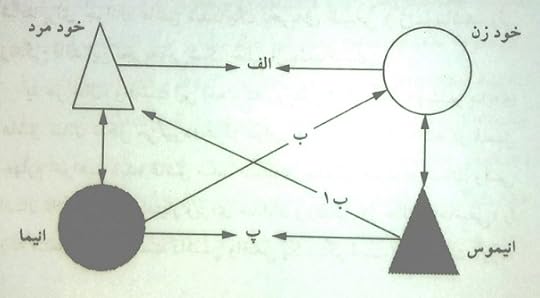
در رابطه میان زن و مرد معمولاً یکی نقش ظرف و دیگری نقش مظروف را می یابد. در این شکل رابطه اغلب ظرف، ظرفیت های بیشتری داشته و برخی از نیاز هایش در این رابطه دو طرفه بی پاسخ می مانند اما مظروف به طور کامل هر چه که می خواهد را در رابطه می یابد. شخصیت ظرف پیچیده تر از مظروف بوده و بدلیل نارضایتی پنهان ناشی از بی پاسخ ماندن برخی خواسته ها، سرریز لیبیدو-انرژی روانی- به سمت و سویی دیگر در مورد شخصیت ظرف، ناگزیر است.
از سوی دیگر شخصیت مظروف نیز هر چند به طور کامل از رابطه پاسخ می گیرد اما در لایه های ناخوداگاه روانش، از متزلزل بودن جایگاه خود در رابطه آگاه است. او می داند که طرف پیچیده تر رابطه بسیاری پرسش ها دارد که جوابش نزد او نیست. این ناامنی ناخوداگاه روانی، در بسیاری اوقات شخصیت مظروف را وا می دارد در جستجوی امنیت به سراغ روابط خارج از ازدواج رفته و خود، نقش ظرف را برای مظروف دیگری به عهده بگیرد.
اگر زن و مرد، کاملاً متناسب و برابر باشند ظرف یا مظروف یکی بوده و مشکلات فوق رخ نمی دهند اما این امر کم پیش می آید. شاید حالت بهینه این باشد که نقش ظرف و مظروف به تناوب میان دو سوی رابطه تغییر کند به عنوان مثال یکی از آن دو در بخش «عاطفی» ظرف بوده و دیگری در بخش «منطقی»؛ یکی در حوزه مسائل مالی ظرف رابطه باشد و دیگری در حوزه خانواده...تغییر نقش مداوم ظرف و مظروف به استحکام رابطه می افزاید و شانس دوام و بقای رابطه را افزایش می دهد در غیر این صورت رابطه ای که در آن نقش ظرف و مظروف کاملاً از هم تفکیک شده باشد، به دلیل فقدان همپوشانی، شانس کمتری برای بقا
دارد
Real love begins only when one person comes to know another for who he or she really is as a human being, and begins to like and care for that human being.
... A man can prevent the negative anima from having this destructive influence on him: by making her conscious… An attempt must then be made to withdraw the projection, that is, to understand that the attraction or fascination we feel for another person stems from the projected psychic content within us.
The dark, negative side of these inner figures becomes greater the more it is ignored. We help ourselves best when we turn toward the anima and animus, not away from them, and undergo a new psychological development that will take them into account… When a figure of the unconscious is denied, rejected, or ignored, it turns against us and shows its negative side. When it is accepted, understood, and related to, its positive side tends to appear… the anima contains the element of meaning. It is not that she has the answers; rather, she embodies within herself the secret of life, and helps a man discover it by leading him to a knowledge of his own soul.
For instance, when a man is anima possessed he may begin to give forth opinions instead of genuine thinking. It is as though the anima begins to talk right through him, and she expresses herself as through she had an animus, which means that she expresses opinions without regard to facts, relationship, or logic. When a man is in this state of mind he begins to argue in a peevish way, and his masculine objectivity is quite lost in a sea of emotionally toned and irrational opinions that prove resistant to reasonable discussion.
In primitive communities, many shamans were homosexual, and in our own day there are certain individuals with healing gifts who have such a homosexual disposition. On the negative side, they can be peevish, fickle in relationships, and oversensitive, which often makes long lasting, intimate relationships difficult.
...the animus is the master of opinions in a woman. He typically expresses himself in judgements, generalizations, critical statements, and apodic-tic assertions that do not come from a woman’s own process of thinking and feeling, but have been picked up from various authoritative sources, mother or father, books or articles, church or some other collective organization. It is the animus who is behind the autonomous, critical, and opinionated thought that intrudes into a woman’s consciousness. He thus represents inferior masculine logic…
We must not, however, think that the anima is “good.” The anima is neither good nor bad; she just is. She wants life, and so she seems to want both good and bad, or, rather, she is not concerned with these moral categories. That is why working with the anima is always a delicate matter. One can no more deliver oneself over to the anima lock stock and barrel than one can surrender the whole of oneself to any particular psychological functions or quality. It is also the anima who seems to arouse a man’s capacity for love. When we first fall in love we are flooded with powerful, life-giving emotions. This is why the anima can be best described poetically and not scientifically, dramatically and not concretely. Yet, as we have seen, a man’s relationship with her must develop beyond the mere sensation of falling or being in love, as he must come to perceive that the life-giving feminine soul is within himself. He cannot afford to let his anima live only in projection onto a woman, but most reach beyond this projection to search for the soul within himself.