A deeply moving and revealing chronicle, from one of the most prominent psychotherapists of our time, of working under wholly new circumstances, and the challenges and breakthroughs he's made as he takes on patients for one hour, one time only.
Facing memory loss at age 93, as well as the fallout from a global pandemic that moved much of daily life online, legendary psychotherapist and bestselling author Irvin Yalom was forced to vastly reconsider the shape of his sessions with patients. But rather than throw in the towel in the face of change, Dr. Yalom considered the limitations imposed by these new realities head on, and revolutionized his practice. Dr. Yalom wondered if perhaps his own practice could focus deeply on the work that could be achieved in a one-hour, one-time meeting between patient and practitioner—employing an even more concerted use of his "here and now" approach. As he began these one-time sessions, the beloved veteran therapist found himself freed to reach ever deeper places with new patients on a shortened timeline, without the buffer of future appointments. Working within new constraints, Dr. Yalom learned to build greater intimacy much faster than in traditional therapy—a gift of circumstance.
In Hour of the Heart, Yalom recounts some of these intense, life-changing consultations, exploring an array of human predicaments, and his own late-career development as a therapist. In recounting these consultations, he shows how a therapist's willingness to be open themselves helps the patient let down their own guard, leading to a deeper and more immediate connection—one necessary to achieve profound realizations in just sixty minutes. For Yalom, that vulnerability meant allowing himself to reveal details of his personal life, from his childhood in Washington, DC with immigrant parents, to the recent death of his wife, and questions about the work of psychotherapy in our lives outside the appointment.
Life is precious and our time together short. Hour of the Heart shows us how to relate to each other better in the moment, with more honesty and vulnerability. That hour of connection, occurring during a time of isolation and grief for so many, helped to sustain both patient and therapist, and enriched Yalom's vision of what psychotherapy can do. This transformative account of a new way of connecting and sharing is for all of us looking to build relationships with greater immediacy, authenticity, and openness—not only as patients and practitioners, but in every area of life.
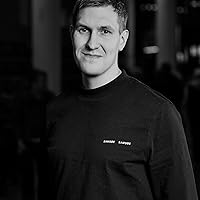
Irvin David Yalom, M.D., is an author of fiction and nonfiction, Emeritus Professor of Psychiatry at Stanford University, an existentialist, and accomplished psychotherapist.
Born in a Jewish family in Washington DC in 1931, he grew up in a poor ethnic area. Avoiding the perils of his neighborhood, he spent most of his childhood indoors, reading books. After graduating with a BA from George Washington University in 1952 and as a Doctor of Medicine from Boston University School of Medicine in 1956 he went on to complete his internship at Mount Sinai Hospital in New York and his residency at the Phipps Clinic of Johns Hopkins Hospital in Baltimore and completed his training in 1960. After two years of Army service at Tripler General Hospital in Honolulu, Yalom began his academic career at Stanford University. He was appointed to the faculty in 1963 and then promoted over the next several years and granted tenure in 1968. Soon after this period he made some of his most lasting contributions by teaching about group psychotherapy and developing his model of existential psychotherapy.
In addition to his scholarly, non-fiction writing, Yalom has produced a number of novels and also experimented with writing techniques. In Everyday Gets a Little Closer Yalom invited a patient to co-write about the experience of therapy. The book has two distinct voices which are looking at the same experience in alternating sections. Yalom's works have been used as collegiate textbooks and standard reading for psychology students. His new and unique view of the patient/client relationship has been added to curriculum in Psychology programs at such schools as John Jay College of Criminal Justice in New York City.
The American Psychiatric Association awarded Irvin Yalom the 2000 Oskar Pfister Award (for important contributions to religion and psychiatry).
Yalom has continued to maintain a part-time private practice and has authoried a number of video documentaries on theapeutic techniques. Yalom is also featured in the 2003 documentary Flight From Death, a film that investigates the relationship of human violence to fear of death, as related to subconscious influences.
Yalom has a unique way of navigating his inner thoughts while consulting with his patients to explore theirs.
I got on this interesting journey with each case and life story and felt fascinated by how sophisticated humans are, how our brains work in different yet so similar patterns, and how bravely people with horrific traumas struggle but don’t give up the hope and the fight.
Truly enjoyed reading this book. Yalom never disappoints.
Just finished the last pages while tears blurred my vision. How could Yalom write something so deep and moving at the age of 90-93? In this book, he talks about the one-time consultations he offered during COVID, as long-term therapy was no longer possible for him due to age and memory issues.
I was lucky to have one of these one-hour Zoom sessions with him, which changed my life and inspired me to take psychology as my new career. Reading this book has reminded me why that was the soo right choice. Yalom’s openness and honesty in therapy are rare and powerful. He shows how selfdisclosure, when used right, can strengthen the bond with a patient. I want to print out his mantra: “It’s the relationship that heals.” How important how less you face this in psychology field, where the therapists are the most scared of intimacy, in a relationship that intimacy is the key to treatment. Yalom again rejects the idea that a therapist should be a blank screen and instead believes in real human connection. Was so inspiring to see that trust can happen even in a one hour session or a bit longer.
DNF @ 32% این کتاب رو به چه کسانی پیشنهاد میکنم؟ ●افرادی که علاقمند به شخص یالوم هستند و کاراش رو دنبال میکنن ●افرادی که به رواندرمانگری علاقمندند و این کتاب میتونه براشون جالب باشه
در غیر این صورت من این کتاب رو مناسب مخاطب عام (از جمله خودم) نمیدونم.
The ‘pick me up’ I never even realized I needed. Once again, Yalom has worked his magic of bringing therapy to life with such beauty and profundity, in a way that only he can.
یه کتاب فوقالعاده زیبا و آموزنده از اروین یالوم که سطر به سطرش درس زندگیه. براساس روش درمانی اروین یالوم، مشکلات مطرحشده بیشتر حول محور مشکلات بینفردی، جدایی و نداشتن رابطه میگذره. اضطراب وجودی و مرگ هم از موضوعات مهم دیگه کتابهای یالومه. یالوم به علت کهولت سن که حافظهش مثل سابق نیست، تصمیم گرفته تکجلسههای درمانی برگزار میکنه که استقبال زیادی هم ازش شده و ازونجاییکه در یک جلسه امکان کنکاش کامل در گذشته فرد وجود نداره، رویکرد اینجا و اکنون رو در پیش گرفته. همچنین خودافشاگری روش دیگر یالوم و الگویی برای صمیمیت و آسیبپذیری است که باعث اعتماد ببمارش بشه. و صمیمت حاصل از این رویکرد در تکجلسات رواندرمانی باعث شده اسم کتاب ساعت دل گذاشته شه. در گفتههای یالوم غرق شدم. بسیار لذت بردم.
Ērvins Jaloms (93) – psihiatrs un psihoterapeits ar vairāk nekā 60 gadu pieredzi – sastopas ar atmiņas zudumu. Viņš saprot, ka vairs nespēj pieņemt regulārus pacientus, jo neatceras iepriekšējo vizīšu sarunas. Taču Covid-19 pandēmijas laikā, un reizē pārdzīvojot dziļas sēras par sievas Merilinas nāvi, viņam rodas ideja: vienreizēji seansi, kuros katram pacientam atvēlēta tikai viena stunda. Tā nav terapija ierastajā nozīmē, bet šī viena stunda var kļūt par spēcīgu pagrieziena punktu cilvēka dzīvē – un tieši tā arī notiek Jaloma pacientu pieredzē.
Man šī grāmata šķita patiesi aizkustinoša. Autora atklātība, ievainojamība un gatavība būt šeit un tagad savos 93 gados mani aizķēra līdz sirds dziļumiem. “Sirds stunda” ir grāmata, kas liek apstāties, padomāt un sajust – ļoti iedarbīgi.
Es negaidot saņēmu atbildes uz vairākiem zemapziņā uzdotiem jautājumiem. Šī grāmata paliks manā plauktā, jo tā atbildēja, ko darīt ar iekšējiem impulsiem, kas mudina spert soli, par kuru agrāk pat nebūtu domājusi. Tā apstiprināja manu pārliecību teikt labus vārdus citiem un iedrošināt apkārtējos. Tā mierināja, ka pat pasaulslaveni cilvēki var ciest no Viltvārža sindroma.
Ļoti, ļoti iesaku.
P.s. Mani gan nedaudz pārsteidza, cik daudz psihoterapeiti (Ērva klienti) cieš no problēmām.
"Gadu gaitā esmu iemācījies, ka nevajag skopoties ar uzslavām pacientiem, draugiem vai kolēģiem. Ja nu cilvēka iekšējo cīņu vērošana sešdesmit gadu garumā man kaut ko ir iemācījusi, tad to, ka pārliecināta un veiksmīga cilvēka āriene ne vienmēr atspoguļo to, kā viņš jūtas iekšēji. Jūs nekad nezināt, kuram ir izmisīgi nepieciešams dzirdēt apstiprinājumu vai sajust mīlestību" .
"Draudzība prasa darbu un dažreiz arī risku"
"Psihoterapija bieži kalpo kā vērtīgs ģenerālmēģinājums dzīvei, un psihoterapeits ir pacienta partneris šajā ģenerālmēģinājumā."
"Ja ir kaut kas, ko jums noteikti vajadzētu darīt, un dziļi sevī jūs to zināt, bet kaut kas neļauj to darīt - bailes, kauns, vecāku piekrišanas trūkums, finansiāli iemesli-, tas psoholoģiskā ziņā tas var būt ļoti smagi."
Vertinu šią knygą ne dėl techninių patarimų, teorinių įžvalgų ir net ne dėl trumpų express terapijos vinječių, o dėl atviro autoriaus dalinimosi, kaip jis gyvena su savo senėjimu. Atminties išbyrėjimas - tai... mąsčiau, kaip čia įmantriau parašyti, bet iš esmės man tai yra siaubas. Ir į šitą siaubą Yalomas žvelgia su atvirumu, smalsumu ir pasigėrėjimu, kiek net ir senstanti psichika visgi sugeba.
Puslapiai prisunkti gedulo - žmonos ir ankstesnio savęs. Atrodo, kad pacientų istorijos yra tik priemonė pasakoti apie save ir leisti skaitytojui trumpai paėjėti kartu - kaip jis sako, link kapo. Žvelgiant į knygą iš tokio kampo, čia tinka viskas, nėra, prie ko kabintis - tai jo procesas.
Žvelgiant iš teorinės ar praktinės perspektyvos - na, tai irgi jo procesas. Pagrįstas ilgamete patirtimi ir tyrinėjimais. Kiek tai universaliai pritaikoma - nežinau. Tik manau, kad čia ypatingai svarbi Yalomo akcentuota asmeninė psichoterapija, kurią psichoterapeutui dera lankyti tiek dėl asmeninio, tiek dėl profesinio augimo. Tik gerai save matydamas ir tinkamai savimi pasirūpinęs psichoterapeutas gali įvertinti, kada asmeninis atsivėrimas vertingas pacientui, o kada, kaip pasakytų psichodinamistai, tai yra išveika - t. y., vyksta iš nekantrumo, bejėgiškumo, per stipraus susitapatinimo ir pan. Tokiu kontraperkėlimu verčiau pasirūpinti kitais būdais, net nebūtinai nutolstant nuo "čia ir dabar".
What happens to mental health therapists when they begin to lose their short-term memories? If they're like well known psychotherapist Dr Irvin Yalom, they do what they do best. Adjust and compensate. Instead of long-term clients, he began offering a one-time 60 minute session, where they concentrate on the here and now. Lots to think about in this richly written book.
Simply excellent. “Acrobats of the heart” this is the quest to embrace the powerful approach of being receptive and responsive to the here and now of the therapeutic relationship. Which requires a change in the therapeutic approach in that the therapist too needs to be vulnerable with the patient. Wow! Found this book deeply moving, rarely listened with a dry eye. Thank you!
I can't even begin to express how beautiful this book was to read. Yalom has delved even further than before in his honesty and experience being a therapist, and a human. Truly a beautiful book on connection with others.
“I cannot imagine my life without helping others. What am I if not a therapist?”
This might be a sentence I’ve said a million times without knowing that the greatest therapist of our time felt the same way.
In his last book, written at the ripe age of 93, Yalom confronts the reality of having to give up the thing he loves most, doing therapy, as his cognitive abilities decline, and so soon after losing the other person he loved most, his wife.
Reading this felt like reading the last thoughts of an idol whose influence on my own therapeutic approach has been so strong that, after 10 years of studying psychology and psychotherapy in formal settings, I still find myself clinging to his teachings more than almost anything I’ve learned in school.
The thought that he may never write another book, depriving his younger colleagues (and the rest of the population) of that particular voice, fills me with grief. But more than anything, I feel incredibly lucky. To live in this crazy era and to have existed at the same time as Irvin Yalom, to have been able to encounter his thoughts on therapy while I was still developing my own, is truly a unique gift.
If I get to be even a tenth as inspiring and brave a therapist as he was, I’ll feel like I have led a good life.
Renowned (though I’d never heard of him) widowed psychologist is losing his memory but still loves seeing patients. His compromise is to see patients over zoom for a sole one hour session where he pretty much identifies issues and then refers to his colleagues. My initial reaction found this practice a bit arrogant — why not skip the middle step? — but I forged on. Interesting synopses of a number of these sessions, but then got a bit repetitive (and it’s not a long book!). IDK, I just also found the book self indulgent and self congratulatory in a humble brag kind of way.
His therapy apparently has an existential bent which piques my interest enough so that I will likely pick up one of his earlier works. I did notice that most of the rave reviews are diehard fans, and I wonder how much of this book benefited from the halo effect.
Not sure why, but I did find the fact that he recently got remarried very surprising….
Having read all of Yalom's previous titles, i had lofty expectations of this one.
Those well versed in his work may expect more of the same, long, detailed and empathetic reflections on work with clients, unfortunately, this one is distinctly different.
Owing to age, Irv reflects on single session work with clients & of course, this results in much less content to work with & boy does it show.
The chapters pass by very quickly & without any great moments that really grasp you, i would even say they are somewhat repetetive. Mr Yalom displays quite the ego in this book, i found that to be interesting.
Doctorul Yalom ne arată, la finalul carierei și vieții sale dedicate sprijinului oamenilor, ca doar în relații ne putem vindeca și ca nu exista ceva mai valoros decât conexiunea umană și intimitatea ce se poate naște între două ființe. Cred ca ultima sa carte este și favorita mea de la el, poate și pentru ca a ajuns la capătul unui drum lung și a acumulat atât de multă experiență. El e însă dovada vie ca omul are mereu de învățat și ca procesul de vindecare este o cursă lungă, nu un sprint. A trăi înseamnă a te descoperi și vindeca în relații.
İrvin Yalom; insan varoluşunun temel dinamikleri olan ölüm, yalnızlık ve hayata anlam verme gibi konularla yüzleşen bireylerin yaşadığı içsel çatışmalara odaklanan Varoluşçu Terapi müdahale yaklaşımıyla çalışmaktadır. 93 yaşındaki yazar, danışanların kendilerini daha iyi anlamalarına ve sorunlarına yönelik işlevsel çözüm yolları geliştirmelerine yardımcı olan uzun soluklu terapi süreçlerini her ne kadar etkili bulsa da, hafızasının eskisi kadar güçlü olmadığını fark ederek engin birikimini farklı bir biçimde aktarmaya karar verir. Bu nedenle, danışanlarıyla tek seanslık görüşmeler yapmayı seçer.
Kalp Saati, işte bu tek seanslardan oluşan 22 hikâyeyi bir araya getiren bir eser. Varoluşçu Terapinin özünü oluşturan insanlar arası bağ kurma, içtenlik, duygusal temas ve paylaşım kitapta merkezi bir yer tutuyor.
Hikâyelerde; yas süreci içinde çökkünlük ve yoğun öfke duyan Susan’dan, bağımlılık ve istismar geçmişinin gölgesinde geleceğe ümitle bakmakta zorlanan Julia’ya; bağ kurma ve duygu paylaşımı konusunda sınırlara sahip Sophia’dan, duygularını ifade etmekten rahatsız olan Christine’e; yetersizlik duygusuyla kabul ve değer arayışı içinde olan Paul’dan, takıntılı düşünceleriyle baş etmeye çalışan Maya’ya kadar pek çok farklı yaşam öyküsüne tanıklık ediyoruz. Kelimeleri ustalıkla kullanmasına rağmen bağ kurmakta zorlanan Alberto; çocuk yaşlardan itibaren otizm tanısı nedeniyle yoğun izolasyon yaşayan Margaret; ölüm korkusuyla yüzleşen Albert; çocukluk travmalarının yetişkinliğini nasıl şekillendirdiğini görmek istemeyen Antje; herkesin çözemediği sorunları çözen terapist Gene; sevgisiz bir çocuklukla büyümüş ve yakınlığa ihtiyaç duyan Sonja… Tüm bu vakalar, kitabın zengin ve insana ayna tutan içeriğini oluşturuyor.
Yalom, bu tek seansları anlatırken yalnızca danışanlarını değil, kendi iç dünyasını da cesurca ortaya koyuyor. Gittikçe zayıflayan zihinsel işlevleri, 2019’da kaybettiği eşine duyduğu derin özlem, seans esnasında hata olarak gördüğü davranışları, kendi hafızasına ve düşünme biçimine dair tereddütleri… Tüm bunlar, onun yıllarca geliştirdiği sezgilerle danışanlarını anlamaya çalışırken aynı zamanda kendisiyle de hesaplaştığını gösteriyor.
Samimi, duygusal, yer yer acıtan ama çok gerçek bir anlatımla kendi hatalarından çıkardığı dersleri paylaşması, Kalp Saatini okunmaya değer kılan en güçlü yönlerden biri.
Her ne kadar Bugünü Yaşama Arzusu ve Spinoza Problemi benim için yazarın favori kitapları olmaya devam etse de, Kalp Saati de aynı içtenlikle, aynı merak duygusuyla okuduğum ve gönül rahatlığıyla önerebileceğim bir kitap oldu.
Kalp Saati muhtemelen Irvin Yalom’un son kitabı çünkü artık kendisi 94 yaşında, derin hafıza problemleriyle uğraşan ve bize yıllarca kalemi vasıtasıyla bolca bilgi ve içtenlik akıtmış bir psikoterapist, felsefe meraklısı ve yazar.
Kalp Saati kitabında artık yaşadığı hafıza problemleri nedeniyle uzun sürekli terapi hizmeti verememesi nedeniyle insanlara verdiği 1 saatlik danışmanlık ve yönlendirme saatlerinde yaşadığı deneyimleri aktarıyor.
Ben şimdiye kadar hem kurgu hem de kurgu dışı bolca Irvin Yalom kitabı okudum, özellikle de danışanların deneyimlerini aktardığı kitapları bir ayrı severim çünkü bazı vakalarda tam da sanki bir ayna gibi orada oturanın, anlatanın ve şifa arayanın kendim olduğunu hissederim. İnsan kendi hayatında deneyimlediği zorlu hislerin ve beklenmedik dik yokuşların başkalarının hayatında da olduğunu bilmekten dolayı ayrı bir paydaşlık hissediyor. Üzerine bir de Irvin Yalom’un sıcak ve insanı derinden anlayan yaklaşımı da devreye girince daha da güzel bir okuma keyfi oluyor.
Beklentisizlikle, sadece içten bir kalem okumak isteyenlere tavsiye edebilirim.
Ayrıca Irvin Yalom ile Doğan Cüceloğlu’nun tarzını, insana olan içten yaklaşımını birbirine hep çok benzetmişimdir ama maalesef Doğan Hocamız aramızdan erken ayrıldı, mekanı şen olsun 🙏
Yalom manages to provide readers with yet another layer of authenticity in which we have yet to discover. As an example, at some point in his consultative stories, he quite literally switches positions with his patients which make for a more enriching here-in-now experience. Thank you Dr. Yalom for continuing to push us towards examining our lives and living authentically!
An absolute pleasure to read, I still maintain that Irvin Yalom is the best writer I’ve ever read with his elegant use of language that appears simple and natural at first glance but allows for exploring deep and complex ideas. This book made me reflect on the the human desire of closeness and intimacy, and makes me want to be more honest and open in the future, after hearing how so many people’s suffering is a result of a lack of connection. From hearing Irvin’s own thoughts and how they were expressed when working with patients, I also reflected on how a therapist has to have a deep understanding of of their own mind and unconscious beliefs and biases in order to prevent them from interfering with therapy.
Addendum after 2nd time reading: Excellent textbook on the boundary of self disclosure, where it can be great and where it can go wrong. Ending was simply haunting.
“This need for connection to ease the existential concerns has certainly been true for me, brought into sharp focus after my wife of sixty-five years, Marilyn, died in 2019. COVID appeared just months later, and I spent much of the following three years, the time frame of this book, in heavy isolation. Add to that the fact that I had entered serious old man territory. Nearly all of my friends and colleagues had passed away, or seemed to be doing so as quickly as possible. Living to a ripe old age, while maybe better than the alternative, has its drawbacks.”
“To be an effective therapist you must both understand the experience of therapy from the patient’s perspective and get to know yourself extremely well. This last piece is critical to working in the here and now, because you need great awareness of your own perceptions and biases. During the session, a good therapist is reading the interaction and making careful notes of the emotional responses they are having to the patient. If, for instance, I find myself getting frustrated at a patient’s evasiveness, as I had with Sophia of the first dates, I need to recognize that I’m having this frustration immediately, rather than sinking into the emotion without awareness, as one usually does. My frustration indicates something critical about the interaction we’re having, in this case that Sophia’s refusal to open up was off-putting to me and, by extension, likely to others she encountered. If the therapist has blind spots about themselves, then those emotional responses will not be reliable indicators of how others would generally respond, and the idea of therapy as social microcosm falls apart.”
“We all have unconscious biases and neuroses that might make our perceptions less reliable, and more fraught with potential countertransference. Knowing oneself as deeply as possible is essential, and exploring one’s faults, strengths, and dark corners as a therapy patient is the best way I know of honing one’s perceptions in service of providing one’s patients the most effective therapy.”
“Then a very odd thing happened. As I continued looking at Elsa’s face, I experienced a strong rush of warmth toward her. I did not recognize her, nor did I feel a flood of memories return from our session. But I felt intense positive emotion, a keen desire to be helpful, and a powerful sense of protectiveness. Though I could recall almost no explicit details of my previous meetings with Elsa, the implicit warm feelings that I had toward her were obviously very much alive and well preserved somewhere in my mind. Of course I often have positive feelings toward my patients, and meeting with them generally brings me pleasure. But this potent wave of emotion was quite different, almost as if my emotional system were compensating for my lack of conscious awareness. It was surprising, and briefly disorienting in a pleasant way. How odd, to feel so strongly toward someone with no recollection as to why!”
“I am reminded of the important fact that therapists have many patients, while patients have only one therapist. This is an inherent inequality, which can sometimes be used to the benefit of the therapy—that is we want to be important in the patient’s mind, so that our words and the experiences we share in therapy can have a powerful transformative impact. On the other hand, imagine the potential damage for someone who, placing great importance on the approval of their therapist, finds themselves completely forgotten.”
“In Maya’s case, I resorted to a very direct confrontation, whereas generally it is far more effective to lead patients toward making these discoveries for themselves. As therapists we lay out possibilities and ask thought-provoking questions that often cause patients to consider how they are living, whether their actions align with their values, and whether their beliefs are serving them well, understanding all along that deep change has to come from within. There is a difficult irony here because patients usually come to therapy in significant distress. What they want in that state, by and large, is a solution to the suffering they are experiencing, whether the problem appears to be external or internal. And this solution, they often imagine, is advice about what to do. But again, real change needs to come from the patient reconsidering their own tendencies and making a shift rather than being told what to do in a given situation. Almost always there is a lot less utility in my telling someone what to do rather than helping them overcome whatever internal obstacles they have so they can reach their own conclusions that better align with their deeper values.”
“ I have long believed that therapists are most effective when we offer ourselves to our patients as fellow travelers, human beings who must also suffer the slings and arrows and other indignities of being alive.”
“One type of self-disclosure is absolutely central to my here-and-now work: being deeply honest as to how I feel about a patient in the immediate present. I don’t blurt out my feelings indiscriminately, of course, but rather use these as my main source of data and carefully consider how I can best employ this information to the patient’s benefit. For example, if a patient appears to be withholding something, I ask about that; if they are being combative, or flirtatious, or childish, I let them know in the most useful way I can that this is what I am receiving from them.”
“Most often this existential fear is buried in the subconscious and manifests in many other ways, often reluctance to engage fully in life—for if one never really lives, one has no real life to lose!—or, conversely, efforts to thumb one’s nose at mortality through death-defying feats like skydiving or constantly seeking the excitement of sexual union.”
“Most important is this: as Marilyn’s illness progressed, we agreed over and over that we had few regrets about how we had lived our lives. In fact, even now, I can almost hear her saying, ‘The death of an eighty-seven-year-old woman, who lived her life fully, who had four wonderful children and a loving husband always by her side, is not a tragedy.”
“She didn’t know what anxiety was, and she grew up calm, graceful, and self-assured. I, on the other hand, have been plagued by anxiety throughout my life, a constant, dreadful companion that I’ve never been able to fully shake. ”
“Sharing of oneself—one’s vulnerability, one’s compassion, one’s humanity—and encouraging the patient to do the same may not be the only way to achieve this, but it certainly is what works best for me.”
“Oh Sonja! It struck me that she had no close relationships, and perhaps had never had any in her entire life. Even the most self-sufficient people need close relationships. I knew what I had to do. I had to help her understand what it is to share deeply with another person, to know what is possible, so she might become able to create it elsewhere in her life. Therapy often serves as a valuable dress rehearsal for life, with the therapist serving as a rehearsal mate. With this goal in mind, I wanted Sonja to experience intimacy.”
“Among the things therapists can impact, by far the most important is the therapeutic alliance, the relationship between the therapist and patient. This accounts for 30 to 50 percent of therapy’s success or failure. Beyond these two, the particular type of therapy and the particular therapist’s skill split up the scant remaining 10 to 20 percent.”
“His work has been being in caring, intimate relationship with patients, and together using that closeness to examine the big issues of what it means to be human. He has written eloquently about his approach in many books, but the specific mechanisms are less important than the goals. Ultimately his is a therapy of human connection, of letting others matter to us deeply, of seeking meaning and sharing ourselves in the richest and most useful ways possible. Let us take this legacy and strive to encounter one another truly—therapists, patients, fellow humans—in all of our rich, flawed complexity.”
Reilu ysikymppinen Irvin Yalom kärsii dementiasta. Muisti on alkanut pätkimään niin paljon, että pitkäkestoisesta terapiatyöstä ei tule oikein mitään, asiakkaat ja tarinat kerkeää unohtua.
Intohimoisena omalle työlleen Yalom alkaa tekemään jotain alallaan poikkeuksellista. Hän pitää yhden tunnin ”konsultaatioita”, koska sen aikaa hän pystyy muistamaan.
Ja ennenkaikkea kohtaamaan ja olemaan läsnä.
Kirja on samaan aikaan sanomattoman sympaattinen ja silti ravisuttavan oivaltava. Vielä yli 90 vuotiaana dementikkona Irvin onnistuu tarjoilemaan ajatuksia jotka muutti minun näkemystä psykologin työstä. Edelleen. Usean hänen kirjan jälkeen.
Teos on kohtaamisen ja yhteyden rakentamisen ylistys ilman pseudofilosofista höttöaforismeilua. Irvin näyttää miten homma hoidetaan kotiin, oppii itse matkan varrella ja antaa selkeitä käytännön vinkkejä ammattilaiselle.
Samalla on kiinnostava päästä vaikeutuvan dementikon pään sisälle ja kohdata rappeutuva maailma hänen perspektiivissään.
Jotenki koko asetelma kirjan alussa tuntuu älyttömältä. Olen aidosti hämmästynyt, kuinka hyvän kirjan Irvin ja poikansa onnistuivat kirjoittamaan näistä lähtökohdista. Ehdottomasti yhden hänen parhaistaan.
خب این سومین کتابی بود که با دختر عمه ام میخوندم به جرات میتونم بگم ضعیف ترین کتابی بود که از یالوم خوندم. خیلی پراکنده و خیلی سطحی بود. بنظرم بهتر بود چاپ نمیشد. ولی خب شاید چاپ شده بود تا ما پیری و فراموشی یه شخصیتی که خیلی متفکر بوده رو هم ببینیم و یادمون نره که ته زندگی تا اگه خوش شانس باشیم و اندازه یالوم زنده بمونیم اینه. یعنی همش هیچه. پس هیچ برای هیچ در هم مپیچ.
Este o carte minunată cu care să îți începi anul și lecturile. Ideea centrală este aceea că "relația este cea care vindecă" . Apoi abordarea "tehnicii" "aici și acum" ofera o perspectivă bogată, prin extensie, asupra modului de a ne trăi conștient și cu sens fiecare moment al existenței, chiar și cele banale și rutiniere care compun cea mai mare parte a trecerii noastre.
I chewed through this book so quickly. Beautiful moving read and inspiring to think about therapy modalities I haven’t previously known much about. This was my first encounter with Irvin Yalom but I’ll definitely be seeking out more of his books now – particularly his and Marilyn’s (his late wife) co-wrote book: A matter of death and life.
Интересна е с това, че показва какво може да постигне терапевт в еднократни едночасови сесии, както и с размислите на Ялом за края на живота му и изобретателността и волята, които демонстрира. 3.5 ✨